Controlling Demons to Try to Destroy the Trump Administration: The Lesser Key of Solomon

Among many things, I am an expert on the occult, not a practitioner.  Long before the established religions we have today, there was a cult of planet worshippers who sought the help of supernatural aid frequently, and they had sacrificial cultures designed to appease them.  I don’t even pray to God for myself, let alone conduct magic ceremonies.  I see those types of people as weak and diabolical.  I have written a lot about the evil of Aleister Crowley and Jack Parsons, one of the founders of NASA, and they believed in the help of supernatural aid to help them accomplish their desired tasks, and they were often successful.  When you study the Bible, there is a lot of communication with spirits, angels, and demons to help with earthly desires, so we should not assume that all that desire went away. Instead, I would say that the desire to have relationships with entities outside our terrestrial boundaries is as intense as ever.  If you’ve ever been to the Denver International Airport, you will start to get a good sense of it, and as is predictable, Democrat politics has festered into that specific area purposefully.  Like with Aleister Crowley and the Denver Airport, Masonic lodges are part of the story, and of course, with them, we are talking about their reverence for the ancient builders of King Solomon’s Temple, and specifically Hiram Aboff, of Tyre, who was said to be the architect of the famous temple.  And this is where I think we have to think about these supernatural entities when we ask the question about why so many evil things are happening now against the Trump administration, such as terrorist attacks, airplane accidents, and political upheaval.  To understand all those motivations, I think you can look to a simple book such as The Lesser Key of Solomon and remind yourself that many thousands of people turn to books like that in an attempt to conduct the armies of darkness against the forces of good and that many are putting curses on the Trump administration as we speak, to stop him.


This is a very ancient practice passed down over a very long period of time

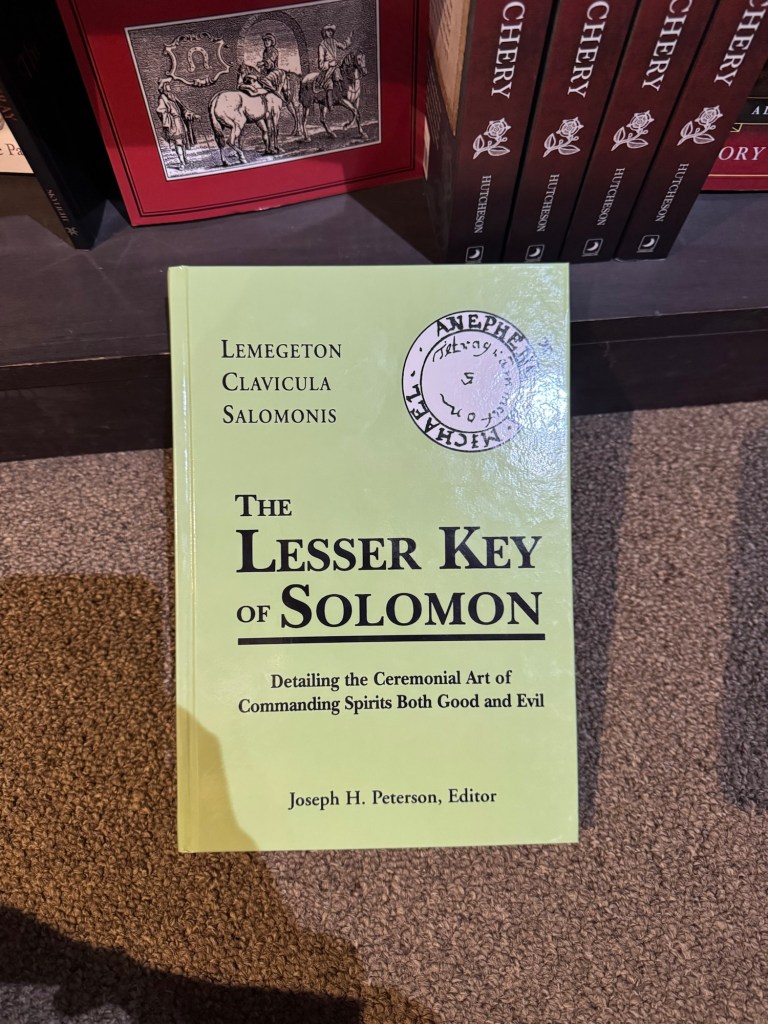
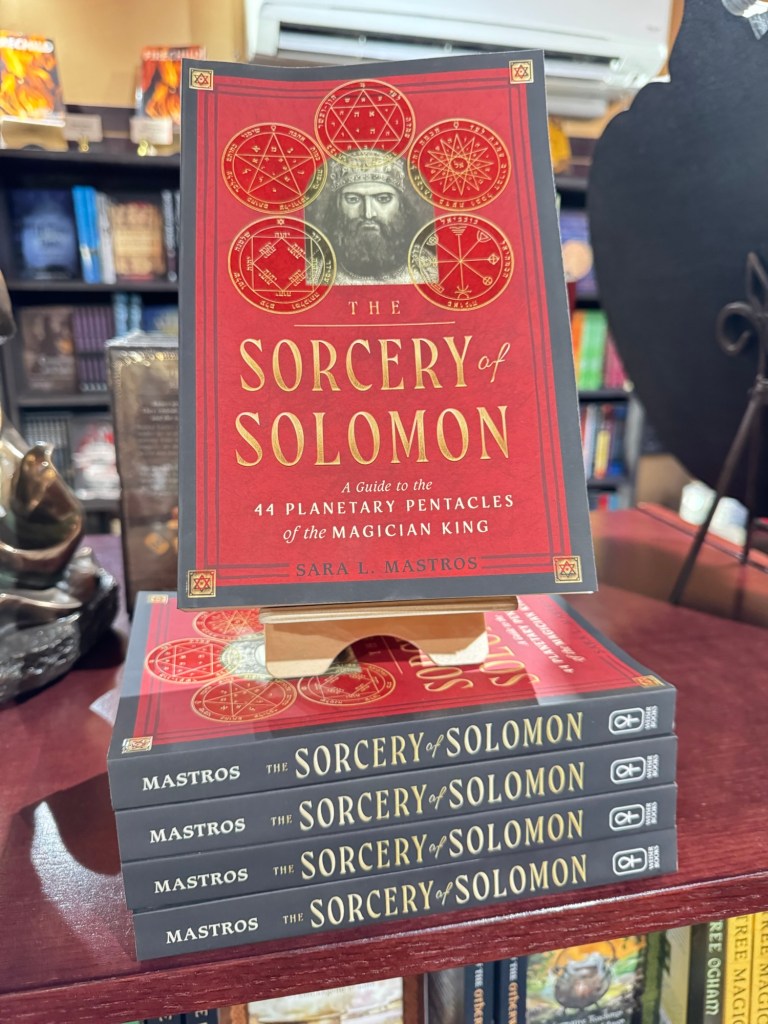
Speaking of curses, just because someone intends harm on you, even from the spirit world, doesn’t mean they will succeed.  Take me, for example. I am speaking to you after four decades of ill intentions cast upon me by almost every malicious character you can imagine.  So, there are always countermeasures.  And I have studied the world’s occult practices to understand the enemy’s weapons.  But I would never use them myself.  To me, asking for help from anybody or anything is weak.  I don’t even ask for directions to a gas station from GPS.  So witchcraft or practicing magic is off the table.  I see them as just as foolish as ancient practices of demonic appeasement with human sacrifice.  But with all that said, my daughters were traveling recently and found themselves in Salem, Massachusetts, which is covered with reverence for witches and all those who think Harry Potter sorcery are a good idea.  They were in an excellent bookstore filled with books on the occult, so they took a picture and sent me an extensive sampling, asking if I wanted any of them while they were there.  I spotted one that I have had my eye on for a long time: The Lesser Key of Solomon, edited by Joseph H. Peterson.  I have read different versions of that book, allegedly written by King Solomon himself and transferred through time to the present through oral traditions and esoteric references.  So they picked it up for me, and it is quite an interesting book, to say the least.

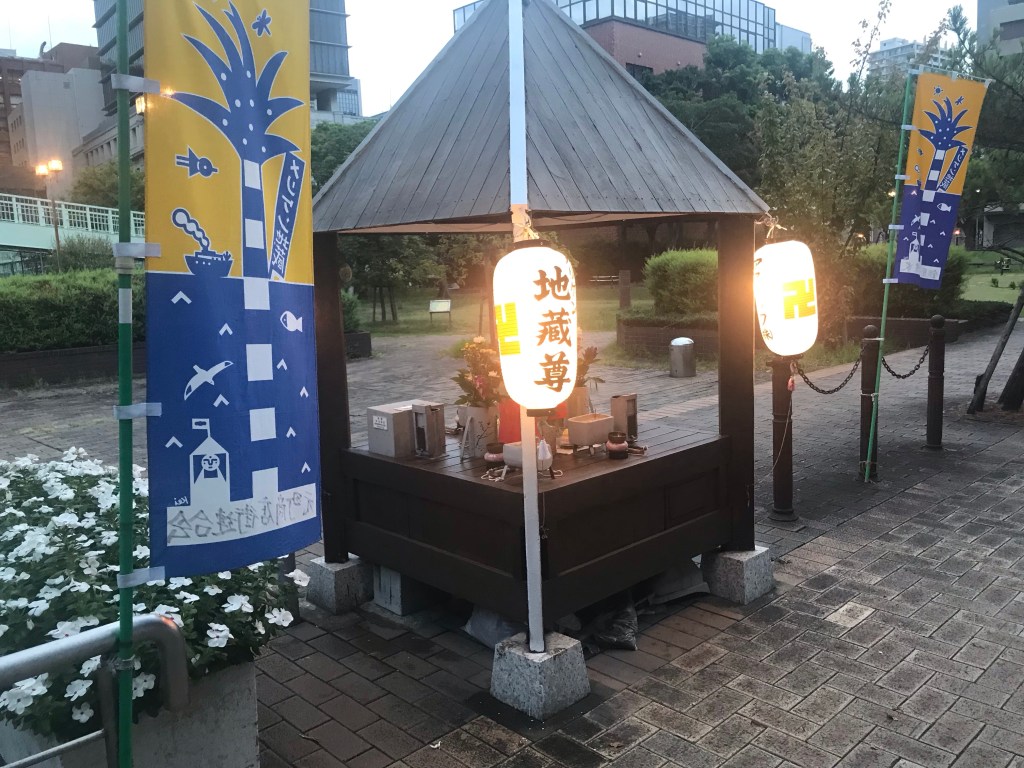
I am working on a line of thought that I have on the Kofun tombs of Japan and how they connect to the empire of King Solomon.  These tombs are all over Osaka. I have seen them by the hundreds, and I think Solomon’s influence ended there at the Pacific Ocean along the Silk Road in ways that nobody has adequately studied or understood.  In Japan, they communicate with good and evil spirits all the time, on just about every street corner, and they call these spirits kami.  In Islam, they call them jinn.  In Western cultures, we call them angels and demons.  In Japan, it always amazes me how people openly seek to appease these spirits and help them in some way or another with incense and prayer.  So I think The Lesser Key of Solomon is one of the reasons that they built all those kofun tombs in the shape of a keyhole, as a way to lock away the people buried there from the evil menace of a hostile spirit world that might harass them in death.  You might recall, dear reader, that the story goes from the Apocrypha text removed from the Bible called The Testament of Solomon, for which The Lesser Key is an extension, that King Solomon was given by God a ring that could seal away demons and actually employed them to his wishes.  It’s an old take on the Arabian Nights stories of the Genie.  The story goes that Solomon captured all these demons to help him build King Solomon’s temple which is why Master Masons and people were so inclined to seek The Lesser Key of Solomon so that they could also command spirits like King Solomon did to build the temple and conduct his business of an empire that extended far away from ancient Israel.  That’s how Aleister Crowley and many like him from the occult practitioner sciences that predate the Hebrew people by many thousands of years get involved in all this demon worship by trying to command spirits as Solomon did for the perpetuation of some terrestrial cause. 
The critical point to remember here is not the conduct of morality attached to discussions like this but understanding the intent.  There are many people in the world, especially practicing Democrats, who seek supernatural aid to help them achieve some political cause.  And the demon world is hectic trying to grant their requests.  And I can assure everyone that all over Washington D.C., wannabe witches, and occult practitioners are trying to put a curse on everything that the Trump administration tries to touch.  So when we see all the crazy stuff in the news and wonder why so many people are doing so many bad things, it’s not always the CIA conducting some coup attempt or the FBI trying to do the same to keep Kash Patel from becoming their boss.  It goes even deeper than that to why people think what they do and how those thoughts pop into their minds.  To deal with this occult menace, we have to admit that it exists in the first place, which many are reluctant to do.  But when I see the kind of news stories that have been common since Trump was elected, I see occult attempts to stop the political tide that so many desire.  But many scandalous characters are seeking the aid of the spirit world to overthrow our political order with a lot of personal investment.  And I think it will get much worse. Yet that doesn’t mean that all these evil intentions will be successful.  All it does mean is that we must look at where the problems are and see the threats for what they truly are.  And not illusively of their origins.  And fight those fights at the doorstep of the enemy. 
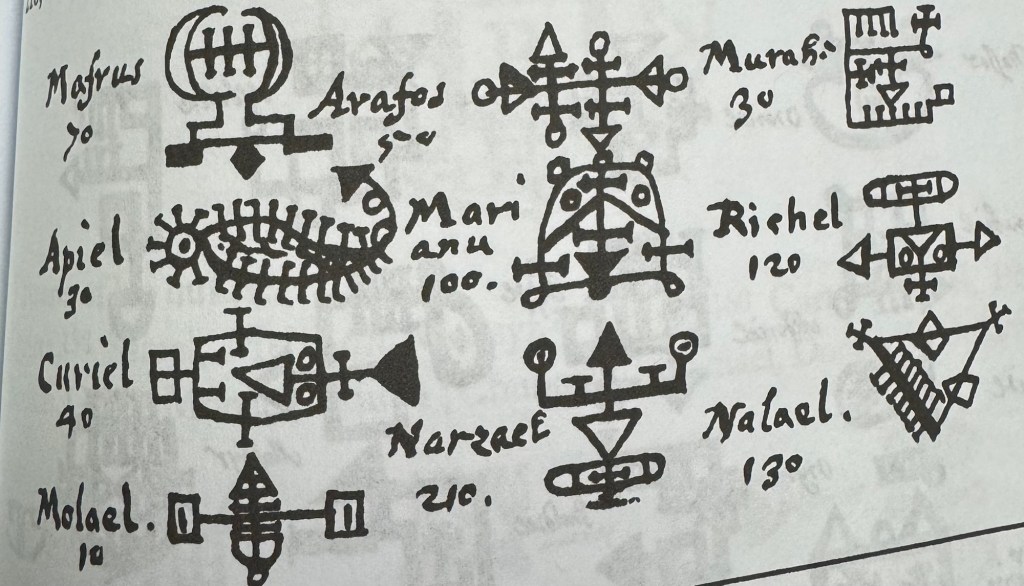
What amazes me about all these images is that they look so much like Indian art, crop circles, and ancient mound construction

Rich Hoffman

Click Here to Protect Yourself with Second Call Defense https://www.secondcalldefense.org/?affiliate=20707

Starting Wars to Control People: It was always the global strategy by secret societies like the Skull and Bones

It’s been a dirty little secret for a long time, but it has been going on since the dawn of human civilization, and we are seeing it come to an end here in 2024.  And that is the strategy of starting wars to control mass society.  Most recently, the example of the secret society, the Skull and Bones at Yale University, is to produce political figures who would keep that trend going to maintain an aristocracy of globalism for which people like John Kerry and the Bushes would support as they moved into political positions.  This is why those forces are in a rush to start more war ahead of President Trump’s next term, because after he’s back in office, there won’t be any tolerance for it.  It’s also why the Deep State fought so hard to get rid of Trump the first time, spending eight years doing everything they could do to pound him out of existence and to ensure that civilian control over the American government would never happen again.  Yet it did, and now the panic is viperous.  Few know it because it is a secret society, but in the lobby of the Skull and Bones building is the word “War” written on the wall as their foundational concept, and it’s how they always planned to rule.  These people never had a desire for world peace.  War was what they used to grab power as a Deep State and to use that power to stay in control.  When we say Deep State, as in the case of the Skull and Bones, it’s the desire to run a government that is beyond the civilian elected government.  Any notation of control that the Skull and Bones have about their role in government is unconstitutional. 

Just as the Bohemian Grove people believe on the West Coast, the idea of a secret society to mold the next generation through hazing rituals to rule in the background was only going to be possible if they gained the ability to start a war in one region, then to push for peace in another.  For instance, consider the protests of the Vietnam War that have had so much documentary evidence to review.  On the one hand, the Deep Staters would push for the expansion of communism into South East China by using war first against Japan to soften up the Chinese to communist attack from the north flowing out of Russia.  Then the sad bell boy, Ho Chi Minh from the Treaty of Versailles monstrosity, poised and angry at the French occupation of their homeland in Vietnam, adopted communism as their calling cry to freedom.  Americans were called into the war by the same globalists who started the war to provoke war protests then and usher in the hippie movement that had communist foundations to open the door in the West for such thinking on America’s college campuses.  None would have happened without the pressure of war to drive social change.  The war wasn’t about freedom in Vietnam; it was about bringing down the West in the same way that communism brought down China.  And China was being built to become the first state of globalism, meant to do the same to the rest of the world, which we see happening today.  China, the creation of the globalist one-world order threatening the world financially and structurally, pushed everyone into communism so that centralized governments could control everything in the background.  Trump was the first Republican to call the bluff card on this mess during his first term when he started putting an end to all these phony wars, especially regarding North Korea.

North Korea was built to be a sympathetic target to draw attention away from China.  As pretty much a useless threat to the world, they would launch their empty missiles out and over the Sea of Japan routinely, as the media would report the antics frantically to the world, hoping to provoke public reaction toward animosity toward the ruler, Kim Jong Un.  And who could forgive what the North Koreans did to the young man from Cincinnati, Otto Warmbier, who was tortured ruthlessly?  Fortunately, Trump saw through all these strategies and ignored the warnings of how dangerous Kim Jong Un was, and reached across the border to shake the young man’s hand and develop a friendship.  Left to their own devices, most people will do terrible things to each other, such as what happened to Otto Warmbier.  And that is actually how the Deep State recruits their people out of organizations like the Skull and Bones, with embarrassing sexual confessions meant to bond members for life, to use the deceitful nature of other human beings to mask their true intentions of a global aristocracy.  Those same rules apply to global politics, and nobody was ever supposed to give a member of the Axis of Evil, as George W. Bush always said of North Korea, a chance to be redeeming.  But what Trump exposed was the phony threat North Korea was to the war, provoking the Deep State to come after him even more vigorously and to attempt to inspire assassination attempts on Trump’s life, just as they did with President Kennedy.  All this mess started with these secret society members, such as Yale’s Skull and Bones, entering politics and bringing with them the philosophy of war to instigate trouble around the world so that they could be the firefighters to put out the fire they started themselves, which was certainly the case over oil in the Middle East.  All while ignoring the massive amounts of oil that were always in the United States and could have killed the enemy with competition and capitalism if they wanted to, and saved many lives and the dismemberment of innocent people.

This brings us to the ending of the Ukraine war, which was phony from day one.  When that war started, provoked by the Biden crime family for many reasons that only helped the Deep State maintain political control over the world, anybody who was flying a Ukrainian flag in the United States was seen as a fool.  People were catching on to this silly game and wanted an end to it.  The Deep State plan was to push Vladimir Putin into a war where he would lose and become the next China, just as Japan had forced China into a weakened position.  With Russia, the attack was to destroy it as a sovereign country.  And the same Deep Staters were trying to convince people that Putin had put Trump in office and that all of them needed to be removed to have a good world.  But the Deep State, run by these secret society losers, went too far, and this process of Trump exposing it shattered the illusion of self-government.  In a somewhat honest election, Trump was re-elected to the White House, and all the wars around the world that had been brewing are suddenly going to have cold water thrown on them all.  And that’s how the Deep State gets destroyed because the only real power they had was just as the Skull and Bones people had, through secrecy and mutual dirty laundry on each other to bond them to villainy.  And start wars to drive the political narrative, allowing them to gain control.  It was a game that suddenly ended in 2024 for the first time in human history.  Secret societies were dedicated to these war-like causes long before the Skull and Bones people came along.  However, this trend extends back to all known times, and it only ended when Trump went back to the White House, backed by a government of people who had expressed control over their government for the first time.

Rich Hoffman

Click Here to Protect Yourself with Second Call Defense https://www.secondcalldefense.org/?affiliate=20707

The Politics of Heaven: Why BlackRock is producing assassins trying to kill President Trump

After this election, I am seriously considering writing another book begging me to write it. I think about it all the time. It’s called The Politics of Heaven because I believe people need to understand the impact of a Divine Council on our lives and the purpose of humanity’s creation, to begin with, about a more prominent political structure that falls well outside our terrestrial appraisals.  I feel uniquely positioned to discuss that matter because it has always been war, and our role in it is essential relative to the strategies of Heaven and God’s plight as a universal force of good.  But God has challengers, and our political system reflects this battle on many dimensional planes of reality across time and space, and our religions, I think, get only a tiny fraction of an understanding of its expanse. But whenever divine providence shows itself on a mass scale, such as this assassination attempt against President Trump, it provokes my thoughts in that direction.  I think people could use some context that goes further than the faith of religion.  But God’s hand is the only scientific explanation for all these close calls President Trump has survived.  But who is causing all the trouble?  It’s not enough to say that it is Satan; we need to understand the politics of why there are so many rebels trying to destroy God and his kingdom, and the creation on earth as it is in Heaven, America as its best representative of that political order in four-dimensional existence, our length, width, height and time which our five basic senses are built from.

I have some relationship with divine providence, which is reflected well in the Bible, especially the Old Testament; when God tells the Hebrew people to go forth and take the land of Canaan, he expects them to trust him.  Instead, the first time, they cowered in fear because the spies saw giants occupying the land, and they shied away in fear only to be punished for forty more years in the wilderness.  I have experienced this same kind of thing, but I never shy away.  I never have.  When things look terrible and impossible, I do things anyway, and miraculously, the people who swear to kill me or destroy my life in all the ways that human beings can or want to end up dying of heart attacks.  After a long life of this kind of thing, I am no longer surprised by the phone calls telling me that so-and-so died last night of a heart attack when, in fact, they had made themselves my sworn enemies.  God works in mysterious ways, so I want to write a book about it.  It’s something I thought of while traveling in Japan, where the Shinto religion constantly seeks to appease the kami spirits that aggressively permeate their culture.  In our own culture of America, we have best contemplated the efforts of these evil spirits in our lives by putting our minds to Satan and five demonic spirits that assist him on the Divine Council in their rebellion against God and all creation—which we see as the Democrats pursuing globalism on Earth to destroy God’s people and the creation of them for the perpetuation of that Heavenly political order on earth by its enemies that Satan has sworn to kill in retaliation of God from the very first moment that the Garden of Eden was created and people put in it.  In Japan, the kami are as common as you and I and are a part of their everyday culture.  Which we have chosen to ignore in the West, and perhaps we shouldn’t, where the Bible is our best guide through that political territory that extends well beyond terrestrial politics.

I think all this can be explained in quantum mechanics, and to review what I’ve said before about the CIA paper on The Gateway Project, where people can be manipulated through remote viewing, the past and future can be seen and tampered with, and the basic concept that our entire reality is something like the Matrix that is the product of a massive program, and that reality isn’t reality at all.  I think that is all perspective and that life permeates all dimensional planes of reality, so what that paper is talking about is reality from a particular perspective, which is relevant to that dimension, but not all of them.  And we get hints of this perspective in the story of Job in the Bible, where Satan provokes God to bring great misery to a loyal servant.  God isn’t always in charge the way they teach us in Sunday school as a king and overlord of the universe.  He has political personalities that are always trying to destroy his creation.  Satan is the character that sits on God’s Divine Council of the Elohim and causes all kinds of problems that have been recorded in our various myths and religious chronicles.  And it is there that things start to make sense where they don’t otherwise because no human beings on earth could coordinate some of the events we are witnessing unless you consider more dimensional influences in the context of eternity and its political motivations. 

To this second attempted killing of President Trump on his golf course in Florida, I think the only explanation that makes sense as to the connection between that assassination attempt and the other one in Butler, Pennsylvania, is BlackRock.  It’s not an accident that participants in BlackRock commercials were motivated to kill Trump during the climax of our election season.  That has an occult root cause instead of a terrestrial motivation to our standard forms of conduct.  And yes, when you have someone like Larry Fink, who owns BlackRock, Bill Gates, who ran Microsoft, or George Soros, who behaves like the Satan character from the Bible of Western civilization, you start to see how some of the demons who serve Satan behave.  And that has provoked a lot of talk in our culture about who they are by some of our most contemplative religious minds.  And those demons manipulating large companies like BlackRock through their ownership as single-point contacts are the classics from the time we have managed to name.  I think many thousands of these characters are always working in the background, but to name a few, we know Baal from the Bible.  Much of what we see in our politics, especially in what the Palestinians are always up to, you can see the fingerprints of Baal all over them.  For context on globalism, remember there are tributes to Baal in New York City and London, England, that are fresh and at the heart of all globalism.  That is their God of reference, known as one of the critical rebels against God and his creation—the human race.  Three more demons, Leviathan, the Spirit of Lilith, and Asmodeus, are advocates of homosexual lifestyles and are openly seeking to destroy the human race of God’s design by altering the value of sex and reproduction, which we see the effects everywhere we look these days.  Those demons are attached direction to the odd obsession that Democrats and other globalists have for abortion.  Then there is the classic Baphomet, the Knights Templer character passed down through many of the Masonic temples as the embodiment of the Devil.  It’s the character they talk about in Motley Crue songs and thousands of other references.  Baphomet is all about the sacrificing of children, which is the ultimate spitting in the face of God that you can get.  And that war is clearly at play presently in our politics.  To understand the evil at work looming perpetually in the background, you must understand these characters working against God and who their human contacts are in our earthly realm.  Once you know that, you can understand the motivations of BlackRock, Larry Fink, and the World Economic Forum.  And why they are trying to kill and destroy President Trump at every turn and the rest of us with their political antagonisms.  Their efforts go well beyond our lives here and now.  But extend into eternity, where The Politics of Heaven is well underway in ways we are just beginning to understand. 

Rich Hoffman

Click Here to Protect Yourself with Second Call Defense https://www.secondcalldefense.org/?affiliate=20707
Kimonos in Japan: If America wants to be Great Again, perhaps we should dress for that greatness

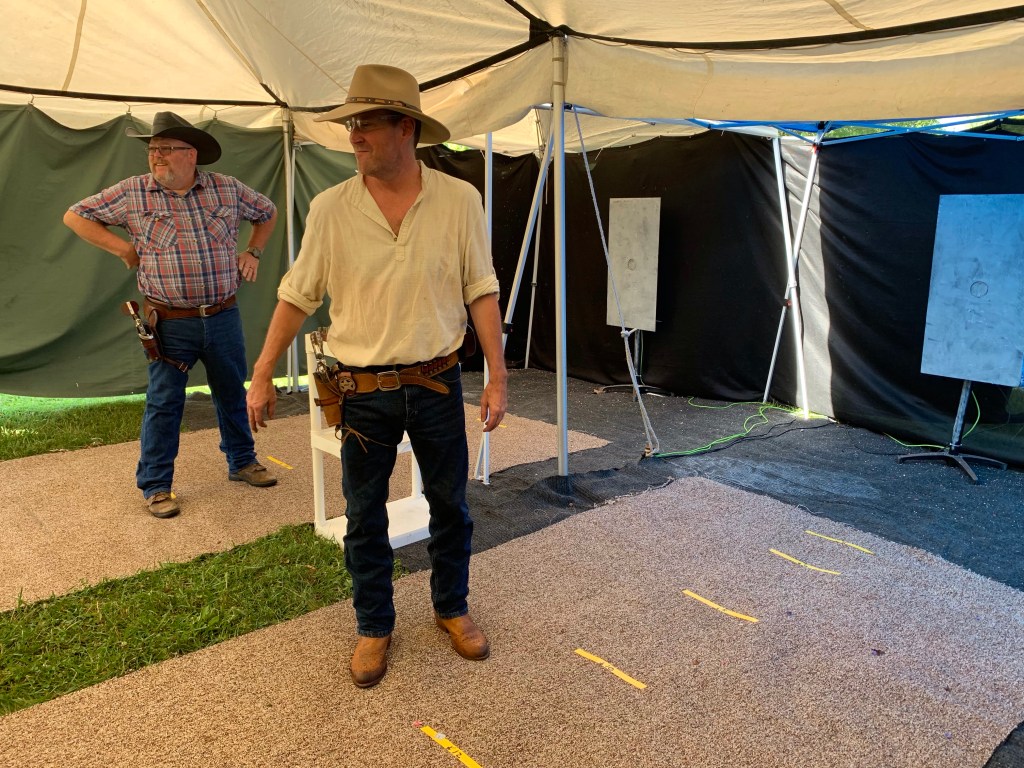
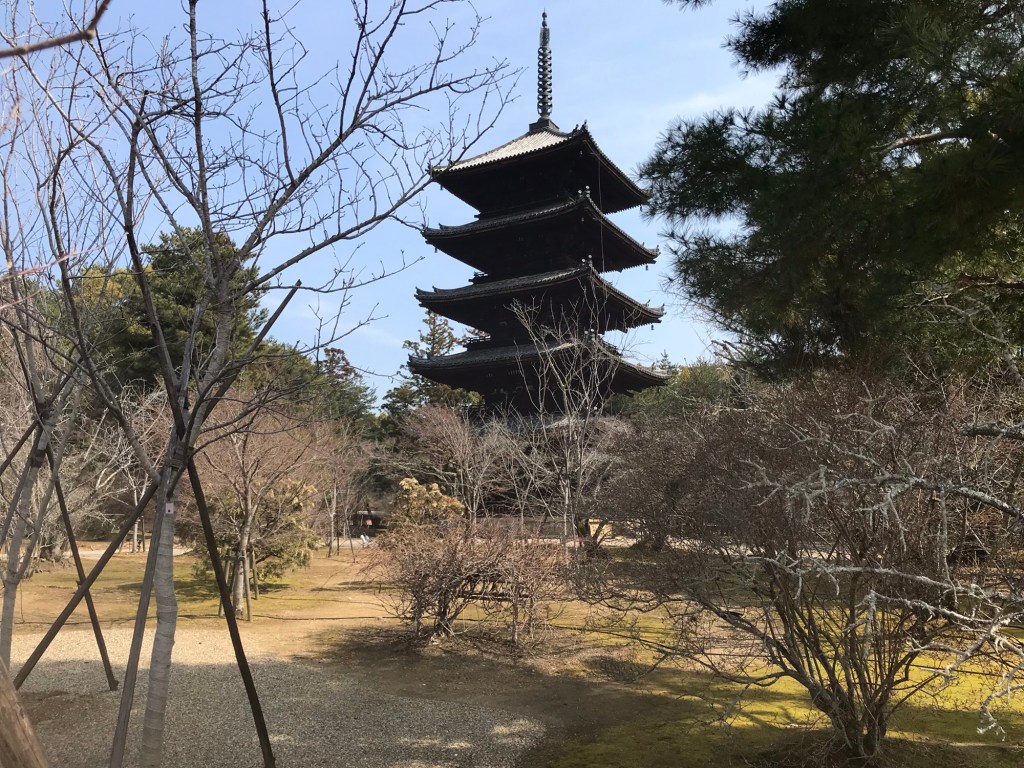
You might have heard about Jimmy Kimmel’s recent trip to Japan, a topic of its own.  But he is right about several things: Japan is clean, and crime is low.  He didn’t understand why, which I’ll break down in a separate article.  However, one thing that is quite clear that I admire about the Japanese people quite a lot is their embrace of their traditional culture and their kimono dress.  I, too, was recently in Japan. I’ve been there a few times during this year, so I am very familiar with some of the unique customs that they have there.  However, during this most recent trip, I saw quite a lot of Kyoto on a Thursday afternoon and for an extended period, and I was surprised by how they dressed.  Most of the people I encountered there were walking around the streets, the temples, and the bamboo forest in full kimonos, both men and women.  And there were rental shops everywhere that kimonos could be rented to wear around town.  It wasn’t a samurai cosplay convention, which was what I thought was going on.  This was how people dressed all the time, and it was very refreshing to see.  It reminded me of something I have been saying all the time, that in America, we need to embrace more of our traditions.  While in Japan, I fully expressed American culture, which they appreciated.  In America, I tend to wear a poncho to my gun competitions and other Second Amendment activities, the kind of Western wear that is very traditional to Western expansion and hard, cold nights on the open ranges next to campfires.   I have several of them, and when I wear them, I always get a lot of strange looks.  But I don’t think they should be considered strange at all.  And when I dressed that way to go out to the store in the middle of the night outside my hotel in Kobe, nobody in Japan thought it was strange at all. 

I had a few ponchos in Japan which I like to put on instead of a jacket, especially in inclement weather.  It’s like having a wrap-around blanket without worrying about it falling off your shoulders, so it frees up your arms underneath.  It’s suitable for short-term warmth without messing around with a cumbersome jacket.  And I like that a poncho hides a lot of what you might not want people to see, such as the many knives and guns that I carry all the time.  With concealed carry across multiple states, it is better to hide the big stuff with very baggy clothing instead of trying to contain the weapons in modern-day America’s conventional dress.  In Japan, their reverence for history, especially in their samurai culture, is unmistakable, and they openly embrace it, which I thought was very classy.  It was nice to see the women dressing up in these classic robes to go shopping and be seen around town.  And the men dressed similarly to accompany them.  Instead of being repealed by the display of my own dress, a few times on this latest trip, as I wore my poncho down to the local store to pick up supplies, people wanted to take a picture next to me in my boots, poncho, and Stetson cowboy hat to show they had met a “real American.”  And they were pleased about it.  As they snapped their pictures with me, I couldn’t help but think of one of my favorite quotes from the Dune books: “How else do humans invent the traps that betray us into mediocrity?” 

Mediocrity is what we have adopted in our modern Western cultures, with our associations with communism introduced through our education system.  They have rejected this mediocrity primarily in Japan due to their reverence for traditional values.  But in America, these days, we have associated fashion with an alliance with sportswear.  Nike, Adidas, and other brands seen from college sports programs have largely inspired our public presentation of ourselves.  These days, the idea of proper dress on casual Fridays is a golf shirt that shows we are interested in sports programs.  That is something that they don’t do as much in Japan.  They love sports, especially baseball, but they don’t go out of their way to show reverence for it out of disrespecting their traditional cultures.  But in America, we want to look like the coaches and players of our sports teams, which behind them have all kinds of corporate communism attached to them.  So, our American dress has shifted from individual expressions of a rugged outdoorsman to billboards for corporate influence over our sporting markets.  And the not-so-subtle message there is to accept that individuals are less important than the team’s greater good.  And, of course, behind that is that communism defines the greater good.  So, wearing a cowboy hat in America is quite a statement.  More people are doing it now than they used to, mainly because of the popular Yellowstone television show and the failed politics of the communist left.  People want to make America great again, and like the Japanese, they are turning to traditional dress to convey that trait.  But in America, our dress directly influences our society’s condition. 

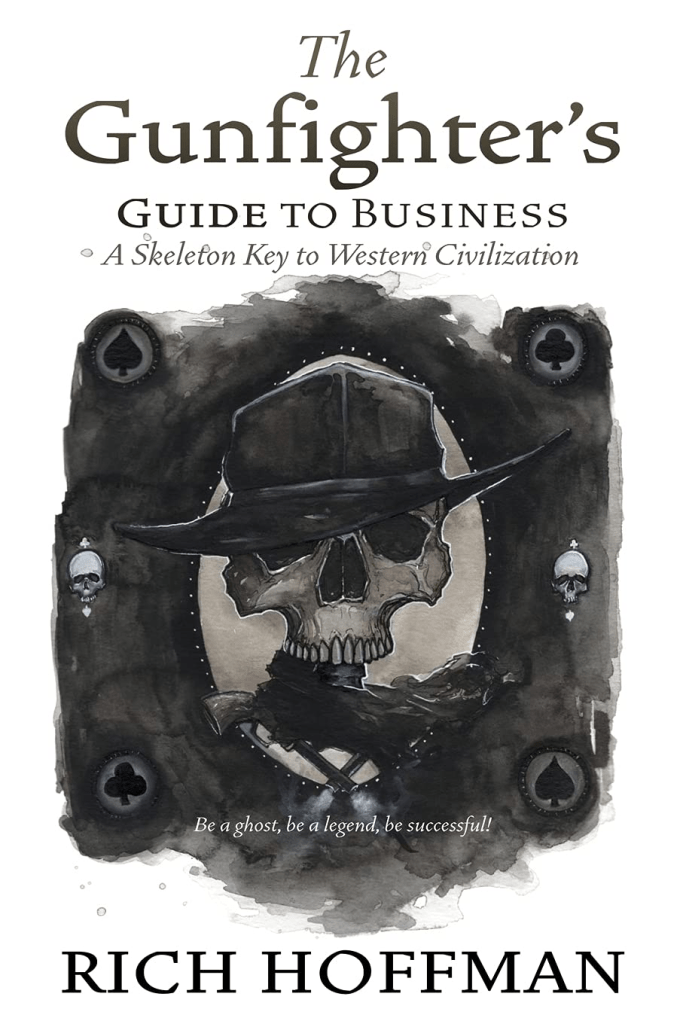
I have always worn a cowboy hat.  But over the years, I have been less inclined toward sporting goods fashion trends in favor of my traditional gunslinger apparel.  I’ve been that way for many years.  I remember many late-night encounters in my twenties where I would wear my ponchos everywhere, including the Kenwood Mall in Cincinnati.  It’s one thing to do when you are in your 50s, as I am now.  But when you are in your 20s, many people look at you weird because you are so out of step with mainstream culture.  But it’s always been a visual hedge against mediocrity, which is how I view modern dress codes, and I largely reject the premise.  A culture should strive to stand out from the crowd in everything, individually.  Not to retreat into submission to the mob.  In Japan, particularly Kyoto and even Tokyo, even though the kimonos are uniformly similar in their loose-fitting robes, they are colorful and full of individualized expression.  I thought that seeing that expression was wonderful and was a major contributor to the quality of their society.  I had a chance to eat at a very nice restaurant in Kyoto with some friends.  It was a classic place; most people wore kimonos, and you had to take off your shoes while eating.  It had a spectacular garden to walk in while you waited for your food, and they provided you with slippers to do so.  I stepped into that place, mostly having to duck because the ceiling was low, and the whole place was primarily made of paper and wood.  They gave me a very large locker for my big cowboy boots, which is what they do when you enter to put your shoes in while you eat, but I still wore my cowboy hat.  And they took notice of it.  But it wasn’t in a “you’re not like us” way.  But rather, a respect for the culture that I came from.  And they were proud of their culture.  And what we all shared was a disrespect for sameness as defined by communism and an embrace of versatility as defined by capitalist markets.  They brought us mostly raw fish and vegetables, certainly not chicken nuggets as I might otherwise be used to in the States.  But it was a good look into a culture that embraced their uniqueness and certainly wasn’t shying away from their projection to the rest of the world.  And if America wants to be Great Again.  Perhaps we should start dressing for that greatness instead of playing everything down to some corporate version of casual and accepting sameness as a value rather than uniqueness. 

Rich Hoffman

Click Here to Protect Yourself with Second Call Defense https://www.secondcalldefense.org/?affiliate=20707

Bernie Sanders Dumb Idea for a 32-Hour Work Week: Socialists and Communists are Lazy, dope-smoking losers

This is a long-term gripe from me and one of the most significant reasons to never listen to socialists and communists.  Communists are lazy people by nature; that’s why they want big government to confiscate the wealth of others and redistribute that income to them while they sit around all day smoking pot and playing video games.  We can see socialists a mile away, and their work ethic exposes them.  Lazy people tend to favor the works of Karl Marx.  So it is unsurprising that Bernie Sanders, the socialist senator who has been in the news a lot over the last several years, has proposed a 32-hour work week.  I missed the news in a form I could comment on because I was traveling through many airports and happened to be in Japan waiting on a driver sent to pick me up when I heard the news.  I watched a video clip of this ridiculous proposal as my Japanese driver ran down the road to get our car.  He was running because he didn’t want me to wait an extra 15 to 20 seconds and to be guilty of giving me an inefficiency problem that day.  So, the news was particularly powerful at that moment because of the excessive contrasts.  They like to work in Japan, and they want to work hard.  So do I.  Out of a 24-hour day, 17 of them are dedicated to working.   I don’t have much time for silly chit-chat and wasting time on stupid things.  And I also work Saturdays and Sundays most weeks.  And I like it.  I love Mondays, I see Fridays as just another day in the week.  And I expect the people around me to work hard, too. Otherwise, I don’t get along with them.  No matter what people think about politics, sports teams, or religion, I can find common ground to build a relationship if a person likes to work hard. 

They work hard in Japan

But this idea of Bernie Sanders was one of the dumbest things I have ever heard.  America was trying to dig out of several years of bad economic policy during the third term of Obama’s presidency.  During Trump’s first term, America had three years of prosperity, but Biden quickly turned all that into a disaster, and America needs to work its way back to greatness.  And here is this idiot saying we must work a 32-hour workweek.  What will people do in all those other hours? Look out the window.  Have more leisure time.  How long must people sit on a beach and look at the water?  It reminded me of the many things that I don’t like about Europe.  They have too much vacation and have a daily expectation of doing too little.  It’s common in Europe to only work three days out of five and to have frequent breaks.  And to be honest, it disgusts me to my very soul.  What a wasteful existence.  America has been great in the past because the people weren’t afraid of hard work.  It was hard work that built a great country, and it was hard work that made any culture prosperous.  And here is an old hippie socialist advocating for Americans to work less.  It’s probably the dumbest idea in the history of dumb ideas.  It’s a general attitude you can easily observe in communist and socialist countries; their social centers are often crowded with people walking around aimlessly eating food and sitting anywhere available because they aren’t working enough.  And they wonder why they have poor GDP numbers. 

That isn’t unique; in my experience in Japan with the driver, it’s expected.  Japan has the third-largest economy in the world for a reason.  They work hard there, and they don’t complain about stupid things.  When there is work to be done, they pull together and get things done quickly, and they aren’t in love with the hours of the day.  If it takes longer to do a task than the usual hours of a business day, they stick around and finish it, making tomorrow always filled with completed work, waiting on new opportunities.  I am always impressed by even ordinary people on the street who are overtly ambitious and gratified for an opportunity to work.  Whether it’s a clerk at a convenience store or an attendant at the airport, when work is faced, or the chance to do business with another person presents itself, they honor that opportunity with a deep bow to revere the work and the opportunities that come with it.  You are in for a treat when you fly to Japan on any Japanese airline with an all-Japanese crew.  They work hard and treat everyone very respectfully.  They really care about the work and it shows as they enter the work zone, they bow to the public and bring real diligence to the effort.  But often, when you return home on Delta, United, or some other American airliner, you get a menagerie of lazy characters brought to you by Diversity, Equity, and Inclusion, and they are ridiculous to deal with, especially on a long flight.  Even in premium seating, they make the experience miserable because they are usually lazy, overweight, and can barely fit between the seats, and you can tell they are always in a hurry to sit back down and waste their life away somewhere.  With the Japanese airlines, everyone is in a hurry, but for the opposite reason, so they can do more work. 

Bernie Sanders lists himself as an independent who caucuses with Democrats.  And he’s had a few good runs at the presidency, headed off by the Democrat’s cheating machine who would not let him near the White House.  But as a result, Democrats have steered hard left on Bernie Sanders types of communist policies.  Sanders is technically a socialist, and there are many like him in the Democrat Party; they don’t refer to themselves as such.  Much as in the Republican Party, there are Democrats who know they could never get elected if they called themselves what they were.  Socialists and communists in America have been changing their name to Democrats, trying to hide their real nature.  These days, they feel more comfortable revealing what that nature is than they were in the past.  And it’s communism that is behind the effort to have America work a 32-hour work week.  I think Americans need to work a 70-hour work week, at minimum.  I never have any compassion for someone who says they don’t have enough money when they are barely working 40 hours a week.  It was labor unions who gave us the stupid 40-hour work week, and that just isn’t enough when you have a productive culture filled with opportunity. What are people expecting to do with all that time off?  Why not work and make more money?  In my life, I have often worked two full-time jobs of 40 hours each, and held a part-time job on weekends, four or five hours a day on Saturdays and Sundays.  And I always spent time with my family.  I had time to play video games, read books, and watch movies.  People waste a lot of time in life, depending on the political philosophy that governs their society.  And if Americans want to Make America Great Again, they need to learn to work hard again.  And to stop listening to ridiculously stupid socialists, Marxists, and communists who just want to sit around smoking pot, living off welfare, and wasting their lives away with scratch-off lottery tickets, hoping to hit it big so they can work even less.  Those kinds of people are the slugs of society, and any culture that wants to be better needs to make fewer of them. 

Rich Hoffman

Click Here to Protect Yourself with Second Call Defense https://www.secondcalldefense.org/?affiliate=20707

Interacting with the Spirit World: How incense provides a vehicle to a world beyond the living

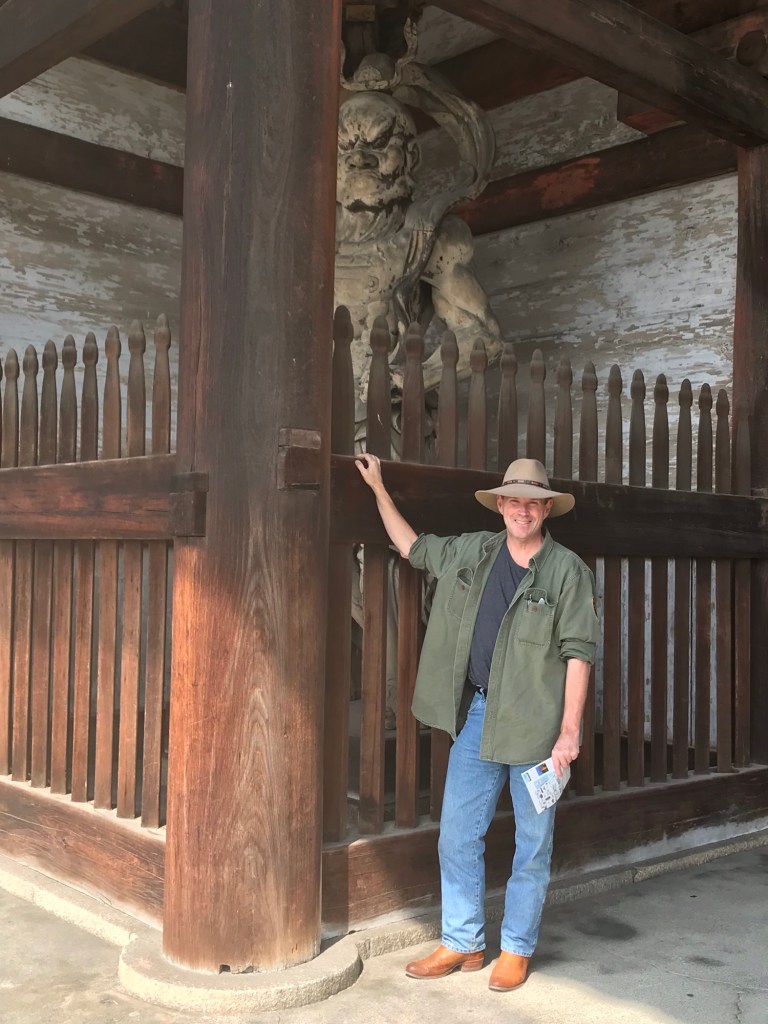
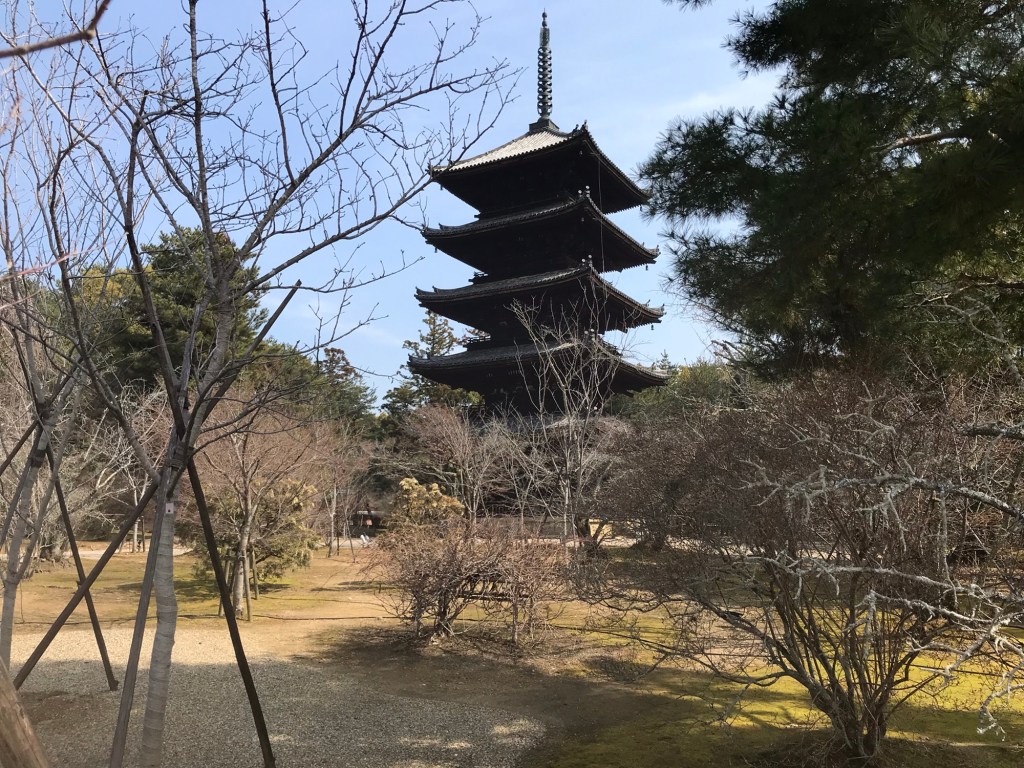
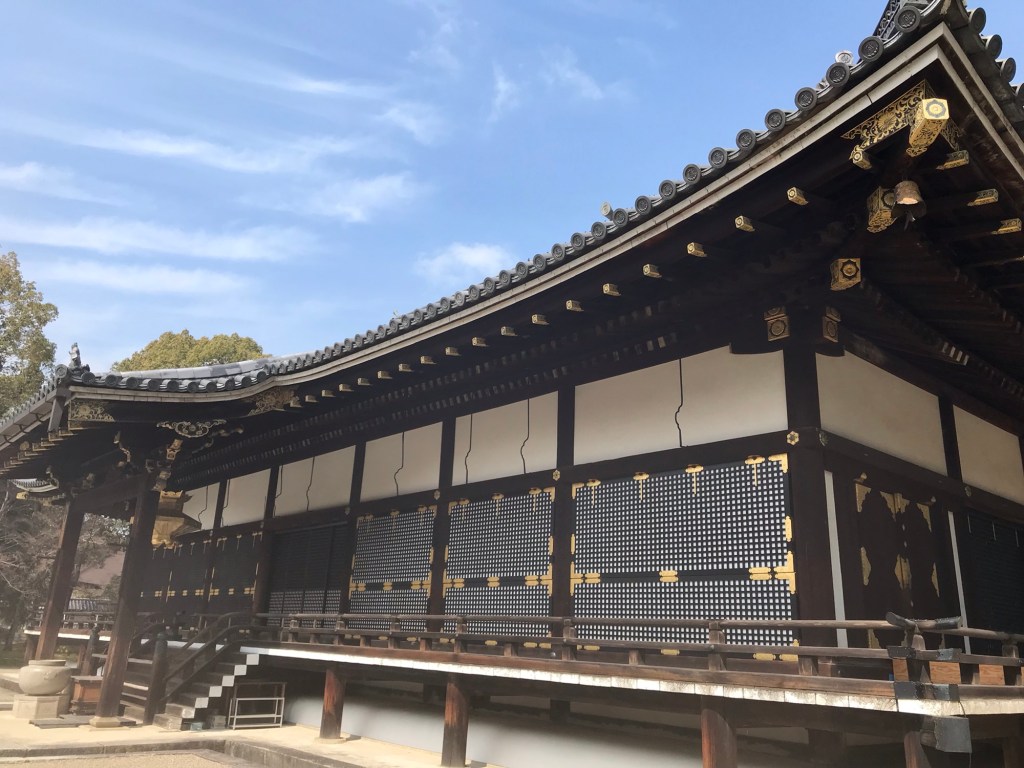
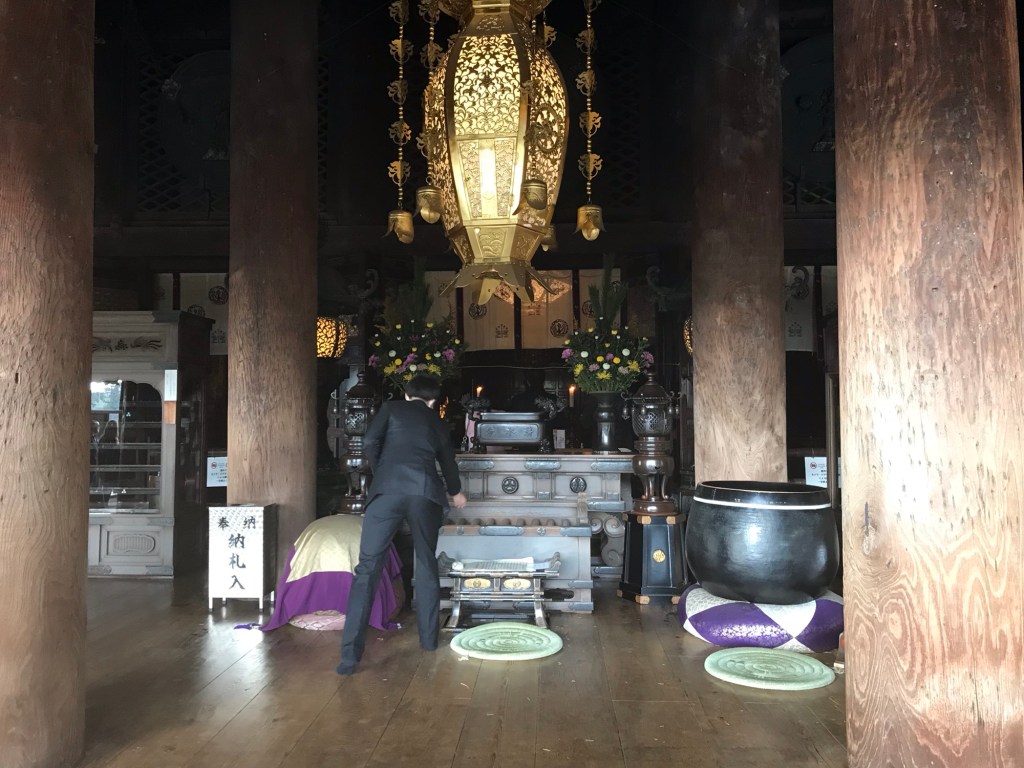
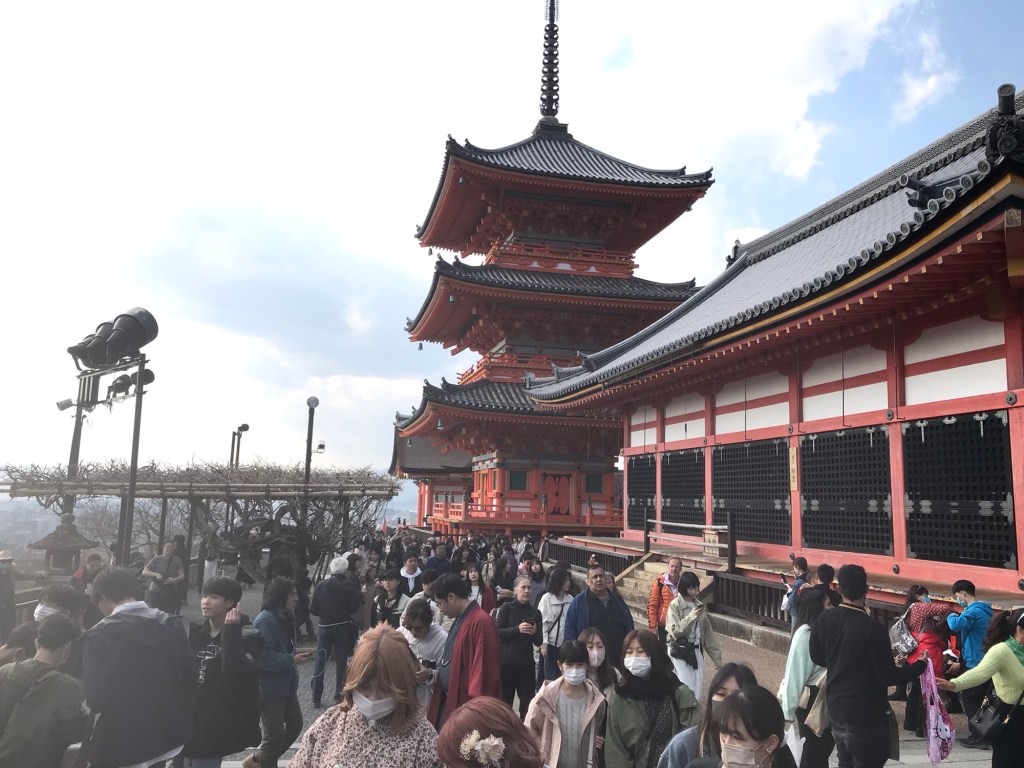
I’ve been thinking about how the spirit world dramatically influences the politics of our lives, as most indicators point to massive manipulation of our politics from the realm best articulated in the traditional Bible.  I found myself in Japan visiting some of the best-known temples in Kyoto with friends and comparing them to what we know about the Temple of Solomon.  Even though there have been over three thousand years of evolution in them, I couldn’t help but see massive similarities and notice how a religious relationship with the politics of a nation has either a positive or negative effect.  The gods worshipped aren’t even the same; in the case of Solomon’s Temple, it was Yahweh.  In the temples of Kyoto, it was Buddha, but as I have been saying for a while now, even including the way that the original Hebrew Bible was written from back to front, right to left, just as Japan writes to this day, it is obvious that the influences along the Silk Road, even in ancient times were a massive culture of uniformity that has its influences even now.  It might be uncomfortable for many people to consider their regional specificity, but there is a common theme that is easily verified when visiting these religious places, and that is the use of incense to establish a relationship with spiritual entities for assistance in the here and now.  Watching people interact with incense in Japan by washing it over themselves and then stepping into the temple to pray to Buddha reminded me almost identically of the tabernacle rituals of Solomon’s Temple and many others worldwide.  However, the same approach to these sacred precincts established by the Jewish people was more than just a coincidence.  There was a science to the approach that worked at some unconscious level, and it had been established long ago and is still in use to this very moment. 

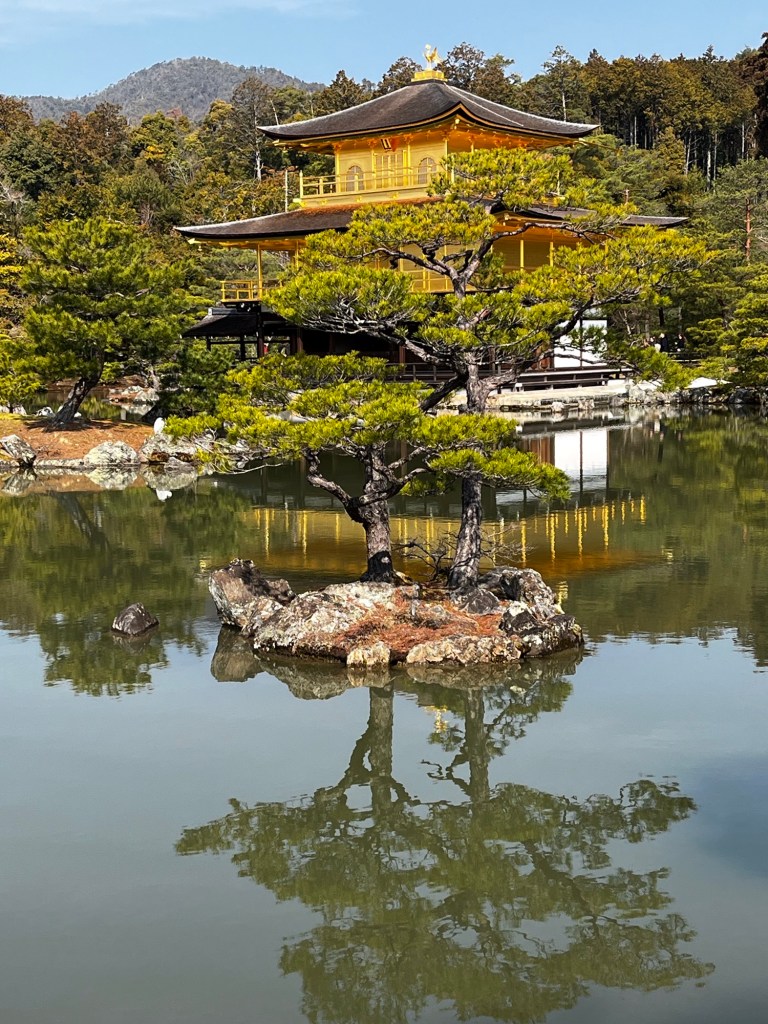
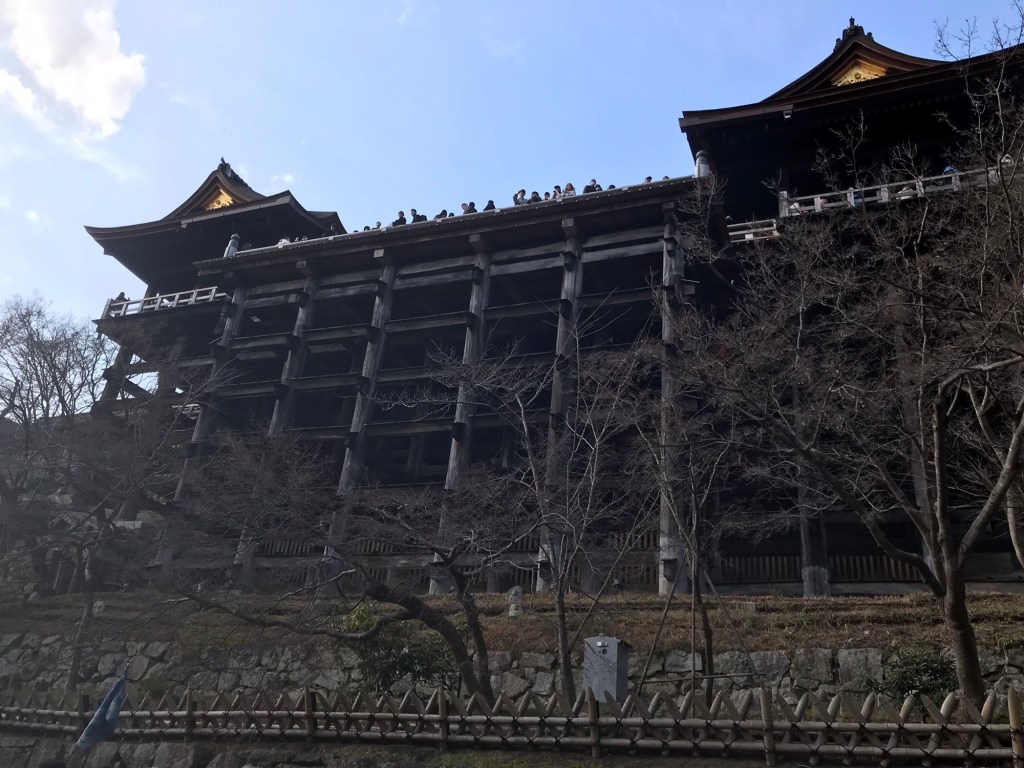
We don’t get to see such a spiritual alignment in the United States because we have allowed ourselves to be suckered into a church versus state argument that discourages public displays of religious value, which the Japanese people have no apprehension over.  As a direct result, you can travel the streets in downtown Tokyo at 2 AM and see nearly no litter and experience very little crime.  People are overwhelmingly respectful of each other, and much of the root of this behavior is their relationship with the spirit world, which they are very open about.  Visiting temples in Kinkakujicho, the Kinna-ji Temple, the magnificent Kiyomizu-dera Temple, and several others, the use of incense smoke to provide a place for the spirit world to manifest in our three-dimensional world is a foundation for establishing a relationship with those characters.  It is common for people to regionally associate their deities of worship with the specificity of their culture and give them names like people name their goldfish.  But in truth, there is much more than just mimicry across multiple cultures over vast periods.  There was a cause and effect that couldn’t be ignored and was at the root of all successful societies.  Much of the Bible deals specifically with the nature of having a relationship with God, as the purpose of the Tabernacle even before the Temple of Solomon was built, was so that God could exist with his people, to manifest upon the Mercy Seat over the outstretched wings of the Ark of the Covenant.  I often think of the Ten Commandments as being the key to a prosperous society, in having rules that work and structure people to work together with shared assumptions.  But even more than that, this relationship with God through incense smoke is unmistakably productive. 

When people stopped worshipping God, as chronicled in the Bible and stepped back into the worship of the high places with human sacrifice to Baal, those societies quickly crumbled into a heap of madness.  And that has been the same story of all cultures who stepped away from God over the many years, the God Yahweh, as the Jewish people came to know him.  As I watched people in Japan interacting with the smoke and washing it over themselves, I kept thinking that the smoke itself was something anybody could produce anywhere, from simple incense burners from Walmart.  There was nothing specifically special about the smoke.  It was only made at a place meant to take the participant’s mind away from the noise of their daily life and have a relationship with the spirit world and whatever Gods might answer.  They have their names for them.  Just as most religions around the world do as well.  But that the intent was the same was more than a coincidence.  If you wanted to see what temple life was like for the Hebrew people in the Near East and understand what a thriving culture looked like, Japan had its finger on it.  Whereas modern Israel is war-torn and under contention, purposely trying to suppress a successful religious experience, much of the world is in conflict over this essential relationship, I would argue.  This is not just for the regional aspects of nation-building but also for the soldiers of the spirit world themselves.  They are at war with each other, and they use the minds of men to corrupt them into conflict by interrupting a positive experience of chaos and maniacal lunacy, such as the church and state arguments. 

By eroding the values of a culture, people allow themselves to be manipulated like pawns in a grand chess game from rivals beyond the world of the living.  And in places in the world where that relationship is positive, they also have a political culture that is functioning correctly.  The best way to destroy a person is to destroy their relationship with the spirit world, no matter what they call their gods, whether those gods are the same character with different names or a pantheon of different characters sometimes called the same name.  It’s the relationship that matters and how it carries over into a political society.  And what about the smoke of incense that carries a relationship with God?  It’s a common theme we can learn from the longest-running, prosperous society of people, the Jewish people because they have been doing it for a long time.  In Japan, as I visited many temples last week in Kyoto, the functionary relationship with the spirit world is alive and well.  And it’s working for them successfully.  Few places on earth today are more successful culturally than what is witnessed in Japan, especially Kyoto, the old capital.  People had a relationship with the more significant aspects of dimensional confinement, and they were happy about it.  The incense smoke appealed to that relationship, which was tangible and precisely like the Tabernacle of the Hebrew people.  When people fell to Baal worship, they turned to appeasement of those gods through the sacrifice of the living.  Whereas to Yahweh, and eventually the Buddha, who came 500 years later, and then the influence of Christ from India, we see an approach that worked along the Silk Road many thousands of miles apart.  It can be shown that a successful relationship with the spirit world creates an opportunity for a prosperous society.  But the temptations to shortcut or abandon that relationship are all too common and involve politics beyond our lives, yet very much at the center of everything we do. 

Rich Hoffman

Click Here to Protect Yourself with Second Call Defense https://www.secondcalldefense.org/?affiliate=20707
War and Mashed Potatoes: Open borders are an act of war, and the aggressors must be punished as such

There is more to the border problems of the world than just attracting voting demographics.  In the United States, the assumption is that Democrats want new voters because they are losing their old ones, with reckless border security, and they intend to turn red states like Texas into blue states like Illinois and Minnesota.  And that is undoubtedly a surface-level concern.  But this isn’t just a problem in the United States.  I feel very fortunate to have seen with my family Notre Dame before it was burnt down by terrorists in Paris.  They are about to reopen it, although it will forever be damaged because of the history it contained; the cause of the destruction was globalism and the deliberate military intention to provoke open borders all around the world so that new ideas and cultures would burden the old cultures of nationalism and in that way, take down all notions of borders and achieve what progressives have always wanted, a borderless world ran by a one world government that identifies as global citizens.  With that known, all the attempts at such a cause must be viewed as a military objective as hostile agents, no different than when an Emperor of the past sent troops to conquer some foreign land so that they could acquire the resources of that territory.  That is how the Greek, Roman, and British empires and countless others were established.  Genghis Khan comes to mind.  What is happening with open border policies around the world is no different, it’s just being done on a scale we usually don’t consider, which is one of their strategies for aggression.   To override our cultures before we figure out what has always been the intention.  Which is to destroy all concepts of nationalism in the world and to replace it with globalism. 

Just imagine making mashed potatoes for your Thanksgiving meals.  The decision to isolate a potato and serve it as it takes work distinguishes it from the rest of the contents on the plate.  If you are looking for uniformity, you don’t want to isolate the ingredients when cooking; you want to mess them all together, like a stir fry or a mashed potato serving complete with a lot of gravy.  For those in the world at the World Economic Forum who want global communism and a centralized authority run by the United Nations but don’t have a military of their own, how else would they perform their task?  They have sponsored open border policies desiring to move migrants from one part of the world to the next to mix all the ingredients of the world so that the concept of identity is destroyed, and the newly displaced people, even in formally strong countries, will be thrown together looking for a new leader to unify them, and define new rules of conduct.  This was always the risk when transportation and communication worldwide made it possible; the temptation for the next tyrant to conquer everyone would prove too much.  But in this case, all the tyrants of the world have united under a common cause and set globalism as their means to achieve their tyrannies in a shared way under the banner of communism.  Because they at least share all that intention in “common.”  So there is only one way to view open border policies, as a military threat and an intentional world war against all nationalist concepts, nations that intend to maintain their identities and resist a global world order of centralized government.  The attack is no different than Pearl Harbor or any other aggression against American soil.  But since it’s innocent people being used as weapons, and not tanks and troops, people have been slow to realize what’s happening. 

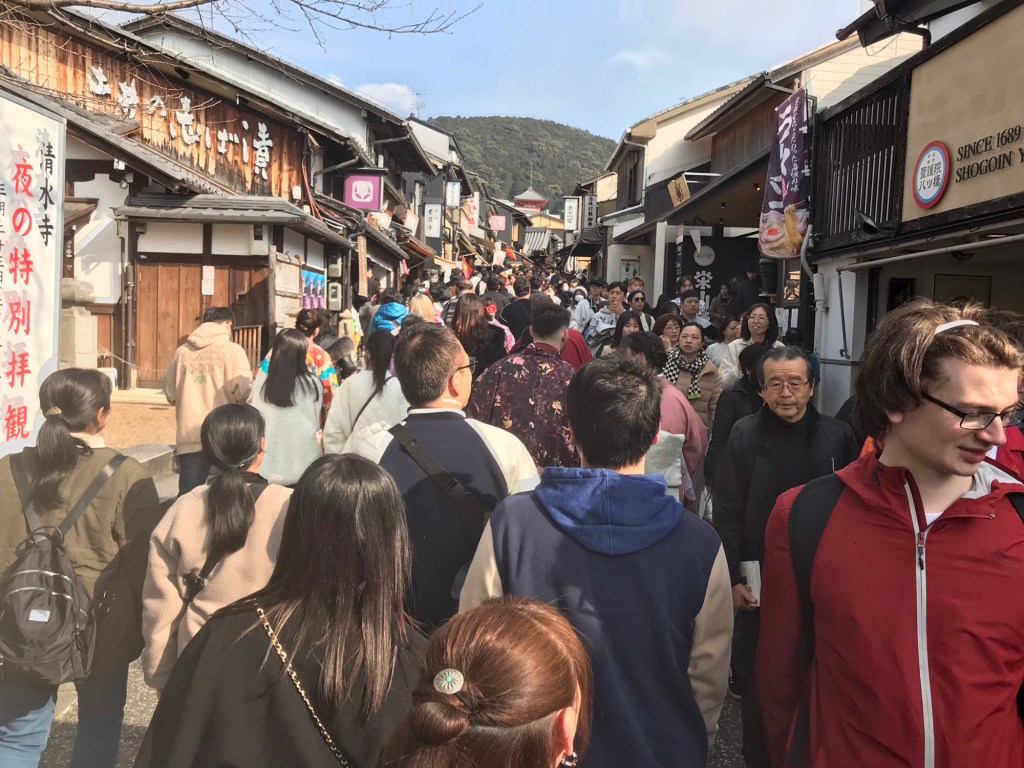
This is clear to me as I travel around the world.  I visit Japan relatively often, so I see the dramatic contrast in apparent manifestations.  Japan is an island nation that is difficult to get to.  You can’t just have an open border; you must fly in or arrive by boat.  And it’s small enough of a nation to cover the borders easily by water.  Nobody is getting into Japan without them knowing about it.  So, they have maintained their culture in a very traditional way.  They are friendly to foreigners and are always nice to me, but they don’t give up their culture for anybody.  It is also why they are one of the top economies in the world despite the challenges of their remote location and lack of resources to work with on their island.  One striking thing about their culture is how little crime they have and how well their cities operate.  That is because they are mainly free of the manipulations of foreign hostilities, such as the World Economic Forum. Because Japan is isolated, the World Economic Forum has a hard time using policy to overthrow the country and to destroy its concept of nationalism.  The world has bigger fish to fry, and that is where the World Economic Forum is focused.  They will worry about Japan later once the rest of the world is under their thumb.  Currently, the game is to prop up China with phony money and then use the communist model to overthrow America and Europe.  The war with Russia is meant to degrade their concept of nationalism, and then once the domino falls, countries like Japan can be targeted.  But for now, the vulnerable countries are those who tolerate diversity so that open borders can destroy the concept of sovereignty. 

But for all those fools who say, “It’s for national security,” when you have open borders, your national security is gone.  And for all the money we spend on the military, what good is it if the real war is moving people all around the world with fake hostilities to provoke globalism in a kind of mashed potatoes presentation?  As I said what I did about Japan, I could say the opposite about England and France, obvious targets of globalism to weaken the former empires of Europe and beat them with incoming migrants from formally conquered territories.  Rather than fight them directly, the goal is to undermine their cultures.  And I have had a chance to see the progress over the previous decade.  The hostilities between cultures are purposeful.  Race relations were weaponized to achieve this goal of globalism.  And the only way to deal with it is to recognize it for what it is: war.  An attack against sovereign nations to overthrow them and, in the wreckage, create new laws centered around globalism.  Knowing all this, then we should be applying our military to these hostile actors and punishing them for their attack against our country.  Like Japan, a country is a set of ideas that produce good or bad results as they are applied to the world.  Japan is booming, and America has been.  Europe has been.  But this is just another attack on financial values, such as capitalism by communism.  It’s only that the approach has not directly involved military hostility.  However, hostility is different between races, sexes, and regional values.  Putting them all together as mashed potatoes to be served up to the lords of globalism is what the goals have been.  People have been slow to realize what the game is, and how to play it, by calling it what it really is, war.

Rich Hoffman

Click Here to Protect Yourself with Second Call Defense https://www.secondcalldefense.org/?affiliate=20707

‘Godzilla Minus One’: The best movie in the world

Simply stunning

Before you think to yourself, oh, there are so many things going on in the world, why do I care about a movie review for a new Godzilla movie? Well, this is something different, this Godzilla Minus One movie. It makes quite a statement, and it is currently destroying the rest of the films being produced in the world, from Bollywood to Hollywood, all places where the World Economic Forum financing has influenced movie content. I’ve been asked several times this year why I’m not out there producing and making movies, as I have wanted to most of my life. And my explanation was that the whole machine is messed up, it costs too much for unionized labor, so the budgets are wrecked. To get funding for the movies, you must have progressive messages in them. The entertainment media has been filled with more progressive political activists who set limits as to the kind of messages that get out to the public, and the theater owners’ associations are often too sensitive to all these politics to back releases. But then there are times when the market is desperate, theater owners are drowning for good content and Hollywood hasn’t given them the kind of movies that people want to see. Online streaming content is eroding the enthusiasm for in-theater distribution. So a foreign film like Godzilla Minus One gets made under the radar and gets into theaters with great passion and enthusiasm, and people get surprised. This is exactly what Godzilla Minus One is: a magnificent surprise, and what I think is the best movie in the world presently, and certainly one of the best to come along in recent memory. On a budget of only 15 million dollars, it’s everything a movie should be, and audiences are reacting to it in very positive ways, for good reason.

I wasn’t exactly planning to see the movie in theaters, I was going to catch it on Apple+ or whatever streaming service was carrying it around Christmas time.  But my grandchildren love Godzilla; it’s been a big part of their childhoods. They were talking to me about the new Godzilla/King Kong movie by Legendary Studios coming out in 2024, probably in March, and they were very excited about it.  That’s when I said, “Well, you know, kids, there is a Godzilla movie playing at Liberty Center right now.  Do you guys want to go see it?”  And I was surprised that my oldest grandson knew everything about it, and yes!  He wanted to see it right away.  So off we went to watch a movie that I thought might have some cool monsters in it.  But it would be filled with subtitles, and I didn’t know if they’d like it much.  But, being Godzilla fans, they could at least say they saw it.  Well………………what a surprise we were in for.  This wasn’t just a great movie, it was a masterpiece.  It reminded me of the many past films I have loved, particularly Yojimbo, the great Akira Kurasawa classic.  This wasn’t just a movie about Godzilla destroying Tokyo once again.  This was a very emotional film about the state of the world and the perseverance of human civilization to overcome the mistakes of governments and live their lives honorably, nobly, and without fear.  Godzilla served as the device that brought this out in people and it was Biblical in scope and magnificent in its execution.  When the movie ended, I just sat there, stunned by what I had just witnessed.  My grandchildren were thrilled, of course, but this was undoubtedly a benchmark in history that I fully realized.  Wow!

Now, I get to go to Japan, and I like to share as much of that experience with my family as possible.  I love Western culture for all its variety, but I love going to Japan because the Japanese are honorable people with self-confidence and a spirit of perseverance.  No matter how many different people I interact with from Japan, that is a foundation assumption about them.  When I need to go to the grocery store to get food and snacks while traveling, the people I deal with bow deeply when doing business and treat the meeting like it’s the most important thing they’ll ever do.  Even at the airports, everyone you deal with is highly respectful.  Walking around Tokyo or any big city, there is no crime, and everything is spotless.  The world could learn a lot from their culture, which I talk about occasionally.  Japan is a good country with good people who are persistent and honorable.  And I enjoy dealing with them on their turf.  Godzilla Minus One is a uniquely Japanese film about their culture and the value of honor as an individual.  The entire point of the movie was about living up to honorable expectations and being a good person, which has been missing so much from all modern movies filled with progressive political messages imposed by the influence of the World Economic Forum.  All that was removed entirely from Godzilla Minus One, and the film had a wonderful sense of freedom that was jaw-dropping in its relief.  I didn’t care that the entire movie was in subtitles.  It was delightful to watch. 

The main character is a Kamikaze pilot who lacked the killer instinct to fulfill his mission, so he ducked out of a fight just as the war ended.  He felt tremendous guilt about this, and it haunted him deeply.  In the aftermath of the war, he ends up moving in with a young lady and her adopted little girl, all war orphans.  None of them are related.  But the girl and the guy sleep in the same house but in separate beds.  And there is no sex.  They lived like this for over three years.  That’s not to say there wasn’t love; they grew to love each other deeply.  But no sex.  In a World Economic Forum-financed film, the girl would have left the guy after three months of no sex, which would have been the dumb plot of the entire movie.  Godzilla Minus One is about much more than sex and relationship problems.  It’s about overcoming self-doubt, becoming great, and earning the right to lead a family by conquering personal demons.  This was great stuff; people lost in the world are soaking up this message like a dry sponge.  And you know what’s best about the film?  The filmmakers had the guts to give it a happy ending, a real happy ending in every way that an audience could hope for.  The movie is undoubtedly about Godzilla, but he served almost like a godly figure, much like Job’s story from the Bible.  Without Godzilla, Job would have had no reference point.  But because of that reference, greatness had an opportunity to grow, and it brought people together as individuals to achieve beautiful things.  What a great message in a world filled with failure.  Along comes this little ray of light that is turning out to light the way for the world in ways nobody thought was possible.  Yet, there it is.  I can’t recommend it enough!

Rich Hoffman

Jesus Lived and Died in Kashmir: Why the Led Zeppelin song is so popular, and how Islam hides the truth

I’ve never been much of a Jesus fan from the Bible. I like the character from the show Chosen, but the way Jesus has been portrayed everywhere else has always been to me, something more Eastern than Western. I love his dad, Yahweh. Now that guy I can understand, making a footstool out of your enemies, an eye for an eye, punishing entire nations. That is someone I can relate to. But his son is more like the spoiled second-generation kid of a cutting-edge self-starter. He might be a super nice guy, but I have always found the message of giving your enemy your cloak if they want to take your shirt personally revolting. Many people don’t like to talk about these things because religions have some strict rules on the matter, but I’m not much of a rule guy either. I understand law and order, but all too often, the rules are made by all the wrong people so that they can control their peers without the armed conflict of tradition. I love the Bible; I have read it thoroughly and still do. But I’m not sure that people understand what the Bible means and that honoring God means accepting those human mistakes. I certainly don’t believe that humans understand God perfectly and without flaws. Instead, I see that the Romans wanted to unite their empire and used the concept of Jesus, the scapegoat, to perform the task, and the world reacted with other religions, such as Islam. To this day, the conflicts in the region of the Near East are suspiciously occult-driven and hide behind a veil of religious belief that is keeping us in these modern times from knowing the whole truth and nothing but the facts. Something else I do love is the truth, not belief in how other people interpret it out of fear or anxiety over their afterlife.

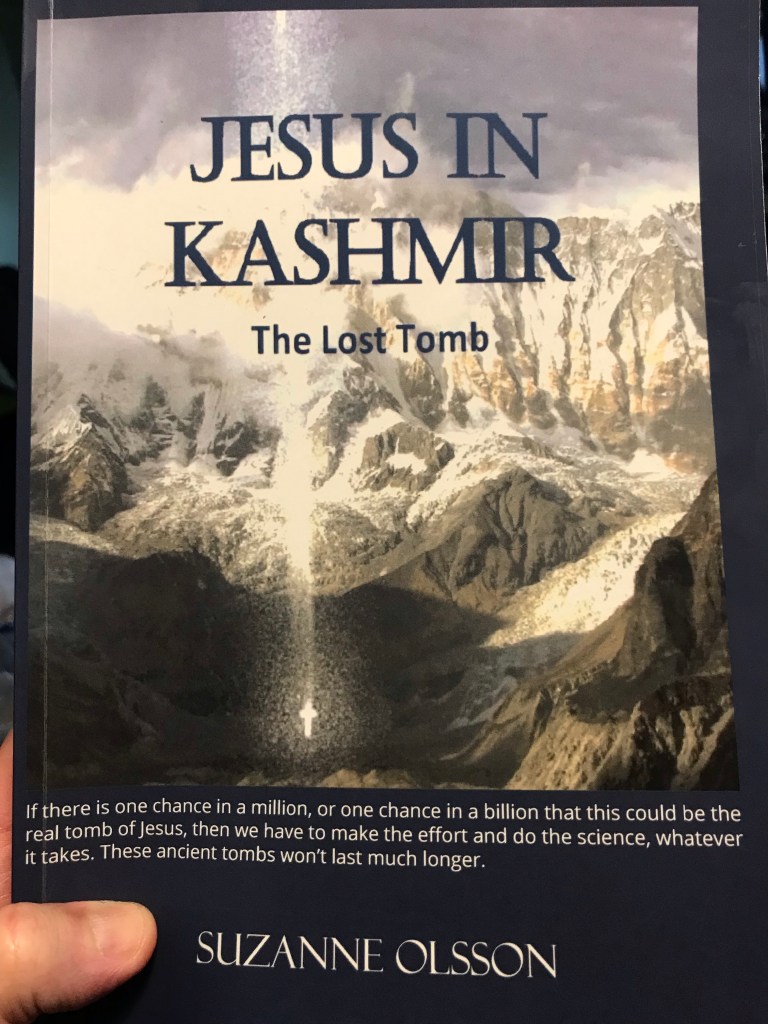
A very interesting book

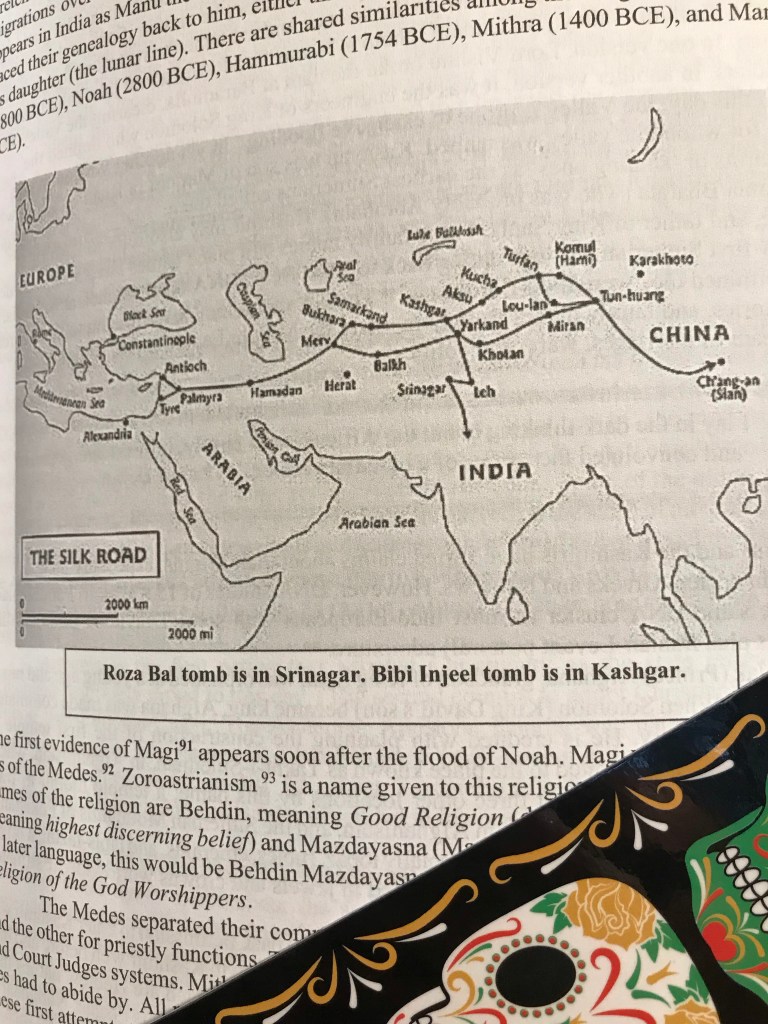
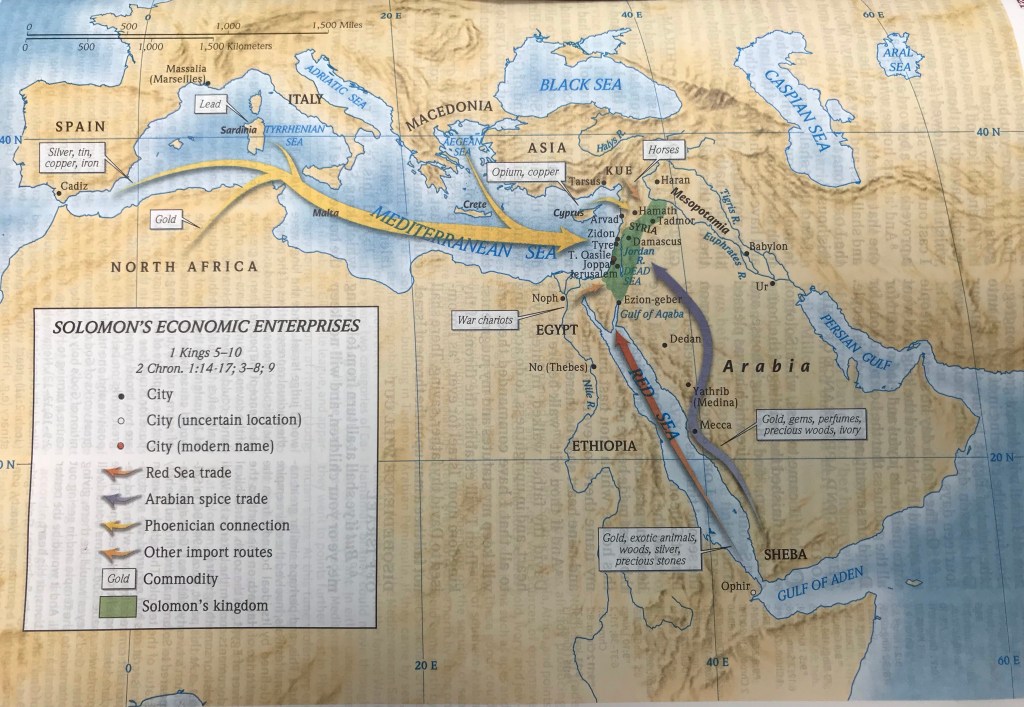
Another thing I have never liked is the Led Zeppelin song, “Kashmir.” It’s not a bad song; I think it’s a fantastic one, but I have never liked it, and I hate watching people dance to it at rock concerts. It’s one of those personal revolting attributes of life that has existed since I was a little kid. I was reminded of this hatred while traveling recently in Japan, where I had just explained to people I thought the reach of King Solomon’s empire had a heavy influence on their early culture, with the many keyhole tombs that they call Kofun tombs that are all over the Osaka area, and elsewhere. I base that on several books about Solomon that never made it into the Bible’s final cut, so when you read about the reach of his empire, oddly, there is almost no mention of tapping into the East. I have a great map that I love out of my favorite Bible and I love it for all the things it doesn’t show. Remember, I always judge things not by what people tell me but by their actions, and in this case, that map shows more in what it doesn’t offer than in what it does. A person as influential as King Solomon would have been trading along the early version of the Silk Road, which extends from Europe, over the northern part of the Himalayas across China, down through Korea, and then into Japan. I propose that the cult of King Solomon found its way to early Japanese emperors.

The Old Silk Road, known for many thousands of years pre-dating the ancient world as we know it.

Based on wide reading from many sources, the topic of Jesus being influenced by the Buddhist cultures of India and that of the Hindus and the Jains makes perfect sense.  Where was Jesus from the Bible in those teenage and young adult years up until around age 29?  Which, in those days, was a pretty mature adult.  Then, suddenly, he shows up and starts teaching the people of Israel.  I’ve heard the stories over many years that Jesus never actually died on the cross and that he had lived and died in Kashmir, which is in northern India, right in the middle of the hot zone for all modern political terrorism, surrounded by Pakistan, Afghanistan, China, Nepal with Iran and Iraq looming nearby.  I have for most of my life also been a massive fan of Biblical Archaeology Review and can report a much more significant than average interest in the kinds of things that lots of outstanding and intelligent scientists have found digging in the dirt in the ancient Holy Land.  It is rich and abundant, but nowhere near the effect it could have if there weren’t conflict in the region.  And when it comes to the Old Silk Road, the entire span of it these days is wrapped up in political turmoil, I think on purpose, to keep investigations into the truth of the past from ever being revealed.  Because a story isn’t being talked about, that should be.

As I returned from Japan in one of the many airports I had to travel through, a young lady who looked more Indian than Chinese sat by me with her headphones, listening to that Led Zepplin song. I could hear it clearly even though she was in her own little world. And I was thinking of the Silk Road. So I picked up a copy of Suzanne Olson’s book Jesus in Kashmir and read it, which confirmed a lot of what I had been thinking for a long time, and biologically, I think most of the world understands it too, which is why that Kashmir song was so popularly received and continues to be an icon of pulp culture. I tend to believe the stories that Jesus was either cut down or had stories by the Romans who made up his death for their convenience. Because there was no body, it was explained away as an ascension to heaven. They wanted to impress their Roman supervisors, so the regional overlords and the Jewish political influence wanted to let everyone know they got rid of the rebel Jesus from their society. And that Jesus escaped, injured, back to Kashmir, where he had spent much time as a youth, married there, and had many kids. And died a king, and the tomb is still there, hidden not by sight but by politics.

The way that Romans interpreted Christianity served their empire well and the church that would follow.  Be like Jesus, sacrifice yourself to the state, and prepare yourself for the afterworld by being friendly, compliant, and much more like Gandhi than that radical warlord of a father, Yahweh.  Even Jesus managed to put a soft edge on the plight of the Hebrew people, the descendants of Abraham who had been traveling to Kashmir for thousands of years.  Moses, as does his brother Aaron, has a tomb in the Kashmir region.  So does Mother Mary and other characters, including the remains of King Solomon.  When you consider this Kashmir story suddenly, many mysteries of the Bible start making a lot more sense.  But proper investigations into those mysteries are stifled because of the politics of modern warfare that keeps anybody from looking under the veil, as radical Islam seemingly keeps regional control on purpose.  Which then, we are all reminded of this recent conflict with Israel.  We are witnessing a shell game that takes place over most of the world to prevent people from learning the truth of their past and future.  And much of that truth is hiding in plain sight, which we subconsciously understand, in songs like Led Zepplin’s “Kashmir.”  But because we fear death at the hands of terrorists, death in the eternal fire of damnation, or the cry of public scrutiny because our quest falls outside the established religious parameters, we find ourselves prisoners to the obvious.  And part of that obviousness is that Jesus lived and died in Kashmir.  And the implications of that are jaw-dropping and necessary.

Rich Hoffman

The Mystery of Ishi-no-Hoden: foundations of Any Successful soceity

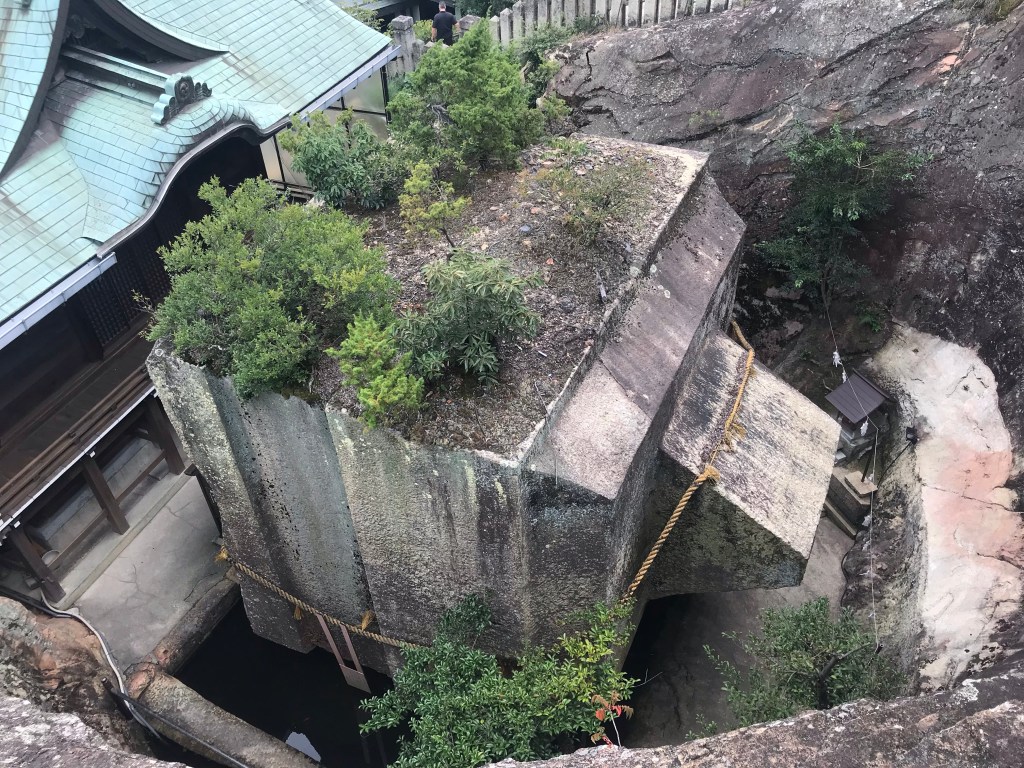
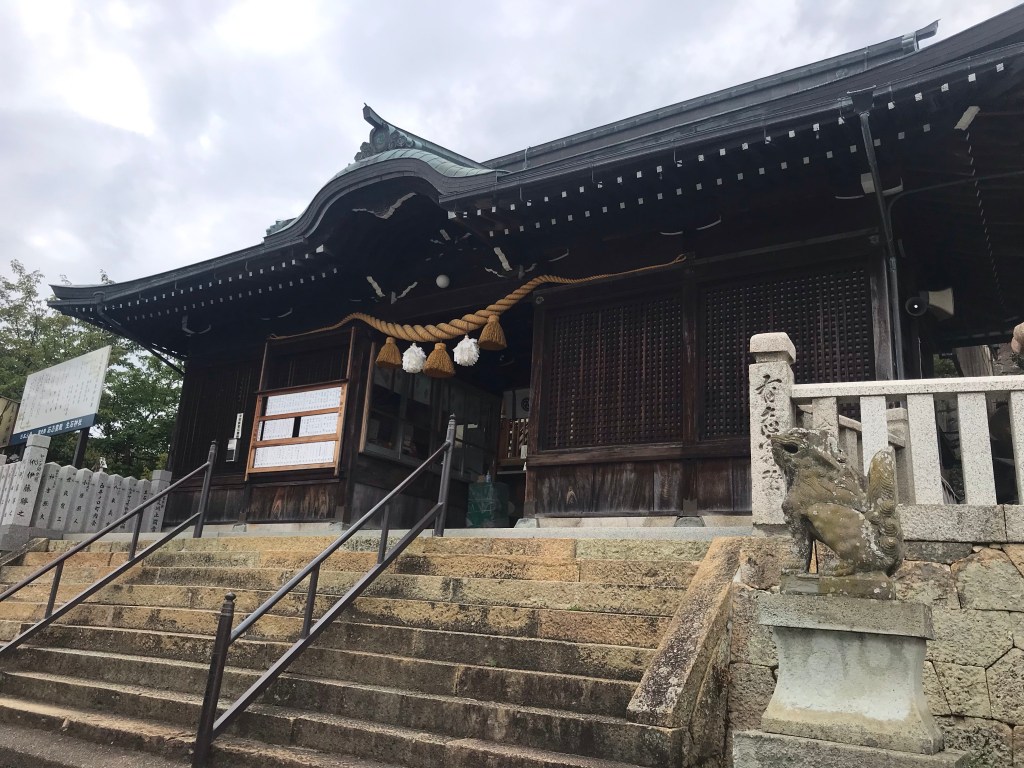
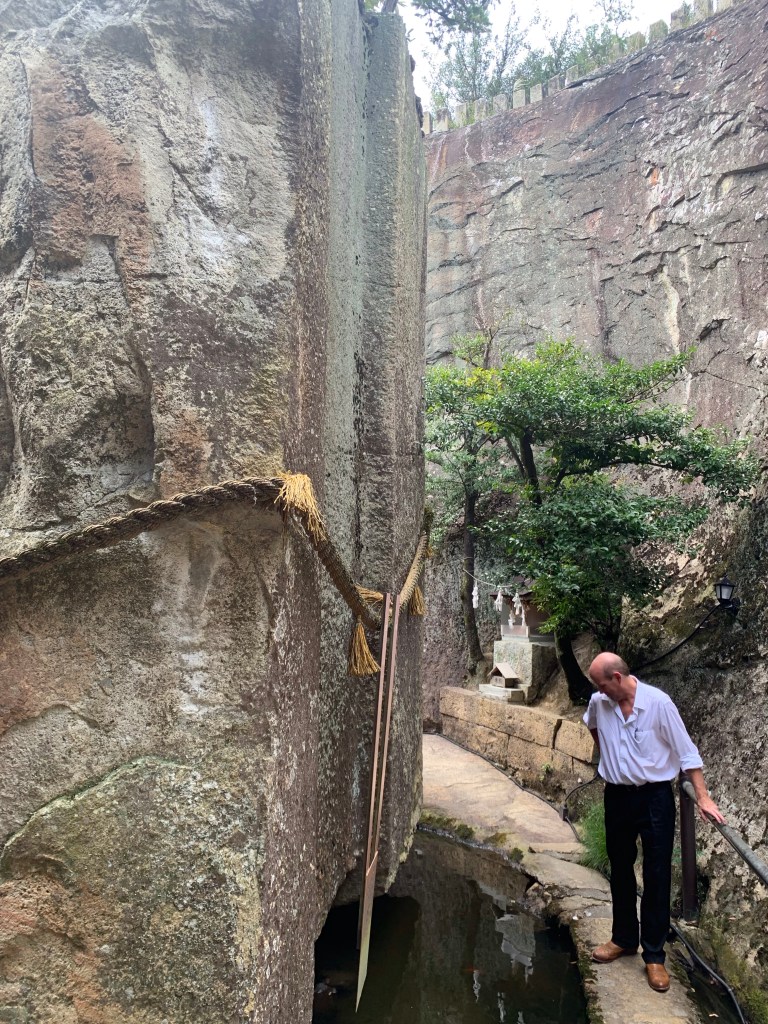
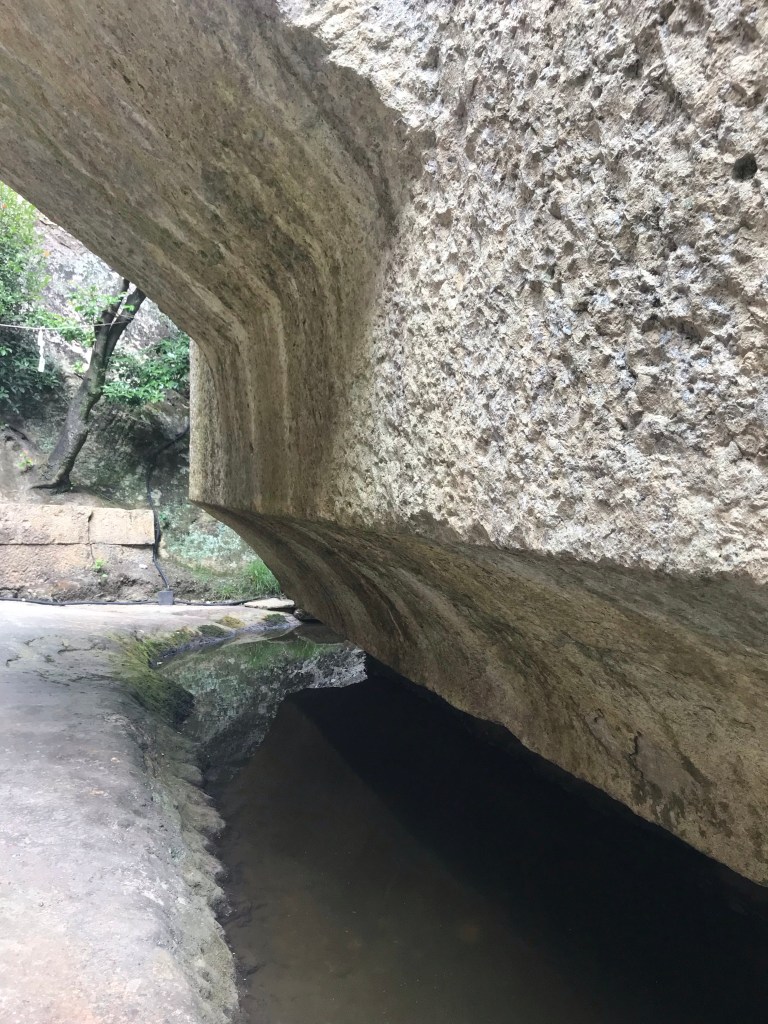
It is one of the most mysterious sites in the world, the megalithic site of Ishi-no-Hoden just south of Osaka, Japan. And I happened to be in the neighborhood and wanted to see it myself. The dates are ridiculous; many say it is 14,000 years old, which would put it in the Ice Age period and that of Gobeki Tepe in Turkey. There is plenty of evidence, and Ishi-no-Hoden is one of them, of a global culture that mass communicated and worked with large stones for purposes we are just beginning to scratch the surface of. Our previous assumptions have been pretty much shattered on this idea of evolutionary science that progressed through trade and a slow awakening of the human race. Ishi-no-Hoden shatters those beliefs, which is why it is one of the holiest sites in Japan and certainly one of their most mysterious places. So I wanted to see it for myself. Some of the most pervasive thoughts were that the creators tried to mimic a spaceship that landed in that part of the world many years ago but never finished carving it out of the rock. In that region of the world, a few miles south of Kobe, in a very dense area of suburbs along the coast, as bullet trains flash across the landscape, this strange enigma reminded me of the monolith from the 2001 Space Odyssey. It was there, and nobody understood it, so the people of Japan set up a Shinto shrine to worship it, which I witnessed several people do while I was present. It consisted of washing your hands outside from a dragon’s mouth; then you stepped into the shrine, clapping a few times, bowing a bit, and then clapping again before stepping inside. And to what god, to what force? That much isn’t all that important to the people of Japan. But showing respect and reverence was necessary, which is the real takeaway of this spectacular mystery.

I haven’t been to everything I want to see in life, all the things I have read about in books. But I’ve been to enough far-flung places in the world to see a pattern emerging that you get through diverse and voluminous reading. Then, it is validated through an actual site visit, which was undoubtedly the case with Ishi-no-Hoden. We are looking at a lost art of working rugged rock and transporting it over vast distances for unknown reasons. There are plenty of places in the world where these things have been significantly studied, but not so much in the oriental cultures of Japan, China, the Koreas, and down into India. Due to political currents and their religious nature, they don’t approach these kinds of mysteries like we do in the West, so putting the puzzle together has been slow. But the path to Ishi-no-Hoden is essentially a single-lane road that zig zags through numerous suburbs of very compact living by the Japanese people. Access to such an area is intended for tiny cars without much traffic. But once we did arrive at the site, it was pretty unspectacular from the outside. Not much of a parking lot and some industrial buildings in the surrounding vicinity. Ishi-no-Hoden was a project of carving this massive structure out of the mountainside, as many such quarries have been conducted in that precise region to get the foundation stones for the many castles and temples built all over Japan. If such a site had been in America or England, it would have had an amusement park entrance, much like Stonehenge. This site is just as spectacular as any place in the world. Yet, it is undoubtedly not presumptuous.

I love the amusement park-like tourism at Stonehenge. I think it’s good for science to make it so that so many people can visit it and get involved in its mystery. But there is nothing like that at Ishi-no-Hoden. There is nothing much on its history or relevancy. Only a shrine, the emphasis was on worship rather than understanding, which is good and bad, depending on what you want to take from the experience. During my visit to the area and interacting with the people, knowing what was happening around my home, I distinctly appreciated this site and its Japanese reaction. Ishi-no-Hoden has no relationship to modern-day Japanese culture, and they have not claimed it. Only to pay it respect, which says a lot about them as a people. It is just as logical to say that aliens landed from the planet Sirus, which many believe because of the high diet of ocean goods and reverence for dragons that are distinct from Western viewpoints, or to say that a race of giants was making some mechanical device that was to be used in some vast structure. When you see Ishi-no-Hoden and put your hands on it, its dimensions are exact and purposeful. And not applicable to the kind of cultures we have been studying throughout our historical understanding. Which is why I wanted to visit this site mainly. It is one of those places where you can still put your hands on the object and consider it as it was constructed, not as humans have attempted to interpret it meagerly.

I’ve been to Japan before, but this particular time, I couldn’t help but compare it to other places in the world that I’ve been and notice how polite and together the people of Japan are. As I interacted a lot with Kobe just to the north of Ishi-no-Hoden, I saw a lot of shrines with incense burning right in the heart of town. And the people are so polite, crime is way down, and the people themselves are good to deal with. These are cultural traits that come straight from their Shinto-Buddhist beliefs. I get along best with these people because I understand their firm convictions. In the West, we should have the same kind of reverence for our Bible. It’s not so much in believing that what you believe is correct but that you have some foundation of thought rooted in a belief in something. Visiting Ishi-no-Hoden and seeing these beliefs play out with so many people was interesting. The function of their rituals gave their souls comfort, leading to a productive society in all aspects, from business to buying a Coke in Chinatown. All the transactions with the Japanese people were respectful and effective, which comes directly from their belief systems. It doesn’t matter that Ishi-no-Hoden is connected to their Shinto religion. But what matters is that it is an object of mystery and deserves respect. Which they then functionally give it. And in that transaction of care, the essential elements of their culture are revealed in very productive ways. For them, it doesn’t matter where Ishi-no-Hoden came from. What does matter is that they honor its existence with respect, which comes from a culture that believes such things are essential because they are. The lesson of places like Ishi-no-Hoden, which can be applied worldwide, and to many different religions, isn’t the truth about the past, but in respecting what it has taught us, and using that knowledge for our future. And that belief is always paved with respect as the basic foundation, and from there, whatever happens, will at least be rooted in value.

Rich Hoffman