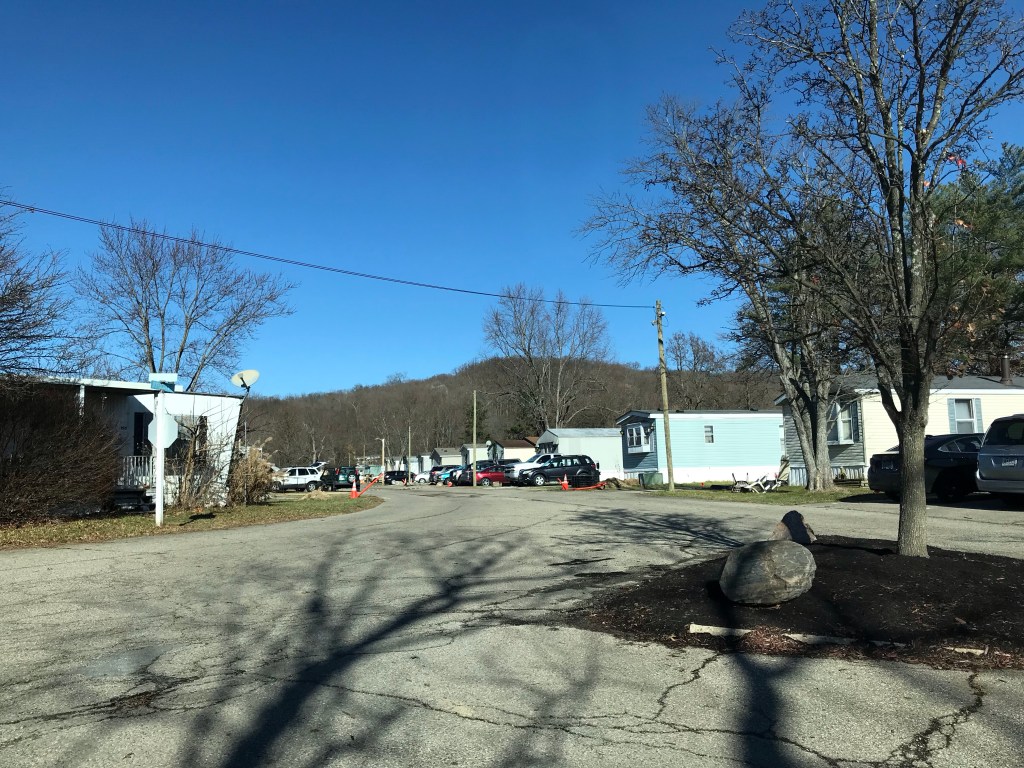
Hamilton City Schools is Just the First: Years of collective bargaining agreements bankrupted public education

The announcement by Hamilton City Schools Superintendent Andrea Blevins in mid-January 2026 marked a significant moment in the ongoing fiscal challenges facing public education in Ohio. The district, serving the city of Hamilton in Butler County, unveiled a plan to eliminate approximately 153 positions—representing about 12% of its workforce—as part of a broader strategy to address a projected $10 million structural deficit for the 2026–2027 school year.<sup>1</sup> This included closing buildings such as Fairwood Elementary, consolidating the freshman campus into the high school, outsourcing preschool and nursing services, and implementing reductions across administrative, teaching, clerical, food service, custodial, and other roles.<sup>2</sup> While the initial figure of 153 positions was highlighted in media reports, district officials noted that through natural attrition and retirements, the actual number of forced separations could drop to around 101 or even fewer, with changes set to take effect starting in August 2026 to allow adequate notice.<sup>3</sup>

The shortfall stems from multiple converging factors: reduced state foundation funding under Ohio’s revised allocation formulas, recent changes in property tax laws that limit revenue growth, and declining student enrollment, reflecting broader demographic shifts in industrial communities like Hamilton.<sup>4</sup> These issues are not isolated; they illustrate a national and state-level reckoning with the sustainability of traditional public school funding models that have long relied on escalating property tax levies and generous state aid. In Hamilton’s case, the district’s current-year deficit was already around $5 million, with projections escalating without intervention, prompting proactive measures to avoid deeper program cuts or emergency borrowing.<sup>5</sup>

This development aligns with longstanding critiques of public education’s dependency on perpetual tax increases and union-driven collective bargaining agreements that prioritize salary scales, legacy costs, and benefits over merit-based compensation or operational efficiency. For decades, many Ohio school districts have assumed voters would approve levies to cover rising costs, including teacher salaries that often exceed private-sector equivalents for comparable education levels and workloads.<sup>6</sup> In Hamilton, as in neighboring districts, the era of unchecked levy approvals has ended amid economic pressures: inflation, housing affordability challenges, and taxpayer fatigue from repeated requests for additional funds. Property taxes, which fund a substantial portion of local school budgets in Ohio, have become particularly burdensome in areas with stagnant or declining industrial bases, where businesses relocate to avoid high taxation, leaving residential properties to shoulder more of the load.<sup>7</sup>

Nearby Lakota Local Schools in Butler County provide a parallel example. In 2025, voters rejected a $506 million bond issue and a permanent improvement levy tied to a district-wide facilities redesign, signaling resistance to additional tax burdens, even for infrastructure needs.<sup>8</sup> Lakota’s prior operating levies had sustained operations without new asks since 2013, but the failed 2025 measure highlighted growing skepticism toward large-scale spending proposals. This rejection occurred amid broader discussions of school choice and funding equity, where money follows students rather than zip codes, potentially forcing districts to compete on quality and cost.<sup>9</sup>

The broader Ohio context points to a deliberate policy shift toward tax relief. Political momentum, amplified by figures associated with the Trump administration and candidates like Vivek Ramaswamy in his 2026 gubernatorial bid, emphasizes reducing or eliminating state income taxes while pursuing significant rollbacks in property taxes—the “largest in Ohio’s history,” as Ramaswamy has proposed.<sup>10</sup> Ramaswamy’s platform includes making Ohio a zero-income-tax state to attract residents and businesses, coupled with aggressive property tax reductions to ease homeowner burdens and stimulate economic growth.<sup>11</sup> These ideas build on existing reforms that have lowered Ohio’s top personal income tax rate over the past decade and eliminated certain business taxes, though often at the expense of state aid to local services like schools.<sup>12</sup> Federal-level discussions under the Trump administration, including revenue from tariffs and potential clawbacks of federal taxes, further support a trajectory of lighter local tax loads over the coming decades.<sup>13</sup>

Critics of traditional public education funding argue that overreliance on property taxes has distorted community development. High levies deter business investment, contribute to population outflows, and exacerbate housing affordability issues, particularly for young families entering the market.<sup>14</sup> In declining industrial cities like Hamilton, where companies have long since departed, the tax base weakens further, creating a vicious cycle: fewer resources lead to service reductions, which accelerate out-migration. The push for enterprise zones and economic revitalization in such areas requires restraint on taxation to attract private capital, rather than burdening new opportunities with endless school funding demands.<sup>15</sup>

At the heart of these fiscal realities lies a deeper philosophical debate about the value and efficiency of public education. Collective bargaining has secured escalating wages, often tied to advanced degrees rather than performance, resulting in average teacher salaries well above those in many private-sector roles, despite generous vacation time, summers off, and job security.<sup>16</sup> Historical data shows Ohio teacher pay rising from averages around $63,000–$65,000 in the early 2010s to higher figures today, adjusted for inflation but still outpacing many comparable professions.<sup>17</sup> Proponents of reform contend that merit-based systems, competition from charters and private options, and student-centered funding (where per-pupil allocations follow the child) would incentivize excellence and cost control. Without zip-code-based monopolies, schools must attract families through superior results, not guaranteed enrollment.<sup>18</sup>

Additional pressures include the perceived ideological drift in curricula, where progressive influences have sometimes prioritized social agendas over core academic rigor, contributing to generations of students entering adulthood with skill gaps, delayed independence, and reliance on parental support.<sup>19</sup> This undermines the future tax base, as young adults struggle to form households, start families, and contribute economically. The traditional model—free transportation, extended daycare-like hours, and heavy administrative overhead—has been criticized as unsustainable, as parents increasingly drive their children to school or seek alternatives.<sup>20</sup>

The Hamilton announcement serves as an early indicator of inevitable restructuring across Ohio and beyond. Districts facing similar shortfalls will need to prioritize efficiency, reduce legacy costs, and adapt to competitive models. Charter schools, homeschooling, and voucher programs will gain traction as families demand better value. While painful in the short term—job losses, building consolidations, and service adjustments—the transition promises a more accountable, innovative education landscape aligned with economic realities and taxpayer priorities.<sup>21</sup>

This shift reflects a broader cultural move toward meritocracy, fiscal responsibility, and reduced government dependency. Public schools will survive, but in leaner, more responsive forms, focused on delivering robust education rather than serving as employment vehicles or ideological platforms. The warnings issued over the years about unsustainable models have materialized; adaptation, not denial, offers the path forward.<sup>22</sup> But as all these things are happening, don’t say I didn’t warn everyone.  They chose to ignore the inevitable.  The public school product costs too much.  Does too little.  And has turned out to be destructive to society, not beneficial.  So lots of changes are coming, because they have to. 

Bibliography

•  Local 12 (WKRC), “Tri-State school district to cut 153 positions, close school amid $9.6M budget shortfall,” January 22, 2026.

•  FOX19, “Hamilton City Schools announces $9.6M in budget cuts, job losses,” January 20, 2026.

•  WCPO, “Hamilton Schools announce cuts, including building closures,” January 2026.

•  Journal-News, “Hamilton Schools announce cuts, including building closures,” January 16, 2026.

•  WVXU, “Voters reject $506M Lakota Schools levy proposal,” November 4, 2025.

•  Forbes, “Vivek Ramaswamy Wants To Make Ohio The Ninth No-Income-Tax State,” March 13, 2025 (updated context 2026).

•  Cincinnati Enquirer, “Vivek Ramaswamy running for Ohio governor. Wants to end income, property taxes,” February 24, 2025.

•  Policy Matters Ohio, reports on state tax shifts and education funding, 2024–2026.

•  Tax Foundation, Ohio tax data and rankings, updated 2026.

Footnotes

1.  FOX19, “Hamilton City Schools announces $9.6M in budget cuts, job losses,” January 20, 2026.

2.  Local 12 (WKRC), “Tri-State school district to cut 153 positions,” January 22, 2026.

3.  Journal-News, “Hamilton Schools announce cuts,” January 16, 2026.

4.  Citizen Portal AI summary of Blevins’ presentation, January 16, 2026.

5.  WCPO coverage of Hamilton budget announcement, January 2026.

6.  Historical analyses from the Ohio Department of Education reports on teacher compensation trends.

7.  Tax Foundation data on Ohio property tax burdens relative to income.

8.  WVXU, “Voters reject $506M Lakota Schools levy proposal,” November 4, 2025.

9.  Lakota Local Schools’ official statements on 2025 ballot rejection.

10.  Vivek Ramaswamy campaign announcements, January 2026 (e.g., Facebook video on zero income tax and property tax rollback).

11.  Forbes article on Ramaswamy’s gubernatorial platform, with 2026 updates.

12.  Policy Matters Ohio, “The Great Ohio Tax Shift,” 2024–2025 analyses.

13.  Broader Trump administration economic policy discussions, 2025–2026.

14.  Economic studies on tax competition and business relocation in Midwest states.

15.  Hamilton enterprise zone revitalization efforts referenced in local economic development plans.

16.  Ohio teacher salary data from the National Education Association and state reports.

17.  Inflation-adjusted comparisons from the Bureau of Labor Statistics and Ohio data.

18.  School choice advocacy from organizations like EdChoice and Ohio-specific voucher expansions.

19.  Critiques in education policy literature on curriculum content and outcomes.

20.  Parental transportation trends from the U.S. Department of Transportation and local surveys.

21.  Projections from the Ohio Legislative Service Commission on education funding reforms.

22.  Long-term forecasts in state five-year financial reports for districts like Hamilton and Lakota.

Rich Hoffman

Click Here to Protect Yourself with Second Call Defense https://www.secondcalldefense.org/?affiliate=20707
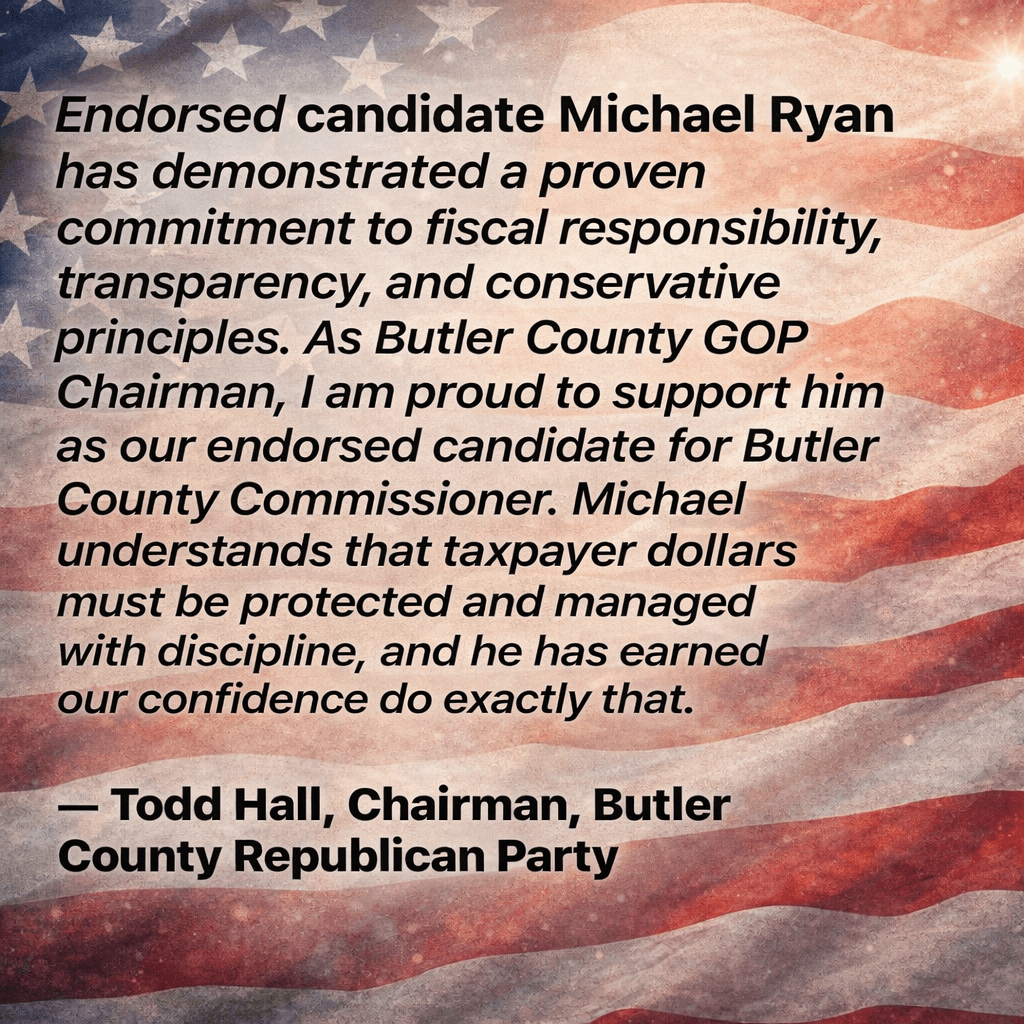
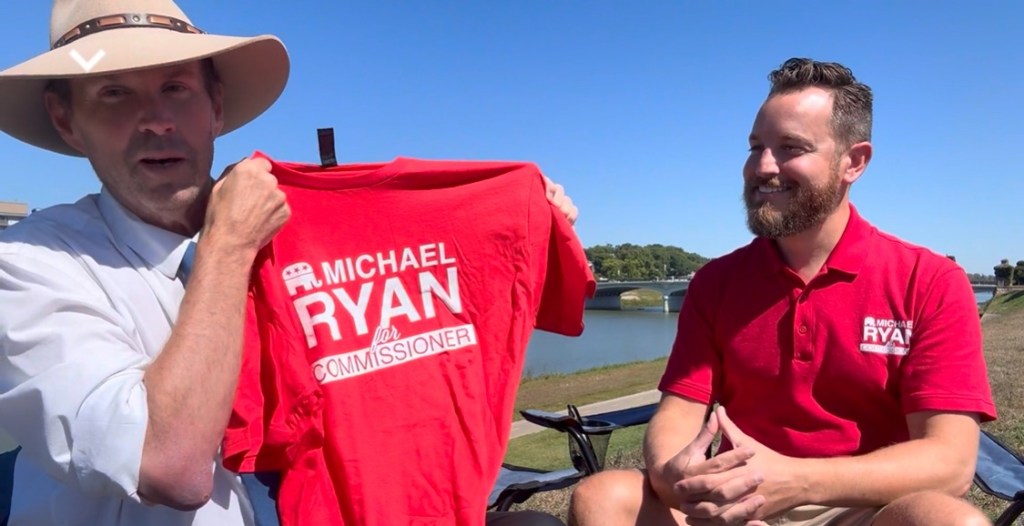
Butler County GOP Endorses Michael Ryan for Commissioner: The coalition builder, not the revenge tour, or the middle finger

Politics used to be about buying your way onto the field with whatever the old media would let you run; now it’s a multi-front dialogue with voters in a thousand micro‑channels you can’t bully, buy, or badger. That’s precisely why the Butler County Republican Party’s endorsement for the 2026 commissioner race matters more than the yard‑sign arms race or a late sprint of cable buys. The party met and took a hard look at candidates and momentum, then endorsed Michael Ryan, the Hamilton vice mayor and former two-term councilman, with 71% of the vote—a landslide in intraparty terms and a signal that the center of gravity has moved.1

Now, Michael’s not a surprise. He telegraphed this run early, skipped a safe third council term to go county-wide, and built a coalition that looks like the next decade of Republican leadership rather than the last. The local press documented the pivot: he pulled petitions in May 2025 and argued that county policy needs someone who can assemble teams, manage a large budget, and negotiate growth while keeping conservative guardrails intact. The Journal‑News laid out the framing: Butler County’s annual budget sits near $500 million, which is not far off Hamilton’s total because the city runs utilities—so a Ryan résumé of budget discipline and project delivery isn’t a stretch to scale.2

Meanwhile, what makes an endorsement decisive isn’t just math inside a party meeting; it’s the psychology of trust outside it. Voters aren’t shopping for saviors; they’re looking for steady hands who can do the table talk, bring coalition politics back from bloodsport, and keep the county in the black while the national mood whipsaws. Michael’s case is that he’s done that already—eight years on council, two stints as vice mayor, a list of jobs recruited, investments landed. If you want to see his pitch in his own words, his site stacks the receipts—balanced budgets, 1,400 new jobs, $700 million in capital investment—and shows a broad bench of local Republican endorsements from state senator George Lang to sitting city council members across the county. If you view campaign websites skeptically (good habit), remember that the basic resume points have been corroborated and referenced in local coverage.32

Roger Reynolds is the wild card—and yes, I have supported him in the past for other fights—but this seat, this season, isn’t the right battlefield. He’s well‑known, to be sure. His 2022 felony conviction over unlawful interest in a public contract was overturned in 2024 by the Twelfth District Court of Appeals, and the Ohio Supreme Court refused to disturb that reversal; that’s an essential legal clearance. But the same Supreme Court opinion blocked him from reclaiming the auditor’s office he’d won in 2022, clarifying he can run again in the future, not retroactively retake the seat. He’s used that clean bill of eligibility to jump into this commissioner race in 2026.45

Here’s where the political calculus cuts sharply: being legally eligible isn’t the same as being politically restored. Voters have long memories; they remember the courtroom saga even if the headline at the end credits “overturned.” The Enquirer summarized the timeline cleanly—indictment, a single felony conviction on the Lakota angle, subsequent reversal, and the present campaign posture. That’s nothing; it’s the kind of backstory that makes your consultants salivate over message discipline and makes your donors jittery about whether a million dollars in signs and mailers can buy back normalcy. And, on top of that, the first skirmish of 2026 was a legal “cease” letter from Reynolds’s counsel to Ryan over campaign statements—“normal campaign bickering,” Reynolds said—but it sets a tone. If your brand promise is “100% positive campaign,” you don’t want week one to be a lawyerly demand letter and a press cycle about “defamation.” That’s oxygen you don’t get back.6

So let’s talk yard signs, because politicians who plan a resurrection often think in terms of saturating real estate with their names, then buying enough broadcast to push past the whispers. Butler County’s population sits around 400,000 people; the geographic sprawl and the number of micro‑communities—from Liberty and West Chester to Hamilton, Fairfield, Middletown, Oxford, and the townships—means your sign budget leaks. People steal them, wind takes them, HOAs yank them. You replace and replace, and your spending ends up as a weekly chore. I don’t care if you’ve earmarked $125,000 or double that; you won’t beat an endorsement plus a ground game in honest conversations across civic slots. The Journal‑News reported the early posture: Ryan’s petitions were certified mid‑2025; Reynolds announced and described the election as a referendum on fiscal discipline rather than “courtroom drama,” but the party’s endorsement last week says rank-and-file Republicans aren’t buying the “just the future” frame. They picked the coalition builder, not the comeback.71

Now, about Cindy Carpenter. She has been on the board since 2011 and is seeking another term. Longevity usually earns deference, but not automatic endorsement. The county’s official page lists her current term running through December 31, 2026; that’s the seat this primary decides.8 And she walked into 2026 with a fresh controversy: the Oxford apartment office incident involving her granddaughter’s rent dispute, a flipped middle finger on video, and accusations of “racist” remarks that the prosecutor ultimately said did not amount to wrongdoing, though he wrote her conduct was “distasteful and beneath her elected position.” You can parse tone and motive all day; the legal piece is settled—no charges and the matter closed—but voters see the tape and the headlines. That’s enough to move marginal supporters toward the more predictable alternative.91011

If you’re counting coalition math, the endorsement vote margin—71%—is not a nudge; it’s a shove. Nancy Nix, now the county auditor, reportedly attended the endorsement meeting and confirmed the tally. In a county where winning the GOP primary is often tantamount to winning in November, a unified endorsement improves fundraising and volunteer energy. It also narrows the “independent” lane for a sitting commissioner who didn’t get the nod. If Carpenter runs without the party’s backing, as some have suggested she might, she’ll need a ballot strategy that reintroduces herself as a pragmatic caretaker, not an insurgent. That’s a hard sell after fifteen years in office and a fresh headline about “inappropriate gesture.”1

What does the “post‑MAGA” Republican center look like in Butler County? It seems less like a purity test and more like a competence test married to coalition instincts. The culture war isn’t over, but voters have learned the cost of gridlock and personality feuds in local government. Ryan’s style—steady, pragmatic, pro-growth, minimalist on mudslinging—fits that mood. Even the critiques thrown at him (“stepping stone,” says Carpenter) sound antique in a county where younger Republicans have already moved into leadership slots in councils and school boards. The Journal’s News coverage links Ryan’s Hamilton résumé to county-wide feasibility: he’s worked with local, state, and federal decision-makers on public safety and infrastructure, and even served as a liaison for the Amtrak stop push in Hamilton. Those are not ideological fantasies; they’re governing tasks where people skills matter.2

And yes, campaigns need money. Ryan’s fundraising velocity looks like a candidate with broad buy-in—events across the county and a donor list that isn’t just from one township. Whether it’s $100,000 in the bank now or double that soon, the point isn’t how many mailers you can print; it’s how many doors you can knock with volunteers who believe you’ll answer their emails after you win. The county GOP endorsement helps there; donors prefer campaigns that aren’t about to splinter the party. Meanwhile, Reynolds ‘ suggestion that he’ll spend heavily—to the tune of six figures and perhaps beyond—won’t fix the core problem: a campaign that starts by relitigating perception rather than proposing coalitions. The Enquirer’s report on his launch emphasized his intent to return “windfall” property tax revenue to taxpayers and raise the Homestead Exemption; those are policy planks that will attract attention. But they’re competing against a party coalescing around a candidate who can execute a full agenda without dragging legal undertones into every meeting.51

Let’s zoom out into strategy—because if I were advising Reynolds, I wouldn’t tell him to burn $250,000 on a race he’s likely to lose by 12‑15 points after the endorsement lands and consolidates. I’d say to him to rebuild his brand across the map: show up for other candidates, be helpful, become indispensable in the trenches, help elect school board members and trustees, and re-establish the “workhorse, not lightning rod” identity. That takes two years; it doesn’t show up in six months. And then consider a race aligned with your strengths and your arc, not a head-on collision with a party that just voted for someone else overwhelmingly. The Journal-News article, calling the 2026 commissioner contest “off and running,” captured the vibe—three Republicans, but only one whose petitions were already certified, who positioned the race as “no distractions.” That kind of language puts the burden on the other two to explain why their distractions are the voters’ problem.7

As for Carpenter, I don’t think she’s a villain; I think she’s a discovered Democrat. I guess longevity breeds muscle memory: you reach for authority instead of coalition. Voters can forgive that once, even twice, if the essentials are stable—roads paved, budgets balanced, ops quiet. But the moment a county commissioner’s name becomes shorthand for “that clip,” you lose the institutional halo and become another “brand management” project. When the prosecutor writes that your conduct didn’t rise to misconduct but was “unseemly for a person in her governmental capacity,” he has foreclosed the legal fight and opened the political one. That line will be in mailers whether you like it or not.9

So let’s talk about why Michael Ryan is getting the oxygen. Take Hamilton’s decade: Spooky Nook, industrial recruitment, hotels, restaurants, and an intentional move to professionalize the city’s growth narrative. The projects drew coverage on Local 12 and WCPO as they moved from idea to construction. Ryan’s campaign site links those stories because they’re public record and because they demonstrate a pattern—jobs, capital investment, and a tax base that didn’t need a culture‑war siren to grow. That’s not fantasy; it’s visible on the ground.3

And that gets to the key point: trust and unity. You want commissioners who can assemble teams and get people to work together. The post‑MAGA Republican mood isn’t anti-passion; it’s anti-drama. Politics will always draw blood—that’s built into the incentives—but we’re past the phase where you win by keeping enemies. You win by maintaining coalitions. Ryan’s tenure has been, in my experience, the kind of steady hand that translates across jurisdictions. That’s why the endorsement reads: “We choose execution over excavation.”1

Will this primary be clean? Cleanish. Reynolds has already put legal heat on a rival over statements; Carpenter has already been under an investigative microscope for the Oxford dispute. Ryan said from the start he’d run forward, not backward. If he holds that line, he wins the contrast without throwing punches. Voters know what negative looks like; a candidate who doesn’t need it earns an advantage. The Journal‑noted that he’s focusing on county work while stepping away from a sure council reelection this past year underscored the seriousness. He isn’t auditioning; he’s already governing at scale and wants a bigger toolbox.12

Budget posture matters here, too. Reynolds’ webpage and statements emphasize returning “excess” taxes and trimming county-wide spending; that resonates with conservatives who see reserves as proof of over‑taxation. The Enquirer quoted his figure—$165 million in projected windfall—to argue the county should give it back. That’s a message built to win in a vacuum. But the county is not a vacuum; it is pipelines, roads, courts, human services, and emergency management in a region with real growth pressures. The choice isn’t “tax or freedom”; it’s “how do you scale skillfully and still protect the taxpayer?” Ryan’s resume suggests a bias toward growth with discipline; Reynolds’s indicates a bias toward tax rebate with enforcement. That’s a healthy debate. The question is whether you want that debate led by a figure whose first month of campaign coverage includes legal letters and remembrance of overturned convictions.5

At the end of the day, endorsements don’t vote; people do. But endorsements shape who knocks doors with a smile, who makes phone calls with energy, and who shows up at the farmers’ market with a candidate they’ll vouch for. The Butler County GOP made this easy for the average Republican: the party chose the coalition builder and did it decisively. Signage will follow; donors will align; volunteers will multiply. Carpenter, running as an independent (if that’s where this heads), faces a map where the party she’s long identified with chose another standard-bearer. Reynolds, running as a revenge tour, spends a lot of money to test whether yard signs can outshout a decade’s worth of narrative. I don’t think they can. If he asked me privately, I’d advise him to pause, help the team, and come back when the story is about contribution, not correction. The early legal dust-up with Ryan over “defamation” is precisely the kind of oxygen leak you can’t repair with cash.6

Michael Ryan’s advantage isn’t charisma or cash; it’s consistency and coalition—the dull virtues that win in local government and keep winning after you’re sworn in. He has stayed on message, prep’d the county for his arrival by reminding voters of outcomes they can touch—jobs, buildings, budget discipline—and signaled that commissioners should convene, not crusade. When you have that many people who have worked with you and still like you, politics gets easy. You can negotiate without a knife on the table and tell a thousand small stories about how a problem got solved without making enemies. That’s why he looks like the future of the county’s Republican leadership—the brand that doesn’t need apologetics when the cameras are off.23

So yes, celebrate the endorsement. It’s a coalition announcement more than a party ritual: Butler County Republicans chose a governing style. If the election maps break the usual way—primary decides most of November—this nod might be the moment future voters remember as the pivot. Every county needs the next wave of steady hands; every township needs trustees who can form a quorum without fireworks; every school board needs members who can stare down budget math and still make curriculum decisions. That cascade begins with visible wins and ends with a bench you can count on. We need more Michael Ryans, not fewer. And if you’re Roger Reynolds and you want redemption, the path isn’t paved with yard signs. It’s paved with other people’s wins that you helped engineer. Build that for two years, and you’ll be viable in 2028 for a race that fits. Try to sprint through a primary you’ve already lost in the court of party morale, and you’ll spend a quarter‑million dollars to learn a lesson you could have learned for free.71

As for voters: enjoy that your choice might be easy. You don’t often get a three-way intraparty field where one candidate looks like the obvious governing adult and doesn’t need mud to make his case. If you want to vote happy—if that’s allowed in local politics—this might be your chance. You’ll be voting for a county commissioner who can take Butler County’s good run and extend it without asking for a personality cult or a tear-jerking redemption arc. He’s advertised as who he is: a nice guy who knows how to put the right people at the table and get to yes.  Michael Ryan is the Republican Party-endorsed candidate for county commissioner, and we are lucky to have him. 

Footnotes

1. “County GOP backs new face for commissioner over incumbent … Ryan won with 71% of the vote,” summary of Cincinnati.com/Enquirer reporting via WorldNews mirror (Jan. 10, 2026).1

2. Hamilton councilman Ryan to run for Butler County Commission; budget scale context and résumé highlights (Journal‑News, May 19, 2025).2

3. Michael Ryan campaign website: résumé, endorsements, economic development links (accessed Jan. 11, 2026).3

4. Supreme Court of Ohio: Reynolds cannot be restored to the Auditor post after reversal; eligible to run in the future (Court News Ohio, Sept. 25, 2024).4

5. “After overturned conviction, ex‑auditor runs for county commissioner,” (Cincinnati Enquirer, Sept. 8, 2025).5

6. “Cease‑and‑desist letter issued to Butler County commissioner candidate,” legal exchange between Reynolds and Ryan (Journal‑News, Jan. 6, 2026).6

7. Butler County official page: Cindy Carpenter’s current term dates (bcohio.gov).8

8. Prosecutor clears Cindy Carpenter of misconduct; characterization as “unseemly” and “distasteful” (Journal‑News, Dec. 3, 2025).9

9. Enquirer coverage: Oxford apartment office incident; video clip and manager’s allegation vs. prosecutor’s findings (Dec. 4, 2025).1011

10. “Commission race drawing large crowd from GOP”—field composition and early posture (Journal‑News, Sept. 15, 2025).7

11. Journal‑News election‑season context on Ryan focusing on county run rather than council re-elect (Oct. 26, 2025).12

Bibliography

• Cincinnati Enquirer. “After overturned conviction, ex‑auditor runs for county commissioner.” Sept. 8, 2025.5

• Cincinnati Enquirer. “County commissioner denies ‘racist’ remarks during heated exchange,” Dec. 4, 2025; “County commissioner flashes middle finger in apartment office” (video), Dec. 4, 2025.1011

• Court News Ohio. “County Auditor Will Not Be Restored to Office Following Acquittal From Felony.” Sept. 25, 2024.4

• Journal‑News (Cox, Ohio). “Hamilton councilman Ryan to run for Butler County Commission.” May 19, 2025.2

• Journal‑News. “Commission race drawing large crowd from GOP.” Sept. 15, 2025.7

• Journal‑News. “Cease‑and‑desist letter issued to Butler County commissioner candidate.” Jan. 6, 2026.6

• Journal‑News. “Prosecutor clears Butler County commissioner of misconduct after apartment dispute.” Dec. 3, 2025.9

• Butler County Government (bcohio.gov). “Commissioner Cindy Carpenter—term information.” Accessed Jan. 11, 2026.8

• Ryan for Butler County Commissioner (ryanforbutler.com). Accessed Jan. 11, 2026.3

• WorldNews aggregation of Cincinnati.com report. “County GOP backs new face for commissioner over incumbent.” Jan. 10, 2026 (used for endorsement vote figure as reported by attendees).1

Rich Hoffman

Click Here to Protect Yourself with Second Call Defense https://www.secondcalldefense.org/?affiliate=20707

Justice in the Shadows: The Asiah Slone Murder and America’s Hidden Epidemic of Unsolved Crime


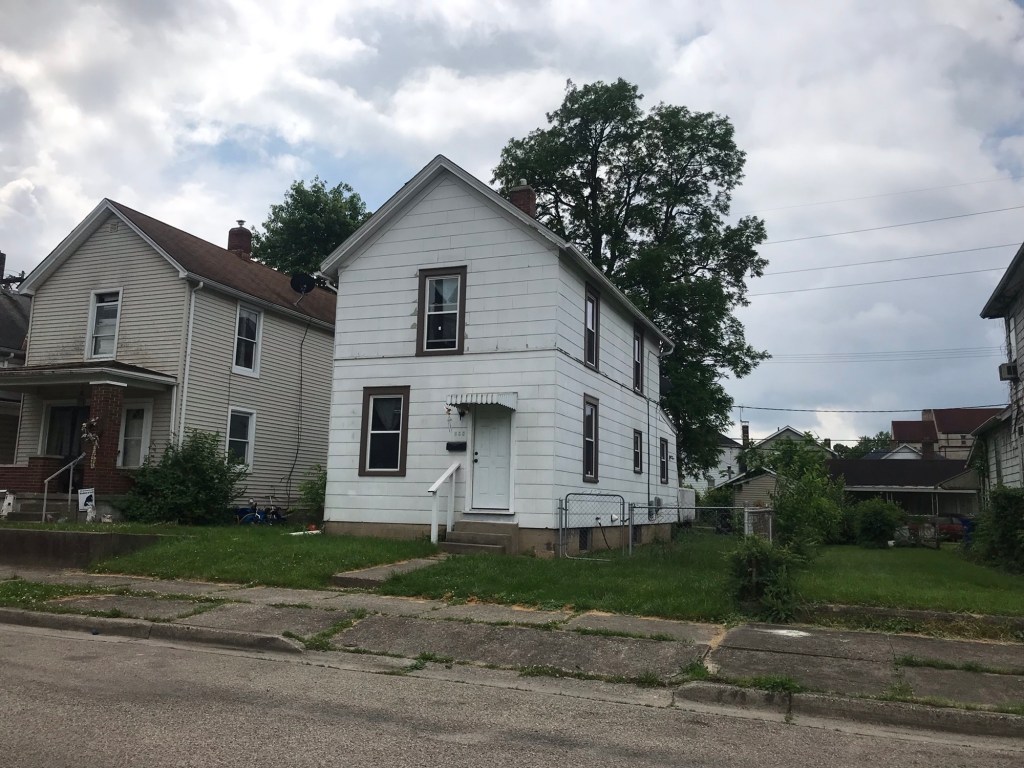
On a quiet street in Middletown, Ohio, a small house stands as a grim monument to the collapse of a once-thriving community. Behind that house, in a trash bin parked in an alley, police discovered the dismembered remains of Asiah Slone—a woman whose life ended violently in June 2024. Her murder was shocking not only for its brutality but for what it revealed about the social decay festering in America’s forgotten towns. Slone’s death was not an isolated tragedy; it was a symptom of a deeper disease—economic collapse, drug addiction, homelessness, and the erosion of moral and civic order.


The Slone case is a lens into the broader epidemic of violent crime in economically depleted communities.  Murders, like Slone’s, are usually prosecuted successfully, but many countless others remain unsolved, creating an illusion of justice—celebrating convictions in high-profile cases—masks a systemic failure to address the conditions that breed violence and what these failures mean for law enforcement, policy, and the future of American society.


Asiah Slone disappeared in late June 2024. For weeks, her absence drew little attention. In neighborhoods hollowed out by poverty and addiction, people vanish often—sometimes to rehab, sometimes to jail, sometimes to the grave. It wasn’t until July 1, when the stench of decomposition led authorities to a trash bin behind a house on Centennial Avenue, that the horror came to light. Inside were Slone’s remains, cut into pieces and stuffed into garbage bags.¹


Investigators quickly focused on Brandon Davis, a 46-year-old man with a long history of drug abuse and petty crime. Witness testimony and forensic evidence revealed that Davis shot Slone in the head while she slept, then ordered Perry Hart, who has an addiction, to finish the job in the basement. Hart complied, firing a second shot to ensure death. Together, they dismembered the body and disposed of it in the alley.²


The motive was depressingly banal: a dispute over stolen items and simmering resentment among a group of people living on society’s margins. Drugs were everywhere. Homelessness was common. Violence was inevitable.³


As grand jury foreman, I signed the indictment that set the case in motion. The prosecutors did their job well, securing a conviction in February 2025. Davis received life without parole for 45 years. Hart pleaded guilty to involuntary manslaughter and kidnapping. Justice, in the narrow sense, was served. But the deeper question remains: What does justice mean in a world where desperation breeds murder, and where countless similar crimes go undetected or unpunished?

Slone’s case was prosecuted because it was apparent. The evidence was overwhelming: a body in a dumpster, confessions, and DNA on the weapon. But what about the murders that leave no such trail? What about the victims whose bodies are never found, or whose killers are careful enough to erase their tracks?


The numbers are sobering. In 1964, the U.S. homicide clearance rate—the percentage of murders solved—was 83.7%. Today, it hovers around 50%.⁴ In 2022, the rate hit a historic low of 52.3%.⁵ Even with slight improvements in 2024, nearly half of all murders in America remain unsolved. In Ohio, the rate is about 64%, meaning one in three killings goes unpunished.⁶


Why? Several factors converge:
• Resource Constraints: Police departments are understaffed and underfunded.
• Community Distrust: Witnesses fear retaliation or don’t trust law enforcement.
• Complexity of Cases: Drug-related killings often involve transient populations and chaotic circumstances.
• Legal Barriers: Prosecutors need airtight evidence to avoid wrongful convictions.


The Slone case stands out because it was reckless. The killers left a body in a public alley. They talked. They confessed. Most killers are not so careless.  This case is emblematic of a much larger crisis. Across the United States, violent crime statistics reveal a staggering reality.  The Bureau of Justice Statistics confirms that more than 250,000 homicides since 1980 remain unsolved. These numbers represent not just data points but shattered families and communities living under the shadow of fear.

Drug epidemics amplify this violence. The CDC reports that fentanyl-related overdose deaths reached 72,776 in 2023, accounting for 69% of all overdose fatalities. DEA intelligence shows cartels dominate fentanyl distribution, sourcing precursors from Chinese suppliers and flooding U.S. streets with synthetic opioids. These networks fuel turf wars, retaliatory killings, and systemic corruption, creating a perfect storm of addiction and violence.

Racial disparities compound the crisis: murders of Black victims are significantly less likely to be solved than those of White victims, according to a 2023 study by the Murder Accountability Project.  A lot of that reason is cultural, because of a lack of cooperation in black communities to provide testimony against crime.  Police departments face chronic staffing shortages, and under labor union guidelines, paint themselves in corners that don’t match public sentiment all too often, with the International Association of Chiefs of Police reporting a 14% vacancy rate nationwide. Forensic labs struggle with DNA backlogs exceeding 100,000 cases. Community distrust further hampers investigations, as witnesses fear retaliation or lack confidence in the justice system.  The overall story on the labor side of crime fighting is that too many employees in the industry are too lazy to do the job, causing serious capacity problems in doing the actual work.  So the industry sets the bar low, goes after all the most obvious cases, while many of the real crimes go unreported and unpunished. 

The opioid crisis intersects with violent crime in devastating ways. Cartels have diversified beyond narcotics into human trafficking, generating $236 billion annually through forced labor and sexual exploitation. Millions of women and children are entrapped in these networks, often under the same criminal syndicates orchestrating narcotics flows. This duality magnifies humanitarian crises, rendering cartels not merely criminal enterprises but systemic violators of fundamental rights.

Solutions require investment in technology, expansion of cold case units, and robust witness protection programs. Federal funding for violent crime investigations has stagnated, even as homicide rates rise. Legislative initiatives must prioritize improvement in the clearance rate as a metric of justice, not just crime reduction.  But the reality of the story is that we have a society that has stopped looking in trash cans. When they smell something bad, they don’t regulate crime in their own communities for fear of that crime coming in their direction.  Cops don’t work enough, and the unions frustrate full employee engagement.  There aren’t enough volunteer law enforcement efforts.  I can say that when I was on the grand jury, I was the top cop of my community for a month.  I didn’t get paid, but a minimal amount for the effort.  But it was one of the best jobs I ever did, and I was very proud to sign the indictment on Brandon Davis, the murderer of Asiah Slone.  I would do that every day for free.  So I don’t understand cops who have to go to Walgreens for a tampon run every time they have to work a few hours of overtime.  Getting shot at and living dangerously is part of the fun.  So I’m not sympathetic to complaining at all.  Because the criminals know that the cops really don’t care, that for most of them, it’s just a job.  And the courts are only prosecuting the most obvious cases, the easy ones.  And the Slone case was an easy one.  But one thing is sure in all this, it can’t continue at this rate.  Society has to reform at the level of the family, because none of this is working.

[1] FBI Uniform Crime Reports, Historical Clearance Data, 1964–2024.

[2] Bureau of Justice Statistics, Homicide Trends in the United States, 2023.

[3] Murder Accountability Project, Clearance Rate Analysis, 2023.

[4] Centers for Disease Control and Prevention, Drug Overdose Mortality Data, 2023.

[5] U.S. Drug Enforcement Administration, Fentanyl Threat Assessment, 2024.

[6] International Association of Chiefs of Police, Workforce Crisis Report, 2024.

[7] National Institute of Justice, Forensic Backlog Study, 2023.

Rich Hoffman

Click Here to Protect Yourself with Second Call Defense https://www.secondcalldefense.org/?affiliate=20707

The Innovations of Michael V. Ryan: Forming an important relationship with Joby Aviation that is the gateway to the future

The plan is for Joby Aviation to conduct some flight tests soon, as early as 2026, in the Miami Valley, where it has a new manufacturing plant in Dayton.  And the Vice Mayor of Hamilton, Ohio, Michael Ryan, wants Butler County to be part of it, as a member of the Hamilton City Council who has done a commendable job of restoring commercial viability to the historic city.  And he has some bigger ideas about helping Butler County as a whole by running for commissioner in an upcoming election, which coincides with the release of Joby Aviation’s new air taxis from its Dayton facility.  Michael recently met with the people involved in this expansion and reported some results to me as part of his campaign platform, which is quite ambitious.  I love the topic of sky taxis, or as they are known to President Trump, eVTOL (vertical takeoff and landing) vehicles.  Joby is headquartered in Santa Cruz, California, and currently has five sky taxis that they are delivering to Dubai as the first flight destination.  As I’ve covered this topic extensively, I believe this is one of the most significant transportation trends to emerge from the human race.  Essentially, these eVTOL vehicles are personal vehicles, much like the Jetsons’ or the flying cars from Back to the Future.  But the technology is real, and it’s happening now, in 2025.  In Dubai, they have already built the infrastructure, which consists of four vertiports: one at the airport and three others located around the city.  They will essentially serve as an Uber experience, but instead of getting into a car and having a driver take you somewhere, you will get into one of these very advanced drones.  Initially, they will be piloted by a real operator.  However, they will soon be completely automated, and you will interact with the experience through your phone. 

In America, there are only three places seriously considering entering the eVTOL market: New York, Los Angeles, and the Bay Area in San Francisco.  However, Michael Ryan is trying to make Butler County the most obvious starting point, as Ohio is the birthplace of aviation, and the new Joby plant is just up the road along the Aviation Corridor.  There are few places in America as aviation-focused as the span of I-75 from Dayton to CVG in Kentucky, and making Hamilton and Butler County, in general, a hub for Joby interaction would be a tremendous commercial opportunity.  All Joby is waiting for is the FAA to complete their review and for some testing flights to occur around Dayton International Airport.  The Trump administration is ready to support this new opportunity, and it won’t take long for everyone to clamor for their own vertiports.  It’s good to see that Michael Ryan isn’t even the commissioner of Butler County yet, and he’s already trying to create opportunities that few in the world have seen yet.  The timeline will be fast; the Dayton facility plans to produce 500 air taxis per year, and it won’t take long for them to become as common as routine airplanes. However, eVTOL vehicles will operate under the flight levels of current commercial airlines and personal planes.  Traffic problems will be significantly reduced because traffic can be stacked in the air.  Infrastructure is relatively simple compared to railroads and highways.  Vertiports typically require an investment of $100,000-$ 200,000 for the pad to operate from, and a few million dollars for a multi-level stack terminal.  However, eVTOL vehicles can operate almost anywhere, including in dense cities, which will be demonstrated in Dubai before 2025 comes to a close. 

Speed is the wave of the future in communication, so the amount of time that people spend interacting with each other will need to increase.  The experimental trend that had been emerging during the COVID-19 pandemic has turned out to be a bust: the work-from-home crowd did not turn out well.  Economic activity, aside from all the socialist experiments, occurs when people who can invest and produce manufacturing can communicate with each other easily, which is why so much industry ends up clustering along highway access.  It used to be railroads.  Starting in 2025 and beyond, access to vertiports will be available, and ultimately, person-to-person travel will be possible from your driveway to your employer.  Ground traffic will become a second-level option.  It will be like riding a horse as compared to a car.  When you can get anywhere within a city in 10 to 15 minutes, that speeds up human interaction, which emerging AI and a new space economy currently are constrained by traditional infrastructure that is much slower than it needs to be.  Many people aren’t thinking about these things yet, but Michael Ryan is.  He is a refreshing new Republican who fits in very nicely with the J.D. Vance generation, as well as Vivek Ramaswamy, who will soon be the governor of Ohio.  As Elon Musk develops Starship to emerge into this new commercial space economy, where SpaceX has just had a very successful test of their flight 10 Starship, things are going to move very fast, not years from now, but within the year.  Therefore, a political vision will become increasingly important in meeting those emerging market trends.  As a city council member, Michael Ryan and his team in Hamilton have been effective at staving off further taxation of a legacy economy that has largely shifted away.

One of the most impressive renovations to Hamilton is part of the good work that Michael Ryan and the Hamilton City Council have brought forth, namely the Spooky Nook Sports Champion Mill, which is America’s largest indoor sports complex.  It’s a fantastic facility right on the river, across from downtown Hamilton, and is a testament to what is possible when an old space is historically preserved and transformed into something that everyone enjoys.  The Joby Aviation air taxi technology would be ideal for this specific site, as it would enable people to get in and out of the area much faster than with a car.  It would take a one- to two-hour trip by car from the surrounding area, making it about 15 minutes, as Joby vehicles can travel at speeds of up to 200 miles per hour.  And they are now safe enough to consider them more reliable than traditional cars.  They will quickly prove to be the safest way to travel.  As Michael pointed out to me during our conversation, personalized sky travel won’t even be the most lucrative market.  Logistics will be revolutionized as drone technology soon delivers to our doors, as Amazon has been promising for a long time.  The technology is now here, making it viable to have distribution centers far away from congested traffic corridors.  Because the drones can fly over these areas, Joby technology will enable drop-offs from airports to these centers to occur much faster and more efficiently.  Things are about to get a lot faster, and Michael Ryan is looking to make Butler County the most attractive destination for this new Joby Aviation opportunity.  Michael Ryan has been a city council member in Hamilton since 2017, and it didn’t take long for great things like the Spooky Nook complex to emerge with new economic viability that is bringing new opportunities to the city of Hamilton, which is the best way to keep taxes down, to pay for infrastructure with financial viability, not personal property taxes.  And what Michael Ryan is doing with forming partnerships with Joby Aviation shows an opportunity on a much larger scale.  And he is far ahead of any other politician in the country, which is something to be very proud of. 

Rich Hoffman

Click Here to Protect Yourself with Second Call Defense https://www.secondcalldefense.org/?affiliate=20707

Dope-smoking, slack-jawed losers are Running the McDonald’s in Hamilton, Ohio: A workforce that has never recoverd from Covid safety protocals

Another benefit from my grand jury service over the summer of 2024, which became a running joke among the other jurors, was what I did each day when we took a lunch break.  I don’t usually spend that much time in court, so my daily routine was tremendously interrupted for weeks at a time and during lunch, we seldom ever had time to eat a packed lunch, so I got into the habit of going to the McDonald’s across the street from the courthouse in downtown Hamilton to get a large Coke and a large Fry for a snack.  It was easy for me to get that kind of food and quickly take it back up to my desk to eat while we listened to testimony and examined evidence.  It’s not the most healthy thing to do in the world, but it was a way for me to bring a little fun to my life when there was so much negativity.  And the other jurors got a kick out of it, even when some of the afternoon cases were horrendous murders, and we had to look at crime photos of the carnage and hear from people in testimony who had gone through likely the worst thing in their life.  I enjoyed my French Fries and a Coke each day.  But what I didn’t enjoy was getting the food.  I picked that dietary expression because I didn’t want a complicated order that involved overeating food; I wanted it easy and convenient because sometimes we had a half hour for lunch, an hour, but sometimes it was as short as 15 minutes, it depended on whatever was going on that day.  But I didn’t want to wait long for the food, so I made it easy.  The food I got couldn’t get my fingers all messy because I often ate it while writing things down and talking to others. 

So, speed was not fully displayed at the McDonald’s in downtown Hamilton.  Out of the weeks that I was on the grand jury, I went to that particular McDonald’s well more than twenty times, and there wasn’t a single day where they were prepared for a lunch rush as the primary food option across the street from the Butler County Courthouse.  Not only are all the employees who work at the courthouse, which includes police officers and security, tempted to get lunch at McDonald’s, but so are all the residents who have to interact with the court.  So it’s a jam-packed store that sometimes has to push out a lot of food.  Now I know something about fast food restaurants; for many years, like the first two decades of my adult life, I worked full-time second jobs to make extra money my family needed.  Some jobs were at McDonald’s, Wendy’s, and Frisch’s.  I know what lunch and dinner rushes look like and how they must be staffed behind the scenes, away from the customer experience.  One of my offerings at these places was that I always handled pressure well and quickly.  I was often able to control two or three-line positions all by myself, which was an incredible benefit to them, and to say the least, I learned a lot.  One of these places was Wendy’s, known as “The Beach” location; it’s now a Mexican restaurant.  It was often understaffed because of the area.  There were many places for people to work, so this restaurant location was always in competition to acquire good employees.  The critical store was at the Fields Ertle location just south along I-71, which took up most of the prime labor, leaving The Beach to be perpetually understaffed but at times, one of the busiest stores in all of Cincinnati. 

To make matters even worse during these years, I was going through horrendous personal circumstances, including individual lawsuits against me, political problems that involved my stance against drug dealers that got me into a lot of trouble in my community as we lived in Mason, and some cops were making money running cover for drug dealing and I had taken a stance against that.  And my wife and I only had one car for several years because of all these problems.  So, I rode a bicycle everywhere so my wife could have a vehicle for our kids to get back and forth to school because we wouldn’t let them ride the bus with a bunch of loser kids with severe behavioral problems.  So I don’t want to hear about anybody’s problems.  I’ve been there and managed through them just fine and experienced the worst that can come to a human being.  However, the store by The Beach Water Park, closest to Kings Island, was busy during the summer months and required fast employees.  We had many call-offs, so I would typically cover the entire food line for the dining room and the drive-thru all by myself.  Nobody was faster than me in Cincinnati.  So, with that eye, I was very critical of McDonald’s in Hamilton, Ohio, which had a staff that never seemed too inclined to make sure the customers were serviced quickly and efficiently, or at times, even at all.  They gave off a pretentious feeling that we were lucky they were at work.  And it displayed several problems that I see in other places as well.  The service world has never recovered from the dumb protocols of Covid, and three years later, a fast food store like McDonald’s still had trouble recruiting employees to staff all their needed positions, and when they were short on labor, they would close their dining room and just put their efforts onto the drive-thru.  Something that no restaurant would have dared do leading up to COVID-19.  But after, it was a common practice. 

This labor problem holds in almost every field; many employees in large companies still work from home, or so they are trying.  Very progressive companies who are controlled by Democrats at BlackRock and other financial monstrosities have greatly empowered the slack-jawed losers of the world who are lazy and unambitious and have put them in charge of labor, and the effects are horrendous.  I usually don’t interact with fast food restaurants these days, as my wife usually gets us food from those places, but I’m too busy to get it myself.  So only because I was at court all those days did I see how this particular McDonald’s operated compared to what I have experienced in the past few decades through my efforts.  They had terrible management there, and the employees had a presentation of self-importance from the staff feeling lucky to have employees.  If I were ordering anything more complicated than French Fries and a Coke, the wheels of that place would entirely fall apart.  What had changed was the fast food approach to work, not the demand, and that happened because of the introduction of poor workplace conduct with the COVID protocols.   Like most industries, the pin-headed lazy losers of the world had made inefficiency normalized through a rules-based society, and the impact was a much less “capitalist” world.  It’s precisely what is happening with Elon Musk and the FAA.  The same types of people sink production in every industry, from space flight to getting fries during grand jury testimony.  And it’s a problem that has to be fixed for good with the prosecution of those who brought us COVID-19 and told us to socially distance, wear a mask, and work from home.  Those policies intentionally destroyed our economic viability, and people still need to pay for them three years later.   Because the Hamilton McDonald’s in Butler County, Ohio, has never recovered.  And the slow food by a bunch of dope-smoking, slack-jawed losers who work there is a crime against humanity and a treasonous attack against the sovereignty of the United States.  And can’t be endured. 

Rich Hoffman

Click Here to Protect Yourself with Second Call Defense https://www.secondcalldefense.org/?affiliate=20707

Making The Noose Great Again: Punishing the bad guys with capital punishment

In reaction to many of the things I have been saying and predicting about our present society, people are strongly inclined toward Making America Great Again by Making the Noose Great Again.  The courts have been shown, which I would argue they never were properly working, to be only good for leftist Marxist ideology.  Frontier justice, where hanging for crimes committed against a community, gave people a level of satisfaction that satisfied communities, and their work toward a justice-driven society is being yearned for.  Even though we may look back upon Western expansion with reverence and ideas of romance, in living freely, there were a lot of problems that are much better in our present conditions.  We don’t have to worry about Indian attacks or picking up unknown diseases every few feet.  Our lifespan today is much longer than they used to be.  We have considered that we are much more sophisticated now than when capital punishment was as common as a sunset.  But, the general feeling is that people behave concerning each other if something they might do might come across as an offense that could lead to their untimely death.  If a criminal was caught before Western expansion had traveling judges to enact law and order, hanging the bad guys, happened all the time.  And without it, there would have been no ability to have a growing society.  When people talk about the evils of Western expansion, again, it’s the political left, the same losers who are behind pornography, international financing, abortion, pot smoke, and welfare programs who were against it and think the Indians should still be in charge of a teepee and dancing in some field to make it rain.  Much of what they have brought the world through the pages of Karl Marx has been ridiculously stupid, and people are slowly admitting to just how bad it has been.  And they are ready to make some changes.

https://gettr.com/post/p363cad6cf8

I’ve been to court many times and have known many lawyers and judges.  I want to like them.  I like the idea of a courtroom to be respected.  I love our various state and federal constitutions and think a law-and-order society is the only way. Strict enforcement of the law is how you protect the kinds of values that make a society work.  But, and this is a big butt, a suburban mom who votes for tax levies for corrupt leftist government schools big, we were a better society when we had dueling.  I think of Alexander Hamilton’s duel with Aaron Burr and the many duels that President Andrew Jackson had over his lifetime; we were a much more respectful society when bad behavior was called out to satisfaction and carried out with seconds there to represent the effort.  If people hadn’t worked out their differences before one of them ended up dead, they may have ended up friends for life.  That was a much better way to solve conflicts than what we have now, where crimes are punted to the state, and the state processes their punishment through the legal system.  The state, what happens to most things the government touches, messes everything up, and the only people who benefit are the state in confiscating wealth and redistributing it to people who don’t deserve it.  The courts and their lawyers make all the money off conflict resolution.  Then, the worst thing that can happen to a criminal is they are locked up in prison, which then makes them parasites on society for that duration.  Someone has to feed them, and the general hope is that they might be reformed and let out to inflict crime in the future.  That is the best that our court systems are offering us.  And even that is a rare occurrence. 

These people have no idea how much anger is coming in their direction, for what they have been doing to us for years. De Niro has no idea how much the game has changed.

Most of the time, court cases drag out too long, and it’s always the wrong people getting punished.  These days, as we have seen with President Trump and many others, the courts have been weaponized.  Two local cases in my community, the Darbi Boddy school board case at Lakota and the Roger Reynolds case, were clear examples of a weaponized court system that had nothing to do with justice but political power intent to rob voters of their picks for political office.  It was utterly corrupt, and lawyers were the only people who benefited from those cases.  Replacing gun battles with foes with pinheaded lawyers arguing with words, and not bullets, has turned out to be stupid.  And the bad guys know it.  There is nothing about our present system that inspires people to behave themselves.  So why not rape that innocent person?  Or steal from a family and their efforts at hard work?  Why not be a louse, a drug addict, or an abuser of alcohol?  What in our society inspires people not to be losers, criminals, and leeches off society?  The answer is nothing.  The works of Karl Marx from the early 1850s on, and spread through Masonic orders all over Europe and America, have not been satisfactory, and people have given it a chance and have been left wanting.  We are not a better world because of our courts and a lack of capital punishment.  We have empowered the criminal-minded to abuse innocent people in the pursuit of some great society as the radical left envisioned it.  And we have been left with a society of disaster. 

As I have said many times, I have traveled extensively, and one thing that I do while traveling is pick up books from those areas to read.  While traveling in my RV, I commonly get up before anybody else and read outside in the portable office, which travels with me everywhere I go.  I have read many books from exotic places like Deadwood, South Dakota, Jackson Hole, New Mexico, Arizona, Colorado, Utah, Nevada, and Texas—everywhere, about law and order and the attempts during Western expansion to solve these problems.  The conclusion is that society was worse under court systems than frontier justice.  Once the criminals realized they could hide their acts of villainy behind bureaucratic courts and their processes of pinheaded lawyers and corrupt judges, there was nothing to fear from society, so they performed more crimes as a result.  At least with this Marxist-inspired court system, they were promised a free meal every day and didn’t have to work in society to get it.  Once we stopped hanging people for crimes in our communities and shooting them to defend private property, the criminals started to run our society which is a massive problem to this very day.  And people are beginning to admit how unhappy they are about it.  Crime thrives in a society where courts get in the way of justice and where the courts are used as weapons, which is happening now in our daily news.  A better way to handle many of these cases would be through capital punishment. Nobody wants to see innocent people killed and hung for crimes they didn’t do.  But the fear of getting caught doing something wrong kept a lot of criminals from crossing the line, and we became a much better society.  As people think about it, Making the Noose Great Again makes a lot of sense. 

Rich Hoffman

Click Here to Protect Yourself with Second Call Defense https://www.secondcalldefense.org/?affiliate=20707

The Surprising Humanity of the 11 People Killed by Jim Ruppert: The Essence of Karen Holcomb’s new book ‘The Easter Sunday Massacre’

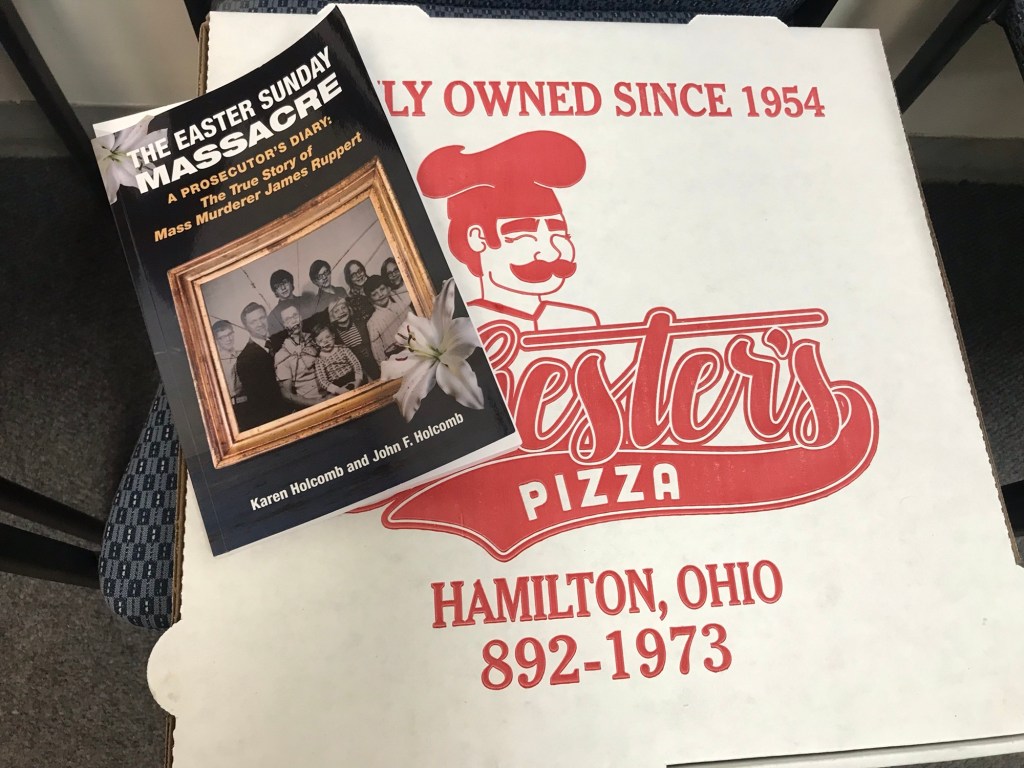
There is absolutely nothing good about the James Ruppert murders that occurred on Easter Sunday, 1975, where 11 people, from aged 4 to grandma aged innocents, were killed ruthlessly by a jealous younger brother who snapped shortly after all the kids had enjoyed an Easter Egg hunt.  But somehow, in the new book by Karen Holcomb, ‘The Easter Sunday Massacre,’ the surviving daughter-in-law of the prosecutor John Holcomb managed to write a book about that horrendous enterprise that found a spark of humanity I never expected.  I was seven years old at the time, and this murder, along with a few other significant events, such as the terrible rape and murder of poor 73-year old Mrs. Ruth Dench at her Taylersville home, very close to my home and well on the way to my grandparents farm that I traveled all the time, and the Beverly Hills Supper Club arson by mobsters that killed 165 innocent people and injured many others, these were events that shaped me in so many ways, that my 7 to 9-year-old self observed and asked a lot of questions of the grown adults at the time, but that I internalized and positioned for my 50 something tools and intellect.  I was not a usual kid; I remember details from that period of my life extremely well, including what it smelled like in our kitchen as I watched press coverage of the Ruppert murders in 1975 at the little house in Hamilton, Lindenwald, on 635 Minor Ave.  I wasn’t looking for another book to read, but while visiting my parents for Mother’s Day, a day late because I had just returned from a competitive firearms shoot in northern Ohio, my dad gave me a signed copy of Karen Holcomb’s new book that he had received at an event she had at the local library.   I knew the story of the Rupperts well, but through some interesting form of quantum entanglement with myself, I had asked many questions as a young person of my older self that still required answers.  So this book was something that caught my attention quickly.  I grabbed it from him and read it in a few days, putting everything else on hold over that duration, including sleep. 

The house is still there

What’s interesting about this case is that I know so many people who were involved, some still alive, such as Michael Gmoser, our current Butler County prosecutor.  But there are politics where I get asked several times a week why Gmoser and Sheriff Jones aren’t harder on pedophilia and that they select their cases in oddly political ways.  I like Gmoser personally; he was with me at a Trump meeting at Lunken Airport not very long ago, and I like knowing that people like him are part of our legal system in Butler County.  But it’s people like him who are part of our political noise that I like, without knowing the details, and I was very interested in it.  I also remember the reputation of John Holcomb and several of the judges who have come and gone since then.  So Karen’s book was a real treasure for me.  As I grabbed it to see who published it, which is something I always do first when obtaining a new book, I immediately recognized that it was from the Chilidog Press out of Milford, where all of Peter Bronson’s books are published, which I am a tremendous fan of.  So much so that I think I’m ready to talk about them in more relevant detail.  Some of the information in those books is so personal to me that I felt some background noise needed to be filtered through reality, and these last four years of Biden have been just such a contextual faculty, to say it nicely.  Good people who want to take care of their kids and live their lives need to understand how much mob and organized crime, in general, have impacted their lives, even today.  But needless to say, when I saw that Karen’s book was a “Chilidog” book, it became an instant priority for me.

Jim Ruppert, the 41-year-old who fell off the rocker in life, was jealous of his older brother and a mother’s love that did not go in his direction, and the wife of his brother and their eight kids that were constant reminders of his life’s bad decisions, so he grabbed three of his guns and loaded them up entirely, and proceeded downstairs to shoot them all in cold blood multiple times in the chest and head.  It’s a tiny house, so there was no way not to have bodies lying over most of the floor with blood pooling up and dripping into the basement in grotesque ways.  Ruppert had been ping-ponging aimlessly through life with an above-average IQ but had no success matching it.  He had apparent guilt over a homosexual experience that, at that time, was a real stigma since people knew about it, and he had lost a lot of money in the stock market, only to be constantly reminded about it through debts he had with his older brother.  And at 15 years old or so, he found himself in bed with his naked mother, with her putting his hand on her in obvious sexual ways.  Lots of things happen to people over a lifetime, but sometimes social stigmas and the expectations of performance can crush a personality, and Jim Ruppert was one of those lost people who did a horrendous thing to innocent people who didn’t deserve it.

Reading this book took me down memory lane; I had never been to the house, but I spent much of my early life around that location, especially at Chester’s Pizza, just a few blocks east of the Lindenwald home.  My family used to get a large pepperoni, sausage, and onion pizza from Chester’s almost every Sunday night before watching Mutual of Omaha’s Wild Kingdom as a family.  Chester’s Pizza also sponsored my famous soap box derby car, which I ran against Brent Dixon, the current commissioner, Don Dixon’s son.  So I found it interesting that the Rupperts liked the nearby Chester’s Pizza, which is still there.  So, I returned to get a pizza this past week; it was the first time I had tasted it in over 30 years.  And the building still looks the same.  While waiting for them to make the pizza, I went to the house where the murders happened and was surprised to see it was still there.  The pizza was good, and there was a lot to think about. Mainly how much Pete Rose was mentioned in the book, which reminded me how vital the Big Red Machine was to Cincinnati back then.  Even from a jail cell, knowing his life was over as he knew it, Jim Ruppert would ask the guards what the latest Reds score was.  Just as the prosecutors sifted through this messy case, they filled their time with standard everyday stuff, such as Reds games, to manage their stress.  There is a surprising humanity in this book about one of the most grotesque murders in American history that Karen managed to capture.  It helped that she married into the Holcomb family and that John had given her a diary of his time on that case, which she could use to tell this story about the Ruppert Murders that was different.  And I think it started a process I had been looking for to answer those questions from my 7-year-old self.  Karen Holcomb wrote a good book, and I’m happy she did.  The world is far better off because of it because she captured something in it that is difficult to do.  And it’s undoubtedly well worth the read.

You can get a copy of The Easter Sunday Massacre at:

Rich Hoffman

Click Here to Protect Yourself with Second Call Defense https://www.secondcalldefense.org/?affiliate=20707

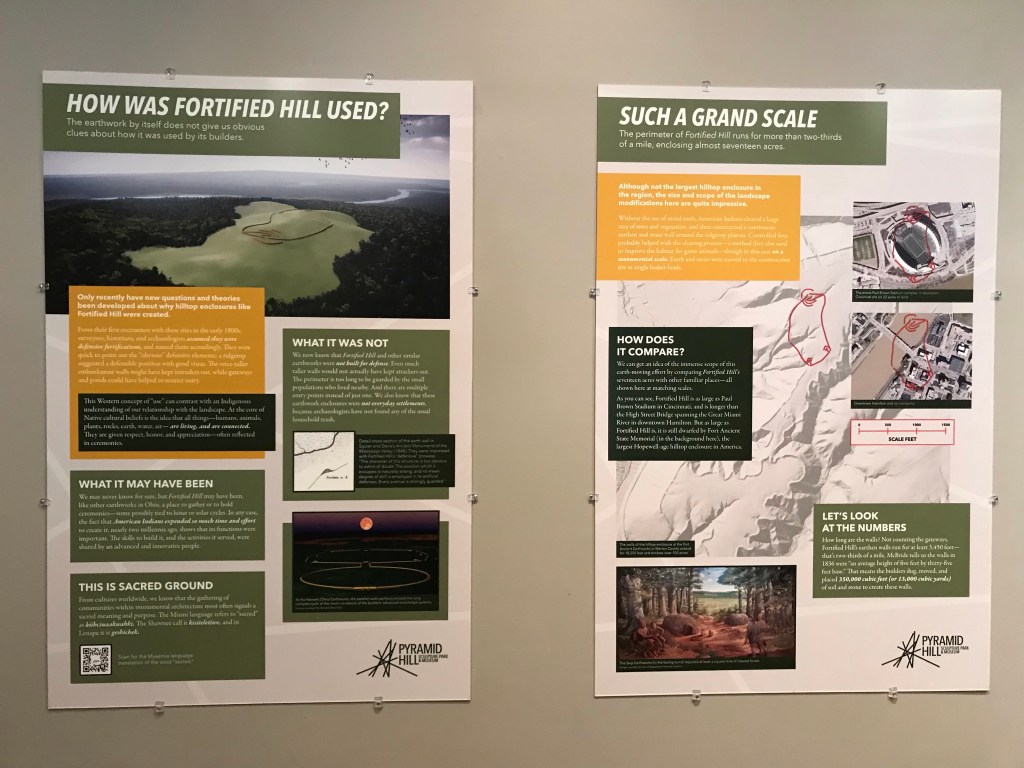
Atlantis Giants in Butler County Ohio: The Hilltop Earthwork of the Constellation Aries at Pyramid Hill, from 5000 years ago

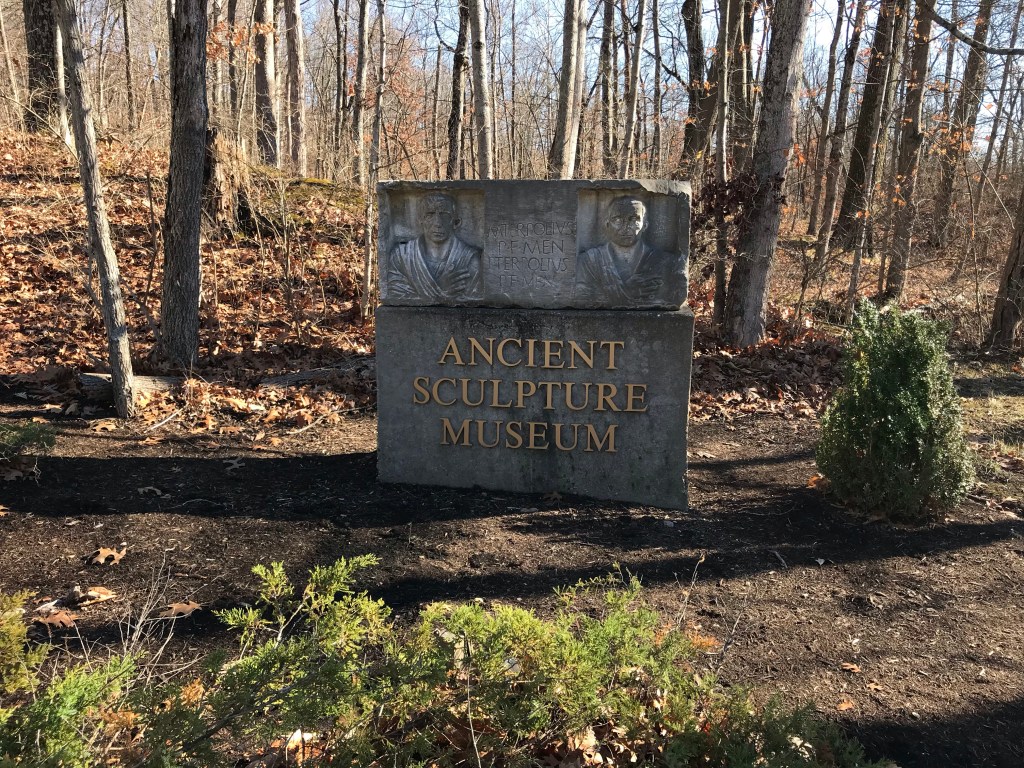
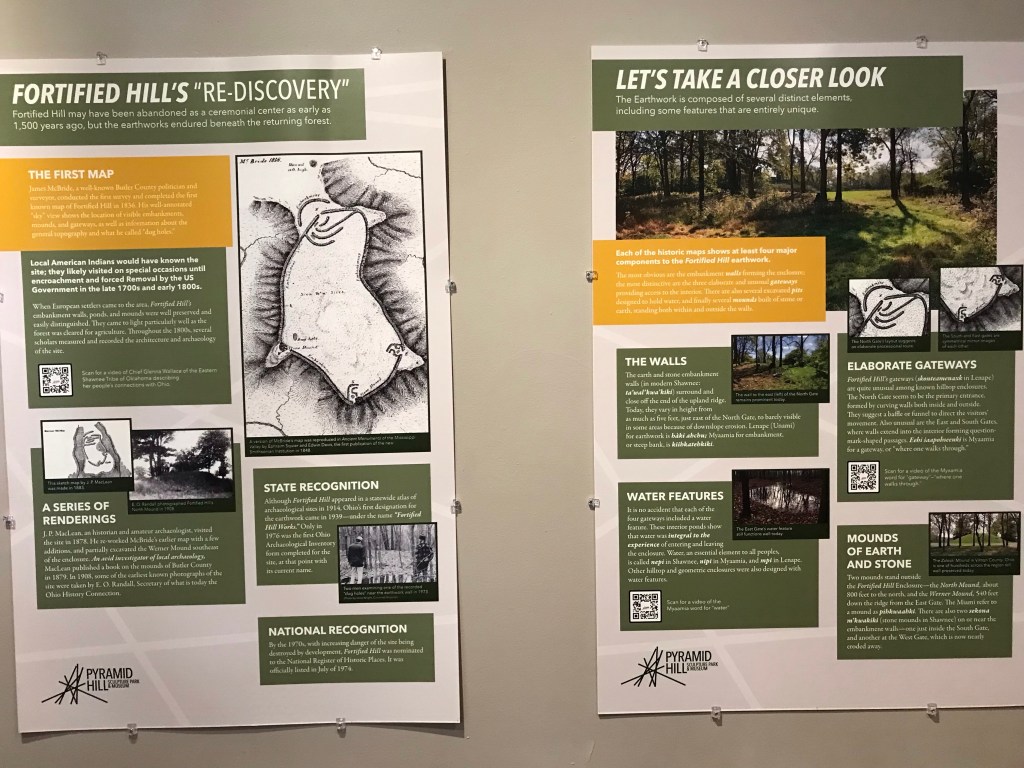
I can’t tell you how happy I was to walk into the office at Pyramid Hill as I was asking about the status of the project that has been going on for a few years now and to get the look of concealment that I did. The workers that day were young people who weren’t sure how to answer the question, so they referred me to the Ancient Sculpture Museum, which is concealed deep in the woods down a large hill in a place that feels like it’s not even on this earth. It’s one of those little secrets in Butler County, Ohio, and is a treasure within a treasure. Noticing their cryptic reference, my wife and I proceeded to the museum and stepped into the first room and noticed immediately that finally, since 1836, when the site was first surveyed, finally the Butler County Hilltop Work was getting the attention it has always deserved. I’ve looked at that strange mound, which is around 250 ft tall and sits across from Joe Nuxhall Way on the west side of the Great Miami River, about 3 miles from downtown Hamilton, and always marveled at it. The museum staff already had an excellent display set up for an early 2023 opening that will connect the Pyramid Hill complex to this new massive ancient mound they plan to call the Fortified Hill. Sounds better than Butler County Hilltop Work. The staff person on hand that day told my wife and me that they were planning to open everything in January of 2023 if everything went well, which explained the cryptic looks at the main office when I mentioned it. There are very few people in the world who even know that the strange hill that looms large in Butler County, with thousands and thousands of people living around it, and driving by it every day, that it’s one of the most mysterious lost, ancient works of an advanced culture on earth. And yet, it’s been there before Christ was born as if dated celestially; it’s around 5000 years old. 

What makes it so exceptional in the world is that it essentially is dedicated to the constellation Aries that through stellar precession, shows a specific movement from the constellation Taurus through the Pleiades and into the age of Aries at a time when we have previously thought only of Indians marching in a steady stream toward civilization from hunters and gatherers and into city dwelling humans. I’m not one to disparage scientists, even the bureaucratic nonsense that often trails behind academia like the tail of a doomsday comet, because if not for them, there wouldn’t have been an attempt to preserve the Butler County Hilltop Work and opening it as a park would never have been possible. But science has been slow to acknowledge who these people really were who settled in Ohio as the center of a very advanced culture, who had an obsession with the stars and built all over southwestern Ohio many copies of earthworks that mimicked the constellations in the heavens on earth. These works are every bit as mysterious as the Nazca lines from Peru or even the Pyramids of Giza. Primarily, the reason for the big mystery is that they didn’t just build one of these sites that so accurately reflects an advanced knowledge of astrology. Still, the evidence is pointing increasingly to this same region, and that specific mound location, along with Serpent Mound off to the east, as the basket of an advanced culture that was eradicated likely during the Younger Dryas cataclysm, around 11,600 years ago. And what was left of these people who were interacting globally with all countries before the cataclysm is what we see during this late archaic presence in the Ohio Valley, which ended up a larger part of the Mississippi culture. These were the survivors of that cataclysm, and they marked the ground with a star map of the heavens with these massive depictions of, in this case, a wild boar, which they associated with the Aries constellation. 

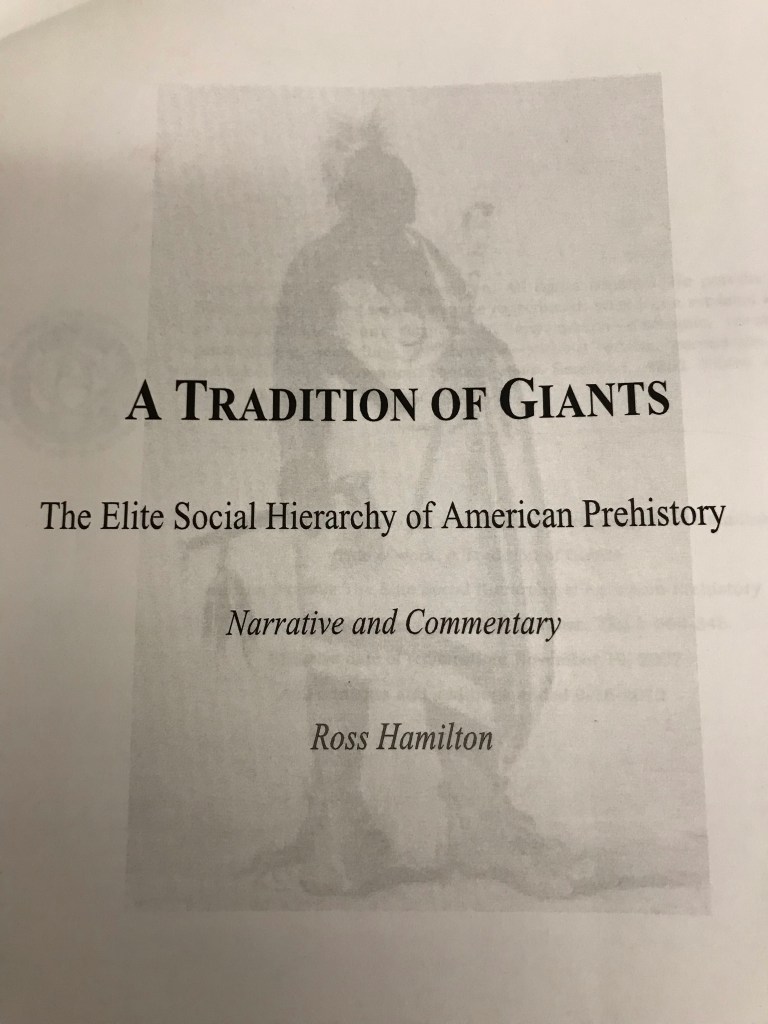
Further, on top of the hill is where things get really interesting because the entrance to the effigy, to the north, has a maze that forces the participant to navigate it much the way that the spring equinox had to navigate the Pleiades constellation on its journey from the constellation Taurus into Aries. While on top of the earthwork, which you can see for miles in every direction, it becomes very obvious how difficult it was to shape that natural hill into the shape of a boar to match their celestial observations of the zodiac character of Aries. This was no small effort by any means. It was a massive undertaking, and for what purpose? Well, as I say a lot, remember Plato’s references to Atlantis, where the first god/king of their land was Atlas. And we all know from myth and mystery that Atlas was the creator of Astrology. And here was an obviously advanced culture that had enough leisure time not just to hunt, gather, and reproduce but to build all these magnificent earthworks all over Ohio. They seemed to connect into one grand mythology meant to be seen from the sky. A society obsessed with astrology, obsessed with an equatorial procession along the heavenly zodiacal belt where ages move by overhead every 2,160 years for a total zodiac year of 25,920 years. Society would have to be around for a long time to understand those kinds of time movements of the stars in a reliable way, to understand that their movements were not just coincidental, but over that length of time, were as reliable as a clock. These people did not spend their entire day trying to hunt a deer so they could eat by dinner time.  We have all had an image given to us by Hollywood and the progressive history of what an Indian is, a Native American or even an “indigenous person.” In truth, the reality is far more complicated, and by referencing the many books on Atlantis by Lewis Spence, a respected commentator on such things, or Giambittisto Vico of the great Vico Cycle, or the Bible, we know that very large people that smaller people called giants roamed the earth everywhere. We know Norse mythology had them, the Greeks called them Titans, the Bible referenced to them often living in the land of Canaan, and large people were everywhere dating back to the precise period of the earthworks in Ohio, precisely the one in Butler County formerly known as the Butler County Hilltop Works. Burial mounds all up and down the Great Miami River have reported the bones of people from 7 feet tall up to 10 feet many times, which can be found in Ross Hamilton’s outstanding academic paper called A Tradition of Giants: The Elite Social Hierarchy of American Prehistory which is available for free online. Just look up that title and print it out for yourself. It’s well researched and corresponds to the reports mentioned above about large people buried in the earthworks of Ohio, not just occasionally, but abundantly. I know of a case of a 7-foot person buried in a mound in downtown Hamilton as it was being built. It has been said in many of Spence’s reports on Atlantis that they were a large people and that once the Greeks and Egyptians inherited many of the myths of the lost Atlantis, their concept of the gods was forged in their cultures. Yet, those myths also talk of the Atlanteans coming from the west, and with them, they brought the pagan gods of astrology. There are mounds on the Butler County Hilltop Work site, just off from the top. In them, indeed, just as there is in the Middletown Mound up the river a few miles, then again at Miamisburg, even a few miles more up the same river, there are giant skeletons in them, and science has had a tough time dealing with the knowledge. Because it doesn’t fit our perceptions of who lived in America before America was what it is today. Instead, it looks like those who did live here moved all over the earth and took with them a massive religion of astrology to the far corners of the planet. And they did so long before Europeans were even thinking about building boats. And the natives of America that we call them today were likely global citizens 10,000 years ago, and the proof of their culture is there looming over Butler County like a ghost that is no longer invisible to the casual spectator, thanks to the great scientists and volunteer efforts to open it to the public with a great spectacle finally. 

Rich Hoffman

Click to buy The Gunfighter’s Guide to Business

Why Our Constitution is Worth Fighting For: The Supreme Court does its job, somewhat

Understanding and Defending our Constitution

When I first started this blog, I had in mind something like what formed this country, a healthy debate on the nature of our Republic in the form of what we know today as the Federalist Papers and the Anti-Federalist Papers. Back when we were trying to figure out how to have a proper government, some of the founding fathers would contribute essays to the local newspapers making the debate on what the federal government should look like. This process went on for quite a long time. What we know of today as those books is essentially a collection of those essays that formed the constitutional convention and would include our Constitution and, eventually, the Bill of Rights. I’ve never been a big fan of Alexander Hamilton, even though the town I live in is named after him. He’s too much of a big government guy for me. I associate much more with the Anti-Federalists. But to give Hamilton credit, we needed a reference point to settle the Articles of Confederation, which was not sufficient after the Revolutionary War to run a country. I think the debate to form our American Constitution is one of the most advanced processes ever to form a government in the history of the world, and the results paid off. I keep both of those books next to my reading chair and refer to them constantly, just for fun. 

Those books gave me the understanding to handle many complicated problems over the last year or so, everything from election fraud to this latest problem of the Biden vaccine mandates. It was more than just a little satisfying to see it all blow up in the Biden administration’s face this past week of mid-January 2022. With the filibuster intact in the Senate, the Democrats have no chance to change election laws to keep them in power in 2022, which they had to have. They can’t win without cheating, just as they did in the 2020 election to get rid of Trump. When all this started back during that election, remember what I said. Don’t freak out. Let the process run its course. Trust our constitutional system even though it is evident that the Biden administration and Democrats, in general, wanted to get rid of the Constitution. Evidently, the Davos crowd and the other globalists worldwide had no fundamental understanding of our Constitution, nor did they care to learn.   As Progressives, they fully intended to move beyond our Constitution and the great work that the Founding Fathers did to form the United States. Their game was to accelerate things so fast that the courts would never catch up to the aggressive actions to overthrow the country, which the Biden clan have been attempting to do. As things would get hot, I would refer to those books for the many thousands of times that I have before, and I could see how it would end up. Our Republic was designed to handle just these kinds of problems, and it was working to my eyes. The proof came on January 13th around 2:45 PM when our Supreme Court issued a strike down of the OSHA vaccine mandates Biden had attempted to pass through executive order. 

I think it has been a precious lesson to watch how everyone behaved during all this mess. In my own book, The Gunfighter’s Guide to Business, I feel relieved to see that my opinions were not isolated into some bubble of conservative thought born out of midwestern politics but were highly relevant in corporate America across the world. The Federalist and Anti-Federalist Papers could probably be applied to every small village in Africa or South America. All over Europe. Everywhere. It’s not just a set of laws that we have in America, but the foundation of a functioning republic that can function over vast distances that makes it an incredible work of philosophy surpassing in my mind any of the works done by Rome, Greece, the Indus Valley, Egypt, or any of the Dynasties of the Orient. Never in the history of the world was there such a proper set of laws and order to establish the best government possible to the minds of humanity than what is talked about in those books. I’ve read them all, and there isn’t anything better than the documents that formed our Republic. And so long as we had a Supreme Court following those ideas, much of this Biden tyranny would be eliminated. The originators of Covid never planned for our Constitution, and it shows. When it was announced that the Supreme Court had made a 6 to 3 decision against the Biden Executive Orders, the pride I felt made a lot of all this pain worth it. Because not only had it been horrifying at times, but we’ve never seen our system tested like this before, especially from domestic enemies, and it had held turning theory into reality. Thank goodness Trump had three picks for the Supreme Court during his one turbulent term. It’s probably the most important thing to come out of the Trump presidency. 

Because of my love of those books, I was more than familiar with the constitutional challenges that worked at all levels of politics and really rattled the cages of people with powerful positions. I can’t say that I was ever apprehensive that the rule of law would not hold. But at the rate of change coming from the Biden administration, his masters in the United Nations and China, and the donor class, which is different in many cases, the main weakness of the Constitution and our Republic in general is time. Things are meant to take a long time in our government, to keep the breaks on during hot human sentiment. China brags about how fast it can do something with centralized authority. Democrats drool at the power of the centralized state because that’s how they want things to be in America, more like China, where a mob of administrative tyrants can do and say whatever they want. In America, it takes a long time to sift through the legislative process, and if the idea survives, we would consider it a good thing. But it’s the rushes to judgment that we always want to put the brakes on, and that is what has been assaulted by our enemies recently, especially after Trump left office. The speed of our innovation comes from free people, which is the key to everything. Not the government, so bureaucrats have a tough time getting their minds around such a concept. When the Federalist Papers and Anti-Federalist Papers were written, and our Constitution was formed with the Bill of Rights to follow, all this was figured out, and now we have the results of the greatest nation on earth to prove it works. And now, even under great assault, it has operated under very tenuous conditions, and that is something we should all take pride in. Of course, the fights are far from over, but a big blow occurred in that Supreme Court decision that will reverberate historically for the next century. It was an easy case for them to decide on, can the Federal government compel health decisions, and the answer was always no. But the big-government types had more intrusions in mind to follow should they manage to make that Biden executive order stick. And now those big global plans are blown out of the water. There will not be a global takeover of America from the Davos crowd or anybody else without some form of physical assault. And in a country full of guns, that option isn’t a good one for them either. Our Republic is still standing, and now more people than ever are empowered to fight back, and it makes my love for those books even that much more powerful, fueled by a pride few in the world could understand. 

Rich Hoffman

Click to buy The Gunfighter’s Guide to Business

The Plot of ‘Hamilton’ (the play) Reveals the Marxist Revolution of Covid-19: Why CEOs, politicians, and general losers help spead terrorism to save their own necks

By now dear reader you know that I was completely correct in stating very early that Covid-19 was a global terrorist attack against any notion the world had toward free markets, particularly in the United States. Those who have a hard time believing the vast conspiracy might say that something that large scale would fail, it’s not as if there was a big meeting with a playbook handed out saying that Doctor Fauci would do this, the World Health Organization would do that, Amy Acton in Ohio would bend the ear of Governor Mike DeWine by showing him her tits at just the right time as the sun was at a certain point in the sky and an eagle flew by with a fish at exactly 500 feet above the surface.

Its not that the plan had a bunch of elements of insurrection in it to pull off the heist of American freedom, rather it was planned for decades to be unleashed through our education system at a future date where it could be attached to a crises. Those insurgents picked Covid-19 before there was even a Christmas of 2019 and the ball was in motion before the world celebrated a New Year of 2020. Its not that all the participants were following orders, its that most people were trained already how to act before the act was a thing.

But now you can see what was behind the Covid-19 scheme from the start, it was Marxism designed in the rules and regulations of the World Health Organization and flowed down through all the many colleges and their students around the country. A year before Covid-19 economic shutdowns were implemented in March of 2020 Mike DeWine and his lover Amy Acton the Health Director of Ohio sought from congress emergency dictatorial powers, so the dialogue was well in play while the rest of us were living our normal lives of Christmas shopping in July, baseball scores, and pre-season football not knowing that global Marxists in doctors clothes this time would be on the attack for American liberty. Marxists had tried the red flags of Antifa, the terrorism of ISIS, the backstabbing aggression of China, and many, many wars fighting communism at the level of the military all over the world, from Cuba to Vietnam. Now they had trained their doctors, Hollywood had made the movies planting the seeds of fear in the public, and 2020, during the Trump re-election year the attack would come from the medical industry trained by Marxist schools of thinking to implement a new normal in the world that robbed America of its power, would put the breaks on Brexit, stop the revolutions in Hong Kong and Iran and get normal everyday people to accept Marxism as a day to day occurrence.

Its not that every corporation in America was in a super-secret Bilderberg meeting where they were given the roadmap to insurrection. Rather, their CEOs were trained to take the middle ground on every issue which would make them easy to control. What was it that Aaron Burr said to Hamilton in the now famous Broadway play, “don’t let them know what you’re against or what you’re for. You wanna get ahead? Fools who run their mouths off wind up dead.” That’s how they teach people to fall into compliance. Of course, everyone knows that Aaron Burr killed Hamilton in a dual, and that was the climax of the Hamilton play. It’s considered high art to see a play in New York so many of the top CEOs in our nation attended that play, and other liberal artistic events around the country, whether it’s a PGA match, a tennis tournament, or just a wine banging dinner party in someone’s penthouse where the women don’t wear bras and their evening wear shows their breasts every time they bend over a bit. It is there that minds are made and strategies are fashioned and the words of the artists plant the seeds of compliance into those unwilling to rock the boat as they have been granted positions of respect as a revolution of Marxism was fully brewing. That is after all what the re-imagining of Hamilton, a founding father was in that Broadway exhibition. It wasn’t to celebrate the Revolutionary War, but to retell it from a minority perspective, and inspire them to have their Marxist revolution at the first chance possible.

So it was planned to have a Covid-19 shutdown, to expose the weak governors and CEOs in America who were trained to do what they were told, not to think for themselves and then to use their level of comfort against them to do anything to save their own necks once they were tricked into supporting Marxist policies. Everyone trusts doctors, right? So, they used doctors as a Trojan Horse to bring terrorism to America in a way that 9/11 couldn’t. The terrorists learned not to attack America directly, by bringing down their buildings with bombs and attacking their great economy with violence. Because Americans would just rally behind those acts and unite to fight a common cause. No, this attack would get them in their homes and take away their essential freedoms shattering their confidence on their home turf. The terror of a deadly virus would do the work of terrorism before conducted with actual violence. If you wanted to hear the plot, all a person would need to do is go to a “Hamilton” after party in New York where the liberal and famous would talk openly about the plot. Or you could go down a few blocks to the Saturday Night Live after party and hear the same kind of thing—liberalism bragging about their intentions for progressive revolution and Marxism for all. For those in those inner circles, the attack was decentralized. It didn’t have a general. It just had radicals trained in Marxism who were willing to wear the mask to undo America from within.

CEOs heard the warning from Burr, “fools who run their mouths off wind up dead.” If they remembered nothing about the Hamilton play and knew even less about the actual history they would know that Aaron Burr was a member of the actual highest orders of the Illuminati and he had plans to start his own country, and when it failed, fled south down the Ohio River to avoid the fate that Thomas Jefferson had in mind for him as a terrorist himself. What people saw at the end of Hamilton was the hero killed for all the good he fought for by the man who gave him the warning at the beginning. And once back in their cars driving home, and enjoying their lives as captains of industry and wanting to preserve that station as much as possible, they found themselves helping terrorism hoping that when the next Marxist revolution came, that they might be allowed to stay in the ruling class, due to the favors that were done. That is how Wal-Mart, Target, Disney, NASCAR, the NFL and all these other big companies hope to survive the new Marxist revolution that was always planned to come as a result of the terrorism of Covid-19. Government used the virus as a grab for power and control over all aspects of the American economy, and they have no plans to give it back.

We know the Covid-19 scam was false because of the way tests for positive antibodies have been counted as positive COVID cases. That is the reason for the explosion of results that we are seeing in places like Florida, where Trump must win in the upcoming election. The way that testing has been conducted and the kind of federal money that is attached to the results are how you can tell. But once people realize that the testing is meaningless and that the media has been crying wolf all this time, the plot quickly falls apart, as it is now. This isn’t the revolution that the Marxists wanted, and this isn’t the way it happened in the play, ‘Hamilton.’ The case is literally falling apart in front of the terrorists very eyes and panic is setting in. Which is good, because America is writing its future as we speak, and the fight for freedom is quite alive and well. And one thing that is truly scary to the terrorists of Marxism is that if people aren’t afraid of being killed by the attackers, because they are more prepared to do the killing than the terrorists are, then what happens then? Well, we are seeing it, and its not good for the Marxists.

Cliffhanger the Overmanwarrior

Sign up for Second Call Defense at the link below. Use my name to get added benefits.
http://www.secondcalldefense.org/?affiliate=20707