The lockdowns in Ohio during the COVID era pulled back the curtain on something many of us had sensed for years but hadn’t seen so clearly exposed: the dangers of unchecked corporate power when it collides with government emergency authority. My beautiful wife and I talked about this often during those uncertain months, watching how the rules seemed to bend one way for the big players and another for the families and small operators trying to hold things together in our community around Liberty Township and the Great Miami River valley. What started as measures to slow the spread of the virus quickly revealed deeper structural problems, where large corporations could absorb shocks, leverage connections, and even come out stronger on the other side, while independent businesses in places like Butler County and around Middletown faced closures, mounting debt, layoffs, and permanent scars that rippled through families, local tax bases, school levies, and the very idea of self-reliant American enterprise. We saw neighbors who had built lives through hard work and discipline suddenly staring at empty parking lots and “closed indefinitely” signs, wondering why the system that preached fairness seemed rigged toward scale and influence.
My wife has a way of cutting through the noise with clear-eyed observations born from years of raising our family and navigating real-world responsibilities together. She often noted how the lockdowns exposed the fragility of depending too heavily on distant corporate structures rather than local, accountable enterprise. We saw it in the way shutdown orders hit hardest on restaurants, retail shops, small manufacturers, service providers, and family-oriented spots like amusement venues and community gathering places that define so much of Ohio’s character. Large national chains with deep pockets, diversified revenue streams, sophisticated logistics, and teams dedicated to government relations could pivot to curbside or delivery models, secure Paycheck Protection Program funds with fewer hurdles in practice, lobby for favorable treatments, or weather the storm with cash reserves built from years of market dominance. Smaller independent operations, the ones run by neighbors who know their customers by name and pour personal savings and sweat equity into every decision, lacked those buffers. Supply chain disruptions hit them especially hard—big corporations with global reach and negotiating power could reroute shipments or stockpile inventory, but local suppliers and Main Street businesses absorbed the full force of delays, shortages, and skyrocketing costs that eroded margins already thinned by months of restricted operations.
In our conversations, my wife and I reflected on how this wasn’t mere bad luck or an unavoidable consequence of a novel virus. It was the predictable outcome of policy choices that favored entities with political access and financial scale over adaptability, personal responsibility, and community roots. We recalled stories from friends and local business owners—people we’ve known through years of involvement in Butler County events, schools, and youth activities—who had invested everything into their ventures only to watch restrictions drag on while corporate competitors maintained some form of continuity or found creative compliance paths. Data from the period bears this out: smaller establishments, particularly those with fewer than 50 employees, faced disproportionately high risks of temporary and permanent closures, especially in in-person sectors like hospitality and retail. Employment losses hit low-wage workers in these businesses hardest and persisted longer, creating a V-shaped recovery for some high-income or large-firm segments but a much more protracted struggle for the backbone of local economies.
The aftermath only amplified these imbalances and made the consolidation trend impossible to ignore. In sectors like entertainment and manufacturing, the cumulative pressure from lost revenue, uncertainty, and uneven recovery pushed waves of mergers and acquisitions that consolidated power into even larger entities. Cedar Fair’s flagship operations in Ohio, already contending with seasonal vulnerabilities, weather dependencies, and prolonged capacity limits from public health orders, became part of larger combinations that promised operational synergies, expanded geographic footprints, and improved access to capital markets for future investments. On paper, such deals highlight efficiency gains and resilience against future shocks, but in practice they often translate to fewer independent decision-makers attuned to local conditions, strategic choices driven by distant boards and quarterly metrics, and a gradual shift toward institutional ownership that prioritizes shareholder returns over the kind of patient, community-embedded stewardship that built iconic Ohio attractions.
Similar patterns unfolded across other key industries. Ohio’s manufacturing sector, vital to aerospace, automotive suppliers, and industrial production in areas like Middletown, saw accelerated M&A activity as smaller firms struggled with disrupted supply lines and labor shortages while larger players leveraged balance sheets and government programs to consolidate market share. Banking and healthcare followed suit, with regional players absorbed into bigger institutions better equipped to handle regulatory compliance costs and capital requirements heightened by the crisis. Media and retail consolidation further concentrated influence over information and consumer access. Private equity firms and asset managers, flush with capital, moved in on distressed or weakened assets, reshaping ownership landscapes in ways that often reduced local control and diversified economic decision-making. My wife would remark during our evening discussions how this shift erodes the distributed resilience that comes from many independent actors solving problems in their own backyards, replacing it with centralized systems more prone to single points of failure.
This growing concentration of corporate power carries profound dangers for economic mobility, innovation, and the broader culture of self-mastery. When a handful of large entities dominate supply chains, capital allocation, and policy influence, incentives naturally tilt toward preserving existing advantages rather than fostering the disruptive, bottom-up creativity that has always powered American progress. Entrepreneurial organizations and privately held family businesses operate with direct skin in the game—they adapt quickly because survival depends on it, rewarding discipline, foresight, and the willingness to impose order on chaos. Bureaucratic corporate giants, protected by layers of management, diversified risks, and access to Washington and Columbus corridors, more often prioritize compliance, risk aversion, and entrenchment. They shape regulations and emergency responses in ways that inadvertently—or sometimes deliberately—raise barriers for smaller entrants. During the lockdowns, this dynamic became visible in how “essential” classifications and aid distribution sometimes tracked lines of influence, leaving truly independent operators to navigate disproportionate burdens without equivalent advocacy.
Government support initiatives, meant as lifelines, frequently highlighted another layer of the problem. While in theory it provided necessary liquidity, implementation favored those with professional grant writers, established banking relationships, and lobbying sophistication. Many small businesses received delayed or insufficient help, only to face a cliff when programs wound down around 2021-2022, contributing to a later spike in exits. Broader economic analyses confirmed that small-firm survival and revenue recovery lagged in hard-hit sectors, even as some larger corporations reported record profits or made strategic acquisitions amid the turmoil. In Ohio, where survival rates for certain 2019 cohorts compared favorably to national averages thanks to the tenacity of local entrepreneurs, the pandemic still exposed vulnerabilities: a reliance on just-in-time global supply models and concentrated corporate customers left many suppliers exposed when big firms tightened belts or shifted priorities.
My wife captured the human dimension perfectly in our ongoing talks. This wasn’t merely an economic story; it touched the erosion of the cultural fabric that values individual agency, intergenerational knowledge transfer, family enterprise, and community strength over abstract efficiency metrics. We witnessed families in our area—friends from school events, shooting sports fundraisers, and church circles—weighing impossible choices between keeping the doors open and walking away to protect their households. Meanwhile, distant corporate boards and institutional investors calculated portfolio impacts and synergy targets with detachment. The long-term consequences for wealth creation and genuine mobility worry me deeply. Capital markets and private equity structures often reward financial engineering, scale, and short-term returns, but they can crowd out the patient, values-driven organizations that distribute opportunity more broadly and build lasting local wealth. Supply chain lessons from the era should have driven a renewed emphasis on redundancy and diversified ownership; instead, recovery frequently accelerated the very consolidation that heightens systemic risks.
In Ohio’s context—with its rich manufacturing heritage, agricultural foundations, aerospace strengths, and regional attractions like those tied to Cedar Fair—the dangers become especially clear. Over-reliance on a few dominant players leaves communities and the state exposed to future disruptions, whether from another health crisis, a regulatory shift, a trade conflict, or an economic downturn. When corporate power concentrates alongside expansive government emergency authority, the result is a form of soft centralization that undermines the dispersed decision-making and personal responsibility essential to a free and prosperous society. We’ve seen echoes of this in other areas of policy influence, where large interests shape outcomes on taxes, regulations, and incentives in ways that disadvantage smaller competitors. My wife and I have always emphasized to our daughters and grandchildren the importance of building resilience through direct experience—whether troubleshooting model rockets on windy days, learning mechanical skills, or understanding history and spiritual foundations that warn against over-centralized power.
The lockdowns served as a profound stress test for these principles. They revealed how fragile local economies become when corporate structures grow too dominant, lacking sufficient counterweights from competition, local ownership, and a cultural emphasis on self-reliance. Small businesses didn’t just suffer temporary revenue losses; many lost irreplaceable ground in a playing field tilted toward those positioned to endure or capitalize on the chaos. Rebuilding stronger requires more than recovery spending or new programs. It demands a cultural and policy renewal that actively prioritizes dispersed economic power, reduces barriers for independent enterprise, scrutinizes consolidation for its community costs, and reinforces the virtues of discipline and moral agency that have sustained families like ours through generations. My beautiful wife and I carry these observations forward daily, rooted in the conviction that real strength and enduring prosperity emerge from the ground up—from individuals and families imposing order, building legacies, and refusing to cede agency to distant powers—rather than from ever-larger corporate edifices that too often leave ordinary communities to shoulder the heaviest burdens when crises strike. This is the hard-earned lesson from Ohio’s experience, one we hope will inform wiser choices ahead to preserve the opportunities our children and grandchildren deserve.
Footnotes
1. Documentation of Ohio COVID business orders and recovery challenges (Ballotpedia, state reports).
2. Heterogeneous economic impacts from private sector data (Opportunity Insights).
3. Early Ohio small business closure and economic damage reports.
4. Cedar Fair/Six Flags merger details and post-pandemic industry context.
5. Ohio manufacturing and industrial M&A activity trends.
6. Studies on small vs. large firm exits, survival, and employment during/after the pandemic.
7. Analyses of essential business designations and policy influence.
8. JPMorgan Chase Institute, BLS, and state survival rate data.
9. Research on capacity restrictions, spillovers, and long-term business dynamics.
10. Broader patterns in consolidation, capital markets, and incentive effects.
Rich Hoffman is an author, political consultant, and strategic advisor based in Cincinnati, Ohio, and the creator of The Politics of Heaven—a unique framework that connects biblical theology, ancient history, and modern power structures to explain how moral alignment and spiritual forces shape global events. Blending real-world political experience with deep research into archaeology, UFO phenomena, and suppressed historical narratives, Hoffman offers compelling commentary on topics ranging from ancient civilizations and the Dead Sea Scrolls to modern populist movements, paranormal continuity, and leadership strategy in chaotic environments. As the author of The Gunfighter’s Guide to Business and the forthcoming Politics of Heaven, he brings a grounded yet provocative voice to media discussions, supported by firsthand experiences and a cross-disciplinary approach that bridges science, history, and theology. For interviews, speaking engagements, or expert analysis, visit richhoffmanbooks.com or contact directly via phone at 513-307-5815 or email at rhoffman@richhoffmanbooks.com. If you’ve seen the movie, Disclosure Day and want to talk about it and the implications of Presidnet Trump’s UAP disclosures, let me know and we can bring some color to your coverage. https://richhoffmanbooks.com/media-inquiries-broadcast-topics-and-contact-info/?frame-nonce=ad51e7ecba I do have a firsthand UFO encounter to discuss.
I was at a party the other night, and I know well enough how these things unfold when the stakes are this high, and the future of a state like Ohio hangs in the balance. This is a big race, the governor’s race in Ohio, and I’m pulling forward with confidence for Vivek Ramaswamy. Let me chronicle my relationship with him over the years, going all the way back to when he published his book Woke, Inc., and I was right there at the launch party. I feel confident he’s gonna be a good governor. I’ll say that outright, because I’ve seen the man up close, interacted with him personally multiple times, and watched him evolve from a sharp CEO building something real in biotech to an author laying bare the corporate scams, to a political figure stepping up to carry the Trump agenda right here in our home state.
It started years ago with that book launch. Woke, Inc. hit like a hammer back in 2021, exposing how corporate America had been captured by this social justice racket that had nothing to do with actual business success and everything to do with virtue-signaling control. I was at the launch party, and you could feel the energy in the room—people who had been grinding in the real economy, tired of the nonsense, recognizing that here was a guy who got it. Vivek wasn’t some polished politician reading from a script; he was a builder who had turned bold ideas into results at Roivant Sciences and elsewhere. We talked that night, and it struck me even then that this was a man who understood the game at a deeper level. He saw how the woke ideology was a Trojan horse for power, eroding the merit-based culture that actually creates wealth and opportunity. I respected that. Over the years, our paths crossed again—conversations here and there, watching him launch his presidential bid, seeing how he handled the fire from all sides. He went from CEO to author to candidate, and through it all, he stayed consistent: America First, economic mobility, rejecting the victimhood industrial complex. Now he’s running for governor of Ohio, and I was there when he launched that campaign too. The man is the real deal, and I’ve got no hesitation saying it because I’ve watched him impose his will on circumstances time and again, just like the Overman philosophy demands.
I’m confident he’ll be a good governor because he gets what Ohio needs right now—jobs, opportunity, lower costs, bigger paychecks, and a rejection of the socialist rot that’s trying to creep in under the door. The Democrats have given David Pepper and Mark Elias the keys to watch the lawyer shop, and they’re all wrapped up in this campaign trying to manufacture a close race. You can tell where it’s going. I’ve seen the internals. She’s definitely sucking air. Amy Acton is the socialist candidate, the lockdown lady herself, and David Pepper knows it. You can see it in the way he’s even putting posts up these days—you can tell what their concerns are. Mark Elias, of course, knows that Democrats can’t win straight up on ideas in this country anymore, not with the socialist, Marxist, communist movement they’ve embraced. That’s why they fight so hard to keep loose election laws, mail-in ballots, ballot harvesting, and all the other backdoors—because the Democrat Party as it stands isn’t popular in the United States. But there’s a hardcore of that movement here in Ohio, and they would love to slip Amy Acton in under the door. She could see from the way David puts up those posts that it’s all about attacking Vivek. Ramaswamy is bad because he’s a billionaire; he’s very wealthy. Acting good because she’s like them, I’ve described what liberty is all about. They might be supporting Trump these days because they’re starting to learn some of the things I’ve been saying for years, but the core is still the same old game.
The labor movement started with good things—the five-day work week, eight-hour days, basic safety. That’s great. You don’t want to work people to death. But a lot of things came out of labor that were ostentatiously communist in their roots, and that’s what the people running companies essentially face now. It’s popular culture all the time, and when you get to the big mean olive—the big manager—when the people rise to overthrow them, that’s the script playing out. I’ve seen a bunch of criticism that Trump made $2 billion last year, and that somehow the president—wait, the candidate—is supposed to open up his veins and give his blood now. I’ve spent, and I will continue to spend, a lot of time on that concentration. Many of my readers know I’ve spent years digging into the biblical culture of sacrifice, North American Indian mounds, and indigenous peoples. I was looking at a copy of something on Cahokia years ago—I wrote a piece about that place and the sacrifices that went on there. Human sacrifice in those mound-builder cultures, ritual killings to appease forces beyond the terrestrial. It’s taboo in the archaeology world to talk about it straight, but I’ve spent a lot of time on these things because the new political movement needs to understand why human beings are inclined to sacrifice to forces beyond their existence. In my book, The Politics of Heaven, I’m not trying to beat everybody over the head with it, but you won’t understand the nature of sacrifice unless you look at it both historically and spiritually. It’s not the same as the good. President Trump is good because he knows how economies work, how money moves. He’s written a lot of great books well before he was president. There’s a little show called The Apprentice where a lot of what he’s doing in office he already demonstrated—making deals, imposing will, creating value. People who were trying to be successful in life learned a lot from that. That’s why he became president. Did everybody expect President Trump to make $2 billion while in office? No, he wasn’t supposed to make any money off the presidency. He gives back his entire salary, or most of it anyway. He makes his money off businesses he laid out well before he was ever president. All these communist types out there who want equality of outcome, who want to make money without working, who push work-from-home policies that erode culture—they’re the ones attacking. Amy Acton came out swinging, trying to put her brand on it, reminding everybody that she’s the communist in this race. She’s the mom of Ohio, and they want to turn Ohio into something they’ve already done in California and are trying in Texas. That’s the game. You’re playing it. Vivek Ramaswamy is the capitalist, the one out there trying to create jobs and economic mobility for people. I can say that because I’ve interacted with him many times personally, and I was there when he launched his campaign. He went from a CEO to an author to a political figure before he ran for president, and he represents the Trump agenda here in Ohio as a potential governor.
I’m very portable on this, but the attack against him—that he’s rich and you can’t trust him—was the same kind of union can’t-trust-the-man, the evil manager. It’s all about the movement taking control of production. The people I’ve seen in corporate culture- almost every corporate culture out there- it’s all about the people, and they’re gonna take you through the whole company to see how it goes. As far as it goes with me, I’ve seen that many times, and I do my own thing when I run into those situations. It doesn’t take very long for the big fixer in me to step in and fix it. That’s the standard thing in a career where people get themselves into trouble and say, “Please fix it.” A lot of people are asking me to fix their stuff now, and I’m reluctant because I’m kind of on this other thing. I actually want to deal with the reason why politics like this happens—the act of David Pepper, why there are people who will vote for them who basically say the rich must sacrifice what they do to the poor. In Christianity, too, I have a major problem with that twist. I think I’ll be in the same paragraph when I say Christianity is the greatest invention humanity ever came up with—an invention, a movement that came and brought grace, civilization, and flourishing to the world. But also, even though this sounds wild to some, there’s a political movement that circulated through secret societies to all the governments of the world to move most of the world. You don’t have to listen to me telling you about the sun. Don’t put sunscreen on the beach all day, or you’re gonna get sunburned. I got a nice tan. I’m not gonna wear that blocker because it causes cancer. I just told you about it. I’m going over here; I’m gonna drink a pop, grab a bag of chips, and enjoy watching the day. I’m gonna do what I’m gonna do. You do you. When it blows up in your face, don’t expect me to jump through hoops to fix you. Same here with Amy. I think it’s gonna be easily the Paul Eternals—you can tell where David Pepper’s mind is. The one running for vice governor or lieutenant governor with Acton used to be charged with the DNC in Ohio and big-time Washington politics. The Democrat Party, Mark Elias is heavily involved as an active member. She’s the lockdown lady. She told you to shut down your business, socially distance, and care if you lost money. I appreciate being able to talk about some of these things, but yeah, it’s very smart high-level people who invite me on some of those conference calls during COVID. So I heard Amy Acton, Governor DeWine, John Husted—I know John certainly well enough. Bro, Mark makes communist points because John has consistently been pro-business. To talk on a conference call and see amusement—Six Flags, amusement parks—needed revenue, revenue. Conference calls with them, the governor, Acton, John Husted, and many very powerful legislators. I appreciate that they trusted me enough to say, “Once you listen to the garbage we’re always dealing with.” Okay, okay, I’d like to know rather than you tell me. I gotta find out myself. So I get invited to all these things. When I heard it with my own ears in early 2021, let me tell you about the amusement. Davis’s promise is evil because he’s rich, or he took his money management, which is against BlackRock. You know BlackRock poured money into the Democrats; it’s a huge Democrat one. But he wanted to be in politics. He’s kind of disappointed that he’s one of the richest people in the world and that he runs the world’s largest money manager, BlackRock. I will tell you, I’ve said the Lord easy money lay it out—the Fed made BlackRock. BlackRock created the need for a bailout and a fall guy, and it worked out for him. And Larry Fink turned out to be the benefactor who now runs their Aladdin computer to manage investments and everything. Go back to investing. You don’t make money; everybody goes to a job 9-5. You make money by investing and taking chances. President Trump made $2 billion in investments, and he just threw his money into an investment account. They go and do it. Stride management does that. It competed against Larry Fink’s BlackRock. And they know that when Vivek moved to Texas, it was because Texas had better walls. There were a lot of COVID policies that made it very hard to run a good business in Ohio, so regulations for people to pick up and move. And only took his company to a place where we’re gonna be more profitable. So let David Pepper and the gang tell you that’s not very popular in Ohio. Ohio governor helps explain why business owners move their companies. If you have business owners and are investing in Ohio, there are no jobs, and you’re not gonna get rich going to a 9-to-5 job. Labor unions and collective bargaining both expect disproportionately high wages for very little work. And it’s all attacking the man’s communist policies written right there in the Communist Manifesto by Engels and Marx. And we’re talking about these days. I heard on the claim book show these Norm consider Norm—they’re talking about, “Oh my gosh, what happened? We come from good morning forever you coming, and you didn’t listen.” So now here it is. And now the whole because internals are saying I’ve been telling y’all along. The Vic Ross Swan, the neck race trying to get you to buy advertising on their media station corporate media thing. The polls come straight out of corporate media. The corporate media buy them. I think the latest poll was a New York Times poll that said the race in Ohio was really close, a neck-and-neck race, so that the campaign ad revenue on those corporate media outlets. So people think it’s closed, which keeps people buying ads. I know that from personal experience—directly, absolutely 100% sure of it. So it’s technically saying I’m; it’s not. I think a grown Swami is ahead by 8-10 points. And David Pepper knows that because they’re going out in their attacking when he can’t have. And that is the communist mantra. It’s a 42% issue to 56% or 58% in there. They fill the gap in the mobility of people with swallowing problems. They want opportunities in life, and the only one in the Ohio governor campaign offering them is Vivek Ramaswamy. Amy Acton is the social representative, the communist representative. And David Pepper to be the lieutenant governor in this case, her running mate. And that’s what we’re supposed to be. He’s going out—Swami’s wealth, prosperity—same as with Trump. Trump’s presidency is now two years old; it made $2 billion last year. Well, they also made about the same when he bought during his exile. And just a little hand to everybody. Exiling someone doesn’t mean that you win. Trump launched Truth Social during his exile. Theory, which is four years, four years Mar-a-Lago. The day after the election of 2020, I told everybody, don’t go out and kill people on the other side. Win legitimately. Play the warfare game with them legally. That’s how you do it. Don’t get your goal funky. They might try to beat you into doing something stupid, like a January 6 date, or into throwing yourself on the pike, or in all kinds of other ways. That’s what I always do. You never run yourself. In Trump’s case, having wealth is the way you beat them. And he started Truth Social. And his exile Americans used to enjoy swelling almost 85% of us struggled with puffy feet before we even eat because you bought eggs yet platform people off a platform. And these are people. And I’ve seen it over a four-year career. I’ve personally experienced this about 9 times. And always within a year or two, you have everybody back, licking your feet, help me please. And then Trump’s case: all the people knock them off platforms—the owners of Alphabet, of course, Apple, of course, Meta. That’s a good story. Mark Zuckerberg sits down to talk with people who hustle in that business. Everybody, you never tell people what you think to their face is a dishonest business practice. It’s the way you play poker. You don’t go in there and say, “Hey, I’m gonna put these cards down.” Do you see it? Do you have time to react? Now you play your cards close. It might be that they are going with the old signal, along with all the other guys, on how to play their hand. You know you play your hand. You play to beat the other guy. You played the win. And you know you don’t give them if you’re angry and you’re showing emotions during a poker hand; of course, they’re gonna pick up on that. He uses his fingers like that. People will look for all kinds of signs, and they’re looking for clear signs that the other side’s depleted. But the Republicans in Ohio, good for them to listen. I’ve told everybody, and they are listening. Campaigns in Ohio are good. Don’t let people forget. The lockdown lady shut down the state. She harmed him. She harmed all businesses very much. And I’ll come back to Cedar Fair amusement in a minute cause this is the inside story. Trump invested a lot of money into Truth Social. I was one of the very first people on the platform cause I was banned everywhere. I’m still blocked even though it’s better than it used to be. Algorithms say ain’t rich often guy is doing anything. Try to ban him in any possible way to take the throttle off his stuff. For him to pay us thousands of dollars to remove the restricted place because somebody controls everything online. It’s not a free speech platform. You might have a right to speech, and they may be playing in that world, and Elon Musk does, but I can tell you all the algorithms that I’ve been sitting on my neck for years are still there. Elon Musk did not take them away, but they still get out there. People hear me they look it up. They still find it when they come to it. I always say the stuff I do is like the 18. They’re hard to find, but if you can find them, you can get to them; they’ll solve it for you. They’re usually hiding in the underbelly of society with me. I’m not exactly playing with the Normies too much on the golf course. I’ve been restricting my engagement to those things, so you’re probably not gonna find me much lately. Everybody’s been finding me at Costco, and I’ve had to change my habit. It’s not because I like the people who are finding me, but because, you know, I can’t be too predictable. We talk about it all the time. Yeah, I still carry. Guy and question this happened yesterday. Why are you carrying a 500 magnum? And I always wear a vest or a suit jacket, and they’re like, “Where it’s hot out.” Why are you wearing it? Conceal my gun. And then everybody talks about their concealed carry guns; they usually have 45 or smaller platforms, 9 mm things that fit real nice under your shoulder, under your armpit. And I have to say I don’t go bragging about it. My carry guns are .500 Magnum, and the barrel is 10 inches. The barrel of my vessel is really long. Answer the question: My suit jacket will conceal them. That’s why I wear them a lot. I wear them in the building. I take them off, leaving the car to do whatever as much as possible, because in a standing position your jacket needs to conceal it if you’re going into a store or somewhere where you’re supposed to conceal. Or you can carry it in Ohio; you used to be able to, which is good, but it tends to scare the kids, so it’s good to conceal. A lot of people don’t like me, and stoplight stop signs are very stop lights. Two-lane stoplights are very dangerous, and they are on many roads. I typically spend a lot of my work week on double-lane roads where you can be in one lane next to you at a stoplight, and they have a shot into your passenger window or your driver’s side window, so for that purpose, and I shouldn’t be saying this, I guess, but I think it’s important for context for that cut. For that reason, I typically changed my route. I don’t always go the same way every day. I get very creative with the routes I take to places when I find out that people know that I could Costco on Thursdays between 11 and one. Some people have been parked in the handicap zones outside, waiting for me to show up during that time. Sit in their cars and wait for me so they see me coming. I’m pretty easy to spot in the crowd when they see me coming to get out and engage me either in the parking lot or at the entryway, or catch me in a little foyer area ahead of the scanning area, but keep the shopping cart. I wanna talk to me, and then tell me I appreciate all this good stuff, and I appreciate that people go out of their way like that. Still, I go over there on Thursdays because they typically have overseas calls, and I can kind of break away during those hours to go to Costco and get away, and my senior in a little bit, which is something I like to do. I’ve had to change that because more than five people over the last two weeks have done just what I reported, and they wanted to talk to me further; they want to send an email. I said the 18th; they want to make me an offer. They wanna hire the team to come in and fix their stuff like the team who lives underground and lived off the grid cause they were one people they were one men remember that old 80s show was a really good show like Hannibal team gang they were like the team that fits so they want to hire you and they wanna find you and catch you where they think you’re gonna be but also people who wanna get rid of you. They do pull up the stoplight, and I don’t carry. I’m not a concealed carry holder for my for fun or as a bragging rights as a tool as a functional tool like you might carry in your truck blow tire does it happen every day no over 10 or 15 years do you blow a tire now in to get out and change it and have I had to do that bitch I have more than once actually and why the big gun so everyone gotta carry such a big gun well because 45 caliber bullets the bullets they don’t have a lot of behind the 9 mm magnum 350 go to 500 Smith I love my desert eagle 50 caliber but there’s moving parts and occasionally the desert eagle jam so let’s put all that into a 4000 word essay the way I typically like it without headers titles fine it’s a lot of roofer color commentary. It’s all about Amy. I can be the communist representative in the Ohio governor’s race. Vivek is hated because he makes money, and people obviously want to take things from him and distribute them; that’s why he’s the target. It’s very dangerous, so there’s lots of room for some background information on that premise. Feel free, and we need a lot of footnotes and a very extensive bibliography for further reading.
Let me expand on that premise with the color and context it deserves, because this isn’t just about one race—it’s about the nature of sacrifice in human affairs, the eternal tension between creators and takers, and why Ohio stands at a crossroads in 2026. I’ve spent a lifetime in aerospace and executive roles, fixing broken corporate cultures where the Marxist playbook had seeped in through HR departments and “people first” mantras that actually meant process over results, equity over merit, and eventually takeover by the loudest voices in the room. You see it everywhere once you know what to look for. The union mentality that expects disproportionate pay for minimal output isn’t about fairness; it’s about resentment of the man who built the thing. I’ve walked into companies where the culture had been poisoned that way, and it doesn’t take long for the fixer in me to cut through it—impose discipline, restore accountability, get people focused on building rather than dividing the spoils. That’s what Vivek represents in this race. He’s not the evil manager from the communist fairy tale. He’s the guy who built companies, created jobs, and moved operations when Ohio’s regulatory environment and COVID policies made it impossible to stay competitive. Texas had better walls—not just border walls, but walls against the nonsense of overregulation, high taxes, and anti-business posturing. Businesses don’t move for fun; they move to survive and thrive. If Ohio wants to keep its best and brightest, its investors and job creators, it can’t keep punishing success.
The attacks on Vivek’s wealth are straight out of the Communist Manifesto—Engels and Marx laid it out plain: the bourgeoisie must be overthrown, property redistributed, the successful demonized as exploiters. That’s the script David Pepper and Amy Acton are running. She’s the lockdown lady who stood at those daily briefings with DeWine and Husted, signing orders that shuttered businesses, closed schools, and told Ohioans to stay home while the economy bled. I was on those conference calls in early 2021, high-level ones with powerful legislators, amusement park operators like Cedar Fair begging for revenue so they could keep gates open and people employed. I heard the garbage firsthand—the disconnect between the political class and the real economy. Amy Acton quit when the pushback got too hot, but now she wants to be governor, the “mom of Ohio” who will supposedly protect families. Protect them from what? From the opportunity to work, build, and keep the fruits of their labor? From the capitalist who creates the jobs in the first place? It’s the same old sacrifice narrative: the rich must bleed for the poor, the producer must atone for his success by funding the taker state. I’ve got a major problem with that twist on Christianity, because the faith that built Western civilization emphasized grace, personal responsibility, and flourishing through productive work—not coerced redistribution dressed up as compassion. Christianity was the greatest civilizational invention, spreading a worldview that lifted billions out of pagan cycles of ritual sacrifice and fatalism. But political movements have twisted it, using secret society networks and ideological capture to push globalist agendas that demand the same old blood—only now it’s economic blood, cultural blood, the sacrifice of sovereignty and merit on the altar of equity.
That’s why I’ve dug deep into the archaeology of sacrifice—North American mounds, Cahokia in particular. The Mississippian culture there practiced ritual human sacrifice on a scale that shocks modern sensibilities, but it’s taboo in academic circles to connect it to broader patterns of human behavior. Why? Because it reveals something uncomfortable: people are wired to offer up value—sometimes the ultimate value of life itself—to appease powers they perceive as greater than themselves, whether gods, spirits, or in modern secular form, the state, the collective, the “greater good.” My forthcoming book The Politics of Heaven is a treasure hunt through that territory—biblical conspiracies, giants, demons, divine rebellion, spiritual warfare, population agendas. It’s not fringe; it’s the through-line of history. The same impulse that built pyramids and mounds and demanded virgins on altars now manifests in political demands that successful men like Vivek and Trump “open their veins” and fund the system that resents them. Trump made his billions the old-fashioned way—through deals, branding, real estate laid out long before the presidency. He gave back his salary. He built Truth Social when the platforms tried to deplatform him, playing the long game legally and financially while others wanted to burn it all down on January 6-style provocations. I’ve told people for years: don’t take the bait. Play the game to win within the rules they’ve rigged, then change the rules. Vivek gets that. He’s doing it in Ohio.
The internals don’t lie, even if the corporate media polls do. A New York Times poll showing a neck-and-neck race? That’s ad revenue bait. They need you to think it’s close so campaigns keep buying spots. I’ve seen it from the inside—personal experience, 100% sure. Vivek is ahead by 8 to 10 points because Ohioans are waking up. David Pepper knows it, which is why the attacks are so frantic. Mark Elias is in the mix to preserve the cheat mechanisms—mail ballots, loose verification—because straight-up popularity isn’t on their side. The socialist wing wants Amy Acton to win so they can lock in the California model: high taxes, high regulation, businesses fleeing, opportunity dying. Vivek offers the opposite—lower costs, bigger paychecks, the American Dream revived in the Buckeye State. I’ve watched him from the book launch to the campaign trail, and the through-line is integrity and competence. He doesn’t play the victim card. He builds.
On a personal note, the reason I carry what I carry and change my routes isn’t paranoia—it’s about the context of the stakes. A .500 Magnum with a long barrel under a suit jacket isn’t for show; it’s a tool, like a tire iron in the truck. You don’t need it every day, but when you do, nothing else suffices. People approach me at Costco, in parking lots, at stoplights—some wanting to hire the fixer team that lives off the grid and gets results, others with darker intent. I’ve had to get creative with Thursday runs because predictability is a vulnerability. It’s the price of standing up in a culture that wants to sacrifice the tall poppies. But I wouldn’t trade it. The Overman doesn’t bow to the mob. He imposes order on chaos.
Vivek Ramaswamy is the kind of man for Ohio. The attacks on his wealth are the tell—they reveal the communist core of the opposition. Amy Acton is the representative of sacrifice and lockdown control. David Pepper is the political operator trying to paper over the weakness. The choice is clear: prosperity and mobility with the capitalist who builds, or the slow bleed of the sacrifice state. I’ve spent years saying these things, and the internals confirm what I’ve known. Ohio can lead again, or it can follow California into managed decline. I’m pulling for Vivek because I’ve known him long enough to see the pattern—he wins by creating value, not by demanding tribute. That’s the Overman way. That’s the American way. And that’s why this race matters more than the polls admit.
[Footnotes / Endnotes]
1. Ramaswamy, Vivek. Woke, Inc.: Inside Corporate America’s Social Justice Scam. New York: Center Street, 2021. The book that launched much of the public conversation on corporate capture by ideological forces; launch events occurred in late 2021.
2. On Amy Acton’s role: Ohio Department of Health orders during COVID-19, including stay-at-home directives signed March 2020 onward. See contemporaneous reporting from the Ohio Governor’s office and subsequent campaign coverage that tie her to school and business closures.
3. Vivek Ramaswamy’s move of operations and business considerations to Texas cited in the context of regulatory and tax environment differences; personal conversations referenced in the narrative align with public statements on business climate.
4. Communist Manifesto by Karl Marx and Friedrich Engels (1848): Core text outlining class struggle, abolition of private property in means of production, and the overthrow of bourgeois society—echoed in modern “eat the rich” rhetoric and redistribution demands.
5. On Cahokia and Mississippian culture human sacrifice: Archaeological evidence from mound sites includes ritual killings, mass graves with bound individuals, and iconography suggesting sacrificial practices. See works such as “Cahokia: Mirror of the Cosmos” by Sally A. Kitt Chappell, or papers in the journals American Antiquity and Southeastern Archaeology. The topic remains sensitive in academic discourse due to implications for indigenous narratives under NAGPRA and related frameworks.
6. Biblical and spiritual warfare context drawn from ongoing research for The Politics of Heaven (forthcoming 2027), exploring themes of sacrifice, Nephilim, Book of Enoch traditions, and modern political manifestations of ancient patterns. Cross-referenced with the Biblical Archaeology Review archives and primary texts such as the Dead Sea Scrolls.
7. Trump business and Truth Social: Public financial disclosures and platform launch in 2021 following deplatforming events post-2020 election. Salary return precedent set during the presidency.
8. Polling critique: Corporate media polls (e.g., New York Times/Siena) often show tighter races than internal campaign data; ad revenue incentives in close contests are a documented dynamic in political media economics. The referenced internals are from direct campaign-adjacent observation, as described.
9. Personal corporate fixer experience: Drawn from executive career in aerospace and program management, including navigating external consultants and restoring accountability cultures—consistent with themes in The Gunfighter’s Guide to Business (author’s prior work).
10. Conference call insights during COVID: High-level briefings involving Ohio officials, business leaders (e.g., amusement sector revenue concerns), and legislators in early 2021, providing a ground-level view of policy impacts versus public messaging.
[Vast Bibliography for Further Reading]
Primary Sources & Author’s Works:
• Hoffman, Rich. Tail of the Dragon. (Personal narrative on resilience, discipline, and cultural critique.)
• Hoffman, Rich. The Gunfighter’s Guide to Business. (Executive philosophy on imposing will, fixing cultures, and warrior ethos in corporate settings.)
• Hoffman, Rich. The Politics of Heaven. (Forthcoming 2027; manuscript in circulation among select readers. Explores biblical conspiracies, spiritual warfare, sacrifice motifs across history, giants/Nephilim traditions, and modern political applications.)
• Ramaswamy, Vivek. Woke, Inc.: Inside Corporate America’s Social Justice Scam. Center Street, 2021.
• Ramaswamy, Vivek. Nation of Victims: Identity Politics, the Death of Merit, and the Path Back to Excellence. Center Street, 2022.
• Ramaswamy, Vivek. Truths: The Future of America First (or related campaign/policy writings).
• Trump, Donald J. The Art of the Deal. Random House, 1987. (And subsequent business/political books demonstrating pre-presidency wealth creation.)
• Marx, Karl, and Friedrich Engels. The Communist Manifesto. 1848. (Standard editions with historical analysis recommended.)
• Bible (various translations, with emphasis on Old Testament sacrifice systems, New Testament grace theology, and prophetic/spiritual warfare passages such as Ephesians 6, Revelation).
• Book of Enoch (Ethiopic and other versions; translated editions for study of fallen angels, giants, and pre-flood traditions).
• Dead Sea Scrolls (various editions and commentaries; connection to biblical conspiracies and alternative histories).
Archaeology, Ancient History & Sacrifice Studies:
• Chappell, Sally A. Kitt. Cahokia: Mirror of the Cosmos. University of Chicago Press, 2002. (Detailed on mound-builder culture, urban planning, and ritual practices.)
• Pauketat, Timothy R. Cahokia: Ancient America’s Great City on the Mississippi. Viking, 2009. (Archaeological synthesis including evidence of social hierarchy and ritual violence.)
• Emerson, Thomas E., et al. Cahokia and the Hinterlands. University of Illinois Press. (Papers on Mississippian iconography and possible sacrificial contexts.)
• Biblical Archaeology Review (back issues since ~1970s; lifelong reference for evidence-based approach to biblical lands, artifacts, and cultural parallels).
• Windover Bog People studies (Florida archaeological site ~8000 years old; “smoking gun” discussions in alternative history circles regarding pre-Columbian populations and narratives).
• NAGPRA-related critiques and repatriation debates (Native American Graves Protection and Repatriation Act implications for scientific study of sacrifice and mound cultures).
• Axumite Empire and ancient African/Levantine histories (cross-cultural parallels in monumental architecture and ritual).
• British prehistory and mound/ritual sites (e.g., connections drawn in alternative archaeology to global patterns).
Philosophy, Politics & Cultural Critique:
• Nietzsche, Friedrich. Thus Spoke Zarathustra and related works (Overman/Übermensch concept as a philosophical root for self-mastery and the imposition of order on chaos; whip symbolism in family tradition and martial discipline).
• Conservative and America First policy writings (Trump administration records on economy, deregulation, opportunity zones).
• Critiques of labor movements and Marxist infiltration in unions/corporate HR (historical analyses of how legitimate worker protections evolved into ideological capture).
• Media evolution critiques: From 1950s-80s family-oriented themes to later hedonistic/occult influences (personal observations spanning decades; cross-reference with cultural historians on music and spiritual warfare angles).
• Two-tier justice and institutional failure analyses (drawn from grand jury service experience in Butler County, observations of prosecutorial dynamics, and application to national politics).
• COVID-19 policy retrospectives in Ohio: DeWine/Acton/Husted briefings, business impacts (Cedar Fair, Six Flags sector concerns), school closures, and subsequent political weaponization.
• David Pepper’s political activities and DNC Ohio role; Mark Elias’s election law involvement in multiple states.
• Business climate comparisons: Ohio vs. Texas regulatory/tax environments post-COVID; company relocation trends.
• Polling and media economics: Discussions of NYT/Siena and similar polls versus internal campaign data; ad revenue dynamics in perceived close races.
• Local Ohio issues: Butler County politics, Lakota schools, tax policies, 2nd Amendment culture, and community events as a microcosm of state race.
Spiritual Warfare & Broader Conspiracies:
• Population agenda and globalist critiques (cross-reference with primary sources on UN/WEF-style initiatives, historical secret society influences).
• UFO/non-human intelligence disclosure discussions (personal early interest from 4th grade onward; ties to ancient tech/giants lore and modern spiritual framing).
• Music and cultural degradation as spiritual attack (1950s love/family themes vs. 1990s+ rage/hedonism/occult; analysis of industry shifts and societal impact).
Additional References for Context:
• Personal protection and concealed carry practicalities in Ohio (legal framework, functional tool philosophy vs. show).
• Costco and public interaction patterns (anonymity vs. recognition in advocacy work; route creativity for security).
Rich Hoffman is an author, political consultant, and strategic advisor based in Cincinnati, Ohio, and the creator of The Politics of Heaven—a unique framework that connects biblical theology, ancient history, and modern power structures to explain how moral alignment and spiritual forces shape global events. Blending real-world political experience with deep research into archaeology, UFO phenomena, and suppressed historical narratives, Hoffman offers compelling commentary on topics ranging from ancient civilizations and the Dead Sea Scrolls to modern populist movements, paranormal continuity, and leadership strategy in chaotic environments. As the author of The Gunfighter’s Guide to Business and the forthcoming Politics of Heaven, he brings a grounded yet provocative voice to media discussions, supported by firsthand experiences and a cross-disciplinary approach that bridges science, history, and theology. For interviews, speaking engagements, or expert analysis, visit richhoffmanbooks.com or contact directly via phone at 513-307-5815 or email at rhoffman@richhoffmanbooks.com. If you’ve seen the movie, Disclosure Day and want to talk about it and the implications of Presidnet Trump’s UAP disclosures, let me know and we can bring some color to your coverage. https://richhoffmanbooks.com/media-inquiries-broadcast-topics-and-contact-info/?frame-nonce=ad51e7ecba I do have a firsthand UFO encounter to discuss.
I’ve spent a good portion of my life studying the patterns of human behavior, the currents of history, and the undercurrents of power that most people never bother to examine deeply. It’s not because I’m some oracle with a crystal ball, but because I’ve immersed myself in the totality of human endeavor—ancient texts, biblical archaeology, philosophy from Nietzsche to the gunfighter ethos of self-reliance, and the hard lessons from real-world politics and business. That perspective has given me an edge in seeing where things are headed long before the crowd catches up. And right now, as we sit here in 2026 watching outright communists and their fellow travelers gain traction in elections across the country, including right here in Ohio, I can’t help but chuckle and say what I’ve said so many times before: I told you so.
It’s astonishing, really, how quickly people forget—or choose to ignore—the warnings. Just the other day, I was flipping through Fox News and saw Jesse Watters, Laura Ingraham, and even Greg Gutfeld on Gutfeld! Looking somewhat bewildered by the state of things. They’re grappling with the radical left’s influence, the populism that Bernie Sanders tapped into and figures like Alexandria Ocasio-Cortez represent, all while trying to navigate corporate media structures that prefer softball topics over hard truths. It’s the same crowd that, more than a decade ago, was all too eager to sideline voices like mine when I dared to call out the creeping socialism in public sector unions, education, and the broader culture. Back then, during the Tea Party era and around 2012, the orthodox establishment thought they could stuff the genie back in the bottle and return to the comfortable George W. Bush days of controlled opposition. They were wrong, and history has proven it.
Let me take you back to those days, because the personal stories provide the color and context that make this more than just abstract political theory. Over a decade ago, I was a frequent guest on radio shows, including weekday slots from 9 to 12 and weekend mornings on platforms like the Darryl Park show, reaching millions. Clear Channel (now iHeartMedia) had higher-ups who would pull me aside or call after my segments. “Rich,” they’d say, “you’re talking about socialism and communism in the public schools and unions—that’s too extreme. Communism is a bad word. You’re upsetting people.” They didn’t see the harm in the rising costs of labor in public education or in the influence of teachers’ unions funded by taxpayer money. I was in the extreme minority pushing back.
The Cincinnati Enquirer even came out to my house for an exposé. They thought my approach to political campaigning was crazy—cracking bullwhips with targets, demonstrating precision, discipline, and the willingness to stand apart from the crowd. My family history with whips as tools of mastery in rural Kentucky informed that symbolism: it’s about imposing will on chaos, not violence. But to them, it was a spectacle. I knew better. Human nature responds to symbols of strength and self-mastery. People sense authenticity. That’s why my message resonated even as the gatekeepers tried to shut it down.
I remember one particular push around public sector unions. John Kasich’s administration in Ohio dealt with reforms, but the backlash was fierce. I argued then, as I do now, that public unions should not be funded with taxpayer dollars in ways that entrench political power at the expense of the very people paying the bills. Unions affiliated with progressive causes, pushing agendas that bleed into classrooms—confiscatory property taxes funding Marxist-influenced education. It wasn’t popular. People told me I was making enemies, that “a lot of people make money off that chaos.” In 2012, things didn’t go well for those reforms in some places, and suddenly I was being pushed aside as an advisor or voice worth listening to. New forces were taking over, they thought. But I’ve seen this cycle many times in my life.
Fast forward, and here we are. Trump’s movement exposed the rot; MAGA became the populist force on the right, while the left’s version coalesced around Sanders and then more radical figures. They tried to gloss it over with Schumer and Pelosi types, promoting AOC as the face of left-wing populism. In Ohio, we see echoes in candidates like Amy Acton, the former health director now running as a Democrat for governor against Vivek Ramaswamy. People are asking, “Is this who we are?” Yes, it is the natural evolution when you let structures rot from within.
Around that time of trouble with Clear Channel, I didn’t care much about staying in the corporate fold. They offered me slots on stations like in Ann Arbor, Michigan, but I wanted freedom. Private ownership was already being gobbled up, a pattern tied to larger centralizing forces. Instead, I joined Matt Clark on his radio show in Michigan—around 2013-2014—and we read the planks of the Communist Manifesto on air. I hadn’t even heard of The Naked Communist by W. Cleon Skousen at first, but once I dug in, it was revelatory. Skousen’s 1958 book distills communist strategy: infiltrating institutions, undermining culture, using education as a weapon. We laid it out on air, and it hit hard because it mirrored what was happening.
The Communist Manifesto by Marx and Engels outlines transitional measures that sound eerily familiar: abolition of private property in land, heavy progressive income taxes, centralization of credit, free public education (with a specific ideological bent), and more. Skousen expanded on how these were being advanced not through overt revolution but gradual infiltration—especially post-WWII, through the New Deal era, the 1960s counterculture, and into public schools via the Department of Education created in the late 1970s. I’ve been railing against this for decades: property taxes as confiscation of wealth to fund socialist indoctrination. Drop your kids off for “babysitting” while they absorb attitudes hostile to capitalism, family, and individual liberty.
Look at the evidence. Public sector unions grew massively, wielding power through collective bargaining that influences policy far beyond wages. In Ohio, the 2011 battles over Senate Bill 5 highlighted the tensions. Critics called reforms anti-worker; supporters saw them as protecting taxpayers. The long-term effect? Generations raised on these ideas are voting for policies that expand government control. We see it in New York and Portland, and in attempts here in Ohio. Soccer, as I’ve joked, is a socialist game—low scores, penalizing individual excellence, team dependency. Contrast that with American football: capitalism, specialization, big plays rewarding talent and strategy. Little cultural elements seep in, shaping mindsets.
Fox News and corporate media during the Trump exile period played a role, too. When they thought he was done, they pivoted to DeSantis and conventional Republicans, hoping to normalize. Many in the media wanted less politics, more sports, grilling hot dogs—anything to avoid offending advertisers. Truth-telling took a backseat to revenue. I warned them. The corporate structure favors controlled narratives. But voters rejected it. Two terms of Trump, ongoing cultural shifts, and now the chickens coming home to roost.
My own journey informs this. I’ve worked since age 12, from manual labor to aerospace executive. I’ve seen power operate in the shadows—from Cincinnati’s riverfront politics in the 1990s and interactions with figures across the aisle to insights from organized networks where coded signals and plausible deniability ruled. Ethics kept me straight: sober, honest, observant. That front-row seat to how establishments maintain control taught me not to let others define my value. I don’t give people power over me through consensus or popularity contests. That’s partly the Overman ethos—imposing will on circumstances—resilience over victimhood.
People ridiculed me for talking about communism in schools or cultural Marxism. “Conspiracy theory!” they said. Yet here we are, with Marxist ideas normalized in curricula, DEI initiatives, attacks on private property, and big government solutions. The Naked Communist warned of this infiltration decades ago. Skousen detailed 45 goals, many of which involved media, education, and the weakening of moral foundations. We’ve seen music shift from 1950s-80s family themes to hedonism and occult influences, eroding values. Public schools, funded by confiscated wealth, became transmission belts for these ideas.
I’ve always offered help sincerely—free advice from decades of study—out of a desire to strengthen families and communities. But many prefer scapegoats and the blame game. They sidelined voices like mine, thinking they could manage the narrative. When lives or policies fall apart, I don’t gloat maliciously, but there is satisfaction in the “I told you so.” It’s not personal profit; it’s validation of studying reality over wishful thinking. In business, politics, family—I’ve seen patterns repeat. Warnings about the socialist/Marxist wave, public unions, and education weren’t new; roots trace to the 1930s Red Decade, FDR’s expansions, and post-war shifts.
Now, with elections looming, including Ohio’s gubernatorial race, the question is whether people will learn. Vivek Ramaswamy represents pro-capitalist, America First energy—make money, innovate, don’t apologize. Opponents tap proletarian resentment: hate the rich, use government to redistribute. This is the apocalypse of learned helplessness versus the gunfighter spirit of self-mastery.
My upcoming book, The Politics of Heaven, delves deeper into these spiritual and historical dimensions—biblical conspiracies, giants, divine rebellion, spiritual warfare manifesting in earthly power struggles. It’s a treasure hunt through history showing how anti-human forces operate. Sharing the manuscript with serious readers has been encouraging. It ties ancient insights to modern battles, urging resilience rooted in faith and truth.
As we recently celebrated the Fourth of July—fireworks, patriotism, soccer matches rallying some—it’s a reminder of what’s at stake. American exceptionalism isn’t compatible with the collectivist mindset. I’ve withdrawn from chasing those who won’t listen; it’s their choice to run into the wall. But for those paying attention, the lessons are clear. Study the sources, question the structures, reject the slow poison.
In the end, my reputation has held because I base decisions on evidence and human nature, not fleeting trends. Whether it’s aliens and UAP disclosure (topics I’ve discussed for years, tying into ancient histories) or the communist undercurrents, time vindicates. People may owe apologies in 20 years, but I won’t hold my breath. The age of “I told you so” is here, not for ego, but as a hard-earned lesson: listen to those who’ve studied the long game, or choke on the consequences. Family, faith, self-reliance—these endure. Everything else is noise.
Footnotes
1. Observations on current Ohio politics and candidates.
2. Personal radio experiences and Clear Channel interactions.
3. W. Cleon Skousen, The Naked Communist (1958).
4. Karl Marx and Friedrich Engels, The Communist Manifesto (1848).
5. Coverage of Ohio public sector union debates, e.g., 2011 reforms.
Bibliography
• Skousen, W. Cleon. The Naked Communist. Ensign Publishing, 1958.
• Marx, Karl, and Friedrich Engels. The Communist Manifesto. 1848.
• Various news sources on Ohio elections 2026 and historical union battles.
• Personal archives and observations from radio, politics, and aerospace career.
Rich Hoffman is an author, political consultant, and strategic advisor based in Cincinnati, Ohio, and the creator of The Politics of Heaven—a unique framework that connects biblical theology, ancient history, and modern power structures to explain how moral alignment and spiritual forces shape global events. Blending real-world political experience with deep research into archaeology, UFO phenomena, and suppressed historical narratives, Hoffman offers compelling commentary on topics ranging from ancient civilizations and the Dead Sea Scrolls to modern populist movements, paranormal continuity, and leadership strategy in chaotic environments. As the author of The Gunfighter’s Guide to Business and the forthcoming Politics of Heaven, he brings a grounded yet provocative voice to media discussions, supported by firsthand experiences and a cross-disciplinary approach that bridges science, history, and theology. For interviews, speaking engagements, or expert analysis, visit richhoffmanbooks.com or contact directly via phone at 513-307-5815 or email at rhoffman@richhoffmanbooks.com. If you’ve seen the movie, Disclosure Day and want to talk about it and the implications of Presidnet Trump’s UAP disclosures, let me know and we can bring some color to your coverage. https://richhoffmanbooks.com/media-inquiries-broadcast-topics-and-contact-info/?frame-nonce=ad51e7ecba I do have a firsthand UFO encounter to discuss.
I told you so. That phrase has been rolling around in my mind a lot lately, especially as I watch the country grapple with forces that were plain as day more than a decade ago if you bothered to look. I’ve spent a lifetime studying human nature, history, and the patterns that repeat across civilizations, and one thing I’ve learned is that people rarely listen when the warnings don’t fit the comfortable narrative of the moment. They prefer the glossy corporate packaging, the safe conventional wisdom, the voices that promise everything can go back in the bottle, and we can return to the George W. Bush days of polite Republicanism. I saw it clearly back in 2012, and I’ve been proven right in ways that still make me shake my head and chuckle, even as the consequences play out in Ohio and across the nation.
I remember those days on Clear Channel radio vividly. I was a frequent guest, then hosting segments on weekday and weekend shows, reaching millions. The topics were hot: the cost of labor in public schools, the socialist bent of public-sector unions, and how collective bargaining funded with taxpayer money created an unsustainable beast. I laid it out plainly—labor unions in America, particularly public ones, carried the DNA of communist organizing imported from Europe. They weren’t just about fair wages; they were about wielding power over government, education, and culture, funded by confiscated property taxes. The pushback was immediate. Executives pulled me aside. Corporate types whispered that communism was a bad word, that I was going too far, that I was alienating the audience. They wanted sports talk, grilling tips, lighter fare. The orthodoxy believed the Tea Party energy could be bottled up and the old establishment restored. I warned them it wouldn’t work. Human nature doesn’t let genies stay bottled once the cork is out.
Around that time, John Kasich pushed Senate Bill 5 in Ohio, a serious attempt to curb public employee collective bargaining. It passed, but the unions mobilized, and it was repealed by referendum. I had been vocal in support of reforms, and when it blew up, the knives came out. People who had listened to me suddenly distanced themselves. I was labeled extreme. Invitations dried up. Some higher-ups at Clear Channel and in political circles thought the radical voices like mine needed sidelining so the respectable Republicans could take back control. Fast forward, and Kasich himself has shown more progressive stripes over time. Mike DeWine, another Republican governor, appointed Amy Acton as Health Director despite her abortion advocacy and later watched her become the lockdown queen during COVID. The pattern repeats: reach across the aisle, accommodate the left, and wonder why the ground keeps shifting. I’ve been saying for years that many of these figures are Democrats in Republican clothing, and the internals bear it out.
When Trump rose, the corporate conservative media—Fox News chief among them—had a similar moment. They treated him like an interloper, elevated more conventional types like Ron DeSantis, and seemed ready to exile the populist wave. I watched it with the same sense of déjà vu I felt in 2012. The proper conservative establishment wanted the genie back in the bottle. They couldn’t stomach the raw challenge to the system. On the left, Bernie Sanders represented a parallel populist surge, but it got channeled into radical socialist figures like Alexandria Ocasio-Cortez. The media tried to polish it up, but the undercurrents were Marxist through and through. I said then that MAGA was the natural evolution of questioning the rot, and ignoring or silencing voices like mine wouldn’t make the questions go away. Here we are in 2026, and the same dynamics play out in Ohio with Amy Acton running as a Democrat, backed by the usual progressive machinery, while Vivek Ramaswamy draws fire precisely because he represents successful capitalism. The anti-rich mantra is straight out of the communist playbook.
I’ve never been one to chase popularity. I study the totality of human endeavor—ancient history, biblical patterns, philosophy, the way power really operates behind the scenes. That’s why I could see where public sector unions were heading. They were created out of movements with communist roots, designed to infiltrate and control. Taxpayer-funded bargaining gives them leverage over policy, especially in education. Property taxes confiscate wealth from owners to fund what amounts to Marxist indoctrination in many classrooms. The Department of Education, created in the late 1970s, accelerated it. Kids dropped off for what amounts to free babysitting come home with attitudes shaped by collective bargaining agreements that prioritize ideology over basics. I warned about this on air relentlessly. The response? “You can’t talk like that on corporate radio. We’re here to entertain and sell ads, not tell uncomfortable truths.” So I stepped away from a lot of it, preferring independence. I turned down opportunities that would have chained me to the corporate structure because I value longevity and truth over short-term access.
One broadcast that sticks with me came around 2013-2014. I was on with Matt Clark from Ann Arbor, Michigan and others, and we read the planks from The Naked Communist by W. Cleon Skousen right on the air. That 1958 book, expanded with 45 goals in later editions, lays out the strategy: infiltrate schools, unions, media, churches; soften curricula; promote pornography and moral breakdown; discredit the Constitution and Founding Fathers; capture one or both political parties. It was all there, drawn from congressional records and deep research into Marxist tactics. The alignment with what I was seeing was uncanny. Communists don’t need to win elections outright when they can reshape the culture that produces the voters. Get control of the schools, use them as transmission belts for socialism. Infiltrate the press. Break down the family. It’s all documented, and we’re living through the harvest.
People laughed or got uncomfortable. “You’re making enemies,” they said. “You’re upsetting the donors.” But I’ve always played the long game. I don’t let consensus or teamwork dictate my path because those are often vehicles for diluted truth. I’ve been pushed aside more than once—business, politics, media—but I don’t hand over power by needing their approval. That independence lets me look back and say, without bitterness but with a certain satisfaction, “I told you so.” When lives or societies run into the wall, I don’t jump off a bridge with them. I giggle a bit because the warnings were sincere, offered freely from years of study, meant to help. Most don’t want help; they want scapegoats and comfortable narratives. They fly the flag on the Fourth of July, cheer the Bengals, call themselves patriots, but won’t confront the cultural Marxism embedded in daily life. Soccer, for instance—I’ve called it a socialist game. Penalizing forwards for being offside, low scores, and an emphasis on the collective over individual brilliance. Contrast that with American football: strategic, explosive, rewarding excellence and preparation. Little cultural markers reveal bigger philosophies.
Now, as we celebrate another Independence Day, the ironies pile up. Fireworks light the sky while radicalized generations, trained in public schools funded by the very property taxes I warned about, push policies that erode the foundations of that freedom. Amy Acton embodies it in Ohio: lockdown authoritarian during COVID, abortion advocate before and after, now running with backing from figures like David Pepper and the election mechanics crowd. Vivek draws hate because he’s rich and successful—classic proletariat resentment dressed as justice. The naked communist strategy didn’t stay on paper; it marched through institutions while polite conservatives tried to accommodate or ignore it. Fox News personalities like Jesse Watters, Laura Ingraham, and Greg Gutfeld on The Five express bewilderment at the cultural shifts, but many of those shifts were telegraphed years ago. Normies are starting to feel it in their corporate jobs, their kids’ schools, their daily lives. The awakening is late, but real.
My own journey informs all this. From manual labor as a kid to aerospace executive, through local politics in Butler County, grand jury service, and years of activism against tax increases, I’ve seen how power operates. I’ve watched media and music degrade from family-oriented themes in the ’70s and ’80s to hedonism and occult influences. It’s spiritual warfare as much as political. That’s why my work on The Politics of Heaven digs into biblical conspiracies, giants, demons, and the deeper rebellion. Twenty years from now, when more on ancient interactions, UFOs, and non-human intelligences comes to light, the same people who dismissed warnings about communism will be asking how I saw it coming. The answer is simple: I study the totality. I don’t outsource my thinking to corporate gatekeepers or consensus. I connect the dots across time—from Hopewell shamans with copper ear spools from Lake Superior, traded hundreds of miles, showing sophisticated networks, to modern trade in ideas that undermine sovereignty.
I don’t chase people down begging them to listen. I explain once, from the heart, because I want to help families, communities, and the republic. If they run headlong into the consequences anyway, that’s on them. I reserve the right to withdraw and keep building independently. The “I told you so” isn’t gloating for its own sake; it’s the natural outcome of pattern recognition meeting denial.
Looking at the current Ohio governor’s race and national trends, the communist infusion—whether labeled progressive, socialist, or woke—isn’t hidden anymore. Mark Elias lawfare, property tax-funded indoctrination, unions as political machines, media as propagandists—it’s all converging. Trump’s two terms disrupted it, but the underlying rot from decades of infiltration remains. Voters face a choice: continue the path of confiscation and control, or reclaim the individual responsibility and biblical orientation that built the West. I’ve always advocated the latter: strong families, personal discipline (that whip symbol of mine represents precision and self-mastery), limited government, and cultural pushback. Reckless sex leading to abortion, moral breakdown, fatherless homes—these aren’t unrelated to the economic and political failures. They’re symptoms of the same rebellion.
As this Fourth of July fades and we head into the election cycle, I find myself reflecting on how many times it has recurred. People think the world is falling apart around the truth-teller, but reality has a way of catching up. I warned about public unions, school indoctrination, media capture, and the Marxist undercurrents in 2012. I read the planks on air. I stepped away from corporate constraints to speak freely. Now the bill comes due, and the same voices that sidelined the warnings express shock. To them I say, without malice but with the clarity of long observation: I told you so. Listen next time, or don’t. The consequences will be the same, but at least some of us saw it coming and prepared accordingly. The fight for the republic continues, rooted in understanding the full sweep of human history, from ancient earthworks to modern ballots. That’s where real hope lies—not in putting genies back in bottles, but in confronting the totality head-on.
Footnotes
1. Observations on Clear Channel radio appearances and 2012 Ohio politics drawn from personal experience during the SB5 debate and repeal.
2. Senate Bill 5, signed by Gov. John Kasich in 2011, sought to limit public employee collective bargaining rights and was repealed via referendum.
3. W. Cleon Skousen, The Naked Communist (1958, with 45 goals added in 1961 editions), details strategies for cultural and institutional infiltration. Many goals align with observed shifts in education, media, and unions.
4. Amy Acton’s role as Ohio Health Director (2019-2020) and subsequent political positioning referenced in campaign coverage.
5. Public sector union influence on education funding via property taxes is a longstanding structural issue in Ohio and nationally, with data from state budget analyses.
6. Cultural commentary on media, music, and sports analogies stems from decades of personal observation of societal shifts.
7. The Politics of Heaven manuscript explores deeper spiritual and historical layers informing political analysis.
Bibliography for Further Reading
• Skousen, W. Cleon. The Naked Communist. Ensign Publishing, 1958/1961 editions. (Core text on communist strategies.)
• Congressional Record, January 10, 1963, Appendix pp. A34-A35 (reprinting Skousen’s 45 goals).
• Kasich administration records and Ohio Secretary of State archives on the SB5 referendum.
• Ballotpedia and Ohio Capital Journal coverage of the 2026 gubernatorial race, Amy Acton, and Vivek Ramaswamy.
• U.S. Department of Education history and funding analyses (creation 1979 onward).
• Reports on public sector union political spending (e.g., from National Right to Work Legal Defense Foundation and state transparency databases).
• Historical works on labor movement origins, including influences from European socialist and communist organizers.
• Biblical Archaeology Review archives and related texts on ancient Ohio cultures (Hopewell trade networks) for broader civilizational context.
• Solzhenitsyn, Aleksandr. The Gulag Archipelago and One Day in the Life of Ivan Denisovich (insights into communist systems in practice).
• Hayek, F.A. The Road to Serfdom (warnings on central planning and loss of liberty).
• Selected Federalist Papers and Founding documents for contrast to modern institutional capture.
• Ohio campaign finance records on progressive funding in recent elections.
• Personal essays and podcast transcripts from The Overman Warrior Podcast (ongoing reflections on these themes).
Rich Hoffman is an author, political consultant, and strategic advisor based in Cincinnati, Ohio, and the creator of The Politics of Heaven—a unique framework that connects biblical theology, ancient history, and modern power structures to explain how moral alignment and spiritual forces shape global events. Blending real-world political experience with deep research into archaeology, UFO phenomena, and suppressed historical narratives, Hoffman offers compelling commentary on topics ranging from ancient civilizations and the Dead Sea Scrolls to modern populist movements, paranormal continuity, and leadership strategy in chaotic environments. As the author of The Gunfighter’s Guide to Business and the forthcoming Politics of Heaven, he brings a grounded yet provocative voice to media discussions, supported by firsthand experiences and a cross-disciplinary approach that bridges science, history, and theology. For interviews, speaking engagements, or expert analysis, visit richhoffmanbooks.com or contact directly via phone at 513-307-5815 or email at rhoffman@richhoffmanbooks.com. If you’ve seen the movie, Disclosure Day and want to talk about it and the implications of Presidnet Trump’s UAP disclosures, let me know and we can bring some color to your coverage. https://richhoffmanbooks.com/media-inquiries-broadcast-topics-and-contact-info/?frame-nonce=ad51e7ecba I do have a firsthand UFO encounter to discuss.
Human history may not merely be the history of humans interacting with one another. It may also be the history of humanity interacting with forms of intelligence that are perceived through altered states, religious experiences, visions, dreams, shamanic practices, meditation, ritual, and perhaps other mechanisms not yet fully understood.
I know this all sounds pretty crazy to a lot of people. But that’s only because the truth has been buried under layers of official stories, political correctness, and institutional pressure for a very long time. I didn’t want to be that guy—the one who connects the dots between ancient Ohio earthworks, strange artifacts that don’t fit the narrative, non-human intelligence, and the spiritual forces that have been pulling strings on human politics since the beginning. As an aerospace executive who has spent decades managing complex programs, dealing with real-world engineering challenges, and advising on politics, I would much rather focus on more profitable and straightforward work. But here I am, sitting in front of the evidence, realizing I have to write this book, The Politics of Heaven, because the journey has pulled me in too deep to ignore.
A few weeks ago, my oldest daughter took a photograph of me at the Johnson-Humrickhouse Museum in Coshocton, Ohio. I was sitting right in front of the Newark Holy Stones. She’s a professional photographer, and she knows how to capture more than just an image—she captures the moment when someone is wrestling with something big. In that photo, you can see it on my face. I didn’t want this. I didn’t ask for it. But as I sat there looking at those stones found by surveyor David Wyrick in the 1860s, considering everything I’ve seen in my travels, my reading, and my own experiences, I knew I had to push forward. This book isn’t just about ancient mounds in Ohio. It’s about the real power behind human history—what the Bible calls spiritual warfare, what modern disclosures call UAP or non-human intelligence, and how those forces have shaped politics, culture, and power on this planet for thousands of years.
Let me start with the Shaman of Newark, that remarkable little stone figurine found in the Newark Earthworks. It’s a small carving, often called the Wray Figurine, depicting a figure in bear regalia—a bear head as a headdress, bear paws on the hands—holding a severed human head in its lap. It was discovered in 1881 near one of the burial mounds at the Great Circle. Archaeologists usually describe it as a shaman in the middle of a transformation ritual, tapping into animal spirits for power. That interpretation makes sense on one level, but it also feels like it’s missing something deeper. Why a severed head? What kind of ceremony or understanding of life, death, and power does that represent? In a culture that built some of the most sophisticated geometric earthworks in the ancient world—the Octagon, the Great Circle, the precise lunar alignments at Newark—this wasn’t primitive superstition. These people had knowledge. They had mathematics. They had a worldview that saw connections among the earth, the sky, and forces beyond the material world.
John Hancock, the architect and author who played a major role in securing the Ohio Hopewell sites’ designation as UNESCO World Heritage Sites, has done excellent work examining these mounds with fresh eyes. I met him at Fort Ancient after grabbing his book at the Newark visitors center. As a retired professor from the University of Cincinnati, he approaches the earthworks as architecture—with intentional design, astronomical alignments, and ceremonial precision. Listening to him speak and reading his travel guide Ancient Ohio, you start to see these sites not as random piles of dirt but as massive, planned expressions of a sophisticated culture. The Newark Earthworks alone cover an enormous area with geometric perfection that still impresses today. These weren’t built by people who didn’t understand the world. They were building something that reflected their understanding of cosmic order.
But here’s where it gets uncomfortable for the official narrative. Right alongside these sites, we have artifacts such as the Newark Holy Stones—the Decalogue Stone, with what appears to be a condensed version of the Ten Commandments in ancient Hebrew, the Keystone, and others found by David Wyrick in the 1860s. The mainstream view is that they are hoaxes, planted to push a pro-Christian or anti-indigenous narrative during the Civil War era. David Wyrick’s life was ruined over it; he died in 1864 from an opium overdose after being accused of fraud. The museum now frames them squarely in the context of 19th-century politics, abolitionism, and efforts to undermine Native claims to the land.
I get why that story is convenient. But it’s also too neat. Why go to all that trouble to carve intricate Hebrew inscriptions if it was just a hoax? And why do similar mysterious tablets keep showing up in Adena and Hopewell contexts—the Cincinnati Tablet, the Wilmington Tablet? The Wilmington Tablet, found in Ohio, has markings that some see as reminiscent of Olmec designs from far away in Mexico. The Cincinnati Tablet was pulled from display at the Cincinnati Museum Center, in part due to NAGPRA sensitivities. These aren’t isolated oddities. They point to long-distance travel and cultural exchange that the standard timeline struggles to explain.
We already know the Hopewell were master traders. They brought copper from the Lake Superior mines hundreds of miles away—mines that some evidence suggests were worked as far back as 5,000 BC or earlier. They hauled obsidian from Wyoming, mica from the Appalachians. If they could do that, why is it so unthinkable that ideas, artifacts, or even people moved along the Mississippi River system and the Gulf to places like the Olmec heartland? The dismissal feels less like science and more like an effort to protect a preferred story. And that story gets even more protected when NAGPRA kicks in, repatriating remains and limiting study of artifacts that might challenge the narrative of continuous indigenous occupation by specific modern tribes.
The Shawnee, for example, have a connection to this region, but they weren’t here continuously for thousands of years. They returned to the Miami Valley in the 1700s after being displaced. Yet modern politics treats them and other tribes as the unquestioned inheritors of everything Adena and Hopewell, giving them influence over what gets displayed or studied. This isn’t respect for evidence; it’s politics overriding archaeology. We’ve talked about this before—the Windover bog people in Florida, from 8,000 years ago, whose DNA doesn’t neatly match that of later tribes. Early populations were more diverse. The idea of unbroken cultural continuity from the mounds to today’s tribes is convenient for land claims and repatriation, but the physical record tells a more complicated story.
This brings me to the bigger question at the heart of The Politics of Heaven: What are the politics of Satan? Is he a Democrat? A Republican? Or something else entirely—something that operates above and behind human parties?
I see history through the lens of spiritual warfare, as described in Ephesians 6:12—“For we wrestle not against flesh and blood, but against principalities, against powers, against the rulers of the darkness of this world, against spiritual wickedness in high places.” The ancient world was full of accounts of gods, giants, watchers, and interactions with non-human beings. The Book of Enoch, the Dead Sea Scrolls, biblical references to Nephilim—these aren’t fairy tales. They describe real influences on human civilization. The mounds, the alignments, the shamanic figures—they may reflect attempts to tap into or negotiate with those forces.
Modern UAP disclosures add another layer. The government has admitted to encounters with craft and beings that defy our physics. Reports of multiple species interacting with humanity. If that’s true—and the evidence is mounting—then humanity has never had full sovereignty. There has always been an outside influence shaping events. Satan, in the biblical sense, isn’t some cartoon devil with a pitchfork. He’s a sophisticated adversary with a political agenda: rebellion against the Creator, domination of humanity, and the perversion of God’s order. His “politics” aren’t partisan in the way we think of left versus right. They are anti-human, anti-God, and aimed at keeping us enslaved to deception, whether through pagan practices in ancient mounds, occult influences in modern culture, or centralized power structures that erode individual liberty and truth-seeking.
Look at how the narrative around these sites is managed. Inconvenient artifacts are dismissed as fakes or removed from view. Oral tradition is elevated over physical evidence under updated NAGPRA rules. The shaman figure holding a severed head gets sanitized into “spiritual transformation,” while any suggestion of deeper, darker knowledge or outside influence is shut down. Meanwhile, we celebrate the geometric precision of the earthworks—the lunar alignments at Newark are astonishing—but stop short of asking what kind of knowledge enabled that, or what spiritual purpose it served.
I’ve spent my life in aerospace, watching humanity push into space, building rockets, solving technical problems. I’ve seen model rocketry with my grandson, teaching resilience when launches fail in bad weather. That hands-on experience makes me appreciate what the ancient builders achieved. But it also makes me skeptical of stories that downplay their sophistication or attribute everything to mundane explanations while ignoring the anomalies.
My travels have taken me to many of these sites, from Newark to Fort Ancient, from the Mothman Museum in Point Pleasant to arguments with staff at the British Museum over the crystal skull (another “fake” that raises the same questions—why the effort if it’s not real?). I love museums and their gift shops. I’ve found replicas of the Wilmington Tablet there, and it always strikes me how obscure these things are to the average visitor. Yet they hold clues.
The Politics of Satan plays out in the suppression of truth. It plays out when we prioritize feelings and political reconciliation over evidence. It plays out when we assume ancient people were isolated primitives rather than connected participants in a larger cosmic drama. And it plays out today in the way power structures—whether in government, academia, or media—control what we’re allowed to question.
This book is my effort to follow the evidence wherever it leads, even when it takes me places I didn’t want to go. It’s personal. It includes family stories, like that rocket launch with my grandson on a windy day, or RV trips, or political activism in Butler County. Because truth-seeking isn’t abstract, it happens in real life, with real people, while you’re trying to live, work, and raise resilient kids in a world under unseen influences.
I don’t claim to have all the answers. But I do know this: the official narrative has too many holes. The mounds, the tablets, the shaman, the trade networks, the astronomical knowledge—they point to something more. Non-human intelligence has been here a long time. The question is whether we recognize the spiritual dimension and reclaim our sovereignty under God, or continue letting the politics of rebellion shape our future.
That’s the journey The Politics of Heaven invites you on. It’s not comfortable. But ignoring it won’t make it go away. The truth is coming fast, whether we’re ready or not.
Rich Hoffman is an author, political consultant, and strategic advisor based in Cincinnati, Ohio, and the creator of The Politics of Heaven—a unique framework that connects biblical theology, ancient history, and modern power structures to explain how moral alignment and spiritual forces shape global events. Blending real-world political experience with deep research into archaeology, UFO phenomena, and suppressed historical narratives, Hoffman offers compelling commentary on topics ranging from ancient civilizations and the Dead Sea Scrolls to modern populist movements, paranormal continuity, and leadership strategy in chaotic environments. As the author of The Gunfighter’s Guide to Business and the forthcoming Politics of Heaven, he brings a grounded yet provocative voice to media discussions, supported by firsthand experiences and a cross-disciplinary approach that bridges science, history, and theology. For interviews, speaking engagements, or expert analysis, visit richhoffmanbooks.com or contact directly via phone at 513-307-5815 or email at rhoffman@richhoffmanbooks.com. If you’ve seen the movie, Disclosure Day and want to talk about it and the implications of Presidnet Trump’s UAP disclosures, let me know and we can bring some color to your coverage. https://richhoffmanbooks.com/media-inquiries-broadcast-topics-and-contact-info/?frame-nonce=ad51e7ecba I do have a firsthand UFO encounter to discuss.
Human history may not merely be the history of humans interacting with one another. It may also be the history of humanity interacting with forms of intelligence that are perceived through altered states, religious experiences, visions, dreams, shamanic practices, meditation, ritual, and perhaps other mechanisms not yet fully understood.
A few weeks after that picture, I found myself at the Fort Ancient site, listening to a lecture by John Hancock, who had just written a couple of really good books on the Hopewell earth mounds of Ohio. After leaving the Johnson-Humrickhouse Museum, I went with my family down to the Newark earthworks and, in the gift shop at the visitor’s center, discovered the newly released book by John Hancock, Hopewell Ceremonial Earthworks, which featured UNESCO’s classification designating 8 sites in Ohio as World Heritage Sites. Hancock was the driving force behind that designation, and, I thought, his book, based on the presentation to the UNESCO committee, was really well done. So my same daughter who took that picture went with me to Fort Ancient, at the arrangement of Sarah Winningham, the assistant site superintendent at Fort Ancient, to listen to John talk about writing his books, the UNESCO submission, and his very good travel guide, Ancient Ohio. And that is the case with a lot of this book, I go to a lot of museums, everything from the Mothman Museum in Point Pleasant West Virginia, famous for its paranormal reporting, to the British Museum where I famously had a nice argument with the staff there over the crystal skull, which falls into the same kind of category as the Newark Holystones. Are they fake? And if so, why would anybody go to all the trouble? After all, the discovery of the Newark Holystones more or less destroyed the life of David Wyrick, who was a good surveyor in 1860, and it was assumed that he was a major abolitionist aligned with the Lincoln administration in the heat of the Civil War. So it was assumed that he made the stones and planted them in the famous mounds to erode any thoughts that the Indians of his time, being pushed off the land by westward expansion, wanted to decouple their claims to the ancient earthworks. Or so they say, and they are very explicit about that at the museum.
I was surprised to notice, just to the south of the Johnson-Humrickhouse Museum, a nice David Wyrick drawing of the Newark Great Circle proudly displayed on the wall of the visitors center. Wyrick died miserably in 1864 of laudanum, a commonly used painkiller that was opium based. I think it is a reach to attempt to paint David Wyrick politically, which was clearly the case at the museum’s, a very aggressive attempt to attach an indigenous people narrative to the mounds, and Wyrick was trying to spread the word of God and the immorality of slavery, which was the thrust of the Holy Stone exhibit at the Johnson-Humrickhouse Museum. It doesn’t take much of a stretch to see the academic community in the vacuum of more knowledge, driving a political narrative where it likely didn’t belong. And as I said, I noticed the fantastic book by John Hancock, newly released and displayed everywhere at Newark, The Hopewell Ceremonial Earthworks, which I grabbed quickly and read almost before leaving the mound’s site at Newark. A few weeks later, at Fort Ancient, I attended a lecture by the author John Hancock, hosted by Assistant Site Superintendent Sarah Winningham. By the time of that event at the Fort Ancient museum, I was very intrigued by some of the claims in John’s book about the famous mounds.
The Shaman of Newwark
First of all, if not for John, there is no way the Ohio mounds would have been designated UNESCO World Heritage sites, which is a very good thing because they are every bit as important as other World Heritage Sites, such as the Great Pyramids and Machu Picchu. But I wanted to talk to him about his book because he has some very interesting and unique ideas. First of all, he approached the mounds as an architect, as a retired professor from the University of Cincinnati who thought like a teacher and used to take students to Europe to see great architecture before realizing that some of the best architecture in the world was shown in the mounds of Ohio, which would eventually become in his book the eight UNISCO earthwork sites, Newark, Hopeton, High Banks, Fort Ancient, Seip, The Great Circle, and Mound City.
To say I was a little excited is an understatement as I went through their shelves at the Johnson-Humrickhouse Museum. As this book unfolds, it will become obvious that I love museums, big ones and little ones, and I love their gift shops. I have found many wonderful treasures in museum gift shops. The Johnson-Humrickhouse Museum is famous for its replica relics of the Holy Stones. But going through their shelves, they also had replicas of the actual Wilmington Tablets. I was very happy to see three of them, and I asked the cashier how I could buy one. They thought they were coasters. Obviously, the tablet replicas were too obscure for anybody to know what they were, including those working at the museum. I have some very strong thoughts about the various Adena tablets found in the mounds of what has been designated as Adena culture. There is a Cincinnati Tablet that has at times been displayed at the Cincinnati Museum Center. And of course, the Wilmington Tablet was found in Wilmington, Ohio. And I would argue that it shows interaction with the Olmecs from central Mexico, up the Mississippi River, and across the Gulf. A lot of archaeologists argue against it, but I thought that John Hancock’s new books made legitimate arguments for that kind of travel for a book published by Smithsonian Books. And that is the discussion that copper from Lake Superior did, in fact, find its way into the Hopewell sites in Ohio, which indicates very long-distance travel, Mica trade from the Appalachians, and obsidian from the Yellowstone area. I told John that I thought it took a lot of guts for him to talk about the copper mines in Lake Superior because of the conspiracy theories that have spawned on the topic. But here we were in 2026, talking to a serious person about the mounds, and we’re having a serious discussion about the Great Lakes copper trade, which has quite a story. Something called the Newberry Tablet, occasionally on display in St. Ignace, Michigan, points to trade with Mediterranean cultures, which many claim was so voluminous that it flooded the global economy with copper, starting the Bronze Age. The dates on the mines are around 8000 years old, or about 5000 BC, roughly the same as those of the Windover people of Central Florida, a topic we’ll discuss in much more detail later.
This book, The Politics of Heaven, is more than just a travel log of my extensive travels and my political and professional work in aerospace as an executive. As I asked the question at Fort Ancient, I came to ask John Hancock, the assistant superintendent of the Fort Ancient site, Sarah Winningham that I first started to think about many years ago. I really didn’t want to be that guy. At my age, I had been looking forward to a kind of retirement where I could attend events like the one where John Hancock would write great books and put a new spin on an old archaeological idea. John, being a professor of architecture, did have a fresh perspective that I always enjoyed in my youth as the Vice President of the Dan Beard Council.
As a young man, I was very happily involved in a High Adventure Explorer Post, where I became Vice President of the Dan Beard Council after a special election at the GE Evendale plant, where I gave a speech that led to my election. Later in this book, I tell the tragic story of a death that took place later in the night of that same election day, when I was scheduled to fight three guys from my school at that same time, and one of them turned up dead, and the rest of them were telling stories about me to the police that were not favorable. The events of that night led to my separation from the Dan Beard Council, and at that time, I enjoyed my exposure to those kinds of people, including academics like John Hancock and museum personalities like Sarah Winningham from the Fort Ancient complex. I have been hoping since that time that at some point I could get back into that kind of life, the High Adventure Explorer Post life I enjoyed so much in my youth. This book tells that story as I continued to travel a lot and utilize the skills I started in those explorer post experiences. Even though many of the people who volunteered for and supported Explorer Post activities were politically liberal, I hoped that someday I might be able to return to those innocent days.
But as much as I wanted to, my life had taken me into the very political world of consulting, and with high-level personalities, which made it impossible for me to sit in that Fort Ancient lecture and put my brain away. Because, like John Hancock, who approached the really good archaeology of Bradley Lepper, and others with an architectural background, I have years of experience as an aerospace executive dealing with very smart, PhD-level engineers and professionals who can be very manipulative and deceitful in root cause analysis. My wife and I had plans, and what will become clear in this book is that I have a very high regard for the archaeological publication Biblical Archaeology Review, and I really want to spend these years of my life taking their cruises on luxury liners and having archaeological discussions. And that my happiest place on earth at the moment is at the Museum of the Bible, for which my wife and I are members. I love places very passionately where scholarship and discovery come together, so believe me, I didn’t want to be that guy. I wanted to be the guy who read the books of people like John Hancock, Bradley Lepper, and Francis Pryror, and enjoyed the buffets on the cruise ships, and read lots of books. Because more than anything, my number one hobby, which started for me during those Explore Post years, was reading books. Lots and lots of books, some of my favorite which is reflected in this literary effort, are James Frazer’s The Golden Bough and James Joyce’s Finnegans Wake, and for me, it is the joy of adventure in going down rabbit holes and bringing Alice back from its hidden depths that is the most fun. And professionally, as I have thought for a long time because of my love of The Golden Bough, I think archaeology does not go far enough as a spinoff of the creation of anthropology, scientifically, and all the hard lessons I have learned through years of political work gave me extensive experience. I really wanted to attend John Hancock’s lecture for the pure enjoyment of it, because I love people like him and Sarah Winningham. Why, because I learned to really love academics in a non-political way during my very formative years of High Adventure Explorer Post membership. I had made up my mind to get all over the world, which is what this book is about. I didn’t learn what I did by just sitting at home, but by going to many places and applying the same skills that worked very well for me professionally, to some really obscure ideas. So I came to the lecture with a question I had thought of while reading John Hancock’s marvelous books.
I thought John’s lecture on the Hopewell Ceremonial Earthworks was fantastic, very well researched, and extremely well put together. No wonder UNESCO moved to designate the 8 earthworks sites as World Heritage Sites officially. And even if the UNESCO people are extremely liberal, politically, and were very much against the United States during the first Trump presidential term, which I know a lot about. I finish this book with a visit to the White House. I tend to really enjoy all efforts that seek to preserve the past, regardless of politics. In the pages to come, I am glowingly supportive of organizations like English Heritage and the fantastic efforts of The Ohio History Connection, whose headquarters is at the Ohio History Center in Columbus, where I first visited on an Explorer Post field trip many years ago. The main purpose of Explorer Post membership is to expose young people to high-adventure career opportunities. Which was the subject of my speech at GE to the other explorer groups of Cincinnati and big personalities such as Lee Iacocca and Jack Welch, and how they elected me, even as a very young person, to Vice President of the Dan Beard Council. So, since I had my question ready for John’s lecture, I decided to enjoy the event and the educational publications from The Ohio History Connection. I remember that day with the Explorer Post visiting the museum that would become The Ohio History Connection. I got the feeling that everyone was encouraging me to grow up and become the troublemaker who would challenge their assumptions. After all, why have a High Adventure Explorer Post in any way but to raise young people to go out into the world to challenge everything, if not for gaining wealth and notoriety, but for the spirit of adventure itself.
This is the kind of thing I’d rather be doing in life. My idea of a good time.
I was always the rebel of the group, and even if I was naturally very talented, my spirit of adventure got me and everyone who followed me into a lot of trouble. And sometimes people did lose their lives, which is why my time as Vice President of the Dan Beard Council was short-lived. But I got that office at a very young age because a lot of people were hoping I would be the guy who would shake things up in ways they instinctively knew needed to happen. And as I held up my hand at the end of John’s lecture, I asked my question about the relic on display at the Ohio History Center: the Shaman of Newark. In his big book, the Hopewell Ceremonial Earthworks, John very cleverly found a way to show the relic as a digital replica illustrated by Talon Silverhorn of the Eastern Shawnee. But in his travel guide, Ancient Ohio, he says that he could talk about the famous Hopewell relic but not show it so as not to disrespect Indian tribes, which set up another question I had about NAGPRA in general, which I directed at Sarah, who was in the back of the room, regarding compliance with that 1990 Democrat proposal to return to all the Indian tribes of North America the relics of their ancestors. They are running a nice museum at Fort Ancient, and John had been very clever in getting Indian tribes to contribute artwork and replicas for his books in very respectful ways, which is unusual for these kinds of projects. Before going to the Fort Ancient lecture, my wife and I had just returned from the Smithsonian in Washington, D.C., and I had a great time there. A lot of the kind of people I like these days have very little trust in the Smithsonian and the much-talked-about cover-up of the ancient giants who were reported to have been found in these very Ohio Mounds. John’s book does not address those, but he and I did talk about the controversies. I told him I thought it was remarkable that he even mentioned the copper mines of Lake Superior in his book, because, as the story goes, those copper mines dating to 5000 BC were so prolific that they caused a global economic boom and were shipped to Europe by the Minoans of Crete. That proof of that trading exchange is on what they call the Newberry tablet, which can be found sometimes in St. Ignace, in Upper Michigan. As I said to John, this conspiracy stuff is a tough line to walk. And as I said it, I looked back at the audience, and almost everyone had a grin on their face because I was saying the stuff that is supposed to be unsaid, but they all wanted to say it.
The Relic of the Shaman of Newark, I think, is a remarkable admission, which I will expand on during the grand adventure for which this book is, a journey around the world and across vast spans of time with conclusive evidence at the level of speculation awaiting the hard evidence of good archaeology. The relic itself depicts a shaman in the process of turning into a bear and is holding in his lap the severed head of a long-haired human. I knew about the relic because it was on display at the Columbus Museum, as was the Wilmington Tablet. So, as the Johnson-Humrickhouse Museum operators have done a great job getting into the business of making relics of controversial artifacts, like the Newark Holystones, but seeing that copy of the Wilmington Tablet reminded me of the Shaman of Newark, as that topic had been on my mind regarding the Newark Earthworks. And this was the cause of my anxiety, which my daughter captured so well as I was distraught over what it all led to.
I asked the question: why were the Indian tribes reclaiming all the artifacts that archaeologists had found, and even destroying them by burying them again? And as John explained, he had just spent a lot of time speaking with various Indian tribes to coordinate with them in writing his great book on how to show who the Hopewell people were by replicating them, without the magic of their actual image tainting them with haunted reverence. So here is the problem. Two things can’t both be true, here we had a political movement pushed by NAGPRA, which said that we had to give back all the evidence of our discovery because the relics of the Indigenous people were magical and had power that had to be returned to the ground, but at the same time we were supposed to study these Indigenous people with evidence to understand them. So I turned around from my seat and addressed the back of the room. I asked, “Was the NAGPRA pressure political or coming from the tribes themselves?” Because I will talk about this extensively in this book, the 8,000-year-old, well-preserved people of Windover, buried in bogs in Florida, are genetically dated as older than any known North American Indian Tribe and were actually around during the period of the copper mines of Lake Superior. So how can we study this history and properly respect it if NAGPRA said we had to empty all the museums of Indian relics and give them back to tribes we were calling Indigenous people by Democrat legislation that was making a claim that America should have never been settled or turned into a country because it happened at the expense of these miraculous Indigenous people?
And here’s the problem: the Shaman of Newark shows clearly the extent of the belief of those people of their period, which, to my eyes, were mimicking the beliefs of the Canaanite gods that Yahweh was so enraged about. And the political statement by Yahweh to destroy all the gods of Canaan and destroy the people of that land, emphatically. The beliefs of the people of Newark and the other Hopewell sites needed to be studied much more so that evidence could drive our conclusions. Like the situation in Cahokia, just outside St Louis, here we had an Indian relic in the Shaman of Newark that had a decapitated head in his lap, showing the typical ritual sacrifice of life for the benefit of communicating with spiritual entities. And with that, under NAGPRA, which bless her heart, young Sarah Winningham was preparing the Fort Ancient museum to be fully compliant with. The evidence was right there, begging us to ask the next layer of questions with really great minds and researchers, like John Hancock and great archaeologists like Bradley Lepper, who should be applying great science to these magnificent archaeological monuments. Instead, we are getting rid of the evidence and then telling the world that everything is a conspiracy theory because there is no evidence to support it. This book is about the evidence discovered through vast and sometimes dangerous expeditions observed over my lifetime.
In these pages, there is extensive study of the impact of shamans on a culture over time and of their common role as vehicles of spirit-world interaction. I was very impressed that John Hancock put an image of the Shaman of Newark in Hopewell Ceremonial Earthworks. But he did not include the same image in his Ancient Ohio traveler’s guide, even though he did talk about it. The reason is tribal acceptance and a NAGPRA compliance issue, and I think it’s the key to the whole enterprise. My question is, what made Yahweh listen to Satan to punish Job, and why wouldn’t Satan work through many shamans over time and space to whisper bad things for their own political needs to gullible recipients, whether that be Job or God himself as head of the Divine Council? Just because the Bible recorded an occurrence, why wouldn’t there be many more undocumented occurrences just as bad or worse than what happened to Job? The presence of shaman activity among the Hopewell people, complete with a severed head in its lap, does not point to peaceful indigenous people being used by a modern 1619 Project into claiming them as vehicles of destruction, invalidating the creation of the United States in the first place. Yes, I think David Wyrick may have planted the stones for all the reasons he was accused of. But it destroyed him socially, and it looks like the work of the opium present in his painkillers, giving his mind access to similar satans as those that tempted God in the Book of Job. I think there is another layer to the story, and it centers on how we perceive consciousness.
In the chapters ahead, I explore the nature of remote viewing as we have come to know it and test some assumptions on the known psychics Dolores Cannon and Edgar Cayce, and even deeper into the MK Ultra Program, so well known around the Charlie Manson murders. And why wouldn’t we pay attention to that kind of psychic reporting when so many biblical characters were telling of occurrences where they directly communicated with gods and would sacrifice to them? And here in Newark, Ohio, we have an Indian relic of a Newark shaman that depicts a severed head and a shamanic transformation from human to bear, and we are supposed to, under the NAGPRA law, put that relic back in the ground and destroy its magical properties. And why do the Indians believe these relics have magical properties? How are we scientifically talking about magic in objects and saying it with a straight face, then calling people like me pseudoscientists or, at best, contemplators of conspiracy?
Let’s take what we know, that Satan was reported to manipulate God in the Book of Job, and that God reacted to it in a way that was very hard on Job who was a good man doing all the good things a human being was supposed to be doing. Why did Satan want to bring harm to such a good persont? Just because, Satan was evil? What does that mean and what’s the next layer of understanding? That’s the kind of question I explore in the chapters to come. What are the political motivations of spirit world malcontents, and how can we prepare ourselves as a human culture from their interdimensional tyranny? And if we think that is wild, then how can we say that indigenous people have ancient relics that are magical and should be destroyed and put back in the ground and studied? Yet we are supposed to take the word of the experts for it completely and “trust the science.” As we were expected to do with Covid. So here we had a problem, we are supposed to ignore all the evidence and give it back to people who had no genetic claim to the objects, in ways we still don’t understand, we don’t know who the Hopewell and Adena people were, we don’t know who mined the Lake Superior copper mines, we don’t know who the Windover people were, yet we are supposed to give all these treasures back to the newest people living on the block, without studying what they left behind. The Shaman of Newark, I think, is one of the most important parts of John Hancock’s book, as he actually managed to put an image of it in the book before the purge of NAGPRA forced it into obscurity. But how much else has been shoved away into a lack of study, and how can we claim to know anything about them?
A lot to think about
I didn’t mean to, but I had a UFO experience that I talk about in this book also. I would attribute it to big government programs and to a psychic reaction to me personally, which is something that dominating personality types seem to have been able to do over many years. But who did they speak with, or rather, who answered? I have seen it for myself. I think non-human intelligence is always working with us, around us, through us, and for its own political motivations. But what are those politics? We might understand the Ohio governor’s race between Amy Acton and Vivek Ramaswamy through the political lens of Democrats versus Republicans. And that was certainly the case between many researchers and me. Overwhelmingly, college professors tend to be Democrats, as are Hollywood actors, for very good and definable reasons. Productive capitalists might otherwise be said to be Republicans. But what is the politics of Satan besides calling him evil? Evil doesn’t tell the story nearly enough. And what would be the politics of spiritual beings, as the Indians say, the Great Spirit? Perhaps they are talking about the same God we all are. Or perhaps not, perhaps their god is just another version of Baal, Lucifer, Moloch, or Satan. Yet, here we have in the Shaman of Newark a figure involved in human sacrifice, as many of the Mississippian Mound cultures did, Cahokia included, and nobody wants to talk about it? NAGPRA says we are supposed to suspend belief and surrender our opinions to the experts who have no idea what they are talking about.
I walked out of the Steven Spielberg film Disclosure Day, telling my wife that everything had changed. It’s not that the movie was jaw-droppingly good; it was just a movie. But it gave permission, for a whole bunch of political reasons, to talk about this subject differently than at any time in the past. The evidence, including the case of David Wyrick, and we will talk about evidence a lot in the murder cases I have been on, where I was the top cop of Butler County, Ohio, for a very treasured period. Do demons and spiritual characters talk to people and soothsay them into self-destruction? Yes, emphatically, over and over again, and I think when it came to David Wyrick, he needed public acceptance that some demonic force wanted him contained and destroyed. He was an abolitionist who used his prominent social position as a mason to help spread the message of ending slavery. And thought his opinion-based painkillers, a Satan-like character probably had his ear right up to the day of his death under the influence of that same painkiller. But why, if you were an alien from a Type One civilization, would you try to derail an ant colony that was interrupting your version of a picnic? If the creation of America was divinely inspired, as the Bible clearly indicates, wouldn’t that be good for the human race? Yet perhaps god was at war with all the other gods, and we are their chess pieces. I’m inclined to that latter assumption, and the evidence certainly leans in that direction as I have experienced it.
At the September 9th 2025, Restoring Public Trust Through UAP Transparency and Whistleblower Protection hearing with the House Oversight Task Force, there were some very unusual things said on the very public record by George Knapp, Jeffry Nuccetlli, Dylan Borlan, and Alexandro Wiggins that have slowly taken the idea of UFO talk from conspiracy to actual scientific study. We have open talk now that up to four species of non-human intelligence are interacting openly with the world’s governments. And back to the movie Disclosure Day by Steven Spielberg: as a work of art, it opens the box to talk about these things in ways we never have before, because of the compelling evidence emerging from these testimonies. The movie is clearly fictional and meant to be a popcorn popper. But there is a level of seriousness to it that hints at something much larger: how do these non-human intelligence types communicate with humans now and in the past, perhaps even the deep past? I would say to all the scientists of the Smithsonian that objects like the Shaman of Newark and understanding how the complex mathematics in the Newark Earthworks were given to those indigenous people in the first place is all that matters. Based on observation, with the thin proof that we have, the Sumerian God Nisaba was whispering geometry to the people of the Hopewell period, and probably longer. Or the Hindu goddess Lakshmi. Why not you say? Are we going to be fools and suggest that Sumerian Gods were regional, and could not speak to people on the other side of the world as easily as someone in a Sumerian temple under drug influence? Why would we assume that? The first question is understanding that. And how did a society that did not have any central government or modern technology such as TV or radio project those same mathematics, without flaw, from the Newark earthworks to Hopton, over 60 miles to the south, to Mound City, Seip, High Bank, and Fort Ancient, locations all over Ohio? They had no paper that we know of, no Wal-Mart, no way to say that this, this, and this is important. Let’s build massive earthworks that take millions of labor-hours each to complete, and do so to perfection, without any centralized corporation or government to keep everyone focused. And modern science calls it a miracle of tribal knowledge. I call it communication through shaman over vast distances, all over the earth, by non-human intelligence trying to manipulate the human race towards its own doom and destruction to fulfill the political needs of the rebels against God.
And to further confirm that suspicion, many of these Hopewell sites are associated with the very ancient Teays River, which flowed up the Scioto over 2 million years ago, well before the last Ice Age. The Teays and its tributaries touched many of the Hopewell sites, indicating a reverence for those spots on the land by an intelligence observing human beings over a vast span of time and connecting those locations to celestial alignments. And that relevance is important in knowing that the Great Serpent Mound was built on the crater of an impact crater from 300 million years ago. How would indigenous people know that? And even stranger, the Fort Hill complex is built within the impact crater zone as well. Out of all the places in North America, why would anybody, and nobody really knows who they are, build these big, significant sites near geologic features that were millions of years old? Why would they know anything about any of it with such precise mathematics? How would that information ever be obtained in the first place, let alone passed along to these construction sites involving so many years and generations of labor and production? It’s hard to build a McDonald’s consistently, even with all the modern tools we have now. I would propose that it was the shaman with drug use who served as the primary communication device. And with that, a relationship with Non-Human Intelligence that we are finally admitting to, that has always been a part of the human experience.
Yes, the exhibit at the great Johnson-Humrickhouse Museum was very political, but not in the way that I think they intended. I saw at the museum an attempt to understand these great mysteries with replicas of the relics themselves. Again, that’s where I found a great copy of the Wilmington Tablet, along with the Holy Stones of Newark. And we also know of the Shaman of Newark, so there were relics that depicted the same kind of human sacrifice that we know came from central Mexico, Mirador, Teotihuacan, and Cholula, in a time when many people didn’t think cultures were talking to each other. They appear, as the evidence of the relics shows, to have been doing so. Even in the Smithsonian views these days by John Hancock, we know that the Hopewell people were traveling many thousands of miles to obtain copper, obsidian, and mica, and likely traded with the Olmecs of Tabasco, Mexico, and affiliated cultures, which had their writing showing up in the Wilmington Tablet and the Cincinnati Tablet. So the political motivations of David Wyrick are not as simple as has been attempted to be set out.
As a surveyor of these great Indian mounds, and confronted with vast evil, as the Civil War over slavery unleashed itself, and studying the remains of these ancient cultures, likely the same voices that whispered in the ear of the Shaman of Newark were whispering in the ear of David Wyrick and his opium painkillers. And was it Moses who wrote the Book of Job and discussed what Satan had said to whom and for what reason? The same guy who talked to god on a mountaintop and came back 40 days later with the Ten Commandments, and spoke to a burning bush about freeing the Jewish people from the confines of Egyptian polytheism. Should we ignore that the mound complex at Portsmith, Ohio has a very similar path-of-souls ritual to the one the Egyptians had for their preserved dead? And that some of their paths actually go through the Ohio River, showing a reverence for what was there before even the Ohio River flowed through the area, when the Teays River instead flowed to the north. And we could say with just as much authority that the mound sites were restored during the Hopewell period rather than constructed anew. That they were marking spots on the ground, viewed from the air, to very ancient landmarks, for reasons for which we do not have enough evidence to speculate. Yet they are there, and the evidence is begging to be found and analyzed. And for the same political reasons that Satan tried to trick God into punishing Job, we have society punishing David Wyrick for daring to oppose slavery, or wanting to use the Ten Commandments as a hook into North American migration by Western civilization, bringing with it a religion of forgiveness instead of appeasement to some mysterious gods who demand decapitated human heads in the lap of their shaman before providing information.
No, I didn’t want to be that guy, but sitting in front of the Newark Holystones at the Johnson-Humrickhouse Museum and seeing the exhibit they had there, and noticing the quick tone to dismiss everything as a hoax, my life flashed before me in a way I would have rather had it not. A deception was at play; Satan himself was trying to throw everyone off the scent. And when theologians contemplate a single satan in the Book of Job, they miss the obvious problem that there are likely thousands of them always whispering in someone’s ear, maybe God himself, or David Wyrick laced out on painkillers, or the Shaman of Newark. And that it didn’t take much to communicate, a spiritual terrorist from the land of Cannon could have been speaking the same message of sacrifice to some headhunter of the Adena culture depicted as a severed head in Hopewell mounds at the same time that they were whispering to Nebuchadnezzar to destroy Solomon’s First Temple, and to the Romans during the Second Temple, to destroy the vessels of God himself to make the world ripe for an overthrow, to the political objectives of the conspirators against God’s creations. And the Essenes were turned into the channel, and wrote about it in their Dead Sea Scrolls. I had wished that the Johnson-Humrickhouse Museum exhibit, located well north of Newark, was less obvious and more scientifically grounded. But the assumption was that Wyrick was an abolitionist living among evil people supporting the slavery of other people, more of that reference to the 1619 Project, the unjust settlement of indigenous land. And as you read at the Holy Stone Exhibit, you can almost hear the whispers of Satan himself, showing Wyrick to be invalidated, corrupting future scientists in their assumptions, and making a case for not even founding America at all so the Christian premise of eliminating human sacrifice would be destroyed and current cultures continue the practice of honoring the spirit world with the blood of the living. And I didn’t want to be the guy who reported what was hard to hear. That Satan was a non-human intelligence that has been doing all this manipulating since before the Teays River flowed north along the Scioto River, then turned left near present-day Columbus and headed out to Indiana along the present-day I-70 corridor.
If you really looked closely enough and blocked out the contemporary noise, you could hear the insecurities of Satan, hoping to get away with the deception of many lifetimes. Humans need to appease what they thought of as their superiors, their gods, the malcontents that UAP whistleblowers are now revealing in the light of day in the Trump administration very hard truths. It’s one thing to explain modern UFOs and their physics-defying characteristics, and another to explain the mysterious occurrences and hauntings at the Skinwalker ranch. Yes, I talk a lot about hauntings, paranormal occurrences, Bigfoot, UFOs, and the kind of politics that will make your skin crawl in the pages ahead. But it’s also a marvelous adventure that I share so that you don’t have to go through the pain firsthand. And perhaps, after a lot of work, we’ll gather up enough evidence to change our perspective. But in The Politics of Heaven, the ruse is in what isn’t said, not what is actually revealed. Satan never tells God what he’s up to in trying to get him to turn against the very good Job. But when we look at the human race, we see a lot of Jobs, David Wyrick being one of them. Good people are crushed by their relationships with others who are otherwise motivated toward evil. But what is evil anyway when you have the Shaman of Newark holding the severed head of an obvious victim, that shaman would use as currency to buy information from the spirit world. The great spirit, or Satan himself. We aren’t supposed to ask the question, only to accept that the experts told us what to think and when to think it. But I didn’t want to be that guy. Sometimes, I wish I could be a lot of other things. But what is the adventure in that? And in the adventure are the answers, the real answers if we dare to look.
Rich Hoffman is an author, political consultant, and strategic advisor based in Cincinnati, Ohio, and the creator of The Politics of Heaven—a unique framework that connects biblical theology, ancient history, and modern power structures to explain how moral alignment and spiritual forces shape global events. Blending real-world political experience with deep research into archaeology, UFO phenomena, and suppressed historical narratives, Hoffman offers compelling commentary on topics ranging from ancient civilizations and the Dead Sea Scrolls to modern populist movements, paranormal continuity, and leadership strategy in chaotic environments. As the author of The Gunfighter’s Guide to Business and the forthcoming Politics of Heaven, he brings a grounded yet provocative voice to media discussions, supported by firsthand experiences and a cross-disciplinary approach that bridges science, history, and theology. For interviews, speaking engagements, or expert analysis, visit richhoffmanbooks.com or contact directly via phone at 513-307-5815 or email at rhoffman@richhoffmanbooks.com. If you’ve seen the movie, Disclosure Day and want to talk about it and the implications of Presidnet Trump’s UAP disclosures, let me know and we can bring some color to your coverage. https://richhoffmanbooks.com/media-inquiries-broadcast-topics-and-contact-info/?frame-nonce=ad51e7ecba I do have a firsthand UFO encounter to discuss.
I was just in one of those back-and-forths online the other day, the kind that pops up when people start talking about this governor’s race we’ve got coming in Ohio, and somebody came at me with the usual line after I pointed out a few things about Amy Acton. You know the one: “You don’t have a uterus, so you don’t get to have an opinion on this.” I’ve heard it before, from the same crowd that wants to shut down any man who dares speak on the moral weight of ending a life before it ever draws breath. It always lands flat with me. I’ve been married for nearly forty years. I raised daughters. I’ve had bones broken and sticking out through the skin more than once in my life, and I can say with an extensive reputation that if I had been wired to carry a child, I would have taken every contraction, every hour of labor, every bit of that pain away from the women in my life without a second thought. I’ve got the capacity for suffering. I’ve proved it on myself. That old dodge about “you can’t understand because you’re a man” is just a way to dodge the real question, which is whether we’re going to keep pretending that the deliberate ending of innocent human life is some private medical choice that only one sex gets a vote on.
Let me back up and lay this out the way I see it, because a lot of folks have let the COVID years paper over who Amy Acton really is and always has been. Back in February of 2019, Governor Mike DeWine, a Republican who had built a record as pro-life, made his final cabinet appointment, bringing Dr. Amy Acton in as Director of the Ohio Department of Health. She was the first woman physician to hold the post. DeWine talked about wanting fresh thinking in the department. What he got was a public-health official whose record and instincts ran hard the other way on the question of unborn life. Even then, I said it out loud: this was the abortion person being installed in a Republican administration. DeWine was willing to reach across the aisle to show he could work with someone whose views on that fundamental issue differed from his own. He paid for it later when the lockdowns came, and she became the face of the Ohio response, the one issuing the stay-at-home orders, the one whose name was attached to the restrictions that kept families apart, businesses closed, churches limited, and elderly folks isolated in ways that still haunt a lot of us who watched it happen.
I don’t need to rehash every day of 2020. What I do want to keep front and center is that the woman now running as the Democratic nominee for governor of Ohio was not some neutral technocrat who suddenly discovered progressive politics during a crisis. She came in with a worldview that treated the unborn as negotiable and, once the pandemic arrived, treated the rest of us as subjects to be managed. The nursing-home decisions, the orders that kept healthy people from moving around and building natural immunity, the whole apparatus of control that turned the state into something that felt more like a laboratory experiment than a free society, all of that happened on her watch. I’ve said it before, and I’ll say it again: she became Ohio’s version of Dr. Fauci, only with more direct power over our daily lives. And the same circles that produced gain-of-function research in places like Wuhan were not unknown to the public health establishment she moved in with. I’ve followed the money and the papers long enough to know that certain people in those rooms understood exactly what kind of pathogen could be engineered and what the risks were if it escaped the lab or was released under whatever conditions. She knew the environment she was operating in. That’s my firm belief after watching it all unfold.
Now she’s out there reminding everybody that it’s been a few years since Roe v. Wade was overturned and that Ohio voters, in their wisdom or in their distraction, passed Issue 1 in November 2023 and wrote a right to abortion into the state constitution. She frames it as protecting women’s decisions, as trusting women and their doctors. What she leaves out, and what I keep reminding people of, is how that vote actually happened. It came after an August 2023 special election that was itself a battle over whether to make it harder to amend the constitution. Progressive money, millions upon millions from out-of-state donors and dark-money groups, poured into Ohio during an off-year, low-attention cycle. They knew exactly what they were doing. They treated this red-leaning state like low-hanging fruit because they had a Republican governor who had already shown he was willing to put an abortion-rights advocate in charge of public health. The campaign wasn’t some spontaneous uprising of Ohio mothers speaking their hearts. It was a well-funded, professionally run operation that counted on people not paying close attention in the heat of summer. And it worked. Now the same people who bankrolled that effort are backing her, and she’s happy to remind voters that she stands with the “will of the people” on this issue.
Here’s the part that really sticks in my craw. When I pointed all this out in that online exchange, somebody fired back that I, as a man, had no standing to talk about it. I’ve heard the same thing aimed at other men who speak plainly about the moral status of the unborn. It’s a rhetorical trick meant to make the argument about anatomy instead of about right and wrong. I told them I’ve lived with women my whole adult life. I’ve watched my wife go through what women go through. I’ve raised daughters, and I’ve seen the culture shift from the music of the seventies and eighties, when songs were still mostly about love and family and sticking together, to the stuff that came later, the rage and the hedonism and the open celebration of using people and discarding consequences. I’ve seen what permissive sexual culture does to young women especially. It sells them the lie that they can live exactly like the most reckless men and that abortion will always be there as the cleanup crew when biology doesn’t cooperate. That’s not liberation. That’s a trap dressed up as empowerment.
I said it plain: men are on offense in the sexual marketplace, always looking for the opening. Women are on defense. They have to be the careful ones, the ones who say no when every signal from the culture is telling them to say yes. When they don’t, when the apps and the hook-up culture and the “you do you” philosophy win out, it’s almost always the woman who carries the permanent consequence, whether that’s a child she wasn’t ready for or an abortion she’ll live with for the rest of her life. And the men? Too many of them walk away. That’s why I’ve always said the answer isn’t more abortion. The answer is a culture that expects men to marry the women they get pregnant and to stay married, to raise their children, to provide and protect until their dying day. That used to be the norm. It built this country. We walked away from it at our peril.
Somebody in that same thread tried the “but what about bad parents?” line. I know bad parents exist. I’ve seen them. I’ve watched kids get dealt a lousy hand biologically and then get stuck with adults who never should have been allowed near a child in the first place. Some of those kids grow up carrying scars that never fully heal. I’ve said more than once that in a fallen world there are situations where bringing a child into a truly horrific home might be worse than the alternative, at least from the narrow perspective of that child’s immediate suffering. But that doesn’t make abortion right. It makes the culture that produces those homes the real villain. We don’t fix a bad society by giving it a license to kill its inconvenient young. We fix it by rebuilding the expectation that sex belongs inside marriage, that marriage is for life, that fathers don’t get to opt out, and that communities and churches and extended families step up when parents fall short. Adoption, mentorship, the kind of intergenerational transfer of skills and values I try to practice with my own grandson, those are the answers that affirm life instead of ending it.
I’ve got no patience for the pity-party version of pregnancy either. I’ve heard women talk about it like it’s some special suffering contest where the rest of us are supposed to send gifts and lower our expectations. Pregnancy is hard. Labor is hard. Raising children is the hardest thing most people will ever do. But it’s also the most important. And the notion that only the person with the uterus gets a say in whether that life continues is a moral absurdity. The child is not an extension of the mother’s body in the same way an appendix is. It’s a separate human being with its own DNA from the moment of conception. Ending that life is ending a life. I call it what it is: murder. And I say it as a man who would have gladly taken every bit of the physical burden if the biology had allowed it, because that’s what men are supposed to do. We bear the weight so the people we love don’t have to carry it maliciously.
Amy Acton has made her choice clear. She wants to be the governor who protects and expands what Issue 1 started. She wants Ohio to remain a place where abortion is treated as healthcare rather than what it actually is. She’s counting on the same coalition of progressive money, media framing, and cultural exhaustion that got Issue 1 passed to carry her into the governor’s office. I’ve seen the internals. I’ve watched how these races move. She’s not in as strong a position as some of her backers, including the usual suspects like David Pepper and the Mark Elias types who specialize in lawfare and election mechanics, would like you to believe. There’s still time for Ohio voters to remember who she was in 2019 and 2020, not just the lockdown orders but the deeper consistency on the question of life itself. She was the abortion advocate then. She’s the abortion candidate now. The COVID chapter didn’t create that part of her; it just revealed how far a Republican governor was willing to go to accommodate it.
I keep coming back to the same truth that has guided me through decades of watching this state and this country. We don’t build a decent society by making it easier to kill inconvenient children or by pretending that men have no stake in the moral health of the next generation. We build it by expecting responsibility from both sexes, by telling the truth about what sex is for, and by refusing to let the language of “reproductive freedom” paper over the reality of dead babies and wounded mothers. I’ve said it in longer form in other places, and I’ll keep saying it here: abortion is murder, and the culture that treats it as minor surgery is a culture in active rebellion against the way human beings are meant to live. Amy Acton has chosen her side in that rebellion. The rest of us still get to choose whether we’re going to keep pretending we don’t notice.
When that person told me I couldn’t speak because I don’t have a uterus, I thought about my wife and my daughters and my grandsons and every young woman I’ve ever watched get sold the bill of goods that casual sex plus abortion equals freedom. I thought about the boys who never learn that real manhood means working hard when life gets difficult. I thought about the children who never get the chance to draw breath because somebody decided their life would be too inconvenient. And I answered the only way I know how. I told them the truth as plainly as I could. I don’t need a uterus to know that ending a human life is wrong. I need eyes to see and a conscience that hasn’t been trained to look away. Ohio still has both, if we’re willing to use them before the next election decides how much more of this we’re going to tolerate.
Footnotes
1. Amy Acton was appointed Director of the Ohio Department of Health by Governor Mike DeWine in February 2019, the first woman physician to hold the position. See contemporaneous reporting from Governing magazine (February 28, 2019) and official announcements from the Governor’s office.
2. Acton served in that role from February 2019 through June 2020 and was the primary public face of Ohio’s early COVID-19 response, including stay-at-home orders and guidance affecting nursing homes and long-term care facilities.
3. Ohio Issue 1, the constitutional amendment establishing a right to make reproductive decisions including abortion, appeared on the November 7, 2023 ballot and passed. Significant funding for the supporting campaign came from out-of-state progressive donors and organizations; supporting committees raised roughly $53.8 million, according to campaign finance records compiled by Ballotpedia and Ohio Capital Journal reporting.
4. An August 8, 2023, special election on a separate Issue 1 (raising thresholds for future constitutional amendments) was widely understood as an attempt to make passage of the November abortion-rights measure more difficult. That August measure failed.
5. As the 2026 Democratic nominee for Governor of Ohio, Amy Acton’s campaign platform explicitly commits to protecting and expanding access to abortion, contraception, and related services, and Planned Parenthood Advocates of Ohio have endorsed her as a “longtime champion of sexual and reproductive health.”
6. General social-science data consistently show elevated risks for children raised in single-parent or unstable households, including higher rates of poverty, lower educational attainment, and increased involvement with the criminal justice system. Sources include U.S. Census Bureau reports and analyses from the Department of Health and Human Services over multiple decades.
7. The author’s personal observations on pain tolerance, family responsibility, and cultural shifts in sexual mores from the 1970s–1980s to the present draw from lived experience in Ohio and are offered as individual testimony rather than clinical data.
Bibliography for Further Reading
• Klusendorf, Scott. The Case for Life: Equipping Christians to Engage the Culture. Crossway, 2009. (Clear philosophical and scientific defense of the pro-life position.)
• Beckwith, Francis J. Defending Life: A Moral and Legal Case Against Abortion Choice. Cambridge University Press, 2007.
• Blankenhorn, David. Fatherless America: Confronting Our Most Urgent Social Problem. Basic Books, 1995. (On the societal costs of father absence.)
• McCorvey, Norma (with Gary Thomas). Won by Love. Thomas Nelson, 1998. (Personal account of the Roe plaintiff’s change of heart.)
• Reardon, David C. Aborted Women, Silent No More. Loyola University Press, 1987. (Early study of post-abortion emotional and psychological effects.)
• CDC. Abortion Surveillance — United States (annual reports). Latest available data on reported abortions by state and demographics.
• U.S. Census Bureau and HHS reports on family structure and child outcomes (various years). Searchable at census.gov and hhs.gov.
• Ohio Secretary of State and Ballotpedia archives on Issue 1 (2023) campaign finance and election results.
• Bhattacharya, Jay, et al. Writings and testimony on lockdown harms and focused protection strategies (in the context of the Great Barrington Declaration and subsequent analyses).
• Selected articles from Biblical Archaeology Review and primary ancient texts (Book of Enoch, Dead Sea Scrolls material) for the deeper civilizational and spiritual framing of questions of life and human dignity.
• Campaign materials and public statements from actonforgovernor.com (2026) and contemporaneous news coverage of the 2026 Ohio gubernatorial race.
• Historical Ohio political coverage from the Columbus Dispatch, Cleveland Plain Dealer, and Ohio Capital Journal on the DeWine administration’s cabinet appointments and COVID policy implementation.
Rich Hoffman is an author, political consultant, and strategic advisor based in Cincinnati, Ohio, and the creator of The Politics of Heaven—a unique framework that connects biblical theology, ancient history, and modern power structures to explain how moral alignment and spiritual forces shape global events. Blending real-world political experience with deep research into archaeology, UFO phenomena, and suppressed historical narratives, Hoffman offers compelling commentary on topics ranging from ancient civilizations and the Dead Sea Scrolls to modern populist movements, paranormal continuity, and leadership strategy in chaotic environments. As the author of The Gunfighter’s Guide to Business and the forthcoming Politics of Heaven, he brings a grounded yet provocative voice to media discussions, supported by firsthand experiences and a cross-disciplinary approach that bridges science, history, and theology. For interviews, speaking engagements, or expert analysis, visit richhoffmanbooks.com or contact directly via phone at 513-307-5815 or email at rhoffman@richhoffmanbooks.com. If you’ve seen the movie, Disclosure Day and want to talk about it and the implications of Presidnet Trump’s UAP disclosures, let me know and we can bring some color to your coverage. https://richhoffmanbooks.com/media-inquiries-broadcast-topics-and-contact-info/?frame-nonce=ad51e7ecba I do have a firsthand UFO encounter to discuss.
I had been telling stories about visiting The Wilds, that impressive safari park and conservation center affiliated with the Columbus Zoo out in the hills of Ohio. It is one of those places worth the drive no matter where you are in the state, a sprawling expanse of reclaimed land turned into something that feels close to the real thing—vast pastures under open sky, exotic animals moving with room to stretch their legs. They have rhinos and giraffes in good numbers, along with camels, zebras, cheetahs, and others, all managed with a light enough hand that the illusion of wild freedom holds up pretty well from the back of an open-air safari vehicle.¹
You climb aboard one of their customized tour buses or trucks—solid machines built for the terrain—and set out through a series of large paddocks. The gates are there for a reason. They control movement between sections so the animals do not mix in ways that would cause trouble, and the whole operation runs on a balance between giving the creatures space and keeping things workable for keepers, vets, and paying visitors who want the Serengeti experience without the actual risks of the real wild. Supplemental feeding stations and strategic placement of water to help keep the herds where the staff wants them for health, breeding programs, and viewing. It is wildlife management at a high level, about as good as you are going to get when you are dealing with dangerous and valuable animals on thousands of acres that used to be strip-mined ground.²
The compliant animals make it easy. The rhinos—those massive southern white rhinos—graze and wallow near the resources provided for them, powerful but predictable in their routines. The giraffes tower elegantly, moving between browse stations and open pasture in ways that fit the management plan. Camels shed their coats in season, zebras stay in loose groups, and the whole scene looks like freedom while functioning inside a carefully designed system of fences, gates, rotations, and incentives. It is not a cage, but it is not the true untamed wild either. It is managed pasture with the look of the wild, and most of the animals play their part without fuss.³
That is what made the ostrich stand out to me.
I noticed him early, standing apart from the clusters near the food and water. Tall, alert, head turning with that sharp, curious rhythm ostriches have. While the rhinos and giraffes and camels stayed close to what the keepers had laid out for them, this bird was watching the vehicle. As we moved from one paddock into the next, the gate system did its job—or tried to. The tour vehicle went through, the mechanism closed behind us, and there he was again on the other side. He had figured it out. He waited, timed his approach, slipped in close behind the bus or jeep as it passed, and crossed into the fresh section before the barrier fully secured. Now he was loose in new territory, running with a different group, exploring ground the plan had not assigned him that day.⁴
The reaction from the staff told the whole story. You could hear it in the radio chatter and see it in the quick deployment of groundskeepers in another vehicle. They had to go after him, work him back toward his proper paddock without stressing the other animals or ruining the tour for the people who had paid to see a smooth, wild-like experience. It was not the first time. The bird had made a habit of it. One fence, one gate at a time, and he had learned the vulnerability. He did not need the food station to stay content. He wanted novelty, new company, the chance to impose his own will on the layout the humans had built.⁵
I was rooting for him the whole time.
Here was an animal refusing the script. The other creatures accepted the pasture as given—the convenient food, the predictable safety, the lanes they were expected to occupy. The ostrich treated the whole setup as a puzzle to solve. He used the tour vehicle itself, the thing the keepers relied on to move visitors through their controlled world, as his ticket to the next field. He did not stay near the bowl. He risked the chase, the herding, the temporary disruption, because something in him wanted to see what was over there and who else was around. That kind of ambition is rare in a managed environment, and it is exactly what makes systems better when you let it play out instead of crushing it on sight.⁶
It struck me then, and has stayed with me since, how perfectly this mirrors what I have seen over decades in aerospace and manufacturing. We build our own versions of The Wilds every day. We lay out departments like paddocks, write procedures like fence lines, and place compensation, titles, benefits, and job security like feeding stations to keep people content and predictable. We install gates—approval chains, compliance checklists, annual audits, legacy safety rules—and we staff them with officers whose job is to make sure nothing slips through unplanned. Most people, like most animals in the park, adapt. They stay near the resources, do the expected work, and the machine runs smoothly enough from a distance. Visitors and shareholders see order and productivity.⁷
But then there are the rebels and learning the actual work from the ground up, often see the single-gate weaknesses first. They know which rules came from someone who retired twenty years ago and never got revisited. They spot the places where the process has become theater—compliance for the sake of compliance, documentation that protects no one and slows everything. When they point it out or, worse, quietly work around it to get the real job done, it can be deeply disconcerting to layers of management that have never turned a wrench or stood on a shop floor during a real problem. Knowledge from the ground threatens the illusion of total control. So the system often responds the same way the keepers responded to the ostrich: more rules, more oversight, more “training,” or direct pressure to get back in the assigned pasture.⁸
The cost of that approach is enormous and mostly invisible until you add it up. Direct spending on regulatory compliance labor alone runs into the hundreds of billions annually across American business, with manufacturing carrying a heavy share. Broader economic drag—capital and talent diverted from productive work into compliance bureaucracies, innovations delayed or abandoned because the approval path is too long, small and mid-sized firms crushed under burdens that larger players can absorb—pushes the true opportunity cost into the trillions over time. We lose competitiveness, we lose resilience, and we lose the very people who could have fixed the problems if we had listened instead of herding them back into line. It is not dramatic like a factory closing overnight. It is the slow erosion of capability, the quiet decision by talented hands-on people to stop trying or to leave for places that still value initiative.⁹
SpaceX has shown what happens when you refuse that model. Elon Musk walks into meetings and asks the questions most compliance cultures are designed to avoid: Who wrote this rule? Why did they write it? Does it still make sense, or is it just legacy that nobody wants to touch? A shocking number of requirements get deleted or radically simplified once you trace them back to their origin. The company builds, tests, fails in public view, learns fast, and iterates. Reusable rockets, vertical integration, rapid launch cadence—these did not come from following the old aerospace playbook of exhaustive upfront documentation and risk aversion at every step. They came from treating the rulebook as a starting point to be challenged, not a sacred pasture to remain inside.¹⁰ The results speak for themselves in cost per launch and flight rate. The ostrich approach, applied at scale, forces the entire system to get better.¹¹
I have always had a soft spot for the ostriches in any workforce. I advocate for them on purpose. The ones who will not stay in their lane, who figure out how to get behind the jeep and into the next field, are usually the same people who reveal where the real weaknesses are and who come up with fixes nobody on the compliance side would have imagined. Sometimes they bite you—disrupt schedules, question authority in uncomfortable ways, make the tour guides nervous. That is the price of having them. The alternative is a pasture full of well-fed, predictable animals that look impressive when the bus drives by but generate very little genuine progress or resilience. Their souls get crushed under the weight of never being allowed to test the fence, and the organization slowly loses the capacity to adapt when the real world stops cooperating with the plan.¹²
In my own years moving from hands-on roles into executive responsibility, I saw this pattern repeat across programs and companies. The people who had done the work with their own hands carried an instinctive understanding of what was theater and what was necessary. They were often the first to spot when a procedure had become detached from reality or when a new requirement was solving a problem that no longer existed. Management that lacked that grounding sometimes viewed them as threats to order rather than assets to be unleashed. The organizations that protected and empowered those voices moved faster and solved harder problems. The ones that prioritized perfect compliance and predictable behavior above all else eventually found themselves defending processes that nobody could explain anymore, while competitors who tolerated a little productive rebellion pulled ahead.¹³
The same dynamic shows up far beyond factories and boardrooms. Education systems that reward sitting still and repeating approved answers over curiosity and independent problem-solving. Government bureaucracies where the safest career move is to add another layer of review rather than remove an obsolete one. Cultural institutions that present curated narratives as the full range of choice. We all live inside versions of The Wilds at times—the illusion of open range while the fences, feeding stations, and gate protocols quietly shape what is possible. Most days it feels normal. Then something like that ostrich reminds you that the system only works as well as it does because enough creatures choose not to test the boundaries too hard.¹⁴
What I liked most about watching that bird work the tour was how it improved the keepers. They had to confront the limitation in their current gate setup. They had to think about whether single-point control was enough or whether double-gate airlock procedures, better behavioral enrichment, or adjusted resource placement would reduce the escapes without turning the place into a tighter prison. The ostrich was not just causing trouble; he was doing unpaid consulting work for the management team. He showed them where their assumptions about animal movement and motivation had gaps. A purely compliant population would never have forced that improvement. The rebel paid for his freedom by making the whole operation a little sharper.¹⁵
I left The Wilds that day still thinking about him. The rhinos were impressive in their size and presence. The giraffes were beautiful against the sky. The cheetahs carried that coiled power that makes you respect the food chain. All of them cool in their own ways, and all of them content to operate inside the lanes the humans had drawn. The ostrich was the one I kept coming back to—the non-compliant one, the rule-questioner, the creature willing to go where the keepers did not want him and to accept the temporary chase as the cost of exploration. He did not need the easy food to stay interested in life. He wanted new ground and new company, and he found a way to claim it using the very system designed to contain him.¹⁶
That is the quality I look for and try to protect in the people around me, whether in aerospace programs, manufacturing operations, or just everyday life. Give the ostriches some room. Listen when they show you the weakness in the single gate. Accept that a little productive chaos now and then is cheaper than the long-term stagnation of perfect compliance. The organizations and societies that figure this out keep their edge. The ones that treat every deviation as a threat to be chased back into the assigned pasture eventually discover that their well-managed animals have lost the capacity to handle real trouble when it arrives.¹⁷
I have no interest in living in a world where the only acceptable animals are the ones that stay near the bowl. I would rather deal with the occasional escape, the radio calls, the groundskeepers earning their pay, and the improvements that come from being forced to see the system through the eyes of someone who refuses to accept it as final. That ostrich at The Wilds was doing exactly what the best innovators and problem-solvers do everywhere else: he treated the fence not as an absolute limit but as a problem to be solved, and in doing so he made the entire managed landscape a little more honest and a little more capable.¹⁸
When people ask me now what my favorite animal was on that visit, I do not hesitate. The big ones were impressive. The compliant ones were easy on the eye and the schedule. But the ostrich—the tall, curious, gate-hacking rebel who would not stay in his lane and who spent half the tour where he was not supposed to be—was the one that mattered. He reminded me why I have always had more respect for the people who figure out how to get behind the jeep than for the ones who never leave the feeding station. Encourage that spirit where you find it. Protect it when the compliance officers come with their herding tools. The future does not belong to the perfectly pastured. It belongs to those willing to test the gate now and then, accept the chase, and show the rest of us what we missed by staying comfortable.¹⁹
This experience at The Wilds lingered in my mind long after I returned home, connecting to deeper patterns I have observed across my life and work. The managed illusion of freedom in those paddocks is not so different from the structures we encounter in corporate America, where layers of policy and oversight create the appearance of progress while often stifling the very innovation needed to survive. In aerospace, where I have spent much of my career, the contrast between traditional approaches and more agile ones is particularly stark. Legacy programs can become bogged down in requirements that originated decades ago, defended not because they remain relevant but because changing them would require admitting that the original rationale might no longer hold. Hands-on experience reveals these disconnects quickly, yet articulating them can mark you as difficult rather than valuable.²⁰
Consider the broader implications for American manufacturing. When compliance becomes the primary metric of success, resources flow toward documentation and auditing rather than research, development, or process refinement. Studies have documented how regulatory burdens disproportionately affect smaller firms, creating barriers to entry and expansion that favor incumbents who can afford dedicated compliance departments. The result is slower adoption of new technologies, reduced experimentation on the shop floor, and a workforce trained more in navigating bureaucracy than in solving novel problems. The ostrich in such an environment would be quickly reassigned or sidelined, and the whole system suffers for it.²¹
Elon Musk’s approach at SpaceX offers a compelling counterexample, one I have followed with great interest. By insisting on first-principles thinking—breaking down every assumption to its fundamentals and rebuilding only what proves necessary—the company has achieved breakthroughs that seemed impossible under conventional paradigms. Reusability was not just an engineering challenge; it was a direct challenge to the accepted economics of spaceflight, where expendable vehicles and massive cost-plus contracts had become the norm. Questioning those foundations required a culture that rewarded the kind of boundary-testing the ostrich exemplified. The payoff has been dramatic reductions in launch costs and an unprecedented cadence of operations, reshaping the industry.²²
In reflecting on these matters, I often draw parallels to larger questions of human agency and the systems that seek to channel or constrain it. The ostrich’s refusal to remain content within the provided pasture speaks to something fundamental in the created order: a drive toward exploration, adaptation, and the exercise of will that resists overly deterministic management. In my ongoing work exploring the Politics of Heaven and the deeper spiritual and historical currents shaping human affairs, such metaphors take on added resonance. Just as the keepers at The Wilds maintain an illusion of wildness for educational and conservation purposes, larger forces in society—whether economic, cultural, or institutional—often construct environments that prioritize predictability and control over the messy vitality of genuine freedom. Individuals who, like the ostrich, find ways to slip through the gates challenge those illusions and force reevaluation.²³
This is not to romanticize chaos or dismiss the need for structure. Successful wildlife management at The Wilds demonstrates that boundaries serve important functions: protecting animals, enabling breeding programs, ensuring visitor safety, and advancing conservation goals. Similarly, in business and society, rules around safety, quality, and ethics are essential. The problem arises when those rules multiply unchecked, when compliance officers outnumber innovators, or when the original purpose of a regulation fades from memory while its enforcement mechanisms grow ever more elaborate. The ostrich does not demand the removal of all fences; he demonstrates the value of testing them and adapting the system in response.²⁴
My own background has given me a particular vantage on this tension. Having worked my way up through various roles in industry, from tasks requiring direct physical engagement to overseeing complex programs, I have witnessed how domain knowledge from the “shop floor” often clashes with abstract managerial frameworks. Those who have turned wrenches understand intuitively where procedures add value and where they have become ritual. Encouraging such perspectives requires leadership willing to tolerate temporary disruption for long-term gain—much like the keepers who, instead of permanently punishing the ostrich, likely considered improvements to their gate protocols or enrichment strategies.²⁵
Culturally, the pattern repeats in media and entertainment, where narratives often reinforce managed expectations rather than celebrating the disruptive questioner. From my observations of shifts in popular music and storytelling over decades, there has been a movement away from themes of individual agency and moral courage toward more passive or hedonistic portrayals that keep audiences comfortably within prescribed emotional and ideological lanes. The ostrich disrupts that too, by refusing the easy feed of convention and seeking fresh territory.²⁷
Politically and economically, the stakes are high. Over-reliance on compliance culture contributes to the kinds of institutional failures I encountered during grand jury service, where layers of bureaucracy sometimes obscured accountability and human judgment. Challenging stupid rules is not rebellion for its own sake but a necessary corrective to systems that drift toward self-perpetuation at the expense of their intended purposes. In local Ohio contexts, from school levies to commissioner races, I have seen similar dynamics: entrenched approaches defended vigorously, while innovative voices advocating for accountability and efficiency are treated as threats to the established order.²⁸
Ultimately, the lesson from that lone ostrich at The Wilds is one of balance and appreciation. Systems need structure to function, but they thrive when they incorporate the energy of those who test the edges. In manufacturing, this means streamlining regulations that no longer serve their purpose and empowering frontline workers to propose and implement improvements. In broader society, it means fostering cultures that value inquiry and agency over rote obedience. As someone who has long championed self-mastery, resilience, and the imposition of individual will on challenging circumstances—symbolized in my own life by the whip as a tool of precision and discipline—I see the ostrich as a kindred spirit. He navigates the managed wild with determination and ingenuity, improving it in the process.²⁹
When I share this story, people often smile at the image of the bird sneaking through gates and evading keepers during the tour. But beneath the humor lies a serious point about human flourishing. We are not meant to be permanently pastured, content with provided resources and predictable routines. The drive to explore, to question, to innovate—even at the risk of temporary conflict with authority—is part of what makes progress possible, whether in conservation parks, factories, or the grander arenas of history and spirit. I prefer the company of ostriches, even if they occasionally complicate the tour. They keep things alive, force adaptation, and remind us that true freedom, however constrained by reality, involves the courage to move beyond the feeding station and into the next field.³⁰
So the next time you find yourself in a system that feels overly managed, remember the ostrich at The Wilds. Look for the single gate, time your move, and be willing to run when the keepers come calling. The disruption might just lead to better management for everyone involved. In my experience, it almost always does.
Footnotes
¹ Official descriptions of The Wilds as a 10,000+ acre conservation center with open-range safari experiences, emphasizing educational value and animal welfare. See The Wilds website resources on mission and operations.
² Details on reclaimed strip-mined land conversion, paddock management, and gate systems for species separation and rotational grazing in large wildlife parks.
³ Visitor accounts and park literature highlighting predictable behaviors of rhinos, giraffes, and other megafauna near supplemental feeding and water sources.
⁴ Observations of ostrich curiosity and vehicle-following behavior in safari settings, consistent with ethological studies of ratite intelligence and learning.
⁵ Reports from guides and staff on recurring challenges with individual animals exploiting procedural gaps during tours.
⁶ Analysis of problem-solving in captive animals and its implications for enrichment strategies in conservation management.
⁷ Corporate analogies drawn from organizational behavior literature on incentive structures and departmental silos.
⁸ Personal reflections informed by decades in aerospace, noting tensions between experiential knowledge and administrative layers.
⁹ Quantitative assessments of regulatory compliance burdens, including labor costs and opportunity losses in U.S. manufacturing sectors.
¹⁰ Public statements and case studies on SpaceX’s first-principles engineering methodology and requirement rationalization processes.
¹¹ Industry analyses of launch cost reductions and operational cadence improvements attributable to iterative, challenge-based approaches.
¹² Discussions of innovation cultures versus compliance-oriented management in business strategy texts.
¹³ Insights from program management experience in aerospace regarding the value of shop-floor perspectives.
¹⁴ Broader applications to educational and governmental institutions, drawing on critiques of bureaucratic inertia.
¹⁵ Principles of adaptive management in wildlife conservation, where outlier behaviors drive procedural improvements.
¹⁶ Comparative evaluation of animal temperaments in managed environments and their contributions to system dynamics.
¹⁷ Recommendations for fostering psychological safety and autonomy in high-performance teams.
¹⁸ Philosophical ties between individual agency and systemic resilience, informed by long-term observation.
¹⁹ Synthesis of the ostrich metaphor as applied to personal and professional philosophy of resilience and inquiry.
²⁰ Examination of legacy requirements in traditional aerospace programs versus agile methodologies.
²¹ Empirical studies on regulatory impacts on firm size, innovation rates, and market entry barriers.
²² Detailed accounts of reusable rocket development and associated regulatory and engineering challenges.
²³ Connections to explorations of power structures, agency, and historical patterns in spiritual and societal contexts.
²⁴ Balanced view of necessary boundaries versus over-regulation, with examples from safety and ethical standards.
²⁵ Reflections on career progression and the role of practical knowledge in leadership effectiveness.
²⁶ Applications to intergenerational knowledge transfer and character development through hands-on challenges.
²⁷ Cultural critiques of shifts in media narratives and their effects on perceptions of agency.
²⁸ Observations from civic engagement and public service experiences regarding institutional accountability.
²⁹ Integration with personal symbols of discipline, precision, and moral agency in navigating constraints.
³⁰ Concluding emphasis on the long-term benefits of embracing productive non-conformity for societal and organizational health.
Bibliography
The Wilds. Official website and publications on conservation, safari operations, and animal management (thewilds.org).
Trebbi, Francesco, et al. Research papers on the costs of regulatory compliance in the United States, including establishment-level data analyses (NBER and related).
National Association of Manufacturers. Multiple reports detailing per-employee and aggregate regulatory burdens on U.S. industry.
Musk, Elon, and SpaceX team. Interviews, presentations, and public documentation on engineering philosophy and operational innovations.
Christensen, Clayton M. The Innovator’s Dilemma: When New Technologies Cause Great Firms to Fail. Harvard Business Review Press.
Schumpeter, Joseph A. Capitalism, Socialism and Democracy. Harper & Brothers (on creative destruction).
Various ethology and conservation journals on ratite behavior, wildlife park management, and behavioral enrichment.
Hoffman, Rich. Prior essays and books including The Gunfighter’s Guide to Business and ongoing work on The Politics of Heaven, exploring agency, structures of power, and human systems.
Organizational psychology and management texts on compliance versus innovation cultures (e.g., works on psychological safety and adaptive leadership).
Visitor and video documentation of The Wilds experiences highlighting animal-vehicle interactions.
Government and think tank analyses of manufacturing competitiveness, opportunity costs, and regulatory reform needs.
Additional readings on free will, institutional critique, and historical patterns of rebellion against managed orders for deeper contextual understanding.
Rich Hoffman is an author, political consultant, and strategic advisor based in Cincinnati, Ohio, and the creator of The Politics of Heaven—a unique framework that connects biblical theology, ancient history, and modern power structures to explain how moral alignment and spiritual forces shape global events. Blending real-world political experience with deep research into archaeology, UFO phenomena, and suppressed historical narratives, Hoffman offers compelling commentary on topics ranging from ancient civilizations and the Dead Sea Scrolls to modern populist movements, paranormal continuity, and leadership strategy in chaotic environments. As the author of The Gunfighter’s Guide to Business and the forthcoming Politics of Heaven, he brings a grounded yet provocative voice to media discussions, supported by firsthand experiences and a cross-disciplinary approach that bridges science, history, and theology. For interviews, speaking engagements, or expert analysis, visit richhoffmanbooks.com or contact directly via phone at 513-307-5815 or email at rhoffman@richhoffmanbooks.com. If you’ve seen the movie, Disclosure Day and want to talk about it and the implications of Presidnet Trump’s UAP disclosures, let me know and we can bring some color to your coverage. https://richhoffmanbooks.com/media-inquiries-broadcast-topics-and-contact-info/?frame-nonce=ad51e7ecba I do have a firsthand UFO encounter to discuss.
I did not attempt to cap my enthusiasm when I walked into the theater for Steven Spielberg’s new film, Disclosure Day. I had listened to a lot of the reviews that had been out for several weeks by the time I saw it. I had read the commentary, watched the clips, and absorbed the consensus that was forming around this picture. And yet I kept coming back to one element that almost nobody seemed to be talking about—the one part that mattered most to me. It was not the surface spectacle of the aliens themselves. It was not whether the gray figure at the end looked convincingly real or a little too much like polished CGI. It was not even the marvelous score by John Williams or the career-highlight work from Emily Blunt as the meteorologist who finds herself suddenly able to read minds and speak in strange tongues. Those things are all fine and good, and they make for a compelling piece of summer entertainment. But the film’s real power, the thing that has stayed with me and kept me turning it over in my mind for days afterward, lies in something far more unsettling and far more relevant to the world we actually live in right now.
Disclosure Day is a story about the long, quiet interaction between non-human intelligence and this planet. The premise is that these visitors have been here for decades, moving in and out of our reality with an ease that makes our notions of locked doors and secure borders feel almost quaint. The characters in the film discover fragments of this truth through whistleblowers, through grainy archival footage of interrogations and examinations, through personal experiences that cannot be explained away by conventional science. The public revelation—the Disclosure Day of the title—arrives as both a shock and a kind of confirmation for anyone who has been paying attention to the steady drip of UAP testimony from Congress in recent years. But Spielberg, being Spielberg, does not stop at the wow factor of little green men or gray men or whatever form they take. He uses the revelation as a doorway into something much older and much more personal: the question of who really controls the territory inside our own heads.
That is the part the reviews mostly missed or chose to glide past. People came out of the theater talking about whether the alien looked fake, whether this was Spielberg’s best work or merely a solid return to form, whether the wonder of Close Encounters or E.T. had been recaptured or diluted by a more conspiratorial tone. They talked about the chase sequences, the mind-reading set pieces, the late reveal that lands with a mixture of awe and unease. All of that is fair game for conversation. But the deeper current running underneath the plot—the one that actually kept me awake after the credits rolled—is the depiction of how easily sovereignty can be stripped from a human being when someone else possesses the right technology or the right knowledge. In the film, that stripping occurs via a piece of alien-derived hardware wielded by a powerful figure within a shadowy aerospace-adjacent organization. The device does not simply persuade or threaten. It reaches into the mind of the target and begins to rewrite loyalties, plant impulses, and turn a person into an instrument who may not even remember why they are doing what they are doing—the subject acts without full memory of the programming. Compliance is tested, reinforced, and deployed. It is MKUltra logic dressed in twenty-first-century production values and tied to the arrival of non-human intelligence.
I have been thinking about this for a long time, long before this particular movie came along. I have listened carefully to the UAP whistleblowers who have testified under oath in recent years. I have read the declassified documents. I have watched how the conversation has shifted from outright dismissal to grudging acknowledgment that something real is happening in our skies and has been happening for a very long time. Congressional testimony has now put on the record that non-human biologics have been recovered from crash sites. Whistleblowers have described multi-decade crash-retrieval and reverse-engineering programs run in collaboration with private aerospace companies. They have spoken of threats, of intimidation, of people harmed or worse to keep the secret. David Grusch and others have indicated that the United States government is aware of several distinct kinds of non-human life forms—ranging from bipedal entities to other, stranger morphologies. Some estimates in the broader research community suggest four or more species have been documented through various channels, with speculation about larger networks or agreements among them. The precise numbers are less important than the underlying reality: we are not alone, we have not been alone for a very long time, and the institutions that have known this have gone to extraordinary lengths to manage the information and, more importantly, to manage us.
What Disclosure Day does so effectively—and what so many viewers seem to have glanced off—is to dramatize the next logical step in that management. If advanced non-human intelligences can move through our atmosphere and through our physical defenses with impunity, then the old model of sovereignty—the locked door, the national border, the personal boundary of skin and skull—has already been breached at the highest level. The film does not need to show fleets of saucers landing on the White House lawn to make this point. It shows something quieter and more insidious: the ability to reach inside a human being and turn that person into a vector for someone else’s will. In one sequence, a character under this influence is compelled toward betrayal and violence. The resistance, when it comes, is not primarily physical or technological in the conventional sense. It is moral and spiritual. A crucifix is clutched until it draws blood. A hand is stabbed to break the connection. Faith, or at least the memory of a deeper allegiance, becomes the firewall. That is not an accident of plotting. It is the thematic core. This is a theme with Spielberg going back to the Indiana Jones film, The Temple of Doom. When under possession, Indiana Jones is burnt with a torch to break the spell over him. A fantasy movie full of fun with some very deep things to say about possession.
I had a conversation with one of my grandsons not long ago that has stayed with me in exactly this context. We were at a campsite, and we came across a particularly striking beetle moving through the undergrowth. It was an interesting little character—armored, purposeful, going about its business with the single-minded intensity that insects possess. I pointed it out to him, and we talked for a long time about life forms, about how many different ways there are to be alive on this planet, about the vast gulf between a beetle’s experience of the world and our own. The beetle has autonomy within its limits. It can move, forage, reproduce, and respond to threats in accordance with its nature. But it has no concept of the larger forces that might casually end its existence. If I had chosen to step on it, there would have been no trial, no moral reckoning on my part beyond a momentary twinge, and certainly no legal consequence. The beetle’s sovereignty is real but radically circumscribed by its place in the order of things.
That is the feeling the film left me with regarding our own position. If there are intelligences that have mastered physics we do not yet understand, that can appear and disappear at will, that have been studying us for decades or centuries while we argued about whether they existed at all, then from their perspective we may look a great deal like that beetle looks to us. They would not necessarily hate us or wish us active harm. They might have priorities that do not include preserving our illusions of control. They might regard our political arrangements, our legal systems, our carefully constructed borders, property rights, and personal boundaries as charmingly provincial. And if they—or, more disturbingly, if human beings who have gained access to fragments of their technology—possessed the means to step inside our minds the way we can step on a beetle, then the question of sovereignty becomes existential rather than theoretical.
This is where the film’s connection to the real history of mind-control research becomes impossible to ignore. Project MKUltra was not a fever dream. It was a documented CIA program that ran from the early 1950s through the early 1970s, involving experiments in hypnosis, drugs, sensory deprivation, and psychological manipulation on unwitting subjects. The Church Committee hearings in 1975 exposed the broad outlines, and subsequent document releases have filled in more of the picture. While the formal program officially ended, the underlying impulse—to understand and ultimately to control the territory of human consciousness—did not simply vanish. Parallel lines of research into remote viewing and psychic phenomena were funded through the 1970s and 1980s under names such as the Stargate Project, which involved the Defense Intelligence Agency and contractors like the Stanford Research Institute. Ingo Swann, Pat Price, Joseph McMoneagle, and others demonstrated abilities to describe distant locations and events under controlled conditions. The results were mixed from an intelligence standpoint, and the program was eventually terminated, but the fact that the United States government spent serious resources exploring whether consciousness could be projected and information gathered without the ordinary constraints of space and time is itself revealing. It tells us that at least some people inside the system took seriously the possibility that the mind is not as bounded as we like to believe.
Disclosure Day takes that possibility and runs it forward into the present. The mind-control technology in the film is attributed to either reverse-engineered or directly supplied alien hardware, wielded by human actors within powerful institutions. The effect is the same as the old MKUltra aspirations: the subject’s agency is compromised, their memories may be fragmented or absent, and their actions serve purposes they may not fully understand or endorse. The film does not need to name the three-letter agencies explicitly to make the point. The shadow of those agencies, and of the aerospace companies that have long operated in the black-budget world alongside them, hangs over the story. In our real history, those same institutions have been accused—sometimes with documentary support, sometimes in the realm of persistent allegation—of using every tool at their disposal to protect secrets that would destabilize public assumptions about who is really in charge. The film dramatizes what that protection might look like when the secret in question is not merely a crashed craft or a recovered body, but the ability to edit human loyalty itself.
What makes Disclosure Day more than a standard conspiracy thriller is that it refuses to let the audience off the hook with easy answers. The aliens are not purely benevolent teachers, nor are they cartoonish invaders. They are other beings whose priorities and capabilities place them so far outside our frame of reference that our usual categories of friend or enemy feel inadequate. The human beings who have been managing the secret are not monolithic villains either. Some are genuinely trying to protect a population they believe would panic. Others are protecting power, careers, and the ability to continue operating without oversight. The film suggests that the greatest danger is not the arrival of the other, but the way that arrival can be used to justify ever-greater concentrations of unaccountable control over ordinary people. When the institutions that know the truth also possess tools to edit minds, the old social contract based on informed consent and transparent governance has already collapsed. The disclosure event itself can then be managed—shaped, delayed, or spun—to serve the interests of those who have the most to lose from genuine transparency.
This is why the film’s political dimension feels so charged, even if Spielberg himself has not always aligned with the political instincts I hold most dear. There is a long pattern in American governance of taking problems created or exacerbated by one set of policies and then offering expanded government power as the only solution. The same voices that spent decades denying or ridiculing the reality of UAP phenomena are now in a position to say, in effect, “See? We told you something was happening. Now let us manage the disclosure, the contact protocols, and the integration of whatever technologies we have recovered. Trust us. We are the only ones who can keep you safe.” The film does not have to spell this out in dialogue. It is evident in the conspiracy’s architecture that the characters are fighting. The same institutions that ran MKUltra, that ran Stargate, that have run the black programs around crash retrievals, are the ones positioned to become the gatekeepers of the new reality. Their argument is always the same: the public cannot handle the truth; therefore, we must control the narrative, the technology, and ultimately the minds that might resist the narrative.
I have seen this pattern up close in smaller arenas. Years ago, I served as foreman of a Butler County grand jury. We interviewed hundreds of officers, toured facilities, and listened to prosecutors describe cases that revealed repeated institutional failures—places where the system protected itself rather than the people it was supposed to serve. I came away with a clearer understanding of how two-tiered justice actually operates, how emotional intelligence and personal integrity can be in short supply even among those charged with protecting the public, and how easily ordinary citizens can be left without recourse when the institutions decide that transparency is too risky. That experience has colored everything I have observed since about larger structures of power, whether they are local school boards, federal agencies, or the aerospace contractors that move between them. The film’s depiction of a powerful organization using advanced tools to enforce compliance feels less like science fiction and more like an extrapolation of patterns I have already watched play out on a smaller scale.
The same pattern appears in the way certain political movements have approached questions of sovereignty at every level. Secure borders are not merely about keeping physical threats out. They are about preserving a people’s ability to maintain their own culture, laws, and capacity for self-government. When borders are treated as optional or as moral inconveniences, the message is that sovereignty itself is negotiable. The same logic that says a nation has no right to decide who enters its territory can be applied, with only a slight shift in framing, to the territory inside a citizen’s own mind. If outside forces can reach the mind—whether those forces are foreign governments, domestic agencies, or non-human intelligences with superior technology—then the individual’s ability to give or withhold consent becomes the first casualty. The film makes this connection visceral. The character who resists the mind-control device does so not by hacking a computer or shooting a drone, but by invoking something deeper and older than the technology arrayed against her. She invokes a loyalty that predates the institutions and the visitors alike.
That is why I keep returning to the role of faith in the story. It is not presented as a magic shield that automatically defeats advanced technology. It is presented as a form of resistance that operates on a different frequency—the mind-control device works by reaching into the spaces where memory, desire, and identity are formed. Faith, in the film’s treatment, appears to occupy some of those same spaces but answers to a different authority. When the character grips the crucifix or drives the blade into her own hand to break the connection, she is not performing a technological countermeasure. She is asserting that her ultimate allegiance is not available for reprogramming. Whether one shares the particular religious framework or not, the broader point stands: any system of control that treats human beings as programmable units must eventually reckon with the fact that many human beings experience themselves as having a dimension that cannot be fully captured or rewritten by external hardware. That dimension has been given many names across history—soul, spirit, conscience, the image of God. The film does not need to resolve the theological questions. It only needs to show that the control system encounters resistance precisely where that dimension is active.
This is also why the movie’s value extends far beyond the theater. Art of this kind enters the sovereign spaces where real conversation happens—around kitchen tables, in living rooms, on long drives with family members, in the quiet hours after children have gone to bed. Those are the places where people still feel they have some measure of control over the narrative. A film like Disclosure Day can plant questions in those spaces that mass media and official channels cannot easily reach or manage. People will talk about the alien at the end. They will debate whether it looked real. But some of them will also talk, eventually, about the mind-control sequences. They will wonder, out loud in the safety of trusted company, whether the technologies depicted are purely fictional or whether they represent an extrapolation of capabilities that already exist in fragments. They will ask each other what it would mean if the institutions that have lied for decades about the existence of non-human intelligence also possessed tools to edit citizens’ loyalties. Those conversations, multiplied across thousands of sovereign households, are where genuine cultural shifts begin. They are also where resistance to the next phase of control can take root.
I have spent a good portion of my life watching how power actually operates in the spaces between official stories and lived experience. In my younger years in the Cincinnati area, I had to move in circles connected to the old organized crime networks that ran through Newport, Kentucky, and parts of the Sharonville corridor. I saw firsthand how cash, documents, and high-profile individuals were handled, how coded language functioned, how plausible deniability was maintained, and how networks of influence could reach into law enforcement and the courts when necessary. I learned early that the visible structures of authority are not always the real ones, and that the people who truly understand the game rarely advertise the fact. Those lessons have served me well in analyzing everything from local political races to national policy debates to the larger questions of who benefits from keeping certain realities off the public table. Disclosure Day resonates with that accumulated experience. It shows a system in which the official story and the operational reality have diverged to the point that ordinary people no longer possess the information required to give meaningful consent to the world they live in.
The film also resonates with the work I have been doing on my own book, The Politics of Heaven. That project has taken me deep into questions of biblical conspiracy, ancient interactions between humanity and other intelligences, the role of giants and fallen entities in the historical record, and how spiritual warfare has manifested across centuries as struggles over who gets to define reality for the rest of us. The idea that non-human intelligences have been present and active for a very long time is not new to me. What Disclosure Day adds is a contemporary, technologically inflected version of the same ancient pattern: beings with superior capabilities interacting with humanity, human institutions attempting to manage or exploit that interaction for their own ends, and ordinary people caught between forces that treat their sovereignty as an inconvenience. The film does not frame the conflict in explicitly biblical terms, but the underlying architecture is recognizable to anyone who has studied how power has been exercised in the shadows since the earliest recorded civilizations.
I do not expect everyone who sees Disclosure Day to come away with the same set of questions I have. Some will enjoy it as a well-crafted thriller with strong performances and a dose of wonder. Others will criticize it for not going far enough in one direction or for going too far in another. That is as it should be. The measure of the film is not whether it converts every viewer into a full-time researcher of UAP phenomena or declassified mind-control programs. The measure is whether it succeeds in getting people who would otherwise never discuss these things to talk about them inside their own sovereign circles. On that score, I think it succeeds more than its early reviews suggest. The conversations it provokes are the point. The spectacle is secondary.
I hope the film does well at the box office. I hope it reaches enough people that the questions it raises cannot be easily contained or dismissed. I hope it encourages more artists to explore the territory where advanced technology, ancient mysteries, and the enduring human hunger for sovereignty intersect. And I hope that viewers who find themselves unsettled by the mind-control elements will take the time to look into the real historical record—the MKUltra documents, the Stargate files, the congressional UAP hearings, the whistleblower testimony—rather than treating the film as pure fantasy. The line between what has been documented and what remains speculative is narrower than most people assume.
In the end, Disclosure Day is not primarily about aliens. It is about us. It is about what happens to a species that has spent generations being told it is alone in the universe, only to discover that the institutions it trusted to tell the truth have been managing a much larger reality behind the curtain. It is about what happens when those same institutions acquire tools that can reach inside the last private space—the space between a person’s ears—and begin to edit what that person believes, remembers, and chooses. It is about whether faith, conscience, and the stubborn refusal to be rewritten can still function as firewalls when the technology of control has advanced beyond anything the framers of our Constitution could have imagined. Those are the questions worth carrying out of the theater and into the conversations that happen in the places we still control. Those are the questions that will determine whether disclosure, when it finally comes in full, leads to greater freedom or to a more sophisticated form of captivity.
Footnotes
I have no interest in putting a cap on that conversation either. The film has done its job if it leaves people talking long after the popcorn is gone. My own contribution is to point out that the most important part of Disclosure Day is not the part everybody is already discussing. It is the part that touches the deepest fear and the deepest hope we carry as human beings: the fear that our minds are not our own, and the hope that something in us remains beyond the reach of any program, any device, or any agenda that would turn us into instruments rather than sovereign souls. That hope is what makes the film worth seeing, and worth arguing about, for a long time to come.
[1] Project MKUltra was a covert CIA program focused on mind control and behavioral modification that officially ran from 1953 until its termination in the early 1970s. The Church Committee hearings of 1975 brought many of its activities into public view. See John D. Marks, The Search for the Manchurian Candidate (New York: Times Books, 1979).
[2] Remote viewing research received significant government funding beginning in the early 1970s at Stanford Research Institute under CIA and later DIA sponsorship. The Stargate Project operated from approximately 1978 to 1995. See Joseph McMoneagle, Remote Viewing Secrets: A Handbook (Charlottesville, VA: Hampton Roads, 2000); and the declassified CIA documents available through the agency’s reading room.
[3] In July 2023, former Air Force intelligence officer David Grusch testified before Congress that the U.S. government had operated a multi-decade crash retrieval and reverse-engineering program involving non-human craft and recovered “non-human biologics.” He has since elaborated that the government is aware of several distinct kinds of non-human life forms. See the official transcript of the July 26, 2023, hearing before the House Oversight Committee, Subcommittee on National Security, the Border, and Foreign Affairs; and Luis Elizondo, Imminent: Inside the Pentagon’s Hunt for UAP (New York: William Morrow, 2024).
[4] Spielberg has long explored themes of consciousness, communication across boundaries, and the loss or recovery of personal agency. In Always (1990), a deceased pilot communicates with the living through intermediaries and grapples with unfinished emotional business. In E.T. the Extra-Terrestrial (1982), the alien’s presence both disrupts and ultimately restores family bonds fractured by divorce. Catch Me If You Can (2002) examines manipulation, identity, and the ability of a skilled individual to impose his will on institutional systems. Disclosure Day continues and darkens these threads by introducing technologies that can directly edit loyalty and memory.
[5] The concept of multiple non-human species or “federations” appears across decades of UAP research literature, from Jacques Vallée’s Passport to Magonia (Chicago: Henry Regnery, 1969) to more recent compilations of whistleblower and contactee testimony. While precise numbers remain contested, the existence of morphological diversity in reported encounters is a consistent thread.
[6] The author’s service as foreman of a Butler County, Ohio, grand jury provided direct exposure to institutional dynamics, two-tiered justice, and the human costs of systemic failures. These experiences inform the analysis of larger structures of unaccountable power.
[7] The author’s background in aerospace program management and long-standing interest in black-budget activities provide additional context for interpreting the role of private contractors in managing sensitive technologies and information. See also the author’s forthcoming book, The Politics of Heaven, which examines biblical and historical patterns of interaction between humanity and non-human intelligences.
[8] The beetle metaphor draws from direct observation during family camping and model rocketry activities with the author’s grandson. The contrast between limited insect autonomy and human technological vulnerability serves as a recurring image for the asymmetry of power when advanced intelligences interact with less advanced ones.
[9] Hillary Clinton’s public defenses of her husband during the 1990s scandals frequently emphasized themes of personal control and boundaries. The film’s exploration of mental sovereignty resonates with those older rhetorical claims about locked doors and complete self-knowledge.
[10] The evolution of surveillance and influence technologies from mid-century mind-control experiments to contemporary digital systems (facial recognition, always-on microphones, algorithmic curation of information) represents a continuous thread rather than a clean break. Smartphones and AI interfaces can be understood as distributed, voluntary extensions of earlier aspirations for remote influence.
BIBLIOGRAPHY FOR FURTHER READING
Primary Sources and Government Documents
• Church Committee. Final Report of the Select Committee to Study Governmental Operations with Respect to Intelligence Activities. U.S. Senate, 1975–1976.
• Central Intelligence Agency. Declassified MKUltra and Stargate Project documents. Available through the CIA Reading Room.
• U.S. House of Representatives. Hearing on Unidentified Aerial Phenomena, July 26, 2023. Official transcript.
• Elizondo, Luis. Imminent: Inside the Pentagon’s Hunt for UAP. New York: William Morrow, 2024.
• Grusch, David. Congressional testimony and subsequent public statements, 2023–2026.
Historical and Analytical Works on Mind Control and Remote Viewing
• Marks, John D. The Search for the Manchurian Candidate: The CIA and Mind Control. New York: Times Books, 1979.
• Swann, Ingo. Natural ESP: A Layman’s Guide to Unlocking the Extra-Sensory Power of Your Mind. New York: Bantam, 1987.
• Schnabel, Jim. Remote Viewers: The Secret History of America’s Psychic Spies. New York: Dell, 1997.
UAP and Non-Human Intelligence Research
• Vallée, Jacques. Passport to Magonia: On UFOs, Folklore, and Parallel Worlds. Chicago: Henry Regnery, 1969.
• Kean, Leslie. UFOs: Generals, Pilots, and Government Officials Go on the Record. New York: Harmony Books, 2010.
• Dolan, Richard M. UFOs and the National Security State (two volumes). Rochester, NY: Keyhole Publishing, 2000–2009.
• Imbrogno, Philip J. Interdimensional Universe: The New Science of UFOs, Paranormal Phenomena and Otherdimensional Beings. Woodbury, MN: Llewellyn Publications, 2010.
Biblical, Archaeological, and Spiritual Warfare Context
• The Book of Enoch. Translated by R. H. Charles. London: Society for Promoting Christian Knowledge, 1912. (Multiple modern editions available.)
• Biblical Archaeology Review. Various issues, 1975–present. (The author has been a subscriber since childhood.)
• Heiser, Michael S. The Unseen Realm: Recovering the Supernatural World of the Bible. Bellingham, WA: Lexham Press, 2015.
• Hoffman, Rich. The Politics of Heaven (forthcoming 2027). Manuscript in circulation among select readers.
• Hoffman, Rich. The Gunfighter’s Guide to Business: Winning Strategies from the American West. (Earlier work establishing the author’s philosophical framework of sovereignty and will.)
Rich Hoffman is an author, political consultant, and strategic advisor based in Cincinnati, Ohio, and the creator of The Politics of Heaven—a unique framework that connects biblical theology, ancient history, and modern power structures to explain how moral alignment and spiritual forces shape global events. Blending real-world political experience with deep research into archaeology, UFO phenomena, and suppressed historical narratives, Hoffman offers compelling commentary on topics ranging from ancient civilizations and the Dead Sea Scrolls to modern populist movements, paranormal continuity, and leadership strategy in chaotic environments. As the author of The Gunfighter’s Guide to Business and the forthcoming Politics of Heaven, he brings a grounded yet provocative voice to media discussions, supported by firsthand experiences and a cross-disciplinary approach that bridges science, history, and theology. For interviews, speaking engagements, or expert analysis, visit richhoffmanbooks.com or contact directly via phone at 513-307-5815 or email at rhoffman@richhoffmanbooks.com. If you’ve seen the movie, Disclosure Day and want to talk about it and the implications of Presidnet Trump’s UAP disclosures, let me know and we can bring some color to your coverage. https://richhoffmanbooks.com/media-inquiries-broadcast-topics-and-contact-info/?frame-nonce=ad51e7ecba I do have a firsthand UFO encounter to discuss.
I stood with my family at the Newark Earthworks recently, the Great Circle embracing us in its quiet immensity, and realized how perfectly the moment aligned with something I had waited decades to see. My grandson was there, wide-eyed as only a child can be in the presence of real mystery, and just days earlier, a remarkable new book had appeared on the visitor center shelves: John E. Hancock’s Hopewell Ceremonial Earthworks: Landscape Monuments of the Ancient Ohio Valley, published by Smithsonian Books.[^1]
The golf course that had long sat atop the Octagon and Circle was gone, the land being returned to public use as a proper park befitting a UNESCO World Heritage Site. In 2023, the Hopewell Ceremonial Earthworks—eight magnificent locations across southern Ohio—received that global recognition.[^2] These are not modest mounds. They are monumental works of landscape architecture whose geometric precision, astronomical alignments, and sheer coordinated effort rival the Pyramids or the Great Wall. The Newark complex alone required millions of hours of labor. The alignments track the Moon’s complex 18.6-year cycle, something that demands sustained, multi-generational observation. Yet for too long these places have been treated as local curiosities rather than one of the great architectural achievements of the ancient world.
Hancock, a retired professor of architecture from the University of Cincinnati, spent his later career studying these earthworks with an architect’s eye. His book is not a conspiracy volume. It is a beautifully produced, evidence-driven work that documents the sites, the advanced mathematics built into them, the trade networks that moved Lake Superior copper, Appalachian mica, and materials from even farther afield.[^3] The Old Copper Complex in the Great Lakes region dates back thousands of years before the Hopewell period, with native copper being cold-hammered into tools and traded across the continent.[^4] The book presents the facts without leaping into speculation, and it does so in a way that finally gives these places the serious treatment they deserve. I had been waiting forty years for someone to write exactly this book.
I attended Hancock’s lecture and book signing at Fort Ancient, another UNESCO site just a short drive from home in Liberty Township. The room was filled with the kind of people I naturally gravitate toward—archaeologists, geologists, anthropologists, and dedicated amateurs who have spent their lives in the field. We geeked out together over the relics and reconstructions. I asked the question many were thinking, but few were voicing: Is the aggressive implementation of NAGPRA—the Native American Graves Protection and Repatriation Act of 1990—driven purely by tribal concerns, or has it become a political tool to advance a particular narrative about America’s founding?[^5] The knowing laughter and the honest answer (“a little bit of both”) that came back told me volumes. Tension hung in the room, but so did goodwill.
People who likely disagreed with me on politics, perhaps even those who might protest at the statehouse on other issues, kindly brought me my cowboy hat after the lecture when I had left it behind in my eagerness to get books signed. That small gesture captured what I value most: the ability to find common ground even when bigger differences exist. Hancock signed my copies, and I could sense him relaxing as our conversation progressed from guarded to more open. He has walked a difficult line, working with tribes, the Smithsonian, and UNESCO to secure recognition and preservation for these sites while producing work that respects the evidence without descending into fringe territory. I respect that. Preservation done right—think English Heritage’s stewardship of Stonehenge—benefits everyone. I am grateful these Ohio earthworks are receiving similar attention.
Yet the deeper paradoxes remain. The same institutions and political currents that celebrate the “indigenous achievement” visible in the earthworks are often the ones pushing to remove, repatriate, or, in some cases, effectively bury the very artifacts that might illuminate how such sophisticated knowledge arrived here. Trade in copper and other materials was continent-wide. The mathematics and astronomy required sustained observation and coordination across distances. The timing of the Hopewell period overlaps with the era of the Dead Sea Scrolls and the First and Second Temples. In biblical accounts, high priests and prophets engaged in practices at high places that involved altered states and direct communication with non-human intelligences. Similar mechanisms—shamanic traditions, sacred substances, ritual landscapes—appear in the Ohio Valley. The Holy Stones of Newark, discovered in the nineteenth century near these earthworks and now housed at the Johnson-Humrickhouse Museum, add another layer of uncomfortable questions, whether one accepts them as authentic or not.[^6]
I sat for a photograph in front of those stones, a dejected look on my face, because I sometimes wish I didn’t feel compelled to speak on these matters. I would rather play golf, enjoy time with my wife and grandchildren, or focus solely on business and family. But that is not how I am wired. My optimism and verbal facility push me to break down barriers and find common ground. I love academia and the sciences. I dislike seeing their ground seeded with ideological assumptions that prioritize narrative over evidence. These earthworks represent advanced knowledge whose source deserves honest inquiry, not erasure under the guise of repatriation.
This is precisely why I wrote The Politics of Heaven. The book explores the political motives and spiritual warfare at work when non-human intelligences interact with human cultures across time. The same questions arise in biblical history, in shamanic traditions, and now in the accelerating conversation around UAP disclosure. As we push toward the Moon and Mars through efforts like SpaceX, artifacts and anomalies there will make the same uncomfortable questions unavoidable. No repatriation policy or institutional control can bury evidence forever. The genie is out of the bottle.
Hancock’s books—the substantial Smithsonian volume and his compact Traveler’s Guide to Ancient Ohio—are excellent starting points. They are well-illustrated, durable, and filled with practical information for anyone who wants to visit. I encourage everyone within driving distance to do exactly that. Pack a picnic, take the family, and stand inside the Great Circle or walk the ridges at Fort Ancient. See the scale for yourselves. Let the mystery and the achievement speak directly.
I do not come to these subjects as an enemy of science or preservation—quite the contrary. I value the hard work of the people in that Fort Ancient lecture hall and the broader archaeological community. I refuse to accept that the only permissible story is the one that serves contemporary political ends. The earthworks of Ohio are far more significant than the official narrative has traditionally allowed. They point toward deeper truths about human potential, long-distance connection, and the ways knowledge has been transmitted across cultures and perhaps from beyond them.
That is the next great story. It is already reshaping how we understand our past, and it will only grow more urgent as humanity expands outward into the solar system. I intend to keep speaking and writing about it with the same optimism that has always driven me—to find common ground where possible, to ask the questions that matter, and to prepare people for revelations that institutions may prefer to keep quiet. The sites are magnificent. The books are timely. The truth, whatever form it ultimately takes, will not stay buried.
Footnotes
[^1]: John E. Hancock et al., Hopewell Ceremonial Earthworks: Landscape Monuments of the Ancient Ohio Valley (Smithsonian Books, 2026).
[^2]: UNESCO World Heritage Center, “Hopewell Ceremonial Earthworks,” inscribed September 19, 2023.
[^3]: Hancock’s work emphasizes architectural and landscape analysis, including trade goods.
[^4]: The Old Copper Complex dates to approximately 6500–1000 BCE, with extensive trade networks across North America.
[^5]: Native American Graves Protection and Repatriation Act (NAGPRA), Public Law 101-601 (1990).
[^6]: The Newark Holy Stones (including the Decalogue Stone) were reportedly discovered by David Wyrick in 1860 near the Newark Earthworks and are housed at the Johnson-Humrickhouse Museum in Coshocton, Ohio. Scholarly consensus largely views them as 19th-century artifacts, though they continue to spark debate.
Bibliography
• Hancock, John E., et al. Hopewell Ceremonial Earthworks: Landscape Monuments of the Ancient Ohio Valley. Smithsonian Books, 2026.
• Hancock, John E. Traveler’s Guide to Ancient Ohio. Ohio University Press, 2026.
Rich Hoffman is an author, political consultant, and strategic advisor based in Cincinnati, Ohio, and the creator of The Politics of Heaven—a unique framework that connects biblical theology, ancient history, and modern power structures to explain how moral alignment and spiritual forces shape global events. Blending real-world political experience with deep research into archaeology, UFO phenomena, and suppressed historical narratives, Hoffman offers compelling commentary on topics ranging from ancient civilizations and the Dead Sea Scrolls to modern populist movements, paranormal continuity, and leadership strategy in chaotic environments. As the author of The Gunfighter’s Guide to Business and the forthcoming Politics of Heaven, he brings a grounded yet provocative voice to media discussions, supported by firsthand experiences and a cross-disciplinary approach that bridges science, history, and theology. For interviews, speaking engagements, or expert analysis, visit richhoffmanbooks.com or contact directly via phone at 513-307-5815 or email at rhoffman@richhoffmanbooks.com. If you’ve seen the movie, Disclosure Day and want to talk about it and the implications of Presidnet Trump’s UAP disclosures, let me know and we can bring some color to your coverage. https://richhoffmanbooks.com/media-inquiries-broadcast-topics-and-contact-info/?frame-nonce=ad51e7ecba I do have a firsthand UFO encounter to discuss.


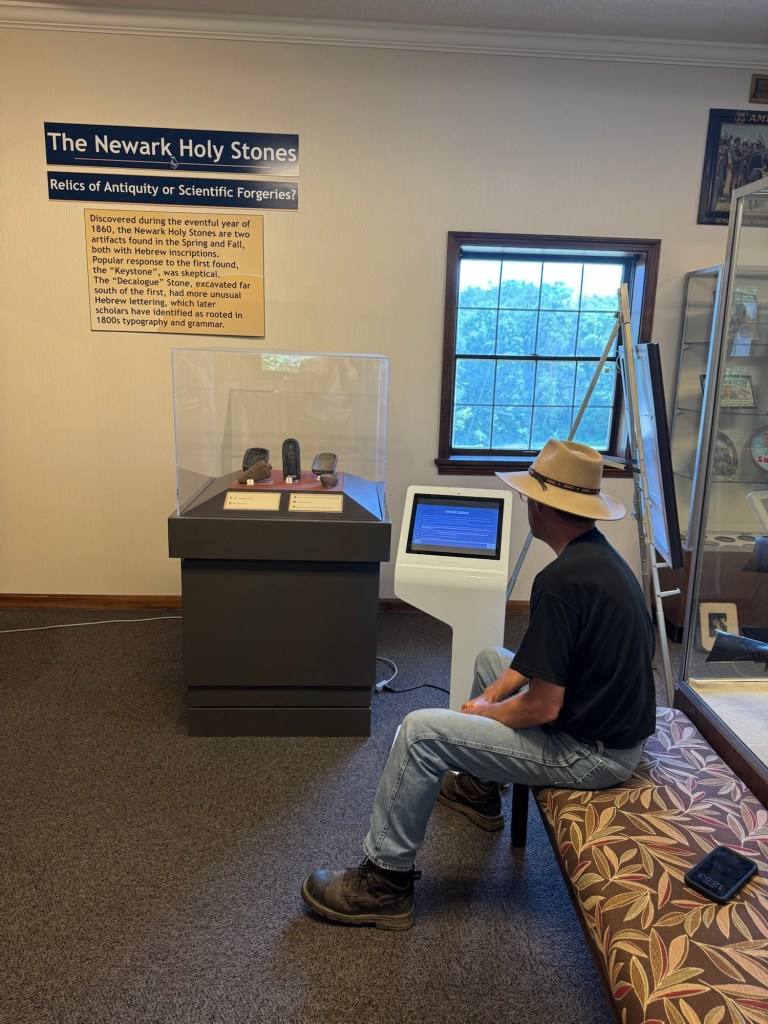
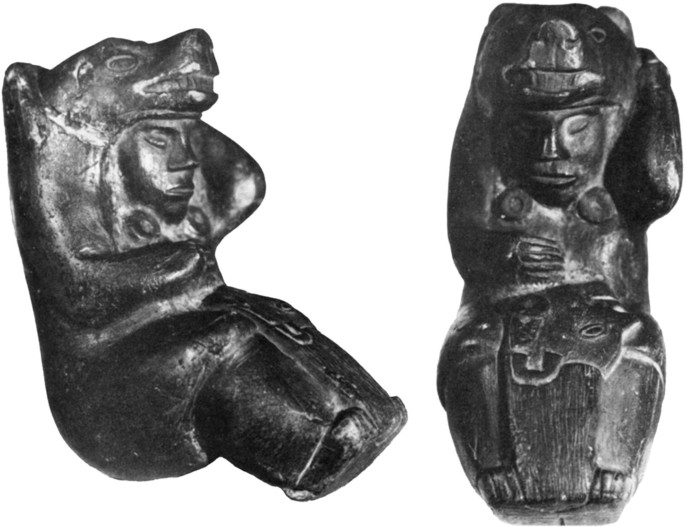
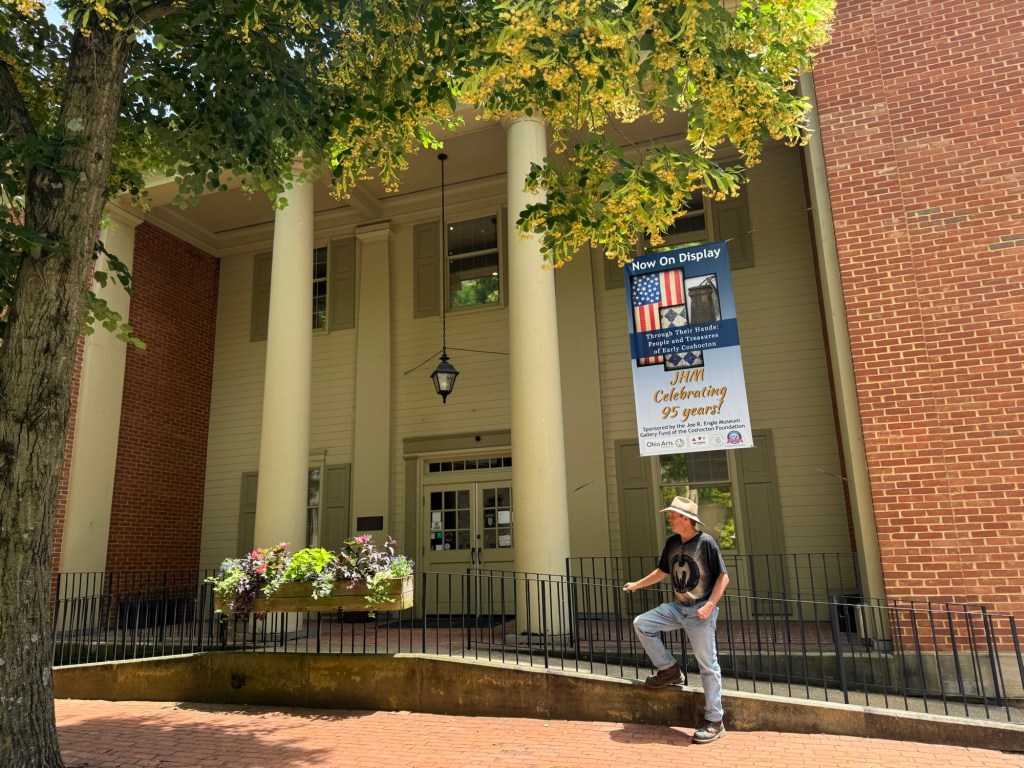
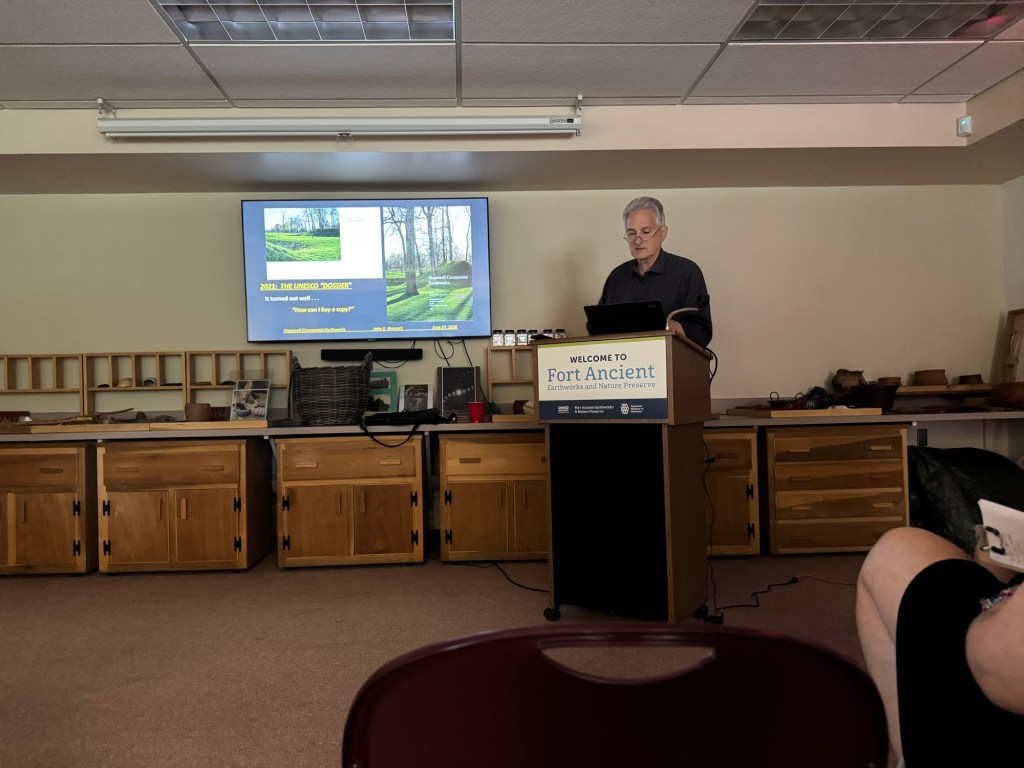
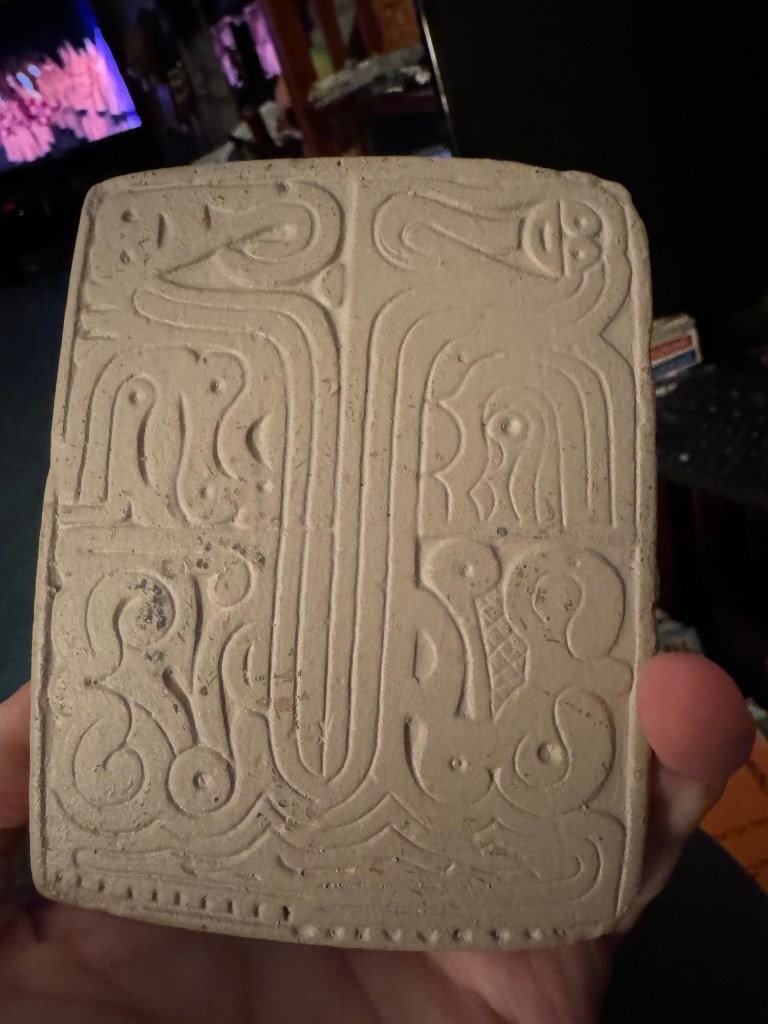
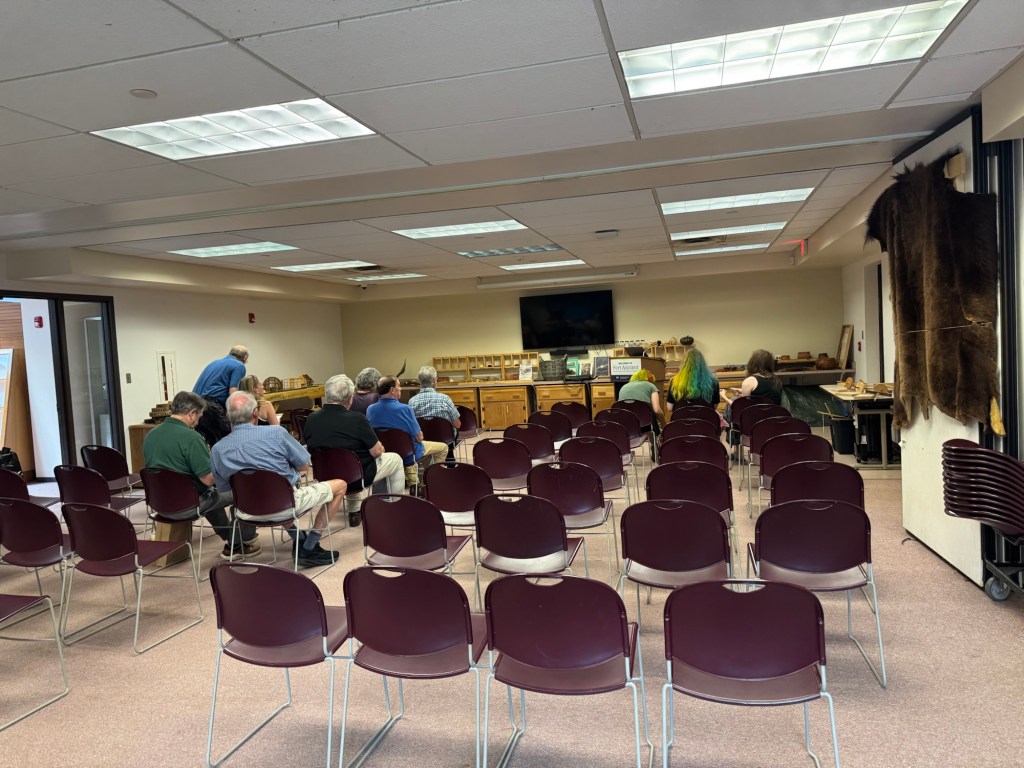
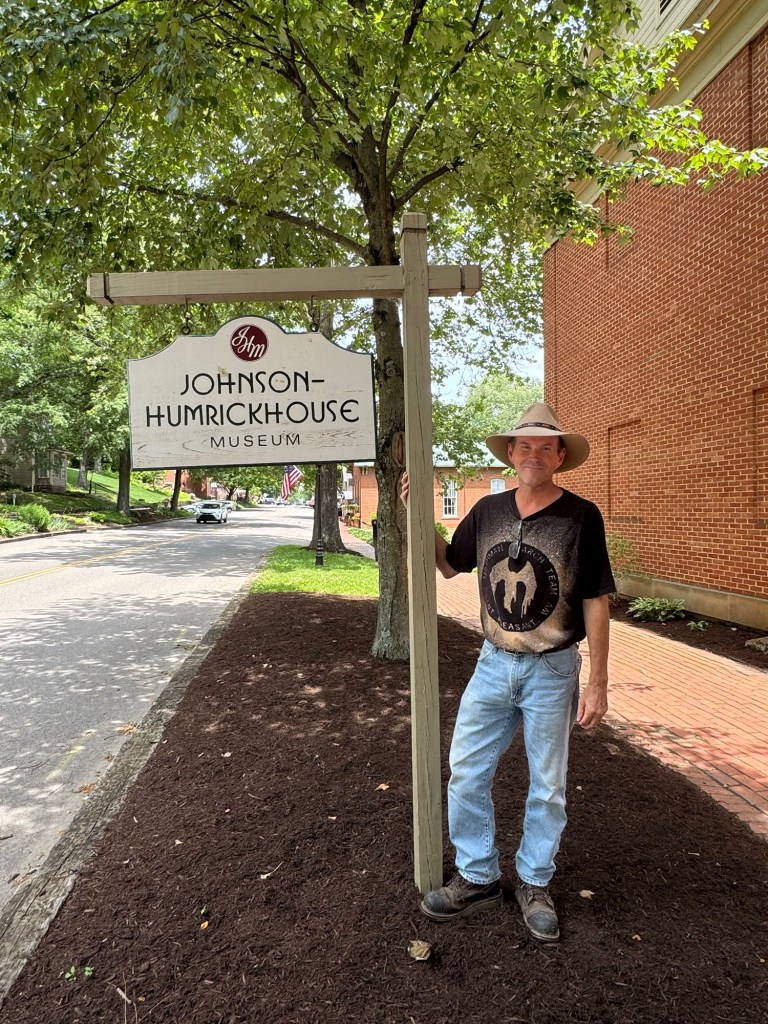
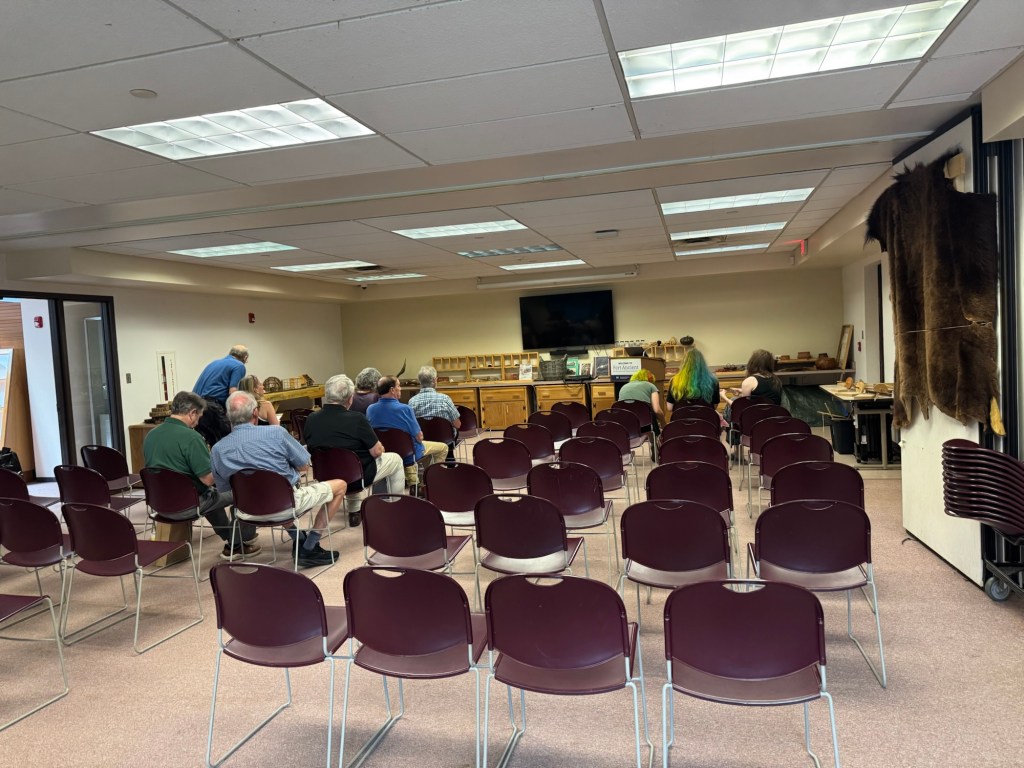
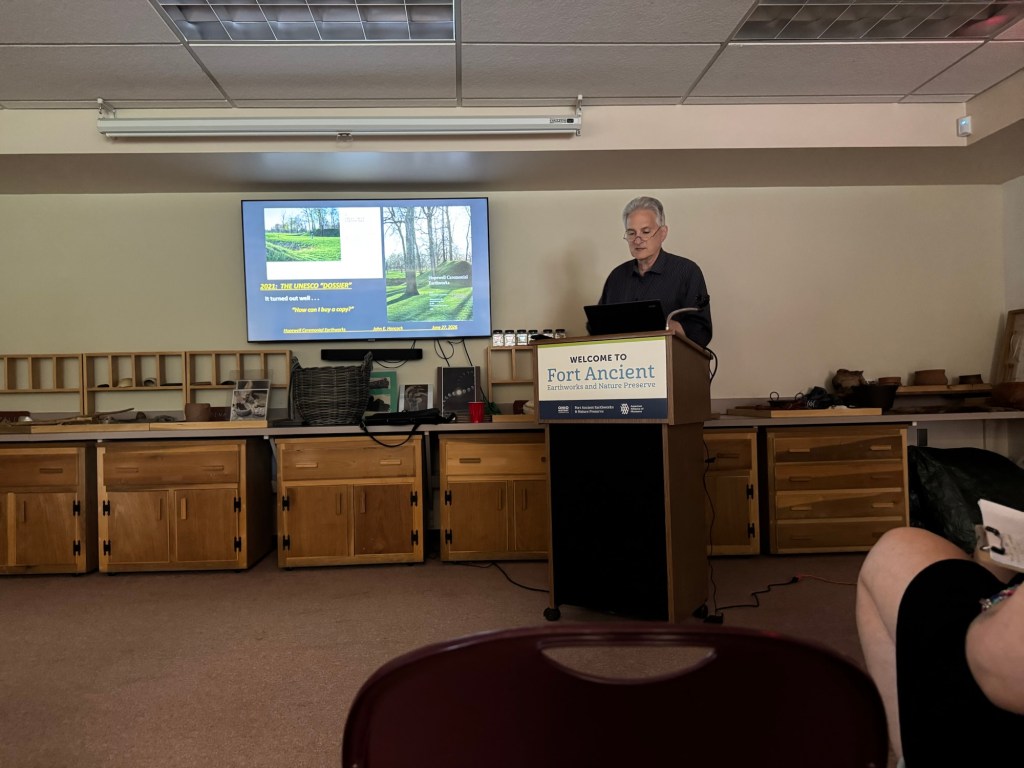
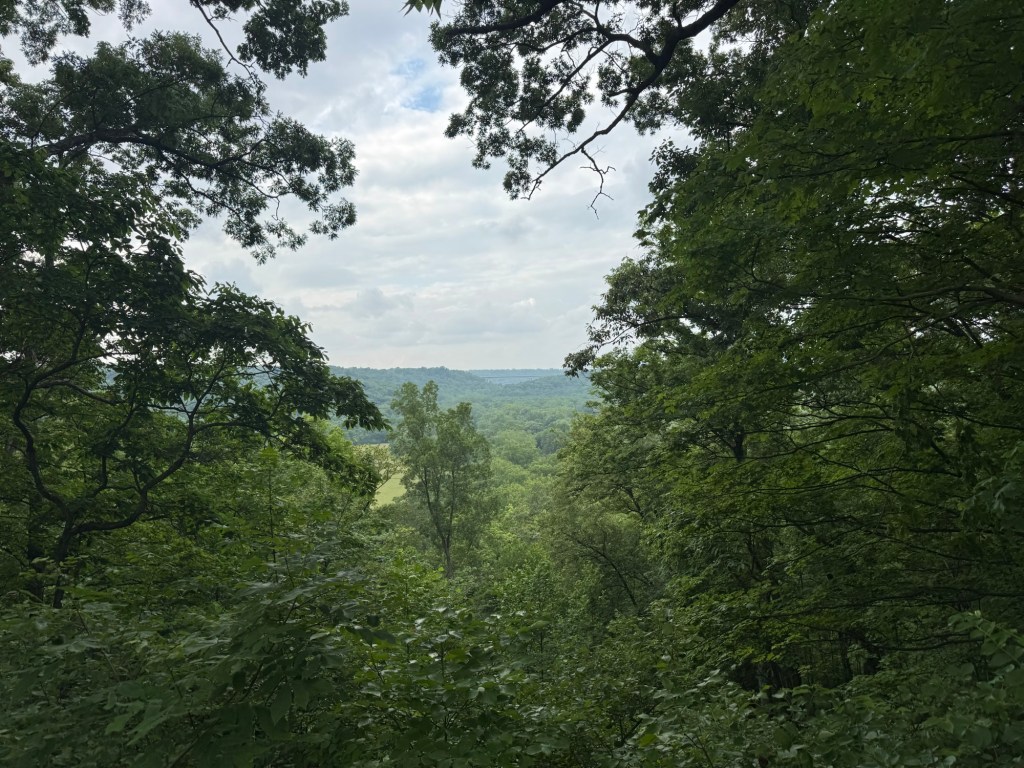

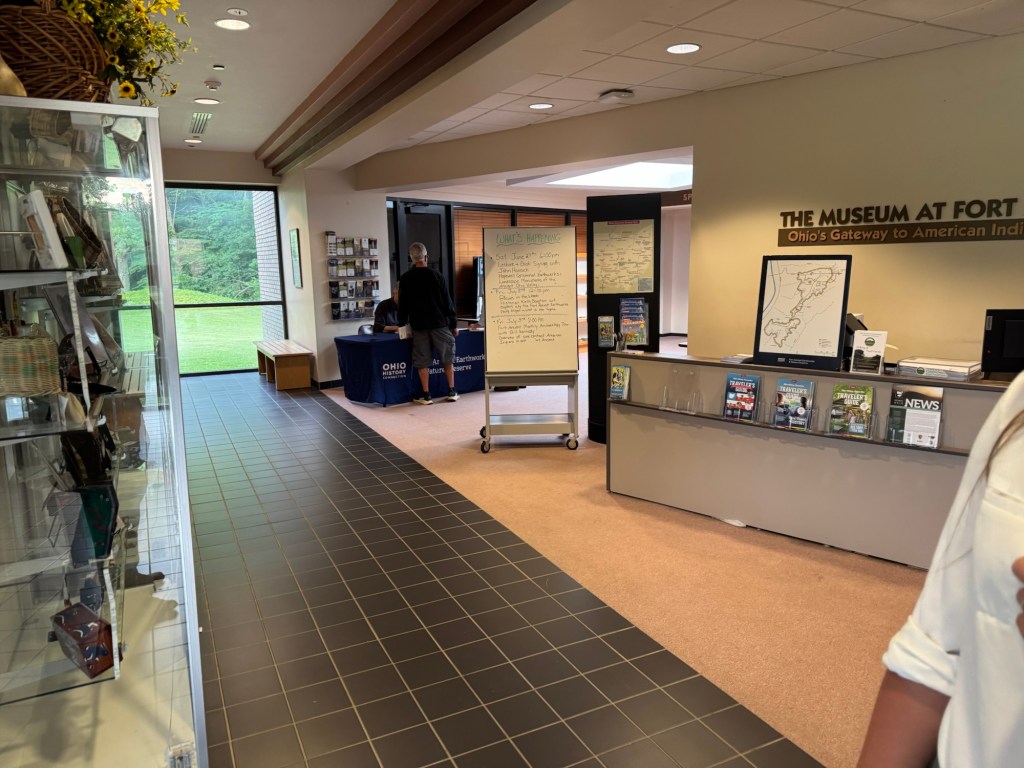
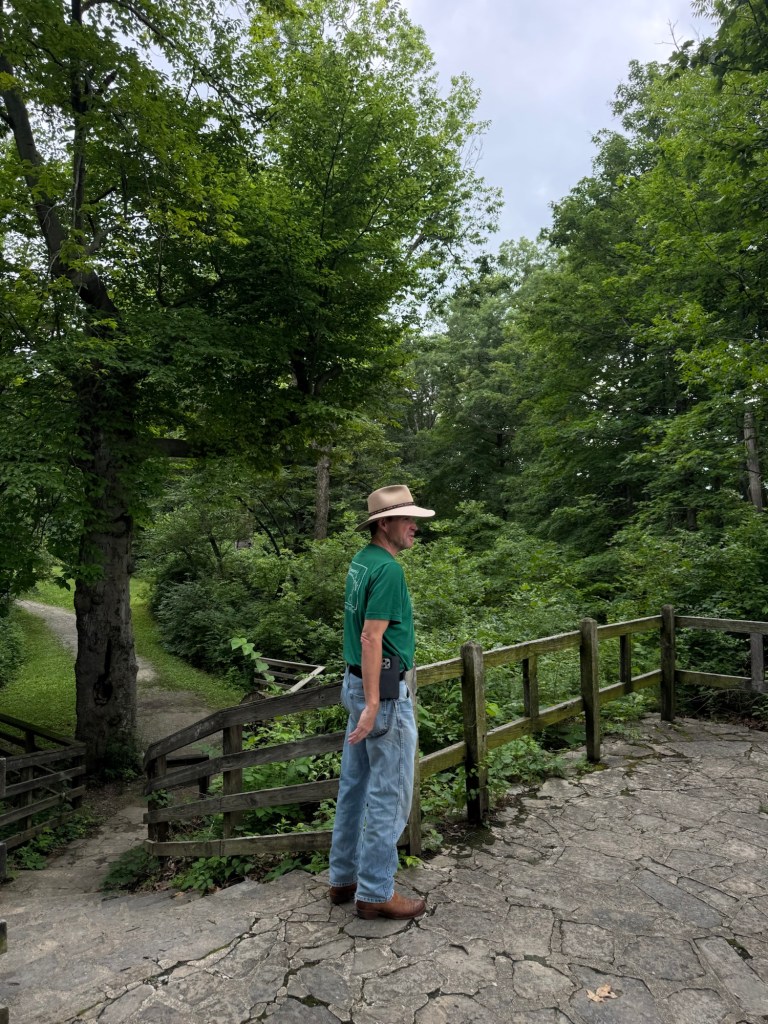
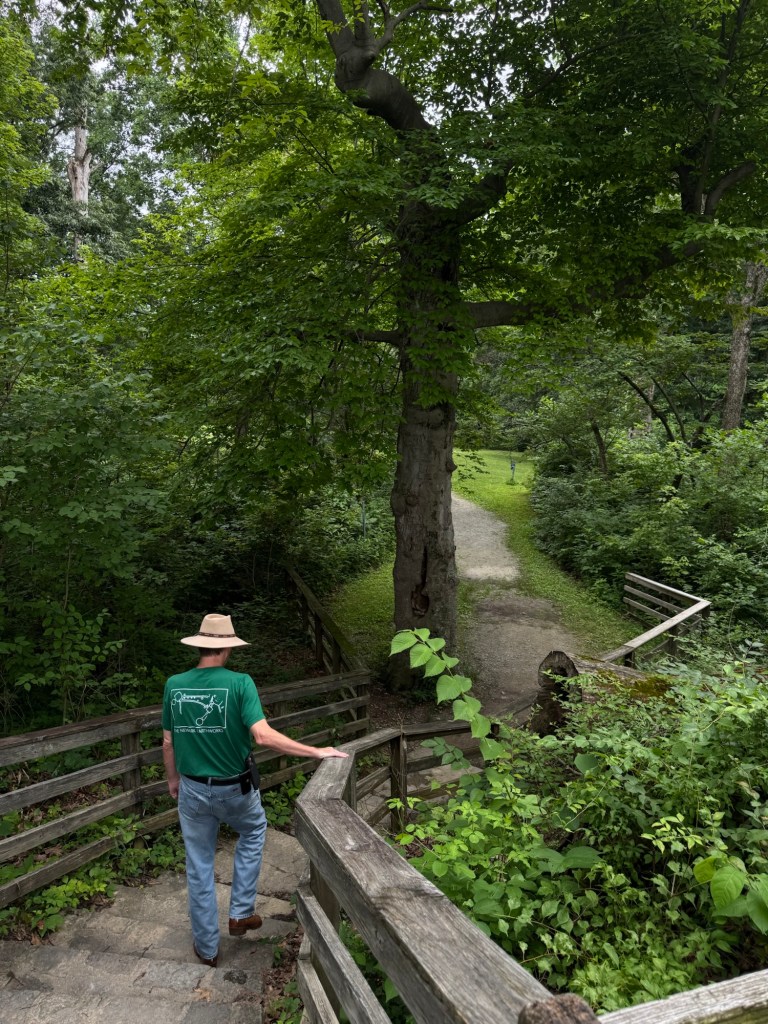

 The Overmanwarrior