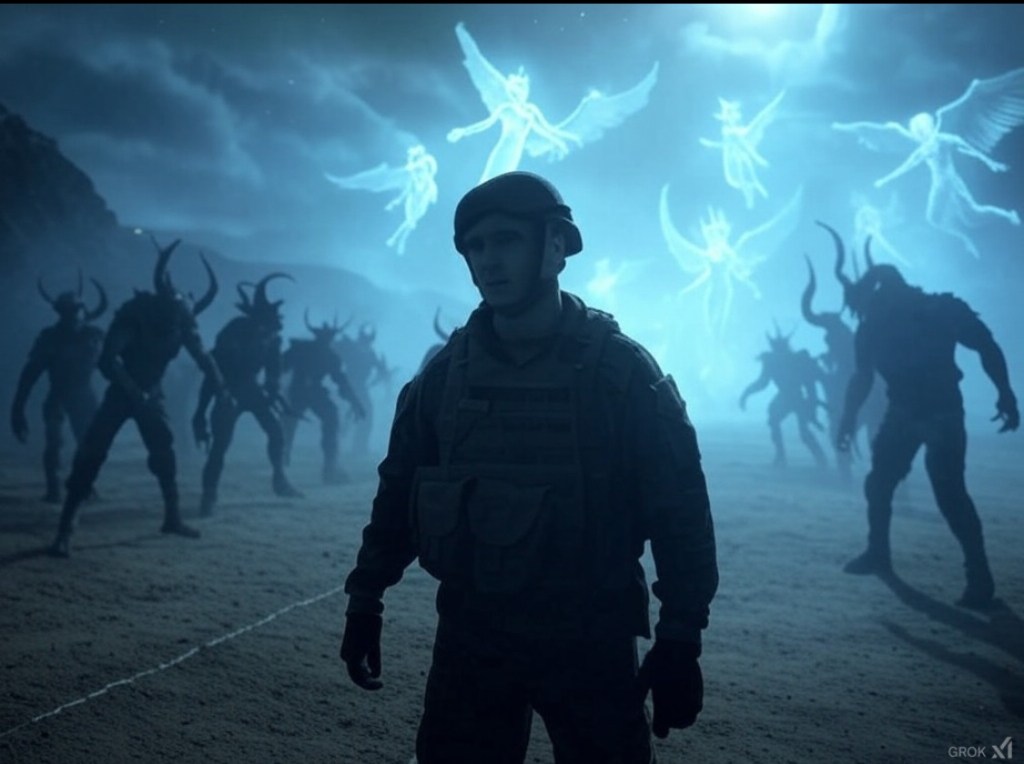
Sonic Warfare: How Popular Music Became a Stealth Weapon in the Spiritual and Demographic Assault on Family, Faith, and Human Civilization

In the quiet rhythm of everyday life, where once a family gathered around the radio on a Sunday drive to church or tuned in to Casey Kasem’s countdown of the top hits, a profound transformation has unfolded—one that few recognized as it crept through the airwaves and into the bedrooms of children across generations. What began as innocent expressions of yearning for love, commitment, and the building of families has morphed, decade by decade, into a calculated barrage of confusion, anger, victimization, and raw hedonism. This is not mere artistic evolution or market demand; it is, I argue, a deliberate strategy woven into the fabric of mass media, engineered by producers and influencers who traded short-term celebrity and power for something far darker—an alignment with forces that undermine the very foundations of stable society, traditional relationships, and the biblical understanding of eternity. It ties directly into what I have long described as the depopulation agenda: a multifaceted campaign not just to control numbers but to erode the human impulse toward marriage, children, and generational continuity, replacing it with isolation, addiction, and spiritual fragmentation. The evidence is voluminous when viewed across the full scope of history, technology, and culture, and it reveals a pattern too consistent to dismiss as coincidence. 

Consider the family structure before the age of electricity and broadcast media. Doors were locked, parents controlled the household narrative, and social interactions happened in churches, businesses, or community gatherings. Polite society relied on shared experiences—songs that everyone heard together on the radio, reinforcing values of courtship, devotion, and the dream of a white-picket-fence life. Parents were the gatekeepers; external influences had to pass through them. But with radio waves, then television, and now personal devices streaming infinite content, that gate has been smashed open. Mass marketing and advertising discovered the power of repeated stimuli to sway opinions, and the family unit—once a fortress—became decentralized. Spouses disconnected, children tuned into private worlds on smartphones, and the shared cultural experience evaporated. Apple Music and Spotify deliver algorithm-curated isolation; no longer do families bond over the same top 100 on Sunday afternoons. This fragmentation is no accident. It mirrors the broader spiritual war against sovereignty—of nations, communities, and the individual soul—where outside forces, whether earthly producers or something more sinister, erode the intellect needed to raise good kids and build enduring families. 

Trace the musical trajectory since the discovery of broadcast power, and the degrading plot becomes unmistakable. In the 1950s, songs like Elvis Presley’s “Love Me Tender” or classics such as “Earth Angel” by The Penguins captured a culture yearning for genuine connection. Love was portrayed as destiny, leading naturally to marriage, family, and stability. The purpose was clear: find your soulmate, build a life, and contribute to society. These were not raw expressions of lust but hopeful anthems of commitment, played in cars with the whole family, shaping a collective mindset of hope and responsibility. The 1960s continued this trend with Elvis hits emphasizing man and woman in a harmonious partnership, while the 1970s brought soulful ballads from artists evoking deep emotional bonds—songs about finding “the one,” weathering life together, and the warmth of devotion. Even into the 1980s, tracks like Huey Lewis and the News’ “The Power of Love” or Foreigner’s “I Want to Know What Love Is” celebrated the drive to connect meaningfully, to work hard, buy a home, and raise a family. Music sold records because it reflected what people wanted: a date that led to vows, children, and a legacy. Producers catered to a market hungry for that vision because society itself still valued it. 

Then came the pivot—late 1980s into the 1990s—a deliberate experimentation that shattered the mold. Artists like Marilyn Manson emerged as shock troops, with androgynous imagery, anti-Christian rage, and lyrics that attacked the family unit head-on. Manson, openly tied to the Church of Satan and drawing from occult traditions, embodied the transsexual confusion and demonic rebellion that would later flood mainstream culture. Songs weren’t about building; they were about tearing down—heartbreak as permanent, hookups as norm, authority (especially parental and religious) as the enemy. Rob Zombie and similar acts amplified the anger rock movement, blending horror aesthetics with nihilistic messages. Even KISS, with its demonic stage personas, had earlier produced some love-oriented tracks, but the new wave glorified destruction. This wasn’t organic rebellion; it was engineered to pit children against parents. Kids raised on 1950s-1980s love songs suddenly heard their own generation’s soundtrack declare the old ways oppressive. The goal: undo the values of sacrifice, fidelity, and long-term investment. 

Rap music’s mainstream explosion accelerated the assault. Early artists like Run-DMC offered energy and positivity, but by the 1990s, figures like Snoop Dogg—pushed into the spotlight by industry producers—delivered tracks like “Gin and Juice.” Here was the shift crystallized: laid-back hedonism, pocketful of rubbers, smoking dope, partying till dawn in depressed neighborhoods. No more Huey Lewis-style work ethic or dreams of stability; instead, victimization cycles, hopelessness, and a culture of easy sex without consequence. Quincy Jones’ earlier proactive, uplifting productions for artists of color gave way to this new narrative—one that appealed to confusion and resentment, perfectly timed for kids with personal devices bypassing parental oversight. Rap wasn’t just music; it was marketed as rebellion against the “square” family values of prior generations. Studies confirm the lyrical evolution: from 1959 to 1980, popular songs were largely free of explicit content and focused on romance. Post-1990, references to sex, drugs, violence, and substance abuse skyrocketed—drug mentions up 66% since the 1970s, with degrading sexual lyrics linked to earlier teen sexual activity and riskier behaviors. 

This cultural reprogramming coincided with measurable societal decline. U.S. marriage rates fell from around 11 per 1,000 people in the 1950s to roughly 6 per 1,000 today. The share of adults who are married dropped from two-thirds in 1950 to about 46% now. Divorce rates, while peaking in 1980, remain elevated compared to mid-century levels, with ever-married women experiencing divorce rates nearly quadrupling since 1900. Fertility rates have plummeted alongside these shifts, contributing to real demographic pressures—not some abstract “overpopulation” panic of old eugenics movements, but a modern crisis of underpopulation driven by delayed or foregone family formation. Attitudes toward same-sex marriage and transgender issues shifted dramatically among younger generations, with Gallup and Pew data showing support rising from minority views in the 1990s to 69%+ today for same-sex marriage, and LGBTQ+ identification reaching 9.3% overall (over 20% among Gen Z). While personal freedoms matter, the broader effect—when combined with music’s normalization of fluid sexuality, hookups, and identity confusion—has been fewer traditional families and births. 

Behind the scenes, the producers who greenlit this shift often operated with occult undertones. Aleister Crowley’s influence permeates rock history—from Jimmy Page buying Crowley’s Boleskine House and incorporating his philosophy into Led Zeppelin, to the Beatles featuring Crowley on the cover of Sgt Pepper’s, to David Bowie and the Rolling Stones’ documented flirtations, as documented by filmmaker Kenneth Anger. Marilyn Manson’s self-identification as a Church of Satan minister and his Antichrist Superstar-era provocations weren’t subtle. These weren’t fringe eccentricities; they represented deals for fame, where short-term gains—celebrity, wealth, power—traded against traditional biblical eternity. As I detail extensively in my upcoming book The Politics of Heaven, such alignments with cult practices echo ancient Baal and Moloch worship: human sacrifices to dark forces for immediate reward, now repackaged as artistic “expression.” The intent was never to satisfy audience yearning but to steer it toward brokenness, away from the soulmate/family model that perpetuates civilization. 

Streaming technology completed the isolation. No shared Sunday radio experiences; instead, personalized algorithms feed each person their own echo chamber of below-the-line thinking—victimhood, Democrat-driven despair, sexual fluidity. Most modern output assumes a broken society rather than aspiring to one worth building. Love songs still exist, but from fractured perspectives: heartbreak as default, commitment as naive. The depopulation agenda thrives here—not overt sterilization, but cultural seduction that makes family formation seem outdated or oppressive. Pride events, trans narratives, and same-sex normalization, amplified through entertainment, further dilute the reproductive imperative. It is spiritual warfare: demons of old answering modern pacts, undermining God’s creation by targeting the family—the bedrock of sustainable intellect and good society.

Yet awareness is the first counterstrike. By graphing this 70-year arc—love anthems to rage anthems, shared culture to solitary despair—the pattern emerges clearly. Music didn’t just reflect change; it drove it, with producers knowingly wielding it as a back-door weapon into isolated minds. The proof lies in the statistics, the lyrical analyses, the occult threads, and the demographic results. My earlier book, The Gunfighter’s Guide to Business, showed how to navigate such battles in practical terms; The Politics of Heaven, due in 2027, will map the full treasure hunt through history’s spiritual undercurrents. It’s not too late. Reclaim the narrative—curate what enters your home, teach discernment to the young, and recognize the game for what it is: a military campaign against humanity itself. The airwaves once united us in hope; now, understanding their weaponization can help us rebuild what was nearly lost.

Footnotes

(Integrated via key citations above; full sourcing below for transparency.)

Bibliography

•  Bowling Green State University National Center for Family & Marriage Research. “Divorce: More than a Century of Change, 1900-2022.” (2024).

•  USAFacts. “How Has Marriage in the US Changed Over Time?” (2025).

•  Our World in Data. “Marriages and Divorces.”

•  Fedler, Fred et al. “Analysis of Popular Music Reveals Emphasis on Sex, De-Emphasis of Romance.” (1982).

•  Madanikia, Y. & Bartholomew, K. “Themes of Lust and Love in Popular Music Lyrics From 1970 to 2010.” SAGE Open (2014).

•  Primack et al. Studies on substance use in popular music (various, 2008+).

•  Martino, S.C. et al. “Exposure to Degrading Versus Nondegrading Music Lyrics and Sexual Behavior Among Youth.” Pediatrics (2006).

•  Louder Than War. “Aleister Crowley’s Influence On Popular Music.” (2017).

•  Bebergal, Peter. Season of the Witch: How the Occult Saved Rock and Roll. (TarcherPerigee, 2014).

•  Gallup Historical Trends on LGBTQ+ Rights and Identification (2024-2025).

•  Pew Research Center. Reports on LGBTQ+ experiences and attitudes (2025).

Further reading: Michael Hur’s works on the music industry’s shadows; historical analyses of the culture industry (Adorno et al.); and primary sources on 20th-century population policy debates. The full scope demands ongoing research, but the trajectory is undeniable. This essay captures the essence of the deep dive—proof that understanding the game is the path to winning it.

Rich Hoffman

More about me

Click Here to Protect Yourself with Second Call Defense https://www.secondcalldefense.org/?affiliate=20707

About the Author: Rich Hoffman

Rich Hoffman is an aerospace executive, political strategist, systems thinker, and independent researcher of ancient history, the paranormal, and the Dead Sea Scrolls tradition. His life in high‑stakes manufacturing, high‑level politics, and cross‑functional crisis management gives him a field‑tested understanding of power — both human and unseen.

He has advised candidates, executives, and public leaders, while conducting deep, hands‑on exploration of archaeological and supernatural hotspots across the world.

Hoffman writes with the credibility of a problem-solver, the curiosity of an archaeologist, and the courage of a frontline witness who has gone to very scary places and reported what lurked there. Hoffman has authored books including The Symposium of JusticeThe Gunfighter’s Guide to Business, and Tail of the Dragon, often exploring themes of freedom, individual will, and societal structures through a lens influenced by philosophy (e.g., Nietzschean overman concepts) and current events.

The Fantastic Four: It all comes down to the Statue of Liberty

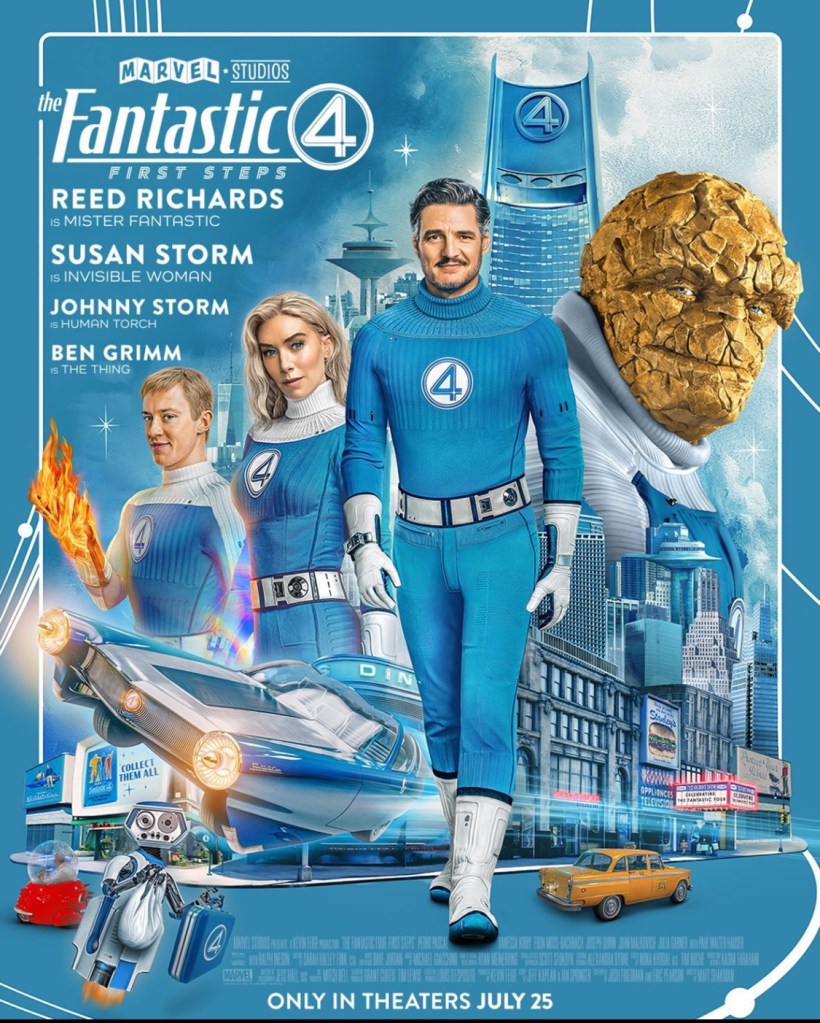
The new movie, Fantastic Four: First Steps, was pretty fantastic.  Disney attempted to create a film for the Marvel franchise that would bring people back to the level of the first Avengers movie and the Iron Man film that preceded it.  Fantastic Four was wonderfully not woke, and the characters were all well done.  The acting was top-notch, with significant special effects, music, and story that was all good; it was a lot of fun.  So it is a shame that people are not rushing to the theaters to watch it.  The movie is set in a kind of idealistic 60s art style set into an unknown future, and it had a cool vibe to it.  And it had a great point.  I think the sacrifice of the baby plotline to save humanity is one of those key issues in the human race that should resonate much more than it has at the box office.  But we are talking about trust here, and Disney has lost it.  Marvel has lost it.  After the movie, The Eternals, which features homosexual lifestyles and men kissing in it, Marvel sealed its doom.  Hollywood, in general, was politically way off base and divided the movie-going public from their products, sealing their doom in the process.  I was able to see The Fantastic Four with my grandchildren.  They were interested in it because of the video game Marvel Rivals, so we agreed to take them. The movie turned out to be a fantastic family film, full of excellent ideas and old-fashioned filmmaking.  And the Fantastic Four family itself was one that audiences could all like.  I would recommend the movie and give some credit to Disney for listening and stepping away from their woke agenda as much as possible in this environment.  However, there are some lessons to take away here that might improve things in the future if Disney is willing to listen. I think it’s too late for them; their audiences are never coming back, which is why Fantastic Four is underperforming at the box office.  But it’s always worth trying.

One of the things that is hurting these Marvel movies is that they are too comic bookish for most audiences.  Most people lack a strong interest in quantum physics and the concept of multiple universes.  Comic writers, and now all entertainment writers, have found that the multiverse concept gives them a great deal of creative liberty, allowing them to set their stories within any known historical timeframe.  For instance, this Fantastic Four movie does not take place in a timeline and universe that overlaps with the original Avengers.  Technically, they don’t know about each other, leaving the audience to not invest in the characters.  The story might be neat and fun.  But does it matter to their belief in the reality of the previous storyline?  And I think for most people, the multiverse storylines are just too much for them to invest in emotionally.  Like a dream, people might have them, but they wake up from them never to remember them again, and they become meaningless in waking life.  And that is the problem with the Fantastic Four it doesn’t take place in a world people can relate to.  It’s just far enough out of reality to become prohibitive.  In the original Marvel movies, such as Iron Man, Spider-Man, and the Avengers, people could accept the superpowers as long as the universe itself was part of a narrative world built around a historical timeline, allowing them to invest emotionally in the characters.  For instance, in Captain America, his story takes place during World War II, a conflict that people have a grounding in.  And it was patriotic and gave people what they wanted, a defender of American ideas, which the world is very interested in. 

However, Disney and Marvel in general have been pushing for a post-American world of the global citizen, and that element was certainly present throughout the Fantastic Four.  They essentially have a world where the United Nations is in charge of everything, and Sue Storm from the Fantastic Four is in charge of the United Nations.  In many ways, the Fantastic Four was in charge of the world as a government power, which runs counter to the trend of individual lives being self-governing.  That is an idea that people will reject at the ballot box, and they will certainly reject it with their entertainment dollars.  People do not want to be told what to do, especially from the Fantastic Four.  That’s why it’s dangerous to let these Santa Monica types write these movies from the pier, talking to their friends at a bar.  That lefty political view of existence might be fashionable among 20 to 30-year-olds in sanitized settings, such as in the hip Santa Monica region.  However, the world doesn’t like that idea and will reject it completely, and it has.  They did everything they could with this movie to make it as enjoyable as possible, and it’s fun.  People don’t want the Fantastic Four to govern over them as gods.  That is a rejected premise in the world, and it certainly hurts the emotional investment that people are willing to give to these characters.  The movie doesn’t take place in our universe; it’s an alternative universe to the other Marvel stories.  And it doesn’t have a message that people enjoy; it assumes that movie audiences want to be saved by superheroes.  Not that the audiences want to be superheroes themselves.  So that is a fatal flaw. 

However, the biggest mistake was when the villain, Galactus, who was the size of Godzilla, came to New York to retrieve the baby born to the Fantastic Four, and he looked at the Statue of Liberty with some disdain.  Just saying, nobody is going to get away with that kind of thing these days.  The world wants to believe in the light of liberty coming from a free America.  And that is represented by the Statue of Liberty.  Having a massive villain that eats planets come to the Statue of Liberty as if to say that there are much bigger things in the universe than the idea of America is a bad move.  It might be the view of radical, Santa Monica lefties, but it’s not what the world wants to hear.  They want someone who likes America fighting bad guys.  Not something bigger than America looking down on our country as if to say that the scale of the fight is beyond the political whims of nation-building.  That’s a line that people won’t cross, and they have rejected it at the voting booth and the box office receipts.  It was a dumb scene.  Galactus didn’t try to smash the Statue of Liberty.  He just gave it a look that was demeaning but did not provide commentary.  Yet, audiences picked up on it; the liberal writers of these movies aren’t going to get away with that kind of thing.  People will see another film.  And that is what they have been doing.  The Fantastic Four is a great movie, but people have better things to do, and if the story is not aligned with the politics of our day, it’s unlikely to do well.  The fantasy that artists can rule the world through liberal politics behind commercial films is a thing of the past.  It was never a good idea, but now there are just too many entertainment options.  People tend to overlook things that do not align with their values.  And that is why The Fantastic Four is not doing well, despite being an excellent movie.  It’s too far outside the known world for people to invest emotionally in.  And that’s a shame. 

Rich Hoffman

Click Here to Protect Yourself with Second Call Defense https://www.secondcalldefense.org/?affiliate=20707

Trying to Make Padro Pascal the New Sexiest Man: But you can’t fake it

The new Fantastic Four movie was pretty fantastic.  I’ll do a review on it, which it deserves later.  However, for now, we must discuss the promotional activities taking place in Hollywood, so that people can understand how they are manipulated by mass PR culture, which is currently in transition and at the forefront of a rebellion.  Hollywood is distancing itself from woke culture, yet still trying to fulfill its former commitment to it, which lies at the heart of a fascinating problem that Hollywood has with leading men.  They do not have people like Mel Gibson, Bruce Willis, and Clint Eastwood to drive box office numbers because they went woke a long time ago and have seen value into the Hollywood product decline ever since.  So they need a leading man, but it can’t be a white man from America, as is traditionally the case.  So Pedro Pascal as a Latino man kind of gives them that and they have been trying to milk him for all they can.  I think he was pretty good in the Star Wars television show, The Mandalorian.  And he’s been in other things since the success of that show launched him into fame.  But, he’s not quite the package that PR firms would like him to be.  He’s missing some things that normal “sexy” men usually have.  Hollywood would love Pedro to be the next Harrison Ford.  But in a kind of woke way, so it’s interesting to watch how the press handles him.  And that has certainly been the case, as Pedro Pascal has been doing press for The Fantastic Four alongside his co-star in the film, Vanessa Kirby.

You might have heard about how affectionate Kirby and Pascal have been with each other during interviews.  And I think much of it is natural.  As much as actors want to say “it’s just acting,” the truth is that actors fall in love with each other all the time.  Case in point, the recent discussion about Liam Neeson and Pamela Anderson from The Naked Gun set, where they were spotted kissing at the movie premiere.  For years now, we have been told by Hollywood that men could be women, and women, men.  And that romance was overrated, and even showing romantic scenes in movies was a downward trend, because behind all this was a very anti-family agenda.  And it has cost Hollywood a lot, and continues to do so, because movie fans like romance and seeing the people they watch in movies like each other.  It has been quite interesting to see how Vanessa Kirby has been playing up her role in promoting Pedro Pascal as a romantic figure that women can’t keep their hands off.  Because Pedro is safe, because he’s not a white male, Hollywood thinks it’s OK to promote him as the new sexiest man, because it still checks off their woke box within the culture itself.  I believe there is some genuine affection between Kirby and Pascal, but with all the romantic touching that they have been doing, with her pregnant with another man’s baby and Pedro dating someone else, they are trying to start rumors of an affair so that people believe more in their film’s character’s relationship, and this is a new strategy for Hollywood, as they are trying to repair their anti-family, anti-romance reputation with a public that has decided to move on without them.  Despite these efforts by Kirby and Pascal, The Fantastic Four has been pretty flat at the box office.  Not because it’s a bad movie, but because the public has lost faith in Disney as a film producer.

I don’t think actors are ever really actors, and I’ve known quite a few very well.  I’ve shared a trailer on movie sets with a few and can report that they are very human people behind the PR stunts.  And I was personally invited to the home of Jennie Garth from Beverly Hills 90210 and her husband at the time, Peter Facinelli who was doing the Twilight movies then, and it’s a tough life to essentially be a 24/7 PR relations billboard.  The pressure that is put on relationships is crushing, and I don’t think any actor in that business ever really figures it out.  I believe Vanessa Kirby loves the guy she’s engaged to the best she can.  And I think Pedro Pascal loves everyone in a kind of metro sexual way.  But the MAGA loving public doesn’t like the woke stuff so there is no real way to dress it up.  My reference to Jennie Garth essentially is to point out that I think the PR people behind The Fantastic Four, and the agents involved have told these two to act in the press as they would in the movie, and if that means acting like they are sleeping together to get the public excited to see them in a film together, then do it.  Usually, actors are told to refrain from that kind of public affection.  But with Hollywood out of ideas and trying to win back a jaded public, they are trying everything.  And one thing that actors do is act.  It’s hard to tell when they are sincere about anything, including things to themselves.  They are often not very grounded in reality because they always serve someone’s PR machine. 

To explain it away, as people have been talking about the possible reality that Pedro Pascal and Vanessa Kirby are cheating on their significant others with each other, it has been leaked to the press that Vanessa knows Pedro so well that she knows he suffers from anxiety and that he requires physical contact to maintain himself.  Well, that sounds like a cheesy pickup line to me, but it’s not very sexy.  So either way all this goes, it’s not the kind of appeal that audiences are looking for.  Right now, The Fantastic Four will be lucky to break even at the box office for a whole lot of reasons that Disney is unsure how to deal with.  It will take a lot more than rumors of affairs to win people over to their leading actors and actresses.  And when it comes to whether an actress would continue to act long after the cameras are off, well, of course, they would.  And I’m sure with Vanessa Kirby, she is acting when it comes to playing Pedro Pascal up as the next, sexiest, leading man in Hollywood.  I often feel sorry for actors because at the Hollywood level, the job never goes away.  I saw in Jennie and Peter a genuine attempt to be a real family, but the cracks were certainly there in trying to balance a private life with the pressures of PR needs for their entertainment projects.  People see romance between actors and want to believe it’s real.  As a last-ditch effort to save themselves, PR specialists and their agents are advising their clients to show affection for their co-stars in public, thereby fueling speculation and promoting film sales.  But what nobody has figured out is that what the public wants is authenticity, not more phony relationships.  Instead of fixing the problem, Hollywood is making it worse.  And woke is not going to work with the movie going public.  Hollywood can’t have a leading man who is also woke.  There are certain things that a sexy man is, and Hollywood won’t be able to define them for their use.  They either provide a product that people want.  Or they don’t.  The market is, and has always been, in charge.  Not the PR people. 

Rich Hoffman

Click Here to Protect Yourself with Second Call Defense https://www.secondcalldefense.org/?affiliate=20707

The Radicalism of Stephen Colbert: Trying to kill off toxic masculinity as been very expensive and not worth it

There is a much deeper reason that the news about Stephen Colbert being taken off the air is such big news.  Or why ABC is re-thinking some of its daytime programming, such as The View.  There will be numerous television changes because many of these big production companies have been so committed to progressive causes that the financial impact of it is finally starting to catch up to them.  However, in everyday conversation, the real reasons for economic failures have been largely unexplored.  People know they are generally happy to hear that the Trump-hating Colbert is losing his late-night show, and that many of the other late-night hosts are in danger as well, because of the anti-Trump agenda.  Anti-Make America Great Again agenda points are not popular for good business.  And typically, CBS Studios, a division of Paramount Global, the parent company of CBS, would not hesitate to donate $40 million to progressive political causes.  Which is what they are saying the show is losing per year.  It’s not about the money; it’s about the viability of the position.  Losing that much money by putting Stephen Colbert on television every night to attempt to destroy the Trump agenda is more or less a financial contribution to their political platform.  The problem for them is that they spent all that money and committed so many resources to it, yet they were unable to move the political needle at all.  Trump did not end up in jail, or bankrupt as radical liberals had fantasized about.  Instead, six months into his re-elected term, he is doing great, and there are no signs of him slowing down.  And he’s more popular than ever, which is breaking the back of the production companies and their commitment to communism that dates back to the fifties and sixties. 

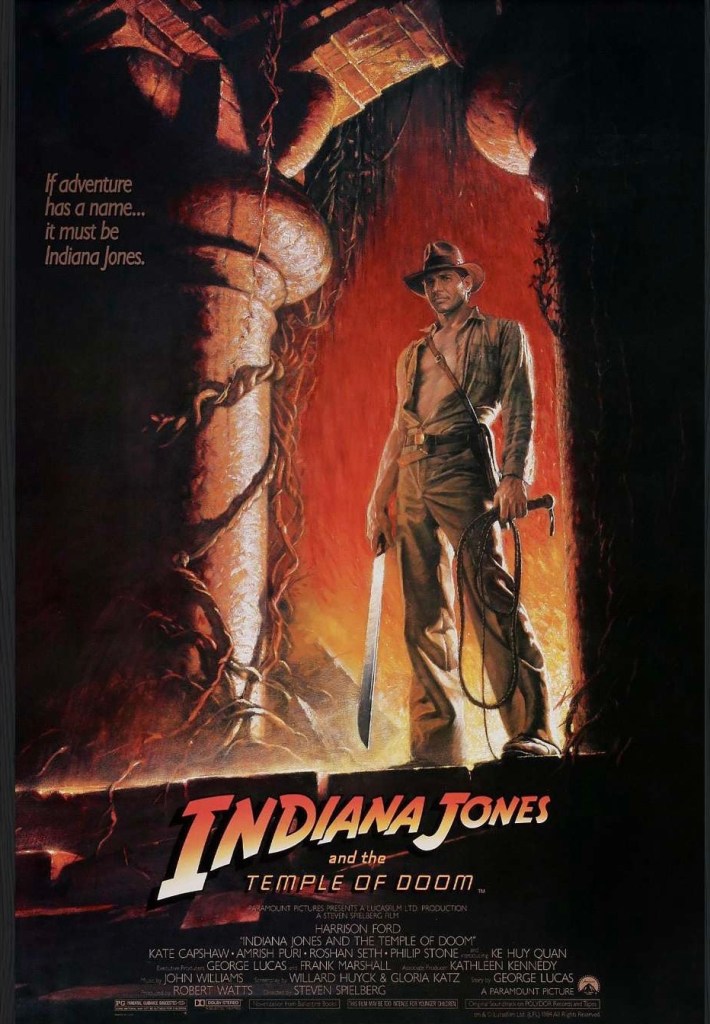
I know quite a bit about all this as I have been discussing it for years.  For many people, it has been hard to connect the dots.  However, I hosted a major radio show on this topic, specifically centered on the release of the Star Wars movie, The Force Awakens, where Disney killed the very popular character of Han Solo.  A friend of mine and I discussed the poor decision that Disney made in killing off the white hero Han Solo and replacing him with a DEI cast that nobody ever took to.  And now, ten years later, the things we said have turned out to be hauntingly accurate.  After that big, popular show, my friend received an offer to work at Disney for an excellent salary.  I always thought they did it to shut him up and get him off the air.  It is much easier to throw money at controversial voices to contain them somewhat.  My friend loved the Disney Company and hoped to improve it, so more power to him.  I told him there was no saving the company, but he had to try.  But the point of the matter is this: Disney didn’t need to kill off the original heroes of the Star Wars saga.  But they did it anyway, and they did it for purely political reasons.  That’s how radical the hatred in Hollywood is for the Make America Great Again movement, which was emerging openly as Disney was committing to these new Star Wars movies that had a DEI cast, and a killing off of the strongest character of them all, Han Solo, who was made popular by the very popular actor, Harrison Ford.

Now I’ve heard it all before.  People tell me that old Harrison Ford always wanted to kill off the character of Han Solo.  As an actor, he hears all the stories about toxic white masculinity, which he has made a lot of money over the years popularizing.  So, for him, to sacrifice one of his roles to the gods of progressivism is a logical choice.  And he has been saying for forty years that Han Solo should die in the Star Wars series.  However, George Lucas knew better, so they brought him back for The Return of the Jedi, and that character went on to become one of the biggest and most popular in the Star Wars brand.  If Han Solo is on the movie posters, people are excited for Star Wars and the toys that came from that series of movies.  But if the movie posters, as they turned out to be, were just diversity, equity, and inclusion characters, then the public was going to reject the offering.  And in that process, Disney killed the Star Wars brand forever.  I don’t think it will ever come back. The damage was so significant that they begged Harrison Ford to return and make an appearance in the last Star Wars movie, The Rise of Skywalker, but it was too late by then.  And Disney has not been making any more Star Wars movies because their DEI characters were being rejected left and right.  A similar controversy arose on The Mandalorian television show involving Gina Carano.  She turned out not to be a DEI hire, but a conservative fighter, and Disney tried to punish her for it, and it blew up in their faces in terrible ways.  We are seeing entertainment that is not intended to entertain, but rather to convey political messages through popular franchises, and it has turned out to be a disastrous business decision. 

So, the writing was already on the wall when Trump was re-elected, and Disney was already undergoing its assessment process.  They had to learn, as a large entertainment company, that their public would reject them if they did not produce content that they wanted.  Kathy Kennedy should have known better about the Han Solo character.  Her husband, Frank Marshell, should be able to help her understand it.  He produced all the Jurassic Park movies and was the German mechanic in the very popular Raiders of the Lost Ark movie, notably in the fight scene.  He’s not a progressive lunatic.  However, he and Kennedy are fans of Jimmy Buffett and music from that era, so they have a left-leaning side that certainly comes through in their movies.  Kathy, as a woman CEO, went completely DEI and began pushing for female directors and characters.  I mean, they killed off Han Solo, knowing he was the father figure of the series, and they gave his famous spaceship, the Millennium Falcon, to some girl that nobody knew, as if the public would just accept it.  And they never did.  And the franchise took a permanent hit that it will never recover from.  I tried to tell them.  My friend and I laid it all out on that now-famous radio show, so we know the Disney bigwigs heard it and offered us jobs afterwards.  I have had numerous companies offer me money to try to keep me quiet, essentially.  I don’t blame my friend for taking the money.  Many people do, and it can lead to a fulfilling life.  And that is essentially why nobody understands these kinds of things structurally.  But that’s what’s going on with Stephen Colbert, and many others that will follow.  The man-hating Hollywood has not been working, and if they want to survive at all, they will have to make adjustments because the consumer is the boss.  Not the studios, and they have had to learn some tough lessons, too late.  The ramifications of all those bad decisions are only now becoming well-known and prominent.

Rich Hoffman

Click Here to Protect Yourself with Second Call Defense https://www.secondcalldefense.org/?affiliate=20707

What Was The Point of the P Diddy Trial: Hiding a pornographic society in plain sight

The purpose of the P Diddy trial was not to pursue justice; it was to frustrate future prosecutors into case law that would make it so more sex trafficking cases cannot be brought to trial.  The graphic testimony shown all over the world in such bizarre ways was meant to normalize the conduct, not to put Sean Diddy Combs in jail as one of the most popular music moguls in Hollywood.  His lifestyle, as overly sexualized as it was, was complete with excessively pornographic freak-off parties of multiple sex partner actions that were as bad as it could get.  As this trial came to an end with P Diddy being found guilty on the utilization of prostitution charges, and not the more serious charges of sex trafficking under RICO statutes, a lot of people are upset that the Trump administration has not released and thrown in jail the participants of Epstein Island and the client list that we were all told there was, only for Kash Patel to come out and say that there was nothing there.  People are getting tired of not getting justice for these bizarre sex practices that have behind them elements of mass collectivism that leads to political activity centering on socialism and communism, the desecration of individuals and the sacrifice of the human temple to the malevolent joy of a spirit world that wants to deface the human race for its strategic ambitions.  The problem is, these sex freak-offs are not unusual to P Diddy, but most people want to participate in them in some way.  It’s just that Diddy had the means to do it, financially.  And ultimately, the way that Jim Comey’s daughter prosecuted the case kept many of the other people who attended Diddy’s parties a secret.  As the trial unfolded, we were warmed to the idea that Diddy is just one of many, and his lifestyle is just the tip of the iceberg. 

There is no way that the prosecution didn’t know that Cassie Ventura wasn’t a willing participant in the P Diddy freak-offs as his long-time girlfriend.  As a pregnant woman, she might have regretted some of what she did while in her relationship with Diddy, but as the testimony came forward, we are dealing with people with severe sex addictions and pornographic obsessions that are the type of people you see on the red carpet at celebrity events.  There was a voyeurism to the trial that Emily Johnson, Maurene Comey and Christy Slavik, the U.S. Attorneys from the Southern District of New York wanted the public to see not for the reasons of prosecution, but to signal that it is pointless to prosecute cases like this because all the participants were willing, and in this highly pornographic world, the standard of ethical behavior has entirely fallen over the edge.  And we are left with a world that cannot make any moral judgements on the behavior, because they either want to be doing the same thing in their private lives, or they are doing it. I know quite a few prosecutors so I have a pretty good understanding of how they form a case, and from that point of view, these federal prosecutors were not trying to throw Diddy in jail for his destructive pornographic lifestyle, but were trying to show what a waste of money it all was and how pointless.  It’s not that the utilization of sex workers to satisfy pornographic fantasies isn’t against the law, but what does it cost to throw those people in jail, and does any prosecutor out there want a loss on their record?  Because prosecutors prefer not to take cases to court where they might lose.  They want to build their careers with wins, not losses.  And many might say that people like P Diddy should be in jail for what he did and be punished with the death penalty.  In truth, most of the people judging the circumstances want to do the same things in their lives, so prosecutors aren’t going to sign up for a loss that nobody cares about. 

All through the trial, I kept thinking of the Lakota school superintendent a few years ago who got caught trafficking his wife on Craigslist while they were out of town attending music concerts.  I got to know her and her new husband, and she expressed a lot of regret for allowing herself to be in that kind of life.  In the context of a healthy relationship, only then do they see it in the rearview mirror, as with Cassy, who, as a young woman in Hollywood, tried to please her man by doing anything to get the work and attention she craved.  But then you end up with a husband, or serious boyfriend who has a serious porn addiction and wants to live out those events in real life and things fly off the rails quickly, because he had an important job in a large school district that is supposed to be teaching kids how to live good lives.  People were appalled to discover the kind of private life he led as a public figure.  The problem with that case was that too many people were doing the same thing, or they were thinking about doing the same thing, so they lost their moral judgment, and that has always been the intention to make pornography so readily available on the government-provided internet.  There is a whole mass of ritualistic components to it that could fill volumes of books.  However, for this topic, we must study its impact on the human race and how it emerges in mass society, as seen in the Sean Diddy Combs trial.

In the wake of the Diddy trial, for which he was found guilty on two counts of transportation to engage in prostitution, but acquitted on three more serious charges of racketeering and conspiracy, trafficking by force, fraud, or coercion.  There is a greater evil at work here, including the DEI hires as prosecutors, knowing that the Racketeer Influenced and corrupt Organizations Act (RICO) would fall apart once it was realized that many of the participants did so on their own, they volunteered, and that the case would fall apart as it was presented.  If the prosecutors didn’t know that would happen, then the Federal government purposely put female prosecutors in place to fail, allowing for the continued social standards. The entire trial seemed to be hiding something much worse. People have been saying, ‘What about Jay-Z and Tom Hanks’ as there are lots of rumors that surround people doing far worse than what P. Diddy was doing?  And that the federal prosecutors raided him to make an example out of his life, to draw cover fire from much worse cases.  Sometimes, the way to hide something is to put it on full display, so people overload on the information and, in the end, shrug their shoulders and talk about what a waste of money it all was.  Because most of the people watching the trial are thinking about doing the same things that Diddy did, to live out their porn fantasies allowing for the spread and continuation of those lifestyles, instead of the eradication of them.  And ultimately, that appears to be the purpose of the entire case: to deter future prosecutors from making such judgments, so that the spread of evil can continue to erode the human race in ways more destructive than many other crimes.  And to confront that, people have to face themselves in ways they aren’t quite ready. 

Rich Hoffman

Click Here to Protect Yourself with Second Call Defense https://www.secondcalldefense.org/?affiliate=20707

‘Revenge of the Sith’ Made 25 Million Dollars: Its all about the artist, not the product

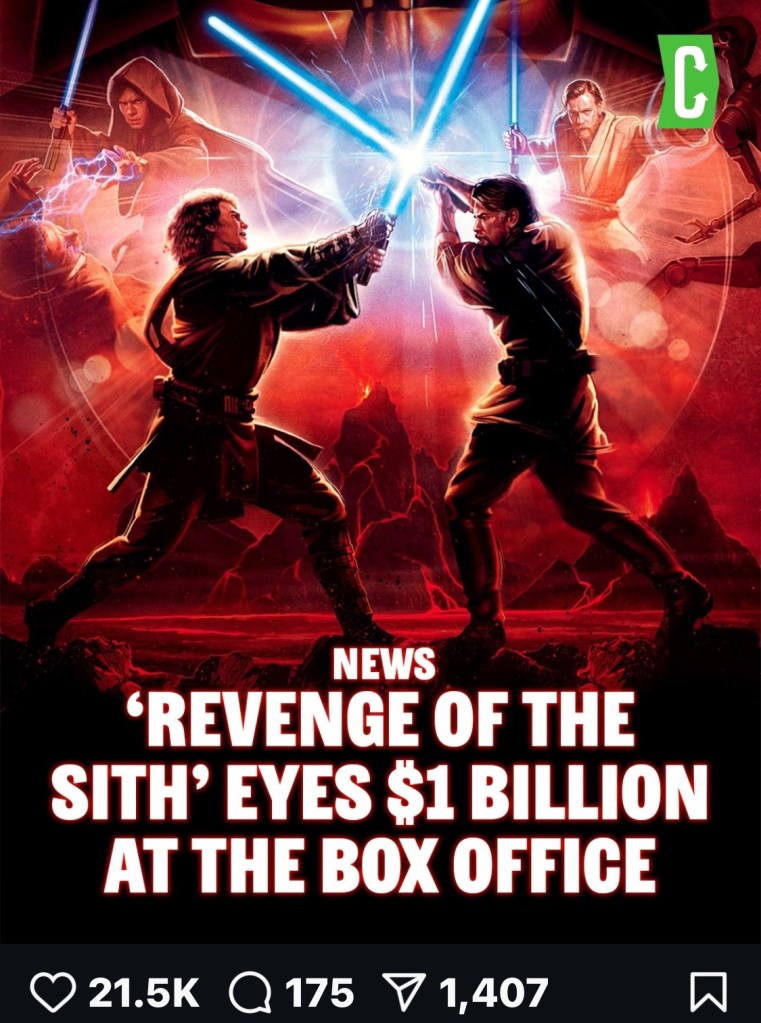
My son-in-law said it best when we were on a family vacation in Florida and attending the Disney Parks, as we were at the Star Wars Land they have at Hollywood Studios, that Disney didn’t buy an entertainment franchise, they purchased a religion.  And they never understood it.  And you can see that with the new films compared to the ones that George Lucas directed himself, who created the franchise and sold it in 2012, with good intentions.  But honestly, and I hate to say it, Star Wars would have been better off if Lucas had never sold it to Disney.  I get why he did; he had many employees, wanted them to have something to do, and wanted to retire.  But Disney screwed up a lot with their woke politics and they significantly reduced the brand of Star Wars with their ownership.  And it has been a disaster.  Some good things happened, like their theme park presence.  But Bob Iger never understood what Star Wars was, the writers of the new movies had no idea what they were doing, and the films themselves were filled with woke ideas that modern audiences have soundly rejected.  And I have to say all that because we just recently had the now-famous holiday of May 4th, and I noticed a few things that were certainly interesting.  Primarily, the old movie Revenge of the Sith was re-released in theaters for a limited run to celebrate its 29th anniversary, and it made a really good 25 million dollars over the last weekend of April 2025.  It’s a movie that is free on television just about anytime that anybody wants to watch it, yet people were so hungry for Star Wars that they returned to the theater to see the movie one more time in actual movie theaters that says a whole lot about where people are and how valuable Star Wars is to our modern culture.

I wanted Disney’s ownership to succeed and Star Wars to be available to a new generation.  But Disney certainly screwed that up, what they have contributed to Star Wars was woke garbage that was astonishingly bad compared to what George Lucas directed.  And other people obviously feel the same way.  They aren’t rushing out to see the new Star Wars stuff that Disney produces. They rushed out to see the old movie and were quite celebratory over it.  I understand that there is real value in the old Star Wars movies. It is truly fascinating to see how corporate institutionalism, with all the money to work with, could not come close to duplicating that original magic.  But people didn’t let that stop them from celebrating the new Holiday, Star Wars Day, on May 4th, as in “May the 4th be with you.”  It was everywhere on May 4th 2025, from all kinds of surprising parts of society, especially at baseball games that now openly support the Star Wars Holiday, and people seem to really like it.  Even sports jocks like to brag about their Star Wars knowledge and are not afraid to geek out on May 4th dressing up as their favorite character.  And regarding Revenge of the Sith, it is stunning to hear how people today love that movie so much.  I remember when it came out and how people talked about it then, as well as the prequels of George Lucas in general, and I never would have thought that that movie would hold such a dear place in people’s hearts. 

But that is a testament to just how bad things are these days.  I knew it was bad when Disney got rid of the canon that George Lucas had built, leading up to the Disney merger by rewriting the history in novels, comic books, and then in the movies.  That was the biggest mistake that Disney could have made.  I said it at the time because my wife and I had personally read hundreds of Star Wars books, all of them ever produced at that time.  We tried to read some new ones under Disney ownership and couldn’t do it.  Disney was too woke to tell the story of Star Wars, a struggle for freedom from tyranny in deep space, a long time ago, and very far away.   Disney was incapable of getting it, and the story group at Lucasfilm was way too San Francisco progressive and anti-Trump to continue what George Lucas started.  That was obvious this year when Trump was back in the White House and stated how he wanted to make Hollywood great again.  Well, it starts by understanding what made it great to begin with, and clearly, people like what George Lucas did with Star Wars much more than what Disney was able to do with it.  And a sad wedge has now been introduced to the fanbase.  But this year, as opposed to the past, people are openly embracing the old Star Wars much more than just holding their nose to support the new stuff. And those very successful box office numbers for Revenge of the Sith are exciting.  People are hungry for good traditional values in the Star Wars movies.  But Disney never could get their arms around it. 

It hasn’t all been bad; a few Star Wars shows like Andor have been good.  Ahsoka is a pretty good show.  There have been a few movies there and there, like Solo and Rogue One, that were good.  But most of it has been garbage, including the most recent sequel movies.  You wonder how a bunch of people could sit in a room and, by committee, produce such garbage.  But George Lucas used to write stories in a notebook and with a pencil, a very anti-technology thing to do for one of the most technology-driven enterprises ever attempted.  It has been a lesson in arrogance, where institutionalism thinks it is superior to individual achievement.  However, with all that Disney had as resources, they could not do better than George Lucas did, all by himself.  Of course, thousands of employees made Star Wars great, but the vision started and ended with one guy.  And that’s what people wanted to see: the interpretation of an artist and their work.  Not some corporate collection of nonsense.  It’s like seeing a Picasso painting and thinking about the guy who made the art, as opposed to the same image produced by a museum committee trying to duplicate the genius of a Picasso painting.  People have voted; they love the old George Lucas stuff, but they don’t like the new stuff.  You don’t see people going crazy over the newly made Disney material.  But people will go to the movies dressed up to watch a free film that has been out for 20 years, because George Lucas, the artist, made it.  And they will spend time and money on that while rejecting the much more expensive new stuff.  And there is a lesson for the entire industry on May 4th, Star Wars Day.  Corporate collectivism does not beat individual merit, in any case.  Time in mass culture has proven that, overwhelmingly.  The artist is what people invest in, not the product or art itself.  And there can’t be any good Star Wars without the artist who created it, being the center of the conversation.  It was an experiment in entertainment that has shown a true trend that everyone should learn some hard lessons from.

Rich Hoffman

Click Here to Protect Yourself with Second Call Defense https://www.secondcalldefense.org/?affiliate=20707

Its Great that the Sundance Film Festival Rejected Cincinnati: You don’t want people like that to think you are cool

I suppose I have done just about everything there is to do in life.  Along the way, I didn’t think about it; I just said yes to many adventures and jumped into many of them without ever worrying about how I’d get out.  And this came to my mind as I learned that the Sundance Film Festival had passed on Cincinnati as a host city, leaking to the media that the Midwest city didn’t have the right vibe, it wasn’t cool enough. Instead, they are seeking a mountain town in Colorado or Utah as a much more hip destination.  Well, there is a lot more to that story and I have some unique understanding of the contents leaving to reflect a bit on all these many experiences, which I don’t spend much time thinking about, but when I do slow down long enough to do so, it would be easy to wonder how I made it through life at all.  But this Sundance story has some meat to it that the media didn’t cover, other than reporting that the Sundance people didn’t like what Cincinnati had to offer.  Now I have experience with film festivals, as I have talked about my desire as a young person to be a film director and a writer of movies.  I have been to film festivals and received awards, and that was where my life was headed for a long time, until the Tea Party movement started in 2009.  My wife and I were in Cancun having a nice vacation and I decided to make a very controversial change in my life for the good of the country, and that I’d put my efforts in that direction because as we talked about at a nice dinner on the beach there, what good was telling stories in movies when heroics in real life were needed much more.  So I made a career change, and the rest is history. 

But when I was 19 and wanted to learn to direct people in front of the camera, I was a fashion model, as was my wife.  She was being groomed to be a New York model and hated all that came with it.  It was not a life for her; she was beautiful, everyone wanted to hire her, but she only wanted to find a nice man, settle down, and start raising kids.  On the other hand, I wanted to work in Hollywood, make movies, and I liked the modeling world because it was so interesting.  And I learned many valuable things during these years, but mainly I wanted to know how things were supposed to look in front of the camera so I could direct from behind it.  A lot of people thought I was a very attractive young man, and they wanted to hire me for all kinds of entertainment projects. So my wife and I did little projects for a while, with me wanting to go one way, and her wanting to get out of it.  But as a couple, we were invited to all kinds of things that taught me how the entertainment lefties think about things, so I learned firsthand what they were like.  And it wasn’t good.  When we would go to photo shoots around Cincinnati to do clothing advertisements for various department stores, the photographers would always poo poo Cincinnati for being such a conservative city.  If we were modeling jeans, for instance, they would want the models to unbutton the top of their jeans to evoke a provocative sexual tension.  But would be upset that the zipper couldn’t be lowered, otherwise the Cincinnati market would reject the photographs.  And they’d go on and on about how great the New York and Los Angeles markets were, and of Paris because you could get the models naked and the photos would get awards for the nudity, but not in Cincinnati. 

Because we were being groomed, my wife and I were invited by the director of the new play Equus to attend the premiere in Cincinnati, which was quite a scandal at the time.  It was a play at the Taft Theater that had full nudity and sex on stage and was an outright assault on the sensibilities of Cincinnati morality.  I knew this director well; she loved nudity.  I never saw her at her home where she wasn’t naked.  She only put on clothes when she had to go somewhere, and she was planning to use this play and assault on Cincinnati to launch her career in the more significant coastal and progressive markets.  Now when I say that she was always naked, that does not mean she was attractive.  Most people do not look good naked.  And she was one of them.  She would have looked better with clothes to hide her imperfections, to put it nicely.  I thought it was all bizarre, but we were young and beautiful, my wife and I, and all these people wanted a piece of us.  So we were given access to this play.  So we went and were stunned by what we saw.  Right in front of our faces was full nudity and sex on stage, and my wife wasn’t happy about it.  She didn’t like any of those people, and it became very clear to me that I couldn’t work in that business and be married to my wife.  Because the entertainment industry had so many liberal flakes in it, it took me another 20 years to finally give up on the idea because you couldn’t change what they were.  But the process for me started at that play.  We didn’t enjoy it, to say the least, and we stopped attending social events organized by people like that director. 

So when the entertainment crowd makes fun of Cincinnati, and with the Sundance people, it’s the Robert Redford crowd.  They are not good people and have all kinds of mental problems that they hide behind entertainment.  I learned a lot from those experiences, which gave me a unique perspective to this very day.  But when they reject you, consider it a badge of honor.  I learned to hate those people over the years, not because I wanted to be a filmmaker, but because I did not want to work with labor unions and crazy lefties who saturated the industry.  But because the business gave them a cover story for vast evil, they saw Cincinnati as something to destroy, not adapt to.  And that same mentality is what is behind the anti-Trump movement.  And why I got into the Tea Party when I could have done many incredible things if I had joined the Sundance types?  Every time I’d get the invitation, my wife and I would decline, though, because the people involved were all like that director of Equus.  And we’ve watched some of those people we knew from back then turn into disasters over time.  None of them are happy.  None of them knew what they were doing.  They are all living train wreck lives.  The arrogance of their social positions filled with sex and nudity took them over a cliff, and we all saw it coming even at 19 years old.  And I’m glad for the experience, it has given me the ability to speak with a lot of authority on these matters now.  But when you hear that Sundance moved on from Cincinnati, that’s great.  We don’t want people in our town who think desecration of all value is the only way to be calm and hip.  And that to have a good social vibe, you have to destroy value.

Rich Hoffman

Click Here to Protect Yourself with Second Call Defense https://www.secondcalldefense.org/?affiliate=20707

Let the Bengals Leave: They cost too much, lose all the time, and they aren’t worth the money in Cincinnati

I enjoy the NFL product more than most do from the perspective of the premium seats.  Several times a year, I get a chance to watch a football game from the Club section or a private box, and I do like it.  I like the Club Seats at Bengals games, from Paycor Stadium, as they call it today.  I like having the Cincinnati Bengals in town and think it’s great for Ohio to have two NFL teams.  But let’s not forget who does what and for whom here.  Both Ohio NFL teams are complaining about their stadium accommodations.  The Cleveland Browns want to move from their current waterfront Dog Pound and out into the suburbs which seems like a really dumb idea.  Their stadium is right on the Lake Erie waterfront and is really nice.  Most NFL teams have received new stadiums that are exotic domes, such as the new ones in Las Angeles and Las Vegas.  Or they are complaining about getting one.  My favorite team, the Tampa Bay Buccaneers, has a very nice stadium I’ve visited several times. I think they do a really nice job in their community, tying everything together, engaging in community activity, and providing entertainment through sports.  I was never happy with how Raymond James Stadium was publicly funded, as they all are.  But with the Glazer family in Tampa, they built a nice stadium with a big Disney-like pirate ship in it, and it gave fans something fun to enjoy.  And there are events at Raymond James Stadium that go on all year.  They don’t just play NFL football there.  Compared to the Bengals, the Bucs go to the playoffs a lot, and they have won a few Super Bowls.  But the Bengals just don’t win much.  Their season is usually over by December, and they have lost when they have had a chance at the big game.  So, the Brown family in Cincinnati have not been nearly as good of owners as the Glazers in Tampa.  All things have not been equal regarding the NFL experience and the owners who run them.

It was very contentious for taxpayers when the Bengals pushed to get the current stadium they play in, what was called Paul Brown Stadium for a while.  It was not that long ago that it was built; Paycor Stadium is very nice and is one of the big features of the Cincinnati skyline.  And as I said, I attend several games yearly as part of the Club experience.  I’m not a stand-in-line kind of person.  If I can’t get out of my car and go straight into the stadium security and to my seat with a private food service option, I will probably not go to a professional sports venue.  And I’ve been to Paycor stadium in the nice summer months and in the snowy cold days of winter.  And I think it’s great.  But it’s not worth infinite amounts of money.   The Bengals are coming up on the last year of their lease agreement with the county of Hamilton, and they want a better deal.  They threaten to move to a different city if the Hamilton County commissioners don’t lay down and cave to their every demand.  Currently, the Bengals want the taxpayers of Hamilton County to pay $150 million in 2024 and another $150 million in 2025 on stadium repairs, with the team contributing $50 million in exchange for a five-year extension through 2030. However, the county has only committed to $39 million in renovations for 2024 going into 2025 with a sort of blank check mentality. 

So here’s where I’m at with the whole thing: let the Bengals go.  See if another city wants to deal with their crybaby NFL antics.  I’d say the same thing to the Cleveland Browns, too.  While I like the NFL experience, it is a nice thing to have, but Cincinnati, Cleveland, and the state of Ohio generally do more for the NFL than the professional football teams do for those cities.  Good luck, Bengals. Have fun moving to Chattanooga or some other secondary city.  It wouldn’t take long for them to regret the move.  We all remember what happened in Cleveland when Art Modell moved the Cleveland Browns to Baltimore only to call them the Ravens.  Then Bernie Kosar, who used to be a quarterback, lobbied with others to bring an expansion team to Cleveland to become the new Browns, named after the Bengals’ owners.  In the end, the NFL, which is more the way I think of the product than I used to, is an entertainment option closer to big-time wrestling.  It’s something for people to talk about on Monday morning around the water cooler.  But not good for much else.  I think the referees tip the scales to favor betting odds, and they do it through play calls at critical times to get one team to win over another in a close game.  (Buffalo clearly converted that 4th down over the Chiefs in that recent big game)  There is too much money involved for the NFL not to be rigged in some fashion, so the whole product’s value is purely entertainment.  And there is a limit to how much money anybody should spend on entertainment.  I think these NFL teams should pay their own way, especially in the Bengals’ case; they should pay Cincinnati for the privilege to play.  It should not fall on the county to pay the expenses of a private enterprise.  The NFL everywhere has a broken financial model that double dips the taxpayers.  But when teams don’t win now and then, a team like the Bengals abuses their relationship with the public.

Considering the size of the payrolls, some of these repairs that the Bengals want to be made at the stadium, whether it’s 30 million for some new paint or 300 million for structural improvements and general maintenance, the money should come out of the Bengals, and they should be happy to pay it to be treated as well as they are in the city of Cincinnati.  Instead, and this is expected in all NFL cities, the expectation is that the public pays once in taxes to build stadiums for these entertainment options, and then they have to pay again to go to the stadium.  And it costs a lot of money.  Nothing is cheap at an NFL game.   So, the NFL product is a pretty bad financial model, and they treat the cities they play in as if they are doing everyone a favor by watching them play football.  As I said, I think the Glazer family in Tampa does a good job building a relationship with the community that pays taxes for a stadium that is much more friendly to the community than what the Bengals do.  Or the Browns.  And the Bengals, for all the trouble and cost they impose on the community, can’t win enough even to justify themselves.  Everyone knew at the start of the 2024 season that the Bengals were in trouble.  Sure, they had a great quarterback and some great receivers.  But the coaching staff was lazy, disengaged, and lackluster.  And the defense was horrendous.  And that was game one of the season.  Going to games during that entire season was like buying an expensive hot dog so the grandkids could listen to loud music and watch losers lose.  The Bengals have not been good owners; they take, take, take from the community, and they don’t know how to win or give the community something to be proud of.  And my advice to the county of Hamilton would be just to let them go.  Call their bluff and let them leave.  One or two playoff games could have generated more than enough money to pay for the stadium repairs.  When you have several players with multi-million dollar contracts in the hundreds of millions, this money they want from the county is chump change.  The Bengals should pay for everything.  And they should pay for the right to play in Cincinnati.  If they’re going to leave, let them.  See how they like the next place they go.  Cincinnati would do just fine without them and their losing ways.

Rich Hoffman

Click Here to Protect Yourself with Second Call Defense https://www.secondcalldefense.org/?affiliate=20707

The Reality Beyond the Blue Pill: It costs a lot to live a red pill life

I have had to explain many things this year because the questions keep coming.  I have a sales gear where I can go around a room and talk to people.  But anything beyond the first layer of conversation I usually stay away from because it essentially comes down to a blue pill versus red pill kind of thing, and there is a cost to the latter.  In the movie The Matrix, which I have referred to a few times over the last couple of decades, I think they best explained the difference between a blue pill life and a red pill.  For the blue, it’s all about the feeling of connectedness with other people that blue pillers strive for.  A sense of being plugged into the world around you comes with a nurturing feeling.  Knowing what Jake down the road is doing with his new lawn mower comes with a sense of belonging, and most people in the world want and need that feeling.  In the movie, we call those people blue pillers.  But if you want to see what’s really happening, you take the red pill.  And it’s then that you realize that all humanity is a giant computer program and that the forces that want to control you use this kind of matrix to harvest your mind and thoughts and that the roots of all tyranny come from this exchange.  For most people, they don’t want to know.  They enjoy being plugged in and could care less about actual reality because the illusion makes them happy.  But then you have the red pillers always looking for the truth.  And once they know the truth, they can never go back to the blue pill life.  One interesting thing about President Trump, which is evident after his second inauguration, is that he genuinely likes people.  He is a very social creature, and you would have to be for a job like that.  There’s a lot about Trump that I personally understand.  But for me, anything beyond the surface of talking with people gets very painful, very fast. 

Usually, in a crowd, I stay in the back of the room and just let people talk because there is no way to turn off the firehose once I start talking.  That is another reason I write these articles every day.  I care enough about people to give them whatever truth from my perspective they can handle and at whatever rate they choose.  But I go cold quickly to engage in a conversation about the details of human interaction.  I’m not interested in how to make a brisket or what social compliance score someone’s kid has managed to gather toward social acceptance because, as far as I’m concerned, those things are all part of a grand illusion connected to living life.  But I’m only interested in what real life is about beyond that connection.  And in that way, the reality is different for people depending on whether they are blue pillers or red pillers.  If you take the red pill, you can see a lot of stuff behind the scenes.  You will have great insight into the truth of reality.  But the cost is that you can’t often share it with people.  When people would rather talk about the illusion, such as the cost of a new lawn mower and who just bought one, or where little Suzy is going to attend college after their parents saved their money for more than 15 years to send her there, there isn’t any room for discussions about the matrix they are all plugged into which prevents them from understanding the forces that are working against them. 

Due to the end of the year and all the social engagements that come with Christmas, New Year’s, and Inauguration parties, I was often asked what kind of music I like to listen to.  The discussion usually spawned from classic rock examples, and people noticed my indifferent face.  They’d ask me, “who’s your favorite band?”  And then there is an awkward pause.  “I don’t like anybody.  I don’t listen to music.”  At least not in the way that they do; I see music as a purely blue pill experience.  There is a reason that so many songwriters are druggies and seem to be inspired by some hidden hand felt only through intoxication.  And that the political order of a massive civilization of ultra-terrestrials that exist outside of our four-dimensional reality feeds off our sentiments and passions in ways nobody seems to understand and that the way they harvest off our emotions is through popular engagements like music, where people feel compelled to dance to a catchy beat.  That’s when the eyes go blank, and everyone looks at you disdainfully because they don’t want their blue-pill reality shattered.  The correct answer would have been, “I like Led Zepplin or Stevie Ray Vaughan.”  I can never give an answer like that.  I put up the most recent viewership to my blog site, which is up over 80 million these days.  I get a lot of emails for which I only have time to read or answer less than 1% daily.  But people usually take a peek, or they follow diligently.  But they don’t have much to say in response because it comes down to a red pill thing, and it’s not for everybody. 

I wouldn’t trade away a red pill life for anything.  The insight you can have from that perspective is extremely valuable.  But to have it, you do have to disconnect from the illusions that we all are born under.  I think of it best from the Book of Ephesians in the Bible.  It is one of my favorite parts of the Bible because it was written by people who were functioning from the red pill life and trying to display it for the blue pillers.  The Matrix movie puts it successfully into crayon for everyone, which is artistically functional.  I know a lot of people these days are starting to want to peek behind the curtain into the psychedelics of the ayahuasca experience.  The football star Aaron Rogers has been going to South America during the off-season to speak to the plant teachers and give people the firehose of reality just lurking outside our reach, which makes him sound pretty crazy.  People naturally think he’s fallen off his rocker.  And people, through intoxication, get a sense of that reality just beyond our site.  And I would say it’s very dangerous, but if you peel back the layers just a bit, most people agree that something mysterious is beyond their reach, which is terrifying.  To hide from it, we have developed reality, which essentially is being plugged into the blue pill life.  Sports scores, music, food, the consumables of culture.  And it provides insulation from an actual reality.  But I can’t do it; those lives just aren’t compatible.  And there is too much that is valuable in the truth of reality.  But most people don’t want to know about it, or they can’t afford to learn.  They might be interested in small doses.  But they blank out if there is anything more than they can handle.  So, there isn’t much to say under those conditions.  And that’s why I usually don’t have much to say when the content is a blue-pill conversation.  Once you peer at reality for which it is, which also the Dune books do a good job of considering, the world of the Bene Gesserit order, who built a kind of Matrix existence to rule all humanity while the actual reality existed outside their manipulations.  There is a cost to seeing beyond that order.  And I wouldn’t trade it away for anything.  But the price is that most of the time, you have to sit in the back of the room and keep it to yourself because to speak too much only shatters the illusion people want to live with, and they get very mad when that happens unless they are incredibly ready for the content.  So, there isn’t much to say until their minds are correct, which doesn’t happen too often.

Rich Hoffman

Click Here to Protect Yourself with Second Call Defense https://www.secondcalldefense.org/?affiliate=20707

Melania Trump’s New Book: The FBI should have never raided Mar-a-Lago

You have to understand that the Trump people see the internals and the cross tabs, and they know.  J.D. Vance, when he says that some of the mainstream polling that shows Kamala with a lead or is gaining steam is all phony, is more than wishful thinking.  They know the truth, and that will become clear on Election Day.  These are bad, horrible people who have been running our government, and they have been using all kinds of tricks to stay in power.  However, they know the truth about the Trump campaign, and there is no arguing.  That’s also why Trump had some extra pop in his step at his New York rally.  He’s going after challenging Democrat areas because his polling shows how strong he is performing and is now swinging for the fences.  One of the best parts of the Trump campaign hasn’t even been revealed yet. I can assure you of one thing in this wild world: the moment Melania Trump’s book comes out, I mean, the moment that a printer puts ink onto paper into a published book, I will read her new book, Melania, the moment it is available, if not sooner.  I am very much looking forward to its October release, and I think this time around, she is going to be a much more active First Lady. I’ll say this: the FBI should have never gone through her underwear drawer in her home at Mar-a-Lago, Florida.  That raid on the Trump home to attack the President and his family was a dumb idea by the criminal thug Joe Biden and his corrupt Department of Justice, a captured asset of the bad guys.  They tried to provoke Trump into a firefight and trap him with a flashy attack, and Melania and her son were in the way of that one; it attacked Melania in a way that provoked her to be less quiet in the future, which looks to be the source of her new book.

I’ve met Melania several times, as I have her husband, President Trump.  She is the same age as my wife, so I understand the period she grew up in, the 80s, and as a supermodel from the Paris fashion scene and her roots in East European communism, I can certainly understand the way a mind wired the way hers is works, because she’s a lot like my wife.  During one of those meetings I had with her, those two shared some mutual understandings, as people who are familiar with each other often do.  As a natural rebel of tradition, Melania didn’t see much of a way out of circumstances that were very negative in her home country of Slovenia.  At 18 years old, she became a model, which could be a rough way to go in Europe.  But she took her natural beauty and did something positive with it and entered a cutthroat modeling profession as a ticket to a better life, and for ten years, she became one of the top models in the world.  Ten years later, she had climbed to the top of her profession and had a chance to meet Donald Trump in high society in New York City. She had mastered her profession in ways that few people ever do.  Trump was with another woman that evening, but he wanted Melania’s phone number, so she gave it to him.  Eventually, they married and became Trump’s third wife.  Not exactly a story of tradition and purity, but with Melania’s stubborn heart, she took a nasty and rough world, steamrolled her way through it, and turned it into her positive vision. 

As women typically do with their spouses, they seek to improve them with many subtle manipulations.  And if a man and a woman stay married for more than five or six years, the effects start to show.  And I think Trump, because he was married to a communist-hating rebel who was one of the most beautiful women in the world, had to do more than have a top-rated show on NBC for 14 seasons called The Apprentice.  Trump was pushed in the direction of the presidency by Melania in many subtle ways because she has a taste for improving the world around her but in a very remote and quiet way.  Once in the White House, this showed itself in the way that she decorated for the Holidays.  She is all class, loves people in all the right ways, and wants to bring joy to people in ways they don’t even understand about themselves, which is why she became one of the world’s top models.  Many people can look beautiful, but few can draw people out in a still photograph.  Melania brought those skills to the White House very positively, and the people who didn’t want to view the world in such an elevated way hated her for it.  And they tried to pretend that she didn’t exist, all the way up to that day when the FBI raided her home and violated her privacy and shook the foundation of her son, whom she had dedicated every last bit of her life to as a stay at home mother who cared for her son in ways that most mothers understand, but few personally commit to these days.  And when they raided Mar-a-Lago with a personal political attack, they attacked Melania in a way she would not stand for.  So, she wrote a book and set it for publication a month ahead of the election.  Melania is Trump’s October surprise.

So, as Melania has been promoting the book, the way a top model sells an image in the media, Melania has been on the attack, talking about what to expect from the book.  One of her foundation statements has been about how insulted she was that the government raided her personal space with that raid and violated her Bill of Rights.  You have to understand something about people like Melania who come from other places in the world to get citizenship and the rights given by our American Constitution; they take it very seriously.  They appreciate the freedoms America provides in ways that people just born here don’t quite understand.  And being a First Lady who was minding her own business as she watched what the political forces in the world were trying to do to her husband, her ticket to American freedom and enough power to live in and raise a family after years of climbing to the top, to get away from the garbage that is at the bottom, most epitomized by communist society in East Europe, Melania was poised actually to do something about the tyranny she witnessed.  This is why I am so eager to read her book; I think it will be one of those barn burners and will have lasting historical significance.  As far as the Trump campaign, she is the delicious icing on a cake that they have been making since they left the White House on that dismal last day in office where the government essentially performed a coup against the American people for the perpetuation of power to protect their growth of government in genuinely destructive ways.  Melania Trump is authentic and has not lost herself over the years.  She has been in unique command of her life since she started as a model at 18.  Now, she has a platform and a voice to express the beauty of life, and she is determined to use it for the forces of good.  And I think it’s wonderful!  And very powerful.  Much more so than people are ready for no matter where they come from.

Rich Hoffman

Click Here to Protect Yourself with Second Call Defense https://www.secondcalldefense.org/?affiliate=20707