
It’s certainly worth a discussion, although I had been avoiding reading the book Elon Musk by Walter Isaacson, mainly because it was a Time Magazine view of the world, and I tend not to enjoy books like that very much. I’ve read other books by Isaacson and enjoyed them enough to learn new things. In this case, Isaacson was given access to Elon Musk for the last few years to study him and learn all he could. So, it was worth reading about the daily life and details of a person who is often the wealthiest in the world and runs some of the most successful companies. But politically, I think of Elon Musk as a Barack Obama fanboy and a global greenie weenie. But I do admire how he built Tesla. I’m certainly not a EV fan of electric cars, but Tesla has carved out a nice little niche for themselves that I think is valuable. SpaceX is an incredible company that is doing wonderful things. I’m a tremendous fan of the Starship program and what has been done with Falcon 9 and the Dragon program. I appreciate them for what they are, and I think Musk is just a unique personality to continue healthily pushing society places it needs to go. I think of him as a great case of “dynamic intellectualism” that I talk about with the Metaphysics of Quality and the philosophy of Robert Persig. But Elon Musk smoked pot on the Joe Rogan Show and wanted to put fart apps into his very expensive Tesla cars, so he’s not my kind of guy and people like Isaacson tend to get the surface qualities of his subjects, but not the real intellectual gist of their value. However, after reading Elon Musk by Isaacson, the unavoidable trait of the secret to success did emerge without question, which is why I kept hearing about the book from friends and respected business leaders.
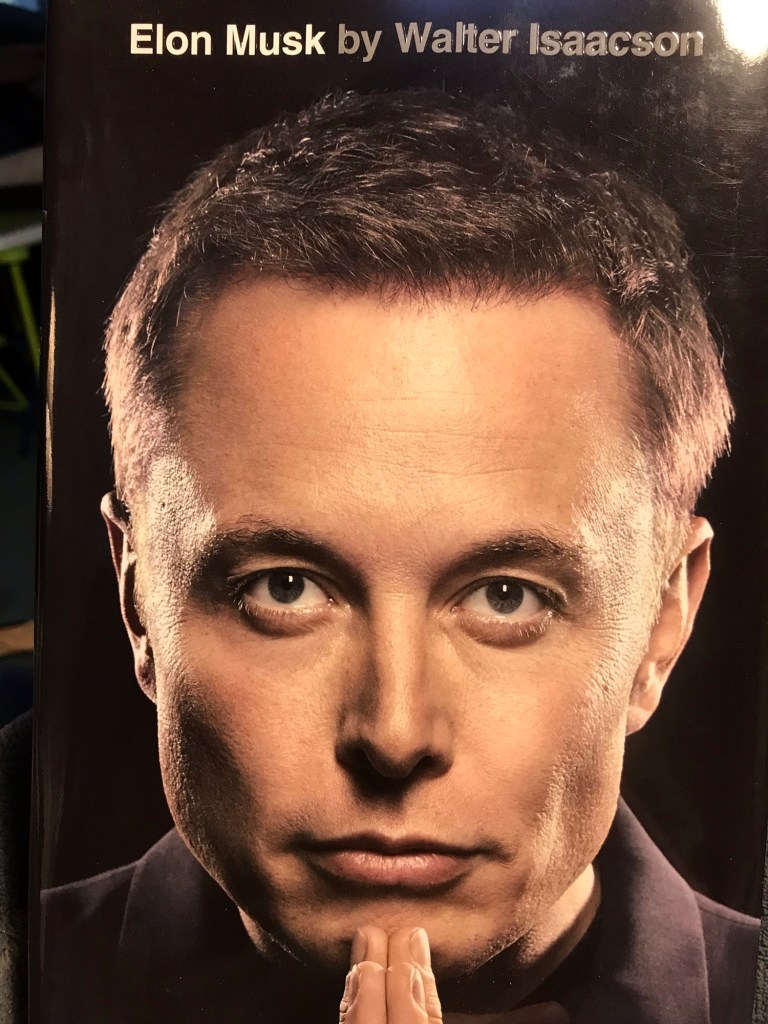
Since the book came out in the fall of 2023, I have had at least someone once a week asking me if I had read the book since I usually read everything that comes out. But I typically avoid the trendy stuff and lean more toward big-picture things. I wasn’t interested in another get-rich book by people fascinated with wealth creation viewed through a popular cultural lens. But so many people were getting the book and passing it out to their management teams, looking for some secret sauce that Musk obviously has. So when I was at dinner with some very important people at Son of the Butcher at Liberty Center in Ohio, and under great encouragement from those people indicated that I would love the book, I left that dinner, stopped by the bookstore, and bought it just before Barnes and Noble closed for the night, and I promised them the next time I would see them, I would have read the book and told them what I thought of it. That was on a Thursday night, so by Monday, when I would see some of them again, I had read the book, it’s a pretty big book with a lot of details in it. Many people had bought the book, but they hadn’t made it very far through, and they wanted to know my opinion on whether to continue slugging through it. In truth, it was a good book; Walter did a good job for a Simon and Schuster publication intended for static society audiences. And I would say it’s one of the most important books of our time, for a lot of reasons, which I’ll spend separate articles covering. But the secret sauce, yes, it was there and in all its glory. I understood it, and it’s something I relate to.

Throughout the book, I couldn’t help but think of President Trump when I think of Elon Musk and how wealth has been projected over time. Trump’s Art of the Comeback from 1997 was about knowing influential people, supermodels, wives, exotic cars, and tall skyscrapers. And in the part of the book where Elon Musk went through his period of wealth acquisition, Walter Isaacson seemed to be on comfortable ground. However, in the cover inserts were exciting value changes for Elon Musk. The things that Musk thinks are successful and what Trump thought was successful have changed a lot over time. Musk had exhibitions of massive engineering feats displayed in his book, where Trump featured the building of skyscrapers and the New York skyline. But while the things that wealth could buy as a value may have changed, getting there had not. Most wealthy people have some prevalent traits they share in common, which is the concern of Walter’s books, especially with Steve Jobs. What makes successful people successful? And everyone talking to me about the book wanted to know this. “If I read this book, will it make me successful? Can we pass this book on to our super managers and sales teams and learn something from Elon Musk to help us be more successful?” The answer is yes. However, knowing how to be successful doesn’t mean most people have the guts to do so. You can’t cheat that, even though that is what causes most of the corruption in the world—the desire to take the easy way to wealth to have the benefits without the downside.
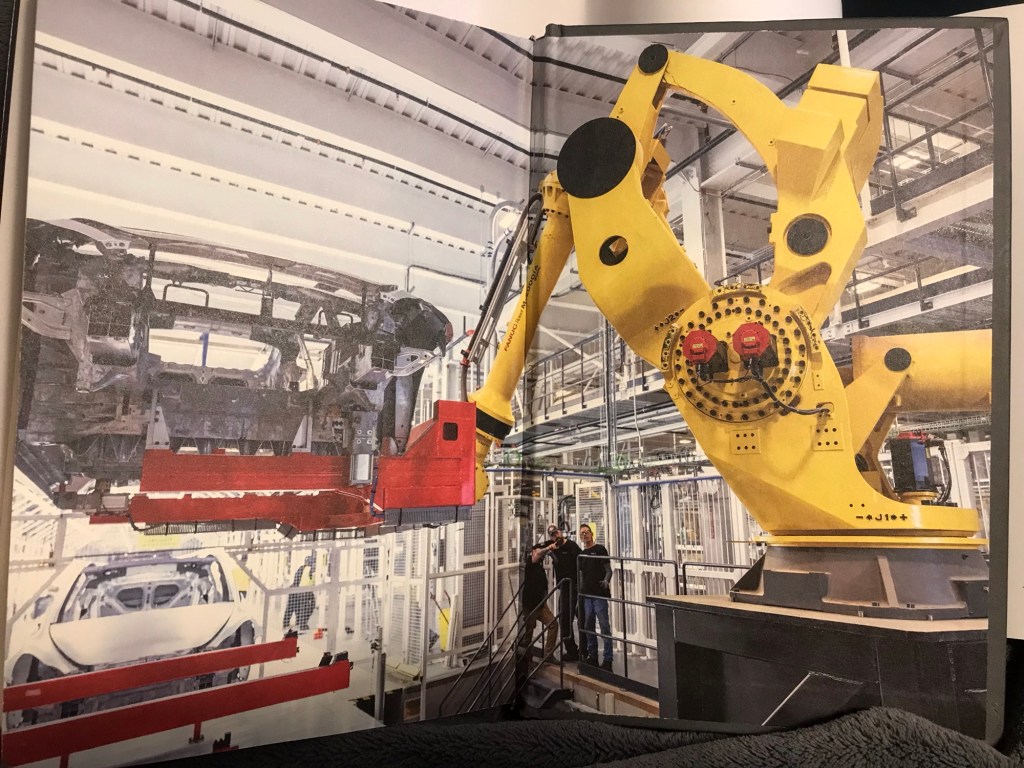
The downside with Musk and Trump, along with many others who have done similar things, even Jeff Bezos, is that they are addicted to risk and obsessed with it. Elon Musk is a classic riverboat gambler who loves risk. But has the unique personality to be very intelligent enough to know when and how to mitigate risk. But yes, he is an obsessive gambler who would play Texas Hold ’em’ by pushing all in for every pot, blowing a lot of money in the process. But in so doing, he would also get the biggest jackpots. And that’s clearly how he achieved success at the level he did. Anybody wanting to succeed would have to learn to bring more risk to their lives to have the success that comes from winning big. A gambler like that might spend a fortune on betting. But mathematically speaking, people like Musk and Trump know that eventually, things will swing in your direction. What separates them from everyone else is how much you can take until you fold up on yourself, broke and destitute. Musk certainly has a personality that could be homeless and poor beyond any reasonable scale because he is a person obsessed with risk. I get it; I have many of those same traits. It’s not the money someone like him is interested in. But its success in risking and surviving, that is. And without that risk, there would be no success. Elon Musk would be just another person with Asperger’s and too much brain power, applying it to a static society that is not interested in risk. They wanted everything safe and predictable and would push themselves by nature as far from the Elon Musk types as they could, to maintain their safe lives. That’s what makes Walter’s book so good because it indeed chronicles this risky behavior in ways that the public usually doesn’t get to see in people. But just buying the book wouldn’t make people successful by itself. What it could do, though, was let people understand that risk is critical to business and how risk is managed is the key to all successful enterprises, which is my general opinion of the book. Yes, people should read it. However, they should learn from it how to put more risk into their lives without becoming destructive. Because there is no way to cheat risk, you either develop a healthy relationship with risk or get standard, predictable results that stagnate and rot you and your culture from the inside out. Luckily for us, there are people like Elon Musk out there who are making things exciting. But, there should be a lot more, and maybe yet, there will be.
Rich Hoffman

Click Here to Protect Yourself with Second Call Defense https://www.secondcalldefense.org/?affiliate=20707






 The Overmanwarrior