Pip: Welcome to The Overmanwarrior — where the Hawaiian shirt is a political statement and mediocrity is the real tyranny.
Mara: Rich Hoffman’s recent writing covers a lot of ground: what happens when exceptional people finally feel the weight of the systems they once worked inside, and what that means for a country choosing between builders and managers.
Pip: Let’s start with Musk, Russell Brand, and the argument that oppressive government is really just mediocrity with a budget.
Elon Musk, Russell Brand, and the Machinery of Mediocrity
Mara: The central question here is what actually changes a person’s politics — and the argument is that it’s not ideology, it’s exposure. When the system starts costing you something, you finally see it clearly.
Pip: The post puts it directly: “Once you have enough financial independence, or once the system starts targeting you directly, the incentives change. The same people who stayed quiet for decades while drawing a corporate or government check suddenly discover principles.”
Mara: That’s the arc traced across Musk, Brand, and even retired engineers from the Tea Party years — people who played it safe until the paycheck was gone or the machine turned on them. The courage arrives, but often only after the risk is lower.
Pip: Which is the uncomfortable part. It’s not conversion — it’s pattern recognition on a delay.
Mara: And the post is precise about what the pattern reveals. When Musk replies to Brand about an “oppressive government,” the argument is that he’s naming something he’s now felt firsthand — FAA paperwork slowing Starship, mediocre bureaucrats constraining exceptional engineering.
Pip: SpaceX is aiming at thirty-plus Starship launches a day by 2030. The regulatory state is not exactly keeping pace.
Mara: The deeper diagnosis is structural. Oppressive government isn’t abstract tyranny — it’s, as the post frames it, “the systematic empowerment of mediocre people who would never hold power in a pure merit system.” They don’t hire the exceptional because the exceptional make them feel small.
Pip: The corporate Judas cycle runs the same software: trade the exceptional for a steady check and a career ladder.
Mara: That contrast carries into Ohio, where the Ramaswamy-Acton race is framed as exactly this choice — a builder versus the candidate of lockdowns and managed outcomes, with polling showing a statistical tie as of this summer.
Pip: Trump wears the suit and talks about winning. Bannon dresses down so the crowd doesn’t feel threatened. The post argues we voted for the suit — for exceptionalism, not comfort.
Mara: And that’s the through-line: whether it’s Musk filing FAA paperwork, a radio talent cleaning up his social media for a corporate job, or Ohio voters choosing between data centers and empty cornfields, the same tension keeps surfacing.
Pip: The question of what a nation is willing to tolerate in exchange for feeling safe is not going away anytime soon.
Mara: The through-line across all of this is the cost of safety — what gets traded, and when people finally notice the price.
Pip: More of that reckoning ahead. We’ll be back when the next posts land.
Rich Hoffman is an author, political consultant, and strategic advisor based in Cincinnati, Ohio, and the creator of The Politics of Heaven—a unique framework that connects biblical theology, ancient history, and modern power structures to explain how moral alignment and spiritual forces shape global events. Blending real-world political experience with deep research into archaeology, UFO phenomena, and suppressed historical narratives, Hoffman offers compelling commentary on topics ranging from ancient civilizations and the Dead Sea Scrolls to modern populist movements, paranormal continuity, and leadership strategy in chaotic environments. As the author of The Gunfighter’s Guide to Business and the forthcoming Politics of Heaven, he brings a grounded yet provocative voice to media discussions, supported by firsthand experiences and a cross-disciplinary approach that bridges science, history, and theology. For interviews, speaking engagements, or expert analysis, visit richhoffmanbooks.com or contact directly via phone at 513-307-5815 or email at rhoffman@richhoffmanbooks.com. If you’ve seen the movie, Disclosure Day and want to talk about it and the implications of Presidnet Trump’s UAP disclosures, let me know and we can bring some color to your coverage. https://richhoffmanbooks.com/media-inquiries-broadcast-topics-and-contact-info/?frame-nonce=ad51e7ecba I do have a firsthand UFO encounter to discuss.
I’ve taken a lot of heat over the years for how I approach operations management. People watch what I’ve done with large, complicated organizations and then announce that I’m somehow making it look too easy, or that the method can’t scale, or that anyone with enough capital could copy it. Fine. Let me answer all of them at once, because the emails on this subject have been piling up and a single clear response is better than another round of copy-and-paste.
Jungle Jim’s International Market sits out on Route 4 in Fairfield, right here in Butler County. I grew up watching the place. My grandfather worked across the way at the old Fisher Body plant. The roadside produce stand that became the store was there in the early seventies, bouncing from vacant lot to vacant lot until Jim Bonaminio finally planted roots in 1975 with a 4,200-square-foot building. Today the flagship is somewhere north of 200,000 square feet—some measurements put it closer to 280,000 or even 300,000 depending on how you count the latest expansions—and there is a second location in Eastgate. It is one of the largest independent grocery operations in the country and easily the most distinctive.
People from every corner of the planet who land in the Cincinnati area homesick walk through those doors and find something that tastes like home. Almost two thousand wines. Live seafood tanks. Sections organized by country. Animatronics, a monorail, giant animals, a cooking school, a podcast studio. The bathrooms open into rooms that feel like Narnia. It is a theme park of food, and it runs on thin margins in one of the most competitive, low-margin industries on earth. Yet it keeps growing while the corporate chains in their shiny shoes and pressed shirts keep trying—and failing—to reverse-engineer the magic.
I have watched Jim walk the floor in costume, looking like Merlin or some jungle explorer, and the first thing you notice is that he is not trying to do every job himself. He hires people who actually care about the product, gives them real authority over their departments, and then gets out of the way. Department managers run their sections like independent businesses—buying, merchandising, hiring, firing. He does not need his name stamped on every decision. That is one of the hardest disciplines in leadership: empowering competent people without constantly inserting yourself so everyone knows who is in charge. Most executives fail that test. They cannot stand the idea that something good happened without their fingerprints all over it.
The same pattern shows up across Butler County. Sheriff Richard Jones has run the sheriff’s office for two decades with a continuity culture that keeps the books in the black, generates substantial boarding-of-prisoners revenue (including the ICE contract), and maintains operational discipline without the endless consultant theater you see in other counties. He understands that you put the right people in place, give them clear authority, and then hold them accountable for results. You do not throw money at wet wood and hope it lights.
Butler County has produced more than its share of these personalities. JD Vance came out of Middletown. The traits are recognizable once you have lived here long enough: direct, practical, uninterested in the performance of competence that substitutes for the real thing. You see the same operating style in the way Jungle Jim built from a roadside stand across from the factory where my grandfather worked into the largest independent of its kind. You see it in the way SpaceX runs.
Elon Musk did not invent the principle, but he has executed it at industrial scale. SpaceX gives engineers real ownership—cradle-to-grave responsibility—and then demands results. Automation and advanced welding are not about eliminating jobs; they are about expanding capacity when there are not enough skilled people to meet demand the old way. The robots and the elevated welding systems are force multipliers. The culture underneath them is the same one that lets Jungle Jim’s stock 180,000 items and still feel alive instead of sterile. It is the same culture that lets a sheriff’s office run surplus while neighboring jurisdictions drown in process.
Corporate types in suits keep flying in from New York and Los Angeles and San Francisco with large budgets and big investors. They walk the aisles of Jungle Jim’s taking notes. They study SpaceX’s production rates. Then they go home and throw gasoline on wet wood. They saturate the problem with capital and consultants and shiny process decks, and when the fire never quite catches they blame the market or the labor force or the regulations. They never figure out that the wood was never stacked correctly in the first place. The people who actually know how to start a fire in the rain do not need the gas. They prepare the ground, choose the right people, and let the work speak.
I have done this for decades in complex organizations. The critics who say it looks easy are usually the ones who have never had to do it without a blank check. When you do not have unlimited capital you get creative. You learn to empower rather than control. You accept that the best people will not stay if you keep putting your name over theirs. Jungle Jim has had corporate buyers and executives studying him for thirty years and they still cannot copy it. China has been trying to copy SpaceX and they still cannot drop the vehicle on the camera the way SpaceX does. The difference is not money. The difference is a personality type and an operating culture that cannot be faked.
That is why I believe the SpaceX IPO path will continue to create enormous new wealth. The culture is real. The operational discipline is real. The people closest to the work are trusted to move. Investors who understand people—who understand the difference between wet-wood capital and actual fire—will do very well. The ones who think you can buy the same result with consultants and process will keep burning fuel and wondering why nothing catches.
I will put a couple of the better documentaries and walk-throughs of Jungle Jim’s on the blog, along with material on SpaceX’s production and welding systems. Watch the way the people on the floor actually operate. Then watch the corporate versions of the same industries. The contrast is the entire lesson.
Operational excellence is not a mystery. It is rare because most people cannot stand to give away the credit. The ones who can do it make it look easy. The ones who cannot keep throwing gas on wet wood and calling it strategy. Butler County has produced more than its share of the first kind. I am not going to apologize for noticing.
Notes
1. Jungle Jim’s International Market was founded by James O. “Jungle Jim” Bonaminio. The permanent Fairfield store opened in 1975 at 4,200 square feet after several years of roadside stands, including a location across from the Fisher Body plant. Current main-store size is reported in the 200,000–300,000 square-foot range depending on the source and the most recent expansions; a second location operates in Eastgate. See Wikipedia entry and official Jungle Jim’s history pages.
2. Weekly visitor figures of approximately 82,000 and product counts exceeding 180,000 items (with strong international representation) appear consistently in contemporaneous reporting. The store is frequently described as a “theme park of food.”
3. Bonaminio’s management approach emphasizes hiring people with passion for specific departments and granting them substantial operating authority. Recent interviews and employee descriptions confirm department-level autonomy in buying, merchandising, and staffing.
4. Butler County Sheriff Richard K. Jones has held office since 2005. The office generates significant revenue through boarding-of-prisoners contracts, including a renewed ICE arrangement that has produced multi-million-dollar annual inflows and rate increases. County budget documents show the sheriff’s operation remaining a major, self-supporting component of the overall budget while maintaining operational continuity.
5. SpaceX’s internal culture of extreme ownership, flat structure for engineers, and cradle-to-grave product responsibility is documented in multiple former-employee accounts and contemporaneous reporting. Automation and advanced welding processes are treated as capacity multipliers rather than pure labor replacements.
6. JD Vance was raised in Middletown, Ohio (Butler County). The local cultural and industrial background is a matter of public record.
Bibliography / Further Reading
• Jungle Jim’s official site and “The Jungle Jim Story” pages (junglejims.com).
• Wikipedia: “Jungle Jim’s International Market.”
• Smithsonian Magazine, “Welcome to Jungle Jim’s” (2016).
• Cincinnati Business Courier and Journal-News coverage of Bonaminio interviews and 50th-anniversary material (2024–2026).
• Wall Street Journal Opinion Q&A with Jim Bonaminio (2026).
• Progressive Grocer and Supermarket News profiles of Jungle Jim’s independent model.
• Butler County Sheriff’s Office budget submissions and Journal-News reporting on ICE contract revenues and staffing (2025–2026).
• Reporting on SpaceX engineering culture and ownership model (Wired, Business Insider, former-employee accounts, 2022–2026).
• “Evolution of the Jungle” and related YouTube material produced by Jungle Jim’s International Market.
• Local Butler County political and business coverage of Sheriff Jones and regional figures.
Rich Hoffman is an author, political consultant, and strategic advisor based in Cincinnati, Ohio, and the creator of The Politics of Heaven—a unique framework that connects biblical theology, ancient history, and modern power structures to explain how moral alignment and spiritual forces shape global events. Blending real-world political experience with deep research into archaeology, UFO phenomena, and suppressed historical narratives, Hoffman offers compelling commentary on topics ranging from ancient civilizations and the Dead Sea Scrolls to modern populist movements, paranormal continuity, and leadership strategy in chaotic environments. As the author of The Gunfighter’s Guide to Business and the forthcoming Politics of Heaven, he brings a grounded yet provocative voice to media discussions, supported by firsthand experiences and a cross-disciplinary approach that bridges science, history, and theology. For interviews, speaking engagements, or expert analysis, visit richhoffmanbooks.com or contact directly via phone at 513-307-5815 or email at rhoffman@richhoffmanbooks.com. If you’ve seen the movie, Disclosure Day and want to talk about it and the implications of Presidnet Trump’s UAP disclosures, let me know and we can bring some color to your coverage. https://richhoffmanbooks.com/media-inquiries-broadcast-topics-and-contact-info/?frame-nonce=ad51e7ecba I do have a firsthand UFO encounter to discuss.
Pip: The Overmanwarrior is the kind of place where a single post connects Serpent Mound, a meteorite crater, submerged Florida cemeteries, and Spielberg’s Disclosure Day — and somehow it holds together.
Mara: Rich Hoffman is doing exactly that in this episode’s territory: ancient sites, suppressed archaeological questions, and what UAP disclosure might mean for how we read the deep past.
Pip: Let’s start with the serpent itself.
Some of my Jaw Dropping Statements about History: Serpent Mound, Ancient Mysteries, Disclosure, and the Politics of Heaven
Mara: The animating question here is whether mainstream archaeology’s framework for sites like Serpent Mound is constrained less by evidence than by institutional habit — and what disclosure of non-human phenomena might do to that framework.
Pip: The post sets up that tension directly. Here’s the line that frames the whole argument: “Once a framework is set, new evidence is often shoehorned to fit rather than allowed to challenge the foundation.”
Mara: And the stakes of that shoehorning are concrete. Serpent Mound — 1,348 feet long, built atop an 8-kilometer meteorite impact crater in Adams County, Ohio — has radiocarbon dates that have shifted repeatedly, from Adena around 300 BC to Fort Ancient repairs centuries later. The site’s own timeline resists a tidy single-culture attribution.
Pip: The crater detail is the part that stops you cold. Whoever built there chose the rim of a 300-million-year-old impact structure that would have been invisible to casual observation. The solstice and equinox alignments encoded in the mound’s orientation suggest, as the post puts it, “knowledge far beyond simple hunting calendars.”
Mara: The post draws three sites together as what it calls evidence of non-human technological and spiritual interaction. Serpent Mound is the first. The second is Windover in central Florida — an 8,000-year-old Middle Archaic cemetery near the Kennedy Space Center that yielded 168 burials with preserved brain tissue and woven textiles of advanced complexity. The third is Flag Fen in England, a Bronze Age ritual landscape excavated by Francis Pryor featuring timber platforms and votive weapon offerings in wetlands.
Pip: Three sites, three continents, three different millennia — and the argument is that the consistency across them points to real encounters rather than independent invention.
Mara: Closer to home, the post mentions the Miamisburg Mound — 65 feet high, 800 feet in circumference, one of the largest conical mounds in eastern North America — and notes that NAGPRA constraints limit new excavation even as questions multiply.
Pip: And then Disclosure Day lands as the pivot. UAP whistleblower testimony on non-human biologics makes ancient interaction, in the post’s framing, newly plausible — and sites like Serpent Mound may have functioned as celestial recalibration markers for beings who experience time dilation as a physics fact, not a metaphor.
Mara: All of this feeds into the forthcoming book The Politics of Heaven, which the post describes as tackling nineteen of twenty-one chapters on controversial ground because they prioritize evidence over control narratives. Donna D’Errico’s Myth Bound series gets credit here too — her Serpent Mound episode is what opened the conversation, and the post holds her up as the right spirit for this kind of open inquiry.
Pip: The serpent on its ancient crater, the submerged Florida dead, the English wetland offerings — if the post is right, the question isn’t whether these sites are connected. It’s whether we’re finally allowed to ask how.
Mara: What runs through all of this is the idea that the Overton window on ancient history and non-human contact is genuinely shifting — and that the evidence was always there, waiting for the frame to change.
Pip: The serpent watches. Next time, we’ll see what else it’s been keeping an eye on.
Rich Hoffman is an author, political consultant, and strategic advisor based in Cincinnati, Ohio, and the creator of The Politics of Heaven—a unique framework that connects biblical theology, ancient history, and modern power structures to explain how moral alignment and spiritual forces shape global events. Blending real-world political experience with deep research into archaeology, UFO phenomena, and suppressed historical narratives, Hoffman offers compelling commentary on topics ranging from ancient civilizations and the Dead Sea Scrolls to modern populist movements, paranormal continuity, and leadership strategy in chaotic environments. As the author of The Gunfighter’s Guide to Business and the forthcoming Politics of Heaven, he brings a grounded yet provocative voice to media discussions, supported by firsthand experiences and a cross-disciplinary approach that bridges science, history, and theology. For interviews, speaking engagements, or expert analysis, visit richhoffmanbooks.com or contact directly via phone at 513-307-5815 or email at rhoffman@richhoffmanbooks.com. If you’ve seen the movie, Disclosure Day and want to talk about it and the implications of Presidnet Trump’s UAP disclosures, let me know and we can bring some color to your coverage. https://richhoffmanbooks.com/media-inquiries-broadcast-topics-and-contact-info/?frame-nonce=ad51e7ecba I do have a firsthand UFO encounter to discuss.
I was really impressed with a recent piece by Donna D’Errico. She produces YouTube videos as part of the Myth Bound series, and I completely understand her approach. In an era when everyone can have their own media platform, people like Donna are stepping up to explore Earth’s mysteries afresh. She’s doing a kind of modern Josh Gates-style investigation—traveling to sites, talking to experts, and digging into legends with genuine curiosity. Her episode on Serpent Mound struck me as particularly strong.
Before I dive deeper, I have to acknowledge that this discussion probably won’t win me many friends—especially as my book The Politics of Heaven nears publication during a time when Spielberg’s Disclosure Day and waves of official UAP releases are forcing people to reconsider long-dismissed ideas. My reference point here is one of deep respect for the field: I love archaeologists. I admire the dedication it takes to spend years in the dirt, uncovering artifacts so the rest of us can wrestle with their meaning. But like any institutional endeavor, grooves form. Assumptions harden into orthodoxy. Human nature resists relearning, especially when funding, careers, and political narratives are at stake. Once a framework is set, new evidence is often shoehorned to fit rather than allowed to challenge the foundation.
Serpent Mound, in Adams County, Ohio, is far more mysterious than mainstream accounts typically allow. The default narrative attributes it to “Indigenous people,” specifically linking it to the Adena (circa 800 BC–AD 100) or Fort Ancient (AD 1000–1650) cultures, which then folds neatly into broader political claims about “stolen land.” This framing, I believe, serves agendas that seek to undermine America’s founding legitimacy in favor of collectivist remaking—an echo of old European resentments toward the prosperous republic born from the Louisiana Purchase, Florida acquisition, and western expansion.
Donna’s episode respectfully features archaeologists discussing the site’s astronomical alignments, particularly its alignment with the summer solstice sunset, which was important to Fort Ancient peoples. She highlights how the mound feels profoundly three-dimensional on the ground—coiling serpent body undulating with the terrain—unlike the flattened maps most people see. That experiential quality is key. The site was meant to be walked, felt, and understood in context.
Serpent Mound itself is the largest known serpent effigy in the world, stretching approximately 1,348 feet in an uncoiling form with a curled tail. It sits atop a plateau within the Serpent Mound crater (also called the Serpent Mound Disturbance), an eroded meteorite impact structure roughly 8 km (5 miles) in diameter (estimates up to 14 km), formed less than 320 million years ago (likely around 300 million years ago). The builders chose this precise location on the rim of an ancient scar invisible to casual observation. Radiocarbon dating has shifted: earlier assumptions pointed to Adena; a 1991 study suggested Fort Ancient around AD 900–1200; and a 2014 analysis (later corroborated) supports Adena construction around 300 BC, with rebuilding in the Fort Ancient period. Multiple layers of use are evident.
Why build the world’s largest serpent effigy on the edge of a 300-million-year-old impact crater with sophisticated celestial alignments? The mathematics encoded here—solstice and equinox orientations—suggest knowledge far beyond simple hunting calendars. I’ve visited the site for decades, often reflecting on these questions while overlooking the Brush Creek Valley. It is one of three key locations I explore in The Politics of Heaven as evidence of non-human technological and spiritual interaction.
The second is Windover in central Florida, near the modern Kennedy Space Center. This ~8,000-year-old Middle Archaic cemetery (roughly 7,000–8,000 years BP) yielded 168 burials in a peat pond, many with remarkably preserved brain tissue, woven textiles of advanced complexity (multiple weaves, including non-heddle loom examples), and deliberate ritual orientation (often flexed, on left side facing west, anchored with stakes). At the time, sea levels were far lower; the coastline extended miles farther out. Submerged sites likely await discovery. These people practiced sophisticated mortuary rites predating biblical timelines by millennia, challenging simplistic post-Ice Age migration models from Beringia. Their genetics and practices don’t align neatly with those of later tribal groups, opening the door to deeper questions about origins and external influence.
The third is Flag Fen in England, masterfully excavated by Francis Pryor. This Bronze Age site (around 1000 BC, contemporaneous with the First Temple period) features complex timber platforms, votive weapon offerings in wetlands, and evidence of sophisticated beliefs about the afterlife. Pryor’s work—detailed in books like Flag Fen: Life and Death of a Prehistoric Landscape—reveals a ritual landscape of remarkable engineering.
These sites, alongside markers such as the London Stone, Paris’s origin stone, and Washington, D.C.’s Masonic layout, suggest coordinated knowledge across continents and eras. Native American legends—Iroquois, Shawnee, and Aztec migrations from the north (echoed at Three Rivers Petroglyphs in New Mexico)—feature descending “gods,” giants, and supernatural beings that are remarkably consistent with global mythologies. The uniformity points to real encounters rather than independent invention.
Near my home in the Great Miami River valley (Liberty Township / Middletown area, Ohio), the Middletown Mound and Miamisburg Mound stand as testaments. Miamisburg is one of the largest conical mounds in eastern North America—65 feet high, 800 feet in circumference, built by Adena peoples in stages, containing vast amounts of earth and visible for miles. My daughter has taken a great interest in the Middletown site. These should be premier attractions, yet NAGPRA and institutional caution limit new excavations. Cultures routinely built atop older complexes—Cahokia, Baalbek, Jerusalem, Christian churches over pagan temples. Why assume otherwise here?
Archaeologists I respect operate under real constraints. Funding flows through institutions influenced by political and financial interests historically at odds with figures like Andrew Jackson. The “Mound Builder” myth was once weaponized for removal policies (Indian Removal Act, 1830), but today continuity narratives sometimes sideline anomalous evidence. I want these professionals to be better funded for open inquiry.
Post-disclosure, the picture sharpens. UAP whistleblower testimony on non-human biologics and reverse-engineering (with local ties to Wright-Patterson) makes ancient interaction plausible. Disclosure Day shifts the Overton window.
This leads to time—interdimensional or ultra-terrestrial beings likely master relativity. Time dilation is a physics fact. Travelers could experience days while centuries pass on Earth. Sites like Serpent Mound may serve as temporal anchors—celestial markers to recalibrate “when” upon return. Mythic “gods” gifting knowledge then vanishing aligns with this. Cryptids fit as echoes.
I’ve visited these regions and studied the works extensively. These inform The Politics of Heaven, my exploration of spiritual warfare, giants/Nephilim, divine rebellion, and humanity’s interactions. Nineteen of twenty-one chapters tackle controversial ground because they prioritize evidence over control narratives.
Donna D’Errico embodies the right spirit. Archaeologists deserve support for deeper digs. The great serpent on its ancient crater is no random effigy. It testifies to encounters with star-faring knowledge-bearers.
We stand at the threshold of new understanding. The dance continues. The serpent watches. Truth uncoils into the light.
Footnotes
¹ Donna D’Errico, Myth Bound YouTube series (episodes on Serpent Mound and related mysteries).
² Ohio History Connection, Serpent Mound official site details and history.
³ Wikipedia / scientific sources on Serpent Mound crater: ~8 km diameter, <320 million years old (est. ~300 Ma).
⁴ Radiocarbon dating summaries: 2014 Adena ~300 BC with Fort Ancient repairs.
⁵ Astronomical alignments (solstices/equinoxes).
⁶ Windover site reports: ~8,000 BP burials, textiles, rituals (Glen Doran et al.).
⁷ Francis Pryor, Flag Fen: Life and Death of a Prehistoric Landscape (2005).
⁸ Miamisburg Mound: Ohio History Connection / National Register details.
⁹ Broader context: Graham Hancock, Ross Hamilton (Serpent Mound), UAP disclosures, and Pryor’s Time Team work
Rich Hoffman is an author, political consultant, and strategic advisor based in Cincinnati, Ohio, and the creator of The Politics of Heaven—a unique framework that connects biblical theology, ancient history, and modern power structures to explain how moral alignment and spiritual forces shape global events. Blending real-world political experience with deep research into archaeology, UFO phenomena, and suppressed historical narratives, Hoffman offers compelling commentary on topics ranging from ancient civilizations and the Dead Sea Scrolls to modern populist movements, paranormal continuity, and leadership strategy in chaotic environments. As the author of The Gunfighter’s Guide to Business and the forthcoming Politics of Heaven, he brings a grounded yet provocative voice to media discussions, supported by firsthand experiences and a cross-disciplinary approach that bridges science, history, and theology. For interviews, speaking engagements, or expert analysis, visit richhoffmanbooks.com or contact directly via phone at 513-307-5815 or email at rhoffman@richhoffmanbooks.com. If you’ve seen the movie, Disclosure Day and want to talk about it and the implications of Presidnet Trump’s UAP disclosures, let me know and we can bring some color to your coverage. https://richhoffmanbooks.com/media-inquiries-broadcast-topics-and-contact-info/?frame-nonce=ad51e7ecba I do have a firsthand UFO encounter to discuss.
In the quiet rhythm of everyday life, where once a family gathered around the radio on a Sunday drive to church or tuned in to Casey Kasem’s countdown of the top hits, a profound transformation has unfolded—one that few recognized as it crept through the airwaves and into the bedrooms of children across generations. What began as innocent expressions of yearning for love, commitment, and the building of families has morphed, decade by decade, into a calculated barrage of confusion, anger, victimization, and raw hedonism. This is not mere artistic evolution or market demand; it is, I argue, a deliberate strategy woven into the fabric of mass media, engineered by producers and influencers who traded short-term celebrity and power for something far darker—an alignment with forces that undermine the very foundations of stable society, traditional relationships, and the biblical understanding of eternity. It ties directly into what I have long described as the depopulation agenda: a multifaceted campaign not just to control numbers but to erode the human impulse toward marriage, children, and generational continuity, replacing it with isolation, addiction, and spiritual fragmentation. The evidence is voluminous when viewed across the full scope of history, technology, and culture, and it reveals a pattern too consistent to dismiss as coincidence.
Consider the family structure before the age of electricity and broadcast media. Doors were locked, parents controlled the household narrative, and social interactions happened in churches, businesses, or community gatherings. Polite society relied on shared experiences—songs that everyone heard together on the radio, reinforcing values of courtship, devotion, and the dream of a white-picket-fence life. Parents were the gatekeepers; external influences had to pass through them. But with radio waves, then television, and now personal devices streaming infinite content, that gate has been smashed open. Mass marketing and advertising discovered the power of repeated stimuli to sway opinions, and the family unit—once a fortress—became decentralized. Spouses disconnected, children tuned into private worlds on smartphones, and the shared cultural experience evaporated. Apple Music and Spotify deliver algorithm-curated isolation; no longer do families bond over the same top 100 on Sunday afternoons. This fragmentation is no accident. It mirrors the broader spiritual war against sovereignty—of nations, communities, and the individual soul—where outside forces, whether earthly producers or something more sinister, erode the intellect needed to raise good kids and build enduring families.
Trace the musical trajectory since the discovery of broadcast power, and the degrading plot becomes unmistakable. In the 1950s, songs like Elvis Presley’s “Love Me Tender” or classics such as “Earth Angel” by The Penguins captured a culture yearning for genuine connection. Love was portrayed as destiny, leading naturally to marriage, family, and stability. The purpose was clear: find your soulmate, build a life, and contribute to society. These were not raw expressions of lust but hopeful anthems of commitment, played in cars with the whole family, shaping a collective mindset of hope and responsibility. The 1960s continued this trend with Elvis hits emphasizing man and woman in a harmonious partnership, while the 1970s brought soulful ballads from artists evoking deep emotional bonds—songs about finding “the one,” weathering life together, and the warmth of devotion. Even into the 1980s, tracks like Huey Lewis and the News’ “The Power of Love” or Foreigner’s “I Want to Know What Love Is” celebrated the drive to connect meaningfully, to work hard, buy a home, and raise a family. Music sold records because it reflected what people wanted: a date that led to vows, children, and a legacy. Producers catered to a market hungry for that vision because society itself still valued it.
Then came the pivot—late 1980s into the 1990s—a deliberate experimentation that shattered the mold. Artists like Marilyn Manson emerged as shock troops, with androgynous imagery, anti-Christian rage, and lyrics that attacked the family unit head-on. Manson, openly tied to the Church of Satan and drawing from occult traditions, embodied the transsexual confusion and demonic rebellion that would later flood mainstream culture. Songs weren’t about building; they were about tearing down—heartbreak as permanent, hookups as norm, authority (especially parental and religious) as the enemy. Rob Zombie and similar acts amplified the anger rock movement, blending horror aesthetics with nihilistic messages. Even KISS, with its demonic stage personas, had earlier produced some love-oriented tracks, but the new wave glorified destruction. This wasn’t organic rebellion; it was engineered to pit children against parents. Kids raised on 1950s-1980s love songs suddenly heard their own generation’s soundtrack declare the old ways oppressive. The goal: undo the values of sacrifice, fidelity, and long-term investment.
Rap music’s mainstream explosion accelerated the assault. Early artists like Run-DMC offered energy and positivity, but by the 1990s, figures like Snoop Dogg—pushed into the spotlight by industry producers—delivered tracks like “Gin and Juice.” Here was the shift crystallized: laid-back hedonism, pocketful of rubbers, smoking dope, partying till dawn in depressed neighborhoods. No more Huey Lewis-style work ethic or dreams of stability; instead, victimization cycles, hopelessness, and a culture of easy sex without consequence. Quincy Jones’ earlier proactive, uplifting productions for artists of color gave way to this new narrative—one that appealed to confusion and resentment, perfectly timed for kids with personal devices bypassing parental oversight. Rap wasn’t just music; it was marketed as rebellion against the “square” family values of prior generations. Studies confirm the lyrical evolution: from 1959 to 1980, popular songs were largely free of explicit content and focused on romance. Post-1990, references to sex, drugs, violence, and substance abuse skyrocketed—drug mentions up 66% since the 1970s, with degrading sexual lyrics linked to earlier teen sexual activity and riskier behaviors.
This cultural reprogramming coincided with measurable societal decline. U.S. marriage rates fell from around 11 per 1,000 people in the 1950s to roughly 6 per 1,000 today. The share of adults who are married dropped from two-thirds in 1950 to about 46% now. Divorce rates, while peaking in 1980, remain elevated compared to mid-century levels, with ever-married women experiencing divorce rates nearly quadrupling since 1900. Fertility rates have plummeted alongside these shifts, contributing to real demographic pressures—not some abstract “overpopulation” panic of old eugenics movements, but a modern crisis of underpopulation driven by delayed or foregone family formation. Attitudes toward same-sex marriage and transgender issues shifted dramatically among younger generations, with Gallup and Pew data showing support rising from minority views in the 1990s to 69%+ today for same-sex marriage, and LGBTQ+ identification reaching 9.3% overall (over 20% among Gen Z). While personal freedoms matter, the broader effect—when combined with music’s normalization of fluid sexuality, hookups, and identity confusion—has been fewer traditional families and births.
Behind the scenes, the producers who greenlit this shift often operated with occult undertones. Aleister Crowley’s influence permeates rock history—from Jimmy Page buying Crowley’s Boleskine House and incorporating his philosophy into Led Zeppelin, to the Beatles featuring Crowley on the cover of Sgt Pepper’s, to David Bowie and the Rolling Stones’ documented flirtations, as documented by filmmaker Kenneth Anger. Marilyn Manson’s self-identification as a Church of Satan minister and his Antichrist Superstar-era provocations weren’t subtle. These weren’t fringe eccentricities; they represented deals for fame, where short-term gains—celebrity, wealth, power—traded against traditional biblical eternity. As I detail extensively in my upcoming book The Politics of Heaven, such alignments with cult practices echo ancient Baal and Moloch worship: human sacrifices to dark forces for immediate reward, now repackaged as artistic “expression.” The intent was never to satisfy audience yearning but to steer it toward brokenness, away from the soulmate/family model that perpetuates civilization.
Streaming technology completed the isolation. No shared Sunday radio experiences; instead, personalized algorithms feed each person their own echo chamber of below-the-line thinking—victimhood, Democrat-driven despair, sexual fluidity. Most modern output assumes a broken society rather than aspiring to one worth building. Love songs still exist, but from fractured perspectives: heartbreak as default, commitment as naive. The depopulation agenda thrives here—not overt sterilization, but cultural seduction that makes family formation seem outdated or oppressive. Pride events, trans narratives, and same-sex normalization, amplified through entertainment, further dilute the reproductive imperative. It is spiritual warfare: demons of old answering modern pacts, undermining God’s creation by targeting the family—the bedrock of sustainable intellect and good society.
Yet awareness is the first counterstrike. By graphing this 70-year arc—love anthems to rage anthems, shared culture to solitary despair—the pattern emerges clearly. Music didn’t just reflect change; it drove it, with producers knowingly wielding it as a back-door weapon into isolated minds. The proof lies in the statistics, the lyrical analyses, the occult threads, and the demographic results. My earlier book, The Gunfighter’s Guide to Business, showed how to navigate such battles in practical terms; The Politics of Heaven, due in 2027, will map the full treasure hunt through history’s spiritual undercurrents. It’s not too late. Reclaim the narrative—curate what enters your home, teach discernment to the young, and recognize the game for what it is: a military campaign against humanity itself. The airwaves once united us in hope; now, understanding their weaponization can help us rebuild what was nearly lost.
Footnotes
(Integrated via key citations above; full sourcing below for transparency.)
Bibliography
• Bowling Green State University National Center for Family & Marriage Research. “Divorce: More than a Century of Change, 1900-2022.” (2024).
• USAFacts. “How Has Marriage in the US Changed Over Time?” (2025).
• Our World in Data. “Marriages and Divorces.”
• Fedler, Fred et al. “Analysis of Popular Music Reveals Emphasis on Sex, De-Emphasis of Romance.” (1982).
• Madanikia, Y. & Bartholomew, K. “Themes of Lust and Love in Popular Music Lyrics From 1970 to 2010.” SAGE Open (2014).
• Primack et al. Studies on substance use in popular music (various, 2008+).
• Martino, S.C. et al. “Exposure to Degrading Versus Nondegrading Music Lyrics and Sexual Behavior Among Youth.” Pediatrics (2006).
• Louder Than War. “Aleister Crowley’s Influence On Popular Music.” (2017).
• Bebergal, Peter. Season of the Witch: How the Occult Saved Rock and Roll. (TarcherPerigee, 2014).
• Gallup Historical Trends on LGBTQ+ Rights and Identification (2024-2025).
• Pew Research Center. Reports on LGBTQ+ experiences and attitudes (2025).
Further reading: Michael Hur’s works on the music industry’s shadows; historical analyses of the culture industry (Adorno et al.); and primary sources on 20th-century population policy debates. The full scope demands ongoing research, but the trajectory is undeniable. This essay captures the essence of the deep dive—proof that understanding the game is the path to winning it.
Rich Hoffman is an aerospace executive, political strategist, systems thinker, and independent researcher of ancient history, the paranormal, and the Dead Sea Scrolls tradition. His life in high‑stakes manufacturing, high‑level politics, and cross‑functional crisis management gives him a field‑tested understanding of power — both human and unseen.
He has advised candidates, executives, and public leaders, while conducting deep, hands‑on exploration of archaeological and supernatural hotspots across the world.
Hoffman writes with the credibility of a problem-solver, the curiosity of an archaeologist, and the courage of a frontline witness who has gone to very scary places and reported what lurked there. Hoffman has authored books including The Symposium of Justice, The Gunfighter’s Guide to Business, and Tail of the Dragon, often exploring themes of freedom, individual will, and societal structures through a lens influenced by philosophy (e.g., Nietzschean overman concepts) and current events.
Human beings interact in countless ways, layered with psychological complexities that often obscure simple truths. Friendships form, alliances shift, and conflicts arise—not always from malice, but from differing visions of what is right. In politics especially, these dynamics intensify: tides turn, candidates rise and fall, and people find themselves on opposite sides of debates. Yet, amid the noise, some relationships endure. Observers sometimes question loyalties: “How can you be so friendly with someone you disagree with politically?”
I’ve had some very public disagreements with people. But I can never think of a time that I wouldn’t ever talk to someone again
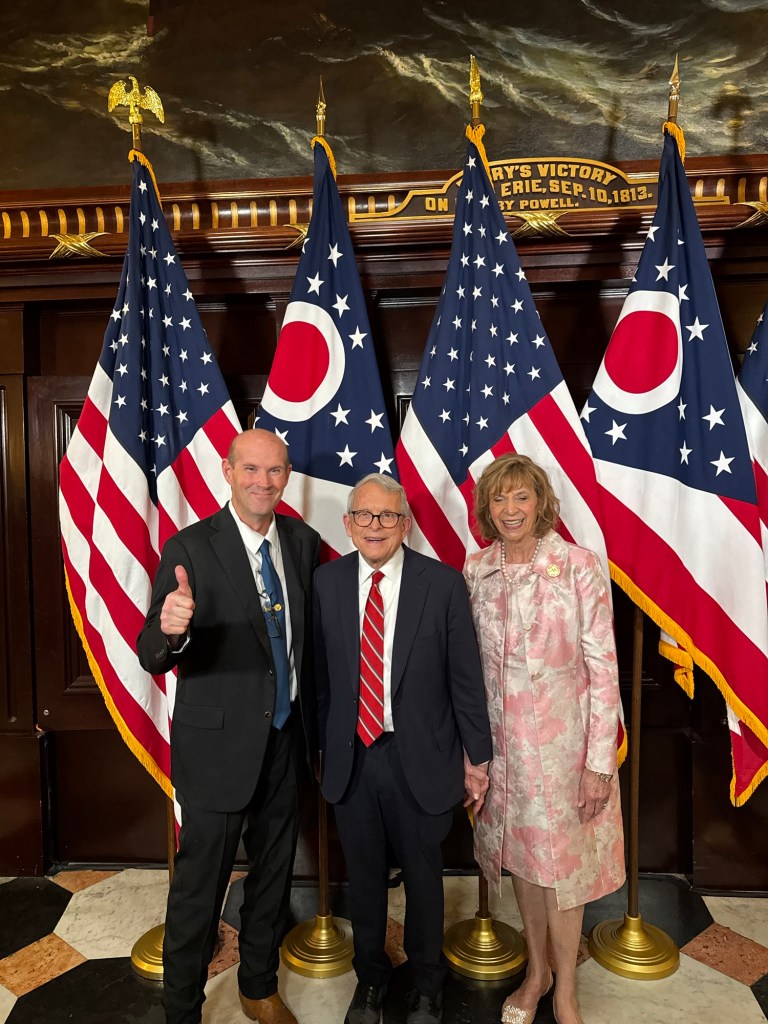
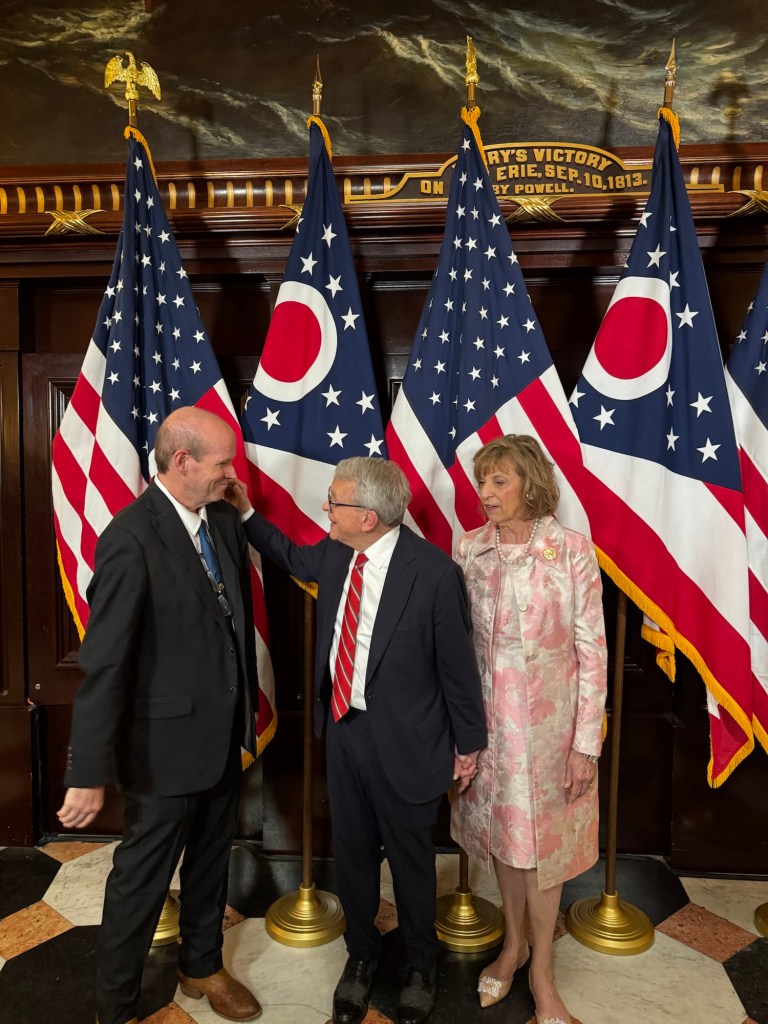
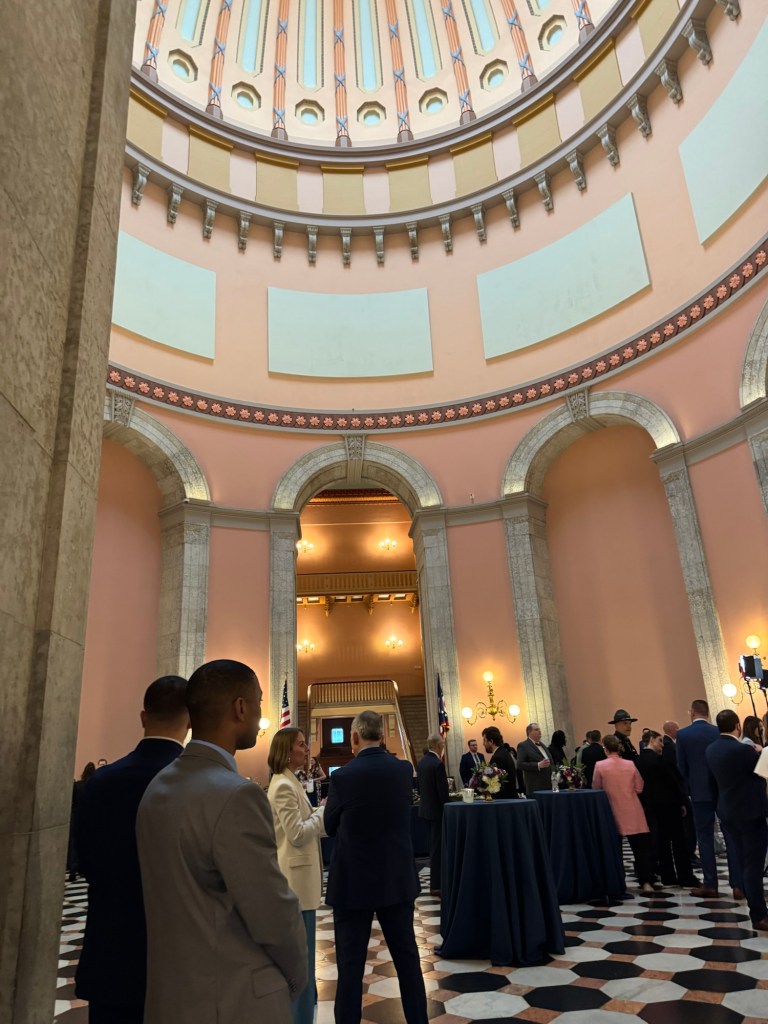
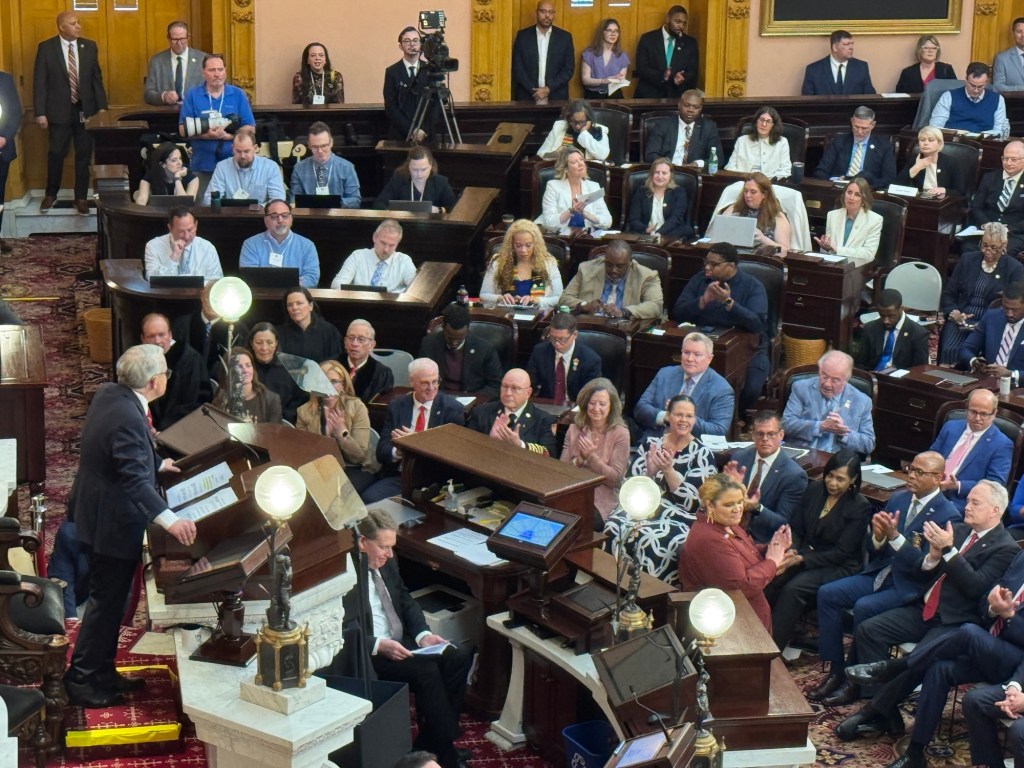
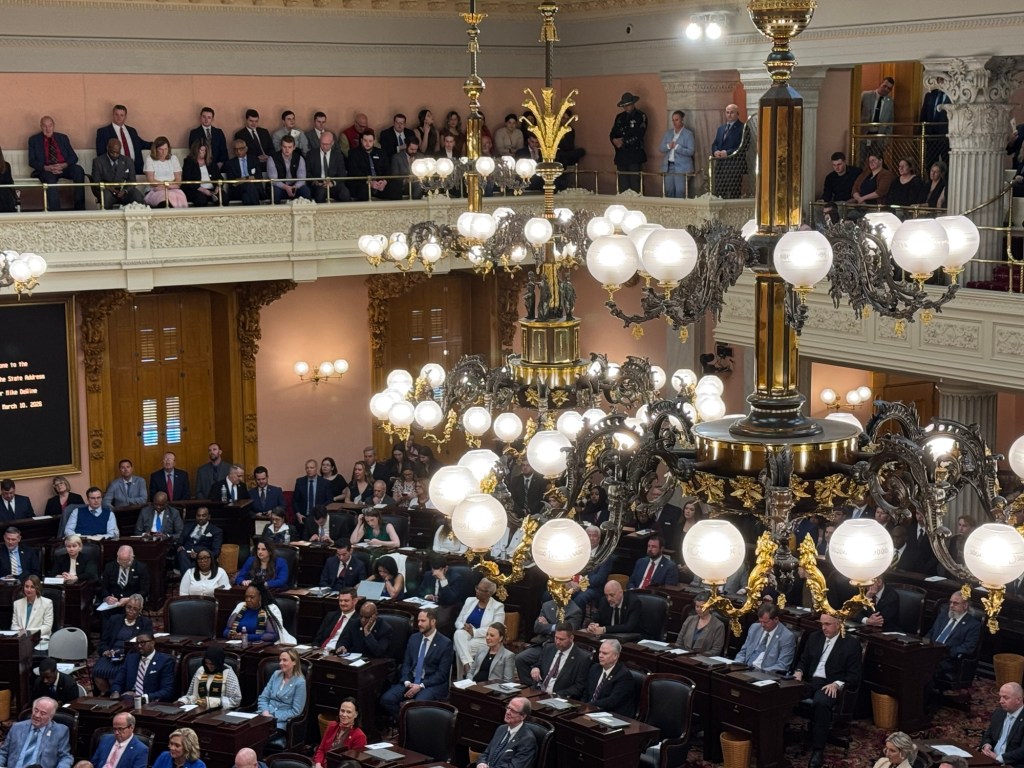
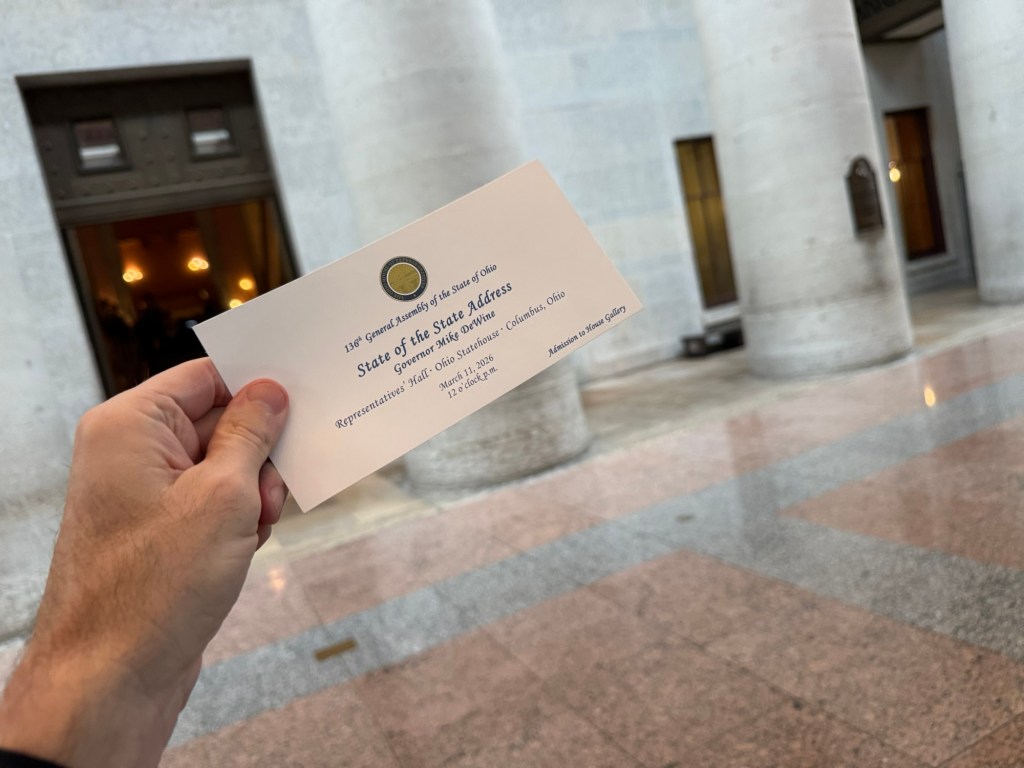
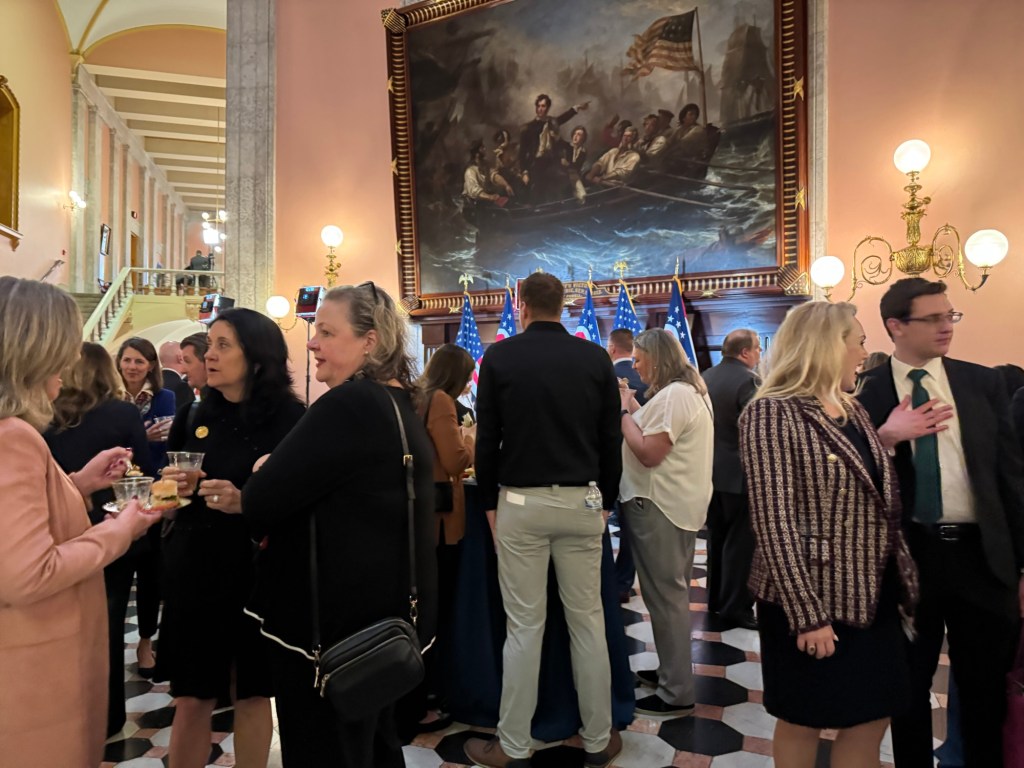
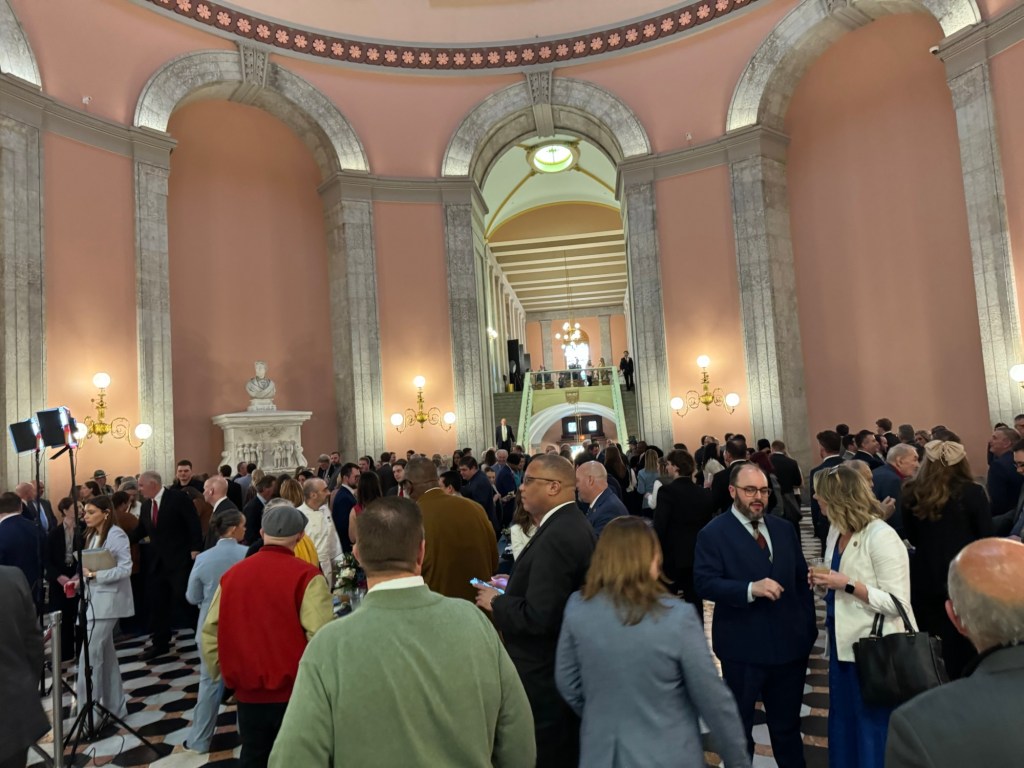
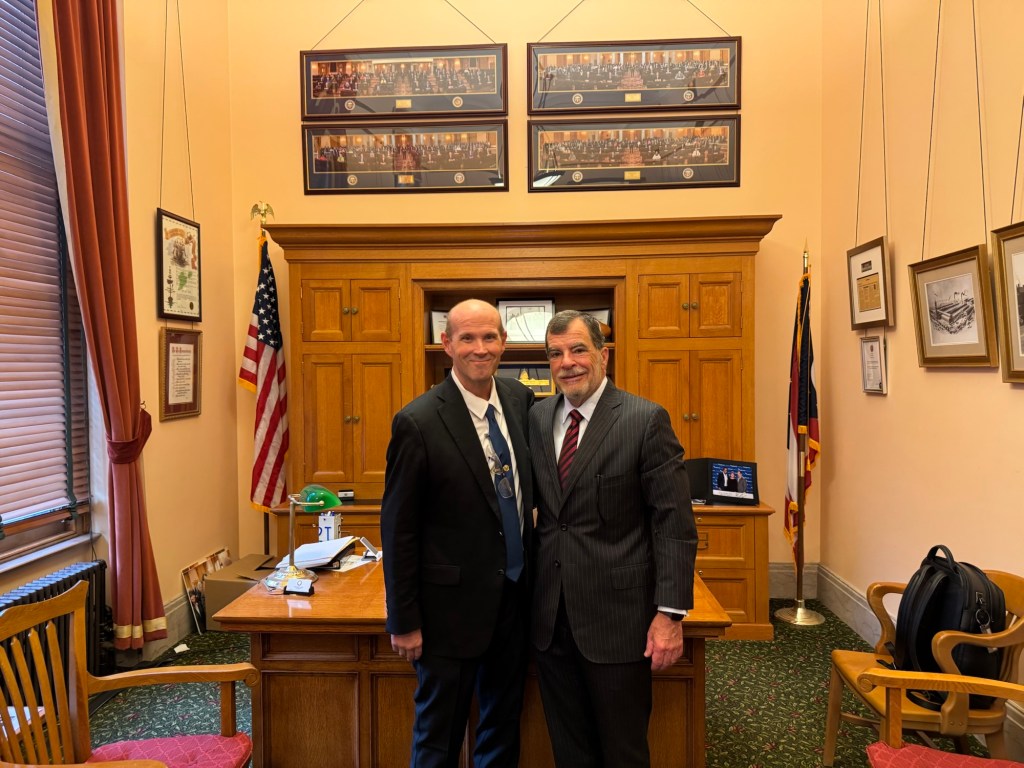
This question has arisen repeatedly in my interactions with Butler County Sheriff Richard K. Jones and many others. We’ve shared public moments of warmth and camaraderie, even as political winds have blown in conflicting directions. The same applies to recent encounters with Ohio Governor Mike DeWine. After years of sharp criticism—particularly over his administration’s handling of COVID policies and other matters—I shook his hand following his final State of the State address. We discussed areas of agreement, such as Second Amendment rights and efforts to combat AI-generated child exploitation. These moments highlight a core principle: genuine regard for individuals ‘ needs need not hinge on perfect alignment. Relationships built on authenticity withstand disagreement; those rooted in manipulation crumble.
We were talking about his wife’s great cookies. The second amendment during his administration. Taxes. And his endorsement of Vivek Ramaswamy.
This perspective stems from a life shaped by diverse encounters. Growing up in Ohio, I navigated rough characters and “celebrity” figures in my early adult years—individuals carrying heavy psychological burdens and disappointments. These experiences, often intense and sleepless, taught navigation of human darkness. I awoke each day intent on being the “good guy,” never contemplating villainy. This innate drive toward justice, perhaps divinely guided, clashed with destructive forces, leading through ominous courtrooms and rigorous trials.
The lofty expectations of public office. Few people ever live up to those expectations. But the building was built with the expectation of exceptionalism.
These trials instilled resilience. I’ve seen the worst of human behavior: betrayal, manipulation, and raw conflict. Yet, they clarified priorities. Nothing since has felt catastrophic by comparison. This foundation allows aloof observation—staying “lofty” amid chaos—while engaging directly when needed.
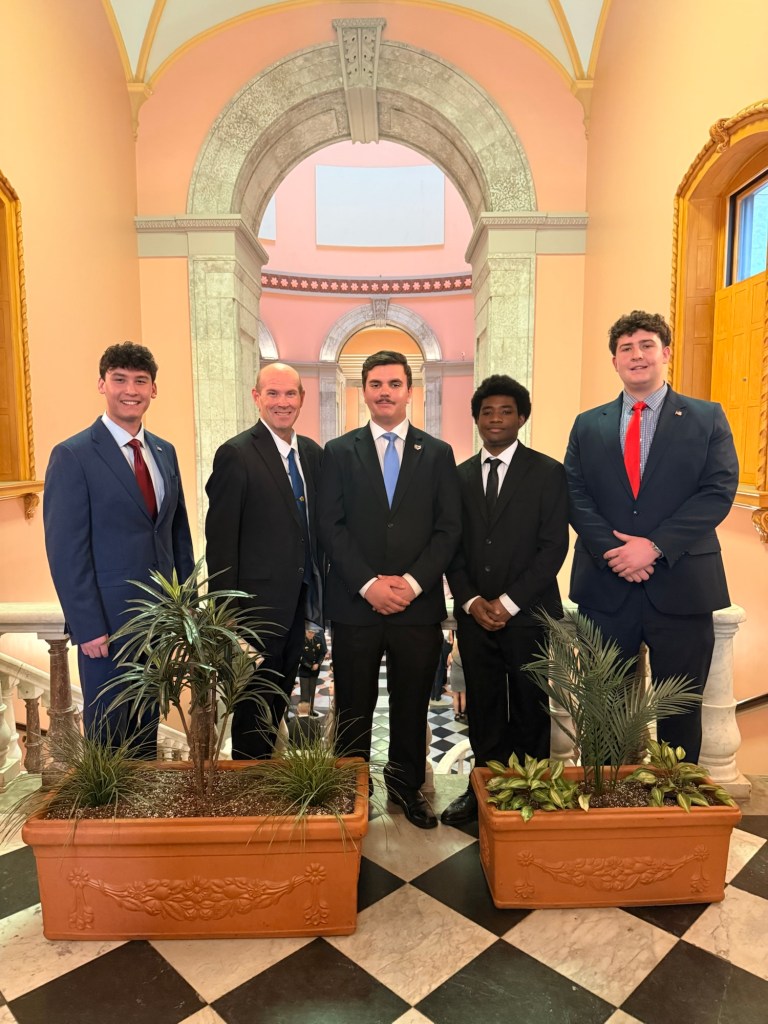
I love to see the future, in the here and now. Great young people!
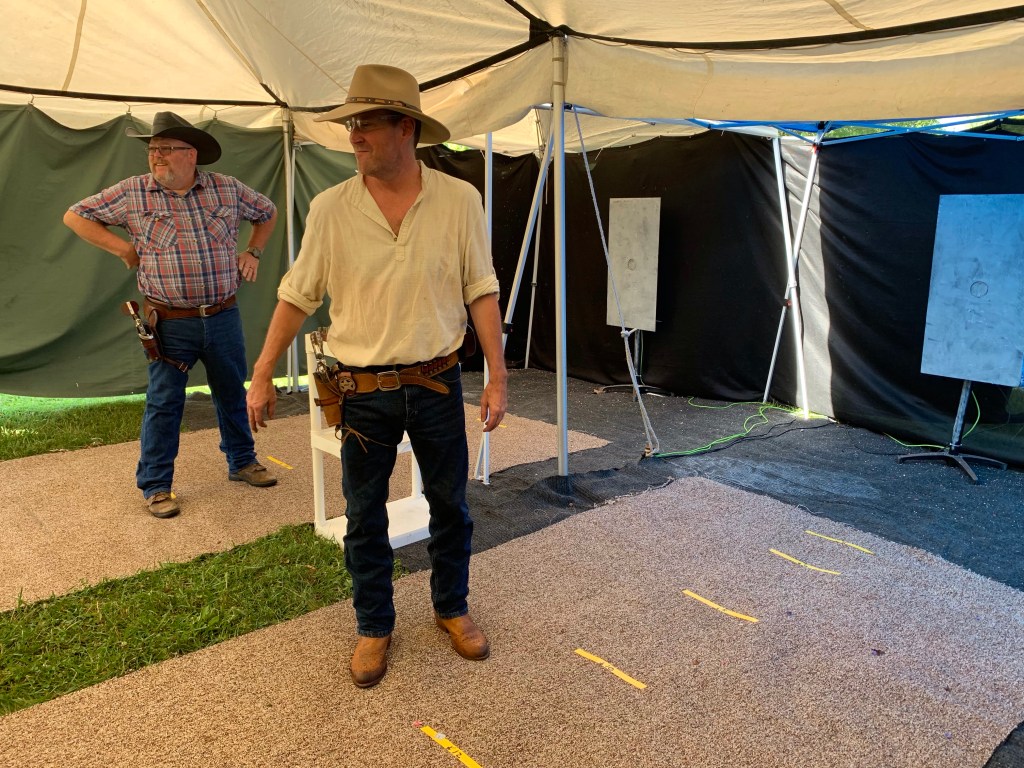
Professionally, I’ve channeled this into commentary via platforms like The Overmanwarrior blog, podcasts, and writings (including books like The Symposium of Justice and business guides). As a fast-draw enthusiast and strategist, I’ve advised on local and state issues. Public friendships, like with Sheriff Jones, stem from shared values on law, order, and community—despite occasional political divergences. These are not performative; they’re authentic.
Most relationships reduce to two levers of control. The first is friendship as leverage: people offer smiles, hugs, or inclusion to gain compliance. When denied, they withdraw—“I’m not your friend anymore unless you…” This mirrors childhood games (stickers on lockers) and adult dynamics (passive-aggression in marriages, where affection is withheld until demands are met). In politics, it’s “endorse my candidate or lose my support.” Women and men alike use emotional coziness as currency; it’s learned early and persists.
The second is the threat of violence or intimidation. When friendship fails, escalation follows: harassment, protests, spiritual “warfare,” or physical threats—“Do what I say or face consequences.” Authoritarian regimes amplify this; bullies in parking lots embody it personally. Both aim at submission through fear.
I’ve rejected both. Secure in my positions, I express them openly—here, on podcasts, in writing—without needing validation. Disagreement doesn’t prompt cliff-jumping; it invites dialogue or indifference. If someone withdraws friendship over opinions, that’s their choice. If intimidation arises, I handle it unflinchingly, drawing from early lessons in facing rough characters.
This stance echoes timeless wisdom, like Sun Tzu’s The Art of War: become invincible by rendering tactics ineffective. Control what you can—your actions, values, responses—and influence outcomes without direct domination.
Sheriff Jones exemplifies this. We’ve agreed on much: law enforcement, border security, deportations, and community protection. His office’s work with ICE and unapologetic stance on illegal immigration align with my views. Publicly, we’re friendly—podcasts, events, and genuine conversations about his brand and duties.
Yet, political motivations diverge at times. Endorsements or strategies might differ. Critics note our chumminess amid such gaps, confused by loyalty despite opposition. The answer: I like him authentically. His character, spine, and public service earn respect. If we clash, we may not talk for a while—that’s fine. Friendship isn’t conditional on perfect alignment. I won’t manipulate him (or allow manipulation) to force agreement. Truth emerges through pressure and process, not emotional blackmail.
This extends broadly. I like many who’ve opposed me politically, and I reserve the right to value people independently. Indifference to reciprocity preserves freedom.
A recent addition underscores this: Governor DeWine’s final State of the State address. His administration faced criticism—over COVID handling and other policies—creating opposition, which I had been very critical of, rightfully so. Yet, post-speech, we shook hands and spoke cordially.
We aligned on key issues: Second Amendment defense, and crucially, combating AI-generated child sexual abuse material (often called “simulated” or “AI child porn”). DeWine and Attorney General Dave Yost highlighted predators using AI to create exploitative images of children, urging legislation to criminalize creation, possession, and distribution. This addresses a growing threat where legal gaps allow evasion of traditional child pornography laws. I expressed support, noting agreement despite past differences, such as when Yost was running against my supported candidate, Vivek Ramaswamy for governor.
This exchange wasn’t leverage-seeking. It prioritized common ground—protecting children—over grudges. Putting differences aside when opportunities arise fosters the emergence of truth, not manipulation through fear of lost friendship.
Politics amplifies these dynamics: RINOs vs. traditional conservatives, reform movements, religious clashes. Belief systems collide; scores settle. Yet, values about people shouldn’t depend on outcomes. I like or dislike based on character, not scoreboard.
Pursuing righteousness means respecting all sides, allowing truth to reveal itself through conflict’s “fog of war.” Hot tempers subside; smoke clears; good emerges. Manipulation—friendship withdrawal or intimidation—crowds ideas into small-mindedness. Independence enables macro focus: immortal existence over micro squabbles (marriages, divorces, family disputes).
A good friend of mine gave me some homework to do
I’ve built a life affording this luxury: secure positions, no fear of loss. Many seek friendship; time limits interactions. Some engage strategically to advance balls—purely functional, not manipulative.
It’s okay to like those who hate you, to be friendly with opponents, and to shake hands after battles. Truth often surfaces in conflict; observation reveals positions. By staying outside manipulation’s reach, one accomplishes greatly where others falter.
In the end, righteousness is rooted in truth, not personal desires or leverage. Respect others’ thoughts—even wrong ones. Good people come around; disputes fade. We shake hands, share hot dogs at picnics, and discuss lofty things as emotions drift.
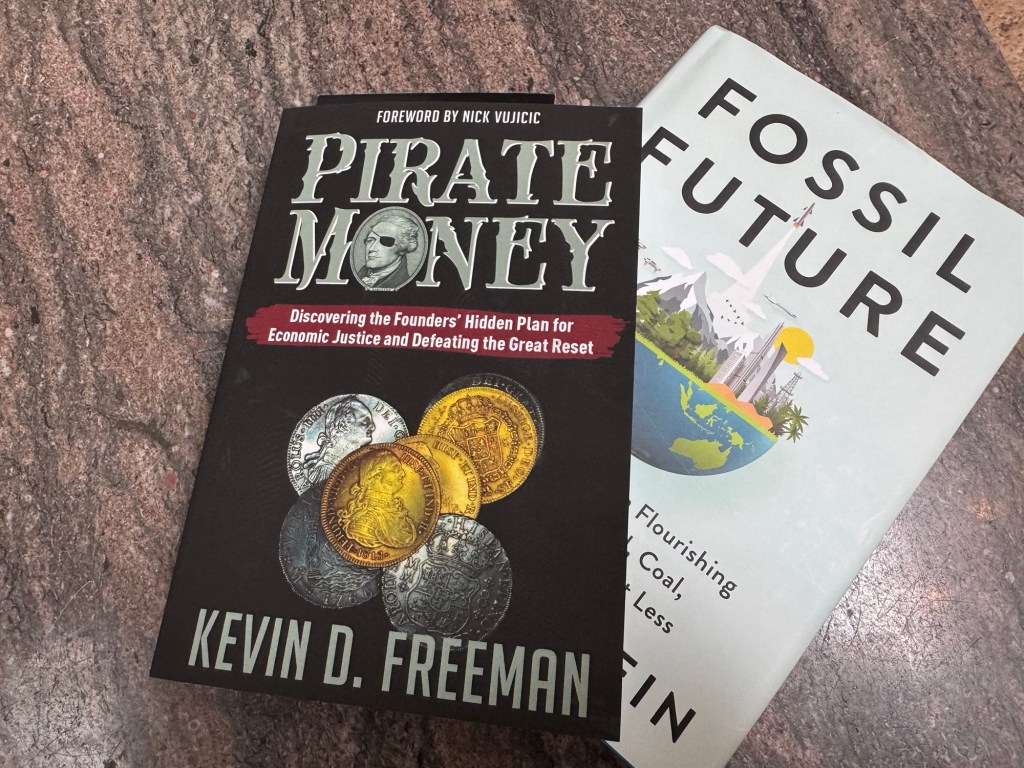
George Lang is a great guy in all aspects, what a lot of people don’t know about him is he loves books. Something we share beyond the immediacy of politics
Bibliography
Overmanwarrior blog (overmanwarrior.wordpress.com) – Primary source for writings on politics, philosophy, and personal insights. Butler County Sheriff’s Office interactions – Public podcasts and events with Sheriff Jones (e.g., discussions on immigration, law enforcement). Ohio Governor Mike DeWine’s State of the State address (2026) – Focused on AI restrictions, including child exploitation; references from news coverage (e.g., Toledo Blade, ABC6). Attorney General Dave Yost’s efforts – Collaboration on bills like SB 217/SB 163 targeting AI-generated CSAM. The Art of War by Sun Tzu – Concept of invincibility through non-engagement with opponent strengths. Personal books: The Symposium of Justice, business guides – Available via Overmanwarrior platforms.
This framework allows engagement without compromise, advancing righteousness amid human complexity.
1. Hoffman, Rich. The Symposium of Justice. iUniverse, 2004.
2. Hoffman, Rich. Tail of the Dragon. CreateSpace Independent Publishing Platform, 2012.
Explores themes of freedom, law, and high-stakes conflict through a narrative rooted in real altercations and political activism and often described as “faction” (fact-based fiction).
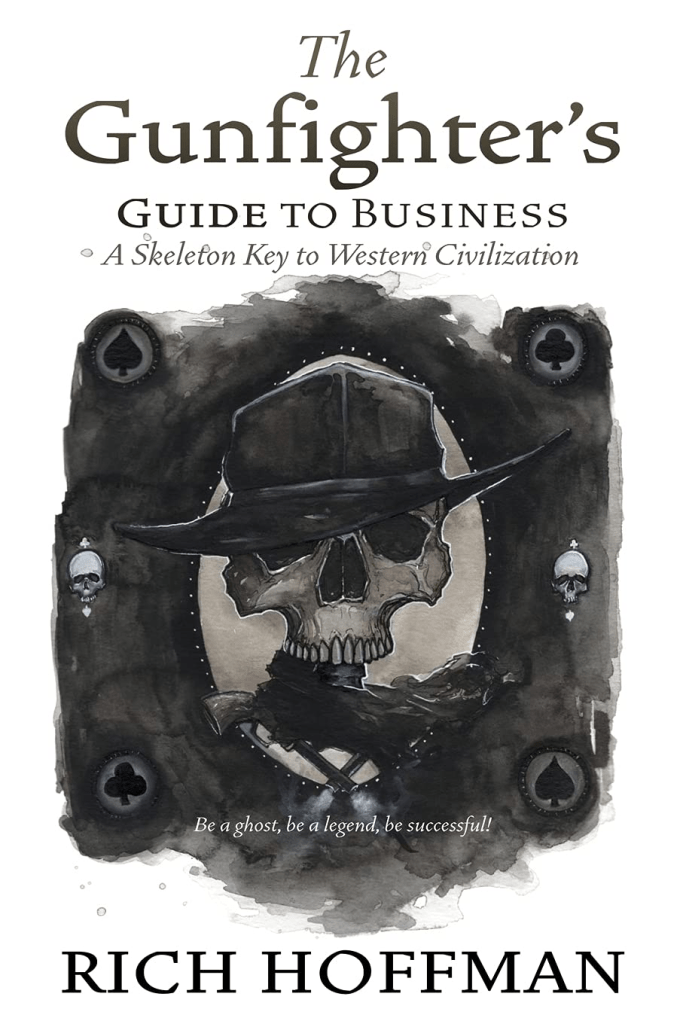
3. Hoffman, Rich. The Gunfighter’s Guide to Business: A Skeleton Key to Western Civilization. Liberty Hill Publishing, 2021.
A practical and philosophical guide that draws parallels among gunfighting strategy, business, and life—offering a Western counterpoint to Eastern classics like The Art of War. Emphasizes invincibility through preparation and independence. Available on Amazon and referenced in Hoffman’s bio.
Daily posts on politics, culture, philosophy, personal stories, and current events in Ohio (e.g., Butler County issues, tax fights, and human dynamics). Includes author bio, reflections on early life, and discussions of books like The Symposium of Justice.
5. Sun Tzu. The Art of War. Translated by Lionel Giles (1910 edition) or modern versions (e.g., Everyman’s Library). Original ~5th century BCE.
Key concept from Chapter 4 (“Formation”): “Invincibility lies in oneself; vulnerability lies in the enemy.” The skilled make themselves invincible through self-preparation, rendering opponent tactics ineffective—directly echoed in the essay’s rejection of manipulation levers.
6. “DeWine calls for new AI regs, parental control rules in 2026 State of the State.” Cleveland.com (via various outlets, including Facebook reposts and Toledo Blade coverage), March 2026.
Covers Governor Mike DeWine’s final State of the State address, urging legislation on AI guardrails, including outlawing the creation, possession, and distribution of AI-generated child sexual abuse material (CSAM). Aligns with the essay’s mention of agreement on child protection despite past differences.
7. “Ohio struggles to combat AI-generated child porn amid legal gaps.” ABC6 On Your Side, January 29, 2026.
Details legislative efforts (involving DeWine and Attorney General Dave Yost) to close gaps in prosecuting AI-simulated child exploitation, highlighting the growing threat and push for criminalization.
8. Butler County Sheriff’s Office. “In The Saddle With Sheriff Richard K. Jones” (podcast series). Apple Podcasts and related platforms, ongoing.
Episodes featuring Sheriff Richard K. Jones on law enforcement, immigration (e.g., 287(g) agreements), and community issues. Includes collaborations and discussions with Rich Hoffman (e.g., Rumble episodes on ICE detainees and related topics).
9. Various public interactions: Butler County Sheriff’s Office Facebook posts and YouTube videos (e.g., “Ohio 287(g) with Butler County Sheriff Richard Jones,” November 2025).
Document friendly exchanges, podcasts, and joint appearances between Sheriff Jones and Rich Hoffman on topics like border security and prisoner handling.
Top Notes for Further Reading
• Start with Hoffman’s blog (The Overmanwarrior) for the most direct, unfiltered context—search archives for terms like “Sheriff Jones,” “DeWine,” “friendship,” “manipulation,” or “invincibility” to find raw reflections mirroring the essay’s monologue.
• For philosophical grounding on invincibility and non-manipulative strategy, read The Art of War Chapter 4 alongside The Gunfighter’s Guide to Business—Hoffman explicitly positions his work as a Western response to Sun Tzu.
• On Ohio politics and the examples: Follow coverage from Cleveland.com, Toledo Blade, and ABC6 for updates on AI/CSAM bills (e.g., potential SB 217/SB 163 analogs) and DeWine’s 2026 address. Sheriff’s Office social media provides real-time context on Jones’ work and public persona.
• For broader insights into human relationships and power dynamics: Explore related classics like Machiavelli’s The Prince (on manipulation) or Nietzsche’s ideas on the “overman” (influencing the blog’s name), though Hoffman’s approach emphasizes righteousness over conquest.
Rich Hoffman is an independent writer, philosopher, political advisor, and strategist based in the Cincinnati/Middletown, Ohio area. Born in Hamilton, Ohio, he has worked professionally since age 12 in various roles, from manual labor to high-level executive positions in aerospace and related industries. Known as “The Tax-killer” for his activism against tax increases, Hoffman has authored books including The Symposium of Justice, The Gunfighter’s Guide to Business, and Tail of the Dragon, often exploring themes of freedom, individual will, and societal structures through a lens influenced by philosophy (e.g., Nietzschean overman concepts) and current events.
He publishes the blog The Overmanwarrior (overmanwarrior.wordpress.com), where he shares insights on politics, culture, history, and personal stories. Active on X as @overmanwarrior, Instagram, and YouTube, Hoffman frequently discusses space exploration, family values, and human potential. An avid fast-draw artist and family man, he emphasizes passing practical skills and intellectual curiosity to younger generations.
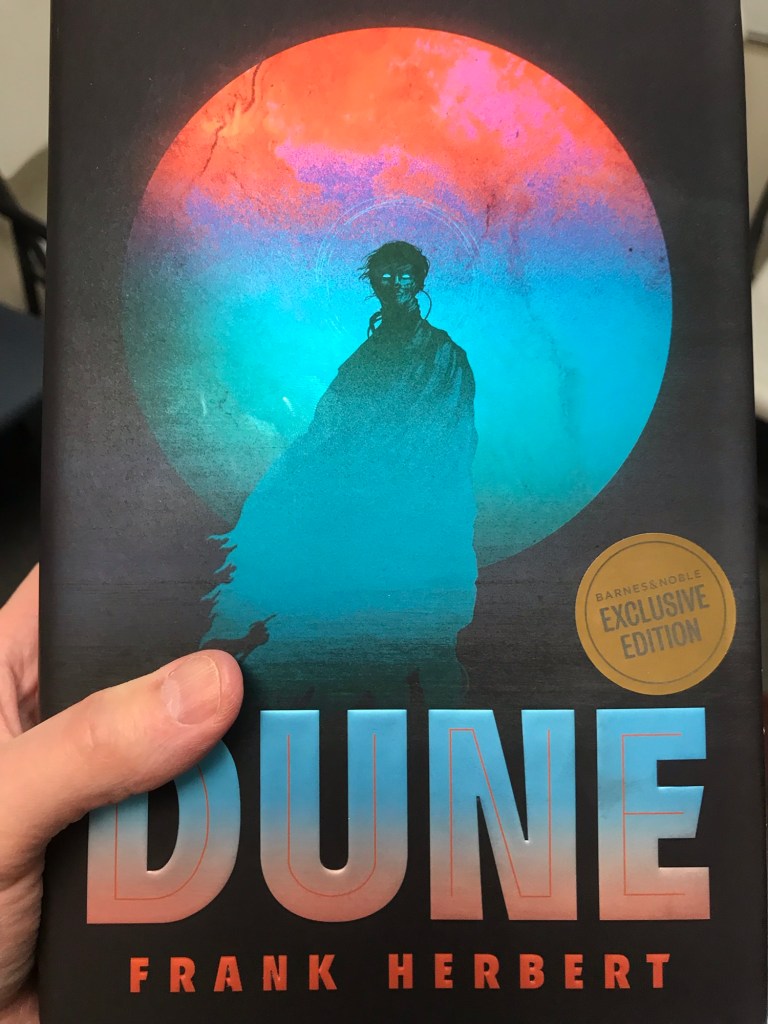
With all that’s going on in the world, there are traces of some fascinating things, and one that certainly attracted my attention was the premier of Dune II in London. It’s not just because it’s a great science fiction story from 1965 put exceptionally well into a movie format, which people have been trying to do for many years. They have tried it before with David Lynch. A lot of people didn’t like that earlier movie. I did like it and thought it was an exciting interpretation of Frank Herbert’s original story. The first movie came out a few years ago and did quite well, being recognized as a cinematic masterpiece, where even critics agreed with the fans that Dune was something special. The buzz for Dune II of course has been looming in the background because it’s essentially Part II of the original first book. Dune is a massive story that takes place across six original books by Herbert. Then, after his death, his sons completed the story with two additional books, which span across the entire universe and involve thousands of years, and the whole thing isn’t just about science fiction but about the problems with power and how living things have difficulty managing it. It’s very sophisticated and it looks like the producers of Dune understand the content of the story very well, and finally digital set design has caught up to the ambitions of the film and something really special ended up on screen. But that’s not what dazzled me as a fan of the books and Herbert himself. Zandaya showed up in a stunning robot outfit that reminded me of many things I had been thinking about lately. And she made a bold proclamation that certainly did set the world on fire in more ways than one.
The outfit itself was ultra sexy with cutouts that exposed the sexual areas of a female body in ways that reminded me of a Heavy Metal magazine cover from when I was growing up that put high science fiction concepts into sex appeal to young adolescent boys. But I had never seen a young woman on such a widespread scale as Zandaya do something like that before. It wasn’t slutty like something Madonna would do, or even Lady Gaga. It was bold, innovative, and classy yet very ambitious. I follow the launch of every Starship from SpaceX very closely, and another launch is coming up, the third for actual flights into space. The first thing I thought of was that her outfit matched the ambitions of these civilian space flights, and I instantly thought of the beautiful statues from the great novel Fountainhead as the perfect embodiment of this current time, when corporate communism and global fascism from that sector of the economy was spreading terror all over the world, A.I. was making people weary with worry about being controlled by machines. Space travel was displacing all the philosophies and religions of the world with the uncomfortable reality of life on other planets. Politically, the world was in a populist revolt. And there was Zandaya boldly managing it all with a very knowledgeable understanding of it all by showing up to that movie premiere dressed in that outfit, which is what I would have expected as a young 12-year-old looking into the future of 2024 and considering what life should have been like. She certainly understands the director of the film Dune and what he’s trying to do. And she clearly understands the author of the book, Frank Herbert. He certainly was not a socialist like H.G. Wells and some of those early European writers. He was a small government kind of guy who appreciated the founding fathers, and that went into the extensive work of his Dune project, with all the books being between 600 and 800 pages each. It was a very ambitious work, so there was a lot going on.
And there were a few times over the last few years when I thought nothing like this would ever happen again, especially a young woman like Zandaya openly expressing her femininity and sex appeal without being raunchy about it. Not after the Covid lockdowns destroyed the movie industry, and a firm commitment to socialism pretty much provided the final nail in the coffin. I never thought I would see something like that again or for the first time. I had all the Heavy Metal magazines for several years, and I loved the ambitious art. I also loved the animated movie when I was a kid. This Dune premier was all those magazine covers coming to life. I think Zandaya is a pretty good kid. She is younger than my daughters. I thought she was perfect in the latest Spiderman movies, and she showed up at the end of the first Dune movie. She’s a singer and a high fashion model who grew up as a Disney talent. Despite all her early success, I think she has a pretty good head on her shoulders, which came out in interviews with Tom Holland while promoting the Spiderman films. Unlike other Hollywood types, she is a good entertainment representative for this upcoming generation. At least so far. She didn’t have to show up to that premier with that outfit. But that she did shows she understands far more about the nature of our current reality than most people do, and she was bold about it.
What a gift she provided to the director of Dune, Denis Villeneuve. He should be ecstatic with excitement that one of his stars from the new film so openly embraced the overall vision of the Herbert books, which is not to spoil it for anybody, but that Zandaya’s look explores what Frank thought was the background of the entire universe. But that fashion model of Zandaya knew how to look and express the totality of Frank Herbert’s work with just a few simple gazes, and I felt the entire human race had just leveled up a bit. Because of the Dune movies, more people will understand the point of Dune, which is a very anti-tyrannical effort that questions the nature of all life and how power flows down to every form of it. With all the bad news that has been going on in the world, I saw this premiere for this movie as a bold rebellion against those vile forces. In much the way that I was surprised by the Godzilla Minus One movie. With all the bits of tyranny that have emerged, these little bits of hope are emerging from the human race. And sometimes, someone like Zandaya captures the effort with high art and fashion in ways that seem iniquitous, even unintentional. But you can’t go into public dressed like that, yet face everything down with such boldness without the intent being purposeful and intelligent, without scrutiny being applied. And with the production of Dune, the launch of the Starships, and the political landscape lashing out at fascism the way it is, many elements came together in human expression that refused to be a victim to it all, which was very encouraging and a sign of a lot of good things to come. I would say there is hope for the human race yet!
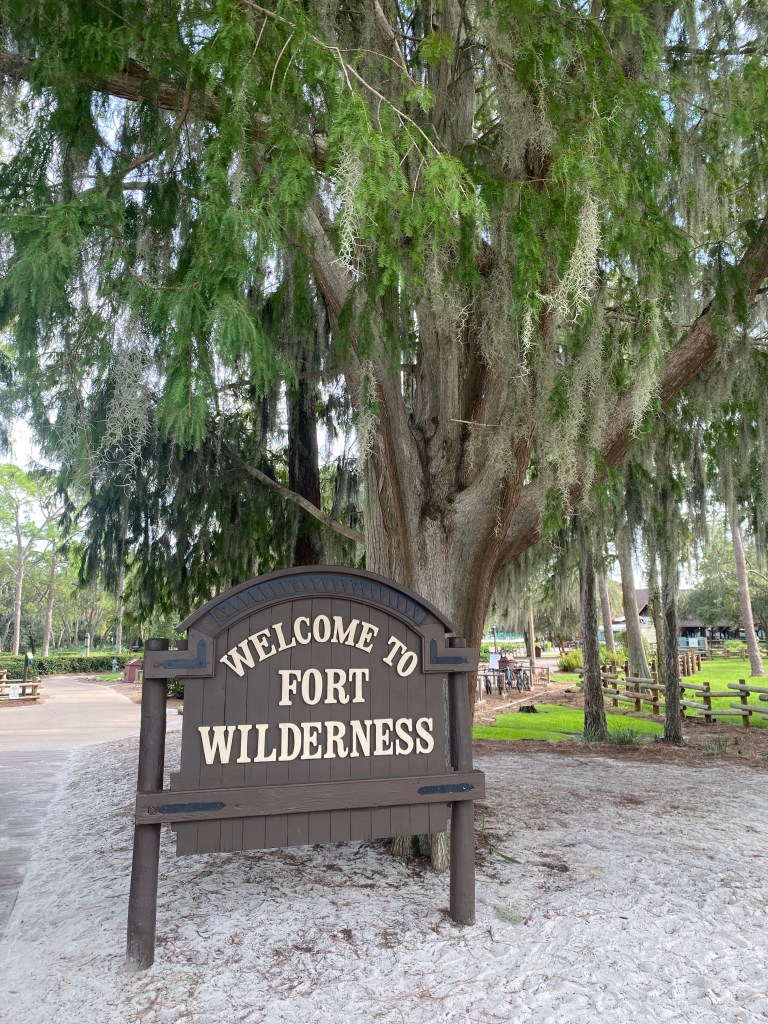
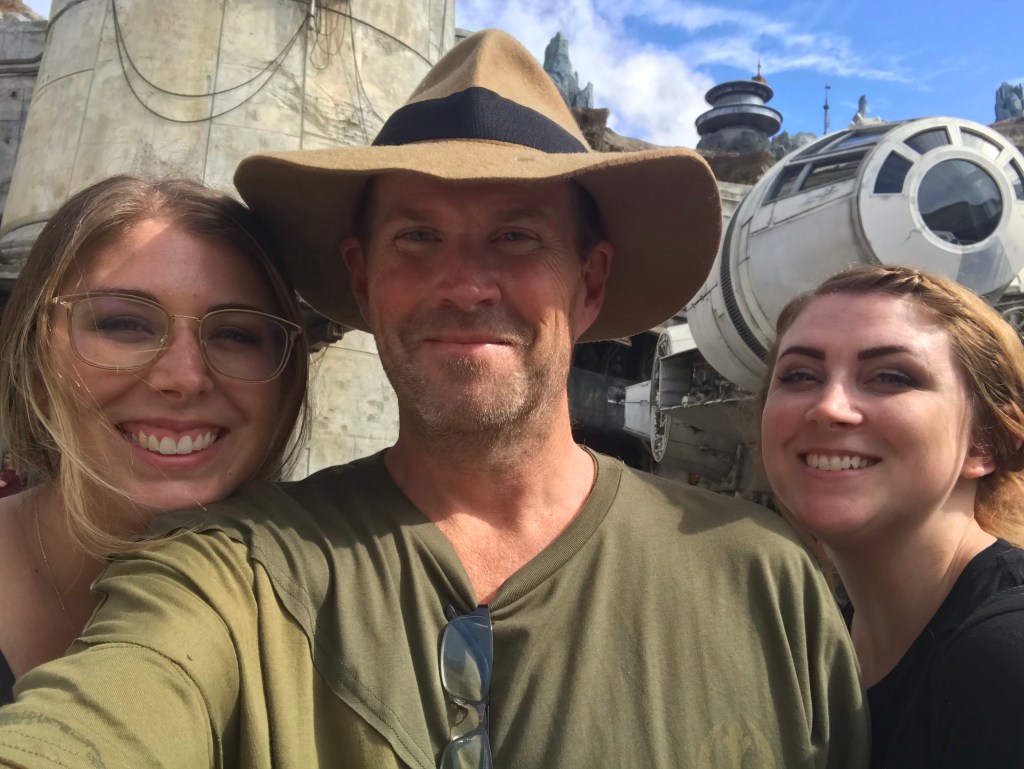
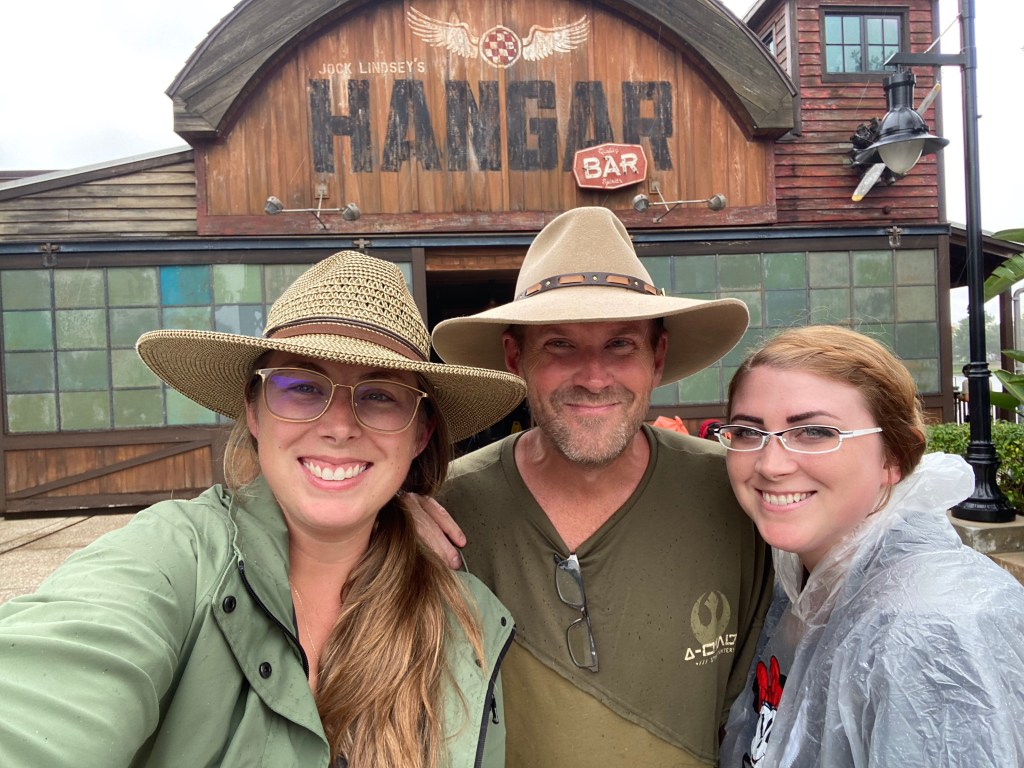
For most of September, I have been traveling. It has only been recently that travel restrictions regarding COVID-19 were lifted in places I needed to go professionally, like Canada, and Japan so these needed visits had been stacked up and a long time required. That was also the case for a family vacation to Disney World, which I had intended to do for the last three years while my grandchildren, mostly close in age, were prime for the experience. Covid restrictions and mask mandates ruined all those plans, so we waited for them to be removed before committing to anything. In September 2023, a slight window opened to do everything, so I stayed swamped catching everything up. By the end of September, I got off a flight from Tokyo, parked my car, hooked up our RV, and towed it to Florida for a week in Disney World to stay at their wonderful campground, Fort Wilderness. We almost canceled it again because of all the new policies at Disney, but we determined that this was the time if we were ever going to take the family to Disney World. Because as I have said many times over the last decade, I don’t think Disney will survive as a company. And after going there again and comparing the experience to just three years prior when my wife and I went there to see some of the new options they had, there is no question, that Disney is failing everywhere behind the veil of happiness, and I can see the entire thing completely falling apart for many reasons they will never tell you about in the media. But the Fort Wilderness Campground, an official resort for Disney was fantastic, at least from the façade of a vacation experience, and I was happy we went when we did.
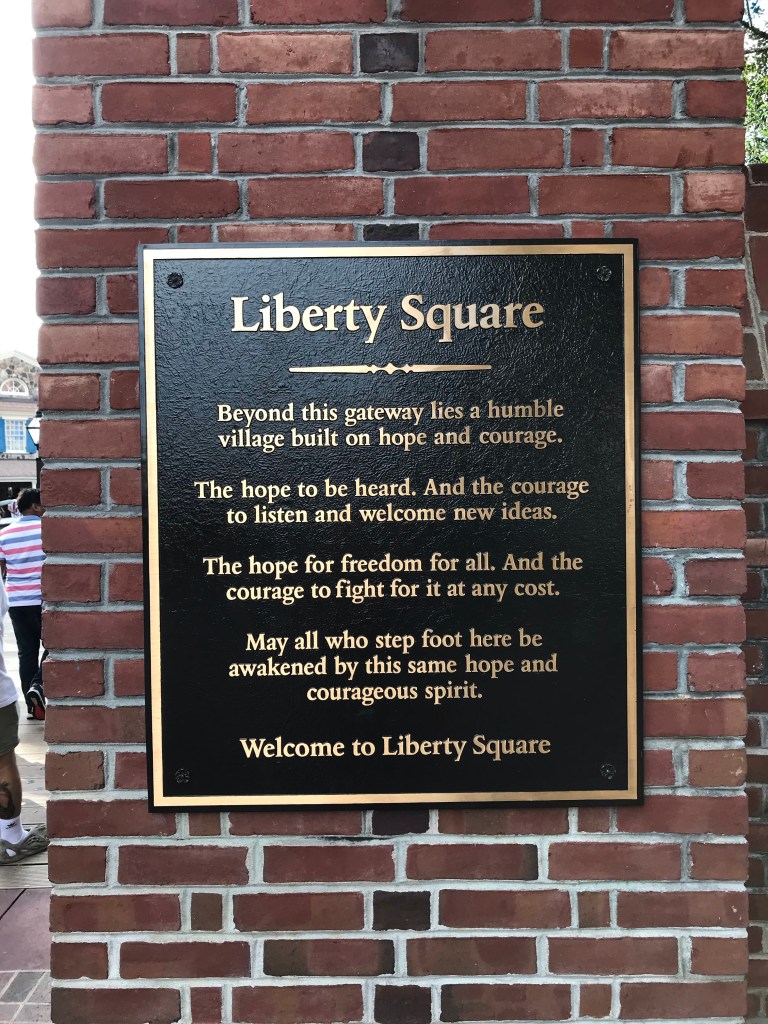
From the area I walked around in my video of Fort Wilderness, we could take the boat over to Magic Kingdom and get to all the other parks, Animal Kingdom, Hollywood Studios, and Epcot Center with the park hopper option. It was all costly, but I could show my children and grandchildren many exciting things over three days, and camping at the Fort Wilderness Campground was one of the best experiences I have ever had. It was comfortable, luxurious, convenient, and splendid in everything you expect from a lifetime vacation experience. When I think of Disney I think of a media empire built on family values, and of Fort Wilderness itself, I think of the Davy Crockett television show and Zorro. These days, Disney is more of a princess place, but there are still all the excellent references to Americana that I found very refreshing, such as the clear statement at the entrance to Liberty Square, “The hope for freedom for all. And the courage to fight for it at any cost.” Walt Disney never wanted people to forget what a miracle America was, and he dedicated several parts of his amusement parks to that very service. I wanted to take my family there while the parks were still in their heyday. As for what I wanted out of the trip, I am thrilled with the results. The children were happy even though we averaged about 6 miles of walking daily with the park hopper passes. We saw a lot, experienced a tremendous amount of information, and we had a great six days at Fort Wilderness Campground going to the pool, hanging around the restaurant and trading post, and enjoying camp in one of the best in the world. We purposely picked the 100 loop, which requires a lot of advanced planning so that we were a close walk from the boat dock which had us coming and going constantly.
Yet, to my eyes the mistakes were obvious. Disney, because it’s a giant corporation with many thousands of employees to maintain has destroyed itself by the weight of its own success, like many major corporations do, and this goes way beyond the recent woke policies from BlackRock that have seriously destroyed their business model for good. The current park attendance will soon be a thing of the past because of their killed market share worldwide. Bob Iger, the current CEO should have never returned, and I’m sure he’s realizing that now. Disney needs to constantly produce fresh content that makes a billion dollars each at the box office, and those days are mostly over for them because of the status of the current youth, YouTube options, and their alienation of conservative Americans. For instance, most of the vacationers are Trump supporters at the Fort Wilderness Campground. However, the employees are mostly Democrat-leaning and to offset this discrepancy, Disney has a lot of rules they impose on their workforce to keep everyone lined up correctly. But what they end up with is something much like their rides, everything is great so long as you stay on the rails. But the illusions fall apart quickly if you step out of the boat.
And that became most obvious when we were all exhausted one night. Nobody felt like cooking, so we went to Crockett’s Tavern and the Trail’s End Restaurant to get some pizza. On one of them, we asked for a half and half, one side being deluxe, the other completely cheese because none of the little ones like toppings yet. You’d think that we asked those Disney employees to commit murder, they had a meltdown that involved discussions of being fired and all kinds of drama. It was like being in West World where the robots suddenly started shooting the customers. It was odd, but that wasn’t the only time. What was clear to me was that the expensive façade of the Disney vacation experience was thinner than it had ever been and it wasn’t taking much for that illusion to be shattered for the consumer. Disney had adopted many rules to keep their radical workforce in line and on the message that they had destroyed that personal touch that happy individuals bring to work with them. I’ve been to Disney World many times, and this most recent time showed clear signs of stress behind a radicalized workforce that was coming out against the customers such as we saw over that simple pizza. The pizza was good, and we had a fantastic time with our family. But after some old timers still working at Disney are gone, the next generation is not there to pick up the task and carry it into the future. Disney could hide this from the world so long as they could throw money at the problems. But they can’t even do that anymore. In the news this week, right after we left, Disney had to raise their ticket prices to their parks and there are reports that the CEO is seeking a peace treaty with the Republicans of Florida. The woke battles have left Disney permanently damaged as most people inclined to spend a lot of money at Disney World are also MAGA supporters. Disney joined the wrong politics in a volatile economic environment, which has been costly to them. We enjoyed ourselves. I am glad we made the trip now for the historical value of such a Disney experience in American culture. But given many of the things I observed, it won’t be there forever. It’s failing even worse than I had thought it was.
The Testament of Solomon is a pseudepigraphical work attributed to King Solomon, the son of David, and the purported author of several Old Testament texts. The work is believed to have been written in the late first or early second century AD, and it tells the story of how Solomon was granted the power to command demons and other supernatural beings by God.
The Testament of Solomon is a fascinating text that sheds light on the beliefs and practices of early Jewish and Christian communities. It is also an important source of information about the history of demonology and magic in the ancient world.
The text is divided into two parts. The first part describes how Solomon was approached by the demon Ornias, who offered to bring him great wealth and power in exchange for his soul. Solomon, however, was wise enough to outsmart Ornias, and he forced the demon to reveal the names of all the other demons and spirits that were under his command.
Using this knowledge, Solomon was able to command the demons and spirits to build the Temple in Jerusalem and perform other tasks for him. The second part of the text is a collection of spells and incantations that Solomon used to control these supernatural beings.
The Testament of Solomon was highly influential in the development of both Jewish and Christian demonology. Many of the demons and spirits that are mentioned in the text became part of the standard demonological taxonomy used by later Jewish and Christian writers.
In addition, the Testament of Solomon influenced the development of magic in the ancient world. The spells and incantations that are included in the text were widely copied and adapted by later writers, and they continue to be used by practitioners of magic to this day.
Overall, the Testament of Solomon is a fascinating and important text that provides insight into the beliefs and practices of ancient Jewish and Christian communities. It is a testament to the enduring power of myth and legend in human culture, and it remains a valuable resource for scholars of religion, history, and folklore.
The Common Era (CE) is a calendar era that is widely used around the world. It is also known as the Christian Era or the Current Era. The year CE is equivalent to AD (Anno Domini), which means “in the year of our Lord” in Latin. The Common Era began on January 1, 1 CE, which is the year that is believed to be the birth year of Jesus Christ.
At first, I thought the Oliver Anthony song, “Rich Men North of Richmond,” was interesting. I watched people rally to him in private concerts with great enthusiasm and was impressed that the song communicated to them in ways that good art does. Great! But the looters have climbed on over the last few weeks, especially at Fox News, where they thought they had found that populist connection with their audience again when they played it at their 2nd Place Debate for the under 10% presidential candidates. And Oliver Anthony was featured on Disney-owned Good Morning America, the Joe Rogan Podcast, and many other outlets. The world is in shock over this song, which I could call the kind of song that might have been featured on The Dukes of Hazzard years ago. I liked it, but what was all this shock, and what did I think about it? I like the young man, Oliver Anthony; it was wise for him to turn down several record labels and do his best to keep his music small and private—authentic. That is, after all, what people like about it, and the moment he loses that, it’s all over. Authentic is better than financially successful, I would say in most cases. But as I heard the song a few times, I felt more like Oliver Anthony was just another slack-jawed hippie singing about how unfair the world is, as is typical in any bar on a Friday night as people ten beers into the evening throw darts and shoot pool drowning in cigarette smoke and cheap cologne laced with sweat, complaining about how corrupt Washington D.C. politicians are. Complaining about how unfair life is does not solve the problem, and Anthony Oliver has made no claims to being a conservative. He’s much more of a liberal, so, interestingly, many are accusing him of being an icon of the political right. I would say, far from it.
I’m a big tent Republican Party kind of guy, and if people who like Anthony Oliver’s music want to join the fun of a President Trump Republican Party, that’s fine with me. I might look at their politics while we’re all in that big tent and shake my head. Very few people are alive on earth as conservative as I am, so I am usually disappointed with people’s politics. There is nothing new there. But I am also one of the most tolerant of other people’s opinions. The key to a future Republican Party is that many people are coming to it. After the Trump mug shot, many from the “hood” are now converting from Democrats to Republicans, and I’ll happily hold the door open for them as they walk by with marijuana smoke streaming from their mouths, which I find objectionable. But this is about winning, not so much converting everyone to my version of conservative politics. There are union members who love Trump, and suddenly, we are all rooting for the same political figure, which is weird. But it comes with a big tent. If everyone wants to go camping and talk over the weekend, likely at the end of it, I will convert people over to my way of thinking, so I’m not worried about values. But first, the right people must be elected to have the debate. The Republic must survive as something we can all agree on. So, I welcome all the drunks from the Friday night beer binge as they play Oliver Anthony turned up on their car stereos while driving around with the windows down.
I’m not with Glenn on this. Don’t be weak in the first place. Life works much better.
The problem with Democrats, or people heading in that direction, is that they are typically victims in life, and victimization is dripping off that “Rich Men North of Richmond” song. Republicans are can-doers, typically, Democrats are can’t be dones, so they seek the power of government to do what they can’t do for themselves. So, from the outset, the two sides aren’t even functioning from the same planet, and if we want peace, everyone must at least want to achieve the same things. And what’s going on with the Oliver Anthony song and the people drawn to it is that it correctly identifies why people feel like victims. But I would say they don’t need to be victims because they have everything in their power not to be. The American Constitution limits government power so people don’t have to be victims. The Rich Men North of Richmond became that way because there were too many people at the bar on Friday drinking too much when they should have been paying attention to what was happening in the world. The rich, powerful men in Washington became that way, not because they were the best or brightest. But because, they were the most unethical and willing to take advantage of people who were too lazy to manage their own lives. So, singing about it or drinking about it doesn’t solve a thing. And the sad thing about that song is that so many people can identify with it. They can relate because the music does speak to them. But in a healthy society, it shouldn’t. The song’s existence as a work of art is great because it gives us some measure of culture. But the reality of that culture is pretty pathetic and passive. It’s not the kind of stuff that inspires greatness.
I’ve expressed my comments about this song to several people who have instantly taken offense to my opinions, something about me not having compassion for the “down and out,” whatever that means. For people who have known me for a long time, they know what I’ve been through in life. It was never an easy road, and I have lost everything many times over. But there has never been one day where I have not woken up to make that day better than the day before. I know pain, deep pain. It’s much worse pain than Oliver Anthony is singing about—life-crushing pain. But I’ve never felt the way about it as he does, to cry about how unfair it is. I’ve always been a turn-lemons-to-lemonade person, a positive thinker who can turn even the fires of hell into drinkable ice water. I’d love more songs like that. If there were, then we could say those are the ballads of the Republican Party. But this “Rich Man North of Richmond” is just more people complaining about how unfair the world is without having the courage to do anything about it themselves. And that’s what makes a great nation. Not a bunch of crybabies. But people who can deal with the pain and make something good happen. I can’t identify with what Oliver Anthony is singing about because I’ve never felt that way. Not because it’s been an easy life but because I’m not wired that way. And rather than yield to those emotions, I would say not to cry, don’t drink your problems away on a Friday night listening to that song. Instead of being sad, read a book, do something constructive, and continually work to improve yourself and the world around you. And I think the result will be impressive and something you can feel good about. Complaining does not help. And Oliver Anthony’s song is all about complaining when everyone should be getting to work to make the world a better place, starting with themselves.