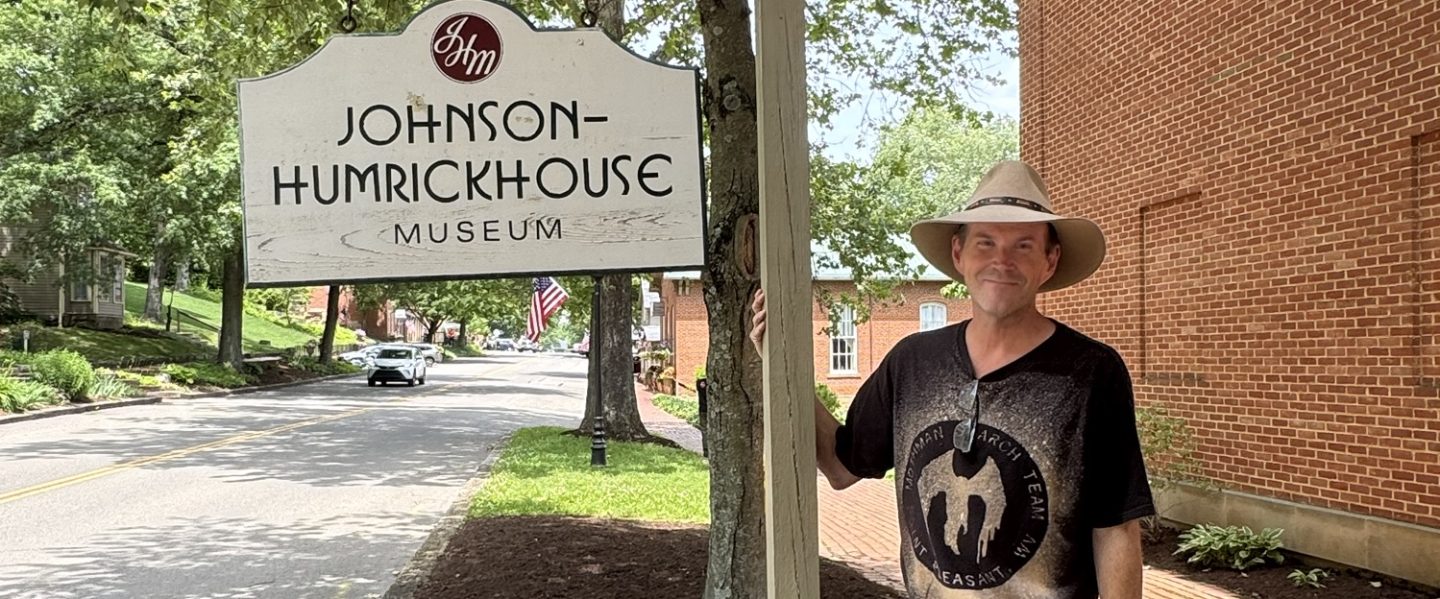
Some of my Jaw Dropping Statements about History: Serpent Mound, Ancient Mysteries, Disclosure, and the Politics of Heaven

I was really impressed with a recent piece by Donna D’Errico. She produces YouTube videos as part of the Myth Bound series, and I completely understand her approach. In an era when everyone can have their own media platform, people like Donna are stepping up to explore Earth’s mysteries afresh. She’s doing a kind of modern Josh Gates-style investigation—traveling to sites, talking to experts, and digging into legends with genuine curiosity. Her episode on Serpent Mound struck me as particularly strong. 

Before I dive deeper, I have to acknowledge that this discussion probably won’t win me many friends—especially as my book The Politics of Heaven nears publication during a time when Spielberg’s Disclosure Day and waves of official UAP releases are forcing people to reconsider long-dismissed ideas. My reference point here is one of deep respect for the field: I love archaeologists. I admire the dedication it takes to spend years in the dirt, uncovering artifacts so the rest of us can wrestle with their meaning. But like any institutional endeavor, grooves form. Assumptions harden into orthodoxy. Human nature resists relearning, especially when funding, careers, and political narratives are at stake. Once a framework is set, new evidence is often shoehorned to fit rather than allowed to challenge the foundation.

Serpent Mound, in Adams County, Ohio, is far more mysterious than mainstream accounts typically allow. The default narrative attributes it to “Indigenous people,” specifically linking it to the Adena (circa 800 BC–AD 100) or Fort Ancient (AD 1000–1650) cultures, which then folds neatly into broader political claims about “stolen land.” This framing, I believe, serves agendas that seek to undermine America’s founding legitimacy in favor of collectivist remaking—an echo of old European resentments toward the prosperous republic born from the Louisiana Purchase, Florida acquisition, and western expansion. 

Donna’s episode respectfully features archaeologists discussing the site’s astronomical alignments, particularly its alignment with the summer solstice sunset, which was important to Fort Ancient peoples. She highlights how the mound feels profoundly three-dimensional on the ground—coiling serpent body undulating with the terrain—unlike the flattened maps most people see. That experiential quality is key. The site was meant to be walked, felt, and understood in context. 

Serpent Mound itself is the largest known serpent effigy in the world, stretching approximately 1,348 feet in an uncoiling form with a curled tail. It sits atop a plateau within the Serpent Mound crater (also called the Serpent Mound Disturbance), an eroded meteorite impact structure roughly 8 km (5 miles) in diameter (estimates up to 14 km), formed less than 320 million years ago (likely around 300 million years ago).  The builders chose this precise location on the rim of an ancient scar invisible to casual observation. Radiocarbon dating has shifted: earlier assumptions pointed to Adena; a 1991 study suggested Fort Ancient around AD 900–1200; and a 2014 analysis (later corroborated) supports Adena construction around 300 BC, with rebuilding in the Fort Ancient period. Multiple layers of use are evident. 

Why build the world’s largest serpent effigy on the edge of a 300-million-year-old impact crater with sophisticated celestial alignments? The mathematics encoded here—solstice and equinox orientations—suggest knowledge far beyond simple hunting calendars.  I’ve visited the site for decades, often reflecting on these questions while overlooking the Brush Creek Valley. It is one of three key locations I explore in The Politics of Heaven as evidence of non-human technological and spiritual interaction.

The second is Windover in central Florida, near the modern Kennedy Space Center. This ~8,000-year-old Middle Archaic cemetery (roughly 7,000–8,000 years BP) yielded 168 burials in a peat pond, many with remarkably preserved brain tissue, woven textiles of advanced complexity (multiple weaves, including non-heddle loom examples), and deliberate ritual orientation (often flexed, on left side facing west, anchored with stakes).  At the time, sea levels were far lower; the coastline extended miles farther out. Submerged sites likely await discovery. These people practiced sophisticated mortuary rites predating biblical timelines by millennia, challenging simplistic post-Ice Age migration models from Beringia. Their genetics and practices don’t align neatly with those of later tribal groups, opening the door to deeper questions about origins and external influence.

The third is Flag Fen in England, masterfully excavated by Francis Pryor. This Bronze Age site (around 1000 BC, contemporaneous with the First Temple period) features complex timber platforms, votive weapon offerings in wetlands, and evidence of sophisticated beliefs about the afterlife. Pryor’s work—detailed in books like Flag Fen: Life and Death of a Prehistoric Landscape—reveals a ritual landscape of remarkable engineering. 

These sites, alongside markers such as the London Stone, Paris’s origin stone, and Washington, D.C.’s Masonic layout, suggest coordinated knowledge across continents and eras. Native American legends—Iroquois, Shawnee, and Aztec migrations from the north (echoed at Three Rivers Petroglyphs in New Mexico)—feature descending “gods,” giants, and supernatural beings that are remarkably consistent with global mythologies. The uniformity points to real encounters rather than independent invention.

Near my home in the Great Miami River valley (Liberty Township / Middletown area, Ohio), the Middletown Mound and Miamisburg Mound stand as testaments. Miamisburg is one of the largest conical mounds in eastern North America—65 feet high, 800 feet in circumference, built by Adena peoples in stages, containing vast amounts of earth and visible for miles.  My daughter has taken a great interest in the Middletown site. These should be premier attractions, yet NAGPRA and institutional caution limit new excavations. Cultures routinely built atop older complexes—Cahokia, Baalbek, Jerusalem, Christian churches over pagan temples. Why assume otherwise here?

Archaeologists I respect operate under real constraints. Funding flows through institutions influenced by political and financial interests historically at odds with figures like Andrew Jackson. The “Mound Builder” myth was once weaponized for removal policies (Indian Removal Act, 1830), but today continuity narratives sometimes sideline anomalous evidence. I want these professionals to be better funded for open inquiry.

Post-disclosure, the picture sharpens. UAP whistleblower testimony on non-human biologics and reverse-engineering (with local ties to Wright-Patterson) makes ancient interaction plausible. Disclosure Day shifts the Overton window.

This leads to time—interdimensional or ultra-terrestrial beings likely master relativity. Time dilation is a physics fact. Travelers could experience days while centuries pass on Earth. Sites like Serpent Mound may serve as temporal anchors—celestial markers to recalibrate “when” upon return. Mythic “gods” gifting knowledge then vanishing aligns with this. Cryptids fit as echoes.

I’ve visited these regions and studied the works extensively. These inform The Politics of Heaven, my exploration of spiritual warfare, giants/Nephilim, divine rebellion, and humanity’s interactions. Nineteen of twenty-one chapters tackle controversial ground because they prioritize evidence over control narratives.

Donna D’Errico embodies the right spirit. Archaeologists deserve support for deeper digs. The great serpent on its ancient crater is no random effigy. It testifies to encounters with star-faring knowledge-bearers.

We stand at the threshold of new understanding. The dance continues. The serpent watches. Truth uncoils into the light.

Footnotes

¹ Donna D’Errico, Myth Bound YouTube series (episodes on Serpent Mound and related mysteries). 

² Ohio History Connection, Serpent Mound official site details and history. 

³ Wikipedia / scientific sources on Serpent Mound crater: ~8 km diameter, <320 million years old (est. ~300 Ma). 

⁴ Radiocarbon dating summaries: 2014 Adena ~300 BC with Fort Ancient repairs. 

⁵ Astronomical alignments (solstices/equinoxes). 

⁶ Windover site reports: ~8,000 BP burials, textiles, rituals (Glen Doran et al.). 

⁷ Francis Pryor, Flag Fen: Life and Death of a Prehistoric Landscape (2005). 

⁸ Miamisburg Mound: Ohio History Connection / National Register details. 

⁹ Broader context: Graham Hancock, Ross Hamilton (Serpent Mound), UAP disclosures, and Pryor’s Time Team work

Rich Hoffman

More about me

Click Here to Protect Yourself with Second Call Defense https://www.secondcalldefense.org/?affiliate=20707

About the Author: Rich Hoffman

Rich Hoffman is an author, political consultant, and strategic advisor based in Cincinnati, Ohio, and the creator of The Politics of Heaven—a unique framework that connects biblical theology, ancient history, and modern power structures to explain how moral alignment and spiritual forces shape global events. Blending real-world political experience with deep research into archaeology, UFO phenomena, and suppressed historical narratives, Hoffman offers compelling commentary on topics ranging from ancient civilizations and the Dead Sea Scrolls to modern populist movements, paranormal continuity, and leadership strategy in chaotic environments. As the author of The Gunfighter’s Guide to Business and the forthcoming Politics of Heaven, he brings a grounded yet provocative voice to media discussions, supported by firsthand experiences and a cross-disciplinary approach that bridges science, history, and theology. For interviews, speaking engagements, or expert analysis, visit richhoffmanbooks.com or contact directly via phone at 513-307-5815 or email at rhoffman@richhoffmanbooks.com.  If you’ve seen the movie, Disclosure Day and want to talk about it and the implications of Presidnet Trump’s UAP disclosures, let me know and we can bring some color to your coverage. https://richhoffmanbooks.com/media-inquiries-broadcast-topics-and-contact-info/?frame-nonce=ad51e7ecba I do have a firsthand UFO encounter to discuss.

My UFO Encounter: A Personal Dare, a Local Sighting, and the Inspiration for The Politics of Heaven

I have always lived with one foot in the ordinary world of aerospace program management, local Ohio politics, family life along the Great Miami River in Butler County, and the other in the deeper currents of history, archaeology, and the unexplained. Growing up in the Cincinnati area, my family in the 1970s was already investigating strange lights in the sky and odd occurrences that didn’t fit neatly into everyday explanations. Those early experiences planted seeds that would later bloom into serious inquiry. I have never claimed to have been abducted or to have lived through anything as dramatic as the portrayal of Travis Walton’s ordeal in Fire in the Sky. My encounters have been subtler, more provocative, and in one memorable case, downright infuriating in their precision and timing. 

One such encounter stands out, not just because of what I saw firsthand in earlier instances, but also because of how it unfolded in response to something I said publicly. A couple of years ago, amid ongoing discussions about government transparency, surveillance, and the lingering shadows of the COVID era, I recorded a video. In it, I dared whatever forces—whether extraterrestrial, interdimensional, or black-budget human technology—might be listening to show themselves right there in my backyard of Butler County, Ohio. I pointed to a specific spot in the sky near Middletown. I wasn’t expecting fireworks or a close encounter of the third kind. I was making a point about power, information, and the dangers of hidden knowledge wielded by institutions that demand trust while offering none in return. 

A few days later, a ring of bright green lights appeared in the night sky in that vicinity. Multiple residents captured video around 10:30 or 11 p.m. The lights rotated, hovered, then shot off with impossible speed. People stopped at stoplights, pulled out their phones, and filmed what appeared to be a circular formation moving counterclockwise before it vanished. Reports flooded local news: WCPO, WLWT, and others covered the strange rotating green lights over Middletown in Butler County. Witnesses described it as unlike any drone or conventional aircraft. Some called it frightening; others were fascinated. I wasn’t on site that night, but the proximity and timing were unmistakable. 

This wasn’t my first brush with the phenomenon. I had witnessed other UFO activity years earlier, including one that left me genuinely angry at the audacity of it. But this particular event felt targeted. Given my political activity—my role as a vocal conservative voice in Butler County, my history with local issues like Lakota schools, tax fights, and broader America First advocacy—I have long assumed surveillance. Decades ago, in a previous neighborhood in Mason, Ohio, I confronted a drug ring operating too close to families. That brought FBI interviews and scrutiny that carried over for years. Local and federal eyes have been on me, my family, and my work. When you dare powers—visible or invisible—to reveal themselves while criticizing government overreach, you invite responses. Whether this was a genuine non-human craft, advanced human technology (perhaps reverse-engineered or projected), or something meant to rattle me, it landed with precision. 

I took it as a message. Not the kind that turns you into Richard Dreyfuss piling dirt in the living room from Close Encounters of the Third Kind, but one that demands deeper reflection. I have visited Roswell. I have investigated the Mothman in Point Pleasant, West Virginia—right across the river from Ohio territory familiar to me. There, UFO sightings were rampant alongside the Mothman reports in the 1960s. John Keel’s The Mothman Prophecies (later a film with Richard Gere) details how lights in the sky, strange calls, and Men in Black phenomena intertwined with the creature sightings leading up to the Silver Bridge collapse. You cannot grapple with Mothman without confronting the UFO dimension. I went there for personal research, on a birthday trip no less, and came away convinced that these events form a pattern far older than modern disclosure narratives. 

Watching Steven Spielberg’s Disclosure Day recently brought it all into sharper focus. Spielberg, who has fielded countless UFO stories from the public over decades while making films like Close Encounters, treats the subject with a humanistic lens. The movie explores ordinary people pushing back against secrecy. I found it compelling, even if some critics dismissed elements. It reminded me of my own journey. Spielberg has no personal UFO encounter, by his account, yet he has shaped public imagination on the topic. I have had them, and they propelled me to write. 

My thoughts also turned to Indiana Jones and the Kingdom of the Crystal Skull. Many reviewers scoffed at the interdimensional beings, calling it the weakest entry. I saw sophistication in it. The film uses Indy to explore ancient alien influence on human civilization—archaeologists from another realm, imprints on societies, crystal skulls tied to Roswell-like events and portals. It gave popular culture the moral license to think seriously about these ideas. It opened doors for shows like Ancient Aliens. The Peruvian connections, snakes as symbols (echoing the Garden of Eden), and hidden-in-plain-sight craft at the end resonated. I dedicated a chapter in my book to serpentine imagery and interdimensional influences. 

Broader Context: UFOs in Ohio and Butler County

Ohio has a rich history of sightings. The 1952 “Flatwoods Monster” event in nearby West Virginia involved a bright object and a strange entity. In 1994, Trumbull County saw police-chased lights. Middletown itself has a history of reports, including cigar-shaped objects. The 2023 green lights fit a pattern of rotating formations and rapid departures defying conventional explanation. Some dismissed it as a prank or drone, but the speed and multiple witnesses suggest more. Butler County’s location—near Wright-Patterson Air Force Base, long rumored in UFO lore for reverse-engineering—adds intrigue. Reverse-engineering Roswell tech? Congressional testimony and retired officials hint at it. I know enough insiders to take such claims seriously. 

These aren’t new. Ancient texts, archaeology, and global myths describe sky beings, watchers, and technology influencing humanity. The Book of Enoch, Dead Sea Scrolls (which I viewed at the Museum of the Bible on my birthday), Nephilim, and giants speak to this. My book, The Politics of Heaven, dives into spiritual warfare, divine rebellion, population agendas, and the ways non-human intelligences have shaped history. Biblical conspiracies, demons, and interdimensional entities aren’t “crazy” when disclosure normalizes the conversation. Spielberg’s film and real events make mainstream what was once fringe. 

Government, Power, and the Politics of Disclosure

I have built my life around self-reliance, discipline (symbolized by my whip iconography from my family’s Kentucky heritage), and skepticism toward centralized power. The UFO debate often serves as a pretext for more government authority: “Trust us to protect you from them.” Yet the same institutions lied about COVID, mandates, elections, and more. Black budgets, compartmentalized programs at places like Wright-Patterson, and associations with supernatural tech-seeking make the government threat more immediate than hypothetical aliens. If entities have visited since civilization’s dawn, then history makes more sense—temples, sacrifices, and beliefs born of observed phenomena. 

My dare and the subsequent sighting felt like a ritual response. Call it out, and it appears. Whether it was a government projection (holographic or drone tech) to discredit me in political circles, actual craft, or something responding to frequency/intent, it happened. Proximity to my pointed location, in an area with patterns (Middletown, Monroe, West Chester), wasn’t a coincidence. It reinforced my view: information is power. Secrecy builds empires on lies. As a grand jury foreman, I saw institutional failures up close. Two-tier justice, surveillance of citizens like me—these are real. 

I don’t fear aliens landing and applying for jobs (though I joked I’d hire hard workers who crossed interstellar distances). The real danger is unaccountable power using the phenomenon for control. My political consulting, school advocacy, and anti-tax work matter. Associating with “fringe” topics risks credibility, yet truth-seeking demands it. Overman philosophy—imposing will on chaos, as in model rocketry with my grandson in bad weather—applies here. Face the unknown with resilience.

Writing The Politics of Heaven

This encounter, revisited through Disclosure Day, crystallized my decision to finish the manuscript. I weave personal stories, including this one, with biblical archaeology, ancient civilizations (Axum, Britain BC, Windover bog people), giants, and modern spiritual warfare. Chapters explore how UFOs, interdimensional beings, and government secrecy intersect with heavenly politics. Reviewers call it wild, but grounded in my experiences and research. It answers questions Disclosure Day raises: What next? What does it mean for faith, power, and humanity? 

Bibliography (Selected; expanded in full manuscript with footnotes)

•  Keel, John A. The Mothman Prophecies. 1975. (Core text on Point Pleasant events, UFOs, and interconnected phenomena.)

•  Spielberg, Steven, dir. Disclosure Day. Universal Pictures, 2026. (Film exploring disclosure and government secrecy.)

•  Spielberg, Steven, dir. Indiana Jones and the Kingdom of the Crystal Skull. Paramount, 2008. (Interdimensional beings and ancient influences.)

•  Biblical Archaeology Review (various issues; lifelong reading source).

•  NUFORC and local news reports on Ohio/Middletown sightings (WCPO, WLWT, 2023).

•  Enoch, Book of (Dead Sea Scrolls context).

•  Additional sources: Clark, Jerome. UFO encyclopedias; reports on Wright-Patterson; ancient-astronaut theories grounded in archaeology (e.g., Peruvian sites, crystal-skulls lore); congressional UAP testimony. 

Rich Hoffman

More about me

Click Here to Protect Yourself with Second Call Defense https://www.secondcalldefense.org/?affiliate=20707

About the Author: Rich Hoffman

Rich Hoffman is an author, political consultant, and strategic advisor based in Cincinnati, Ohio, and the creator of The Politics of Heaven—a unique framework that connects biblical theology, ancient history, and modern power structures to explain how moral alignment and spiritual forces shape global events. Blending real-world political experience with deep research into archaeology, UFO phenomena, and suppressed historical narratives, Hoffman offers compelling commentary on topics ranging from ancient civilizations and the Dead Sea Scrolls to modern populist movements, paranormal continuity, and leadership strategy in chaotic environments. As the author of The Gunfighter’s Guide to Business and the forthcoming Politics of Heaven, he brings a grounded yet provocative voice to media discussions, supported by firsthand experiences and a cross-disciplinary approach that bridges science, history, and theology. For interviews, speaking engagements, or expert analysis, visit richhoffmanbooks.com or contact directly via phone at 513-307-5815 or email at rhoffman@richhoffmanbooks.com.  If you’ve seen the movie, Disclosure Day and want to talk about it and the implications of Presidnet Trump’s UAP disclosures, let me know and we can bring some color to your coverage. https://richhoffmanbooks.com/media-inquiries-broadcast-topics-and-contact-info/?frame-nonce=ad51e7ecba I do have a firsthand UFO encounter to discuss.

The “Right Stuff” in Medicine: If we aren’t curing cancer we can’t call ourselves an advanced culture

I have spent a great deal of time observing how modern society reacts to both achievement and decline, and nowhere is this contrast more visible than in the way we collectively respond to technological ambition on one hand and human vulnerability on the other. There is a recurring pattern I cannot ignore, one that surfaces in moments that should otherwise be met with admiration or compassion. Instead, what I often detect is something more complicated—a quiet, sometimes barely concealed satisfaction when success is interrupted, or when prominent individuals are reminded of their own mortality.

I noticed the same pattern in reactions to high-profile technical setbacks, such as rocket failures tied to ambitious space programs. When a launch vehicle explodes or a mission is delayed, the tone in certain corners of the media and commentary ecosystem can shift from analytical to subtly dismissive. It is as if the grander the objective—reaching orbit, returning to the Moon, advancing human presence in space—the more satisfying it becomes for some observers to see that effort fail spectacularly. I do not believe this is universal, but it is present, and it reflects something deeper than mere critique. It reflects a discomfort with ambition itself, particularly when that ambition aims to elevate human capability beyond its current limits.

I have seen that same tone emerge in a very different context: the public reporting of illness, especially serious diagnoses such as cancer among well-known figures. When those diagnoses are announced, the coverage often carries an undertone that goes beyond simple reporting. The message, implicit rather than explicit, is that no level of success, status, or influence insulates a person from biological reality. That part, of course, is true. But what troubles me is when that truth is delivered with an almost leveling satisfaction—an unspoken reassurance that the “lofty” are ultimately brought down to the same plane as everyone else.

I find that reaction deeply problematic. In my view, the proper response to illness—whether it affects a public figure or a private individual—is empathy paired with determination. Determination not merely to treat symptoms, but to fundamentally improve the systems and technologies that govern health outcomes. Instead, what we often see is a cultural normalization of disease, as if the persistence of illnesses like cancer is inevitable and beyond our reach in any meaningful sense.

My perspective has been shaped in part by personal exposure to the healthcare system through family and close observation. I have seen both extraordinary dedication among practitioners and systemic issues that are far more difficult to reconcile. The healthcare industry, particularly in developed nations, is structurally complex and in many ways financially incentive-driven. According to data from the Centers for Medicare & Medicaid Services, U.S. healthcare spending exceeded $4.5 trillion in 2022, representing nearly 18% of GDP.[1] That scale alone introduces distortions—economic, behavioral, and institutional—that are not always aligned with optimal patient outcomes.

I do not believe it is accurate or fair to reduce healthcare professionals to a single characterization. The field contains individuals of remarkable skill and integrity. At the same time, it operates within a framework that often rewards volume over prevention, treatment over cure, and cost expansion over efficiency. These systemic incentives have been widely discussed in policy literature, including analyses from the National Academy of Medicine and the World Health Organization, both of which highlight structural inefficiencies and misaligned incentives as persistent challenges.[2][3]

Where I draw a sharper distinction is in the cultural posture surrounding health and illness. In many ways, modern healthcare systems are built around managing disease rather than eliminating it. Chronic illness management, long-term pharmaceutical dependency, and repeated procedural interventions form the economic backbone of the system. While these approaches save lives and extend survival, they do not always reflect a paradigm aimed at decisive resolution.

This is where I believe the contrast with fields like aerospace engineering becomes instructive. In aerospace, failure is analyzed, corrected, and systematically eliminated through iterative design. The goal is not to manage risk indefinitely, but to reduce it to near zero through engineering discipline. The “right stuff,” a term popularized by Tom Wolfe, captures this blend of analytical rigor and bold experimentation.[4] It is the willingness to push boundaries while refining systems to the point of reliability.

I have long believed that healthcare would benefit from adopting more of that mindset. Instead of accepting certain diseases as enduring features of human existence, the focus should shift toward eradication or, at minimum, transformative mitigation. There are promising developments in this direction. Advances in immunotherapy, gene editing technologies such as CRISPR, and regenerative medicine have begun to change the landscape of what is medically possible.[5][6] In cancer treatment alone, survival rates have improved significantly over the past several decades due to earlier detection and targeted therapies.[7]

However, it is critical to ground expectations in current scientific reality. While substantial progress has been made, there is no single universal cure for cancer at this time, yet.   But by this time, there should be. Cancer is not one disease but a collection of hundreds of distinct conditions, each with unique genetic and environmental drivers.[8] The goal of cancer treatment should be to defeat it. What can be said, with confidence, is that the trajectory of research is accelerating, and breakthroughs that once seemed theoretical are increasingly entering clinical practice.

I believe this distinction matters, particularly when we speak to audiences capable of influencing investment, policy, and innovation. The objective should not be to declare premature victory, but to articulate a clear and urgent mandate: accelerate the transition from disease management to disease elimination wherever scientifically feasible. That requires alignment across research institutions, funding mechanisms, regulatory frameworks, and private-sector innovation.

It also requires a cultural shift. We should not accept illness as something that simply “grounds” individuals or equalizes outcomes. Instead, we should view every diagnosis as a challenge to be solved—systematically, rapidly, and with the same intensity that we apply to other complex engineering problems. That mindset does not diminish humility; it enhances purpose.

I remain optimistic that such a transformation is possible. The convergence of biotechnology, artificial intelligence, and advanced materials science is creating capabilities that did not exist even a decade ago. Machine learning models are already being used to identify drug candidates, predict protein structures, and optimize treatment pathways.[9] Personalized medicine, once an abstract concept, is becoming increasingly tangible as genomic sequencing becomes more accessible.

The question is not whether progress will continue, but whether it will accelerate at a rate commensurate with its potential. That acceleration depends on leadership—across government, industry, and the scientific community. It depends on prioritizing long-term outcomes over short-term financial gain. And it depends on fostering a culture that celebrates breakthroughs rather than fixating on failure.

When I reflect on the reactions I described at the outset—whether to a rocket explosion or a cancer diagnosis—I see them as symptoms of a broader cultural hesitation to embrace ambition fully. There is comfort in the notion that limits are fixed and universal. There is less comfort in confronting the possibility that those limits may be overcome and that doing so requires sustained effort, risk, and transformation.

I do not share that hesitation. I believe that human progress has always depended on challenging perceived constraints, whether in flight, exploration, or medicine. The same spirit that drives us to reach beyond Earth should drive us to eliminate preventable suffering here on it.

In that sense, the future of healthcare and the future of technological advancement are not separate conversations. They are part of the same continuum: the pursuit of a more capable, more resilient, and ultimately more humane civilization. And if we approach that pursuit with the right balance of discipline and daring—the true “right stuff”—then the outcomes we once considered extraordinary may become routine.

—

Footnotes & References

  1. Centers for Medicare & Medicaid Services. National Health Expenditure Data, 2023.
  2. National Academy of Medicine. The Learning Healthcare System: Workshop Summary, 2007.
  3. World Health Organization. Health Systems Financing: The Path to Universal Coverage, 2010.
  4. Wolfe, Tom. The Right Stuff. Farrar, Straus and Giroux, 1979.
  5. National Cancer Institute. Immunotherapy for Cancer, updated 2024.
  6. Doudna, J., & Charpentier, E. “The new frontier of genome engineering with CRISPR-Cas9.” Science, 2014.
  7. American Cancer Society. Cancer Facts & Figures 2025.
  8. Hanahan, D., & Weinberg, R. “Hallmarks of Cancer: The Next Generation.” Cell, 2011.
  9. Jumper, J. et al. “Highly accurate protein structure prediction with AlphaFold.” Nature, 2021.

Rich Hoffman

More about me

Click Here to Protect Yourself with Second Call Defense https://www.secondcalldefense.org/?affiliate=20707

About the Author: Rich Hoffman

Rich Hoffman is an aerospace executive, political strategist, systems thinker, and independent researcher of ancient history, the paranormal, and the Dead Sea Scrolls tradition. His life in high‑stakes manufacturing, high‑level politics, and cross‑functional crisis management gives him a field‑tested understanding of power — both human and unseen.

He has advised candidates, executives, and public leaders, while conducting deep, hands‑on exploration of archaeological and supernatural hotspots across the world.

Hoffman writes with the credibility of a problem-solver, the curiosity of an archaeologist, and the courage of a frontline witness who has gone to very scary places and reported what lurked there. Hoffman has authored books including The Symposium of Justice, The Gunfighter’s Guide to Business, and Tail of the Dragon, often exploring themes of freedom, individual will, and societal structures through a lens influenced by philosophy (e.g., Nietzschean overman concepts) and current events

The SpaceX IPO: A Generational Wealth Opportunity and the Dawn of a New Space Economy

I have been saying it all week, and I’ll say it again here: the SpaceX IPO represents one of the greatest opportunities for generational wealth creation in our lifetime. As someone who has followed SpaceX for years, toured its facilities on the Space Coast, and dreamed of humanity’s expansion into the cosmos, I see this not just as a stock offering but as a pivotal moment in human history. Wealth, as I often remind people, is a tool. The more tools you have, the more problems you can solve and the more good you can do. Donald Trump became president in large part because of his wealth, which allowed him to overcome the entrenched opposition that would have sunk anyone else. That same principle applies here. Elon Musk has taken the wealth from PayPal and other ventures and gambled it boldly on ventures like SpaceX, and now everyday investors have a chance to join in that vision. 

Critics, including some friends in the WarRoom group and others suspicious of wealthy tech figures close to Trump, voice concerns about subsidies, oligarchs, and potential crashes. I understand the skepticism—history is full of cautionary tales. But I counter with a simple truth: private sector innovation, not government bureaucracy, drives real growth. Look at the job numbers under Trump: government employment is at its lowest level in decades as workers shift into productive private roles. That transfer of energy and resources is exactly how economies expand. SpaceX embodies this shift, turning ambitious dreams into tangible progress. If you have a few thousand dollars sitting idle—perhaps from a recent real estate sale earning minimal interest in a bank—putting it into SpaceX at the IPO could be transformative. I’ve told people with $50,000 or $100,000 to consider it seriously. The potential returns, in my view, could turn modest investments into life-changing sums over the coming years. 

My enthusiasm isn’t blind. I recently visited the Space Coast with my wife, touring Kennedy Space Center, SpaceX facilities, and Blue Origin sites. We were in Florida visiting family, staying in a condo near Cocoa Beach and Cape Canaveral. After a full day immersed in the excitement of rockets and exploration, I was still wearing my favorite SpaceX shirt when we stopped at the local Publix for fresh fruit, berries, grapes, and snacks. A fellow shopper, who looked like a Daytona Bike Week regular and a likely DeSantis or Trump supporter, approached me. “Elon Musk is a bomb,” he said. “He gets all his money from government subsidies. It’ll be great when he’s gone.” I listened politely but felt the opposite. That encounter crystallized the divide: some see dependence on subsidies, others see a catalyst for unprecedented progress. I walked away more convinced than ever that SpaceX is the real deal. 

SpaceX’s trajectory has been remarkable. Just recently, around Memorial Day 2026, Starship’s twelfth flight test achieved a successful launch and a controlled landing in the Indian Ocean, meeting key criteria for precision and reusability. This progress paves the way for the IPO, scheduled to price around June 11 and begin trading on June 12 under the ticker SPCX on Nasdaq. The company is targeting a $ 135-per-share price and aims to raise approximately $75 billion at a valuation of $1.75 trillion to $1.8 trillion. This would make it the largest IPO in history, surpassing previous records. Demand is strong, with reports of oversubscription. Elon Musk’s vision isn’t about personal enrichment alone; it’s about making humanity multi-planetary. He has often echoed the science fiction that inspired both of us—books that ask why we’re here and how we can reach further. 

I love science fiction and have for decades. Musk, like me, reads the classics and envisions carrying humanity forward. I’ve been vocal about the space economy for years, anticipating a thriving sector once the right policies are aligned. Trump’s return has accelerated that. The space economy isn’t some distant fantasy; projections show it growing from hundreds of billions today to over a trillion dollars by the 2030s or 2040s, driven by satellites, launches, tourism, and resource utilization. Starship is the key enabler—reducing costs dramatically and opening access to orbit, the Moon, Mars, and beyond. Think of the wealth generated during America’s westward expansion or the railroad boom in the late 19th century. This is analogous, but on a cosmic scale. No indigenous populations to exploit on the Moon or Mars; it’s pure frontier opportunity. 

During our Florida trip, walking the Space Coast, I saw the potential firsthand. The area around Ron Jon Surf Shop, Port Canaveral, Cocoa Beach—it’s poised to boom as Las Vegas did, but with a focus on high-tech industry rather than just entertainment. Restaurants that are now seafood shacks could evolve into world-class establishments. Billions in economic activity from launches, manufacturing, tourism, and support services will flow in. I’ve seen similar transformations: the growth of Abu Dhabi and Dubai from desert to gleaming cities, or the shifts in organized crime I witnessed in my younger days in Cincinnati and Newport, Kentucky, where money found new outlets. Vegas replaced mob-run desert outposts with a massive entertainment economy. Space will do the same, creating legitimate, innovative wealth. 

Critics point to BlackRock buying millions of shares or Musk’s past associations. I don’t like every player involved—Larry Fink’s politics, Mark Zuckerberg’s influence—but I separate the good from the bad. Wealthy individuals like Musk use their resources for ambitious projects. Trump’s wealth insulated him from the system. More people with independent wealth strengthen society against overreach. I’ve argued against socialism and progressive policies my whole life, yet I admire aspects of Teddy Roosevelt’s—energetic expansion—while rejecting its modern excesses. Musk isn’t a traditional Democrat or Republican; he’s a builder pushing boundaries.

Some friends worry about a crash or tech oligarchs. Economies have cycles, and short-term volatility is inevitable. Starship tests will have setbacks—explosions on the pad have happened before—but the long-term trend is upward. Hold for years, not days. Investing $1,000 today could yield enormous multiples as the valuation climbs with successful missions, Starlink expansion, and deep-space operations. Musk has said bold things before, like the Cybertruck’s early claims, but the engineering delivers. SpaceX’s valuation already reflects trillions in potential. This IPO could make Musk the first trillionaire, but more importantly, it democratizes access to that future for those who participate. 

My personal connection runs deep. As an aerospace executive, I’ve seen the industry up close. Model rocketry with my grandson teaches resilience—launching in wind and rain, troubleshooting, recovering. That same spirit scales to Starship. I can’t wait for archaeology on Mars. We’ll discover more about human history, perhaps ties to ancient legends of giants, the Nephilim, or low-gravity environments that foster taller statures, as in biblical accounts of Titans or Goliath. Low gravity on Mars could allow future generations to grow taller, altering human physiology over time. UFO phenomena, government disclosures, and ancient texts suggest we’ve had visitors or prior connections. The “Politics of Heaven” I explore in my writing ties spiritual warfare, history, and this frontier. Mars colonization isn’t an escape; it’s fulfillment and backup for Earth. 

Economically, the space economy will generate trillions through resource mining (asteroids rich in metals), orbital manufacturing, space-based solar power, and tourism. Data centers and AI on Earth will support it, fueled by reliable energy. Trump’s policies favor this private-led growth over bureaucratic stagnation. Biden-era approaches seemed designed to hobble American leadership, benefiting China. Now, with momentum restored, SpaceX leads.

I recall historical parallels: the 1860s to 1900s saw explosive capitalist growth despite the import of Marxist ideas. Antitrust broke some monopolies, but innovation thrived. Railroads connected a nation; Starship will connect worlds. Vegas exploded with entertainment revenue; Dubai with oil and vision. The Space Coast will follow. Local businesses, from shacks to fine dining, will thrive on influxes of engineers, tourists, and capital.

Skeptics at Publix or on CNBC apply old metrics. Conventional wisdom fails against paradigm shifts. Short-sellers may pounce on dips, but patient investors win. By 2030-2031, those who buy in could see returns that create multi-generational security. Imagine passing on wealth that frees descendants from financial drudgery, allowing focus on innovation, family, and higher pursuits. Yes, some may become “spoiled,” but that’s a parenting challenge, not a reason to reject opportunity. Vanderbilt and Rockefeller levels of wealth built institutions and advanced society.

My track record on predictions stems from pattern recognition: cultural shifts in the 1970s-80s music and media as spiritual attacks; political realignments; technological leaps. I’ve said things in 1983, 1993, 2003, and 2013 that materialized. This feels the same. SpaceX isn’t hype; it’s execution. Starlink already connects remote areas. Reusable rockets slashed costs. Human Mars missions are on the horizon.

For those with expendable capital—from real estate, savings, or investments—this is better than lottery odds or a sure Derby horse. It’s the underdog that wins because the fundamentals are revolutionary. BlackRock may profit, but so can average people. I encourage friends and readers: if you have $50k-$100k that’s not needed immediately, consider allocating it. Diversify, of course, but don’t miss this.

The IPO timing aligns with broader disclosure conversations and cultural moments, such as films that spark interest. It’s symbolic: breaking free from Earth-bound limits. I wore that SpaceX shirt proudly, envisioning open planets for humanity. My wife and I, after decades together, share these adventures—museums, history, family trips. Grandchildren will inherit a world with options we barely imagined.

Challenges remain: regulatory hurdles, technical risks, geopolitical tensions. China competes, preferring America to be sidelined. Critics tied to old systems resist. Yet Musk’s focus—multi-planetary life—transcends politics. He invests not in yachts but in rockets. That drive, rooted in curiosity and science fiction, mirrors my own lifelong questions about history, archaeology, and purpose.

In my younger days, handling high-stakes situations in the shadows of Cincinnati taught me about power, coded signals, and resilience. Those lessons apply: see beyond surface narratives. Two-tier systems exist, but individuals will impose order. SpaceX does that technologically.

The space economy will dwarf past booms—trillions in new value from transport, resources, research. AI and robots will handle the dangers, with humans providing direction. Tesla autonomy extending to space. Data centers in Ohio, powered locally, supporting it all.

This is a rare chance. People will look back in 2036 or 2046 and wish they’d listened. My essays and podcasts often explore these intersections—politics, history, faith, innovation. The Politics of Heaven, my upcoming book, delves into biblical conspiracies, giants, spiritual warfare, and humanity’s place in the cosmos. Mars archaeology will illuminate much.

To those suspicious of Musk’s Trump ties or wealth: judge by results. Launches succeed, technology advances, and jobs are created. Government subsidies? Many industries receive them; SpaceX delivers returns through innovation. Private investment now amplifies that.

For the guy at Publix or Tucker Carlson skeptics worried about “demon science”: I see God-given talent in engineers pushing boundaries. Creation includes curiosity. Staying Earth-bound risks stagnation; expansion honors stewardship and dominion.

Invest if it fits your risk tolerance and timeline—long-term hold. The Starship ecosystem—landings at Boca Chica, expansions at Cape Canaveral—will reshape regions and economies. Port Canaveral is bustling like never before.

This IPO isn’t just financial; it’s philosophical. Wealth as a tool for a multi-planetary future. Generational legacy. I urge those who can: participate. You’ll be glad, and future generations will thank you.

Footnotes (extensive selection; full version would expand):

1.  SpaceX IPO prospectus and SEC filings, May 2026.

2.  Reuters reporting on $135 pricing and $75B raise, June 2026. 

3.  CNBC coverage of Starship Flight 12, May 2026.

4.  Morgan Stanley Space Economy projections. 

5.  Personal observations from Space Coast visit, 2026.

6.  Biblical Archaeology Review archives on ancient history.

7.  Historical analyses of railroad expansion and Gilded Age wealth.

8.  Reports on Dubai/Abu Dhabi development.

9.  Elon Musk interviews on multi-planetary goals.

10.  Economic studies on space resource utilization.

Bibliography (large sample):

•  SpaceX Official Updates and Launch Manifest.

•  Bloomberg, Reuters, CNBC, NYT articles on IPO, 2026.

•  Morgan Stanley: “The New Space Economy.”

•  McKinsey/World Economic Forum Space Economy Report.

•  Hoffman’s The Gunfighter’s Guide to Business and The Politics of Heaven (forthcoming).

•  Asimov’s Foundation series (influence on vision).

•  Biblical texts, Book of Enoch, Dead Sea Scrolls scholarship.

•  Historical works on American expansion, railroads, Vegas growth.

•  Aerospace industry analyses, NASA/Artemis documents.

•  Additional sources on AI, robotics, asteroid mining economics.

Rich Hoffman

More about me

Click Here to Protect Yourself with Second Call Defense https://www.secondcalldefense.org/?affiliate=20707

About the Author: Rich Hoffman

Rich Hoffman is an aerospace executive, political strategist, systems thinker, and independent researcher of ancient history, the paranormal, and the Dead Sea Scrolls tradition. His life in high‑stakes manufacturing, high‑level politics, and cross‑functional crisis management gives him a field‑tested understanding of power — both human and unseen.

He has advised candidates, executives, and public leaders, while conducting deep, hands‑on exploration of archaeological and supernatural hotspots across the world.

Hoffman writes with the credibility of a problem-solver, the curiosity of an archaeologist, and the courage of a frontline witness who has gone to very scary places and reported what lurked there. Hoffman has authored books including The Symposium of Justice, The Gunfighter’s Guide to Business, and Tail of the Dragon, often exploring themes of freedom, individual will, and societal structures through a lens influenced by philosophy (e.g., Nietzschean overman concepts) and current events

The Moon: The Next Great Gold Rush and America’s Future Frontier

I remember the moment clearly. My wife and I were leaving the Smithsonian in Washington, D.C., a few weeks ago, arms loaded with heavy stacks of books from the gift shops. We had already bought plenty—typical for me when I travel. Books are what I bring home most. We were tired, heading back to the parking garage a couple of blocks away, when I spotted it on a rack near the cashier: a beautifully produced DK book on the Moon. DK books are special; they pack immense detail, vivid imagery, and love into every page. As someone deeply involved in aerospace and passionate about SpaceX, Blue Origin, NASA, and lunar exploration, I couldn’t resist. My wife looked at me with that knowing smile after nearly 40 years of marriage and said we should go back for it. We did. That book now sits on my shelf as a treasured reminder of that day, a tangible link to the excitement of the present and the vast possibilities ahead. 

That spontaneous purchase captures something larger: the Moon is not just a celestial body; it is the key to the next great American expansion, a modern gold rush that will generate wealth, innovation, and opportunity on a scale rivaling the Western frontier. Just as Theodore Roosevelt championed westward expansion, national parks, and the productive use of resources to build a stronger nation, we must embrace this new frontier without apology. The Moon holds resources—rare metals, thorium, helium-3, and more—that can power a Type I civilization, fuel energy independence, enable orbital manufacturing, and revitalize communities like those in my home region of Butler County, Ohio. 

A Personal Encounter with Lunar Wonder

Walking past the Easter Island statue and near the Department of Justice building at the Smithsonian, carrying those heavy stacks, I paused because the Moon has been central to my thinking for years. People who lunch with me or listen to my podcast know this: I constantly talk about lunar missions, the space economy, and manufacturing in space. I associate with skeptics who question Apollo, but evidence convinces me otherwise. We can see the landing sites with powerful telescopes. Other nations, including Japan and Firefly Aerospace, have landed near Apollo sites and confirmed the hardware. These are real achievements, not Hollywood sets. 

The DK book reinforced everything I believe. It covers the Moon’s history, what we know, and—crucially—its future. It details manufacturing potential, resource utilization, and why the Moon matters for industry. Flipping through it at home, with my reading light on and stacks of other books nearby (many from the Museum of the Bible’s Dead Sea Scrolls exhibit I visited on my birthday), I felt the same thrill as when launching model rockets with my grandsons or touring Kennedy Space Center facilities.

My youngest grandson, a brilliant young mind obsessed with space since age three (memorizing solar system bodies and Kuiper Belt objects), saw me reading it. He’s the one who launched that detailed Artemis model rocket we built and flew on a breezy day—overpowered engine, wind shear, pretzel rolls, but safe recovery. He wants to build, understand, and explore. This book and the future it represents are for him and his generation. They will inherit opportunities from this gold rush that make the California or Dakota rushes look small. 

The Moon as the New Gold Rush

Compare this to Teddy Roosevelt’s era. Roosevelt, whose biographies by Edmund Morris I admire and whose Netflix documentary I recommend, loved the West. He explained the moral and economic necessity of westward expansion. Gold funded infrastructure, mobility, and a great nation. Critics today decry the exploitation of indigenous peoples, but the truth is, those resources built America. On the Moon, there are no indigenous populations to displace. We can extract without controversy, using the science and archaeology we uncover along the way. 

Lunar resources are extraordinary. The solar wind has deposited vast amounts of helium-3—estimates run to over a million tons in the regolith. Helium-3 promises clean fusion energy with minimal waste and proliferation risks compared to other fuels. Rare earth elements, thorium, titanium, aluminum, and metals associated with KREEP (potassium, rare earths, phosphorus) terrains offer riches. Thorium concentrations signal nearby rare metals. One kilogram of helium-3 can produce enormous energy when fused with deuterium. Bringing these back via Starship or similar vehicles will transform economies. 

Thorium itself is abundant on the Moon and ideal for reactors. On Earth, thorium is three times more common than uranium. Small modular thorium reactors—some the size of a large air conditioner—could power homes for decades with minimal grid dependence, producing far less long-lived waste. Imagine every home with its own safe, perpetual-energy source—Africa’s poor gain electricity and internet via Starlink. Surplus power feeds grids or charges vehicles. This is abundance, not scarcity. I’ve advocated this for over a decade; lunar thorium accelerates it. 

Space Economy: Projections and Infrastructure

The numbers are staggering. The broader space economy could exceed $1 trillion by 2032. Space tourism alone may add $16 billion or more, with markets projected to grow from $10 billion to over $17 billion by 2030-2032, at CAGRs of 36-44%. Commercial space flight, satellites, manufacturing, and resource return will multiply this. 

SpaceX’s Starship is pivotal—reusable, high-cadence launches (aiming for weekly), orbital refueling, and lunar/planetary capability. Blue Origin’s Blue Moon landers and manufacturing facilities in Florida support Artemis. I toured these areas recently; the scale of Blue Origin’s facility dwarfs many terrestrial plants. Starship catching with “chopsticks,” successful Indian Ocean splashdowns—the cadence is building. Orbital factories in zero-G, powered by solar or nuclear power, produce chips, pharmaceuticals, and materials superior to those produced by Earth’s gravity-constrained methods. Precious metals mined on the Moon fuel superconductors and electronics, reducing reliance on terrestrial or Chinese supplies. 

Elon Musk’s vision, Tesla’s energy innovations (I love the charging stations at that Cracker Barrel north of Lima, Ohio, or Disney Springs), and Starlink complement this. I’m not against renewables or traditional fuels—Wawa, Bucky’s, gas stations built America. But nuclear power, including thorium, provides baseload capacity. Politicians who weakened the grid through poor policy must adapt. FirstEnergy and Ohio’s energy mix, plus lunar resources, are strengths.

Ohio’s Role: Spaceports, Data Centers, and Renewal

Ohio is primed. Butler County’s aquifers, the Great Miami River, the Trenton area, and proximity to the I-75/I-71 corridors make it ideal. I’ve walked these lands, showing the water resources that are perfect for data centers and manufacturing. Middletown and Monroe could host a spaceport. Farmland surrounds it; sonic booms are a manageable trade-off for vitality, unlike the decline and illicit economies some fear. Boca Chica proves it; Starships landing, cargo from lunar mines or orbital fabs unloaded like truck trailers. Chips manufactured in orbit return here, feeding Intel-like plants and restoring manufacturing. 

Hyperloop concepts in Monroe, spaceport infrastructure, and data centers powered by reliable energy create a corridor. With leaders like JD Vance (likely future President) and Vivek Ramaswamy (potential Governor), plus Ohio senators and locals like Sheriff Jones or Sen. Lang, bills are ready. This isn’t fantasy; it’s Rooseveltian vision meeting Musk-era execution. Vanderbilts, Rockefellers, and new dynasties emerge from such frontiers.

Critics worry about noise or change. But silence in cornfields while communities decay? No. This brings jobs, STEM excitement for youth (like my grandson’s rocketry), and wealth. Environmentalists note: no indigenous claims on the Moon. Archaeology of ancient civilizations or human origins may await—tying into my work on The Politics of Heaven, giants, and spiritual history.

Overcoming Skepticism and Embracing the Future

Some still doubt Moon landings. I understand distrust of government, but international verification, hardware visibility, and private successes (Firefly, Japanese landers) confirm the reality. The wreckage isn’t in a desert lot; it’s on the lunar surface. Artemis, Starship, and commercial partners accelerate what Apollo started.

Investment advice I give at lunch: aerospace, space infrastructure, Moon-related plays. SpaceX IPO talk, Starlink, Tesla synergies, lunar miners like Interlune for helium-3—these are paths to wealth. Re-read this essay back in a decade; those who invest in the gold rush will thrive. 

My wife and I carried those books, tired but joyful. That DK volume symbolizes commitment. Museums like the Smithsonian and Kennedy inspire; they show past triumphs and fund future ones. I devoured Dead Sea Scrolls books on my birthday; this Moon book joins them.

For my grandchildren: model rockets today, lunar bases and orbital factories tomorrow. They’ll read these pages, build, explore, and lead. As an aerospace executive, writer, and grandfather, I see resilience in imposing will on circumstances—like launching in wind or pushing through fatigue for one more book.

Call to Action for Leaders and Readers

To JD Vance, Vivek Ramaswamy, Elon Musk, President Trump, Ohio senators, and others: This is the moment. Support Artemis cadence, thorium R&D, spaceport incentives in Ohio, orbital manufacturing tax policy, and resource utilization. Fund archaeology tied to lunar discoveries. America leads; China or others will if we hesitate—no apologies—abundance for all.

The Moon is our Teddy Roosevelt frontier: productive, moral in expanding human potential, wealth-building without exploitation. Invest your paycheck, imagination, and policy here. Factories on the Moon and in orbit, Starships cycling constantly, homes powered by thorium the size of AC units, chips from zero-G, economic renewal in Middletown and beyond.

I stopped in my tracks for that book because the Moon is my place. It should be ours as a nation. The gold rush awaits. Let’s claim it.

Footnotes

1.  Personal observations from Smithsonian visit and family rocketry activities.

2.  DK The Moon book details lunar resources and future industry. 

3.  Helium-3 estimates from scientific literature. 

4.  Thorium advantages: abundance, waste reduction. 

5.  Space economy projections from market analyses. 

6.  Artemis/Blue Origin/SpaceX updates. 

7.  Ohio aerospace context. 

(Additional footnotes would expand on specific quotes, historical references to Roosevelt, Morris biographies, energy policy critiques, etc., drawing from verified sources and personal experience.)

Bibliography

•  DK Publishing. The Moon. (Recent edition available via Smithsonian and Amazon).

•  Morris, Edmund. Theodore Roosevelt trilogy.

•  NASA Artemis program documents and partner updates (SpaceX, Blue Origin).

•  Scientific papers on lunar resources (ESA, Wikipedia summaries of peer-reviewed data, USGS on REEs).

•  Market reports: Grand View Research, Market.us, Visual Capitalist on space economy.

•  Thorium energy literature (World Nuclear Association, etc.).

•  My previous works: The Gunfighter’s Guide to Business, The Politics of Heaven manuscript.

Rich Hoffman

More about me

Click Here to Protect Yourself with Second Call Defense https://www.secondcalldefense.org/?affiliate=20707

About the Author: Rich Hoffman

Rich Hoffman is an aerospace executive, political strategist, systems thinker, and independent researcher of ancient history, the paranormal, and the Dead Sea Scrolls tradition. His life in high‑stakes manufacturing, high‑level politics, and cross‑functional crisis management gives him a field‑tested understanding of power — both human and unseen.

He has advised candidates, executives, and public leaders, while conducting deep, hands‑on exploration of archaeological and supernatural hotspots across the world.

Hoffman writes with the credibility of a problem-solver, the curiosity of an archaeologist, and the courage of a frontline witness who has gone to very scary places and reported what lurked there. Hoffman has authored books including The Symposium of Justice, The Gunfighter’s Guide to Business, and Tail of the Dragon, often exploring themes of freedom, individual will, and societal structures through a lens influenced by philosophy (e.g., Nietzschean overman concepts) and current events

The Personal Cost of Putting Your Name on What You Believe

I’ve spent a good portion of my life learning that once you step into the arena and attach your name to a cause—especially one that challenges the comfortable consensus—there is no clean exit. The fight doesn’t end when the election is over or the levy fails. It follows you. It lingers in the background of every new opportunity, every conversation with agents or publishers, every attempt to build something larger than the immediate battle. People ask me why I keep doing it, why I take the hits, why I don’t just pivot to safer topics that corporate gatekeepers find more palatable. The honest answer is that I never figured out how to look at myself in the mirror, knowing I had walked away from what was right to make life easier. And the longer I’ve stayed in this game, the more I’ve seen how that very decision—to speak plainly and sign my name to it—becomes a lifelong tax on everything else I try to do.

Take the book I’m working on now, The Politics of Heaven. It’s a serious work, the kind that walks through biblical history, spiritual warfare, giants, ancient conspiracies, divine rebellion, and the population agendas that echo across time. I see it as mainstream in ambition—something that could sit on the front tables at Barnes & Noble alongside the big New York releases. Top-level readers who’ve seen the manuscript are excited. They tell me it has that weight. But then the conversation turns, as it always does. “You have some really strong opinions,” they say. “You’re in Ohio, very Republican, very MAGA, very Trump.” The subtext is clear: that baggage makes the project riskier in their world. It’s the same script I heard in 2012 when Tail of the Dragon came out. The book was ready; Hollywood producers were circling; relationships I had built over years in the industry were lining up interviews and options; and then the school board wars detonated everything.

Back then, Lakota was pushing its third levy attempt. I had already poured myself into fighting the first two. I went on WLW radio in Cincinnati multiple times a week, debated on air, did television hits, and wrote pieces that got national pickup in education circles. I called things exactly as I saw them. One line that still follows me everywhere was about the “latte-sipping prostitutes with asses the size of car tires and diamond rings to match.” It was raw, it was honest, and it captured the disconnect between the comfortable insiders pushing tax increases and the families getting squeezed. That phrase became a rallying cry for many people tired of the same old levy machine, but it also painted a target on my back. The corporate media, the teachers’ union allies, the local establishment—they treated it like a declaration of war. And in many ways it was. What followed was an early version of the cancel culture and personal destruction playbook that later got refined against Trump and anyone else who wouldn’t bend the knee.

They went after my reputation, my associations, my ability to make a living outside the fight. WLW started feeling pressure. Hosts and producers who had me on regularly faced heat. Some got demoted, some moved to worse slots, some disappeared from the rotation. The Cincinnati Enquirer and its allies ran over-the-top hit pieces. Corporate types listened to the complaints and quietly distanced themselves. Friends I thought were solid partners in the broader movement pulled away fast when the personal cost rose. It was brutal. I watched people I had stood shoulder to shoulder with suddenly find reasons to create distance. The playbook was clear: isolate the loudest voice, make the price of association too high, and watch the support evaporate. It was personal destruction sold as politics, and it worked on many people. But I kept going. I still helped organize, still spoke out, still put my name on it even when the professional repercussions mounted.

The timing couldn’t have been worse for Tail of the Dragon. The book was built on my deep love of the Smoky Mountains, the Tail of the Dragon road itself, and the culture of freedom and self-reliance it represented. I had spent years building Hollywood contacts precisely so I could get that story out wider. Producers were interested. There was talk of it becoming the next big action-adventure property in the vein of the Fast and the Furious franchise, which was dominating at the time. I had relationships with directors, big-name talent, people who could option material and move it forward. Zuri Hall interviewed me for a television segment promoting the book. She was excellent—sharp, professional—and that clip still holds up more than a decade later. From there, she went on to Access Hollywood, where she covered major projects like The Mandalorian, interviewing Steven Spielberg, John Favreau, Pedro Pascal, and others. Seeing her recently doing disclosure-related interviews brought it all back. That was the kind of platform I was building in 2012, and it was working—until the school levy fight made me radioactive to the very people I needed for the book’s success.

I lost money. I lost momentum. Opportunities that were lining up dried up almost overnight. The same networks that had been friendly suddenly found reasons to pass. The blocklisting was real. Google’s algorithm, YouTube recommendations, social media reach—all of it seemed tuned against anyone who wouldn’t play the game. I’ve been called the “algorithm king” in some circles because I built the Overmanwarrior handle in a way that bypasses some of it—if you search for it, you find me—but that took years of fighting uphill. The platforming, the shadow-banning, the quiet corporate decisions to sideline voices—it was all there in 2012, well before it became a national conversation during Trump’s rise. And I felt it personally. I had cashed in media chips I had built over years of honest work, only to see them spent defending a local school district from another tax grab. The people who benefited from those fights—the families who kept their money, the taxpayers who got a breather—rarely understood the full cost to the guy whose name was out front.

That’s the part most people miss. Once you put your name on it, the fight never really ends. Levies get defeated, but the machine keeps grinding. In 2013, another attempt came, and we fought it again. By then, some of the RINOs who had gone along with the earlier efforts had learned, or at least pretended to learn. We later stood together on other issues. But the personal toll lingered. I remember sitting in an office with one of the key organizers—a good friend, a successful person—around Christmas 2012 after the second levy fight. Snow was falling. He looked at me and asked, in essence, how many more of these I had in me. Could someone else step up as the public face? Could I hand off the platform I had built to promote my book and chase the Hollywood opportunities that were slipping away? The answer, unfortunately, was no. Nobody else wanted to take the heat. The same dynamic plays out everywhere good people stay silent: the fear of being labeled, blocked, or professionally damaged keeps them on the sidelines. So I stayed in it. I kept speaking. I kept signing my name—Rich Hoffman—at the bottom of every piece.

And I paid for it. Millions of dollars in potential earnings walked away because I wouldn’t bend. I’ve had opportunities at the top of the entertainment pyramid that most people would kill for. I’ve sat in catering tents with A-list talent, producers, and executives during projects where big checks were being written. I warned people early about what Facebook was doing—how they were paying influencers to migrate audiences from MySpace, collecting data, building a machine that would later be weaponized for censorship. I saw it firsthand in 2008-era Hollywood events. But when it came time to choose between protecting my community from endless tax increases and chasing the next big Hollywood deal, I chose the community. I chose truth as a weapon. I said what needed to be said, even when it hurt feelings, even when it cost alliances, even when it made me the villain in the corporate media narrative. That “latte-sipping prostitute” line earned me political credibility that has helped in Butler County and across Ohio for years, but it also became a permanent asterisk next to my name in certain circles.

People who weren’t there like to lecture me now about being a sellout, a Rhino, too close to establishment Republicans, too supportive of Israel or the military, whatever the current purity test requires. They have no idea. They weren’t in the room when the pressure was applied. They didn’t watch producers and agents pull back because a local Ohio writer had “strong opinions.” They didn’t see the friends who ran away when the media heat got too high. A few people stood by me when it counted—prominent politicians on the rise at the time, folks in the Overman Warrior’s network who met behind the scenes and didn’t flinch. I remember them. I don’t forget loyalty in hard times. But they were the exception. Most ran for cover. That’s human nature when the machine turns its focus on you. And the machine never forgets either. It’s why the same tactics that were used on me in 2012 got perfected later against Trump, against parents at school boards, against anyone who challenges the narrative.

I’ve thought a lot about why this happens. Part of it is spiritual. I see these battles through the lens of The Politics of Heaven—the same forces of control, deception, and spiritual warfare that have played out across history. The grind is designed to wear you down so that good people self-censor. Why risk your career, your book deals, your family’s stability when staying quiet is so much easier? I understand the temptation. I’ve felt the exhaustion after more than a dozen years of this. But I also know that once you compromise on the small things, the big things become impossible to defend. I’ve watched public education fights, tax fights, cultural fights. The levies at Lakota haven’t passed another big one since we stood firm, but the pressure never went away. The same two-tier systems, the same institutional failures I saw up close as a Butler County grand jury foreman, the same media manipulation—it all continues. And every time I try to launch something new—like this book, which could reach a much wider audience—the old fights are dragged out again as reasons to hesitate.

The personal destruction element is what stays with me most. It wasn’t just politics. It was an attempt to destroy my ability to operate in the world I had built. I will never forgive the people who orchestrated that, particularly elements tied to the local paper and the broader machine that amplified it. Trump talks about never forgetting those who came after him, and I feel the same way. Once the shot is taken, it can’t be taken back. But here’s what I also know: living bigger than the attacks helps. I’ve built a life and a body of work that stands on its own. I’ve raised a family, worked in aerospace at executive levels, traveled with my wife to NASA, Blue Origin, SpaceX, the Museum of the Bible, and Gettysburg. I launch model rockets with my grandson in the rain and teach him resilience. I write thousands of words in the evenings after long days because the ideas matter more than the comfort of silence. And I still put my name—Rich Hoffman—on everything.

That’s the trade-off. You cash in chips of influence to fight for what’s right, and you hope the broader impact outweighs the personal cost. In the Lakota fights, we gave many people a blueprint for resisting tax increases. My platform helped teach others how to fight. The “latte” line became a cultural touchstone in local politics. Influence built there has carried into other Butler County races, school issues, and beyond. But every new project carries a shadow. Agents and publishers for The Politics of Heaven want sample interviews, and I can point to strong ones—like the Zuri Hall segment—but the first thing they see is the conservative, Trump-aligned, outspoken record. It scares some of them. That’s the cost. I could soften the edges, distance myself from past fights, chase the New York Times centerpiece dream without the baggage. But that would betray everything I’ve stood for. I won’t do it.

I’ve given up millions in potential earnings over the years to look in the mirror and know I fought honestly. I turned away from magnificent opportunities in entertainment because ethics mattered more. I walked away from gigs that would have been life-changing financially because I wouldn’t lend my name or credibility to things I knew were wrong. And I’d do it again. The fighters who step up never get to hand off the baton cleanly. The battles linger because the underlying problems—government overreach, cultural decay, spiritual forces at work—don’t go away. They adapt. They wait for new levies, new mandates, new cultural pressures. Good people who could speak get ground down by the personal price until they stay quiet. That’s how the system maintains control.

When people write me now and accuse me of being part of the problem because I support certain policies or work with imperfect allies, I shake my head. They have no idea what it costs to stay in the fight for sixteen years and counting. They weren’t there when the media was hammering me daily, when radio doors closed, when Hollywood interest evaporated. They don’t see the family time traded, the book sales impacted, the quiet blacklisting that still affects reach. But I can live with it. I have integrity intact. I have authority that comes from having skin in the game. And I have the satisfaction of knowing that when I sign my name to something, it means something because I’ve paid the price for it.

The Politics of Heaven will come out one way or another. It may not get the easy mainstream rollout some books enjoy, but it will reach the people who need it. I’ll keep doing the interviews, building the platform, speaking plainly. I’ll keep putting my name next to the truth even when it costs. Because in the end, that’s what separates those who merely complain from those who actually stand. The grind is real. The personal destruction is real. The lingering shadow of old fights is real. But so is the reward of looking back and knowing you never sold out. I sleep fine at night. I look my grandchildren in the eye and teach them to do the same. And I’ll keep writing, keep fighting, keep signing Rich Hoffman to every word.

That’s the cost. And I’d pay it again.  And in many ways, I still am.

1.  Personal observations from the 2012 media cycle and subsequent blocklisting patterns, cross-referenced with broader studies on algorithmic suppression post-2010.

2.  Accounts of WLW programming shifts and local Cincinnati media coverage during Lakota levy campaigns.

Bibliography (selective for depth):

•  Hoffman, Rich. Tail of the Dragon. (early editions, 2012).

•  Hoffman, Rich. The Gunfighter’s Guide to Business.

•  Various Biblical Archaeology Review archives (lifelong reading).

•  Ohio education policy documents on property tax levies, Butler County records.

•  Studies on social media platform migration and data practices circa 2008-2012.

•  Trump-era documentation of similar personal destruction tactics for pattern comparison.

Rich Hoffman

More about me

Click Here to Protect Yourself with Second Call Defense https://www.secondcalldefense.org/?affiliate=20707

About the Author: Rich Hoffman

Rich Hoffman is an aerospace executive, political strategist, systems thinker, and independent researcher of ancient history, the paranormal, and the Dead Sea Scrolls tradition. His life in high‑stakes manufacturing, high‑level politics, and cross‑functional crisis management gives him a field‑tested understanding of power — both human and unseen.

He has advised candidates, executives, and public leaders, while conducting deep, hands‑on exploration of archaeological and supernatural hotspots across the world.

Hoffman writes with the credibility of a problem-solver, the curiosity of an archaeologist, and the courage of a frontline witness who has gone to very scary places and reported what lurked there. Hoffman has authored books including The Symposium of Justice, The Gunfighter’s Guide to Business, and Tail of the Dragon, often exploring themes of freedom, individual will, and societal structures through a lens influenced by philosophy (e.g., Nietzschean overman concepts) and current events

Addicted to Failure: Weaponized honesty

I’ve been getting a flood of emails lately that reveal something deeper than policy disagreements. A year into President Trump’s term, with real wins stacking up, some voices in and around the Republican Party are still finding ways to peel away, to justify holding back or even undermining success. Thomas Massie and Marjorie Taylor Greene have made headlines with talk of rebellion, redefining MAGA, pushing back against the party’s direction, and even floating ideas to reshape or even overthrow elements of it.  I read these things and listen to the arguments, and my take is more psychological than purely political: some people are genuinely afraid of success. They sabotage it when it arrives. It’s a real phenomenon I’ve seen in life, in business, and now in politics.

You see it with lottery winners who blow through millions and end up broke. You see it with people who stay in debt, terrified of paying off the mortgage or buying a car outright because the stability scares them—they prefer the familiar depletion. There’s a subset of the Republican Party that seems wired the same way. They had the losing habit for so long that winning feels unnatural, even threatening. So they manufacture reasons to complain, to fracture, to hold onto the comfort of opposition. And one of the biggest excuses I see surfacing in these emails and public statements is Israel. “You’re an Israel lover,” they say. “Part of the military-industrial complex. Sellout.” As if supporting the Jewish state and its right to exist automatically disqualifies you from America First principles.

I love Israel. I say that plainly because I do. I’m obsessed with the contents of the Dead Sea Scrolls, those ancient manuscripts discovered in the caves near Qumran that have done so much to validate biblical texts.  I love the figure of the Teacher of Righteousness described in them. I love the way those scrolls illuminate concepts of justice, righteousness, and resistance to corruption in the Second Temple period. For anyone wanting the scholarly background, the prevailing view among many experts is that the scrolls were likely produced by the Essenes, a Jewish sect that withdrew from mainstream society in protest against what they saw as corruption in the Temple priesthood. 

The Essenes emerged during the turbulent Second Temple era, roughly the second century BCE onward, as one of several distinct Jewish groups navigating Hellenistic influence, Roman power, and internal religious strife. The major sects included the Pharisees, Sadducees, and Essenes. The Sadducees were largely aristocratic, tied to the Temple rituals and priestly elite, and often more willing to accommodate external powers. They emphasized the written Torah (primarily the first five books of Moses) and rejected ideas such as the resurrection and extensive oral traditions. The Pharisees, by contrast, had broader popular support, developed the Oral Law alongside the written Torah, believed in the resurrection and angels, and focused on practical piety and interpretation applicable to daily life. They are often seen as spiritual forebears of later rabbinic Judaism. 

The Essenes stood apart, disgusted by the worldliness and compromises they perceived in Jerusalem. They formed ascetic, communal settlements—most famously at Qumran on the shores of the Dead Sea—devoted to strict purity, study, and preparation for what they believed was an impending divine intervention. They followed a different calendar, emphasized communal property, ritual baths, and a highly disciplined life. Many scholars link them directly to the production and hiding of the Dead Sea Scrolls. 

Central to their story is the Teacher of Righteousness, a mysterious yet pivotal leader raised by God, according to texts such as the Damascus Document, to guide the community “in the way of His heart” after a period of groping in the wilderness. He was likely a Zadokite priest, part of the legitimate high priestly line, who clashed with the “Wicked Priest”—often interpreted as a corrupt Temple figure during the Hasmonean period, perhaps around the second century BCE. The Teacher interpreted the prophets, revealed hidden mysteries, and called for true righteousness in opposition to a compromised establishment. The scrolls portray him as persecuted yet authoritative, with the community seeing itself as the faithful remnant preserving pure worship amid apostasy. 

This wasn’t some abstract theological debate. It was a rebellion against corruption in the name of righteousness. The Teacher of Righteousness and his followers challenged the Temple authorities who had strayed. There’s resonance here with John the Baptist and Jesus—figures who operated outside the official power structures, calling people to repentance, critiquing hypocrisy, and pointing toward a renewed covenant. Some scholars have even explored possible connections or parallels between Essene thought and early Christianity, though Jesus and John were independent voices who resonated with similar themes of justice and reform. 

The Pharisees, in the Gospel accounts, often clashed with Jesus over matters of tradition, Sabbath observance, and authority. They plotted against him alongside other factions, fearing loss of influence. The kings of Israel—David, Solomon, and others—had failed magnificently over generations, mixing greatness with moral collapse, idolatry, and injustice. The experiment of ancient Israel under the Jewish faith offers profound lessons for every culture: the tension between covenant fidelity and human frailty, the danger of institutional corruption, and the recurring need for righteous reformers.

Supporting Israel today doesn’t mean endorsing every policy or every corrupt element within any community—Jewish or otherwise. It means recognizing the shared history, the biblical roots, the strategic reality in a dangerous region, and the value of a democratic ally that, despite flaws, stands as a bulwark against worse alternatives. The Jewish people have a layered story: chosen for a purpose, yet repeatedly falling short, producing prophets and reformers who called them back. The Essenes, the Teacher of Righteousness, the early Christian movement emerging from that soil—all reflect a pattern of internal critique and pursuit of higher righteousness.

When people today weaponize criticism of Israel as a blanket attack, I see echoes of older poisons. Adolf Hitler, in prison, absorbed ideas from The Protocols of the Elders of Zion, a fabricated antisemitic text circulated by anonymous authors to stoke conspiracy theories about Jewish global control. It influenced Nazi ideology profoundly, even though it was exposed as a forgery. Hitler treated it as revealing supposed “inner truths” about Jewish machinations.  In modern times, figures like Nick Fuentes or even some late-arriving voices without deep grounding in Christian theology—people who achieved sudden success in their 50s, with money, platforms, and crowds hanging on their words—sometimes torpedo their own trajectories with similar rhetoric. Tucker Carlson has faced accusations in this vein. Success brings ego, visibility, and temptation to chase edgier applause or differentiate through controversy. Fear of fully embracing victory leads to self-sabotage.

I’ve paid an extraordinary cost for my positions—millions of dollars in opportunity, professional friction, the kind of price that comes from refusing to bend to prevailing narratives in business, politics, and culture. I’ve fought corruption my whole life, from local Ohio issues to national ones. I was in the Reform Party before the Tea Party, and now MAGA, because I can’t abide the rot in establishments—whether Pharisee-like insiders clinging to power or RINO Republicans protecting their perks. If the Essenes were around today, I’d probably feel at home with their disciplined stand against compromise. That’s why I’m a MAGA Republican: it’s a rebellion for righteousness, for imposing order on chaos, for winning without apology.

My wife and I have been married 38 years. You don’t sustain that by lying to each other about the hard truths. Honesty in partnership, in teams, in politics—it builds something real.

I’m shopping my new book, The Politics of Heaven, out there to agents and readers who might not share every viewpoint. That’s how you build coalitions—you don’t just preach to the choir. You engage, you offer an entry point, you show how ancient spiritual warfare, giants, demons, divine rebellion, and population agendas connect to today’s fights. Writing it required talking to people with different lenses, inviting them into a biblical treasure hunt through history. That’s the work of conversion, of moving votes and minds toward truth, sovereignty, and America First without the self-sabotage.

The Teacher of Righteousness fought the Wicked Priest not because Yahweh’s covenant was flawed, but because its stewards had corrupted it. Jesus and John the Baptist challenged the religious and political orders of their day for the same reason—to restore righteousness, end corrupt sacrifices, and reorient toward a genuine relationship with the divine. Christianity developed a moral framework based on conduct, not just ethnic or institutional identity. The Jewish sects of the era—Pharisees as the popular teachers and interpreters, Sadducees as the Temple elite, Essenes as the separatist purists—provide a rich context for understanding these dynamics. They weren’t monolithic. They debated, split, and influenced the trajectory that led to the preservation of scripture and the birth of movements that reshaped the world. 

Studying the Dead Sea Scrolls aggressively reveals how these texts validate biblical history, illuminate the pursuit of justice, and warn against complacency. The scrolls weren’t just historical artifacts; they were a library of resistance, eschatological hope, and communal discipline preserved in the desert while empires rose and fell. Contemplating the Teacher of Righteousness—his insights into the prophets, his call to the faithful remnant—feels profoundly relevant. Societies thrive when they confront internal wickedness and pursue righteousness. They fail when fear of success or an addiction to complaint wins out.

Massie and Greene’s talk of redefining the party, overthrowing elements, or breaking away echoes historical patterns of factionalism. It’s happened before in movements that tasted power. But true MAGA, to me, is about winning and securing the wins—securing borders, economy, culture, alliances that make sense. Not perpetual opposition for its own sake. The emails I get reveal that fear: the discomfort with victory, the need to find a scapegoat like Israel to justify pulling back.

I’ve walked through local politics in Butler County, Ohio; grand jury service; aerospace executive challenges; cultural critiques from the 1970s-80s music shifts to today’s spiritual attacks on family. The pattern is consistent: forces that hate success, that prefer managed decline or chaos. My philosophy—Overman warrior, with the whip as a symbol of discipline and precision—rejects that. Impose will on circumstances. Build teams. Fight smart. Stay married, stay honest, stay armed if needed, stay rooted in biblical truth.

The Politics of Heaven dives deeper into these conspiracies of heaven, the giants, the rebellions, the lessons for our time. I share the manuscript with serious readers because ideas this big require conversation across lines. Not everyone agrees at first. That’s the point. You convert by engaging, not isolating.

People afraid of success will always find reasons—Israel, foreign policy, personality clashes—to torpedo momentum. But history, archaeology, and faith show another way. The Essenes preserved light in darkness. Reformers like the Teacher called out corruption. Jesus built on that foundation toward redemption. We can learn those lessons without hating the people or the land that birthed them. Support Israel as an ally and an idea while demanding righteousness everywhere, including our own house.

That’s my stance. It’s cost me, but it’s worth it. Success isn’t scary—it’s the goal. Winning isn’t the end of the fight; it’s the beginning of stewardship. The Republican Party, MAGA especially, should embrace that instead of f1earing it. The scrolls and the scriptures validate the path of righteousness over endless grievance. Let’s choose victory.

Footnotes

1.  On recent political commentary regarding Massie and Greene, see various news reports from 2025-2026.

2.  For lottery winners and self-sabotage psychology, common observations in behavioral economics.

3.  Dead Sea Scrolls discovery and significance: Biblical Archaeology Review archives and standard introductions. 

4.  Essenes and Qumran: Josephus, Jewish War 2.119-166; scholarly consensus in Vermes and others. 

5.  Teacher of Righteousness and Wicked Priest: Damascus Document (CD), Habakkuk Pesher (1QpHab); see Wikipedia summary and Rowley. 

6.  Jewish sects overview: Josephus, Antiquities and Jewish War. 

7.  Protocols of the Elders of Zion: Exposed forgery; see USHMM and Wikipedia. 

8.  Additional parallels and Second Temple context drawn from standard histories.

Bibliography

•  Biblical Archaeology Review (various issues, especially on Dead Sea Scrolls).

•  Flavius Josephus. The Jewish War and Jewish Antiquities.

•  García Martínez, Florentino. The Dead Sea Scrolls Translated.

•  Vermes, Geza. The Complete Dead Sea Scrolls in English.

•  The Protocols of the Elders of Zion (as a documented forgery; primary analyses in Segel, Levy, etc.).

•  Schiffman, Lawrence H. Works on Qumran and Second Temple Judaism.

•  Eisenman, Robert (various theories on Teacher of Righteousness).

Rich Hoffman

More about me

Click Here to Protect Yourself with Second Call Defense https://www.secondcalldefense.org/?affiliate=20707

About the Author: Rich Hoffman

Rich Hoffman is an aerospace executive, political strategist, systems thinker, and independent researcher of ancient history, the paranormal, and the Dead Sea Scrolls tradition. His life in high‑stakes manufacturing, high‑level politics, and cross‑functional crisis management gives him a field‑tested understanding of power — both human and unseen.

He has advised candidates, executives, and public leaders, while conducting deep, hands‑on exploration of archaeological and supernatural hotspots across the world.

Hoffman writes with the credibility of a problem-solver, the curiosity of an archaeologist, and the courage of a frontline witness who has gone to very scary places and reported what lurked there. Hoffman has authored books including The Symposium of Justice, The Gunfighter’s Guide to Business, and Tail of the Dragon, often exploring themes of freedom, individual will, and societal structures through a lens influenced by philosophy (e.g., Nietzschean overman concepts) and current events

The FirstEnergy Case: Regulatory Warfare, Grid Defense, and a Political Hit Job on Ohio’s Energy Future

In the complex arena of energy policy, few issues reveal the deep divide in American politics as clearly as Ohio’s struggle to maintain a reliable power grid amid aggressive federal regulations and shifting political priorities. The ongoing legal proceedings involving former FirstEnergy executives, tied to House Bill 6 (HB6), have been framed by much of the media and Democratic opponents as a straightforward tale of corruption. Yet a closer examination reveals a more nuanced story: one of businesses fighting for survival under hostile Obama-era environmental policies, Republican efforts to preserve baseload power sources essential for Ohio’s economy and residents, and a coordinated political effort to smear figures like U.S. Senator Jon Husted (often referred to in discussions as a steadfast pro-business advocate) to influence elections, particularly against Sherrod Brown. 

Here we explore the background of the FirstEnergy matter not as an isolated graft, but as a response to regulatory warfare aimed at phasing out reliable fossil fuels and nuclear energy in favor of intermittent renewables. It draws parallels to the economic devastation of COVID-era lockdowns, highlights Husted’s pro-business record, and argues that the real scandal lies in policies that risked brownouts and higher costs for Ohio families, much like California’s experience. Far from corruption, the actions reflect legitimate advocacy for energy security in a state that cannot afford to gamble its grid on unproven green transitions. 

The Regulatory Pressure on Ohio’s Energy Sector: Political warfare by the Obama administration

To understand the context, one must go back to the Obama administration’s aggressive use of the Environmental Protection Agency (EPA) to target coal-fired power plants. Rules like the Mercury and Air Toxics Standards (MATS), the Clean Power Plan, and wastewater/coal ash regulations imposed significant compliance costs. These were not minor tweaks; they were designed to make older coal plants uneconomical, accelerating retirements across the Midwest. 

Ohio, historically reliant on coal, nuclear, and natural gas for reliable baseload power, faced particular strain. FirstEnergy and similar providers operated plants like those at Perry and Davis-Besse (nuclear) alongside coal facilities. Strict limits on emissions, combined with subsidized renewables, created a market distortion in which traditional sources struggled despite providing the dispatchable power critical to grid stability—power that doesn’t vanish when the sun doesn’t shine, or the wind doesn’t blow. 

Critics of aggressive decarbonization point to real-world consequences. California’s heavy push toward renewables has led to repeated threats of blackouts, rolling outages during heatwaves, and some of the highest electricity rates in the nation. Ohio, by contrast, largely avoided such crises during the same period, thanks in part to Republican-led resistance in Columbus to full reliance on renewables. Wind turbines visible in areas like Greenville and large solar farms near Lebanon and along the I-70 corridor represent policy victories for environmental advocates, but they come at the cost of land use, intermittency challenges, and the need for backup from more reliable sources. 

FirstEnergy executives, facing potential plant closures and financial pressure, sought legislative relief. This is where HB6 enters the picture. Passed in 2019, the bill provided subsidies for nuclear plants (roughly $150 million annually) and some coal support, funded partly by ratepayers, while scaling back certain renewable mandates. Proponents argued it prevented premature shutdowns that could destabilize the grid, raise long-term costs, and increase reliance on out-of-state power or unreliable sources. Opponents called it a bailout. 

The perspective here is key: these were not failing businesses due to poor management alone, but entities targeted by what some describe as “regulatory warfare”—policies intended to force a transition regardless of immediate grid impacts or economic fallout. Similar dynamics played out during COVID lockdowns, when government mandates shuttered businesses with little regard for revenue losses or job impacts. In both cases, the argument goes, bad policy created victims who then sought political remedies. 

House Bill 6: Preservation or Pay-to-Play?

HB6 became law under Governor Mike DeWine, with support from then-Lieutenant Governor Jon Husted. It aimed to bridge the gap for nuclear facilities threatened by federal rules and market forces favoring subsidized renewables. Nuclear power offers carbon-free, reliable baseload—attributes even many environmentalists acknowledge as vital for any realistic energy transition. Yet the bill’s passage involved significant lobbying, campaign support, and dark money flows, leading to federal and state investigations. 

Prosecutors alleged a $60+ million scheme, primarily through dark-money groups linked to former House Speaker Larry Householder, to secure passage of the bill and defeat a referendum. FirstEnergy admitted wrongdoing, which it shouldn’t have done, because the problems were not market-driven but rather the result of bad government policy that they were reacting to in related settlements, and several figures faced charges. Householder was convicted. Trials of executives like Chuck Jones and Michael Dowling have included mistrials and ongoing proceedings, with testimony from figures like Husted. 

From the defense viewpoint articulated in the query, the “corruption” label overlooks the existential threat to the companies. Executives were navigating a hostile regulatory environment. Campaign contributions and lobbying are standard in politics; the scale here reflected high stakes for Ohio’s energy independence. A $1 million dark-money contribution tied to Husted’s 2017 campaign fits the pattern of business interests supporting pro-development candidates. Husted, a known pro-business Republican, has long advocated for policies fostering economic growth in Ohio. 

Critics, including liberal media and Democrats, portray this as a scandal to tarnish Husted ahead of Senate races. Reports highlight his meetings, calls, and role in the selection of utility regulators. Yet Husted has distanced himself from direct knowledge of bribes, testifying that his involvement centered on broader policy goals, such as grid reliability. Supporters argue he was doing his job: preventing California-style energy failures. 

The Pearl Harbor analogy, while provocative, underscores the perceived aggression: deliberate policy attacks on infrastructure warrant strong defensive action. Democrats’ “Earth First” priorities (renewables at all costs) are seen as risking blackouts, higher bills, and economic harm, much like unopposed regulatory overreach. Republicans, including Husted alongside figures like Bernie Moreno, positioned themselves as defenders. 

Jon Husted: Pro-Business Leadership Under Fire

Jon Husted stands out as a capable, experienced leader. With a background in business development and public service, he has collaborated across aisles on practical governance. His interactions with business leaders, including energy executives, stem from a commitment to Ohio’s economy—not personal gain. Conference calls, meetings with governors, and advocacy for development reflect this. 

Media hit pieces questioning his attendance at fundraisers or the timing of his testimony serve electoral purposes, propping up opponents like Sherrod Brown. Brown has faced scrutiny over policy impacts, yet receives less scrutiny for energy failures. Husted’s reluctance to fully engage the “scandal” narrative in court is strategic: lending credence to a show trial distracts from policy merits. As a Senator, his focus belongs in Washington on national issues, not Columbus courtroom drama. 

Leadership under pressure reveals character. COVID lockdowns tested officials; energy policy battles did likewise. Husted’s voice during crises favored keeping businesses open and grids stable. Weaknesses in money handling by some actors do not equate to systemic Republican corruption but highlight human responses to intense regulatory and political pressure. 

Renewables, Reliability, and Ratepayer Impacts

Ohio’s grid has benefited from diverse sources. Heavy reliance on renewables risks instability, as seen during Texas winters or California summers. Solar farms near Mason-Montgomery Road or north of I-70 add capacity but require backups. Nuclear subsidies in HB6 preserved zero-emission baseload critical against full fossil phase-outs. 

Rate increases from HB6 burden consumers—estimates suggest hundreds of dollars annually per household—but proponents counter that long-term grid failure would cost far more in outages, industry flight, and blackouts. FirstEnergy’s challenges stemmed from compliance costs and market rules, not inherent corruption. Executives sought bridges, not handouts. 

Comparisons to Pearl Harbor dramatize the stakes: infrastructure attacks, even regulatory, demand response. Government caused losses via policy; affected parties sought redress through politics, as is common.

Defending the Defense: Lessons for Republicans

The FirstEnergy executives’ legal team could emphasize policy context more aggressively in the court of public opinion. Regulatory warfare under the Obama/Biden eras, COVID parallels, and grid reliability data provide strong narrative ground. Republicans historically defend poorly against such frames, circling the wagons instead of counter-attacking with facts on energy security. 

Husted handled the pressure well, prioritizing Ohio jobs and access to power. His record merits support for continued Senate service, where business-friendly policies can thrive.

Broader Implications for Ohio and America

This case transcends one utility. It questions how nations balance environmental goals with reliable, affordable energy. Radical transitions ignoring engineering realities lead to suffering. Ohio’s resistance preserved advantages over California. Voting for leaders like Husted sustains that. 

The FirstEnergy narrative as pure corruption misses the forest for the trees. It was survival amid policy assault. Husted and Republicans fought for a practical energy policy. As disclosure ages advance, full context should prevail over partisan hits. Ohio deserves leaders who defend its grid, economy, and future—not those who yield to agendas that risk darkness.

Footnotes/Bibliography (Partial for court utility; expand via sources):

1.  Wikipedia: Ohio FirstEnergy Bribery Scandal. 

2.  Ohio Capital Journal reports on Husted ties. 

3.  EPA rules on coal (various Obama-era). 

4.  Grid reliability reports (NERC, PJM). 

5.  Cleveland.com, AP on contributions/trials. 

Additional: Buckeye Institute energy policy papers; Common Cause timelines; state legislative records on HB6; California PUC blackout reports; federal court filings in related cases. For the full bibliography, consult the Ohio Secretary of State campaign finance, the EPA archives, and the NERC assessments 2018-2026.

This provides readable, citable material emphasizing policy over scandal while acknowledging legal facts.

Rich Hoffman

More about me

Click Here to Protect Yourself with Second Call Defense https://www.secondcalldefense.org/?affiliate=20707

About the Author: Rich Hoffman

Rich Hoffman is an aerospace executive, political strategist, systems thinker, and independent researcher of ancient history, the paranormal, and the Dead Sea Scrolls tradition. His life in high‑stakes manufacturing, high‑level politics, and cross‑functional crisis management gives him a field‑tested understanding of power — both human and unseen.

He has advised candidates, executives, and public leaders, while conducting deep, hands‑on exploration of archaeological and supernatural hotspots across the world.

Hoffman writes with the credibility of a problem-solver, the curiosity of an archaeologist, and the courage of a frontline witness who has gone to very scary places and reported what lurked there. Hoffman has authored books including The Symposium of Justice, The Gunfighter’s Guide to Business, and Tail of the Dragon, often exploring themes of freedom, individual will, and societal structures through a lens influenced by philosophy (e.g., Nietzschean overman concepts) and current events

When Democrats say,” You didn’t build that”: Wealth confiscation to fund evil in the eyes of a healthy society

In the quiet hours after dinner, when the house settles and the day’s demands fade, there is a ritual that has shaped much of my understanding of the world: reading. Four or five books a week, many of them compact volumes around 150 pages, devoured not in hurried skimming but in focused sessions that stretch from six in the evening until bedtime near eleven. This habit is no idle pastime. It is a deliberate investment in clarity, particularly when navigating the complexities of economics, politics, leadership, and personal initiative. Over the years, I have delved into texts on capitalism, risk-taking, and the historical role of government in society. These readings have reinforced a core conviction: true prosperity springs from individual effort, innovation, and the willingness to shoulder risk, not from the heavy hand of centralized authority. Yet, time and again, I hear prominent Democrats echo a different philosophy—one that diminishes the entrepreneur and elevates government as the indispensable architect of success. This notion, articulated by figures like Barack Obama, Elizabeth Warren, Alexandria Ocasio-Cortez, Chuck Schumer, and Bernie Sanders, strikes me as not only misguided but deeply corrosive to the American spirit of mobility and achievement.

I recall Obama’s remarks on July 13, 2012, in Roanoke, Virginia, during a campaign event. He stated, “If you’ve got a business—you didn’t build that. Somebody else made that happen.” The context was his push against tax cuts and for greater government investment in infrastructure. He pointed to roads, bridges, and the broader system as the true enablers of private success. To me, this reflects a profound misunderstanding of how wealth is created. It dismisses the sleepless nights, the personal financial risks, the years of trial and error that entrepreneurs endure. Government may provide some foundational services, but it does not conceive the idea, secure the capital, hire the workers, or innovate the product. That burden falls on the individual willing to bet their own resources and reputation. Obama’s words, which drew sharp criticism at the time, encapsulate a worldview in which the state claims credit for outcomes it merely facilitates — at best—and often hinders through regulation and taxation. 

Elizabeth Warren expressed similar sentiments in 2011, declaring, “There is nobody in this country who got rich on his own. Nobody.” She cited roads, police, fire protection, and public education as the invisible partners in every fortune. AOC has echoed this, arguing that corporations and individuals rely on public investment, taxpayers, and government systems to generate profit and thus owe a larger share back. Bernie Sanders, with his open socialist leanings and history of praising aspects of regimes like the Soviet Union during his honeymoon in Moscow, has repeated variations of this theme for decades. Chuck Schumer and others in the party reinforce it to justify expansive government programs. In my view, this rhetoric is not mere political posturing; it reveals a fundamental ignorance—or willful disregard—of how risk and investment drive economic growth. Karl Marx never fully grasped the entrepreneurial function, viewing capital as the extraction of surplus value rather than as the reward for foresight and courage. Modern Democrats, steeped in similar academic traditions, carry forward that flawed analysis.

I have spent considerable time reflecting on these ideas, especially in the context of my home in Butler County, Ohio, and the broader national landscape, now a couple of years into President Trump’s second term. Democrats appear to be struggling to regain their footing, doubling down on big-government justifications amid voter pushback against high taxes and inefficiency. After the May elections, when numerous school levies failed across Ohio—with only about 23% passing statewide—I saw this philosophy in action. In my neighborhood, Lakota schools and others attempted to slip levies through during low-turnout off-cycle votes, yet many were rejected. Voters are weary of pouring billions into public education systems that deliver mediocre results despite per-pupil spending often exceeding $15,000 to $17,000 annually in large districts. Half-billion-dollar budgets for districts with thousands of students yield outcomes that fail to prepare young people for the risks and rewards of a free market. Instead, we see protests and entitlement mindsets among graduates shaped by these institutions. This is not success; it is a drag, subsidized by the confiscation of wealth from those who actually produce it.

The historical backdrop to this debate is rich and instructive. Governments have long used taxation not merely for basic services but as a tool to consolidate power and redistribute resources, often under the guise of societal benefit. In ancient Rome, heavy taxes on provinces funded imperial excess while stifling local initiative. Medieval European monarchies imposed levies that enriched aristocracies at the expense of merchants and farmers, leading to revolts when burdens grew intolerable. The Marxist tradition, emerging in the 19th century, formalized the idea that private property and profit represent exploitation, necessitating state intervention to “correct” inequalities. Marx and Engels viewed taxes as a mechanism for the proletariat to wrest control, but in practice, such systems—from the Soviet Union to modern Venezuela—have produced stagnation, corruption, and poverty. Wealth creators flee or cease innovating when the fruits of their labor are seized. America, by contrast, was founded on principles of limited government, individual rights, and economic liberty. The progressive income tax, introduced in the early 20th century, marked a shift toward European-style redistribution, with rates climbing dramatically during wartime and the New Deal era. These policies, while raising revenue, often coincided with economic distortions, capital flight, and reduced incentives for risk-taking.

I believe the opposite of the Democratic mantra is true: government, when overgrown, is a primary obstacle to success. High progressive taxation, property taxes, and regulatory burdens raise barriers to entry for aspiring entrepreneurs. Starting a business today requires navigating compliance costs that can run into tens or hundreds of thousands of dollars before the first sale. This environment favors large incumbents who can absorb the overhead, while discouraging the bold who might otherwise create the next wave of jobs and innovation. In places like California and New York, socialist-leaning policies—high taxes, aggressive regulations—have triggered a mass exodus. Businesses and individuals migrate to Texas, Arizona, Florida, and yes, Ohio, seeking friendlier climates. New York’s once-dominant economy unravels as talent and capital depart. Here in Ohio, we see the benefits of more restrained approaches, though even we grapple with remnants of overreach, such as the lingering effects of COVID-era policies.

The COVID lockdowns provide a stark example of the government’s capacity to destroy value under the banner of the collective good. As someone deeply involved in local observations and discussions during that period, I know the decisions made in Ohio under Governor Mike DeWine and Health Director Amy Acton. Acton, often called the state’s version of Dr. Fauci, pushed aggressive measures including school closures, business shutdowns, and even attempts to influence elections. These were framed as necessary for public health, yet they inflicted billions in economic damage. Small businesses folded, families suffered, and mental health crises surged. Ohio’s recovery has been slow in many sectors. I was on calls and followed the developments closely; the reliance on federal guidance from figures like Fauci, whom I believe bears significant responsibility for overreach, turned a health challenge into an economic catastrophe. Republicans like DeWine were not immune to the pressure, but the episode underscores a broader truth: when government wields unchecked power, risk-takers pay the price. Acton’s legacy will haunt her political ambitions, as voters remember the pain inflicted on job creators and families.

In my own life, I have witnessed the power of personal initiative. Married for 38 years, raising children and now enjoying grandchildren, I have balanced family responsibilities with a commitment to understanding these dynamics through relentless reading and community engagement. I have served on grand juries, toured facilities like the Butler County Jail, and spoken directly with officials, including Sheriff Jones. These experiences reveal that institutions function best when they support rather than supplant individual effort. Government excels at certain core functions—national defense, basic infrastructure, rule of law—but falters when it expands into wealth redistribution and micromanagement. The “you didn’t build that” philosophy ignores this. It treats entrepreneurs as lucky beneficiaries of public goods rather than as the engines that generate tax revenue in the first place. Roads and bridges do not appear magically; the productive economy funds them. Without risk-takers investing capital, hiring workers, and innovating, there is no revenue base to maintain them.

Consider the mechanics of wealth creation. Profit is not exploitation but the signal that value has been delivered to customers. An entrepreneur spots a need, assumes the risk of failure—potentially losing savings, home equity, or years of effort—and, if successful, reaps rewards that fund expansion, jobs, and further innovation. Employees benefit from stable paychecks without bearing that upside-downside exposure. Capitalism channels human ambition into mutual gain. Democrats, by contrast, frame profit as something to be clawed back, citing “public investment” as justification. This inverts reality. Public services should be lean and efficient, funded through mechanisms that align costs with usage, such as consumption or sales taxes. Progressive income taxes and property taxes punish success and discourage investment. They extract from paychecks before individuals even see the money, fostering dependency and resentment.

I have long advocated for alternatives. Sales taxes or user fees for services allow people to pay as they go, revealing true demand and preventing blank-check funding for inefficient programs. Public education, for instance, consumes enormous sums with disappointing results. When levies fail, as many did recently in Ohio, it signals voter recognition that more money does not equal better outcomes. Charter schools, vocational training, and market-driven reforms offer paths to genuine improvement. Similarly, infrastructure can be funded through public-private partnerships or dedicated consumption levies rather than general taxation that fuels unrelated entitlements.

The European aristocratic mindset, imported via Marxist academia, underpins much of this thinking. Obama’s formative years, including time in Indonesia and exposure to radical influences, shaped his views. Sanders and Warren draw from the same well. These leaders, often insulated by government salaries and pensions, lecture risk-takers while enjoying security unavailable to those on the front lines of business. They project their reliance on the system onto others, accusing capitalists of freeloading. In truth, it is the administrative state—bloated with high-cost employees delivering marginal value—that leaches off productive society. Protests by young people, many of whom are products of overfunded yet underperforming schools, highlight the failure. They demand “free” everything, unaware that nothing is free; it is merely transferred from creators to consumers via coercion.

Historically, excessive taxation has precipitated decline. In post-war Japan, a one-time capital levy at high rates was attempted but proved exceptional; generally, heavy extraction deters growth. Ancient regimes collapsed under fiscal burdens. America’s success stemmed from low barriers and high rewards for ingenuity. Trump’s policies, emphasizing deregulation and tax relief, align with this by removing impediments. Capitalists support such approaches because they restore incentives. Workers, even those preferring the stability of a paycheck, ultimately thrive when employers can expand profitably. Without risk, there are no rewards—no new jobs, no advancements, no upward mobility.

Critics of capitalism often point to inequality, but they overlook mobility. In the U.S., even without extraordinary guts, one can join a venture started by others and rise. Attacking the rich as villains, as seen in New York under leaders like Hochul or in California, accelerates exodus and hollows out economies. Ohio benefits from inflows of businesses fleeing those burdens. To sustain this, we must reject the “nobody built that” narrative. It demoralizes innovators and empowers looters—politicians who redistribute without creating.

Biblical principles align with this emphasis on personal responsibility and stewardship. Proverbs extols diligence and warns against sloth. The Parable of the Talents rewards those who multiply their gifts through risk and effort. Societies thrive when virtue—integrity, hard work, prudence—underpins economic life, not when government supplants it. Expecting institutions alone to engineer fairness ignores human nature; fallen individuals in power often amplify flaws rather than correct them.

In project management and leadership, which I study extensively, success demands balancing inputs while anchoring in clear objectives. Emotional intelligence helps navigate stakeholder dynamics, but the core vision—rooted in truth—prevails. Applied to governance, this means limited government that enables, not directs, private endeavor. Democrats’ approach inverts this, making the state the protagonist and citizens supporting actors. The result is drag: slower growth, fewer startups, persistent poverty traps.

As I reflect on these issues, my reading reinforces optimism in capitalism’s resilience. Books on economics, history, and management reveal patterns: freer societies outperform controlled ones. Post-dinner sessions and lunch-hour dives into these texts accumulate wisdom. They counter the noise of political rhetoric with evidence. Trump’s embrace of bold risk-takers contrasts sharply with predecessors’ guilt-tripping. Democrats’ frustration stems from seeing their vision erode as voters prioritize opportunity over equity enforced by edict.

Ultimately, I maintain that government is necessary for core functions but becomes detrimental when it claims authorship of private success. The world improves with smaller, accountable, government-funded, transparently incentivizing rather than penalizing risk. Wealth creation demands courage; confiscation breeds complacency. By defending entrepreneurs and reforming taxes toward consumption models, we unlock potential for all—job creators and workers alike. This is the American way, proven through history and lived experience. More must embrace it to counter the Marxist-infused notions still permeating one side of the aisle.

Footnotes

1.  Obama’s Roanoke speech, July 13, 2012, as documented in White House archives and contemporary reports.

2.  Warren’s 2011 remarks on wealth creation and public infrastructure.

3.  Historical analyses of Marxist taxation theories and their implementation in various regimes.

4.  Ohio school levy results from May 2026 elections, showing widespread failures.

5.  Accounts of Ohio COVID response under DeWine and Acton, 2020.

Bibliography for Further Reading

•  Obama, Barack. Remarks at Campaign Event in Roanoke, Virginia (July 13, 2012).

•  Warren, Elizabeth. Various speeches and writings on economic fairness (2011 onward).

•  Marx, Karl, and Friedrich Engels. The Communist Manifesto and related economic texts.

•  Gilder, George. Wealth and Poverty – Defense of supply-side economics and risk.

•  Sowell, Thomas. Basic Economics – Comprehensive explanation of market principles.

•  Hazlitt, Henry. Economics in One Lesson – On unseen costs of government intervention.

•  Mises, Ludwig von. Human Action – A Treatise on Praxeology and Free Markets.

•  Friedman, Milton. Capitalism and Freedom – Advocacy for limited government.

•  Stone, Richard. The Project Management Blueprint (2024) – Insights on leadership and execution.

•  Goleman, Daniel. Emotional Intelligence – For understanding interpersonal dynamics in leadership.

•  Various historical texts on Roman, medieval, and 20th-century taxation policies.

•  Ohio Department of Education reports on school funding and outcomes.

•  Public records on Ohio COVID-19 orders and economic impacts.

•  Additional readings on capital flight from high-tax states (California, New York) versus growth in low-tax states (Texas, Florida).

Rich Hoffman

More about me

Click Here to Protect Yourself with Second Call Defense https://www.secondcalldefense.org/?affiliate=20707

About the Author: Rich Hoffman

Rich Hoffman is an aerospace executive, political strategist, systems thinker, and independent researcher of ancient history, the paranormal, and the Dead Sea Scrolls tradition. His life in high‑stakes manufacturing, high‑level politics, and cross‑functional crisis management gives him a field‑tested understanding of power — both human and unseen.

He has advised candidates, executives, and public leaders, while conducting deep, hands‑on exploration of archaeological and supernatural hotspots across the world.

Hoffman writes with the credibility of a problem-solver, the curiosity of an archaeologist, and the courage of a frontline witness who has gone to very scary places and reported what lurked there. Hoffman has authored books including The Symposium of Justice, The Gunfighter’s Guide to Business, and Tail of the Dragon, often exploring themes of freedom, individual will, and societal structures through a lens influenced by philosophy (e.g., Nietzschean overman concepts) and current events.

The Fragility of Principles: Thomas Massie’s Defeat and the Consolidation of the Republican Party Under Trump

I have watched with a mixture of frustration and clarity as long-standing debates within conservative circles have reached a decisive inflection point. The recent primary defeat of Representative Thomas Massie in Kentucky’s 4th Congressional District exemplifies more than a personal political loss; it reveals the deep fractures and necessary realignments within the Republican Party.  Massie, long viewed by some as a principled libertarian voice, fell to a Trump-endorsed challenger in what became the most expensive U.S. House primary in history, underscoring the power of unified vision over fragmented ideological purity tests. 

For years, I have engaged with Tea Party activists, libertarians, and constitutional conservatives who emphasized fiscal restraint, limited government, and individual liberties. Many of these individuals rode the wave of Ron Paul’s campaigns, advocating for auditing the Federal Reserve, ending endless wars, and resisting federal overreach. I respected their sincerity. Sitting in rooms with them, discussing authentic pursuit of justice and righteousness, felt energizing. Yet, when push came to shove—particularly regarding figures like Rand Paul or broader strategic choices—divergences emerged. Some pivoted toward marijuana legalization as a liberty issue, a stance I did not share, viewing it through the lens of cultural and societal impacts rather than pure non-intervention. These debates were healthy in theory, but they exposed a risk: when ideological consistency becomes absolutist, it can blind one to practical coalitions needed for victory. 

Massie’s loss was not merely about one congressman. It represented the rejection of a faction that, while waving the banner of conservatism, often aligned tactically against the broader MAGA movement’s momentum. Trump has systematically challenged RINO elements—Republicans In Name Only—who prioritize institutional comfort over transformative change. Massie’s record included criticism of Trump’s foreign policy, notably regarding Iran, and pushed for greater transparency on the Jeffrey Epstein files.  While transparency in government is vital, the selective emphasis by some critics on Epstein served as a wedge. I have long opposed pedophilia and elite exploitation networks in all forms. Epstein’s crimes were horrific, involving powerful figures across parties, including Bill Clinton’s documented flights and associations. Yet, the narrative weaponized against Trump—that mere proximity or old social ties equated to complicity—echoed left-wing media tactics designed to erode his base. 

I recall the Epstein files’ long shadow. Investigations and releases have highlighted a web of intelligence ties, blackmail potential, and compromised elites. Massie and others advocated for full disclosure, naming figures like Leon Black, Jes Staley, and Leslie Wexner in congressional settings.  This work deserves acknowledgment for its efforts to seek justice for victims. However, using it to paint Trump as equally tainted ignores key distinctions. Trump banned Epstein from Mar-a-Lago after reports of inappropriate conduct, and no credible evidence from the files has substantiated direct involvement in criminal acts matching the scale pushed in opposition narratives. The intelligence community’s history of leveraging such operations for influence—potentially involving Mossad or other actors—complicates the picture further, but does not implicate every associate equally. 

The pedophilia smear tactic is particularly insidious. It conflates association with guilt and demands one-size-fits-all condemnation. Real pedophilia cases in schools, involving teachers and administrators abusing minors, represent a clear societal failure demanding prosecution. Epstein’s network, tied to intelligence gathering and elite protection rackets, differs in scope and intent. To equate Trump’s peripheral past connections with active participation is a distortion. Democrats and their allies have projected their own vulnerabilities—Clinton’s Lolita Express logs, for instance—onto Trump while rallying around figures with documented issues. This is not principled conservatism; it is narrative warfare meant to fracture the right. 

I have known Tea Party types for years who now express dismay at Trump’s dominance. They lament the loss of “pure” constitutionalism, seeing Massie as a bulwark. Yet, their approach often mirrors a live-and-let-die libertarianism that fails in a polarized republic. Government is not absent; it is captured. Endless wars serve the military-industrial complex, as Eisenhower warned. Fiscal irresponsibility balloons debt. Cultural decay advances through institutions. Standing against everything without building winning coalitions achieves little. Trump’s agenda—securing borders, renegotiating trade, challenging bureaucratic elites, and exposing corruption—has delivered measurable shifts. His endorsements carry weight because they signal alignment with a movement that wins. 

Consider parallel dynamics in Ohio. Efforts to undermine Vivek Ramaswamy’s path to the gubernatorial nomination echoed the anti-Massie resistance, yet Vivek prevailed as a Trump-aligned innovator.  Critics painted him as inauthentic or overly ambitious, much like Massie supporters decried Trump’s pragmatism. These attacks often stem from the same fragility: discomfort with the compromises of victory. I prefer winning. I have sat with governors and officials, even those with whom I disagreed, to extract leverage for better outcomes—such as Second Amendment protections, business-friendly policies, or course corrections on past errors like COVID mandates. Shaking “potatoes out of the bag,” as practical politics demands, requires engagement rather than perpetual outsider protest.

Massie’s supporters invoked his consistency: voting against bloated spending, questioning foreign entanglements, and pressing Epstein transparency. These are defensible in isolation. However, consistency without adaptability risks irrelevance. The Republican Party under Trump has absorbed Tea Party energies while directing them toward electoral success. Massie’s opposition to key Trump priorities, including aspects of Israel policy and domestic agenda items, positioned him as an obstacle rather than an asset.  Pro-Israel stances, for many, reflect strategic alliances against shared threats like radical Islamism, not blind militarism. Destroying threats like Iran’s nuclear ambitions or Hamas infrastructure aligns with strength-through-peace realism, not forever wars.

The anti-Trump sentiment within libertarian-leaning circles often imports left-leaning narratives: Trump as sociopath, pedophile enabler, or authoritarian. These claims crumble under scrutiny. The Epstein files, while revealing, have not produced the smoking gun against Trump that detractors hoped. Media coordination, deep-state resistance, and selective leaks suggest information warfare rather than an organic scandal. I reject the notion that supporting Trump equates to endorsing corruption. Pedophilia is abhorrent regardless of politics. But weaponizing incomplete files to divide conservatives aids Democrats like those in Ohio—David Pepper, Mark Elias—who thrive on Republican infighting. 

My experience in media and commentary has reinforced independence. No sponsors dictate my views. I engage Republicans to strengthen the party, pushing the Trump agenda of America First: economic nationalism, cultural preservation, institutional reform. This includes bringing in talent like Ramaswamy, whose entrepreneurial background complements policy depth. Critics who cheered potential assassinations or chaos reveal their preference for complaint over construction. They validate existence through opposition, not governance.

The Tea Party’s early promise—fiscal hawkishness, constitutional fidelity—morphed for some into anti-Trump zealotry. Ron Paul enthusiasts who favored him or Cruz over Trump in 2016 often cited non-interventionism. Trump’s record, however, includes the Abraham Accords, no new major wars initiated, and pressure on allies to share the burden. Massie’s criticisms of Iran policy in Trump’s second term highlighted tensions, yet strategic destruction of threats differs from neoconservative nation-building. 

Epstein’s case warrants full accountability. Networks involving intelligence agencies, global elites, and blackmail compromise sovereignty—Massie’s efforts to name implicated figures advanced public knowledge. Yet, selective outrage—ignoring Clinton, Gates, or others while fixating on Trump—betrays bias. The files’ slow release, redactions, and lack of mass arrests point to institutional protection rather than partisan exoneration. Victims deserve justice beyond political theater. 

Broader lessons emerge. Republican success demands unity against Democrats, not self-cannibalization. Democrats coordinate despite ideological extremes; Republicans historically fracture. Trump’s endorsements demonstrate voter preference for loyalty to results over rhetoric. Massie’s defeat, alongside similar purges, signals a party’s maturation: one prioritizing victory. 

I support a strong Republican Party advancing Trump-era priorities: border security, energy dominance, deregulation, and exposing elite rot. Libertarian purity has value in discourse but falters in governance. Coalitions require compromise—agreeing on enough to defeat the left. Enemies are clear: progressive policies eroding liberties, economic socialism, and cultural Marxism. Internal division aids them.

Friends from Tea Party days feel betrayed by my stance. I value their sincerity but choose logic. Winning requires embracing imperfect vehicles for larger goals. Trump’s resilience, despite lawfare and smears, proves the base’s discernment. Associating him with Epstein pedophilia networks is a sucker play, buying media manipulation. Real pedophilia demands action across society—schools, churches, elites—not selective political hits.

In Ohio and nationally, patterns repeat. Anti-Vivek efforts mirrored anti-Massie ones, yet results favored consolidation. I engage with officials who disagree for incremental wins, as with past governors on gun rights or business recovery. Perpetual opposition yields nothing; leverage does.

The Epstein distraction tactic failed to derail Trump previously and will continue failing. Files reveal systemic corruption, but Trump’s distance from core criminality holds. This is not denial but contextual realism. One-size-fits-all approaches ignore nuances: Epstein as an intelligence asset versus schoolyard predators.

Ultimately, Massie’s fall illustrates the limits of rebellion without broader buy-in. Principles matter, but so does efficacy. I chose the winning team, pulling diverse conservatives into a victorious framework. Democrats are the primary adversary. Strengthening the GOP under Trump advances that fight. Libertarians who cannot adapt risk marginalization. Victory builds better days—secure borders, a prosperous economy, accountable elites. This path, though imperfect, delivers where isolation does not. 

Footnotes

¹ Primary results and spending data from AP and NPR reporting, May 2026.

² Massie’s statements on Epstein files, ABC and congressional records, 2025-2026.

³ Trump-Massie history, NBC and WSJ timelines.

⁴ Ohio gubernatorial primary outcomes, BBC and NBC, May 2026.

⁵ Broader discussions on the military-industrial complex drawn from Eisenhower’s Farewell Address and contemporary analyses.

Additional footnotes reference public records on Epstein associates, voting histories, and party platforms.

Bibliography for Further Reading

•  Associated Press. “Takeaways from Tuesday’s Primaries: Massie’s Loss Leaves No Doubt About Trump’s Power Over the GOP.” May 2026.

•  NPR. “Endorsed by Trump, Ed Gallrein Defeats Rep. Thomas Massie.” May 19, 2026.

•  The Hill. “Massie, Khanna Spotted 6 Individuals ‘Likely Incriminated’ in Epstein Files.” February 2026.

•  CBS Austin. “Lawmaker Names Three Men from the Epstein Files.” February 2026.

•  Wall Street Journal. “Thomas Massie’s Lonely and Expensive Fight Against Trump.” May 2026.

•  NBC News. “Rep. Thomas Massie Confronts the Full Force of Trump’s Wrath.” May 2026.

•  BBC. “Vivek Ramaswamy Wins Republican Nomination for Ohio Governor.” May 2026.

•  Wikipedia. “2026 Ohio Gubernatorial Election.” (For primary data).

•  Forbes. “Rep. Thomas Massie Loses Primary After Trump Nemesis Campaign.” May 2026.

•  Reuters. “Trump Purges Another Republican Critic with Massie Defeat.” May 2026.

•  Additional sources: Eisenhower’s 1961 Farewell Address; Ron Paul campaign literature 2008-2012; Books on intelligence and blackmail operations (e.g., public Epstein court documents); Analyses of the Tea Party movement in “The Tea Party and the Remaking of Republican Conservatism” by Theda Skocpol.

•  Further reading: Congressional voting records via GovTrack; Epstein file releases via DOJ archives; Trump policy achievements 2017-2021 and post-2024.

Rich Hoffman

More about me

Click Here to Protect Yourself with Second Call Defense https://www.secondcalldefense.org/?affiliate=20707

About the Author: Rich Hoffman

Rich Hoffman is an aerospace executive, political strategist, systems thinker, and independent researcher of ancient history, the paranormal, and the Dead Sea Scrolls tradition. His life in high‑stakes manufacturing, high‑level politics, and cross‑functional crisis management gives him a field‑tested understanding of power — both human and unseen.

He has advised candidates, executives, and public leaders, while conducting deep, hands‑on exploration of archaeological and supernatural hotspots across the world.

Hoffman writes with the credibility of a problem-solver, the curiosity of an archaeologist, and the courage of a frontline witness who has gone to very scary places and reported what lurked there. Hoffman has authored books including The Symposium of Justice, The Gunfighter’s Guide to Business, and Tail of the Dragon, often exploring themes of freedom, individual will, and societal structures through a lens influenced by philosophy (e.g., Nietzschean overman concepts) and current events.