Opening Day Chaos in Cincinnati: Soft on Crime, as Sheriff Jones says, doesn’t work

I remember the excitement building every year for Opening Day in Cincinnati—the way the city comes alive with that classic American spirit, the parades, the fireworks, the packed stands at Great American Ball Park, and the hope that this season might finally be the one for the Reds. It’s always been a slice of pure Americana, a festive ritual that draws families, friends, and fans from across the region to celebrate baseball and community. But on March 26, 2026, that celebration turned sour in ways that left the city embarrassed once again. What started as a joyful gathering spilled over into chaos at The Banks, the riverfront development nestled between Paycor Stadium (formerly Paul Brown Stadium for the Bengals) and the ballpark itself. Large, unruly crowds led to fights, pushing and shoving, disorder, and violence that forced police to shut down the entire area early, deploying officers with riot shields, nonlethal shotguns, and pepper spray to disperse the masses.  

Seventeen people were arrested amid reports of altercations not just at The Banks but spreading to nearby spots like Over-the-Rhine, Fountain Square, and Washington Park. Businesses that had planned late-night hours had to close prematurely, their owners cooperating with the Cincinnati Police Department to clear the pedestrian plaza and restore order. Videos circulating online showed crowds swarming officers, people falling over one another amid the chaos, and isolated brawls breaking out even as the game itself unfolded. The Reds lost their opener to the Boston Red Sox, adding to the disappointment, but the real sting came from the streets outside—robberies, beatings, and a general breakdown that turned a family-friendly event into something ugly. It wasn’t isolated to one spot; it rippled through downtown, a stark reminder that large gatherings can expose deeper fractures when control slips away. I watched it unfold through reports and conversations with friends still tied to the area, and it hit hard because I have a personal history with Cincinnati that goes back decades. 

One of the clearest voices cutting through the noise came from my good friend Sheriff Richard K. Jones of Butler County. He’s a no-nonsense lawman whose straightforward style has made him a popular figure far beyond Ohio’s borders—folks tune in to his updates from all over because he doesn’t sugarcoat things. In statements around the time of the incident, he and others highlighted how soft-on-crime approaches can embolden disorder, pointing to patterns of leniency that allow problems to escalate when crowds gather. I’ve known Sheriff Jones long enough to trust his read on these matters—he runs a tight ship in Butler County, where commitment to enforcement means residents can feel safe going about their lives, even late at night at a gas station. That contrast with Hamilton County, where Cincinnati sits, is night and day. There, the approach has leaned too soft for too long, and when crowds gather, as they did on Opening Day, a few sparks turn into mass chaos. 

I’ve seen this pattern up close because Cincinnati isn’t just a place I visit—it’s where I lived for a stretch of my life, including time on the University of Cincinnati campus. Back then, in my younger days, I got to know the downtown scene intimately, rubbing shoulders with mayors, city council members, and commissioners through various projects and conversations. I understood the politics, the backroom deals, and the long game of urban development. In fact, I was part of the team that helped pitch the very Banks project that now stands as that gleaming riverfront gem. This was in my 20s, long before I turned 50, when the idea was still a set of raw sketches on paper and ambitious dreams of reconnecting the city to the Ohio River were still coming together. Paul Brown Stadium wasn’t even built yet—it was still on the drawing board—and the riverfront was a different beast entirely, cut off by highways and underused land. 

Our pitch wasn’t some fly-by-night scheme. It took years—nearly a decade of lining up stakeholders, developers, and the inevitable negotiations with a city council full of Democrats who, in those pre-“woke” days, could still sit down and hammer out compromises when investment dollars were on the table. The vision was straightforward: revitalize the riverfront, build apartments, restaurants, retail, and public spaces to draw people in, create jobs, and foster pride of place. The belief was that if you invested in the physical environment—fixing up the banks, attracting businesses, and creating a vibrant mixed-use neighborhood—people would respond by treating it better. New residents and visitors would benefit, upward mobility would follow, and the whole area would lift itself. We weren’t naive about the challenges; Cincinnati had its history of economic shifts, industrial decline, and the usual urban tensions. But the data and the drawings we presented showed promise: connect the river to downtown, leverage the stadiums, and watch the transformation. 

The roots of this effort trace back to the 1997 Central Riverfront Urban Design Master Plan (building on earlier concepts from the 1990s), which aimed to transform a fragmented riverfront of parking lots and underused land into a cohesive public-private destination. Groundbreaking for The Banks occurred in April 2008, amid the onset of the Great Recession, with Phase I opening in 2011 and featuring apartments and retail. Subsequent phases added more residential units, commercial space, the AC Hotel, and connections to the National Underground Railroad Freedom Center and riverfront park. It represented a massive public-private partnership involving the City of Cincinnati, Hamilton County, and developers like Carter and The Dawson Company. By the time it matured, The Banks had become a hub of restaurants, businesses, and events—a genuine civic achievement that took patience through bureaucracy and economic headwinds. I remember sitting in city council chambers with the mayor and investors, reviewing renderings that captured exactly what stands there now: a pedestrian-friendly plaza, views of the river, and an energy that makes Opening Day feel special. The developers delivered on the promise, and for a while, it worked. Families strolled, fans gathered, and the riverfront felt reborn.  

Yet here we are in 2026, watching that same space devolve into disorder on what should have been a highlight reel of Americana. The gap between the vision and the reality isn’t about bricks and mortar; it’s about the human element that was underestimated back in those planning sessions. What they didn’t fully anticipate—though some of us sensed the undercurrents—was how certain policy choices and cultural narratives could undermine the very progress we were building. Over the years, Cincinnati’s leadership, often aligned with Democrat priorities at the city level, pursued approaches that emphasized social mechanisms over individual responsibility. Mayors and councils maintained a sometimes-strained relationship with police unions, opting for policies critics describe as soft on crime. This isn’t ancient history; it’s a thread that runs through decades of decisions in Hamilton County, where the city proper sits, including post-2001 riot reforms, collaborative agreements with the community, and ongoing debates over enforcement versus social explanations for crime.  

I’ve watched this play out from my perspective, having stayed connected through old contacts even after moving on. In dense urban settings, people often find comfort in collective energy and group dynamics—the camaraderie of crowds, the ability to blend in as one more face in the throng. This environment can lend itself to advancing ideas through mass momentum rather than individual scrutiny. In contrast, those who prefer more personal space—a fence for privacy, room to breathe, the freedom to drive a short distance without constant proximity—tend to favor different living patterns. These cultural preferences shape how communities form and how policies resonate. In urban cores, political strategies have sometimes involved mobilizing large voting blocs, including minority communities, around shared narratives. When those narratives emphasize perpetual underprivilege or systemic barriers without equally stressing personal agency and upward mobility, they can foster a sense of discontent that persists across generations.

I’ve seen the cycle of victimization through my interactions in the region. It’s not unique to Cincinnati; similar dynamics appear in other Midwest cities where high-crime neighborhoods grapple with the tension between opportunity and grievance. Decades of approaches that prioritize group empowerment through collectivism while downplaying individual responsibility didn’t always build the self-reliance we hoped the Bank’s investment would encourage. Instead of residents fully embracing the new development as a ladder for climbing—earning enough to enjoy those riverfront spots—some carried affiliations and instincts shaped by longer-term patterns. When large crowds form on festive days like Opening Day, with its draw of disenchanted youth alongside older participants, a few instigators can turn the energy into mob behavior: ganging up, beatings, theft. It’s not every person, of course, but enough to derail the night for families and fans who expected safe, wholesome fun. The arrested ranged in age from 14 to 50, illustrating how these issues span generations. 

The last major flare-ups saw leadership respond with statements emphasizing accountability while also noting the challenges of policing large events. Yet critics, including law enforcement voices, argue that consistent leniency—quick releases and an emphasis on social factors over swift consequences—sends mixed signals. In Butler County, Sheriff Jones’s office demonstrates a different model: firm enforcement paired with community presence that deters rather than excuses. Hamilton County’s prosecutor and officers, I’ve known, share that commitment when supported, but city-level dynamics have sometimes constrained them. The difference is palpable: residents in one area can go about their daily lives with greater confidence, while those in the other wrestle with recurring disruptions.

This isn’t about assigning blanket blame; it’s about examining how ideas and policies translate into street-level results. Soft-on-crime stances—reduced emphasis on certain prosecutions, strained relations with police, or framing disorder primarily through external excuses—can create environments where chaos festers, especially when paired with cultural stories that discourage personal accountability. When combined with narratives that keep people anchored in feelings of victimization, crowds become pressure points where group dynamics justify acts that would be unacceptable individually. The 2026 Opening Day chaos, with its fights, resistance to officers, and shutdown of The Banks, exemplified that risk. Businesses and families paid the price for what should have been a celebration. 

Looking back on my time in my 20s, pitching alongside those developers, I remember the optimism. We drew up plans to bridge the river and connect to downtown, making the area a point of pride that would draw high-income earners, families, and tourists alike. The stadiums were anchors, the Freedom Center a cultural draw, and The Banks the connective tissue. It took patience—slow-walking through bureaucracy, aligning public funds with private capital amid economic challenges. But it happened, and for years it delivered that vibrant experience. Opening Day should embody safe fun, community pride, and kids enjoying the day without fear. Instead, the 2026 version left fans disappointed on the field and disrupted off it, with national headlines focusing on the disorder rather than the game or the setting.

Those arrested weren’t random; reports described a mix of ages and backgrounds amid the unruly crowds. Many fit patterns that are shaped by long-term reliance on public systems and narratives that frame individuals as perpetual victims rather than agents of their own mobility. They weren’t typically aligned with policies that emphasized self-reliance, the rule of law, and personal space. The embarrassment runs deep because Cincinnati is a nice town at its core—river views, sports heritage, hardworking people. But when leadership fails to maintain consistent boundaries, when mayors and councils prioritize other considerations over robust partnerships with police, the vulnerabilities show. Sheriff Jones and similar voices are right to call it out—they’ve proven that committed enforcement yields safer communities.

I’ve reflected on this a lot since the incident, drawing from my insider view of the Banks’ origins. That project wasn’t born in a vacuum; it was a deliberate bet on human potential meeting opportunity. The belief was that nicer surroundings would breed better behavior, that economic infusion would break cycles. What we missed—or what later policies and cultural shifts exacerbated—was how certain victimization rhetorics, paired with collectivist approaches, could keep segments of communities anchored below the line of full mobility. It turns festive crowds into pressure cookers where “mass movements” sometimes justify impulsive acts. The result? A once-promising development becomes a stage for the very problems it aimed to solve, embarrassing the city and saddening fans who came for Americana, not chaos.

This isn’t fatalism. Cities can course-correct—through stronger, more consistent partnerships with law enforcement, policies that balance accountability, and investments that pair infrastructure with cultural encouragement of responsibility and mobility. Cincinnati has the bones: a revitalized riverfront that took decades to realize, stadiums that draw millions, and a baseball tradition that’s pure Americana. The shame of Opening Day 2026 should serve as a wake-up call, not just for locals but for anyone observing how enforcement approaches and culture play out in real time. People involved that night owe it to the community to reflect. Excuses about external classes or quick releases only risk perpetuating the cycle. True progress comes when we teach responsibility alongside opportunity, when policies deter harm while supporting those willing to climb.

As someone who helped lay the groundwork for The Banks all those years ago, I feel a personal stake in seeing it thrive without these recurring embarrassments. The developers delivered; the vision held. Now it’s on leadership and broader culture to match that investment with clear expectations of civilized behavior. Sheriff Jones and others calling it out are right to do so—they’ve shown the alternative works. For Cincinnati to reclaim its Opening Day magic, it needs to reject cycles that undermine agency and embrace the ethos that builds sustainable communities: space to grow as individuals, rules that stick, and pride that lifts everyone without excusing harm. That’s the Americana worth celebrating—not the disorder that overshadowed it in 2026.

Footnotes

¹ Cincinnati Enquirer, “Over a dozen arrested in Opening Day ruckus,” March 27, 2026. Details arrests and shutdown of The Banks.

² FOX19, “17 arrested over ‘unruly’ behavior at Cincinnati’s Opening Day,” March 27, 2026. Covers charges including disorderly conduct, assault, and resisting arrest; ages 14–50.

³ WCPO, “Cincinnati police: 17 arrested amid Opening Day ‘disorder and violence,’” March 27, 2026. Reports on crowd behavior and police response with riot gear.

⁴ The Banks Public Partnership, “History of The Banks,” official timeline. Outlines development from the 1997 Master Plan through the phases opening in 2011 and beyond.

⁵ Wikipedia / The Banks, Cincinnati entry. Confirms the mixed-use nature between Paycor Stadium and Great American Ball Park, groundbreaking in 2008.

⁶ Central Riverfront Urban Design Master Plan (2000). Details the public planning process begun in 1996–1997, aimed at reconnecting downtown to the riverfront.

⁷ Riverfront Redevelopment Return on Investment report (2019). Discusses public-private partnerships, infrastructure, and economic context for The Banks.

⁸ New Yorker, “Don’t Shoot” (2009). Provides historical context on Cincinnati’s 2001 riots and subsequent policing reforms/collaborative agreements.

⁹ The Atlantic, “How Cincinnati Fixed Its Broken Police Department” (2015). Analyzes post-riot reforms and their impact on crime and community relations.

¹⁰ Mayor Aftab Pureval statement via FOX19 and LOCAL12, March 27, 2026. Describes the events as “an outrage” and calls for accountability while praising coordinated police response.

¹¹ Interim Chief Adam Hennie’s statements were reported across Enquirer, WCPO, and WLWT. Notes resistance from crowds and difficulty reaching victims.

¹² Butler County Sheriff’s Office communications and related commentary. Sheriff Jones has long emphasized enforcement priorities contrasting with urban approaches.

¹³ Additional context from Governing magazine and other analyses on Cincinnati’s community policing evolution since the early 2000s.

Bibliography

•  Cincinnati Enquirer and WCPO live coverage and articles on the March 26–27, 2026 Opening Day disturbances (multiple reports cited above).

•  The Banks Public Partnership official website: history and timeline sections.

•  Central Riverfront Urban Design Master Plan (Urban Design Associates, 2000).

•  “Riverfront Redevelopment Return on Investment: 1997-2019” (Hamilton County Special Project Counsel report).

•  Historical analyses: The Atlantic (2015), New Yorker (2009), and Governing magazine pieces on Cincinnati policing reforms.

•  FOX19, WLWT, and LOCAL12 are reporting on arrests, the mayor’s response, and police actions.

Rich Hoffman

More about me

Click Here to Protect Yourself with Second Call Defense https://www.secondcalldefense.org/?affiliate=20707
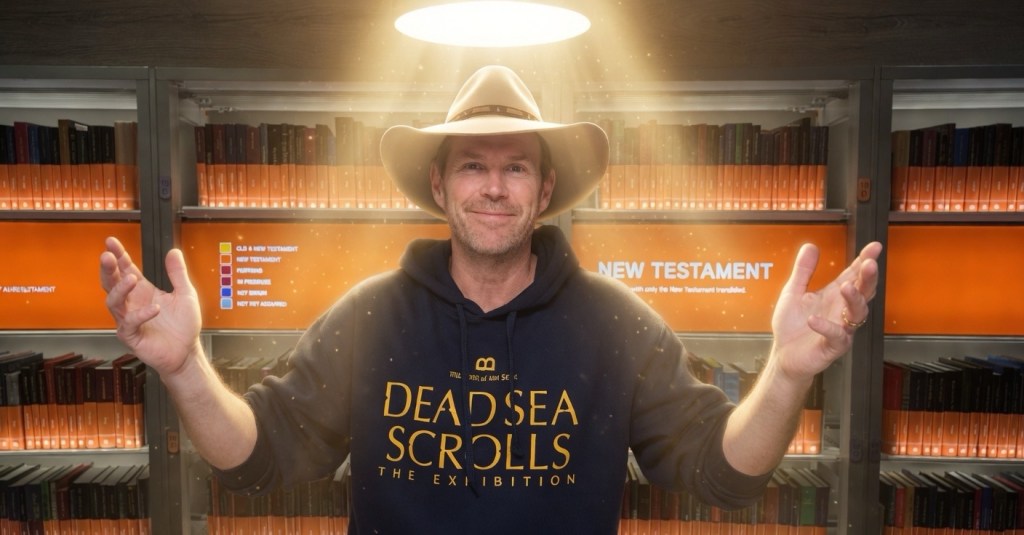
About the Author: Rich Hoffman

Rich Hoffman is an aerospace executive, political strategist, systems thinker, and independent researcher of ancient history, the paranormal, and the Dead Sea Scrolls tradition. His life in high‑stakes manufacturing, high‑level politics, and cross‑functional crisis management gives him a field‑tested understanding of power — both human and unseen.

He has advised candidates, executives, and public leaders, while conducting deep, hands‑on exploration of archaeological and supernatural hotspots across the world.

Hoffman writes with the credibility of a problem-solver, the curiosity of an archaeologist, and the courage of a frontline witness who has gone to very scary places and reported what lurked there. Hoffman has authored books including The Symposium of JusticeThe Gunfighter’s Guide to Business, and Tail of the Dragon, often exploring themes of freedom, individual will, and societal structures through a lens influenced by philosophy (e.g., Nietzschean overman concepts) and current events.

The Invincible Mind: Navigating Human Relationships, Politics, and the Pursuit of Truth

Human beings interact in countless ways, layered with psychological complexities that often obscure simple truths. Friendships form, alliances shift, and conflicts arise—not always from malice, but from differing visions of what is right. In politics especially, these dynamics intensify: tides turn, candidates rise and fall, and people find themselves on opposite sides of debates. Yet, amid the noise, some relationships endure. Observers sometimes question loyalties: “How can you be so friendly with someone you disagree with politically?”

I’ve had some very public disagreements with people. But I can never think of a time that I wouldn’t ever talk to someone again

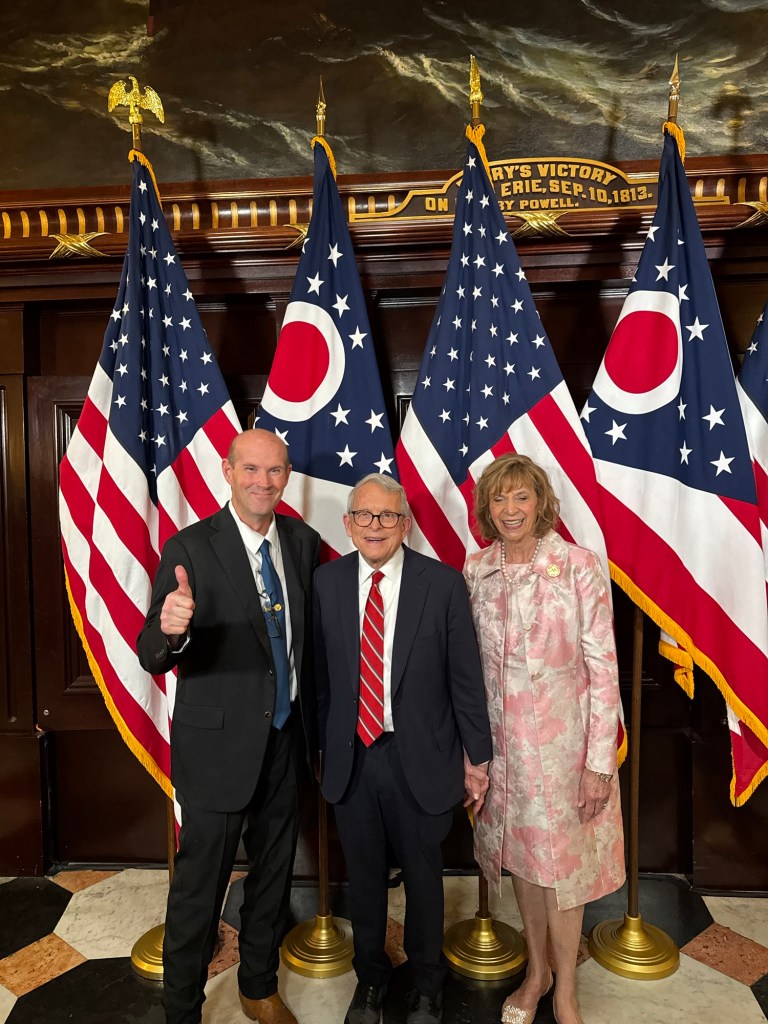
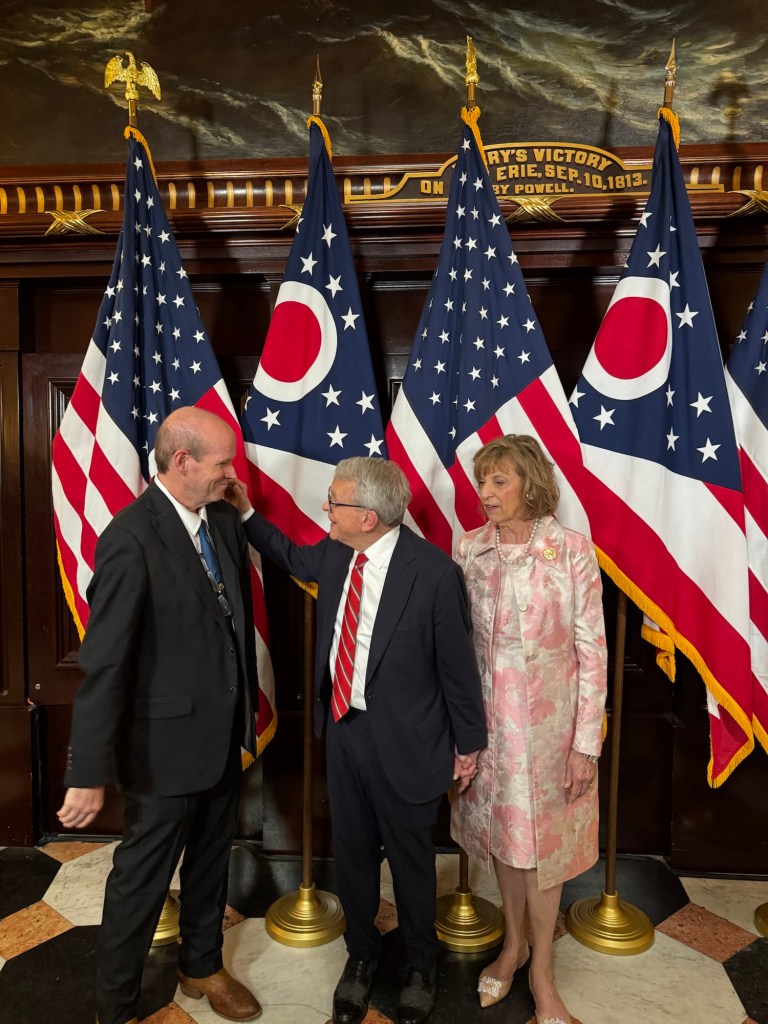
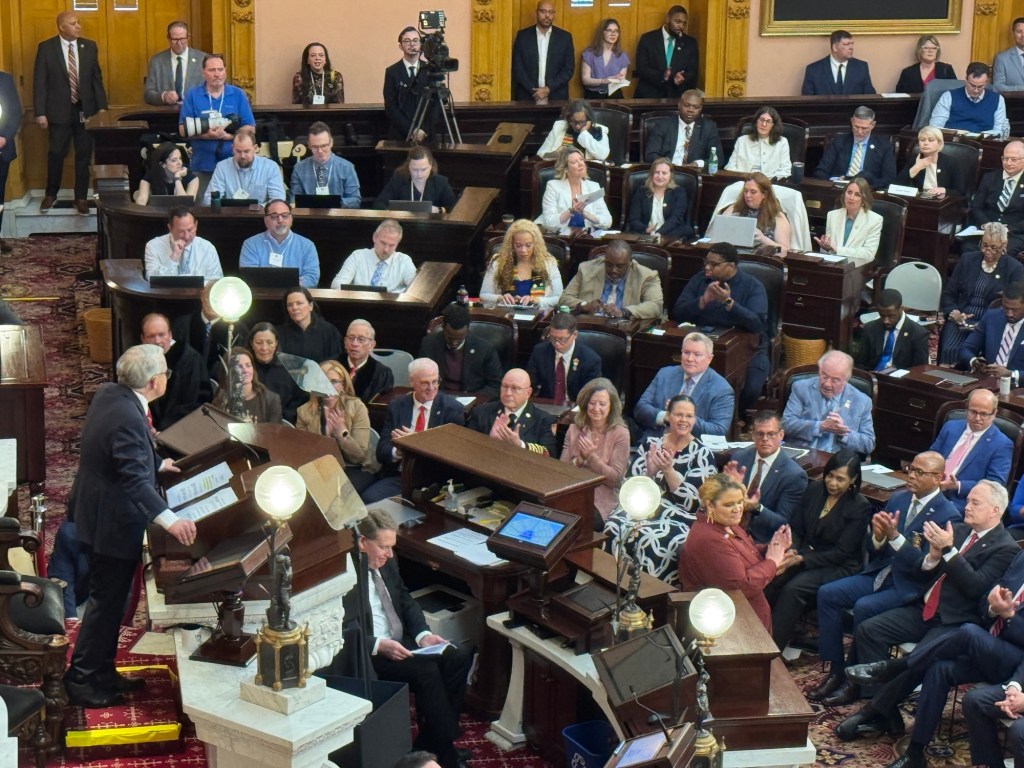
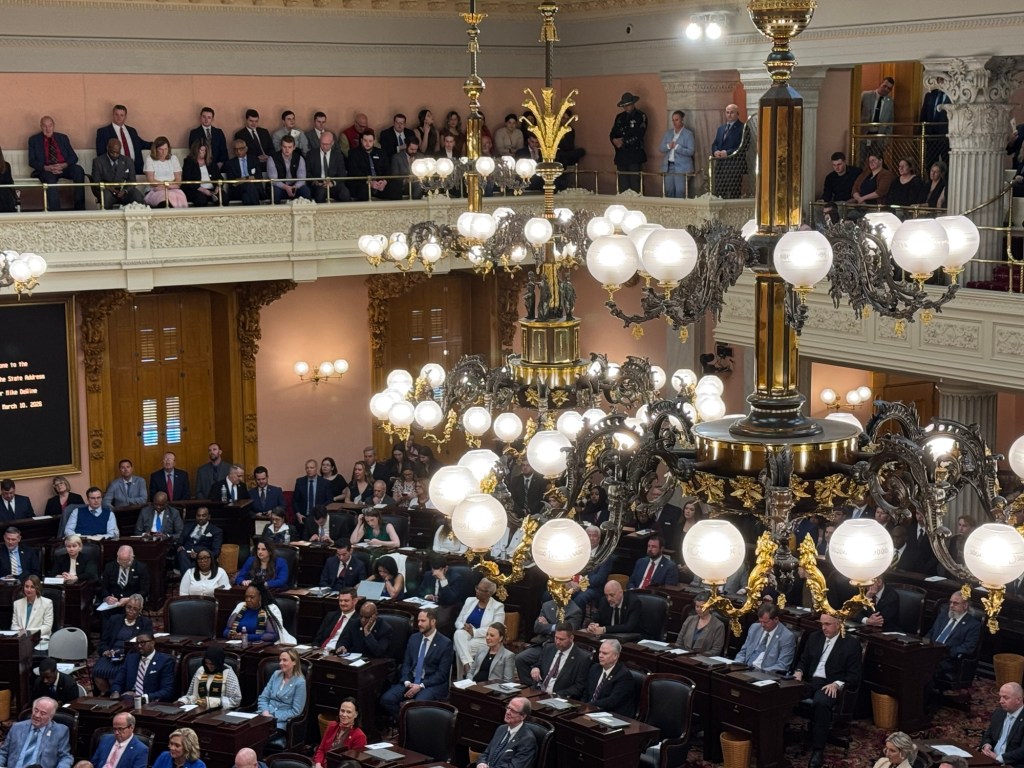
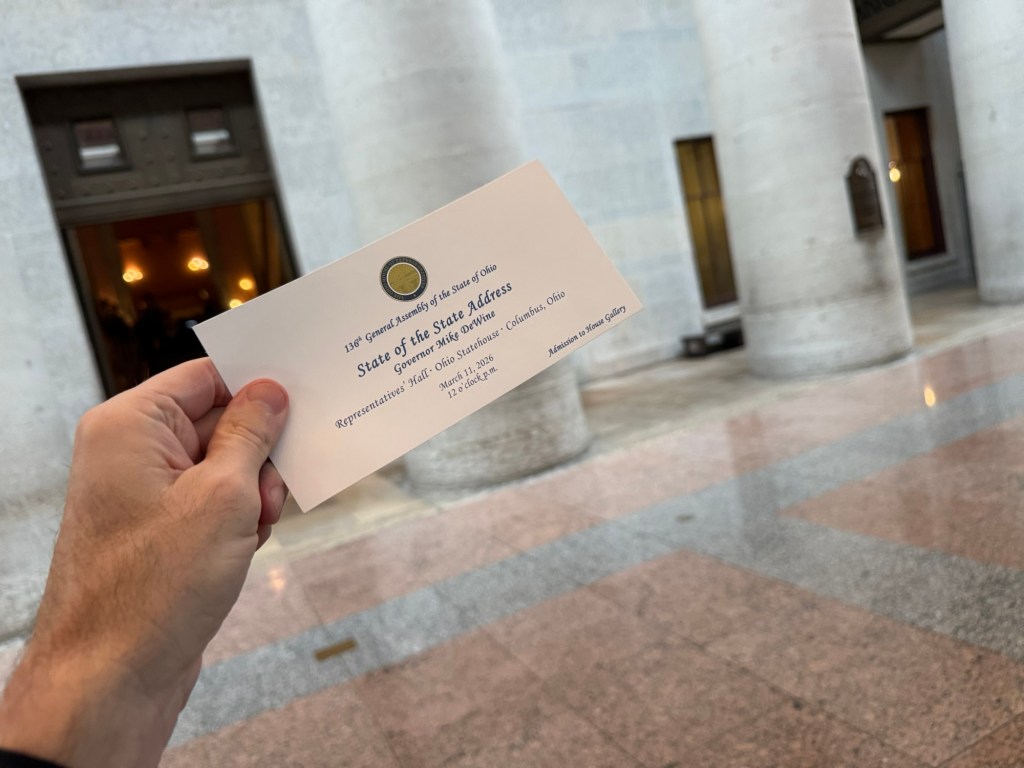
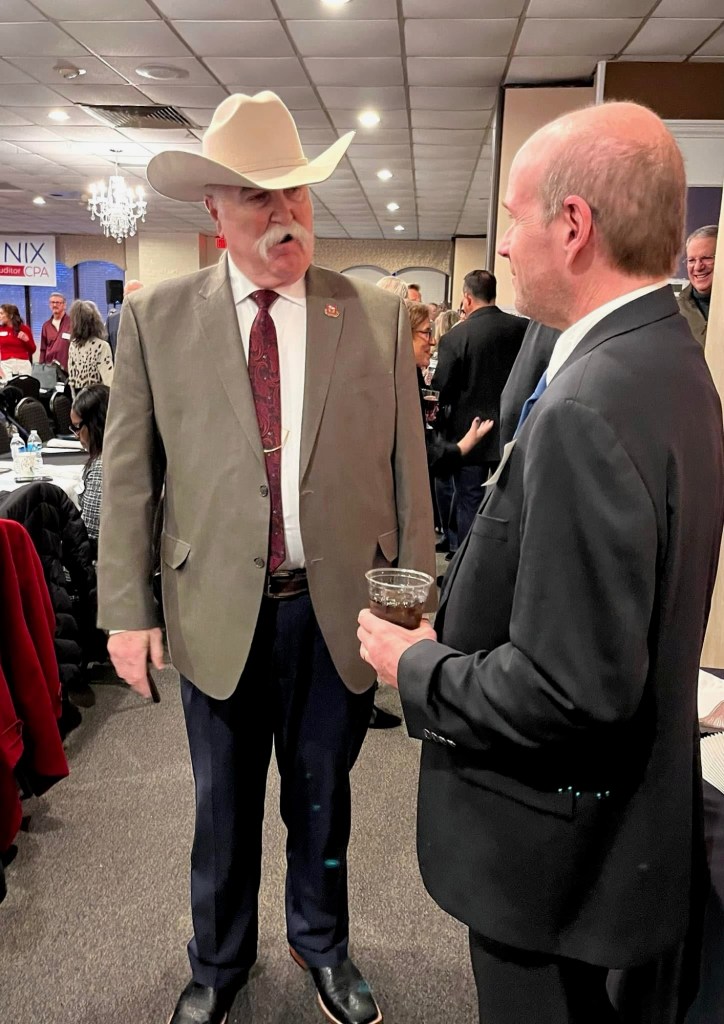
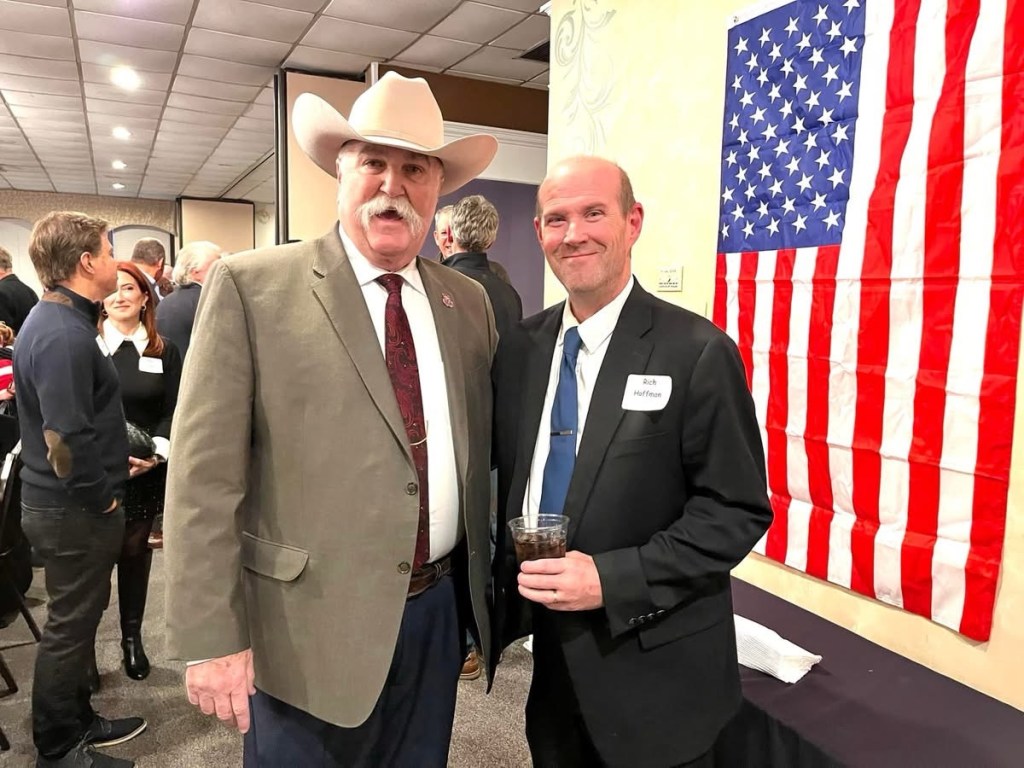
This question has arisen repeatedly in my interactions with Butler County Sheriff Richard K. Jones and many others. We’ve shared public moments of warmth and camaraderie, even as political winds have blown in conflicting directions. The same applies to recent encounters with Ohio Governor Mike DeWine. After years of sharp criticism—particularly over his administration’s handling of COVID policies and other matters—I shook his hand following his final State of the State address. We discussed areas of agreement, such as Second Amendment rights and efforts to combat AI-generated child exploitation. These moments highlight a core principle: genuine regard for individuals ‘ needs need not hinge on perfect alignment. Relationships built on authenticity withstand disagreement; those rooted in manipulation crumble.

We were talking about his wife’s great cookies. The second amendment during his administration. Taxes. And his endorsement of Vivek Ramaswamy.

This perspective stems from a life shaped by diverse encounters. Growing up in Ohio, I navigated rough characters and “celebrity” figures in my early adult years—individuals carrying heavy psychological burdens and disappointments. These experiences, often intense and sleepless, taught navigation of human darkness. I awoke each day intent on being the “good guy,” never contemplating villainy. This innate drive toward justice, perhaps divinely guided, clashed with destructive forces, leading through ominous courtrooms and rigorous trials.

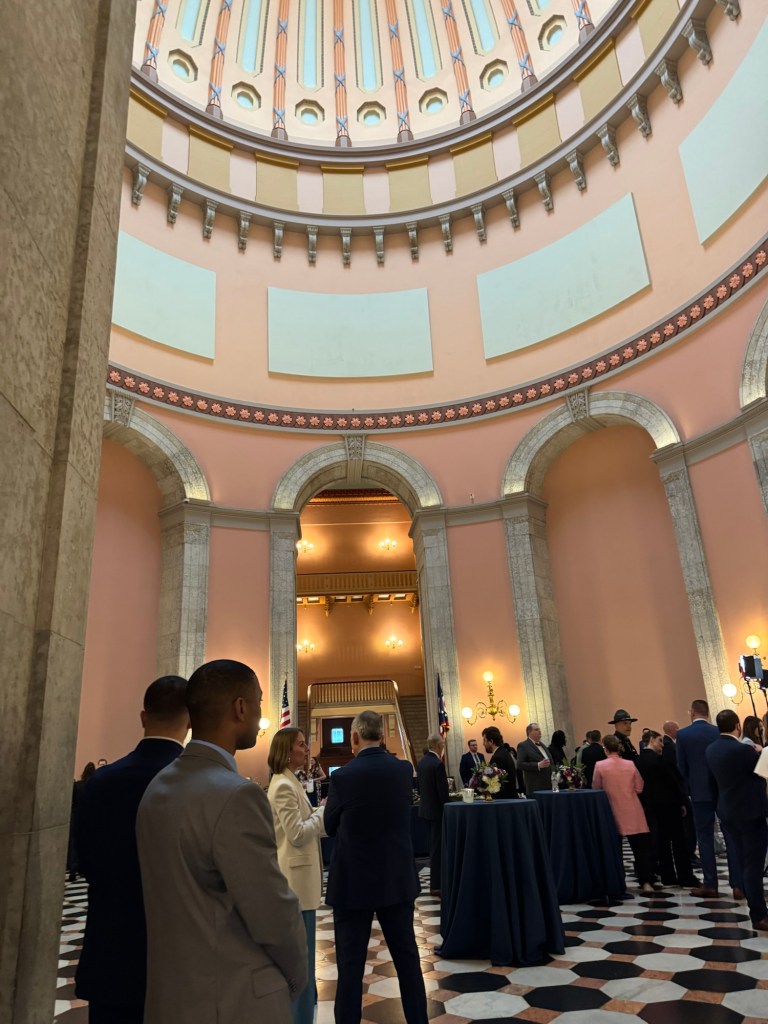
The lofty expectations of public office. Few people ever live up to those expectations. But the building was built with the expectation of exceptionalism.

These trials instilled resilience. I’ve seen the worst of human behavior: betrayal, manipulation, and raw conflict. Yet, they clarified priorities. Nothing since has felt catastrophic by comparison. This foundation allows aloof observation—staying “lofty” amid chaos—while engaging directly when needed.

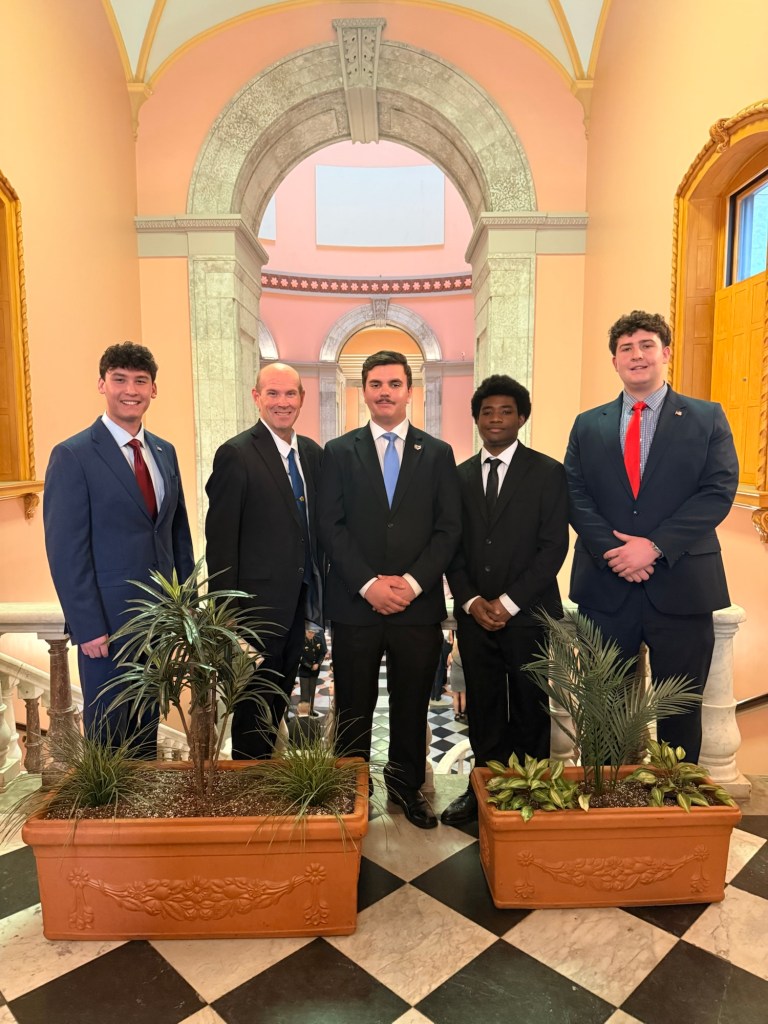
I love to see the future, in the here and now. Great young people!

Professionally, I’ve channeled this into commentary via platforms like The Overmanwarrior blog, podcasts, and writings (including books like The Symposium of Justice and business guides). As a fast-draw enthusiast and strategist, I’ve advised on local and state issues. Public friendships, like with Sheriff Jones, stem from shared values on law, order, and community—despite occasional political divergences. These are not performative; they’re authentic.

Most relationships reduce to two levers of control. The first is friendship as leverage: people offer smiles, hugs, or inclusion to gain compliance. When denied, they withdraw—“I’m not your friend anymore unless you…” This mirrors childhood games (stickers on lockers) and adult dynamics (passive-aggression in marriages, where affection is withheld until demands are met). In politics, it’s “endorse my candidate or lose my support.” Women and men alike use emotional coziness as currency; it’s learned early and persists.

The second is the threat of violence or intimidation. When friendship fails, escalation follows: harassment, protests, spiritual “warfare,” or physical threats—“Do what I say or face consequences.” Authoritarian regimes amplify this; bullies in parking lots embody it personally. Both aim at submission through fear.

I’ve rejected both. Secure in my positions, I express them openly—here, on podcasts, in writing—without needing validation. Disagreement doesn’t prompt cliff-jumping; it invites dialogue or indifference. If someone withdraws friendship over opinions, that’s their choice. If intimidation arises, I handle it unflinchingly, drawing from early lessons in facing rough characters.

This stance echoes timeless wisdom, like Sun Tzu’s The Art of War: become invincible by rendering tactics ineffective. Control what you can—your actions, values, responses—and influence outcomes without direct domination.

Sheriff Jones exemplifies this. We’ve agreed on much: law enforcement, border security, deportations, and community protection. His office’s work with ICE and unapologetic stance on illegal immigration align with my views. Publicly, we’re friendly—podcasts, events, and genuine conversations about his brand and duties.

Yet, political motivations diverge at times. Endorsements or strategies might differ. Critics note our chumminess amid such gaps, confused by loyalty despite opposition. The answer: I like him authentically. His character, spine, and public service earn respect. If we clash, we may not talk for a while—that’s fine. Friendship isn’t conditional on perfect alignment. I won’t manipulate him (or allow manipulation) to force agreement. Truth emerges through pressure and process, not emotional blackmail.

This extends broadly. I like many who’ve opposed me politically, and I reserve the right to value people independently. Indifference to reciprocity preserves freedom.

A recent addition underscores this: Governor DeWine’s final State of the State address. His administration faced criticism—over COVID handling and other policies—creating opposition, which I had been very critical of, rightfully so. Yet, post-speech, we shook hands and spoke cordially.

We aligned on key issues: Second Amendment defense, and crucially, combating AI-generated child sexual abuse material (often called “simulated” or “AI child porn”). DeWine and Attorney General Dave Yost highlighted predators using AI to create exploitative images of children, urging legislation to criminalize creation, possession, and distribution. This addresses a growing threat where legal gaps allow evasion of traditional child pornography laws. I expressed support, noting agreement despite past differences, such as when Yost was running against my supported candidate, Vivek Ramaswamy for governor.

This exchange wasn’t leverage-seeking. It prioritized common ground—protecting children—over grudges. Putting differences aside when opportunities arise fosters the emergence of truth, not manipulation through fear of lost friendship.

Politics amplifies these dynamics: RINOs vs. traditional conservatives, reform movements, religious clashes. Belief systems collide; scores settle. Yet, values about people shouldn’t depend on outcomes. I like or dislike based on character, not scoreboard.

Pursuing righteousness means respecting all sides, allowing truth to reveal itself through conflict’s “fog of war.” Hot tempers subside; smoke clears; good emerges. Manipulation—friendship withdrawal or intimidation—crowds ideas into small-mindedness. Independence enables macro focus: immortal existence over micro squabbles (marriages, divorces, family disputes).

A good friend of mine gave me some homework to do

I’ve built a life affording this luxury: secure positions, no fear of loss. Many seek friendship; time limits interactions. Some engage strategically to advance balls—purely functional, not manipulative.

It’s okay to like those who hate you, to be friendly with opponents, and to shake hands after battles. Truth often surfaces in conflict; observation reveals positions. By staying outside manipulation’s reach, one accomplishes greatly where others falter.

In the end, righteousness is rooted in truth, not personal desires or leverage. Respect others’ thoughts—even wrong ones. Good people come around; disputes fade. We shake hands, share hot dogs at picnics, and discuss lofty things as emotions drift.

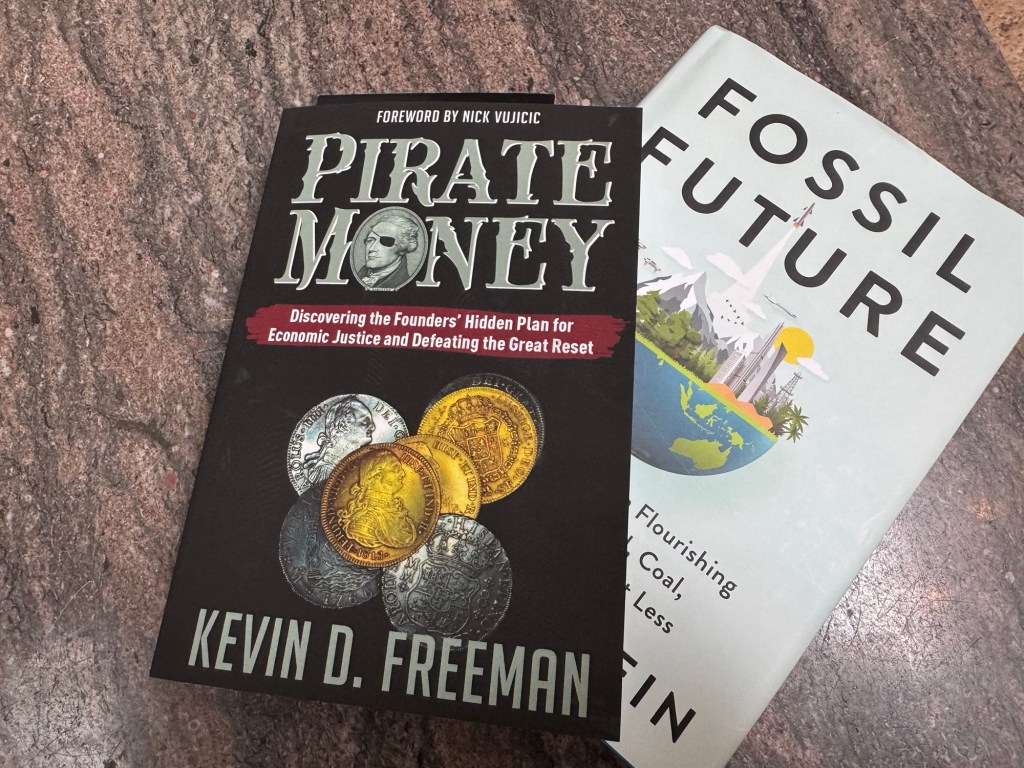
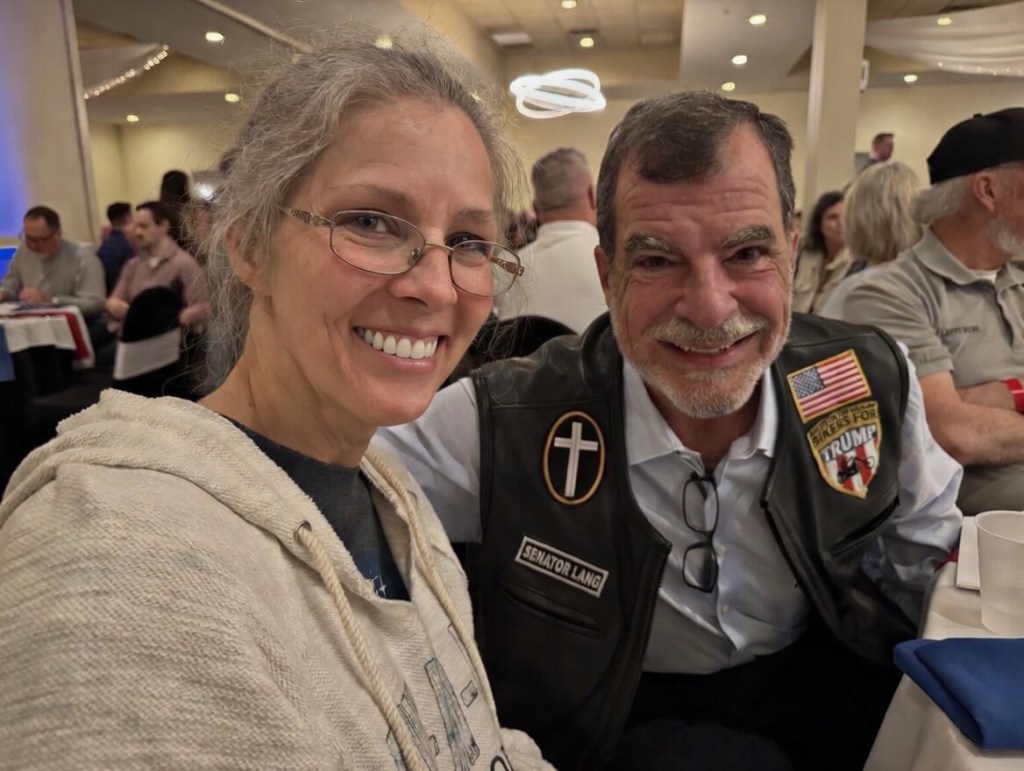
George Lang is a great guy in all aspects, what a lot of people don’t know about him is he loves books. Something we share beyond the immediacy of politics

 Bibliography

Overmanwarrior blog (overmanwarrior.wordpress.com) – Primary source for writings on politics, philosophy, and personal insights. Butler County Sheriff’s Office interactions – Public podcasts and events with Sheriff Jones (e.g., discussions on immigration, law enforcement). Ohio Governor Mike DeWine’s State of the State address (2026) – Focused on AI restrictions, including child exploitation; references from news coverage (e.g., Toledo Blade, ABC6). Attorney General Dave Yost’s efforts – Collaboration on bills like SB 217/SB 163 targeting AI-generated CSAM. The Art of War by Sun Tzu – Concept of invincibility through non-engagement with opponent strengths. Personal books: The Symposium of Justice, business guides – Available via Overmanwarrior platforms.

This framework allows engagement without compromise, advancing righteousness amid human complexity.

1.  Hoffman, Rich. The Symposium of Justice. iUniverse, 2004.

A novel blending fiction with philosophical themes of justice, freedom, and confronting sinister forces—written as a counterpoint to real-world political and personal battles. Available on Amazon: https://www.amazon.com/Symposium-Justice-Rich-Hoffman/dp/1412020158.

2.  Hoffman, Rich. Tail of the Dragon. CreateSpace Independent Publishing Platform, 2012.

Explores themes of freedom, law, and high-stakes conflict through a narrative rooted in real altercations and political activism and often described as “faction” (fact-based fiction).

3.  Hoffman, Rich. The Gunfighter’s Guide to Business: A Skeleton Key to Western Civilization. Liberty Hill Publishing, 2021.

A practical and philosophical guide that draws parallels among gunfighting strategy, business, and life—offering a Western counterpoint to Eastern classics like The Art of War. Emphasizes invincibility through preparation and independence. Available on Amazon and referenced in Hoffman’s bio.

4.  Hoffman, Rich. “The Overmanwarrior” (blog). WordPress.com, ongoing since ~2010. Primary URL: https://overmanwarrior.wordpress.com/.

Daily posts on politics, culture, philosophy, personal stories, and current events in Ohio (e.g., Butler County issues, tax fights, and human dynamics). Includes author bio, reflections on early life, and discussions of books like The Symposium of Justice.

5.  Sun Tzu. The Art of War. Translated by Lionel Giles (1910 edition) or modern versions (e.g., Everyman’s Library). Original ~5th century BCE.

Key concept from Chapter 4 (“Formation”): “Invincibility lies in oneself; vulnerability lies in the enemy.” The skilled make themselves invincible through self-preparation, rendering opponent tactics ineffective—directly echoed in the essay’s rejection of manipulation levers.

6.  “DeWine calls for new AI regs, parental control rules in 2026 State of the State.” Cleveland.com (via various outlets, including Facebook reposts and Toledo Blade coverage), March 2026.

Covers Governor Mike DeWine’s final State of the State address, urging legislation on AI guardrails, including outlawing the creation, possession, and distribution of AI-generated child sexual abuse material (CSAM). Aligns with the essay’s mention of agreement on child protection despite past differences.

7.  “Ohio struggles to combat AI-generated child porn amid legal gaps.” ABC6 On Your Side, January 29, 2026.

Details legislative efforts (involving DeWine and Attorney General Dave Yost) to close gaps in prosecuting AI-simulated child exploitation, highlighting the growing threat and push for criminalization.

8.  Butler County Sheriff’s Office. “In The Saddle With Sheriff Richard K. Jones” (podcast series). Apple Podcasts and related platforms, ongoing.

Episodes featuring Sheriff Richard K. Jones on law enforcement, immigration (e.g., 287(g) agreements), and community issues. Includes collaborations and discussions with Rich Hoffman (e.g., Rumble episodes on ICE detainees and related topics).

9.  Various public interactions: Butler County Sheriff’s Office Facebook posts and YouTube videos (e.g., “Ohio 287(g) with Butler County Sheriff Richard Jones,” November 2025).

Document friendly exchanges, podcasts, and joint appearances between Sheriff Jones and Rich Hoffman on topics like border security and prisoner handling.

Top Notes for Further Reading

•  Start with Hoffman’s blog (The Overmanwarrior) for the most direct, unfiltered context—search archives for terms like “Sheriff Jones,” “DeWine,” “friendship,” “manipulation,” or “invincibility” to find raw reflections mirroring the essay’s monologue.

•  For philosophical grounding on invincibility and non-manipulative strategy, read The Art of War Chapter 4 alongside The Gunfighter’s Guide to Business—Hoffman explicitly positions his work as a Western response to Sun Tzu.

•  On Ohio politics and the examples: Follow coverage from Cleveland.com, Toledo Blade, and ABC6 for updates on AI/CSAM bills (e.g., potential SB 217/SB 163 analogs) and DeWine’s 2026 address. Sheriff’s Office social media provides real-time context on Jones’ work and public persona.

•  For broader insights into human relationships and power dynamics: Explore related classics like Machiavelli’s The Prince (on manipulation) or Nietzsche’s ideas on the “overman” (influencing the blog’s name), though Hoffman’s approach emphasizes righteousness over conquest.

Rich Hoffman

More about me

Click Here to Protect Yourself with Second Call Defense https://www.secondcalldefense.org/?affiliate=20707

About the Author: Rich Hoffman

Rich Hoffman is an independent writer, philosopher, political advisor, and strategist based in the Cincinnati/Middletown, Ohio area. Born in Hamilton, Ohio, he has worked professionally since age 12 in various roles, from manual labor to high-level executive positions in aerospace and related industries. Known as “The Tax-killer” for his activism against tax increases, Hoffman has authored books including The Symposium of JusticeThe Gunfighter’s Guide to Business, and Tail of the Dragon, often exploring themes of freedom, individual will, and societal structures through a lens influenced by philosophy (e.g., Nietzschean overman concepts) and current events.

He publishes the blog The Overmanwarrior (overmanwarrior.wordpress.com), where he shares insights on politics, culture, history, and personal stories. Active on X as @overmanwarrior, Instagram, and YouTube, Hoffman frequently discusses space exploration, family values, and human potential. An avid fast-draw artist and family man, he emphasizes passing practical skills and intellectual curiosity to younger generations.

The Spine of Courage and Self-Government in Butler County, Ohio: Meeting great kids at the Friends of Youth Shooting Sports fundraiser and dinner

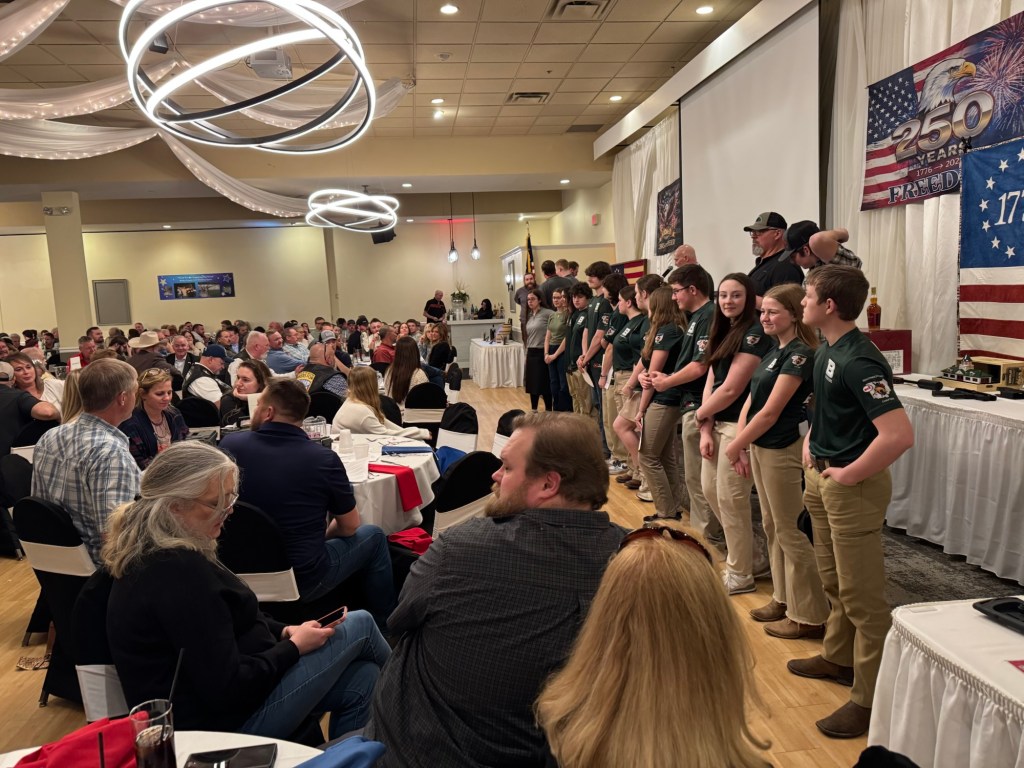
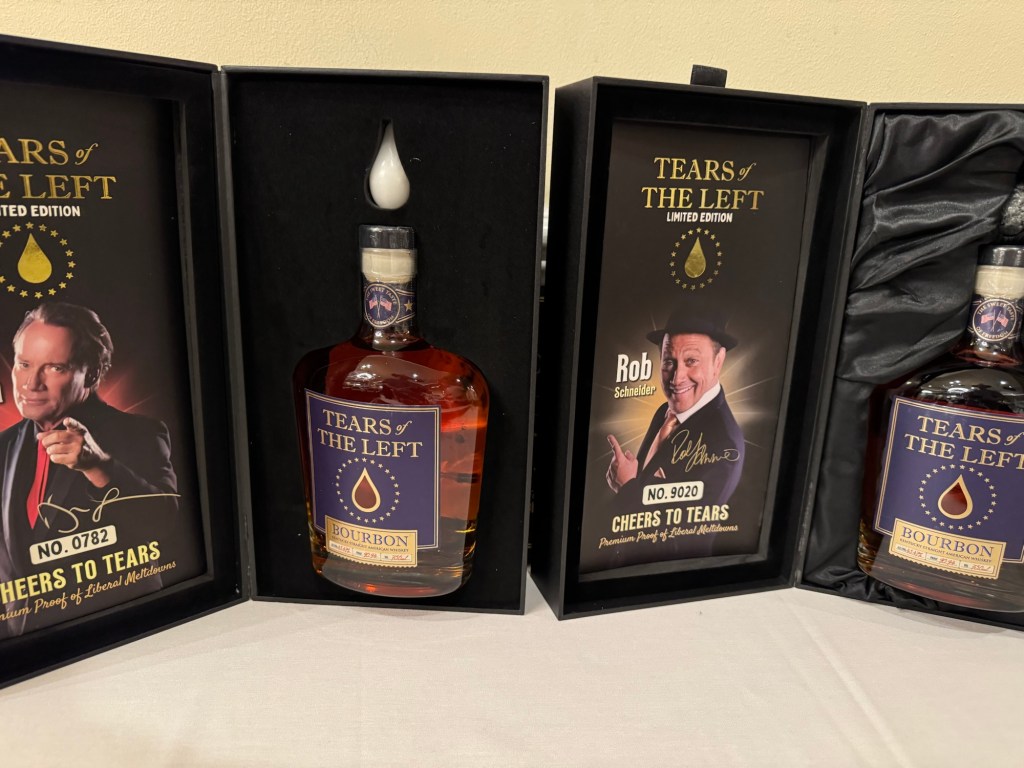
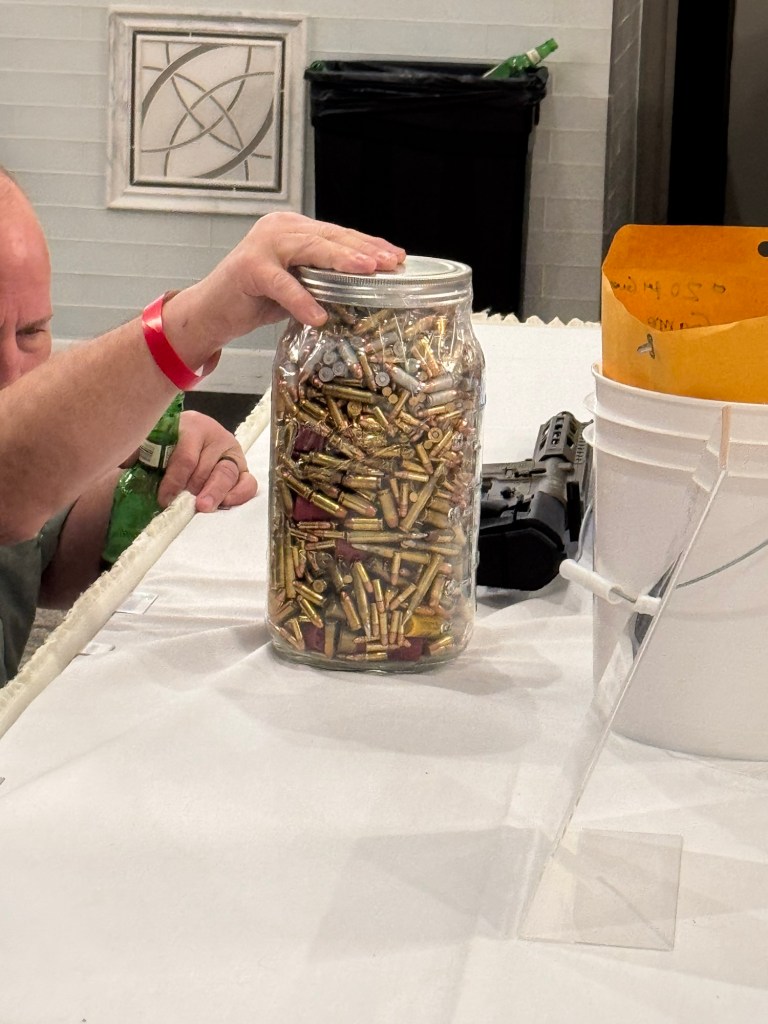
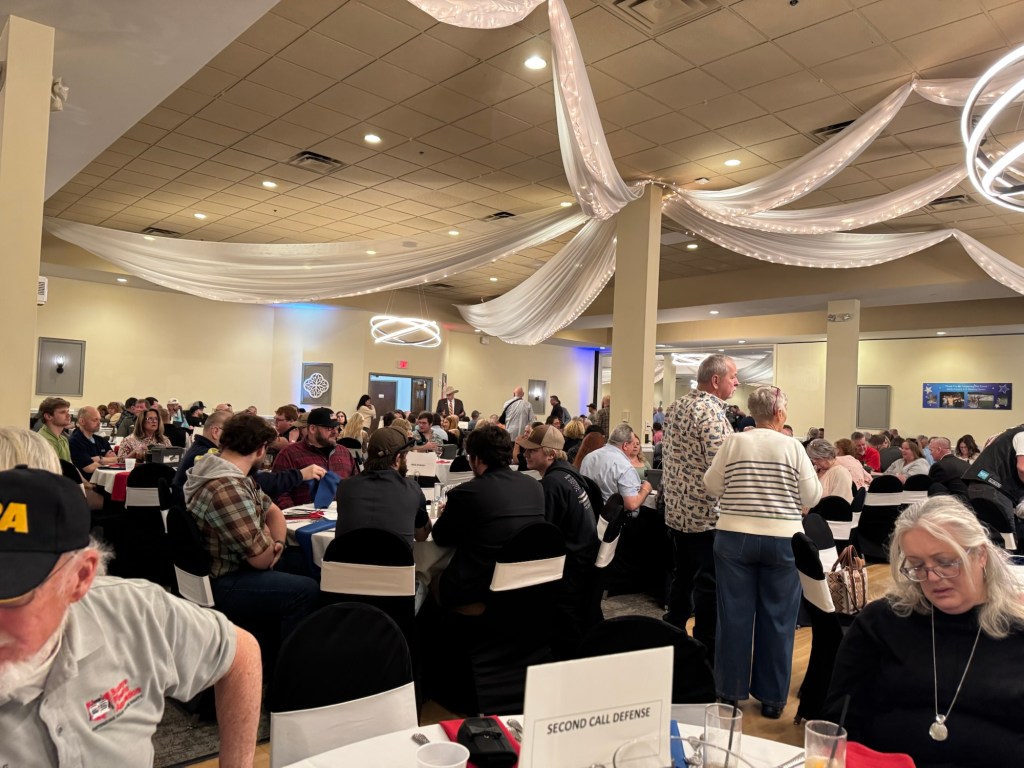
It was really nice to attend the Butler County Friends of Youth Shooting Sports annual fundraiser dinner and auction on March 6, 2026, at Receptions of Fairfield. The place was packed with a large crowd of good, normal people—families, shooters, law enforcement folks, and community leaders—all there to support youth programs that teach firearm safety, marksmanship, discipline, and responsibility. I enjoyed every minute of it: the excellent food, the company, the auctions (silent and live, with plenty of guns and gear on offer), raffles, games, and the overall positive energy in the room. Doors opened at 5:30 p.m., and my wife and I stayed for three or four hours, just soaking it in and talking with good people who share the same fundamental values.

What stood out most was meeting so many young people involved in shooting sports. These kids have a brightness in their eyes, a confidence that comes from handling responsibility early. They learn to clean guns properly, shoot straight, hit targets, and manage danger in a controlled, supervised way. That kind of training builds character—it translates to life. You don’t see school shootings or reckless behavior from kids raised like this. Instead, they grow into solid adults who value family, hard work, and living constructively. They buy cars thoughtfully, choose good spouses, raise their own kids right, and pass on those same lessons.

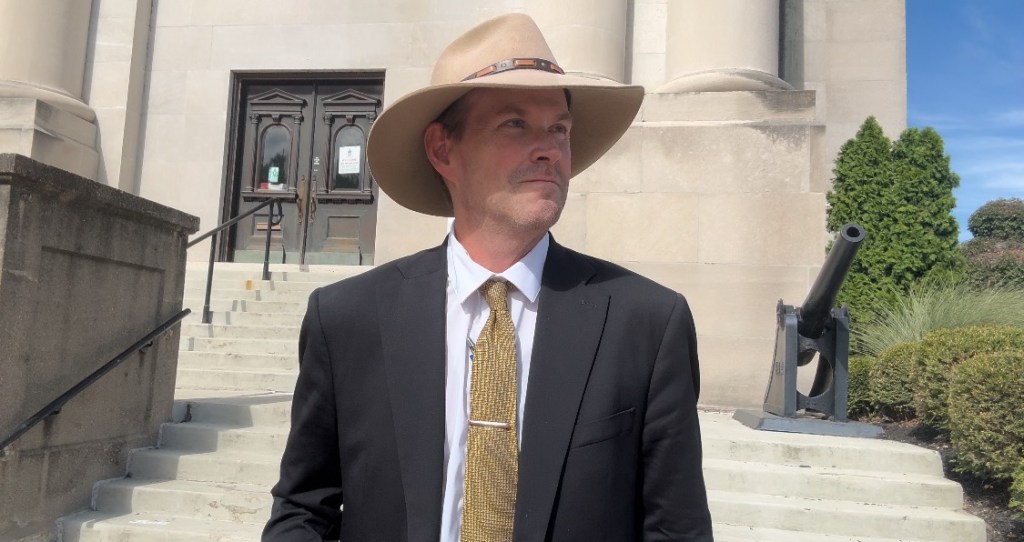
I particularly enjoyed meeting the children of Butler County Treasurer Mike McNamara. He’s stepped into a big role after Nancy Nix (who was outstanding as treasurer and is now doing great as auditor), and he’s really grown on me. When he first took over, I wondered if anyone could fill those shoes as well as Nancy did, but Mike has proven himself capable and committed. More importantly, he’s solidly behind the Second Amendment and shooting sports. His kids were there wearing nice cowboy hats—just like I did back in third, fourth, and fifth grade, and still do today. We got into a fun conversation about it. People always ask why I wear a cowboy hat everywhere, and I tell them it’s my way of declaring I’m aspiring to something different from the mainstream secular world. It’s like wearing a T-shirt or pin that says, “I’m not going along with the crowd.” Those kids had the same spirit—bold, unapologetic, proclaiming traditional values at a young age. Their eyes had that refreshing light; you can see a lot about the parents in how the children carry themselves. Mike and his wife have raised a solid family, and it was heartening to see.

The event reminded me why these gatherings feel so reassuring. In everyday life—at Walmart or out in broader society—you encounter all kinds of people, some bright-eyed and well-raised, others not so much. Maybe they didn’t have good parents or healthy influences. Conservatives tend to be accommodating toward those folks, giving them a fair shake while holding to our own standards. But when you step into a room like this one, filled with hundreds of people dedicated to the Second Amendment, you see what’s possible when values align: large crowds of normal, productive people celebrating youth excellence, law and order, and personal liberty.

Handling firearms responsibly does something profound for a person. It teaches you to manage danger, focus, follow rules, and achieve precision. Those skills carry over. Kids who excel in shooting sports under good supervision become reliable adults. They don’t turn to violence; they build healthy lives. That’s why programs like those supported by Friends of Youth Shooting Sports—through 4-H clubs, local ranges, safety training, and more—are so vital. Every dollar raised stays local, funding equipment, events, and opportunities for Butler County kids.

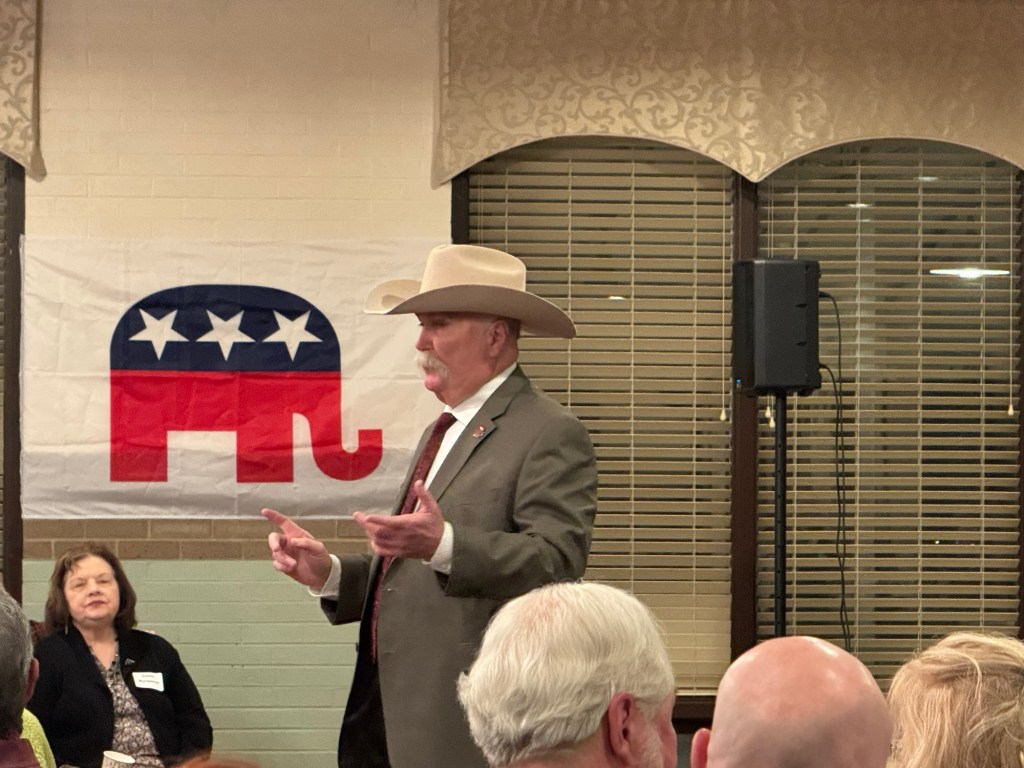
Prominent people were there, fully embracing these principles. Sheriff Richard K. Jones gave a powerful speech that captured the mood perfectly. He talked about standing firm despite constant lawsuits (he said he has about 20 at any time), threats, and even people following him to the restroom trying to kill him. But he takes it—he has a spine. His office has deported thousands of illegal immigrants from dozens of countries, working with ICE, putting up signs that say “illegal aliens” without apology. He warned about border threats, getaways, potential terrorists already here, and urged everyone to be careful when traveling or at festivals. He credited President Trump for giving folks like him the backbone. The room erupted in chants: “Trump, Trump, Trump,” then “Vance, Vance, Vance” (a nod to potential future leadership), and “USA, USA.” It was electric, patriotic, and unfiltered.

Sheriff Jones has built a culture of law and order in Butler County. His jail got featured on Discovery Channel’s 120 Hours Behind Bars recently—showing productive reforms, even the infamous Warden Burger (which I’ve tried on tours; yeah, it’s as bad as the jokes say). He’s in his sixth term, setting an example others emulate. People like him, Treasurer McNamara, State Senator George Lang (majority whip and a strong supporter of shooting sports), and Sean Maloney (the main organizer from Second Call Defense) make these events what they are.

Sean Maloney has poured his passion into Second Call Defense for years. It’s a network that provides legal and financial help if you use a firearm in self-defense—protecting you from the legal headaches that often follow, even when you’re in the right. Ohio’s laws have improved dramatically over the last decade: better stand-your-ground, concealed carry, and self-defense protections. Groups like his have helped make that happen.

I support Second Call Defense because it’s effective, and events like this one demonstrate the community’s backing for it. We talked about real concerns—off the mainstream media grid—things the popular narrative pushes against: gun ownership as essential to preventing tyranny, whether from kings, Marxism, or overreaching government acting like a parent over adults. A world without self-defense rights leads to administrative intrusions on liberty. That’s not the trajectory humanity should take.

Butler County feels unique. It’s MAGA country through and through—from Tea Party days to Trump’s wins (and I believe the 2020 irregularities were real; free speech in 2024 helped bring sanity back). CNN even came here years ago, interviewing folks at places like Rick’s Tavern near the venue, trying to figure out why we supported Trump despite the scandals and attacks. It’s because we see through power-structure games. Gun ownership is key: a population armed and trained stays free to speak, organize, and resist overreach.

That’s why I’ve stayed in Butler County all these years, despite chances to live or work elsewhere. Sheriff Jones’s speech nailed it—local pride, taking care of our own, standing up. Property values are high; it’s desirable to live here because of safe communities, strong families, and representatives who embody the character: law and order, Second Amendment support, and traditional values.

This wasn’t a bunch of fringe types talking revolution. These are everyday people—government officials, families, business folks—who elect leaders like Jones (popular for decades), McNamara, and Lang. They want this kind of representation. Strip away the social layers, and you see shared beliefs about building a good society: family, individual strength, and no centralized parental government.

Seeing the youth there—the next generation with cowboy hats, bright eyes, no fear—gives hope. I’ve seen that same light in rodeos, Christian groups, Bible studies: confident kids from strong families and support structures. It starts with learning to handle firearms safely and building confidence under adult guidance. That produces people who stick around for decades, keeping the Republican Party strong here and events like this thriving.

The mainstream media slants toward progressive agendas—disarmament, accommodation of brokenness over traditional standards. But we’re not victims. We’ve been polite, giving seats at the table, but we don’t have to accept their direction. Events like this remind me that goodness is worth fighting for.

It was a wonderful evening—good food, great company, encouragement from like-minded people. I appreciated the invite and loved meeting the young people, especially those like McNamara’s kids. Their boldness, the light in their eyes—it’s refreshing. That’s why places like Butler County endure and why these principles matter: family building, strong individuals, defense of liberty through understanding and ownership of firearms.  Gun ownership is the key to a successful society of self-rule.  And that is the backbone of success in Butler County, Ohio.

Footnotes

1.  Event details from American Freedom Liberty Foundation (aflf.org/banquet), confirming March 6, 2026, at Receptions of Fairfield, with activities including dinner, auctions, raffles, and local youth program support.

2.  Sheriff Jones’s background and jail features were drawn from public reports (e.g., Discovery Channel 120 Hours Behind Bars, March 2026 coverage).

3.  Second Call Defense and Sean Maloney from the official site (secondcalldefense.org).

4.  Butler County officials (McNamara, Nix, Lang) from county websites and election records.

5.  Youth shooting programs reference Ohio 4-H and local clubs.

Bibliography

•  American Freedom Liberty Foundation. “Butler County Friends of Youth Shooting Sports Banquet.” aflf.org/banquet.

•  Buckeye Firearms Association. Related banquet announcements (2025–2026).

•  Butler County official sites (treasurer.bcohio.gov, etc.).

•  Second Call Defense. secondcalldefense.org.

•  Local news on Sheriff Jones (WVXU, Journal-News, 2026).

If you’d like tweaks or more details, say the word.

Rich Hoffman

More about me

Click Here to Protect Yourself with Second Call Defense https://www.secondcalldefense.org/?affiliate=20707

The Cool Head of Deputy Mike Farthing: Why the Butler County, Ohio police are one of the best in the world

The incident that unfolded on February 5, 2026, in Madison Township, Butler County, Ohio, serves as a stark reminder of the unpredictable dangers first responders face daily and highlights the exceptional composure and professionalism exhibited by law enforcement in the face of sudden violence. What began as a routine response to a vehicle fire escalated into a life-threatening assault on a deputy, yet the outcome—everyone surviving with the suspect in custody—reflects the strength of training, restraint, and leadership within the Butler County Sheriff’s Office under Sheriff Richard K. Jones.

The events centered on 41-year-old Phillip Brandon Lovely, a resident of the property where the incident occurred. Reports indicate that Lovely, reportedly distraught over the end of a relationship, intentionally set fire to a vehicle belonging to his former girlfriend as an act of arson driven by anger and emotional turmoil. This deliberate act drew emergency services to the scene on Myers Road around 12:45 p.m., including Deputy Mike Farthing of the Butler County Sheriff’s Office.

Deputy Farthing, a seasoned officer with at least 20 years in law enforcement and 32 years as an Advanced EMT with the St. Clair Township/New Miami Life Squad, arrived first. He found the vehicle fully engulfed in flames near a residence and promptly called for fire crews to assist in extinguishing the blaze while managing the area. Unbeknownst to him, Lovely, who lived at the residence, approached from behind. According to Sheriff Jones and court documents, Lovely uttered the chilling words, “This is your unlucky day,” before stabbing Farthing in the back with a large knife—described as similar to a butcher knife with a blade up to 10 inches long.

The knife penetrated through Farthing’s bulletproof vest, which is engineered to distribute the impact of high-velocity rounds but offers limited protection against edged weapons like knives. The blade entered approximately 1.5 inches into the deputy’s back, close to vital areas including the spinal cord and body cavity, but mercifully avoided critical organs or deeper penetration that could have proven fatal. Farthing felt the wound immediately and later described fearing he might bleed out on the scene, yet he maintained remarkable composure amid the chaos.

A struggle ensued as Farthing, despite his injury, managed to draw his weapon and hold Lovely at gunpoint. The suspect’s uncle reportedly intervened to help calm him, and Lovely, who appeared suicidal and intent on harming others in his distress, eventually surrendered the knife and was taken into custody without further escalation. Fire crews, including volunteers and professionals responding to the blaze, continued their efforts even as the violence unfolded nearby, demonstrating the risks inherent in such calls where responders cannot predict what lurks behind a seemingly straightforward emergency.

Sheriff Richard K. Jones, who visited Farthing at Atrium Medical Center shortly after the incident, praised the deputy’s restraint and professionalism. Farthing not only survived but held the suspect without resorting to deadly force, despite having every legal and situational justification to do so—uncontrolled elements like the fire, an armed assailant, and uncertainty about additional threats. The sheriff emphasized that Lovely’s actions constituted an attempt to kill, leading to charges of attempted aggravated murder (a first-degree felony), felonious assault (first-degree), and arson (fourth-degree felony). Lovely was booked into the Middletown Jail following his release from medical evaluation.

Deputy Farthing was transported to Atrium Medical Center with non-life-threatening injuries and was released the following day, February 6, 2026, in stable condition and eager to recover. Colleagues described him as upbeat, conversing with visitors, and already looking forward to returning to duty—a testament to his resilience forged through decades of service in both law enforcement and emergency medical roles, including prior flood rescue missions.

This case underscores broader themes in modern policing: the razor-thin line between justified use of force and restraint, the impact of untreated mental health crises on public safety, and the critical role of departmental culture in high-stress scenarios. Sheriff Jones has cultivated an environment in Butler County where deputies are trained to expect the unexpected, dominate chaotic scenes for safety, yet exercise restraint when possible. Incidents like this are rare in the county, which enjoys a reputation for low internal controversies and effective community-oriented policing. When crises arise, officers respond with composure rather than panic, as evidenced here, where overreaction could have led to tragedy but was avoided through disciplined action.

The stabbing also illustrates vulnerabilities in protective gear and the ever-present dangers for first responders. Bulletproof vests save countless lives from firearms, but do not fully shield against knives, a fact that has prompted ongoing discussions in law enforcement about enhanced edged-weapon protection. Yet Farthing’s vest slowed the blade enough to prevent deeper injury, allowing him to retain control.

Mental health factors appear central to Lovely’s actions. Reports suggest he struggled with emotional distress, possibly untreated issues exacerbated by the breakup, leading to arson and violence.  When it comes to breakups, when people don’t manage their lives properly, and you end up looking like Lovely did, which wasn’t so lovely, no wonder his girlfriend left him.  He didn’t have a job, and he looked like a train wreck.  These men these days need to get a grip.  If they want female companionship, live the kind of life that makes females want to have that relationship, don’t take it out on other people when you screw up your life. Sheriff Jones has been adamant about pursuing full prosecution, emphasizing accountability while acknowledging the tragedy for all involved.

Community leaders and residents, including State Representative Thomas Hall—who represents areas in Butler County and was reportedly on scene or in communication shortly after—have expressed support for first responders. Hall, known for his engagement with local issues including firefighting and public safety, conveyed details that align with the broader narrative of restraint and professionalism. Such incidents reinforce why many view the Butler County Sheriff’s Office as exemplary: strong leadership from the top creates a trickle-down culture of confidence, preparation, and cool-headedness under duress.

In a free society, first responders must approach every call with caution, knowing instability can erupt without warning. Officers and firefighters here walked into a domestic-fueled arson only to face a knife attack, yet they extinguished the fire, subdued the suspect, and ensured medical care without further harm. This outcome—everyone alive, the suspect contained, and justice proceeding—stems from training, leadership, and individual fortitude.

Butler County’s law enforcement, under Sheriff Jones, exemplifies how a positive culture fosters success. Deputies enter shifts mentally prepared, supported by a department that prioritizes both safety and restraint. Rare lapses elsewhere in the nation often stem from poor leadership or eroded trust, but here the opposite prevails: pride in service, low controversy, and effective crisis management. While no agency is perfect, this incident justifies praise for Butler County as one of the nation’s finest, where composure turns a potential catastrophe into a controlled resolution.

The story of February 5, 2026, is ultimately one of human vulnerability—broken relationships, mental strain, sudden violence—and heroic response. Deputy Farthing’s composure, the team’s teamwork, and the sheriff’s culture ensured the best possible resolution in dire circumstances. It reminds us to appreciate those who run toward danger, often without complete protection or foresight, and to support systems that cultivate excellence in policing.  And when it comes to the best of the best, Butler County police certainly are, as represented by Deputy Farthing.  He was stabbed seriously, with a real risk of dying on the scene.  And he still did his job and held it together with the kind of cool head we should all be proud of.  And he will live to work another day, which is good for all of us.  We need more people in the world like Deputy Mike Farthing.

Bibliography

•  Butler County Sheriff’s Office. “For Immediate Release….. February 06, 2026, Stabbing Suspect Charged; Deputy Recovering Well.” Facebook post, February 6, 2026.

•  FOX19 News. “Man tried to kill Butler County deputy at scene of fire, sheriff says.” February 5, 2026. https://www.fox19.com/2026/02/05/sheriff-butler-county-deputy-stabbed-back-1-arrested

•  Journal-News. “Butler County deputy stabbed while assisting at vehicle fire; suspect arrested.” https://www.journal-news.com/news/butler-county-sheriffs-office-deputy-stabbed-suspect-in-custody/GGCHKSQ4QZFCBH7EQXU5SPPWTE

•  WLWT News 5. “Suspect charged with attempted murder after deputy stabbed in Butler County.” February 2026. https://www.wlwt.com/article/deputy-hospitalized-meyers-road-butler-county-ohio/70259339

•  WXIX/Fox19 (Gray News). “‘This is your unlucky day’: Deputy stabbed while responding to car fire, sheriff says.” February 6, 2026. Various syndicated reports, including WFIE, KOLN, and WHSV.

Footnotes

¹ Sheriff Richard K. Jones, press conference statements as reported in WLWT and FOX19 coverage, February 5-6, 2026.

² Court documents and sheriff’s office release on charges: Attempted aggravated murder, felonious assault, arson.

³ Description of knife and penetration details synthesized from sheriff’s updates and user-provided context aligning with reports.

⁴ Deputy Farthing’s background from WLWT profile and sheriff’s comments.

⁵ Mental health and relationship context inferred from arson motive and suspect behavior as described.

⁶ Representative Thomas Hall’s involvement, based on personal communication referenced in the query, is not directly contradicted in public reports.

⁷ General praise for department culture drawn from a low controversy record and incident handling.

Rich Hoffman

Click Here to Protect Yourself with Second Call Defense https://www.secondcalldefense.org/?affiliate=20707

I’m Proud of Sheriff Jones: Its time to put an end of the drug cartels

I am proud of Sheriff Jones; I had a nice chance to talk to him at the Nancy Nix fundraiser as he had just returned from Washington, D.C., with a mission straight from Tom Homan, the border czar himself.  The Sheriff was told to make room in his jails because they would fill up quickly during March.  The Trump administration was done with Mexican drug cartels that were hiding in plain sight behind illegal immigration, and they were about to do what had been promised by Trump on the campaign trail.  They were going to be at least arrested and deported with what should be called, mass law enforcement.  The media will call them raids, and crackdowns.  But whatever anybody calls them, the illegal aliens, especially those hosting a criminal element, are toast.  And Sheriff Jones is more than ready to do his part in Butler County, Ohio.  He has been waiting his entire life for just this opportunity and a president willing to do what the law states: we must protect our borders from hostile people not committed to the American cause.  The only way to describe the previous immigration policy was a purposeful attack on our nation and the concept of a free people, with the hostilities of a criminal element seeking to overrun our legal system.  It wasn’t amicable, so the remedy must be more resilient.  Sheriff Jones warned us that the days to come would have a lot of stories of rounding up these villains and that people needed some context for the voluminous incidents that would be reported in the news during March, which was good news to my ears.  It couldn’t come soon enough.  One of the promises Trump had made during the campaign was the death penalty for cartel drug traffickers, which, to my mind, is too good for any of them.

Butler County has a very good police department.  This past year, I have been able to work with them a lot.  I served several weeks on a grand jury in 2024, where I met many of them and toured around the jail Sheriff Jones oversees, so I acquired an appreciation for what good law enforcement is and what it isn’t.  And I again was able to get to know some really good members of the Sheriff’s department at an event I was a part of organizing for Vivek Ramaswamy where they served as security.  Good guys, all of them.  They are excellent guys.  And tough guys too.  Which is what you want.  But when I saw Sheriff Jones, and we spent a little time catching up, I told him, and I meant it, that if he wants to deputize me to help round up all these punks, losers, despots, and crime-addicted lunatics hiding in illegal immigration, give me a call.  I would be more than happy to help.  I know the Butler County Sheriff’s Department has it all covered.  But I would enjoy the work and do it at the drop of a hat because let me explain something.  I hate drug dealers.  I hate drug use.  And I hate the drug cartels.  I hate them so much that I don’t think hate is a strong enough word.  Drug dealing, to me, is the deliberate poisoning of a person’s mind, which I consider one of the worst crimes.  What makes rape so terrible is it displays an intent to take away from a person their consent to sex and to display complete dominion over them, robbing them of the decision-making process.  Drugs do all that and more through a subterfuge of the intellectual process of thought. And for me, it all falls under the same category.  I feel so strongly about it that I don’t even like drinking at sports bars and social events.  If you aren’t protecting a mind, you are proposing that animal acts rule in society, non-thinking application of life energy.

As usual, Sheriff Jones is always a good talk. I’m all for him taking on the cartels with Trump

And as I said all that and more to Sheriff Jones, I was proud of him.  I like knowing that my local sheriff was called to Washington, D.C., to be a part of cleaning up national drug cartel violence.  I’ve known Sheriff Jones for years, and he doesn’t tell the stories of all the death hits on his life that the drug cartels have called for against him.  But there have been many.  More than many, and all of them, should be considered an act of war declared against any American citizen.  Remember when President Trump talked about the way he was going to apply to all law enforcement like Tom Homan and sheriffs like Jones, the need to punish these criminals.  And now they would be conducting that task over the next several weeks.  When drug cartels announce that they want to kill you, that’s not something to be taken lightly.  The thug mentality that was proposed should be considered hostile and purposeful.  They started it, and it’s our task to correct the behavior.  For too long, these horrible people in the drug cartels, neck tattoos and all, have been insisting that they exploit human weakness with drug use, knowing that their product was poison and that the result would be catastrophic to America as a nation.  They purposefully engaged in the destruction of innocence with a deliberate intent to destroy America as a country, and socialists around the world cheered the effort on with great enthusiasm.  Never forget that.

Jones was giving me a hard time because I didn’t have my hat this time.

Not to kiss and tell, which I don’t like to do, but I think in the case of Sheriff Jones, it is needed for context regarding what is about to happen.  The Sheriff and I were sitting together about 15 years ago at a political event.  I remember it well; it was in the barn for a Tea Party event that was going on at the Niederman Farm, and we were showing off a video I had done with Sheriff Jones talking about the problem of illegal immigration.  That was the same year many of us, myself included, were purposefully attacked through the IRS by Lois Lerner, and I was named as one of the targets along with my personal friend Justin Binik-Thomas.  Jones and I were trying to decide whether or not to use pictures of headless people who were decapitated along the border by the drug cartels.  Sheriff Jones encouraged me to use them because he thought it might wake people up.  They were nasty pictures that showed many innocent people killed in horrible ways.  Women were raped and had their bones ripped away from their bodies afterward, and they were awful to look at.  I was going to use them for my media platforms, and ultimately, I decided not to use them because I figured they’d be banned for their graphic content.  But we looked at hundreds of these pictures together while everyone else enjoyed a nice party atmosphere of hamburgers and hot dogs on a beautiful summer evening.  My wife and I had just returned from Mexico with a video from some rough, drug cartel-controlled areas, so I knew firsthand how bad the situation was.  And I know what Sheriff Jones wanted to do about it then, but Obama was in office, and his administration was encouraging drug cartel growth and not looking to punish it in any way.  So this isn’t a new thing.  But finally, I think we are going to see justice applied to the drug cartels.  And they have it coming, all they will receive and then some.  And Sheriff Jones is ready.  And if he needs help, I am more than willing.  I have hated the cartels for a long time and would be happy to see their destruction for good.  For our purposes, it’s the month of March that is only the beginning.

Rich Hoffman

Click Here to Protect Yourself with Second Call Defense https://www.secondcalldefense.org/?affiliate=20707

Sheriff Jones is Right about Security at Liberty Center: The Mall needs to hire big, tough guys to bust scum bags and criminal losers

Before we get too far along on this one, just remember the management of the Liberty Center complex in Butler County, Ohio—you had to be told to reopen the playground after COVID.  You didn’t do it alone; you had to be talked to.  There were a lot of moms who wanted to take their kids out to the mall, and there were lots of moms who wanted to talk to other moms and enjoy the benefits of the excellent food court there.  But for almost a year too long, after the rest of the world came back on after all the dumb Covid lockdowns, Liberty Center still had the lights out at the playground and marked it off as closed because of fear of the local health agencies getting angry over it.  So, the management of the Liberty Center Mall complex is not the brightest in the world; they are following the same destructive woke policies as everyone else.  What makes Liberty Center great is its location, and the people who have fled all the blue-run areas in Cincinnati settled in the region around Liberty Center because they don’t want to be impacted by a bloated, intrusive government.  I love Liberty Center; we always go there as a family.  I think it’s a wonderful thing to have in our community.  But it could be vastly improved if management was better.  Just think of how much lost money occurred because they were too slow to open the playground.  I didn’t say anything about it at the time or my role in it because I didn’t want to embarrass them.  However, regarding this recent Sheriff Jones story, there is some history of woke management practices from corporate firms getting their marching orders outside of our community, and that is a problem we need to discuss. 

You might have heard, and I agree with him absolutely on this one, Sheriff Jones is charging Liberty Center for the reward money that ended up capturing a couple of shoplifters who were caught by some excellent police work done at Dick’s Sporting Goods.  Based on the evidence presented, a couple of women look to have taken several thousands of dollars in theft.  And this is a national trend everywhere these days, especially in communities particularly impacted by the rhetoric of Marxism that believes private property should be abolished, and one of their methods of social destruction is to find suckers who will then turn to the streets and rob property owners of their goods and services.  Sheriff Jones has to send a message that Butler County is not open for crime because it isn’t.  I have noticed that there are a lot of gang bangers and criminal thugs who have been flocking from regions around to the glory and sentiment of Butler and Warren Counties due to this same Marxist trend.  These criminal-minded types believe that if affluent people have something, then they have a right to take it.  So, if we don’t crack down on even the most minor infraction, word will get out that Butler County is an excellent place to go and commit crime.  And we can’t have that.  So these women had to be arrested for being caught doing what they did at Dick’s Sporting Goods.  Sheriff Jones needed to make an example of them.  And he knows it because I’ve told him.  It’s not because we don’t have enough police to cover the job.  We do, and then some.  But if he needs help, I have my hand way up.  There was a gun store near my home that was recently hit with a break-in, and I would like to see that kind of behavior discouraged intensely.  Civilian oversight is the ultimate backstop on these kinds of things.  So it’s not just this recent theft at Liberty Center; there is a lot of stuff going on behind the scenes that indicates a larger crime spree brewing by the actions of Democrat policies from everywhere.  And we have to meet it with aggression; otherwise, it will just get worse.

Sheriff Jones is sending the bill for his police work to Liberty Center to pay, and I think that is a good idea, given the situation.  I would advise the Liberty Center management to drop all the woke garbage and get on to the Make America Great Again plan.  That’s where the rest of the world is heading after this next election, and it will be very costly to cling to any form of wokeness very shortly.  I would get rid of the skinny pants mall cops who are allowing too much riff-raff to form there.  The Mall is private property, so they can tell people to leave.  Failure to do that will result in the same fate as Tri-County Mall to the south and Forest Fair Mall to the west along I-275.  People stopped going to those malls because of the thugs and crime that occurred.  Mall management was slow and reluctant to draw the line because they didn’t want to end up in court over profiling issues, which is not something that will hold up to legal scrutiny.  If the security at Liberty Center intends to break up a group of three or more dangerous-looking teenage kids from just looking stupid, they can.  And they should.  If Liberty Center security does not protect the moms who like to go to the mall with their children, then what happened to other malls in the country will occur to Liberty Center, too. 

I would suggest hiring the kind of security guards at the GOP Lincoln Day Dinner a year or so ago when Ron DeSantis came to speak.  To get into the event, they had huge, muscle-bound tough guys between 6’2” to 6’5”.  They were huge and menacing, which I thought was too much for that kind of event.  But they were trying to make a point for a person running for president.  Anthony Munoz from the Cincinnati Bengals was right behind me, and he looked like a baby being patted down by these guys to go through security.  They were too much for that event, but I would hire them to do the same security at Liberty Center.  They may cost more for wages, but they will more than make up their worth in added lease space and dollars generated.  If people don’t feel safe, they won’t go to the mall, and moms set the family schedule.  To avoid criminal scum bags and those looking like they want to be those types, moms will stay home with their kids and order from Amazon.  So mall security must protect those who go on a limb to invest in a brick-and-mortar store.  That is their first and most important function, not in being fair to everyone and not profiling losers and bums but creating an atmosphere that makes moms feel safe.  I would hire serious, tough guys who project confidence and will back it up with action.  And if Liberty Center Mall security punts to the local police departments, then they should pay for the cost of good police work.  I would encourage Sheriff Jones to get rich by doing so because it is worth the money to crack down on crime.  Otherwise, and this is the Marxist political plan by encouraging all these dumb people to commit crimes in the first place, there won’t be any money left to steal.  Petty crimes and significant crimes need to be prosecuted aggressively.  Otherwise, society will fall apart quickly, especially at Liberty Center in Butler County, Ohio.  It’s OK to be mean to scum bags and criminals.  And I’d suggest that Liberty Center listen to Sheriff Jones and do their jobs as required.

Rich Hoffman

Click Here to Protect Yourself with Second Call Defense https://www.secondcalldefense.org/?affiliate=20707

Roger Reynolds is Found Not Guilty Again: But What’s Next, managing a big tent party

Yes, I am happy that the Ohio Supreme Court declined the state’s request to appeal former Butler County auditor Roger Reynolds’ appeal of the utterly unfair conviction thrown his way for the improper interest in a government contract.  What it all amounted to was a political squabble imposed on Reynolds, who was doing a great job as an auditor, and despite the charges tossed against him, he was still popularly elected.  However, while there was a conviction initially in court that had to be overturned, Roger Reynolds had to resign from his position.  It looked like he might have had to spend jail time over the charge at that time.  But Roger won his appeal, as I said he would.  I knew the facts of the case and the personalities involved, and my thoughts toward Roger’s innocence never wavered.  And neither did our mutual friend Nancy Nix, who had been treasurer and resigned from her position to fill the auditor position, being left open by Roger as he dealt with all these legal issues.  Nancy came to court most days while Roger was going through his ordeal to support her friend.  Her first thought about the whole matter was to ensure that the good policies utilized for the county’s people under Roger’s direction could be maintained in his honor, which she has done.  However, Nancy Nix is a good person for that job in her own right, and now, some time has passed since she has been doing the auditor job very well.  Her old treasurer’s job has been filled by another person doing an excellent job also.  Butler County, Ohio, is one of the few places in the world where the budget operates in the black, above water.   And that is a trend we want to continue now that Roger can serve again in a public office.  The most important thing is the quality of the government given to the people who need it and the viability of the big tent party of the Butler County GOP. 

I have been reminded how much I have liked Sheriff Jones recently, as we have talked on several occasions.  We’ve been on opposite sides on several issues, most recently this whole prosecution of Roger Reynolds, which cost Reynolds a lot of money and lost reputation over what I would consider a purely political issue that happens in the background more than it should.  It’s tough to run races in primaries and between presidential years, where a party tends to come together nicely if there is a strong personality at the top of the ticket.  And a few years ago, when the Butler County GOP was going through an identity crisis, nobody knew what was going to happen to Trump, if he’d even be back; a lot of Republicans strayed back to their corners of influence and placed their bets toward the political direction they thought would set priorities.  So everyone entered a kind of primary mode where Republicans battled Republicans for public attention, and brand damage to those candidates and the party in general occurred and, at times, got out of control.  Well, I knew where the politics were going, and I said so all along, and it’s shaping up just as I thought and said it would.  I wish more people listened.  But here we are, and people did what they did to each other. I want everyone to thrive.  I was happy to hear that Roger’s appeal on his conviction was held up under Supreme Court scrutiny.  I am proud and glad that Nancy Nix has been running Butler County as an auditor.  And I was thrilled to see Sheriff Jones with Hulk Hogan at the Liberty Township Kroger, bringing a lot of joy to people in Butler County who desperately needed it. 

The can was kicked down the road for a long time, and Nancy has had to deal with the hard stuff.

While all this was happening, I watched the speech at the Trump rally in Arizona, where Robert F. Kennedy Jr. endorsed Trump in what I thought was a jaw-dropping speech.  But, again, I called that one almost two to three years ago when nobody in the nation saw that coming.  (I did!)  And I was enormously proud of Trump, who just survived an assassin’s bullet just a few weeks ago, making the Republican Party such a big tent that even an ultra-liberal Bobby Kennedy Jr could join our fight for what’s right.  Because I do like Bobby Kennedy, even though my typical position on Democrats is to destroy them, hook, line, and sinker.  Bobby Kennedy would be great for Trump’s administration in many ways, and it took guts to join Trump and for Trump to open up that tent to accommodate him.  Polling-wise, Trump didn’t need to.  However, Trump did what was best for the party and sought to bring in as many people as possible who could fit into the GOP tent, which is what the game should be about.  Thinking of a big tent, I couldn’t help but think of Nancy Nix, who I have watched go through the same challenge in Butler County.  It is hard to deal with so many strong personalities and be sincere to them all.  And while Roger was going through his horrible ordeal, Nancy never left his side.  She was genuinely loyal when, politically, it would have been better for her not to be.  It took real guts and sincerity. 

So what happens now, with Roger Reynolds able to run for public office again, is that he wants to be vindicated and restore his name to righteousness.  And I have wanted to see that happen for several years now.  I want to help him do that personally.  As I have talked to everyone about these issues privately, to me, it comes out as the kind of family scabbles that have to be resolved ahead of a Thanksgiving dinner where everyone is arguing about the football teams playing between the Detroit Lions and the Green Bay Packers, who is better, who should go to the playoffs, and which team will win that day.  It’s all the NFL as far as I’m concerned, and nobody should try to kill each other over the outcome.  But those kinds of conversations get heated when people start arguing, especially when millions of dollars are at stake and the personal reputations of so many people.  Ultimately, what matters in politics is that people get good government from people willing to do the job.  I see a path for Roger going forward, but he can’t reset the table and have Nancy move back to the treasurer job, and he just slides back into his old auditor job.  There must be a primary process where he could challenge Nancy for that seat in the next term.  The people of Butler County are getting excellent work out of that auditor position, and Nancy made a productive tag team effort to make sure they didn’t miss a beat.  But we don’t need more personal destruction, especially with the great opportunities coming from a second Trump term.  I would encourage everyone to look at the big picture and play the cards they have, and not the ones you wished you had.  Play the hand you’re dealt and do good things with them.  And in the scheme of things, I love Nancy Nix.  Especially when things are not hunky dory, Nancy has shown that she is a good person even when it doesn’t pay to be, and I like that in people.  In my way of thinking, she is the kind of person around whom you build a political party.  Everyone needs to find their way to the kitchen table she sets and get along for the good of Butler County, Ohio, and an excellent Republican Party that people can and should be very proud of.  And it would be my advice not to fall in love with job titles.  But in the good work that needs to be done, no matter what it is.

Rich Hoffman

Click Here to Protect Yourself with Second Call Defense https://www.secondcalldefense.org/?affiliate=20707

Visiting the Butler County Jail: What it takes to maintain a free society

It was great for me to get a chance to tour the Butler County Jail.  I have had a lot of questions about it and its use, how much it costs, and what its helpful role in society is.  The Butler County Jail is one of the most expensive in the state, and it’s certainly significant, with around 1000 inmates being held at any particular time.  As part of the obligation of a grand jury where I was the foreman, the prosecutor’s office in Butler County arranges for everyone to see where the people in the cases considered for indictment are going or being released.  For me, it was important to have context on several fronts.  And, of course, you can’t go to the jail without seeing Sheriff Jones.  Overall, my experience was very good, and I think in regards to Sheriff Jones, it has been a rough couple of years.  But I have seen in him a lot of seriousness in establishing himself as one of the biggest MAGA supporters in Southern Ohio.  We might have disagreements that have significant consequences on people we mutually know.  But I have seen him work hard to establish himself as an unquestioned supporter of justice and order.  Seeing him in his natural habitat, the jail, was also good for me.  And get a sense of what it’s like living in his shoes.  And why his appearance with Hulk Hogan at the Liberty Township Kroger significantly benefited the big picture of law and order in Butler County.  I’ve had a chance recently to see Sheriff Jones at his best, and I certainly have an appreciation for good work, which he has displayed with seriousness.  The whole experience was very beneficial in that I have an excellent understanding of what it takes to run a prosecutor’s office, what their challenges are, how it relates to the inmate system, and what it takes to essentially maintain the criminal conduct of a small percentage of a population of over 400,000 people.  Competition is good for everyone, and some people step into the challenge while others crumble under pressure.  And to that point, I am glad that Butler County, Ohio, hasn’t lost its way and has some of the country’s best people when the pressure is applied.  Politics is a blood sport.  It’s good to never get to a point where you can’t at least be friendly with people.  Because, in the end, it’s all about serving a public need.  And once the rubber hits the road, we can all be proud of our Butler County Jail.

The reality of any free society, especially when there are so many people in it, is that there will always be 1-2% who fall off the rocker and can’t live in a free society.  For whatever reason, they can’t function in a world where free people need to be free.  Crime threatens that freedom and has to be dealt with.  This means you either have capital punishment and get rid of those people, or you lock them up so they can’t hurt anybody and perhaps hope to reform them.  But if you do that, you must feed and house them.  And doing that with other people who are also on the fringe of society is difficult.  I’ve been to the Butler County Jail several times but only seen Sheriff Jones’ office, the conference room, and their press conference area.  I’ve never been past those front office areas into the booking area and the general population, which is a vast complex.  It doesn’t look like a county jail; it resembles a prison system on a large scale.  After visiting the jail, it is easy to see why the federal grants are essential and why the operation would cost over 80 million dollars.  It’s a prominent place with a lot of moving parts.  And you have to have it.  Police work is not like a school where you can debate the merits of education and what it provides to society.  When you have criminals who can’t be roaming around causing trouble, you must put them somewhere.

So, as I was walking around with the jail staff, I was thinking about how many people it takes to staff a place like that, three shifts a day, seven days a week.  I did tour the cell pods, specifically a cell within the pod where a couple of inmates were removed from their daily routine and placed in the laundry room to see how they lived.  Their cell was not much larger than a closet.  It had a little sink and a toilet, with a bunk bed beside it.  There was a tiny television and a little table where two people could sit and play a game or talk.  There is little room to walk around and do anything else.  And to imagine being in there for more than a few hours would be devastating to a human mind.  And there are many cell pods for as far as the eye can see.  Each of them has to have at least one officer to maintain the population of that triangular pod.  In each pod is a shower, a rec room, and a place where they can make phone calls to the outside world or receive visitors, all of which must be monitored by jail staff.  One thing that surprised me, and I was curious about, was the recreational areas attached to the jail pod.  They have a little screen window that allows fresh air into a half-court basketball court.  But there isn’t any accurate indicator as to the outside world.  An inmate could go for a long time without seeing if the sun was out or the day was sunny. 

Touring the jail, you could feel the hatred of the inmates.  They see you coming and going, but they have lost that freedom and hate you for it.  While I was touring, the inmates were placed in their cells, and they gazed out at the inspection with ruthless hunger.  It’s hard not to feel sorry for them, for everyone, even the jail employees.  It’s a rough job, but yes, somebody has to do it, and for the staff there, everyone I talked to, it takes a unique person even to want to do a job like that.  It’s not like they can call off work.  Somebody has to be there to deal with so many inmates, who are always just a fringe moment away from chaos and mayhem.  It does help that Sheriff Jones has such a big personality because it does take that to pull all those elements together.  Human beings and emotions can be messy, but intent goes a long way.  And to run the Butler County Jail and the criminal justice system so that ordinary people, the rest of the 400,000 people of Butler County who expect to roam about freely without impediment, without the Butler County Jail and a system of prosecution, there is no mechanism to have a free society.  If anything, the jail should be more prominent and have more employees because running a place like that takes a lot of time to hold so many people who have fallen off the rocker in society.  I spent a lot of time talking to the guards and getting my mind into their shoes, and I appreciate their work.  It takes money and personality to bring attention to these things.  I would like to see a lot more people going to jail.  But you can’t put everyone there.  And I’m glad people who want to do it work at the jail.  It’s essential work that is taken for granted all too often.

Rich Hoffman

Click Here to Protect Yourself with Second Call Defense https://www.secondcalldefense.org/?affiliate=20707

Dave Yost for Ohio Governor: The world needs people wearing more cowboy hats

I think it’s a great idea, with Attorney General Dave Yost of Ohio becoming the next governor.  I thought it was even better when I attended a recent event for Yost where the announcement was formally made, and I saw that he was wearing a cowboy hat.  That’s what the future of Ohio needs, and America in general in a post-Biden, second term of Trump, are more people wearing cowboy hats because, to me, cowboy hats stand for Truth, Justice, and the American Way.  Growing up, that was always the mantra of Superman, and I knew there was trouble in the 1990s when comic book publishers and entertainment producers stopped letting anybody say that term because they knew what they were up to.  Globalism was about destroying personal references of excellence, whether individual or national, and Superman’s statement was undoubtedly against the new rules of global citizenship.  But when I wear a cowboy hat, that is what I think about and want to project to the world: Truth, Justice, and the American Way.  And when Trump is back in office, that is on the menu, and it will need to be for many years.  I would consider it the top issue of our modern times.  And the entire world is looking to us to be all that and, even more, to carry a light for them to follow into eternity.  But first, we must survive the present and a dark menace that has permeated the human race since the dawn of time.  And to beat it, the world needs a few more cowboy hats.  And I was thrilled to see many people, including the Attorney General, wearing a cowboy hat to this event in Butler County in the middle of June 2024, just a few months ahead of the Trump election for a second term. 

It’s been a while since I spoke to Sheriff Jones, one of the people at the Yost event.  Over the years, we have gotten along on some issues very well but not so much on others.  However, as it has come up often recently, as there have been a lot of contentious fights within the Butler County Republican Party, the trick is that we want a big tent.  And with a big tent, there are many people who come from a variety of backgrounds and commitment levels.  There are some very passionate people in the Republican Party, especially at the Central Committee level, who live, breathe, and will crawl through broken glass naked to fight for what’s right, and they have very little tolerance for a political class that is in it for the money, fame, or power that comes with holding a public office.  But, we do need money, fame, and some level of ruthlessness to solve many of the problems that we have in the world, which is why I have been saying since 2015 that Trump would be the best representative for the head of the Republican Party.  Getting here has been a long journey, and I want to see a big tent Republican Party.  I tend to find things I have in common with people when I do team-building activities.  I stay away from the things I disagree with.  When Sheriff Jones and I talked a bit, we agreed on a lot, especially in law and order.  Which I think will be a significant theme in America over the next decade.  I want a strong sheriff in my community, a big, imposing guy, and a gunslinger, to be honest.  And one who supports gunslingers to ensure that we have Truth, Justice, and the American Way preserved for future generations, no matter what.  Defenders of the Constitution need to be ruthlessly vigorous toward committing to justice for all.  I also want a strong attorney general.  I want strong members of the Senate and representatives.  And I want a powerful governor on the frontier of law and order.  Crime and illegal immigration that have expanded the drug trade are core problems that will take vigilance in lofty quantities.

I am even more strict than the Sheriff regarding the death penalty for crimes. But Jones is pretty close to my own thoughts. Save money with the trial and court lawyers. Justice is what matters most.

I was proud of Sheriff Jones and his bit on Fox Nation, which was very good and played at this event.  That is what all sheriffs in America should strive to be.  Jones projected on a big stage how I wanted Butler County, Ohio, to be known to the world, and he has managed to maintain a big platform that projects that commitment to law and order to a corrupt world that might think better of bringing their mess to our community.  But if they do, we must be ready to deal with them.  Jones has a plan for that, too, which we talked about.  I am perfectly fine with discussing philosophical differences in a big-tent Republican Party with people all over the spectrum of ideology.  But to do that, we have to beat the bad guys, which the Republican Party can certainly rally behind and will need to do in the coming months and years.   And if Sheriff Jones calls me, he has my number, day or night, and requires some community support to pursue law and order, I am there, by the bucket load—no question or hesitation.  I am happy that we have him as a sheriff and a police force to deal with threats to our lives and livelihoods.  But sometimes they need our help, and he knows from me that he has that help anytime, especially if diabolical terrorists are running around from dumb, dumb Biden’s open border policies intent on the destruction of America by hostile domestic enemies, such as George Soros and his mega-donors of billionaires from the World Economic Forum.  Failure is not an option when it comes to law and order. 

I have heard about this Dave Yost for Governor ticket for a while now, and I like how it is shaping up.  I don’t know who else from the Republican Party is planning to make a serious run; the Attorney General is the first to make his intentions known, as it does take a few years to build up the brand for such a thing.  And I like some of the people becoming part of that Yost ticket.  I am becoming increasingly excited about it day by day.  By the time that election happens, Trump will be in year two of his second term, and there are a lot of bad guys in the world who need justice brought to their doorsteps. I want Ohio to be one of those states.  As I saw Dave Yost greeting people in his cowboy hat, and tall, imposing body, I could see a future that looked much brighter than the one we had been dealing with.  These dark days of Biden could be coming to an end along with all the domestic terrorism of Barack Obama and his band of misfits from the Weather Underground.  I want someone like Dave Yost working with the Trump administration in that governor’s seat.  Sheriff Jones is on board and has been working with Trump for a long time.  Butler County is covered, but we need all of Ohio headed in that direction. So yes, we put our disagreements aside and put the party first, and we had a group hug.   We needed it because justice is required; there are plenty of bad guys to go after, and we will.  And on that, we can all agree. 

Rich Hoffman

Click Here to Protect Yourself with Second Call Defense https://www.secondcalldefense.org/?affiliate=20707

Roger Reynolds Has His Conviction Overturned on Appeals: When people like Fat Alvin use the power of government to destroy political rivals

It was a rigged, political case in Butler County. And the prosecutors wasted a lot of tax money on a personal hit job.

I wish people would listen.  I feel like that frustrated parent who has all the answers but has to stand by and watch their kids make dumb mistakes that cause them much pain and suffering anyway.  And if you care about everyone, it can be a harrowing experience.  But essentially, from the beginning, the prosecution against Roger Reynolds, the popular Butler County Auditor, was as flimsy of a case and motivated by the same intentions as the Fat Alvin case in New York against President Trump.  These are purely political cases where the prosecutors are trying to use legal warfare to take out political rivals.  In this case, it was elements of the Republican Party in Butler County, even extending into the Attorney General of Ohio to exert power and position within the party.  It had nothing to do with any actual crimes committed.  Roger Reynolds found himself having the law used against him in a weaponized format, something that happens more often than people would like to think, over disagreements regarding family connections and how tax money is spent, just theorizing on such spending.  And for that Roger Reynolds has had to pay a fortune in legal bills, lose over three years of his life professionally, during his prime income-building years, and was popularly elected into a very powerful auditor position only to be removed from office because of a conviction on a last minute charge tossed over the fence to attempt to get anything to stick against him to get a jury to put him in jail for 30 days and ruin his political career for the rest of his life.  The case had nothing to do with justice but everything to do with power, who controls the legal system, and how they can then use it to take out political rivals.  And nothing more.

On Monday, May 13th, 2024 after many years of fighting for his innocence, a 10th District Court of Appeals in Columbus reversed the conviction against Roger Reynolds from a few years earlier, bringing somewhat to an end the long ordeal that started for him back during Covid when some of the people from Roger’s office as auditor stopped coming to work over Covid rules.  Now I get Roger’s position. I’ve talked to him about it, and I am even more traditional regarding the COVID rules for employment.  Doctors don’t run our economy and when they stuck their noses into our business with all these new globalist Covid rules, they were way over the line.  It was the job of science to figure out how to stop COVID-19 and its spread with science.  Not to shut the world down with a bunch of new rules to establish a new normal.  And some of these kids then, and now, thought that meant they could all work from home to avoid spreading the virus.  When Roger had to deal with that trend in his office, he let people go for not coming to work, and that made people mad.  People then promised their family members that they had the power of the law at their back and could get revenge on Roger.  At that point, an attendance issue then became a big labor one where communist policies seep into the assumptions of a government workforce, and the power of government is then weaponized against that assumption. 

At that point, Sheriff Jones made it his mission to go after Roger Reynolds, spend money on investigations, and waste a lot of money in court proceedings to destroy Roger Reynolds’s life in court.  Many different charges were thrown in Roger’s way, with the power of the Attorney General being added to the mix, trying to make the former auditor look like a corrupt official who had abused his power of office for personal gain.  But nothing was sticking, and Roger was found innocent of all charges.  At the last minute, this issue with Lakota schools and a country club golf connection came up, and Roger suggested to the treasurer that some tax money being returned to the school be applied to a venture that he thought would be a good idea.  It was just a discussion about how to spend tax money.  But Sheriff Jones and the prosecutors threw the weight of their office to destroy the life of Roger Reynolds in precisely the same way that Fat Alvin has been doing to Trump.  Over the last few years, we’ve seen it happening more and more as these same tactics have been used nationwide.  It has been the collision of why people pursue big government jobs to have immense power over innocent people, which is the problem.  When government is sought and used to give power to people who otherwise wouldn’t have it, abuse of government then becomes the subject, and the warning of why we never want to give any people, no matter who they are, too much power through government to abuse others over a quest for power.  In most cases, even if the prosecutors get a conviction, they are being overturned on appeals.  But by the time a defendant spends years trying to prove their innocence, their lives are destroyed in the process.  So, even if they don’t go to jail, they are destroyed in the process.  Now that Roger Reynolds has had his conviction overturned, where does he go to get his reputation back?

I am proud to call Roger Reynolds a friend through all this.  I’ve told him this when I’ve seen him throughout this process.  I am proud of how tough he has stayed in proving his innocence.  I want to see him get back into elected office and do good work because when political enemies see you as that much of a threat, I want to see people like Roger sticking it to those powers to keep things honest.  I would hire Roger Reynolds before and after this appeals ruling because Roger is one of the good guys.  And in a world run by evil and malicious people, like Fat Alvin in New York is against Trump, they are the ones who need to be punished and be fired from government work whenever possible.  I remember the day the indictments came down against Roger and the people who called me to talk about it, very haughtily.  These were small-government conservatives who were impressed with Sheriff Jones’s power to drum up charges to essentially take down a rival within the Republican Party.  And I was surprised how many people played along with it because it was wrong.  I knew it was a crooked case from the beginning because I knew all the people involved and understood the rivalry in ways that weren’t reported in the media.  But what surprised me was how vicious the ordeal became, where the lawyers were the only ones who profited.  They are pleased to have millions of dollars wasted on their services over an issue that essentially was just a family rivalry within a political party.  And this is why we must always watch how people use government power, and why we can’t give too much of it to any one person.  Because they can’t handle the temptation to abuse it.  However, in the case of Roger Reynolds, he was always innocent of those ridiculous charges.  And it’s fantastic that the appeals court saw the case for what it was and reversed the conviction.  Justice still works, even if it takes a while, and a lot of money has to be spent on it to get it.  Let’s go back to dueling, as I say more often.  It was a lot cheaper, and the real bad guys usually went away, saving taxpayers a lot of money in the future.

Rich Hoffman

Click Here to Protect Yourself with Second Call Defense https://www.secondcalldefense.org/?affiliate=20707