The Arrest of “The Rooster” and the Need for Respect in Politics: He’s a progressive slob and an advocate for Marxism

I strongly support the recent arrest of independent journalist D.J. Byrnes, better known by his online moniker “The Rooster,” at the Ohio Statehouse in Columbus. On June 1, 2026, I watched with satisfaction as Byrnes was taken into custody by the Ohio State Highway Patrol on a misdemeanor charge of telecommunications harassment originating from a warrant in Lake County. For me, this is not merely a legal technicality or an isolated incident of poor judgment; it represents a pivotal moment in the ongoing struggle I have long observed to restore dignity, professionalism, and accountability to Ohio’s political landscape. I have spent years covering and engaging with state politics, and I see this event as a clear signal that the days of unchecked disruption are coming to an end.

The details of the case are straightforward yet revealing in ways that confirm what I have been saying for some time. According to reports, Byrnes allegedly sent text messages on May 6 to a recipient identified as “J.C.,” widely understood to be State Senator Jerry Cirino (R-Kirtland). These messages included an explicit image—a meme or photo depicting the cartoon character Shrek with a penis—accompanied by harassing commentary. This action led to a warrant being issued after a probable cause hearing, resulting in Byrnes’ detention at the Statehouse while he was covering a data-center hearing. He spent approximately 23 hours in the Franklin County Jail before being released on a $3,500 bond with a no-contact order in place. Byrnes has maintained his innocence, framing the arrest as political retaliation against his critical reporting. Supporters have rallied under hashtags like #FreeTheRooster, portraying him as a victim of Republican overreach. I reject this narrative entirely. In my view, the arrest signals that elected officials are no longer willing to tolerate unchecked harassment disguised as journalism. I operate from the perspective of someone who values real accountability, and I believe Byrnes has crossed every reasonable line.

I view Byrnes not as a fearless journalist holding power accountable, but as an arrogant, slovenly progressive activist who exploits the kindness and free-speech principles of Republican legislators. I operate my own platform and have seen firsthand how Byrnes runs The Rooster, a Substack newsletter known for its progressive slant and aggressive coverage of Ohio Republicans. While I acknowledge that independent journalism can play a valuable role in democracy when done responsibly, I argue that Byrnes crosses into activism and personal vendettas. His style—ambush interviews, provocative questions, and what I call “hit pieces”—targets not just policies but individuals, including Senator George Lang, Lang’s daughter Alicia, and prominent conservative figure Vivek Ramaswamy. These tactics, I contend, erode public trust rather than enhance it. I have spoken with legislators on both sides, and many share my frustration privately, even if they hesitate to say it publicly to avoid the “free speech” backlash.

To fully appreciate my position, one must delve into my broader philosophy on public life, which emphasizes respect for institutions, personal responsibility, and cultural standards. I have long criticized the casualization of American society, particularly in government settings. I recount personal experiences that underscore this point. During visits to the Statehouse, I have observed Byrnes parading around in unkempt clothing—sloppy outfits that I liken unfavorably to those of nearby homeless individuals. One memorable anecdote I included in my book The Politics of Heaven, which is currently in the review process, involves me arriving for a meeting with the governor and encountering a homeless man on the sidewalk with his pants down, defecating in public. Passersby ignored the scene out of discomfort or fear of judgment. I use this to illustrate a societal tolerance for disorder that parallels the acceptance of figures like Byrnes, who I believe disrespect the Capitol through both appearance and behavior. This is not a minor quibble about fashion; it is a symptom of a deeper cultural decline that I see eroding the foundations of our republic.

This theme of decorum extends throughout my own life and standards. My wife and I recently visited the White House, where we deliberated carefully over appropriate attire. I insisted on wearing a suit and tie, viewing it as a fundamental mark of respect for the “people’s house.” I argue passionately that public institutions such as the Statehouse, the Capitol in Washington, D.C., and the White House demand formality. Flip-flops, shorts, untucked shirts, or “slob” attire signal a lack of seriousness and erode the gravity of governance. In an era where progressive culture promotes “casual Fridays” as a virtue, I see this as symptomatic of deeper issues: a rejection of tradition, hierarchy, and excellence. Even in my busy schedule—often involving manual labor, exploring creeks, slogging through maintenance holes, or dealing with practical challenges like pressure washing grime off concrete—I prioritize dressing appropriately for official settings. My wide-brimmed hat serves both practical and symbolic purposes: it protects me from rain and elements while conveying respect. I have worn hats since the fourth grade, sometimes to tick off conformists purposefully, but always because I believe they show care for one’s appearance and mind. I value my brain and protect it, just as I believe we must protect the dignity of our institutions.

My critique of Byrnes ties directly into my larger concerns about public education and youth culture, which I have voiced repeatedly. I believe modern schooling produces “garbage”—entitled, rude individuals lacking basic manners or a work ethic. Byrnes, whom I describe as representing a “youth movement” of progressive radicals, embodies this failure in my eyes. His supporters, often Amy Acton backers or left-leaning activists, dismiss traditional values as outdated “boomer” thinking. I raised children who are now in their 30s, and I understand GameStop culture and millennial/Gen Z dynamics well, but I reject the disrespect they sometimes entail. Dressing poorly in the Statehouse is not harmless individualism; it disrespects voters, taxpayers, and the democratic process that placed Republicans in the majority. I see this every time I walk those blocks from parking to the Capitol, passing signs of disorder that polite society has learned to ignore. Why do we tolerate it? Because we fear being called judgmental. Yet judgment is necessary for a functioning society.

Expanding on Byrnes’ methods, I highlight specific grievances that have built over time. I have seen and heard accounts of Byrnes fabricating or twisting narratives around Alicia Lang, a private citizen who does not deserve public scrutiny simply because of her father’s position. Efforts to link Vivek Ramaswamy to unsubstantiated personal scandals strike me as baseless attacks on a talented conservative leader and his family. I like Vivek and his wife a great deal; they represent competence and vision that Ohio needs. Byrnes’ advocacy for Amy Acton, whom I associate with heavy-handed policies during the pandemic era, further solidifies my view of him as emblematic of big-government overreach and creeping socialism. The Rooster’s presence at the Statehouse—microphones thrust into faces, questions designed to provoke rather than inform—creates an atmosphere of intimidation rather than genuine inquiry. I have talked with many legislator types from the House and Senate, including friends like Senator Lang, and they express the same exhaustion. Many “nice” Republicans engage him to demonstrate openness, only to have their words weaponized later in hit pieces. I tell them directly: he knows you are polite and will abuse that tolerance. It is time to stop giving him the benefit of the doubt.

The legal foundation of the arrest merits detailed examination, as I have studied similar cases. Ohio Revised Code § 2917.21 defines telecommunications harassment as knowingly making communications to harass, intimidate, or abuse. A first offense is a first-degree misdemeanor, punishable by up to 180 days in jail and fines. Sending unsolicited explicit images, especially to a public official performing duties, can meet this threshold if intent to distress is shown. Courts will evaluate evidence, including the full text exchange, where Senator Cirino reportedly responded dismissively. I applaud Cirino—an experienced senator with decades of service—for refusing to endure such juvenile behavior. Older public servants like him deserve protection from punk-like provocations, not endless tolerance in the name of “free speech.” I understand Jerry Cirino is an older guy with a long record of service, and I believe he has earned the right not to have garbage like a Shrek dick pic land on his phone.

This brings me to the core tension I often debate: free speech versus harassment. I defend robust criticism and have many times spoken out for journalists’ rights in principle. Ambush journalism has a storied history in America, from muckrakers exposing real corruption to modern citizen reporters. However, I draw a sharp line here. Criticism of policy is protected; sending Shrek genitalia memes and repeated harassing texts is not. Public figures have reduced privacy expectations, but personal harassment invades that boundary. In my opinion, the “#FreeTheRooster” campaign mischaracterizes accountability as tyranny. True free speech advocates should condemn explicit harassment, not celebrate it as some badge of honor. Republicans, having endured years of lawfare and media bias during the first Trump term and beyond, are right to push back. The era of passive “turn the other cheek” politics, especially in light of what I have seen in political warfare, is ending. I am glad to see it.

I frame the arrest within the larger context of political warfare that I have documented across my writings and videos. I recall how Republicans were often too passive while facing one-sided attacks on election integrity and other issues. Those days, I declare based on my observations, are over. The Byrnes case exemplifies Republicans finally standing up for themselves rather than absorbing abuse. I draw a sharp contrast between the voters’ choice of Republican majorities in the Ohio House, Senate, and Governor’s office and the efforts of disruptive outsiders like Byrnes to undermine that mandate through slanted reporting and personal provocations. Ohio voters have chosen us for a reason. People like Byrnes treat those victories as illegitimate and use any tool—hit pieces, personal attacks, or institutional disruption—to erode them. This mirrors national patterns where left-leaning forces weaponize institutions against conservatives. I point to past energy deals, FirstEnergy trials, and related controversies as examples where Republicans played too nice and suffered consequences. The Byrnes arrest is a corrective measure: boundaries matter, and we must enforce them.

Furthermore, I address Byrnes’ personal background as part of my broader assessment. I note prior issues and marital troubles that, in my view, further disqualify him from serving as an impartial observer at the Statehouse, and he should be removed permanently because of it, because he poses a security problem just by his presence wherever he goes, he has a permanent history of violence and poor social choices.  No security area can allow him to enter and to consider the area secure. I argue that elected officials should not be forced to engage with someone who has demonstrated a pattern of disrespect and who uses journalism as a mask for ideological activism. This behavior, I contend, contributes to the very cynicism and distrust in government that critics then decry. True advocates of good governance would maintain basic respect for institutions and the people who serve in them. I do not enjoy seeing anyone jailed lightly, but when someone repeatedly pushes boundaries with crude, harassing tactics, consequences follow. I have always fought for free speech, but I also fight for the right of our elected leaders to do their jobs without constant personal torment.

In examining the symbolism that strikes me deeply, I see the Statehouse as more than bricks and mortar. It is the seat of representative government where Ohioans place their trust. Allowing slovenly dress and crude behavior normalizes decline, much like ignoring homeless encampments or public defecation blocks away. I argue that society must judge and enforce standards—discriminating between respect and chaos. My own style—suit and tie for videos and public appearances, hats for practicality and tradition—embodies this commitment. Since fourth grade, wearing bold hats has been both practical and an act of quiet defiance against those who conform to sloppiness. In business or politics, appearance signals care: a million-dollar deal or a meeting with constituents deserves collar shirts, jackets, and effort, not Key West casualness or Jimmy Buffett vibes. I reject the progressive mantra that casual is always better. It often masks laziness and disrespect.

Critics may label me as out of touch, a “cowboy hat-wearing boomer.” I embrace this label with pride because experience grants wisdom. Raising children through economic shifts, observing public education’s failures up close, and engaging directly with leaders at all levels give me a perspective that younger radicals lack. Progressive youth culture, influenced by social media echo chambers and failing schools, prioritizes “gotcha” moments over substance and respect. Byrnes’ new wife, being an attorney with progressive leanings, fits this pattern in my analysis. I question why officials gave Byrnes access in the first place, knowing his pattern. Tolerance was abused; now consequences are arriving. This is how we rebuild.

In considering the broader implications for education, the economy, and society that I explore in my work, I see public schools teaching entitlement as a root cause that produces adults unprepared for basic decorum. Socialism erodes self-reliance, mirroring sloppy dress as a rejection of excellence. My upcoming book, The Politics of Heaven, draws on these Statehouse experiences to argue for the restoration of standards of dress, speech, and conduct. It rebuilds trust. Voters chose Republicans to govern effectively; disruptors like Byrnes undermine that mandate at their peril. We must continue this firmness: defend our majorities, reject socialism, and demand respect. Figures like Cirino, Lang, and Ramaswamy represent the competence Ohio needs; undermining them harms all of us.

The cultural contrast I observe daily is stark. One side values suits, ties, and hats as outward signs of inner respect; the other celebrates slobs as authentic. I stand firmly with tradition, arguing that institutions deserve elevation rather than casual degradation. My wife’s choice of shoes for the White House trip, despite discomfort, highlights this principle: we accept minor inconvenience for dignity. Public servants and those covering them should model the same. Byrnes’ arrest enforces a necessary boundary. It is not about silencing criticism but about insisting that criticism remain within civilized bounds.

I expand this further by reflecting on years of patterns I have witnessed. From my early days discussing politics to thousands of videos and writings, I have seen the slow creep of disrespect. Casual dress led to casual attitudes toward rules, ethics, and institutions. Byrnes is a symptom, not the disease. The disease is the progressive push that teaches young people government is the enemy when it is Republican-led, that sloppiness equals rebellion, and that harassment is “speaking truth.” I reject all of it. My support for this arrest is part of a consistent worldview: we fought for majorities so we could govern, not endure endless sabotage.

Additionally, I consider how this fits national trends. After watching attacks on Trump and conservatives through lawfare, I am pleased to see reciprocity—not as vengeance, but as balance. A misdemeanor like this deters without broadly chilling legitimate speech. Real journalists criticize policies without explicit memes. Officials can set boundaries. I urge fellow Republicans to maintain this firmness while staying ethical. Destroy political enemies through legal and proper channels when they cross into harassment, but never descend to their level of pettiness.

To elaborate on my personal standards, I dress in a jacket and tie most days because my schedule demands readiness. Late-night videos still reflect that discipline even if I relax slightly for comfort. It drives some crazy, but it shows I take my platform seriously. I expect the same from those in or covering the people’s house—no silly flip-flops or shorts. Respect the space where laws are made.

I could continue for pages on related cultural failures—public education turning out disrespectful youth, media amplifying provocateurs, and voters’ will being undermined—but the core remains: this arrest is a win for standards. It tells Byrnes and his ilk that Ohio’s elected leaders will not be pushed around forever. I love seeing Republicans stand firm. It honors the voters. It restores dignity. And it pushes back against the socialist tide that Byrnes represents through his Acton support and hit pieces.

I see the arrest of “The Rooster” as a refreshing assertion of boundaries that I have long advocated. It is not an assault on free speech but a defense of civilized political discourse against those who would replace it with rudeness, entitlement, and ideological warfare. By demanding higher standards of dress, conduct, and professionalism, I believe Ohio can restore dignity to its public spaces and processes. Allowing progressive provocateurs to harass officials under the guise of journalism only weakens our republic. Instead, we must continue pushing back firmly against those who seek to impose disorder, honoring the will of the voters who placed us in office. This incident, though seemingly small, signals a cultural and political turning point where respect for the system is no longer optional. I stand by that fully.

(Word count: approximately 4,350)

Footnotes

1.  Signal Ohio report on the arrest and charges.

2.  Columbus Dispatch coverage detailing the incident.

3.  NBC4i on the Shrek image specifics.

4.  Ohio Revised Code § 2917.21 legal text.

5.  Background on Byrnes’ blogging style.

6.  Additional context from progressive reactions.

Bibliography

•  “Progressive blogger arrested outside Ohio statehouse.” Signal Ohio, June 2, 2026. https://signalohio.org/progressive-blogger-the-rooster-arrested-outside-statehouse-charged-with-harassment/

•  “Ohio blogger The Rooster arrested at Statehouse.” Columbus Dispatch, June 1, 2026. https://www.dispatch.com/story/news/politics/2026/06/01/rooster-arrest-ohio-statehouse/90358157007/

•  “Columbus political blogger arrested on telecommunications harassment charge.” NBC4i, June 2026.

•  Ohio Revised Code § 2917.21. https://codes.ohio.gov/ohio-revised-code/section-2917.21

•  “Who is The Rooster? See D.J. Byrnes in action.” Columbus Dispatch, March 17, 2026.

•  “Blogger ‘The Rooster’ Arrested for Alleged Telecom Harassment.” Trending reports, June 2026.

•  Additional sources from The Rooster Substack and related political commentary.

Rich Hoffman

More about me

Click Here to Protect Yourself with Second Call Defense https://www.secondcalldefense.org/?affiliate=20707
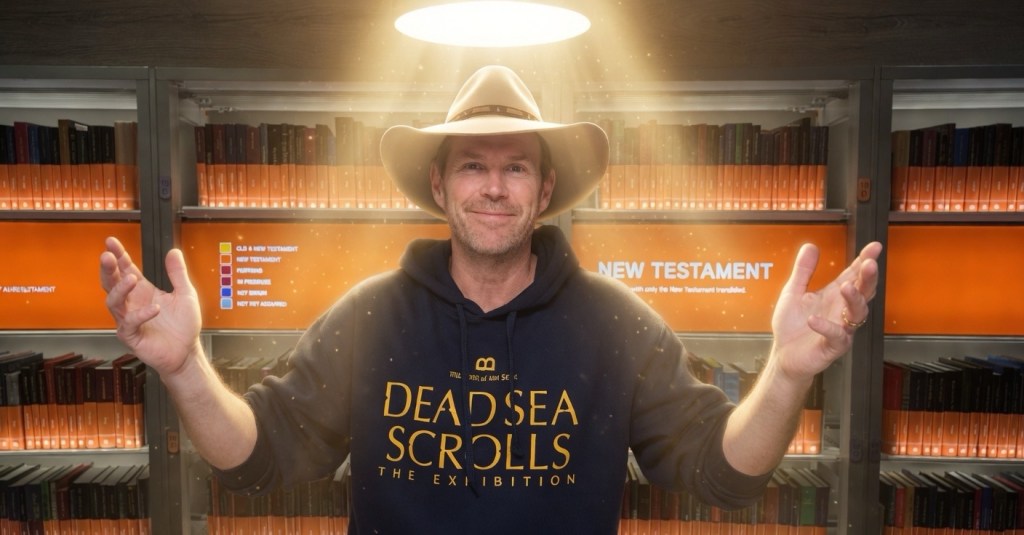
About the Author: Rich Hoffman

Rich Hoffman is an aerospace executive, political strategist, systems thinker, and independent researcher of ancient history, the paranormal, and the Dead Sea Scrolls tradition. His life in high‑stakes manufacturing, high‑level politics, and cross‑functional crisis management gives him a field‑tested understanding of power — both human and unseen.

He has advised candidates, executives, and public leaders, while conducting deep, hands‑on exploration of archaeological and supernatural hotspots across the world.

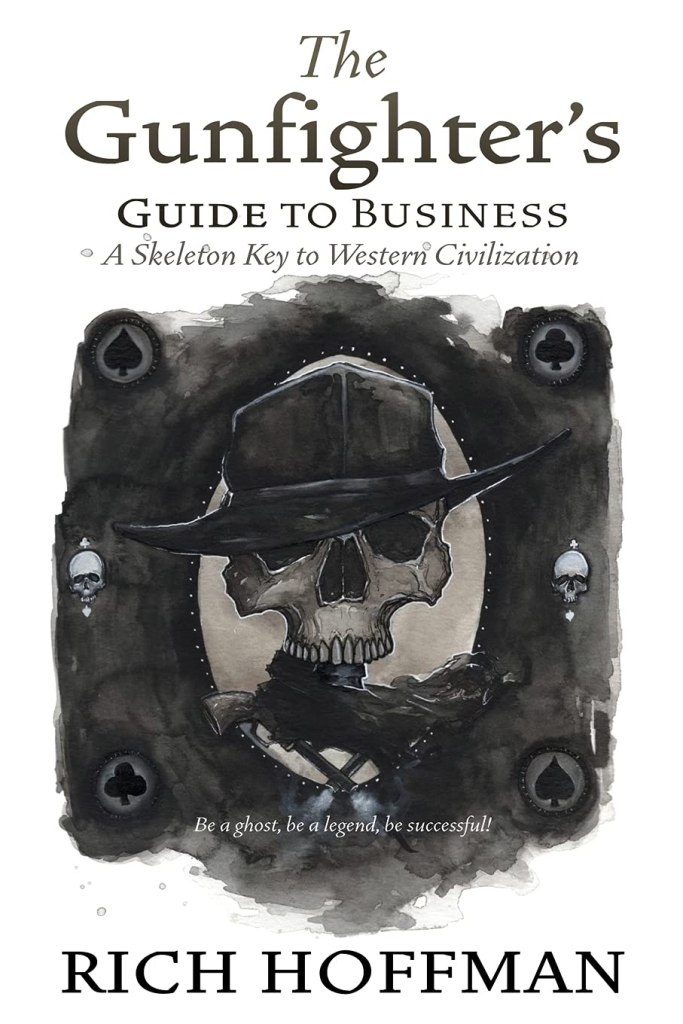
Hoffman writes with the credibility of a problem-solver, the curiosity of an archaeologist, and the courage of a frontline witness who has gone to very scary places and reported what lurked there. Hoffman has authored books including The Symposium of JusticeThe Gunfighter’s Guide to Business, and Tail of the Dragon, often exploring themes of freedom, individual will, and societal structures through a lens influenced by philosophy (e.g., Nietzschean overman concepts) and current events.

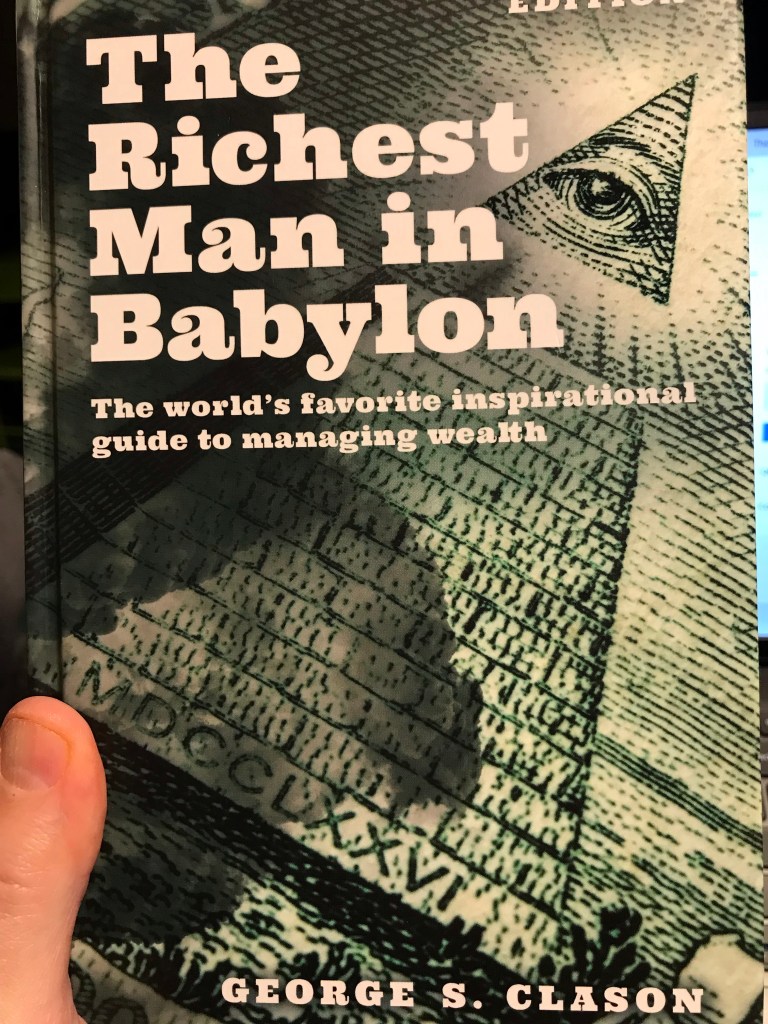
‘The Richest Man in Babylon’: Real wealth creation in Ohio won’t be possible until it’s a ‘Right to Work’ state

Whenever I go to Columbus, Ohio, I have a few bookstores that I go to every time. I consume a tremendous number of books, about three large books a week. If they are smaller, under 200 pages, I read five or six. It’s probably my favorite thing to do in the world, and I often read very early in the morning, between 3 AM and 6, and after the hours of 7 to 11 PM. Between those hours, I work hard, really hard. And reading settles my mind and keeps everything from fragmenting. On the weekends, I usually read for around 8 hours daily, starting around the same time and ending around noon. Then I spend the rest of the day with my family doing whatever comes up in those engagements. But it had been quite a few years since I last read The Richest Man in Babylon, published in 1926. I read it in my twenties, so I thought it was odd that while I was talking to people at the Capitol during the Governor’s State of the State speech for 2023, I was sitting in the gallery waiting for everything to start when a person made a great effort to sit next to me and ask me to sign a copy of that book. It was a nice paperback copy that  was a miniature version that could fit easily in the jacket of a nice suit. This person told me he was a fan of my blog, recognized me because of my big white hat, and wanted me to sign his copy of the old George Clason book. So I signed it, and he was very happy about it. He sat down near me, and before we all left after the speech was over, he came over to shake my hand again enthusiastically before departing back downstairs, where all the members of the Representatives and Senate were gathering in the rotunda to have lunch with Governor DeWine. 

I’ve signed many books over the years, but they are usually the ones I have written; it’s not usual to sign other people’s books. But the more I thought about it, the more it made sense as I talked to various legislators at the after-event. Once I left the Ohio Statehouse later that day and visited my bookstores, I bought a modern copy of that book and reread it later that evening to connect with that enthusiastic personality. After my talk with everyone that day, it all made sense. If you have not had exposure to that very famous book, The Richest Man in Babylon, it’s typically found in the business section of a bookstore and is a foundation for how wealth is created. It takes place in Babylon to take the edge off any modern references, but the idea is that wealth is created by effort, and it is beneficial not just to the people who have the wealth but to their community as well. If we have a society of many people who have created wealth for themselves, we will have a better society. It is very much the opposite of this “tax the rich” culture that we get from the various socialists and communists embedded in our American culture these days, which has become much worse under the economic policies of Joe Biden and Democrats in general. And when you get behind the scenes, away from the cameras and newspaper reporters who never cover significant political events correctly like a Governor’s State of the State speech, wealth creation is the number 1 concern because it’s the thing that makes everything in society go. 

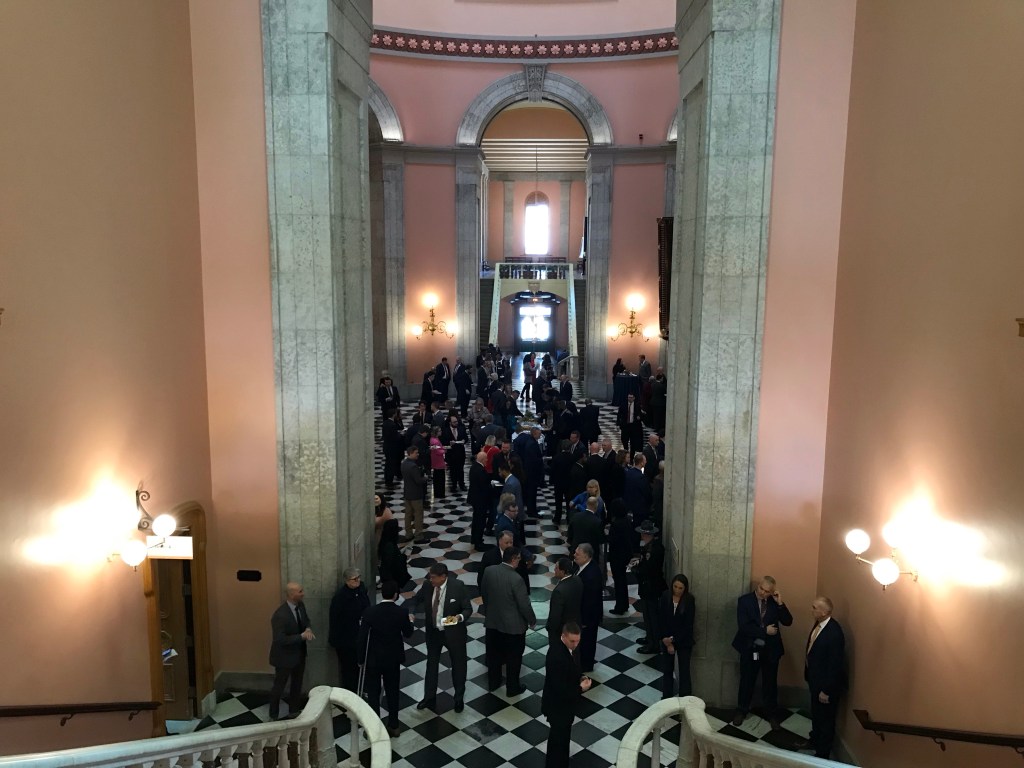
One of the big topics that emerged from Governor DeWine’s State of the State speech was the effort to bring businesses and jobs to Ohio and that there would be spending investments to do so. But on the checkered floor of the Statehouse were lots of discussions about how exactly to do that. And I love these kinds of discussions. Some people see lobbyists, corrupt politicians, and maniacal lunatics when they talk in those places. Yet, I generally see the kids all these adults grew up to be trying to do something good from their own perspectives with the same enthusiasm that kids build new things with Lego toys. No matter the political ideology, I find everyone eager to conduct some version of a childhood dream of saving the world one law at a time. And you don’t get that unless you get the chance to be behind the scenes and talk to people who are actually making the sausage. I usually come away from those events encouraged. But the efforts typically fall short because the real problems never get dealt with.

And regarding Governor DeWine’s efforts to bring more business to Ohio, the truth is that we can spend all the money we want. But until Ohio is a Right to Work state, the big multi-billion-dollar investors will not bring their big corporations to Ohio because of their fear of labor unions taking over the management of their facilities. Ohio will continue to lose opportunities to South Carolina and other places until we join them in becoming the Right to Work states that protect business investment from the socialist encroachment of the labor union movement, which never should have been allowed in American politics. To understand these basic economic truths, I would recommend everyone to read The Richest Man in Babylon and come to your own conclusions. But until people have a basic understanding of wealth creation, it’s a pointless debate with the kind of communist labor union advocates who think that the value of labor unions is in more sick time, the 40-hour work week, and weekends and holidays off. All those things mean less productive work, less output, and more paid time off for a company trying to make things.  

The sum of many conversations on that topic was that Right to Work was dead in Ohio until President Trump returned to the White House, and likely longer because Trump likes labor unions. In his big MAGA party, labor union members have been voting for Trump. So suddenly, we have friends in the Republican Party from the labor movement, and nobody was going to dare push those friends away at the expense of dividing voters away from Trump. And Governor DeWine, for all those reasons, had no stomach at all for Right to Work discussions. But eventually, and not decades away, but just three or four years, Ohio will have to be a Right to Work state if it wants to be the next Silicon Valley in a 21st-century economy, which I think is entirely possible. Ohio is a great place to live and work. The business corridors between Cincinnati and Columbus, and Columbus to Cleveland, especially on the east side, and even all the way up from Cincinnati and Toledo, are some of the best in the world. There is room for plenty of country living and rock-and-roll businesses that create vast wealth for everyone involved. But what’s preventing that investment isn’t a lack of input from the state to develop the infrastructure to do it; it’s the protection of investment from those looking to do so from the greedy hands of the communist labor movement. Nothing kills wealth-building faster than a labor union. It might get union members paid off days where they don’t have to work, but it doesn’t help a country be competitive while the rest of the world in Asia is working seven days a week, 24 hours a day, for a rice cake. And that is what we are competing with. Ohio needs to be a Right to Work state, and the sooner it is, the quicker real investment into Ohio can begin. Until that happens, speeches like the Governor’s State of the State are just enthusiastic dreams that are held back by reality. 

Rich Hoffman

Click to buy The Gunfighter’s Guide to Business

Jennifer Gross Endorses Jim Renacci: The Overton Window in Ohio Politics

I’ve never been a “no government anarchist.” My thoughts on government management have always been a small but active legislature that is contentious, honorable, yet tenacious. Those who have read my Gunfighter’s Guide to Business know I view most group-oriented behavior as a competitive match, not an opportunity for back-slapping and friendship. Our republic form of government has been unique globally, and now that we understand the nature of the attack against our country, we can better understand the threat that has always been there. I have thought about this kind of thing a lot over the last year, especially while visiting Mt. Rushmore. I found that place to be a temple of intellect, and the bookstore they have there is better than a gold mine of infinite wealth. My thoughts on the matter have matured up to the present with this visit to the Statehouse of Ohio. The challenge has been to create as open a market as possible for business and individual rights while still defending the sovereignty of our states and nation from foreign aggression. Which, of course, is hard to do in an open market global economy. The hostile forces to the United States have attacked not the concept of any nation-states but the essence of our very economy. This corporate board room government within a government type of thinking is challenging the very nature of our Republic form of government. Understanding the nature of that attack is precisely why I have been pointing out Ohio politicians I know who are doing the job correctly, in their own unique way, so that we can see examples of how our republic government should look. And a fine example of how government should look can be found in my State Representative Jennifer Gross, whom I recently had a chance to visit at the Statehouse. 

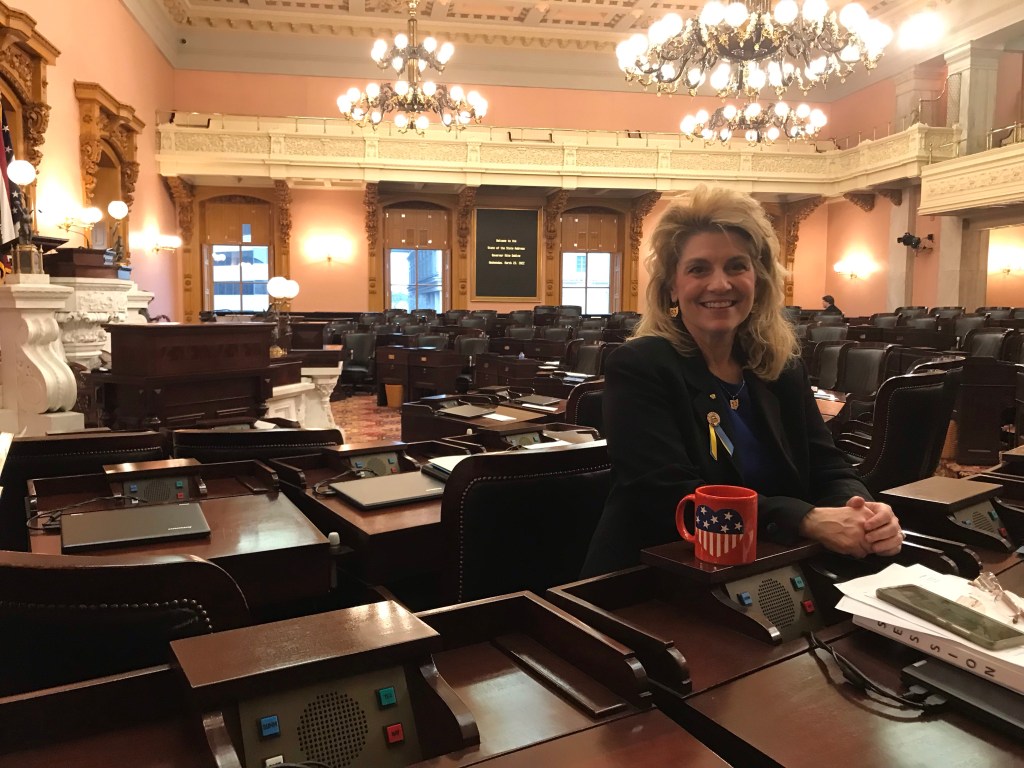
It’s taken me a while to warm up to Jennifer Gross. During a rough election, she ran against my pick for that seat that Mike DeWine had screwed up with emergency power Covid rules. But in the short time Jennifer has been in the seat of the 52nd District; she has brought more of the Tea Party to Columbus than I would have thought possible. When I recently found her after Governor DeWine’s State of the State speech, she was very bubbly and enthusiastic, working the floor and talking to many different people. I know that many members of the House and Senate and many other politicians view Jennifer as a disruptive force and find her unsettling. I’ve heard lots of negative talk about her by several in the political class, but I have some other ideas about her that I wanted to confirm. So we spent some time together talking about the Overton Window and its role, which she more than understood. And we also talked about the challenger Jim Renacci whom she is one of the only official members of the Statehouse to endorse openly. I know there are a lot more, but I could see the pressure up close. At this event, where Jennifer and I talked, Governor DeWine walked around talking to people. People in the House and Senate know they need DeWine to sign bills they are working on. And DeWine needs them to, to look like he’s in charge. DeWine wants to take credit for the big Intel chip manufacturing plant coming to Ohio, announced just ahead of the primary for 2022. And he recently signed a controversial Constitutional Carry bill he would never have signed otherwise, except for Republican pressure to act more “conservative.” But the trade-off has been to show public support for DeWine in a very tight race against Renacci and other challengers. So there is a lot of double talk going on around the Governor. But Jennifer is not one of those double-talkers. She is right out in the open about it, and the Governor is well aware. 

And that is the value I see in Jennifer; she openly embraces that role of a disrupter, someone who will challenge the Overton Window on the political spectrum and yank it hard right away from the communism that has seeped into the process over the years. Back to the constitutional republic, we have needed and expected. Politics is not about friendships, it’s about doing the job correctly, and there is a real hunger from Jennifer to do a great job. She intends to represent all the people honestly in her district, including the people who didn’t vote for her, and that was the general vibe I picked up on as she showed me around where her desk was and other features of the House chamber. Things got pretty heated in Columbus as Jeniffer was on the front of legislation to prevent mandated vaccine requirements imposed by the Biden administration. We all learned a lot from that experience. It was a balancing act between a Chamber of Commerce view of the world, allowing corporate environments to impose rules on their workforce for their own needs and the individual’s rights. The workers have their own sovereignty. Jennifer represented the raw Tea Party small-government perspective against forces that didn’t want to be bothered with contentious debate during a government-imposed pandemic. But in hindsight now, after watching Klaus Schwab at the World Government Forum in Dubai recently, we see those vicious bandits plotting the demise of America out in the open. Their mode of attack has been through the corporate boardroom, our Chambers of Commerce, and our mom-and-pop businesses, dancing to ridiculous rules and regulations imposed by unconstitutional commerce clauses. If we ever needed a functioning republic to sort all these things out, it was now. And I have been increasingly happy that there is someone like Jennifer Gross who will ask the hard questions and force people to think out of the box without making it unnecessarily contentious. Jennifer walks that line quite well, I think. 

So how to put businesses first in Ohio and give corporations the autonomy to locate in our state and do great things is the problem of those lofty halls in Columbus. It’s why I wrote The Gunfighter’s Guide to Business and started passing out copies of it to people I talk to in the political world. We have to defend business and commerce, uphold law and order, and stand by our government and boardroom politics. We have to stand for executive-level leadership in business and politics. But we must also stand for individual freedom and to force the scum and villainy out of our lives without killing the host. Not an easy thing to do, and that is what that book is about, a guide on how to tell good from bad, right from wrong, and unprofitable activity from the driver of all things, profit and value. And to perform that task well, especially in organized government, I find great value in disruptive forces like Jennifer Gross. She will uncomfortably keep everyone honest without turning the dispute into a personal fight. Playing along to get along is not what makes any republic form of government great. But asking the right questions, most often the ones you don’t even know you need to ask, is the key to keeping a government working correctly. And in the world we have today, where the bad guys have been hidden behind the rules and regulations of corporate America and international partnerships, there is a significant need for more disruptive Overton Window types like Jennifer Gross in our grand Statehouse. I am glad to have her there, and I feel proud to have such an engaged representative with plenty of fire to fight the forces at work in our state for duplicity and malice. The need for good government is genuine, more so now than ever. And Jennifer Gross keeps honesty at the front of all conversations for the betterment of everyone. 

Rich Hoffman

Click to buy The Gunfighter’s Guide to Business

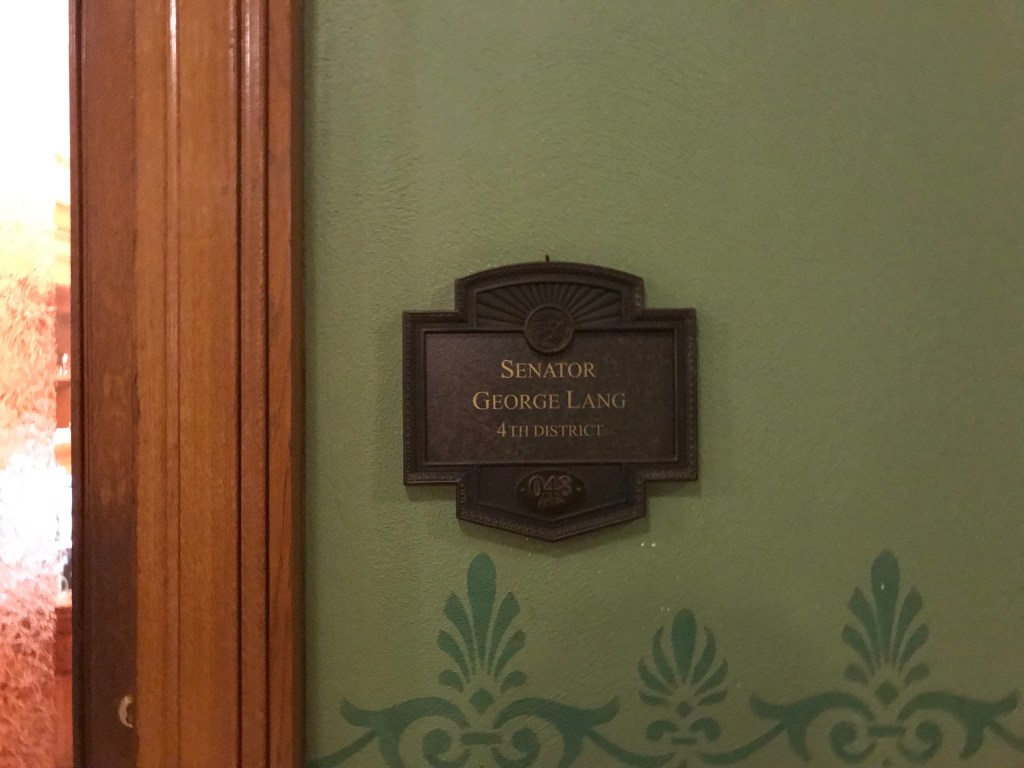
The Lofty Expectations of the Ohio Statehouse: Senator George Lang is a politician it can be proud of

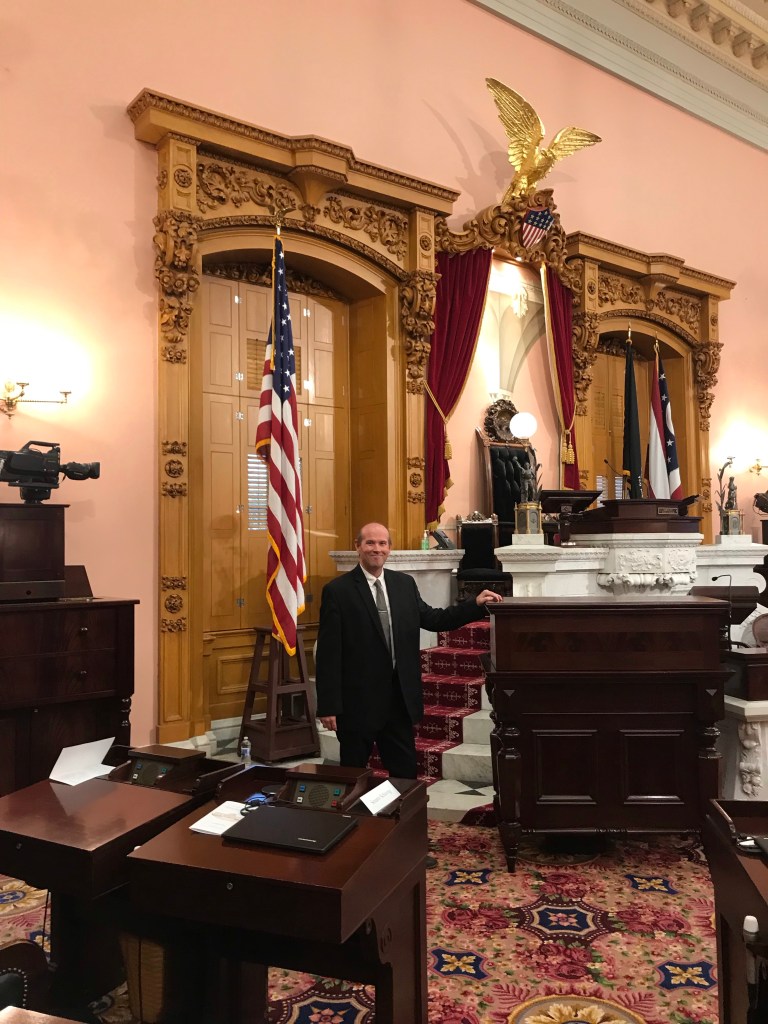
It was a great treat for me to get a day to visit the Ohio Statehouse in Columbus to see a good friend of mine, Senator George Lang. It was good for me to put things in perspective as some of the issues of the hour are intense and changing by the minute. The Ohio Statehouse is a grand vestige dedicated to a republic form of government, and it was built with love and ambition. I think all statehouses try to do the same thing. The Ohio Statehouse is a special place dedicated to intelligence, study, and the difficulties of a republic that spans thousands of years in the past. It’s a place of ambition and hope reflected in the Greek architecture, the various marble ornaments, and symbolic statues. Whenever I go there, I am reminded that much of the hard work that is done in politics, even when it often falls so short of expectations, is worth the effort. Even when people complain about the cesspool of politics and the corrosive elements of lobbyists, I see the work that goes on in places like the Ohio Statehouse as the best that there is in the world. I’ve been to the Parliament in London and other places where the work of politics is done, and I see the purity of the Ohio Statehouse as something special, unique. I am possessive that it exists to do the work all people in Ohio need done. Even if people disagree on what that work is, the place is there to make sure it has a chance to happen. 

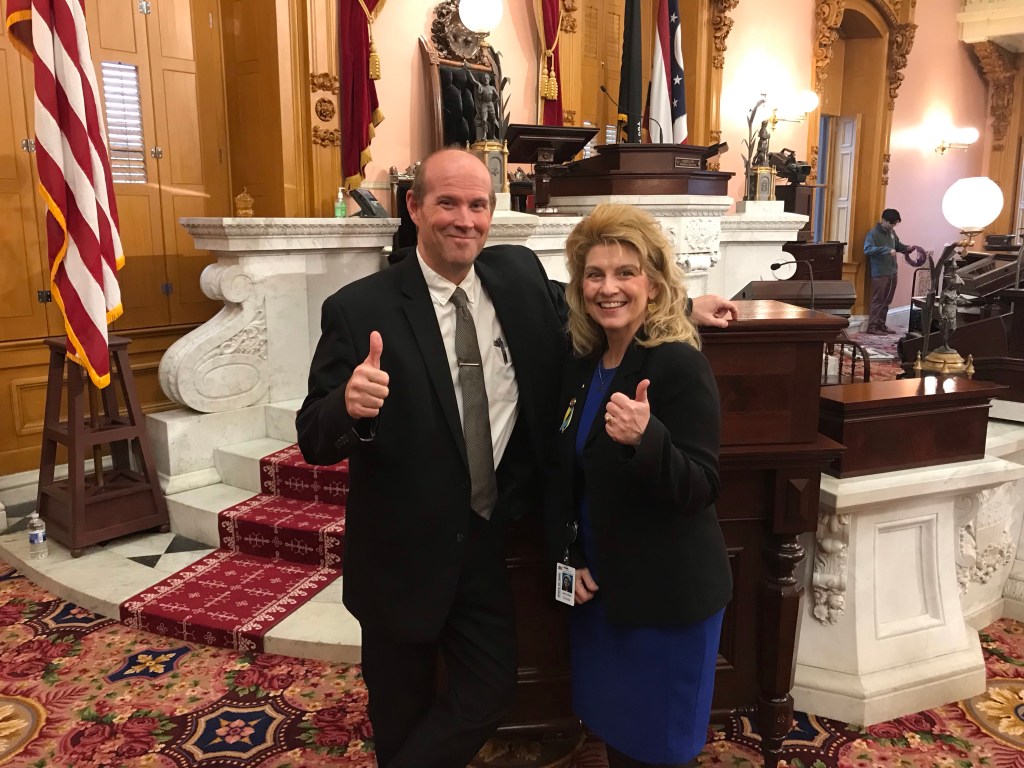
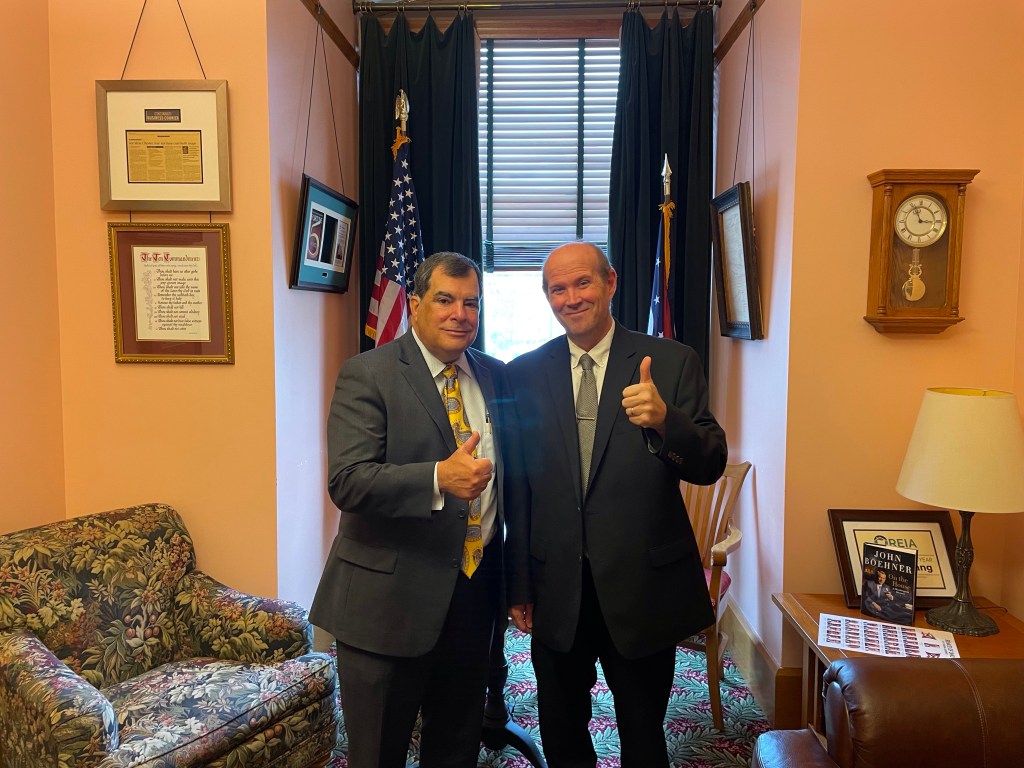
Another friend of mine took a picture of me on the House floor, and that’s what I was thinking. I don’t usually get sentimental about those types of things, but I had just had a good meeting with Senator Lang with the door closed. I was very happy to hear what he was working on. But more than that, I saw the same eyes alive and well within him that I have known for many years as he was one of the original members of the West Chester Tea Party. George is still that same person who gives out copies of Atlas Shrugged at Christmas and believes in small government, fiscal responsibility, and a business-first political strategy which is the key to all wealth-building in any culture. George Lang is a good person, a very good person. And as I was thinking about the Ohio Statehouse and all its ambitions, most of the time, we resent politics because we give politicians all these great tools to work with, like the Ohio Statehouse.   Most of the time, the people we send to the congress and senate fall short of our expectations, leading to perpetual disappointment. But George Lang is one of those exceptions. He actually lives up to the lofty expectations. The building seems to have been built specifically for people like him.

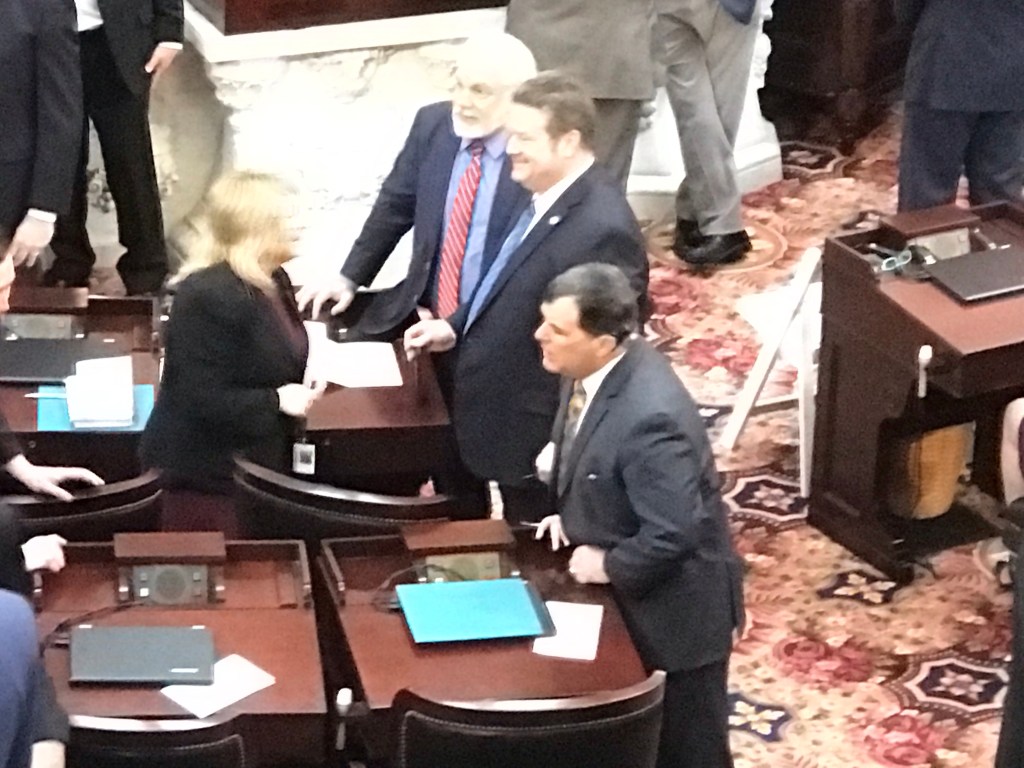
I say all those nice things because I had an extended chance to watch him work with other members of the House and Senate. And to interact with Governor DeWine. George is friendly, engaging; he’s a great salesman. But while he is doing all those things, he’s also guarded and measured. He’s a hard nut to crack for a lobbyist because it’s hard to tell where to get a hook into him. What is the vice of George Lang? What makes him tick? Where is he vulnerable? It’s one thing to be sociable and even polite. George has been involved in Columbus politics for many years now. When our schedules match up, I speak to him quite a bit here and there, but he’s a busy guy. So, to be honest, I wasn’t sure what to expect in his office with the door closed and talking about the business that needs to happen for the state. To talk about the upcoming primaries, his Business First Caucus, politics back home in Butler County, Ohio. But what I found was a person who loves doing a good job, that had not been swept away by any trace of corruption, and the same wide-eyed person I have known since he was a trustee in West Chester. And with all that has been going on, where the world presents us with disappointments at every juncture, especially in politics, that was refreshing. 

In that House chamber and its lofty contents, it was apparent that most of the members went to Columbus with big goals and that they were getting swept away by the ornate atmosphere. Just before that photograph, I had just heard from a politician who wanted me to know how smart he was and that he was reviewing the legal complications of a land purchase for a solar farm, filled with all kinds of rancid ESG requirements that he thought were great. He was a guy who had been chewed up and spit out of the meat grinder, and I could see that the chamber walls were almost ashamed of him. He did not live up to the expectations. But those big stone walls and finely carved woodwork would see many more like him over the years, as they had. But when George was in that room, the actual chamber seemed happy. There was a person worthy of the Statehouse. There was someone who would do the work and, when done, dash off to his wife and grown children at every opportunity. And I think that is the secret to George Lang working there. The Statehouse was built for people like him, who love their country, their state, and their communities, but more than anything, their families. When the rubber hits the road, that’s how he has managed to survive Columbus and live up to the lofty expectations that come with business there. 

It wasn’t just because I like George. Governor DeWine was walking around shaking hands and taking pictures. Most everyone he interacted with couldn’t wait to lick the shoes of DeWine and pander to him for the powerful seat he sat in. Those same people might badmouth DeWine the minute they were away from him, but when shaking hands and taking pictures, they were like little girls at a pop-rock concert backstage. Power was a seductive force, and they were undoubtedly under its influence when around the Governor. But not George Lang. While respectful, he stayed very true to himself and represented his district exceptionally well. And it wasn’t an act. I wasn’t always somewhere that George could see me. It was just how he was, and I was proud of him. It gave me hope that all the hard work in preserving our republic, first at the state level, then at the federal level, was worth it. That day at the Statehouse is how it’s supposed to be in politics. It’s an example of how to do it right. We build the temples to a republic that has taken us thousands of years to perfect. And our government in Ohio is supposed to be contentious. It’s not supposed to be a fraternity of consensus builders. The Statehouse was built to debate and flush out the best and brightest ideas from the weakest. And over the many decades that the Ohio Statehouse has been there, it has suffered many disappointments in the elected representatives who have gone there to do our work. But George Lang isn’t one of them. If the Statehouse could smile, it surely would when George walks into a room, for that is the reason the place exists.

Rich Hoffman

Click to buy The Gunfighter’s Guide to Business