Rich Hoffman
https://overmanwarrior.wordpress.com/2010/12/04/ten-rules-to-live-by/
http://twitter.com/#!/overmanwarrior
www.overmanwarrior.com

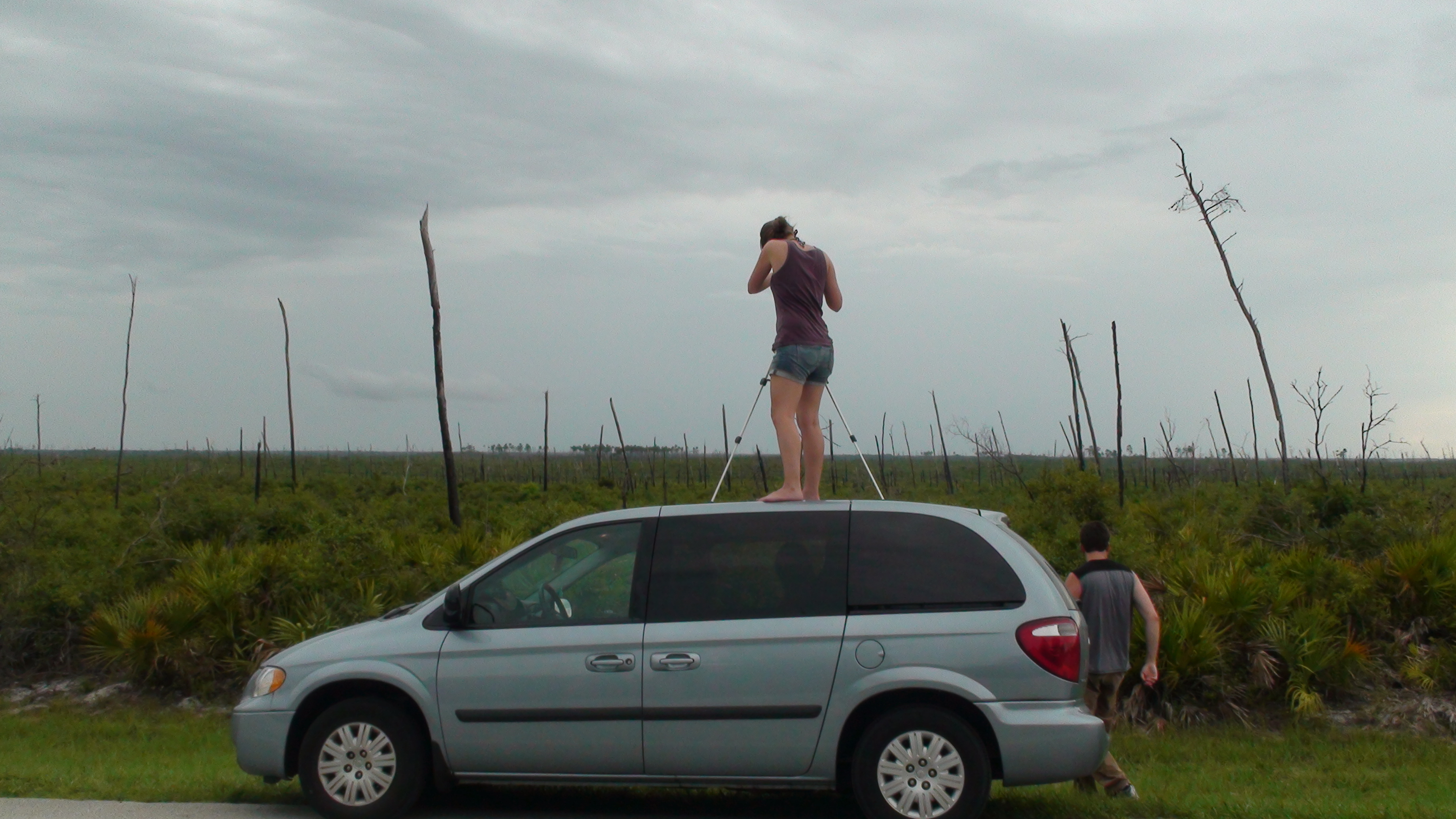
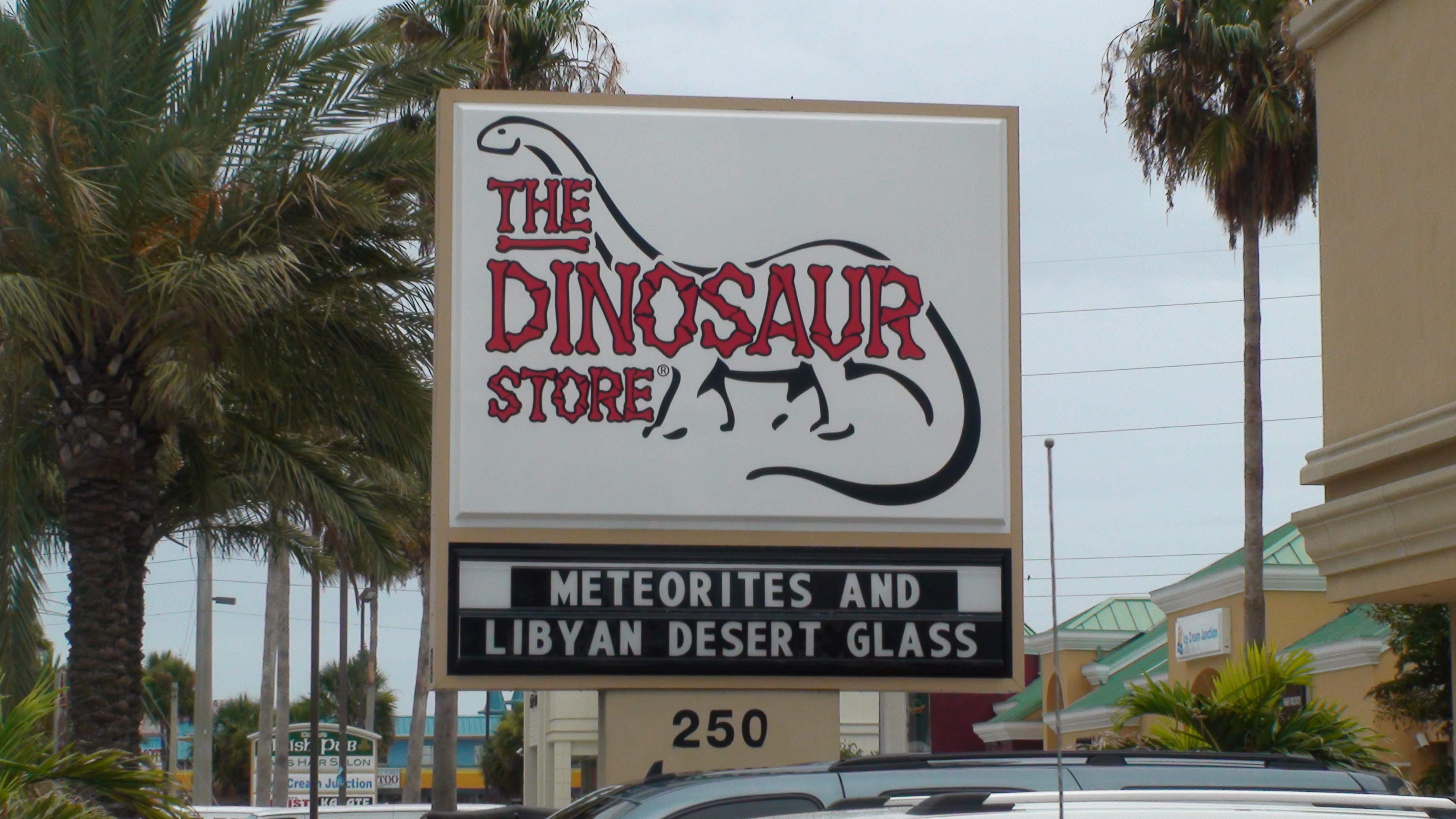
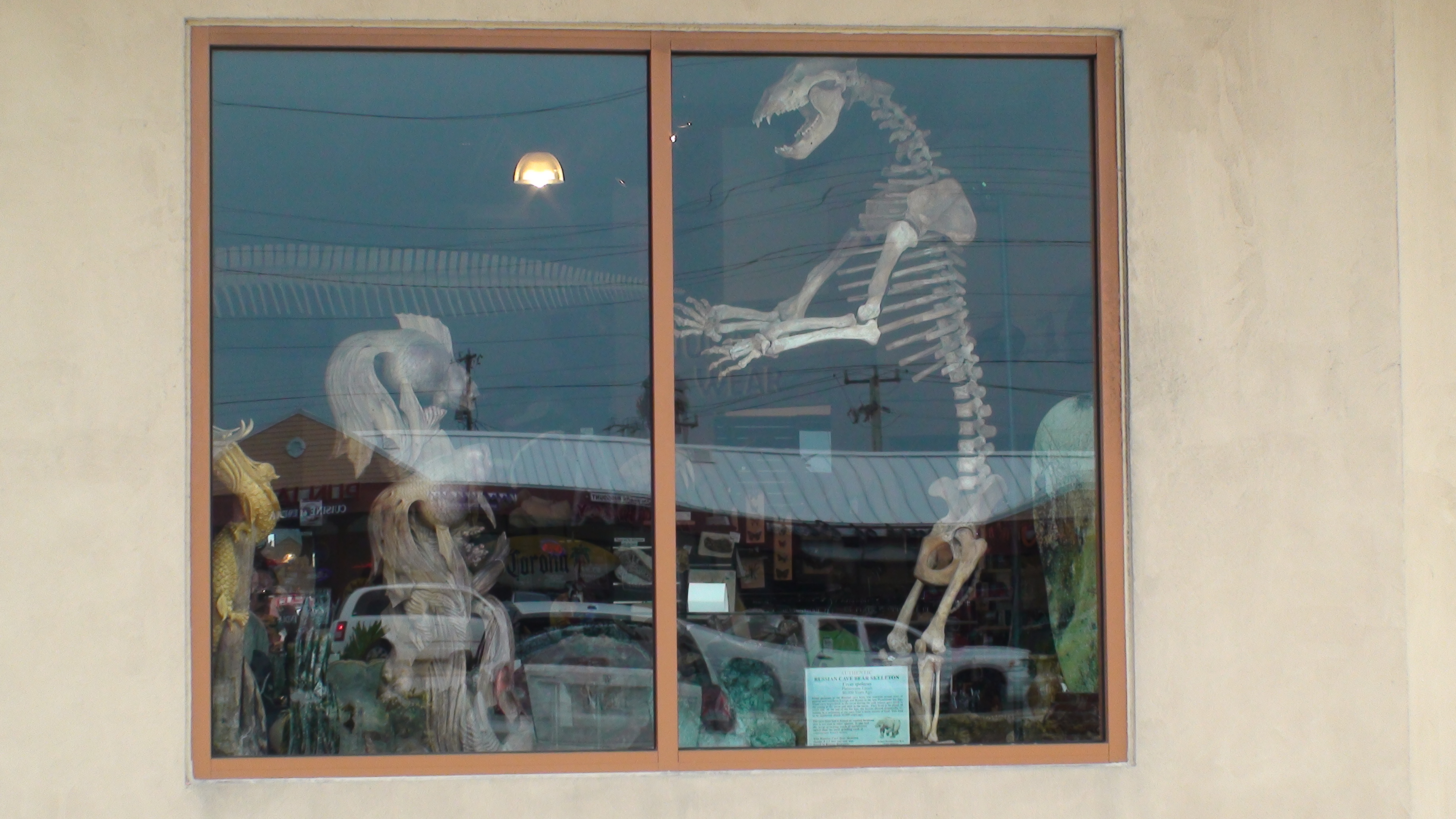
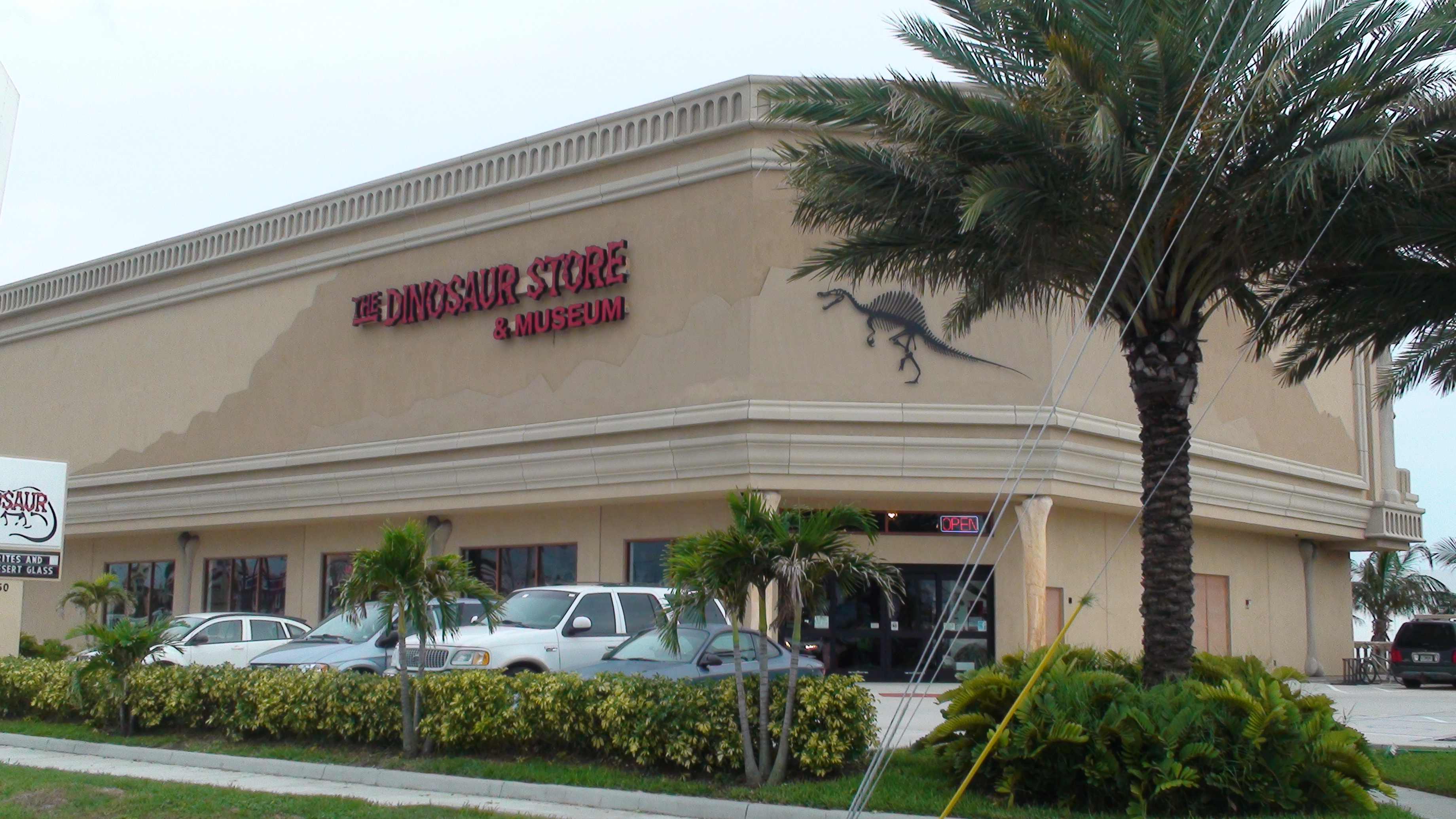
The following video is something I shot while at that fine place, as a rolling storm moved in.
Remember wherever there is the sign of peace; it’s indicative of a political socialist. Like all sinister things in life, the truly dangerous are camouflaged with good intentions, like the idea of world peace that the hippies, beach bums and strippers find so appealing.
Rich Hoffman
https://overmanwarrior.wordpress.com/2010/12/04/ten-rules-to-live-by/
http://twitter.com/#!/overmanwarrior
www.overmanwarrior.com
|
Open circuit |
An incomplete electrical circuit |
|
Orange book |
The United Nations publication for classification and testing of dangerous goods |
|
Oxidant |
The component of an explosive that supplies oxygen for the reaction of the product |
|
Palm burst |
A color break with palm tree core |
|
Parallel circuit |
An electrical circuit in which the current is divided between several igniters. Less easy to test for breaks. |
|
Paste |
Commonly used to cover shells to enhance their burst |
|
Pattern shell |
A shell of fewer stars that creates a pattern rather than a sphere |
|
Pellet |
See Star |
|
Peony shell |
A shell whose stars do not leave any trails |
|
PIC |
Plastic Igniter cord |
|
Pigeon |
A specialized type of firework which travels to and fro along a horizontal rope |
|
Piped match |
Raw match enclosed in a paper or plastic tube |
|
Pistil |
The central core of a shell. Often a complimentary or contrasting colour to the main burst |
|
Plug |
See Bung |
|
Portfire |
A thin walled tube filled with slow burning composition used to light other fireworks |
|
Propellant |
Composition used to produce force e.g. A rocket motor |
|
Punk |
Slow burning lighter for small fireworks |
|
Generic term for any item which react in a self sustaining chemical reaction and generally produces a light effect. Pyrotechnic articles are different to fireworks and generally are used for stage and theatrical uses |
|
|
Quickmatch |
Raw match enclosed in a paper or plastic tube |
|
Rack |
Apparatus for firing rockets or mortar tubes |
|
Rain |
Shells containing long burning stars that fall all the way to the ground. |
|
Raw match |
Black powder coated thread used for linking fireworks |
|
Repeater shell |
Usually a cylinder shell with timed bursts at regular intervals |
|
Ring shell |
An aerial shell that produces symmetrical rings of stars often have a rope tail to control orientation of the break |
|
Rising effect |
Often a tail effect on a shell but can be external attachments to a shell that break off during the rise to create special effects |
|
Aerial effect propelled by a motor |
|
|
Rocket cone |
A device for firing flight rockets |
|
Rocket motor |
The power unit behind a rocket. Typically made by pressing black powder into a choked tube |
|
A cardboard tube with a stack of timed comets or bombette units |
|
|
Round shell |
A shell in the form of a sphere usually containing colored stars |
|
Safety area |
The area around a fireworks display site between the spectators and fireworks. Not including a fall out zone |
|
Salute |
Report or loud bang |
|
Saturn shell |
A chrysanthemum break with an outer ring of a contrasting color |
|
Saxon |
A bar with centre pivot with drivers at either one or two ends which make the bar spin on a central point. |
|
Screecher |
A whistle unit with a hole through the centre. This increases the burn speed and therefore the sound |
|
Sequence |
The pattern in which fireworks are detonated in a display |
|
Series circuit |
A circuit arranged so the current runs through each igniter in turn. This enables and breaks to be detected |
|
Serpent |
A spinning tube used in candles and shells. Usually with a report unit |
|
Set piece |
A ground firework. Generally static |
|
Shell |
The most spectacular of fireworks propelled with a lifting charge from a mortar and a bursting charge that charge to a star composition in the air after a predetermined delay |
|
Shell delay |
See Delay fuse |
|
Shell of shells |
An aerial shell that contains smaller shells ignited when the main shell bursts and subsequently produces small secondary bursts |
|
Short circuit |
The accidental completion of a circuit which causes the current to not flow through the igniter |
|
Shot |
The single functioning of a roman candle or cake |
|
Smoke |
Air suspension of particles from incomplete combustion of a composition |
|
Smokeless powder |
A powder containing nitro-cellulose and nitro-glycerine as it does not produce much smoke |
|
Spark |
Typical effect caused by incandescent particles ejected form the surface of a burning composition |
|
Sparkler |
Wire coated with pyrotechnic composition that gives off small sparks |
|
Spider shell |
A shell containing a small number of large stars producing a symmetrical burst. Sometimes called octopus shells |
|
Splitting comet |
A comet with an internal charge of flash powder which when ignited splits the comet into several pieces. |
|
Squib |
Electric igniter |
|
Star |
A pressed unit of composition usually spheres or cylinders used in shells, mines, rockets and roman candles |
|
Storage |
The holding of fireworks prior to their use. Premises must be licensed for amounts above a certain quantity |
|
Strobe |
A pulsing on off star effect fired from candles and shells and ground based effects |
|
Tail effect |
A comet star secured to the outside of a shell to give a tail to the rising shell |
|
Tiger tail shell |
A shell made up of a solid ball of composition to produce a substantial tail effect. Sometimes with a small shell break |
|
Titanium |
A silver metal used in the production of maroons and grebes |
|
Top fused |
A shell where the shell delay is lit separately from the lifting charge. Often found in large Maltese shells |
|
Tourbillion |
See Serpent |
|
Transportation |
The process of consigning a load of fireworks. Subject to heavy legislative control |
|
TREM card |
Documentation required when transporting fireworks of any quantity. Transport emergency card. Provide information for emergency services |
|
Trunk |
A large tail unit often used on palm and willow shells |
|
UN classification |
The assignment of a packaged firework into the UN classes for fireworks |
|
UN compatibility group |
The G or S of 1.3G or 1.4S. The compatibility group indicated what a particular item may and not be transported with |
|
UN Hazard code |
See UN number |
|
UN Mark |
A complicated mark assigned to a particular packing box for dangerous goods |
|
UN Number |
A four-digit number assigned to hazardous goods. Explosives always start with a 0 e.g. 1.4G fireworks are UN 0336. Used to identify a dangerous item in the event of an emergency |
|
Volley |
A mass firing of rockets or shells |
|
Water firework |
Aquatic fireworks e.g. shells or water gerb |
|
Water gerb |
A floating gerb with a weight and cork float. |
|
Water shell |
See Aquatic shell |
|
Waterfall |
A curtain of coloured or silver sparks that falls vertically. Composition is made from an aluminum alloy |
|
Weeping willow |
See Willow shell |
|
A rotating piece attached to a post in the form of a saxon bar or wheel with driver units |
|
|
Whistle |
A tube containing composition of potassium benzoate and potassium silicate. On burning the composition creates oscillation in the tube and creates a whistle effect which is amplified in the tube |
|
Whizzer |
See Hummer |
|
Willow shell |
A shell containing charcoal based stars with a long burn time which often fall to the ground |
John Stossel understands this too, and did a wonderful segment recently exploring this topic.
Rich Hoffman
https://overmanwarrior.wordpress.com/2010/12/04/ten-rules-to-live-by/
http://twitter.com/#!/overmanwarrior
www.overmanwarrior.com
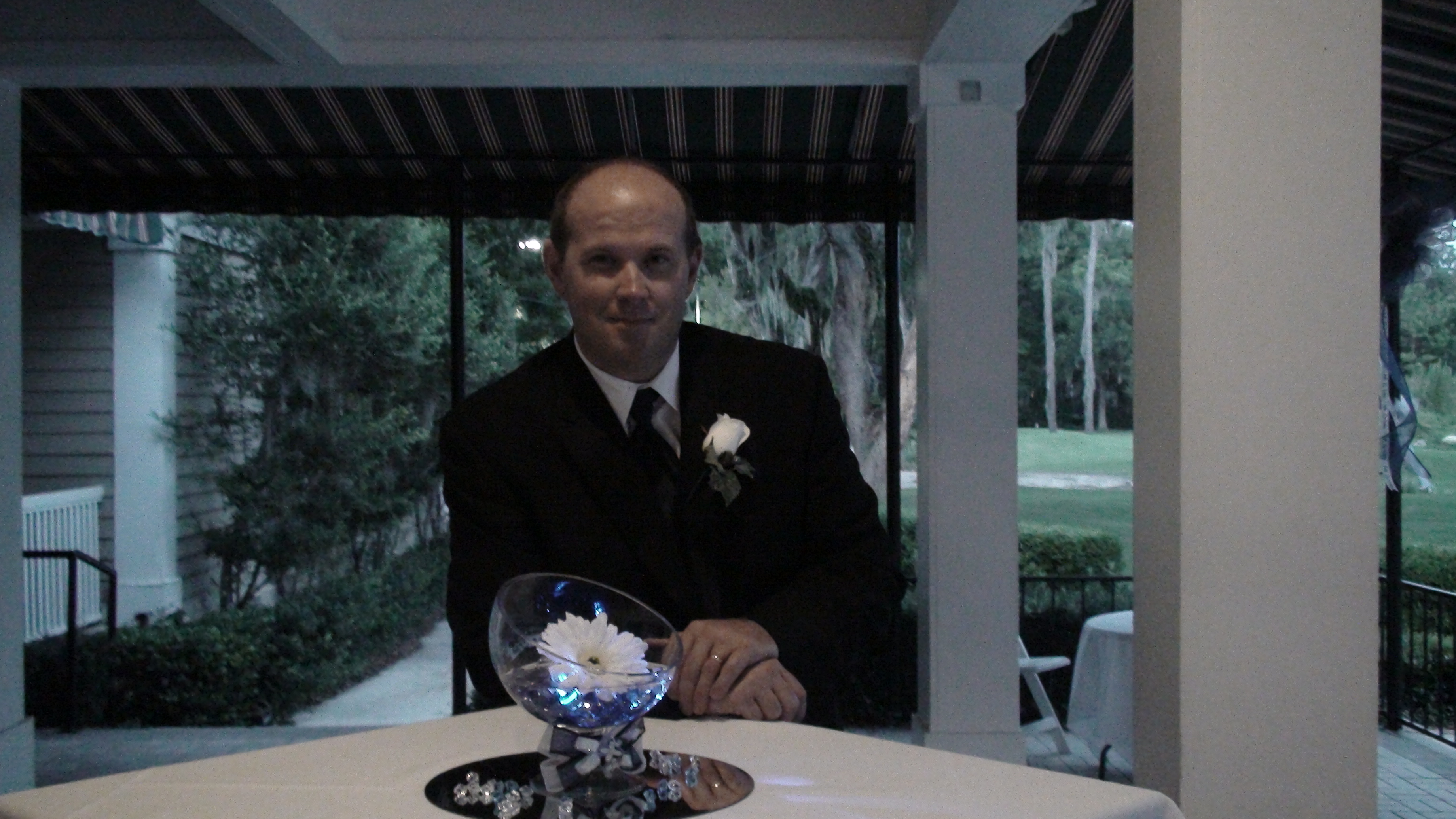
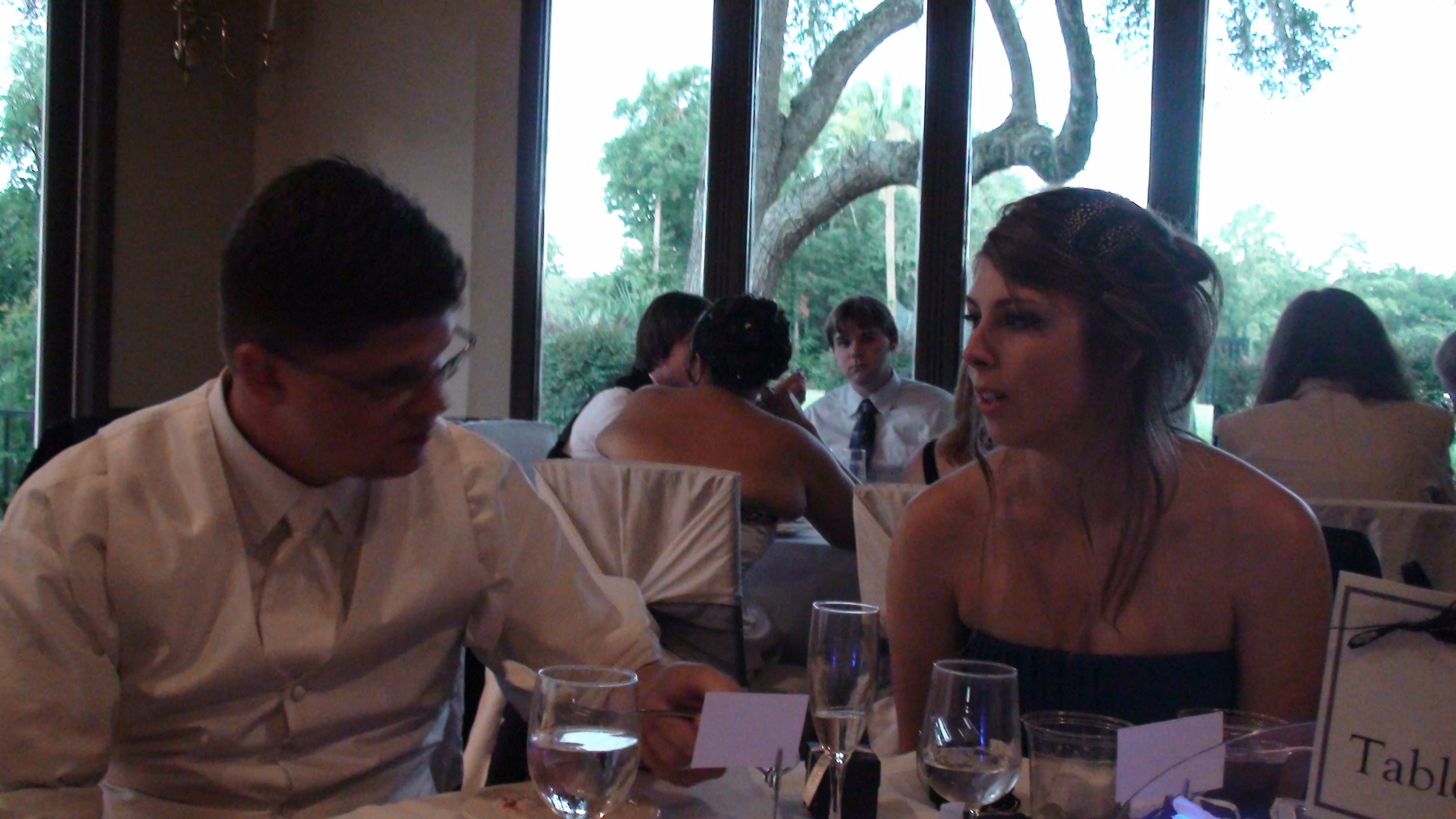
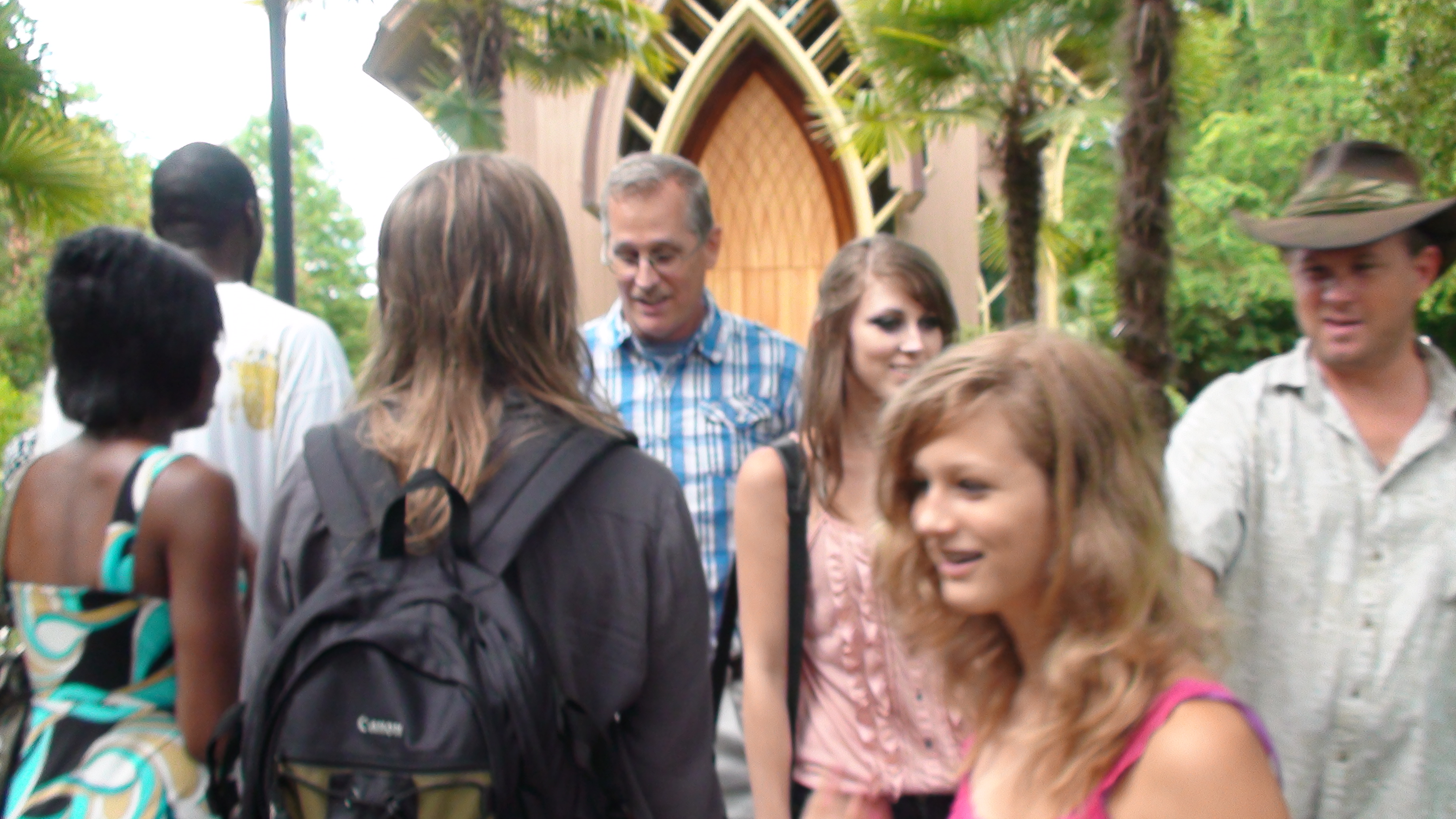
One of my nephews wanted me to be the Best Man at his wedding recently because I had a tremendous impact on the young man growing up. For me it was an odd experience because with him it was as if he were grown up and graduating from life close to an equal, while in the audience of my best man speech at the reception were many other young people who I am currently just as important to and I take that role very, very serious.
 At the wedding mentioned, as is the standard for my involvement in any wedding, I do not attend bachelor parties. I do not indulge in drunkenness. I do not sit with strippers in Vegas, even when my own brother was married and every male member of my family went to see naked women, I did not. I didn’t because I would ask the young people who look up to me not to do such things, and if I want for them a good life, I must do my part and stay away from any kind of mortal revelation that indicates weakness. You have to lead by example. You can’t send children to public school and hope you can “cheat the system,” while you’re off doing bad things. Kids will see through it. You cannot have a “do as I say, not as I do approach.”
“She’s just jealous that I have a good family and she doesn’t,” my niece said finally.
Rich Hoffman
https://overmanwarrior.wordpress.com/2010/12/04/ten-rules-to-live-by/
http://twitter.com/#!/overmanwarrior
www.overmanwarrior.com
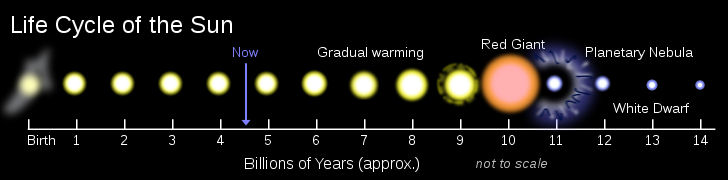
This will of course continue until Earth as a planet comes to an end, which it will.
The good people of Kerr City did not do that. They were happy to live off their citrus crop until a few hard winters wiped them out making all the hard work they spent building homes, buying cars and keeping them running, and generally doing the business of running a small town useless, because without an economy, there is nothing for anybody to do. And without their citrus crop, Kerr City was useless.
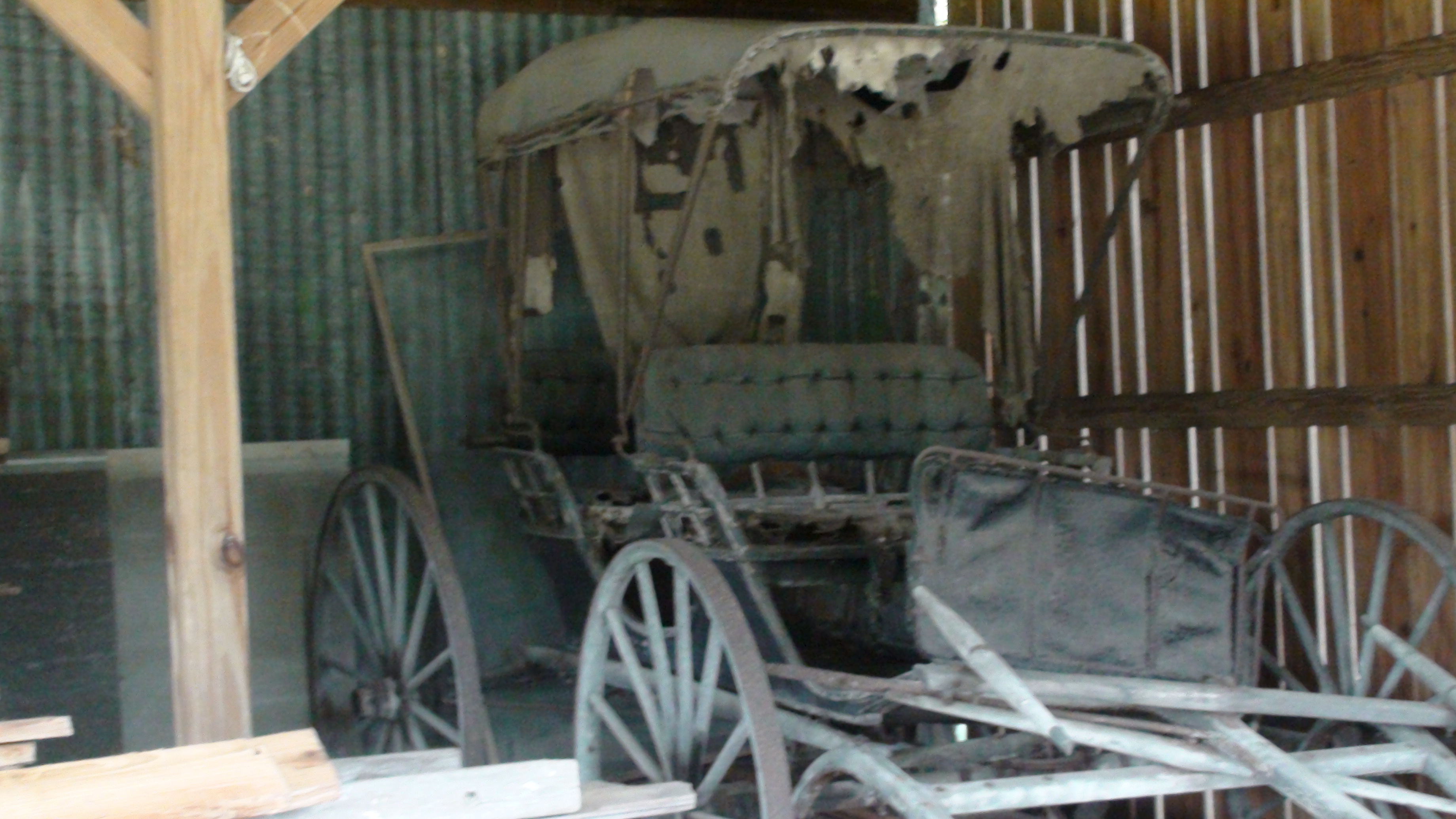
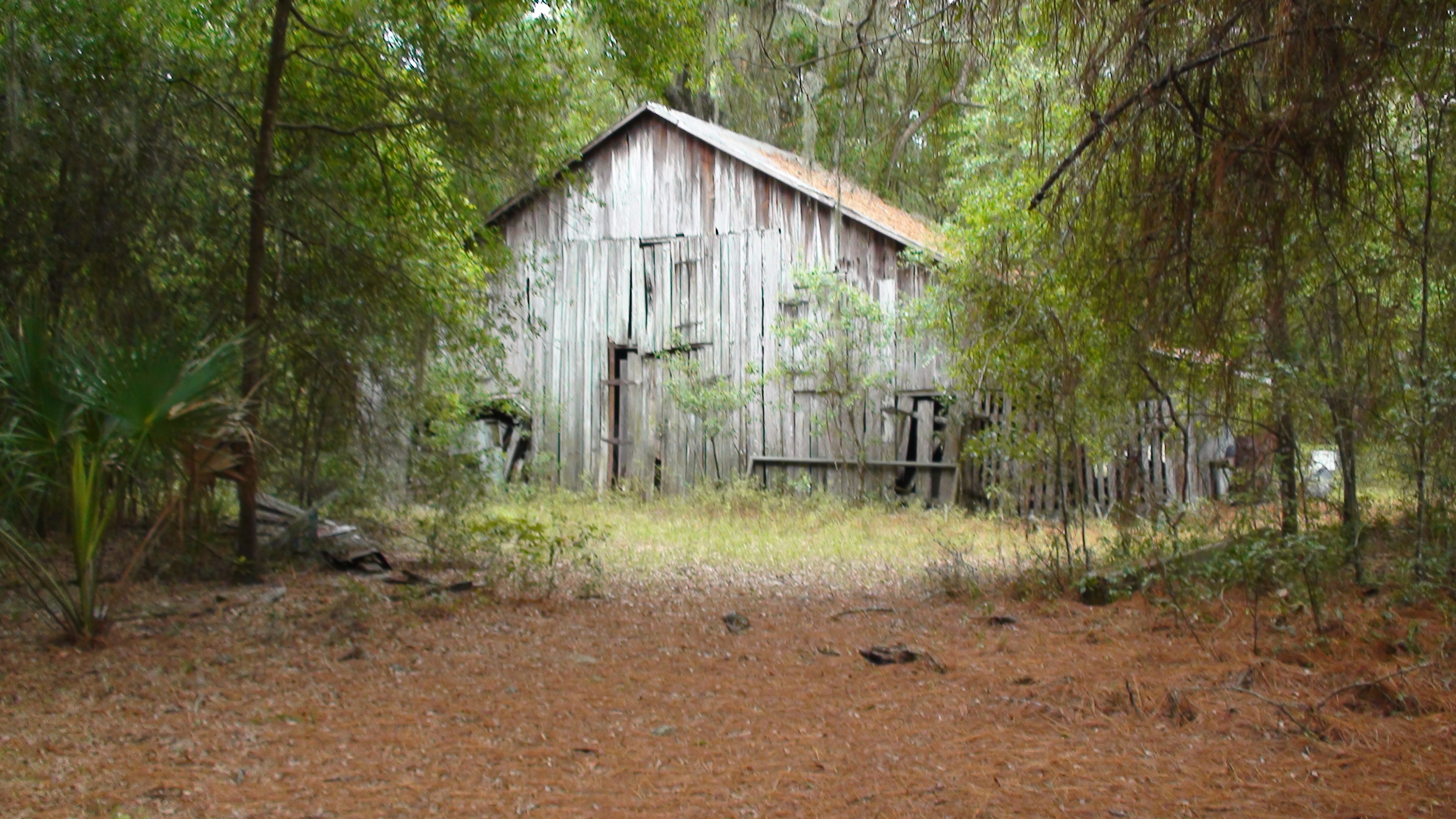
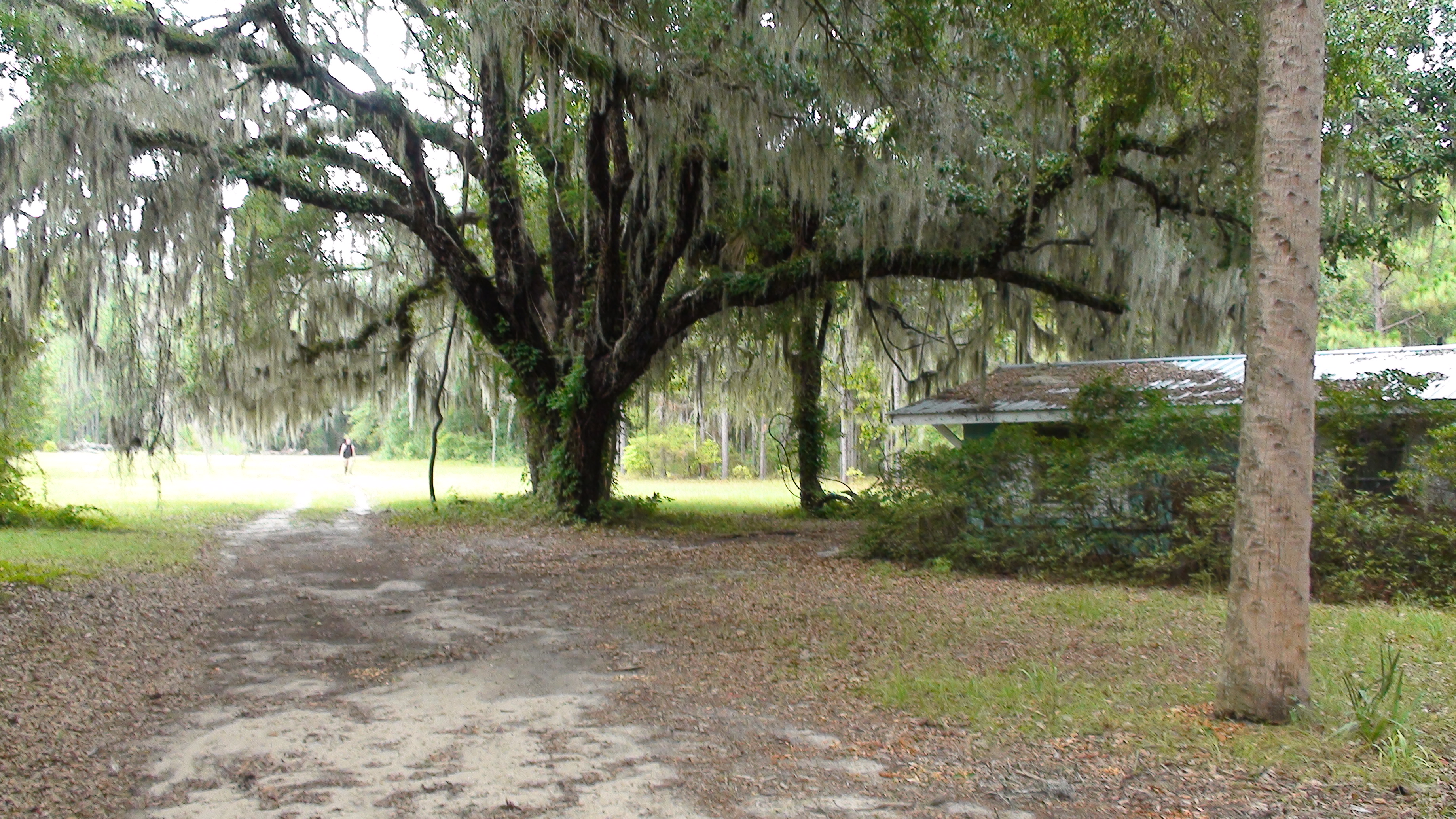
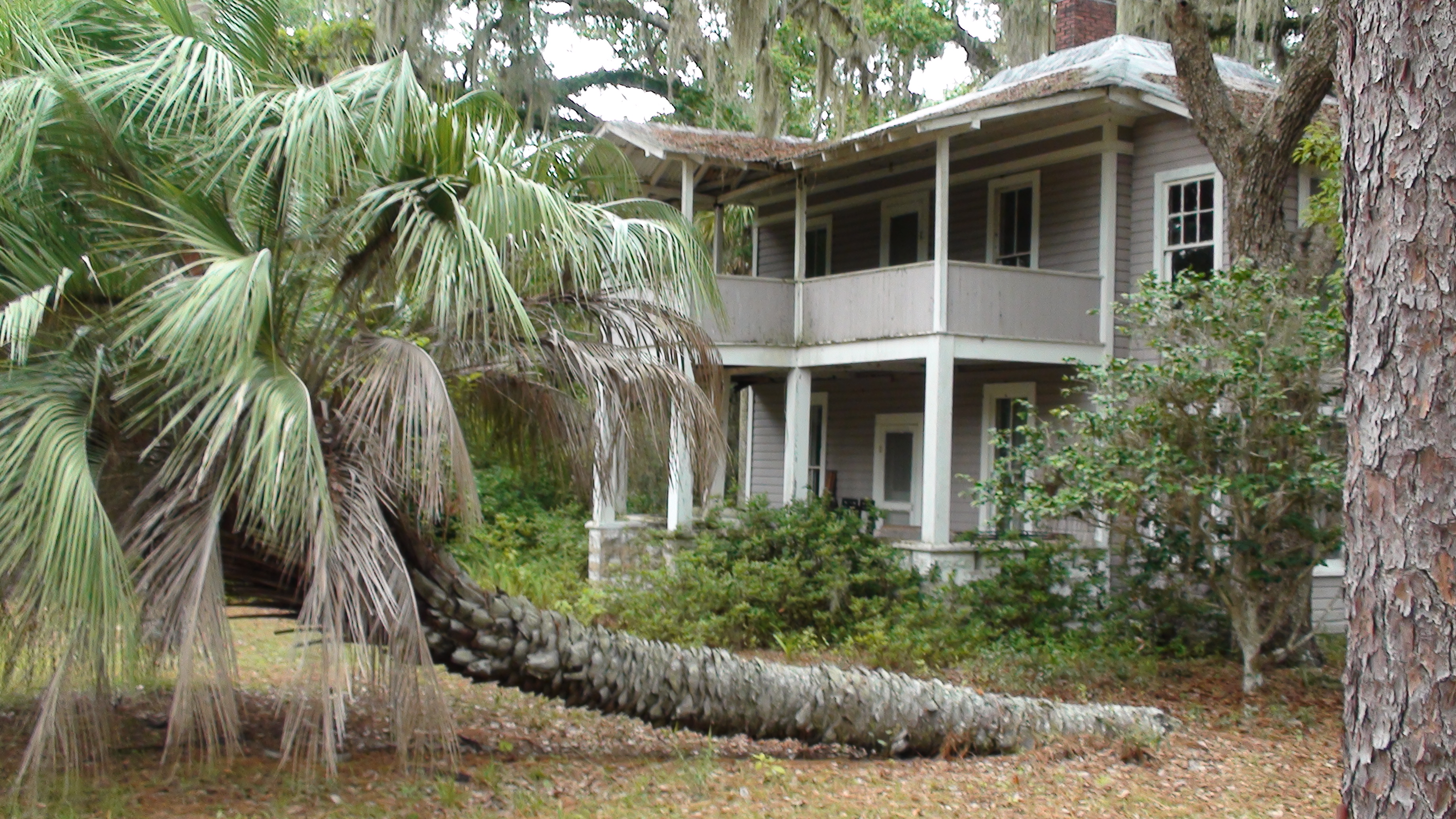
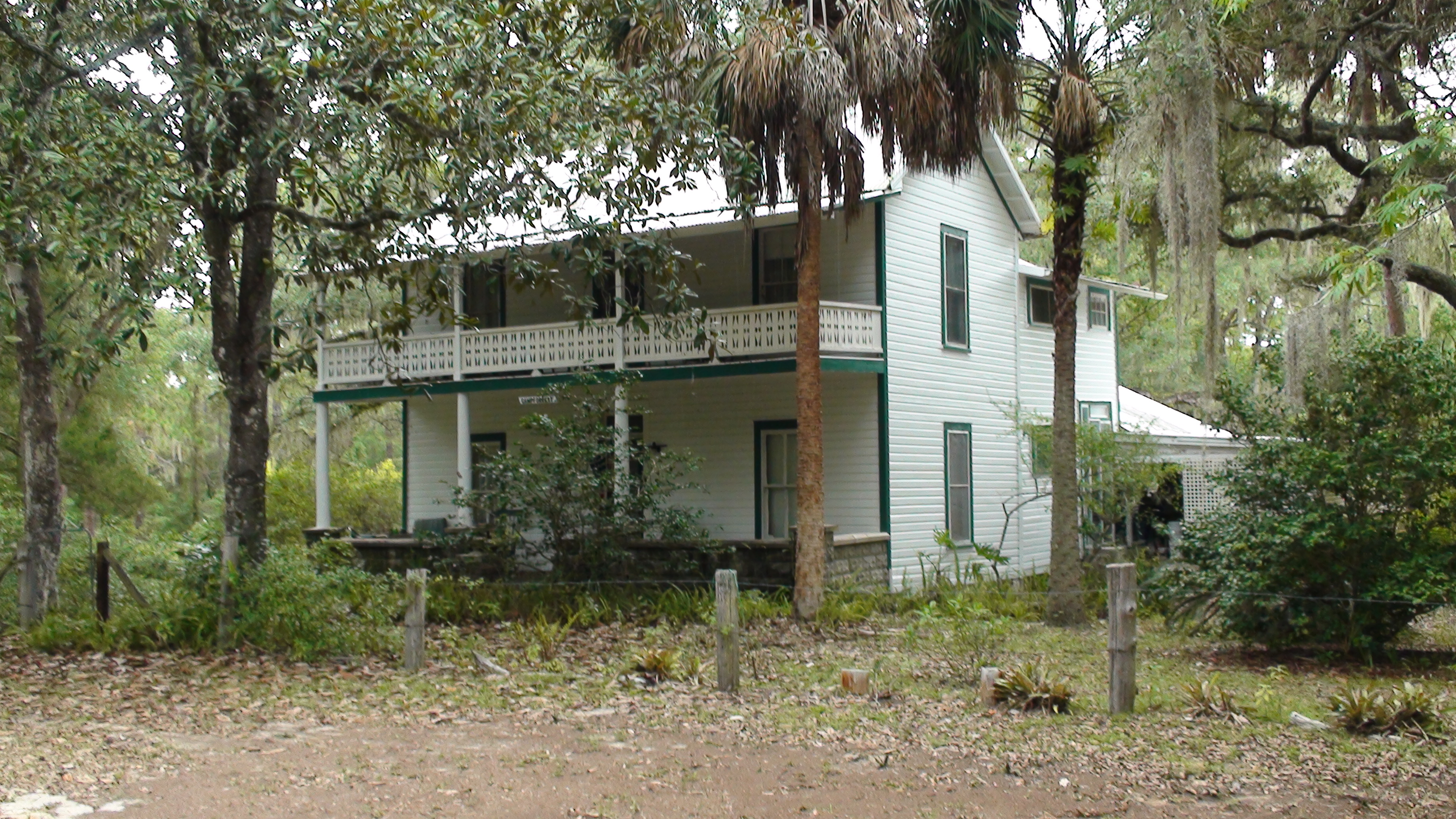
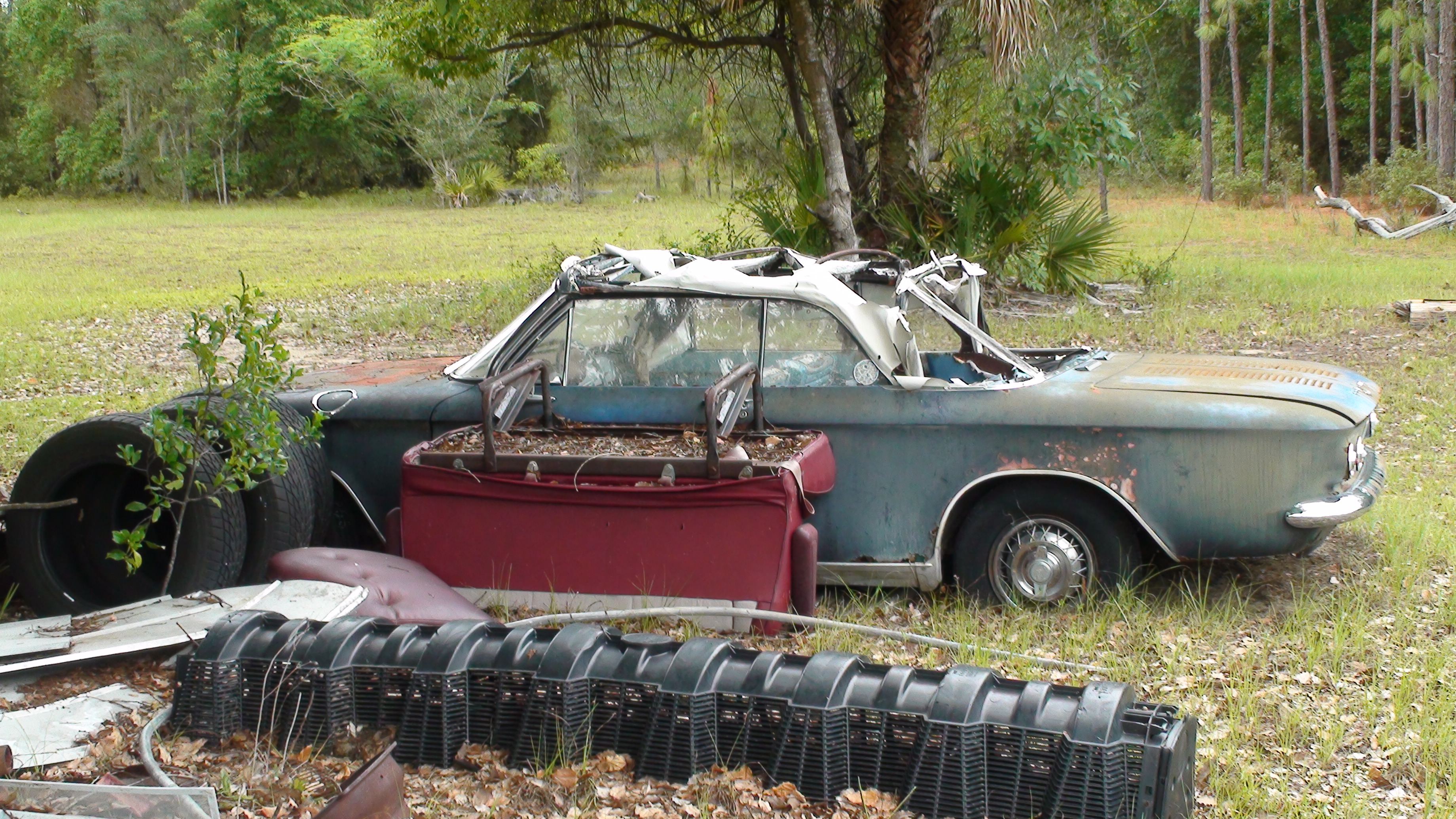
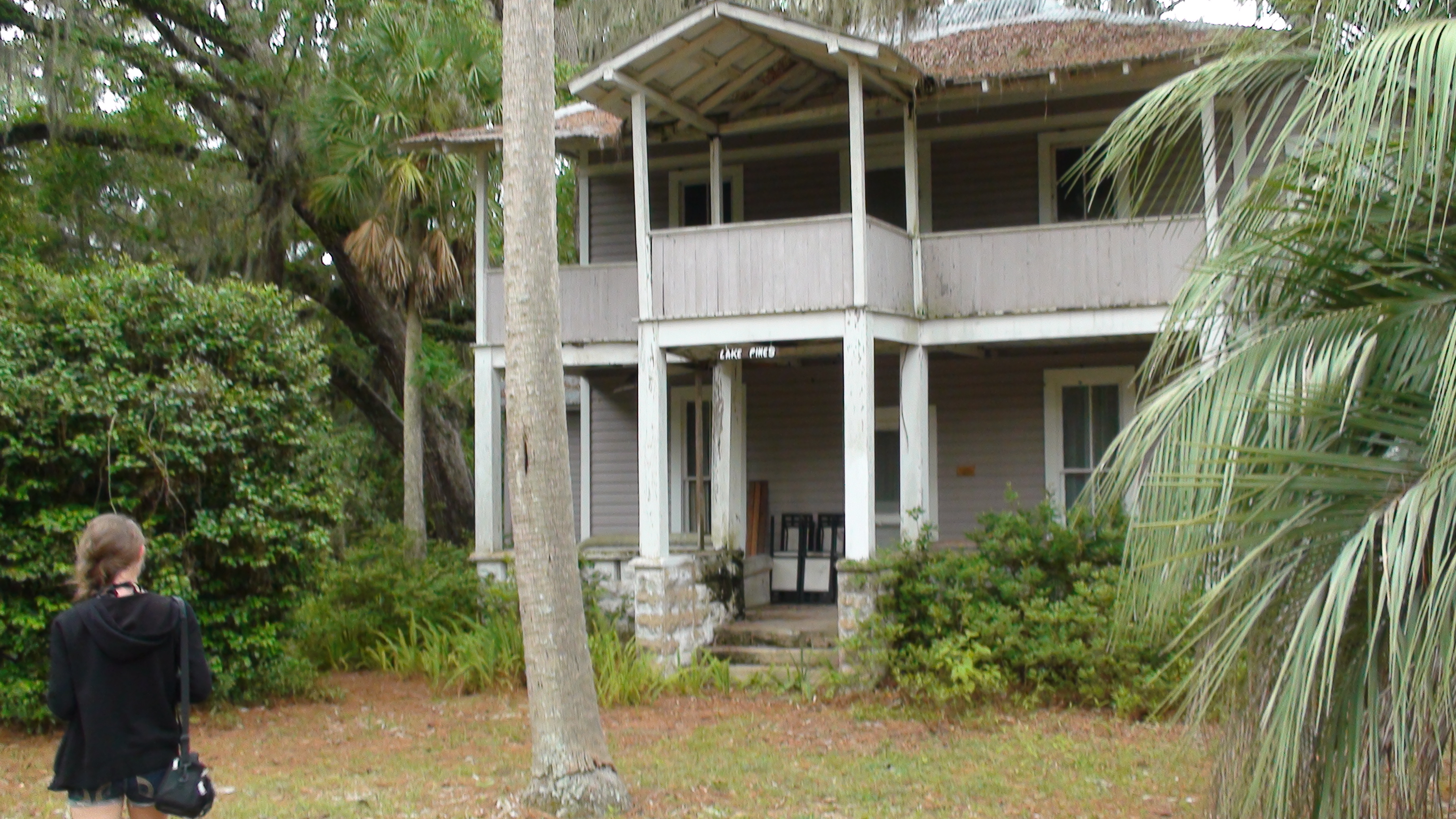
As sweat ran down my face, and ticks crawled up our legs, I stood on the shore of Lake Kerr and noticed what wasn’t there any longer. Only a few buildings still stand. This ghost town wasn’t like Moonville where that place was certainly haunted. Kerr City was only haunted in its lost potential as a town. The remaining buildings had been kept up by a person who had bought the property and rented out the homes to lake visitors. The dirt road leading to the site was prohibitive and far from inviting. But the owner’s endeavors had at least kept a shadow of the town alive, even if that shadow was fading as the encroaching forests were taking the town back, soon to erase it from memory all together.
Nobody ever sees it coming, the extinction of  a town, a civilization, or even a planet. The best way to prevent that stagnant extinction is by constantly leaning forward, by taking the reins off human kind and letting the explosion that created America continue as it did for the first 100 years, where no political power stood in the way of fresh ideas and advanced the world culture in ways never before realized on planet earth during this relatively calm stage of life of which all of human existence rose, hopefully not to just fall away into extinction like most of the species have met fate in a similar fashion. And like the winter freeze destroyed the town of Kerr City, politics is destroying the uniqueness of America, and the culture that can actually reach the stars and put fate in human hands instead of a passive submission to mother earth which the hippies of a thousand broken homes look to for psychological reassurance as a solid parent when the reality is far from so. Extinction is the path of the tyrant who is selfish with only their life spans in mind. Extinction is the path of the hippie, the greenie weenie, the hemp smoking loser holding up the peace sign. Extinction is the path of the 22-year-old girl who goes to a night club with a handful f her friends and allows a bar tender to pour “jelly shots” into her belly button to let strangers suck on in a sexual ritual resembling defiance to orthodox. Extinction is for the globalist that suckles to the breast of mother earth for all the same reasons that a youngest child seeks to undermine their older siblings for attention of the mother to fill a psychological void in their minds. Extinction is for those who seek security before adventure, for those who look to protect their pension, their income, before accepting a new adventure which would bring new experiences to their mundane lives of slow decay. Extinction is for the socialist and the elite bosses that dictate to the flock just who, what, and where to think as their promised utopia becomes a prison of constant supervision. The proof of these ideas can be seen in the buildings of Kerr City, once thriving with life, but within just a few years, all hope was extinguished because the town couldn’t see it coming, and when they did, they failed to act accordingly.
Rich Hoffman
https://overmanwarrior.wordpress.com/2010/12/04/ten-rules-to-live-by/
http://twitter.com/#!/overmanwarrior
www.overmanwarrior.com
http://www.glennbeck.com/2011/06/23/is-college-worth-it/
[kyte.tv appKey=MarbachViewerEmbedded&uri=channels/451373/1385839&tbid=247719&p=1011&height=384&width=320]
Rich Hoffman
https://overmanwarrior.wordpress.com/2010/12/04/ten-rules-to-live-by/
http://twitter.com/#!/overmanwarrior
www.overmanwarrior.com