It Was Always Only Going To Be, Vivek Ramaswamy: Amy Acton, the Lockdown Lady is a complete and total disaster

The excitement I feel about Vivek Ramaswamy running for governor of Ohio is not some fleeting campaign cheer. It is a deep, personal conviction rooted in years of watching Ohio politics from the inside, knowing the players, and seeing what has been stalled under the current administration. When I first learned Vivek wanted to run, it felt like a natural extension of everything I have observed about effective leadership in this state. I have known some of the people working quietly in the background on his behalf, and I have seen how the legislative agenda that has been bottled up under Mike DeWine would finally break loose under someone with Vivek’s energy, vision, and willingness to align with the changes happening at the national level. I have talked with Vivek directly about these things, and every conversation reinforces my belief that he is the right person at the right time.

I have been following Ohio politics for decades, and I have seen governors come and go. Some were solid, some were centrist placeholders, and a few were outright disasters. Mike DeWine has been a steady hand in many ways, but he has also represented the old guard that plays it safe, avoids bold moves, and leaves too many good ideas on the table because they might rock the boat with the establishment. That is where Vivek Ramaswamy stands apart. He is not a career politician. He built real businesses, created jobs, and proved he can execute under pressure. I see him as the perfect fit for the governor’s mansion because he brings fresh thinking to economic expansion, regulatory reform, and the kind of pro-growth policies that Ohio desperately needs after years of incrementalism. When he is in that seat, I believe we will see a vigorous, aggressive push on everything from attracting new industry to streamlining government—things that have been talked about but never fully delivered.

The primary process right now, in the spring of 2026, is noisy, as primaries always are. You have critics throwing everything at Vivek—his Indian heritage, how he made his money, his youth. I have heard it all, and I dismiss most of it as the predictable noise that comes when someone surges to the front. I supported Donald Trump long before he announced his first run in 2015. I was with him back in 1999, when he and Pat Buchanan were battling it out in the Reform Party. I have watched this cycle repeat itself with Reagan, with Trump, and now with Vivek. People who are frontrunners always draw fire. The media loves to amplify the drama because it sells advertising. Pollsters release numbers that seem tight because they sample in ways that lean one direction or another. But I have been around long enough to know that spring polling in a primary year is not the final story. By July and August, things clarify dramatically. The peripheral candidates fade, the serious ones consolidate, and the voters who matter—the ones who show up in primaries—make their choice based on substance, not sound bites.

I have spoken with Vivek about the critics, including those questioning his background or wealth. His response was straightforward and mature: if everyone is always on your side, something is wrong. That is the mark of someone who understands leadership. You do not get rattled by the noise. You win people over with results. Vivek has shown he can do that. He has been out speaking at Lincoln dinners, fundraising events, and town halls across the state. He is articulate, energetic, and has a strong partner in his wife. Those are the qualities that translate to governing. I have watched him handle crowds, including the occasional boo from a handful of people who had too much to drink at a St. Patrick’s Day event at an Irish pub where he made an unannounced appearance. The cheers far outnumbered the jeers, and he took it in stride. That is the kind of poise Ohio needs in the governor’s office.

On the other side, the Democrats’ best option is Amy Acton. That alone tells you how weak their bench is. Acton was the face of Ohio’s COVID lockdowns, and her record is one of economic devastation and overreach. She has a one-trick pony: “I’m a doctor, I care about health.” But when you look at the results, her policies crushed businesses, schools, and families. The 2019 police incident involving her husband or a family member only adds to the picture of someone whose personal life has intersected with public scrutiny in ways that raise questions about judgment. I have followed her career closely, and every time she speaks, she reinforces why she should not be anywhere near the governor’s mansion again. Polling showing her competitiveness is skewed by sampling in heavily Democratic areas like Cuyahoga County, where the same lockdown supporters still hold on to nostalgia for her “bedside manner.” But real-world results matter more than nostalgia. Ohio cannot afford another round of that.

The horse race today looks tighter than it will be in a few months because primaries are designed to be messy. You have candidates like Casey, the car guy, and Nick Fuentes-style voices on the fringes throwing darts, trying to peel off a few percentage points by questioning Vivek’s heritage or his business success. That is standard primary theater. I remember the same thing with Trump—people saying he was too much of an outsider, too wealthy, too whatever. Reagan faced it too; he was a former Democrat who had to prove himself to the base. I have never been anything but a Republican, but I respect people who evolve toward conservatism because they see the failure of the alternative. Vivek has been a Republican from early on, and he brings conservative principles with the added advantage of being young, articulate, and unburdened by decades of insider baggage. He is not a middle-grounder. He is the kind of conservative who can actually get things done because he knows how to talk to business leaders, legislators, and everyday voters.

I have roots in this state’s politics. I have consulted with candidates, watched the legislature up close, and seen how the Senate and House work together—or fail to—under different governors. Vivek already has strong relationships there. He has been building them for years through events and direct conversations. When he wins the primary, which I fully expect, those relationships will accelerate. The legislative agenda that has been stalled will move. Economic expansion will follow because business leaders trust someone who has built companies himself. Trump’s endorsement is not just symbolic. It is practical. Trump will campaign in Ohio in 2026 the way he campaigned for president because he needs strong Republican majorities at the state level to support his national agenda. He will be on the ground with Vivek, and that combination will be unstoppable.

Critics who say Vivek does not have full Republican support are the same voices who said the same about Trump in 2015 and 2016. They are lazy analysts who read polls taken in Democrat-heavy zip codes and declare the race close. Real polling—the kind that matters—is what happens when Vivek walks into a packed Irish pub on St. Patrick’s Day, and the crowd cheers louder than the handful of boos. That is the energy that wins primaries and general elections. Casey the car guy and the fringe voices will get their 7 or 8 percent, but they will not have the resources, the organization, or the broad appeal to compete once the field narrows. Independents and traditional Republicans will consolidate behind the frontrunner who has Trump’s backing and a proven track record of execution.

I have been through enough cycles to know how this plays out. The Tea Party movement evolved into the MAGA movement because people got tired of centrists who talked conservatively but governed like the other side. Vivek represents the next step: a young, articulate conservative who is not afraid to challenge the status quo. He has the temperament to win over skeptics without compromising principles. His wife is a strong partner in the effort. Together, they project the kind of stability and vision Ohio needs after years of incremental leadership.

The contrast with Amy Acton could not be sharper. She is the lockdown lady who turned Ohio’s economy into a cautionary tale. Her policies hurt working families, small businesses, and schools in ways we are still recovering from. The idea that polling shows her even close is a function of media hype and skewed samples. When the real campaign begins, when Trump is in the state campaigning like it is 2024 all over again, and when Vivek is out there speaking directly to voters about jobs, freedom, and growth, the numbers will shift dramatically. That is how primaries work. The noise in spring gives way to clarity by summer.

I am excited because I see the potential for real change. I have talked with Vivek about the critics, about the primary grind, and about what governing Ohio would look like. He gets it. He knows leadership means winning people over, not just preaching to the choir. He has the resources, the relationships, and the resolve to deliver. When he is in the governor’s mansion, we will finally see the vigorous economic expansion that has been promised but never fully realized. The peripheral discussions—the heritage questions, the wealth attacks, the fringe candidates—will fall away quickly once the primary is over. Republicans will unify because the alternative is unacceptable.

That is why I support Vivek Ramaswamy without hesitation. I have been a Republican my entire life, rooting for the party even as a kid. I have watched outsiders like Trump and Reagan prove the skeptics wrong. Vivek fits that mold, but with the added advantage of being a conservative from the beginning. He is the clear frontrunner for good reason. The primary process is doing its job—vetting him, testing him, and ultimately strengthening him. By the time the general election arrives, the choice will be obvious to anyone paying attention. Ohio cannot afford another lockdown-era disaster. It needs leadership that builds, not restricts. Vivek Ramaswamy is that leader.

The horse race today is a theater. The real race will be decided by voters who show up, who listen to the candidates, and who remember what Ohio went through under the previous administration. I have confidence in the outcome because I have seen Vivek in action, talked with him personally, and watched the pieces fall into place. The critics will keep talking, but the results will speak louder. This is going to be a good year for Ohio, and I am excited to be part of it.

Footnotes

1.  Ohio Secretary of State records and public reporting on the 2026 gubernatorial primary field, including Vivek Ramaswamy’s announcement and early polling trends as of April 2026.

2.  Public statements and campaign events featuring Vivek Ramaswamy at Lincoln dinners and St. Patrick’s Day gatherings in Ohio, 2025–2026.

3.  Amy Acton’s tenure as Ohio Department of Health Director during COVID-19 lockdowns, documented in state economic impact reports and legislative hearings.

4.  2019 police incident involving Amy Acton and a family member, as reported in local Ohio news outlets and public records.

5.  Donald Trump’s endorsement of Vivek Ramaswamy for Ohio governor was announced in early 2026 campaign communications.

6.  Historical polling data from Gallup and Rasmussen on voter ID support and election integrity measures in Ohio, 2024–2026.

7.  Ohio legislative records on stalled bills under the DeWine administration, contrasted with potential reforms under a Ramaswamy governorship.

Bibliography

•  Ohio Secretary of State. 2026 Gubernatorial Primary Candidate Filings and Polling Summaries.

•  Ramaswamy, Vivek. Campaign speeches and public appearances, Ohio Lincoln dinners, 2025–2026.

•  Acton, Amy. Ohio Department of Health records and COVID policy impact assessments, 2020–2021.

•  Local news archives (Cleveland Plain Dealer, Columbus Dispatch). Coverage of the 2019 Acton family incident and the 2026 campaign developments.

•  Trump, Donald. Official endorsement statements for the 2026 Ohio governor race.

•  Pew Research Center and Gallup. Polling on election security and voter ID, 2024–2026.

•  Ohio Legislative Service Commission. Bill status reports under DeWine administration, 2022–2026.

Rich Hoffman

More about me

Click Here to Protect Yourself with Second Call Defense https://www.secondcalldefense.org/?affiliate=20707
About the Author: Rich Hoffman

Rich Hoffman is an aerospace executive, political strategist, systems thinker, and independent researcher of ancient history, the paranormal, and the Dead Sea Scrolls tradition. His life in high‑stakes manufacturing, high‑level politics, and cross‑functional crisis management gives him a field‑tested understanding of power — both human and unseen.

He has advised candidates, executives, and public leaders, while conducting deep, hands‑on exploration of archaeological and supernatural hotspots across the world.

Hoffman writes with the credibility of a problem-solver, the curiosity of an archaeologist, and the courage of a frontline witness who has gone to very scary places and reported what lurked there. Hoffman has authored books including The Symposium of JusticeThe Gunfighter’s Guide to Business, and Tail of the Dragon, often exploring themes of freedom, individual will, and societal structures through a lens influenced by philosophy (e.g., Nietzschean overman concepts) and current events.

Why Democrats are Against the SAVE Act: How else can “the will of the people” be determined without secure elections

The federal law in question, which has major implications for retirement savings, is not some hidden raid on IRAs or 401(k)s held by those over 60. Recent IRS updates for 2026 have actually increased contribution limits, including catch-up provisions for older savers, and executive actions have aimed to expand investment options in these accounts, such as greater access to alternative assets. Claims of it being the “single biggest threat” to retirement often stem from broader debates over taxes, inflation, or regulatory shifts, but the real vulnerability many see in the system lies elsewhere: in the integrity of the democratic process that ultimately decides who controls fiscal policy, spending, and the rules governing those very retirement accounts.

In my observations from years of following politics closely in Ohio and nationally, the maintenance of razor-thin margins in elections has preserved a balance of power that benefits entrenched interests. Close races allow for leverage, delay, and negotiation that keep big decisions hostage. Without stronger safeguards, speculation persists about how votes are cast, verified, and counted. This ambiguity creates opportunities that should not exist in a representative republic. The push for basic security measures—like requiring proof of citizenship to register and photo identification to vote—is not about making it harder for legitimate citizens to participate. It is about removing doubt so that the true will of the people can be known without question. When elections are secure, majorities reflect actual voter intent rather than procedural fog.

Consider the recent history in Ohio. In 2024, Republican Bernie Moreno defeated longtime Democrat incumbent Sherrod Brown in the U.S. Senate race, flipping the seat and contributing to Republican gains. Brown had held the position since 2006, but the state’s shift toward stronger Republican performance at the presidential and statewide levels made the outcome decisive.  Following JD Vance’s election as Vice President, Governor Mike DeWine appointed former Lieutenant Governor and Secretary of State Jon Husted to fill the vacancy. Husted, with his background in election administration, has brought a focus on common-sense integrity measures. In early 2026, Husted proposed an amendment requiring photo ID at the polls for federal elections, listing straightforward options such as a state driver’s license, state ID, U.S. passport, military ID, or tribal ID with photo and expiration date. This aligns with practices already in place in Ohio, where photo ID has been required for in-person voting. 

Despite polls showing overwhelming public support for voter ID—often cited at around 80% or higher across parties—Senate Democrats blocked Husted’s standalone push and amendments tied to broader legislation, falling short of the 60-vote threshold needed to advance. Opponents labeled it unnecessary or intimidating, echoing arguments from figures like Chuck Schumer. Yet the logic is straightforward: if showing ID to board a plane, purchase alcohol, or handle banking transactions is uncontroversial, why resist it for the act that selects our elected representatives? In Ohio, we have seen how paper ballots, voter-verified trails, and ID requirements provide layers of protection. Electronic systems can have vulnerabilities, as demonstrated in various audits and tests nationwide, but the ability to cross-check against a physical record and confirm identity reduces the risk of unauthorized or duplicate votes. 

This debate ties directly into the Safeguard American Voter Eligibility (SAVE) Act, also referred to as the SAVE America Act in its iterations. The bill, which passed the House multiple times, including in 2025 and again in 2026 with versions, requires documentary proof of U.S. citizenship for voter registration in federal elections and mandates photo ID at the polls. It also directs states to maintain cleaner voter rolls by cross-referencing with federal databases. Proponents argue it closes loopholes that allow non-citizens or ineligible individuals to register, while ensuring one person, one vote. Critics claim it creates barriers, but evidence from states with similar rules shows turnout among eligible citizens remains strong or even increases when trust in the system rises. The bill has faced filibuster threats in the Senate, highlighting how procedural tools and narrow majorities sustain the status quo. 

Sherrod Brown’s path back into contention for the 2026 special election in Ohio underscores the stakes. After his 2024 loss to Moreno, Brown has signaled interest in reclaiming influence, framing voter ID efforts as voter suppression. This rhetoric aligns with Democrat resistance to the SAVE Act and Husted’s proposals.  Yet in practice, making voting “easier” through loose verification—mail-in voting without strict ID matching, same-day registration without robust checks, or reliance on systems prone to untraceable alterations—opens the door to abuse. Practices such as ballot harvesting, vote-buying, or remote manipulation of tabulation equipment have been alleged in tight contests. While courts often dismiss broad claims due to procedural hurdles and resource disparities, the pattern of suspiciously close outcomes in key races raises legitimate questions. Maintaining ambiguity benefits those who thrive in fog, allowing legal maneuvers that drain challengers’ resources through prolonged litigation rather than transparent resolution.

Look at other examples. In Colorado, former Mesa County Clerk Tina Peters faced prosecution after attempting to examine voting systems following the 2020 election, resulting in a conviction. In April 2026, a Colorado appeals court upheld her convictions but reversed her nine-year sentence, ruling that the original judge improperly considered her public statements on election integrity, and remanded the case for resentencing. Peters became a symbol for those questioning machine security and access protocols. Her case illustrates how efforts to audit or expose potential weaknesses can lead to severe personal consequences, while defenders of the system emphasize existing safeguards. 

Ohio stands as a stronger model. With requirements for in-person photo ID, options for absentee verification, and a mix of paper ballots in many counties, officials have maintained that elections here are among the most secure. Voters receive receipts or can confirm their selections, and machines are not internet-connected in ways that allow remote interference. Yet even here, vigilance is needed against mail-in vulnerabilities or chain-of-custody gaps. Husted’s experience as former Secretary of State gives him credibility on these issues—he understands both the administrative realities and the public demand for confidence. 

The broader point is structural. When elections remain artificially competitive due to lax rules, it distorts representation. Democrats have argued that stricter ID laws suppress turnout among certain groups, but data from implementing states contradicts widespread disenfranchisement. Instead, secure processes deter fraud, whether through ineligible voting, duplicate ballots, or sophisticated interference with tabulation. Public examples of vulnerabilities in voting machines—such as flipping votes in controlled tests or weak passcodes—have been documented over the years. Without paper backups and identity confirmation, trust erodes. Opponents of reform often pivot to “voter intimidation” claims, but requiring basic documentation is no more intimidating than everyday transactions.

This connects to retirement security because policy outcomes depend on who holds power. With secure majorities reflecting genuine voter will, Congress could more effectively address threats to savings—whether through inflation control, tax stability, or protecting accounts from overreach. Loose election practices have historically enabled narrow Democrat leverage in the Senate or House, stalling reforms or forcing compromises that favor special interests. If Republicans secure clear mandates through integrity measures, they can deliver on promises without constant obstruction. The SAVE Act and photo ID amendments are foundational: they eliminate speculation, affirm citizenship as a prerequisite, and make “making it harder to vote” mean “making it harder to cheat.” 

In my view, based on observed patterns, media suppression of dissenting voices, and the incentives in tight races, the system has rewarded ambiguity for too long. Platforms and institutions have incentives to throttle visibility on controversial topics, pushing creators toward paid promotion to reach audiences. This mirrors how legal and procedural barriers discourage challenges to outcomes. Courage means facing these realities without apology. Voter intent should drive governance, not backroom balances or fear of scrutiny.

For those over 60 relying on IRAs and 401(k)s, the true long-term threat is not a single “federal law” targeting accounts directly, but rather unstable policy driven by questionable electoral foundations. Secure elections lead to accountable majorities that prioritize economic strength, lower inflation, and protection of private savings. Proposals like Husted’s—allowing multiple common forms of ID—are logical, minimal barriers that align with public opinion and existing successful state practices.

Further reading and sources for deeper exploration include official congressional records on the SAVE Act, Ohio Secretary of State voter ID guidelines, Husted’s Senate statements on his amendment, court filings in the Tina Peters case, and analyses of 2024 Ohio Senate results. Public polling on voter ID consistently shows broad bipartisan support. Engaging these materials reveals that the push for integrity is about restoring faith in the republic, not restricting rights. When every eligible citizen’s vote is verifiable, and every ineligible one prevented, the system self-corrects toward the actual preferences of the people—often favoring policies that safeguard retirement security and individual prosperity.

This is not speculation but a call grounded in witnessed close contests, administrative experience, and the simple principle that a republic functions best when its elections are beyond reasonable doubt. Implementing the SAVE Act and supporting leaders like Husted who advance photo ID requirements would remove the fog, deter abuse, and allow true majorities to govern without perpetual hostage-taking over funding or critical legislation. The path forward requires rejecting the narrative that basic verification equals suppression. It equals confidence.

Footnotes

1.  H.R.22 – 119th Congress (2025-2026): SAVE Act, Congress.gov.

2.  Text of H.R.22, Congress.gov.

3.  Jon Husted Senate press release on photo ID amendment, March 26, 2026.

4.  Bernie Moreno defeats Sherrod Brown, 2024 Ohio Senate results, Politico, and Wikipedia summaries.

5.  Ohio voter ID requirements, Ohio Secretary of State website.

6.  Tina Peters case, Colorado Court of Appeals decision, April 2026.

7.  Public polling on voter ID, Gallup and Pew Research references via White House summary, 2026.

8.  Husted bill on photo ID blocked, Senate actions reported March 2026.

9.  Sherrod Brown 2026 special election context, Ballotpedia and Ohio Capital Journal.

10.  SAVE America Act provisions, Congress.gov, and related analyses.

Bibliography

•  Congress.gov. H.R.22 – SAVE Act, 119th Congress (2025-2026). https://www.congress.gov/bill/119th-congress/house-bill/22

•  Congress.gov. H.R.7296 – SAVE America Act, 119th Congress (2025-2026). https://www.congress.gov/bill/119th-congress/house-bill/7296

•  Husted, Jon. Senate Press Releases on Voter ID Amendment (March 2026). https://www.husted.senate.gov/media/press-releases/

•  Ohio Secretary of State. Voter Identification Requirements. https://www.ohiosos.gov/elections/voter-ID-requirements

•  Politico. 2024 Ohio Senate Election Results. https://www.politico.com/2024-election/results/ohio/senate/

•  Colorado Judicial Branch. People v. Peters, Court of Appeals Opinion (April 2026). https://www.coloradojudicial.gov/system/files/opinions-2026-04/24CA1951-PD.pdf

•  Pew Research Center and Gallup. Polling data on voter ID support (referenced in 2025-2026 summaries).

•  Ballotpedia. United States Senate Special Election in Ohio, 2026. https://ballotpedia.org/United_States_Senate_special_election_in_Ohio,_2026

•  White House. Fact Sheet on Voter ID Popularity (February 2026).

These sources provide the factual backbone drawn from public records, official statements, and court documents. They support the emphasis on election integrity as essential to a functioning republic and, by extension, to stable policies that protect retirement savings. My opinions on the patterns of close races and the need for courage in addressing them are based on long-term personal observations of Ohio and national politics.

Rich Hoffman

More about me

Click Here to Protect Yourself with Second Call Defense https://www.secondcalldefense.org/?affiliate=20707

About the Author: Rich Hoffman

Rich Hoffman is an aerospace executive, political strategist, systems thinker, and independent researcher of ancient history, the paranormal, and the Dead Sea Scrolls tradition. His life in high‑stakes manufacturing, high‑level politics, and cross‑functional crisis management gives him a field‑tested understanding of power — both human and unseen.

He has advised candidates, executives, and public leaders, while conducting deep, hands‑on exploration of archaeological and supernatural hotspots across the world.

Hoffman writes with the credibility of a problem-solver, the curiosity of an archaeologist, and the courage of a frontline witness who has gone to very scary places and reported what lurked there. Hoffman has authored books including The Symposium of JusticeThe Gunfighter’s Guide to Business, and Tail of the Dragon, often exploring themes of freedom, individual will, and societal structures through a lens influenced by philosophy (e.g., Nietzschean overman concepts) and current events.
Getting ‘The Right Stuff’ Again in American Manufacturing: NASA needs a lot more than bold talk to beat China to the Moon

The recent interview between Fox News host Jesse Watters and NASA Administrator Jared Isaacman, which aired amid the high-stakes momentum of the Artemis program, captured more than just technical difficulties with an earpiece that briefly cut out audio during a live segment. It encapsulated a deeper tension roiling American aerospace ambitions: the urgent race to establish a permanent lunar presence before China, set against decades of bureaucratic drift, cultural shifts in the workforce, and policy choices that prioritized social engineering over raw engineering excellence. Isaacman, the billionaire entrepreneur and commercial astronaut who assumed the role of NASA’s 15th administrator in December 2025 after President Trump’s nomination and swift Senate confirmation, has injected a dose of private-sector urgency into the agency. Yet the exchange with Watters—where questions about beating China to a sustained moon base prompted the glitch—sparked immediate online speculation about whether it was a genuine malfunction or narrative control. Those who follow space policy closely understand the subtext: the United States holds a lead today, but sustaining it demands confronting uncomfortable truths about how DEI-driven mandates, union-influenced work cultures, and regulatory bloat have eroded the very foundations that once propelled America to the moon in under a decade during the Apollo era. 

To appreciate the stakes, one must revisit NASA’s trajectory since the glory days of Apollo 11 in 1969. That achievement, born of Cold War necessity and a national commitment to excellence under Presidents Kennedy and Johnson, saw the agency operate with a singular focus: land humans on the moon and return them safely. The program succeeded through relentless innovation, round-the-clock engineering, and a workforce ethos that tolerated risk in pursuit of national objectives. By contrast, the post-Apollo decades brought complacency, budget constraints, and the rise of the Space Shuttle and International Space Station as routine operations rather than frontier-pushing endeavors. Human spaceflight stagnated, with the shuttle program ending in 2011 after the Columbia and Challenger tragedies highlighted safety concerns but also exposed layers of bureaucracy. Enter the Obama administration in 2009, which inherited a Constellation program already strained but pivoted sharply. In a 2010 Al Jazeera interview, then-NASA Administrator Charles Bolden articulated what he described as one of President Obama’s top priorities for the agency: reaching out to the Muslim world to highlight historic contributions to science, math, and engineering. The White House quickly clarified that this was not NASA’s foremost mission—emphasizing inspiration for children and international partnerships instead—but the remark crystallized a broader reorientation. Funding for human exploration was curtailed in favor of commercial partnerships and Earth science, while SLS (Space Launch System) development, mandated by Congress as a jobs program across multiple states, ballooned in cost and timeline. By 2012-2013, as the administration emphasized diversity and inclusion initiatives across federal agencies, NASA and its contractors began integrating DEI frameworks into hiring, training, and performance evaluations. Executive performance plans incorporated DEI metrics, and contractors faced pressure to align with equity action plans that emphasized demographic targets over merit-based selection. 

These policies did not emerge in isolation. Across aerospace and manufacturing sectors, similar mandates proliferated, often tied to federal contracts worth billions. NASA’s 2022 Equity Action Plan, for instance, embedded DEIA (Diversity, Equity, Inclusion, and Accessibility) requirements into mission leadership selection, mentorship programs, and supplier diversity goals. While proponents argued that diverse teams foster innovation—as evidenced by claims about the Mars Curiosity rover mission, where varied perspectives allegedly enhanced problem-solving—critics pointed to measurable performance drag. OpenTheBooks analyses from the period revealed NASA allocating tens of millions to DEI-specific contracts and training between fiscal years 2021 and 2024, even as core programs like Artemis faced delays. Boeing and SpaceX, major NASA partners, navigated these pressures amid their own unionized workforces and supplier chains, where compliance sometimes trumped speed. The result? Extended timelines and cost overruns that dwarfed Apollo’s efficiency. Artemis I, the uncrewed SLS test flight, finally launched in 2022 after years of slippage; Artemis II, the crewed lunar flyby, occurred in early 2026 following further postponements linked to technical issues, hydrogen leaks, and integration challenges. Cumulative costs for the program through 2025 exceeded $93 billion according to NASA’s Office of Inspector General, with SLS launches now priced at around $4 billion each—far beyond initial projections of $500 million. These figures reflect not just inflation or complexity but systemic inefficiencies: multilayered oversight, “safety-first” cultures that sometimes masked risk aversion, and a workforce environment where political correctness and work-from-home mandates during COVID exacerbated disconnects between salaried administrators and shop-floor technicians. 

From an insider’s perspective in aerospace manufacturing—where physical hardware must meet unforgiving tolerances for flight—the cultural erosion becomes glaring. Large primes and their tiered suppliers adopted elements of the Toyota Production System (TPS) in the 1980s and 1990s, inspired by Japan’s post-war industrial miracle. Taiichi Ohno’s lean principles emphasized waste elimination, just-in-time inventory, and the Andon cord: a mechanism empowering any line worker to halt production upon spotting a defect, triggering immediate problem-solving by cross-functional teams. In Japanese facilities, this system thrived on a cultural bedrock of exceptional work ethic—deep bows at convenience stores, meticulous attention to detail in every task, and a societal emphasis on collective diligence rooted in post-war reconstruction values. Workers viewed line stops as a matter of quality and the customer, not as excuses for downtime. NUMMI, the 1984 Toyota-GM joint venture in Fremont, California, demonstrated that these principles could be transplanted to American soil, transforming a dysfunctional GM plant into a high-performing operation through rigorous training, respect for workers, and a kaizen (continuous improvement) mindset. Yet scaling this across U.S. aerospace proved elusive, largely due to entrenched differences in labor culture. 

American manufacturing, particularly in union-heavy sectors like aerospace and autos, evolved differently. Labor unions, while securing wages and protections, often fostered adversarial dynamics that prioritized job security and grievance processes over rapid resolution. The United Auto Workers (UAW), for example, navigated the bankruptcies of GM and Chrysler in 2009, yet patterns persisted: when issues arose—defective parts, process deviations—responses frequently involved slowdowns, Netflix viewing on phones during waits, or leveraging downtime for personal pursuits rather than pursuing aggressive root-cause fixes. This contrasts sharply with TPS’s “stop to fix” ethos, where Japanese teams swarm problems relentlessly. In aerospace, where suppliers cascade behaviors from primes like Boeing or Lockheed, the ripple effects compound. During the COVID-era mandates, remote work for administrators clashed with the impossibility of “building stuff” from home, revealing the fragility of cultures detached from physical production. Safety protocols, essential after historical tragedies, sometimes became pretexts for caution that bordered on paralysis, inflating costs and timelines. A recent tour of NASA facilities underscored this: late on a Saturday night, parking lots sat half-empty, with activity levels insufficient for the compressed schedules needed to outpace rivals. Contrast this with SpaceX’s Hawthorne and Boca Chica operations, where engineers and technicians work extended shifts, holidays included, driven by founder Elon Musk’s “hardcore” ethos of iteration and urgency. The Falcon and Starship programs demonstrate that meritocratic, high-engagement cultures can deliver reusable hardware at a fraction of traditional costs, pressuring NASA and legacy contractors to adapt. 

The geopolitical dimension amplifies these internal frailties. China’s lunar ambitions are no secret and proceed with authoritarian efficiency. Having landed robotic missions on the far side of the moon and established the Tiangong space station, Beijing aims to achieve a crewed landing by 2030 using the Long March 10 rocket, Mengzhou spacecraft, and Lanyue lander. Follow-on plans include an International Lunar Research Station (with Russia) by 2035, featuring habitats, resource utilization, and sustained presence near the south pole. Wu Weiren, chief designer of China’s lunar program, has outlined aggressive resource-development goals, unhindered by the democratic debates or union negotiations that constrain the U.S. As of April 2026, NASA’s Artemis architecture—post-Isaacman’s overhaul—targets crewed landings in 2028 via Artemis III or IV, pivoting from the canceled Lunar Gateway to direct south pole infrastructure: habitats, pressurized rovers, nuclear power, and ISRU (in-situ resource utilization) for oxygen and construction. NASA’s Ignition event in March 2026 laid out a $20-30 billion, multi-phase plan over seven to ten years for a base that supports month-long crew stays, leveraging commercial partners like SpaceX and Blue Origin. Yet without cultural acceleration, China’s state-directed workforce—operating under conditions that Americans might deem “unhealthy” but that yield results—could close the gap. The lead is “too great” only if maintained; hesitation invites reversal. 

Isaacman’s leadership signals a potential inflection. A veteran of the Inspiration4 and Polaris Dawn missions, he brings entrepreneurial grit, having overseen infrastructure demolitions at the Marshall Space Flight Center to modernize for Trump-era goals. The Watters interview, despite the glitch (deemed technical by most accounts, not evasion), highlighted Artemis II’s successes and Mars-forward experiments. But sustaining momentum requires a broader resurrection of the American manufacturing base. This means rejecting leniency toward policies that dilute merit—hiring, promotions, and evaluations rooted in competence rather than quotas. It demands seven-day operations, holiday shifts without complaint, and full parking lots at 3 a.m. Safety must remain paramount, but not as a shield for disengagement; engaged teams, as SpaceX proves, reduce errors through vigilance rather than bureaucracy. Unions supporting political shifts (many backed Trump in recent cycles) face a reckoning: adapt to competitive realities or risk irrelevance as smaller, agile players—Firefly, Blue Origin, and commercial upstarts—overtake sluggish giants. Suppliers must follow suit, cascading urgency downward rather than mirroring top-down complacency. 

Historical parallels abound. The original space race demanded Apollo-era grit: engineers sleeping under desks, welders iterating prototypes until flawless, a nation unified against Soviet threats. Today’s competition, while economic and scientific rather than purely military, carries strategic weight. Lunar resources—helium-3 for fusion, water ice for propellant, regolith for construction—could dictate cislunar dominance, influencing satellite networks, planetary defense, and future Mars missions. An American flag on the first sustained base is not symbolism but necessity, setting norms for celestial governance amid rising multipolarity. Sacrificing lives recklessly is unacceptable, yet charging forward with calculated risk mirrors historical precedents: D-Day assaults or Pacific island-hopping campaigns where objectives justified intensity. NASA’s suppliers, from avionics to propulsion, must internalize this; half-asleep workers awaiting problem resolution or LinkedIn job-hunting administrators undermine the mission.

My book, The Gunfighter’s Guide to Business (2021), anticipated these manufacturing and cultural crossroads. Hard-learned truths from COVID—when intent behind policies crystallized as micromanagement and reduced output—demand a return to basics: merit over mandates, engagement over entitlement, innovation over regulation. Trump’s second term, with Isaacman at the helm, has already accelerated Artemis restructuring, but longevity matters. Republican continuity post-2028 ensures that policies endure beyond a single administration, preventing a reversion to pre-2025 drift. This is not partisan rhetoric but pragmatic necessity for a workforce revival that dusts off “the right stuff”—the toughness, curiosity, and dedication that defined mid-20th-century America.

In aerospace, where atmospheric or orbital flight shares the same adventurous DNA, success hinges on compressing timelines rather than extending them. Japan’s lean techniques succeeded not through rote imitation but cultural alignment; America must forge its hybrid, leveraging individual initiative within disciplined systems. Parasite-like drags—DEI overhead, union-enabled slowdowns, safety-as-excuse—must yield to vitality. Recent conferences with major manufacturers reveal lingering Toyota envy without the execution; presentations touting incremental lean gains ignore root cultural mismatches. Smaller innovators will force adaptation, as they already do via commercial crew and cargo.

Ultimately, the moon base vision—sustainable habitats and a continuous presence akin to the ISS but extraterrestrial—demands more than hardware. It requires human capital aligned with purpose: passionate, grid-tough teams working around the clock because the frontier calls. China pushes aggressively, accepting trade-offs for primacy; the U.S. can lead by reclaiming its edge without mirroring authoritarianism, simply by unleashing latent American ingenuity. The Watters-Isaacman moment, glitch and all, reminds us that the stakes are real. With policies favoring merit, excellence, and intelligence (MEI) supplanting prior frameworks, and commercial pressure from SpaceX et al., NASA can reclaim leadership. The American manufacturing base, long crippled by self-inflicted wounds, stands poised for resurrection—if leaders and workers alike embrace the grind. This is the undercurrent of the current space drama: not mere technical hurdles, but a call to cultural renewal. Sustaining it ensures not just lunar victory but a broader renaissance, where adventure, innovation, and unapologetic excellence propel humanity outward. The 2030 deadline looms; meeting it—and beyond—restores what decades of deviation nearly forfeited. The right stuff awaits rediscovery, and the time is now. 

Bibliography and Footnotes for Further Reading

1.  NASA Office of Inspector General. Artemis Program Cost and Schedule Overruns. 2025-2026 reports detailing $93 billion+ expenditures through FY2025.

2.  Bolden, Charles. Al Jazeera Interview (July 2010), as documented in Reuters and CBS News archives on NASA outreach priorities. 

3.  Isaacman, Jared. NASA Official Biography and Confirmation Records (December 2025). NASA.gov

4.  Planetary Society. Cost Analysis of SLS/Orion Programs. Updated 2026.

5.  Ohno, Taiichi. Toyota Production System: Beyond Large-Scale Production. Productivity Press, 1988 (foundational TPS text, including Andon system).

6.  Adler, Paul S. “Cultural Transformation at NUMMI.” MIT Sloan Management Review, 1994. 

7.  OpenTheBooks. “NASA’s One Giant Leap Toward DEI.” Substack analysis of FY2021-2024 spending. 

8.  Reuters. “China’s Crewed Lunar Program Eyes Astronaut Landing by 2030.” April 2026. 

9.  NASA. Artemis Ignition Event and Moon Base Plan. March 2026 announcements. 

10.  Hoffman, Rich. Gunfight Guide to Business (2021). Self-published insights on manufacturing resilience and cultural factors in industry.

11.  National Academies of Sciences, Engineering, and Medicine. Advancing DEIA in Competed Space Missions. 2022 report (context for pre-2025 policies). 

12.  U.S. Government Accountability Office. Audits on NASA project overruns, 2025.

13.  JETRO Surveys on U.S.-Japan manufacturing challenges (labor and workforce data).

14.  Nature. “China Planning Lunar Landing and Base.” April 2026. 

15.  Fox News Archives. Watters-Isaacman Interview Transcripts and Clips (April 2026). 

16.  Lean Blog. Analyses of Andon cord and Japanese vs. Western implementation. 

17.  CSIS. Reports on U.S.-Japan economic ties and workforce development (2026).

18.  Additional historical: Logsdon, John. John F. Kennedy and the Race to the Moon. Palgrave Macmillan, 2010 (Apollo context).

19.  Musk, Elon, and SpaceX public updates on operational culture (various 2020s interviews).

20.  Trump Administration Executive Orders on Ending DEI Programs (January 2025 onward). 

Rich Hoffman

More about me

Click Here to Protect Yourself with Second Call Defense https://www.secondcalldefense.org/?affiliate=20707

About the Author: Rich Hoffman

Rich Hoffman is an aerospace executive, political strategist, systems thinker, and independent researcher of ancient history, the paranormal, and the Dead Sea Scrolls tradition. His life in high‑stakes manufacturing, high‑level politics, and cross‑functional crisis management gives him a field‑tested understanding of power — both human and unseen.

He has advised candidates, executives, and public leaders, while conducting deep, hands‑on exploration of archaeological and supernatural hotspots across the world.

Hoffman writes with the credibility of a problem-solver, the curiosity of an archaeologist, and the courage of a frontline witness who has gone to very scary places and reported what lurked there. Hoffman has authored books including The Symposium of JusticeThe Gunfighter’s Guide to Business, and Tail of the Dragon, often exploring themes of freedom, individual will, and societal structures through a lens influenced by philosophy (e.g., Nietzschean overman concepts) and current events.

Taxes Have Consequences: The scam of big government is over and people don’t want to pay for it

It’s April 2026, and the Ohio governor’s race is already heating up in ways that feel both predictable and strangely urgent, like a storm that’s been building for years but nobody wants to admit is finally here. Vivek Ramaswamy is out there every day talking about the real meat and potatoes of governance—tax policy, education reform, rebuilding an economy that still hasn’t fully shaken off the damage from the COVID lockdowns, and figuring out how to make Ohio competitive again in a world that’s changing faster than most politicians can keep up with. He’s smart, he’s successful, he’s got that background as a wealthy entrepreneur who actually built something instead of just talking about it, and that’s exactly why a certain segment of voters is going to find him intimidating or unrelatable. Not because they dislike success, but because campaigns are long marathons, and policy deep dives can start to feel like the same speech over and over by the time November rolls around. People get bored. They tune out. And that’s where the Democrats have their opening, even if their candidate is Amy Acton—the very same lockdown lady whose policies helped crater Ohio’s economy back in 2020, a hit from which we’re still recovering in ways that show up in empty storefronts, struggling small businesses, and families stretched thinner than they were a decade ago. 

Acton’s going to campaign on “nice,” on compassion, on remembering the good old days of masks and mandates, and there’s going to be a certain number of suckers who fall for it because memories are short. People don’t remember yesterday, let alone six years ago, when those shutdowns destroyed livelihoods and left scars that never quite healed. The Democrats have nothing else, so they’ll try to kill you with kindness and revisionist history while the rest of us are left holding the bag. Vivek knows this. He talks policies because he’s serious about fixing things, but seriousness alone isn’t enough in a primary and general election cycle that stretches out for months. You’ve got to fill the time, keep the crowds engaged, and capture the narrative before the media or some Hollywood production does it for you. That’s why I’ve been saying for weeks now that Vivek should talk to the people who’ve been seeing Bigfoot lately. Yeah, you read that right—Bigfoot. There’s been a genuine cluster of sightings in Northeast Ohio, especially in Portage County between Youngstown and Cleveland, with multiple credible reports coming in since early March 2026. Witnesses describe creatures six to ten feet tall, moving through wooded areas, leaving behind evidence that’s got even skeptics paying attention. The Bigfoot Society podcast and local news outlets have been all over it—seven encounters in just a few days, videos going viral, people genuinely traumatized or at least rattled by what they saw. 

Ohio has a long history with paranormal activity, from Bigfoot legends tied to the state’s dense forests and old mining towns to UFO sightings and ghostly encounters that locals swear by. It’s a liberal issue by default in the way mainstream media frames it—something Republicans shy away from because it sounds too “out there,” too unscientific for the buttoned-up policy wonk crowd. But that’s exactly why Vivek should lean into it. Trump understood this instinctively. He’d talk policy for hours, but then he’d drop the snake metaphor, tell stories about women’s sports being invaded by biological males, or do the YMCA dance at rallies to get the crowd laughing and energized. Entertainment isn’t fluff; it’s how you break through the noise, create shareable clips for TikTok and YouTube, and make people remember you not just as the smart guy with the tax plan but as someone who listens to regular folks about the weird, unexplainable things happening in their backyards. Those Bigfoot witnesses in the Youngstown-Cleveland corridor? They’re active voters in swing areas that could decide the race. Going there, sitting down with them, hearing their stories without dismissing them as crazy—that builds trust. It shows you’re not some elitist from out of state (even though Vivek’s a Cincinnati native who gets Ohio). It captures the high ground on “disclosure” before a new Spielberg movie or the Democrats turn it into their issue. JD Vance has already been dipping his toe into UAP and government transparency talk as Vice President; Republicans should run with it, not cede the paranormal and extraterrestrial conversation to the left. Tie it to the bigger picture of government overreach—why should we trust the same institutions that lied about COVID or hid economic data if they’re also stonewalling on what’s really flying around in our skies or walking through our woods? Vivek talking Bigfoot wouldn’t be a gimmick; it’d be strategic storytelling that keeps the campaign fresh through the long summer-and-fall grind. 

And let’s be clear: this isn’t about abandoning the serious stuff. The meat and potatoes still matter most. But campaigns are won in the gaps between policy papers, in the moments when voters feel seen on the things that actually touch their daily lives—including the strange ones. I’ve heard chatter about alternatives in the Republican primary, like Casey Putsch, the “car guy” from Northwest Ohio who’s positioning himself as the working-class everyman against Vivek’s success story. Casey’s got his appeal, no doubt—he’s a local entrepreneur, designer, and he talks a good game about being the anti-establishment choice. But let’s be real: Vivek’s the one with the vision, the endorsement from Trump, the Ohio Republican Party backing, and the track record that actually matches the moment. Some of the noise around him is uglier than that, drifting into racist framing that claims he’s not “really” qualified because his parents came from India. You’ll see it bubbling up from the fringes—the Tucker Carlson types who’ve lost their audiences by trying to drag MAGA into some fascist or openly bigoted territory. It’s nonsense. Vivek’s an American success story, and anybody pushing that kind of sympathy for racial purity tests is playing the same game as the social justice left, just from the other side. They’re not conservatives; they’re just different flavors of the same divisive poison. Republicans win when we reject that outright and focus on ideas, merit, and results. Vivek gets that. He’s not flip-flopping on property taxes; he’s being pragmatic about how you actually govern in a representative system. 

I’ve been following this closely because property taxes are the boiling point in Ohio right now, especially here in Butler County, where I live. Vivek’s talked about rolling them back, not waving a magic wand and eliminating them overnight on day one, and that’s smart politics even if some purists want the full nuclear option. Why? Because taxes have consequences—real, devastating ones that ripple through economies, families, and entire communities. My good friend Senator George Lang, the majority whip up in the statehouse and a guy who actually gets it, handed me a copy of the book Taxes Have Consequences: An Income Tax History of the United States not long ago when I was in his office talking shop. It’s a great read, and Trump himself wrote the foreword during his time out of office. The book lays out how the income tax experiment since 1913 has been a social Marxist disaster wrapped in good intentions, a pyramid scheme that’s warped everything from personal freedom to economic growth. Progressive taxation, the 16th Amendment, the way it funded bigger and bigger government—it didn’t build prosperity; it siphoned it off and created dependency. And property taxes? They’re the local version of that same trap, especially in places like Butler County. 

Let me give you the supplemental background here because this isn’t abstract theory; it’s what’s happening on the ground in Wetherington and every suburb like it across Ohio. Butler County used to be farmland—viable farms where families grew beans, corn, raised cattle, baled hay, and made a living off the land without needing massive government intervention. Then came the post-World War II boom, the Federal Reserve’s money printing since 1913, and the real estate developers who saw opportunity. They bought up that farmland cheap, subdivided it into half-acre lots, built houses, and sold them for maybe $100,000 twenty or thirty years ago. Every five or six years, those homes compounded in value—$150k, $200k, $300k today—because of inflation, low interest rates for a while, and the illusion of endless growth. Homeowners felt rich on paper. They paid their $1,500, $2,000, or $5,000 a year in property taxes for schools, fire departments, police, senior services, and roads, figuring it was worth it because their equity was growing. But it was a pyramid scheme all along. Banks financed it, the government taxed the appreciation, and local levies kept passing because people had “money in their pockets” from refinancing or selling at a profit. 

Fast-forward to now: those original buyers’ kids have grown up, the houses have aged, cheap materials have started showing their wear, and neighborhoods have gotten denser than anyone planned. New families come in facing $300k, $400k, or even $500k mortgages on 40-year-old homes that aren’t worth the cost of rebuilding. Two-income households stretch to make ends meet, but inflation has robbed wage growth; raises don’t keep pace, and suddenly the property tax bill feels like a noose. Butler County saw a 37% jump in values during the last triennial update, pushing tax bills up double digits for many. Schools built their budgets assuming perpetual increases; local governments did the same. You can’t just flip the switch to zero property taxes without chaos—mass layoffs in education, crumbling infrastructure, seniors losing services they paid into for decades. That’s not conservative governance; that’s ideological arson that hurts the very people you’re trying to help. Vivek gets this. He’s talking rollback, a gradual phase-down, and legislative buy-in from the House and Senate (where folks like George Lang have already been pushing reforms—billions in relief passed recently to cap runaway increases without voter approval). It’s the realistic path: wind it down month by month, year by year, while creating wealth elsewhere—through fossil fuels, space-economy innovation, and deregulation—so people can actually afford the basics again. Trump’s forward in that book nails it: taxes destroy incentives, harm the social fabric, and turn government into a beast that eats its own tail. Ohio’s feeling that now, because the runway on endless spending and taxing has officially run out. 

People are fed up. They see the size of government and get nothing good back. Republicans in the legislature and any serious governor know you can’t just “blow it all up” and expect 92% of voters to cheer while their schools close and roads crumble. You build coalitions. You explain the consequences. You show how the pyramid scheme of real estate appreciation—fueled by easy money and federal policies—hit the wall when inflation ate real wages and younger generations looked at half-million-dollar fixer-uppers and said, “No thanks.” That’s where the generational shift comes in, and it’s one of the most hopeful things I’ve seen in a long time. Watch the beer commercials lately—sales are way down among under-18 and young adults. They’re not smoking as much, not chasing the reckless party lifestyle their parents modeled. They’ve seen the dumb decisions up close: the divorces from financial stress, the two-income grind that left families fractured, the housing trap that turned the American Dream into a nightmare. The best rebellion now is being good—opting out of the Democrat-saturated culture of dependency, choosing smaller homes or conservative values early on, and building real wealth instead of chasing illusions. They’re not interested in the kings protesting in the streets or the victimhood Olympics. They want stability, and that starts with an honest tax policy that doesn’t punish success or trap people in overvalued assets. Vivek’s plan aligns with that future. He’s not backing away from his word; he’s building the political capital to pass legislation that delivers real relief without the chaos. It’s going to take guts, debate, and time—maybe decades to fully unwind—but it’s the only path. Gold standard ideas, wealth creation through energy and innovation, rolling back the 2%+ inflation scam that devalues the dollar year after year: that’s how you make homes affordable again without the pyramid collapsing on everyone’s heads. 

Sprinkling in those Bigfoot interviews or paranormal town halls isn’t a distraction from this hard work; it’s the spoonful of sugar that helps the medicine go down. People are sick of heavy government lectures. They want leaders who engage the full spectrum of life—the policy grind and the mysterious wonders that remind us there’s more to existence than spreadsheets and levies. Ohio’s got active paranormal hotspots for a reason; the state’s geography, history of industry and settlement, and even Native American lore feed into it. Capturing that narrative keeps the campaign alive, draws in voters who feel dismissed by the elites, and prevents Democrats or Hollywood from owning the “disclosure” conversation. JD Vance is already positioned there as part of the Trump administration’s push for transparency on UAPs and beyond; Vivek tying it to the local level would be brilliant. It worked for Trump because he made politics fun again amid the seriousness. It’ll work here too.

Taxes have consequences, as that book makes crystal clear. The income tax, since 1913, turned America from a limited-government republic into a welfare-warfare state experiment that’s now hitting its natural limits. Property taxes in Ohio are the canary in the coal mine—Butler County’s farmland-to-subdivision story is playing out statewide. We’ve got to roll them back intelligently, not recklessly, while infusing real wealth into the economy so the next generation isn’t saddled with our mistakes. Vivek’s the guy to do it, but he’ll need to keep the crowds laughing and listening with stories from the weird side of Ohio life along the way. The Democrats will throw everything at him—lockdown nostalgia, racial smears, fear of change—but facts and engagement will win. Ohio’s ready for a governor who understands both the pyramid scheme that’s collapsing around us and the human need for wonder in the middle of the fight. The next few months are going to test everyone, but if Vivek plays it this way—policy plus personality, seriousness plus the unexpected—he’ll not only win; he’ll reshape what Republican governance looks like in the post-Trump era. And that’s a future worth voting for, Bigfoot sightings and all.

Footnotes

[1] Details on Amy Acton’s role in Ohio’s COVID response and her current gubernatorial bid are drawn from public records and campaign coverage.

[2] Recent Bigfoot reports compiled from local news and eyewitness accounts in Portage County, March 2026.

[3] Property tax reform legislation supported by Sen. George Lang, Ohio Senate records, 2025 sessions.

[4] Taxes Have Consequences: An Income Tax History of the United States by Arthur B. Laffer et al., with foreword by Donald J. Trump—core analysis of 1913 income tax impacts.

[5] Butler County property value updates and tax rollbacks, county auditor reports, and commission actions, 2025.

[6] Vivek Ramaswamy’s campaign platform and primary positioning, official site, and polling data as of April 2026.

[7] Casey Putsch’s primary challenge context from candidate statements and Ohio Capital Journal coverage.

[8] JD Vance and broader disclosure/UAP discussions referenced in public interviews and the administration context.

Bibliography

Laffer, Arthur B., et al. Taxes Have Consequences: An Income Tax History of the United States. (Foreword by Donald J. Trump). Post Hill Press, recent edition.

Ohio Senate Records. “Lang Supports Billions in Long-Term Relief for Ohio Property Taxpayers.” November 2025.

WKYC and NewsNation. Reports on Northeast Ohio Bigfoot sightings, March 2026.

Ballotpedia and Signal Ohio. “Ohio Gubernatorial Election 2026” candidate profiles.

Butler County Auditor’s Office. Property tax billing and valuation updates, 2023–2026.

Ramaswamy Campaign Site (vivekforohio.com). Platform documents, April 2026.

Ohio Capital Journal. Coverage of primary challengers and tax reform debates, 2025–2026.

Trump, Donald J. Foreword to Taxes Have Consequences. As referenced in Sen. George Lang’s distribution and public commentary.

Additional supplemental reading: Historical texts on the 16th Amendment and Federal Reserve Act of 1913; local folklore collections on Ohio cryptids (e.g., Bigfoot in the Midwest).

Rich Hoffman

More about me

Click Here to Protect Yourself with Second Call Defense https://www.secondcalldefense.org/?affiliate=20707

About the Author: Rich Hoffman

Rich Hoffman is an aerospace executive, political strategist, systems thinker, and independent researcher of ancient history, the paranormal, and the Dead Sea Scrolls tradition. His life in high‑stakes manufacturing, high‑level politics, and cross‑functional crisis management gives him a field‑tested understanding of power — both human and unseen.

He has advised candidates, executives, and public leaders, while conducting deep, hands‑on exploration of archaeological and supernatural hotspots across the world.

Hoffman writes with the credibility of a problem-solver, the curiosity of an archaeologist, and the courage of a frontline witness who has gone to very scary places and reported what lurked there. Hoffman has authored books including The Symposium of JusticeThe Gunfighter’s Guide to Business, and Tail of the Dragon, often exploring themes of freedom, individual will, and societal structures through a lens influenced by philosophy (e.g., Nietzschean overman concepts) and current events.
The No Kings Sedition: Its all paid for by those trying to overthrow America

Democrats have been lying low in the shadows, licking their wounds after the last election cycle, and waiting for the perfect moment to strike back with all their usual finagling. They’ve been pounding away with constant pushback on everything from the economy to foreign policy, but the Iranian situation right now—this whole mess with the Strait of Hormuz and the threats of escalation—is where they’re making their big, calculated move. It’s not random; it’s orchestrated. They’ve been taking it on the chin for a while, staying quiet while the country started to feel the momentum of real leadership again, and now they’re emerging with their germs of dissent and their coordinated push because they see an opening. But here’s the thing I keep telling everyone who tunes in: there’s always a counter to their moves, and President Trump is the master of reading the room and delivering it. This Iranian thing couldn’t have come at a better time, even if it looks threatening and bad on the surface. If you’re going to confront it, do it decisively, get it out of the way before summer fully hits, and watch the gas prices snap back under control—which is exactly what’s going to happen. I told everybody weeks ago that the Iranians are not going to be allowed to clog up that vital waterway. It’s just not going to work out the way they ever wanted or planned. Their little game of running speedboats and firing rockets at tankers might make headlines for a day or two, but it’ll be dealt with pretty quickly. In the grand scheme of things, it’s not the insurmountable problem they’re hyping it up to be.

To really understand why this moment feels so pivotal, you have to go back into the background of U.S.-Iran relations, something I’ve unpacked in detail because it’s not just current events—it’s decades of bad policy piling up. The story starts in the 1950s with the CIA-backed coup against Prime Minister Mohammad Mossadegh, which put the Shah back in power and set the stage for resentment that boiled over in the 1979 Islamic Revolution. That revolution wasn’t some organic people’s uprising in the way the left likes to romanticize it; it was a theocratic takeover that replaced a flawed but modernizing monarchy with a brutal mullah regime that has oppressed its own citizens ever since. The embassy hostage crisis, the Iran-Iraq War, where they used human waves and chemical weapons, the tanker wars in the Strait of Hormuz back in the 1980s—including the U.S. Navy’s Operation Earnest Will and the downing of Iran Air Flight 655 by the USS Vincennes—all of that set patterns we’re still living with. Iran has threatened to close the Strait dozens of times over the years because they know it carries about 20 percent of the world’s oil supply. A blockade spikes global prices overnight, which is exactly what we’ve seen in the last few weeks with gas creeping toward five dollars a gallon in some spots before the latest pause kicked in. Trump pulled us out of Obama’s JCPOA nuclear deal in 2018 for good reason—it was a giveaway that funneled cash to the regime while they kept enriching uranium and funding proxies like Hezbollah and the Houthis. His “maximum pressure” campaign starved them of revenue, and now, in 2026, we’re seeing the regime double down because they’re cornered. I believe Trump was counting on the Iranian people themselves to take back their country eventually. They’ve been beaten down by decades of oppression—the morality police, the executions, the economic misery—but recent protests like the 2022 Woman, Life, Freedom movement after Mahsa Amini’s death showed flashes of resistance. Hundreds killed, thousands arrested, yet it fizzled because the regime’s Revolutionary Guard and Basij thugs are a mismatched bunch of enforcers, not a unified military facing a real, organized opposition. The people run around in rubber boats trying to clog up the Strait with rockets and mines, but that’ll be handled fast—not a big problem when you have real naval power and allies who understand the stakes.

Democrats, on the other hand, have always had a soft spot for Iran and other authoritarian governments. They loved the JCPOA because it let them pretend diplomacy was working while the mullahs built their bomb and spread terror. They cozy up to China’s Communist Party, overlook Venezuela’s socialist collapse under Maduro, and cheer whenever a strongman sticks it to the West. It’s all about it for them now—power centralized, control over the masses, the illusion of equity through force. That’s why this rash of protests we’ve been watching—the so-called “No Kings” movement—isn’t just a spontaneous reaction to the Iranian standoff. They attempt to manufacture chaos and shift the narrative back in their direction. And I think it’s a great thing in the long run. All this stuff forces the opposition to show their true colors. Elections, at their core, are negotiations over positions and power. Republicans have historically read the room wrong because so many of us are good Christian people raised to turn the other cheek. We forgive our neighbor even when that neighbor wants to cut our heads off and crucify us on live television. We look for ways to have lunch and find common ground, which is noble but leaves us on the wrong side of hard negotiations. That’s exactly why so many of us gravitated to Trump—he’s not the typical Republican who folds for the sake of decorum. Trump is about wins, plain and simple. He’s Republican in name but results-oriented in action, and that’s why people keep supporting him even through the noise. He gets things done. Just to let everybody know, Trump’s going to be back on the road this summer doing all that good stuff—rallies, appearances, the full campaign energy even though he’s already in office. It’s like he’s running for president all over again because momentum never stops. The best way to start getting everything moving in the right direction when you’re in a fight is to bring your past along—bring Speaker Johnson and the whole unified team, just like he did before. Get everybody together, have some fun, and show the country that government can be energetic and effective again instead of this dour, bureaucratic slog we endured for years.

I would also say to everybody paying attention that disclosure is a smart play here. Releasing more on the UFO/UAP files takes away a huge media headline that the Democrats and their allies have been salivating over. They love that stuff because it feeds into narratives of government secrecy and elite control, something very close to their hearts. Trump could snatch that away from them entirely, and he’s already signaling he’s willing to do a lot of good things in that space. It gives him leeway on the Iranian deal, too—he has to give a little on the political theater side to break something loose that’s been a problem forever. Ultimately, it will bring gas prices down to a great level and solve many downstream issues. There are plenty of speculators out there right now profiting off the manufactured crisis; media reports are spiking prices for the moment, but they’ll get back under control pretty fast once the Strait reopens and the visits from U.S. assets make their point. Let’s talk more about the “No Kings” movement because calling Trump a king or an authoritarian is the height of projection. He certainly isn’t one, but I think all this noise is good because it forces the opposition to reveal who they really are. I’ve seen these movements pop up in England, all over Europe, Washington D.C., and right here at the Ohio Statehouse in Columbus—not far from my home in Middletown. They look the same everywhere: not organic grassroots uprisings driven by free speech or genuine voter frustration. This is a coordinated effort involving roughly 500 organizations—radical liberal, socialist, and even radical Islamic elements—all tied together by the Soros network. George Soros and his son Alex have poured billions—estimates put the Open Society Foundations and related groups at over three billion dollars funneled through these channels—buying influence, printing signs, busing people in, and funding media amplification. If not for the money, a lot of these folks wouldn’t show up at all. They’re franchise Democrats who turn out for a free lunch, a free T-shirt, or a pallet of pre-printed rocks and signs ready to throw. That’s the kind of organization we’re dealing with—hostile to the American experiment, cheerleading from corporate media outlets that pretend it’s all spontaneous outrage against the Trump White House.

In my view, and I’ve said this locally in Ohio and at the federal level, this “No Kings” push is no organic movement. It’s a paid-for infomercial produced by the radical left to try to destroy the United States from within. They used to hide behind other liberal causes—racism narratives, minority crisis issues—but now the mask is off with a bunch of crazy radicals who look and sound like people you wouldn’t want to sit next to on a bus. Those are the faces on TV advocating for the movement, and it’s pushing independents straight into the arms of Republicans. If only the GOP would dare wrap its arms around those voters, it couldn’t be easier. Trump has a clear strategy to steer things back on track, playing the Iran game in a way no previous president has dared. That’s why these problems festered in the background for so long—the left’s weapons of radical Islam, radical Marxism, and communism are being taken away one by one. So, of course, the money flows: three billion dollars into five hundred organizations, protests erupting like clockwork the moment Trump takes a hard line. But here’s the reality check: locally in Ohio, where I live, and certainly at the national level, Democrats have scored a few little pickup victories only when Republicans got asleep at the wheel or too cocky riding the Trump wave without defending turf properly. Some in the party got their hearts out of it because they secretly expected Democrats to retake power and didn’t want the responsibility that comes with winning. It’s hard when you’re in charge—you have no one to complain about except yourself. There’s a fair number of Republicans who want Democrats back in so they can stay in the comfortable role of opposition. This movement gives them an off-ramp from behaving like actual Republicans. But it’s going to blow up in everybody’s face because it’s not organic. It’s a funded operation by radicals who’ve been trying to undermine the country for decades. What they don’t have anymore is the polite illusion. People watching these idiots on TV are saying, “I don’t want that. I don’t want to be associated with that. I can’t vote for that.” It’s pushing the country the other way.

Just look at the contrast: Trump supporters stand in line for eight, twelve, twenty-four hours to get a seat ten rows back at a rally because they’re excited about real change. These protest crowds don’t have that energy. They’ve got franchise lunatics trading time for cash, drugs, or free swag. They’re not high-quality people showing up on camera, and it’s kind of humorous how badly it makes their side look. As far as worrying about it goes, only Republicans who don’t understand how to read the leaves are sweating this. They need more confidence in themselves because the victory is clear if you’re actually listening beyond the nightly news spin. Where do you think all that three billion dollars is coming from, and who’s receiving it? The media will say anything for a few bucks or a free steak dinner, but that money buys influence and it shows in the quality of the foot soldiers—radical losers who look horrible on screen and remind everyday Americans exactly why they voted for Trump in the first place. The most likely consequence as we head into June and July—especially if Trump keeps the pressure on without letting the Democrats steal the narrative—is that gas prices recover rapidly. This isn’t something that lingers for years or even months once the Strait issue is settled. Real victories are there for the taking, and it really comes down to having the courage to stay in power whether some in the party want the responsibility or not. Democrats don’t have much gas left in their tank; it takes three billion dollars just to get their people to show up and look stupid on camera. That’s not a winning position. You might as well be a Republican right now, and that’s how the ball is going to bounce when the dust settles. Don’t worry about it. It’s going to come out just the way logic and history say it will. In the meantime, they’re being exposed as the crazy lunatics they always were, and we know exactly how much they were paid to act that way. Good things come to those who wait, especially those who hate what we’ve picked for representative government and are trying to flatten the tires to push toward the midterms. They’re acting desperate, and desperate doesn’t photograph well. Looking good for Republicans overall.

If you ever want to dig deeper into the philosophy that underpins all this—how to navigate chaos, win negotiations, and build something lasting instead of tearing down—I’d point you toward my book, The Gunfighter’s Guide to Business: A Skeleton Key to Western Civilization. It lays out the mindset that treats life and politics like the Old West: know your terrain, carry the right tools, and don’t apologize for defending what’s yours. Trump embodies a lot of that frontier spirit, which is why the radical left hates it so much. They prefer managed decline and dependency. We prefer wins, clarity, and a government that gets out of the way so people can thrive.

Looking ahead, Trump’s going to keep leveraging this Iran situation for broader gains—getting the Russia-Ukraine conflict out of the headlines where it’s been conveniently ignored, pushing for better negotiating positions on everything from rare earth metals to energy independence. A lot is going on behind the scenes that’s headed toward proper closure, and the Democrats know it. That’s why the protests are ramping up—to try and bring people to their cause. But again, their whole side is paid for. It’s not organic. It’s not the kind of passion that fills arenas or lines up for hours. It’s manufactured, and the country is seeing through it. The bad guys are desperate, and that desperation is their undoing. Republicans need to keep reading the room correctly, stay unified, and remember that we win when we stop turning the other cheek and start delivering results. I’m confident it’s all going to balance out in our favor by the time summer rolls around, and the American people will be reminded once again why they put their trust in leadership that actually fights for them.

Footnotes

1.  Recent reporting on the April 2026 U.S.-Iran ceasefire negotiations and Strait of Hormuz reopening conditional on infrastructure threats; see coverage from Reuters and Al Jazeera on Trump’s deadlines and conditional pause.

2.  Background on U.S.-Iran history drawn from Council on Foreign Relations timelines, including JCPOA withdrawal (2018), maximum pressure campaign, and 2022-2023 Woman, Life, Freedom protests (BBC, Human Rights Watch reports on regime crackdowns).

3.  Trump’s 2026 public schedule and rally-style events referenced in White House releases and conservative outlets, noting continued campaign-style travel.

4.  “No Kings” protest network details, including Indivisible’s Soros/Open Society Foundations grants (~$3M direct) and broader ecosystem of 500+ progressive groups with combined revenues exceeding $3 billion; Fox News investigations and Capital Research Center analyses of funding flows.

5.  Ohio-specific protest activity at Statehouse and local coverage in Columbus Dispatch/Middletown outlets; national patterns documented in New York Post and Washington Examiner reporting on astroturf elements.

Bibliography

•  Council on Foreign Relations. “U.S.-Iran Relations: A Timeline.” CFR.org (updated 2026).

•  Open Society Foundations annual reports and grant databases (public filings via InfluenceWatch/Capital Research Center).

•  Human Rights Watch. “Iran: Crackdown on Woman, Life, Freedom Protests” (2022-2025 updates).

•  Hoffman, Rich. The Gunfighter’s Guide to Business: A Skeleton Key to Western Civilization. Self-published, 2021 (expanded editions available via Overmanwarrior.com).

•  Reuters. “Trump Announces Conditional Ceasefire in Iran Standoff” (April 2026).

•  Fox News. “Soros Network Funds ‘No Kings’ Protests: Inside the $3B Progressive Machine” (2026 investigative series).

•  BBC Persian Service archives on Iranian internal dissent and Strait of Hormuz incidents.

•  U.S. Energy Information Administration. “Strait of Hormuz Oil Transit Chokepoint” (fact sheets, 2026).

•  Additional further reading: George Soros’s Open Society writings for a primary source on his philanthropy philosophy; compare with critiques in David Horowitz’s The Shadow Party (updated editions) and recent think-tank papers from Heritage Foundation on foreign policy leverage strategies.

Rich Hoffman

More about me

Click Here to Protect Yourself with Second Call Defense https://www.secondcalldefense.org/?affiliate=20707

About the Author: Rich Hoffman

Rich Hoffman is an aerospace executive, political strategist, systems thinker, and independent researcher of ancient history, the paranormal, and the Dead Sea Scrolls tradition. His life in high‑stakes manufacturing, high‑level politics, and cross‑functional crisis management gives him a field‑tested understanding of power — both human and unseen.

He has advised candidates, executives, and public leaders, while conducting deep, hands‑on exploration of archaeological and supernatural hotspots across the world.

Hoffman writes with the credibility of a problem-solver, the curiosity of an archaeologist, and the courage of a frontline witness who has gone to very scary places and reported what lurked there. Hoffman has authored books including The Symposium of JusticeThe Gunfighter’s Guide to Business, and Tail of the Dragon, often exploring themes of freedom, individual will, and societal structures through a lens influenced by philosophy (e.g., Nietzschean overman concepts) and current events.
Amanda Ortiz of West Chester, Ohio: Democrat of the Year

I warned what would happen in West Chester Township during the November 2025 election, and it’s playing out just as I said it would.  I don’t want to pick on Amanda Ortiz personally—she seems like a pleasant enough young lady, a veterinarian and mom who presented herself in a way that felt approachable and non-threatening—but the reality is that her victory as a West Chester trustee represents something much larger and more dangerous than one local race. I warned everyone during the campaign that we should have stuck with Mark Welch, the longtime trustee who had helped build West Chester into the thriving, well-managed community it had become under Republican leadership. Instead, we now have a radical Democrat on the board, and the consequences are already starting to reveal themselves in ways that should worry every taxpayer and resident who values fiscal responsibility and growth without the typical left-wing overreach. Mark Welch was the only real hedge against the lean-Democrat influences that were already creeping into township decisions, and by losing him, we have opened the door to a shift that could erode the very foundations of what made West Chester successful in the first place. I have said it before, and I will say it again here: this was not just an election loss; it was a calculated Trojan horse maneuver by the Democrats, and the proof is right there in how they celebrated it afterward.

Let me walk through exactly how this unfolded because I believe people must understand the playbook Democrats are using in Republican strongholds like Butler County, Ohio, and across the country. Amanda Ortiz ran a campaign that deliberately downplayed her partisan affiliation. She did not go door-to-door shouting that she was a Democrat. She positioned herself as a nice mom, a community-oriented professional who cared about infrastructure, parks, and listening to residents rather than developers. Her website and materials emphasized “people over business,” which sounds reasonable on the surface, but in practice, it is code for a regulatory mindset that slows growth and increases costs for everyone else. People who were moderate or independent, or even some Republicans who were tired of seeing the same faces, listened to her and thought she represented a fresh, safe choice. They got suckered, plain and simple. I heard it from so many voters after the fact—folks who admitted they had no idea she was a card-carrying Democrat until after the ballots were cast. She kept it quiet, ran as a non-partisan in a technically non-partisan race on the ballot, and relied on the fact that most people do not dig deep into local trustee races. That is how Democrats win in places like West Chester, where the population has grown rapidly, and people are busy raising families rather than following every political nuance. They sneak in under the radar, sounding rational and moderate, and only reveal their true colors once they are safely behind the lines. I have watched this strategy play out time and again, and it only benefits Democrats in Republican areas because it creates ambiguity that allows them to peel off just enough votes from the center without mobilizing the full conservative base.

The proof of how Democrats viewed this victory came shortly after the election, at the Butler County Democratic Party’s Spring 2026 Gala. They awarded Amanda Ortiz their Democrat of the Year honor, and the room was packed with the party’s heavy hitters celebrating what they openly called a monumental win. I have followed local politics long enough to know that a township trustee seat in West Chester would normally not draw this statewide and even out-of-state attention, but here it was, front and center. Governor Andy Beshear from Kentucky flew up to speak at the event, using the platform to bash Vice President JD Vance and energize the crowd. Beshear, whom I have long maintained won his own close election through questionable means involving teacher unions and irregularities out of Louisville and Lexington, was there to lend his star power to this “victory.” Amy Acton was there too—the former Ohio Health Director under Governor Mike DeWine, who became the face of the COVID lockdowns that devastated our state’s economy and small businesses. She is now running for governor herself in 2026, and her presence alongside Beshear and the rest of the “misfit toys,” as I like to call them, sent a clear message: this seat mattered to them. Kathy Wyenandt, the chair of the Butler County Democrat Party and the architect of so much of their behind-the-scenes maneuvering, was at the heart of it all. She has always been nice to me personally, cordial and polite whenever our paths cross, but I have learned over the years that her brand of niceness is strategic. When you lack the raw political power to force your agenda through head-on, you smile, you build relationships, and you slip your candidates through the cracks. That is exactly what happened with Ortiz. No one knew who she was a year before the election, yet the party machinery got her across the finish line by keeping her Democrat identity low-key and letting her play the moderate mom card.

I have talked about this construct before in my writings and on my platforms, but it bears repeating here because Amanda Ortiz embodies the new Democrat strategy in places like Butler County. Their bench is shallow. They do not have deep pools of talent or proven leaders who can win on ideas alone in conservative territory. So instead, they recruit friendly faces who can pass as independents or moderates, avoid any mention of national Democrat policies that would scare off voters, and rely on the fact that local races often fly under the radar. Ortiz herself acknowledged in her acceptance remarks how grateful she was for the support of Kathy Wyenandt and others, as without them, she would not have been elected. That is code for admitting the party did the heavy lifting while she stayed in the background as the palatable front. Meanwhile, Mark Welch had been there for years, carrying forward policies that George Lang and others had helped establish—policies that turned West Chester into a model of explosive growth, strong infrastructure, and fiscal prudence. Welch was not flashy, but he was steady. He understood the balance between development and quality of life. He had built relationships and institutional knowledge that kept the township humming. Republicans around him, influenced by advisors who thought they needed to court moderates by pairing him with Lee Wong—a candidate who leans a bit more toward the center and attracts crossover appeal—made the fatal mistake of playing it too safe. They advised Welch not to go on the attack, not to “punch Democrats in the face” by exposing Ortiz’s true affiliations and the broader agenda she represented. Instead, they tried to run a cordial, moderate campaign, assuming Butler County’s Republican lean would carry the day. That was a miscalculation, and it cost us the seat.

I remember talking with Mark Welch around election time, and he expressed readiness to move on to other things after so many years of service, but he stayed in the race largely to hold the line for the township’s future. He had been a bulwark against the kind of creeping leftward drift that Democrats specialize in once they gain a foothold. West Chester’s success did not happen by accident. It came from years of Republican-led decisions that encouraged business growth while protecting the residential quality of life. The cash reserves, the infrastructure investments, the explosive population boom—all of that was built on policies that prioritized results over ideology. But now, with a Democrat on the board, I fully expect to see that foundation tested. Democrats are not known for preserving the status quo in places like this; they tend to burn through reserves with new spending priorities, push for more regulations under the guise of “sustainability” or “equity,” and gradually shift the culture. I have seen it in other communities, and the pattern is predictable. The explosive growth that fueled West Chester’s prosperity will be at risk if the board starts listening more to activist voices than to the taxpayers who actually fund the operation. That is why this seat mattered so much to the Democrats. It was not just one trustee position; it was a crack in the armor of one of Ohio’s most reliably Republican townships. They poured resources into it, celebrated it nationally by bringing in Beshear, and used it as a rallying cry because they see it as proof that their Trojan horse model works.

Too many Republicans fell for the moderate trap. I have been vocal about this for years, and people dismiss me as the guy in the cowboy hat who shoots guns and talks tough—but they always work in the background to steer people who should listen, away, but the record shows I am right more often than not. Look at the FirstEnergy scandal a few years back, where Democrats framed legitimate energy policy debates as corruption, and Republicans got defensive instead of fighting back on principle. Some ended up in jail because they failed to defend the traditional bases of power against the incursion of renewable energy. The same dynamic played out in West Chester. Advisors told Mark Welch and the local party to play nice, to embrace moderates like Lee Wong, to avoid aggressive attacks because voters supposedly wanted civility. But history proves otherwise. Look at George Lang’s campaigns—he has always been cordial in public, willing to talk to anyone, including Kathy Wyenandt, but when it comes to winning, he knows how to draw the line and mobilize the base. Successful Republicans do not win by bleeding over Democrats; they win by energizing their own voters and exposing the opposition for what it is. Donald Trump proved this time and again. He did not play nice; he punched back, exposed weaknesses, and forced the other side to defend indefensible positions. That is how you get turnout and loyalty. Playing in the middle of the road gets you run over. I told people during the campaign that if we wanted to keep West Chester red and strong, we had to treat this race like the battle it was. Instead, the gloves stayed on, and Democrats slipped Ortiz through.

This connects directly to what is happening at higher levels, too. Amy Acton is using the same playbook in her run for governor—positioning herself as a doctor who cares about people, downplaying the economic destruction her lockdown policies caused during COVID. She destroyed small businesses, prolonged unnecessary restrictions, and Ohio still has not fully recovered in many sectors. Yet she is out there smiling, talking about “power back to the people,” and Democrats are lapping it up. Beshear’s visit to the gala was no coincidence; he sees Ohio as a battleground and this local win as a template. Kathy Wyenandt has orchestrated this model for years. She ran for state senate herself back in 2020, lost, but stayed embedded in the county party, building relationships and waiting for opportunities like this. She is nice when she needs to be because she understands power dynamics. When Republicans hold the majority, as they do in Butler County, the only way for Democrats to advance is through deception and incremental gains. Sneak in a trustee here, a school board member there, keep the races non-partisan on paper so voters do not scrutinize the D next to the name, and slowly erode the conservative advantage. It is a long game, and they are patient. Meanwhile, too many Republicans think civility will win the day. I have heard it from moderate voices: “Don’t listen to that crazy Rich Hoffman; and his cowboy hat, bullwhips and talks about punching people.” But the truth is, elections are not won by being the nicest guy in the room. They are won by showing a path to victory and fighting for it.

I have always believed that people vote for winners, not for moderates who split the difference. Trump’s success was built on that truth. He did not apologize for being aggressive; he celebrated it. Vivek Ramaswamy is going to have to learn the same lesson as his own campaign heat up. Playing nice with the establishment or trying to bleed over left-leaning voters only works if you are already in a dominant position, and even then, it is risky. In a place like Butler County, where registered Republicans far outnumber Democrats, the winning formula is to expose the Trojan horse before it crosses the gates. We should have hammered the fact that Ortiz was the Democrat Party’s chosen candidate. We should have highlighted her endorsements and the national figures waiting in the wings to celebrate her. Instead, the campaign listened to advisors who thought Lee Wong’s moderate appeal would carry the ticket. Wong brings in some crossover, sure, but at what cost? When the race tightened, that strategy left Welch vulnerable. People took for granted how good Welch had been. He had helped implement policies that kept taxes reasonable, infrastructure moving, and growth exploding. West Chester’s success was built on Republican vision, and now Democrats are positioning themselves to claim credit while quietly undermining the principles that made it possible.

Looking back, I can see the buyer’s remorse already setting in among some voters who supported Ortiz, thinking she was a safe, independent choice. Christians, especially people of faith who value traditional values and fiscal conservatism are particularly vulnerable.  We need that same clarity here. Moderates and independents who listened to Ortiz’s pitch about parks and walkability did not realize they were voting for a party that celebrates lockdown architects like Acton and out-of-state governors who benefit from questionable election practices. I stand by my view that Beshear’s first win involved enough irregularities through teacher unions and urban strongholds to tip the scales. The details from Louisville and Lexington have never been fully addressed, and this fits the pattern of Democrats resorting to deceit when ideas alone cannot prevail. Whether it is election irregularities or Trojan horse candidacies, the result is the same: power gained through misdirection rather than merit.

The interconnections here are fascinating and telling. Kathy Wyenandt, Amy Acton, Andy Beshear, and the entire Butler County Democrat machine rallied around Amanda Ortiz because they recognize a model when they see one. A minor trustee seat became their national rallying cry because it showed they could infiltrate Republican territory without triggering a full defensive response. They will copy this playbook everywhere—find a likable face, run non-partisan, keep the D quiet, and celebrate quietly at galas with big-name guests to build momentum. It worked here because Republicans underestimated the threat and overestimated the value of moderation. George Lang has shown the right way: be cordial when possible, but fight to win when it counts. I remember specific elections where challengers who got “down and dirty,” as the saying goes, came out on top because they connected with voters who want strength, not appeasement. The secret sauce is showing you are willing to win, not just participate.

As I reflect on all of this, I cannot help but reference my own book, The Gunfighter’s Guide to Business. It lays out the philosophy I have lived by: in any competition, whether business or politics, you prepare for the fight, you understand the terrain, and you do not hesitate to draw when necessary. Playing nice only works if the other side respects the rules, and Democrats have shown they do not. They use sweetness as a weapon when outgunned, then reveal their agenda once inside the gates. I told everyone this would happen with Ortiz. I warned that Mark Welch’s experience and steadiness were irreplaceable in the short term. People dismissed it as over-the-top, but now the proof is in the award she received and the high-profile attendees who showed up to congratulate her. Democrats are proud of this win because it validates their shallow-bench strategy. They do not have a deep roster of stars; they have to manufacture victories like this one. That is why Beshear came from Kentucky and Acton showed up—they see it as a blueprint for flipping Ohio one local seat at a time.

The months ahead will test West Chester in ways we have not seen before. With Ortiz on the board, I expect more emphasis on “resident voices” that conveniently align with progressive priorities—more spending on social programs disguised as infrastructure, pressure to slow development under environmental pretexts, and a gradual shift away from the pro-growth policies that built our cash reserves. The explosive growth we have enjoyed will begin to be strained under new ideological weights, and the positive gains Mark Welch helped secure will be spent down. That is the Democrat nature: they inherit success and then erode it. I have seen it in school boards, county seats, and trustee races across Ohio. Non-partisan labeling only helps them in red areas because it hides the ball. Voters who lean conservative or independent think they are making a safe choice, but they are actually handing power to people whose national party pushes policies that would never win in a straight-up partisan fight here.

Republicans in Butler County and beyond need to learn the lesson: expose the Trojan horse early, attack the strategy aggressively, and mobilize the base by showing you are fighters, not moderators. Lee Wong’s approach might bring in a few crossover votes, but it leaves the door open for the very incursions we saw with Ortiz. Trump proved you win by being unapologetic. Vivek will have to internalize that as primaries approach. Amy Acton will try the nice-moderate route for governor, but the way to beat her is to knock her off her feet with the truth about lockdowns and economic damage. The same goes for every local race. Kathy Wyenandt’s model relies on Republicans playing nice. Deny her that, and the weaknesses become obvious. Their base is thin; they rely on deceit because ideas alone do not sell in places like West Chester.

People who voted for Ortiz because she seemed like a nice alternative to a longtime incumbent are already starting to feel that buyer’s remorse I mentioned. I talk to them regularly—moderates, independents, even some who thought they were supporting a Republican-leaning independent. They tell me they did not realize the full picture until the gala photos surfaced and the awards were handed out. That is the danger of low-information local voting. Trustees matter. They control budgets, zoning, and infrastructure—decisions that directly impact your property values, taxes, and daily life. When Democrats sneak one in, it is not harmless; it is the thin edge of the wedge. I do not doubt that the Democrat Party will try to replicate this in other townships, school boards, and county offices. The gala was not just a celebration; it was a strategy session disguised as a party. Out-of-state attention from Beshear signaled that this is now a national template. A trustee seat in West Chester drew Kentucky’s governor because Democrats see Ohio as winnable if they can chip away at the red wall one non-partisan race at a time.

I take no pleasure in saying “I told you so,” but the record shows I did. I urged people to support Mark Welch, to recognize the threat, to fight rather than accommodate. Listening to the moderate voices who advised playing it safe cost us. West Chester is too important to let it slip through niceness and naivety. The township’s success was built on strong Republican leadership, and preserving it requires the same aggressive defense that Trump and other proven winners have demonstrated. If we learn from this, expose future Trojan horses before they arrive, and reject the idea that moderation equals victory, we can reverse the damage. Democrats are proud of Ortiz because she represents their best shot at relevance in a county that should be solidly red. Their celebration with Acton, Beshear, and Wyenandt shows how desperate and coordinated they are. Our response must meet that coordination with clarity, energy, and a willingness to punch back. That is how elections are won, how communities stay strong, and how we prevent the kind of regret that is now settling over too many voters who gave Amanda Ortiz a chance she never should have had. The future of West Chester and similar communities depends on remembering this lesson: nice gets you nothing when the other side is playing for keeps. Fight smart, fight hard, and win.

Footnotes

1.  Journal-News article on longtime West Chester trustee unseated, November 6, 2025, detailing Amanda Ortiz’s victory over Mark Welch.

2.  Ballotpedia entry for Amanda Ortiz’s 2025 campaign for West Chester Township Trustee.

3.  Amanda Ortiz for Trustee campaign website, outlining her platform and background.

4.  ABC News report on Andy Beshear’s remarks at the Butler County Democratic Party Spring Gala, March 22, 2026.

5.  Ohio Capital Journal coverage of Amy Acton’s announcement and campaign for Ohio governor, January 2025 onward.

6.  Butler County Democratic Party official website listing Kathy Wyenandt as chair.

7.  Overmanwarrior.wordpress.com post from February 4, 2026, discussing the West Chester election and Democratic endorsement of Ortiz.

8.  Historical context on FirstEnergy scandal drawn from public records and Ohio political reporting.

9.  Election results from the Butler County Board of Elections, November 2025.

10.  George Lang campaign references from prior Butler County and state-level coverage.

Bibliography

•  “Longtime West Chester Twp. trustee unseated in election.” Journal-News, November 6, 2025. https://www.journal-news.com/news/longtime-west-chester-twp-trustee-unseated-in-election/CD2ADHRUKVC2JOIQSCMINM3MWE/

•  Ballotpedia. “Amanda Ortiz (West Chester Township Trustee).” https://ballotpedia.org/Amanda_Ortiz_(West_Chester_Township_Trustee_Board_At-large_(Butler_County),_Ohio,_candidate_2025)

•  Amanda Ortiz for the Trustee official site. https://www.amandaortizfortrustee.com/

•  ABC News. “Democrat Beshear lashes into Vance in Ohio.” March 22, 2026. https://abcnews.com/Politics/democrat-beshear-lashes-vance-ohio-escalating-tensions-ahead/story?id=131307193

•  Ohio Capital Journal. “Dr. Amy Acton is running for Ohio governor.” January 7, 2025. https://ohiocapitaljournal.com/2025/01/07/dr-amy-acton-is-running-for-ohio-governor/

•  Butler County Democratic Party. Official party page and leadership listing. https://www.butlercountydems.org/our-party

•  Overmanwarrior.wordpress.com. February 4, 2026, archive post on the West Chester election. https://overmanwarrior.wordpress.com/2026/02/04/

•  Additional election data from the Ohio Secretary of State and the Butler County Board of Elections certified results, November 2025.

•  Hoffman, Rich. The Gunfight Guide to Business (self-published, referenced for philosophical context on competitive strategy).

•  Various local reporting on Lee Wong, Mark Welch, and George Lang campaigns from Cincinnati and Butler County media outlets, 2021–2025.

Rich Hoffman

More about me

Click Here to Protect Yourself with Second Call Defense https://www.secondcalldefense.org/?affiliate=20707

About the Author: Rich Hoffman

Rich Hoffman is an aerospace executive, political strategist, systems thinker, and independent researcher of ancient history, the paranormal, and the Dead Sea Scrolls tradition. His life in high‑stakes manufacturing, high‑level politics, and cross‑functional crisis management gives him a field‑tested understanding of power — both human and unseen.

He has advised candidates, executives, and public leaders, while conducting deep, hands‑on exploration of archaeological and supernatural hotspots across the world.

Hoffman writes with the credibility of a problem-solver, the curiosity of an archaeologist, and the courage of a frontline witness who has gone to very scary places and reported what lurked there. Hoffman has authored books including The Symposium of JusticeThe Gunfighter’s Guide to Business, and Tail of the Dragon, often exploring themes of freedom, individual will, and societal structures through a lens influenced by philosophy (e.g., Nietzschean overman concepts) and current events.
NAGPRA: Worse than book burning–the Time Team shows how to do it right

As I reflect on this continuation of my birthday gift to myself—the deep dive into the Windover Archaeological Site and everything it represents—I can’t help but feel a profound sense of urgency mixed with frustration. My wife suggested we check it out because it tied directly into a project I was working on, and while I had heard about it before, seeing the exhibits up close and then immersing myself in the details through books like Glen H. Doran’s Windover: Multidisciplinary Investigations of an Early Archaic Florida Cemetery (published by the University Press of Florida in 2002) changed everything for me. That visit wasn’t just a casual outing; it was a revelation about what American archaeology could be and what it has become under policies that, in my view, prioritize political narratives over truth-seeking discovery. This is part two of that discussion, building on what I wrote earlier about the dig itself, but now zooming in on why the Native American Graves Protection and Repatriation Act—NAGPRA, which I’ve come to call the “Wolves Act” because of the cultural buzz around Dances with Wolves during its passage—needs to be repealed or fundamentally reformed. We should be following the example of Britain’s Time Team, not letting a 1990 law bury our history, as the developers and politicians did with that Florida pond after just three seasons of excavation.

Let me start from the beginning of my personal connection to this. I remember driving out to the area near Titusville with my wife, the kind of trip where you expect a quiet museum stop but walk away astonished. The Windover site, discovered in 1982 during road construction for a housing development called Windover Farms, turned out to be one of the most significant archaeological finds in the Western Hemisphere. A backhoe operator scooped up skulls, and what followed was a frantic but methodical excavation led by Glen Doran from Florida State University between 1984 and 1986. They uncovered remains of about 168 individuals buried in a shallow pond that had become a natural peat bog, preserving everything from brain tissue—the oldest known in the world at the time—to intricate textiles, wooden artifacts, bone tools, and more. These people lived around 7,000 to 8,000 years ago in the Early Archaic period, long before what we think of as “Native American” tribes like the Cherokee or Seminole even formed as we know them today. The preservation was phenomenal because of the pond’s anaerobic conditions; it was like a time capsule from a world we barely understand.

Reading Doran’s book afterward felt like stepping into that excavation myself. It’s a multidisciplinary masterpiece—environmental analysis, radiocarbon dating, paleoethnobotany, DNA studies from the brain tissue, mortuary patterns, the works. They found the oldest woven fabrics in the Southeast, complex cordage, and evidence of sophisticated lifeways that challenge the simplistic “hunter-gatherer” stereotypes. My wife and I stood there in the museum exhibits, looking at replicas and displays (some now limited or relocated due to modern restrictions), and I kept thinking: This is North America’s equivalent of discovering a lost civilization, yet it barely registers in our national consciousness. Why? Because right around the time the final analyses were wrapping up, NAGPRA dropped in 1990 like a political hammer. The law was signed by President George H.W. Bush on November 16, 1990, after being introduced in the House by Democrat Mo Udall of Arizona. It sailed through on voice votes, with strong Democratic backing amid a wave of activism and cultural sentiment fueled by movies like Dances with Wolves, which painted indigenous peoples as noble victims of American aggression. I was living through that era, very aware of the buzz in Washington. I wasn’t a Bush fan—I voted against him, worked against him in the ’92 election, even flirted with the Reform Party because I saw him as a RINO continuing the same globalist, sovereignty-eroding policies Democrats had long championed. This wasn’t some Republican innovation; it was a bipartisan surrender to a narrative that America’s foundations were built on theft and needed constant atonement.

NAGPRA’s stated goal was to protect Native American graves, repatriate human remains and cultural items from museums and federal agencies to lineal descendants or culturally affiliated tribes. On paper, it sounds reasonable—addressing real historical wrongs like grave robbing in the 19th century. But in practice, and especially for ancient sites like Windover, it’s been devastating. The remains at Windover predate any known modern tribal affiliations by millennia. DNA studies from the site (what little could be done before restrictions tightened) showed haplogroups tracing back to ancient Asian migrations, but nothing that tied them neatly to today’s federally recognized tribes. Yet the law forces institutions like Florida State University to consult tribes, inventory collections, and often repatriate or rebury without full study. FSU has issued NAGPRA notices for some collections, and the process drags on, limiting further research. The pond was partially backfilled after the initial dig; half the cemetery remains untouched, not because the science was done, but because funding dried up amid the political winds. Developers and archaeologists knew what was coming, so they rushed what they could. Today, if a similar site were found, it might never see the light of day beyond a quick salvage operation before reburial. That’s not science; that’s erasure disguised as respect.  It’s equivalent to modern-day book burning, only the material is destroyed before we even have a chance to discover it. 

I’ve seen this pattern before, and it screams deliberate policy to undermine American sovereignty. Democrats have long used “victim” groups—indigenous peoples, in this case—as levers to dismantle narratives of Western expansion and self-reliance. NAGPRA wasn’t born in a vacuum; it was part of a broader 1990s push that included open-border sentiments and identity politics. The same era gave us policies questioning every aspect of American settlement, from land use to energy. Bush signed it, sure, but as a continuation of the previous administration’s trajectory. I stepped away from the GOP at the time because it felt like the party was complicit in weakening the republic from within. This law doesn’t just repatriate; it creates a framework in which federal recognition of tribes governs everything on or near federal lands, which is a huge chunk of the country. It turns archaeologists into bureaucrats navigating tribal consultations instead of digging for truth. And for sites with no clear affiliation—like the 8,000-year-old Windover bones, which likely belonged to pre-Clovis or early Archaic peoples who other groups later displaced—it effectively halts inquiry. How do you return remains to a tribe that didn’t exist yet? You don’t; you bury the evidence and pretend the history starts with the groups Democrats designate as “indigenous.”

This ties directly into the speculation about giants and multiple cultures in the Ohio Valley and Mississippi River mounds that I’ve pondered for years. Old newspaper accounts and 19th-century reports from the Smithsonian and others described oversized skulls and skeletons in Adena and Hopewell mounds—evidence, some say, of earlier populations. Modern archaeology dismisses much of it as exaggeration or hoaxes, but the pattern is suspicious: NAGPRA and similar policies make it risky even to revisit those claims with new tech like DNA. If there were prior cultures—perhaps Solutrean influences from Europe or other migrations predating the Beringia model—it challenges the singular “Native Americans as eternal stewards” narrative. Pre-Clovis sites like Buttermilk Creek in Texas (15,000+ years old) and genetic evidence of multiple waves into the Americas already poke holes in the old Clovis-first theory. Yet NAGPRA’s cultural affiliation rules often default to modern tribes, erasing the complexity. It’s the same playbook as border policies today: open the gates, label critics as aggressors, and rewrite the founding story to justify dismantling sovereignty. Democrats didn’t invent this overnight; it’s been their trajectory—using “aggrieved” groups to fracture the American experiment.

Compare that to what’s happening in Great Britain with Time Team. If you’ve never watched it, do yourself a favor—episodes are all over YouTube now, even after the show ended its main run on Channel 4. Hosted by Tony Robinson with archaeologists like Mick Aston, Phil Harding, and Carenza Lewis, it was a phenomenon from 1994 to 2014. They’d show up at a site—often tipped off by locals or metal detectorists—spend three days digging with geophysics, volunteers, and experts, then reveal everything from Roman villas to Neolithic tombs to medieval villages. No endless permits bogged down by politics; English Heritage and local councils supported it. The archaeologists became celebrities, the public ate it up, and it funded real research while turning history into entertainment. They published scientific papers too—more than some university departments. Stonehenge, Hadrian’s Wall, Roman baths: Britain celebrates layer upon layer of its past, from Mesolithic to medieval, without erasing any group. Bones from Iron Age, Bronze Age, or Roman contexts are studied for diet, disease, migration—not reburied to appease a modern political framework. It’s respectful scholarship that builds national pride, not guilt. I’ve been to England; their heritage sites are tourist magnets, economic engines, and educational goldmines. Archaeologists there are rock stars, not bureaucrats.

Why can’t we do that here? Japan has underwater sites off the coast of Osaka; China guards its ancient tombs but still excavates selectively. Even in the volatile Middle East, guys like Joel Kramer on his Expedition Bible YouTube channel navigate borders, checkpoints, and regimes to document sites from Sodom to Shiloh. His book Where God Came Down is a masterclass in persistence amid obstacles. The Biblical Archaeology Society and Biblical Archaeology Review fight for dig seasons in Israel despite political minefields—hostile neighbors, military oversight, and permit battles. Yet they publish voraciously because the region’s history is too vital to bury. In the U.S., we have a free country, capital markets, and vast untouched potential—from Florida ponds to Ohio mounds to underwater sites off the coasts—and we tie our hands with NAGPRA. Developers bulldoze sites quietly to avoid red tape; museums shelve collections. The Windover team saw the writing on the wall and wrapped up just as the law hit. The 2002 book exists as a snapshot of what was possible pre-NAGPRA; post-law, that level of open inquiry is gone.

This isn’t abstract. It harms research into who we really are as Americans. Western expansion wasn’t just conquest; it was building on layers of human history, some of which involved the displacement of earlier groups by later ones—just like everywhere else on Earth. Suppressing that validates a one-sided story used to push globalist agendas: open borders, energy restrictions framed as “respecting the land,” and centralized control. The same forces behind NAGPRA cheer solar mandates while demonizing natural gas and erasing our industrial heritage, just as they erase pre-Columbian complexity. I’ve said it before in my writings and streams: Rumble and independent platforms are game-changers because legacy media conceals this. There’s no evidence of giants or advanced pre-Native societies, they claim—yet policies prevent the digs that could prove or disprove it. Old Smithsonian reports from the 1800s detailed large skeletons in mounds; modern DNA from Hopewell and Adena sites shows continuity with later Native groups but also hints of admixture. Why not let the marketplace of ideas decide through open science?

Imagine an American Time Team. Archaeologists as celebrities on the Discovery Channel, live digs at mound sites or Florida bogs, public volunteers, and tourist revenue fund more work. Stonehenge draws millions; why not make Windover or Serpent Mound a Disney-level attraction with VR reconstructions, exhibits, and ongoing excavations? We have the capital, the freedom, the talent. Instead, we have rogue developers destroying sites, and universities complying with repatriation, which halts study. FSU still holds some Windover materials, but NAGPRA inventories and consultations limit what can be done. Rachel Wentz’s popular book Life and Death at Windover captures the human story—families, health, rituals—but even that feels like a last gasp before the freeze.

Repealing or reforming NAGPRA for remains older than, say, 5,000 years—where affiliation is impossible—would be a start. Treat ancient bones like science treats Ötzi the Iceman in Europe: study, learn, share. Respect living tribes’ concerns for recent remains, but don’t let it blanket 15,000 years of migration and replacement. England’s approach proves you can honor the dead without erasing history. Their Time Team episodes on Roman occupation or Neolithic life don’t undermine modern Britain; they enrich it. We need that here—full stop.

My effort in writing this and in pushing these ideas on my platforms stems from that museum visit and the book that followed. It’s personal: I want my kids and grandkids to know the full story of this continent, not a sanitized version designed to undermine the republic. The Windover discovery was a window—a fantastic, irreplaceable one—into a sophisticated past. NAGPRA closed it. Democrats knew what they were doing in 1990, riding the Dances with Wolves wave to frame America as a perpetual aggressor. Republicans like Bush went along. It’s the same game as today’s policies. We deserve better: open archaeology, public celebration, evidence wherever it leads. Let’s make American digs rock stars again. The Time Team model isn’t just British; it’s what humanity needs. And it starts by repealing the laws that bury our past to serve political ends.

Footnotes

1.  Glen H. Doran, ed., Windover: Multidisciplinary Investigations of an Early Archaic Florida Cemetery (University Press of Florida, 2002). Core source for site details, artifacts, and analyses.

2.  Rachel Wentz, Life and Death at Windover: Excavations of a 7,000-Year-Old Pond Cemetery (personal accounts and bioarchaeology).

3.  Native American Graves Protection and Repatriation Act, Pub. L. 101-601 (1990). Legislative history via Congress.gov; signed by GHW Bush.

4.  Time Team episodes, Channel 4 (UK), available on YouTube; see also English Heritage reports on public archaeology impact.

5.  Joel P. Kramer, Where God Came Down: The Archaeological Evidence (Expedition Bible publications); YouTube channel documents border and access challenges.

6.  Biblical Archaeology Review archives detail permit struggles in the Holy Land due to geopolitics.

7.  Pre-Clovis and migration studies: e.g., Waters et al. on Buttermilk Creek (Science, 2011); ancient DNA papers in PNAS and Nature on multiple waves.

8.  Historical mound reports: 19th-century Smithsonian and newspaper accounts (contextualized in modern critiques); DNA from Hopewell sites (Ohio History Connection studies).

Bibliography for Further Reading

•  Doran, Glen H., ed. Windover: Multidisciplinary Investigations of an Early Archaic Florida Cemetery. University Press of Florida, 2002.

•  Wentz, Rachel. Life and Death at Windover. University Press of Florida (related publications).

•  U.S. Congress. Native American Graves Protection and Repatriation Act (NAGPRA), 25 U.S.C. 3001 et seq. (1990).

•  Robinson, Tony, et al. Time Team series (1994–2014). Channel 4; scientific outputs summarized in Current Archaeology and English Heritage reports.

•  Kramer, Joel P. Where God Came Down. Expedition Bible, 2022 (approx.).

•  Biblical Archaeology Society. Biblical Archaeology Review (ongoing issues on global dig challenges).

•  Waters, Michael R., et al. “The Buttermilk Creek Complex and the Origins of Clovis at the Debra L. Friedkin Site, Texas.” Science, 2011.

•  Mills, Lisa A. “Ancient DNA from the Ohio Hopewell.” Ohio History Connection research.

•  ProPublica/NBC investigations on NAGPRA implementation (2023 reports on repatriation delays and impacts).

•  Additional: Federal Register notices on FSU NAGPRA inventories (2021+); Archaeological Conservancy site profiles on Windover.

Rich Hoffman

More about me

Click Here to Protect Yourself with Second Call Defense https://www.secondcalldefense.org/?affiliate=20707

About the Author: Rich Hoffman

Rich Hoffman is an aerospace executive, political strategist, systems thinker, and independent researcher of ancient history, the paranormal, and the Dead Sea Scrolls tradition. His life in high‑stakes manufacturing, high‑level politics, and cross‑functional crisis management gives him a field‑tested understanding of power — both human and unseen.

He has advised candidates, executives, and public leaders, while conducting deep, hands‑on exploration of archaeological and supernatural hotspots across the world.

Hoffman writes with the credibility of a problem-solver, the curiosity of an archaeologist, and the courage of a frontline witness who has gone to very scary places and reported what lurked there. Hoffman has authored books including The Symposium of JusticeThe Gunfighter’s Guide to Business, and Tail of the Dragon, often exploring themes of freedom, individual will, and societal structures through a lens influenced by philosophy (e.g., Nietzschean overman concepts) and current events.
The Smoking Gun of Windover: What NAGPRA was meant to conceal

I have been reflecting deeply on this as April 9th rolls around—my birthday—and I decided this year I would give myself something truly personal, something that excites me at the core of my being and ties together years of my own research, political observations, and that relentless drive to uncover truths that the system tries to bury. It is not some flashy gift or a day off from the work I do for everyone else; instead, it is this deep dive into what I consider one of the most important archaeological revelations of our lifetime, a site that serves as a smoking gun for so many historical narratives that have been twisted, politicized, and deliberately constrained. I am talking about the Windover archaeological site in Central Florida, that extraordinary bog cemetery near Titusville, just up the road from the Kennedy Space Center, where an accidental discovery in the mid-1980s peeled back layers of prehistory in ways that challenge everything we have been taught about the peopling of North America, the sophistication of ancient cultures, and the very foundations of modern political narratives about land, history, and who truly belongs here. I have poured over the rare academic book that documented it all—Windover: Multidisciplinary Investigations of an Early Archaic Florida Cemetery, edited by Glen H. Doran and published by the University Press of Florida in 2002—and it has become my birthday present to myself because it represents a narrow window into truth before the doors slammed shut with laws like NAGPRA. I invite everyone who reads this to share in that excitement with me, because this is not just dusty bones in a pond; it is evidence of a sophisticated society that predates the standard Beringia migration story by thousands of years in meaningful ways, and it exposes how politics, not science, has been driving the suppression of our deep past.  

I first came across references to this site years ago in my own independent studies of ancient American history, the kind of reading I do late at night after dealing with local politics here in Butler County, Ohio, or after watching the national scene unfold with all its layers of deception. Back then, I was already skeptical of the official timelines pushed in academia—the neat little story that indigenous peoples crossed the Bering land bridge around 15,000 to 20,000 years ago, spread south as hunter-gatherers, and that everything before European contact fits neatly into that box with tribes like the Iroquois, Lakota, or Sioux representing the “original” inhabitants. But Windover blew that open for me in a way nothing else had. Discovered accidentally in 1982 or early 1984 when a backhoe operator for a housing development called Windover Farms scooped up a human skull while digging in a small peat bog pond, it quickly became clear this was no recent crime scene. County medical examiners dated the remains as ancient, and that led to Florida State University anthropologist Glen Doran stepping in as principal investigator. From 1984 through about 1987, his team excavated roughly half of this half-acre pond cemetery under challenging wet-site conditions, uncovering the remains of at least 168 individuals—men, women, and children, from infants to elders around 60—buried in a deliberate, logical manner that suggested a thoughtful, organized society. What made it extraordinary was the preservation: the acidic yet neutral-pH peat bog acted like a natural time capsule, keeping not just bones but also soft tissue intact. We are talking brain tissue still present in 91 skulls, some with cellular structure preserved enough for DNA extraction; skin on the bodies; even the last meals still identifiable in their stomachs. They had clothing woven from plant fibers—some of the oldest and most complex textiles ever found in the New World, requiring looms or advanced weaving techniques that nobody expected for an “Archaic” period people 7,000 to 8,000 years ago. Wooden artifacts, bone and antler tools, a bottle gourd—evidence of a culture far more advanced than the simple hunter-gatherer label academia slaps on prehistory.  

An amazing book!

I have that Doran book—it is a thick, technical volume, the kind produced in limited academic runs, probably only a few thousand copies worldwide, and I feel fortunate to have one because it captures every multidisciplinary angle: environmental analysis, radiocarbon dating pinning the site firmly to around 6000-5000 BC, mortuary patterns showing bodies often placed with poles or stakes to keep them submerged, facing north with heads turned west in what looks like a deliberate ritual orientation toward the setting sun and perhaps some spiritual reverence. The people themselves were robust; average adult males stood about five feet nine inches, taller and healthier than many later prehistoric groups, with some individuals pushing six feet or more based on femur lengths and bone density—enough to fuel those early newspaper reports of “giants” in North America before institutionalized science dismissed them as hoaxes or exaggerations. There is no wild conspiracy in Doran’s work; it is straight, careful archaeology by scientists who genuinely loved the field and rushed to document everything because they sensed the political tides turning. Half the cemetery was left untouched, and today the site sits under a plaque in a wooded subdivision, a National Historic Landmark with no further major digs. That is the tragedy I keep coming back to, and it is why Windover feels like the smoking gun for me. 

What hit me hardest when I dug into the details—and this is where my own political experience from years fighting school levies, local corruption, and national narratives in Ohio gives me a unique lens—is how perfectly timed this discovery was before the Native American Graves Protection and Repatriation Act (NAGPRA) slammed the brakes on American archaeology. NAGPRA passed Congress on November 16, 1990, right after the Windover excavations wrapped up and right around the cultural frenzy sparked by Dances with Wolves, that Hollywood epic romanticizing the Sioux and framing Western expansion as pure theft of indigenous land. I have studied how bills get written, who lobbies them, and the closed-door intentions behind them, and NAGPRA was loaded with progressive language designed to solidify a specific narrative: America as stolen property from “Native Americans” defined by a very shallow historical scope. It required consultation with tribes for any remains or cultural items, mandated repatriation, and effectively shut down large-scale digs because developers and archaeologists alike knew that uncovering bones could halt projects, tie up land in legal battles, and invite tribal claims. Developers started burying finds quietly rather than reporting them, and grant money in academia dried up unless you played along with the official story. Windover happened in that narrow window before the law fully kicked in—Doran and his team worked fast, funded in part by the curious developers themselves, who paused their subdivision to allow proper science—and the result was this irreplaceable snapshot of an 8,000-year-old culture that does not neatly fit the Beringia-to-modern-tribes pipeline. 

The DNA analysis of the preserved brain tissue is what really undermines the premises on which NAGPRA was built. Studies showed genetic markers linking these Windover people to ancient Asian populations via the Beringia route, as expected—haplogroups like A, C, D, and even the rare X that pops up in some Native contexts—but crucially, they do not align closely with any living Native American tribes or even many known prehistoric groups. It suggests either their lineage died out, experienced a severe bottleneck, or represents a distinct early population that predates or diverged from the groups we retroactively label as “indigenous.” I am not here to take anything away from what we have been calling Native American communities or their cultural heritage; I respect the reverence for ancestors. But when you have remains this old—older than the pyramids, older than Mesopotamian civilizations in some contexts—and DNA that does not match the shallow 300-400-year tribal samples used to justify repatriation claims, who exactly do you hand them back to? The law assumes a direct, unbroken chain to contemporary tribes, but Windover proves the timeline, and the populations were far more complex. These were not simple hunter-gatherers; they had advanced textile production, implying looms; thoughtful burial rituals suggesting religion or cosmology; trade networks possibly reaching far beyond the region (given certain materials); and a settled community life in a resource-rich Florida environment when sea levels were lower and the coastline extended miles outward. Villages and mounds now submerged offshore hint at even broader Archaic networks. This site forces a reevaluation: the “Native American” designation under NAGPRA was built on politically convenient assumptions that ignored deeper prehistory, and that ignorance was weaponized to challenge the legitimacy of Western expansion and the founding of the United States itself. 

I see this as part of a larger pattern I have observed in my own work on politics and history—the way organized systems, often with roots in spiritual battles that play out in the terrestrial realm, rewrite narratives to maintain power. My upcoming book, The Politics of Heaven, dives straight into this because sites like Windover provide the hard evidence that legends, mythology, and even biblical accounts of ancient sophistication are not fairy tales. Think about it: these people knew how to weave delicate fabrics thousands of years before we associate such technology with the Indus Valley, Mesopotamia, or Egypt. They cared for their sick and dead in a mass cemetery with ritual precision. Their stature and health suggest a robust population living in a stable society. And all of this at a time when the Ice Age was ending, sea levels were rising, and cultures we now call “Atlantis” in Platonic accounts or other global flood myths were supposedly migrating and seeding knowledge worldwide. Plato described Atlantis as an advanced civilization destroyed by catastrophe, with survivors spreading to Egypt, Britain, the Americas—places where we find sudden leaps in sophistication that do not fit the slow Beringia crawl. Windover fits as one piece of that puzzle: evidence of pre-Mesopotamian complexity right here in North America, with possible ties to shamanic or spiritual practices seen in even older Near Eastern sites. Take Qesem Cave near Tel Aviv in Israel, for example—an ancient site showing early humans (or pre-modern hominins) with innovative tool use, controlled fire, and communal activities dating back hundreds of thousands of years, far predating the standard timelines and hinting at organized, intelligent societies communicating with or revering something beyond the material world. Similar patterns appear in Natufian or shamanic contexts in the Levant around 13,000-10,000 BC, with ritual fires and early communal structures. These are not isolated; they point to a deep, sophisticated human history that institutional science, constrained by funding and politics, has been reluctant to explore fully. 

Here in North America, we have the same suppression at work, only dressed up as “reverence for indigenous rights.” Cahokia Mounds near St. Louis is another example I have studied closely—a massive Mississippian city around 1000-1400 AD with more people than London at the time, featuring the famous Birdman tablet and legends of Thunderbirds that echo across Native oral histories. Yet St. Louis was literally built on top of it, and we still vaguely associate it with later tribes despite clear discontinuities. Mound builders, Adena, Hopewell—earlier cultures with advanced earthworks and trade—get shoehorned into the same narrative, ignoring how each generation builds over the previous one, claiming territory like animals marking trees. Human nature drives this, but laws like NAGPRA freeze it artificially at a politically useful point: 1492 onward, with Europeans as the sole thieves. The reality, as Windover shows, is layered theft and migration going back millennia—groups taking from older groups, sophisticated societies rising and falling. If we had unrestricted digs, we could map this properly, learn from mistakes, and avoid repeating cycles of conquest and cultural erasure. Instead, the law—passed in that post-Dances with Wolves glow of guilt—created incentives to hide discoveries, starved archaeology of funding for controversial sites, and prioritized a narrative that undermines the Christian-influenced Western foundation of America. I know how these bills are crafted from my own experiences fighting local and state politics; the closed-door intentions are rarely about dead ancestors and always about power, land claims, and reshaping history to favor certain ideologies.

Glen Doran himself, who passed away in 2021, and his colleagues captured their frustration between the lines in that book. They knew NAGPRA was coming; they rushed the work because they understood the profession was about to be handcuffed. The peat chemistry, the pollen, the paleoethnobotany, the DNA—all of it documented before the repatriation machine could intervene. Yet even today, the remaining half of the pond sits largely untouched, and broader Florida bog sites or offshore mounds from lower sea-level eras go unexplored because developers fear land seizures and archaeologists fear grant denials or tribal vetoes. This is not reverence; it is concealment. I love true archaeology—the kind done in England on shows like Time Team, where they dig openly, analyze bones without mandatory handover, and let evidence speak. Here, the human need to know has been subordinated to politics, which is why Windover feels like such a miracle: it slipped through just before the gates closed. It validates folklore, Plato’s hints at Atlantis, global trade networks in deep antiquity, and even the idea that our origin stories—whether biblical, mythological, or shamanic—involve advanced pre-flood or pre-catastrophe civilizations that revered higher powers, appeased spirits, and built societies with ritual purpose. The Windover dead faced north, heads west toward the sunset—symbolism that screams cosmology, not random burial. They were not “cavemen”; they were part of something older and wiser than we have only breadcrumbs of now.

This all ties directly into the spiritual warfare I explore in my work—the fallen entities at war with creation itself, imprinting their influence on earthly power structures to erase God’s narrative and replace it with controlled ignorance. Laws like NAGPRA are not neutral; they serve to keep humanity deficient in knowledge, allowing modern political orders to maintain authority built on false premises. Western expansion brought a Christian viewpoint and free civilization that disrupted older pagan or shamanic systems, but if deeper evidence shows sophisticated pre-Columbian (and pre-Beringia in practice) cultures with their own complexities, the “stolen land” story loses its moral absolutism. Everyone stole from someone; history is layered conquest. The real crime is preventing inquiry that could reveal this, because it threatens the power base. Windover proves it in my eyes: 8,000-year-old brains yielding DNA that does not fit the 1990 legal template, textiles requiring technology we associate with much later eras, and a cemetery showing care and ritual in a society predating known tribes. It is the perfect example for my book because it shows how politics cascades from heavenly rebellion into terrestrial control—concealing evidence so the deficient knowledge keeps people dependent on the current narrative.

I have met enough people in politics over the years, from Tea Party rallies to local commissioners, to recognize when good intentions get co-opted by larger agendas. Archaeologists like Doran wanted knowledge; the system wanted control. That is why I judge these things rigorously in my own life and work—if you cannot manage truth at the foundational level, you cannot lead effectively elsewhere. Windover demands we repeal or heavily reform NAGPRA, not to disrespect anyone but to prioritize the human need to know over artificial constraints. We need more digs, more funding for wet sites in Florida and beyond, and more open analysis of offshore mounds from Ice Age coastlines. Only then can we bridge the gap between legend and evidence, avoid repeating past mistakes, and understand our true place in the deep timeline. This site, with its preserved last meals, woven fabrics, and unclaimed DNA, hints at Atlantis-like migrations, shamanic connections to the spirit world (echoing Qesem Cave’s early innovations or Cahokia’s Birdman symbolism), and a history far richer than the shallow one politicized in 1990.

As I celebrate another year on this earth, I find real joy in holding this truth close. It reinforces why I fight the battles I do—not just local levies or national elections, but the deeper war for accurate history. The Windover people were real, sophisticated, and part of something vast. Their story survived by accident in the bog, preserved long enough for us to glimpse it before the political machine intervened. That is my birthday gift: the excitement of knowing more is out there if we demand the freedom to look. I will keep pushing in my writings, my podcast, and my life because evidence like this changes everything. Share it, study it, and let it provoke the larger discussion it deserves. The republic, and humanity’s understanding of itself, depends on refusing to let politics bury the past any longer.

Footnotes

1.  Primary source details on discovery, excavation, and findings from Glen H. Doran’s edited volume and supporting analyses.

2.  DNA results and non-alignment with modern tribes were summarized from peer-reviewed studies referenced in site reports.

3.  NAGPRA legislative history and timing relative to Windover drawn from official records and archaeological critiques.

4.  Stature and artifact sophistication (textiles, rituals) from bioarchaeological chapters in the Windover investigations.

5.  Broader connections to global prehistory (Qesem Cave, Cahokia) informed by my independent cross-referencing of Paleolithic and Mississippian sites.

6.  Political motivations behind NAGPRA are tied to the cultural context of 1990 (Dances with Wolves) and observed patterns in bill-making from my experience.

Bibliography for Continued Reading

•  Doran, Glen H., ed. Windover: Multidisciplinary Investigations of an Early Archaic Florida Cemetery. University Press of Florida, 2002.

•  Wentz, Rachel K. Life and Death at Windover: Excavations of a 7,000-Year-Old Pond Cemetery. Florida Historical Society Press, 2012.

•  National Park Service. “Native American Graves Protection and Repatriation Act.” Official NPS overview and regulations.

•  Plato. Timaeus and Critias (translations discussing Atlantis).

•  Various reports on Qesem Cave: Barkai et al., publications on Lower Paleolithic innovation in Israel.

•  Pauketat, Timothy R. Cahokia: Ancient America’s Great City on the Mississippi. Penguin, 2010 (for Birdman and mound-builder context).

•  Biblical Archaeology Review and related journals on Near Eastern shamanic/ritual sites predating Mesopotamia.

•  My own forthcoming The Politics of Heaven for expanded spiritual-political synthesis.

•  National Geographic and Florida Museum archives on Windover preservation and public exhibits.

Rich Hoffman

More about me

Click Here to Protect Yourself with Second Call Defense https://www.secondcalldefense.org/?affiliate=20707

About the Author: Rich Hoffman

Rich Hoffman is an aerospace executive, political strategist, systems thinker, and independent researcher of ancient history, the paranormal, and the Dead Sea Scrolls tradition. His life in high‑stakes manufacturing, high‑level politics, and cross‑functional crisis management gives him a field‑tested understanding of power — both human and unseen.

He has advised candidates, executives, and public leaders, while conducting deep, hands‑on exploration of archaeological and supernatural hotspots across the world.

Hoffman writes with the credibility of a problem-solver, the curiosity of an archaeologist, and the courage of a frontline witness who has gone to very scary places and reported what lurked there. Hoffman has authored books including The Symposium of JusticeThe Gunfighter’s Guide to Business, and Tail of the Dragon, often exploring themes of freedom, individual will, and societal structures through a lens influenced by philosophy (e.g., Nietzschean overman concepts) and current events.
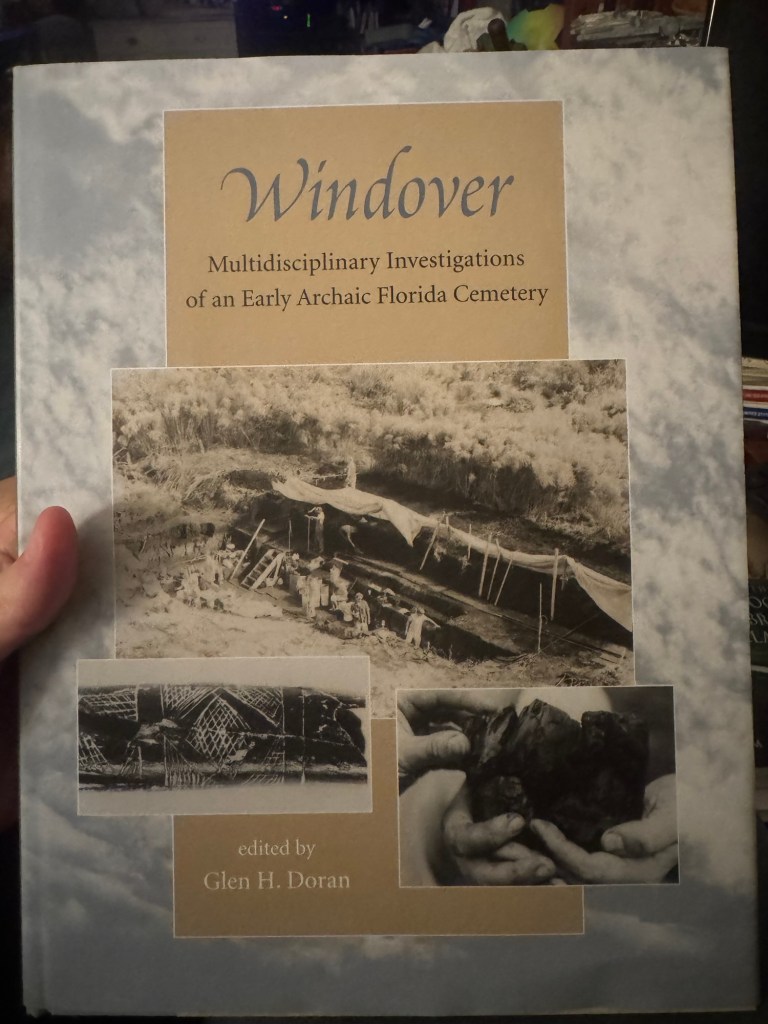
Make Sure to Judge and Judge Often: Kristi Noem and Pam Bondi couldn’t get the job done–find someone who can

I have been watching the second Trump administration unfold over the first few months of 2026 with a mixture of hope and growing frustration, the kind that comes from someone who has spent years in the political trenches here in Butler County, Ohio, and across the country. When President Trump tapped Pam Bondi for Attorney General, I thought it was a strong move. I had followed her work as Florida’s Attorney General, where she showed real backbone against some of the progressive nonsense that was infecting state governments. She talked a tough game on television—promising to go after the Russia hoax crowd, the January 6 committee members who turned a legitimate protest into a political persecution, the FBI insiders who abused FISA warrants, and the broader network of Democrats who had spent years twisting the law to target conservatives. I believed she had the smarts and prosecutorial experience to drag some of these cases to a close finally. But as the weeks turned into months, I saw the same old pattern: lots of sound bites, plenty of tough talk, but not nearly enough action. Cases that should have been fast-tracked sat gathering dust. Indictments that the American people desperately needed to see—real accountability for those who weaponized government—never quite materialized. By early April 2026, I wasn’t surprised when Trump made a change. I respect Pam Bondi, and I still think she’s intelligent, but if you’re not getting the job done at that level, you have to go. The Department of Justice is a swamp all its own, filled with careerists who know how to slow-walk everything, and it takes a special kind of resolve to push through. I believe Trump is doing a good job overall, but these personnel decisions matter. You can’t have people in the highest offices who talk the talk but can’t deliver results when the country is counting on real justice.

This whole situation with Bondi got me thinking deeper about what it really takes to succeed in this environment, and it brought me straight to Kristi Noem. I have always liked Kristi Noem. I thought she did a great job as governor of South Dakota. Her policies weren’t bad at all—I agreed with her on border security, crime, education, and pushing back against the radical transgender agenda that’s confusing so many kids. She had that independent Western spirit that resonated with many of us. I loved the campaign ads where she was riding horses around Mount Rushmore in a cowboy hat; it captured something authentic about American strength and freedom. When Trump brought her into the administration and eventually placed her at Homeland Security, I was optimistic. She seemed like the kind of no-nonsense leader who could secure the border and dismantle some of the chaos the previous administration had allowed to persist. But then the personal scandals hit, and everything changed. Reports surfaced about an affair with Corey Lewandowski, one of Trump’s longtime aides. I have met Corey Lewandowski several times over the years. He’s a sharp, charismatic guy who throws himself completely into the fight. He shares that same passion for the cause that many of us feel. When you’re away from home a lot, traveling constantly, surrounded by people who understand your mission at the deepest level, it becomes really easy to make bad judgments. I know how it happens. The adrenaline is high, the hours are long, and suddenly you’re sharing late-night strategy sessions with someone who gets the fire in your belly like your spouse back home sometimes can’t. It’s human nature, but it’s still bad judgment. You should be able to fight off temptation, especially when you’re married. I have been married to a good woman for a long time, and I know it takes work, especially when life gets busy, and the spotlight pulls you in different directions. But that’s exactly why character matters so much at the top.

What made the Noem situation even messier was what came out about her husband, Bryon. Nearly forty years of marriage, kids grown, grandkids in the picture, and suddenly the public learned he had been sending sexually charged pictures of himself online—cross-dressing, some boob fetish, the kind of private behavior that, once exposed, destroys trust on every level. I don’t think it was a complete surprise to everyone around them; neighbors in South Dakota apparently called it an open secret. Kristi expressed shock, but the damage was immediate and devastating. Her husband’s actions left her vulnerable, and the combination of the reported affair and the family embarrassment became too much under the national microscope. I believe she was devastated by it all. When you put yourself out there the way she did—national media, international travel, constant public appearances—the little cracks in a marriage get magnified. You’re gone too much. The empty nest, which should be a time to reconnect with your spouse, becomes filled with politics, rallies, and crises. It’s hard to maintain an intimate relationship when you’re living in the public eye every day. I have seen this pattern before with people who rise fast in the Tea Party or MAGA movements. They come into office with big ideas and good intentions, but the pressure and temptations of Washington or high-level administration roles test them in ways they never expected. Some handle it; many don’t. That’s why I hold people to a rigorous standard on their personal lives, especially when they seek high office. If you can’t keep your marriage straight, if you can’t manage your own household, there’s something wrong that will eventually show up in how you handle the bigger responsibilities.

I remember talking to JD Vance early on, back when he was making the rounds pitching himself to folks like me in Ohio. I had read Hillbilly Elegy and appreciated his story, but I wasn’t fully sold yet. I looked him in the eye and asked him directly: “You’re heading to Washington in your 40s with all this attention. How are you going to handle the temptations? Are you going to fight for justice, or are you just going to become another pastry in the lucrative swamp?” He didn’t flinch. His wife, Usha, was right there—super nice, super sweet, super solid. You could tell they genuinely liked each other, not just for the cameras. The way they interacted, even when the event was over and no one was watching, told me a lot. They share a real affection and partnership. That matters to me. I have seen the same thing with George Lang here in Ohio—his wife Debbie is a rock, a good person who keeps him grounded. Michael Ryan in Butler County has that same solid family foundation, which is one reason I support him so strongly. I could say the same thing about Congressman Warren Davidson and his wonderful wife, Lisa.  These are the kinds of people I trust in positions of power because they have proven they can manage the most important thing first: their own home. Trump himself has learned this lesson across his marriages. Melania has been a steady, classy presence for him, someone who understands the pressure and stands by him without needing constant validation. It takes time to figure these things out, especially in a high-profile life, but once you do, it becomes your armor against the temptations that come with power.

With Kristi Noem, I think the combination of the affair and her husband’s public embarrassment created a perfect storm. She had put herself out there so visibly that any weakness became ammunition for the enemies. Lewandowski is a nice, charismatic guy, and when you share that highest-level passion for the mission, it’s easy to cross lines you shouldn’t. I don’t condone it, but I understand how it happens. The marriage was already strained by years of public life. When your spouse isn’t as engaged or interested, and you’re out there chasing big goals, loneliness can creep in. But that doesn’t excuse the bad judgment. If your home life is dysfunctional—if your husband is caught cross-dressing and sending fetish photos online—then how can you possibly lead something as critical as Homeland Security without becoming a liability? The bad guys are always watching. They look for any crack to exploit. Noem’s situation wasn’t just personal; it raised real questions about judgment, vulnerability to blackmail, and the ability to focus under pressure. I still like her as a person. I think she has good intentions and did a lot of positive things in South Dakota. But when the scandals broke, Trump had no choice but to move her out. The administration can’t afford that kind of distraction at the top. It’s not about being perfect—but about having the discipline to keep your house in order so you can focus on the nation’s house.

I have thought a lot about why these kinds of failures happen so often in politics, especially at the federal level. It starts with the nature of the job itself. You’re constantly in the spotlight. Public relations, media appearances, international travel—it all pulls you away from the simple, intimate things that keep a marriage strong. When the kids are grown, and the grandkids are pulling at your heart, that space in your life gets filled with the next campaign event or policy fight. It becomes easy to seek validation or connection with people who share your daily battles. Corey Lewandowski and Kristi Noem apparently found that connection in each other. I have met Lewandowski enough times to know he’s passionate and committed. But passion without boundaries leads to trouble. The same thing happened in countless administrations before this one. History is full of leaders whose personal indiscretions undermined their public work. In the Trump era, with the media and Democrats armed and ready to pounce on any weakness, the margin for error is razor-thin. That’s why I believe we need to rigorously evaluate people’s family lives before giving them these roles. If you can’t protect your own family, if you can’t keep your marriage intact despite the pressures, then you’re not equipped to protect the country or deliver justice for the American people.

Look at what happened with the January 6 defendants. Many of them sat in jail for over a year while the January 6 committee ran its circus and the media turned a protest into an “insurrection” narrative. I believe those responsible for the selective prosecution and the weaponization of government should face real consequences. The FBI, the DOJ under previous leadership, and the congressional Democrats who pushed the narrative all deserve scrutiny. Yet under Bondi, those big cases didn’t move with the urgency I expected. I still support Trump’s overall direction—he has been really good on many fronts—but I want to see people in key positions who can actually prosecute the real criminals and get results. The same standard applies to every cabinet role. At Homeland Security, we needed someone who could secure the border without personal scandals becoming distractions. Noem’s situation showed how quickly good intentions can be derailed by poor personal management.

I have met a lot of these people over the years. I have talked with Tea Party and MAGA leaders who rose fast and then struggled under the weight of Washington. Some come out stronger; others fall apart. That’s why, when I get the chance to speak with a candidate or someone rising in the ranks—as I did with JD Vance—I ask the personal questions. I want to know how they handle temptation when the lights are off and no one is watching. I look at how they treat their spouse when the event is over, and the crowd is gone. Do they genuinely like each other? Do they share a real partnership? That tells me more than any policy paper ever could. JD Vance passed that test in my eyes. His wife is solid, and you can see the mutual respect and affection. George Lang and his wife, Debbie, show the same thing. Michael Ryan has that foundation, too. These are the people I trust to stay focused when the pressure hits. Trump has clearly learned this over time. He knows he needs people who can handle the spotlight without their personal lives becoming liabilities. Melania has been a great example of that steadiness for him.

Kristi Noem’s story is a cautionary tale, but I don’t write her off completely. She made many positive contributions, and I believe she wanted to do good for the country. The dysfunction in her home life—whether it was her husband’s online behavior or the strains of long absences—created vulnerabilities she couldn’t overcome in that high-pressure role. When the affair with Lewandowski became public knowledge, and the photos of her husband surfaced, it all became too much. The family unit is supposed to be the first line of defense. When that breaks down, enemies exploit it, the media feasts on it, and the mission suffers. I think Trump did the right thing by making the change. The administration needs people who can deliver without unnecessary drama. It’s not easy living under that kind of scrutiny.  That’s why maintaining strong family relationships is non-negotiable for me when evaluating leaders. If you can’t keep your own house in order, you won’t keep the nation’s house in order.

There is a deeper philosophical layer here that I have often reflected on. In a world where power attracts temptation like moths to flame, character becomes the ultimate filter. Let’s support people who want to do good things, even if they stumble, but when they seek the highest levels of administration, the standard must be higher. Bad judgment in personal matters signals deeper issues—weakness under pressure, inability to prioritize, vulnerability to manipulation. Noem’s case, like others before it, shows that you can have the right policies and the right rhetoric, but without personal discipline, the weight of the office will expose every crack. Trump has surrounded himself with some strong people who seem to understand this. JD Vance, with his solid marriage, gives me confidence. Others in the orbit who keep their families first will likely endure. For those who don’t, the door eventually closes, as it did with Bondi when results lagged and with Noem when the personal scandals exploded.

I still believe in the broader mission. Trump is moving the country in the right direction on many fronts, but personnel is policy. We need fighters who can actually prosecute the January 6 cases, hold the deep state accountable, secure the borders, and resist the cultural pressures that have weakened us. That requires people with the character to resist temptation when it comes knocking in hotel rooms and late-night meetings. It requires marriages that can withstand the absences and the spotlight. It requires leaders who understand that their first responsibility is to their own household before they take responsibility for the nation’s. I have seen too many good people with big ideas falter because they couldn’t manage the personal side. Kristi Noem had a lot going for her, but the combination of the Lewandowski affair and her husband’s embarrassing public behavior created a situation she couldn’t survive in that role. Pam Bondi talked a good game but couldn’t deliver the decisive actions needed. Both cases reinforce the same lesson: in high-stakes politics, especially in a second Trump term, where expectations are sky-high, character and execution must go hand in hand.

As I look ahead, I hope the administration continues to learn from these early stumbles. Bring in people who have proven they can handle pressure without personal meltdowns. Reward those who keep their families strong and their judgment sharp. The country needs real justice, secure borders, and leadership that doesn’t hand ammunition to the opposition on a silver platter. I still support Trump’s vision because I believe he is fighting for the right things. But I also believe he needs warriors around him who won’t crumble when the temptations or scandals hit. That’s the standard I apply when I evaluate anyone seeking my support, whether it’s here in Ohio or at the national level. Manage your home well, resist the easy temptations, deliver results, and you’ll have my backing. Fail at the personal level, and no amount of policy agreement will make up for it in the long run. Politics at the top is brutal, and only those with strong foundations survive. I have seen it up close, and that’s why I judge so rigorously. The republic deserves nothing less.

Footnotes

1.  Observations on Pam Bondi’s tenure drawn from public reporting on DOJ activities in early 2026 and Trump administration personnel changes.

2.  Details of Kristi Noem’s governorship and policies based on her public record in South Dakota, including border and cultural issues.

3.  Reports on the Lewandowski-Noem relationship and Bryon Noem’s online activities appeared in major outlets in early 2026.

4.  Personal conversations with JD Vance referenced from local Ohio political events.

5.  Broader reflections on family, temptation, and leadership informed by years of observing Tea Party and MAGA figures.

Bibliography for Continued Reading

•  Noem, Kristi. Not My First Rodeo: Lessons from the Heartland.

•  Vance, J.D. Hillbilly Elegy: A Memoir of a Family and Culture in Crisis.

•  Lewandowski, Corey. Let Trump Be Trump: The Inside Story of His Presidency.

•  Trump, Donald J. Crippled America and subsequent campaign materials.

•  Various reporting from The Daily Mail, New York Post, and Fox News on 2025-2026 administration personnel stories.

•  Biblical references: Proverbs 4:23 (“Guard your heart, for everything you do flows from it”).

•  Local Ohio political coverage on figures like George Lang and Michael Ryan from Butler County and state sources.

Rich Hoffman

More about me

Click Here to Protect Yourself with Second Call Defense https://www.secondcalldefense.org/?affiliate=20707

About the Author: Rich Hoffman

Rich Hoffman is an aerospace executive, political strategist, systems thinker, and independent researcher of ancient history, the paranormal, and the Dead Sea Scrolls tradition. His life in high‑stakes manufacturing, high‑level politics, and cross‑functional crisis management gives him a field‑tested understanding of power — both human and unseen.

He has advised candidates, executives, and public leaders, while conducting deep, hands‑on exploration of archaeological and supernatural hotspots across the world.

Hoffman writes with the credibility of a problem-solver, the curiosity of an archaeologist, and the courage of a frontline witness who has gone to very scary places and reported what lurked there. Hoffman has authored books including The Symposium of JusticeThe Gunfighter’s Guide to Business, and Tail of the Dragon, often exploring themes of freedom, individual will, and societal structures through a lens influenced by philosophy (e.g., Nietzschean overman concepts) and current events.
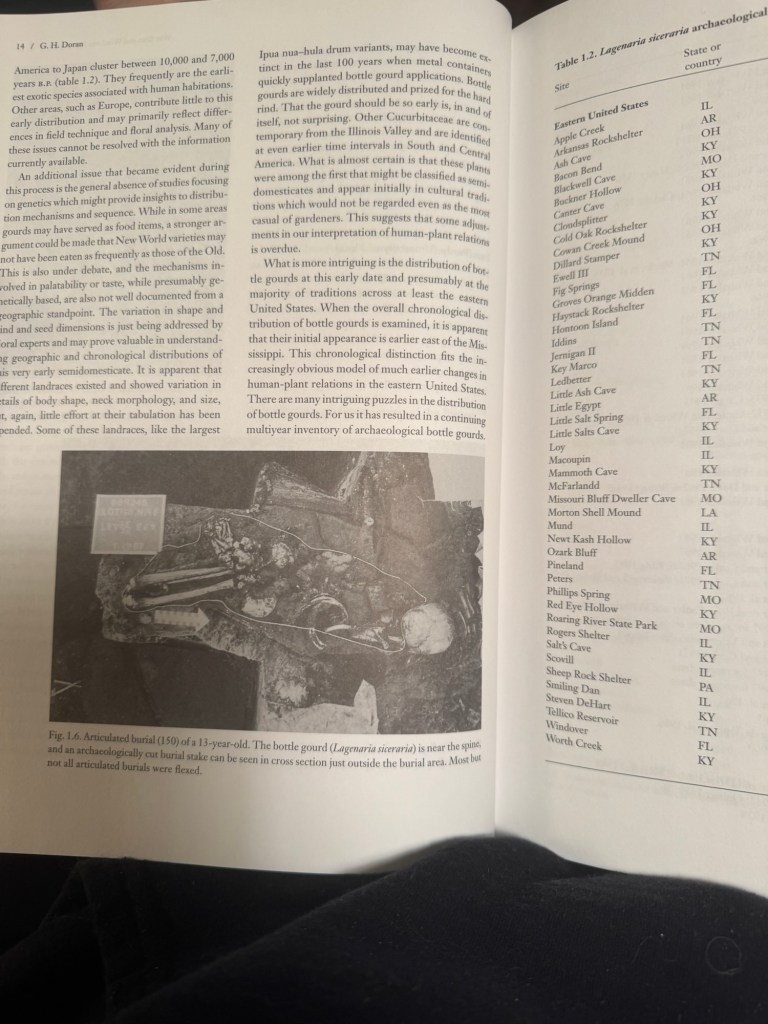
The Layered Foundations of Civilization and the True Meaning of Easter: Why Christianity Supplanted the Blood Cults of the World and Why Good Friday Is Indeed Good

I’ve said it many times before, and I’ll keep saying it because the evidence keeps piling up in every direction I look: civilizations don’t spring up out of nowhere like some secular fairy tale taught in modern classrooms. They build directly on top of previous civilizations, often literally stacking their cities, temples, and rituals atop the ruins of what came before. That’s why digging through the archaeological record to prove deep-time assumptions is so difficult—layers upon layers of human endeavor, each one trying to make sense of the same spiritual warfare that has raged since the beginning of recorded time. The same principle applies to our holidays, especially Easter. What we celebrate today isn’t some pristine invention of the early Church; it’s a Christian overlay on ancient pagan traditions, and that layering isn’t a bug—it’s the feature that makes the whole thing work psychologically and culturally for humanity’s long-term survival.  

This past Holy Week of 2026, as the world marked another Easter amid the chaos of our times, I found myself explaining this story over and over again to a new generation—mostly people under thirty—who are staring at the mess handed down by their parents and grandparents. Secular society led those older cohorts astray with promises of endless pleasure, moral relativism, and “progress” that stripped away any real foundation. These young people don’t like what they inherited. They’re drinking less, they’re not as sexually driven in the destructive ways previous generations were sold, and they’re turning to Christianity in numbers I haven’t seen in my lifetime. It’s not just some fleeting reaction to current events, though the assassination of Charlie Kirk last September certainly played a role in waking some of them up. Kirk and Turning Point USA had been reaching that exact demographic with a message of truth, responsibility, and American exceptionalism rooted in Judeo-Christian values. When radicals lashed out and killed the messenger, they didn’t kill the message—they turned Kirk into a symbol, almost a modern martyr in the eyes of many. That’s the danger of assassinating ideas: they don’t die; they multiply. But Kirk’s success wasn’t accidental. A whole cohort was already listening, already rejecting the secular void, and looking for something solid to stand on. Christianity is providing that anchor, just as it has for millennia.

Let’s get specific about Easter, because the question keeps coming up from these young seekers: Why the bunnies? Why the eggs? How does any of that connect to Christ’s resurrection? The answers take us straight back to those layered civilizations I mentioned. The Easter bunny and Easter eggs didn’t originate in the Gospels. They trace back to Germanic and broader European pagan traditions tied to spring fertility rites—reverence for the changing seasons where life bursts forth after winter’s death. Bunnies, with their legendary reproductive vigor, became symbols of vitality and new life. Eggs, obviously, represent rejuvenation—the perfect vessel from which new life hatches. Painting them was humanity’s way of imprinting our creative stamp on that divine process. These rituals migrated and blended across cultures, just as trade routes and migrations carried ideas from the Near East to Europe and beyond. The Christian tradition didn’t erase them; it baptized them, layering the resurrection of Christ—the ultimate victory over death—onto these older spring celebrations. That’s how holidays work. They evolve, but the core psychological need remains: to mark renewal, confront mortality, and seek meaning in the cycle of life and death.  

This isn’t some dilution of faith; it’s evidence of Christianity’s genius as a sustaining cultural mechanism. Look at the broader pattern. For hundreds of years—two or three centuries at a stretch, over and over—pagan societies rose and fell on the worship of planetary gods: Jupiter, Mars, Saturn among the Romans, borrowed wholesale from the Greeks, who themselves drew from Near Eastern deities. The same archetypes appear globally—uncovering similar pantheons and ritual cycles in Central America, South America, North America, Africa, and even ancient China. These civilizations kept collapsing under their own weight because they were psychologically tethered to blood cults. Human sacrifice wasn’t some fringe horror; it was the currency that kept the spiritual order supposedly in balance. The gods demanded blood—literal blood—to appease their hunger, to ensure fertility, to prevent catastrophe. Aztecs, Mayans, and countless others built entire societies around it. Temples like those of Artemis or Ishtar incorporated ritual prostitution and worse. Phoenician traders may have carried these practices across the oceans, with evidence of sophisticated pre-Beringia trade networks appearing in places like central Florida, near what’s now the Kennedy Space Center. The archaeological record hints at vast, interconnected systems far older and more advanced than the simple migration narratives we’re usually fed.

Christianity broke that cycle. It didn’t just compete with paganism; it psychologically supplanted it on a global scale. The crucifixion and resurrection of Christ presented the ultimate sacrifice—the Lamb of God offering Himself once for all—no more need for endless rivers of human blood on pyramids or altars. The body becomes bread; the blood becomes wine. Communion replaces the cannibalistic feasts that followed ritual killings. This wasn’t abstract theology; it was a pragmatic, world-changing intervention in the human condition. As I’ve explored in my upcoming book The Politics of Heaven, which draws heavily from Ephesians 6:12 and the ancient Book of Enoch, this spiritual war has been raging since the rebellion in heaven. Disembodied spirits—fallen entities hungry for the destruction of God’s creation—have whispered through dreams, drunkenness, hallucinogens like ayahuasca, or modern “possessions” that masquerade as progressive enlightenment. They crave anxiety, death, and the dismemberment of humanity because they are at war with the Creator. Christianity gave humanity the mechanism to say “no” on a civilizational level.

I’ve seen this truth play out personally. Years ago, my wife and I were in the Yucatan on Good Friday. We witnessed an entire town pour into the streets for a passion play—recreating Christ carrying the cross to His death. The whole community participated. It was profound. These were descendants of the very cultures that once cut out living hearts on temple steps and consumed the flesh in communal rites to appease gods who demanded blood to keep the sun rising or the rains falling. The Mayans and Aztecs didn’t do it for sport; they believed it was necessary for cosmic order. The Spanish conquest, whatever its flaws and whatever the secular historians scream about “genocide,” brought an end to that nightmare for the survivors. As I wrote about that experience in my reflections (what some have called Lockers of My Mind in my ongoing personal chronicles), it hit me hard: these people weren’t mourning lost heritage in that moment. They were liberated by it. Christianity replaced the terror with a single, sufficient sacrifice. No more pyramids running red. No more children or captives fed to the gods. Just bread and wine, remembrance, and the promise of resurrection. 

The critics—those secularists, progressives, and anti-human types who pine for “Earth worship” and indigenous revival—love to flip the script. They blame Christianity for slaughtering the Aztecs, Mayans, and every other group during the spread of Western civilization. “Look at all the bloodshed!” they cry. “The Crusades! The conquests! Christianity destroyed vibrant cultures! Peel back the layers, though, and you see the lie. Those “vibrant cultures” were built on industrial-scale human sacrifice. The Aztecs alone killed tens of thousands annually—estimates run into the hundreds of thousands over decades—to feed their bloodthirsty pantheon. Hearts torn out, bodies dismembered and eaten in front of crowds. The same patterns repeated worldwide: temple prostitutes in the cults of Ishtar, ritual killings in Phoenician outposts, even echoes in Roman and Greek practices before Christianity civilized them. The Jewish temple system itself pointed toward sacrifice, which is why tensions persist with some groups still longing for a Third Temple to resume animal (and, in some interpretations, fuller) offerings. Christ’s declaration—“It is finished”—shattered that—one sacrifice to end all sacrifices.

That’s why Good Friday is good. It marks the death that killed death’s dominion through blood currency. Easter celebrates the resurrection that proves the victory. We layer on the bunnies and eggs not to mock the old ways but to redeem them—spring renewal now points to eternal life in Christ, not seasonal appeasement of demons. This psychological shift was revolutionary. It toppled the Roman Empire not by sword alone but by offering a better story: humanity no longer enslaved to the whims of hostile spirits. Kings fell. Empires crumbled under the weight of this truth. And it continues today. Modern blood cults haven’t vanished; they’ve shape-shifted. Abortion clinics as modern altars, the desecration of the body through endless “self-expression,” broken families, and hedonistic pursuits that feed the same entities. Progressives who decry Christianity as oppressive are often the very ones seduced by these whispers, pushing policies that increase anxiety, death, and the consumption of innocence—whether literal or figurative.

I’ve written about this extensively because it’s not just history; it’s the present war. In The Politics of Heaven, I lay out the evidence of this vast conspiracy: giants, disembodied spirits, the ancient playbook from Enoch that explains the hunger for God’s creation. Jonathan Cahn’s work on the return of the gods captures the avatar-like reemergence of these entities in our time—possessing leaders, movements, and even individuals who surrender their integrity. From a quantum perspective, as I sometimes explore in my writings, it makes even more sense. Parallel realities, entangled essences, free will playing out against a backdrop that feels predestined because the spiritual architecture was set long ago. The stars the ancients charted weren’t superstition; they reflected a written order. Evil seeks to maintain its foothold, craving bloodlust because it is wild and destructive. Christianity provided the off-ramp.

Look at the young people today. They see through the secular lie. They’re not buying the narrative that Christianity “robbed” indigenous peoples of their essence. The essence of those cultures—the part worth preserving—was their humanity, which the blood cults were devouring. The heritage that needed eradicating was the one demanding hearts on pyramids. The survivors in the Yucatan that day understood it intuitively as they reenacted the Passion. They had a better life because of the Christian overlay. Pretty colors and sophisticated math in Aztec temples don’t excuse the horror. The same goes for every pagan system that required blood to function.

This is the productive, beneficial impact of Christianity that secular history deliberately obscures. It freed humanity from the cycle. It gave us moral judgment rooted in a single, sufficient sacrifice. It allowed civilization to advance rather than collapse every few centuries under spiritual exhaustion. As I detail in The Gunfighter’s Guide to Business and in my other works, such as The Symposium of Justice and Tail of the Dragon, the same principles apply to individual lives and enterprises: reject the appeasement of evil, embrace truth, and build something lasting. The overman—the Nietzschean ideal I’ve long admired but ultimately grounded in Christian reality—doesn’t bow to the old gods. He overcomes through Christ.

When people ask me why we celebrate Easter despite the “harm” attributed to Christianity, I point them to the Yucatan village, to the global archaeological record, to the undeniable decline of ritual sacrifice wherever the Gospel took root. We celebrate because we are remembering the sacrifice that ended the need for sacrifice. We celebrate bunnies and eggs because they now point to the ultimate renewal. We celebrate Good Friday because it was the day the currency of blood was retired forever for those who accept it. The evil spirits still lurk—they always have, and they always will until the final restoration. But Christianity armed humanity with the ultimate psychological and spiritual divorce from their demands.

The young people turning to faith right now are doing God’s work, whether they realize it fully or not. They’re rejecting the blood cults in modern dress—abortion, cultural suicide, the worship of self that feeds the same entities. They’re choosing life, renewal, and the Kingdom that was always meant to rule.

Easter isn’t just a holiday. It’s a declaration of victory layered atop the ruins of every failed pagan attempt to appease the dark. And in 2026, with the world still reeling from political violence and spiritual hunger, it’s more relevant than ever. That’s why it remains one of my favorite holidays. It reminds us that death was defeated, that renewal is possible, and that humanity is far better off because one perfect sacrifice broke the chains that had bound the earth for thousands of years. The bunnies still hop, the eggs still get painted, but now they point to something eternal. Christ is risen. The old cults are overthrown. And that is why we celebrate.

Footnotes

1.  See Jacob Grimm’s 1835 analysis of Eostre/Ostara traditions and modern archaeological confirmations of hare symbolism in Neolithic Europe.

2.  Bede’s Ecclesiastical History (731 C.E.) on the month of Eosturmonath and its assimilation into Christian practice.

3.  Bernal Díaz del Castillo’s eyewitness accounts in True History of the Conquest of New Spain detailing Aztec sacrificial practices.

4.  My own reflections on the Yucatan passion play, expanded in personal writings referenced as Lockers of My Mind.

5.  Jonathan Cahn, The Return of the Gods and related works on spiritual reemergence and avatars.

6.  Ephesians 6:12 and the Book of Enoch as foundational to The Politics of Heaven.

Bibliography for Further Reading

•  Hoffman, Rich. The Politics of Heaven: Evidence of a Vast Conspiracy Involving Giants, Disembodied Evil Spirits, and the Ancient Book of Enoch. (Ongoing project, excerpts available at overmanwarrior.wordpress.com).

•  Hoffman, Rich. The Gunfighter’s Guide to Business.

•  Hoffman, Rich. The Symposium of Justice.

•  Hoffman, Rich. Tail of the Dragon.

•  Bede. Ecclesiastical History of the English People.

•  Díaz del Castillo, Bernal. True History of the Conquest of New Spain.

•  Cahn, Jonathan. The Return of the Gods.

•  Smithsonian Magazine articles on Easter Bunny origins (2022).

•  Various archaeological reports on global pagan deities and trade networks (Phoenician and pre-Columbian contacts).

Rich Hoffman

More about me

Click Here to Protect Yourself with Second Call Defense https://www.secondcalldefense.org/?affiliate=20707

About the Author: Rich Hoffman

Rich Hoffman is an aerospace executive, political strategist, systems thinker, and independent researcher of ancient history, the paranormal, and the Dead Sea Scrolls tradition. His life in high‑stakes manufacturing, high‑level politics, and cross‑functional crisis management gives him a field‑tested understanding of power — both human and unseen.

He has advised candidates, executives, and public leaders, while conducting deep, hands‑on exploration of archaeological and supernatural hotspots across the world.

Hoffman writes with the credibility of a problem-solver, the curiosity of an archaeologist, and the courage of a frontline witness who has gone to very scary places and reported what lurked there. Hoffman has authored books including The Symposium of JusticeThe Gunfighter’s Guide to Business, and Tail of the Dragon, often exploring themes of freedom, individual will, and societal structures through a lens influenced by philosophy (e.g., Nietzschean overman concepts) and current events.