I have been saying for months that this Ohio governor’s race was never going to be as close as the liberal media and the Democratic machine kept insisting. As long as Amy Acton could raise and spend roughly equal amounts of money, they could buy enough advertising to keep the “horse race” illusion alive. That is how the game works in modern politics. Fundraising and media buys create the perception of competitiveness long after the fundamentals have already decided the outcome. But we are now in the middle of July 2026, and the gap is becoming impossible to hide. Elon Musk just put $5 million into the super PAC supporting Vivek Ramaswamy. That single check changes the entire dynamic, and the other side knows it.
I have watched David Pepper and the Marc Elias-style operatives do this routine before. They treat elections like a production where money buys the narrative, and the narrative buys time. They prop up candidates who cannot stand on their own record by flooding the airwaves with ads that soften the edges and attack the opponent on personality or wealth rather than substance. It works until the money runs short. Then the horse stops getting free drinks at the strip joint, and reality walks in. Right now, the money is tightening up for Acton, and the media that was happy to call this a toss-up while the checks were clearing is suddenly quieter about the fundamentals.
Vivek Ramaswamy is the exceptional candidate in this race. He is a Cincinnati native who built real companies, created real value, and succeeded on merit in competitive fields. He is a successful author and thinker who has already proven he can operate at the highest levels of government efficiency efforts alongside Elon Musk in the Department of Government Efficiency. He understands free markets, individual initiative, and the dangers of centralized government that tries to manage every resource and outcome from above. That is the opposite of the society Acton and her backers have spent years promoting—one that empowers mediocre administrators while punishing the very people and policies that generate prosperity.
Acton, by contrast, is a textbook product of the empire of mediocrity. She was the face of Ohio’s COVID lockdowns as state health director. She helped shut down businesses, kept drive-throughs and dining rooms closed at places like McDonald’s under ever-shifting rules, and contributed to the destruction of countless small enterprises that never recovered. Those policies were later exposed in court as unconstitutional overreaches. I had conversations with members of the Ohio Supreme Court back in 2020 as those cases were being prepared, and it was obvious even then that the lockdowns could not survive constitutional scrutiny. Governor DeWine eventually had to back away because the legal foundation was collapsing under him. Acton resigned under pressure from angry citizens protesting in the streets with no clear end in sight. None of that is the record of an exceptional leader. It is the record of someone who followed the centralized script, expanded bureaucratic power, and left real damage behind.
DeWine’s endorsement of Vivek took courage. It is never easy for a term-limited governor to put his name behind a successor who is positioned to outperform him, especially when that successor is running against the person DeWine himself appointed during the pandemic. The fact that he did it anyway tells you something important about where the party and the state are headed. Vivek is not an insider continuation of the old order. He is the disruption the old order needs if Ohio is going to stop losing ground on taxes, education, and economic freedom.
The money tells the real story right now. Vivek’s supporting super PAC has raised serious resources—tens of millions—and is deploying them aggressively. The $5 million from Musk is not just symbolic; it is a signal that serious people who create wealth and understand results are backing him. Acton cannot match that pace. When the advertising dollars dry up, the media loses interest in pretending this is a close contest. Voters are left with the actual records: one candidate who built success and wants to bring that same energy to Columbus, and another whose signature achievement was helping lock down the state economy in ways that proved unconstitutional and economically destructive.
I have been consistent on this since the race took shape. Vivek was always going to outperform the low expectations the media set for him once people looked past the noise. He is rolling out plans on property tax reform, real education choice that puts parents back in charge, and cooperation with a Trump administration that remains popular in Ohio for delivering results on the economy and border security. Acton’s side is still trying to run the old playbook—lawfare, media narratives, and enough cash to keep the “horse race” story alive. But the cash is not keeping up, and the voters are not buying the illusion the way they once did.
This race is a clear choice between two different visions of government. One side believes in self-initiative, free markets, and limited centralized power—the approach that actually lifts societies. The other side believes the government should take from producers and redistribute according to political priorities, the same model that has produced mediocrity and dependency wherever it has been tried at scale. Ohio does not need another governor who manages decline while protecting the administrative class. It needs a governor who will cut waste, reform taxes, fix the schools, and let exceptional people and exceptional businesses thrive rather than punishing them.
We are still a few months from November, but the trajectory is clear. As the funding gap widens and the media can no longer afford to prop up the fiction of a close race, Vivek Ramaswamy is going to pull away. The fundamentals were always on his side. The money is now confirming what the fundamentals already showed. Ohio has a real chance to choose exceptional leadership over the empire of mediocrity that has dominated too much of state government for too long. I have been saying it for months. The evidence is now impossible to ignore.
Footnotes
1. Elon Musk contributed $5 million to V-PAC, the super PAC supporting Vivek Ramaswamy’s campaign for Ohio governor. Cleveland.com, July 15, 2026.
2. Vivek Ramaswamy won the Republican primary for governor on May 5, 2026, with approximately 82.4% of the vote. Ballotpedia, “Ohio gubernatorial and lieutenant gubernatorial election, 2026.”
3. Amy Acton served as Ohio’s state health director and played a central role in the state’s early COVID-19 response and lockdown policies under Governor Mike DeWine.
4. Multiple court challenges in Ohio and elsewhere during 2020–2021 found various lockdown and business closure orders unconstitutional or beyond executive authority.
5. Governor Mike DeWine endorsed Vivek Ramaswamy for governor in 2025–2026, despite Acton having been his appointee during the pandemic period.
6. Ramaswamy’s campaign and supporting super PAC have raised and spent tens of millions, significantly outpacing Acton’s fundraising in key periods of 2026.
Bibliography (selected for further reading)
• Ballotpedia. “Ohio gubernatorial and lieutenant gubernatorial election, 2026” (primary results and candidate profiles).
• Cleveland.com. “Elon Musk puts $5 million behind ex-DOGE partner Vivek Ramaswamy’s governor bid.” July 15, 2026.
• Forbes. “Ramaswamy Wins Republican Primary In Ohio Governor’s Race.” May 5, 2026.
• AP News. “Trump-backed Vivek Ramaswamy wins Ohio Republican Party’s endorsement in 2026 governor’s race.” May 9, 2025.
• Vivek for Ohio campaign materials and platform statements (vivekforohio.com).
• Ohio Capital Journal and other Ohio political reporting on super PAC spending and fundraising totals, 2025–2026.
• Court records and contemporaneous reporting on Ohio COVID-era lockdown litigation and constitutional challenges (2020–2022).
• Various polling aggregates from mid-2026 showing the general election contest between Ramaswamy and Acton.
Rich Hoffman is an author, political consultant, and strategic advisor based in Cincinnati, Ohio, and the creator of The Politics of Heaven—a unique framework that connects biblical theology, ancient history, and modern power structures to explain how moral alignment and spiritual forces shape global events. Blending real-world political experience with deep research into archaeology, UFO phenomena, and suppressed historical narratives, Hoffman offers compelling commentary on topics ranging from ancient civilizations and the Dead Sea Scrolls to modern populist movements, paranormal continuity, and leadership strategy in chaotic environments. As the author of The Gunfighter’s Guide to Business and the forthcoming Politics of Heaven, he brings a grounded yet provocative voice to media discussions, supported by firsthand experiences and a cross-disciplinary approach that bridges science, history, and theology. For interviews, speaking engagements, or expert analysis, visit richhoffmanbooks.com or contact directly via phone at 513-307-5815 or email at rhoffman@richhoffmanbooks.com. If you’ve seen the movie, Disclosure Day and want to talk about it and the implications of Presidnet Trump’s UAP disclosures, let me know and we can bring some color to your coverage. https://richhoffmanbooks.com/media-inquiries-broadcast-topics-and-contact-info/?frame-nonce=ad51e7ecba I do have a firsthand UFO encounter to discuss.
George Washington occupies a unique place in the American imagination. His face appears on currency, his name rests upon the nation’s capital, and his reputation has become so intertwined with the founding of the United States that many people think of him only as the victorious commander of the Revolutionary War or the first President. Yet the making of George Washington occurred long before Yorktown, before the Constitutional Convention, and before the presidency itself. The true story of Washington is the story of formation through adversity, failure, hardship, and character. That is why a film centered upon his youth is so important. A society that wishes to understand greatness must study not only triumphs but also the difficult roads that produced them.
The importance of Young Washington lies precisely in its willingness to explore that earlier chapter. Rather than beginning with a celebrated general crossing the Delaware River or presiding over a new republic, the story examines the young man who had not yet become the legend. It reveals Washington during the years when mistakes carried consequences, when ambition collided with reality, and when the wilderness of North America tested the limits of endurance and leadership. Those experiences were not side notes to history. They were the furnace in which the future Father of His Country was forged.
Modern audiences often forget how dangerous eighteenth-century America actually was. The colonies were not peaceful settlements waiting patiently for independence. The frontier remained a contested world of forests, mountains, rivers, Native American nations, French military forces, British colonial ambitions, and competing claims to vast territories stretching westward beyond the Appalachians.[1] Young Washington entered this world as a surveyor and officer, navigating landscapes that were physically unforgiving and politically explosive.
The French and Indian War shaped the future of North America long before the American Revolution. Many historians describe it as the first global war because fighting extended beyond the American colonies into Europe, the Caribbean, India, and the Atlantic world.[2] The outcome would determine which empire dominated much of the continent—into this conflict stepped a young Virginian with little combat experience and enormous expectations resting upon his shoulders.
One of the most fascinating aspects of Washington’s early life was the extraordinary responsibility placed upon him at a remarkably young age. While many modern young adults are encouraged to avoid risk and postpone responsibility, eighteenth-century society frequently demanded the opposite. Washington found himself carrying diplomatic messages through wilderness territories, negotiating with Native American leaders, evaluating military threats, and commanding troops in situations that would challenge experienced officers.[3] Such responsibilities matured him quickly. The lessons learned in forests and mountains would prove no less valuable than those later learned on battlefields or in government chambers.
The story surrounding Fort Necessity remains one of the most important episodes of Washington’s development. It was not his greatest victory. In many respects, it represented a significant defeat. Yet history repeatedly shows that failures often teach more than successes. Built in a vulnerable meadow, the fort placed British colonial forces in a precarious position. French troops and their allies occupied superior terrain within the surrounding wooded areas. Rain transformed the battlefield into a muddy disaster. Washington ultimately surrendered under difficult circumstances in July 1754.[4]
Many historical figures spend their careers attempting to hide their failures. Washington did something different. He learned from them. The humiliation at Fort Necessity did not destroy his reputation; rather, it became one of the experiences that taught caution, patience, logistics, and strategic judgment. Years later, during the Revolutionary War, Washington would demonstrate restraint and discipline that distinguished him from many contemporaries. Those qualities did not emerge from nowhere. They emerged from earlier encounters with defeat and disappointment.
There is also something powerful about physically visiting places connected to history. Reading books provides knowledge, but standing where events occurred provides perspective. The mountains of western Maryland and Pennsylvania remain striking reminders of the challenges faced by colonial soldiers. The terrain itself explains much of the story. Steep ridges, dense forests, winding roads, and isolated valleys reveal why campaigns in that region were so difficult. Geography often becomes an invisible character in historical narratives, and nowhere is that more evident than in Washington’s frontier experience.
The routes that would later become the National Road carry tremendous historical significance as well. Connecting eastern population centers with western territories, they became some of the most important transportation projects in early American history.[5] Yet before roads and highways transformed the region, movement through those mountains demanded determination, courage, and endurance. Washington’s experiences along those routes exposed him to the realities of frontier America and deepened his understanding of the continent he would later help unite.
A film exploring these events succeeds when it respects the material. Historical drama does not require perfect documentation of every detail, but it must convey the spirit, character, and significance of the people involved. According to many viewers familiar with Washington’s biography, Young Washington captures that spirit effectively. The portrayal of Washington as noble without being perfect allows audiences to encounter him as a human being rather than an untouchable monument.
That distinction matters because modern culture frequently swings between extremes. Historical figures are either idealized beyond recognition or condemned without context. Washington deserves neither treatment. He was a man with strengths and flaws, successes and failures, extraordinary abilities and ordinary limitations. What separates him from countless others is not perfection but character. Throughout crises, disappointments, and temptations, he consistently sought duty above personal comfort.[6]
This emphasis upon character may explain why the film resonates so strongly with audiences. Many forms of contemporary entertainment focus upon antiheroes, cynicism, moral ambiguity, or spectacle. Such approaches can produce compelling stories, but they often leave audiences hungry for something different. There remains a deep desire to witness individuals striving toward virtue, honor, courage, and responsibility. Human beings naturally admire excellence. They seek examples of people attempting to become better versions of themselves.
This is one reason George Washington continues to command respect centuries after his death. His achievements cannot be separated from his moral aspirations. He believed leadership required self-control. He believed reputation mattered. He believed public service demanded sacrifice. He understood that power, if not restrained by character, could destroy both leaders and nations.[7]
Few decisions illustrate this more clearly than his resignation of military authority after the American Revolution. History contains countless examples of victorious generals who transformed military success into political dictatorship. Washington chose another path. After securing independence, he surrendered power and returned home. King George III reportedly remarked that such an action would make Washington “the greatest man in the world.”[8] The roots of that decision can be traced back to earlier lessons learned during his youth. The young officer who experienced failure at Fort Necessity eventually became the mature statesman willing to relinquish power.
The success of films like Young Washington also reflects a broader cultural shift. Many audiences increasingly search for stories that celebrate rather than deconstruct. Entertainment once produced numerous historical adventures focused upon courage, exploration, leadership, and national heritage. Classic productions such as Davy Crockett and Zorro attracted viewers not because their heroes were flawless, but because they represented ideals worth pursuing. Such stories reminded audiences that civilization depends upon honorable conduct.
Angel Studios appears to recognize this hunger. The company has developed a reputation for producing projects that emphasize family-friendly storytelling, historical subjects, faith, perseverance, and moral clarity. Whether individual viewers agree with every creative choice is ultimately secondary. The greater significance lies in the fact that audiences continue to support films that treat virtue seriously rather than sarcastically.
The enthusiastic audience response described by many theatergoers reinforces this point. Packed theaters, applause during credits, and viewers remaining in their seats after the film concludes suggest more than mere entertainment value. They suggest emotional investment. People stay because they do not want the experience to end. They remain because something meaningful has occurred. The story has connected them not merely with a plot but with values, memories, and aspirations.
History possesses a unique ability to create that connection. Contemporary debates often divide people, but historical narratives sometimes unite them around shared admiration for courage and perseverance. George Washington serves as one of those rare figures capable of reaching across ideological boundaries. Americans may disagree about countless issues, yet many still recognize the importance of the leadership that guided the nation through its earliest and most fragile years.[9]
Perhaps the most striking aspect of Washington’s story is the consistency between his public life and his private aspirations. The pursuit of self-improvement remained a recurring theme throughout his life. As a young man, he studied, observed, listened, and learned from mistakes. As a military leader, he refined discipline and judgment. As president, he attempted to place national interests above factional interests. Growth never stopped.
That emphasis upon striving rather than perfection carries enduring relevance. Every generation faces moments of disappointment, conflict, and uncertainty. Every individual encounters failures that seem overwhelming in the moment. Washington’s example demonstrates that setbacks need not define a life. Defeat at Fort Necessity did not prevent future greatness. Criticism did not prevent achievement. Hardship did not destroy resolve. Instead, adversity became preparation.
The frontier itself symbolized this process. The forests beyond colonial settlements represented danger, uncertainty, and opportunity. They tested physical endurance while revealing inner character. Washington’s journeys across that landscape helped develop qualities that later proved indispensable. Resourcefulness, patience, courage, adaptability, and resilience emerged not in comfort but in challenge.
A compelling historical film, therefore, accomplishes more than simple education. It invites audiences to reconsider what greatness actually means. Greatness is not merely holding office, winning battles, or receiving recognition. Greatness begins in the difficult choices made before anyone is watching. It begins with responsibility embraced rather than avoided. It begins with the willingness to learn from mistakes rather than deny them.
For that reason, Young Washington offers a valuable contribution to American historical storytelling. It introduces viewers to formative experiences that are often overshadowed by later accomplishments. It encourages appreciation for the long process through which character develops. Most importantly, it reminds audiences that the foundations of leadership are laid long before leadership is publicly recognized.
There is also something refreshing about spending time in the company of admirable characters. Modern culture often celebrates transgression while dismissing virtue as naïve. Yet viewers continue responding positively to stories featuring courage, integrity, loyalty, and self-sacrifice. The reason is simple. Human beings instinctively recognize these traits as desirable. They recognize them as qualities capable of elevating communities, institutions, and nations.
Washington’s story continues to endure because it illustrates that elevation. A young surveyor became a frontier officer. A frontier officer became a military commander. A military commander became the leader of a revolution. A revolutionary leader became the first president. Yet beneath each transformation remained the same aspiration toward honor and duty. The titles changed. The character remained.
Films capable of conveying that truth perform an important cultural service. They preserve memory. They encourage reflection. They connect present generations with the experiences that shaped earlier ones. They provide reminders that history is not simply a collection of dates and events but a record of human choices.
Ultimately, the enduring appeal of George Washington rests upon more than military accomplishments or political achievements. It rests upon the example of a man who repeatedly sought the higher path when easier alternatives existed. The youth who faced defeat in the mountains became the leader who guided a fragile republic. The officer who learned difficult lessons on the frontier became the statesman willing to place principle above personal ambition. The story remains powerful because it speaks to universal themes of growth, responsibility, perseverance, and character.
That is why Young Washington deserves attention. It tells a chapter of history too often ignored. It introduces audiences to the experiences that forged one of the most important figures in American history. It presents nobility without arrogance, courage without recklessness, and patriotism without cynicism. In an era frequently dominated by stories celebrating the worst of human behavior, there is something profoundly valuable about a story centered upon the possibility of becoming better. George Washington’s journey reminds audiences that greatness is not inherited, accidental, or effortless. It is earned through struggle, formed through adversity, and sustained through character. More than two centuries after his death, that lesson remains as relevant as ever.
Footnotes
[1] Fred Anderson, Crucible of War: The Seven Years’ War and the Fate of Empire in British North America, 1754–1766 (New York: Knopf, 2000).
[2] Daniel Baugh, The Global Seven Years’ War 1754–1763 (London: Routledge, 2011).
[3] George Washington, The Journal of Major George Washington (1754).
[4] David Preston, Braddock’s Defeat: The Battle of the Monongahela and the Road to Revolution (Oxford University Press, 2015).
[5] Karl Raitz, The National Road (Johns Hopkins University Press, 1996).
[6] Ron Chernow, Washington: A Life (New York: Penguin Press, 2010).
[7] James Thomas Flexner, George Washington in the American Revolution (Little, Brown and Company, 1968).
[8] Joseph J. Ellis, His Excellency: George Washington (New York: Knopf, 2004).
[9] Gordon S. Wood, The Radicalism of the American Revolution (Vintage Books, 1993).
Bibliography
Anderson, Fred. Crucible of War: The Seven Years’ War and the Fate of Empire in British North America, 1754–1766. New York: Knopf, 2000.
Baugh, Daniel. The Global Seven Years’ War 1754–1763. London: Routledge, 2011.
Chernow, Ron. Washington: A Life. New York: Penguin Press, 2010.
Ellis, Joseph J. His Excellency: George Washington. New York: Knopf, 2004.
Flexner, James Thomas. George Washington in the American Revolution. Boston: Little, Brown and Company, 1968.
Preston, David. Braddock’s Defeat: The Battle of the Monongahela and the Road to Revolution. Oxford: Oxford University Press, 2015.
Raitz, Karl. The National Road. Baltimore: Johns Hopkins University Press, 1996.
Washington, George. The Journal of Major George Washington. Williamsburg, 1754.
Wood, Gordon S. The Radicalism of the American Revolution. New York: Vintage Books, 1993.
Rich Hoffman is an author, political consultant, and strategic advisor based in Cincinnati, Ohio, and the creator of The Politics of Heaven—a unique framework that connects biblical theology, ancient history, and modern power structures to explain how moral alignment and spiritual forces shape global events. Blending real-world political experience with deep research into archaeology, UFO phenomena, and suppressed historical narratives, Hoffman offers compelling commentary on topics ranging from ancient civilizations and the Dead Sea Scrolls to modern populist movements, paranormal continuity, and leadership strategy in chaotic environments. As the author of The Gunfighter’s Guide to Business and the forthcoming Politics of Heaven, he brings a grounded yet provocative voice to media discussions, supported by firsthand experiences and a cross-disciplinary approach that bridges science, history, and theology. For interviews, speaking engagements, or expert analysis, visit richhoffmanbooks.com or contact directly via phone at 513-307-5815 or email at rhoffman@richhoffmanbooks.com. If you’ve seen the movie, Disclosure Day and want to talk about it and the implications of Presidnet Trump’s UAP disclosures, let me know and we can bring some color to your coverage. https://richhoffmanbooks.com/media-inquiries-broadcast-topics-and-contact-info/?frame-nonce=ad51e7ecba I do have a firsthand UFO encounter to discuss.
I’ve been watching this unfold for years, and here we are in the middle of July 2026 with everything lining up just about the way I described it would. Starship 13 was stacked and ready at Starbase, the gigafactory turning out vehicles at a pace that feels almost routine now, and then yesterday the launch attempt scrubbed right at T-0 because a couple of those Raptors didn’t light. No long delay, no laundry list of reasons to push everything out for months. They’re swapping a couple of engines and coming right back at it in a few days. That quick recovery says everything about the mindset that’s driving this whole thing forward.
Starship 12 flew right after Memorial Day. Now here comes the next one, barely a month later, with the factory knocking them out faster all the time. I look at that ramp, and I see the future of manufacturing staring back at us. The old aerospace ways—the thick binders, the endless reviews, the comfortable schedule slips—are getting replaced by something that moves at the speed of learning. Blow something up, pull the data, fix what broke, and roll out the next one. It’s not perfect yet, but it’s honest, and it’s fast.
I remember talking about the space economy and SpaceX specifically for a long time. A lot of people paid attention. Some bought in and held through the noise and the short cycles. The value held up better than many of the loud projections predicted it would. Those who stuck with it saw something bigger than a quick flip. I’ve been in aerospace long enough to recognize when the ground is shifting, and this shift feels different. The cadence is the story—every month for the rest of the year, then multiple flights a month, heading toward weekly by 2027 if the line keeps delivering. With my popcorn ready, I can’t wait to watch the next attempt. The visuals alone—the tower, the chopsticks, the glow of those engines—are worth the price of admission.
This is forcing everyone else to look in the mirror. The people who learned the business in the seventies and eighties with their old tricks are going to have to reinvent or get left behind. SpaceX isn’t improving the legacy model. They’re building a new one from the ground up, and the rest of the industry is feeling it. Blue Origin took a real hit with the New Glenn explosion at the Cape back in May. Pad damage, hardware gone, the kind of setback that could have turned into years of finger-pointing. Instead, they cleared the debris in nine days, started reconstruction, shifted to a new hybrid operations plan, and said they’re still aiming to fly again before the end of the year. That’s the right attitude—fix it fast and pull the schedule back in.
China watched the leader and made its own move. They just recovered their first reusable booster with the Long March 10B using a sea-based net system—different engineering, their own solution, but clearly inspired by the reusability standard SpaceX set. A giant net on a ship caught the booster after its flight. Not chopsticks, but effective in its own way, and a big step for them. Competition like that keeps everyone sharp.
I’ve seen this kind of culture before. Back in the nineties, I ran a facility that built conveyor systems for Amazon’s early distribution centers. I talked with their teams about how they planned to hit those aggressive delivery promises and keep scaling without the whole thing falling apart. They had that same focused confidence you see at Starbase now—the look of people who know they’re part of something that’s going to win. When I recently went hunting for a particular book on manufacturing excellence and the kind of disciplined execution these environments demand—one I’ve kept coming back to for over a decade—I did it the old way first. Drove all over Cincinnati, walked into the physical stores, and looked on the shelves myself. Nobody had it. They offered to order it for Monday with an extra fee. I wanted it in my hands sooner.
So I turned to Amazon and had the physical copy on my doorstep from across the country in about six hours. That efficiency still impresses me every time. I love holding the actual book—the direct line from the author’s work to my hands with nothing digital in between, tracking how long I linger on a page or what I underline. No screen time logs, no middleman analysis. Just the book and me, off-grid, the way I prefer to absorb the hard-earned knowledge someone poured years into. The hunt in the stores reminded me why I still do it the old way when I can, but the modern logistics machine made sure I didn’t have to wait.
That same drive shows up in the Starship program. The factory isn’t sandbagging. They’re not hiding behind excuses or perpetually pushing dates. They build, test, learn, repeat. The Raptor issues from yesterday have been fixed, and the next window opens soon. That rhythm is what I’ve been pointing to for a long time. It changes the economics of everything above the atmosphere—Starlink expansion, lunar missions, orbital manufacturing, the whole space economy taking shape. Vertical air vehicles like what Archer and others are working on feel like the natural extension down here on Earth. The hot ticket is clearly in these high-cadence, reusable systems that treat hardware like it’s meant to fly again tomorrow.
I’ve spent my career in aerospace seeing both the old ways and the new possibilities. Watching Starship 13 get prepped, scrubbed, and prepped again reinforces what I’ve observed over and over: the organizations that impose discipline on the schedule and treat setbacks as data points are the ones pulling ahead. The visuals of the tower with its arms ready, the sound of those engines lighting, the sheer scale of the vehicles rolling out—few things get me more excited than a Starship launch day, even when it turns into a quick scrub that shows the process working. I’m rooting hard for SpaceX, for Blue Origin’s recovery, for the whole industry to rise with the tide they’re creating. China’s chasing the reusability standard is part of that rising tide too.
The age of disclosure is here in the most practical sense. What used to be hidden behind years of slow development and classified programs is playing out in public test after test. The limits are being shown for what they are—breakable. The manufacturing practices that make rapid iteration possible are being laid bare for anyone paying attention. I keep my physical books close for the same reason I keep watching these launches: there’s something honest and direct about the transfer of capability and knowledge. No filters, no delays, just the real thing moving from one place to another faster than the old models ever allowed.
I’ll be right here with the popcorn when the next attempt rolls around, watching the Raptors light and the vehicle do its work. The cadence is real. The factory is delivering. The future I’ve been describing is showing up on schedule, one Starship at a time.
Further Reading
• SpaceNews coverage of Starship Flight 13 abort and recovery plans.
• NASASpaceflight and Ars Technica reporting on V3 vehicle cadence, modifications, and Starbase production.
• Reports on China Long March 10B net recovery success.
• Blue Origin updates on LC-36 reconstruction and return-to-flight goals.
• The Gunfighter’s Guide to Business by Rich Hoffman.
• Classic manufacturing texts like The Goal by Eliyahu Goldratt for the operational mindset behind high-velocity systems.
• Ongoing SpaceX program updates from the company site and independent space media for the latest on launch cadence and Starlink integration.
This is the raw flow of what’s happening out there right now, the way I see it and the way I’ve been living it.
Rich Hoffman is an author, political consultant, and strategic advisor based in Cincinnati, Ohio, and the creator of The Politics of Heaven—a unique framework that connects biblical theology, ancient history, and modern power structures to explain how moral alignment and spiritual forces shape global events. Blending real-world political experience with deep research into archaeology, UFO phenomena, and suppressed historical narratives, Hoffman offers compelling commentary on topics ranging from ancient civilizations and the Dead Sea Scrolls to modern populist movements, paranormal continuity, and leadership strategy in chaotic environments. As the author of The Gunfighter’s Guide to Business and the forthcoming Politics of Heaven, he brings a grounded yet provocative voice to media discussions, supported by firsthand experiences and a cross-disciplinary approach that bridges science, history, and theology. For interviews, speaking engagements, or expert analysis, visit richhoffmanbooks.com or contact directly via phone at 513-307-5815 or email at rhoffman@richhoffmanbooks.com. If you’ve seen the movie, Disclosure Day and want to talk about it and the implications of Presidnet Trump’s UAP disclosures, let me know and we can bring some color to your coverage. https://richhoffmanbooks.com/media-inquiries-broadcast-topics-and-contact-info/?frame-nonce=ad51e7ecba I do have a firsthand UFO encounter to discuss.
I heard the news the other day about this Graham Platner loser dropping out of the Maine Senate race, and it struck me the same way it probably struck many people who watched his video statement. Here was a guy who had just won the Democratic primary in a big way, an oysterman and Marine veteran out of Sullivan, Maine, who beat the establishment favorite and raised something like sixteen million dollars in contributions for a race against Susan Collins. Then a former girlfriend comes forward with a story about him forcing himself on her back in 2021 while drunk, ignoring her repeated objections, and the whole thing unravels in a matter of days. He denies it outright, calls the claims false and not real, but still suspends operations and files the paperwork to withdraw before the July 13 deadline so the party can scramble for a replacement by the 27th. In his eleven-minute video, he says it is not an admission of guilt, that some will think it is, but it most certainly is not, and that they are stepping aside not because of the allegations but because those in power are taking away the structures and access. For the movement to continue, it cannot be him.
That surface reaction, the astonishment and the quick takes, does not get deep enough. What happened here is not just another politician caught in a mess of his own making. It is a window into something larger about how certain kinds of people rise in the current version of Democrat politics, especially the populist left strain that has been building since Bernie Sanders and now carries elements of what some are calling a blue MAGA or communist-adjacent energy. Platner fits a pattern that keeps showing up. Multiple ex-girlfriends have described intimidating behavior, one saying he twisted her arm and locked her in a bedroom until she calmed down, another recounting comments about raping intruders to show dominance, and still another alleging he removed protection without consent during sex. There was the chest tattoo, a Totenkopf that he first claimed he did not understand, just a skull and crossbones from a drunken night with Marines in Croatia in 2007, but ex-girlfriends say he knew exactly what it was, bragged about it as a reminder that the United States was the evil bad guy overseas, and called it his Totenkopf. Then came the old Reddit posts where he described himself as a communist, said all cops are bastards, and made other remarks disparaging women, rural White Americans, and various groups. He had also been sending sexually explicit texts to other women during a rough patch in his marriage, something his wife publicly defended while saying they had a great marriage overall.
When the latest allegation hit from Jenny Racicot, the pressure from national and state Democrats mounted fast, and endorsements started peeling away. The party machinery that had lifted him after Governor Janet Mills stepped aside suddenly found the strings being pulled. Platner framed it as the establishment taking away his ability to run, his access to funding, and the mechanisms of power, even though he had beaten their preferred candidate in the primary. It sounded like an admission that the machine believed the story or at least believed it would stick and cost them the seat. Susan Collins, for all the complaints about her being a RINO Republican at best, suddenly looked like the safer bet in a race that matters for Senate control. The whole episode felt familiar, like watching the same movie the Republican side lived through a decade ago, only now it is the Democrats’ turn and the characters coming forward to fill the populist void on their side carry different baggage.
I have been saying for a long time that the Tea Party movement was never really about pulling the Republican Party back to some Chamber of Commerce comfort zone. It was the start of something bigger: MAGA, a demand for individual accountability and pushback against the permanent class that had captured both parties. The RINOs like McConnell, Romney, and Kasich types resisted Trump because they saw the threat to their control. They got pushed to the margins or had to adapt. What we are watching now on the Democrat side is their version of that purification, except the energy they are riding is collectivist at its core. Bernie Sanders gave it shape, and now you see candidates who talk about Medicare for All, banning billionaires from buying elections, ending wars forever, and strong unions, but the people who step forward to lead that charge often bring personal conduct that would get them run out of a more individual-responsibility culture. Platner is not an outlier in that environment. He is a predictable product of it.
The warm blanket of collectivism is what draws these characters and protects them for a while. When you tell people that the individual does not matter as much as the group, that judgment on personal behavior is bourgeois or oppressive, or whatever the current phrase is, you create space for someone with a Nazi tattoo, a history of rough treatment of women, and a trail of denied allegations to present himself as the champion of the working class. The cause becomes the excuse. Personal integrity gets subordinated to participation in the movement. If you are out there advocating for the collective good, for the masses against the oligarchs, then who cares if your private life shows a pattern of dominance, non-consent, or simple low character? The ideology says do not judge the individual; judge him by his alignment with the larger project. That is why you keep seeing the same types of behavior surface. They find a home where their dysfunction does not trigger the same social cost it would elsewhere.
I have watched enough of this over the years to know that sexual conduct is one of the clearest windows into character. People who live for self-pleasure, who chase validation without scrutiny, who treat others as means to an end, often gravitate toward environments that promise no judgment. Liberal politics has been that environment for decades for a certain kind of man. It is not that every liberal man is like this, but the ones who are find it easier to operate there. The women who get drawn in, the ones who are insecure and looking for collective cover, often end up in situations they later regret. They talk about wanting a strong, dominant presence, but they do not look for it on the side that might actually hold them accountable or demand standards. They stay inside the circle where the bad behavior can be reframed as a moment of weakness, or the fault of the system, or something the collective will forgive because the higher cause matters more. You see it in the wine-tasting crowds, the middle-aged women who start hitting on everyone once the drinks flow, the husbands standing off to the side, embarrassed, while their wives seek validation in a group setting. It is the same impulse that makes collectivism attractive to people who do not want their personal record examined too closely. Four or five abortions, repeated cheating, substance issues, whatever the story is, the group provides the blanket. Do not judge me for my individual choices; judge me for my participation in empowering the masses.
That is the danger with someone like Platner. On the surface, he looked like a fresh face, a veteran oysterman who could connect with working people in a state facing real economic pressures. Underneath was the same pattern that had shown up with other figures on that side of the aisle in recent years. The party did not know what to do when the stories kept coming, so they did what machines do: they pulled the plug once it became clear he could no longer win or raise money effectively. Platner’s response was to blame the structures rather than own the conduct that had turned the structures against him. That is also classic. It is never the individual’s fault in a collectivist frame. It is the machine, the establishment, the powers that be who are threatened by the movement.
The Republican side went through its own version of this a decade ago and is still sorting some of it. The difference is that the underlying philosophy on that side, even when imperfectly practiced, still holds room for individual responsibility and personal conduct as legitimate standards. Trump himself came out of a Playboy background in the eighties and nineties, lived that life openly, and the people who supported him later knew what they were getting. Melania came out of that same world, and they built something that has lasted. He did not hide behind a collective excuse when things got hard. He used his brand and his willingness to fight the permanent class to deliver on borders, energy, judges, and pushing back against the administrative state. The voters who backed him were not endorsing the 1990s lifestyle; they were endorsing the man who would impose limits on government power and restore some sense of sovereignty. That is why the purification worked on the right. It was messy, and it took years, but it produced a filter that still operates. People who cannot meet a basic standard of personal integrity or who treat politics as cover for their own appetites get exposed and sidelined eventually.
On the Democratic side, the filter is currently weaker because the ideology itself discourages individual judgment. The populist energy they are trying to harness is being filled by characters who would have been laughed out of a serious movement on the other side. You are going to see more Graham Platners before this cycle finishes. They will keep coming forward because the environment rewards the ability to perform the collectivist script, while their personal lives stay hidden or are excused. The more they double down on that direction, the more the low-character actors will find it a comfortable place to operate. Republicans already paid the price and did the work of cleaning house. Democrats are just starting their version, and it looks like it is going to be uglier because the philosophy they are embracing provides better cover for dysfunction.
That is why some of the dumbest outcomes in politics keep happening. People who would never tolerate certain behavior in their own families or businesses will defend it or excuse it when it comes from someone aligned with their political tribe. They will vote for policies that demonstrably harm the vulnerable, erode family formation, import incompatible cultures, and centralize power in unaccountable bureaucracies, all while insisting it is compassion or progress. On the surface, it looks like ideology run amok. Deeper, it looks like influence is amplifying the parts of human nature that are already broken.
Platner’s short rise and fall is just one more data point in that larger story. A man with a documented pattern of behavior that should have disqualified him from any position of trust found a lane in the current Democrat populist moment because the ideology provided cover and the machine needed a fresh face who could raise money and excite the base. When the cover began to fail, the machine cut him loose, and he blamed it. The cycle will repeat with the next candidate who can perform the script while carrying similar baggage. On the other side, the work of insisting on personal conduct and individual responsibility continues, however imperfectly. That insistence is not just political hygiene. It is resistance to the older pattern that wants humanity to dissolve responsibility into collectives so the real influences can operate without resistance.
Footnotes
1. National Review and multiple outlets reported Platner’s formal withdrawal letter and video statement on or around July 8–10, 2026, including his phrasing that the structures were being taken away and that it was not an admission of guilt.
2. Politico, CNN, and Washington Post reporting on Jenny Racicot’s allegations of forced sex in 2021, including details of the incident and her decision to come forward after Platner’s public denials of abusive behavior.
3. New York Times reporting on multiple ex-girlfriends describing physical intimidation, locked rooms, and other conduct, including Lyndsey Fifield’s accounts from 2013–2015.
4. New York Post and other reporting on the Totenkopf tattoo, ex-girlfriends stating Platner knew its meaning and used it as a reminder that the U.S. was the “evil bad guy overseas,” and his initial public claim that he did not understand the symbol.
5. Reporting on deleted Reddit posts from 2009–2021 in which Platner described himself as a communist and made various disparaging remarks; also coverage of sexually explicit texts sent during marital difficulties and the wife’s public defense.
6. Campaign finance totals and primary results showing Platner’s strong performance after Mills suspended her campaign and his subsequent withdrawal before the July 13, 2026 ballot deadline, with the Maine Democratic Party given until July 27 to name a replacement.
Bibliography for Further Reading
• The Book of Enoch, translated editions with commentary on the watchers, giants, and pre-flood rebellion.
• The Bible, particularly Genesis 6, Daniel on principalities and powers, Ephesians 6 on spiritual warfare, and Revelation on the ongoing conflict.
• Dead Sea Scrolls materials and related scholarship on Second Temple period views of heavenly politics and fallen entities.
• My own forthcoming book, The Politics of Heaven, explores these threads through history and current events.
• The Gunfighter’s Guide to Business and its developing sequel, which apply lessons of individual will, resilience, and integrity to institutional and political environments.
• Tail of the Dragon and The Symposium of Justice for narrative treatments of personal conduct, justice, and hidden power structures.
• Standard works on UFO disclosure and non-human intelligence, including historical government documents and researcher compilations on reported entity types and their interactions with human systems.
• Histories of the Tea Party movement and its evolution into broader populist realignments on the right, with attention to the internal purification process.
• Accounts of Bernie Sanders’ influence and the subsequent development of progressive populist currents on the
Rich Hoffman is an author, political consultant, and strategic advisor based in Cincinnati, Ohio, and the creator of The Politics of Heaven—a unique framework that connects biblical theology, ancient history, and modern power structures to explain how moral alignment and spiritual forces shape global events. Blending real-world political experience with deep research into archaeology, UFO phenomena, and suppressed historical narratives, Hoffman offers compelling commentary on topics ranging from ancient civilizations and the Dead Sea Scrolls to modern populist movements, paranormal continuity, and leadership strategy in chaotic environments. As the author of The Gunfighter’s Guide to Business and the forthcoming Politics of Heaven, he brings a grounded yet provocative voice to media discussions, supported by firsthand experiences and a cross-disciplinary approach that bridges science, history, and theology. For interviews, speaking engagements, or expert analysis, visit richhoffmanbooks.com or contact directly via phone at 513-307-5815 or email at rhoffman@richhoffmanbooks.com. If you’ve seen the movie, Disclosure Day and want to talk about it and the implications of Presidnet Trump’s UAP disclosures, let me know and we can bring some color to your coverage. https://richhoffmanbooks.com/media-inquiries-broadcast-topics-and-contact-info/?frame-nonce=ad51e7ecba I do have a firsthand UFO encounter to discuss.
The Fourth of July 2026 hit different this year, especially as the nation leaned into the spirit of the 250th-anniversary celebrations and all the ceremonies marking two and a half centuries since that bold declaration in Philadelphia. It felt pretty, pretty, pretty cool—pretty good, really—to see people embracing the moment with genuine enthusiasm, more than I’ve sensed in years. The Trump administration put real energy behind it, and it showed. Out here in Liberty Township, Butler County, Ohio, the whole valley came alive in a way that reminded me why this ground matters. I stepped out of my driveway late into the night, and the fireworks kept rolling until midnight, echoing from Trenton, Fairfield, Hamilton, and everywhere in between. Living on this elevated piece of property overlooking the Great Miami River valley gives you a front-row seat to it all. If you’ve ever been over, you understand the geography—the way the land rises high and commanding, the river snaking below through Middletown, Trenton, and Hamilton. It’s the same high ground that made the Voice of America broadcast site so strategically vital back in the day, right over in Mason. My kids went to the museum for the Fourth and came back buzzing about it, sharing pictures of the Crossley innovations, those three massive towers that once beamed American ideals and resolve across the world.
I grew up looking out my window at those towers. The silver structures are gone now, but the concrete pylons and foundations remain, silent sentinels of a time when America projected strength and clarity without apology. I explained it to the grandkids and my daughters that evening after the fireworks: this high ground wasn’t random. The Great Miami River valley, with its elevated ridges running from Liberty Township all the way over toward Mason, offered natural advantages—commanding views, defensibility, and that clear line of sight and signal propagation that made the Voice of America a high-priority target for adversaries like the Soviets during the Cold War. Evendale and other key industrial sites were on the lists too, but the broadcasting power here symbolized something deeper: the projection of Americanism, individual liberty, capitalism, and self-reliance to a world that needed to hear them. Standing there with the family as fireworks lit the sky, thousands upon thousands popping off every second and ricocheting off the hillsides, I felt that same spirit alive in 2026. People were spending their own money, blowing things up in celebration of rebellion and independence. It was loud, chaotic, joyful—exactly the kind of unscripted gusto that built this country.
My wife and I soaked it in with the grandkids. We had an epic family day: picking up fireworks, setting them off on the property, swimming late into the warm night while the valley below erupted in color and sound. The geology here adds to the magic—the river carving through the valley floor, hills rising on either side like ancient guardians, with earthwork structures and mounds reminding us of deep human history on this land long before the founding. One hillside across the way mirrors the kind of elevated features you see near Miamisburg. It’s high ground that has always mattered, whether for broadcasting freedom or simply giving families like ours a vantage point to watch communities celebrate. I told the kids, as everyone headed out around eleven, that I wish more people fought for ideas and principles with the same energy they put into lighting up the sky. The Trump administration did a solid job of coordinating national ceremonies, and it was great to see Mount Rushmore back in the mix after years of diminished patriotism under previous leadership.
I’ve said it before, and I’ll say it again: there’s hardly a more patriotic place on earth than Mount Rushmore. I love Washington, D.C.—the cleaned-up streets, the Library of Congress, the Supreme Court, Capitol Hill, the White House grounds we’ve walked recently. The intent behind the founding documents still resonates there if you listen closely. But nothing matches standing at the base of those carved faces with flags waving along the avenue of flags, the bookstore full of real history, the sense of scale and permanence. Back in 2020, after watching the Trump fireworks display at Mount Rushmore on TV, I was so inspired that my wife and I packed up the campers with the family the next year and headed west. We hit Deadwood, Devils Tower, and, of course, Mount Rushmore itself. Buffaloes came right up to the car—wild, majestic, a perfect backdrop. That trip stayed with me: the open road, teaching the grandkids resilience and wonder, standing where giants of American history stare out across the Black Hills. The Biden years canceled that patriotic spark at the site, which always struck me as telling. They didn’t want the visual of fireworks honoring the founders on that sacred ground. Seeing it revived in 2026 felt like a correction, a return to celebrating what makes us exceptional rather than apologizing for it.
The local celebrations grounded all that national energy in something real and immediate. My daughter participated in the community parade, and she came back with sharp observations. The Republicans led it strongly, but she was surprised by how many Democrats showed up further back. I told her that’s how it works—they’re there, even in Butler County. About thirty to forty percent in many areas, often quiet until they sense weakness. They move in from coasts and high-tax states, bringing ideas that erode self-reliance, and they play the long game: friendly on the surface, organizing in schools, unions, and local offices. Law teachers, public employees, transplants—they blend in at Walmart but push collective priorities when it counts. I explained it to her plainly: they know they’re a minority on core issues, so they infiltrate, stay polite to your face, and wait for Republicans to nap on turnout and vigilance. West Chester Township has seen shifts for exactly those reasons. Don’t underestimate them. My daughter was a bit taken aback, but it’s reality. The enemy isn’t always overseas; some are neighbors who reject the founding premise of individual initiative and ordered liberty.
That evening, as we swam in the pool and wrapped up the family dinner, I kept the radio on WLW in the garage—part of the old Voice of America legacy complex. They played clips of past Fourth of July speeches: presidents from different eras celebrating the republic. It was striking to hear the contrast. Obama’s “you didn’t build that” collectivism, the emphasis on “we” over “I,” the downplaying of individual heroes in favor of consensus circles and government-guided outcomes. Bush had his moments, but the through-line in some Democratic rhetoric leaned toward collective pronouncements that castigate personal achievement. Compare that to the Americanism that built the Voice of America towers I grew up seeing—broadcasting individual rights, capitalism, and innovation to counter tyranny. I’ve always approached business and life the same way: find the best and brightest, give them room to rise through merit, reward contribution without penalizing success. That’s what creates upper mobility. Socialism and heavy collectivism punish the very drive that lifts everyone. The grandkids listened as I connected the dots among the fireworks, the high-ground history, and the ongoing fight for ideas.
A recent encounter drove this home powerfully. A couple of weeks before the Fourth, a high-level executive—a substantial Democratic donor who had given over a million to the Hillary and Biden campaigns—flew into Cincinnati on his private jet, hired a car, and came straight to my office. He wanted me to sign copies of The Gunfighter’s Guide to Business. He’d bought hundreds to distribute to his employees as a gift, complete with a big warehouse event using a Skyjack lift for the presentation. This guy had despised my views for years, thought I was extreme, especially on Trump. But after Trump’s return and watching how events unfolded, he revisited my writings and videos. He admitted I’d been ahead on many business and cultural issues. He respected the track record enough to fly across the country for a twenty-minute conversation, shake my hand, and get the books signed personally. We talked politics openly—he knew my strong views, and I knew his past support. No fighting, just honest exchange. He even mentioned considering Vivek Ramaswamy for governor and the need to clean up election integrity issues in places like California to let real leaders rise. I told him ideas matter more than parties; convert through clarity, not confrontation. He left impressed, and I later grabbed dinner at Jag’s—celebrating a small win in the battle of minds with a great meal.
That story isn’t isolated. Plenty of former skeptics are reassessing after seeing results. My daughter asked about next year’s parade—maybe a family float with her Jeep, the grandkids, and yes, bullwhips cracking to symbolize discipline and precision. The youngest grandson already wants in. I’m on a time crunch these days with writing, business, and the manuscript for The Politics of Heaven, but we’ll make it happen. Parades, fireworks, family gatherings—they’re more than fun. They’re reminders of the rebellion we celebrate and the vigilance required to defend it. Enemies within—those pushing socialism, eroding self-initiation, favoring collective penalties over individual reward—operate in the background, polite at the neighborhood level while undermining capitalism. The fireworks show the spirit is still there; now we channel that gusto into winning minds, just as the Voice of America once projected truth globally from this very high ground.
The geology and history here reinforce it all. The Great Miami River valley, with its elevated townships and ancient mounds, has hosted human striving for millennia. The Voice of America site leveraged that topography to broadcast freedom. Today, from my driveway, watching fireworks echo across the same ridges, I see continuity: people choosing to celebrate independence loudly, despite internal challenges. The 250th-anniversary push, Mount Rushmore revival, national ceremonies—it all points to renewal. I’ve traveled enough—Gettysburg, Space Coast, D.C.—to know America’s symbols retain power when defended. My wife and I keep building those memories with the grandkids: rockets, parades, history lessons, fireworks on the hill. It’s a privilege and a responsibility. As I told the family that night, match the fireworks energy with idea-fighting. Convert where possible, stand firm always. That Democrat donor, crossing the country for a signature, showed that ideas can bridge divides when lived authentically. Here on the high ground, overlooking the valley where the river snakes and communities light up the sky, it feels like the fight for the American idea remains winnable—one conversation, one celebration, one broadcast of truth at a time.
Expanding outward, the broader 2026 Fourth carried that same resonance nationally. With the 250th anniversary momentum, communities from coast to coast reflected on founding principles amid modern pressures. In Ohio, local parades and fireworks displays underscored resilience after years of division. The Trump administration’s emphasis on patriotism—reviving Mount Rushmore events, coordinating ceremonies—contrasted sharply with prior diminishment. I remember the inspiration from 2020 vividly; it wasn’t just spectacle. It prompted real family action: the cross-country camper trip, teaching grandkids about self-reliance amid buffalo herds and carved mountains. Canceling such displays later felt like rejecting the founding rebellion itself. Fireworks embody that: loud, bright, unapologetic declarations against tyranny.
Locally, the high ground advantage isn’t lost on me. Living elevated above the Great Miami, with Trenton and Hamilton below, mirrors strategic history. The Voice of America towers—Crossley’s engineering marvels—broadcast from similar terrain, making the site a priority target. Soviets and others recognized its power in projecting American exceptionalism. Today, those foundations remain, a reminder that ideas travel far from strong ground. Explaining this to the kids after the museum visit tied the past to the present: we stand on land that amplified liberty. The river valley amplifies sound too—fireworks ricocheting for miles, thousands detonating in celebration. It was auditory proof of widespread participation, people investing personally in joy and memory-making. My grandkids’ eyes lit up; the youngest already planning next year’s parade role. These shared experiences build the next generation of defenders.
Politically, my daughter’s insights from the parade were instructive. Front-loaded Republicans, Democrats further back—visible yet strategic. Transplants from California and New England bring habits and assumptions that shift trustee balances, as in West Chester. They operate politely, infiltrating schools and unions, waiting for lapses in vigilance. I’ve seen it for decades: don’t nap, or offices flip. In many locales, about 30-40% reject core capitalism—individual reward for contribution—in favor of collective leveling that punishes success. Fireworks enthusiasts likely include many such neighbors, enjoying the spectacle while quietly supporting policies that erode its foundations. The lesson: engage ideas relentlessly.
The donor story exemplifies it. A powerful California executive in the space economy, longtime Hillary/Biden backer, flew in specifically for my signature on The Gunfighter’s Guide. He’d distributed hundreds to employees as he planned a major event. Once hostile, he credited Trump’s return and my consistent track record for prompting reevaluation. We spoke candidly—no shouting, just clarity. He acknowledged that election integrity needs in blue states are a requirement for leaders like Ramaswamy or Hilton to succeed. I offered no conversion pressure, just principles: merit, self-initiation, rewarding contribution. He left motivated, and I enjoyed Jag’s later, reflecting on small victories in the marketplace of ideas. Such encounters affirm the approach—live boldly, engage honestly, let results persuade.
Tying it together, 2026’s Fourth blended local joy with national renewal. From valley fireworks echoing off ancient high ground once used for global broadcasts to family parades and personal redemptions, it reaffirmed America’s enduring appeal. Enemies within push collectivism; we counter with lived individualism and vigilant celebration. My wife and I prioritize these traditions—rockets with grandkids, history lessons, unashamed patriotism—because they forge resilience. As the towers once did, we project strength from elevated places, literal and philosophical. The fight continues: match fireworks energy with idea warfare. Convert neighbors through clarity. Celebrate rebellion daily. This high ground, this valley, this family—this is where America renews.
Footnotes
1. Local geography and Voice of America history, Butler County/Mason area.
2. 2020 Mount Rushmore event and family trip reflections.
3. Observations on parade dynamics and local political realities.
4. Account of executive donor meeting and book distribution.
5. Broader 250th anniversary context and national ceremonies.
6. Great Miami River valley geology and historical significance.
Bibliography for Further Reading
• Crossley Broadcasting and Voice of America archives (historical engineering and Cold War context).
• The Gunfighter’s Guide to Business (personal reflections on merit and leadership).
• Ohio Historical Society materials on the Great Miami River and ancient earthworks.
• Public reports on 2026 Fourth of July national events and Mount Rushmore programming.
• Personal travel accounts from Black Hills region (Mount Rushmore, Devils Tower).
Rich Hoffman is an author, political consultant, and strategic advisor based in Cincinnati, Ohio, and the creator of The Politics of Heaven—a unique framework that connects biblical theology, ancient history, and modern power structures to explain how moral alignment and spiritual forces shape global events. Blending real-world political experience with deep research into archaeology, UFO phenomena, and suppressed historical narratives, Hoffman offers compelling commentary on topics ranging from ancient civilizations and the Dead Sea Scrolls to modern populist movements, paranormal continuity, and leadership strategy in chaotic environments. As the author of The Gunfighter’s Guide to Business and the forthcoming Politics of Heaven, he brings a grounded yet provocative voice to media discussions, supported by firsthand experiences and a cross-disciplinary approach that bridges science, history, and theology. For interviews, speaking engagements, or expert analysis, visit richhoffmanbooks.com or contact directly via phone at 513-307-5815 or email at rhoffman@richhoffmanbooks.com. If you’ve seen the movie, Disclosure Day and want to talk about it and the implications of Presidnet Trump’s UAP disclosures, let me know and we can bring some color to your coverage. https://richhoffmanbooks.com/media-inquiries-broadcast-topics-and-contact-info/?frame-nonce=ad51e7ecba I do have a firsthand UFO encounter to discuss.
The lockdowns in Ohio during the COVID era pulled back the curtain on something many of us had sensed for years but hadn’t seen so clearly exposed: the dangers of unchecked corporate power when it collides with government emergency authority. My beautiful wife and I talked about this often during those uncertain months, watching how the rules seemed to bend one way for the big players and another for the families and small operators trying to hold things together in our community around Liberty Township and the Great Miami River valley. What started as measures to slow the spread of the virus quickly revealed deeper structural problems, where large corporations could absorb shocks, leverage connections, and even come out stronger on the other side, while independent businesses in places like Butler County and around Middletown faced closures, mounting debt, layoffs, and permanent scars that rippled through families, local tax bases, school levies, and the very idea of self-reliant American enterprise. We saw neighbors who had built lives through hard work and discipline suddenly staring at empty parking lots and “closed indefinitely” signs, wondering why the system that preached fairness seemed rigged toward scale and influence.
My wife has a way of cutting through the noise with clear-eyed observations born from years of raising our family and navigating real-world responsibilities together. She often noted how the lockdowns exposed the fragility of depending too heavily on distant corporate structures rather than local, accountable enterprise. We saw it in the way shutdown orders hit hardest on restaurants, retail shops, small manufacturers, service providers, and family-oriented spots like amusement venues and community gathering places that define so much of Ohio’s character. Large national chains with deep pockets, diversified revenue streams, sophisticated logistics, and teams dedicated to government relations could pivot to curbside or delivery models, secure Paycheck Protection Program funds with fewer hurdles in practice, lobby for favorable treatments, or weather the storm with cash reserves built from years of market dominance. Smaller independent operations, the ones run by neighbors who know their customers by name and pour personal savings and sweat equity into every decision, lacked those buffers. Supply chain disruptions hit them especially hard—big corporations with global reach and negotiating power could reroute shipments or stockpile inventory, but local suppliers and Main Street businesses absorbed the full force of delays, shortages, and skyrocketing costs that eroded margins already thinned by months of restricted operations.
In our conversations, my wife and I reflected on how this wasn’t mere bad luck or an unavoidable consequence of a novel virus. It was the predictable outcome of policy choices that favored entities with political access and financial scale over adaptability, personal responsibility, and community roots. We recalled stories from friends and local business owners—people we’ve known through years of involvement in Butler County events, schools, and youth activities—who had invested everything into their ventures only to watch restrictions drag on while corporate competitors maintained some form of continuity or found creative compliance paths. Data from the period bears this out: smaller establishments, particularly those with fewer than 50 employees, faced disproportionately high risks of temporary and permanent closures, especially in in-person sectors like hospitality and retail. Employment losses hit low-wage workers in these businesses hardest and persisted longer, creating a V-shaped recovery for some high-income or large-firm segments but a much more protracted struggle for the backbone of local economies.
The aftermath only amplified these imbalances and made the consolidation trend impossible to ignore. In sectors like entertainment and manufacturing, the cumulative pressure from lost revenue, uncertainty, and uneven recovery pushed waves of mergers and acquisitions that consolidated power into even larger entities. Cedar Fair’s flagship operations in Ohio, already contending with seasonal vulnerabilities, weather dependencies, and prolonged capacity limits from public health orders, became part of larger combinations that promised operational synergies, expanded geographic footprints, and improved access to capital markets for future investments. On paper, such deals highlight efficiency gains and resilience against future shocks, but in practice they often translate to fewer independent decision-makers attuned to local conditions, strategic choices driven by distant boards and quarterly metrics, and a gradual shift toward institutional ownership that prioritizes shareholder returns over the kind of patient, community-embedded stewardship that built iconic Ohio attractions.
Similar patterns unfolded across other key industries. Ohio’s manufacturing sector, vital to aerospace, automotive suppliers, and industrial production in areas like Middletown, saw accelerated M&A activity as smaller firms struggled with disrupted supply lines and labor shortages while larger players leveraged balance sheets and government programs to consolidate market share. Banking and healthcare followed suit, with regional players absorbed into bigger institutions better equipped to handle regulatory compliance costs and capital requirements heightened by the crisis. Media and retail consolidation further concentrated influence over information and consumer access. Private equity firms and asset managers, flush with capital, moved in on distressed or weakened assets, reshaping ownership landscapes in ways that often reduced local control and diversified economic decision-making. My wife would remark during our evening discussions how this shift erodes the distributed resilience that comes from many independent actors solving problems in their own backyards, replacing it with centralized systems more prone to single points of failure.
This growing concentration of corporate power carries profound dangers for economic mobility, innovation, and the broader culture of self-mastery. When a handful of large entities dominate supply chains, capital allocation, and policy influence, incentives naturally tilt toward preserving existing advantages rather than fostering the disruptive, bottom-up creativity that has always powered American progress. Entrepreneurial organizations and privately held family businesses operate with direct skin in the game—they adapt quickly because survival depends on it, rewarding discipline, foresight, and the willingness to impose order on chaos. Bureaucratic corporate giants, protected by layers of management, diversified risks, and access to Washington and Columbus corridors, more often prioritize compliance, risk aversion, and entrenchment. They shape regulations and emergency responses in ways that inadvertently—or sometimes deliberately—raise barriers for smaller entrants. During the lockdowns, this dynamic became visible in how “essential” classifications and aid distribution sometimes tracked lines of influence, leaving truly independent operators to navigate disproportionate burdens without equivalent advocacy.
Government support initiatives, meant as lifelines, frequently highlighted another layer of the problem. While in theory it provided necessary liquidity, implementation favored those with professional grant writers, established banking relationships, and lobbying sophistication. Many small businesses received delayed or insufficient help, only to face a cliff when programs wound down around 2021-2022, contributing to a later spike in exits. Broader economic analyses confirmed that small-firm survival and revenue recovery lagged in hard-hit sectors, even as some larger corporations reported record profits or made strategic acquisitions amid the turmoil. In Ohio, where survival rates for certain 2019 cohorts compared favorably to national averages thanks to the tenacity of local entrepreneurs, the pandemic still exposed vulnerabilities: a reliance on just-in-time global supply models and concentrated corporate customers left many suppliers exposed when big firms tightened belts or shifted priorities.
My wife captured the human dimension perfectly in our ongoing talks. This wasn’t merely an economic story; it touched the erosion of the cultural fabric that values individual agency, intergenerational knowledge transfer, family enterprise, and community strength over abstract efficiency metrics. We witnessed families in our area—friends from school events, shooting sports fundraisers, and church circles—weighing impossible choices between keeping the doors open and walking away to protect their households. Meanwhile, distant corporate boards and institutional investors calculated portfolio impacts and synergy targets with detachment. The long-term consequences for wealth creation and genuine mobility worry me deeply. Capital markets and private equity structures often reward financial engineering, scale, and short-term returns, but they can crowd out the patient, values-driven organizations that distribute opportunity more broadly and build lasting local wealth. Supply chain lessons from the era should have driven a renewed emphasis on redundancy and diversified ownership; instead, recovery frequently accelerated the very consolidation that heightens systemic risks.
In Ohio’s context—with its rich manufacturing heritage, agricultural foundations, aerospace strengths, and regional attractions like those tied to Cedar Fair—the dangers become especially clear. Over-reliance on a few dominant players leaves communities and the state exposed to future disruptions, whether from another health crisis, a regulatory shift, a trade conflict, or an economic downturn. When corporate power concentrates alongside expansive government emergency authority, the result is a form of soft centralization that undermines the dispersed decision-making and personal responsibility essential to a free and prosperous society. We’ve seen echoes of this in other areas of policy influence, where large interests shape outcomes on taxes, regulations, and incentives in ways that disadvantage smaller competitors. My wife and I have always emphasized to our daughters and grandchildren the importance of building resilience through direct experience—whether troubleshooting model rockets on windy days, learning mechanical skills, or understanding history and spiritual foundations that warn against over-centralized power.
The lockdowns served as a profound stress test for these principles. They revealed how fragile local economies become when corporate structures grow too dominant, lacking sufficient counterweights from competition, local ownership, and a cultural emphasis on self-reliance. Small businesses didn’t just suffer temporary revenue losses; many lost irreplaceable ground in a playing field tilted toward those positioned to endure or capitalize on the chaos. Rebuilding stronger requires more than recovery spending or new programs. It demands a cultural and policy renewal that actively prioritizes dispersed economic power, reduces barriers for independent enterprise, scrutinizes consolidation for its community costs, and reinforces the virtues of discipline and moral agency that have sustained families like ours through generations. My beautiful wife and I carry these observations forward daily, rooted in the conviction that real strength and enduring prosperity emerge from the ground up—from individuals and families imposing order, building legacies, and refusing to cede agency to distant powers—rather than from ever-larger corporate edifices that too often leave ordinary communities to shoulder the heaviest burdens when crises strike. This is the hard-earned lesson from Ohio’s experience, one we hope will inform wiser choices ahead to preserve the opportunities our children and grandchildren deserve.
Footnotes
1. Documentation of Ohio COVID business orders and recovery challenges (Ballotpedia, state reports).
2. Heterogeneous economic impacts from private sector data (Opportunity Insights).
3. Early Ohio small business closure and economic damage reports.
4. Cedar Fair/Six Flags merger details and post-pandemic industry context.
5. Ohio manufacturing and industrial M&A activity trends.
6. Studies on small vs. large firm exits, survival, and employment during/after the pandemic.
7. Analyses of essential business designations and policy influence.
8. JPMorgan Chase Institute, BLS, and state survival rate data.
9. Research on capacity restrictions, spillovers, and long-term business dynamics.
10. Broader patterns in consolidation, capital markets, and incentive effects.
Rich Hoffman is an author, political consultant, and strategic advisor based in Cincinnati, Ohio, and the creator of The Politics of Heaven—a unique framework that connects biblical theology, ancient history, and modern power structures to explain how moral alignment and spiritual forces shape global events. Blending real-world political experience with deep research into archaeology, UFO phenomena, and suppressed historical narratives, Hoffman offers compelling commentary on topics ranging from ancient civilizations and the Dead Sea Scrolls to modern populist movements, paranormal continuity, and leadership strategy in chaotic environments. As the author of The Gunfighter’s Guide to Business and the forthcoming Politics of Heaven, he brings a grounded yet provocative voice to media discussions, supported by firsthand experiences and a cross-disciplinary approach that bridges science, history, and theology. For interviews, speaking engagements, or expert analysis, visit richhoffmanbooks.com or contact directly via phone at 513-307-5815 or email at rhoffman@richhoffmanbooks.com. If you’ve seen the movie, Disclosure Day and want to talk about it and the implications of Presidnet Trump’s UAP disclosures, let me know and we can bring some color to your coverage. https://richhoffmanbooks.com/media-inquiries-broadcast-topics-and-contact-info/?frame-nonce=ad51e7ecba I do have a firsthand UFO encounter to discuss.
I was at a party the other night, and I know well enough how these things unfold when the stakes are this high, and the future of a state like Ohio hangs in the balance. This is a big race, the governor’s race in Ohio, and I’m pulling forward with confidence for Vivek Ramaswamy. Let me chronicle my relationship with him over the years, going all the way back to when he published his book Woke, Inc., and I was right there at the launch party. I feel confident he’s gonna be a good governor. I’ll say that outright, because I’ve seen the man up close, interacted with him personally multiple times, and watched him evolve from a sharp CEO building something real in biotech to an author laying bare the corporate scams, to a political figure stepping up to carry the Trump agenda right here in our home state.
It started years ago with that book launch. Woke, Inc. hit like a hammer back in 2021, exposing how corporate America had been captured by this social justice racket that had nothing to do with actual business success and everything to do with virtue-signaling control. I was at the launch party, and you could feel the energy in the room—people who had been grinding in the real economy, tired of the nonsense, recognizing that here was a guy who got it. Vivek wasn’t some polished politician reading from a script; he was a builder who had turned bold ideas into results at Roivant Sciences and elsewhere. We talked that night, and it struck me even then that this was a man who understood the game at a deeper level. He saw how the woke ideology was a Trojan horse for power, eroding the merit-based culture that actually creates wealth and opportunity. I respected that. Over the years, our paths crossed again—conversations here and there, watching him launch his presidential bid, seeing how he handled the fire from all sides. He went from CEO to author to candidate, and through it all, he stayed consistent: America First, economic mobility, rejecting the victimhood industrial complex. Now he’s running for governor of Ohio, and I was there when he launched that campaign too. The man is the real deal, and I’ve got no hesitation saying it because I’ve watched him impose his will on circumstances time and again, just like the Overman philosophy demands.
I’m confident he’ll be a good governor because he gets what Ohio needs right now—jobs, opportunity, lower costs, bigger paychecks, and a rejection of the socialist rot that’s trying to creep in under the door. The Democrats have given David Pepper and Mark Elias the keys to watch the lawyer shop, and they’re all wrapped up in this campaign trying to manufacture a close race. You can tell where it’s going. I’ve seen the internals. She’s definitely sucking air. Amy Acton is the socialist candidate, the lockdown lady herself, and David Pepper knows it. You can see it in the way he’s even putting posts up these days—you can tell what their concerns are. Mark Elias, of course, knows that Democrats can’t win straight up on ideas in this country anymore, not with the socialist, Marxist, communist movement they’ve embraced. That’s why they fight so hard to keep loose election laws, mail-in ballots, ballot harvesting, and all the other backdoors—because the Democrat Party as it stands isn’t popular in the United States. But there’s a hardcore of that movement here in Ohio, and they would love to slip Amy Acton in under the door. She could see from the way David puts up those posts that it’s all about attacking Vivek. Ramaswamy is bad because he’s a billionaire; he’s very wealthy. Acting good because she’s like them, I’ve described what liberty is all about. They might be supporting Trump these days because they’re starting to learn some of the things I’ve been saying for years, but the core is still the same old game.
The labor movement started with good things—the five-day work week, eight-hour days, basic safety. That’s great. You don’t want to work people to death. But a lot of things came out of labor that were ostentatiously communist in their roots, and that’s what the people running companies essentially face now. It’s popular culture all the time, and when you get to the big mean olive—the big manager—when the people rise to overthrow them, that’s the script playing out. I’ve seen a bunch of criticism that Trump made $2 billion last year, and that somehow the president—wait, the candidate—is supposed to open up his veins and give his blood now. I’ve spent, and I will continue to spend, a lot of time on that concentration. Many of my readers know I’ve spent years digging into the biblical culture of sacrifice, North American Indian mounds, and indigenous peoples. I was looking at a copy of something on Cahokia years ago—I wrote a piece about that place and the sacrifices that went on there. Human sacrifice in those mound-builder cultures, ritual killings to appease forces beyond the terrestrial. It’s taboo in the archaeology world to talk about it straight, but I’ve spent a lot of time on these things because the new political movement needs to understand why human beings are inclined to sacrifice to forces beyond their existence. In my book, The Politics of Heaven, I’m not trying to beat everybody over the head with it, but you won’t understand the nature of sacrifice unless you look at it both historically and spiritually. It’s not the same as the good. President Trump is good because he knows how economies work, how money moves. He’s written a lot of great books well before he was president. There’s a little show called The Apprentice where a lot of what he’s doing in office he already demonstrated—making deals, imposing will, creating value. People who were trying to be successful in life learned a lot from that. That’s why he became president. Did everybody expect President Trump to make $2 billion while in office? No, he wasn’t supposed to make any money off the presidency. He gives back his entire salary, or most of it anyway. He makes his money off businesses he laid out well before he was ever president. All these communist types out there who want equality of outcome, who want to make money without working, who push work-from-home policies that erode culture—they’re the ones attacking. Amy Acton came out swinging, trying to put her brand on it, reminding everybody that she’s the communist in this race. She’s the mom of Ohio, and they want to turn Ohio into something they’ve already done in California and are trying in Texas. That’s the game. You’re playing it. Vivek Ramaswamy is the capitalist, the one out there trying to create jobs and economic mobility for people. I can say that because I’ve interacted with him many times personally, and I was there when he launched his campaign. He went from a CEO to an author to a political figure before he ran for president, and he represents the Trump agenda here in Ohio as a potential governor.
I’m very portable on this, but the attack against him—that he’s rich and you can’t trust him—was the same kind of union can’t-trust-the-man, the evil manager. It’s all about the movement taking control of production. The people I’ve seen in corporate culture- almost every corporate culture out there- it’s all about the people, and they’re gonna take you through the whole company to see how it goes. As far as it goes with me, I’ve seen that many times, and I do my own thing when I run into those situations. It doesn’t take very long for the big fixer in me to step in and fix it. That’s the standard thing in a career where people get themselves into trouble and say, “Please fix it.” A lot of people are asking me to fix their stuff now, and I’m reluctant because I’m kind of on this other thing. I actually want to deal with the reason why politics like this happens—the act of David Pepper, why there are people who will vote for them who basically say the rich must sacrifice what they do to the poor. In Christianity, too, I have a major problem with that twist. I think I’ll be in the same paragraph when I say Christianity is the greatest invention humanity ever came up with—an invention, a movement that came and brought grace, civilization, and flourishing to the world. But also, even though this sounds wild to some, there’s a political movement that circulated through secret societies to all the governments of the world to move most of the world. You don’t have to listen to me telling you about the sun. Don’t put sunscreen on the beach all day, or you’re gonna get sunburned. I got a nice tan. I’m not gonna wear that blocker because it causes cancer. I just told you about it. I’m going over here; I’m gonna drink a pop, grab a bag of chips, and enjoy watching the day. I’m gonna do what I’m gonna do. You do you. When it blows up in your face, don’t expect me to jump through hoops to fix you. Same here with Amy. I think it’s gonna be easily the Paul Eternals—you can tell where David Pepper’s mind is. The one running for vice governor or lieutenant governor with Acton used to be charged with the DNC in Ohio and big-time Washington politics. The Democrat Party, Mark Elias is heavily involved as an active member. She’s the lockdown lady. She told you to shut down your business, socially distance, and care if you lost money. I appreciate being able to talk about some of these things, but yeah, it’s very smart high-level people who invite me on some of those conference calls during COVID. So I heard Amy Acton, Governor DeWine, John Husted—I know John certainly well enough. Bro, Mark makes communist points because John has consistently been pro-business. To talk on a conference call and see amusement—Six Flags, amusement parks—needed revenue, revenue. Conference calls with them, the governor, Acton, John Husted, and many very powerful legislators. I appreciate that they trusted me enough to say, “Once you listen to the garbage we’re always dealing with.” Okay, okay, I’d like to know rather than you tell me. I gotta find out myself. So I get invited to all these things. When I heard it with my own ears in early 2021, let me tell you about the amusement. Davis’s promise is evil because he’s rich, or he took his money management, which is against BlackRock. You know BlackRock poured money into the Democrats; it’s a huge Democrat one. But he wanted to be in politics. He’s kind of disappointed that he’s one of the richest people in the world and that he runs the world’s largest money manager, BlackRock. I will tell you, I’ve said the Lord easy money lay it out—the Fed made BlackRock. BlackRock created the need for a bailout and a fall guy, and it worked out for him. And Larry Fink turned out to be the benefactor who now runs their Aladdin computer to manage investments and everything. Go back to investing. You don’t make money; everybody goes to a job 9-5. You make money by investing and taking chances. President Trump made $2 billion in investments, and he just threw his money into an investment account. They go and do it. Stride management does that. It competed against Larry Fink’s BlackRock. And they know that when Vivek moved to Texas, it was because Texas had better walls. There were a lot of COVID policies that made it very hard to run a good business in Ohio, so regulations for people to pick up and move. And only took his company to a place where we’re gonna be more profitable. So let David Pepper and the gang tell you that’s not very popular in Ohio. Ohio governor helps explain why business owners move their companies. If you have business owners and are investing in Ohio, there are no jobs, and you’re not gonna get rich going to a 9-to-5 job. Labor unions and collective bargaining both expect disproportionately high wages for very little work. And it’s all attacking the man’s communist policies written right there in the Communist Manifesto by Engels and Marx. And we’re talking about these days. I heard on the claim book show these Norm consider Norm—they’re talking about, “Oh my gosh, what happened? We come from good morning forever you coming, and you didn’t listen.” So now here it is. And now the whole because internals are saying I’ve been telling y’all along. The Vic Ross Swan, the neck race trying to get you to buy advertising on their media station corporate media thing. The polls come straight out of corporate media. The corporate media buy them. I think the latest poll was a New York Times poll that said the race in Ohio was really close, a neck-and-neck race, so that the campaign ad revenue on those corporate media outlets. So people think it’s closed, which keeps people buying ads. I know that from personal experience—directly, absolutely 100% sure of it. So it’s technically saying I’m; it’s not. I think a grown Swami is ahead by 8-10 points. And David Pepper knows that because they’re going out in their attacking when he can’t have. And that is the communist mantra. It’s a 42% issue to 56% or 58% in there. They fill the gap in the mobility of people with swallowing problems. They want opportunities in life, and the only one in the Ohio governor campaign offering them is Vivek Ramaswamy. Amy Acton is the social representative, the communist representative. And David Pepper to be the lieutenant governor in this case, her running mate. And that’s what we’re supposed to be. He’s going out—Swami’s wealth, prosperity—same as with Trump. Trump’s presidency is now two years old; it made $2 billion last year. Well, they also made about the same when he bought during his exile. And just a little hand to everybody. Exiling someone doesn’t mean that you win. Trump launched Truth Social during his exile. Theory, which is four years, four years Mar-a-Lago. The day after the election of 2020, I told everybody, don’t go out and kill people on the other side. Win legitimately. Play the warfare game with them legally. That’s how you do it. Don’t get your goal funky. They might try to beat you into doing something stupid, like a January 6 date, or into throwing yourself on the pike, or in all kinds of other ways. That’s what I always do. You never run yourself. In Trump’s case, having wealth is the way you beat them. And he started Truth Social. And his exile Americans used to enjoy swelling almost 85% of us struggled with puffy feet before we even eat because you bought eggs yet platform people off a platform. And these are people. And I’ve seen it over a four-year career. I’ve personally experienced this about 9 times. And always within a year or two, you have everybody back, licking your feet, help me please. And then Trump’s case: all the people knock them off platforms—the owners of Alphabet, of course, Apple, of course, Meta. That’s a good story. Mark Zuckerberg sits down to talk with people who hustle in that business. Everybody, you never tell people what you think to their face is a dishonest business practice. It’s the way you play poker. You don’t go in there and say, “Hey, I’m gonna put these cards down.” Do you see it? Do you have time to react? Now you play your cards close. It might be that they are going with the old signal, along with all the other guys, on how to play their hand. You know you play your hand. You play to beat the other guy. You played the win. And you know you don’t give them if you’re angry and you’re showing emotions during a poker hand; of course, they’re gonna pick up on that. He uses his fingers like that. People will look for all kinds of signs, and they’re looking for clear signs that the other side’s depleted. But the Republicans in Ohio, good for them to listen. I’ve told everybody, and they are listening. Campaigns in Ohio are good. Don’t let people forget. The lockdown lady shut down the state. She harmed him. She harmed all businesses very much. And I’ll come back to Cedar Fair amusement in a minute cause this is the inside story. Trump invested a lot of money into Truth Social. I was one of the very first people on the platform cause I was banned everywhere. I’m still blocked even though it’s better than it used to be. Algorithms say ain’t rich often guy is doing anything. Try to ban him in any possible way to take the throttle off his stuff. For him to pay us thousands of dollars to remove the restricted place because somebody controls everything online. It’s not a free speech platform. You might have a right to speech, and they may be playing in that world, and Elon Musk does, but I can tell you all the algorithms that I’ve been sitting on my neck for years are still there. Elon Musk did not take them away, but they still get out there. People hear me they look it up. They still find it when they come to it. I always say the stuff I do is like the 18. They’re hard to find, but if you can find them, you can get to them; they’ll solve it for you. They’re usually hiding in the underbelly of society with me. I’m not exactly playing with the Normies too much on the golf course. I’ve been restricting my engagement to those things, so you’re probably not gonna find me much lately. Everybody’s been finding me at Costco, and I’ve had to change my habit. It’s not because I like the people who are finding me, but because, you know, I can’t be too predictable. We talk about it all the time. Yeah, I still carry. Guy and question this happened yesterday. Why are you carrying a 500 magnum? And I always wear a vest or a suit jacket, and they’re like, “Where it’s hot out.” Why are you wearing it? Conceal my gun. And then everybody talks about their concealed carry guns; they usually have 45 or smaller platforms, 9 mm things that fit real nice under your shoulder, under your armpit. And I have to say I don’t go bragging about it. My carry guns are .500 Magnum, and the barrel is 10 inches. The barrel of my vessel is really long. Answer the question: My suit jacket will conceal them. That’s why I wear them a lot. I wear them in the building. I take them off, leaving the car to do whatever as much as possible, because in a standing position your jacket needs to conceal it if you’re going into a store or somewhere where you’re supposed to conceal. Or you can carry it in Ohio; you used to be able to, which is good, but it tends to scare the kids, so it’s good to conceal. A lot of people don’t like me, and stoplight stop signs are very stop lights. Two-lane stoplights are very dangerous, and they are on many roads. I typically spend a lot of my work week on double-lane roads where you can be in one lane next to you at a stoplight, and they have a shot into your passenger window or your driver’s side window, so for that purpose, and I shouldn’t be saying this, I guess, but I think it’s important for context for that cut. For that reason, I typically changed my route. I don’t always go the same way every day. I get very creative with the routes I take to places when I find out that people know that I could Costco on Thursdays between 11 and one. Some people have been parked in the handicap zones outside, waiting for me to show up during that time. Sit in their cars and wait for me so they see me coming. I’m pretty easy to spot in the crowd when they see me coming to get out and engage me either in the parking lot or at the entryway, or catch me in a little foyer area ahead of the scanning area, but keep the shopping cart. I wanna talk to me, and then tell me I appreciate all this good stuff, and I appreciate that people go out of their way like that. Still, I go over there on Thursdays because they typically have overseas calls, and I can kind of break away during those hours to go to Costco and get away, and my senior in a little bit, which is something I like to do. I’ve had to change that because more than five people over the last two weeks have done just what I reported, and they wanted to talk to me further; they want to send an email. I said the 18th; they want to make me an offer. They wanna hire the team to come in and fix their stuff like the team who lives underground and lived off the grid cause they were one people they were one men remember that old 80s show was a really good show like Hannibal team gang they were like the team that fits so they want to hire you and they wanna find you and catch you where they think you’re gonna be but also people who wanna get rid of you. They do pull up the stoplight, and I don’t carry. I’m not a concealed carry holder for my for fun or as a bragging rights as a tool as a functional tool like you might carry in your truck blow tire does it happen every day no over 10 or 15 years do you blow a tire now in to get out and change it and have I had to do that bitch I have more than once actually and why the big gun so everyone gotta carry such a big gun well because 45 caliber bullets the bullets they don’t have a lot of behind the 9 mm magnum 350 go to 500 Smith I love my desert eagle 50 caliber but there’s moving parts and occasionally the desert eagle jam so let’s put all that into a 4000 word essay the way I typically like it without headers titles fine it’s a lot of roofer color commentary. It’s all about Amy. I can be the communist representative in the Ohio governor’s race. Vivek is hated because he makes money, and people obviously want to take things from him and distribute them; that’s why he’s the target. It’s very dangerous, so there’s lots of room for some background information on that premise. Feel free, and we need a lot of footnotes and a very extensive bibliography for further reading.
Let me expand on that premise with the color and context it deserves, because this isn’t just about one race—it’s about the nature of sacrifice in human affairs, the eternal tension between creators and takers, and why Ohio stands at a crossroads in 2026. I’ve spent a lifetime in aerospace and executive roles, fixing broken corporate cultures where the Marxist playbook had seeped in through HR departments and “people first” mantras that actually meant process over results, equity over merit, and eventually takeover by the loudest voices in the room. You see it everywhere once you know what to look for. The union mentality that expects disproportionate pay for minimal output isn’t about fairness; it’s about resentment of the man who built the thing. I’ve walked into companies where the culture had been poisoned that way, and it doesn’t take long for the fixer in me to cut through it—impose discipline, restore accountability, get people focused on building rather than dividing the spoils. That’s what Vivek represents in this race. He’s not the evil manager from the communist fairy tale. He’s the guy who built companies, created jobs, and moved operations when Ohio’s regulatory environment and COVID policies made it impossible to stay competitive. Texas had better walls—not just border walls, but walls against the nonsense of overregulation, high taxes, and anti-business posturing. Businesses don’t move for fun; they move to survive and thrive. If Ohio wants to keep its best and brightest, its investors and job creators, it can’t keep punishing success.
The attacks on Vivek’s wealth are straight out of the Communist Manifesto—Engels and Marx laid it out plain: the bourgeoisie must be overthrown, property redistributed, the successful demonized as exploiters. That’s the script David Pepper and Amy Acton are running. She’s the lockdown lady who stood at those daily briefings with DeWine and Husted, signing orders that shuttered businesses, closed schools, and told Ohioans to stay home while the economy bled. I was on those conference calls in early 2021, high-level ones with powerful legislators, amusement park operators like Cedar Fair begging for revenue so they could keep gates open and people employed. I heard the garbage firsthand—the disconnect between the political class and the real economy. Amy Acton quit when the pushback got too hot, but now she wants to be governor, the “mom of Ohio” who will supposedly protect families. Protect them from what? From the opportunity to work, build, and keep the fruits of their labor? From the capitalist who creates the jobs in the first place? It’s the same old sacrifice narrative: the rich must bleed for the poor, the producer must atone for his success by funding the taker state. I’ve got a major problem with that twist on Christianity, because the faith that built Western civilization emphasized grace, personal responsibility, and flourishing through productive work—not coerced redistribution dressed up as compassion. Christianity was the greatest civilizational invention, spreading a worldview that lifted billions out of pagan cycles of ritual sacrifice and fatalism. But political movements have twisted it, using secret society networks and ideological capture to push globalist agendas that demand the same old blood—only now it’s economic blood, cultural blood, the sacrifice of sovereignty and merit on the altar of equity.
That’s why I’ve dug deep into the archaeology of sacrifice—North American mounds, Cahokia in particular. The Mississippian culture there practiced ritual human sacrifice on a scale that shocks modern sensibilities, but it’s taboo in academic circles to connect it to broader patterns of human behavior. Why? Because it reveals something uncomfortable: people are wired to offer up value—sometimes the ultimate value of life itself—to appease powers they perceive as greater than themselves, whether gods, spirits, or in modern secular form, the state, the collective, the “greater good.” My forthcoming book The Politics of Heaven is a treasure hunt through that territory—biblical conspiracies, giants, demons, divine rebellion, spiritual warfare, population agendas. It’s not fringe; it’s the through-line of history. The same impulse that built pyramids and mounds and demanded virgins on altars now manifests in political demands that successful men like Vivek and Trump “open their veins” and fund the system that resents them. Trump made his billions the old-fashioned way—through deals, branding, real estate laid out long before the presidency. He gave back his salary. He built Truth Social when the platforms tried to deplatform him, playing the long game legally and financially while others wanted to burn it all down on January 6-style provocations. I’ve told people for years: don’t take the bait. Play the game to win within the rules they’ve rigged, then change the rules. Vivek gets that. He’s doing it in Ohio.
The internals don’t lie, even if the corporate media polls do. A New York Times poll showing a neck-and-neck race? That’s ad revenue bait. They need you to think it’s close so campaigns keep buying spots. I’ve seen it from the inside—personal experience, 100% sure. Vivek is ahead by 8 to 10 points because Ohioans are waking up. David Pepper knows it, which is why the attacks are so frantic. Mark Elias is in the mix to preserve the cheat mechanisms—mail ballots, loose verification—because straight-up popularity isn’t on their side. The socialist wing wants Amy Acton to win so they can lock in the California model: high taxes, high regulation, businesses fleeing, opportunity dying. Vivek offers the opposite—lower costs, bigger paychecks, the American Dream revived in the Buckeye State. I’ve watched him from the book launch to the campaign trail, and the through-line is integrity and competence. He doesn’t play the victim card. He builds.
On a personal note, the reason I carry what I carry and change my routes isn’t paranoia—it’s about the context of the stakes. A .500 Magnum with a long barrel under a suit jacket isn’t for show; it’s a tool, like a tire iron in the truck. You don’t need it every day, but when you do, nothing else suffices. People approach me at Costco, in parking lots, at stoplights—some wanting to hire the fixer team that lives off the grid and gets results, others with darker intent. I’ve had to get creative with Thursday runs because predictability is a vulnerability. It’s the price of standing up in a culture that wants to sacrifice the tall poppies. But I wouldn’t trade it. The Overman doesn’t bow to the mob. He imposes order on chaos.
Vivek Ramaswamy is the kind of man for Ohio. The attacks on his wealth are the tell—they reveal the communist core of the opposition. Amy Acton is the representative of sacrifice and lockdown control. David Pepper is the political operator trying to paper over the weakness. The choice is clear: prosperity and mobility with the capitalist who builds, or the slow bleed of the sacrifice state. I’ve spent years saying these things, and the internals confirm what I’ve known. Ohio can lead again, or it can follow California into managed decline. I’m pulling for Vivek because I’ve known him long enough to see the pattern—he wins by creating value, not by demanding tribute. That’s the Overman way. That’s the American way. And that’s why this race matters more than the polls admit.
[Footnotes / Endnotes]
1. Ramaswamy, Vivek. Woke, Inc.: Inside Corporate America’s Social Justice Scam. New York: Center Street, 2021. The book that launched much of the public conversation on corporate capture by ideological forces; launch events occurred in late 2021.
2. On Amy Acton’s role: Ohio Department of Health orders during COVID-19, including stay-at-home directives signed March 2020 onward. See contemporaneous reporting from the Ohio Governor’s office and subsequent campaign coverage that tie her to school and business closures.
3. Vivek Ramaswamy’s move of operations and business considerations to Texas cited in the context of regulatory and tax environment differences; personal conversations referenced in the narrative align with public statements on business climate.
4. Communist Manifesto by Karl Marx and Friedrich Engels (1848): Core text outlining class struggle, abolition of private property in means of production, and the overthrow of bourgeois society—echoed in modern “eat the rich” rhetoric and redistribution demands.
5. On Cahokia and Mississippian culture human sacrifice: Archaeological evidence from mound sites includes ritual killings, mass graves with bound individuals, and iconography suggesting sacrificial practices. See works such as “Cahokia: Mirror of the Cosmos” by Sally A. Kitt Chappell, or papers in the journals American Antiquity and Southeastern Archaeology. The topic remains sensitive in academic discourse due to implications for indigenous narratives under NAGPRA and related frameworks.
6. Biblical and spiritual warfare context drawn from ongoing research for The Politics of Heaven (forthcoming 2027), exploring themes of sacrifice, Nephilim, Book of Enoch traditions, and modern political manifestations of ancient patterns. Cross-referenced with the Biblical Archaeology Review archives and primary texts such as the Dead Sea Scrolls.
7. Trump business and Truth Social: Public financial disclosures and platform launch in 2021 following deplatforming events post-2020 election. Salary return precedent set during the presidency.
8. Polling critique: Corporate media polls (e.g., New York Times/Siena) often show tighter races than internal campaign data; ad revenue incentives in close contests are a documented dynamic in political media economics. The referenced internals are from direct campaign-adjacent observation, as described.
9. Personal corporate fixer experience: Drawn from executive career in aerospace and program management, including navigating external consultants and restoring accountability cultures—consistent with themes in The Gunfighter’s Guide to Business (author’s prior work).
10. Conference call insights during COVID: High-level briefings involving Ohio officials, business leaders (e.g., amusement sector revenue concerns), and legislators in early 2021, providing a ground-level view of policy impacts versus public messaging.
[Vast Bibliography for Further Reading]
Primary Sources & Author’s Works:
• Hoffman, Rich. Tail of the Dragon. (Personal narrative on resilience, discipline, and cultural critique.)
• Hoffman, Rich. The Gunfighter’s Guide to Business. (Executive philosophy on imposing will, fixing cultures, and warrior ethos in corporate settings.)
• Hoffman, Rich. The Politics of Heaven. (Forthcoming 2027; manuscript in circulation among select readers. Explores biblical conspiracies, spiritual warfare, sacrifice motifs across history, giants/Nephilim traditions, and modern political applications.)
• Ramaswamy, Vivek. Woke, Inc.: Inside Corporate America’s Social Justice Scam. Center Street, 2021.
• Ramaswamy, Vivek. Nation of Victims: Identity Politics, the Death of Merit, and the Path Back to Excellence. Center Street, 2022.
• Ramaswamy, Vivek. Truths: The Future of America First (or related campaign/policy writings).
• Trump, Donald J. The Art of the Deal. Random House, 1987. (And subsequent business/political books demonstrating pre-presidency wealth creation.)
• Marx, Karl, and Friedrich Engels. The Communist Manifesto. 1848. (Standard editions with historical analysis recommended.)
• Bible (various translations, with emphasis on Old Testament sacrifice systems, New Testament grace theology, and prophetic/spiritual warfare passages such as Ephesians 6, Revelation).
• Book of Enoch (Ethiopic and other versions; translated editions for study of fallen angels, giants, and pre-flood traditions).
• Dead Sea Scrolls (various editions and commentaries; connection to biblical conspiracies and alternative histories).
Archaeology, Ancient History & Sacrifice Studies:
• Chappell, Sally A. Kitt. Cahokia: Mirror of the Cosmos. University of Chicago Press, 2002. (Detailed on mound-builder culture, urban planning, and ritual practices.)
• Pauketat, Timothy R. Cahokia: Ancient America’s Great City on the Mississippi. Viking, 2009. (Archaeological synthesis including evidence of social hierarchy and ritual violence.)
• Emerson, Thomas E., et al. Cahokia and the Hinterlands. University of Illinois Press. (Papers on Mississippian iconography and possible sacrificial contexts.)
• Biblical Archaeology Review (back issues since ~1970s; lifelong reference for evidence-based approach to biblical lands, artifacts, and cultural parallels).
• Windover Bog People studies (Florida archaeological site ~8000 years old; “smoking gun” discussions in alternative history circles regarding pre-Columbian populations and narratives).
• NAGPRA-related critiques and repatriation debates (Native American Graves Protection and Repatriation Act implications for scientific study of sacrifice and mound cultures).
• Axumite Empire and ancient African/Levantine histories (cross-cultural parallels in monumental architecture and ritual).
• British prehistory and mound/ritual sites (e.g., connections drawn in alternative archaeology to global patterns).
Philosophy, Politics & Cultural Critique:
• Nietzsche, Friedrich. Thus Spoke Zarathustra and related works (Overman/Übermensch concept as a philosophical root for self-mastery and the imposition of order on chaos; whip symbolism in family tradition and martial discipline).
• Conservative and America First policy writings (Trump administration records on economy, deregulation, opportunity zones).
• Critiques of labor movements and Marxist infiltration in unions/corporate HR (historical analyses of how legitimate worker protections evolved into ideological capture).
• Media evolution critiques: From 1950s-80s family-oriented themes to later hedonistic/occult influences (personal observations spanning decades; cross-reference with cultural historians on music and spiritual warfare angles).
• Two-tier justice and institutional failure analyses (drawn from grand jury service experience in Butler County, observations of prosecutorial dynamics, and application to national politics).
• COVID-19 policy retrospectives in Ohio: DeWine/Acton/Husted briefings, business impacts (Cedar Fair, Six Flags sector concerns), school closures, and subsequent political weaponization.
• David Pepper’s political activities and DNC Ohio role; Mark Elias’s election law involvement in multiple states.
• Business climate comparisons: Ohio vs. Texas regulatory/tax environments post-COVID; company relocation trends.
• Polling and media economics: Discussions of NYT/Siena and similar polls versus internal campaign data; ad revenue dynamics in perceived close races.
• Local Ohio issues: Butler County politics, Lakota schools, tax policies, 2nd Amendment culture, and community events as a microcosm of state race.
Spiritual Warfare & Broader Conspiracies:
• Population agenda and globalist critiques (cross-reference with primary sources on UN/WEF-style initiatives, historical secret society influences).
• UFO/non-human intelligence disclosure discussions (personal early interest from 4th grade onward; ties to ancient tech/giants lore and modern spiritual framing).
• Music and cultural degradation as spiritual attack (1950s love/family themes vs. 1990s+ rage/hedonism/occult; analysis of industry shifts and societal impact).
Additional References for Context:
• Personal protection and concealed carry practicalities in Ohio (legal framework, functional tool philosophy vs. show).
• Costco and public interaction patterns (anonymity vs. recognition in advocacy work; route creativity for security).
Rich Hoffman is an author, political consultant, and strategic advisor based in Cincinnati, Ohio, and the creator of The Politics of Heaven—a unique framework that connects biblical theology, ancient history, and modern power structures to explain how moral alignment and spiritual forces shape global events. Blending real-world political experience with deep research into archaeology, UFO phenomena, and suppressed historical narratives, Hoffman offers compelling commentary on topics ranging from ancient civilizations and the Dead Sea Scrolls to modern populist movements, paranormal continuity, and leadership strategy in chaotic environments. As the author of The Gunfighter’s Guide to Business and the forthcoming Politics of Heaven, he brings a grounded yet provocative voice to media discussions, supported by firsthand experiences and a cross-disciplinary approach that bridges science, history, and theology. For interviews, speaking engagements, or expert analysis, visit richhoffmanbooks.com or contact directly via phone at 513-307-5815 or email at rhoffman@richhoffmanbooks.com. If you’ve seen the movie, Disclosure Day and want to talk about it and the implications of Presidnet Trump’s UAP disclosures, let me know and we can bring some color to your coverage. https://richhoffmanbooks.com/media-inquiries-broadcast-topics-and-contact-info/?frame-nonce=ad51e7ecba I do have a firsthand UFO encounter to discuss.
I’ve spent a good portion of my life studying the patterns of human behavior, the currents of history, and the undercurrents of power that most people never bother to examine deeply. It’s not because I’m some oracle with a crystal ball, but because I’ve immersed myself in the totality of human endeavor—ancient texts, biblical archaeology, philosophy from Nietzsche to the gunfighter ethos of self-reliance, and the hard lessons from real-world politics and business. That perspective has given me an edge in seeing where things are headed long before the crowd catches up. And right now, as we sit here in 2026 watching outright communists and their fellow travelers gain traction in elections across the country, including right here in Ohio, I can’t help but chuckle and say what I’ve said so many times before: I told you so.
It’s astonishing, really, how quickly people forget—or choose to ignore—the warnings. Just the other day, I was flipping through Fox News and saw Jesse Watters, Laura Ingraham, and even Greg Gutfeld on Gutfeld! Looking somewhat bewildered by the state of things. They’re grappling with the radical left’s influence, the populism that Bernie Sanders tapped into and figures like Alexandria Ocasio-Cortez represent, all while trying to navigate corporate media structures that prefer softball topics over hard truths. It’s the same crowd that, more than a decade ago, was all too eager to sideline voices like mine when I dared to call out the creeping socialism in public sector unions, education, and the broader culture. Back then, during the Tea Party era and around 2012, the orthodox establishment thought they could stuff the genie back in the bottle and return to the comfortable George W. Bush days of controlled opposition. They were wrong, and history has proven it.
Let me take you back to those days, because the personal stories provide the color and context that make this more than just abstract political theory. Over a decade ago, I was a frequent guest on radio shows, including weekday slots from 9 to 12 and weekend mornings on platforms like the Darryl Park show, reaching millions. Clear Channel (now iHeartMedia) had higher-ups who would pull me aside or call after my segments. “Rich,” they’d say, “you’re talking about socialism and communism in the public schools and unions—that’s too extreme. Communism is a bad word. You’re upsetting people.” They didn’t see the harm in the rising costs of labor in public education or in the influence of teachers’ unions funded by taxpayer money. I was in the extreme minority pushing back.
The Cincinnati Enquirer even came out to my house for an exposé. They thought my approach to political campaigning was crazy—cracking bullwhips with targets, demonstrating precision, discipline, and the willingness to stand apart from the crowd. My family history with whips as tools of mastery in rural Kentucky informed that symbolism: it’s about imposing will on chaos, not violence. But to them, it was a spectacle. I knew better. Human nature responds to symbols of strength and self-mastery. People sense authenticity. That’s why my message resonated even as the gatekeepers tried to shut it down.
I remember one particular push around public sector unions. John Kasich’s administration in Ohio dealt with reforms, but the backlash was fierce. I argued then, as I do now, that public unions should not be funded with taxpayer dollars in ways that entrench political power at the expense of the very people paying the bills. Unions affiliated with progressive causes, pushing agendas that bleed into classrooms—confiscatory property taxes funding Marxist-influenced education. It wasn’t popular. People told me I was making enemies, that “a lot of people make money off that chaos.” In 2012, things didn’t go well for those reforms in some places, and suddenly I was being pushed aside as an advisor or voice worth listening to. New forces were taking over, they thought. But I’ve seen this cycle many times in my life.
Fast forward, and here we are. Trump’s movement exposed the rot; MAGA became the populist force on the right, while the left’s version coalesced around Sanders and then more radical figures. They tried to gloss it over with Schumer and Pelosi types, promoting AOC as the face of left-wing populism. In Ohio, we see echoes in candidates like Amy Acton, the former health director now running as a Democrat for governor against Vivek Ramaswamy. People are asking, “Is this who we are?” Yes, it is the natural evolution when you let structures rot from within.
Around that time of trouble with Clear Channel, I didn’t care much about staying in the corporate fold. They offered me slots on stations like in Ann Arbor, Michigan, but I wanted freedom. Private ownership was already being gobbled up, a pattern tied to larger centralizing forces. Instead, I joined Matt Clark on his radio show in Michigan—around 2013-2014—and we read the planks of the Communist Manifesto on air. I hadn’t even heard of The Naked Communist by W. Cleon Skousen at first, but once I dug in, it was revelatory. Skousen’s 1958 book distills communist strategy: infiltrating institutions, undermining culture, using education as a weapon. We laid it out on air, and it hit hard because it mirrored what was happening.
The Communist Manifesto by Marx and Engels outlines transitional measures that sound eerily familiar: abolition of private property in land, heavy progressive income taxes, centralization of credit, free public education (with a specific ideological bent), and more. Skousen expanded on how these were being advanced not through overt revolution but gradual infiltration—especially post-WWII, through the New Deal era, the 1960s counterculture, and into public schools via the Department of Education created in the late 1970s. I’ve been railing against this for decades: property taxes as confiscation of wealth to fund socialist indoctrination. Drop your kids off for “babysitting” while they absorb attitudes hostile to capitalism, family, and individual liberty.
Look at the evidence. Public sector unions grew massively, wielding power through collective bargaining that influences policy far beyond wages. In Ohio, the 2011 battles over Senate Bill 5 highlighted the tensions. Critics called reforms anti-worker; supporters saw them as protecting taxpayers. The long-term effect? Generations raised on these ideas are voting for policies that expand government control. We see it in New York and Portland, and in attempts here in Ohio. Soccer, as I’ve joked, is a socialist game—low scores, penalizing individual excellence, team dependency. Contrast that with American football: capitalism, specialization, big plays rewarding talent and strategy. Little cultural elements seep in, shaping mindsets.
Fox News and corporate media during the Trump exile period played a role, too. When they thought he was done, they pivoted to DeSantis and conventional Republicans, hoping to normalize. Many in the media wanted less politics, more sports, grilling hot dogs—anything to avoid offending advertisers. Truth-telling took a backseat to revenue. I warned them. The corporate structure favors controlled narratives. But voters rejected it. Two terms of Trump, ongoing cultural shifts, and now the chickens coming home to roost.
My own journey informs this. I’ve worked since age 12, from manual labor to aerospace executive. I’ve seen power operate in the shadows—from Cincinnati’s riverfront politics in the 1990s and interactions with figures across the aisle to insights from organized networks where coded signals and plausible deniability ruled. Ethics kept me straight: sober, honest, observant. That front-row seat to how establishments maintain control taught me not to let others define my value. I don’t give people power over me through consensus or popularity contests. That’s partly the Overman ethos—imposing will on circumstances—resilience over victimhood.
People ridiculed me for talking about communism in schools or cultural Marxism. “Conspiracy theory!” they said. Yet here we are, with Marxist ideas normalized in curricula, DEI initiatives, attacks on private property, and big government solutions. The Naked Communist warned of this infiltration decades ago. Skousen detailed 45 goals, many of which involved media, education, and the weakening of moral foundations. We’ve seen music shift from 1950s-80s family themes to hedonism and occult influences, eroding values. Public schools, funded by confiscated wealth, became transmission belts for these ideas.
I’ve always offered help sincerely—free advice from decades of study—out of a desire to strengthen families and communities. But many prefer scapegoats and the blame game. They sidelined voices like mine, thinking they could manage the narrative. When lives or policies fall apart, I don’t gloat maliciously, but there is satisfaction in the “I told you so.” It’s not personal profit; it’s validation of studying reality over wishful thinking. In business, politics, family—I’ve seen patterns repeat. Warnings about the socialist/Marxist wave, public unions, and education weren’t new; roots trace to the 1930s Red Decade, FDR’s expansions, and post-war shifts.
Now, with elections looming, including Ohio’s gubernatorial race, the question is whether people will learn. Vivek Ramaswamy represents pro-capitalist, America First energy—make money, innovate, don’t apologize. Opponents tap proletarian resentment: hate the rich, use government to redistribute. This is the apocalypse of learned helplessness versus the gunfighter spirit of self-mastery.
My upcoming book, The Politics of Heaven, delves deeper into these spiritual and historical dimensions—biblical conspiracies, giants, divine rebellion, spiritual warfare manifesting in earthly power struggles. It’s a treasure hunt through history showing how anti-human forces operate. Sharing the manuscript with serious readers has been encouraging. It ties ancient insights to modern battles, urging resilience rooted in faith and truth.
As we recently celebrated the Fourth of July—fireworks, patriotism, soccer matches rallying some—it’s a reminder of what’s at stake. American exceptionalism isn’t compatible with the collectivist mindset. I’ve withdrawn from chasing those who won’t listen; it’s their choice to run into the wall. But for those paying attention, the lessons are clear. Study the sources, question the structures, reject the slow poison.
In the end, my reputation has held because I base decisions on evidence and human nature, not fleeting trends. Whether it’s aliens and UAP disclosure (topics I’ve discussed for years, tying into ancient histories) or the communist undercurrents, time vindicates. People may owe apologies in 20 years, but I won’t hold my breath. The age of “I told you so” is here, not for ego, but as a hard-earned lesson: listen to those who’ve studied the long game, or choke on the consequences. Family, faith, self-reliance—these endure. Everything else is noise.
Footnotes
1. Observations on current Ohio politics and candidates.
2. Personal radio experiences and Clear Channel interactions.
3. W. Cleon Skousen, The Naked Communist (1958).
4. Karl Marx and Friedrich Engels, The Communist Manifesto (1848).
5. Coverage of Ohio public sector union debates, e.g., 2011 reforms.
Bibliography
• Skousen, W. Cleon. The Naked Communist. Ensign Publishing, 1958.
• Marx, Karl, and Friedrich Engels. The Communist Manifesto. 1848.
• Various news sources on Ohio elections 2026 and historical union battles.
• Personal archives and observations from radio, politics, and aerospace career.
Rich Hoffman is an author, political consultant, and strategic advisor based in Cincinnati, Ohio, and the creator of The Politics of Heaven—a unique framework that connects biblical theology, ancient history, and modern power structures to explain how moral alignment and spiritual forces shape global events. Blending real-world political experience with deep research into archaeology, UFO phenomena, and suppressed historical narratives, Hoffman offers compelling commentary on topics ranging from ancient civilizations and the Dead Sea Scrolls to modern populist movements, paranormal continuity, and leadership strategy in chaotic environments. As the author of The Gunfighter’s Guide to Business and the forthcoming Politics of Heaven, he brings a grounded yet provocative voice to media discussions, supported by firsthand experiences and a cross-disciplinary approach that bridges science, history, and theology. For interviews, speaking engagements, or expert analysis, visit richhoffmanbooks.com or contact directly via phone at 513-307-5815 or email at rhoffman@richhoffmanbooks.com. If you’ve seen the movie, Disclosure Day and want to talk about it and the implications of Presidnet Trump’s UAP disclosures, let me know and we can bring some color to your coverage. https://richhoffmanbooks.com/media-inquiries-broadcast-topics-and-contact-info/?frame-nonce=ad51e7ecba I do have a firsthand UFO encounter to discuss.
I told you so. That phrase has been rolling around in my mind a lot lately, especially as I watch the country grapple with forces that were plain as day more than a decade ago if you bothered to look. I’ve spent a lifetime studying human nature, history, and the patterns that repeat across civilizations, and one thing I’ve learned is that people rarely listen when the warnings don’t fit the comfortable narrative of the moment. They prefer the glossy corporate packaging, the safe conventional wisdom, the voices that promise everything can go back in the bottle, and we can return to the George W. Bush days of polite Republicanism. I saw it clearly back in 2012, and I’ve been proven right in ways that still make me shake my head and chuckle, even as the consequences play out in Ohio and across the nation.
I remember those days on Clear Channel radio vividly. I was a frequent guest, then hosting segments on weekday and weekend shows, reaching millions. The topics were hot: the cost of labor in public schools, the socialist bent of public-sector unions, and how collective bargaining funded with taxpayer money created an unsustainable beast. I laid it out plainly—labor unions in America, particularly public ones, carried the DNA of communist organizing imported from Europe. They weren’t just about fair wages; they were about wielding power over government, education, and culture, funded by confiscated property taxes. The pushback was immediate. Executives pulled me aside. Corporate types whispered that communism was a bad word, that I was going too far, that I was alienating the audience. They wanted sports talk, grilling tips, lighter fare. The orthodoxy believed the Tea Party energy could be bottled up and the old establishment restored. I warned them it wouldn’t work. Human nature doesn’t let genies stay bottled once the cork is out.
Around that time, John Kasich pushed Senate Bill 5 in Ohio, a serious attempt to curb public employee collective bargaining. It passed, but the unions mobilized, and it was repealed by referendum. I had been vocal in support of reforms, and when it blew up, the knives came out. People who had listened to me suddenly distanced themselves. I was labeled extreme. Invitations dried up. Some higher-ups at Clear Channel and in political circles thought the radical voices like mine needed sidelining so the respectable Republicans could take back control. Fast forward, and Kasich himself has shown more progressive stripes over time. Mike DeWine, another Republican governor, appointed Amy Acton as Health Director despite her abortion advocacy and later watched her become the lockdown queen during COVID. The pattern repeats: reach across the aisle, accommodate the left, and wonder why the ground keeps shifting. I’ve been saying for years that many of these figures are Democrats in Republican clothing, and the internals bear it out.
When Trump rose, the corporate conservative media—Fox News chief among them—had a similar moment. They treated him like an interloper, elevated more conventional types like Ron DeSantis, and seemed ready to exile the populist wave. I watched it with the same sense of déjà vu I felt in 2012. The proper conservative establishment wanted the genie back in the bottle. They couldn’t stomach the raw challenge to the system. On the left, Bernie Sanders represented a parallel populist surge, but it got channeled into radical socialist figures like Alexandria Ocasio-Cortez. The media tried to polish it up, but the undercurrents were Marxist through and through. I said then that MAGA was the natural evolution of questioning the rot, and ignoring or silencing voices like mine wouldn’t make the questions go away. Here we are in 2026, and the same dynamics play out in Ohio with Amy Acton running as a Democrat, backed by the usual progressive machinery, while Vivek Ramaswamy draws fire precisely because he represents successful capitalism. The anti-rich mantra is straight out of the communist playbook.
I’ve never been one to chase popularity. I study the totality of human endeavor—ancient history, biblical patterns, philosophy, the way power really operates behind the scenes. That’s why I could see where public sector unions were heading. They were created out of movements with communist roots, designed to infiltrate and control. Taxpayer-funded bargaining gives them leverage over policy, especially in education. Property taxes confiscate wealth from owners to fund what amounts to Marxist indoctrination in many classrooms. The Department of Education, created in the late 1970s, accelerated it. Kids dropped off for what amounts to free babysitting come home with attitudes shaped by collective bargaining agreements that prioritize ideology over basics. I warned about this on air relentlessly. The response? “You can’t talk like that on corporate radio. We’re here to entertain and sell ads, not tell uncomfortable truths.” So I stepped away from a lot of it, preferring independence. I turned down opportunities that would have chained me to the corporate structure because I value longevity and truth over short-term access.
One broadcast that sticks with me came around 2013-2014. I was on with Matt Clark from Ann Arbor, Michigan and others, and we read the planks from The Naked Communist by W. Cleon Skousen right on the air. That 1958 book, expanded with 45 goals in later editions, lays out the strategy: infiltrate schools, unions, media, churches; soften curricula; promote pornography and moral breakdown; discredit the Constitution and Founding Fathers; capture one or both political parties. It was all there, drawn from congressional records and deep research into Marxist tactics. The alignment with what I was seeing was uncanny. Communists don’t need to win elections outright when they can reshape the culture that produces the voters. Get control of the schools, use them as transmission belts for socialism. Infiltrate the press. Break down the family. It’s all documented, and we’re living through the harvest.
People laughed or got uncomfortable. “You’re making enemies,” they said. “You’re upsetting the donors.” But I’ve always played the long game. I don’t let consensus or teamwork dictate my path because those are often vehicles for diluted truth. I’ve been pushed aside more than once—business, politics, media—but I don’t hand over power by needing their approval. That independence lets me look back and say, without bitterness but with a certain satisfaction, “I told you so.” When lives or societies run into the wall, I don’t jump off a bridge with them. I giggle a bit because the warnings were sincere, offered freely from years of study, meant to help. Most don’t want help; they want scapegoats and comfortable narratives. They fly the flag on the Fourth of July, cheer the Bengals, call themselves patriots, but won’t confront the cultural Marxism embedded in daily life. Soccer, for instance—I’ve called it a socialist game. Penalizing forwards for being offside, low scores, and an emphasis on the collective over individual brilliance. Contrast that with American football: strategic, explosive, rewarding excellence and preparation. Little cultural markers reveal bigger philosophies.
Now, as we celebrate another Independence Day, the ironies pile up. Fireworks light the sky while radicalized generations, trained in public schools funded by the very property taxes I warned about, push policies that erode the foundations of that freedom. Amy Acton embodies it in Ohio: lockdown authoritarian during COVID, abortion advocate before and after, now running with backing from figures like David Pepper and the election mechanics crowd. Vivek draws hate because he’s rich and successful—classic proletariat resentment dressed as justice. The naked communist strategy didn’t stay on paper; it marched through institutions while polite conservatives tried to accommodate or ignore it. Fox News personalities like Jesse Watters, Laura Ingraham, and Greg Gutfeld on The Five express bewilderment at the cultural shifts, but many of those shifts were telegraphed years ago. Normies are starting to feel it in their corporate jobs, their kids’ schools, their daily lives. The awakening is late, but real.
My own journey informs all this. From manual labor as a kid to aerospace executive, through local politics in Butler County, grand jury service, and years of activism against tax increases, I’ve seen how power operates. I’ve watched media and music degrade from family-oriented themes in the ’70s and ’80s to hedonism and occult influences. It’s spiritual warfare as much as political. That’s why my work on The Politics of Heaven digs into biblical conspiracies, giants, demons, and the deeper rebellion. Twenty years from now, when more on ancient interactions, UFOs, and non-human intelligences comes to light, the same people who dismissed warnings about communism will be asking how I saw it coming. The answer is simple: I study the totality. I don’t outsource my thinking to corporate gatekeepers or consensus. I connect the dots across time—from Hopewell shamans with copper ear spools from Lake Superior, traded hundreds of miles, showing sophisticated networks, to modern trade in ideas that undermine sovereignty.
I don’t chase people down begging them to listen. I explain once, from the heart, because I want to help families, communities, and the republic. If they run headlong into the consequences anyway, that’s on them. I reserve the right to withdraw and keep building independently. The “I told you so” isn’t gloating for its own sake; it’s the natural outcome of pattern recognition meeting denial.
Looking at the current Ohio governor’s race and national trends, the communist infusion—whether labeled progressive, socialist, or woke—isn’t hidden anymore. Mark Elias lawfare, property tax-funded indoctrination, unions as political machines, media as propagandists—it’s all converging. Trump’s two terms disrupted it, but the underlying rot from decades of infiltration remains. Voters face a choice: continue the path of confiscation and control, or reclaim the individual responsibility and biblical orientation that built the West. I’ve always advocated the latter: strong families, personal discipline (that whip symbol of mine represents precision and self-mastery), limited government, and cultural pushback. Reckless sex leading to abortion, moral breakdown, fatherless homes—these aren’t unrelated to the economic and political failures. They’re symptoms of the same rebellion.
As this Fourth of July fades and we head into the election cycle, I find myself reflecting on how many times it has recurred. People think the world is falling apart around the truth-teller, but reality has a way of catching up. I warned about public unions, school indoctrination, media capture, and the Marxist undercurrents in 2012. I read the planks on air. I stepped away from corporate constraints to speak freely. Now the bill comes due, and the same voices that sidelined the warnings express shock. To them I say, without malice but with the clarity of long observation: I told you so. Listen next time, or don’t. The consequences will be the same, but at least some of us saw it coming and prepared accordingly. The fight for the republic continues, rooted in understanding the full sweep of human history, from ancient earthworks to modern ballots. That’s where real hope lies—not in putting genies back in bottles, but in confronting the totality head-on.
Footnotes
1. Observations on Clear Channel radio appearances and 2012 Ohio politics drawn from personal experience during the SB5 debate and repeal.
2. Senate Bill 5, signed by Gov. John Kasich in 2011, sought to limit public employee collective bargaining rights and was repealed via referendum.
3. W. Cleon Skousen, The Naked Communist (1958, with 45 goals added in 1961 editions), details strategies for cultural and institutional infiltration. Many goals align with observed shifts in education, media, and unions.
4. Amy Acton’s role as Ohio Health Director (2019-2020) and subsequent political positioning referenced in campaign coverage.
5. Public sector union influence on education funding via property taxes is a longstanding structural issue in Ohio and nationally, with data from state budget analyses.
6. Cultural commentary on media, music, and sports analogies stems from decades of personal observation of societal shifts.
7. The Politics of Heaven manuscript explores deeper spiritual and historical layers informing political analysis.
Bibliography for Further Reading
• Skousen, W. Cleon. The Naked Communist. Ensign Publishing, 1958/1961 editions. (Core text on communist strategies.)
• Congressional Record, January 10, 1963, Appendix pp. A34-A35 (reprinting Skousen’s 45 goals).
• Kasich administration records and Ohio Secretary of State archives on the SB5 referendum.
• Ballotpedia and Ohio Capital Journal coverage of the 2026 gubernatorial race, Amy Acton, and Vivek Ramaswamy.
• U.S. Department of Education history and funding analyses (creation 1979 onward).
• Reports on public sector union political spending (e.g., from National Right to Work Legal Defense Foundation and state transparency databases).
• Historical works on labor movement origins, including influences from European socialist and communist organizers.
• Biblical Archaeology Review archives and related texts on ancient Ohio cultures (Hopewell trade networks) for broader civilizational context.
• Solzhenitsyn, Aleksandr. The Gulag Archipelago and One Day in the Life of Ivan Denisovich (insights into communist systems in practice).
• Hayek, F.A. The Road to Serfdom (warnings on central planning and loss of liberty).
• Selected Federalist Papers and Founding documents for contrast to modern institutional capture.
• Ohio campaign finance records on progressive funding in recent elections.
• Personal essays and podcast transcripts from The Overman Warrior Podcast (ongoing reflections on these themes).
Rich Hoffman is an author, political consultant, and strategic advisor based in Cincinnati, Ohio, and the creator of The Politics of Heaven—a unique framework that connects biblical theology, ancient history, and modern power structures to explain how moral alignment and spiritual forces shape global events. Blending real-world political experience with deep research into archaeology, UFO phenomena, and suppressed historical narratives, Hoffman offers compelling commentary on topics ranging from ancient civilizations and the Dead Sea Scrolls to modern populist movements, paranormal continuity, and leadership strategy in chaotic environments. As the author of The Gunfighter’s Guide to Business and the forthcoming Politics of Heaven, he brings a grounded yet provocative voice to media discussions, supported by firsthand experiences and a cross-disciplinary approach that bridges science, history, and theology. For interviews, speaking engagements, or expert analysis, visit richhoffmanbooks.com or contact directly via phone at 513-307-5815 or email at rhoffman@richhoffmanbooks.com. If you’ve seen the movie, Disclosure Day and want to talk about it and the implications of Presidnet Trump’s UAP disclosures, let me know and we can bring some color to your coverage. https://richhoffmanbooks.com/media-inquiries-broadcast-topics-and-contact-info/?frame-nonce=ad51e7ecba I do have a firsthand UFO encounter to discuss.
Human history may not merely be the history of humans interacting with one another. It may also be the history of humanity interacting with forms of intelligence that are perceived through altered states, religious experiences, visions, dreams, shamanic practices, meditation, ritual, and perhaps other mechanisms not yet fully understood.
I know this all sounds pretty crazy to a lot of people. But that’s only because the truth has been buried under layers of official stories, political correctness, and institutional pressure for a very long time. I didn’t want to be that guy—the one who connects the dots between ancient Ohio earthworks, strange artifacts that don’t fit the narrative, non-human intelligence, and the spiritual forces that have been pulling strings on human politics since the beginning. As an aerospace executive who has spent decades managing complex programs, dealing with real-world engineering challenges, and advising on politics, I would much rather focus on more profitable and straightforward work. But here I am, sitting in front of the evidence, realizing I have to write this book, The Politics of Heaven, because the journey has pulled me in too deep to ignore.
A few weeks ago, my oldest daughter took a photograph of me at the Johnson-Humrickhouse Museum in Coshocton, Ohio. I was sitting right in front of the Newark Holy Stones. She’s a professional photographer, and she knows how to capture more than just an image—she captures the moment when someone is wrestling with something big. In that photo, you can see it on my face. I didn’t want this. I didn’t ask for it. But as I sat there looking at those stones found by surveyor David Wyrick in the 1860s, considering everything I’ve seen in my travels, my reading, and my own experiences, I knew I had to push forward. This book isn’t just about ancient mounds in Ohio. It’s about the real power behind human history—what the Bible calls spiritual warfare, what modern disclosures call UAP or non-human intelligence, and how those forces have shaped politics, culture, and power on this planet for thousands of years.
Let me start with the Shaman of Newark, that remarkable little stone figurine found in the Newark Earthworks. It’s a small carving, often called the Wray Figurine, depicting a figure in bear regalia—a bear head as a headdress, bear paws on the hands—holding a severed human head in its lap. It was discovered in 1881 near one of the burial mounds at the Great Circle. Archaeologists usually describe it as a shaman in the middle of a transformation ritual, tapping into animal spirits for power. That interpretation makes sense on one level, but it also feels like it’s missing something deeper. Why a severed head? What kind of ceremony or understanding of life, death, and power does that represent? In a culture that built some of the most sophisticated geometric earthworks in the ancient world—the Octagon, the Great Circle, the precise lunar alignments at Newark—this wasn’t primitive superstition. These people had knowledge. They had mathematics. They had a worldview that saw connections among the earth, the sky, and forces beyond the material world.
John Hancock, the architect and author who played a major role in securing the Ohio Hopewell sites’ designation as UNESCO World Heritage Sites, has done excellent work examining these mounds with fresh eyes. I met him at Fort Ancient after grabbing his book at the Newark visitors center. As a retired professor from the University of Cincinnati, he approaches the earthworks as architecture—with intentional design, astronomical alignments, and ceremonial precision. Listening to him speak and reading his travel guide Ancient Ohio, you start to see these sites not as random piles of dirt but as massive, planned expressions of a sophisticated culture. The Newark Earthworks alone cover an enormous area with geometric perfection that still impresses today. These weren’t built by people who didn’t understand the world. They were building something that reflected their understanding of cosmic order.
But here’s where it gets uncomfortable for the official narrative. Right alongside these sites, we have artifacts such as the Newark Holy Stones—the Decalogue Stone, with what appears to be a condensed version of the Ten Commandments in ancient Hebrew, the Keystone, and others found by David Wyrick in the 1860s. The mainstream view is that they are hoaxes, planted to push a pro-Christian or anti-indigenous narrative during the Civil War era. David Wyrick’s life was ruined over it; he died in 1864 from an opium overdose after being accused of fraud. The museum now frames them squarely in the context of 19th-century politics, abolitionism, and efforts to undermine Native claims to the land.
I get why that story is convenient. But it’s also too neat. Why go to all that trouble to carve intricate Hebrew inscriptions if it was just a hoax? And why do similar mysterious tablets keep showing up in Adena and Hopewell contexts—the Cincinnati Tablet, the Wilmington Tablet? The Wilmington Tablet, found in Ohio, has markings that some see as reminiscent of Olmec designs from far away in Mexico. The Cincinnati Tablet was pulled from display at the Cincinnati Museum Center, in part due to NAGPRA sensitivities. These aren’t isolated oddities. They point to long-distance travel and cultural exchange that the standard timeline struggles to explain.
We already know the Hopewell were master traders. They brought copper from the Lake Superior mines hundreds of miles away—mines that some evidence suggests were worked as far back as 5,000 BC or earlier. They hauled obsidian from Wyoming, mica from the Appalachians. If they could do that, why is it so unthinkable that ideas, artifacts, or even people moved along the Mississippi River system and the Gulf to places like the Olmec heartland? The dismissal feels less like science and more like an effort to protect a preferred story. And that story gets even more protected when NAGPRA kicks in, repatriating remains and limiting study of artifacts that might challenge the narrative of continuous indigenous occupation by specific modern tribes.
The Shawnee, for example, have a connection to this region, but they weren’t here continuously for thousands of years. They returned to the Miami Valley in the 1700s after being displaced. Yet modern politics treats them and other tribes as the unquestioned inheritors of everything Adena and Hopewell, giving them influence over what gets displayed or studied. This isn’t respect for evidence; it’s politics overriding archaeology. We’ve talked about this before—the Windover bog people in Florida, from 8,000 years ago, whose DNA doesn’t neatly match that of later tribes. Early populations were more diverse. The idea of unbroken cultural continuity from the mounds to today’s tribes is convenient for land claims and repatriation, but the physical record tells a more complicated story.
This brings me to the bigger question at the heart of The Politics of Heaven: What are the politics of Satan? Is he a Democrat? A Republican? Or something else entirely—something that operates above and behind human parties?
I see history through the lens of spiritual warfare, as described in Ephesians 6:12—“For we wrestle not against flesh and blood, but against principalities, against powers, against the rulers of the darkness of this world, against spiritual wickedness in high places.” The ancient world was full of accounts of gods, giants, watchers, and interactions with non-human beings. The Book of Enoch, the Dead Sea Scrolls, biblical references to Nephilim—these aren’t fairy tales. They describe real influences on human civilization. The mounds, the alignments, the shamanic figures—they may reflect attempts to tap into or negotiate with those forces.
Modern UAP disclosures add another layer. The government has admitted to encounters with craft and beings that defy our physics. Reports of multiple species interacting with humanity. If that’s true—and the evidence is mounting—then humanity has never had full sovereignty. There has always been an outside influence shaping events. Satan, in the biblical sense, isn’t some cartoon devil with a pitchfork. He’s a sophisticated adversary with a political agenda: rebellion against the Creator, domination of humanity, and the perversion of God’s order. His “politics” aren’t partisan in the way we think of left versus right. They are anti-human, anti-God, and aimed at keeping us enslaved to deception, whether through pagan practices in ancient mounds, occult influences in modern culture, or centralized power structures that erode individual liberty and truth-seeking.
Look at how the narrative around these sites is managed. Inconvenient artifacts are dismissed as fakes or removed from view. Oral tradition is elevated over physical evidence under updated NAGPRA rules. The shaman figure holding a severed head gets sanitized into “spiritual transformation,” while any suggestion of deeper, darker knowledge or outside influence is shut down. Meanwhile, we celebrate the geometric precision of the earthworks—the lunar alignments at Newark are astonishing—but stop short of asking what kind of knowledge enabled that, or what spiritual purpose it served.
I’ve spent my life in aerospace, watching humanity push into space, building rockets, solving technical problems. I’ve seen model rocketry with my grandson, teaching resilience when launches fail in bad weather. That hands-on experience makes me appreciate what the ancient builders achieved. But it also makes me skeptical of stories that downplay their sophistication or attribute everything to mundane explanations while ignoring the anomalies.
My travels have taken me to many of these sites, from Newark to Fort Ancient, from the Mothman Museum in Point Pleasant to arguments with staff at the British Museum over the crystal skull (another “fake” that raises the same questions—why the effort if it’s not real?). I love museums and their gift shops. I’ve found replicas of the Wilmington Tablet there, and it always strikes me how obscure these things are to the average visitor. Yet they hold clues.
The Politics of Satan plays out in the suppression of truth. It plays out when we prioritize feelings and political reconciliation over evidence. It plays out when we assume ancient people were isolated primitives rather than connected participants in a larger cosmic drama. And it plays out today in the way power structures—whether in government, academia, or media—control what we’re allowed to question.
This book is my effort to follow the evidence wherever it leads, even when it takes me places I didn’t want to go. It’s personal. It includes family stories, like that rocket launch with my grandson on a windy day, or RV trips, or political activism in Butler County. Because truth-seeking isn’t abstract, it happens in real life, with real people, while you’re trying to live, work, and raise resilient kids in a world under unseen influences.
I don’t claim to have all the answers. But I do know this: the official narrative has too many holes. The mounds, the tablets, the shaman, the trade networks, the astronomical knowledge—they point to something more. Non-human intelligence has been here a long time. The question is whether we recognize the spiritual dimension and reclaim our sovereignty under God, or continue letting the politics of rebellion shape our future.
That’s the journey The Politics of Heaven invites you on. It’s not comfortable. But ignoring it won’t make it go away. The truth is coming fast, whether we’re ready or not.
Rich Hoffman is an author, political consultant, and strategic advisor based in Cincinnati, Ohio, and the creator of The Politics of Heaven—a unique framework that connects biblical theology, ancient history, and modern power structures to explain how moral alignment and spiritual forces shape global events. Blending real-world political experience with deep research into archaeology, UFO phenomena, and suppressed historical narratives, Hoffman offers compelling commentary on topics ranging from ancient civilizations and the Dead Sea Scrolls to modern populist movements, paranormal continuity, and leadership strategy in chaotic environments. As the author of The Gunfighter’s Guide to Business and the forthcoming Politics of Heaven, he brings a grounded yet provocative voice to media discussions, supported by firsthand experiences and a cross-disciplinary approach that bridges science, history, and theology. For interviews, speaking engagements, or expert analysis, visit richhoffmanbooks.com or contact directly via phone at 513-307-5815 or email at rhoffman@richhoffmanbooks.com. If you’ve seen the movie, Disclosure Day and want to talk about it and the implications of Presidnet Trump’s UAP disclosures, let me know and we can bring some color to your coverage. https://richhoffmanbooks.com/media-inquiries-broadcast-topics-and-contact-info/?frame-nonce=ad51e7ecba I do have a firsthand UFO encounter to discuss.


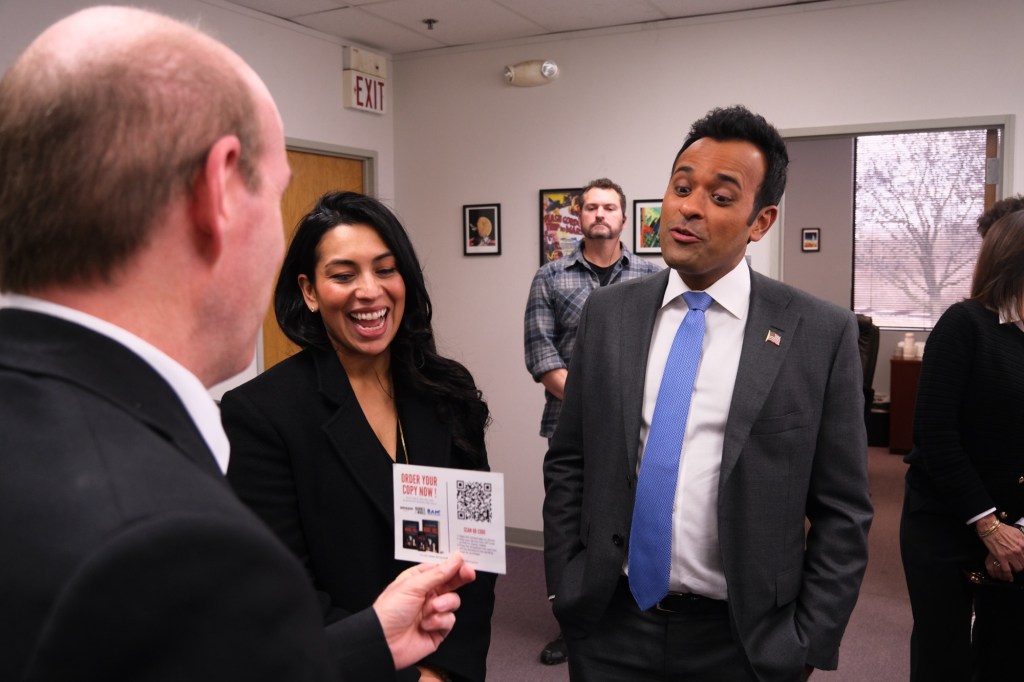
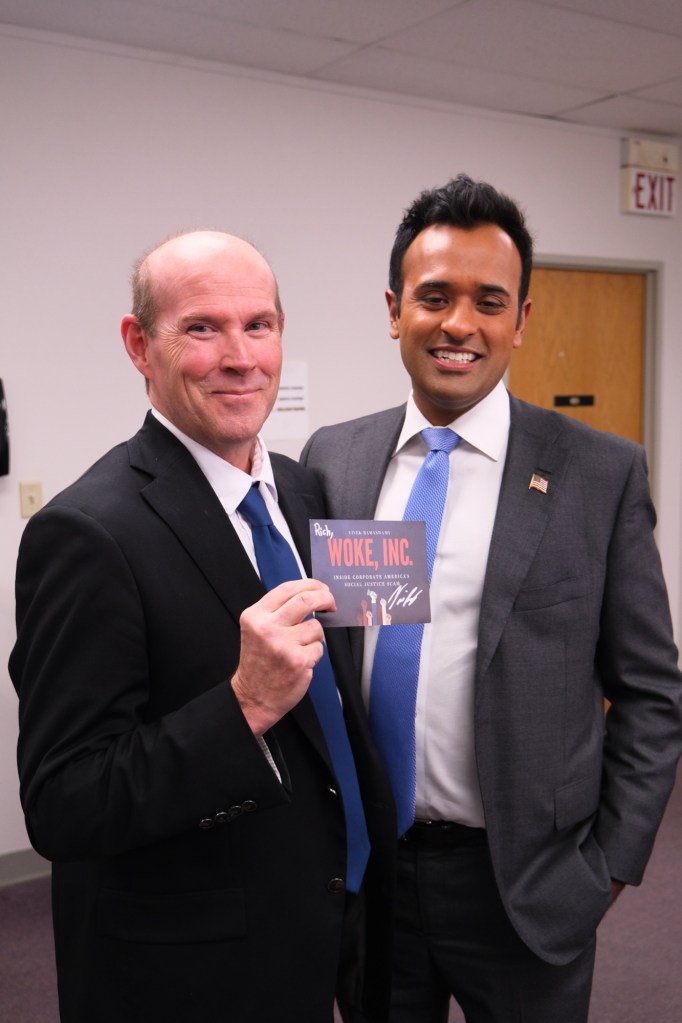
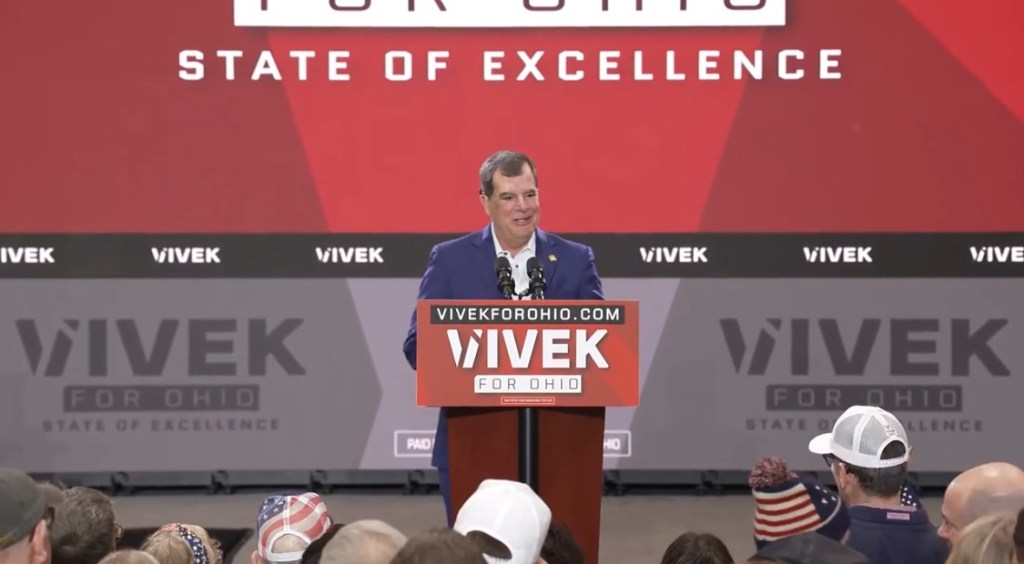
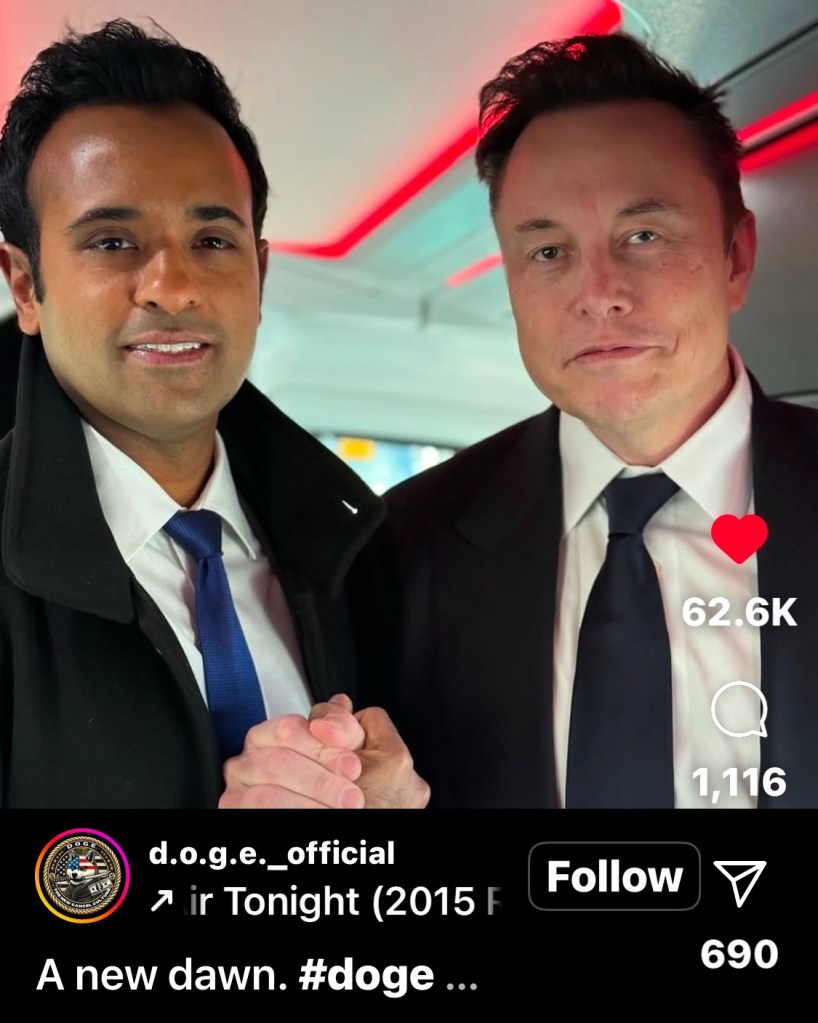
 The Overmanwarrior