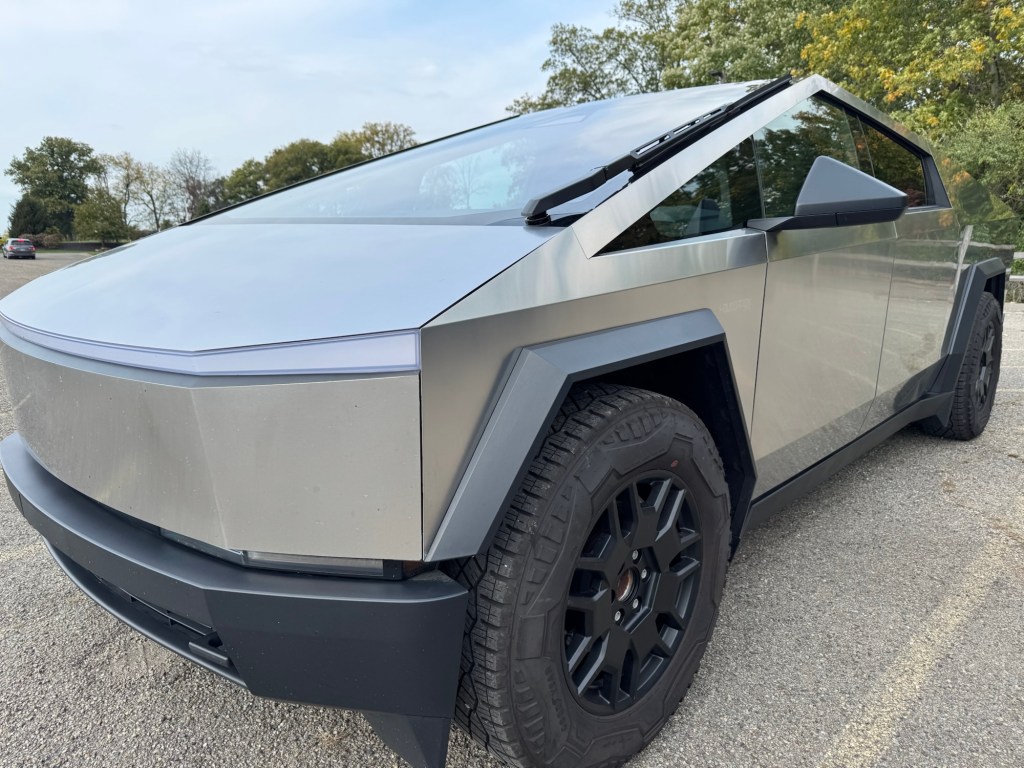
I have to spend some time on A.I. because it’s probably the most significant psychological crisis our civilization will face over the next several thousand years. And my wife is right there with many of you. We were at Kings Island with the grandkids, and a Tesla Cybertruck was parked next to me, and I loved it. I think it’s the best car on the road today, and I’m probably going to get one in the not-too-distant future. But most people think it’s ugly and disgusting, and they believe that for a lot of deeply psychological reasons. Yet it reminds me of the Starship, which is one of my favorite things in the world right now. As we discussed our opinions on Cybertruck, Starship 11 had just successfully landed in the Indian Ocean on a spectacular mission, which I was very excited about. And the main reason was that it was a big, complicated rocket, but humans didn’t operate any of it. Everything was autonomous. All that engineering innovation took off from Texas and landed autonomously at precise points on the other side of the world. And much of that technology has made its way into the Cybertruck and its autonomous driving. And I would like that automatic driving feature. My lifestyle would greatly benefit from it. I could get a lot done with all that commuting around, which usually requires physical driving. Which many people aren’t ready to accept. But I would encourage everyone to shift a gear and get with the program, because a lot of exciting stuff is coming. And human beings will be getting a lot busier —not less so —because vast amounts of the economy will be unlocked, and humans will benefit, not find themselves replaced.
And my wife and I were compelled to have this discussion, as I have been having it with many people lately about labor. I’m a 24/7 guy, certainly not a Monday-through-Friday 8-hour-max person. I hate driving around on a Saturday and seeing so many manufacturing facilities closed up for the day. I want to see more 7-day-a-week operations everywhere to maximize economic output. That doesn’t mean people need to do all that work. But sandbagging potential revenue when there is work to be done because some human doesn’t want to do it, or is trying to stuff labor hours into a box of convenient assumptions, is not the wave of the future. More work, more often, is the new standard. And what all this technology I’m talking about leads to is the new market trend of Tesla Optimus robots, which are being built rapidly, and the Gen 3 designs have nearly full articulation in the hands. They will be about half as fast as a human on labor-intensive tasks, but they will be able to do them around the clock without complaint, seven days a week. While people are in church on Sunday, Optimus robots will still be able to perform work. And that is exciting because that means that humans will be able to settle space without having to do all the dangerous work on Starship. In a few short years, Starships will be able to fly into space every day, and there will be thousands of them. And none of them will likely have human beings on them. Optimus robots, Gen 3 and beyond, will be the first to Mars, and by the time humans arrive in those remote places, there will already be infrastructure in place, built by robots and A.I., to make the trip much safer and easier.
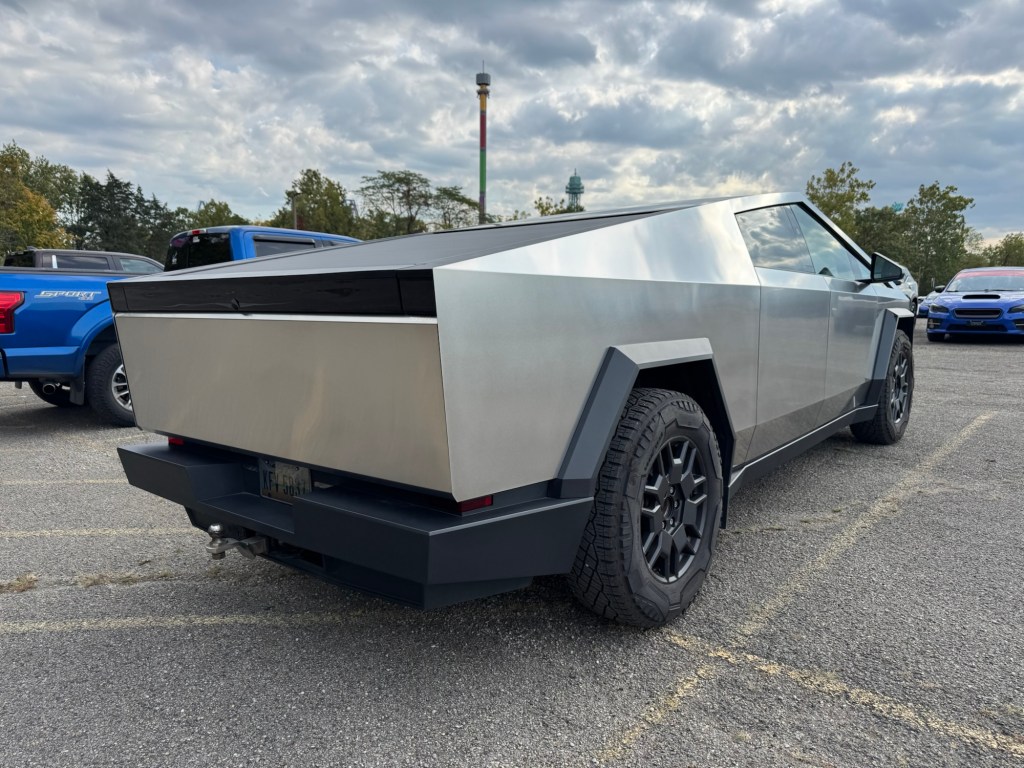
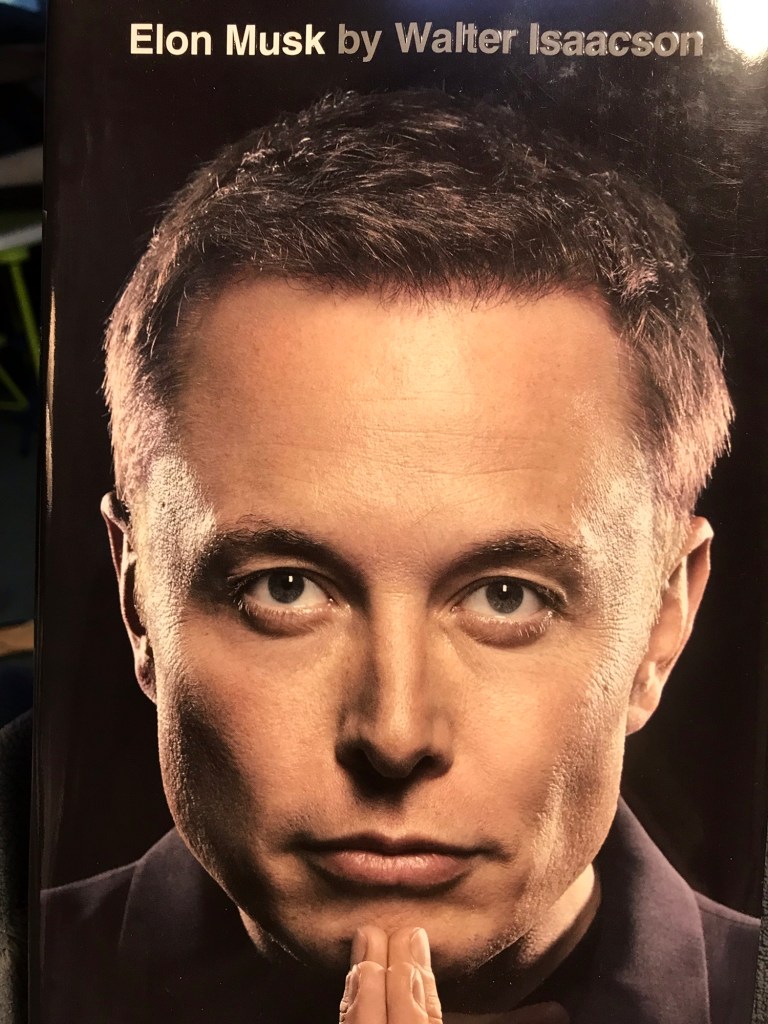
I have been very impressed with the Grok A.I. program developed by Elon Musk’s team at the X platform. It has been a strange chain of events: Musk bought Twitter and turned it into a free-speech platform, which played a significant role in getting Trump’s message out so people could vote for him. But more than anything, it has captured all the information people have put into it, building a very sophisticated A.I. program that I already think of as a kind of personal C-3PO from Star Wars. It’s swift at research and at conversational communication. And that development of A.I. will roll straight into making the Optimus robots much more human-like and effective right out of the box. I think all this technology will help human beings, not hurt them. It will be more of a Star Wars relationship than 2001: A Space Odyssey or The Terminator. Going back to the Cybertruck, the kind of hatred it generates is a reminder that the future has arrived and people are not ready for it, with such a radical design change that completely alters the aesthetic of what transportation is supposed to do. Not only does it look different, but it acts differently, and it is more of an A.I. companion than a car, and that really rattles people, including my wife. She is not happy about these changes, but I think it’s funny. Because she’s not alone, we’re rapidly redefining many things, and in just a few short years, we will be looking at a very different economy, with most of the growth happening in space.
As I talk to market types, that’s what I’m saying to those who want to listen: the 24/7 day work week is the future, and the growth is in space. Starship 11 showed that SpaceX can launch and land a reusable craft exactly where they want it, without fear of human error. It’s all autonomous. And that means that soon, A.I. will be able to take over air traffic control and coordinate all these vehicles with great precision, without ever having to stop for a coffee break. So, human limits won’t hold the economy back; it will grow enormously by trillions of dollars. However, all that money generated won’t be spent by the A.I. technology. They will have no use of money, only the currency of energy. Humans will have a lot more leisure time and will see vastly improved incomes for the time they do commit to the job. Which is why I like Cybertruck —it respects my time and lets me do so much more in a 24-hour day. Work will greatly expand, but leisure time for humans will become much more manageable. Humans will go to Mars and the Moon. But to colonize them, it will essentially be A.I. and Tesla robots that build the vast infrastructure and cities needed to make human visits much safer and more reliable. Robots, not humans, will perform the dangerous work. And there will be many thousands and thousands of robots, adding to our labor force by necessity. And I think it’s all very exciting and significant. But for many, like my wife, they are very skeptical and see all this new technology as a serious threat to their very life essence. But that’s what’s coming. That’s what I’m telling everyone is the future of aerospace. There will be lots of opportunities for great adventure and vast work, and it all becomes possible and reasonably achievable with that last Starship launch that was nearly perfect. Grok’s advancements, a very sophisticated A.I. program, are directly feeding the Optimus robot’s development. And that all points back to the practical use of the new Cybertruck. A glimpse of the future, today. And it might be scary to a lot of people. But it’s coming, ready or not.
Rich Hoffman

Click Here to Protect Yourself with Second Call Defense https://www.secondcalldefense.org/?affiliate=20707