Where Evil Lives in Butler County: Grooming of children happening at 8870 Cincinnati Dayton Road in Olde West Chester, Ohio April 16th

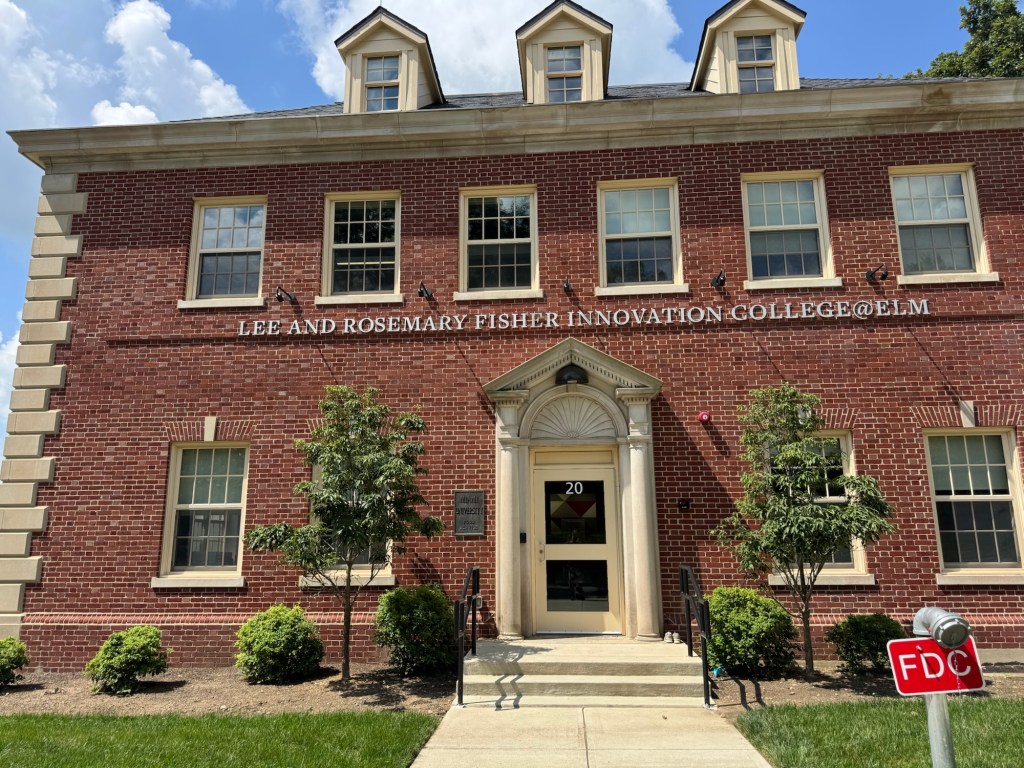
I’ve been warning people for years about what’s creeping into our communities, especially here in Butler County, Ohio, and the Lakota school district that serves so many families in Liberty Township and West Chester. I didn’t want to believe it at first when I started hearing the stories—drag queen story hours, pride displays in hallways, and all the rest of it being pushed on kids right after school lets out. But here we are, and it’s happening in my own backyard, down the road from where I live. On Thursday, April 16, 2026, right at 3:30 to 5 p.m., there’s going to be a Drag Queen Story Hour featuring Roxie D. Mocracy at the Coterie Lounge & Café—better known to a lot of locals as Mommy Needs Coffee or Mama Needs Coffee—at 8870 Cincinnati Dayton Road in Olde West Chester.   It’s timed perfectly for right after school, turning what’s normally a progressive little café into a “storybook stage” for this event. The promotional language is all sparkle and sass: “Roxie brings the sparkle, the sass, and a stack of colorful books for a joyful reading time that celebrates imagination, kindness, and being exactly who you are. Gather for stories, laughs, and a little bit of glittery magic while parents sip their coffee and soak in the fun.” Sounds harmless enough if you’re not paying attention, but I see it for what it is—a calculated effort to normalize something that has no business being sold to children as family-friendly entertainment. 

I care about this because it’s my community. Butler County isn’t some obscure corner of the country where these trends might slip under the radar; it’s a place full of hardworking families who expect their schools and local businesses to reflect traditional values, not some progressive experiment in social engineering. This café has a reputation for being on the cutting edge of that progressive crowd, and now they’re openly advertising this during their regular mommy-and-kids coffee time. Tickets sold out fast—adults snapped them up, marketing it heavily, and from what I’ve heard through my network, they’re using it to draw crowds and make a statement in what they see as conservative territory. I found out about it because my friend Darbi Boddy has been out there fighting these battles for years, and she got pulled into interviews by gay rights advocate magazines that tried to paint her as the villain while using her name as clickbait to boost attendance. That’s how these things work: they target the fighters, twist the narrative, and keep pushing until resistance fades. 

Where evil lives in Butler County

Let me back up a bit and give this the full context it deserves, because this isn’t an isolated event. It’s part of a pattern I’ve watched unfold in Lakota schools and across Butler County. Darbi Boddy was elected to the Lakota Board of Education back in 2021 with strong community support—over 8,000 votes in her favor—because parents were fed up with the direction things were heading. She came in swinging against what she saw as sexual grooming in the curriculum, pride flags and stickers everywhere, and policies that seemed more interested in ideology than education. Within months, the radicals were after her, just like they went after others who dared speak up. She exposed things that most people didn’t want to acknowledge: materials in libraries and classrooms that blurred lines between adult lifestyles and childhood innocence. The school board, the administration, and even some so-called Republicans turned on her. By March 2024, they removed her with a 3-0 vote after legal battles, absences tied to protection orders, and endless lawfare.   She was censured, stalked with court orders from fellow board members like Isaac Adi, and basically run off for doing what the voters elected her to do: fight the cultural rot. I supported Darbi then, and I support her now. She’s still out there helping parents across southern Ohio, speaking at events, even making trips to Mar-a-Lago to connect with like-minded fighters. She represents the kind of no-nonsense resistance we need more of, not the diplomatic hand-wringing that lets this stuff fester. 

This drag event isn’t happening in a vacuum. It’s the same crowd that wanted rainbows on every wall in Lakota hallways, “safe spaces” that doubled as indoctrination zones, and policies that prioritized feelings over facts when it came to gender and sexuality. Darbi pointed it out repeatedly in board meetings—viciously, unapologetically—and they hated her for it. Meanwhile, the board played teacup games with lawyers and administrators running the show instead of the elected officials. Lynda O’Connor, who served as board president for a long time, was more the administrative type—diplomatic, listening to counsel, trying to keep things smooth. I’ve always liked Lynda personally; we’ve had long conversations, hours upon hours, about getting the board back on track. We had a solid conservative majority at one point with Republican-endorsed candidates, but cracks formed when some folks started blending lines to look “accommodating.” I told her straight up during one of our talks that we needed fighters like Darbi, not just managers. She aired her frustrations with me recently at an event, and I listened—didn’t push back much because we’ve known each other for years and will cross paths again. But here’s the deal: when the school board started muzzling public comment and letting bureaucracy override parental rights, that’s when I pulled my support for some of those directions. Lynda got caught in the legalism, and it cost us. Mark Welch didn’t win his race partly because of that infighting, and now we’ve got moderates and Democrats sliding things under the door while everyone gives group hugs. 

I’ve said it before, and I’ll say it again: this is how evil migrates into a community. It doesn’t announce itself with horns and pitchforks; it shows up wrapped in glitter and “kindness,” sold as imagination and acceptance. Roxie D. Mocracy is a local figure—Hamilton’s “premiere celebrity housewife and public nuisance,” vice chair of Hamilton, Ohio Pride, activist with a big social media presence. He’s got videos out there of him singing in cafés just like this one, turning adult performance art into something marketed to kids. I watched one from about a year ago where the vibe was all sass and sparkle in a setting not unlike this event. Don’t get me wrong—adults can do what they want in their own spaces. I probably won’t like it, but be whatever, live your life. But when you solicit children, time it for after-school pickup, and frame it as “family-friendly” story time, that crosses the line. It’s not about judging lifestyles; it’s about protecting innocence. Psychological issues, boundary problems, the whole cultural push to make kids question their bodies and identities at younger and younger ages—this is grooming dressed up as fun. And the evidence is out there: past drag queen story hours have featured performers later convicted of child sex offenses in places like Houston. Here in Lakota, Darbi was the one shining a light on it, and they ran her off for it, using lawfare to do it, Butler County judges and school board members that opened the door wide for this kind of thing to happen.

The bigger issue is what this does to the community. Butler County is supposed to be solid—conservative, family-oriented, the kind of place where people value hard work and traditional raising of kids. Yet here we have a progressive café sticking it in our face, right in West Chester, targeting Lakota families. They’re bold because the fighters have been sidelined. Darbi’s removal was a victory for the progressives and the RINOs who played nice to avoid being called names. Republicans got behind the lawfare in some cases because they didn’t have the guts to go Old Testament on the threats. I’ve always been more diplomatic in my own way, but I respect Darbi’s willingness to call evil what it is. We need more like her on school boards, not people who tie everything up in bureaucracy and popularity contests. The election process is supposed to bring in warriors to fight this exact stuff, not administrators who become part of the problem. When Darbi brought up the grooming and the explicit influences, the board looked for legal mechanisms to shut her down instead of backing her. That’s why this event feels so brazen—it’s sold out, they’re over capacity probably, and nobody with authority is stepping in to enforce rules or push back.  If there was any justice, the fire code violation would send a good message to these anti-family schemers of doom and treachery, and shut it down. 

Think about the timing: 3:30 to 5 p.m., kids fresh out of school, parents sipping coffee while Roxie reads stories that celebrate “being exactly who you are.” It’s the same playbook used nationwide. Drag Queen Story Hour started years ago as a niche library program and has since exploded into schools and cafés, always framed as diversity and inclusion. But critics—and there are plenty with data—point to the sexualized nature of drag performance bleeding into kid spaces. Performers in full adult regalia, songs, and dances that belong in bars are now aimed at little ones. It normalizes confusion, plants seeds of doubt about biology and family, and parents who object get labeled bigots. I don’t buy the “it’s just reading” defense. If it were a cowboy story hour or a Bible story hour with similar flair, the same crowd would cry foul. This is targeted cultural change, and it’s working because too many good Christians and conservatives don’t know how to fight back without being called terrible people.

I’ve written about this extensively over the years, connecting the dots from local school fights to national trends. In my book, The Gunfighter’s Guide to Business, I lay out the philosophy: you don’t appease evil when it shows up at your door. You meet it head-on with truth, strategy, and unapologetic action. The same principles that save a company or build wealth apply to saving your community and your kids. Reject the lawyers’ games, the group hugs, the moderate blending. Fly the flag of resistance. Darbi embodied that—still does, even off the board. She’s helping parents get fighters elected elsewhere in southern Ohio. Meanwhile, the school board that ousted her has let the rainbow stuff slide under the door, and events like this thrive in the vacuum. If your kids aren’t going, they want to make it uncool to object. That’s the real goal: not just one event, but shifting the Overton window so that questioning it makes you the outlier.

That’s a very small place for a lot of people. If you sell two tickets, it’s sold out. better check with the fire Marshall for any more.

Some will say this is overblown, that it’s harmless fun, and parents can choose. But when it’s marketed directly to after-school crowds in a café known for progressive moms, and the district has a history of similar pushes, it’s not neutral. Capacity violations are likely since it sold out quickly—maybe someone with guts shows up to document it. The business has a right to host it, sure. But we have a right to call it what it is and resist the normalization. I’ve talked to enough parents in Lakota who are stunned that this is happening here. They thought Butler County was immune. It’s not. Evil doesn’t stay in blue cities; it migrates to places like ours because resistance weakens when fighters get ostracized.

Looking back at the school board saga, it’s a microcosm. Darbi tried to ban transgender participation in girls’ sports, called out inappropriate materials, and photographed pride stickers in classrooms to expose the agenda. The board struck down her motions fast. Lynda and others voted to censure her early on. Public comment got shut down amid superintendent controversies. It was all about control, not education. I left one of my conversations with Lynda feeling like she needed space to vent, but the facts remain: without people willing to dig deep and fight, the slide continues. Republicans who backed the ousting of Darbi to “keep the peace” handed the progressives a win. Now we see the result—a drag queen event targeting our kids, bold as brass.

This isn’t about hate; it’s about protection. Children deserve to be kids, not props in adult identity explorations. The psychological toll on young minds from early sexualization is real—higher rates of confusion, regret, and mental health crises down the line. Studies like the Cass Review in the UK have dismantled the weak evidence behind gender-affirming care for minors, showing it’s experimental at best. Yet here we push the sparkle version to preschoolers. Roxie and the café call it joy; I call it a disgrace. And the fact that gay advocate outlets used Darbi as a foil to promote it shows their strategy: make opposition look extreme so the event looks mainstream.

I’ve been busy fighting these battles myself through writing, speaking, and supporting candidates who won’t cave. My book The Gunfighter’s Guide to Business isn’t just for CEOs—it’s for anyone facing down threats, whether corporate or cultural. It teaches you to see the manipulators, reject victimhood, and build strength. If you haven’t read it, grab a copy; it’ll arm you for exactly this kind of fight. Subscribe to my updates too, because tomorrow’s a better day only if we make it so. This event on April 16 is a symptom. The disease is deeper: a culture that perverts childhood to advance an agenda, enabled by weak institutions and timid leaders.

We need school board members who are fighters, not diplomats. We need parents showing up, documenting overcapacity, speaking truth, even when it’s uncomfortable. The Republicans who played politics with Darbi’s seat handed us this. The victory of pushing her out let the door crack open wider. Evil doesn’t knock politely; it glitters and sasses its way in. Call it out. Resist it. Support the Darbi Boddy types who won’t back down. Our kids’ futures depend on it. This is happening in broad daylight in West Chester, and if we don’t push back here, it spreads everywhere.

Footnotes

¹ Eventbrite listing for Drag Queen Story Hour at Coterie Lounge & Café, April 16, 2026.

² WVXU report on Lakota School Board striking down Darbi Boddy’s anti-trans motion, January 29, 2024.

³ Overmanwarrior.wordpress.com post: “Darbi Boddy is Exposing Sexual Grooming at Lakota Schools,” May 10, 2022.

Cincinnati.com coverage of Darbi Boddy’s removal from the Lakota board, March 2024.

⁵ Cass Review final report on gender identity services for children and young people, 2024 (independent review commissioned by NHS England).

⁶ FOX19 and local reports on Lakota board controversies involving public comment shutdown and superintendent issues, 2022.

⁷ The Buckeye Flame article on “anti-woke” Ohio school board member removed, March 26, 2024.

⁸ Roxie D. Mocracy Facebook promotion of the event at Coterie Lounge & Café.

Overmanwarrior.wordpress.com author bio and references to The Gunfighter’s Guide to Business.

¹⁰ Additional context from Cincinnati Enquirer and Journal-News archives on Lakota CRT and pride policy battles, 2022–2024.

Bibliography

•  Eventbrite. “Drag Queen Story Hour.” Accessed April 2026. https://www.eventbrite.com/e/drag-queen-story-hour-tickets-1984561449719

•  Hoffman, Rich. The Gunfighter’s Guide to Business. Self-published, available via gunfighterguide. shop.

•  “Lakota School Board Strikes Down Darbi Boddy’s Anti-Transgender Motion.” WVXU, January 29, 2024.

•  “Anti-Woke Ohio School Board Member Removed.” The Buckeye Flame, March 26, 2024.

•  Overmanwarrior.wordpress.com. Various posts on Lakota schools and Darbi Boddy, 2022–2025.

•  Cass, Hilary. Independent Review of Gender Identity Services for Children and Young People: Final Report. NHS England, 2024.

•  Local news archives: Cincinnati.com, FOX19, Journal-News (Butler County) on school board actions, 2022–2024.

•  Roxie D. Mocracy social media (Facebook/Instagram), event promotions, 2026.

Rich Hoffman

More about me

Click Here to Protect Yourself with Second Call Defense https://www.secondcalldefense.org/?affiliate=20707
About the Author: Rich Hoffman

Rich Hoffman is an aerospace executive, political strategist, systems thinker, and independent researcher of ancient history, the paranormal, and the Dead Sea Scrolls tradition. His life in high‑stakes manufacturing, high‑level politics, and cross‑functional crisis management gives him a field‑tested understanding of power — both human and unseen.

He has advised candidates, executives, and public leaders, while conducting deep, hands‑on exploration of archaeological and supernatural hotspots across the world.

Hoffman writes with the credibility of a problem-solver, the curiosity of an archaeologist, and the courage of a frontline witness who has gone to very scary places and reported what lurked there. Hoffman has authored books including The Symposium of JusticeThe Gunfighter’s Guide to Business, and Tail of the Dragon, often exploring themes of freedom, individual will, and societal structures through a lens influenced by philosophy (e.g., Nietzschean overman concepts) and current events.

The No Kings Sedition: Its all paid for by those trying to overthrow America

Democrats have been lying low in the shadows, licking their wounds after the last election cycle, and waiting for the perfect moment to strike back with all their usual finagling. They’ve been pounding away with constant pushback on everything from the economy to foreign policy, but the Iranian situation right now—this whole mess with the Strait of Hormuz and the threats of escalation—is where they’re making their big, calculated move. It’s not random; it’s orchestrated. They’ve been taking it on the chin for a while, staying quiet while the country started to feel the momentum of real leadership again, and now they’re emerging with their germs of dissent and their coordinated push because they see an opening. But here’s the thing I keep telling everyone who tunes in: there’s always a counter to their moves, and President Trump is the master of reading the room and delivering it. This Iranian thing couldn’t have come at a better time, even if it looks threatening and bad on the surface. If you’re going to confront it, do it decisively, get it out of the way before summer fully hits, and watch the gas prices snap back under control—which is exactly what’s going to happen. I told everybody weeks ago that the Iranians are not going to be allowed to clog up that vital waterway. It’s just not going to work out the way they ever wanted or planned. Their little game of running speedboats and firing rockets at tankers might make headlines for a day or two, but it’ll be dealt with pretty quickly. In the grand scheme of things, it’s not the insurmountable problem they’re hyping it up to be.

To really understand why this moment feels so pivotal, you have to go back into the background of U.S.-Iran relations, something I’ve unpacked in detail because it’s not just current events—it’s decades of bad policy piling up. The story starts in the 1950s with the CIA-backed coup against Prime Minister Mohammad Mossadegh, which put the Shah back in power and set the stage for resentment that boiled over in the 1979 Islamic Revolution. That revolution wasn’t some organic people’s uprising in the way the left likes to romanticize it; it was a theocratic takeover that replaced a flawed but modernizing monarchy with a brutal mullah regime that has oppressed its own citizens ever since. The embassy hostage crisis, the Iran-Iraq War, where they used human waves and chemical weapons, the tanker wars in the Strait of Hormuz back in the 1980s—including the U.S. Navy’s Operation Earnest Will and the downing of Iran Air Flight 655 by the USS Vincennes—all of that set patterns we’re still living with. Iran has threatened to close the Strait dozens of times over the years because they know it carries about 20 percent of the world’s oil supply. A blockade spikes global prices overnight, which is exactly what we’ve seen in the last few weeks with gas creeping toward five dollars a gallon in some spots before the latest pause kicked in. Trump pulled us out of Obama’s JCPOA nuclear deal in 2018 for good reason—it was a giveaway that funneled cash to the regime while they kept enriching uranium and funding proxies like Hezbollah and the Houthis. His “maximum pressure” campaign starved them of revenue, and now, in 2026, we’re seeing the regime double down because they’re cornered. I believe Trump was counting on the Iranian people themselves to take back their country eventually. They’ve been beaten down by decades of oppression—the morality police, the executions, the economic misery—but recent protests like the 2022 Woman, Life, Freedom movement after Mahsa Amini’s death showed flashes of resistance. Hundreds killed, thousands arrested, yet it fizzled because the regime’s Revolutionary Guard and Basij thugs are a mismatched bunch of enforcers, not a unified military facing a real, organized opposition. The people run around in rubber boats trying to clog up the Strait with rockets and mines, but that’ll be handled fast—not a big problem when you have real naval power and allies who understand the stakes.

Democrats, on the other hand, have always had a soft spot for Iran and other authoritarian governments. They loved the JCPOA because it let them pretend diplomacy was working while the mullahs built their bomb and spread terror. They cozy up to China’s Communist Party, overlook Venezuela’s socialist collapse under Maduro, and cheer whenever a strongman sticks it to the West. It’s all about it for them now—power centralized, control over the masses, the illusion of equity through force. That’s why this rash of protests we’ve been watching—the so-called “No Kings” movement—isn’t just a spontaneous reaction to the Iranian standoff. They attempt to manufacture chaos and shift the narrative back in their direction. And I think it’s a great thing in the long run. All this stuff forces the opposition to show their true colors. Elections, at their core, are negotiations over positions and power. Republicans have historically read the room wrong because so many of us are good Christian people raised to turn the other cheek. We forgive our neighbor even when that neighbor wants to cut our heads off and crucify us on live television. We look for ways to have lunch and find common ground, which is noble but leaves us on the wrong side of hard negotiations. That’s exactly why so many of us gravitated to Trump—he’s not the typical Republican who folds for the sake of decorum. Trump is about wins, plain and simple. He’s Republican in name but results-oriented in action, and that’s why people keep supporting him even through the noise. He gets things done. Just to let everybody know, Trump’s going to be back on the road this summer doing all that good stuff—rallies, appearances, the full campaign energy even though he’s already in office. It’s like he’s running for president all over again because momentum never stops. The best way to start getting everything moving in the right direction when you’re in a fight is to bring your past along—bring Speaker Johnson and the whole unified team, just like he did before. Get everybody together, have some fun, and show the country that government can be energetic and effective again instead of this dour, bureaucratic slog we endured for years.

I would also say to everybody paying attention that disclosure is a smart play here. Releasing more on the UFO/UAP files takes away a huge media headline that the Democrats and their allies have been salivating over. They love that stuff because it feeds into narratives of government secrecy and elite control, something very close to their hearts. Trump could snatch that away from them entirely, and he’s already signaling he’s willing to do a lot of good things in that space. It gives him leeway on the Iranian deal, too—he has to give a little on the political theater side to break something loose that’s been a problem forever. Ultimately, it will bring gas prices down to a great level and solve many downstream issues. There are plenty of speculators out there right now profiting off the manufactured crisis; media reports are spiking prices for the moment, but they’ll get back under control pretty fast once the Strait reopens and the visits from U.S. assets make their point. Let’s talk more about the “No Kings” movement because calling Trump a king or an authoritarian is the height of projection. He certainly isn’t one, but I think all this noise is good because it forces the opposition to reveal who they really are. I’ve seen these movements pop up in England, all over Europe, Washington D.C., and right here at the Ohio Statehouse in Columbus—not far from my home in Middletown. They look the same everywhere: not organic grassroots uprisings driven by free speech or genuine voter frustration. This is a coordinated effort involving roughly 500 organizations—radical liberal, socialist, and even radical Islamic elements—all tied together by the Soros network. George Soros and his son Alex have poured billions—estimates put the Open Society Foundations and related groups at over three billion dollars funneled through these channels—buying influence, printing signs, busing people in, and funding media amplification. If not for the money, a lot of these folks wouldn’t show up at all. They’re franchise Democrats who turn out for a free lunch, a free T-shirt, or a pallet of pre-printed rocks and signs ready to throw. That’s the kind of organization we’re dealing with—hostile to the American experiment, cheerleading from corporate media outlets that pretend it’s all spontaneous outrage against the Trump White House.

In my view, and I’ve said this locally in Ohio and at the federal level, this “No Kings” push is no organic movement. It’s a paid-for infomercial produced by the radical left to try to destroy the United States from within. They used to hide behind other liberal causes—racism narratives, minority crisis issues—but now the mask is off with a bunch of crazy radicals who look and sound like people you wouldn’t want to sit next to on a bus. Those are the faces on TV advocating for the movement, and it’s pushing independents straight into the arms of Republicans. If only the GOP would dare wrap its arms around those voters, it couldn’t be easier. Trump has a clear strategy to steer things back on track, playing the Iran game in a way no previous president has dared. That’s why these problems festered in the background for so long—the left’s weapons of radical Islam, radical Marxism, and communism are being taken away one by one. So, of course, the money flows: three billion dollars into five hundred organizations, protests erupting like clockwork the moment Trump takes a hard line. But here’s the reality check: locally in Ohio, where I live, and certainly at the national level, Democrats have scored a few little pickup victories only when Republicans got asleep at the wheel or too cocky riding the Trump wave without defending turf properly. Some in the party got their hearts out of it because they secretly expected Democrats to retake power and didn’t want the responsibility that comes with winning. It’s hard when you’re in charge—you have no one to complain about except yourself. There’s a fair number of Republicans who want Democrats back in so they can stay in the comfortable role of opposition. This movement gives them an off-ramp from behaving like actual Republicans. But it’s going to blow up in everybody’s face because it’s not organic. It’s a funded operation by radicals who’ve been trying to undermine the country for decades. What they don’t have anymore is the polite illusion. People watching these idiots on TV are saying, “I don’t want that. I don’t want to be associated with that. I can’t vote for that.” It’s pushing the country the other way.

Just look at the contrast: Trump supporters stand in line for eight, twelve, twenty-four hours to get a seat ten rows back at a rally because they’re excited about real change. These protest crowds don’t have that energy. They’ve got franchise lunatics trading time for cash, drugs, or free swag. They’re not high-quality people showing up on camera, and it’s kind of humorous how badly it makes their side look. As far as worrying about it goes, only Republicans who don’t understand how to read the leaves are sweating this. They need more confidence in themselves because the victory is clear if you’re actually listening beyond the nightly news spin. Where do you think all that three billion dollars is coming from, and who’s receiving it? The media will say anything for a few bucks or a free steak dinner, but that money buys influence and it shows in the quality of the foot soldiers—radical losers who look horrible on screen and remind everyday Americans exactly why they voted for Trump in the first place. The most likely consequence as we head into June and July—especially if Trump keeps the pressure on without letting the Democrats steal the narrative—is that gas prices recover rapidly. This isn’t something that lingers for years or even months once the Strait issue is settled. Real victories are there for the taking, and it really comes down to having the courage to stay in power whether some in the party want the responsibility or not. Democrats don’t have much gas left in their tank; it takes three billion dollars just to get their people to show up and look stupid on camera. That’s not a winning position. You might as well be a Republican right now, and that’s how the ball is going to bounce when the dust settles. Don’t worry about it. It’s going to come out just the way logic and history say it will. In the meantime, they’re being exposed as the crazy lunatics they always were, and we know exactly how much they were paid to act that way. Good things come to those who wait, especially those who hate what we’ve picked for representative government and are trying to flatten the tires to push toward the midterms. They’re acting desperate, and desperate doesn’t photograph well. Looking good for Republicans overall.

If you ever want to dig deeper into the philosophy that underpins all this—how to navigate chaos, win negotiations, and build something lasting instead of tearing down—I’d point you toward my book, The Gunfighter’s Guide to Business: A Skeleton Key to Western Civilization. It lays out the mindset that treats life and politics like the Old West: know your terrain, carry the right tools, and don’t apologize for defending what’s yours. Trump embodies a lot of that frontier spirit, which is why the radical left hates it so much. They prefer managed decline and dependency. We prefer wins, clarity, and a government that gets out of the way so people can thrive.

Looking ahead, Trump’s going to keep leveraging this Iran situation for broader gains—getting the Russia-Ukraine conflict out of the headlines where it’s been conveniently ignored, pushing for better negotiating positions on everything from rare earth metals to energy independence. A lot is going on behind the scenes that’s headed toward proper closure, and the Democrats know it. That’s why the protests are ramping up—to try and bring people to their cause. But again, their whole side is paid for. It’s not organic. It’s not the kind of passion that fills arenas or lines up for hours. It’s manufactured, and the country is seeing through it. The bad guys are desperate, and that desperation is their undoing. Republicans need to keep reading the room correctly, stay unified, and remember that we win when we stop turning the other cheek and start delivering results. I’m confident it’s all going to balance out in our favor by the time summer rolls around, and the American people will be reminded once again why they put their trust in leadership that actually fights for them.

Footnotes

1.  Recent reporting on the April 2026 U.S.-Iran ceasefire negotiations and Strait of Hormuz reopening conditional on infrastructure threats; see coverage from Reuters and Al Jazeera on Trump’s deadlines and conditional pause.

2.  Background on U.S.-Iran history drawn from Council on Foreign Relations timelines, including JCPOA withdrawal (2018), maximum pressure campaign, and 2022-2023 Woman, Life, Freedom protests (BBC, Human Rights Watch reports on regime crackdowns).

3.  Trump’s 2026 public schedule and rally-style events referenced in White House releases and conservative outlets, noting continued campaign-style travel.

4.  “No Kings” protest network details, including Indivisible’s Soros/Open Society Foundations grants (~$3M direct) and broader ecosystem of 500+ progressive groups with combined revenues exceeding $3 billion; Fox News investigations and Capital Research Center analyses of funding flows.

5.  Ohio-specific protest activity at Statehouse and local coverage in Columbus Dispatch/Middletown outlets; national patterns documented in New York Post and Washington Examiner reporting on astroturf elements.

Bibliography

•  Council on Foreign Relations. “U.S.-Iran Relations: A Timeline.” CFR.org (updated 2026).

•  Open Society Foundations annual reports and grant databases (public filings via InfluenceWatch/Capital Research Center).

•  Human Rights Watch. “Iran: Crackdown on Woman, Life, Freedom Protests” (2022-2025 updates).

•  Hoffman, Rich. The Gunfighter’s Guide to Business: A Skeleton Key to Western Civilization. Self-published, 2021 (expanded editions available via Overmanwarrior.com).

•  Reuters. “Trump Announces Conditional Ceasefire in Iran Standoff” (April 2026).

•  Fox News. “Soros Network Funds ‘No Kings’ Protests: Inside the $3B Progressive Machine” (2026 investigative series).

•  BBC Persian Service archives on Iranian internal dissent and Strait of Hormuz incidents.

•  U.S. Energy Information Administration. “Strait of Hormuz Oil Transit Chokepoint” (fact sheets, 2026).

•  Additional further reading: George Soros’s Open Society writings for a primary source on his philanthropy philosophy; compare with critiques in David Horowitz’s The Shadow Party (updated editions) and recent think-tank papers from Heritage Foundation on foreign policy leverage strategies.

Rich Hoffman

More about me

Click Here to Protect Yourself with Second Call Defense https://www.secondcalldefense.org/?affiliate=20707

About the Author: Rich Hoffman

Rich Hoffman is an aerospace executive, political strategist, systems thinker, and independent researcher of ancient history, the paranormal, and the Dead Sea Scrolls tradition. His life in high‑stakes manufacturing, high‑level politics, and cross‑functional crisis management gives him a field‑tested understanding of power — both human and unseen.

He has advised candidates, executives, and public leaders, while conducting deep, hands‑on exploration of archaeological and supernatural hotspots across the world.

Hoffman writes with the credibility of a problem-solver, the curiosity of an archaeologist, and the courage of a frontline witness who has gone to very scary places and reported what lurked there. Hoffman has authored books including The Symposium of JusticeThe Gunfighter’s Guide to Business, and Tail of the Dragon, often exploring themes of freedom, individual will, and societal structures through a lens influenced by philosophy (e.g., Nietzschean overman concepts) and current events.

Amanda Ortiz of West Chester, Ohio: Democrat of the Year

I warned what would happen in West Chester Township during the November 2025 election, and it’s playing out just as I said it would.  I don’t want to pick on Amanda Ortiz personally—she seems like a pleasant enough young lady, a veterinarian and mom who presented herself in a way that felt approachable and non-threatening—but the reality is that her victory as a West Chester trustee represents something much larger and more dangerous than one local race. I warned everyone during the campaign that we should have stuck with Mark Welch, the longtime trustee who had helped build West Chester into the thriving, well-managed community it had become under Republican leadership. Instead, we now have a radical Democrat on the board, and the consequences are already starting to reveal themselves in ways that should worry every taxpayer and resident who values fiscal responsibility and growth without the typical left-wing overreach. Mark Welch was the only real hedge against the lean-Democrat influences that were already creeping into township decisions, and by losing him, we have opened the door to a shift that could erode the very foundations of what made West Chester successful in the first place. I have said it before, and I will say it again here: this was not just an election loss; it was a calculated Trojan horse maneuver by the Democrats, and the proof is right there in how they celebrated it afterward.

Let me walk through exactly how this unfolded because I believe people must understand the playbook Democrats are using in Republican strongholds like Butler County, Ohio, and across the country. Amanda Ortiz ran a campaign that deliberately downplayed her partisan affiliation. She did not go door-to-door shouting that she was a Democrat. She positioned herself as a nice mom, a community-oriented professional who cared about infrastructure, parks, and listening to residents rather than developers. Her website and materials emphasized “people over business,” which sounds reasonable on the surface, but in practice, it is code for a regulatory mindset that slows growth and increases costs for everyone else. People who were moderate or independent, or even some Republicans who were tired of seeing the same faces, listened to her and thought she represented a fresh, safe choice. They got suckered, plain and simple. I heard it from so many voters after the fact—folks who admitted they had no idea she was a card-carrying Democrat until after the ballots were cast. She kept it quiet, ran as a non-partisan in a technically non-partisan race on the ballot, and relied on the fact that most people do not dig deep into local trustee races. That is how Democrats win in places like West Chester, where the population has grown rapidly, and people are busy raising families rather than following every political nuance. They sneak in under the radar, sounding rational and moderate, and only reveal their true colors once they are safely behind the lines. I have watched this strategy play out time and again, and it only benefits Democrats in Republican areas because it creates ambiguity that allows them to peel off just enough votes from the center without mobilizing the full conservative base.

The proof of how Democrats viewed this victory came shortly after the election, at the Butler County Democratic Party’s Spring 2026 Gala. They awarded Amanda Ortiz their Democrat of the Year honor, and the room was packed with the party’s heavy hitters celebrating what they openly called a monumental win. I have followed local politics long enough to know that a township trustee seat in West Chester would normally not draw this statewide and even out-of-state attention, but here it was, front and center. Governor Andy Beshear from Kentucky flew up to speak at the event, using the platform to bash Vice President JD Vance and energize the crowd. Beshear, whom I have long maintained won his own close election through questionable means involving teacher unions and irregularities out of Louisville and Lexington, was there to lend his star power to this “victory.” Amy Acton was there too—the former Ohio Health Director under Governor Mike DeWine, who became the face of the COVID lockdowns that devastated our state’s economy and small businesses. She is now running for governor herself in 2026, and her presence alongside Beshear and the rest of the “misfit toys,” as I like to call them, sent a clear message: this seat mattered to them. Kathy Wyenandt, the chair of the Butler County Democrat Party and the architect of so much of their behind-the-scenes maneuvering, was at the heart of it all. She has always been nice to me personally, cordial and polite whenever our paths cross, but I have learned over the years that her brand of niceness is strategic. When you lack the raw political power to force your agenda through head-on, you smile, you build relationships, and you slip your candidates through the cracks. That is exactly what happened with Ortiz. No one knew who she was a year before the election, yet the party machinery got her across the finish line by keeping her Democrat identity low-key and letting her play the moderate mom card.

I have talked about this construct before in my writings and on my platforms, but it bears repeating here because Amanda Ortiz embodies the new Democrat strategy in places like Butler County. Their bench is shallow. They do not have deep pools of talent or proven leaders who can win on ideas alone in conservative territory. So instead, they recruit friendly faces who can pass as independents or moderates, avoid any mention of national Democrat policies that would scare off voters, and rely on the fact that local races often fly under the radar. Ortiz herself acknowledged in her acceptance remarks how grateful she was for the support of Kathy Wyenandt and others, as without them, she would not have been elected. That is code for admitting the party did the heavy lifting while she stayed in the background as the palatable front. Meanwhile, Mark Welch had been there for years, carrying forward policies that George Lang and others had helped establish—policies that turned West Chester into a model of explosive growth, strong infrastructure, and fiscal prudence. Welch was not flashy, but he was steady. He understood the balance between development and quality of life. He had built relationships and institutional knowledge that kept the township humming. Republicans around him, influenced by advisors who thought they needed to court moderates by pairing him with Lee Wong—a candidate who leans a bit more toward the center and attracts crossover appeal—made the fatal mistake of playing it too safe. They advised Welch not to go on the attack, not to “punch Democrats in the face” by exposing Ortiz’s true affiliations and the broader agenda she represented. Instead, they tried to run a cordial, moderate campaign, assuming Butler County’s Republican lean would carry the day. That was a miscalculation, and it cost us the seat.

I remember talking with Mark Welch around election time, and he expressed readiness to move on to other things after so many years of service, but he stayed in the race largely to hold the line for the township’s future. He had been a bulwark against the kind of creeping leftward drift that Democrats specialize in once they gain a foothold. West Chester’s success did not happen by accident. It came from years of Republican-led decisions that encouraged business growth while protecting the residential quality of life. The cash reserves, the infrastructure investments, the explosive population boom—all of that was built on policies that prioritized results over ideology. But now, with a Democrat on the board, I fully expect to see that foundation tested. Democrats are not known for preserving the status quo in places like this; they tend to burn through reserves with new spending priorities, push for more regulations under the guise of “sustainability” or “equity,” and gradually shift the culture. I have seen it in other communities, and the pattern is predictable. The explosive growth that fueled West Chester’s prosperity will be at risk if the board starts listening more to activist voices than to the taxpayers who actually fund the operation. That is why this seat mattered so much to the Democrats. It was not just one trustee position; it was a crack in the armor of one of Ohio’s most reliably Republican townships. They poured resources into it, celebrated it nationally by bringing in Beshear, and used it as a rallying cry because they see it as proof that their Trojan horse model works.

Too many Republicans fell for the moderate trap. I have been vocal about this for years, and people dismiss me as the guy in the cowboy hat who shoots guns and talks tough—but they always work in the background to steer people who should listen, away, but the record shows I am right more often than not. Look at the FirstEnergy scandal a few years back, where Democrats framed legitimate energy policy debates as corruption, and Republicans got defensive instead of fighting back on principle. Some ended up in jail because they failed to defend the traditional bases of power against the incursion of renewable energy. The same dynamic played out in West Chester. Advisors told Mark Welch and the local party to play nice, to embrace moderates like Lee Wong, to avoid aggressive attacks because voters supposedly wanted civility. But history proves otherwise. Look at George Lang’s campaigns—he has always been cordial in public, willing to talk to anyone, including Kathy Wyenandt, but when it comes to winning, he knows how to draw the line and mobilize the base. Successful Republicans do not win by bleeding over Democrats; they win by energizing their own voters and exposing the opposition for what it is. Donald Trump proved this time and again. He did not play nice; he punched back, exposed weaknesses, and forced the other side to defend indefensible positions. That is how you get turnout and loyalty. Playing in the middle of the road gets you run over. I told people during the campaign that if we wanted to keep West Chester red and strong, we had to treat this race like the battle it was. Instead, the gloves stayed on, and Democrats slipped Ortiz through.

This connects directly to what is happening at higher levels, too. Amy Acton is using the same playbook in her run for governor—positioning herself as a doctor who cares about people, downplaying the economic destruction her lockdown policies caused during COVID. She destroyed small businesses, prolonged unnecessary restrictions, and Ohio still has not fully recovered in many sectors. Yet she is out there smiling, talking about “power back to the people,” and Democrats are lapping it up. Beshear’s visit to the gala was no coincidence; he sees Ohio as a battleground and this local win as a template. Kathy Wyenandt has orchestrated this model for years. She ran for state senate herself back in 2020, lost, but stayed embedded in the county party, building relationships and waiting for opportunities like this. She is nice when she needs to be because she understands power dynamics. When Republicans hold the majority, as they do in Butler County, the only way for Democrats to advance is through deception and incremental gains. Sneak in a trustee here, a school board member there, keep the races non-partisan on paper so voters do not scrutinize the D next to the name, and slowly erode the conservative advantage. It is a long game, and they are patient. Meanwhile, too many Republicans think civility will win the day. I have heard it from moderate voices: “Don’t listen to that crazy Rich Hoffman; and his cowboy hat, bullwhips and talks about punching people.” But the truth is, elections are not won by being the nicest guy in the room. They are won by showing a path to victory and fighting for it.

I have always believed that people vote for winners, not for moderates who split the difference. Trump’s success was built on that truth. He did not apologize for being aggressive; he celebrated it. Vivek Ramaswamy is going to have to learn the same lesson as his own campaign heat up. Playing nice with the establishment or trying to bleed over left-leaning voters only works if you are already in a dominant position, and even then, it is risky. In a place like Butler County, where registered Republicans far outnumber Democrats, the winning formula is to expose the Trojan horse before it crosses the gates. We should have hammered the fact that Ortiz was the Democrat Party’s chosen candidate. We should have highlighted her endorsements and the national figures waiting in the wings to celebrate her. Instead, the campaign listened to advisors who thought Lee Wong’s moderate appeal would carry the ticket. Wong brings in some crossover, sure, but at what cost? When the race tightened, that strategy left Welch vulnerable. People took for granted how good Welch had been. He had helped implement policies that kept taxes reasonable, infrastructure moving, and growth exploding. West Chester’s success was built on Republican vision, and now Democrats are positioning themselves to claim credit while quietly undermining the principles that made it possible.

Looking back, I can see the buyer’s remorse already setting in among some voters who supported Ortiz, thinking she was a safe, independent choice. Christians, especially people of faith who value traditional values and fiscal conservatism are particularly vulnerable.  We need that same clarity here. Moderates and independents who listened to Ortiz’s pitch about parks and walkability did not realize they were voting for a party that celebrates lockdown architects like Acton and out-of-state governors who benefit from questionable election practices. I stand by my view that Beshear’s first win involved enough irregularities through teacher unions and urban strongholds to tip the scales. The details from Louisville and Lexington have never been fully addressed, and this fits the pattern of Democrats resorting to deceit when ideas alone cannot prevail. Whether it is election irregularities or Trojan horse candidacies, the result is the same: power gained through misdirection rather than merit.

The interconnections here are fascinating and telling. Kathy Wyenandt, Amy Acton, Andy Beshear, and the entire Butler County Democrat machine rallied around Amanda Ortiz because they recognize a model when they see one. A minor trustee seat became their national rallying cry because it showed they could infiltrate Republican territory without triggering a full defensive response. They will copy this playbook everywhere—find a likable face, run non-partisan, keep the D quiet, and celebrate quietly at galas with big-name guests to build momentum. It worked here because Republicans underestimated the threat and overestimated the value of moderation. George Lang has shown the right way: be cordial when possible, but fight to win when it counts. I remember specific elections where challengers who got “down and dirty,” as the saying goes, came out on top because they connected with voters who want strength, not appeasement. The secret sauce is showing you are willing to win, not just participate.

As I reflect on all of this, I cannot help but reference my own book, The Gunfighter’s Guide to Business. It lays out the philosophy I have lived by: in any competition, whether business or politics, you prepare for the fight, you understand the terrain, and you do not hesitate to draw when necessary. Playing nice only works if the other side respects the rules, and Democrats have shown they do not. They use sweetness as a weapon when outgunned, then reveal their agenda once inside the gates. I told everyone this would happen with Ortiz. I warned that Mark Welch’s experience and steadiness were irreplaceable in the short term. People dismissed it as over-the-top, but now the proof is in the award she received and the high-profile attendees who showed up to congratulate her. Democrats are proud of this win because it validates their shallow-bench strategy. They do not have a deep roster of stars; they have to manufacture victories like this one. That is why Beshear came from Kentucky and Acton showed up—they see it as a blueprint for flipping Ohio one local seat at a time.

The months ahead will test West Chester in ways we have not seen before. With Ortiz on the board, I expect more emphasis on “resident voices” that conveniently align with progressive priorities—more spending on social programs disguised as infrastructure, pressure to slow development under environmental pretexts, and a gradual shift away from the pro-growth policies that built our cash reserves. The explosive growth we have enjoyed will begin to be strained under new ideological weights, and the positive gains Mark Welch helped secure will be spent down. That is the Democrat nature: they inherit success and then erode it. I have seen it in school boards, county seats, and trustee races across Ohio. Non-partisan labeling only helps them in red areas because it hides the ball. Voters who lean conservative or independent think they are making a safe choice, but they are actually handing power to people whose national party pushes policies that would never win in a straight-up partisan fight here.

Republicans in Butler County and beyond need to learn the lesson: expose the Trojan horse early, attack the strategy aggressively, and mobilize the base by showing you are fighters, not moderators. Lee Wong’s approach might bring in a few crossover votes, but it leaves the door open for the very incursions we saw with Ortiz. Trump proved you win by being unapologetic. Vivek will have to internalize that as primaries approach. Amy Acton will try the nice-moderate route for governor, but the way to beat her is to knock her off her feet with the truth about lockdowns and economic damage. The same goes for every local race. Kathy Wyenandt’s model relies on Republicans playing nice. Deny her that, and the weaknesses become obvious. Their base is thin; they rely on deceit because ideas alone do not sell in places like West Chester.

People who voted for Ortiz because she seemed like a nice alternative to a longtime incumbent are already starting to feel that buyer’s remorse I mentioned. I talk to them regularly—moderates, independents, even some who thought they were supporting a Republican-leaning independent. They tell me they did not realize the full picture until the gala photos surfaced and the awards were handed out. That is the danger of low-information local voting. Trustees matter. They control budgets, zoning, and infrastructure—decisions that directly impact your property values, taxes, and daily life. When Democrats sneak one in, it is not harmless; it is the thin edge of the wedge. I do not doubt that the Democrat Party will try to replicate this in other townships, school boards, and county offices. The gala was not just a celebration; it was a strategy session disguised as a party. Out-of-state attention from Beshear signaled that this is now a national template. A trustee seat in West Chester drew Kentucky’s governor because Democrats see Ohio as winnable if they can chip away at the red wall one non-partisan race at a time.

I take no pleasure in saying “I told you so,” but the record shows I did. I urged people to support Mark Welch, to recognize the threat, to fight rather than accommodate. Listening to the moderate voices who advised playing it safe cost us. West Chester is too important to let it slip through niceness and naivety. The township’s success was built on strong Republican leadership, and preserving it requires the same aggressive defense that Trump and other proven winners have demonstrated. If we learn from this, expose future Trojan horses before they arrive, and reject the idea that moderation equals victory, we can reverse the damage. Democrats are proud of Ortiz because she represents their best shot at relevance in a county that should be solidly red. Their celebration with Acton, Beshear, and Wyenandt shows how desperate and coordinated they are. Our response must meet that coordination with clarity, energy, and a willingness to punch back. That is how elections are won, how communities stay strong, and how we prevent the kind of regret that is now settling over too many voters who gave Amanda Ortiz a chance she never should have had. The future of West Chester and similar communities depends on remembering this lesson: nice gets you nothing when the other side is playing for keeps. Fight smart, fight hard, and win.

Footnotes

1.  Journal-News article on longtime West Chester trustee unseated, November 6, 2025, detailing Amanda Ortiz’s victory over Mark Welch.

2.  Ballotpedia entry for Amanda Ortiz’s 2025 campaign for West Chester Township Trustee.

3.  Amanda Ortiz for Trustee campaign website, outlining her platform and background.

4.  ABC News report on Andy Beshear’s remarks at the Butler County Democratic Party Spring Gala, March 22, 2026.

5.  Ohio Capital Journal coverage of Amy Acton’s announcement and campaign for Ohio governor, January 2025 onward.

6.  Butler County Democratic Party official website listing Kathy Wyenandt as chair.

7.  Overmanwarrior.wordpress.com post from February 4, 2026, discussing the West Chester election and Democratic endorsement of Ortiz.

8.  Historical context on FirstEnergy scandal drawn from public records and Ohio political reporting.

9.  Election results from the Butler County Board of Elections, November 2025.

10.  George Lang campaign references from prior Butler County and state-level coverage.

Bibliography

•  “Longtime West Chester Twp. trustee unseated in election.” Journal-News, November 6, 2025. https://www.journal-news.com/news/longtime-west-chester-twp-trustee-unseated-in-election/CD2ADHRUKVC2JOIQSCMINM3MWE/

•  Ballotpedia. “Amanda Ortiz (West Chester Township Trustee).” https://ballotpedia.org/Amanda_Ortiz_(West_Chester_Township_Trustee_Board_At-large_(Butler_County),_Ohio,_candidate_2025)

•  Amanda Ortiz for the Trustee official site. https://www.amandaortizfortrustee.com/

•  ABC News. “Democrat Beshear lashes into Vance in Ohio.” March 22, 2026. https://abcnews.com/Politics/democrat-beshear-lashes-vance-ohio-escalating-tensions-ahead/story?id=131307193

•  Ohio Capital Journal. “Dr. Amy Acton is running for Ohio governor.” January 7, 2025. https://ohiocapitaljournal.com/2025/01/07/dr-amy-acton-is-running-for-ohio-governor/

•  Butler County Democratic Party. Official party page and leadership listing. https://www.butlercountydems.org/our-party

•  Overmanwarrior.wordpress.com. February 4, 2026, archive post on the West Chester election. https://overmanwarrior.wordpress.com/2026/02/04/

•  Additional election data from the Ohio Secretary of State and the Butler County Board of Elections certified results, November 2025.

•  Hoffman, Rich. The Gunfight Guide to Business (self-published, referenced for philosophical context on competitive strategy).

•  Various local reporting on Lee Wong, Mark Welch, and George Lang campaigns from Cincinnati and Butler County media outlets, 2021–2025.

Rich Hoffman

More about me

Click Here to Protect Yourself with Second Call Defense https://www.secondcalldefense.org/?affiliate=20707

About the Author: Rich Hoffman

Rich Hoffman is an aerospace executive, political strategist, systems thinker, and independent researcher of ancient history, the paranormal, and the Dead Sea Scrolls tradition. His life in high‑stakes manufacturing, high‑level politics, and cross‑functional crisis management gives him a field‑tested understanding of power — both human and unseen.

He has advised candidates, executives, and public leaders, while conducting deep, hands‑on exploration of archaeological and supernatural hotspots across the world.

Hoffman writes with the credibility of a problem-solver, the curiosity of an archaeologist, and the courage of a frontline witness who has gone to very scary places and reported what lurked there. Hoffman has authored books including The Symposium of JusticeThe Gunfighter’s Guide to Business, and Tail of the Dragon, often exploring themes of freedom, individual will, and societal structures through a lens influenced by philosophy (e.g., Nietzschean overman concepts) and current events.

The Public Education Wasteland: John D. Rockefeller’s massive failure

The public education system in the United States, as it has evolved over more than a century, stands as one of the most ambitious yet profoundly flawed experiments in social engineering. From its early roots in the common school movement of the 19th century to the massive philanthropic interventions of the early 20th century, it was shaped by a mix of genuine reformist zeal, industrial needs, progressive philosophy, and the influence of extraordinarily wealthy individuals who believed they could design better societies from the top down. I have long argued that this system was designed from the outset to be a disaster—not necessarily through deliberate malice in every case, but through a fundamental misalignment with human nature, individual potential, and the organic processes of learning and cultural transmission. What began as an effort to uplift and standardize often devolved into a mechanism for producing compliant participants in a corporate-industrial order rather than fully realized, critically thinking human beings grounded in family, philosophy, and personal initiative. The results surround us today: generations of adults who struggle with basic reasoning when encountered in everyday settings, from casual conversations at a grocery store checkout to broader societal debates. The system has not equipped people for intelligent, independent thought; instead, it has often reinforced cultural values shaped more by commercial profit motives than by timeless truths about value, desire, and human flourishing.

To understand this, one must go back to the historical context of American education before the heavy hand of centralized philanthropy and progressive ideology took hold. Compulsory schooling in the U.S. drew inspiration from Prussian models of the early 19th century, which emphasized state-directed education to foster obedience, discipline, and loyalty in a militarized society. American reformers like Horace Mann in Massachusetts adapted elements of this in the 1830s and 1840s, pushing for “common schools” that were free, tax-supported, and aimed at assimilating immigrants, instilling moral values (often Protestant ones), and creating a unified citizenry. The goal was noble on paper: reduce ignorance, promote social mobility, and build a republic of informed voters. Yet even then, tensions existed between local control, parental authority, and emerging bureaucratic structures. By the late 19th century, as industrialization accelerated, schools increasingly mirrored factory rhythms—bells signaling shifts, rows of desks enforcing order, and curricula focused on rote memorization of facts rather than deep inquiry or creative problem-solving.

It was into this evolving landscape that John D. Rockefeller entered with his vast fortune from Standard Oil. Rockefeller, a devout Baptist who rose from modest beginnings through relentless work and shrewd business acumen, viewed philanthropy not as mere charity but as a systematic way to address root causes of social ills. In 1902-1903, he established the General Education Board (GEB) with an initial gift of $1 million, eventually pouring in over $180 million from the Rockefeller family (equivalent to hundreds of millions or more in today’s terms). The GEB was chartered by Congress in 1903 with the broad mandate to promote education “within the United States of America, without distinction of race, sex, or creed.” Its early efforts focused heavily on the South, where post-Civil War poverty and underdevelopment lingered. The board funded rural schools, teacher training, high school construction (over 1,600 in the South in one decade), agricultural demonstration programs like boys’ corn clubs, and efforts to combat hookworm and improve farming practices. It also supported higher education, medical schools, and institutions like the University of Chicago, which Rockefeller had helped found earlier. 

Frederick T. Gates, Rockefeller’s key advisor and a former Baptist minister, played a central role in shaping the GEB’s vision. Gates envisioned “The Country School of To-Morrow,” where education would make rural life “beautiful, intelligent, fruitful, re-creative, healthful, and joyous.” The approach emphasized practical, scientific methods over abstract or classical learning for many students, particularly in vocational and agricultural contexts. The GEB insisted on sound accounting, matching grants to encourage local buy-in, and cooperation with existing systems, including segregated ones in the Jim Crow South. It channeled funds toward industrial education models influenced by figures like Booker T. Washington at Tuskegee, prioritizing skills for economic productivity over broader liberal arts for certain populations. Critics later pointed out paternalistic elements: the board often worked within segregation rather than challenging it outright, and its focus on “efficient” schooling aligned with industrial needs for a disciplined workforce. 

A persistent claim in modern critiques is that Rockefeller or the GEB explicitly aimed to create “a nation of workers, not thinkers,” with schools emphasizing obedience, rule-following, and memorization to feed 9-to-5 corporate jobs. This quote is widely circulated online and in videos, attributed directly to Rockefeller. However, historical records do not confirm he said it verbatim; it appears to be a popularized paraphrase or synthesis drawn from the era’s emphasis on vocational training and social efficiency. What is clear is the GEB’s pragmatic bent: it promoted standardized curricula, teacher professionalism, and schooling that prepared people for productive roles in an industrial economy. Rockefeller himself saw his giving as an extension of Christian stewardship—using wealth responsibly to improve society, much as he had built his business through efficiency and scale. He did not wake up intending harm; by all accounts, he believed stable companies, reliable workers, and orderly communities would benefit everyone. His philanthropy extended to medicine (funding the Rockefeller Institute and shifting toward scientific, often petroleum-derived pharmaceuticals) and public health, reflecting a worldview where organized expertise could solve human problems. 

Yet this top-down approach carried inherent risks. When immense wealth detaches individuals from everyday market validations and shared human struggles, perspective can erode. Rockefeller had survived ruthless business competition, antitrust battles, and public scrutiny that painted him as a monopolist. By the time he turned to education, he operated from a position of extraordinary insulation. His “good intentions” from his vantage point—creating compliant, skilled laborers to sustain strong companies and a taxable economy—translated into systems that prioritized conformity over the messy, imaginative processes of individual development. Schools became places where personal initiative, rooted in family and innate curiosity, was subordinated to collective goals defined by experts. The mundane subjects—arithmetic drills, grammar rules, standardized history—served efficiency, but often at the expense of fostering wonder, debate, or the ability to question authority constructively. This was not unique to Rockefeller; other industrialists like Andrew Carnegie and J.P. Morgan supported similar efforts, and the broader Progressive Era embraced “scientific” management of society.

Enter John Dewey, whose progressive education philosophy intertwined with and amplified these structural changes. Dewey (1859-1952), a philosopher and psychologist, rejected traditional “banking” models of education—where teachers deposit facts into passive students—in favor of experiential, child-centered learning. In works like The School and Society (1899) and Democracy and Education (1916), he argued that education should be a process of social reform, where students learn by doing, solving real problems, and engaging with their environment. Knowledge emerges from experience, not rote transmission. Schools, for Dewey, were laboratories for democracy: they should break down barriers between subjects, integrate play and work, and prepare students for collaborative life in a changing industrial world. He influenced teacher training, curricula, and the “project method,” where learning revolves around hands-on activities rather than lectures. 

On the surface, Dewey’s ideas sound liberating—emphasizing critical inquiry, adaptability, and social engagement. In practice, however, when fused with centralized funding and bureaucratic control, they often produced the opposite. Progressive education emphasized “social experience” and group processes over individual mastery of foundational knowledge or classical disciplines. It downplayed timeless content (great books, rigorous logic, moral absolutes rooted in philosophy or faith) in favor of relativistic, experiential methods that could easily drift into ideological conformity. Teacher unions, increasingly aligned with leftist politics in later decades, embraced elements of this framework, using schools not just for skills but as vehicles for social change. Funding tied to property taxes created local monopolies, insulating the system from market competition or parental choice. The result: curricula that sometimes prioritized “relevant” social issues or vocational tracking over developing autonomous minds capable of independent judgment.

I see the core problem as a philosophical vacuum. Human beings are not blank slates to be molded by experts or corporations. We are born with genetic predispositions, creative sparks, and a need for grounding in family structures, moral traditions, and personal agency. True education cultivates the whole person—intellect, character, imagination, and the capacity for self-reinvention. When young, children are most open and inventive, like Peter Pan figures full of wonder. Public systems, by adolescence, often dampen this through regimentation, testing regimes that reward memorization over synthesis, and cultural influences that value short-term profit or groupthink. Conversations at grocery stores reveal the fallout: adults lacking basic critical faculties, unable to connect dots across history, economics, or personal responsibility. Entire generations emerge unequipped for the “invisible hand” of Adam Smith’s marketplace—not just economic transactions, but the psychological and cultural dynamics where demand shapes supply through voluntary choices, grounded in real human desires rather than top-down engineering.

Compare this to the dangers of concentrated power, whether in kings, billionaires, or unelected experts. Rockefeller did not set out to “destroy the world,” any more than Bill Gates intended harm with his COVID-era initiatives on vaccines, lockdowns, or climate policies. Both operated from bubbles of immense resources, convinced their vision—shaped by success in one domain—applied universally. Gates, like Rockefeller before him, tied wealth to policy influence: funding global health, education reforms, and “solutions” that often bypassed rigorous debate or market testing. During the pandemic, protocols influenced by such figures (distancing, mandates, lab-origin questions sidelined) revealed the perils when sanity detaches from lived reality. Wealth insulates; it creates echo chambers where “good intentions” justify overreach. People in such positions lose the tethering that marketplace survival provides—the daily validation or correction through voluntary exchange with ordinary folks. Sanity requires constant exercise against shared experience; without it, systems built in vacuums produce monstrosities, as seen in education’s failure to produce resilient, philosophically grounded citizens.

The young voices emerging on social media today, piecing together these realizations, highlight a broader awakening. They see how the system breeds followers for corporate or governmental structures rather than autonomous individuals. Marketing shapes demand in unhealthy ways when corporations, not consumers, drive culture. Public education, funded coercively and captured by unions and ideologies, perpetuates bad ideas: it reflects and reinforces a culture where value is measured by compliance or credentialism, not genuine contribution or critical discernment. Crises like declining test scores, chronic absenteeism, teacher shortages, and abysmal proficiency in reading/math (with only a fraction of students proficient by middle school) underscore the wasteland. Students graduate without the tools for economic self-reliance or intellectual independence, vulnerable to manipulation by media, politics, or fleeting trends. 

This is not fixed by more money. Decades of increased spending have yielded diminishing or negative returns. The foundation was flawed: it subordinated parental and local roles to centralized “experts,” replaced family-based value formation with state-sanctioned socialization, and traded philosophical depth for utilitarian skills. Rockefeller’s era assumed a strong centralized society with stable workers would float all boats via upward mobility. Instead, it often eroded the family structures needed to raise complete humans, pushing government into the parental void. Dewey’s experientialism, without anchors in truth-seeking or individual rigor, lent itself to relativism and social engineering. When combined with tax-funded monopolies, the system normalized catastrophe—calling widespread mediocrity or ideological capture “normal” because shared insanity becomes the baseline.

Sanity itself is relational. We measure it against others’ shared experiences. When education produces masses who have lost imagination, critical faculties, and grounding—replaced by Peter Pan-like avoidance of adult responsibility or rigid adherence to authority—it creates a feedback loop of normalized dysfunction. People hit midlife crises harder because foundational tools for resilience were never built. Tragedy, disappointment, or economic rupture exposes the fragility. Wealthy influencers, detached from grocery-store realities, exacerbate this when they shape policy. A representative republic, with checks and balances, exists precisely to prevent any one person or class from imposing their vacuum-sealed vision. Electing leaders who restore market-like accountability—choice, competition, decentralization—offers a path forward.

Redesign from the ground up is essential. Models should prioritize outcomes like critical thinking, moral reasoning, practical skills tied to real value creation, and philosophical literacy rooted in family and voluntary community. Encourage homeschooling, charters, vouchers, and apprenticeships that align with individual gifts rather than one-size-fits-all regimentation. Teach the “why” behind subjects, fostering the ability to question marketing, authority, and cultural fads without descending into cynicism. Ground learning in human nature: curiosity, relationships, and the pursuit of truth about the universe. Draw from history’s lessons—Prussian obedience, progressive experimentation, philanthropic overreach—without romanticizing the past or ignoring successes like localized common schools or classical approaches that built earlier generations of innovators.

The awakening seen in viral clips and young commentators is hopeful. More people connecting the dots means less perpetuation of failure. If society is to avoid the destructive elements of wrong thinking, education must facilitate human values—autonomy, creativity, ethical grounding—rather than the wacky whims of any era’s ultra-wealthy or ideological class. Rockefeller and Dewey operated in their time with the tools and assumptions available; history now reveals the shortcomings. A free economy, representative governance, and decentralized learning provide the best safeguards against insanity at scale. Rebuilding requires humility: acknowledge the disaster, reject preservation of broken foundations, and scale success through competition and choice, not coercion.

This system has been a detriment far more than a benefit in many respects, producing dependent minds in an age demanding adaptability. Yet human potential endures. Parents, communities, and individuals choosing differently—prioritizing real education over credentials—can reclaim what was lost. The market of ideas and voluntary associations, not acquired power, should determine the trajectory of human desire and learning. Only then can we move from a wasteland of insufficient preparation to a renaissance of capable, sane, flourishing people.

Bibliography (selected key sources for further reading):

•  General Education Board reports and histories from the Rockefeller Archive Center (resource.rockarch.org).

•  John Dewey, Democracy and Education (1916) and The School and Society (1899).

•  Frederick T. Gates and Rockefeller correspondence on philanthropy.

•  Critiques including works on progressive education’s impact (e.g., analyses in History of Education Quarterly).

•  Snopes and historical fact-checks on attributed Rockefeller quotes.

•  Contemporary assessments of U.S. education outcomes from NAEP and related studies.

•  Books on industrial philanthropy, such as those examining the Progressive Era and GEB’s Southern focus (e.g., Anderson and Moss, Dangerous Donations).

Additional reading: Primary GEB documents, Dewey’s collected works, and modern examinations of compulsory schooling origins. These provide context for the faults while acknowledging intentions. Further research into Prussian influences, vocational tracking, and declines in critical thinking metrics will deepen understanding.

Rich Hoffman

More about me

Click Here to Protect Yourself with Second Call Defense https://www.secondcalldefense.org/?affiliate=20707

About the Author: Rich Hoffman

Rich Hoffman is an aerospace executive, political strategist, systems thinker, and independent researcher of ancient history, the paranormal, and the Dead Sea Scrolls tradition. His life in high‑stakes manufacturing, high‑level politics, and cross‑functional crisis management gives him a field‑tested understanding of power — both human and unseen.

He has advised candidates, executives, and public leaders, while conducting deep, hands‑on exploration of archaeological and supernatural hotspots across the world.

Hoffman writes with the credibility of a problem-solver, the curiosity of an archaeologist, and the courage of a frontline witness who has gone to very scary places and reported what lurked there. Hoffman has authored books including The Symposium of JusticeThe Gunfighter’s Guide to Business, and Tail of the Dragon, often exploring themes of freedom, individual will, and societal structures through a lens influenced by philosophy (e.g., Nietzschean overman concepts) and current events.

NAGPRA: Worse than book burning–the Time Team shows how to do it right

As I reflect on this continuation of my birthday gift to myself—the deep dive into the Windover Archaeological Site and everything it represents—I can’t help but feel a profound sense of urgency mixed with frustration. My wife suggested we check it out because it tied directly into a project I was working on, and while I had heard about it before, seeing the exhibits up close and then immersing myself in the details through books like Glen H. Doran’s Windover: Multidisciplinary Investigations of an Early Archaic Florida Cemetery (published by the University Press of Florida in 2002) changed everything for me. That visit wasn’t just a casual outing; it was a revelation about what American archaeology could be and what it has become under policies that, in my view, prioritize political narratives over truth-seeking discovery. This is part two of that discussion, building on what I wrote earlier about the dig itself, but now zooming in on why the Native American Graves Protection and Repatriation Act—NAGPRA, which I’ve come to call the “Wolves Act” because of the cultural buzz around Dances with Wolves during its passage—needs to be repealed or fundamentally reformed. We should be following the example of Britain’s Time Team, not letting a 1990 law bury our history, as the developers and politicians did with that Florida pond after just three seasons of excavation.

Let me start from the beginning of my personal connection to this. I remember driving out to the area near Titusville with my wife, the kind of trip where you expect a quiet museum stop but walk away astonished. The Windover site, discovered in 1982 during road construction for a housing development called Windover Farms, turned out to be one of the most significant archaeological finds in the Western Hemisphere. A backhoe operator scooped up skulls, and what followed was a frantic but methodical excavation led by Glen Doran from Florida State University between 1984 and 1986. They uncovered remains of about 168 individuals buried in a shallow pond that had become a natural peat bog, preserving everything from brain tissue—the oldest known in the world at the time—to intricate textiles, wooden artifacts, bone tools, and more. These people lived around 7,000 to 8,000 years ago in the Early Archaic period, long before what we think of as “Native American” tribes like the Cherokee or Seminole even formed as we know them today. The preservation was phenomenal because of the pond’s anaerobic conditions; it was like a time capsule from a world we barely understand.

Reading Doran’s book afterward felt like stepping into that excavation myself. It’s a multidisciplinary masterpiece—environmental analysis, radiocarbon dating, paleoethnobotany, DNA studies from the brain tissue, mortuary patterns, the works. They found the oldest woven fabrics in the Southeast, complex cordage, and evidence of sophisticated lifeways that challenge the simplistic “hunter-gatherer” stereotypes. My wife and I stood there in the museum exhibits, looking at replicas and displays (some now limited or relocated due to modern restrictions), and I kept thinking: This is North America’s equivalent of discovering a lost civilization, yet it barely registers in our national consciousness. Why? Because right around the time the final analyses were wrapping up, NAGPRA dropped in 1990 like a political hammer. The law was signed by President George H.W. Bush on November 16, 1990, after being introduced in the House by Democrat Mo Udall of Arizona. It sailed through on voice votes, with strong Democratic backing amid a wave of activism and cultural sentiment fueled by movies like Dances with Wolves, which painted indigenous peoples as noble victims of American aggression. I was living through that era, very aware of the buzz in Washington. I wasn’t a Bush fan—I voted against him, worked against him in the ’92 election, even flirted with the Reform Party because I saw him as a RINO continuing the same globalist, sovereignty-eroding policies Democrats had long championed. This wasn’t some Republican innovation; it was a bipartisan surrender to a narrative that America’s foundations were built on theft and needed constant atonement.

NAGPRA’s stated goal was to protect Native American graves, repatriate human remains and cultural items from museums and federal agencies to lineal descendants or culturally affiliated tribes. On paper, it sounds reasonable—addressing real historical wrongs like grave robbing in the 19th century. But in practice, and especially for ancient sites like Windover, it’s been devastating. The remains at Windover predate any known modern tribal affiliations by millennia. DNA studies from the site (what little could be done before restrictions tightened) showed haplogroups tracing back to ancient Asian migrations, but nothing that tied them neatly to today’s federally recognized tribes. Yet the law forces institutions like Florida State University to consult tribes, inventory collections, and often repatriate or rebury without full study. FSU has issued NAGPRA notices for some collections, and the process drags on, limiting further research. The pond was partially backfilled after the initial dig; half the cemetery remains untouched, not because the science was done, but because funding dried up amid the political winds. Developers and archaeologists knew what was coming, so they rushed what they could. Today, if a similar site were found, it might never see the light of day beyond a quick salvage operation before reburial. That’s not science; that’s erasure disguised as respect.  It’s equivalent to modern-day book burning, only the material is destroyed before we even have a chance to discover it. 

I’ve seen this pattern before, and it screams deliberate policy to undermine American sovereignty. Democrats have long used “victim” groups—indigenous peoples, in this case—as levers to dismantle narratives of Western expansion and self-reliance. NAGPRA wasn’t born in a vacuum; it was part of a broader 1990s push that included open-border sentiments and identity politics. The same era gave us policies questioning every aspect of American settlement, from land use to energy. Bush signed it, sure, but as a continuation of the previous administration’s trajectory. I stepped away from the GOP at the time because it felt like the party was complicit in weakening the republic from within. This law doesn’t just repatriate; it creates a framework in which federal recognition of tribes governs everything on or near federal lands, which is a huge chunk of the country. It turns archaeologists into bureaucrats navigating tribal consultations instead of digging for truth. And for sites with no clear affiliation—like the 8,000-year-old Windover bones, which likely belonged to pre-Clovis or early Archaic peoples who other groups later displaced—it effectively halts inquiry. How do you return remains to a tribe that didn’t exist yet? You don’t; you bury the evidence and pretend the history starts with the groups Democrats designate as “indigenous.”

This ties directly into the speculation about giants and multiple cultures in the Ohio Valley and Mississippi River mounds that I’ve pondered for years. Old newspaper accounts and 19th-century reports from the Smithsonian and others described oversized skulls and skeletons in Adena and Hopewell mounds—evidence, some say, of earlier populations. Modern archaeology dismisses much of it as exaggeration or hoaxes, but the pattern is suspicious: NAGPRA and similar policies make it risky even to revisit those claims with new tech like DNA. If there were prior cultures—perhaps Solutrean influences from Europe or other migrations predating the Beringia model—it challenges the singular “Native Americans as eternal stewards” narrative. Pre-Clovis sites like Buttermilk Creek in Texas (15,000+ years old) and genetic evidence of multiple waves into the Americas already poke holes in the old Clovis-first theory. Yet NAGPRA’s cultural affiliation rules often default to modern tribes, erasing the complexity. It’s the same playbook as border policies today: open the gates, label critics as aggressors, and rewrite the founding story to justify dismantling sovereignty. Democrats didn’t invent this overnight; it’s been their trajectory—using “aggrieved” groups to fracture the American experiment.

Compare that to what’s happening in Great Britain with Time Team. If you’ve never watched it, do yourself a favor—episodes are all over YouTube now, even after the show ended its main run on Channel 4. Hosted by Tony Robinson with archaeologists like Mick Aston, Phil Harding, and Carenza Lewis, it was a phenomenon from 1994 to 2014. They’d show up at a site—often tipped off by locals or metal detectorists—spend three days digging with geophysics, volunteers, and experts, then reveal everything from Roman villas to Neolithic tombs to medieval villages. No endless permits bogged down by politics; English Heritage and local councils supported it. The archaeologists became celebrities, the public ate it up, and it funded real research while turning history into entertainment. They published scientific papers too—more than some university departments. Stonehenge, Hadrian’s Wall, Roman baths: Britain celebrates layer upon layer of its past, from Mesolithic to medieval, without erasing any group. Bones from Iron Age, Bronze Age, or Roman contexts are studied for diet, disease, migration—not reburied to appease a modern political framework. It’s respectful scholarship that builds national pride, not guilt. I’ve been to England; their heritage sites are tourist magnets, economic engines, and educational goldmines. Archaeologists there are rock stars, not bureaucrats.

Why can’t we do that here? Japan has underwater sites off the coast of Osaka; China guards its ancient tombs but still excavates selectively. Even in the volatile Middle East, guys like Joel Kramer on his Expedition Bible YouTube channel navigate borders, checkpoints, and regimes to document sites from Sodom to Shiloh. His book Where God Came Down is a masterclass in persistence amid obstacles. The Biblical Archaeology Society and Biblical Archaeology Review fight for dig seasons in Israel despite political minefields—hostile neighbors, military oversight, and permit battles. Yet they publish voraciously because the region’s history is too vital to bury. In the U.S., we have a free country, capital markets, and vast untouched potential—from Florida ponds to Ohio mounds to underwater sites off the coasts—and we tie our hands with NAGPRA. Developers bulldoze sites quietly to avoid red tape; museums shelve collections. The Windover team saw the writing on the wall and wrapped up just as the law hit. The 2002 book exists as a snapshot of what was possible pre-NAGPRA; post-law, that level of open inquiry is gone.

This isn’t abstract. It harms research into who we really are as Americans. Western expansion wasn’t just conquest; it was building on layers of human history, some of which involved the displacement of earlier groups by later ones—just like everywhere else on Earth. Suppressing that validates a one-sided story used to push globalist agendas: open borders, energy restrictions framed as “respecting the land,” and centralized control. The same forces behind NAGPRA cheer solar mandates while demonizing natural gas and erasing our industrial heritage, just as they erase pre-Columbian complexity. I’ve said it before in my writings and streams: Rumble and independent platforms are game-changers because legacy media conceals this. There’s no evidence of giants or advanced pre-Native societies, they claim—yet policies prevent the digs that could prove or disprove it. Old Smithsonian reports from the 1800s detailed large skeletons in mounds; modern DNA from Hopewell and Adena sites shows continuity with later Native groups but also hints of admixture. Why not let the marketplace of ideas decide through open science?

Imagine an American Time Team. Archaeologists as celebrities on the Discovery Channel, live digs at mound sites or Florida bogs, public volunteers, and tourist revenue fund more work. Stonehenge draws millions; why not make Windover or Serpent Mound a Disney-level attraction with VR reconstructions, exhibits, and ongoing excavations? We have the capital, the freedom, the talent. Instead, we have rogue developers destroying sites, and universities complying with repatriation, which halts study. FSU still holds some Windover materials, but NAGPRA inventories and consultations limit what can be done. Rachel Wentz’s popular book Life and Death at Windover captures the human story—families, health, rituals—but even that feels like a last gasp before the freeze.

Repealing or reforming NAGPRA for remains older than, say, 5,000 years—where affiliation is impossible—would be a start. Treat ancient bones like science treats Ötzi the Iceman in Europe: study, learn, share. Respect living tribes’ concerns for recent remains, but don’t let it blanket 15,000 years of migration and replacement. England’s approach proves you can honor the dead without erasing history. Their Time Team episodes on Roman occupation or Neolithic life don’t undermine modern Britain; they enrich it. We need that here—full stop.

My effort in writing this and in pushing these ideas on my platforms stems from that museum visit and the book that followed. It’s personal: I want my kids and grandkids to know the full story of this continent, not a sanitized version designed to undermine the republic. The Windover discovery was a window—a fantastic, irreplaceable one—into a sophisticated past. NAGPRA closed it. Democrats knew what they were doing in 1990, riding the Dances with Wolves wave to frame America as a perpetual aggressor. Republicans like Bush went along. It’s the same game as today’s policies. We deserve better: open archaeology, public celebration, evidence wherever it leads. Let’s make American digs rock stars again. The Time Team model isn’t just British; it’s what humanity needs. And it starts by repealing the laws that bury our past to serve political ends.

Footnotes

1.  Glen H. Doran, ed., Windover: Multidisciplinary Investigations of an Early Archaic Florida Cemetery (University Press of Florida, 2002). Core source for site details, artifacts, and analyses.

2.  Rachel Wentz, Life and Death at Windover: Excavations of a 7,000-Year-Old Pond Cemetery (personal accounts and bioarchaeology).

3.  Native American Graves Protection and Repatriation Act, Pub. L. 101-601 (1990). Legislative history via Congress.gov; signed by GHW Bush.

4.  Time Team episodes, Channel 4 (UK), available on YouTube; see also English Heritage reports on public archaeology impact.

5.  Joel P. Kramer, Where God Came Down: The Archaeological Evidence (Expedition Bible publications); YouTube channel documents border and access challenges.

6.  Biblical Archaeology Review archives detail permit struggles in the Holy Land due to geopolitics.

7.  Pre-Clovis and migration studies: e.g., Waters et al. on Buttermilk Creek (Science, 2011); ancient DNA papers in PNAS and Nature on multiple waves.

8.  Historical mound reports: 19th-century Smithsonian and newspaper accounts (contextualized in modern critiques); DNA from Hopewell sites (Ohio History Connection studies).

Bibliography for Further Reading

•  Doran, Glen H., ed. Windover: Multidisciplinary Investigations of an Early Archaic Florida Cemetery. University Press of Florida, 2002.

•  Wentz, Rachel. Life and Death at Windover. University Press of Florida (related publications).

•  U.S. Congress. Native American Graves Protection and Repatriation Act (NAGPRA), 25 U.S.C. 3001 et seq. (1990).

•  Robinson, Tony, et al. Time Team series (1994–2014). Channel 4; scientific outputs summarized in Current Archaeology and English Heritage reports.

•  Kramer, Joel P. Where God Came Down. Expedition Bible, 2022 (approx.).

•  Biblical Archaeology Society. Biblical Archaeology Review (ongoing issues on global dig challenges).

•  Waters, Michael R., et al. “The Buttermilk Creek Complex and the Origins of Clovis at the Debra L. Friedkin Site, Texas.” Science, 2011.

•  Mills, Lisa A. “Ancient DNA from the Ohio Hopewell.” Ohio History Connection research.

•  ProPublica/NBC investigations on NAGPRA implementation (2023 reports on repatriation delays and impacts).

•  Additional: Federal Register notices on FSU NAGPRA inventories (2021+); Archaeological Conservancy site profiles on Windover.

Rich Hoffman

More about me

Click Here to Protect Yourself with Second Call Defense https://www.secondcalldefense.org/?affiliate=20707

About the Author: Rich Hoffman

Rich Hoffman is an aerospace executive, political strategist, systems thinker, and independent researcher of ancient history, the paranormal, and the Dead Sea Scrolls tradition. His life in high‑stakes manufacturing, high‑level politics, and cross‑functional crisis management gives him a field‑tested understanding of power — both human and unseen.

He has advised candidates, executives, and public leaders, while conducting deep, hands‑on exploration of archaeological and supernatural hotspots across the world.

Hoffman writes with the credibility of a problem-solver, the curiosity of an archaeologist, and the courage of a frontline witness who has gone to very scary places and reported what lurked there. Hoffman has authored books including The Symposium of JusticeThe Gunfighter’s Guide to Business, and Tail of the Dragon, often exploring themes of freedom, individual will, and societal structures through a lens influenced by philosophy (e.g., Nietzschean overman concepts) and current events.

Make Sure to Judge and Judge Often: Kristi Noem and Pam Bondi couldn’t get the job done–find someone who can

I have been watching the second Trump administration unfold over the first few months of 2026 with a mixture of hope and growing frustration, the kind that comes from someone who has spent years in the political trenches here in Butler County, Ohio, and across the country. When President Trump tapped Pam Bondi for Attorney General, I thought it was a strong move. I had followed her work as Florida’s Attorney General, where she showed real backbone against some of the progressive nonsense that was infecting state governments. She talked a tough game on television—promising to go after the Russia hoax crowd, the January 6 committee members who turned a legitimate protest into a political persecution, the FBI insiders who abused FISA warrants, and the broader network of Democrats who had spent years twisting the law to target conservatives. I believed she had the smarts and prosecutorial experience to drag some of these cases to a close finally. But as the weeks turned into months, I saw the same old pattern: lots of sound bites, plenty of tough talk, but not nearly enough action. Cases that should have been fast-tracked sat gathering dust. Indictments that the American people desperately needed to see—real accountability for those who weaponized government—never quite materialized. By early April 2026, I wasn’t surprised when Trump made a change. I respect Pam Bondi, and I still think she’s intelligent, but if you’re not getting the job done at that level, you have to go. The Department of Justice is a swamp all its own, filled with careerists who know how to slow-walk everything, and it takes a special kind of resolve to push through. I believe Trump is doing a good job overall, but these personnel decisions matter. You can’t have people in the highest offices who talk the talk but can’t deliver results when the country is counting on real justice.

This whole situation with Bondi got me thinking deeper about what it really takes to succeed in this environment, and it brought me straight to Kristi Noem. I have always liked Kristi Noem. I thought she did a great job as governor of South Dakota. Her policies weren’t bad at all—I agreed with her on border security, crime, education, and pushing back against the radical transgender agenda that’s confusing so many kids. She had that independent Western spirit that resonated with many of us. I loved the campaign ads where she was riding horses around Mount Rushmore in a cowboy hat; it captured something authentic about American strength and freedom. When Trump brought her into the administration and eventually placed her at Homeland Security, I was optimistic. She seemed like the kind of no-nonsense leader who could secure the border and dismantle some of the chaos the previous administration had allowed to persist. But then the personal scandals hit, and everything changed. Reports surfaced about an affair with Corey Lewandowski, one of Trump’s longtime aides. I have met Corey Lewandowski several times over the years. He’s a sharp, charismatic guy who throws himself completely into the fight. He shares that same passion for the cause that many of us feel. When you’re away from home a lot, traveling constantly, surrounded by people who understand your mission at the deepest level, it becomes really easy to make bad judgments. I know how it happens. The adrenaline is high, the hours are long, and suddenly you’re sharing late-night strategy sessions with someone who gets the fire in your belly like your spouse back home sometimes can’t. It’s human nature, but it’s still bad judgment. You should be able to fight off temptation, especially when you’re married. I have been married to a good woman for a long time, and I know it takes work, especially when life gets busy, and the spotlight pulls you in different directions. But that’s exactly why character matters so much at the top.

What made the Noem situation even messier was what came out about her husband, Bryon. Nearly forty years of marriage, kids grown, grandkids in the picture, and suddenly the public learned he had been sending sexually charged pictures of himself online—cross-dressing, some boob fetish, the kind of private behavior that, once exposed, destroys trust on every level. I don’t think it was a complete surprise to everyone around them; neighbors in South Dakota apparently called it an open secret. Kristi expressed shock, but the damage was immediate and devastating. Her husband’s actions left her vulnerable, and the combination of the reported affair and the family embarrassment became too much under the national microscope. I believe she was devastated by it all. When you put yourself out there the way she did—national media, international travel, constant public appearances—the little cracks in a marriage get magnified. You’re gone too much. The empty nest, which should be a time to reconnect with your spouse, becomes filled with politics, rallies, and crises. It’s hard to maintain an intimate relationship when you’re living in the public eye every day. I have seen this pattern before with people who rise fast in the Tea Party or MAGA movements. They come into office with big ideas and good intentions, but the pressure and temptations of Washington or high-level administration roles test them in ways they never expected. Some handle it; many don’t. That’s why I hold people to a rigorous standard on their personal lives, especially when they seek high office. If you can’t keep your marriage straight, if you can’t manage your own household, there’s something wrong that will eventually show up in how you handle the bigger responsibilities.

I remember talking to JD Vance early on, back when he was making the rounds pitching himself to folks like me in Ohio. I had read Hillbilly Elegy and appreciated his story, but I wasn’t fully sold yet. I looked him in the eye and asked him directly: “You’re heading to Washington in your 40s with all this attention. How are you going to handle the temptations? Are you going to fight for justice, or are you just going to become another pastry in the lucrative swamp?” He didn’t flinch. His wife, Usha, was right there—super nice, super sweet, super solid. You could tell they genuinely liked each other, not just for the cameras. The way they interacted, even when the event was over and no one was watching, told me a lot. They share a real affection and partnership. That matters to me. I have seen the same thing with George Lang here in Ohio—his wife Debbie is a rock, a good person who keeps him grounded. Michael Ryan in Butler County has that same solid family foundation, which is one reason I support him so strongly. I could say the same thing about Congressman Warren Davidson and his wonderful wife, Lisa.  These are the kinds of people I trust in positions of power because they have proven they can manage the most important thing first: their own home. Trump himself has learned this lesson across his marriages. Melania has been a steady, classy presence for him, someone who understands the pressure and stands by him without needing constant validation. It takes time to figure these things out, especially in a high-profile life, but once you do, it becomes your armor against the temptations that come with power.

With Kristi Noem, I think the combination of the affair and her husband’s public embarrassment created a perfect storm. She had put herself out there so visibly that any weakness became ammunition for the enemies. Lewandowski is a nice, charismatic guy, and when you share that highest-level passion for the mission, it’s easy to cross lines you shouldn’t. I don’t condone it, but I understand how it happens. The marriage was already strained by years of public life. When your spouse isn’t as engaged or interested, and you’re out there chasing big goals, loneliness can creep in. But that doesn’t excuse the bad judgment. If your home life is dysfunctional—if your husband is caught cross-dressing and sending fetish photos online—then how can you possibly lead something as critical as Homeland Security without becoming a liability? The bad guys are always watching. They look for any crack to exploit. Noem’s situation wasn’t just personal; it raised real questions about judgment, vulnerability to blackmail, and the ability to focus under pressure. I still like her as a person. I think she has good intentions and did a lot of positive things in South Dakota. But when the scandals broke, Trump had no choice but to move her out. The administration can’t afford that kind of distraction at the top. It’s not about being perfect—but about having the discipline to keep your house in order so you can focus on the nation’s house.

I have thought a lot about why these kinds of failures happen so often in politics, especially at the federal level. It starts with the nature of the job itself. You’re constantly in the spotlight. Public relations, media appearances, international travel—it all pulls you away from the simple, intimate things that keep a marriage strong. When the kids are grown, and the grandkids are pulling at your heart, that space in your life gets filled with the next campaign event or policy fight. It becomes easy to seek validation or connection with people who share your daily battles. Corey Lewandowski and Kristi Noem apparently found that connection in each other. I have met Lewandowski enough times to know he’s passionate and committed. But passion without boundaries leads to trouble. The same thing happened in countless administrations before this one. History is full of leaders whose personal indiscretions undermined their public work. In the Trump era, with the media and Democrats armed and ready to pounce on any weakness, the margin for error is razor-thin. That’s why I believe we need to rigorously evaluate people’s family lives before giving them these roles. If you can’t protect your own family, if you can’t keep your marriage intact despite the pressures, then you’re not equipped to protect the country or deliver justice for the American people.

Look at what happened with the January 6 defendants. Many of them sat in jail for over a year while the January 6 committee ran its circus and the media turned a protest into an “insurrection” narrative. I believe those responsible for the selective prosecution and the weaponization of government should face real consequences. The FBI, the DOJ under previous leadership, and the congressional Democrats who pushed the narrative all deserve scrutiny. Yet under Bondi, those big cases didn’t move with the urgency I expected. I still support Trump’s overall direction—he has been really good on many fronts—but I want to see people in key positions who can actually prosecute the real criminals and get results. The same standard applies to every cabinet role. At Homeland Security, we needed someone who could secure the border without personal scandals becoming distractions. Noem’s situation showed how quickly good intentions can be derailed by poor personal management.

I have met a lot of these people over the years. I have talked with Tea Party and MAGA leaders who rose fast and then struggled under the weight of Washington. Some come out stronger; others fall apart. That’s why, when I get the chance to speak with a candidate or someone rising in the ranks—as I did with JD Vance—I ask the personal questions. I want to know how they handle temptation when the lights are off and no one is watching. I look at how they treat their spouse when the event is over, and the crowd is gone. Do they genuinely like each other? Do they share a real partnership? That tells me more than any policy paper ever could. JD Vance passed that test in my eyes. His wife is solid, and you can see the mutual respect and affection. George Lang and his wife, Debbie, show the same thing. Michael Ryan has that foundation, too. These are the people I trust to stay focused when the pressure hits. Trump has clearly learned this over time. He knows he needs people who can handle the spotlight without their personal lives becoming liabilities. Melania has been a great example of that steadiness for him.

Kristi Noem’s story is a cautionary tale, but I don’t write her off completely. She made many positive contributions, and I believe she wanted to do good for the country. The dysfunction in her home life—whether it was her husband’s online behavior or the strains of long absences—created vulnerabilities she couldn’t overcome in that high-pressure role. When the affair with Lewandowski became public knowledge, and the photos of her husband surfaced, it all became too much. The family unit is supposed to be the first line of defense. When that breaks down, enemies exploit it, the media feasts on it, and the mission suffers. I think Trump did the right thing by making the change. The administration needs people who can deliver without unnecessary drama. It’s not easy living under that kind of scrutiny.  That’s why maintaining strong family relationships is non-negotiable for me when evaluating leaders. If you can’t keep your own house in order, you won’t keep the nation’s house in order.

There is a deeper philosophical layer here that I have often reflected on. In a world where power attracts temptation like moths to flame, character becomes the ultimate filter. Let’s support people who want to do good things, even if they stumble, but when they seek the highest levels of administration, the standard must be higher. Bad judgment in personal matters signals deeper issues—weakness under pressure, inability to prioritize, vulnerability to manipulation. Noem’s case, like others before it, shows that you can have the right policies and the right rhetoric, but without personal discipline, the weight of the office will expose every crack. Trump has surrounded himself with some strong people who seem to understand this. JD Vance, with his solid marriage, gives me confidence. Others in the orbit who keep their families first will likely endure. For those who don’t, the door eventually closes, as it did with Bondi when results lagged and with Noem when the personal scandals exploded.

I still believe in the broader mission. Trump is moving the country in the right direction on many fronts, but personnel is policy. We need fighters who can actually prosecute the January 6 cases, hold the deep state accountable, secure the borders, and resist the cultural pressures that have weakened us. That requires people with the character to resist temptation when it comes knocking in hotel rooms and late-night meetings. It requires marriages that can withstand the absences and the spotlight. It requires leaders who understand that their first responsibility is to their own household before they take responsibility for the nation’s. I have seen too many good people with big ideas falter because they couldn’t manage the personal side. Kristi Noem had a lot going for her, but the combination of the Lewandowski affair and her husband’s embarrassing public behavior created a situation she couldn’t survive in that role. Pam Bondi talked a good game but couldn’t deliver the decisive actions needed. Both cases reinforce the same lesson: in high-stakes politics, especially in a second Trump term, where expectations are sky-high, character and execution must go hand in hand.

As I look ahead, I hope the administration continues to learn from these early stumbles. Bring in people who have proven they can handle pressure without personal meltdowns. Reward those who keep their families strong and their judgment sharp. The country needs real justice, secure borders, and leadership that doesn’t hand ammunition to the opposition on a silver platter. I still support Trump’s vision because I believe he is fighting for the right things. But I also believe he needs warriors around him who won’t crumble when the temptations or scandals hit. That’s the standard I apply when I evaluate anyone seeking my support, whether it’s here in Ohio or at the national level. Manage your home well, resist the easy temptations, deliver results, and you’ll have my backing. Fail at the personal level, and no amount of policy agreement will make up for it in the long run. Politics at the top is brutal, and only those with strong foundations survive. I have seen it up close, and that’s why I judge so rigorously. The republic deserves nothing less.

Footnotes

1.  Observations on Pam Bondi’s tenure drawn from public reporting on DOJ activities in early 2026 and Trump administration personnel changes.

2.  Details of Kristi Noem’s governorship and policies based on her public record in South Dakota, including border and cultural issues.

3.  Reports on the Lewandowski-Noem relationship and Bryon Noem’s online activities appeared in major outlets in early 2026.

4.  Personal conversations with JD Vance referenced from local Ohio political events.

5.  Broader reflections on family, temptation, and leadership informed by years of observing Tea Party and MAGA figures.

Bibliography for Continued Reading

•  Noem, Kristi. Not My First Rodeo: Lessons from the Heartland.

•  Vance, J.D. Hillbilly Elegy: A Memoir of a Family and Culture in Crisis.

•  Lewandowski, Corey. Let Trump Be Trump: The Inside Story of His Presidency.

•  Trump, Donald J. Crippled America and subsequent campaign materials.

•  Various reporting from The Daily Mail, New York Post, and Fox News on 2025-2026 administration personnel stories.

•  Biblical references: Proverbs 4:23 (“Guard your heart, for everything you do flows from it”).

•  Local Ohio political coverage on figures like George Lang and Michael Ryan from Butler County and state sources.

Rich Hoffman

More about me

Click Here to Protect Yourself with Second Call Defense https://www.secondcalldefense.org/?affiliate=20707

About the Author: Rich Hoffman

Rich Hoffman is an aerospace executive, political strategist, systems thinker, and independent researcher of ancient history, the paranormal, and the Dead Sea Scrolls tradition. His life in high‑stakes manufacturing, high‑level politics, and cross‑functional crisis management gives him a field‑tested understanding of power — both human and unseen.

He has advised candidates, executives, and public leaders, while conducting deep, hands‑on exploration of archaeological and supernatural hotspots across the world.

Hoffman writes with the credibility of a problem-solver, the curiosity of an archaeologist, and the courage of a frontline witness who has gone to very scary places and reported what lurked there. Hoffman has authored books including The Symposium of JusticeThe Gunfighter’s Guide to Business, and Tail of the Dragon, often exploring themes of freedom, individual will, and societal structures through a lens influenced by philosophy (e.g., Nietzschean overman concepts) and current events.

Protecting the Supreme Court, Correcting the 14th Amendment’s Ambiguity, and Why President Trump’s Executive Order on Birthright Citizenship Must Stand: A Defense of Sovereignty, History, and the Republic Against Democrat Weaponization.

I have said it repeatedly, and the events of recent years only reinforce my conviction: the stability of the United States rests on strong institutions that resist the short-term, destructive impulses of partisan power grabs. I am a vocal supporter of the Supreme Court. America is far better off because we have this body of nine justices, even when they do not always rule exactly as I or any single citizen might prefer. That independence is its strength. Yet independence does not mean immunity from political pressure or erosion. We must guard the Court fiercely against attempts to pack it—something Democrats have openly discussed and pursued whenever they sense they can regain majorities in Congress and the White House. Court packing would destroy the legitimacy of the judiciary, turning it into just another partisan tool rather than the constitutional anchor it was designed to be. In the future, preventing such packing is issue number one if we want to preserve the Republic as the Founders and the Reconstruction-era Republicans envisioned it.

This brings us directly to the current debate before the Supreme Court in Trump v. Barbara and the related challenge to President Donald Trump’s executive order on birthright citizenship. On his first day back in office in January 2025, President Trump issued Executive Order No. 14,160, titled “Protecting the Meaning and Value of American Citizenship.” The order sought to clarify and limit automatic birthright citizenship under the 14th Amendment for children born in the United States to parents who are here illegally or on temporary visas. Trump attended the oral arguments himself on April 1, 2026—the first sitting president to do so in such a historic case—because the stakes could not be higher. He wanted the justices to see him, to understand that this is not abstract legal theory but a direct defense of American sovereignty against deliberate abuse. 

I watched the arguments closely, as did many Americans. The presentations from the White House side were strong, but I believe they could have been plainer in connecting the dots for the broader public and, frankly, for any justice still wrestling with the text. Some justices, including moderates like Chief Justice Roberts and Justice Barrett, seemed focused on the literal wording of the 14th Amendment’s Citizenship Clause. That is understandable in a chamber built for deep constitutional deliberation. But context, history, and the clear evil intent behind modern exploitation of that language demand more than wooden literalism. The Supreme Court has the opportunity—and I would argue the duty—to rule in favor of the executive order, or at least to rein in lower courts from overstepping while setting a precedent that corrects the ambiguity Democrats have weaponized for decades.

Let’s go back to the text and the moment that produced it. Section 1 of the 14th Amendment, ratified in 1868 during Reconstruction, reads: “All persons born or naturalized in the United States, and subject to the jurisdiction thereof, are citizens of the United States and of the State wherein they reside. No State shall make or enforce any law which shall abridge the privileges or immunities of citizens of the United States; nor shall any State deprive any person of life, liberty, or property, without due process of law; nor deny to any person within its jurisdiction the equal protection of the laws.”

The key phrase is “subject to the jurisdiction thereof.” This was not written in a vacuum. The Republican Party was founded explicitly to abolish slavery. The Constitution itself contained mechanisms—free speech, open debate, federalism with sovereign states competing against one another—that allowed moral philosophy to challenge the evil of slavery through open discussion. Slavery was not uniquely American; it was a global human tragedy. The Hebrew enslaved people in Egypt, freed by Moses and God through forty years in the wilderness, remind us that this is not about skin color but about the human experience of bondage. Every ancient culture practiced it. In the antebellum world, it remained economically entrenched because the Industrial Revolution had not yet provided mechanical alternatives to physical labor on plantations.

Democrats of that era were the party of the plantation South, defending slavery as essential to their economic and political power. Republicans, led by figures like Abraham Lincoln, fought to end it. The Civil War nearly destroyed the nation. Think of Gettysburg: the pivotal Union victory where Robert E. Lee overreached, and the Confederacy lost Stonewall Jackson earlier. Had things gone differently, slavery might have persisted longer, and the Democrat vision could have dominated. But Ulysses S. Grant took command after Gettysburg, ground down Lee’s army through superior resources and will, and the Union prevailed. Reconstruction followed, and the 14th Amendment was crafted with strong, deliberate language to protect the children of formerly enslaved people from being undermined by resentful Southern Democrats. It overrode the horrific Dred Scott decision and ensured that those born on American soil to people now under full U.S. jurisdiction would be citizens with equal protection. The strong wording was necessary because the country had almost died; Republicans needed ironclad guarantees against future subversion by the very forces that had supported secession and slavery. 

The amendment was never intended as an open invitation for the entire world to produce “anchor babies” by entering the United States—legally or illegally—and claiming automatic citizenship for their children as a pathway to chain migration and demographic transformation. That perversion creates an administrative nightmare and devalues the priceless gift of American citizenship. Only about 3 million people are born in the U.S. each year with that “lottery ticket.” Opening the borders to everyone dilutes its worth to nothing. You do not see mass “birth tourism” or anchor strategies overwhelming France, Germany, or other European nations in the same way because the U.S. Constitution’s freedoms and opportunities are uniquely attractive. Parents exploit this to give their children benefits they themselves lack, while the broader society bears the cost.

Democrats have exploited this ambiguity with vicious intent. Just as they once defended slavery and later resisted Reconstruction, they now use the 14th Amendment’s language—written to heal a broken nation after a war over bondage—as a Trojan horse for open borders. The strategy is clear: flood the country with illegal immigration, encourage births on U.S. soil, and secure a new voting base that tilts heavily Democrat. They have lain in wait behind the scenes, playing the long game, just as they did during Reconstruction when they sought to undermine enslaved people formerly. If they regain majorities, their plans include court packing to dilute the current conservative-leaning Court, eliminating the filibuster where convenient, and accelerating policies that erode national sovereignty in favor of a “citizens of the world” globalism. They are counting on literal readings that ignore the “subject to the jurisdiction” qualifier and the original context of full allegiance to the United States.

President Trump’s executive order directly corrects this abuse. It does not rewrite the Constitution; it restores the original meaning by directing agencies to interpret “jurisdiction” properly—excluding those whose parents owe primary allegiance elsewhere (illegal entrants or temporary visa holders not fully subject to U.S. authority in the complete sense intended). This aligns with historical exceptions noted even in cases like United States v. Wong Kim Ark (1898), which involved children of lawful, domiciled residents, not illegal or transient populations. The order prevents the slow erosion that Democrats rely on, where administrative inertia and activist lower courts allow the problem to fester until it becomes irreversible. We do not have decades to wait for a new amendment; the border crisis and demographic shifts are immediate threats. Republicans have often been too nice, playing by rules that Democrats discard when inconvenient. Trump’s presence in the courtroom signaled: this is serious; the people who elected me demand action now.

I cannot understand why any justice would struggle purely on constitutional grounds if they weigh the full history. The 14th Amendment’s strong language protected the most vulnerable—children of formerly enslaved people—from the very Democrats who had championed slavery. Now those same political forces (in evolved form) flip the script, using that protective language to punish America by overwhelming it with migration that collapses social services, wages, and cultural cohesion in under two years if unchecked. It is the same evil at work: resentment, power through numbers, destruction of the Republic’s foundations. Slavery was about controlling labor; today’s open-border policies are about controlling future electorates through imported dependency.

The Supreme Court sits in one of the most magnificent intellectual environments on Earth. The chamber, connected by tunnel to the Library of Congress with its majestic architecture and vast repository of human knowledge, invites precisely the deep consideration this case requires. I suggest to the justices: take a break from arguments, walk that tunnel, sit amid the great books, and reflect on humanity’s trajectory. The Republic pivots on decisions like this. The Library of Congress and Capitol Hill represent the accumulated wisdom that brought us here—from the wilderness with Moses, through the philosophical debates that birthed the Republican Party, through the blood of Gettysburg and the resolve of Grant, to the Reconstruction amendments that stitched the nation back together.

Chief Justice Roberts and Justice Barrett, in particular, have the chance to cement their places in history not as strict literalists who enable modern subversion, but as guardians who adapt to the clear wartime-like conditions at the border without destroying the Court’s integrity. A two-part ruling could work: affirm the executive branch’s authority to interpret and enforce the “jurisdiction” clause against abuse, while cautioning against overreach. Or uphold the order’s core while leaving room for Congress to legislate further clarity. Either way, failing to support it risks handing Democrats the weapon they crave. They will wait out Trump, then pack the Court if given power, bust the filibuster, and accelerate the “citizens of the world” agenda that treats American sovereignty as an outdated obstacle.

This is not abstract. As I have written in my books, including ongoing work like The Politics of Heaven, spiritual and cultural warfare underlies these battles. The same forces that resisted abolition now resist secure borders and a coherent national identity. Slavery was a global curse divorced from humanity through moral debate, protected by American mechanisms. Christianity and Western philosophy advanced the idea of divorce. Today, the blood cults of old may be gone, but new mechanisms—demographic replacement, erosion of citizenship’s value—serve similar ends of control and destruction of God’s ordered creation under sovereign nations.

Trump’s order offers the corrective language the 14th Amendment needed but could not foresee in 1868, when the threat was resurgent Southern Democrats undermining formerly enslaved people, not global migration engineered for partisan gain. The executive order prevents the administrative nightmare of “anchor” policies that reward lawbreaking. It honors the Reconstruction Republicans’ intent to build a stable, sovereign nation where citizenship means full jurisdiction and allegiance, not a loophole for invasion by birth.

I urge the Supreme Court to rule in favor of the order. Do so knowing that Democrats play by no rules when power is at stake. They have shown their hand with past court-packing proposals and threats to undermine safeguards. Republicans must not be “too nice” here. The slow pace of constitutional amendment cannot match the urgency; evil percolates in the interim. Support the executive order, set the precedent, and preserve the Court’s role as a bulwark rather than a casualty of partisan war.

This decision will be judged for centuries. Get it right. Visit the Library of Congress, absorb the weight of history—from the Exodus to Gettysburg to today—and return to chambers ready to defend the Republic. The human intellect that built these institutions demands it. American sovereignty, the value of citizenship, and the stability of our constitutional order hang in the balance. Trump showed up because he cares. The justices must now do their part in history.

Footnotes

1.  Text of the 14th Amendment, Section 1, ratified July 9, 1868.

2.  United States v. Wong Kim Ark, 169 U.S. 649 (1898), distinguishing lawful domiciled residents.

3.  Executive Order No. 14,160, “Protecting the Meaning and Value of American Citizenship,” January 20, 2025.

4.  Historical accounts of Reconstruction and the Joint Committee on Reconstruction’s intent to protect enslaved people’s children formerly.

5.  Debates surrounding Democratic resistance to abolition and Reconstruction policies.

6.  Oral arguments in Trump v. Barbara, April 1, 2026.

7.  References to court-packing proposals by Democrats in recent Congresses.

8.  Civil War context, including the Battle of Gettysburg and Ulysses S. Grant’s campaign.

9.  Biblical parallels to slavery and liberation (Exodus narrative).

10.  My prior writings on sovereignty, spiritual warfare, and cultural mechanisms in The Politics of Heaven and related works.

Bibliography for Further Reading

•  Hoffman, Rich. The Politics of Heaven: Evidence of a Vast Conspiracy Involving Giants, Disembodied Evil Spirits, and the Ancient Book of Enoch (ongoing project).

•  Hoffman, Rich. The Gunfighter’s Guide to Business.

•  Foner, Eric. Reconstruction: America’s Unfinished Revolution, 1863–1877.

•  United States v. Wong Kim Ark, 169 U.S. 649 (1898).

•  The Fourteenth Amendment to the U.S. Constitution (full text and ratification history).

•  Donald J. Trump, Executive Order No. 14,160 (January 20, 2025).

•  SCOTUSblog coverage of Trump v. Barbara oral arguments (April 2026).

•  Senate records on Reconstruction and the 14th Amendment.

•  Battlefields.org and National Park Service resources on Gettysburg, Grant, and Reconstruction.

•  Heritage Foundation analyses of birthright citizenship and the original intent of the 14th Amendment.

•  Jonathan Cahn’s works on recurring spiritual patterns in history (for broader cultural context).

Rich Hoffman

More about me

Click Here to Protect Yourself with Second Call Defense https://www.secondcalldefense.org/?affiliate=20707

About the Author: Rich Hoffman

Rich Hoffman is an aerospace executive, political strategist, systems thinker, and independent researcher of ancient history, the paranormal, and the Dead Sea Scrolls tradition. His life in high‑stakes manufacturing, high‑level politics, and cross‑functional crisis management gives him a field‑tested understanding of power — both human and unseen.

He has advised candidates, executives, and public leaders, while conducting deep, hands‑on exploration of archaeological and supernatural hotspots across the world.

Hoffman writes with the credibility of a problem-solver, the curiosity of an archaeologist, and the courage of a frontline witness who has gone to very scary places and reported what lurked there. Hoffman has authored books including The Symposium of JusticeThe Gunfighter’s Guide to Business, and Tail of the Dragon, often exploring themes of freedom, individual will, and societal structures through a lens influenced by philosophy (e.g., Nietzschean overman concepts) and current events.

All Signs Point to Michael Ryan for Butler County Commissioner: Cindy Carpenter has been a mess

The Butler County commissioner race heading into the May 5, 2026 Republican primary has emerged as a clear contest between continuity marked by controversy and a fresh conservative voice promising renewal. Incumbent Commissioner Cindy Carpenter, who has held the seat since 2011, faces challenger Michael Ryan, a former Hamilton City Council member and vice mayor who has garnered strong institutional support within the local Republican Party. Ryan secured the official party endorsement in January 2026 with a decisive 71% vote from the Central Committee, a margin described by party leaders as historic and reflective of a desire for new leadership in a solidly Republican county. 

This endorsement came after Carpenter chose not to seek it, an unusual but telling development given her long tenure. Multiple prominent figures have lined up behind Ryan, including U.S. Senator Bernie Moreno, U.S. Congressman Warren Davidson, Ohio State Senator George Lang, Butler County Auditor Nancy Nix, Butler County Clerk of Courts Mary Swain, and various local elected officials from Hamilton, Trenton, Middletown, and Fairfield. These endorsements signal broad recognition that Ryan represents a “new generation” of pragmatic, fiscally conservative leadership unburdened by the accumulated baggage of past administrations. Ryan’s decision to forgo a third term on Hamilton City Council to pursue the commissioner seat underscores his commitment: he has navigated public scrutiny successfully for nearly eight years in a visible role, building a reputation for steady governance without the public missteps that have plagued others.

The context of this race reveals deeper themes in local politics—voter fatigue with entrenched figures who occasionally blur party lines or exercise poor judgment under pressure, contrasted against calls for accountability, transparency, and unwavering conservative principles. Butler County, long a Republican stronghold in southwest Ohio, has seen incremental Democrat gains in suburban areas in recent cycles, making internal party discipline and candidate quality essential to maintaining dominance. Signs for Ryan dot yards and roadsides across the county, reflecting grassroots enthusiasm. In contrast, scattered Carpenter signs—visible along routes like Ohio 747 near Middletown—raise questions about whether supporters are fully informed of her record or simply defaulting to name recognition from years of incumbency.

Carpenter’s tenure has included moments of effective service, but it has also been punctuated by incidents that highlight lapses in judgment, particularly in how public officials wield authority and maintain partisan fidelity. One high-profile episode occurred in late 2025 involving her granddaughter’s housing dispute at Level 27, an apartment complex near Miami University in Oxford. Carpenter visited the property amid an eviction threat, leading to a heated confrontation with staff. Video footage captured her making an obscene gesture—extending her middle finger—and mouthing words consistent with profanity toward the apartment manager. The manager accused Carpenter of using racist language, attempting to leverage her official position as a county commissioner (including presenting a Butler County business card), and intimidating staff to influence the outcome of the private dispute. Complaints followed, prompting an investigation by Butler County Prosecutor Michael Gmoser. 

Prosecutor Gmoser ultimately cleared Carpenter of criminal misconduct, concluding that her behavior did not rise to the level of prosecutable abuse of power or other charges. However, clearance on narrow legal grounds does not equate to exoneration in the court of public opinion or fitness for high office. The incident illustrated a fundamental principle of public service: elected officials must maintain impeccable decorum, especially when personal matters intersect with their authority. Even if motivated by familial loyalty, inserting one’s official title into a private landlord-tenant disagreement risks perceptions of entitlement and coercion. High-ranking positions demand giving others the benefit of the doubt and avoiding actions that could be construed as throwing institutional weight around. In an era of ubiquitous cameras and rapid information spread, such moments erode trust. Carpenter’s defenders framed it as a frustrated grandmother protecting family; critics saw it as emblematic of a pattern where personal security in office breeds cockiness. The prosecutor’s office received complaints not only about this event but also related to fire department interactions and other conduct issues, further straining her public image. 

This was not an isolated lapse. Carpenter has faced criticism for appearing to cross partisan aisles in ways that alienate core Republican supporters. Reports emerged of her involvement in Middletown politics, including campaigning or publicly supporting Democrat candidates at events such as those at local bowling alleys during mayoral races. In a county where Republican fundraising and volunteer energy rely on the promise of countering Democrat policies on taxes, regulation, and local governance, such actions create dissonance. Party loyalists expect representatives to prioritize Republican infrastructure and values rather than “reaching across the aisle” in ways that aid opponents’ electoral prospects. Carpenter’s history includes accusations of being a “RINO” (Republican In Name Only), with detractors pointing to policy positions perceived as insufficiently conservative and a willingness to collaborate that sometimes veered into overt support for Democrats. These perceptions contributed directly to the party’s decision to withhold endorsement and back Ryan instead. Longtime observers note that while cordial relationships across party lines can be civil, active campaigning for Democrats in visible settings crosses a threshold that damages the brand voters expect from endorsed Republicans.

Roger Reynolds, the former Butler County Auditor, briefly entered the conversation around the commissioner race but ultimately did not file petitions to challenge for the seat in 2026. Reynolds’ own trajectory offers a cautionary tale about the perils of political entanglement and judgment. He faced felony charges in 2022 related to unlawful interest in a public contract, leading to a conviction that disqualified him from office under Ohio law (R.C. 2961.01). The conviction was later overturned on appeal in 2024, resulting in an acquittal, and Reynolds has described the case as “lawfare” involving disputes with local figures like Sheriff Richard Jones and Attorney General Dave Yost. While some viewed the prosecution as politically motivated, the episode highlighted a broader point: effective leaders in high-stakes roles must possess the savvy to avoid circumstances that invite intense scrutiny, regardless of ultimate legal outcomes. Power can corrupt or at least create optics of self-dealing, and voters in Butler County have shown wariness toward figures with such histories. Reynolds’ absence from the final ballot simplified the primary dynamics but underscored why fresh faces without such controversies appeal to the electorate. 

In contrast, Michael Ryan’s background positions him as a low-drama, high-integrity alternative. A lifelong Butler County resident, Ryan served two terms on Hamilton City Council, including multiple stints as vice mayor. Hamilton, the county seat, presents complex challenges involving economic development, fiscal management, public safety, and infrastructure—issues that scale up at the county level. Ryan earned a reputation for fiscal conservatism, job creation efforts, and collaborative yet principled leadership. He chose not to seek re-election to council in order to campaign full-time for commissioner, demonstrating strategic focus rather than careerism. His campaign has emphasized bold conservative principles: fighting over-taxation, promoting economic growth, ensuring transparency, and delivering accountable government without the “garbage in the background” that has dogged incumbents.

Ryan’s endorsements reflect confidence from seasoned conservatives who see him as ready to advance policies that strengthen Butler County’s position in a competitive regional economy. Supporters highlight his clean record—no prosecutorial investigations, no viral incidents of poor decorum, no partisan fence-straddling. In public service, especially at the commissioner level where decisions affect budgeting, zoning, development, and intergovernmental relations, judgment under pressure matters profoundly. Ryan has operated in a fishbowl environment for years without self-inflicted wounds, suggesting he possesses the temperament and discipline required for countywide leadership. His campaign literature and public statements stress renewal: turning the page on dysfunction and delivering results aligned with the values that drive Republican majorities in the county.

The persistence of a few Carpenter yard signs, particularly in visible spots, baffles many political watchers. Name recognition from over a decade in office undoubtedly plays a role, as does inertia—voters who met her once years ago or recall early positive interactions may not have followed recent controversies. In local races, personal relationships and low-information voting can sustain support even when broader patterns suggest otherwise. Some may genuinely disagree with characterizations of her record or prioritize continuity over change. Yet the accumulation of issues—the apartment incident (despite legal clearance), partisan crossovers, and reports of interpersonal friction—has created a perception of embattlement. When an official’s actions force prosecutors to investigate complaints from constituents, it signals a breakdown in the expected standard of conduct. Public office is not a personal hammer for resolving family or private disputes; it demands restraint precisely because the title carries weight.

This dynamic reflects larger truths about democratic accountability. Voters ultimately decide, and primaries serve as the mechanism for parties to refresh their benches. Butler County’s Republican voters have signaled through the endorsement process and visible yard sign momentum that they favor a “clean face” unencumbered by past drama. Ryan’s path appears strong: defeating any Democrat opposition in the general election should be straightforward in this county, provided primary turnout favors the endorsed candidate. Yet campaigns must remain vigilant against unexpected developments, as local politics can feature surprises.

Critics of the status quo argue that prolonged incumbency sometimes breeds a sense of entitlement, where officials grow comfortable exercising authority in ways average citizens cannot. The apartment episode, whatever the full context, crystallized this for many: a commissioner using her position visibly in a personal matter, followed by a gesture of defiance captured on camera. While not criminal, it failed the “optics test” that voters apply to leaders. Effective representation requires not just policy alignment but personal discipline—resisting the impulse to “flip off” critics or leverage office for private ends. Trump-era political gestures might rally bases in national contexts when framed as defiance against elites, but local governance demands different standards of professionalism.

Carpenter’s supporters might counter that she has delivered tangible results over her tenure, raising family in the county and approaching service as personal mission. Her campaign website emphasizes community roots and dedication. However, the party’s clear preference for Ryan, coupled with enthusiastic cross-endorsements, suggests institutional memory of friction points outweighs those positives for many activists and donors. Fundraising and volunteer energy flow toward candidates who unify rather than divide the base.

Looking ahead, a Ryan victory would inject new energy into the Board of Commissioners. With colleagues like those already serving, it could foster a more cohesive, forward-looking approach to issues such as economic development, infrastructure, public safety funding, and controlling spending amid statewide pressures. Ryan’s Hamilton experience equips him to bridge urban-suburban-rural divides within the county. His clean campaign—focused on vision rather than attacks—models the tone many hope to see in governance.

For voters still displaying Carpenter signs, the suggestion from observers is straightforward: research the full record. Yard signs signal public affiliation; when they back candidates with documented lapses, they can appear as uninformed loyalty or nostalgia. Switching to Ryan signs would align with the party’s direction and avoid association with past embarrassments. In politics, as in life, judgment calls compound—supporting figures who repeatedly walk into controversy risks signaling tolerance for traits undesirable in leadership.

The May 2026 primary offers Butler County Republicans a straightforward choice: reward longevity despite controversies or embrace renewal with a proven, uncontroversial conservative. Early indicators—endorsements, sign visibility, party unity—point toward Michael Ryan as the frontrunner and the kind of representative poised for long-term contributions. He embodies the “new generation” of leadership: experienced enough to govern competently, fresh enough to avoid entrenched pitfalls. Voters ready for a commissioner free of baggage, focused on conservative priorities, and capable of earning broad respect will find Ryan an easy and enthusiastic vote.

This race transcends personalities. It concerns the character of local government in a growing Ohio county. Will it prioritize savvy navigation of power without abuse, or tolerate repeated poor judgment? History shows that parties and voters who refresh their leadership tend to sustain vitality. Michael Ryan represents that opportunity. His campaign’s momentum suggests many residents already see the difference and are ready to vote for Michael Ryan for Butler County commissioner. 

Footnotes

1.  Cincinnati Enquirer reporting on Butler County GOP endorsement vote, January 2026.

2.  Journal-News coverage of Ryan’s announcement and petition filing, May 2025.

3.  Ballotpedia entries on Carpenter and Ryan candidacies for 2026.

4.  Local12/WKRC reporting on the Oxford apartment incident and video evidence, December 2025.

5.  Journal-News on Prosecutor Gmoser’s clearance letter, December 2025.

6.  Fox19 and WLWT reporting on Roger Reynolds’ legal history and claims of lawfare, 2024-2025.

7.  Ohio Supreme Court decision in State ex rel. Reynolds v. Nix, 2024.

8.  Ryan for Butler campaign website and Facebook page detailing endorsements.

9.  Additional Journal-News and Cincinnati.com articles on Carpenter’s partisan activities and public perceptions.

10.  Overmanwarrior blog posts reflecting local conservative commentary on the race, 2025-2026.

Bibliography for Further Reading

•  Ballotpedia.org pages for Butler County Commissioner candidates (2026 cycle).

•  Cincinnati.com and Journal-News archives on local Ohio politics, particularly 2025-2026 Butler County coverage.

•  Ohio Revised Code sections on public official qualifications and ethics (R.C. 2921, 2961).

•  RyanForButler.com campaign site.

•  Local television news archives (WKRC, FOX19, WLWT) for incident footage and interviews.

•  Supreme Court of Ohio opinions on related election and office-holding cases.

•  Historical coverage of Butler County elections in Dayton Daily News and Hamilton Journal-News.

Rich Hoffman

More about me

Click Here to Protect Yourself with Second Call Defense https://www.secondcalldefense.org/?affiliate=20707

About the Author: Rich Hoffman

Rich Hoffman is an aerospace executive, political strategist, systems thinker, and independent researcher of ancient history, the paranormal, and the Dead Sea Scrolls tradition. His life in high‑stakes manufacturing, high‑level politics, and cross‑functional crisis management gives him a field‑tested understanding of power — both human and unseen.

He has advised candidates, executives, and public leaders, while conducting deep, hands‑on exploration of archaeological and supernatural hotspots across the world.

Hoffman writes with the credibility of a problem-solver, the curiosity of an archaeologist, and the courage of a frontline witness who has gone to very scary places and reported what lurked there. Hoffman has authored books including The Symposium of JusticeThe Gunfighter’s Guide to Business, and Tail of the Dragon, often exploring themes of freedom, individual will, and societal structures through a lens influenced by philosophy (e.g., Nietzschean overman concepts) and current events.

Colorado Loses in the Supreme Court: The terrible intentions of the radical left and the purposeful destruction of young people

The Supreme Court of the United States has long stood as one of the most vital institutions safeguarding the principles that define American liberty, a bulwark against the encroachment of government power on individual thought and expression. Its decisions shape not only legal precedents but the very fabric of how society balances competing rights, particularly when the vulnerable—such as minors navigating the tumultuous waters of adolescence—are at stake. On March 31, 2026, the Court delivered a landmark ruling in Chiles v. Salazar that exemplifies this role, striking a decisive blow for free speech in the context of professional counseling and underscoring the dangers of state attempts to stifle dissenting viewpoints on matters of profound personal and moral significance. In an 8-1 decision authored by Justice Neil Gorsuch, the justices held that Colorado’s 2019 law banning so-called “conversion therapy” for minors, as applied to the talk therapy practices of licensed counselor Kaley Chiles, unconstitutionally regulates speech based on viewpoint. The ruling requires the lower courts to apply strict scrutiny on remand, a standard that few laws survive when they target expression in this manner. This outcome is not merely a technical victory for one counselor; it is a profound affirmation of the First Amendment’s protection against government orthodoxy, especially where children’s developing minds and futures hang in the balance.  

To fully appreciate the significance of Chiles v. Salazar, one must first understand the origins and contours of the Colorado law at issue. Enacted as House Bill 19-1129 in 2019, the statute prohibits licensed mental health care providers—including physicians specializing in psychiatry and licensed, certified, or registered counselors—from engaging in “conversion therapy” with any patient under the age of eighteen. The law defines conversion therapy broadly as any practice or treatment that attempts to change an individual’s sexual orientation or gender identity, encompassing efforts to alter behaviors, gender expressions, or to reduce or eliminate sexual or romantic attractions toward individuals of the same sex. Violations can trigger disciplinary actions by state licensing boards, ranging from fines to probation or outright revocation of a professional license. Proponents framed the measure as a necessary response to a perceived mental health crisis among Colorado’s youth, citing studies linking such practices to increased risks of depression, anxiety, suicidal ideation, and attempts. Yet the statute is not neutral in its application. It explicitly carves out exceptions for “[a]cceptance, support, and understanding for an individual’s identity exploration and development” and for assisting persons “undergoing gender transition.” This asymmetry—banning one set of therapeutic conversations while permitting and even endorsing another—lies at the heart of the constitutional infirmity identified by the Supreme Court. 

Kaley Chiles, the petitioner in the case, is a licensed professional counselor in Colorado holding a master’s degree in clinical mental health. Her practice is rooted in client-directed talk therapy, a non-coercive, non-aversive approach that begins with no predetermined goals. Chiles listens to her clients—adults and minors alike—discuss their aspirations, then collaborates with them to develop methods that respect their fundamental right to self-determination. For some young clients struggling with same-sex attractions, gender dysphoria, or related issues, the goal may be to reduce unwanted feelings, change behaviors, or achieve a sense of harmony with their biological bodies, often informed by religious or personal convictions. Chiles employs only verbal counseling; she prescribes no medications, performs no physical interventions, and imposes no values. Her work, she argues, is simply speech—protected conversations aimed at helping clients achieve their own stated objectives. When Colorado’s law threatened to subject her to professional discipline for engaging in such dialogue with minors, Chiles filed suit in federal court, seeking a preliminary injunction on First Amendment grounds. Lower courts initially viewed the restriction as a permissible regulation of professional conduct with only incidental effects on speech, applying a deferential rational-basis review. The Tenth Circuit upheld this approach, but the Supreme Court granted certiorari to resolve conflicts among the circuits on how the First Amendment applies to laws regulating talk therapy. 

The majority opinion in Chiles v. Salazar meticulously dismantles the notion that professional licensing somehow strips speech of constitutional protection. Drawing on longstanding precedents, Justice Gorsuch explained that the First Amendment safeguards the right of all individuals—including licensed professionals—to speak their minds without government-imposed viewpoint discrimination. The Colorado law does not merely regulate conduct; it targets the content of what counselors may say in the counseling room. By forbidding any effort to “change” sexual orientation or gender identity while expressly allowing affirmations of identity exploration or transition, the statute discriminates based on the speaker’s perspective. As the Court noted, this is “egregious” viewpoint discrimination, the most blatant form of content-based regulation presumptively unconstitutional under cases like Reed v. Town of Gilbert (2015) and Rosenberger v. Rector and Visitors of the University of Virginia (1995). The law does not incidentally burden speech as part of a broader regulation of medical procedures; talk therapy is speech itself, not conduct like surgery or medication. The opinion explicitly rejected attempts to recast pure verbal expression as regulable “treatment,” citing Cohen v. California (1971) for the principle that speech cannot be stripped of protection merely by labeling it otherwise. 

This reasoning builds directly on the Court’s seminal 2018 decision in National Institute of Family and Life Advocates v. Becerra (NIFLA), which rejected the idea of a separate, diminished category of “professional speech” exempt from ordinary First Amendment scrutiny. In NIFLA, California had attempted to compel crisis pregnancy centers to post notices about abortion services, a content-based mandate that the Court subjected to strict scrutiny. Justice Thomas’s opinion there emphasized that professionals do not forfeit their expressive rights simply by virtue of their licensure; states cannot use licensing regimes as a backdoor to suppress disfavored ideas. Chiles extends this logic to counseling, affirming that even in the therapeutic context, the government may not dictate which viewpoints on sexuality and gender a counselor may articulate. Exceptions for traditional professional regulations—such as requiring factual disclosures in commercial speech under Zauderer v. Office of Disciplinary Counsel (1985) or incidental burdens tied to conduct like informed consent in Planned Parenthood of Southeastern Pa. v. Casey (1992)—do not apply here. The Colorado law is not about ensuring informed consent or preventing fraud; it is about silencing one side of a debate. As Justice Gorsuch wrote, “The First Amendment stands as a shield against any effort to enforce orthodoxy in thought or speech in this country.” 

Justice Elena Kagan, joined by Justice Sonia Sotomayor, concurred in the judgment, reinforcing that the law’s selective prohibition on change-oriented speech while permitting affirmation constitutes impermissible viewpoint discrimination. She left open whether a hypothetical content-based but viewpoint-neutral regulation of counseling might warrant different treatment, but emphasized the “egregious” nature of skewing the marketplace of ideas. Only Justice Ketanji Brown Jackson dissented, arguing that the law regulates professional conduct—substandard care deemed harmful by medical consensus—and only incidentally burdens speech. Jackson invoked the state’s traditional police powers to license professions and protect public health, citing historical precedents for regulating medical practice. Yet the majority rightly countered that no historical tradition supports outright bans on specific viewpoints in talk therapy; counselor licensing itself is a relatively modern phenomenon, dating primarily to the mid-twentieth century, and malpractice laws require proof of actual harm rather than preemptively silencing dialogue. 

The ruling’s implications extend far beyond Colorado’s borders. At least two dozen states have enacted similar bans on conversion therapy for minors, many of which could now face renewed constitutional challenges under the strict scrutiny standard. This decision safeguards counselors like Chiles’ ability to provide client-centered support to young people who may seek alternatives to medical transition or affirmation-only approaches. It also highlights the critical role of parental involvement and professional judgment in addressing youth mental health, rather than allowing states to impose ideological uniformity. For families, the stakes could not be higher. Adolescence is a period of profound biological and psychological flux, and the law’s attempt to limit therapeutic options risks leaving vulnerable minors without the full range of perspectives needed to make informed choices.

Central to this debate—and to the broader societal implications of the ruling—is the science of adolescent brain development. Extensive neuroscientific research demonstrates that the human brain, particularly the prefrontal cortex, which is responsible for executive functions such as impulse control, long-term planning, risk assessment, and emotional regulation, does not fully mature until the mid-twenties. Studies using MRI have shown that this region undergoes significant “rewiring” during adolescence and young adulthood, with gray matter volume peaking around puberty, followed by pruning inefficient connections while strengthening others. As one comprehensive review in Neuropsychiatric Disease and Treatment explains, “The fact that brain development is not complete until near the age of 25 years refers specifically to the development of the prefrontal cortex.” This maturation process explains why society has long recognized age-based restrictions on decision-making: the drinking age of 21, the common law age of majority at 18, and even restrictions on contracts or military service reflect an understanding that younger individuals may lack the full capacity for mature judgment. In the context of gender dysphoria or sexual orientation confusion, this developmental window underscores the prudence of caution. Young people experiencing rapid-onset distress—often exacerbated by social media influences, peer groups, or underlying comorbidities like autism, trauma, or anxiety—may not be equipped to consent to irreversible interventions such as puberty blockers, cross-sex hormones, or surgeries that carry risks of infertility, bone density loss, cardiovascular complications, and lifelong medical dependency. Talk therapy, by contrast, offers a reversible, exploratory space where counselors can gently probe whether distress stems from transient factors rather than innate identity. Chiles’s approach exemplifies this: helping clients align with their stated goals, whether that means reducing unwanted attractions or simply processing family and social pressures, without coercion.  

The medical and psychological landscape surrounding youth gender dysphoria has evolved dramatically in recent years, revealing deep fissures in the once-dominant “affirmation-only” model. Historical data from the 1970s through the 2000s indicated high rates of natural desistance among children with gender dysphoria—often 60 to 90 percent by adulthood without medical intervention—particularly when comorbidities were addressed through watchful waiting and therapy. More recent studies, however, document a surge in adolescent-onset cases, disproportionately affecting adolescent females, coinciding with the rise of social media and online communities. Researchers like Lisa Littman have described “rapid-onset gender dysphoria” as a potential social contagion phenomenon, where peer influence and online exposure play outsized roles. The 2024 Cass Review in the United Kingdom, an independent analysis commissioned by the National Health Service, concluded that the evidence base for puberty blockers and hormones in minors is “remarkably weak,” plagued by poor study quality, confounding factors, and failure to account for desistance or mental health comorbidities. European nations, including Sweden, Finland, Norway, and the UK, have since restricted or banned these interventions for minors, shifting toward holistic psychological care. In the United States, detransition stories and lawsuits against clinics—such as those involving Keira Bell in the UK or multiple cases here—highlight the potential for regret when hasty affirmation supplants exploratory therapy. The Colorado law, by criminalizing one form of such exploration while mandating another, effectively stacks the deck against caution, prioritizing ideological conformity over individualized care. The Supreme Court’s ruling restores balance, ensuring that counselors can present all options, including those rooted in biological reality, faith-based values, or simple prudence about permanent changes. 

This free speech victory resonates deeply with broader cultural and policy struggles over the meaning of human flourishing. Progressive agendas in recent decades have increasingly framed traditional views on sexuality, family, and procreation as obstacles to progress, often at the expense of empirical realities. Policies promoting unlimited access to abortion, expansive gender ideology in schools without parental notification, and the normalization of lifestyles that do not naturally result in reproduction reflect a worldview that devalues the nuclear family as society’s foundational unit. When combined with energy policies that demonize reliable, high-density sources like nuclear power—Ohio’s nuclear plants, for instance, faced regulatory pressures and subsidy disadvantages in favor of intermittent wind and solar, despite nuclear’s proven record of clean, baseload energy production—the pattern suggests a prioritization of ideological purity over human welfare. Nuclear facilities in northern Ohio represent the future of abundant, affordable power essential for economic mobility, yet similar regulatory zealotry that targeted them mirrors the Colorado law’s assault on dissenting therapeutic perspectives. Both exemplify how certain political forces seek to regulate not just behavior but thought itself, sidelining evidence-based alternatives in favor of narratives that align with anti-natalist or de-growth ideologies. The result? Diminished human potential, whether through energy scarcity or through policies that encourage self-harm under the guise of liberation. The Supreme Court’s intervention in Chiles halts one such incursion, reminding us that logic, parental authority, and open discourse remain essential safeguards.

The decision also illuminates the fragility of our constitutional order and the imperative of preserving institutional integrity. The Supreme Court’s 6-3 ideological balance, fortified by appointments prioritizing originalism and textualism, proved decisive here, with even two liberal justices recognizing the viewpoint discrimination at play. Yet the dissent’s reliance on professional deference and medical consensus highlights the risk of judicial abdication to evolving—often politically influenced—orthodoxies. History shows that majorities in the Senate, when unchecked by procedural safeguards like the filibuster, have eyed court-packing or threshold alterations to bend the judiciary to transient electoral winds. During periods of unified Democrat control, such temptations loomed large, restrained only by political calculus and the lingering prospect of electoral accountability. Had those efforts succeeded, rulings like Chiles might never have materialized, leaving counselors muzzled and minors funneled toward one approved narrative. The case thus serves as a stark reminder: safeguarding the Court’s independence is not partisan gamesmanship but a defense of the republic’s commitment to reasoned debate over enforced conformity. As the nation grapples with declining birth rates, family dissolution, and youth mental health crises, policies that isolate children from diverse perspectives—logical counsel included—exacerbate rather than alleviate suffering.

In the end, Chiles v. Salazar reaffirms that free speech is not a luxury but the lifeblood of a free society, particularly in the intimate, high-stakes domain of counseling our nation’s young. It protects the right of a Christian counselor to whisper caution into the ear of a confused adolescent: “Do you really want to make changes you may regret for a lifetime?” It honors the reality of immature brains still wiring for adulthood, the wisdom of parents as primary guardians, and the folly of state-imposed silence on uncomfortable truths. By rejecting Colorado’s attempt to legislate orthodoxy, the Court has not only vindicated Kaley Chiles but has fortified the foundations of liberty against those who would sacrifice children’s futures on the altar of ideology. In a time when debates over energy abundance, family formation, and human dignity rage unabated, this ruling stands as a beacon of sanity—a reminder that the path to human flourishing lies not in censorship but in the open exchange of ideas, guided by evidence, faith, and the unyielding pursuit of truth. The survival of our moral and cultural ecosystem depends on it.

Footnotes

1.  Chiles v. Salazar, 603 U.S. ___ (2026) (Gorsuch, J., majority opinion), slip op. at 1-2.

2.  Colo. Rev. Stat. §12-245-224(1)(t)(V) (2025); §12-245-202(3.5)(a)-(b).

3.  Id. at slip op. 12-13 (describing viewpoint asymmetry).

4.  Reed v. Town of Gilbert, 576 U.S. 155 (2015).

5.  NIFLA v. Becerra, 585 U.S. 755 (2018).

6.  Arain et al., “Maturation of the Adolescent Brain,” Neuropsychiatric Disease and Treatment 9 (2013): 449-461.

7.  National Institute of Mental Health, “The Teen Brain: 7 Things to Know” (2023 update).

8.  Cass Review, “Independent Review of Gender Identity Services for Children and Young People” (UK, 2024).

9.  Littman, “Parent Reports of Adolescents and Young Adults Perceived to Show Signs of a Rapid Onset of Gender Dysphoria,” PLOS ONE (2018).

10.  Rosenberger v. Rector and Visitors of the University of Virginia, 515 U.S. 819 (1995).

11.  Ohio nuclear subsidy debates, HB6 (2019) context and repeal attempts.

12.  Planned Parenthood v. Casey, 505 U.S. 833 (1992) (distinguished).

13.  Zauderer v. Office of Disciplinary Counsel, 471 U.S. 626 (1985).

14.  APA et al., joint statements on conversion therapy (various, 2009-2021) contrasted with Cass findings.

15.  European shifts post-Cass: Sweden, Finland policy changes (2022-2024).

16.  Detransition litigation examples, e.g., UK Bell v. Tavistock (2020).

17.  Historical desistance data: Zucker et al., Archives of Sexual Behavior (various pre-2010 studies).

18.  Gorsuch opinion, slip op. at 14 (quoting First Amendment principles).

19.  Jackson dissent, slip op. at 27 (police powers argument).

20.  Kagan concurrence, slip op. at 1-2.

21.  Holder v. Humanitarian Law Project, 561 U.S. 1 (2010).

22.  Brain development citations cross-referenced with Giedd et al., Nature Neuroscience (1999-2014 longitudinal scans).

23.  Colorado legislative history, HB19-1129 floor debates.

24.  SCOTUSblog analysis, March 31, 2026.

25.  Implications for 20+ state laws per Lambda Legal and SCOTUSblog reporting.

26.  Parental rights framework under Troxel v. Granville, 530 U.S. 57 (2000) (analogous).

27.  Energy policy parallel: Ohio nuclear plants’ role in grid reliability vs. renewable intermittency data from EIA reports.

28.  Filibuster and court-packing historical context, 2021-2025 Senate dynamics.

29.  Broader cultural data: U.S. fertility rates (CDC, 2020s decline).

30.  Supreme Court composition impact per majority joiners.

Bibliography

Chiles v. Salazar, No. 24-539 (U.S. Mar. 31, 2026). https://www.supremecourt.gov/opinions/25pdf/24-539_fd9g.pdf.

Arain, Mariam, et al. “Maturation of the Adolescent Brain.” Neuropsychiatric Disease and Treatment 9 (2013): 449–461. PMC3621648.

Cass, Hilary. Independent Review of Gender Identity Services for Children and Young People: Final Report. UK National Health Service, 2024.

Giedd, Jay N. “The Teen Brain: Under the Hood.” Harvard Medical School (2014).

Littman, Lisa. “Parent Reports of Adolescents and Young Adults Perceived to Show Signs of a Rapid Onset of Gender Dysphoria.” PLOS ONE 13, no. 8 (2018).

National Institute of Mental Health. “The Teen Brain: 7 Things to Know.” Updated 2023. https://www.nimh.nih.gov/health/publications/the-teen-brain-7-things-to-know.

National Institute of Family and Life Advocates v. Becerra, 585 U.S. 755 (2018).

Reed v. Town of Gilbert, 576 U.S. 155 (2015).

Rosenberger v. Rector and Visitors of the University of Virginia, 515 U.S. 819 (1995).

U.S. Energy Information Administration. Reports on Ohio nuclear capacity and renewable integration (2020-2025).

Zucker, Kenneth J., et al. Various studies on gender dysphoria desistance, Archives of Sexual Behavior (pre-2013).

Colorado General Assembly. HB19-1129, “Prohibit Conversion Therapy for a Minor” (2019). http://leg.colorado.gov/bills/hb19-1129.

SCOTUSblog. “Supreme Court Sides with Therapist in Challenge to Colorado’s Ban on Conversion Therapy.” March 31, 2026.

Lambda Legal. Press release on Chiles v. Salazar (March 31, 2026).

Alliance Defending Freedom. Case summary for Chiles v. Salazar (2024-2026 filings).

U.S. Supreme Court. Syllabus and opinions in related First Amendment cases (NIFLA, Reed, etc.).

Rich Hoffman

More about me

Click Here to Protect Yourself with Second Call Defense https://www.secondcalldefense.org/?affiliate=20707

About the Author: Rich Hoffman

Rich Hoffman is an aerospace executive, political strategist, systems thinker, and independent researcher of ancient history, the paranormal, and the Dead Sea Scrolls tradition. His life in high‑stakes manufacturing, high‑level politics, and cross‑functional crisis management gives him a field‑tested understanding of power — both human and unseen.

He has advised candidates, executives, and public leaders, while conducting deep, hands‑on exploration of archaeological and supernatural hotspots across the world.

Hoffman writes with the credibility of a problem-solver, the curiosity of an archaeologist, and the courage of a frontline witness who has gone to very scary places and reported what lurked there. Hoffman has authored books including The Symposium of JusticeThe Gunfighter’s Guide to Business, and Tail of the Dragon, often exploring themes of freedom, individual will, and societal structures through a lens influenced by philosophy (e.g., Nietzschean overman concepts) and current events.

The Assault on Trump’s Vision for the People’s House: How a Timely New York Times Hit Piece, a Bush-Appointed Judge, and a $3 Billion “No Kings” Network Colluded to Halt America’s Grand Ballroom

I am furious. Absolutely furious. And I’m not the only one. This isn’t just some minor bureaucratic squabble over blueprints and permits. This is a full-scale attack on the will of the American people, on President Donald J. Trump, and on the very idea that the People’s House—the White House—belongs to us, not to some unelected judge, not to legacy media editors, and not to a shadowy network of 500 activist groups flush with $3 billion in manipulative contributions meant to subvert America as a lofty nation.

As I sit here writing this, I’m literally on my way to the White House. I’ve arranged a visit through people who made it happen, and I cannot wait to see the ballroom construction site with my own eyes. I want to see the cranes, the dirt, the progress—the raw, beautiful destruction and rebirth of the East Wing into something magnificent, something worthy of a superpower. I’ve followed every detail since the project was announced in July 2025. I’ve watched the demolition, the site preparation, the months of steady work. And now, because of one judge’s ruling on March 31, 2026—just two days after a vicious New York Times broadside on March 29—it’s all ground to a halt—preliminary injunction. Construction stopped. Trump’s bold vision for a 90,000-square-foot state ballroom, a space big enough for real diplomacy, real grandeur, real American pride, is being strangled in its crib.

This is not the law. This is politics dressed up in robes. And I have read more case law, statutes, and historical precedents than most lawyers ever will—precisely because I refuse to waste my life in their insular, self-important world. Lawyers and judges like to pretend they’re sophisticated guardians of the Constitution. I look down on the legal profession as a whole. Most of them chase billable hours, hide behind jargon, and serve the system rather than the people. They don’t build things. They don’t create. They obstruct. And in this case, U.S. District Judge Richard J. Leon has proven exactly why I feel that way. He knows the law cold, yet the circumstantial evidence of influence is overwhelming. The timeline screams collusion—the money trail points to coordinated opposition. And the American people deserve to know it.

Let’s start with the facts, because the facts are the smoking gun. On Saturday, March 28, 2026, “No Kings” protests erupted across the country—coordinated rallies backed by a network of roughly 500 activist organizations with an estimated $3 billion in combined annual revenues. Fox News Digital laid it all out: communist and socialist groups openly calling for “revolution,” Indivisible (funded in part by George Soros-linked money) as a lead coordinator, and a web of nonprofits, advocacy outfits, and dark-money flows all pushing the same anti-Trump narrative.   These weren’t spontaneous grassroots gatherings. This was astroturf on steroids—protests designed to paint Trump as a monarch, a king building palaces while the people suffer. The White House ballroom became the perfect symbol: a “palace” addition they could attack.

Then, Sunday, March 29, 2026, the New York Times drops its carefully timed hit piece: “Trump’s Ballroom Design Has Barely Been Scrutinized.” The article rips into the project—design flaws, lack of oversight, rushed process. But here’s the killer line, the one that reads like a direct invitation to activism: “But barring a judge’s intervention, the ballroom is set to move forward this week anyway.”  They even included a caption over a rendering of the new extension: “These are the kind of details that are normally scrutinized in the design of any building so significant—and in the review that public projects face in the nation’s capital. But barring a judge’s intervention, the ballroom is set to move forward this week anyway.” That’s not journalism. That’s a bat signal to every activist lawyer and judge in the D.C. swamp. “Hey, someone stop this!”

Loser

Two days later—Tuesday, March 31, 2026—Judge Richard Leon issues his preliminary injunction. Boom. Construction halted. The opinion is 35 pages of outrage, complete with 19 exclamation points, lecturing that the President is merely a “steward” of the White House, “not the owner!” and that no statute gives Trump the authority to proceed without Congress.   He paused enforcement for 14 days to allow an appeal, but the damage is done. The project that had been rolling since September 2025, privately funded in large part (over $350 million raised from donors, not taxpayers), suddenly sits idle.

Coincidence? Please. I’ve read enough to know better. Judges don’t admit bias on the record. They don’t write “I saw the NYT and decided to act.” But circumstantial evidence is how we prove collusion every day—in court, in business, in life. The proximity is damning. The project had been underway for months. Leon had had the case before him for months. He denied an earlier attempt at an injunction in February 2026.  Yet he pounces two days after the Times piece that literally suggests “a judge’s intervention.” That’s not organic. That’s influence—whether passive (media shaping the narrative) or active (coordination). And given the $3 billion network behind the No Kings protests, the timing of their weekend rallies, and the Times’ own history of anti-Trump activism, the dots connect too neatly to ignore.

I’m no conspiracy theorist mindlessly chasing shadows.  A lot of people say that I am, because they don’t like the line of questions that I bring up. I’m a guy who reads voluminous amounts of law precisely because I respect the Constitution too much to let it be weaponized. I’ve studied presidential modifications to the White House going back to Theodore Roosevelt’s West Wing addition in 1902, Franklin D. Roosevelt’s East Wing rebuild during wartime, Harry Truman’s full interior gutting and reconstruction from 1948 to 1952. Every one of those presidents made dramatic changes—tearing down walls, adding wings, modernizing for the demands of the era—without endless congressional micromanagement. The White House has evolved because presidents reflect the will of the people who elected them. Trump was elected—overwhelmingly—to make America great again, to project strength, to host state dinners and diplomatic events in a space worthy of the world’s leading power. The current East Room holds maybe 200 seated. The new ballroom? Capacity for 650 or more. It’s practical. It’s visionary. It’s Trump.

Yet here we are, with a Bush-appointed judge—yes, the same old-guard Republican establishment that never fully embraced MAGA—stepping in to “rein him in.” Leon has ruled against Trump before, with sharp language and exclamation points. He’s part of that RINO ecosystem that prefers polite decline over bold rebuilding. The Bushes, the Cheneys, the never-Trump crowd—they want controlled, incremental change. Trump builds big. He builds proudly. He builds for the future. And that terrifies them. It terrifies the legacy media. It terrifies the $3 billion activist machine that spent the weekend screaming “No Kings!” while the Times laid the legal groundwork for a judge to play hero.

Let me be crystal clear: this is bigger than a ballroom. This is about who controls the People’s House. Trump’s election was a mandate. The people voted to disrupt the status quo. We voted for a leader who doesn’t ask permission from bureaucrats to make America respected again on the world stage. A grand ballroom isn’t vanity—it’s diplomacy. It’s hosting leaders from around the globe in a setting that says, “America is back, and we do things in a big, beautiful way.” Without it, we look embarrassed. Small. Weak. Exactly what the No Kings crowd wants.

The legal arguments are a smokescreen. Trump’s team has maintained that the project is privately funded, consistent with historical presidential discretion over White House modifications. The National Trust for Historic Preservation sued, but preservationists have opposed every major change since the beginning of time. The real issue is the separation of powers twisted into obstruction. Congress has never required a vote for every renovation. Presidents have always shaped the executive mansion. Truman’s renovation cost millions and displaced the First Family for years—done by executive action. FDR expanded during the war. Why is Trump held to a different standard? Because he’s Trump. Because the establishment hates that the people chose him.

And the money? Follow it. The Fox investigation into the No Kings network is eye-opening: 500 groups, $3 billion in revenue, including socialist and communist-linked organizations explicitly pushing “revolution.”  That money doesn’t just fund signs and marches. It flows into media influence, legal nonprofits, and donor networks. The Times itself has advertisers, readers, and institutional ties within that ecosystem. Judges? They attend conferences, accept speaking fees, and support charities. Trace the donations, the dark-money pipelines, the shared social circles. I guarantee you’ll find connections—direct or indirect. Text messages. Phone records. Lunches where someone says, “Wouldn’t it be great if a judge stepped in?” The Times practically telegraphed the move. Leon delivered.

This is the game they play: stall, litigate, embarrass. Drag it into the midterms, so Democrats and RINOs can campaign on “Trump can’t even build a ballroom without chaos.” Stonewall the appeal. Hope the 14-day pause turns into months. Meanwhile, the construction site sits idle, costs mount, and donors get cold feet. Classic lawfare.

I look down on this legal profession because it enables exactly this. Lawyers don’t solve problems—they prolong them for fees and power. Judges like Leon cloak personal or ideological bias in legalese. “Steward, not owner!” Give me a break. The people own the White House through their elected representative. Trump is executing their will. The Constitution doesn’t require a congressional committee to approve every nail.

But here’s the good news: public pressure works. The court of public opinion is where we win when the legal system is rigged. Expose the timeline. Blast it on every show, every platform, every X thread: No Kings protests March 28. NYT hit piece March 29 with the “judge’s intervention” line. Leon’s injunction on March 31. Two days. Coincidence, my foot. Demand depositions. Demand discovery on communications between the Times staff, the National Trust, and anyone connected to Leon’s circle. Demand financial disclosures. Where did that $3 billion flow? Did any of it—directly or indirectly—touch organizations Leon supports, charities he backs, or networks he moves in?

Trump’s lawyers need to hammer this on appeal. Not just the statutory authority arguments—though those are strong—but the appearance of impropriety. The rushed timing undermines confidence in the judiciary. If this stands, every future president faces the same gauntlet: activist media plants the seed, funded protesters amplify it, and a sympathetic judge delivers. That’s not justice. That’s oligarchy.

I’m heading to the White House right now to see the site anyway—before or after the pause, the vision is already there in the dirt and steel. I’m excited. I’m proud. And I’m more determined than ever. The ballroom will happen. Trump will deliver. The American people demand big, bold, beautiful things. We rejected the Bushes and their cautious decline. We chose Trump to build.

To Judge Leon: the people see you. The timeline exposes you. History will judge whether you acted on law or on the whispers of the $3 billion machine. To the New York Times: your “journalism” isn’t neutral—it’s activism with deadlines. To the No Kings crowd: keep protesting. Every sign you wave only reminds us why we voted for Trump.

This fight isn’t over. It’s just beginning. And when the ballroom rises—glorious, ahead of schedule, under budget, the envy of the world—we’ll remember who tried to stop it and why. The People’s House belongs to the people. Not to judges. Not to editors. Not to billion-dollar protest networks. To us.

Footnotes

¹ Fox News Digital investigation, “500 groups with $3B in revenues are behind the #NoKings protests,” March 28, 2026.

² The New York Times, “Trump’s Ballroom Design Has Barely Been Scrutinized,” March 29, 2026.

³ U.S. District Judge Richard J. Leon, preliminary injunction opinion, March 31, 2026 (35-page order).

⁴ Reuters, “Judge orders Trump to halt $400 million White House ballroom project,” March 31, 2026.

⁵ Historical precedents drawn from White House Historical Association records on Roosevelt, FDR, and Truman renovations.

Bibliography

•  Fox News Digital. “500 groups with $3B in revenues are behind the #NoKings protests and communist call for ‘revolution.’” March 28, 2026.

•  The New York Times. “Trump’s Ballroom Design Has Barely Been Scrutinized.” March 29, 2026.

•  U.S. District Court for the District of Columbia. Opinion in National Trust for Historic Preservation v. Trump administration, March 31, 2026.

•  Reuters. “Judge orders Trump to halt $400 million White House ballroom project, for now.” March 31, 2026.

•  White House Historical Association. Records of presidential modifications to the White House (1902–1952).

•  Additional reporting from NPR, AP, and Fox on the No Kings funding network and the ballroom project timeline.

Rich Hoffman

More about me

Click Here to Protect Yourself with Second Call Defense https://www.secondcalldefense.org/?affiliate=20707

About the Author: Rich Hoffman

Rich Hoffman is an aerospace executive, political strategist, systems thinker, and independent researcher of ancient history, the paranormal, and the Dead Sea Scrolls tradition. His life in high‑stakes manufacturing, high‑level politics, and cross‑functional crisis management gives him a field‑tested understanding of power — both human and unseen.

He has advised candidates, executives, and public leaders, while conducting deep, hands‑on exploration of archaeological and supernatural hotspots across the world.

Hoffman writes with the credibility of a problem-solver, the curiosity of an archaeologist, and the courage of a frontline witness who has gone to very scary places and reported what lurked there. Hoffman has authored books including The Symposium of JusticeThe Gunfighter’s Guide to Business, and Tail of the Dragon, often exploring themes of freedom, individual will, and societal structures through a lens influenced by philosophy (e.g., Nietzschean overman concepts) and current events.