Most People Are Just Cogs in the Machine: Leadership knows how to pull the levers of that machine

This seems to come up every year when people are reflecting and sending each other motivational messages, such as they do on LinkedIn.  Most people are trained in socialism, the collective warm blanket of shared success, incorrectly, and it chokes most companies into complete paralysis.  Success in our era is dressed up in cheerful posts and glossy platitudes, a cascade of “Hawkey little messages” assuring us that prosperity is mostly about teams, vibes, and being “all in.” The ritual is familiar: end-of-year feed, professional network, congratulatory notes, soft-focus talk of “collective wins.” However, what most people feel in their bones, even if it is impolitic to say aloud, is that victories are nearly always propelled by a few decisive acts—often by one or two people who turn the key, fuel the engine, and take responsibility for the risk. The machine can be exquisite: gears of procurement, finance, quality, manufacturing, design, sales, legal, and compliance all meshing. However, machines, however sentimental, do not start themselves. Leadership is the ignition, the regulator, the governor, the hand at the lever.

If you want success, build a machine that reliably makes success. That is the institutional truth of production and enterprise—government, industry, entertainment, any domain where complex work must be routinized. Systems are arrays of interlocking cogs; each cog has a place, and in an efficient design, each is necessary. However, necessity is not sufficiency. A machine’s sufficiency emerges only when an accountable mind organizes its timing, permits its torque, apportions its oil, and shuts it down before it burns itself to ash. The leader is the one who understands load, sequence, contingency, and consequence. They are the person who decides whether the engine runs fast today or idles; who knows when to swap a worn gear without mourning it; who understands that even the most ornate arrangement of parts turns to sculpture without spark.

We train most people to be components. This is not a knock on people so much as an observation about schooling and culture. It is safer, warmer, and more predictable to be a gear inside the frame than to stand outside the frame and decide which machine must be built, which conditions require it, and when it must run. The collective promises comfort; the individual bears cost. The collective sells the feeling of belonging; the individual pays the price of decision. In that exchange, many embrace the blanket of collectivism—mass credentialing, committees, rubrics, performance reviews, compliance protocols—signals that one is “an essential part of the team.” Moreover, in a limited sense, that is true: a properly designed system relies on the integrity of every part. Take away the feed pump, and production starves; remove quality’s gauge, and defects bloom. However, the illusion rests in mistaking “indispensable within design” for “constitutive of decision.” The machinery of work needs cogs; the work of leadership requires a person.

Leadership is not consensus engineering. It is not the median of opinions distilled into approved action. Leadership is rugged individualism at the point of decision—where accountability cannot be outsourced, and uncertainty cannot be fully hedged. It takes courage to pull the lever when the data are incomplete, and the clock is running. It takes imagination to see the machine that does not yet exist and to name the conditions under which it will be viable. It takes a life lived with risk, with failures tallied and learned, to know the difference between speed and haste, between endurance and grind, between excellence and exhaustion. Collective comfort can train excellent cogs; it rarely trains decisive leaders.

Watch team sports if you need a working metaphor. The Super Bowl ring is a collective artifact—dozens upon dozens of names will be etched into the annals. Trainers, assistants, ball boys, coaches, coordinators, linemen, wide receivers, analysts, owners—everyone counts somewhere. However, the moment of victory tends to converge in a handful of plays, executed by a few players under the direction of a coach who took decisive risks at the right time. The ring belongs to all; the victory turns on the few. Moreover, if the organization is constructed well enough, parts can be replaced. Players retire or are traded; staff rotates. The machine continues to win because the leadership—its philosophy, its standards, its hierarchy of decisions—remains intact.

This is why strong organizations do not worship any single cog. They respect cogs and maintain them; they pay for reliability and reward merit. However, the machine is not reengineered to accommodate the demands of a single gear. Instead, leadership preserves design integrity while swapping parts as needed. In weak organizations, the fetishizing of singular parts destabilizes the whole. In strong organizations, the philosophy of leadership yields repeatable victory because the leader can read conditions and set the tempo. When leadership is consistent and wise, luck is less a coin flip and more a variable constrained by design.

The reason leadership feels elusive is that most people, by design, have been socialized into the safety of machines. The world is complex; specialization is rational. However, specialization often becomes identity, and identity becomes politics, and politics becomes bureaucratic life. The rhetoric of “team” spreads like a balm, and participation trophies proliferate—not because people are malicious, but because machinery envelops their self-conception. Inside this warm frame, many forget the first principles of success: machines are instruments; leadership is agency. The machine is necessary; the leader is decisive.

Righteous leadership is not domination. It is stewardship under justice. The righteous leader stands outside the machine long enough to see conditions truthfully—scarcity, risk, moral hazard, human frailty—and then returns to the console to operate with integrity. Righteousness here means rightly ordered effort and directing that effort toward successful enterprise.  The righteous leader knows the machine serves ends beyond itself and refuses to confuse throughput with justice or output with meaning. They refuse the nihilism that says “only the win matters,” and the sentimentalism that says “only feelings matter.” Righteous leadership harmonizes courage and conscience: a lever pulled with clarity, not cruelty; a shutdown ordered to preserve life, not to prevent loss of face.

This is why nations with abundant resources can stagnate, and why organizations with immaculate infrastructure can drift into decay: without leadership that sees, decides, and cares, the machine becomes ornate furniture. Oil rigs rust; factories idle; supply chains fray. Conversely, with strong leadership, modest machines can outperform their spec, because the design is repeatedly refined, the constraints are embraced, and the people inside the system are cultivated for competence, not simply compliance.

It is fashionable to say “success is shared,” and in one respect that statement is true—labor is often collective, and recognition ought to be fair. However, success is not collectively decided. Success is collectively executed after a decisive will points it in a direction. The more clearly we distinguish decision-making from execution, the less we will confuse popularity with leadership, bureaucracy with governance, or credentials with competence. Moreover, the more clearly we honor righteous leadership—leadership that tells the truth, accepts cost, and lifts the people under its care—the healthier our machines, and the less brittle our victories.

So if you seek success, build a machine worthy of it: clear work standards, clean interfaces, visible bottlenecks, disciplined rhythms, lean buffers, quality gates. Then seek, become, or empower a leader of conscience. Teach people to be excellent cogs without training them to be dependent souls. Reward initiative alongside reliability. Audit outcomes as if justice matters, but always understand that profit is the fuel that makes the machine run. Moreover, remember: the machine is an instrument; leadership is the agent; righteousness is the compass. When those three align, the lever is pulled at the right time—and the win, when it comes, is more than luck and more than noise. It is the visible fruit of invisible virtues: courage, clarity, and care.  However, just because it is invisible, does not mean it does not exist.  Only that people from their perspective do not see it, because they are just cogs in the wheel, and their understanding of the big picture is severely limited.

Footnotes

[1] Peter F. Drucker, The Effective Executive (HarperBusiness, 2006).

[2] W. Edwards Deming, Out of the Crisis (MIT Press, 2000).

[3] Eliyahu M. Goldratt, The Goal (North River Press, 2014).

[4] Stephen R. Covey, The 7 Habits of Highly Effective People (Simon & Schuster, 2013).

[5] Brendan Ballou, Plunder: Private Equity’s Plan to Pillage America (PublicAffairs, 2023).

[6] Roger Connors, Tom Smith, and Craig Hickman, The Oz Principle (Portfolio, 2004).

[7] F. A. Hayek, The Road to Serfdom (University of Chicago Press, 2007).

[8] Alexis de Tocqueville, Democracy in America (Penguin Classics, 2003).

[9] Jim Collins, Good to Great (HarperBusiness, 2001).

[10] Andrew Grove, High Output Management (Vintage, 2015).

Bibliography

Ballou, Brendan. Plunder: Private Equity’s Plan to Pillage America. New York: PublicAffairs, 2023.

Collins, Jim. Good to Great: Why Some Companies Make the Leap… and Others Do not. New York: HarperBusiness, 2001.

Covey, Stephen R. The 7 Habits of Highly Effective People. New York: Simon & Schuster, 2013.

Deming, W. Edwards. Out of the Crisis. Cambridge, MA: MIT Press, 2000.

Drucker, Peter F. The Effective Executive. New York: HarperBusiness, 2006.

Goldratt, Eliyahu M. The Goal: A Process of Ongoing Improvement. Great Barrington, MA: North River Press, 2014.

Grove, Andrew S. High Output Management. New York: Vintage, 2015.

Hayek, F. A. The Road to Serfdom. Chicago: University of Chicago Press, 2007.

Tocqueville, Alexis de. Democracy in America. London: Penguin Classics, 2003.

Connors, Roger, Tom Smith, and Craig Hickman. The Oz Principle: Getting Results Through Individual and Organizational Accountability. New York: Portfolio, 2004.

Rich Hoffman
Click Here to Protect Yourself with Second Call Defense https://www.secondcalldefense.org/?affiliate=20707

I Tried to Tell Them: Why consultants often fail

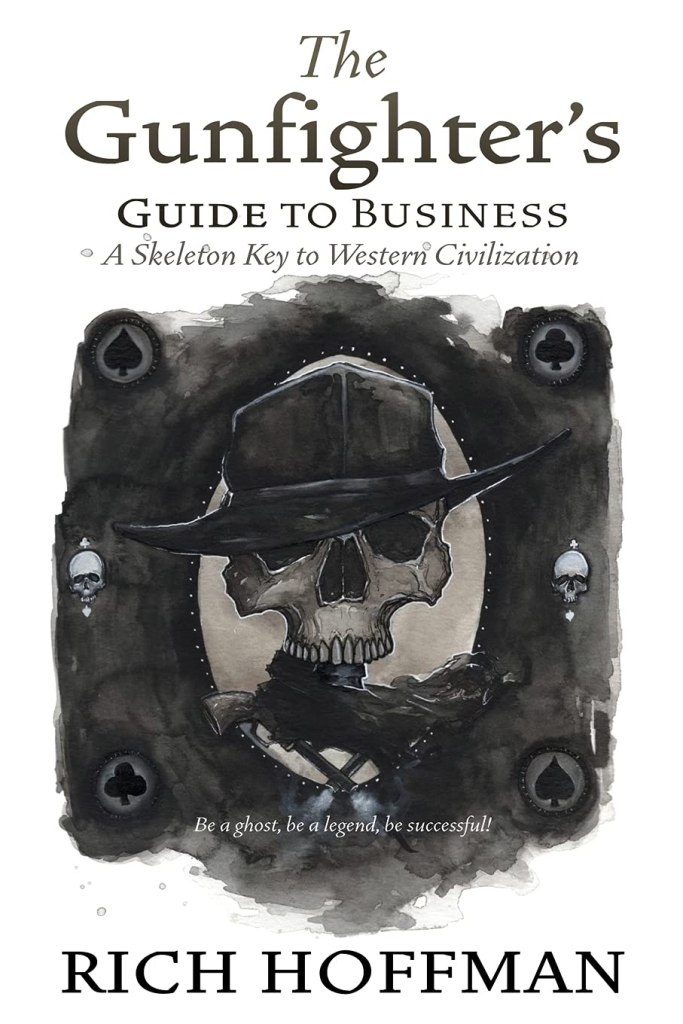
It’s been a little time now, but I suppose it’s appropriate to spike the football a bit and talk a bit more about the details of why I wrote my book, The Gunfighter’s Guide to Business.  I had in my life at that time a lot of people who were really gunning for me, literally.  They did many terrible things, and their world has crumbled around them, leaving them surprised by the consequences.  However, I had already informed them of what was going to happen in my book, which is one of the reasons I wrote it.  I really wanted to be fair, but the bloodthirsty nature of people provoked a lot of bad behavior that has since collapsed, and there was always something of a science to it.  So they can’t say they weren’t warned.  And it really is simple.  One of the key metaphors in The Gunfighter’s Guide to Business, which has achieved what I wanted out of it as a book on business that can help a select few understand why success or failure occurs, is the use of Wild West metaphors to put everything into context.  Why are some people successful while others aren’t? There is a real shell game in the world of people who seek equality and inclusion, who don’t want to admit to themselves the facts of this very distinct reality.  It takes courage to be successful, and you can’t replicate that with process improvements and administrative handholding.  And most of the world doesn’t want to believe that, so I had to write it down in a way that would predict the future.  And that future is now before many people who are finding their personal destruction quite a surprise.  So I explained it to them beforehand.

I love Wild West towns and the idea of them on the open expansion of the American idea.  A vast horizon of opportunity coming together to form a city of ambition, unleashed by capitalist ideas.  Wild West towns were unique to the American experience for many reasons, and I find them infinitely fascinating as a result of human need.  And upon their formation, of course, there were always bad guys trying to get a lot for very little and were willing to bring significant harm to people for their own profit.  So, in that way, how could you bring security to a town without hampering the ambitions of people seeking capitalist outcomes?  And to do so without letting bad guys take everything that was made.  Successful towns established a law and order that centered on gunslingers fighting it out in duels, and good guys like Doc Holiday, Wyatt Earp, and Wild Bill Hickock would meet the bad guys in the street and be willing to risk their lives to shoot their nemesis dead.  And as long as the bad guys were removed from harming good people, a town would grow and thrive.  But without such characters, evil would overrun the process and everything would fall apart.  And that is pretty much true in any endeavor that human beings involve themselves in, even to this day.  You can’t fake courage, and others need to survive in the world and lead good lives.  It all starts with a few unique personalities who have abundant courage and the skill to defeat all others.  Gunfighters come to mind in the concept of fast draw for obvious reasons; they are a uniquely American invention that points directly to why the United States has the largest GDP of any country in the world, especially considering the relatively small number of people contributing to the economy. 

The trick is, once a town was formed, then what?  In those cases of success, there were always plenty of parasites who would come into the city and try to establish rules to maintain order without losing the courage that the town was founded on.  In historical terms, these “Dandies” and “Bounty Hunters,” as I call them, are contemporaries of today’s consultant class, which is quite extensive, who attempt to feed off the carcass of those who have come before them and to steal the profit of their lives ruthlessly.  And they expect everything to work out well.  My response to all these occasions, including before I wrote that book, is to, as the gunslinger, get on my horse and leave town, not sharing the crime-fighting of the town’s profits with the newcomers.  Usually, the gunslinger would move from town to town once success set in, as tag-alongs would then create an administrative barrier.  Instead of a gunslinging gunman, towns would then form a sheriff and a court system. Although things were never quite as good, more people could join in stabilizing a town’s economy.  Gunslingers were not welcomed once things were working well, as collective-based people would then want to share in the glory of success without having the courage to propel it forward with their own sentiments. Consistently, these parasites would seek to steal success from those who created it, without expecting that success to fail in their hands.  However, it never works out that way; yet, after many thousands of years, people still expect a different outcome.  So I wrote my book to explain why that outcome never changes.  Success is directly attached to courage, and you can’t fake that.

I have dealt with people who think they are the most intelligent individuals in the world at many levels, and their ruthlessness has been very easy to overcome.  Usually, these people come out of the consultant classes, and they have a belief that collective administration can replace courage in process improvement, and it just doesn’t work that way.  And no matter what the tag-alongs try to do, when faced up against courageous personalities, they can not compete.  This was the reason that Wild Bill was shot in the back of the head in Deadwood, South Dakota.  The town did not want law and order.  They wanted crime to thrive, and they wanted an administrative mechanism to rule instead of a reputable gunman.  And that is the typical reaction that most people have toward the few who actually achieve success in the world.  Once they see success, they try to shoot the person who made it possible dead, and throw their bodies off the side of the road into an unmarked grave.  They steal the wealth and hope to mimic success.  However, they never quite manage to do it.  Knowing all this, I have not allowed anybody to sneak up on me, which has robbed them of the opportunity to steal what I have created.  They are pretty surprised by the results.  But if only they had listened, I told them well beforehand how it was going to be.  And it is always that way.  Courage beats collectivism every time.  And collectivism allows those with fake courage to appear bold.  But you can’t change the heart of what people are.  They either are, or they aren’t.  And everyone knows the difference.  Courage can’t be duplicated, just as a gunfighter can stand in a dusty street and face down a bullet intended to kill them, and laugh at the danger.  While others hope they can hire a sheriff to do that hard work for them.  But it’s never quite the same.  It takes courage to achieve true success.  And the truth is, there just aren’t many in the world who have real courage.  And when they find they can’t fake it, they get very frustrated when they lose because the illusions of the world couldn’t hide the truth about their bland natures.  That’s why I wrote the book.  As I often say about some of the books I like most, there may be only 20,000 to 30,000 people in the world who read such books, and only 4 of them understand it.  I tend to write books like The Gunfighter’s Guide to Business for those who do.  And to let the other 20,000 people scratch their heads in confusion, because that is about the ratio of people in the world with real courage and an opportunity to be successful at the things they do.  Success is not for everyone; you can’t fake it.  And yes, I tried to tell them.

Rich Hoffman

Click Here to Protect Yourself with Second Call Defense https://www.secondcalldefense.org/?affiliate=20707

Don’t Ever Get Drunk: If you offer youself as a leader, you can never compromise your mind

This is a bit controversial, but it’s a fact of life that needs to be understood.  If you offer yourself up as a leader of a position of any kind, you cannot allow yourself to be mentally impaired at all.  People do not want to see their leaders in an intoxicated state, ever.  I say this because of questions I have had to answer during this holiday season ahead of the Trump inauguration, and people are doing a lot of soul-searching and talking about things that they previously wouldn’t.  And at some of these Christmas parties, people were urging me to drink, and I didn’t.  I don’t like alcohol; I don’t like how it makes my mind feel.  I never have.  It slows me down, and I don’t want to go slow.  So when the drinks are being poured, I don’t participate.  There isn’t anything good that comes from social drinking other than making other people feel better that you don’t present yourself as “high and mighty.”  And honestly, we live in a world now where people need to be more mighty.  One thing that I can promise is that nobody will ever see me in a drunken state.  You can’t do so and offer to be a leader of any kind.  Human weakness is not a merit, it’s a liability.  And when people get drunk, they show the world that they cannot command themselves, let alone other people.  It doesn’t matter if it’s legal.  There are a lot of legal things that shouldn’t be.  A choice to impair your mind with intoxicants displays a weakness of character that is unforgivable among leaders, and you can never do it.  So, to answer everyone all at once, that’s why I am not keen on drinking much at these holiday get-togethers and other social gatherings.  I might sip on a wine or a mixed drink to taste it.  But that’s all.  I will never let them impact my mind in any way because I require too much of myself to be encumbered, mainly by choice.

Nothing good comes from drunken group engagements

I think President Trump is a good example of a good leader.  He doesn’t drink, and he has said that if he did have that bad habit, he would probably be a disaster.  People who are very much A-type personalities have to manage their ambitions, and if they invest in degrading behavior, they tend to succeed more at those diabolical tasks than regular people do.  Trump has worked through his life to manage vices, and he has arrived at this stage of his life with great moral authority because he has not done much that people could use against him.  He had a reputation as a playboy for a good part of his adult life, which has held him back a bit, and we can all see how that has been used against him.  But the key to the story is that you must maintain moral authority by not degrading yourself to the shared ambition of slugs who are extremely unproductive and not very good people.  Trading their opinions for valor does not do the human race any good.  People want to know, even if they are critical of the effort because it makes them feel guilty not to do it themselves; they want to know that the leaders in their lives have a firm hand on the wheel and will not waiver under pressure.  It’s reassuring to them to see that somebody has the strength to stand up to diabolical weakness and overcome temptation.  That is one of the many reasons Trump can do what he does in negotiations.  A strong person with their mind uncompromised always has leverage over compromised people.  And there are far more of those in the world than good leaders, making it relatively easy for Trump to overcome just about anybody with firm moral authority.  Nobody has ever seen President Trump drunk, and they never will and can never use a mutually embarrassing moment against him.

2025 is shaping up to be a period of self-reflection, which is why this is an important topic.  Moral authority is it’s own kind of capital.  We have allowed the socialists and communists of the world to sucker us into this depleted state where we would numb our brains and present it as merit.  It let the world know we weren’t more significant and better than everyone else because everyone was equally compromised.  Then, for most people who didn’t want to work very hard to be good people, it was a tempting fruit to eat.  Social drinking shows vulnerability among friends and puts everyone on equal footing, which is what the socialists always wanted.  It kept the lofty-minded grounded in the realities of the average.  And, of course, those people who don’t want to feel bad about their condition want company.  They are willing to be your friend if you compromise and get them off the hook of having to maintain a lofty self-impression.  We have allowed ourselves to believe that drunkenness is a merit and that it’s a gateway to social acceptance.  Because it took the pressure off other people to conduct their lives as more lofty participants of intellectual value, and that kind of talk comes across as prudish and unrealistic.

But we see failures everywhere in the world from a lack of leadership and connected directly to this trend toward drunkenness and a weakened mental state due to intoxicants, legal or illegal.  It has become fashionable to be incompetent, so many more people are surrendering to that temptation.  And it has become more stylish than ever to drink too much in front of other people to show them that your stuff doesn’t stink and that you don’t think of yourself as better than anybody else.  But you see the problem, that was the game all along, to bring down the good and spread them among the weak.  As Marxists have always wanted, weakness should be presented as merit.  So, in that way, getting drunk or high and not being very smart became a merit in a culture of misfits looking for sameness rather than exceptionalism.  And we have the kind of loser world we see now.  That’s something I have never embraced and never will.  I would not say it’s an accident that President Trump doesn’t drink, even under social conditions, for many reasons that aren’t the same as the reasons I give.  But the merit of the effort is the same.  Not being a drunk or intoxicating whore gives him emotional leverage over his enemies, and you better believe it in life, that enemies are a fact of life.  And you want leverage over them.  And that is the future trend now that we see where the Marxists have tried to take us all along.  And why, when the drinks get passed around at Christmas parties, I pass and drink water or something without alcohol in it.  A mind is a terrible thing to waste, and we have too often traded it in favor of consensus building with malcontents who don’t care about us; they only care that we don’t grow out of their reach.  And for the good of the world, we should never give them the satisfaction and relief from a mind intact while they have inebriated theirs and live as compromised people of a diabolical sameness that is a sin against humanity’s efforts.

Rich Hoffman

Click Here to Protect Yourself with Second Call Defense https://www.secondcalldefense.org/?affiliate=20707

One of the Biggest Challenges in Politics: Political groupies

I’m not the guy to talk to about cooking meat on the grill or sports statistics. Small talk to me is like getting stuck in the mud, and I hate it. And every time there is a holiday where typically there is a lot of small talk, I’m miserable in those circumstances. Normal stuff is the most boring kind of stuff to how I think about things. I appreciate it for the “life stuff” that it is, but I personally don’t like doing it.   What I do like talking about is how to save the world. If it’s a big all-encompassing topic, well, then I do like to talk about it. And because of that trait, I tend to know many people who are trying to save the world from their own particular view of it. That puts me in contact with many people who spend their time in leadership positions, especially in politics. As people who know me most understand, I have very specific rules for leadership that I apply to the world 24 hours a day, seven days a week for everything. There isn’t a minute in any day where I’m not thinking about leadership and how it can be used to make the world a better place, professionally, politically, or privately. Each week I speak to many hundreds of people, all of them in some leadership role. And there is a particular problem that they all have that never really gets talked about, no matter if the position is a political one or a professional capacity. The issues are always the same. I call their specific problem the “political groupies” that often loom in the background and seek to live through a leader because, for whatever reasons, they don’t feel comfortable in those roles themselves. Still, they want the prestige of such roles for lots of personal reasons. 

One of the hardest things for a politician to do is make that transition from an ordinary person to a public persona. To move from campaign mode into an actual leadership role without tossing away all the promises that were made to the public. Many political figures assume that they are two different things and that what goes on in campaigns isn’t practical for the actual leadership once the work begins. They end up split in many ways between campaign mode, which includes fundraising, and the business of consensus building to get votes. What ends up giving politicians a bad name is when they find that transition impossible to negotiate.

On the one hand, they have to put on a show for their donors, the people who actually go to the polls to vote, and the daily grind of whatever job they are doing. It reminds me a lot of a rock band where the sexy stuff is on stage where all the action happens, but most of the time, the business of writing music, getting good at performing on stage, and life between the gigs can be monotonous. Rock bands that are most famous often turn to drugs and other forms of personal abuse to reconcile their emotional swings. Politics is a lot of the same kind of challenge, but it usually doesn’t get viewed that way, which maybe it should. Building up the brand of a public persona is part of political life. And not losing yourself in that role is very difficult for most people. At best, it’s hard. Especially when there are people who come along with the political figures, and they help with the campaigns, they put out yard signs, donate money, and work behind the scenes in ways that may be helpful, but the emotional aspects of those friendships are often like an anchor to the public official. Anchors are great if you want to stand still in the middle of the ocean. But they aren’t so good if you need to move fast and dynamically react to the world. 

In all forms of leadership, I have a policy of hands-off. I will seek out leaders, but once they are in a position to lead, I give them full autonomy. The worst thing that could be done to such people is to undermine them with micromanagement. They need to think for themselves. For instance, out of those hundreds of people who I speak to every week, I do not give them my opinion on what I think they should or should not be doing. I will offer advice if they want it, but part of the reason you want to help put leaders in place is so they can lead. And micromanaging is not leading. Micromanaging is trying to live through other people because there is something in the micromanager that wants the glory of leadership without the responsibility of actually doing it. I call those types of people political groupies. They are like the groupies that you find in rock bands; they like to tell people in the audience that they are with the band, that they know what song they will play next, and in that way, they might get to be famous too, without the burden of actually being on stage and the pressure that comes with it. Many political figures have to learn that interacting with people in the audience is different. They don’t want someone who will respond to social media; they expect some representation of the brand that was created during the campaign to represent their interests at all times and having too personal of a relationship with the world violates the unsaid aspects of leadership that are so important. Being too accessible destroys the illusions of leadership that most people want to have. And what the groupies often do that is unintentional is that they act as a bridge between the theatrical role of the leadership position and the normal meat grilling audience who are always looking for leadership in everything they do in life. 

I personally like to help leadership birth its way into existence through people. If there are doctors out there who want to deliver babies into the world, I would best see myself who is the doctor who delivers leadership. But once they are born, I do not make it my mission to tell those lives how to live. To tell them how to be leaders. To do so is to erode away the validity of their own existence and rob them of the joys that do come from leadership. Often it’s not the various lobbyists who end up causing so much corruption among political figures; it’s the friends and tag-alongs who come with a candidate who holds back the fruits of leadership most because its impossible to take them on the complete journey, especially when it comes to building up the personal brand of the leader and maintaining that brand through all public interactions. It’s a balancing act that doesn’t get a lot of attention under any psychological scrutiny, but it is one of the most common frustrations that occur in political leadership roles. It’s a manageable condition, and there are ways that everyone can come away as part of the success story. And it’s worth doing when it all comes together. But it isn’t easy by a long shot. 

Rich Hoffman

Click to buy The Gunfighter’s Guide to Business

The Nature of Government

On the morning of December 8, 2010, I went to work as I normally do, only the temperature was hovering just above 10 degrees with a wind chill shaping up to a goose egg. I was riding my motorcycle, as I do all year, rain, snow or tornados, and the explanation for our governmental troubles came to me in the beauty of simplicity.

Many people wonder why I do things like riding motorcycles in sub-zero temperatures, and the explanation I could give them isn’t something they typically would understand from their perspective. I do it for what comes to my mind in the pain and endurance of the exercise. Often, being in such a predicament, which takes a person out of their comfort zones, will clarify thoughts. Since I do a lot of thinking, there are a lot of thoughts to clarify, so driving to work in extremely cold temperatures helps.

On this particular morning, I looked at the cars around me. At a stop light the woman next to me had her heat turned all the way up and she had on a hood, windows rolled up firmly. She looked at me like I was nuts. At the next light was a man in a pick-up truck. He looked like a man that fancy’s himself as a rough and tumble individual, had mud flaps with the silhouette of naked women on them. He refused to make eye contact. I could see his hair blowing in the warmth of his cockpit from the turned up heat, again windows rolled up tight.

I thought this morning of all the books I had read about Native American culture, of Tecumseh, Blue Jacket, the great Shawnee nation, the Five Nations of the Iroquois. I thought of Chief Pontiac of the Ottawa’s eating the heart of his enemies like they were just apples, many times while the victims were still alive. I thought of Chief Seattle and his great speech. And as I thought of those men, and the nature they revered, I thought of President Obama and his famous speech to the Fort Hood victims, “I want to put a shout out to the Native American’s,” or something to that ridiculous effect. It was another car that pulled up next to me at yet another light, with the exhaust from his vehicle dancing around his car and whipping around me in the swirling frozen wind. This guy was a typical suburbanite, well-shaven, clean cut, and looking straight ahead at the road ahead. Again, he didn’t make eye contact, and he reminded me of Obama, just going through the motions of living keeping his eyes on the road ahead, but not willing to look at things to the side of him that didn’t fit his learned behavior. For all I know the guy could live in my neighborhood.

On the rest of my journey to work, I thought of the train trolley down in Cincinnati, Strickland’s letter to Kasich on the high speed rail deal, Obama agreeing to the Bush Tax cuts, I thought of the TSA situation, and I thought about the Lakota Levy that is sure to come again, especially once the unions discover that they will not be able to maintain the level of income they’ve negotiated for themselves when Governor Kasich cuts education even more to get Ohio back on a balanced budget track.

Who is to say that riding a motorcycle in the extreme cold is wrong? Only in relation to the rest of orthodox society is it looked down on. To me, it makes perfect sense. It clears my head, like I discussed, and it saves a ton of fuel. With fuel climbing up over $3 bucks a gallon, I don’t want to pay more for fuel, so I’ll buy less. I have a perfectly nice car in the driveway, but I don’t like to use it for all the reasons described.

Big government types have associated themselves with the green initiative to save the planet from human impact. These are the same individuals that roll their windows up tight to protect their skin from the cold weather. They are not what in my opinion an environmentalist is.

Nature is not a fragile organism. Nature lives in the extreme cold, and the excessive heat and it sends hurricanes to destroy entire cities that humans build for themselves. Yet if you consider what the modern progressive minded person asserts with their big government ideas, you would at first think these people have mankind’s best interest at the front of their minds. But when you look at their actions from the perspective of a motorcycle in the brutal cold of a sunless morning, you see how infantile these people are.

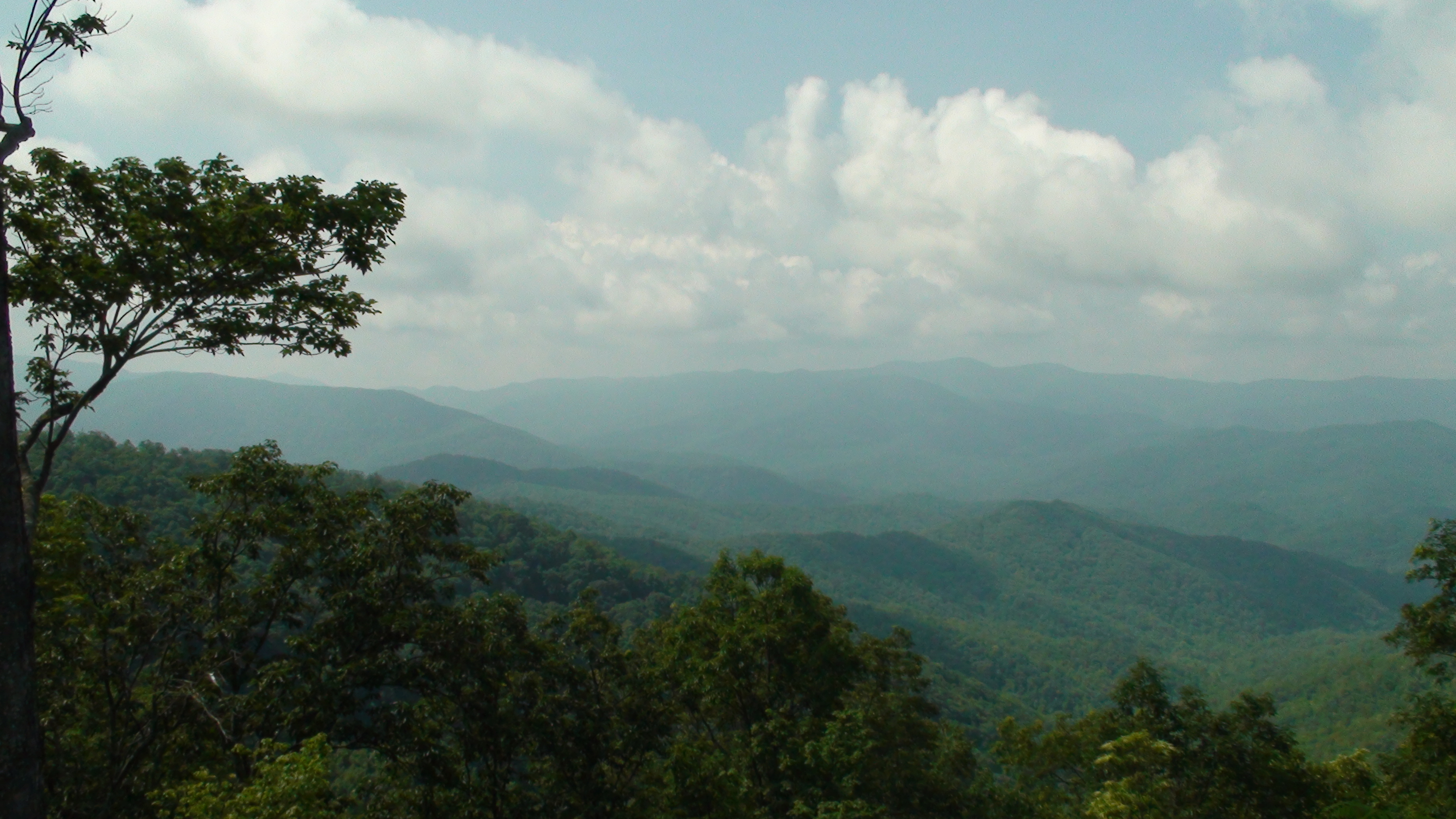
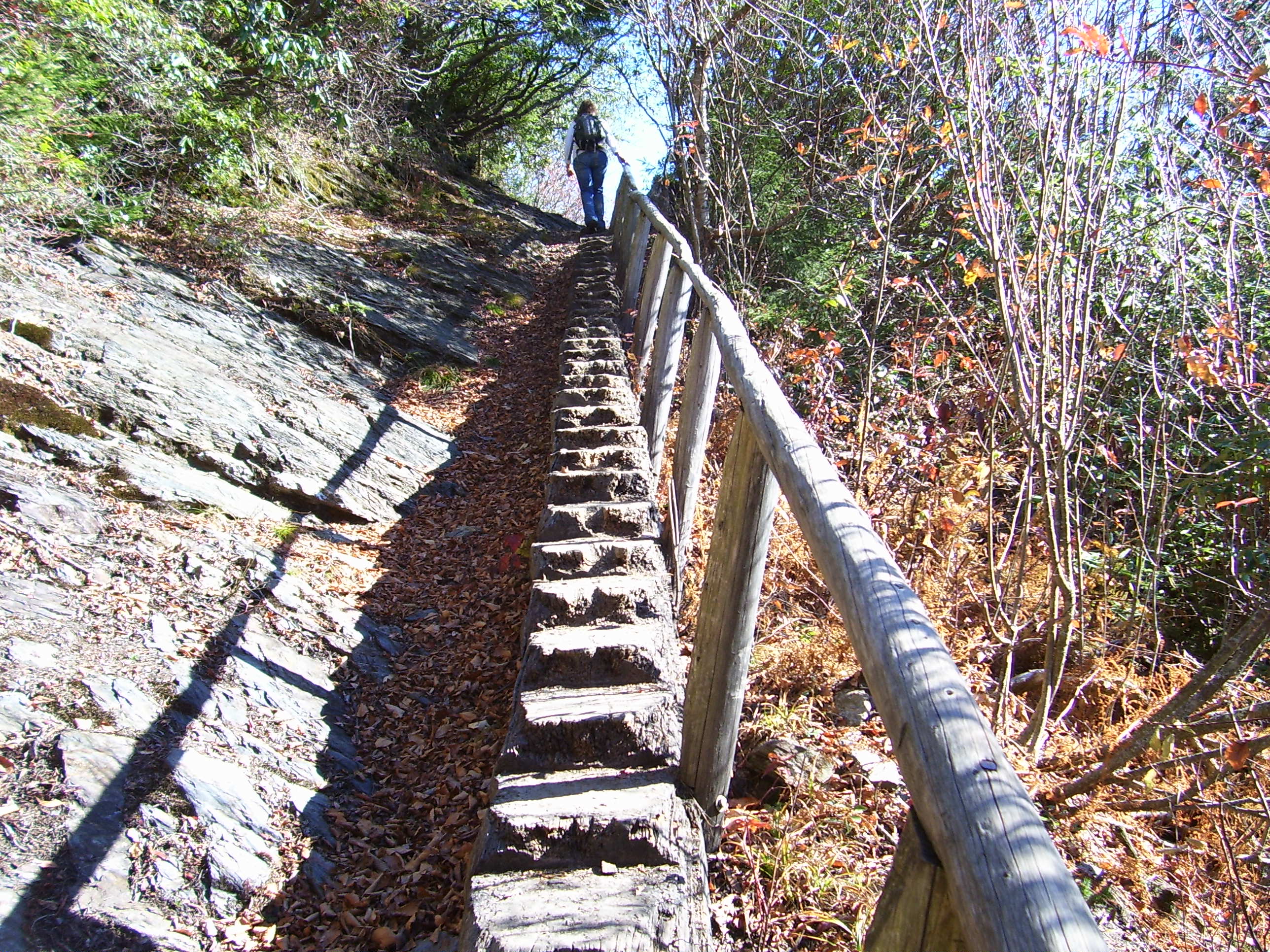
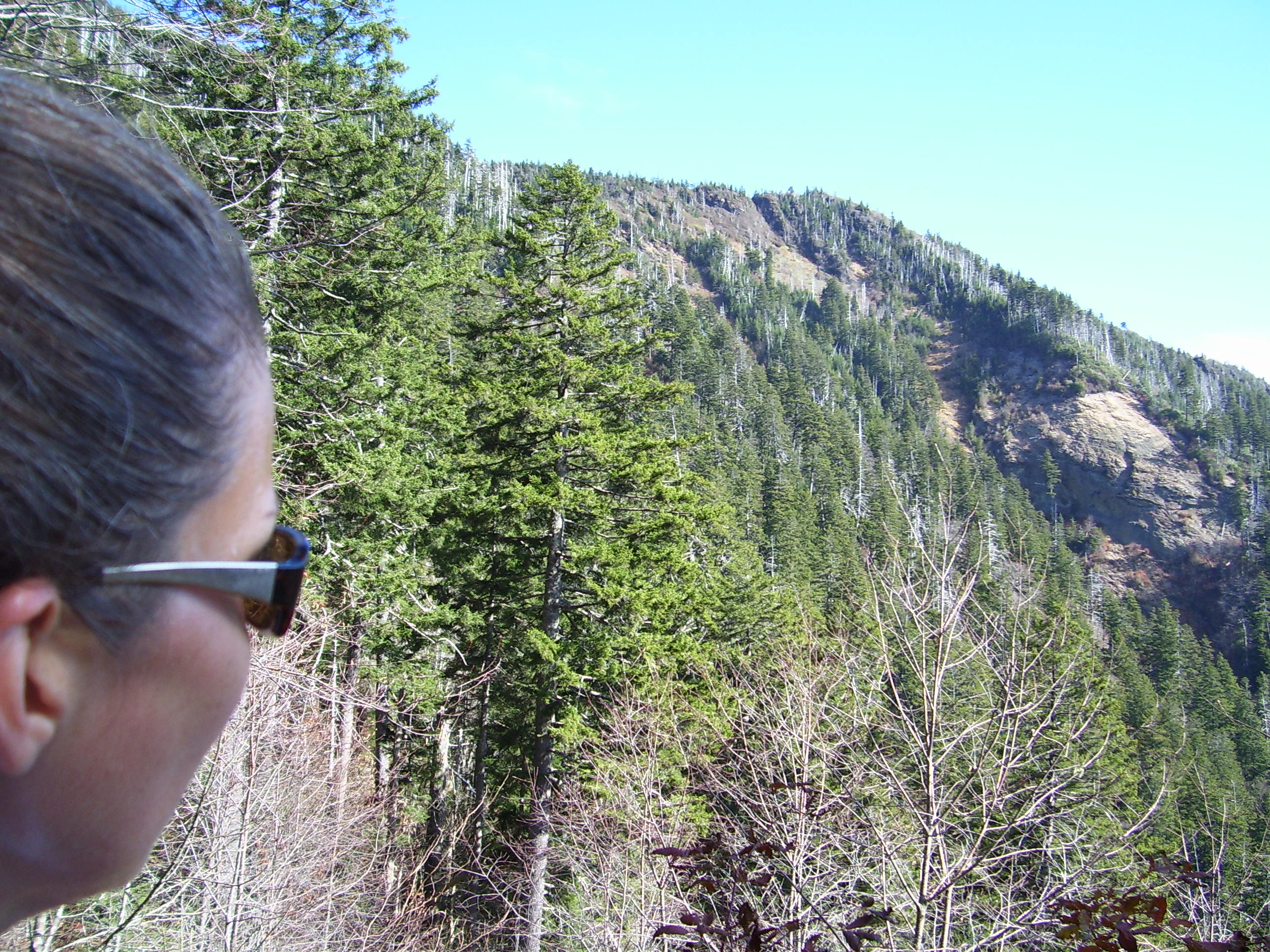
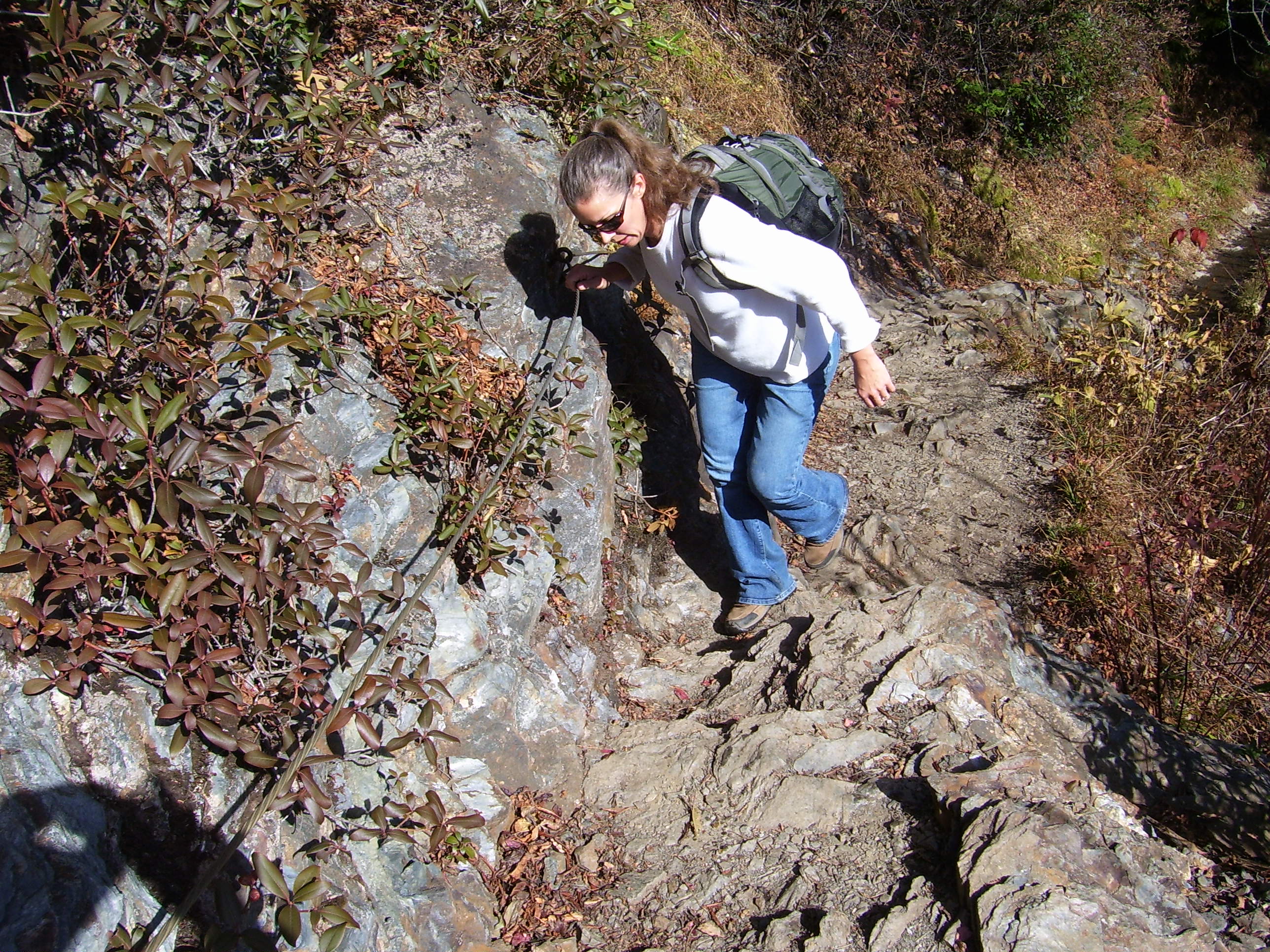
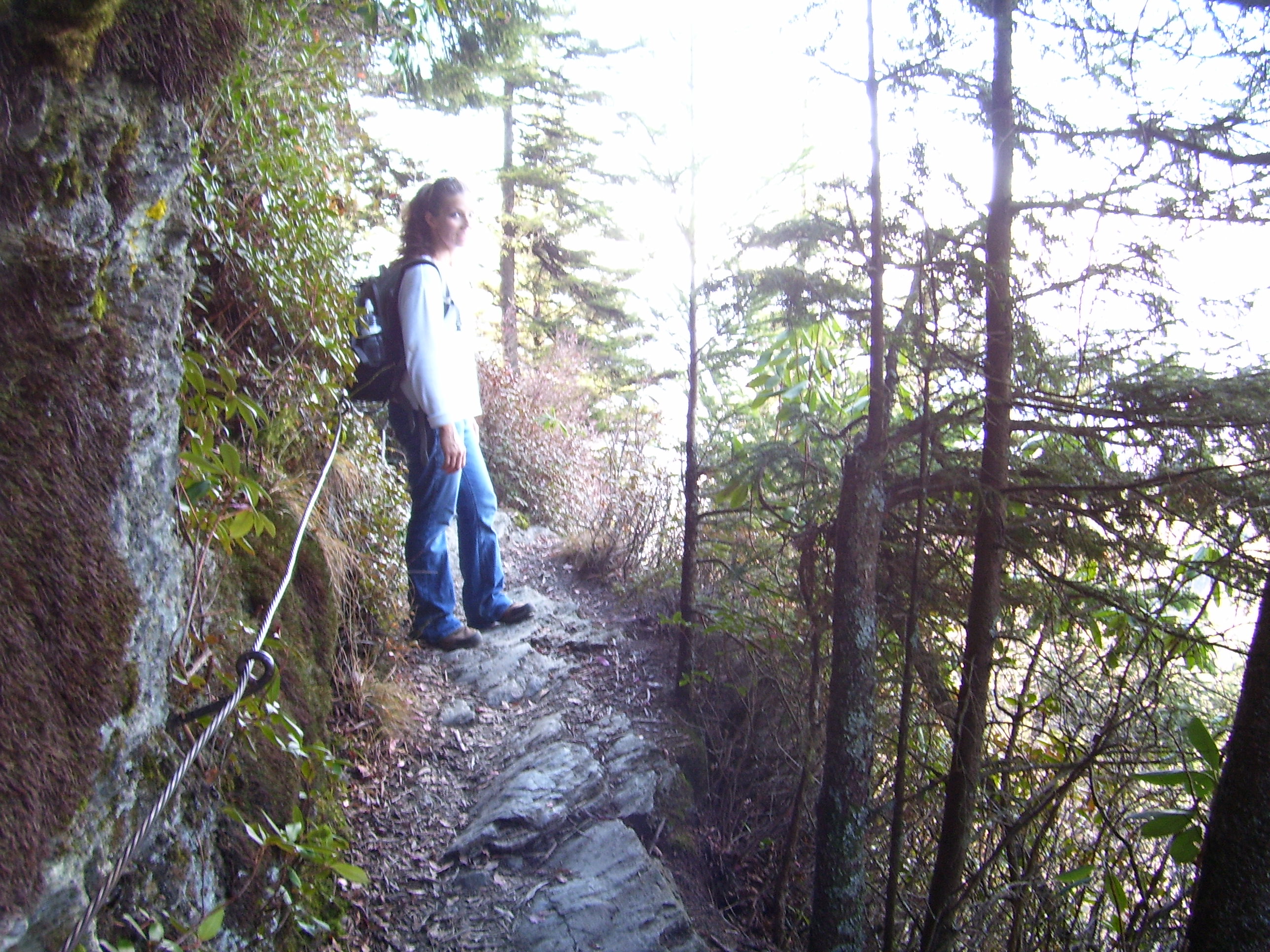
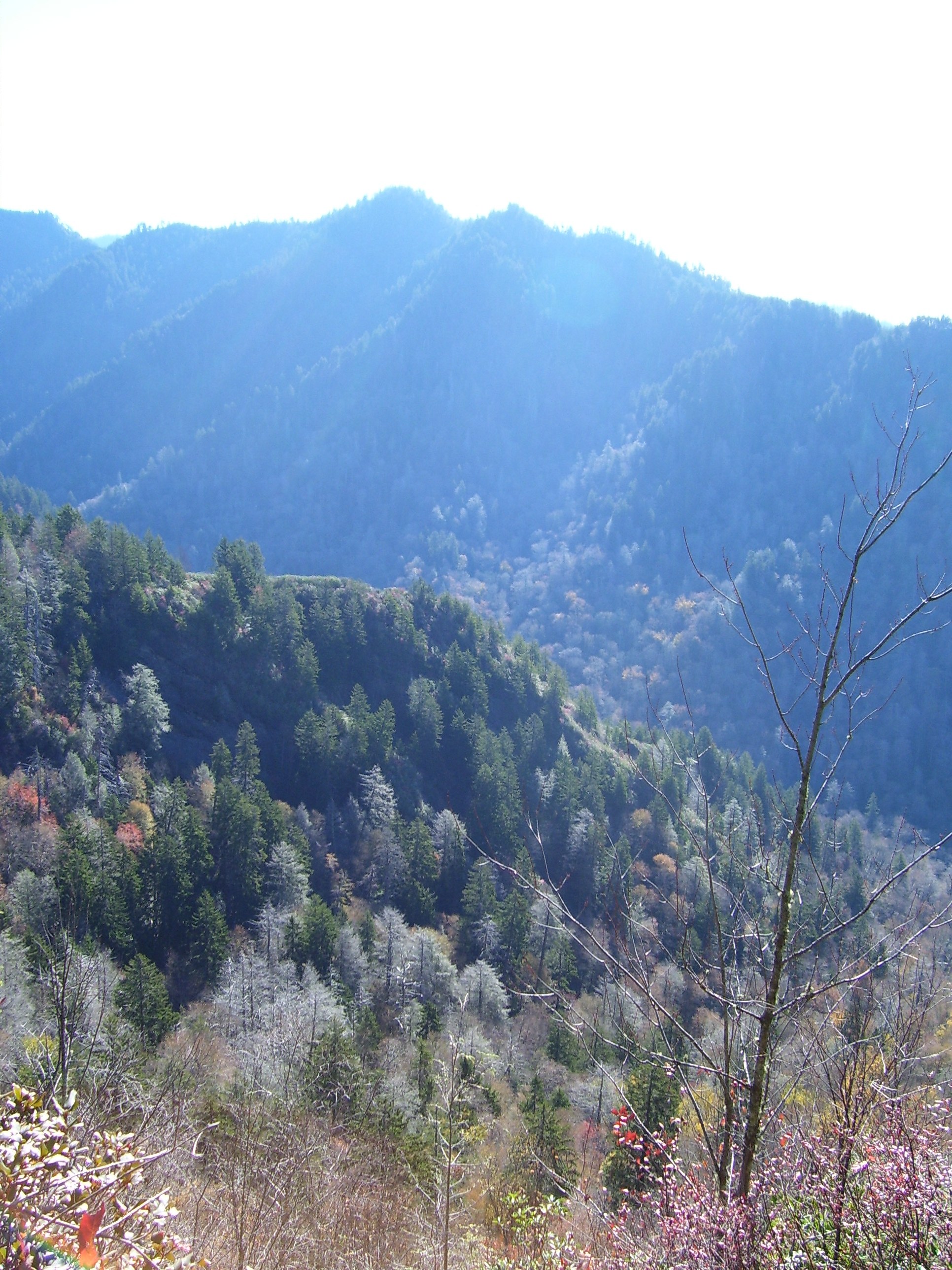
Which is more beautiful, the nature that can be seen from the Appalachian Trail atop Mount LeConte or the nature in someone’s back year where all the bushes and trees are trimmed nicely, and the grass is cut, and every rock placed in the yard was put there by the owner of the property.

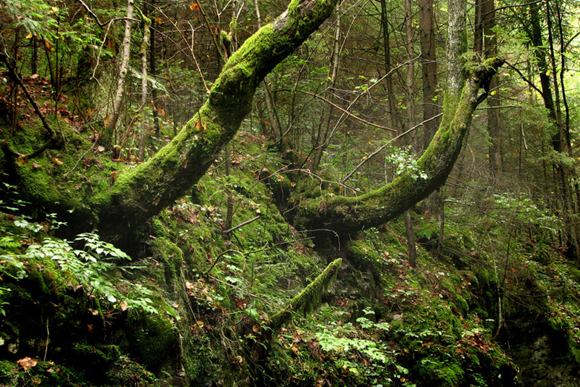
The degree to which human beings attempt to alter nature is called government. If you look to the forest, where mankind has not put their feet, nature thrives. Trees grow, animals eat each other, and water flows in the path of least resistance. Trees in the forest compete for light, the smaller ones get pushed aside by the bigger ones, and survival of the fittest is the general rule. In the forest, the will to survive is so great that a tree will sink roots into rock in order to get what it needs. The nature of human beings is not different from the organism of a tree.

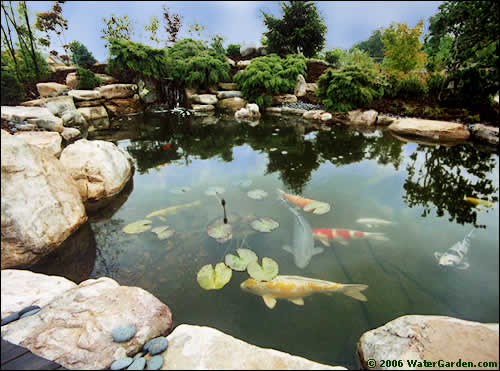
In the back yard garden, trees are pruned and sculpted to fit the contours of homes, or other trees. Plants are mulched to assist them to grow, and shrubbery is trimmed and controlled. The grass is cut to a desired level, and in some cases watered to ensure its survival.

Our government is simply a garden of which we all have different ideas of where the plants should go, or what flowers we need to plant and where. But the understanding of it all is that it is purely cosmetic. All the rules of mankind are simply made up in the minds of the human being. In the global neighborhood, what is happening in America, is pruning, where the branches are being cut away so that the other trees in the neighborhood can grow, because the big tree of America sucks up all the water, at least according to these green thumbed gardeners called politicians.

The fertilizer and various chemicals we use on our lawns are simply equitable to the stimulus money government has issued to grow the economy.

From the cold morning of December 8, 2010 it became excessively clear to me that the same people tucked away in their warm cars are the same people that buy flowers for their gardens in the spring, and cut their grass on Saturday afternoons in the heat of a summer day. And they’ll plant a tree in this location or that location hoping that one day the tree will provide some shade. And these people take this same mentality to their business, whether they directly work for government, or if they simply vote in the grand idea of a republic, and the politicians they elect do all those things and more to their lawns. And they believe with all their hearts and souls that the work they’re doing is important, and that they must trim trees, and cut grass or use fertilizer in order to make our world grow.

What they fail to understand is that nature doesn’t need human assistance at all. We are simply guests that have arrived like a pimple on the face of geologic time. Our duration on the plant will come and go without the earth hardly noticing. Global warming and every related issue are only musings from human beings that have an unhealthy belief of their universal importance.

For all the gardens those humans build for themselves will be wiped away in time by the true brutality of nature and its selection of what is beautiful or not, what lives what dies, and what is strong and what is weak.

It never made sense to me why so many atheists and others without some sort of faith to ground their terrestrial selves seemed prone to migrate to the conservation movement so embraced by the left, and why so many young people seem attracted to those mentalities. It’s because their undeveloped minds have not yet worked out their place in the universe. This is why so many senior citizens tend to vote conservative, while the young tend to vote liberal. The young still cleave to the ego based notion that they are all there is. The old know better and have learned after a lifetime of living. This is the difference. The silly, small minded politicians think they can actually improve nature with their juvenile influence. But all they really end up doing in the scheme of things is move some rocks around and plant some trees, most of which are quickly uprooted as soon as a major storm comes.

All the policies of mankind fall under this description. So is this a proclamation of anarchy? No. When I go to the forest, I walk the trail, which is not natural, but created by man. I build a fire with the wood that falls from the trees. And I leave the campsite looking the same as it did before I arrived. If I build a home with what the forest provides, I do it understanding that within 100,000 years everything I create will return to nature including every item a human ever created.

Notions like Social Security, Wiki Leaks, Communism, teacher contracts, health care, all laws, all government and every roadway built will be swallowed by nature in a relatively short time geologically speaking.

If the human race wanted to truly survive, it would copy nature. Not try to corrupt nature with their undeveloped ego desire to build a better garden. America was modeled after nature, as envisioned by John Locke in the late 1600’s. But during the growth of government periods, particularly in the 20th century, America has become a land of gardeners instead of the natural element.

Our society needs to ask how much we want to spend in taxes to supply a garden that is purely cosmetic to begin with. Because that’s all any of it is. It’s just gardening by gardeners that have the audacity to believe they can do it better than nature.

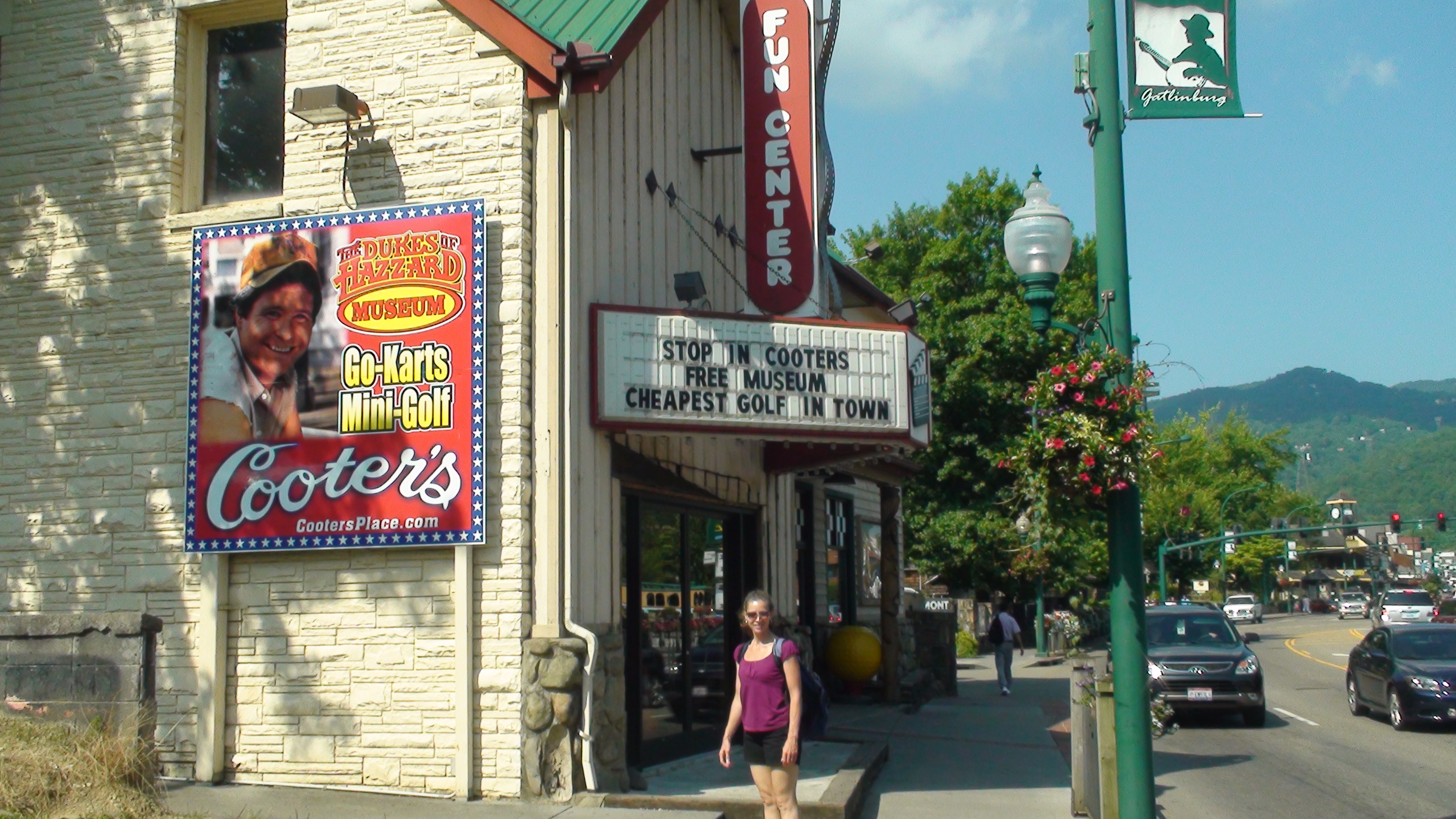
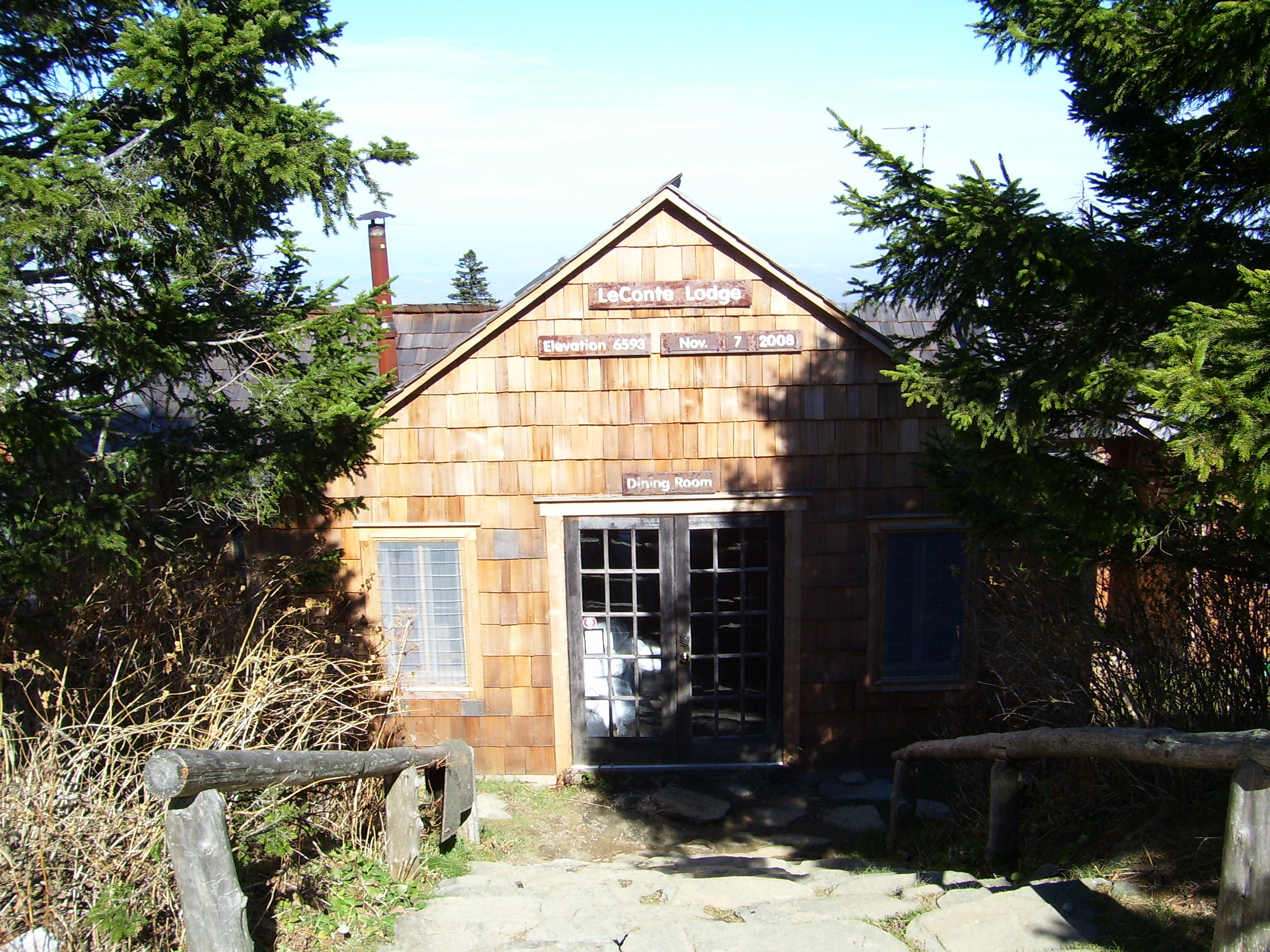
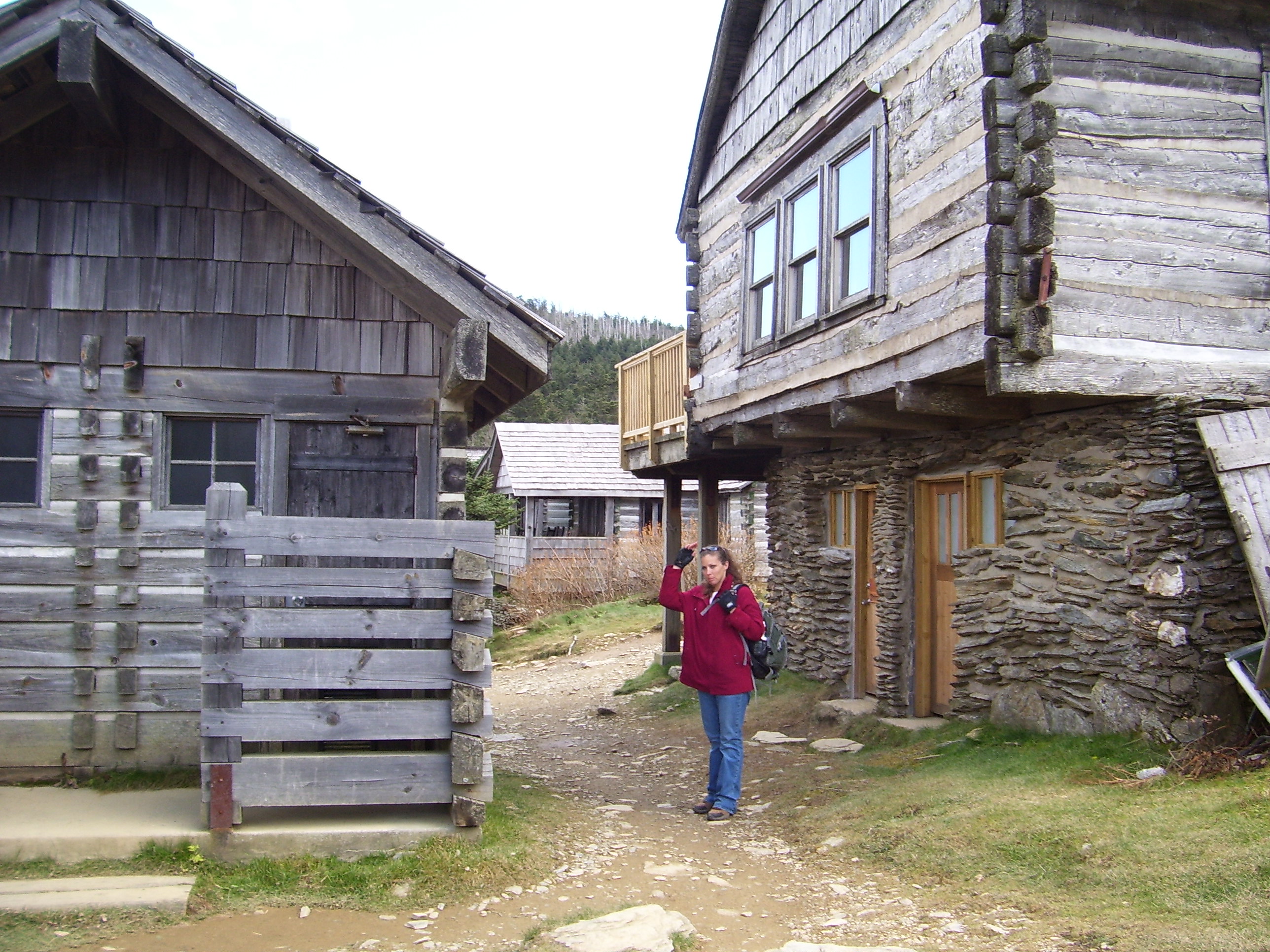
I ran into a community once that reflected some of what I’m talking about. It was a little neighborhood on top of Mt LeConte that serves tourists wishing to climb that mountain. I’ve been to Gatlinburg and Pigeon Forge many times and Mt LeConte is the big mountain approximately 10 miles from downtown Gatlinburg which looms over the town. It is the highest peak visible from Pigeon Forge and is an unmistakable monster of a mountain. From the ground you’d never know that speckled across the top is a community of cabins, with some residents that work up there, and guests renting cabins to stay for the night. There’s a mess hall and a couple of rest rooms to facilitate everyone’s needs.

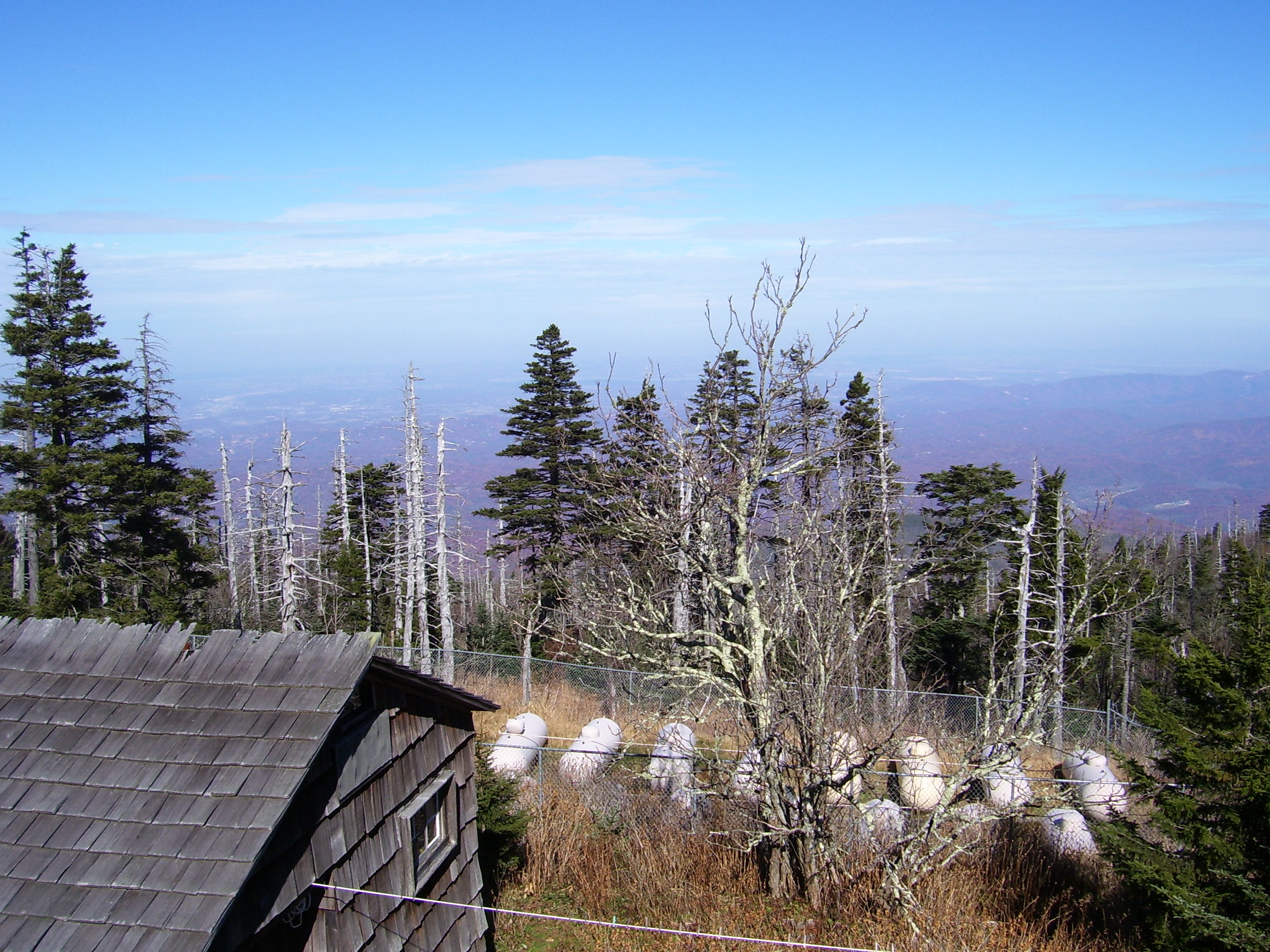
From the top of the mountain, in that little village, all the great monuments of Pigeon Forge are almost completely invisible. The community resides over 6000 feet which doesn’t sound like much compared to mountains in the west, or in the Himalayas but the top of Mt LeConte has its own weather patterns. Its peaks are often submerged in a cloud layer and take the full brunt of weather patterns migrating across Tennessee and Kentucky from the west. But at such a height all the monuments of tourism are just little specs. Nothing looks too complicated from that vantage point.

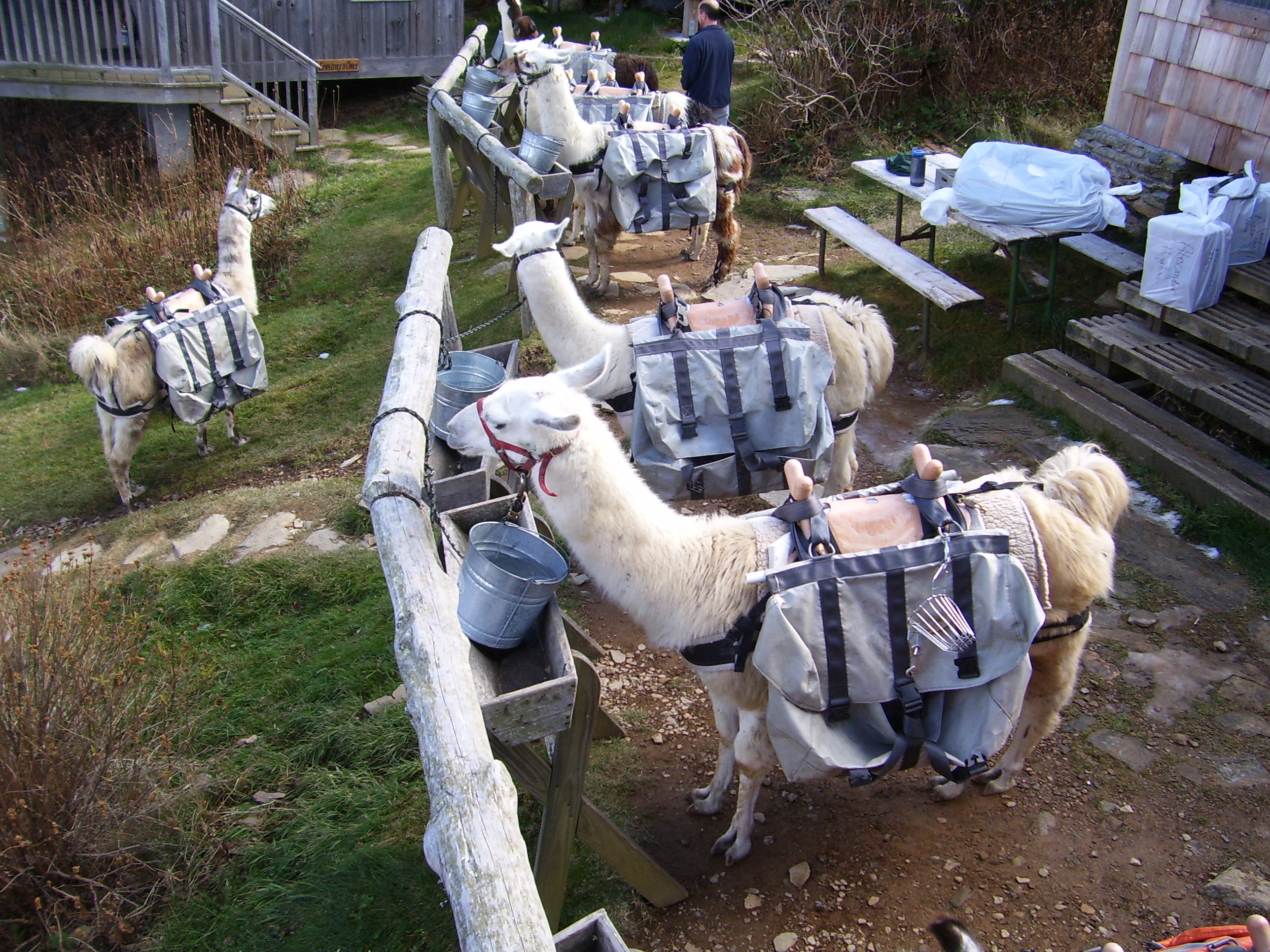
From atop that mountain, the world makes sense. The people you meet up there say hello and are generally happy to see you. What everyone shares that arrive at the distant land is they had to work hard to get there. There’s only three ways that will get you to the top. You have to walk and climb, you can take a llama, or you can be dropped off with a helicopter, which brings supplies to the top of the mountain. It’s as primitive, yet as civilized of a place as anywhere I’ve ever been. On that mountain perspective is easy, just like in the harsh cold on a motorcycle in mid December. That rugged paradise is virtually a stones throw from downtown Gatlinburg with all the tourist spots, yet the two worlds are diametrically opposed.

That’s when it is easy to see the only difference between the two is the inventions of man, which are transitory at best. In Gatlinburg you run into thousands of people and say hello to nobody. On top of the mountain you say hello to everyone because everyone respects each other because everyone worked hard to get there.

Nature requires one thing and that’s respect. Respect for yourself. Respect for the power of nature. And respect that each moment could be your last.

In the politics of mankind, their laws mean nothing because politicians cannot create respect. And no amount of tax money or social program will give someone respect for anything. They can make a garden look nice, but nobody truly respects the garden because it’s contrived and manipulated by the gardener, and artificially watered and fertilized.

Nature is the only true gardener.

Rich Hoffman

http://twitter.com/#!/overmanwarrior

www.overmanwarrior.com