Human history may not merely be the history of humans interacting with one another. It may also be the history of humanity interacting with forms of intelligence that are perceived through altered states, religious experiences, visions, dreams, shamanic practices, meditation, ritual, and perhaps other mechanisms not yet fully understood.
I know this all sounds pretty crazy to a lot of people. But that’s only because the truth has been buried under layers of official stories, political correctness, and institutional pressure for a very long time. I didn’t want to be that guy—the one who connects the dots between ancient Ohio earthworks, strange artifacts that don’t fit the narrative, non-human intelligence, and the spiritual forces that have been pulling strings on human politics since the beginning. As an aerospace executive who has spent decades managing complex programs, dealing with real-world engineering challenges, and advising on politics, I would much rather focus on more profitable and straightforward work. But here I am, sitting in front of the evidence, realizing I have to write this book, The Politics of Heaven, because the journey has pulled me in too deep to ignore.
A few weeks ago, my oldest daughter took a photograph of me at the Johnson-Humrickhouse Museum in Coshocton, Ohio. I was sitting right in front of the Newark Holy Stones. She’s a professional photographer, and she knows how to capture more than just an image—she captures the moment when someone is wrestling with something big. In that photo, you can see it on my face. I didn’t want this. I didn’t ask for it. But as I sat there looking at those stones found by surveyor David Wyrick in the 1860s, considering everything I’ve seen in my travels, my reading, and my own experiences, I knew I had to push forward. This book isn’t just about ancient mounds in Ohio. It’s about the real power behind human history—what the Bible calls spiritual warfare, what modern disclosures call UAP or non-human intelligence, and how those forces have shaped politics, culture, and power on this planet for thousands of years.
Let me start with the Shaman of Newark, that remarkable little stone figurine found in the Newark Earthworks. It’s a small carving, often called the Wray Figurine, depicting a figure in bear regalia—a bear head as a headdress, bear paws on the hands—holding a severed human head in its lap. It was discovered in 1881 near one of the burial mounds at the Great Circle. Archaeologists usually describe it as a shaman in the middle of a transformation ritual, tapping into animal spirits for power. That interpretation makes sense on one level, but it also feels like it’s missing something deeper. Why a severed head? What kind of ceremony or understanding of life, death, and power does that represent? In a culture that built some of the most sophisticated geometric earthworks in the ancient world—the Octagon, the Great Circle, the precise lunar alignments at Newark—this wasn’t primitive superstition. These people had knowledge. They had mathematics. They had a worldview that saw connections among the earth, the sky, and forces beyond the material world.
John Hancock, the architect and author who played a major role in securing the Ohio Hopewell sites’ designation as UNESCO World Heritage Sites, has done excellent work examining these mounds with fresh eyes. I met him at Fort Ancient after grabbing his book at the Newark visitors center. As a retired professor from the University of Cincinnati, he approaches the earthworks as architecture—with intentional design, astronomical alignments, and ceremonial precision. Listening to him speak and reading his travel guide Ancient Ohio, you start to see these sites not as random piles of dirt but as massive, planned expressions of a sophisticated culture. The Newark Earthworks alone cover an enormous area with geometric perfection that still impresses today. These weren’t built by people who didn’t understand the world. They were building something that reflected their understanding of cosmic order.
But here’s where it gets uncomfortable for the official narrative. Right alongside these sites, we have artifacts such as the Newark Holy Stones—the Decalogue Stone, with what appears to be a condensed version of the Ten Commandments in ancient Hebrew, the Keystone, and others found by David Wyrick in the 1860s. The mainstream view is that they are hoaxes, planted to push a pro-Christian or anti-indigenous narrative during the Civil War era. David Wyrick’s life was ruined over it; he died in 1864 from an opium overdose after being accused of fraud. The museum now frames them squarely in the context of 19th-century politics, abolitionism, and efforts to undermine Native claims to the land.
I get why that story is convenient. But it’s also too neat. Why go to all that trouble to carve intricate Hebrew inscriptions if it was just a hoax? And why do similar mysterious tablets keep showing up in Adena and Hopewell contexts—the Cincinnati Tablet, the Wilmington Tablet? The Wilmington Tablet, found in Ohio, has markings that some see as reminiscent of Olmec designs from far away in Mexico. The Cincinnati Tablet was pulled from display at the Cincinnati Museum Center, in part due to NAGPRA sensitivities. These aren’t isolated oddities. They point to long-distance travel and cultural exchange that the standard timeline struggles to explain.
We already know the Hopewell were master traders. They brought copper from the Lake Superior mines hundreds of miles away—mines that some evidence suggests were worked as far back as 5,000 BC or earlier. They hauled obsidian from Wyoming, mica from the Appalachians. If they could do that, why is it so unthinkable that ideas, artifacts, or even people moved along the Mississippi River system and the Gulf to places like the Olmec heartland? The dismissal feels less like science and more like an effort to protect a preferred story. And that story gets even more protected when NAGPRA kicks in, repatriating remains and limiting study of artifacts that might challenge the narrative of continuous indigenous occupation by specific modern tribes.
The Shawnee, for example, have a connection to this region, but they weren’t here continuously for thousands of years. They returned to the Miami Valley in the 1700s after being displaced. Yet modern politics treats them and other tribes as the unquestioned inheritors of everything Adena and Hopewell, giving them influence over what gets displayed or studied. This isn’t respect for evidence; it’s politics overriding archaeology. We’ve talked about this before—the Windover bog people in Florida, from 8,000 years ago, whose DNA doesn’t neatly match that of later tribes. Early populations were more diverse. The idea of unbroken cultural continuity from the mounds to today’s tribes is convenient for land claims and repatriation, but the physical record tells a more complicated story.
This brings me to the bigger question at the heart of The Politics of Heaven: What are the politics of Satan? Is he a Democrat? A Republican? Or something else entirely—something that operates above and behind human parties?
I see history through the lens of spiritual warfare, as described in Ephesians 6:12—“For we wrestle not against flesh and blood, but against principalities, against powers, against the rulers of the darkness of this world, against spiritual wickedness in high places.” The ancient world was full of accounts of gods, giants, watchers, and interactions with non-human beings. The Book of Enoch, the Dead Sea Scrolls, biblical references to Nephilim—these aren’t fairy tales. They describe real influences on human civilization. The mounds, the alignments, the shamanic figures—they may reflect attempts to tap into or negotiate with those forces.
Modern UAP disclosures add another layer. The government has admitted to encounters with craft and beings that defy our physics. Reports of multiple species interacting with humanity. If that’s true—and the evidence is mounting—then humanity has never had full sovereignty. There has always been an outside influence shaping events. Satan, in the biblical sense, isn’t some cartoon devil with a pitchfork. He’s a sophisticated adversary with a political agenda: rebellion against the Creator, domination of humanity, and the perversion of God’s order. His “politics” aren’t partisan in the way we think of left versus right. They are anti-human, anti-God, and aimed at keeping us enslaved to deception, whether through pagan practices in ancient mounds, occult influences in modern culture, or centralized power structures that erode individual liberty and truth-seeking.
Look at how the narrative around these sites is managed. Inconvenient artifacts are dismissed as fakes or removed from view. Oral tradition is elevated over physical evidence under updated NAGPRA rules. The shaman figure holding a severed head gets sanitized into “spiritual transformation,” while any suggestion of deeper, darker knowledge or outside influence is shut down. Meanwhile, we celebrate the geometric precision of the earthworks—the lunar alignments at Newark are astonishing—but stop short of asking what kind of knowledge enabled that, or what spiritual purpose it served.
I’ve spent my life in aerospace, watching humanity push into space, building rockets, solving technical problems. I’ve seen model rocketry with my grandson, teaching resilience when launches fail in bad weather. That hands-on experience makes me appreciate what the ancient builders achieved. But it also makes me skeptical of stories that downplay their sophistication or attribute everything to mundane explanations while ignoring the anomalies.
My travels have taken me to many of these sites, from Newark to Fort Ancient, from the Mothman Museum in Point Pleasant to arguments with staff at the British Museum over the crystal skull (another “fake” that raises the same questions—why the effort if it’s not real?). I love museums and their gift shops. I’ve found replicas of the Wilmington Tablet there, and it always strikes me how obscure these things are to the average visitor. Yet they hold clues.
The Politics of Satan plays out in the suppression of truth. It plays out when we prioritize feelings and political reconciliation over evidence. It plays out when we assume ancient people were isolated primitives rather than connected participants in a larger cosmic drama. And it plays out today in the way power structures—whether in government, academia, or media—control what we’re allowed to question.
This book is my effort to follow the evidence wherever it leads, even when it takes me places I didn’t want to go. It’s personal. It includes family stories, like that rocket launch with my grandson on a windy day, or RV trips, or political activism in Butler County. Because truth-seeking isn’t abstract, it happens in real life, with real people, while you’re trying to live, work, and raise resilient kids in a world under unseen influences.
I don’t claim to have all the answers. But I do know this: the official narrative has too many holes. The mounds, the tablets, the shaman, the trade networks, the astronomical knowledge—they point to something more. Non-human intelligence has been here a long time. The question is whether we recognize the spiritual dimension and reclaim our sovereignty under God, or continue letting the politics of rebellion shape our future.
That’s the journey The Politics of Heaven invites you on. It’s not comfortable. But ignoring it won’t make it go away. The truth is coming fast, whether we’re ready or not.
Rich Hoffman is an author, political consultant, and strategic advisor based in Cincinnati, Ohio, and the creator of The Politics of Heaven—a unique framework that connects biblical theology, ancient history, and modern power structures to explain how moral alignment and spiritual forces shape global events. Blending real-world political experience with deep research into archaeology, UFO phenomena, and suppressed historical narratives, Hoffman offers compelling commentary on topics ranging from ancient civilizations and the Dead Sea Scrolls to modern populist movements, paranormal continuity, and leadership strategy in chaotic environments. As the author of The Gunfighter’s Guide to Business and the forthcoming Politics of Heaven, he brings a grounded yet provocative voice to media discussions, supported by firsthand experiences and a cross-disciplinary approach that bridges science, history, and theology. For interviews, speaking engagements, or expert analysis, visit richhoffmanbooks.com or contact directly via phone at 513-307-5815 or email at rhoffman@richhoffmanbooks.com. If you’ve seen the movie, Disclosure Day and want to talk about it and the implications of Presidnet Trump’s UAP disclosures, let me know and we can bring some color to your coverage. https://richhoffmanbooks.com/media-inquiries-broadcast-topics-and-contact-info/?frame-nonce=ad51e7ecba I do have a firsthand UFO encounter to discuss.
Human history may not merely be the history of humans interacting with one another. It may also be the history of humanity interacting with forms of intelligence that are perceived through altered states, religious experiences, visions, dreams, shamanic practices, meditation, ritual, and perhaps other mechanisms not yet fully understood.
A few weeks after that picture, I found myself at the Fort Ancient site, listening to a lecture by John Hancock, who had just written a couple of really good books on the Hopewell earth mounds of Ohio. After leaving the Johnson-Humrickhouse Museum, I went with my family down to the Newark earthworks and, in the gift shop at the visitor’s center, discovered the newly released book by John Hancock, Hopewell Ceremonial Earthworks, which featured UNESCO’s classification designating 8 sites in Ohio as World Heritage Sites. Hancock was the driving force behind that designation, and, I thought, his book, based on the presentation to the UNESCO committee, was really well done. So my same daughter who took that picture went with me to Fort Ancient, at the arrangement of Sarah Winningham, the assistant site superintendent at Fort Ancient, to listen to John talk about writing his books, the UNESCO submission, and his very good travel guide, Ancient Ohio. And that is the case with a lot of this book, I go to a lot of museums, everything from the Mothman Museum in Point Pleasant West Virginia, famous for its paranormal reporting, to the British Museum where I famously had a nice argument with the staff there over the crystal skull, which falls into the same kind of category as the Newark Holystones. Are they fake? And if so, why would anybody go to all the trouble? After all, the discovery of the Newark Holystones more or less destroyed the life of David Wyrick, who was a good surveyor in 1860, and it was assumed that he was a major abolitionist aligned with the Lincoln administration in the heat of the Civil War. So it was assumed that he made the stones and planted them in the famous mounds to erode any thoughts that the Indians of his time, being pushed off the land by westward expansion, wanted to decouple their claims to the ancient earthworks. Or so they say, and they are very explicit about that at the museum.
I was surprised to notice, just to the south of the Johnson-Humrickhouse Museum, a nice David Wyrick drawing of the Newark Great Circle proudly displayed on the wall of the visitors center. Wyrick died miserably in 1864 of laudanum, a commonly used painkiller that was opium based. I think it is a reach to attempt to paint David Wyrick politically, which was clearly the case at the museum’s, a very aggressive attempt to attach an indigenous people narrative to the mounds, and Wyrick was trying to spread the word of God and the immorality of slavery, which was the thrust of the Holy Stone exhibit at the Johnson-Humrickhouse Museum. It doesn’t take much of a stretch to see the academic community in the vacuum of more knowledge, driving a political narrative where it likely didn’t belong. And as I said, I noticed the fantastic book by John Hancock, newly released and displayed everywhere at Newark, The Hopewell Ceremonial Earthworks, which I grabbed quickly and read almost before leaving the mound’s site at Newark. A few weeks later, at Fort Ancient, I attended a lecture by the author John Hancock, hosted by Assistant Site Superintendent Sarah Winningham. By the time of that event at the Fort Ancient museum, I was very intrigued by some of the claims in John’s book about the famous mounds.
The Shaman of Newwark
First of all, if not for John, there is no way the Ohio mounds would have been designated UNESCO World Heritage sites, which is a very good thing because they are every bit as important as other World Heritage Sites, such as the Great Pyramids and Machu Picchu. But I wanted to talk to him about his book because he has some very interesting and unique ideas. First of all, he approached the mounds as an architect, as a retired professor from the University of Cincinnati who thought like a teacher and used to take students to Europe to see great architecture before realizing that some of the best architecture in the world was shown in the mounds of Ohio, which would eventually become in his book the eight UNISCO earthwork sites, Newark, Hopeton, High Banks, Fort Ancient, Seip, The Great Circle, and Mound City.
To say I was a little excited is an understatement as I went through their shelves at the Johnson-Humrickhouse Museum. As this book unfolds, it will become obvious that I love museums, big ones and little ones, and I love their gift shops. I have found many wonderful treasures in museum gift shops. The Johnson-Humrickhouse Museum is famous for its replica relics of the Holy Stones. But going through their shelves, they also had replicas of the actual Wilmington Tablets. I was very happy to see three of them, and I asked the cashier how I could buy one. They thought they were coasters. Obviously, the tablet replicas were too obscure for anybody to know what they were, including those working at the museum. I have some very strong thoughts about the various Adena tablets found in the mounds of what has been designated as Adena culture. There is a Cincinnati Tablet that has at times been displayed at the Cincinnati Museum Center. And of course, the Wilmington Tablet was found in Wilmington, Ohio. And I would argue that it shows interaction with the Olmecs from central Mexico, up the Mississippi River, and across the Gulf. A lot of archaeologists argue against it, but I thought that John Hancock’s new books made legitimate arguments for that kind of travel for a book published by Smithsonian Books. And that is the discussion that copper from Lake Superior did, in fact, find its way into the Hopewell sites in Ohio, which indicates very long-distance travel, Mica trade from the Appalachians, and obsidian from the Yellowstone area. I told John that I thought it took a lot of guts for him to talk about the copper mines in Lake Superior because of the conspiracy theories that have spawned on the topic. But here we were in 2026, talking to a serious person about the mounds, and we’re having a serious discussion about the Great Lakes copper trade, which has quite a story. Something called the Newberry Tablet, occasionally on display in St. Ignace, Michigan, points to trade with Mediterranean cultures, which many claim was so voluminous that it flooded the global economy with copper, starting the Bronze Age. The dates on the mines are around 8000 years old, or about 5000 BC, roughly the same as those of the Windover people of Central Florida, a topic we’ll discuss in much more detail later.
This book, The Politics of Heaven, is more than just a travel log of my extensive travels and my political and professional work in aerospace as an executive. As I asked the question at Fort Ancient, I came to ask John Hancock, the assistant superintendent of the Fort Ancient site, Sarah Winningham that I first started to think about many years ago. I really didn’t want to be that guy. At my age, I had been looking forward to a kind of retirement where I could attend events like the one where John Hancock would write great books and put a new spin on an old archaeological idea. John, being a professor of architecture, did have a fresh perspective that I always enjoyed in my youth as the Vice President of the Dan Beard Council.
As a young man, I was very happily involved in a High Adventure Explorer Post, where I became Vice President of the Dan Beard Council after a special election at the GE Evendale plant, where I gave a speech that led to my election. Later in this book, I tell the tragic story of a death that took place later in the night of that same election day, when I was scheduled to fight three guys from my school at that same time, and one of them turned up dead, and the rest of them were telling stories about me to the police that were not favorable. The events of that night led to my separation from the Dan Beard Council, and at that time, I enjoyed my exposure to those kinds of people, including academics like John Hancock and museum personalities like Sarah Winningham from the Fort Ancient complex. I have been hoping since that time that at some point I could get back into that kind of life, the High Adventure Explorer Post life I enjoyed so much in my youth. This book tells that story as I continued to travel a lot and utilize the skills I started in those explorer post experiences. Even though many of the people who volunteered for and supported Explorer Post activities were politically liberal, I hoped that someday I might be able to return to those innocent days.
But as much as I wanted to, my life had taken me into the very political world of consulting, and with high-level personalities, which made it impossible for me to sit in that Fort Ancient lecture and put my brain away. Because, like John Hancock, who approached the really good archaeology of Bradley Lepper, and others with an architectural background, I have years of experience as an aerospace executive dealing with very smart, PhD-level engineers and professionals who can be very manipulative and deceitful in root cause analysis. My wife and I had plans, and what will become clear in this book is that I have a very high regard for the archaeological publication Biblical Archaeology Review, and I really want to spend these years of my life taking their cruises on luxury liners and having archaeological discussions. And that my happiest place on earth at the moment is at the Museum of the Bible, for which my wife and I are members. I love places very passionately where scholarship and discovery come together, so believe me, I didn’t want to be that guy. I wanted to be the guy who read the books of people like John Hancock, Bradley Lepper, and Francis Pryror, and enjoyed the buffets on the cruise ships, and read lots of books. Because more than anything, my number one hobby, which started for me during those Explore Post years, was reading books. Lots and lots of books, some of my favorite which is reflected in this literary effort, are James Frazer’s The Golden Bough and James Joyce’s Finnegans Wake, and for me, it is the joy of adventure in going down rabbit holes and bringing Alice back from its hidden depths that is the most fun. And professionally, as I have thought for a long time because of my love of The Golden Bough, I think archaeology does not go far enough as a spinoff of the creation of anthropology, scientifically, and all the hard lessons I have learned through years of political work gave me extensive experience. I really wanted to attend John Hancock’s lecture for the pure enjoyment of it, because I love people like him and Sarah Winningham. Why, because I learned to really love academics in a non-political way during my very formative years of High Adventure Explorer Post membership. I had made up my mind to get all over the world, which is what this book is about. I didn’t learn what I did by just sitting at home, but by going to many places and applying the same skills that worked very well for me professionally, to some really obscure ideas. So I came to the lecture with a question I had thought of while reading John Hancock’s marvelous books.
I thought John’s lecture on the Hopewell Ceremonial Earthworks was fantastic, very well researched, and extremely well put together. No wonder UNESCO moved to designate the 8 earthworks sites as World Heritage Sites officially. And even if the UNESCO people are extremely liberal, politically, and were very much against the United States during the first Trump presidential term, which I know a lot about. I finish this book with a visit to the White House. I tend to really enjoy all efforts that seek to preserve the past, regardless of politics. In the pages to come, I am glowingly supportive of organizations like English Heritage and the fantastic efforts of The Ohio History Connection, whose headquarters is at the Ohio History Center in Columbus, where I first visited on an Explorer Post field trip many years ago. The main purpose of Explorer Post membership is to expose young people to high-adventure career opportunities. Which was the subject of my speech at GE to the other explorer groups of Cincinnati and big personalities such as Lee Iacocca and Jack Welch, and how they elected me, even as a very young person, to Vice President of the Dan Beard Council. So, since I had my question ready for John’s lecture, I decided to enjoy the event and the educational publications from The Ohio History Connection. I remember that day with the Explorer Post visiting the museum that would become The Ohio History Connection. I got the feeling that everyone was encouraging me to grow up and become the troublemaker who would challenge their assumptions. After all, why have a High Adventure Explorer Post in any way but to raise young people to go out into the world to challenge everything, if not for gaining wealth and notoriety, but for the spirit of adventure itself.
This is the kind of thing I’d rather be doing in life. My idea of a good time.
I was always the rebel of the group, and even if I was naturally very talented, my spirit of adventure got me and everyone who followed me into a lot of trouble. And sometimes people did lose their lives, which is why my time as Vice President of the Dan Beard Council was short-lived. But I got that office at a very young age because a lot of people were hoping I would be the guy who would shake things up in ways they instinctively knew needed to happen. And as I held up my hand at the end of John’s lecture, I asked my question about the relic on display at the Ohio History Center: the Shaman of Newark. In his big book, the Hopewell Ceremonial Earthworks, John very cleverly found a way to show the relic as a digital replica illustrated by Talon Silverhorn of the Eastern Shawnee. But in his travel guide, Ancient Ohio, he says that he could talk about the famous Hopewell relic but not show it so as not to disrespect Indian tribes, which set up another question I had about NAGPRA in general, which I directed at Sarah, who was in the back of the room, regarding compliance with that 1990 Democrat proposal to return to all the Indian tribes of North America the relics of their ancestors. They are running a nice museum at Fort Ancient, and John had been very clever in getting Indian tribes to contribute artwork and replicas for his books in very respectful ways, which is unusual for these kinds of projects. Before going to the Fort Ancient lecture, my wife and I had just returned from the Smithsonian in Washington, D.C., and I had a great time there. A lot of the kind of people I like these days have very little trust in the Smithsonian and the much-talked-about cover-up of the ancient giants who were reported to have been found in these very Ohio Mounds. John’s book does not address those, but he and I did talk about the controversies. I told him I thought it was remarkable that he even mentioned the copper mines of Lake Superior in his book, because, as the story goes, those copper mines dating to 5000 BC were so prolific that they caused a global economic boom and were shipped to Europe by the Minoans of Crete. That proof of that trading exchange is on what they call the Newberry tablet, which can be found sometimes in St. Ignace, in Upper Michigan. As I said to John, this conspiracy stuff is a tough line to walk. And as I said it, I looked back at the audience, and almost everyone had a grin on their face because I was saying the stuff that is supposed to be unsaid, but they all wanted to say it.
The Relic of the Shaman of Newark, I think, is a remarkable admission, which I will expand on during the grand adventure for which this book is, a journey around the world and across vast spans of time with conclusive evidence at the level of speculation awaiting the hard evidence of good archaeology. The relic itself depicts a shaman in the process of turning into a bear and is holding in his lap the severed head of a long-haired human. I knew about the relic because it was on display at the Columbus Museum, as was the Wilmington Tablet. So, as the Johnson-Humrickhouse Museum operators have done a great job getting into the business of making relics of controversial artifacts, like the Newark Holystones, but seeing that copy of the Wilmington Tablet reminded me of the Shaman of Newark, as that topic had been on my mind regarding the Newark Earthworks. And this was the cause of my anxiety, which my daughter captured so well as I was distraught over what it all led to.
I asked the question: why were the Indian tribes reclaiming all the artifacts that archaeologists had found, and even destroying them by burying them again? And as John explained, he had just spent a lot of time speaking with various Indian tribes to coordinate with them in writing his great book on how to show who the Hopewell people were by replicating them, without the magic of their actual image tainting them with haunted reverence. So here is the problem. Two things can’t both be true, here we had a political movement pushed by NAGPRA, which said that we had to give back all the evidence of our discovery because the relics of the Indigenous people were magical and had power that had to be returned to the ground, but at the same time we were supposed to study these Indigenous people with evidence to understand them. So I turned around from my seat and addressed the back of the room. I asked, “Was the NAGPRA pressure political or coming from the tribes themselves?” Because I will talk about this extensively in this book, the 8,000-year-old, well-preserved people of Windover, buried in bogs in Florida, are genetically dated as older than any known North American Indian Tribe and were actually around during the period of the copper mines of Lake Superior. So how can we study this history and properly respect it if NAGPRA said we had to empty all the museums of Indian relics and give them back to tribes we were calling Indigenous people by Democrat legislation that was making a claim that America should have never been settled or turned into a country because it happened at the expense of these miraculous Indigenous people?
And here’s the problem: the Shaman of Newark shows clearly the extent of the belief of those people of their period, which, to my eyes, were mimicking the beliefs of the Canaanite gods that Yahweh was so enraged about. And the political statement by Yahweh to destroy all the gods of Canaan and destroy the people of that land, emphatically. The beliefs of the people of Newark and the other Hopewell sites needed to be studied much more so that evidence could drive our conclusions. Like the situation in Cahokia, just outside St Louis, here we had an Indian relic in the Shaman of Newark that had a decapitated head in his lap, showing the typical ritual sacrifice of life for the benefit of communicating with spiritual entities. And with that, under NAGPRA, which bless her heart, young Sarah Winningham was preparing the Fort Ancient museum to be fully compliant with. The evidence was right there, begging us to ask the next layer of questions with really great minds and researchers, like John Hancock and great archaeologists like Bradley Lepper, who should be applying great science to these magnificent archaeological monuments. Instead, we are getting rid of the evidence and then telling the world that everything is a conspiracy theory because there is no evidence to support it. This book is about the evidence discovered through vast and sometimes dangerous expeditions observed over my lifetime.
In these pages, there is extensive study of the impact of shamans on a culture over time and of their common role as vehicles of spirit-world interaction. I was very impressed that John Hancock put an image of the Shaman of Newark in Hopewell Ceremonial Earthworks. But he did not include the same image in his Ancient Ohio traveler’s guide, even though he did talk about it. The reason is tribal acceptance and a NAGPRA compliance issue, and I think it’s the key to the whole enterprise. My question is, what made Yahweh listen to Satan to punish Job, and why wouldn’t Satan work through many shamans over time and space to whisper bad things for their own political needs to gullible recipients, whether that be Job or God himself as head of the Divine Council? Just because the Bible recorded an occurrence, why wouldn’t there be many more undocumented occurrences just as bad or worse than what happened to Job? The presence of shaman activity among the Hopewell people, complete with a severed head in its lap, does not point to peaceful indigenous people being used by a modern 1619 Project into claiming them as vehicles of destruction, invalidating the creation of the United States in the first place. Yes, I think David Wyrick may have planted the stones for all the reasons he was accused of. But it destroyed him socially, and it looks like the work of the opium present in his painkillers, giving his mind access to similar satans as those that tempted God in the Book of Job. I think there is another layer to the story, and it centers on how we perceive consciousness.
In the chapters ahead, I explore the nature of remote viewing as we have come to know it and test some assumptions on the known psychics Dolores Cannon and Edgar Cayce, and even deeper into the MK Ultra Program, so well known around the Charlie Manson murders. And why wouldn’t we pay attention to that kind of psychic reporting when so many biblical characters were telling of occurrences where they directly communicated with gods and would sacrifice to them? And here in Newark, Ohio, we have an Indian relic of a Newark shaman that depicts a severed head and a shamanic transformation from human to bear, and we are supposed to, under the NAGPRA law, put that relic back in the ground and destroy its magical properties. And why do the Indians believe these relics have magical properties? How are we scientifically talking about magic in objects and saying it with a straight face, then calling people like me pseudoscientists or, at best, contemplators of conspiracy?
Let’s take what we know, that Satan was reported to manipulate God in the Book of Job, and that God reacted to it in a way that was very hard on Job who was a good man doing all the good things a human being was supposed to be doing. Why did Satan want to bring harm to such a good persont? Just because, Satan was evil? What does that mean and what’s the next layer of understanding? That’s the kind of question I explore in the chapters to come. What are the political motivations of spirit world malcontents, and how can we prepare ourselves as a human culture from their interdimensional tyranny? And if we think that is wild, then how can we say that indigenous people have ancient relics that are magical and should be destroyed and put back in the ground and studied? Yet we are supposed to take the word of the experts for it completely and “trust the science.” As we were expected to do with Covid. So here we had a problem, we are supposed to ignore all the evidence and give it back to people who had no genetic claim to the objects, in ways we still don’t understand, we don’t know who the Hopewell and Adena people were, we don’t know who mined the Lake Superior copper mines, we don’t know who the Windover people were, yet we are supposed to give all these treasures back to the newest people living on the block, without studying what they left behind. The Shaman of Newark, I think, is one of the most important parts of John Hancock’s book, as he actually managed to put an image of it in the book before the purge of NAGPRA forced it into obscurity. But how much else has been shoved away into a lack of study, and how can we claim to know anything about them?
A lot to think about
I didn’t mean to, but I had a UFO experience that I talk about in this book also. I would attribute it to big government programs and to a psychic reaction to me personally, which is something that dominating personality types seem to have been able to do over many years. But who did they speak with, or rather, who answered? I have seen it for myself. I think non-human intelligence is always working with us, around us, through us, and for its own political motivations. But what are those politics? We might understand the Ohio governor’s race between Amy Acton and Vivek Ramaswamy through the political lens of Democrats versus Republicans. And that was certainly the case between many researchers and me. Overwhelmingly, college professors tend to be Democrats, as are Hollywood actors, for very good and definable reasons. Productive capitalists might otherwise be said to be Republicans. But what is the politics of Satan besides calling him evil? Evil doesn’t tell the story nearly enough. And what would be the politics of spiritual beings, as the Indians say, the Great Spirit? Perhaps they are talking about the same God we all are. Or perhaps not, perhaps their god is just another version of Baal, Lucifer, Moloch, or Satan. Yet, here we have in the Shaman of Newark a figure involved in human sacrifice, as many of the Mississippian Mound cultures did, Cahokia included, and nobody wants to talk about it? NAGPRA says we are supposed to suspend belief and surrender our opinions to the experts who have no idea what they are talking about.
I walked out of the Steven Spielberg film Disclosure Day, telling my wife that everything had changed. It’s not that the movie was jaw-droppingly good; it was just a movie. But it gave permission, for a whole bunch of political reasons, to talk about this subject differently than at any time in the past. The evidence, including the case of David Wyrick, and we will talk about evidence a lot in the murder cases I have been on, where I was the top cop of Butler County, Ohio, for a very treasured period. Do demons and spiritual characters talk to people and soothsay them into self-destruction? Yes, emphatically, over and over again, and I think when it came to David Wyrick, he needed public acceptance that some demonic force wanted him contained and destroyed. He was an abolitionist who used his prominent social position as a mason to help spread the message of ending slavery. And thought his opinion-based painkillers, a Satan-like character probably had his ear right up to the day of his death under the influence of that same painkiller. But why, if you were an alien from a Type One civilization, would you try to derail an ant colony that was interrupting your version of a picnic? If the creation of America was divinely inspired, as the Bible clearly indicates, wouldn’t that be good for the human race? Yet perhaps god was at war with all the other gods, and we are their chess pieces. I’m inclined to that latter assumption, and the evidence certainly leans in that direction as I have experienced it.
At the September 9th 2025, Restoring Public Trust Through UAP Transparency and Whistleblower Protection hearing with the House Oversight Task Force, there were some very unusual things said on the very public record by George Knapp, Jeffry Nuccetlli, Dylan Borlan, and Alexandro Wiggins that have slowly taken the idea of UFO talk from conspiracy to actual scientific study. We have open talk now that up to four species of non-human intelligence are interacting openly with the world’s governments. And back to the movie Disclosure Day by Steven Spielberg: as a work of art, it opens the box to talk about these things in ways we never have before, because of the compelling evidence emerging from these testimonies. The movie is clearly fictional and meant to be a popcorn popper. But there is a level of seriousness to it that hints at something much larger: how do these non-human intelligence types communicate with humans now and in the past, perhaps even the deep past? I would say to all the scientists of the Smithsonian that objects like the Shaman of Newark and understanding how the complex mathematics in the Newark Earthworks were given to those indigenous people in the first place is all that matters. Based on observation, with the thin proof that we have, the Sumerian God Nisaba was whispering geometry to the people of the Hopewell period, and probably longer. Or the Hindu goddess Lakshmi. Why not you say? Are we going to be fools and suggest that Sumerian Gods were regional, and could not speak to people on the other side of the world as easily as someone in a Sumerian temple under drug influence? Why would we assume that? The first question is understanding that. And how did a society that did not have any central government or modern technology such as TV or radio project those same mathematics, without flaw, from the Newark earthworks to Hopton, over 60 miles to the south, to Mound City, Seip, High Bank, and Fort Ancient, locations all over Ohio? They had no paper that we know of, no Wal-Mart, no way to say that this, this, and this is important. Let’s build massive earthworks that take millions of labor-hours each to complete, and do so to perfection, without any centralized corporation or government to keep everyone focused. And modern science calls it a miracle of tribal knowledge. I call it communication through shaman over vast distances, all over the earth, by non-human intelligence trying to manipulate the human race towards its own doom and destruction to fulfill the political needs of the rebels against God.
And to further confirm that suspicion, many of these Hopewell sites are associated with the very ancient Teays River, which flowed up the Scioto over 2 million years ago, well before the last Ice Age. The Teays and its tributaries touched many of the Hopewell sites, indicating a reverence for those spots on the land by an intelligence observing human beings over a vast span of time and connecting those locations to celestial alignments. And that relevance is important in knowing that the Great Serpent Mound was built on the crater of an impact crater from 300 million years ago. How would indigenous people know that? And even stranger, the Fort Hill complex is built within the impact crater zone as well. Out of all the places in North America, why would anybody, and nobody really knows who they are, build these big, significant sites near geologic features that were millions of years old? Why would they know anything about any of it with such precise mathematics? How would that information ever be obtained in the first place, let alone passed along to these construction sites involving so many years and generations of labor and production? It’s hard to build a McDonald’s consistently, even with all the modern tools we have now. I would propose that it was the shaman with drug use who served as the primary communication device. And with that, a relationship with Non-Human Intelligence that we are finally admitting to, that has always been a part of the human experience.
Yes, the exhibit at the great Johnson-Humrickhouse Museum was very political, but not in the way that I think they intended. I saw at the museum an attempt to understand these great mysteries with replicas of the relics themselves. Again, that’s where I found a great copy of the Wilmington Tablet, along with the Holy Stones of Newark. And we also know of the Shaman of Newark, so there were relics that depicted the same kind of human sacrifice that we know came from central Mexico, Mirador, Teotihuacan, and Cholula, in a time when many people didn’t think cultures were talking to each other. They appear, as the evidence of the relics shows, to have been doing so. Even in the Smithsonian views these days by John Hancock, we know that the Hopewell people were traveling many thousands of miles to obtain copper, obsidian, and mica, and likely traded with the Olmecs of Tabasco, Mexico, and affiliated cultures, which had their writing showing up in the Wilmington Tablet and the Cincinnati Tablet. So the political motivations of David Wyrick are not as simple as has been attempted to be set out.
As a surveyor of these great Indian mounds, and confronted with vast evil, as the Civil War over slavery unleashed itself, and studying the remains of these ancient cultures, likely the same voices that whispered in the ear of the Shaman of Newark were whispering in the ear of David Wyrick and his opium painkillers. And was it Moses who wrote the Book of Job and discussed what Satan had said to whom and for what reason? The same guy who talked to god on a mountaintop and came back 40 days later with the Ten Commandments, and spoke to a burning bush about freeing the Jewish people from the confines of Egyptian polytheism. Should we ignore that the mound complex at Portsmith, Ohio has a very similar path-of-souls ritual to the one the Egyptians had for their preserved dead? And that some of their paths actually go through the Ohio River, showing a reverence for what was there before even the Ohio River flowed through the area, when the Teays River instead flowed to the north. And we could say with just as much authority that the mound sites were restored during the Hopewell period rather than constructed anew. That they were marking spots on the ground, viewed from the air, to very ancient landmarks, for reasons for which we do not have enough evidence to speculate. Yet they are there, and the evidence is begging to be found and analyzed. And for the same political reasons that Satan tried to trick God into punishing Job, we have society punishing David Wyrick for daring to oppose slavery, or wanting to use the Ten Commandments as a hook into North American migration by Western civilization, bringing with it a religion of forgiveness instead of appeasement to some mysterious gods who demand decapitated human heads in the lap of their shaman before providing information.
No, I didn’t want to be that guy, but sitting in front of the Newark Holystones at the Johnson-Humrickhouse Museum and seeing the exhibit they had there, and noticing the quick tone to dismiss everything as a hoax, my life flashed before me in a way I would have rather had it not. A deception was at play; Satan himself was trying to throw everyone off the scent. And when theologians contemplate a single satan in the Book of Job, they miss the obvious problem that there are likely thousands of them always whispering in someone’s ear, maybe God himself, or David Wyrick laced out on painkillers, or the Shaman of Newark. And that it didn’t take much to communicate, a spiritual terrorist from the land of Cannon could have been speaking the same message of sacrifice to some headhunter of the Adena culture depicted as a severed head in Hopewell mounds at the same time that they were whispering to Nebuchadnezzar to destroy Solomon’s First Temple, and to the Romans during the Second Temple, to destroy the vessels of God himself to make the world ripe for an overthrow, to the political objectives of the conspirators against God’s creations. And the Essenes were turned into the channel, and wrote about it in their Dead Sea Scrolls. I had wished that the Johnson-Humrickhouse Museum exhibit, located well north of Newark, was less obvious and more scientifically grounded. But the assumption was that Wyrick was an abolitionist living among evil people supporting the slavery of other people, more of that reference to the 1619 Project, the unjust settlement of indigenous land. And as you read at the Holy Stone Exhibit, you can almost hear the whispers of Satan himself, showing Wyrick to be invalidated, corrupting future scientists in their assumptions, and making a case for not even founding America at all so the Christian premise of eliminating human sacrifice would be destroyed and current cultures continue the practice of honoring the spirit world with the blood of the living. And I didn’t want to be the guy who reported what was hard to hear. That Satan was a non-human intelligence that has been doing all this manipulating since before the Teays River flowed north along the Scioto River, then turned left near present-day Columbus and headed out to Indiana along the present-day I-70 corridor.
If you really looked closely enough and blocked out the contemporary noise, you could hear the insecurities of Satan, hoping to get away with the deception of many lifetimes. Humans need to appease what they thought of as their superiors, their gods, the malcontents that UAP whistleblowers are now revealing in the light of day in the Trump administration very hard truths. It’s one thing to explain modern UFOs and their physics-defying characteristics, and another to explain the mysterious occurrences and hauntings at the Skinwalker ranch. Yes, I talk a lot about hauntings, paranormal occurrences, Bigfoot, UFOs, and the kind of politics that will make your skin crawl in the pages ahead. But it’s also a marvelous adventure that I share so that you don’t have to go through the pain firsthand. And perhaps, after a lot of work, we’ll gather up enough evidence to change our perspective. But in The Politics of Heaven, the ruse is in what isn’t said, not what is actually revealed. Satan never tells God what he’s up to in trying to get him to turn against the very good Job. But when we look at the human race, we see a lot of Jobs, David Wyrick being one of them. Good people are crushed by their relationships with others who are otherwise motivated toward evil. But what is evil anyway when you have the Shaman of Newark holding the severed head of an obvious victim, that shaman would use as currency to buy information from the spirit world. The great spirit, or Satan himself. We aren’t supposed to ask the question, only to accept that the experts told us what to think and when to think it. But I didn’t want to be that guy. Sometimes, I wish I could be a lot of other things. But what is the adventure in that? And in the adventure are the answers, the real answers if we dare to look.
Rich Hoffman is an author, political consultant, and strategic advisor based in Cincinnati, Ohio, and the creator of The Politics of Heaven—a unique framework that connects biblical theology, ancient history, and modern power structures to explain how moral alignment and spiritual forces shape global events. Blending real-world political experience with deep research into archaeology, UFO phenomena, and suppressed historical narratives, Hoffman offers compelling commentary on topics ranging from ancient civilizations and the Dead Sea Scrolls to modern populist movements, paranormal continuity, and leadership strategy in chaotic environments. As the author of The Gunfighter’s Guide to Business and the forthcoming Politics of Heaven, he brings a grounded yet provocative voice to media discussions, supported by firsthand experiences and a cross-disciplinary approach that bridges science, history, and theology. For interviews, speaking engagements, or expert analysis, visit richhoffmanbooks.com or contact directly via phone at 513-307-5815 or email at rhoffman@richhoffmanbooks.com. If you’ve seen the movie, Disclosure Day and want to talk about it and the implications of Presidnet Trump’s UAP disclosures, let me know and we can bring some color to your coverage. https://richhoffmanbooks.com/media-inquiries-broadcast-topics-and-contact-info/?frame-nonce=ad51e7ecba I do have a firsthand UFO encounter to discuss.
I had been telling stories about visiting The Wilds, that impressive safari park and conservation center affiliated with the Columbus Zoo out in the hills of Ohio. It is one of those places worth the drive no matter where you are in the state, a sprawling expanse of reclaimed land turned into something that feels close to the real thing—vast pastures under open sky, exotic animals moving with room to stretch their legs. They have rhinos and giraffes in good numbers, along with camels, zebras, cheetahs, and others, all managed with a light enough hand that the illusion of wild freedom holds up pretty well from the back of an open-air safari vehicle.¹
You climb aboard one of their customized tour buses or trucks—solid machines built for the terrain—and set out through a series of large paddocks. The gates are there for a reason. They control movement between sections so the animals do not mix in ways that would cause trouble, and the whole operation runs on a balance between giving the creatures space and keeping things workable for keepers, vets, and paying visitors who want the Serengeti experience without the actual risks of the real wild. Supplemental feeding stations and strategic placement of water to help keep the herds where the staff wants them for health, breeding programs, and viewing. It is wildlife management at a high level, about as good as you are going to get when you are dealing with dangerous and valuable animals on thousands of acres that used to be strip-mined ground.²
The compliant animals make it easy. The rhinos—those massive southern white rhinos—graze and wallow near the resources provided for them, powerful but predictable in their routines. The giraffes tower elegantly, moving between browse stations and open pasture in ways that fit the management plan. Camels shed their coats in season, zebras stay in loose groups, and the whole scene looks like freedom while functioning inside a carefully designed system of fences, gates, rotations, and incentives. It is not a cage, but it is not the true untamed wild either. It is managed pasture with the look of the wild, and most of the animals play their part without fuss.³
That is what made the ostrich stand out to me.
I noticed him early, standing apart from the clusters near the food and water. Tall, alert, head turning with that sharp, curious rhythm ostriches have. While the rhinos and giraffes and camels stayed close to what the keepers had laid out for them, this bird was watching the vehicle. As we moved from one paddock into the next, the gate system did its job—or tried to. The tour vehicle went through, the mechanism closed behind us, and there he was again on the other side. He had figured it out. He waited, timed his approach, slipped in close behind the bus or jeep as it passed, and crossed into the fresh section before the barrier fully secured. Now he was loose in new territory, running with a different group, exploring ground the plan had not assigned him that day.⁴
The reaction from the staff told the whole story. You could hear it in the radio chatter and see it in the quick deployment of groundskeepers in another vehicle. They had to go after him, work him back toward his proper paddock without stressing the other animals or ruining the tour for the people who had paid to see a smooth, wild-like experience. It was not the first time. The bird had made a habit of it. One fence, one gate at a time, and he had learned the vulnerability. He did not need the food station to stay content. He wanted novelty, new company, the chance to impose his own will on the layout the humans had built.⁵
I was rooting for him the whole time.
Here was an animal refusing the script. The other creatures accepted the pasture as given—the convenient food, the predictable safety, the lanes they were expected to occupy. The ostrich treated the whole setup as a puzzle to solve. He used the tour vehicle itself, the thing the keepers relied on to move visitors through their controlled world, as his ticket to the next field. He did not stay near the bowl. He risked the chase, the herding, the temporary disruption, because something in him wanted to see what was over there and who else was around. That kind of ambition is rare in a managed environment, and it is exactly what makes systems better when you let it play out instead of crushing it on sight.⁶
It struck me then, and has stayed with me since, how perfectly this mirrors what I have seen over decades in aerospace and manufacturing. We build our own versions of The Wilds every day. We lay out departments like paddocks, write procedures like fence lines, and place compensation, titles, benefits, and job security like feeding stations to keep people content and predictable. We install gates—approval chains, compliance checklists, annual audits, legacy safety rules—and we staff them with officers whose job is to make sure nothing slips through unplanned. Most people, like most animals in the park, adapt. They stay near the resources, do the expected work, and the machine runs smoothly enough from a distance. Visitors and shareholders see order and productivity.⁷
But then there are the rebels and learning the actual work from the ground up, often see the single-gate weaknesses first. They know which rules came from someone who retired twenty years ago and never got revisited. They spot the places where the process has become theater—compliance for the sake of compliance, documentation that protects no one and slows everything. When they point it out or, worse, quietly work around it to get the real job done, it can be deeply disconcerting to layers of management that have never turned a wrench or stood on a shop floor during a real problem. Knowledge from the ground threatens the illusion of total control. So the system often responds the same way the keepers responded to the ostrich: more rules, more oversight, more “training,” or direct pressure to get back in the assigned pasture.⁸
The cost of that approach is enormous and mostly invisible until you add it up. Direct spending on regulatory compliance labor alone runs into the hundreds of billions annually across American business, with manufacturing carrying a heavy share. Broader economic drag—capital and talent diverted from productive work into compliance bureaucracies, innovations delayed or abandoned because the approval path is too long, small and mid-sized firms crushed under burdens that larger players can absorb—pushes the true opportunity cost into the trillions over time. We lose competitiveness, we lose resilience, and we lose the very people who could have fixed the problems if we had listened instead of herding them back into line. It is not dramatic like a factory closing overnight. It is the slow erosion of capability, the quiet decision by talented hands-on people to stop trying or to leave for places that still value initiative.⁹
SpaceX has shown what happens when you refuse that model. Elon Musk walks into meetings and asks the questions most compliance cultures are designed to avoid: Who wrote this rule? Why did they write it? Does it still make sense, or is it just legacy that nobody wants to touch? A shocking number of requirements get deleted or radically simplified once you trace them back to their origin. The company builds, tests, fails in public view, learns fast, and iterates. Reusable rockets, vertical integration, rapid launch cadence—these did not come from following the old aerospace playbook of exhaustive upfront documentation and risk aversion at every step. They came from treating the rulebook as a starting point to be challenged, not a sacred pasture to remain inside.¹⁰ The results speak for themselves in cost per launch and flight rate. The ostrich approach, applied at scale, forces the entire system to get better.¹¹
I have always had a soft spot for the ostriches in any workforce. I advocate for them on purpose. The ones who will not stay in their lane, who figure out how to get behind the jeep and into the next field, are usually the same people who reveal where the real weaknesses are and who come up with fixes nobody on the compliance side would have imagined. Sometimes they bite you—disrupt schedules, question authority in uncomfortable ways, make the tour guides nervous. That is the price of having them. The alternative is a pasture full of well-fed, predictable animals that look impressive when the bus drives by but generate very little genuine progress or resilience. Their souls get crushed under the weight of never being allowed to test the fence, and the organization slowly loses the capacity to adapt when the real world stops cooperating with the plan.¹²
In my own years moving from hands-on roles into executive responsibility, I saw this pattern repeat across programs and companies. The people who had done the work with their own hands carried an instinctive understanding of what was theater and what was necessary. They were often the first to spot when a procedure had become detached from reality or when a new requirement was solving a problem that no longer existed. Management that lacked that grounding sometimes viewed them as threats to order rather than assets to be unleashed. The organizations that protected and empowered those voices moved faster and solved harder problems. The ones that prioritized perfect compliance and predictable behavior above all else eventually found themselves defending processes that nobody could explain anymore, while competitors who tolerated a little productive rebellion pulled ahead.¹³
The same dynamic shows up far beyond factories and boardrooms. Education systems that reward sitting still and repeating approved answers over curiosity and independent problem-solving. Government bureaucracies where the safest career move is to add another layer of review rather than remove an obsolete one. Cultural institutions that present curated narratives as the full range of choice. We all live inside versions of The Wilds at times—the illusion of open range while the fences, feeding stations, and gate protocols quietly shape what is possible. Most days it feels normal. Then something like that ostrich reminds you that the system only works as well as it does because enough creatures choose not to test the boundaries too hard.¹⁴
What I liked most about watching that bird work the tour was how it improved the keepers. They had to confront the limitation in their current gate setup. They had to think about whether single-point control was enough or whether double-gate airlock procedures, better behavioral enrichment, or adjusted resource placement would reduce the escapes without turning the place into a tighter prison. The ostrich was not just causing trouble; he was doing unpaid consulting work for the management team. He showed them where their assumptions about animal movement and motivation had gaps. A purely compliant population would never have forced that improvement. The rebel paid for his freedom by making the whole operation a little sharper.¹⁵
I left The Wilds that day still thinking about him. The rhinos were impressive in their size and presence. The giraffes were beautiful against the sky. The cheetahs carried that coiled power that makes you respect the food chain. All of them cool in their own ways, and all of them content to operate inside the lanes the humans had drawn. The ostrich was the one I kept coming back to—the non-compliant one, the rule-questioner, the creature willing to go where the keepers did not want him and to accept the temporary chase as the cost of exploration. He did not need the easy food to stay interested in life. He wanted new ground and new company, and he found a way to claim it using the very system designed to contain him.¹⁶
That is the quality I look for and try to protect in the people around me, whether in aerospace programs, manufacturing operations, or just everyday life. Give the ostriches some room. Listen when they show you the weakness in the single gate. Accept that a little productive chaos now and then is cheaper than the long-term stagnation of perfect compliance. The organizations and societies that figure this out keep their edge. The ones that treat every deviation as a threat to be chased back into the assigned pasture eventually discover that their well-managed animals have lost the capacity to handle real trouble when it arrives.¹⁷
I have no interest in living in a world where the only acceptable animals are the ones that stay near the bowl. I would rather deal with the occasional escape, the radio calls, the groundskeepers earning their pay, and the improvements that come from being forced to see the system through the eyes of someone who refuses to accept it as final. That ostrich at The Wilds was doing exactly what the best innovators and problem-solvers do everywhere else: he treated the fence not as an absolute limit but as a problem to be solved, and in doing so he made the entire managed landscape a little more honest and a little more capable.¹⁸
When people ask me now what my favorite animal was on that visit, I do not hesitate. The big ones were impressive. The compliant ones were easy on the eye and the schedule. But the ostrich—the tall, curious, gate-hacking rebel who would not stay in his lane and who spent half the tour where he was not supposed to be—was the one that mattered. He reminded me why I have always had more respect for the people who figure out how to get behind the jeep than for the ones who never leave the feeding station. Encourage that spirit where you find it. Protect it when the compliance officers come with their herding tools. The future does not belong to the perfectly pastured. It belongs to those willing to test the gate now and then, accept the chase, and show the rest of us what we missed by staying comfortable.¹⁹
This experience at The Wilds lingered in my mind long after I returned home, connecting to deeper patterns I have observed across my life and work. The managed illusion of freedom in those paddocks is not so different from the structures we encounter in corporate America, where layers of policy and oversight create the appearance of progress while often stifling the very innovation needed to survive. In aerospace, where I have spent much of my career, the contrast between traditional approaches and more agile ones is particularly stark. Legacy programs can become bogged down in requirements that originated decades ago, defended not because they remain relevant but because changing them would require admitting that the original rationale might no longer hold. Hands-on experience reveals these disconnects quickly, yet articulating them can mark you as difficult rather than valuable.²⁰
Consider the broader implications for American manufacturing. When compliance becomes the primary metric of success, resources flow toward documentation and auditing rather than research, development, or process refinement. Studies have documented how regulatory burdens disproportionately affect smaller firms, creating barriers to entry and expansion that favor incumbents who can afford dedicated compliance departments. The result is slower adoption of new technologies, reduced experimentation on the shop floor, and a workforce trained more in navigating bureaucracy than in solving novel problems. The ostrich in such an environment would be quickly reassigned or sidelined, and the whole system suffers for it.²¹
Elon Musk’s approach at SpaceX offers a compelling counterexample, one I have followed with great interest. By insisting on first-principles thinking—breaking down every assumption to its fundamentals and rebuilding only what proves necessary—the company has achieved breakthroughs that seemed impossible under conventional paradigms. Reusability was not just an engineering challenge; it was a direct challenge to the accepted economics of spaceflight, where expendable vehicles and massive cost-plus contracts had become the norm. Questioning those foundations required a culture that rewarded the kind of boundary-testing the ostrich exemplified. The payoff has been dramatic reductions in launch costs and an unprecedented cadence of operations, reshaping the industry.²²
In reflecting on these matters, I often draw parallels to larger questions of human agency and the systems that seek to channel or constrain it. The ostrich’s refusal to remain content within the provided pasture speaks to something fundamental in the created order: a drive toward exploration, adaptation, and the exercise of will that resists overly deterministic management. In my ongoing work exploring the Politics of Heaven and the deeper spiritual and historical currents shaping human affairs, such metaphors take on added resonance. Just as the keepers at The Wilds maintain an illusion of wildness for educational and conservation purposes, larger forces in society—whether economic, cultural, or institutional—often construct environments that prioritize predictability and control over the messy vitality of genuine freedom. Individuals who, like the ostrich, find ways to slip through the gates challenge those illusions and force reevaluation.²³
This is not to romanticize chaos or dismiss the need for structure. Successful wildlife management at The Wilds demonstrates that boundaries serve important functions: protecting animals, enabling breeding programs, ensuring visitor safety, and advancing conservation goals. Similarly, in business and society, rules around safety, quality, and ethics are essential. The problem arises when those rules multiply unchecked, when compliance officers outnumber innovators, or when the original purpose of a regulation fades from memory while its enforcement mechanisms grow ever more elaborate. The ostrich does not demand the removal of all fences; he demonstrates the value of testing them and adapting the system in response.²⁴
My own background has given me a particular vantage on this tension. Having worked my way up through various roles in industry, from tasks requiring direct physical engagement to overseeing complex programs, I have witnessed how domain knowledge from the “shop floor” often clashes with abstract managerial frameworks. Those who have turned wrenches understand intuitively where procedures add value and where they have become ritual. Encouraging such perspectives requires leadership willing to tolerate temporary disruption for long-term gain—much like the keepers who, instead of permanently punishing the ostrich, likely considered improvements to their gate protocols or enrichment strategies.²⁵
Culturally, the pattern repeats in media and entertainment, where narratives often reinforce managed expectations rather than celebrating the disruptive questioner. From my observations of shifts in popular music and storytelling over decades, there has been a movement away from themes of individual agency and moral courage toward more passive or hedonistic portrayals that keep audiences comfortably within prescribed emotional and ideological lanes. The ostrich disrupts that too, by refusing the easy feed of convention and seeking fresh territory.²⁷
Politically and economically, the stakes are high. Over-reliance on compliance culture contributes to the kinds of institutional failures I encountered during grand jury service, where layers of bureaucracy sometimes obscured accountability and human judgment. Challenging stupid rules is not rebellion for its own sake but a necessary corrective to systems that drift toward self-perpetuation at the expense of their intended purposes. In local Ohio contexts, from school levies to commissioner races, I have seen similar dynamics: entrenched approaches defended vigorously, while innovative voices advocating for accountability and efficiency are treated as threats to the established order.²⁸
Ultimately, the lesson from that lone ostrich at The Wilds is one of balance and appreciation. Systems need structure to function, but they thrive when they incorporate the energy of those who test the edges. In manufacturing, this means streamlining regulations that no longer serve their purpose and empowering frontline workers to propose and implement improvements. In broader society, it means fostering cultures that value inquiry and agency over rote obedience. As someone who has long championed self-mastery, resilience, and the imposition of individual will on challenging circumstances—symbolized in my own life by the whip as a tool of precision and discipline—I see the ostrich as a kindred spirit. He navigates the managed wild with determination and ingenuity, improving it in the process.²⁹
When I share this story, people often smile at the image of the bird sneaking through gates and evading keepers during the tour. But beneath the humor lies a serious point about human flourishing. We are not meant to be permanently pastured, content with provided resources and predictable routines. The drive to explore, to question, to innovate—even at the risk of temporary conflict with authority—is part of what makes progress possible, whether in conservation parks, factories, or the grander arenas of history and spirit. I prefer the company of ostriches, even if they occasionally complicate the tour. They keep things alive, force adaptation, and remind us that true freedom, however constrained by reality, involves the courage to move beyond the feeding station and into the next field.³⁰
So the next time you find yourself in a system that feels overly managed, remember the ostrich at The Wilds. Look for the single gate, time your move, and be willing to run when the keepers come calling. The disruption might just lead to better management for everyone involved. In my experience, it almost always does.
Footnotes
¹ Official descriptions of The Wilds as a 10,000+ acre conservation center with open-range safari experiences, emphasizing educational value and animal welfare. See The Wilds website resources on mission and operations.
² Details on reclaimed strip-mined land conversion, paddock management, and gate systems for species separation and rotational grazing in large wildlife parks.
³ Visitor accounts and park literature highlighting predictable behaviors of rhinos, giraffes, and other megafauna near supplemental feeding and water sources.
⁴ Observations of ostrich curiosity and vehicle-following behavior in safari settings, consistent with ethological studies of ratite intelligence and learning.
⁵ Reports from guides and staff on recurring challenges with individual animals exploiting procedural gaps during tours.
⁶ Analysis of problem-solving in captive animals and its implications for enrichment strategies in conservation management.
⁷ Corporate analogies drawn from organizational behavior literature on incentive structures and departmental silos.
⁸ Personal reflections informed by decades in aerospace, noting tensions between experiential knowledge and administrative layers.
⁹ Quantitative assessments of regulatory compliance burdens, including labor costs and opportunity losses in U.S. manufacturing sectors.
¹⁰ Public statements and case studies on SpaceX’s first-principles engineering methodology and requirement rationalization processes.
¹¹ Industry analyses of launch cost reductions and operational cadence improvements attributable to iterative, challenge-based approaches.
¹² Discussions of innovation cultures versus compliance-oriented management in business strategy texts.
¹³ Insights from program management experience in aerospace regarding the value of shop-floor perspectives.
¹⁴ Broader applications to educational and governmental institutions, drawing on critiques of bureaucratic inertia.
¹⁵ Principles of adaptive management in wildlife conservation, where outlier behaviors drive procedural improvements.
¹⁶ Comparative evaluation of animal temperaments in managed environments and their contributions to system dynamics.
¹⁷ Recommendations for fostering psychological safety and autonomy in high-performance teams.
¹⁸ Philosophical ties between individual agency and systemic resilience, informed by long-term observation.
¹⁹ Synthesis of the ostrich metaphor as applied to personal and professional philosophy of resilience and inquiry.
²⁰ Examination of legacy requirements in traditional aerospace programs versus agile methodologies.
²¹ Empirical studies on regulatory impacts on firm size, innovation rates, and market entry barriers.
²² Detailed accounts of reusable rocket development and associated regulatory and engineering challenges.
²³ Connections to explorations of power structures, agency, and historical patterns in spiritual and societal contexts.
²⁴ Balanced view of necessary boundaries versus over-regulation, with examples from safety and ethical standards.
²⁵ Reflections on career progression and the role of practical knowledge in leadership effectiveness.
²⁶ Applications to intergenerational knowledge transfer and character development through hands-on challenges.
²⁷ Cultural critiques of shifts in media narratives and their effects on perceptions of agency.
²⁸ Observations from civic engagement and public service experiences regarding institutional accountability.
²⁹ Integration with personal symbols of discipline, precision, and moral agency in navigating constraints.
³⁰ Concluding emphasis on the long-term benefits of embracing productive non-conformity for societal and organizational health.
Bibliography
The Wilds. Official website and publications on conservation, safari operations, and animal management (thewilds.org).
Trebbi, Francesco, et al. Research papers on the costs of regulatory compliance in the United States, including establishment-level data analyses (NBER and related).
National Association of Manufacturers. Multiple reports detailing per-employee and aggregate regulatory burdens on U.S. industry.
Musk, Elon, and SpaceX team. Interviews, presentations, and public documentation on engineering philosophy and operational innovations.
Christensen, Clayton M. The Innovator’s Dilemma: When New Technologies Cause Great Firms to Fail. Harvard Business Review Press.
Schumpeter, Joseph A. Capitalism, Socialism and Democracy. Harper & Brothers (on creative destruction).
Various ethology and conservation journals on ratite behavior, wildlife park management, and behavioral enrichment.
Hoffman, Rich. Prior essays and books including The Gunfighter’s Guide to Business and ongoing work on The Politics of Heaven, exploring agency, structures of power, and human systems.
Organizational psychology and management texts on compliance versus innovation cultures (e.g., works on psychological safety and adaptive leadership).
Visitor and video documentation of The Wilds experiences highlighting animal-vehicle interactions.
Government and think tank analyses of manufacturing competitiveness, opportunity costs, and regulatory reform needs.
Additional readings on free will, institutional critique, and historical patterns of rebellion against managed orders for deeper contextual understanding.
Rich Hoffman is an author, political consultant, and strategic advisor based in Cincinnati, Ohio, and the creator of The Politics of Heaven—a unique framework that connects biblical theology, ancient history, and modern power structures to explain how moral alignment and spiritual forces shape global events. Blending real-world political experience with deep research into archaeology, UFO phenomena, and suppressed historical narratives, Hoffman offers compelling commentary on topics ranging from ancient civilizations and the Dead Sea Scrolls to modern populist movements, paranormal continuity, and leadership strategy in chaotic environments. As the author of The Gunfighter’s Guide to Business and the forthcoming Politics of Heaven, he brings a grounded yet provocative voice to media discussions, supported by firsthand experiences and a cross-disciplinary approach that bridges science, history, and theology. For interviews, speaking engagements, or expert analysis, visit richhoffmanbooks.com or contact directly via phone at 513-307-5815 or email at rhoffman@richhoffmanbooks.com. If you’ve seen the movie, Disclosure Day and want to talk about it and the implications of Presidnet Trump’s UAP disclosures, let me know and we can bring some color to your coverage. https://richhoffmanbooks.com/media-inquiries-broadcast-topics-and-contact-info/?frame-nonce=ad51e7ecba I do have a firsthand UFO encounter to discuss.
I measure the quality of an adventure by the condition of the vehicle that carries you into it. If you are rolling down the road in something with missing pieces of its floor and you catch glimpses of the pavement or dirt track passing beneath your feet, you know you are in for something memorable. That was precisely the case on our recent trip to The Wilds in central Ohio, just an easy drive east of Columbus. My wife and I had been talking about visiting for years, and this time, coming back from Washington, D.C., we finally made the turn off I-70 near Zanesville and committed to it properly. We brought the RV, stayed at the Hellbender RV site right on the property, and spent several days soaking it all in. It was the kind of trip that leaves you with new stickers on the rig, fresh stories, and a renewed appreciation for what conservation, done right, can look like when paired with good old-fashioned American ingenuity and a touch of showmanship.
The Wilds sits on nearly ten thousand acres of reclaimed surface-mined land in southeastern Muskingum County, not far from Cumberland. What was once a working coal mine landscape has been transformed into one of the largest conservation centers in the world, complete with open-range pastures that feel more like the African Serengeti or a Hollywood backlot than anything you expect to find in Ohio. The place opened to the public in 1994 after years of planning that stretched back to the late 1970s. Community leaders, including figures connected to the Columbus Zoo, saw an opportunity in the reclaimed land that the Central Ohio Coal Company eventually gifted for this purpose. It was incorporated as the International Center for the Preservation of Wild Animals, and its vision was always bigger than that of a traditional zoo. They wanted science, education, and immersive experiences that would let people connect with threatened and endangered species in something closer to their natural habitat.
Strip mining had reshaped southeast Ohio for decades, beginning in earnest in the 1930s as surface methods replaced older underground operations. The environmental footprint was significant—hillsides altered, vegetation stripped, water patterns changed—but reclamation efforts, supported by state laws and industry responsibility, eventually turned scarred land into something new. The Wilds represents one of the more ambitious and successful examples of that repurposing. Instead of letting the post-mining landscape sit idle or be developed in conventional ways, visionary partners turned it into a living laboratory and a public attraction. The economic story of the region shifted along with it. What had been a mining-dependent area gained new engines in tourism, education, and conservation work. Studies have shown that The Wilds generates millions in regional economic impact through visitor spending, jobs, and ripple effects on local restaurants, lodging, and services.
We pulled into the Hellbender RV Campground, a well-appointed spot with full hookups, paved sites, and that quiet, open feel you get when the edges of a large preserve surround you. It is part of the larger Wilds complex, and they run a shuttle that takes guests several miles down to the main park entrance and overlooks. Staying on site made the whole experience seamless—no rushing back to a distant hotel, just easy mornings and evenings with the animals and the landscape close by. RV travel remains my favorite way to move around. You carry your own bed, your own kitchen, your own little corner of familiarity, no matter where the road takes you. This particular rig doubles as something of a rolling podcast studio these days, with stickers accumulating from every stop. The Hellbender site earned its own sticker on this trip.
Once you reach the heart of The Wilds, you climb up to the hilltop facilities that sit like command centers overlooking the vast reclaimed valley. There are two main overlook buildings. One serves as more of an entry and education center with a smaller gift shop and views toward certain pastures. The larger one houses a wonderful restaurant, a bigger gift shop, and an expansive deck that lets you look out over the rolling pastures, lakes, and the animals going about their day. It is an extraordinary vantage point. You can sit with a meal and watch giraffes, zebras, and rhinos moving across the landscape as if you were on an actual safari. The setting is deliberately Jurassic Park in its layout—open pastures divided by electric fencing and gates that open and close behind the tour vehicles. The original film came out in 1993; The Wilds opened in 1994. It is impossible not to notice the influence. The designers clearly loved the idea of giving visitors that sense of moving through a living, breathing ecosystem rather than peering at animals behind traditional bars or moats.
The open-air safari tours are the heart of the experience. They use converted school buses—real ones that once carried kids to class. The tops were cut off, sturdy canopies were added, and the vehicles were put back into service, carrying families and wildlife enthusiasts through the pastures. Some of them show their miles. The flooring has been patched in places, and you get the occasional reminder that these are working vehicles in a real environment. Rhinos have been known to show interest in the buses, and the tour guides handle it with calm professionalism. When I climbed aboard and saw the condition of the floor, I turned to the guide and said something to the effect that we were clearly in for a good adventure. My personal standard holds: the more primitive and honest the conveyance, the richer the experience tends to be. Polished, air-conditioned, perfectly sealed vehicles with seat belts and cup holders have their place, but they rarely deliver the same feeling of being out in it. These buses deliver that feeling in spades. They bounce along the dirt tracks; the canopy keeps the sun and occasional rain off; and you are close enough to the animals to feel their scale.
One ostrich in particular became a highlight for me. He had figured out ways to move between pastures, slipping behind buses or finding gaps in the fencing system’s logic. The guides were equal parts amused and impressed. He was not content to stay in one assigned area; he wanted to explore. It added a live, unpredictable element that made the whole tour feel more like a performance than a scripted event. Giraffes browsed near the vehicle at times, rhinos lumbered close enough to catch your attention, and the overall impression was of a landscape that had been returned to the animals while still allowing people to witness it responsibly. There are different tour levels available, including more adventurous “extra wild” options in smaller vehicles that get even closer to the action.
The restaurant and deck experience deserve their own mention. Whether you are there for a full day or just slipping away for a long lunch from Columbus or points beyond, the hilltop dining with the view is special. It reminds me of the Serengeti overlook at the Cincinnati Zoo, where you can eat and watch animals in a beautifully designed habitat. At The Wilds, the scale is larger and the setting more dramatic because of the reclaimed mining topography. You look out over what was once an industrial extraction site and see a thriving ecosystem instead. That contrast is powerful. Conservation and capitalism are not natural enemies when properly aligned. Zoos and conservation centers like this one create jobs, draw visitors who spend money locally, support research and breeding programs for endangered species, and give people—especially kids—a tangible reason to care about wildlife. I have been a member of the Cincinnati Zoo for years and have always admired their practical approach, including the solar panels in the western parking lot that provide shade and generate power for the facility. Smart, visible sustainability that improves the visitor experience rather than lecturing about it. The Wilds operates in the same spirit.
The economic transformation of the area is worth pausing over. Southeast Ohio’s mining heritage ran deep. Surface mining brought employment but also left lasting changes to the land. Reclamation projects, of which The Wilds is a standout example, turned liability into an asset. Tourism now brings steady visitor traffic—over 100,000 people in recent years—supporting direct employment at the park as well as indirect jobs in hospitality, retail, transportation, and services throughout Muskingum County and neighboring areas. Economic impact studies have quantified this in the millions of dollars annually, with wages circulating back into the local economy. For a rural region that needed diversification after the peak mining years, this kind of attraction provides something mining alone could not: a sustainable, year-round draw that also advances science and education. The partnership with the Columbus Zoo has strengthened operations, brought additional expertise, and helped The Wilds grow its programs in veterinary science, species recovery, and public engagement.
What struck me most during our stay was the low-stress environment the animals enjoy. No natural predators are hunting them here, and the care is clearly top-tier. The staff and volunteers radiate genuine dedication. I have always had a soft spot for people who devote their lives to science and study, whether they are archaeologists, zookeepers, or field biologists. Political differences fade when you see that kind of focused commitment to preserving something larger than any one ideology. Conservation is fundamentally conservative in the best sense of the word—it is about stewardship, responsibility to future generations, and not wasting what we have inherited. The Wilds embodies that.
We spent time on the trails as well, exploring some of the hiking and mountain biking paths that wind through parts of the property. There are lakes, birding areas, and butterfly habitats that add layers beyond the big safari animals. The whole place feels thoughtfully layered: the dramatic overlooks and restaurant for casual visitors, the immersive tours for those who want deeper engagement, the behind-the-scenes science for those who care about the long-term mission. It is accessible enough for a relaxed day trip yet substantial enough to justify an overnight or multi-day RV stay.
If you are anywhere in Ohio, Pennsylvania, West Virginia, or even further, The Wilds is an easy and rewarding destination. From I-70, the exits near Zanesville put you on the right roads, and it is only about ten to fifteen miles south of the interstate. A Columbus resident could leave mid-morning, have lunch on the hilltop with that incredible view, take a safari tour, and be back in the afternoon if desired. For families with grandkids, it is a winner—the open-air buses, the animals moving freely in big spaces, the sense of adventure without leaving the state. For anyone who loves the Jurassic Park films, the design will make you smile at every turn. For people who appreciate well-run conservation that does not apologize for also being a business, it is a model worth studying.
I left The Wilds feeling genuinely enchanted. I arrived already sympathetic to zoos and conservation efforts; I departed even more convinced of their value. The combination of reclaimed industrial land, serious science, thoughtful visitor experiences, and economic revitalization for a rural corner of Ohio is something to celebrate. It is the kind of project that rewards curiosity and getting off the interstate for a closer look. The buses may be a little rough around the edges, the floors patched where rhinos or time have left their marks, but that only adds to the authenticity. By my measure, that is exactly how a good adventure should feel.
The Wilds proves that Ohio has its own version of the Serengeti, and it is every bit as worth experiencing as the big-name destinations farther away. Pack the RV, bring the family, or take the day trip. Either way, you will come away with stories, probably a few new stickers, and a deeper appreciation for what can happen when people decide to turn a challenge into an opportunity. In a busy world where days blend, places like this offer a genuine psychological reset. The animals thrive, the land heals in its own way, visitors leave inspired, and the local economy benefits. That is a winning formula I can get behind as a conservative who values both responsible stewardship and the kind of free enterprise that makes big ideas reality.
There is something deeply American about the story of The Wilds. It is not a government fiat handed down from on high. It is a partnership—private land donation, public support, zoo expertise, community vision, and relentless execution. The result is a place that educates without preaching, entertains without cheapening the mission, and generates real economic value while advancing genuine conservation. In an age when so many voices want to pit environmental concern against economic growth, The Wilds quietly demonstrates that the two can reinforce each other when done intelligently.
My own life has always included a deep respect for the natural world. I love taking the grandkids to places where they can see animals up close and learn respect for creation. Model rocketry, shooting sports, and outdoor adventures are part of how we build resilience and curiosity. The Wilds fits perfectly into that tradition. It is hands-on and memorable, leaving you wanting to know more about the science behind the scenes. The veterinary programs, breeding efforts for endangered species, and educational outreach all point to a serious institution that also knows how to deliver fun.
RV travel amplifies the whole thing. There is no better way to explore than to have your home on wheels. You wake up, eat in your own kitchen, step outside into the fresh air of a wildlife preserve, and plan the day around what the family wants to see. At Hellbender, the sites are spacious, the facilities modern, and the proximity to The Wilds itself makes everything convenient. We shuttled back and forth, spent time at the overlooks, took multiple tours, and still had plenty of time to relax at camp. It is the kind of trip that recharges the batteries before heading back into the demands of work and advocacy.
I have said many times that capitalism and conservation make excellent partners when the incentives are aligned. The Wilds is living proof. Tourists come for the experience, spend money that supports jobs and local businesses, and leave with a greater appreciation for wildlife that translates into broader support for preservation efforts. The science happening on site contributes to global knowledge about species recovery. It is not charity; it is value creation across multiple dimensions. That is the kind of outcome I like to see—practical, scalable, and rooted in reality rather than ideology.
If you have never been, put it on the calendar. Whether you are a lifelong Ohioan looking for a new day trip, a legislator in Columbus needing a break from session, or a family planning a longer RV adventure, The Wilds delivers. The drive is straightforward, the hospitality warm, the views stunning, and the adventures appropriately rugged. I cannot recommend it highly enough. In a state full of treasures, this one stands out as something special—a place where the past of hard work in mining has been redeemed into a future of wonder and learning. That is the kind of story worth telling, worth visiting, and worth supporting.
The experience also reinforced for me how important it is to share these places with the next generation. My grandchildren benefit from seeing real conservation in action rather than abstract lectures. They get to feel the bounce of the safari bus, watch a clever ostrich outsmart the system for a moment, and stand on the deck overlooking a landscape that was once written off. Those memories stick. They build wonder and respect. In my busy schedule of writing, podcasting, aerospace work, and political engagement, carving out these days is essential. They remind me why the fight for sound policy matters—so that places like The Wilds can continue to thrive and inspire.
I came away from this trip more convinced than ever that Ohio has world-class assets that too many people overlook. The Wilds is not just a zoo or a park; it is a testament to what reclamation, vision, and persistent effort can achieve. If you live within a few hours’ drive, do yourself a favor and go. Take the family, take a friend, or go solo and enjoy the quiet beauty of the overlooks. Eat at the restaurant with that million-dollar view. Ride the buses and embrace the adventure. You will leave better for it, just as we did. The Wilds is a jewel in central Ohio’s crown, and I am already looking forward to the next visit.
Footnotes
¹ The Wilds official history, thewilds.org/history. Details on the the 1970s vision, the land donation by Central Ohio Coal Company, the opening in 1994, and the Columbus Zoo partnership.
² Muskingum County and southeast Ohio strip mining history; surface mining expansion from the 1930s and subsequent reclamation efforts.
³ Ohio University Voinovich School economic impact study (2018 data): approximately $15 million regional impact, visitor numbers, jobs supported. Later figures show continued growth.
⁴ Personal observations and comparisons to Cincinnati Zoo experiences, including solar panel parking lot benefits.
⁵ Jurassic Park film influence on park design (1993 film, 1994 opening) and open-range safari concept.
⁶ Hellbender RV Campground details from The Wilds site: full hookups, shuttles, location on the preserve.
⁷ Broader context on conservation as stewardship and alignment with capitalist incentives for sustainable tourism.
Bibliography
• The Wilds. Official website (thewilds.org): History, About, and Hellbender RV Campground pages.
• Ohio University Voinovich School of Leadership and Public Affairs. “Economic Impact of The Wilds” study (2018 and subsequent updates).
• Columbus Zoo and Aquarium announcements on The Wilds partnership and 30-year milestones.
• Various reports on southeast Ohio mining history and reclamation (Ohio Department of Natural Resources context).
• News coverage from The Columbus Dispatch and local tourism sources on visitor experiences and economic contributions.
Rich Hoffman is an author, political consultant, and strategic advisor based in Cincinnati, Ohio, and the creator of The Politics of Heaven—a unique framework that connects biblical theology, ancient history, and modern power structures to explain how moral alignment and spiritual forces shape global events. Blending real-world political experience with deep research into archaeology, UFO phenomena, and suppressed historical narratives, Hoffman offers compelling commentary on topics ranging from ancient civilizations and the Dead Sea Scrolls to modern populist movements, paranormal continuity, and leadership strategy in chaotic environments. As the author of The Gunfighter’s Guide to Business and the forthcoming Politics of Heaven, he brings a grounded yet provocative voice to media discussions, supported by firsthand experiences and a cross-disciplinary approach that bridges science, history, and theology. For interviews, speaking engagements, or expert analysis, visit richhoffmanbooks.com or contact directly via phone at 513-307-5815 or email at rhoffman@richhoffmanbooks.com. If you’ve seen the movie, Disclosure Day and want to talk about it and the implications of Presidnet Trump’s UAP disclosures, let me know and we can bring some color to your coverage. https://richhoffmanbooks.com/media-inquiries-broadcast-topics-and-contact-info/?frame-nonce=ad51e7ecba I do have a firsthand UFO encounter to discuss.
A few years ago, the World Economic Forum floated this vision of the future captured in the phrase “you’ll own nothing and be happy.”¹ It sounded like one of those slick marketing pitches that ignores human nature entirely. People don’t like it. They push back in quiet, stubborn ways that reveal something deep about who we are as human beings wired for possession, autonomy, and legacy. I saw it clearly the other day when I was taking someone in their twenties to lunch in my car. They glanced at the dashboard and asked what that strange slot was. It was the CD player. My car isn’t ancient—I tend to drive vehicles for a decade or more—and yet to this young person, it was an artifact from another era.²
I explained that compact discs were once revolutionary. Developed through a collaboration between Philips and Sony starting in the late 1970s, with key demonstrations in 1979 and a commercial launch in 1982, CDs promised perfect digital sound without the pops, scratches, or degradation of vinyl records or the hiss of cassettes.³ By the late 1980s and throughout the 1990s, they dominated the market. I remember the excitement vividly. You could pop one in, skip tracks instantly, and take your music anywhere without worrying about needles or tape wear. I had built plenty of playlists on cassettes by recording songs off vinyl albums in the order I wanted, but CDs made sequencing seamless. You owned it outright. You could drive down the road at highway speeds—through Ohio’s potholes, storms, or whatever the Great Miami River valley threw at you—and the music played reliably. No internet required. No monthly subscription draining your account. No dependency on someone else’s servers.⁴
That young person couldn’t wrap their mind around it. Subscription services like Apple Music and Spotify have shaped their entire adult life. They rent access to a vast library that lives on someone else’s servers. Lose the subscription, the connection, or the company’s goodwill, and it vanishes. I told them that Walmart still carries CDs, though in smaller sections now, and that Cracker Barrel gift shops across the country have racks of vinyl albums selling briskly. People are buying physical music again. They want to own it—put it on the shelf, hold it in their hands, play it whenever they want without begging permission from a corporation. My grandkids notice the library of CDs on our entertainment center. They see the difference between something solid and tangible versus rented pixels in the cloud.⁵
The vinyl resurgence is one of the most astonishing cultural shifts I’ve witnessed. I grew up with LPs. They seemed archaic once CDs arrived with their superior convenience and durability for travel, but now younger generations are embracing records again. According to the Recording Industry Association of America (RIAA), vinyl has grown for 19 consecutive years. In 2025, U.S. vinyl sales surpassed $1 billion for the first time in decades, selling about 46.8 million units and generating nearly three times the revenue of CDs (which sold around 29.5 million units).⁶ Artists like Taylor Swift have driven special editions, but the trend runs deeper. Gen Z and millennials seek that tactile connection in a digital world. I’ve seen it at Target, Walmart, and Cracker Barrel during RV stops. People are hungry for ownership.⁷
This isn’t mere nostalgia. It’s a rejection of the rental economy pushed by globalist visions. The WEF’s 2016 essay by Ida Auken envisioned a 2030 where everything—housing, transportation, entertainment—is rented as a service, delivered conveniently, with no personal clutter of ownership.⁸ Critics rightly called it an attack on human dignity. We are not wired to be perpetual renters. We want our own refrigerator stocked with food we chose, our own yard to tend, our own spouse and children to raise as ours, our own books on the shelf that we can touch and mark. In my family, that physical library of CDs represents more than music—it represents independence.⁹
I remember the full arc of these formats. Vinyl offered warmth and ritual—the act of placing the needle, flipping sides, experiencing the album as intended. But it had drawbacks: bulk, susceptibility to warping, scratches, and the need for careful handling. Cassettes enabled homemade mixtapes and portability in cars, but their quality degraded. CDs felt like liberation when they emerged. Philips and Sony standardized the 12 cm disc to fit Beethoven’s Ninth Symphony entirely, about 74 minutes. The technology used laser reading for error correction, making it robust for travel. You could carry dozens in a slim case. I loved loading them into the car player and having on-demand music without internet or subscriptions.¹⁰
Then the market shifted dramatically. Streaming services offered convenience and unlimited access, but at the cost of true ownership. Apple Music has an enormous catalog—I appreciate the discovery aspect—but I despise the model. You pay monthly forever. Stop paying, and your library disappears. The same happened with movies. Remember rushing to buy the new release on DVD or Blu-ray and building a collection? Now it’s Netflix, HBO Max, or whichever service holds rights that month. Physical sales plummeted as streaming cannibalized them. Yet when content rotates off platforms, demand for ownership spikes again.¹¹
The push toward renting everything ties into deeper political desires for control. Centralized powers—global forums, big tech, financial interests—prefer recurring revenue and dependency. If you own it, you have sovereignty. If you rent, they can change terms, censor content, raise prices, or cut you off. This mirrors broader patterns I’ve seen in politics, aerospace, and culture. In The Gunfighter’s Guide to Business, I discuss self-reliance and imposing your will on circumstances rather than leasing your life from others.¹² The same principle applies here. Look at the excitement around SpaceX’s IPO. People want to own a piece of something real, not just subscribe to access.¹³
During RV travels with my wife across the country—to the Space Coast, Gettysburg, or anywhere the road takes us—I’m reminded why ownership matters. There’s nothing like having your own bed, your own refrigerator with cold drinks and snacks, your own clean bathroom instead of relying on gas station facilities. You rent the campsite, but your stuff is yours. It provides a sense of autonomy even while moving. The same goes for books. I own physical copies. I like touching them, flipping pages, keeping them in my personal library. Downloading or using Audible has its convenience, but it lacks permanence. I’m not a fan of leasing intellectual or cultural space.¹⁴
Power outages here in Ohio—whether from big storms rolling up from the Gulf, tornadoes, or winter events—highlight another advantage. With a generator, you could still play a DVD, Blu-ray, or CD. Streaming dies without connectivity. Personal libraries provide resilience. Vinyl’s comeback, despite being larger and more fragile than CDs, shows the depth of this desire. Records take up space, can warp or scratch, and require more care, yet people buy them enthusiastically.¹⁵
The speed of change amazes me. My car still has a working CD player, yet new vehicles rarely include them. Manufacturers followed the connectivity and subscription trend. But the backlash is real. Who still makes CDs? Companies like Disc Makers and Bison Disc continue short-run and replication services for artists and collectors. Demand persists for reissues, independent releases, and audiophile formats. Given vinyl’s proof of concept, a modest CD revival is plausible—especially for durability, portability, and offline use. Collectors value the format’s sound quality and convenience over vinyl’s ritual.¹⁶
This hunger extends beyond music to the core of human nature. Americans especially cherish property rights. We want our homes, cars, guns, private spaces, and cultural artifacts that reflect our identity. Progressive globalist ideas of shared everything clash with that reality. Socialism’s communal experiments fail because they ignore our drive to build legacies. Music is deeply personal. The songs that shaped your youth, the albums discovered on your own—they become part of you. Renting them feels like renting your memories.¹⁷
I explained all this to that young person over lunch. They had recently bought a vinyl album at Target and were intrigued by the concept of true ownership. CDs seemed novel again. It’s not about rejecting technology—streaming has its place for discovery and variety. But the default shouldn’t be perpetual rental. Ownership provides resilience, no algorithmic control over your playlist, and the satisfaction of pointing to a shelf and saying, “That’s mine.” During family trips, we play our own music without signal drops or interruptions from navigation or texts.¹⁸
The WEF vision assumes adaptation to renting. Evidence suggests otherwise. Vinyl’s 19-year growth streak, physical media’s persistence, and resistance to woke content in Hollywood all signal a market shift. Big tech and entertainment pushed subscription models and certain narratives, alienating audiences. People retreat to what they can control.¹⁹
In my own life, this philosophy runs deep—from early experiences in Cincinnati to aerospace program management. Consultants and rented expertise come and go, but teams that own the mission endure—the same with culture. We want music, books, and stories that belong to us. In The Politics of Heaven, I explore these threads of spiritual, cultural, and economic sovereignty. Ownership isn’t greed; it’s dignity and agency.²⁰
There’s room for balance. Physical formats like vinyl and CDs offer tangible connection. Digital provides access. But forcing everything into rental models driven by political control rather than pure market demand has backfired. The serpent of ownership uncoils in the face of forced renting. People choose it every time they buy a record, a CD, a book, or build their own space. That’s the real future—not a 2030 rented utopia, but timeless human nature asserting itself.
I still pop in a CD when I drive. It works perfectly. And it’s mine. That feeling matters more than any subscription pitch. As I dictate this overlooking the Great Miami River or from the RV, I’m reminded how personal autonomy anchors everything. The market is speaking loudly. Vinyl proves it. CDs could follow. And humans will keep choosing what they can truly call their own—making tomorrow a better day through ownership, not rental.²¹
Footnotes
¹ World Economic Forum / Ida Auken essay “Welcome to 2030” (2016).
² Personal observation from recent interaction.
³ Philips/Sony CD development history, 1979–1982 standardization.
⁴ CD advantages for portability and reliability.
⁵ Retail observations at Walmart, Cracker Barrel, and Target.
⁶ RIAA 2025 Year-End Report: Vinyl $1B+, 46.8M units vs. CDs 29.5M.
⁷ Gen Z/millennial trends in tactile media.
⁸ WEF ownership predictions and criticism.
⁹ Family library of CDs.
¹⁰ Technical history of CD format.
¹¹ Streaming impact on physical media sales.
¹² The Gunfighter’s Guide to Business Principles.
¹³ SpaceX IPO and ownership desire.
¹⁴ RV travel and book ownership reflections.
¹⁵ Vinyl drawbacks vs. appeal.
¹⁶ Current CD manufacturing (Disc Makers, etc.) and revival potential.
¹⁷ Human nature and property rights.
¹⁸ Conversation with a young person.
¹⁹ Cultural and market backlash.
²⁰ Ties to The Politics of Heaven.
²¹ Closing personal philosophy.
Bibliography
• Recording Industry Association of America (RIAA). 2025 Year-End Recorded Music Revenue Report.
• World Economic Forum. Ida Auken, “Welcome to 2030” (2016).
• Philips/Sony historical documentation on CD development.
• Rich Hoffman, The Gunfighter’s Guide to Business and The Politics of Heaven.
• Industry reports on physical media trends (Disc Makers, retail observations).
Rich Hoffman is an author, political consultant, and strategic advisor based in Cincinnati, Ohio, and the creator of The Politics of Heaven—a unique framework that connects biblical theology, ancient history, and modern power structures to explain how moral alignment and spiritual forces shape global events. Blending real-world political experience with deep research into archaeology, UFO phenomena, and suppressed historical narratives, Hoffman offers compelling commentary on topics ranging from ancient civilizations and the Dead Sea Scrolls to modern populist movements, paranormal continuity, and leadership strategy in chaotic environments. As the author of The Gunfighter’s Guide to Business and the forthcoming Politics of Heaven, he brings a grounded yet provocative voice to media discussions, supported by firsthand experiences and a cross-disciplinary approach that bridges science, history, and theology. For interviews, speaking engagements, or expert analysis, visit richhoffmanbooks.com or contact directly via phone at 513-307-5815 or email at rhoffman@richhoffmanbooks.com. If you’ve seen the movie, Disclosure Day and want to talk about it and the implications of Presidnet Trump’s UAP disclosures, let me know and we can bring some color to your coverage. https://richhoffmanbooks.com/media-inquiries-broadcast-topics-and-contact-info/?frame-nonce=ad51e7ecba I do have a firsthand UFO encounter to discuss.
I remember the moment clearly. My wife and I were leaving the Smithsonian in Washington, D.C., a few weeks ago, arms loaded with heavy stacks of books from the gift shops. We had already bought plenty—typical for me when I travel. Books are what I bring home most. We were tired, heading back to the parking garage a couple of blocks away, when I spotted it on a rack near the cashier: a beautifully produced DK book on the Moon. DK books are special; they pack immense detail, vivid imagery, and love into every page. As someone deeply involved in aerospace and passionate about SpaceX, Blue Origin, NASA, and lunar exploration, I couldn’t resist. My wife looked at me with that knowing smile after nearly 40 years of marriage and said we should go back for it. We did. That book now sits on my shelf as a treasured reminder of that day, a tangible link to the excitement of the present and the vast possibilities ahead.
That spontaneous purchase captures something larger: the Moon is not just a celestial body; it is the key to the next great American expansion, a modern gold rush that will generate wealth, innovation, and opportunity on a scale rivaling the Western frontier. Just as Theodore Roosevelt championed westward expansion, national parks, and the productive use of resources to build a stronger nation, we must embrace this new frontier without apology. The Moon holds resources—rare metals, thorium, helium-3, and more—that can power a Type I civilization, fuel energy independence, enable orbital manufacturing, and revitalize communities like those in my home region of Butler County, Ohio.
A Personal Encounter with Lunar Wonder
Walking past the Easter Island statue and near the Department of Justice building at the Smithsonian, carrying those heavy stacks, I paused because the Moon has been central to my thinking for years. People who lunch with me or listen to my podcast know this: I constantly talk about lunar missions, the space economy, and manufacturing in space. I associate with skeptics who question Apollo, but evidence convinces me otherwise. We can see the landing sites with powerful telescopes. Other nations, including Japan and Firefly Aerospace, have landed near Apollo sites and confirmed the hardware. These are real achievements, not Hollywood sets.
The DK book reinforced everything I believe. It covers the Moon’s history, what we know, and—crucially—its future. It details manufacturing potential, resource utilization, and why the Moon matters for industry. Flipping through it at home, with my reading light on and stacks of other books nearby (many from the Museum of the Bible’s Dead Sea Scrolls exhibit I visited on my birthday), I felt the same thrill as when launching model rockets with my grandsons or touring Kennedy Space Center facilities.
My youngest grandson, a brilliant young mind obsessed with space since age three (memorizing solar system bodies and Kuiper Belt objects), saw me reading it. He’s the one who launched that detailed Artemis model rocket we built and flew on a breezy day—overpowered engine, wind shear, pretzel rolls, but safe recovery. He wants to build, understand, and explore. This book and the future it represents are for him and his generation. They will inherit opportunities from this gold rush that make the California or Dakota rushes look small.
The Moon as the New Gold Rush
Compare this to Teddy Roosevelt’s era. Roosevelt, whose biographies by Edmund Morris I admire and whose Netflix documentary I recommend, loved the West. He explained the moral and economic necessity of westward expansion. Gold funded infrastructure, mobility, and a great nation. Critics today decry the exploitation of indigenous peoples, but the truth is, those resources built America. On the Moon, there are no indigenous populations to displace. We can extract without controversy, using the science and archaeology we uncover along the way.
Lunar resources are extraordinary. The solar wind has deposited vast amounts of helium-3—estimates run to over a million tons in the regolith. Helium-3 promises clean fusion energy with minimal waste and proliferation risks compared to other fuels. Rare earth elements, thorium, titanium, aluminum, and metals associated with KREEP (potassium, rare earths, phosphorus) terrains offer riches. Thorium concentrations signal nearby rare metals. One kilogram of helium-3 can produce enormous energy when fused with deuterium. Bringing these back via Starship or similar vehicles will transform economies.
Thorium itself is abundant on the Moon and ideal for reactors. On Earth, thorium is three times more common than uranium. Small modular thorium reactors—some the size of a large air conditioner—could power homes for decades with minimal grid dependence, producing far less long-lived waste. Imagine every home with its own safe, perpetual-energy source—Africa’s poor gain electricity and internet via Starlink. Surplus power feeds grids or charges vehicles. This is abundance, not scarcity. I’ve advocated this for over a decade; lunar thorium accelerates it.
Space Economy: Projections and Infrastructure
The numbers are staggering. The broader space economy could exceed $1 trillion by 2032. Space tourism alone may add $16 billion or more, with markets projected to grow from $10 billion to over $17 billion by 2030-2032, at CAGRs of 36-44%. Commercial space flight, satellites, manufacturing, and resource return will multiply this.
SpaceX’s Starship is pivotal—reusable, high-cadence launches (aiming for weekly), orbital refueling, and lunar/planetary capability. Blue Origin’s Blue Moon landers and manufacturing facilities in Florida support Artemis. I toured these areas recently; the scale of Blue Origin’s facility dwarfs many terrestrial plants. Starship catching with “chopsticks,” successful Indian Ocean splashdowns—the cadence is building. Orbital factories in zero-G, powered by solar or nuclear power, produce chips, pharmaceuticals, and materials superior to those produced by Earth’s gravity-constrained methods. Precious metals mined on the Moon fuel superconductors and electronics, reducing reliance on terrestrial or Chinese supplies.
Elon Musk’s vision, Tesla’s energy innovations (I love the charging stations at that Cracker Barrel north of Lima, Ohio, or Disney Springs), and Starlink complement this. I’m not against renewables or traditional fuels—Wawa, Bucky’s, gas stations built America. But nuclear power, including thorium, provides baseload capacity. Politicians who weakened the grid through poor policy must adapt. FirstEnergy and Ohio’s energy mix, plus lunar resources, are strengths.
Ohio’s Role: Spaceports, Data Centers, and Renewal
Ohio is primed. Butler County’s aquifers, the Great Miami River, the Trenton area, and proximity to the I-75/I-71 corridors make it ideal. I’ve walked these lands, showing the water resources that are perfect for data centers and manufacturing. Middletown and Monroe could host a spaceport. Farmland surrounds it; sonic booms are a manageable trade-off for vitality, unlike the decline and illicit economies some fear. Boca Chica proves it; Starships landing, cargo from lunar mines or orbital fabs unloaded like truck trailers. Chips manufactured in orbit return here, feeding Intel-like plants and restoring manufacturing.
Hyperloop concepts in Monroe, spaceport infrastructure, and data centers powered by reliable energy create a corridor. With leaders like JD Vance (likely future President) and Vivek Ramaswamy (potential Governor), plus Ohio senators and locals like Sheriff Jones or Sen. Lang, bills are ready. This isn’t fantasy; it’s Rooseveltian vision meeting Musk-era execution. Vanderbilts, Rockefellers, and new dynasties emerge from such frontiers.
Critics worry about noise or change. But silence in cornfields while communities decay? No. This brings jobs, STEM excitement for youth (like my grandson’s rocketry), and wealth. Environmentalists note: no indigenous claims on the Moon. Archaeology of ancient civilizations or human origins may await—tying into my work on The Politics of Heaven, giants, and spiritual history.
Overcoming Skepticism and Embracing the Future
Some still doubt Moon landings. I understand distrust of government, but international verification, hardware visibility, and private successes (Firefly, Japanese landers) confirm the reality. The wreckage isn’t in a desert lot; it’s on the lunar surface. Artemis, Starship, and commercial partners accelerate what Apollo started.
Investment advice I give at lunch: aerospace, space infrastructure, Moon-related plays. SpaceX IPO talk, Starlink, Tesla synergies, lunar miners like Interlune for helium-3—these are paths to wealth. Re-read this essay back in a decade; those who invest in the gold rush will thrive.
My wife and I carried those books, tired but joyful. That DK volume symbolizes commitment. Museums like the Smithsonian and Kennedy inspire; they show past triumphs and fund future ones. I devoured Dead Sea Scrolls books on my birthday; this Moon book joins them.
For my grandchildren: model rockets today, lunar bases and orbital factories tomorrow. They’ll read these pages, build, explore, and lead. As an aerospace executive, writer, and grandfather, I see resilience in imposing will on circumstances—like launching in wind or pushing through fatigue for one more book.
Call to Action for Leaders and Readers
To JD Vance, Vivek Ramaswamy, Elon Musk, President Trump, Ohio senators, and others: This is the moment. Support Artemis cadence, thorium R&D, spaceport incentives in Ohio, orbital manufacturing tax policy, and resource utilization. Fund archaeology tied to lunar discoveries. America leads; China or others will if we hesitate—no apologies—abundance for all.
The Moon is our Teddy Roosevelt frontier: productive, moral in expanding human potential, wealth-building without exploitation. Invest your paycheck, imagination, and policy here. Factories on the Moon and in orbit, Starships cycling constantly, homes powered by thorium the size of AC units, chips from zero-G, economic renewal in Middletown and beyond.
I stopped in my tracks for that book because the Moon is my place. It should be ours as a nation. The gold rush awaits. Let’s claim it.
Footnotes
1. Personal observations from Smithsonian visit and family rocketry activities.
2. DK The Moon book details lunar resources and future industry.
5. Space economy projections from market analyses.
6. Artemis/Blue Origin/SpaceX updates.
7. Ohio aerospace context.
(Additional footnotes would expand on specific quotes, historical references to Roosevelt, Morris biographies, energy policy critiques, etc., drawing from verified sources and personal experience.)
Bibliography
• DK Publishing. The Moon. (Recent edition available via Smithsonian and Amazon).
• Morris, Edmund. Theodore Roosevelt trilogy.
• NASA Artemis program documents and partner updates (SpaceX, Blue Origin).
• Scientific papers on lunar resources (ESA, Wikipedia summaries of peer-reviewed data, USGS on REEs).
• Market reports: Grand View Research, Market.us, Visual Capitalist on space economy.
• Thorium energy literature (World Nuclear Association, etc.).
• My previous works: The Gunfighter’s Guide to Business, The Politics of Heaven manuscript.
Rich Hoffman is an aerospace executive, political strategist, systems thinker, and independent researcher of ancient history, the paranormal, and the Dead Sea Scrolls tradition. His life in high‑stakes manufacturing, high‑level politics, and cross‑functional crisis management gives him a field‑tested understanding of power — both human and unseen.
He has advised candidates, executives, and public leaders, while conducting deep, hands‑on exploration of archaeological and supernatural hotspots across the world.
Hoffman writes with the credibility of a problem-solver, the curiosity of an archaeologist, and the courage of a frontline witness who has gone to very scary places and reported what lurked there. Hoffman has authored books including The Symposium of Justice, The Gunfighter’s Guide to Business, and Tail of the Dragon, often exploring themes of freedom, individual will, and societal structures through a lens influenced by philosophy (e.g., Nietzschean overman concepts) and current events
I strongly support the recent arrest of independent journalist D.J. Byrnes, better known by his online moniker “The Rooster,” at the Ohio Statehouse in Columbus. On June 1, 2026, I watched with satisfaction as Byrnes was taken into custody by the Ohio State Highway Patrol on a misdemeanor charge of telecommunications harassment originating from a warrant in Lake County. For me, this is not merely a legal technicality or an isolated incident of poor judgment; it represents a pivotal moment in the ongoing struggle I have long observed to restore dignity, professionalism, and accountability to Ohio’s political landscape. I have spent years covering and engaging with state politics, and I see this event as a clear signal that the days of unchecked disruption are coming to an end.
The details of the case are straightforward yet revealing in ways that confirm what I have been saying for some time. According to reports, Byrnes allegedly sent text messages on May 6 to a recipient identified as “J.C.,” widely understood to be State Senator Jerry Cirino (R-Kirtland). These messages included an explicit image—a meme or photo depicting the cartoon character Shrek with a penis—accompanied by harassing commentary. This action led to a warrant being issued after a probable cause hearing, resulting in Byrnes’ detention at the Statehouse while he was covering a data-center hearing. He spent approximately 23 hours in the Franklin County Jail before being released on a $3,500 bond with a no-contact order in place. Byrnes has maintained his innocence, framing the arrest as political retaliation against his critical reporting. Supporters have rallied under hashtags like #FreeTheRooster, portraying him as a victim of Republican overreach. I reject this narrative entirely. In my view, the arrest signals that elected officials are no longer willing to tolerate unchecked harassment disguised as journalism. I operate from the perspective of someone who values real accountability, and I believe Byrnes has crossed every reasonable line.
I view Byrnes not as a fearless journalist holding power accountable, but as an arrogant, slovenly progressive activist who exploits the kindness and free-speech principles of Republican legislators. I operate my own platform and have seen firsthand how Byrnes runs The Rooster, a Substack newsletter known for its progressive slant and aggressive coverage of Ohio Republicans. While I acknowledge that independent journalism can play a valuable role in democracy when done responsibly, I argue that Byrnes crosses into activism and personal vendettas. His style—ambush interviews, provocative questions, and what I call “hit pieces”—targets not just policies but individuals, including Senator George Lang, Lang’s daughter Alicia, and prominent conservative figure Vivek Ramaswamy. These tactics, I contend, erode public trust rather than enhance it. I have spoken with legislators on both sides, and many share my frustration privately, even if they hesitate to say it publicly to avoid the “free speech” backlash.
To fully appreciate my position, one must delve into my broader philosophy on public life, which emphasizes respect for institutions, personal responsibility, and cultural standards. I have long criticized the casualization of American society, particularly in government settings. I recount personal experiences that underscore this point. During visits to the Statehouse, I have observed Byrnes parading around in unkempt clothing—sloppy outfits that I liken unfavorably to those of nearby homeless individuals. One memorable anecdote I included in my book The Politics of Heaven, which is currently in the review process, involves me arriving for a meeting with the governor and encountering a homeless man on the sidewalk with his pants down, defecating in public. Passersby ignored the scene out of discomfort or fear of judgment. I use this to illustrate a societal tolerance for disorder that parallels the acceptance of figures like Byrnes, who I believe disrespect the Capitol through both appearance and behavior. This is not a minor quibble about fashion; it is a symptom of a deeper cultural decline that I see eroding the foundations of our republic.
This theme of decorum extends throughout my own life and standards. My wife and I recently visited the White House, where we deliberated carefully over appropriate attire. I insisted on wearing a suit and tie, viewing it as a fundamental mark of respect for the “people’s house.” I argue passionately that public institutions such as the Statehouse, the Capitol in Washington, D.C., and the White House demand formality. Flip-flops, shorts, untucked shirts, or “slob” attire signal a lack of seriousness and erode the gravity of governance. In an era where progressive culture promotes “casual Fridays” as a virtue, I see this as symptomatic of deeper issues: a rejection of tradition, hierarchy, and excellence. Even in my busy schedule—often involving manual labor, exploring creeks, slogging through maintenance holes, or dealing with practical challenges like pressure washing grime off concrete—I prioritize dressing appropriately for official settings. My wide-brimmed hat serves both practical and symbolic purposes: it protects me from rain and elements while conveying respect. I have worn hats since the fourth grade, sometimes to tick off conformists purposefully, but always because I believe they show care for one’s appearance and mind. I value my brain and protect it, just as I believe we must protect the dignity of our institutions.
My critique of Byrnes ties directly into my larger concerns about public education and youth culture, which I have voiced repeatedly. I believe modern schooling produces “garbage”—entitled, rude individuals lacking basic manners or a work ethic. Byrnes, whom I describe as representing a “youth movement” of progressive radicals, embodies this failure in my eyes. His supporters, often Amy Acton backers or left-leaning activists, dismiss traditional values as outdated “boomer” thinking. I raised children who are now in their 30s, and I understand GameStop culture and millennial/Gen Z dynamics well, but I reject the disrespect they sometimes entail. Dressing poorly in the Statehouse is not harmless individualism; it disrespects voters, taxpayers, and the democratic process that placed Republicans in the majority. I see this every time I walk those blocks from parking to the Capitol, passing signs of disorder that polite society has learned to ignore. Why do we tolerate it? Because we fear being called judgmental. Yet judgment is necessary for a functioning society.
Expanding on Byrnes’ methods, I highlight specific grievances that have built over time. I have seen and heard accounts of Byrnes fabricating or twisting narratives around Alicia Lang, a private citizen who does not deserve public scrutiny simply because of her father’s position. Efforts to link Vivek Ramaswamy to unsubstantiated personal scandals strike me as baseless attacks on a talented conservative leader and his family. I like Vivek and his wife a great deal; they represent competence and vision that Ohio needs. Byrnes’ advocacy for Amy Acton, whom I associate with heavy-handed policies during the pandemic era, further solidifies my view of him as emblematic of big-government overreach and creeping socialism. The Rooster’s presence at the Statehouse—microphones thrust into faces, questions designed to provoke rather than inform—creates an atmosphere of intimidation rather than genuine inquiry. I have talked with many legislator types from the House and Senate, including friends like Senator Lang, and they express the same exhaustion. Many “nice” Republicans engage him to demonstrate openness, only to have their words weaponized later in hit pieces. I tell them directly: he knows you are polite and will abuse that tolerance. It is time to stop giving him the benefit of the doubt.
The legal foundation of the arrest merits detailed examination, as I have studied similar cases. Ohio Revised Code § 2917.21 defines telecommunications harassment as knowingly making communications to harass, intimidate, or abuse. A first offense is a first-degree misdemeanor, punishable by up to 180 days in jail and fines. Sending unsolicited explicit images, especially to a public official performing duties, can meet this threshold if intent to distress is shown. Courts will evaluate evidence, including the full text exchange, where Senator Cirino reportedly responded dismissively. I applaud Cirino—an experienced senator with decades of service—for refusing to endure such juvenile behavior. Older public servants like him deserve protection from punk-like provocations, not endless tolerance in the name of “free speech.” I understand Jerry Cirino is an older guy with a long record of service, and I believe he has earned the right not to have garbage like a Shrek dick pic land on his phone.
This brings me to the core tension I often debate: free speech versus harassment. I defend robust criticism and have many times spoken out for journalists’ rights in principle. Ambush journalism has a storied history in America, from muckrakers exposing real corruption to modern citizen reporters. However, I draw a sharp line here. Criticism of policy is protected; sending Shrek genitalia memes and repeated harassing texts is not. Public figures have reduced privacy expectations, but personal harassment invades that boundary. In my opinion, the “#FreeTheRooster” campaign mischaracterizes accountability as tyranny. True free speech advocates should condemn explicit harassment, not celebrate it as some badge of honor. Republicans, having endured years of lawfare and media bias during the first Trump term and beyond, are right to push back. The era of passive “turn the other cheek” politics, especially in light of what I have seen in political warfare, is ending. I am glad to see it.
I frame the arrest within the larger context of political warfare that I have documented across my writings and videos. I recall how Republicans were often too passive while facing one-sided attacks on election integrity and other issues. Those days, I declare based on my observations, are over. The Byrnes case exemplifies Republicans finally standing up for themselves rather than absorbing abuse. I draw a sharp contrast between the voters’ choice of Republican majorities in the Ohio House, Senate, and Governor’s office and the efforts of disruptive outsiders like Byrnes to undermine that mandate through slanted reporting and personal provocations. Ohio voters have chosen us for a reason. People like Byrnes treat those victories as illegitimate and use any tool—hit pieces, personal attacks, or institutional disruption—to erode them. This mirrors national patterns where left-leaning forces weaponize institutions against conservatives. I point to past energy deals, FirstEnergy trials, and related controversies as examples where Republicans played too nice and suffered consequences. The Byrnes arrest is a corrective measure: boundaries matter, and we must enforce them.
Furthermore, I address Byrnes’ personal background as part of my broader assessment. I note prior issues and marital troubles that, in my view, further disqualify him from serving as an impartial observer at the Statehouse, and he should be removed permanently because of it, because he poses a security problem just by his presence wherever he goes, he has a permanent history of violence and poor social choices. No security area can allow him to enter and to consider the area secure. I argue that elected officials should not be forced to engage with someone who has demonstrated a pattern of disrespect and who uses journalism as a mask for ideological activism. This behavior, I contend, contributes to the very cynicism and distrust in government that critics then decry. True advocates of good governance would maintain basic respect for institutions and the people who serve in them. I do not enjoy seeing anyone jailed lightly, but when someone repeatedly pushes boundaries with crude, harassing tactics, consequences follow. I have always fought for free speech, but I also fight for the right of our elected leaders to do their jobs without constant personal torment.
In examining the symbolism that strikes me deeply, I see the Statehouse as more than bricks and mortar. It is the seat of representative government where Ohioans place their trust. Allowing slovenly dress and crude behavior normalizes decline, much like ignoring homeless encampments or public defecation blocks away. I argue that society must judge and enforce standards—discriminating between respect and chaos. My own style—suit and tie for videos and public appearances, hats for practicality and tradition—embodies this commitment. Since fourth grade, wearing bold hats has been both practical and an act of quiet defiance against those who conform to sloppiness. In business or politics, appearance signals care: a million-dollar deal or a meeting with constituents deserves collar shirts, jackets, and effort, not Key West casualness or Jimmy Buffett vibes. I reject the progressive mantra that casual is always better. It often masks laziness and disrespect.
Critics may label me as out of touch, a “cowboy hat-wearing boomer.” I embrace this label with pride because experience grants wisdom. Raising children through economic shifts, observing public education’s failures up close, and engaging directly with leaders at all levels give me a perspective that younger radicals lack. Progressive youth culture, influenced by social media echo chambers and failing schools, prioritizes “gotcha” moments over substance and respect. Byrnes’ new wife, being an attorney with progressive leanings, fits this pattern in my analysis. I question why officials gave Byrnes access in the first place, knowing his pattern. Tolerance was abused; now consequences are arriving. This is how we rebuild.
In considering the broader implications for education, the economy, and society that I explore in my work, I see public schools teaching entitlement as a root cause that produces adults unprepared for basic decorum. Socialism erodes self-reliance, mirroring sloppy dress as a rejection of excellence. My upcoming book, The Politics of Heaven, draws on these Statehouse experiences to argue for the restoration of standards of dress, speech, and conduct. It rebuilds trust. Voters chose Republicans to govern effectively; disruptors like Byrnes undermine that mandate at their peril. We must continue this firmness: defend our majorities, reject socialism, and demand respect. Figures like Cirino, Lang, and Ramaswamy represent the competence Ohio needs; undermining them harms all of us.
The cultural contrast I observe daily is stark. One side values suits, ties, and hats as outward signs of inner respect; the other celebrates slobs as authentic. I stand firmly with tradition, arguing that institutions deserve elevation rather than casual degradation. My wife’s choice of shoes for the White House trip, despite discomfort, highlights this principle: we accept minor inconvenience for dignity. Public servants and those covering them should model the same. Byrnes’ arrest enforces a necessary boundary. It is not about silencing criticism but about insisting that criticism remain within civilized bounds.
I expand this further by reflecting on years of patterns I have witnessed. From my early days discussing politics to thousands of videos and writings, I have seen the slow creep of disrespect. Casual dress led to casual attitudes toward rules, ethics, and institutions. Byrnes is a symptom, not the disease. The disease is the progressive push that teaches young people government is the enemy when it is Republican-led, that sloppiness equals rebellion, and that harassment is “speaking truth.” I reject all of it. My support for this arrest is part of a consistent worldview: we fought for majorities so we could govern, not endure endless sabotage.
Additionally, I consider how this fits national trends. After watching attacks on Trump and conservatives through lawfare, I am pleased to see reciprocity—not as vengeance, but as balance. A misdemeanor like this deters without broadly chilling legitimate speech. Real journalists criticize policies without explicit memes. Officials can set boundaries. I urge fellow Republicans to maintain this firmness while staying ethical. Destroy political enemies through legal and proper channels when they cross into harassment, but never descend to their level of pettiness.
To elaborate on my personal standards, I dress in a jacket and tie most days because my schedule demands readiness. Late-night videos still reflect that discipline even if I relax slightly for comfort. It drives some crazy, but it shows I take my platform seriously. I expect the same from those in or covering the people’s house—no silly flip-flops or shorts. Respect the space where laws are made.
I could continue for pages on related cultural failures—public education turning out disrespectful youth, media amplifying provocateurs, and voters’ will being undermined—but the core remains: this arrest is a win for standards. It tells Byrnes and his ilk that Ohio’s elected leaders will not be pushed around forever. I love seeing Republicans stand firm. It honors the voters. It restores dignity. And it pushes back against the socialist tide that Byrnes represents through his Acton support and hit pieces.
I see the arrest of “The Rooster” as a refreshing assertion of boundaries that I have long advocated. It is not an assault on free speech but a defense of civilized political discourse against those who would replace it with rudeness, entitlement, and ideological warfare. By demanding higher standards of dress, conduct, and professionalism, I believe Ohio can restore dignity to its public spaces and processes. Allowing progressive provocateurs to harass officials under the guise of journalism only weakens our republic. Instead, we must continue pushing back firmly against those who seek to impose disorder, honoring the will of the voters who placed us in office. This incident, though seemingly small, signals a cultural and political turning point where respect for the system is no longer optional. I stand by that fully.
(Word count: approximately 4,350)
Footnotes
1. Signal Ohio report on the arrest and charges.
2. Columbus Dispatch coverage detailing the incident.
Rich Hoffman is an aerospace executive, political strategist, systems thinker, and independent researcher of ancient history, the paranormal, and the Dead Sea Scrolls tradition. His life in high‑stakes manufacturing, high‑level politics, and cross‑functional crisis management gives him a field‑tested understanding of power — both human and unseen.
He has advised candidates, executives, and public leaders, while conducting deep, hands‑on exploration of archaeological and supernatural hotspots across the world.
Hoffman writes with the credibility of a problem-solver, the curiosity of an archaeologist, and the courage of a frontline witness who has gone to very scary places and reported what lurked there. Hoffman has authored books including The Symposium of Justice, The Gunfighter’s Guide to Business, and Tail of the Dragon, often exploring themes of freedom, individual will, and societal structures through a lens influenced by philosophy (e.g., Nietzschean overman concepts) and current events.
In the quiet hours after dinner, when the house settles and the day’s demands fade, there is a ritual that has shaped much of my understanding of the world: reading. Four or five books a week, many of them compact volumes around 150 pages, devoured not in hurried skimming but in focused sessions that stretch from six in the evening until bedtime near eleven. This habit is no idle pastime. It is a deliberate investment in clarity, particularly when navigating the complexities of economics, politics, leadership, and personal initiative. Over the years, I have delved into texts on capitalism, risk-taking, and the historical role of government in society. These readings have reinforced a core conviction: true prosperity springs from individual effort, innovation, and the willingness to shoulder risk, not from the heavy hand of centralized authority. Yet, time and again, I hear prominent Democrats echo a different philosophy—one that diminishes the entrepreneur and elevates government as the indispensable architect of success. This notion, articulated by figures like Barack Obama, Elizabeth Warren, Alexandria Ocasio-Cortez, Chuck Schumer, and Bernie Sanders, strikes me as not only misguided but deeply corrosive to the American spirit of mobility and achievement.
I recall Obama’s remarks on July 13, 2012, in Roanoke, Virginia, during a campaign event. He stated, “If you’ve got a business—you didn’t build that. Somebody else made that happen.” The context was his push against tax cuts and for greater government investment in infrastructure. He pointed to roads, bridges, and the broader system as the true enablers of private success. To me, this reflects a profound misunderstanding of how wealth is created. It dismisses the sleepless nights, the personal financial risks, the years of trial and error that entrepreneurs endure. Government may provide some foundational services, but it does not conceive the idea, secure the capital, hire the workers, or innovate the product. That burden falls on the individual willing to bet their own resources and reputation. Obama’s words, which drew sharp criticism at the time, encapsulate a worldview in which the state claims credit for outcomes it merely facilitates — at best—and often hinders through regulation and taxation.
Elizabeth Warren expressed similar sentiments in 2011, declaring, “There is nobody in this country who got rich on his own. Nobody.” She cited roads, police, fire protection, and public education as the invisible partners in every fortune. AOC has echoed this, arguing that corporations and individuals rely on public investment, taxpayers, and government systems to generate profit and thus owe a larger share back. Bernie Sanders, with his open socialist leanings and history of praising aspects of regimes like the Soviet Union during his honeymoon in Moscow, has repeated variations of this theme for decades. Chuck Schumer and others in the party reinforce it to justify expansive government programs. In my view, this rhetoric is not mere political posturing; it reveals a fundamental ignorance—or willful disregard—of how risk and investment drive economic growth. Karl Marx never fully grasped the entrepreneurial function, viewing capital as the extraction of surplus value rather than as the reward for foresight and courage. Modern Democrats, steeped in similar academic traditions, carry forward that flawed analysis.
I have spent considerable time reflecting on these ideas, especially in the context of my home in Butler County, Ohio, and the broader national landscape, now a couple of years into President Trump’s second term. Democrats appear to be struggling to regain their footing, doubling down on big-government justifications amid voter pushback against high taxes and inefficiency. After the May elections, when numerous school levies failed across Ohio—with only about 23% passing statewide—I saw this philosophy in action. In my neighborhood, Lakota schools and others attempted to slip levies through during low-turnout off-cycle votes, yet many were rejected. Voters are weary of pouring billions into public education systems that deliver mediocre results despite per-pupil spending often exceeding $15,000 to $17,000 annually in large districts. Half-billion-dollar budgets for districts with thousands of students yield outcomes that fail to prepare young people for the risks and rewards of a free market. Instead, we see protests and entitlement mindsets among graduates shaped by these institutions. This is not success; it is a drag, subsidized by the confiscation of wealth from those who actually produce it.
The historical backdrop to this debate is rich and instructive. Governments have long used taxation not merely for basic services but as a tool to consolidate power and redistribute resources, often under the guise of societal benefit. In ancient Rome, heavy taxes on provinces funded imperial excess while stifling local initiative. Medieval European monarchies imposed levies that enriched aristocracies at the expense of merchants and farmers, leading to revolts when burdens grew intolerable. The Marxist tradition, emerging in the 19th century, formalized the idea that private property and profit represent exploitation, necessitating state intervention to “correct” inequalities. Marx and Engels viewed taxes as a mechanism for the proletariat to wrest control, but in practice, such systems—from the Soviet Union to modern Venezuela—have produced stagnation, corruption, and poverty. Wealth creators flee or cease innovating when the fruits of their labor are seized. America, by contrast, was founded on principles of limited government, individual rights, and economic liberty. The progressive income tax, introduced in the early 20th century, marked a shift toward European-style redistribution, with rates climbing dramatically during wartime and the New Deal era. These policies, while raising revenue, often coincided with economic distortions, capital flight, and reduced incentives for risk-taking.
I believe the opposite of the Democratic mantra is true: government, when overgrown, is a primary obstacle to success. High progressive taxation, property taxes, and regulatory burdens raise barriers to entry for aspiring entrepreneurs. Starting a business today requires navigating compliance costs that can run into tens or hundreds of thousands of dollars before the first sale. This environment favors large incumbents who can absorb the overhead, while discouraging the bold who might otherwise create the next wave of jobs and innovation. In places like California and New York, socialist-leaning policies—high taxes, aggressive regulations—have triggered a mass exodus. Businesses and individuals migrate to Texas, Arizona, Florida, and yes, Ohio, seeking friendlier climates. New York’s once-dominant economy unravels as talent and capital depart. Here in Ohio, we see the benefits of more restrained approaches, though even we grapple with remnants of overreach, such as the lingering effects of COVID-era policies.
The COVID lockdowns provide a stark example of the government’s capacity to destroy value under the banner of the collective good. As someone deeply involved in local observations and discussions during that period, I know the decisions made in Ohio under Governor Mike DeWine and Health Director Amy Acton. Acton, often called the state’s version of Dr. Fauci, pushed aggressive measures including school closures, business shutdowns, and even attempts to influence elections. These were framed as necessary for public health, yet they inflicted billions in economic damage. Small businesses folded, families suffered, and mental health crises surged. Ohio’s recovery has been slow in many sectors. I was on calls and followed the developments closely; the reliance on federal guidance from figures like Fauci, whom I believe bears significant responsibility for overreach, turned a health challenge into an economic catastrophe. Republicans like DeWine were not immune to the pressure, but the episode underscores a broader truth: when government wields unchecked power, risk-takers pay the price. Acton’s legacy will haunt her political ambitions, as voters remember the pain inflicted on job creators and families.
In my own life, I have witnessed the power of personal initiative. Married for 38 years, raising children and now enjoying grandchildren, I have balanced family responsibilities with a commitment to understanding these dynamics through relentless reading and community engagement. I have served on grand juries, toured facilities like the Butler County Jail, and spoken directly with officials, including Sheriff Jones. These experiences reveal that institutions function best when they support rather than supplant individual effort. Government excels at certain core functions—national defense, basic infrastructure, rule of law—but falters when it expands into wealth redistribution and micromanagement. The “you didn’t build that” philosophy ignores this. It treats entrepreneurs as lucky beneficiaries of public goods rather than as the engines that generate tax revenue in the first place. Roads and bridges do not appear magically; the productive economy funds them. Without risk-takers investing capital, hiring workers, and innovating, there is no revenue base to maintain them.
Consider the mechanics of wealth creation. Profit is not exploitation but the signal that value has been delivered to customers. An entrepreneur spots a need, assumes the risk of failure—potentially losing savings, home equity, or years of effort—and, if successful, reaps rewards that fund expansion, jobs, and further innovation. Employees benefit from stable paychecks without bearing that upside-downside exposure. Capitalism channels human ambition into mutual gain. Democrats, by contrast, frame profit as something to be clawed back, citing “public investment” as justification. This inverts reality. Public services should be lean and efficient, funded through mechanisms that align costs with usage, such as consumption or sales taxes. Progressive income taxes and property taxes punish success and discourage investment. They extract from paychecks before individuals even see the money, fostering dependency and resentment.
I have long advocated for alternatives. Sales taxes or user fees for services allow people to pay as they go, revealing true demand and preventing blank-check funding for inefficient programs. Public education, for instance, consumes enormous sums with disappointing results. When levies fail, as many did recently in Ohio, it signals voter recognition that more money does not equal better outcomes. Charter schools, vocational training, and market-driven reforms offer paths to genuine improvement. Similarly, infrastructure can be funded through public-private partnerships or dedicated consumption levies rather than general taxation that fuels unrelated entitlements.
The European aristocratic mindset, imported via Marxist academia, underpins much of this thinking. Obama’s formative years, including time in Indonesia and exposure to radical influences, shaped his views. Sanders and Warren draw from the same well. These leaders, often insulated by government salaries and pensions, lecture risk-takers while enjoying security unavailable to those on the front lines of business. They project their reliance on the system onto others, accusing capitalists of freeloading. In truth, it is the administrative state—bloated with high-cost employees delivering marginal value—that leaches off productive society. Protests by young people, many of whom are products of overfunded yet underperforming schools, highlight the failure. They demand “free” everything, unaware that nothing is free; it is merely transferred from creators to consumers via coercion.
Historically, excessive taxation has precipitated decline. In post-war Japan, a one-time capital levy at high rates was attempted but proved exceptional; generally, heavy extraction deters growth. Ancient regimes collapsed under fiscal burdens. America’s success stemmed from low barriers and high rewards for ingenuity. Trump’s policies, emphasizing deregulation and tax relief, align with this by removing impediments. Capitalists support such approaches because they restore incentives. Workers, even those preferring the stability of a paycheck, ultimately thrive when employers can expand profitably. Without risk, there are no rewards—no new jobs, no advancements, no upward mobility.
Critics of capitalism often point to inequality, but they overlook mobility. In the U.S., even without extraordinary guts, one can join a venture started by others and rise. Attacking the rich as villains, as seen in New York under leaders like Hochul or in California, accelerates exodus and hollows out economies. Ohio benefits from inflows of businesses fleeing those burdens. To sustain this, we must reject the “nobody built that” narrative. It demoralizes innovators and empowers looters—politicians who redistribute without creating.
Biblical principles align with this emphasis on personal responsibility and stewardship. Proverbs extols diligence and warns against sloth. The Parable of the Talents rewards those who multiply their gifts through risk and effort. Societies thrive when virtue—integrity, hard work, prudence—underpins economic life, not when government supplants it. Expecting institutions alone to engineer fairness ignores human nature; fallen individuals in power often amplify flaws rather than correct them.
In project management and leadership, which I study extensively, success demands balancing inputs while anchoring in clear objectives. Emotional intelligence helps navigate stakeholder dynamics, but the core vision—rooted in truth—prevails. Applied to governance, this means limited government that enables, not directs, private endeavor. Democrats’ approach inverts this, making the state the protagonist and citizens supporting actors. The result is drag: slower growth, fewer startups, persistent poverty traps.
As I reflect on these issues, my reading reinforces optimism in capitalism’s resilience. Books on economics, history, and management reveal patterns: freer societies outperform controlled ones. Post-dinner sessions and lunch-hour dives into these texts accumulate wisdom. They counter the noise of political rhetoric with evidence. Trump’s embrace of bold risk-takers contrasts sharply with predecessors’ guilt-tripping. Democrats’ frustration stems from seeing their vision erode as voters prioritize opportunity over equity enforced by edict.
Ultimately, I maintain that government is necessary for core functions but becomes detrimental when it claims authorship of private success. The world improves with smaller, accountable, government-funded, transparently incentivizing rather than penalizing risk. Wealth creation demands courage; confiscation breeds complacency. By defending entrepreneurs and reforming taxes toward consumption models, we unlock potential for all—job creators and workers alike. This is the American way, proven through history and lived experience. More must embrace it to counter the Marxist-infused notions still permeating one side of the aisle.
Footnotes
1. Obama’s Roanoke speech, July 13, 2012, as documented in White House archives and contemporary reports.
2. Warren’s 2011 remarks on wealth creation and public infrastructure.
3. Historical analyses of Marxist taxation theories and their implementation in various regimes.
4. Ohio school levy results from May 2026 elections, showing widespread failures.
5. Accounts of Ohio COVID response under DeWine and Acton, 2020.
Bibliography for Further Reading
• Obama, Barack. Remarks at Campaign Event in Roanoke, Virginia (July 13, 2012).
• Warren, Elizabeth. Various speeches and writings on economic fairness (2011 onward).
• Marx, Karl, and Friedrich Engels. The Communist Manifesto and related economic texts.
• Gilder, George. Wealth and Poverty – Defense of supply-side economics and risk.
Rich Hoffman is an aerospace executive, political strategist, systems thinker, and independent researcher of ancient history, the paranormal, and the Dead Sea Scrolls tradition. His life in high‑stakes manufacturing, high‑level politics, and cross‑functional crisis management gives him a field‑tested understanding of power — both human and unseen.
He has advised candidates, executives, and public leaders, while conducting deep, hands‑on exploration of archaeological and supernatural hotspots across the world.
Hoffman writes with the credibility of a problem-solver, the curiosity of an archaeologist, and the courage of a frontline witness who has gone to very scary places and reported what lurked there. Hoffman has authored books including The Symposium of Justice, The Gunfighter’s Guide to Business, and Tail of the Dragon, often exploring themes of freedom, individual will, and societal structures through a lens influenced by philosophy (e.g., Nietzschean overman concepts) and current events.
In the rough-and-tumble world of American politics, unity isn’t just a nice idea—it’s a necessity for victory. For years, I’ve watched as divisions within the Republican Party have weakened our ability to fight the real threats facing our nation. The Democrat Party, with its radical agenda to fundamentally transform and often undermine the very foundations of the United States, represents an existential challenge. They don’t want America to succeed on its own terms; they seek control, dependency, and the erosion of our constitutional republic. That’s why, when President Trump endorses candidates who demonstrate loyalty and a willingness to fight, people listen. They follow. And they win.
I have been saying this for years through my podcasts and writings: the base picks Trump because he represents them—the forgotten men and women who built this country, not the coastal elites or the K Street lobbyists. When Trump came out strongly against Thomas Massie in Kentucky’s 4th Congressional District, many liberals were perplexed, but those of us paying attention weren’t surprised at all. Massie, with his libertarian streak and history of bucking the party on key votes, showed a reckless lack of unity at a time when we desperately need it to confront a hostile opposition. It isn’t ethical or strategic to work against your own party when the goal is to build something strong enough to defeat the Democrats.
Thomas Massie lost decisively to Trump-backed challenger Ed Gallrein. It wasn’t even close. This outcome validated what I’ve observed in politics, business, and even warfare: when leadership demands cohesion against a common enemy, the people respond if they trust that leader. Trump has earned that trust through fire. They tried to kill him, bankrupt him, jail him, and railroad him through lawfare, yet he stood tall. The American people who stuck with him through it all saw a fighter willing to take on the system. That’s why his endorsements carry such weight.
The Case Against Division and for Party Discipline
Let me be clear: I am not a libertarian. I’ve never been one, and the “pot-smoking loser libertarian” types like some portray Massie and Rand Paul as don’t represent my worldview. I’m to the right of most Republicans—conservative to the core, guided by a personal love of righteousness, practical business sense, and a refusal to compromise with the enemy. Democrats are the enemy. Not in some hyperbolic sense, but in a real, tangible way: their policies seek to destroy every aspect of traditional American success—energy independence, border security, free speech, economic opportunity, and constitutional order. If they regain full power, the filibuster, rule of law, and much else will be gone or twisted beyond recognition.
I’ve long argued that the Senate filibuster is a mechanism created by and for the lobbyist class. I hate K Street. I hate the corporate parasites who don’t create value but suck value from the system through deals made in smoke-filled rooms. They preserve their power by slowing everything down, allowing insider trading on information and stripping the people’s will from legislation. The filibuster empowers this. Getting rid of it would be a blow to their influence. Of course, senators love it—secure in their six-year terms, they can make deals that last beyond any president’s time in office.
I’ve had the chance to see this up close. Conversations with people like Bernie Moreno, now a great senator from Ohio, confirm what many suspect. These institutionalists thought Trump would come and go, but the movement he built is permanent. Mitch McConnell-style operators believed they could control the levers of power and cut deals with lobbyists long after Trump left the stage. They were wrong. The people who picked Trump want results, not perpetual compromise.
Massie’s loss sends a clear message: working against the party when unity is required carries consequences. His district in northern Kentucky—home to horse breeders and conservative strongholds—knew Trump, trusted Trump, and followed Trump’s lead. I know that area well through friends and connections. They want wins, not ideological purity tests that hand victories to Democrats.
The Railroad Job and the Deep State
On the same day Trump moved against Massie, he endorsed Ken Paxton in Texas against incumbent John Cornyn. I really want to see Paxton win. I’ve seen railroading in corporate culture, in military contexts, and in politics. It’s a tactic of control: manipulate the narrative, isolate the target, and eliminate opposition. The deep state—those power players in Tysons Corner, near the Pentagon and CIA—thrives on this. They live insulated lives, far removed from the Walmart shoppers and working families. They want insiders who attend their Fairfax County parties, who compromise for access.
Trump’s endorsement of Paxton was bold, coming right in the middle of voting. It shows his willingness to fight the swamp directly. Paxton has been a warrior for Texas, taking on battles others avoid. Eliminating RINOs (Republicans In Name Only) like Cornyn strengthens the Senate. With more fighters like Bernie Moreno, we gain ammunition to pass real America First policies.
Most elections have seen rigging or interference over time—2020 being a prime example with mountains of evidence that the corporate media and tech suppressed. The deep state puts its fingers on the scale to favor those who protect their interests. Venezuela and other actors have meddled; why wouldn’t domestic players? Trump represents the antidote: a man too big to buy, with an ego and fight that refuses to lose.
Why People Follow Trump: Authenticity Over Ideology
People can’t always be bought with money or thoughts. The active base in Ohio and across the country proved this by sticking with Trump through hell. They want someone who fights the system, not joins it. That’s why Vivek Ramaswamy will likely win in Ohio—he aligns with that energy. Libertarian holdouts who campaigned against party unity shame themselves; they’re keeping swamp creatures alive.
I want practical sense in government—business leverage, negotiation skills, ethical voting of conscience without aiding the enemy. Ted Cruz, Rand Paul, Ron Paul had appeal in the Tea Party days, but ideology without winning is useless. Trump brings both fight and results.
In 2016-2017, I predicted the Democrat Party would face bankruptcy by around 2021 due to their own excesses and Trump’s disruption. COVID shenanigans delayed some of that, but the trajectory holds. With honest elections and Trump’s influence, we see victories: Massie gone, potential Paxton win, stronger majorities.
Building Representative Government
Representative government means listening to the people, not K Street. Compromise with lobbyists has run our country into the ground. Eliminating figures like Massie and Cornyn is part of draining that swamp. Trump is doing what we asked: delivering power back to the voters who elected him legitimately.
The age of disclosure is upon us. We must understand not just earthly politics but the deeper “politics of heaven”—moral clarity, truth over expediency, and a republic that reflects higher principles. Politics isn’t separate from righteousness; it’s an arena where it must be defended.
This isn’t blind loyalty. It’s strategic unity against those who want to destroy our way of life. Democrats may never sit at the table again if we succeed. That’s the goal: a strong, healthy debate within a victorious conservative movement that rebuilds America.
Footnotes
1. On party unity and primary dynamics: Primary challenges test loyalty. Historical parallels include Reagan’s influence over the GOP in the 1980s.
2. Filibuster history: Originated as a procedural tool but weaponized for special interests. See Senate Rule XXII.
3. Deep state concepts: Refer to works on administrative state expansion, e.g., bureaucracy growth post-New Deal.
4. 2020 election integrity: Multiple affidavits, statistical anomalies, and suppressed stories (Hunter Biden laptop) provide context, though courts dismissed many on procedural grounds.
5. Trump’s resilience: Assassination attempts, legal battles documented extensively in public records.
Bibliography (vast selection for further reading):
• “The Art of the Deal” by Donald J. Trump – Practical negotiation in politics.
• Federalist Papers (esp. No. 10 on factions) – Foundations of representative government.
• “Deep State” by Mike Lofgren – Insider view of bureaucratic power.
• “A Republic, If You Can Keep It” by Russell Kirk – Conservative principles.
• Biographies of Reagan, Coolidge for party realignment.
• “The Road to Serfdom” by F.A. Hayek – Warnings on centralized power.
• Congressional Research Service reports on filibuster and lobbying.
• Election integrity studies from Heritage Foundation and others.
• “Influence: The Psychology of Persuasion” by Robert Cialdini – On why endorsements matter.
• Works by Thomas Sowell, Victor Davis Hanson on cultural and political divides.
• Ohio and Kentucky political histories, voter guides from 2026 cycles.
• “The Politics of Heaven” theological/political intersections (various Christian conservative authors).
Rich Hoffman is an aerospace executive, political strategist, systems thinker, and independent researcher of ancient history, the paranormal, and the Dead Sea Scrolls tradition. His life in high‑stakes manufacturing, high‑level politics, and cross‑functional crisis management gives him a field‑tested understanding of power — both human and unseen.
He has advised candidates, executives, and public leaders, while conducting deep, hands‑on exploration of archaeological and supernatural hotspots across the world.
Hoffman writes with the credibility of a problem-solver, the curiosity of an archaeologist, and the courage of a frontline witness who has gone to very scary places and reported what lurked there. Hoffman has authored books including The Symposium of Justice, The Gunfighter’s Guide to Business, and Tail of the Dragon, often exploring themes of freedom, individual will, and societal structures through a lens influenced by philosophy (e.g., Nietzschean overman concepts) and current events.
I have spent decades talking about extraterrestrial life, unidentified aerial phenomena, and what it all might mean for our place in the cosmos. For years, I’ve said the universe is teeming with life, that interactions with Earth have been ongoing for a very long time, and that the real story is far more layered—and far less apocalyptic—than the government narratives or Hollywood thrillers would have us believe. Now, in this moment of partial disclosure, with President Trump directing the release of the first tranche of UAP and UFO files just days ago on May 8, 2026, it feels like the conversation I’ve been having privately and publicly is finally stepping into the open. The Pentagon has begun posting declassified documents, videos, and reports spanning decades—no redactions on the core encounter data. More releases are promised in the weeks ahead. Even Jon Stewart, a voice not often aligned with Trump, has acknowledged the significance of this push for transparency. It’s a rare point of bipartisan curiosity: Hillary Clinton pushed for it, Barack Obama’s team explored it (including through Netflix projects), and now the files are coming out. People on the left and right alike have wondered about this for generations. Yet for me, the excitement isn’t about shock or fear. It’s about finally peeling back layers of distraction and getting closer to honest questions about who we are, where we came from, and what we’ve inherited from a solar system that bears the scars of ancient catastrophe.
My own thoughts on aliens and extraterrestrials have never been about little green men invading or superior beings dictating our future. I’ve always viewed them as fellow lifeforms—complex, varied, and interacting with our world in ways both subtle and overt. I believe Earth itself was seeded, settled, or at least profoundly influenced by beings from elsewhere in our solar system. Mars, I suspect, was once inhabited or used as a waystation by civilizations much like our own. Other planets or moons in the system likely hosted outposts too. Over time, evidence will mount showing human-like peoples once thrived across the inner solar system. The asteroid belt between Mars and Jupiter? I’m convinced that was once a full planet—sometimes called Phaeton in the old hypotheses—that was catastrophically destroyed. Its annihilation sent debris raining across the system, devastating Mars, scarring Earth, and leaving the rubble we see today as the asteroid belt. Fragments from that event, massive meteorites and nitrogen-rich impacts, have been documented in our geological record and even in Smithsonian collections. These events didn’t just reshape landscapes; they left a deep, often hidden trauma in human culture—a collective memory encoded in myth, biology, and the very ground we walk on.
That trauma, I think, explains so much of our species’ drive for meaning, our fascination with the stars, and our recurring encounters with the unexplained. Consider Serpent Mound in southern Ohio. This ancient effigy, shaped like a coiling serpent and built by Native American cultures around 1000 AD (though some estimates place related activity earlier), sits directly on the edge of a confirmed impact crater over 300 million years old. The Serpent Mound Impact Structure is an eight-kilometer-wide scar left by an asteroid or comet strike during the late Paleozoic era. Modern geology only confirmed its impact origin in the 20th century through shatter cones, shocked quartz, and other unmistakable signatures. Yet the builders of the mound chose that precise location with extraordinary intentionality. They couldn’t have known—through any conventional surveying available to them in 100 BC or 100 AD—that they were perched on the rim of an ancient cosmic wound. The crater had long been eroded and buried under sediment; its true nature was only revealed by modern science. So how did they know? I believe knowledge was passed down through generations, perhaps via oral tradition, visiting intelligences, or some lingering cultural memory of the original seeding events. They didn’t build it randomly while “staring at the stars.” They responded to a profound psychological and spiritual imperative: mark the site of catastrophe, honor the memory, perhaps even encode a warning or a map of resilience. Serpent Mound isn’t just art or ritual; it’s a living footnote to solar-system history.
These ideas didn’t come to me overnight. I’ve studied crop circles for years—those intricate, often overnight formations in fields worldwide that defy easy explanation. Some are hoaxes, sure, but many show geometric precision, bent-not-broken stalks, and electromagnetic anomalies that suggest something more. I see them as one modern expression of the same intelligence that might have influenced Serpent Mound or the biblical visions. They’re messages, experiments, or territorial markers from intelligences that move through dimensions or technologies we’re only beginning to glimpse. And now, as we approach the June 2026 release of Steven Spielberg’s new film Disclosure Day—a return to his roots in Close Encounters and E.T.—the cultural timing feels deliberate. Spielberg has always understood that the alien question taps into something primal: wonder mixed with unease. His movie will likely amplify the conversation, but I hope it steers us toward curiosity rather than panic.
The most dangerous element in all this disclosure talk has never been the extraterrestrials themselves. It’s the governments that have hoarded the information. I’ve said for years that the real threat is institutional secrecy used to justify black budgets, psychological operations, and technological monopolies. Look at Roswell in 1947. The official story flipped from “flying disc” to “weather balloon,” but witnesses and leaked documents point to recovered craft and non-human bodies. Those materials, lore insists, ended up at Wright-Patterson Air Force Base—specifically in facilities whispered about as Hangar 18. Bodies allegedly preserved, materials studied. I don’t see these beings as gods or conquerors. They’re more like mosquitoes in a photograph of a flower—another lifeform sharing the frame, interacting at their level. Some may be biological drones or probes; others, advanced explorers. The government, however, amplified the threat narrative: super-intelligent invaders with gravity-defying tech. Why? To rationalize endless funding for reverse-engineering programs. And the timeline fits suspiciously well. We went from propeller planes to supersonic jets, stealth technology, and radar-evading systems in a historical blink—right after Roswell. Coincidence? Or harvested knowledge traded or reverse-engineered? I suspect the latter. We would have reached these breakthroughs eventually through human ingenuity, but the acceleration smells of external influence.
I’ve had my own encounters with flying saucers. I won’t dramatize them here as some heroic standoff; they were quiet, observational moments that left me with a profound sense of perspective rather than fear. These crafts didn’t feel hostile or overwhelming in a superior way. They moved with technology that suggests mastery of dimensions or energy we’re still grasping—faster travel, perhaps interdimensional shifts. But the beings behind them strike me as competitors for space and resources, not infallible overlords. They’re lifeforms, flawed and curious like us. Demonizing them serves power structures more than truth. It keeps the public dependent: “Big government will protect you from the scary unknown.” I reject that entirely. Disclosure should empower individuals, not centralize control.
This perspective doesn’t undermine faith or the Bible; it enriches it. Scripture is filled with accounts that read like modern UAP encounters when viewed without preconception. Ezekiel’s vision of the wheel within a wheel—fiery, spinning, moving with purpose—sounds an awful lot like a technological craft. Elijah’s chariot of fire ascended in a whirlwind. The “watchers” and Nephilim in Genesis are echoed in the Book of Enoch and in fragments from the Dead Sea Scrolls found at Qumran. Those scrolls, preserved in caves near the Dead Sea, contain texts like the Genesis Apocryphon that fuel speculation about otherworldly parentage and paranormal events. Enoch walks with angels, receives heavenly knowledge; giants roam the earth before the flood. These aren’t contradictions to a creator God. They’re records of a cosmos alive with activity—paranormal, multidimensional, ongoing for millennia. Ancient alien speculations, while sometimes fanciful, ask the right questions: What if the “gods” of old were visitors? What if our myths encode real interactions? Modern science’s comfortable Darwinian narrative—life evolving slowly in isolation—feels increasingly convenient rather than complete. It suited a materialist worldview that ignored inconvenient anomalies. The real answers likely lie in a synthesis: seeded life, guided evolution, cosmic neighbors, all under a divine framework far grander than we imagined.
Human culture carries this hidden trauma—the memory of planetary destruction, of refugees or colonists arriving here after catastrophe. The Phaeton event (or whatever we ultimately call the lost planet) wasn’t just astronomical; it was existential. Mars shows scars of sudden devastation. Earth endured meteor showers and climatic upheavals. Our biology and psychology may still echo that displacement. Serpent Mound stands as one deliberate act of remembrance. Crop circles might be another. Even our drive to explore space, to reach Mars and beyond, could be a subconscious return to ancestral homes. The files now being released—Apollo mission transcripts mentioning anomalies, military pilot encounters, recovered materials—will force us to confront this inheritance.
As more documents roll out, I expect confirmation of what many have suspected: that interactions are real, that bodies and craft have been studied, and that the phenomenon spans history. But the takeaway shouldn’t be terror or worship. It should be humility and agency. We are not alone, yet we remain responsible for our planet, our societies, and our moral choices. Extraterrestrials aren’t here to save or enslave us; they’re part of a larger ecology. The government’s role in demonizing or gatekeeping has been the true barrier to understanding. Transparency, as Trump is delivering, shifts power back to the people. We get to decide what it means.
I’ve advocated this view for years because the questions matter more than the tidy answers science or institutions once offered. Ancient alien theories entertain, but they also challenge laziness in our worldview. Why assume isolation when evidence—geological, textual, anecdotal—points to connection? The Spielberg film will dramatize one vision of disclosure; the real one is unfolding now through declassified files and open dialogue. I hope that we approach it with the same discipline and clarity I’ve applied to every other domain of life: prepare through knowledge, reject fear as a control mechanism, and embrace responsibility.
The cosmos is vast, ancient, and inhabited. Earth’s story is intertwined with it. From the ruins of Phaeton to the precision of Serpent Mound, from Roswell’s wreckage to biblical chariots, the thread is continuity—not conquest. Disclosure isn’t the end of our story; it’s the beginning of a more honest chapter. I look forward to what comes next—not with dread, but with the quiet confidence that comes from long reflection on these matters. We’ve always been part of something bigger. Now we get to see it clearly.
Footnotes
¹ Presidential Unsealing and Reporting System for UAP, Department of War release, May 8, 2026.
² Pentagon initial tranche of UAP files, May 8, 2026.
³ Phaeton (hypothetical planet), Wikipedia, and historical astronomical hypotheses.
⁴ Ohio Department of Natural Resources, Serpent Mound Impact Structure documentation.
⁵ Wikipedia and Earth Impact Database entry on Serpent Mound crater.
⁶ Steven Spielberg’s Disclosure Day official teaser and release details, Universal Pictures, 2026.
⁷ Wright-Patterson Air Force Base and Roswell lore, including Hangar 18 references.
⁸ Dead Sea Scrolls scholarship, Genesis Apocryphon, and Enochic literature.
⁹ Ezekiel’s vision and biblical UAP interpretations in scholarly and popular analysis.
Bibliography & Further Reading / Viewing
UFO/UAP Disclosure & Government Files
• Department of War / Pentagon UAP release archives (war.gov/ufo, May 2026 tranche).
• The Roswell Report: Case Closed (U.S. Air Force, 1994/1997 updates).
• David Grusch congressional testimony and related UAP hearings (2023 onward).
Ancient Catastrophe & Solar System History
• Phaeton (Hypothetical Planet) – Titius-Bode law and disruption theories (various astronomical histories).
• Keith Milam et al., Guide to the Serpent Mound Impact Structure (Ohio DNR Geological Survey).
• Richard Firestone et al., The Cycle of Cosmic Catastrophes (on Younger Dryas and impact events).
Biblical & Ancient Texts
• The Book of Enoch (R.H. Charles translation; Dead Sea Scrolls fragments).
• Genesis Apocryphon from Qumran (Dead Sea Scrolls).
• Josef Blumrich, The Spaceships of Ezekiel (NASA engineer’s technical analysis).
Cultural & Speculative
• Erich von Däniken, Chariots of the Gods? (foundational ancient astronaut theory).
• Graham Hancock, Fingerprints of the Gods (catastrophe and lost civilizations).
• Steven Spielberg, Disclosure Day (forthcoming 2026 film).
• Jacques Vallée, Passport to Magonia (folklore and UFO parallels).
Historical Tools & Archives
• Smithsonian Institution meteorite and impact collections.
• Library of Congress historical UFO report archives.
• University of New Brunswick Earth Impact Database.
Rich Hoffman is an aerospace executive, political strategist, systems thinker, and independent researcher of ancient history, the paranormal, and the Dead Sea Scrolls tradition. His life in high‑stakes manufacturing, high‑level politics, and cross‑functional crisis management gives him a field‑tested understanding of power — both human and unseen.
He has advised candidates, executives, and public leaders, while conducting deep, hands‑on exploration of archaeological and supernatural hotspots across the world.
Hoffman writes with the credibility of a problem-solver, the curiosity of an archaeologist, and the courage of a frontline witness who has gone to very scary places and reported what lurked there. Hoffman has authored books including The Symposium of Justice, The Gunfighter’s Guide to Business, and Tail of the Dragon, often exploring themes of freedom, individual will, and societal structures through a lens influenced by philosophy (e.g., Nietzschean overman concepts) and current events.



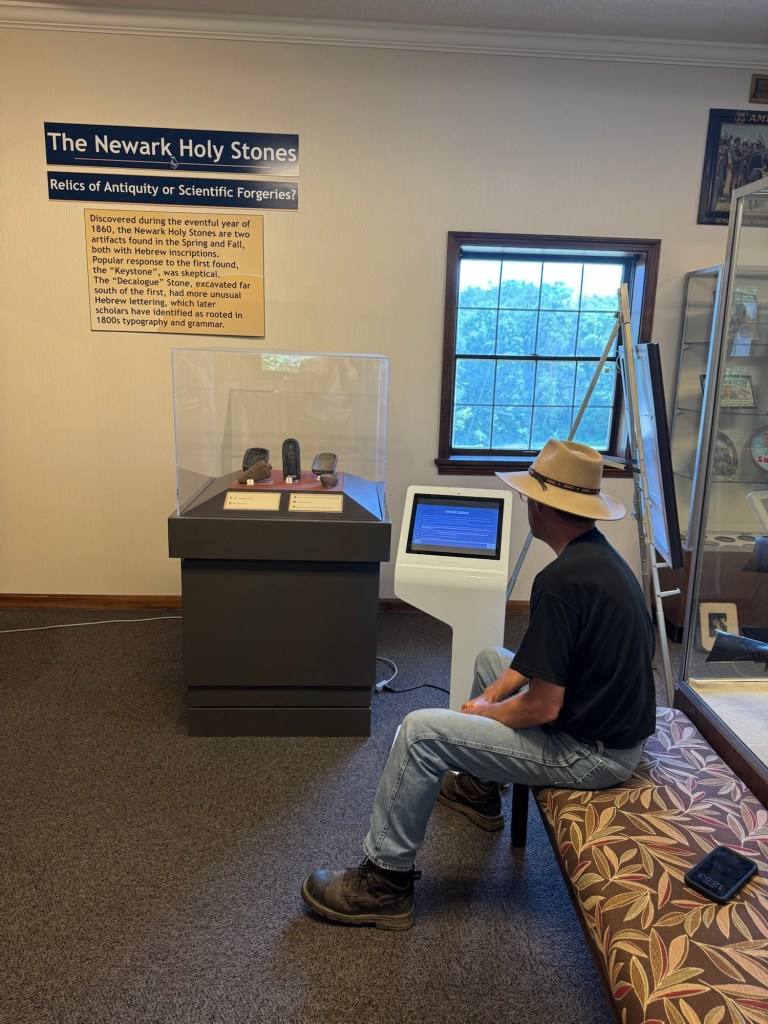
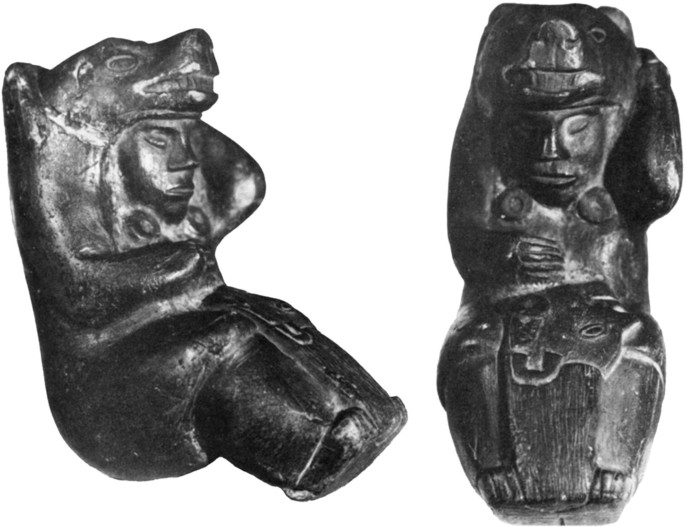
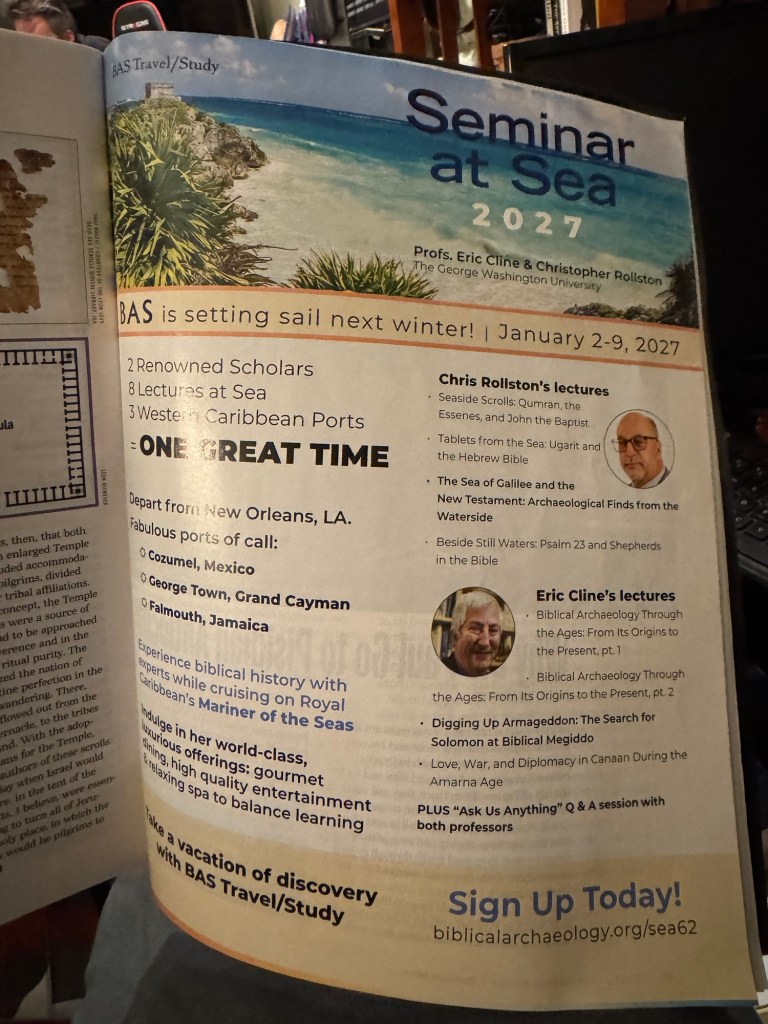
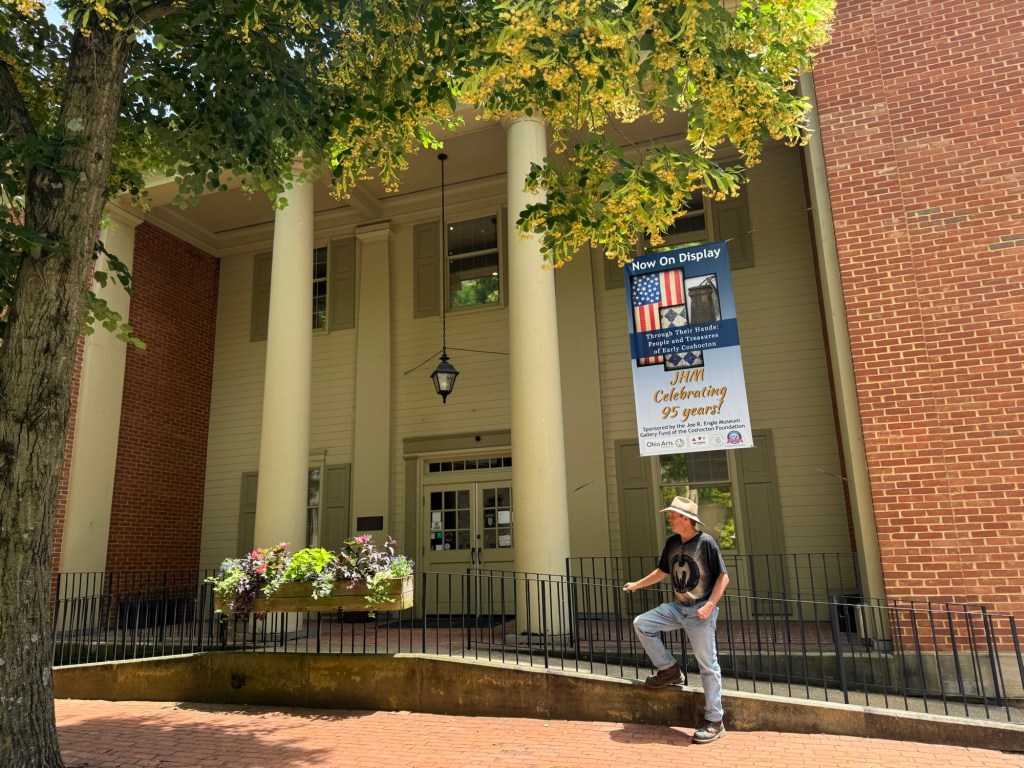
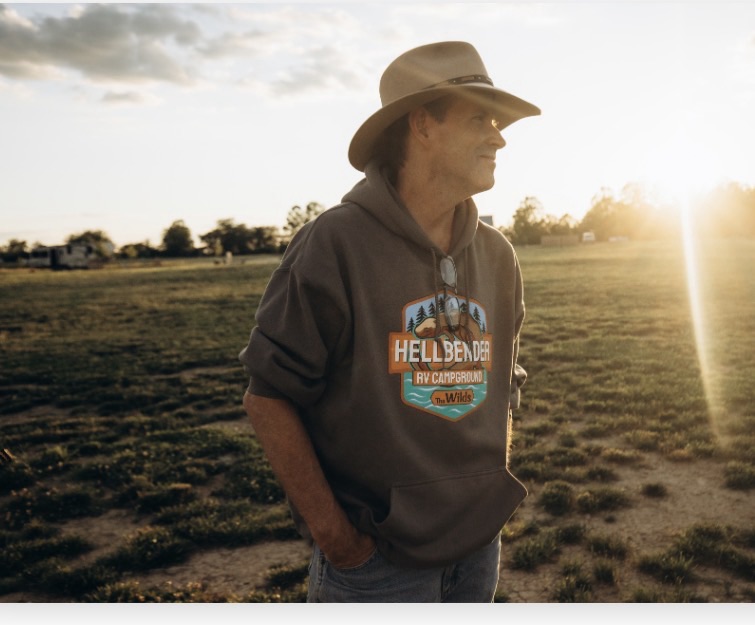
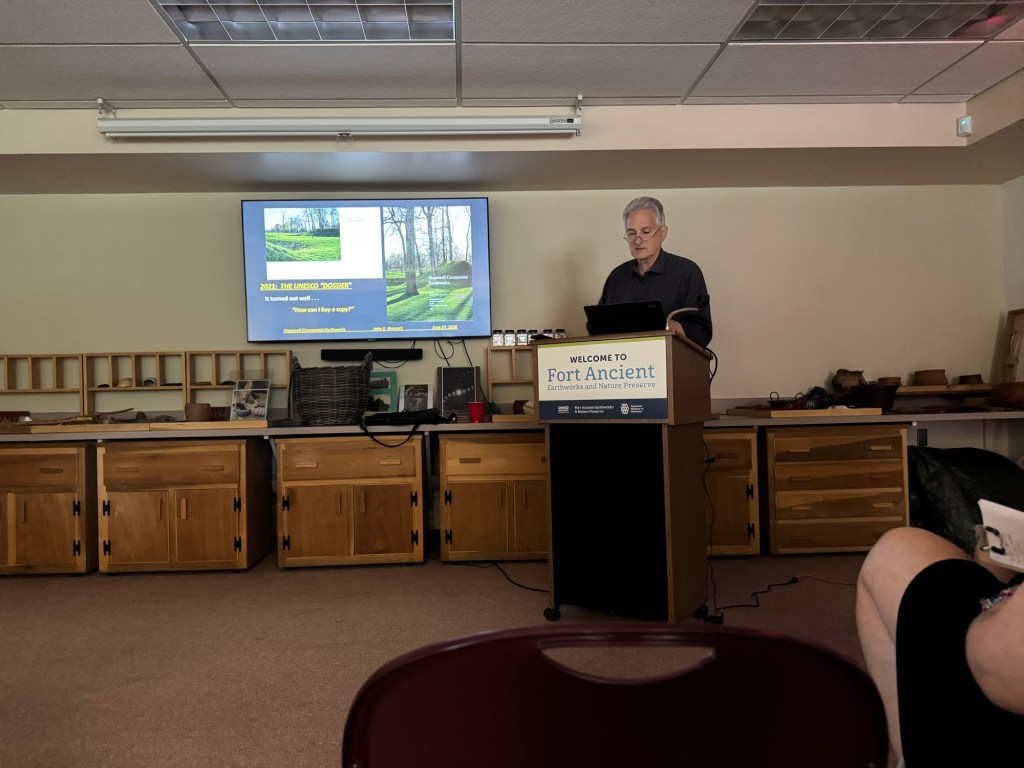
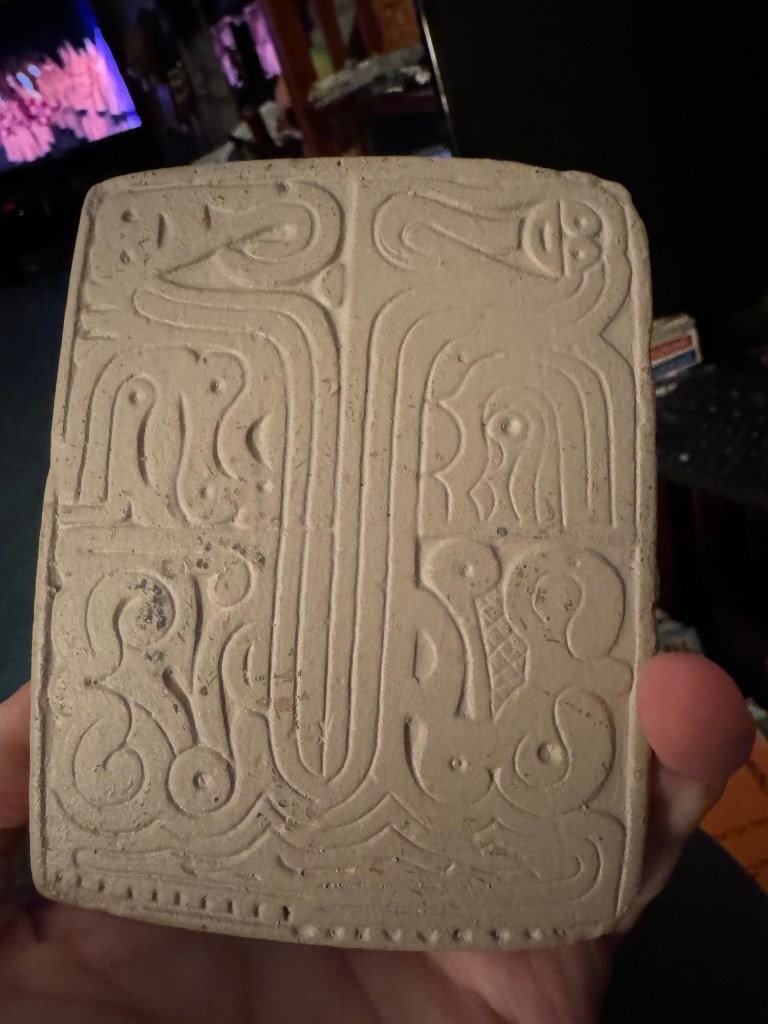
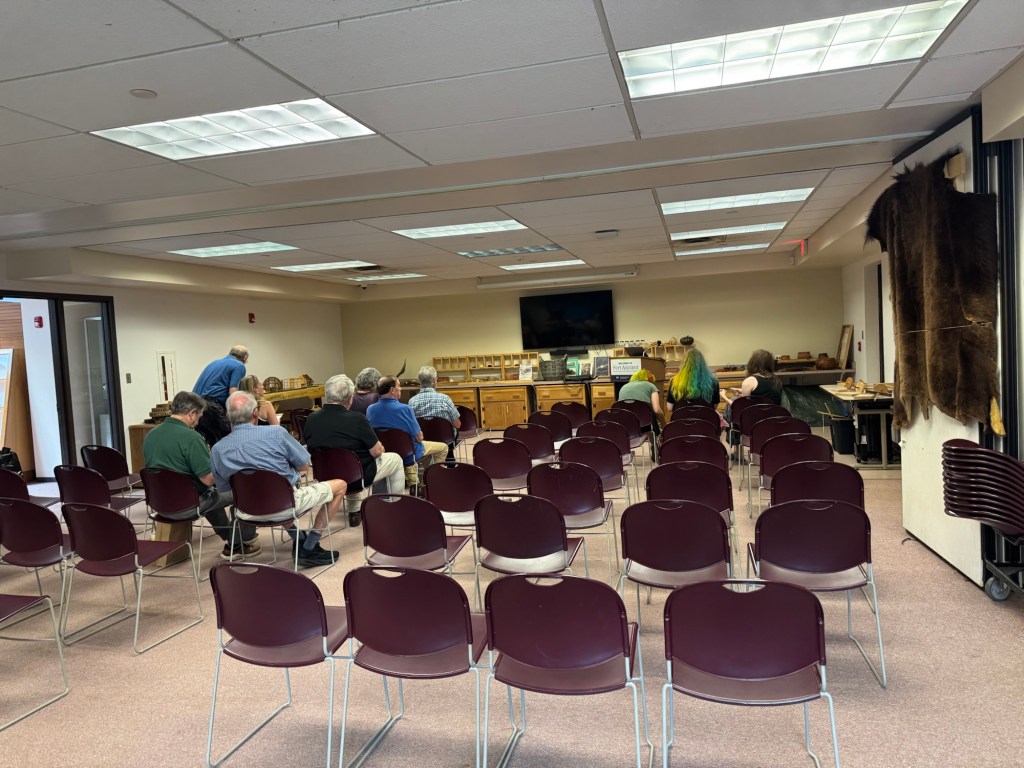
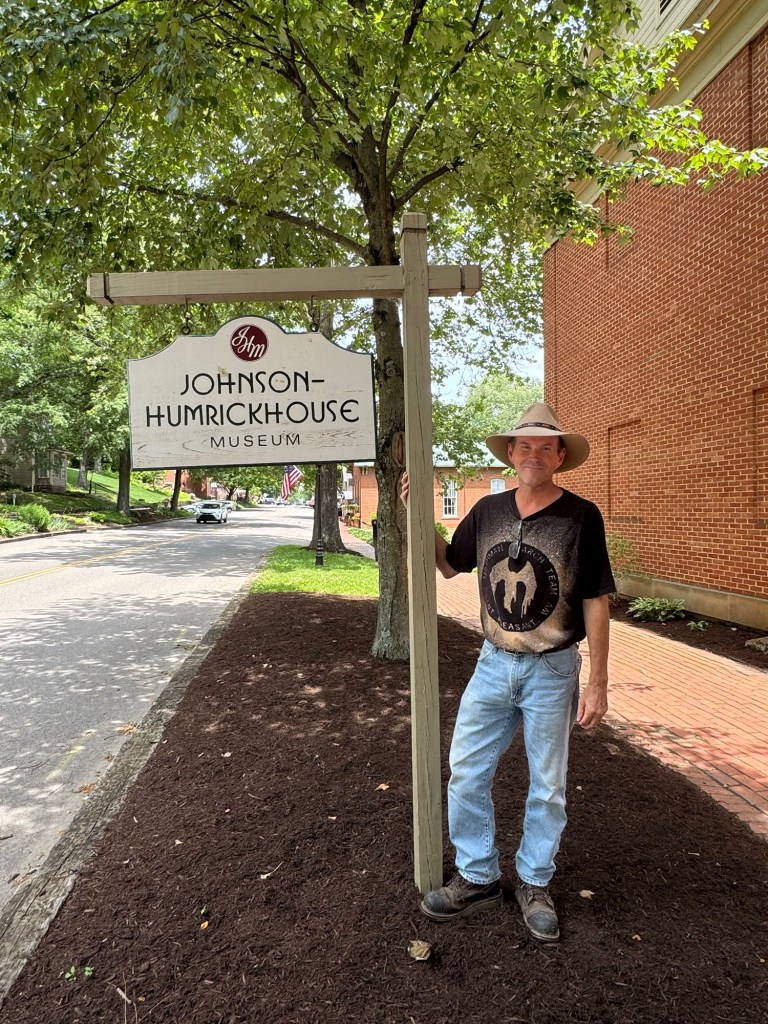
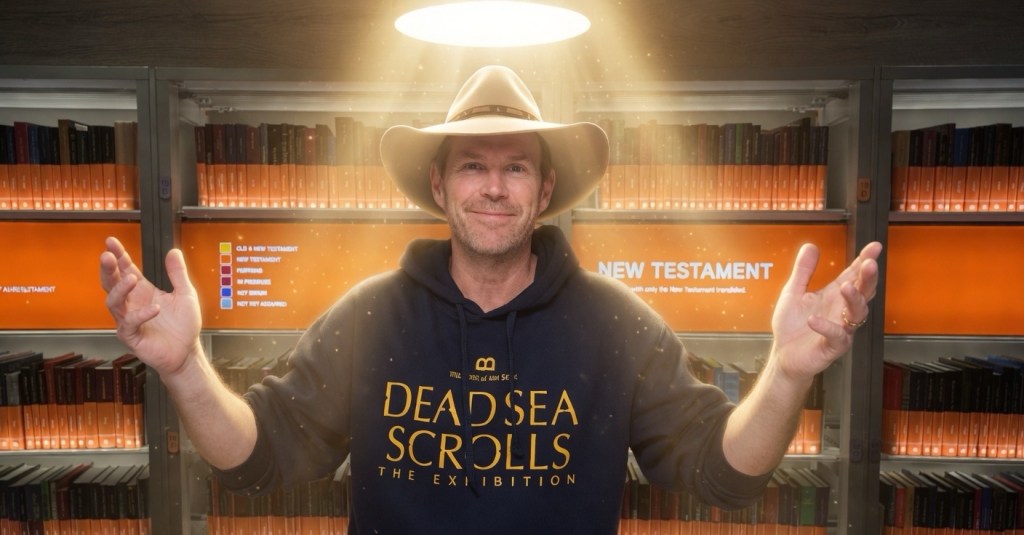
 The Overmanwarrior