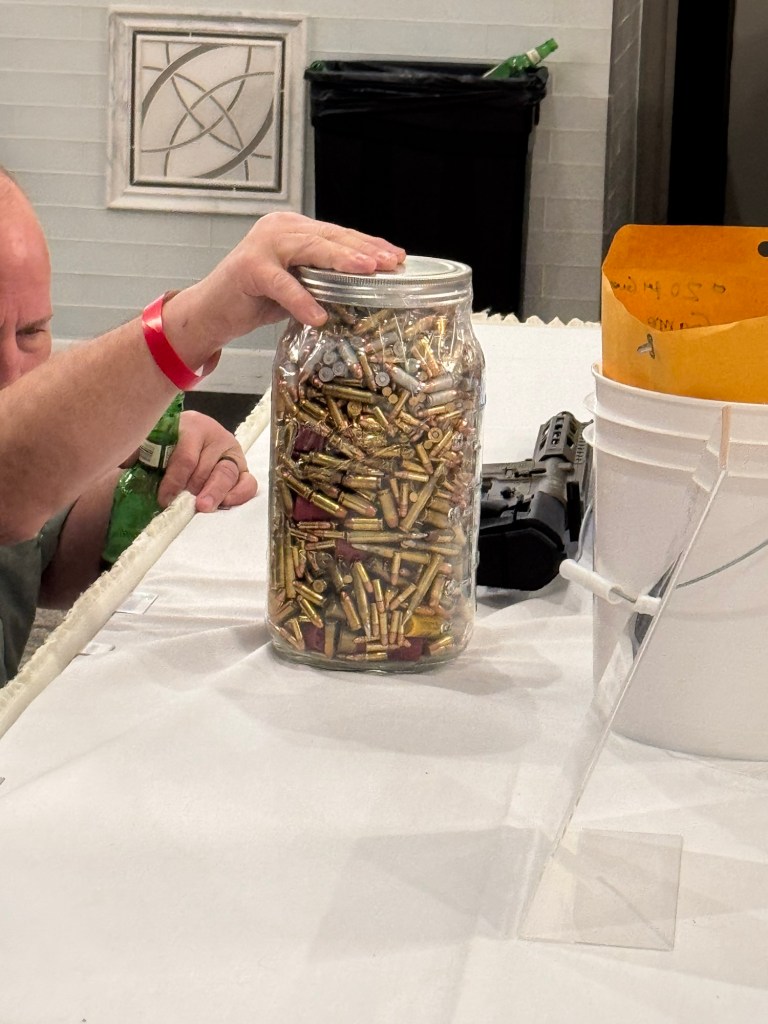
The Bad Guys Deserve Punishment: Destroying Iran to free people from tyranny

I’ve been watching everything unfold in real time. It feels good to see some real aggression from the top, finally. Everybody’s talking about how Trump’s inspiration is driving this new level of toughness—hitting Iran hard, taking out Maduro in Venezuela, and setting up hemispheric shielding through Kristi Noem’s new gig as Special Envoy for the Shield of the Americas. It’s exactly what we needed. We’ve lived through a very dangerous time, and we had to have justice for what was done to us. So when people whine, “Why are you being so aggressive? Why treat Venezuela like this? Why talk so tough on Iran, China, the cartels?”—I point to the big picture. We tried playing nice when we could, making deals, but the bad actors never stopped scheming in the background. Iran’s always been problematic, bragging about nuclear warheads and funding terrorists. Trump couldn’t walk away from negotiations with them, thumbing their nose at honest attempts at peace in the Middle East. If they’re going to keep sponsoring terror, you cut the head off the snake. That’s what’s happening now, and it had to happen.

Obviously, the Democrats support that kind of insurrection—they want the downfall of the United States. Peel back the layers, and you see China behind so much of it: property acquisitions here, buying up media companies to steer narratives their way. It’s been ugly, nasty, nasty, nasty. After what they did with COVID, the lockdowns, the global economic sabotage—Bill Gates, the whole crew—people get mad if they’re not in jail or tied up somewhere. They have too much money; they buy courts, buy freedom. They don’t get in trouble. And yeah, I still think Jeffrey Epstein’s alive out there. He’s too rich to die that way. Body double, bought-off guards, elements of law enforcement—it’s not hard with that kind of cash.

Trump doesn’t have the constitutional power to round them all up and jail them—he can’t do it directly—but he can attack their mechanisms of evil. The way bad guys use countries like Iran, Venezuela, Mexican drug cartels, North Korea, and even Russia, stirring up Ukraine—they hustle agents, cause chaos, turn everybody in the wrong direction. But Trump’s clear: no boots on the ground for forever wars. We never should’ve been doing that. I joke about it half-seriously, but what was the Iraq war really about? Oil? Securing prices and American interests? Weapons of mass destruction, they never found? Or was it about raiding the Baghdad Museum right after the invasion, grabbing ancient DNA or artifacts from Gilgamesh’s era to mess with human genetics, or hide giants like in Kandahar? Those conspiracy theories floated around podcasts after retirees started talking. People have lost faith in institutions, in the nightly news narrative: “We’re going to war to save people from communism,” or whatever. Yet the bad guys propped up maniacs for decades—Fidel Castro, the Iranian Revolution in the late ’70s as a Marxist movement hidden behind religion, so you couldn’t criticize it without attacking Islam. That’s how they sold it here: don’t criticize our communities, even as they shuffled in socialism, lined people up for food stamps and welfare, turning dependency into modern slavery to the government instead of plantations.

The same thing’s happening with radical Islam—thorny alliances everywhere, causing needless harm—cartels in Mexico, Venezuelan aggression, and China behind it all. China was built by the deep state; they never would’ve had the money without investment firms funneling stolen Federal Reserve wealth, Wall Street manipulations, modern monetary theory tricks at Jackson Hole conferences. It sounds wild because the media calls it crazy, but listen to those talks—it’s out there.

That’s why everybody’s upset about these moves. Iran’s economy is a dying fallout on the couch—they can’t fight a real war. No ships, no missiles, no planes of any worth. They’ve been de-industrialized by sanctions. Trump bombed them because they poked the bear with radical Islam and ideology issues tied to the Democrat party, which clearly represents America’s destruction in so many ways. Obama gave them billions to keep their economy afloat so they could buy terrorist toys; now Trump’s taking it all away. As an elected official, we put him in office to do this job; he’s doing it. We don’t want radical losers causing trouble worldwide. We don’t want cartels running Mexico—pulling people over for bribes, corruption everywhere. We want to vacation or do business there without fear. We don’t want Venezuela screwing our energy markets. We don’t want Iran sponsoring terrorism. We want peace in the Middle East—Jews, Christians, everybody getting along, building lives.

This is what Kristi Noem’s Shield of the Americas is about—stabilization in the hemisphere. She’s moved from DHS to Special Envoy, focusing on dismantling cartels, securing the Western Hemisphere, working with Rubio and Hegseth. It’s hemispheric shielding: choke off the bad guys economically and militarily without endless occupations. Trump’s not putting boots everywhere; he sends precision strikes, missiles as compliments of capitalism—paid for by the best system in the world. That’s how you win now.

All these characters in the background—COVID planners, great reset pushers, China feeders—they used distractions like Iran to usher agendas through while we fought shadows. Peel back the onion: destroy the disguises, pull off the masks. That’s happening in Iran right now, Venezuela (Maduro captured in January, U.S. overseeing oil rebuild), and Mexico (cartel disruptions). It’s great. I highly support what Trump’s doing—I want to see a whole lot more. He’s actually being too nice in some ways. The world deserves this reckoning for 2020: stolen elections, COVID as a weapon, great reset leashed to lockdowns, all attached to global control plots. Epstein, Gates, Russian honeypots, Chinese labs—it’s out there.

If you think that’s all a conspiracy, it’s in the open now. The people crying loudest about Iran are the ones who used these characters to cause trouble. Forget the courts, UN nonsense, and treaties that neutralized America so bad guys could thrive. Time for punishment. Show the world it happens. Use capitalism for upper mobility, freedom in Hong Kong, Venezuela, Mexico, England, and Europe. Lead by example: take away the hostiles causing trouble. Iran had no other intention but trouble since the late ’70s Marxist infusion feeding communism, China, Russia, socialist Latin America—all anti-American, anti-capitalist, anti-upward mobility. They played their part in lockdowns, freedom theft, and using COVID to destroy economies into a great reset.

This isn’t theory anymore; it’s action. Trump’s crushing them economically, stripping them of their covers, exposing them. The attacks on Iran neutralize them as a threat—they tried rational peace, but they’re hostile. Venezuela’s aggression, Mexico’s cartels—all choked off. No more hiding. Democrats and the media cry because Iran was their Marxist disguise, a haven, a proxy to break America down. Now excuses stripped away, masks off—nowhere to hide. They don’t like it, but too bad. It’s great, the bad guys needed to be punished.  And now they are.

Footnotes

1.  On Operation Epic Fury and Khamenei’s death: Strikes targeted nuclear sites, missiles, navy; civilian casualties reported (e.g., girls’ school in Minab). Trump urged regime change without full occupation.

2.  Maduro capture in January 2026: U.S. raid framed as anti-narco-terrorism; plans for long-term oil oversight and revenue split.

3.  Kristi Noem’s role: Appointed Special Envoy for the Shield of the Americas (Western Hemisphere) in March 2026, focusing on cartel dismantlement and border security partnerships.

4.  Iran’s 1979 Revolution: Marxist influences blended with Shia Islamism to avoid direct criticism of leftist elements.

5.  Iraq Museum looting: Over 15,000 artifacts stolen post-invasion; fringe theories link to ancient DNA/Gilgamesh,/giants myths.

6.  Kandahar giants: Persistent online legend from alleged U.S. military encounters; widely debunked but symbolic of institutional distrust.

7.  China-media investments: Documented stakes in U.S. outlets; fentanyl precursor supply to Mexican cartels well-reported.

8.  Obama’s Iran payment: $1.7 billion settlement for pre-1979 arms deal, not direct “terror funding” per official accounts.

9.  COVID/Great Reset conspiracies: WEF initiative twisted into global control narratives; Gates-Epstein links fueled speculation.

10.  Epstein “alive” theories: Persistent despite official ruling; tied to elite protections.

Bibliography

•  White House Fact Sheet on Iran (2026). https://www.whitehouse.gov/fact-sheets/2026/02/fact-sheet-president-donald-j-trump-addresses-threats-to-the-united-states-by-the-government-of-iran

•  DHS Announcement on Noem’s Role (March 5, 2026). https://www.dhs.gov/news/2026/03/05/thanks-president-trump-and-secretary-noem-america-safer

•  TIME on Shield of the Americas (2026). https://time.com/7382975/kristi-noem-new-job-shield-of-americas

•  Marxist.com on the Iranian Revolution (historical analysis).

•  Various: Axios, Politico, The Hill, CNN reports on 2026 operations in Iran/Venezuela.

•  Reuters Institute on Chinese media influence.

•  BBC on Great Reset conspiracies.

•  Brookings on Obama-Iran cash transfer.

•  CSIS/NBC on China-cartel connections.

Rich Hoffman

More about me

Click Here to Protect Yourself with Second Call Defense https://www.secondcalldefense.org/?affiliate=20707
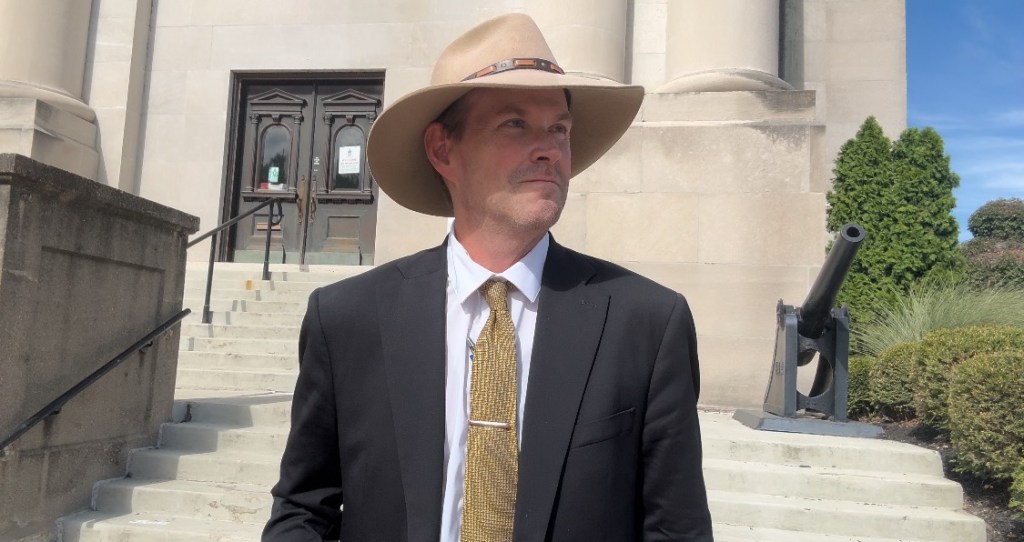
The Shoe on the Other Foot: Reflections on ‘Tail of the Dragon,’ Prophecy, and the Triumph of Liberty Over Tyranny

The book Tail of the Dragon, which I wrote and published in 2012, remains one of the most personal and enduring statements I’ve ever made. At the time, I was deeply immersed in the political currents of the late 2000s and early 2010s—active in the Reform Party since the Ross Perot days, a supporter of Pat Buchanan’s ideas, an early Tea Party participant (even earning the nickname “Tax Killer” in my community for fighting tax increases), and someone who had long advocated for limited government against what I saw as growing tyranny. I began writing the novel around 2010, finishing it in 2012, during Barack Obama’s presidency, when frustrations with federal overreach, economic policies, and foreign entanglements were boiling over.

The story is framed as a high-octane action tale—a car chase thriller set on the real-life Tail of the Dragon, the legendary 11-mile stretch of U.S. Highway 129 straddling the Tennessee-North Carolina border in the Great Smoky Mountains. This road, with its 318 curves, has a storied history dating back centuries: originally a buffalo trail and Cherokee path, later used by hunters, trappers, and settlers in the 1700s and 1800s, it was paved in the 1930s and became a mecca for motorcyclists and sports car enthusiasts in the late 20th century.

I drew from my own experiences riding motorcycles across the U.S., immersing myself in the culture of independence and the open road—the raw desire for freedom unburdened by overbearing authority. The protagonist, Rick Stevens, a rebellious everyman whose NASCAR dreams have faded, becomes entangled in a high-stakes pursuit that pits individual liberty against a corrupt, tyrannical system. It’s packed with action, comedy in places, romance, and high-speed drama, inspired by classics like Smokey and the Bandit or The Dukes of Hazzard, but with a much darker, more serious edge. Unlike those lighthearted films where characters evade consequences, my story reflects real-world stakes: government overreach, loss of personal freedoms, and the moral cost of resistance.

Officially categorized as “philosophy in action” because that’s where my mind was—blending thrilling narrative with deep ideas about governance, justice, and human nature. I didn’t write it for quick sales or mass-market appeal; books, for me, are vehicles for ideas meant to endure for centuries, not fleeting articles or videos. They provide a framework—a complete world—to explore concepts that demand sustained thought.

At the time, the book puzzled people. Some saw it as just a car-chase novel; others recognized the anti-government manifesto woven in. It critiqued a system that enabled corruption, foreign meddling, and domestic tyranny. I distributed hundreds of copies to tourist spots near the Tail of the Dragon, where motor geeks and road warriors embraced it. The motorcycle community—fiercely independent—loved the authenticity. Online, it sold modestly, but it found a niche among Tea Party leaders, libertarians (though I’m not strictly one), and those disillusioned with the status quo.

The reception was mixed in mainstream circles. My connections—friends close to Glenn Beck, entertainment figures—hinted at potential for film adaptation, given the era’s boom in car-chase movies grossing billions. But Hollywood was shifting leftward, and my conservative, liberty-focused message was too explosive. Pre-Trump, pre-MAGA, it was taboo to openly challenge the Obama-era government so aggressively.

The ending is what many readers called “perfect”—and it’s the core of why the book feels prophetic today. Without spoiling it fully, the resolution isn’t a simple outlaw victory or easy escape. It grapples with justice, consequences, and optimism: even in chaos, there’s a path to something better. I am an optimist at heart; I see potential for good even amid fire. The characters face dire situations far beyond Bonnie and Clyde-style tragedy or Smokey and the Bandit hijinks, reflecting my real experiences with law, order, and government reform efforts.

Fast-forward to now, in 2026, and the world has caught up. People who read it years ago—Tea Party activists, early MAGA supporters, grassroots leaders—revisit it and say the arguments aged well. They ask: “You were anti-government then—why support crackdowns now on protesters, immigration enforcement, or actions against regimes like Iran?” The answer lies in that ending and the philosophy behind it.

In 2012, the government I opposed funded adversaries abroad while undermining constitutional principles at home. The Obama administration pursued policies toward Iran that included sanctions but also controversial elements—like the eventual JCPOA nuclear deal (finalized later in 2015) and cash transfers critics labeled as enabling terrorism.

It allowed influence from regimes in places like Venezuela, where China and others gained footholds through oil and alliances. Drug cartels and thugs thrived in hemispheric politics, enabled by weak borders and foreign policy that prioritized appeasement over strength.

My book was a call to fight back—violently, if necessary—against such tyranny. It was rough, angry, explosive. Mainstream folks shied away; motorcycle warriors and liberty-minded readers took it to heart.

Today, the shoe is on the other foot. A government aligned with the values I championed—freedom, upward mobility for the majority, cracking down on threats—holds power. Actions against violent protesters (like those in Minnesota scenarios), strong immigration enforcement, and decisive moves on Iran and Venezuela aren’t hypocrisy; they’re the fulfillment of what I advocated. A freedom-fighting government represents the people’s interests, not the old tyrannical one.

Recent developments illustrate this: U.S. operations targeting Iran’s nuclear sites and influence, combined with efforts in Venezuela to remove leaders like Nicolás Maduro, curb Chinese, Russian, and Iranian footholds in the hemisphere, and secure strategic resources like oil.

These are chess moves in a high-level game—eradicating threats that once thrived under the prior order, reducing adversarial footprints, and restoring American dominance in our sphere.

The difference isn’t anti-government absolutism (that’s libertarian territory, which I don’t claim). It’s defining tyranny versus legitimate authority. When “our side” wins, we fly the flag proudly, ensuring government serves freedom, not suppresses it. The former rulers now protest violently—borrowing our playbook but twisting it with force—because they’re on the outside.

Tail of the Dragon helped shape thinking among key influencers years ahead of the curve. It wasn’t a bestseller, but it has a cult following: people still seek copies, discuss it at rallies, reference it in conversations. It provided a philosophical framework for building a movement—one that took time (through Tea Party to MAGA, through investigations, COVID, and elections) but prevailed.

I’m proud of it. Books like this aren’t for immediate gain; they’re for longevity. The message endures: resist tyranny, but recognize when victory arrives and authority aligns with liberty. The world caught up, and that’s a good thing.

Bibliography

•  Hoffman, Rich. Tail of the Dragon. Self-published/iUniverse, 2012. (Primary source; available on Amazon and Goodreads.)

•  Tail of the Dragon official site. “History.” tailofthedragon.com/history. Accessed March 2026.

•  U.S. Department of State archives. “Iran–United States Relations During the Obama Administration.” Wikipedia summary drawing from primary sources, 2010–2016.

•  FactCheck.org. “Obama Didn’t Give Iran ‘150 Billion in Cash’.” March 1, 2019 (updated context).

•  Politico. “Obama’s Hidden Iran Deal Giveaway.” April 24, 2017.

•  Foreign Affairs. “Trump’s Way of War: Iran, Venezuela, and the End of the Powell Doctrine.” Recent analysis, 2026.

•  ABC News. “Trump Demands Venezuela Kick Out China and Russia.” January 6, 2026.

•  Various Goodreads and Amazon reviews of Tail of the Dragon by Rich Hoffman, 2012–present.

Footnotes

1.  Tail of the Dragon route history drawn from tailofthedragon.com and related sources.

2.  Book details from Amazon and Goodreads listings.

3.  Iran policy critiques based on archived Obama-era fact sheets and subsequent analyses.

4.  Current geopolitical actions referenced from 2026 news reports on U.S. operations in Iran and Venezuela.

Rich Hoffman

More about me

Click Here to Protect Yourself with Second Call Defense https://www.secondcalldefense.org/?affiliate=20707

Launching a Life: Model Rockets, Wind, and the Spark of Adventure

I’ve always believed that we humans are meant to impose our will on the environment around us. Not recklessly, of course—we’re not charging into hurricanes for fun—but deliberately, purposefully. We don’t let the weather dictate our plans; within reason, we decide what we do, and we do it regardless. That philosophy has guided much of my life, from professional challenges in aerospace to personal commitments. It’s a theme I try to instill in everyone around me, especially the young ones. And on a blustery, rainy Saturday in March, it became the backdrop for one of the most rewarding days I’ve had in years: launching model rockets with my youngest grandson.

He’s nine now, tall for his age, sharp as a tack, and already showing signs of a brilliant future. Science draws him like a magnet. Several years ago, when he was four or five, I bought him a model rocket kit. We planned to build it together, paint it, and send it skyward. But life intervenes—busy schedules, new babies in the family, vacations, the endless pull of obligations. The kit sat on a shelf, waiting for the right moment. I didn’t want to rush him; he was young, and forcing it might have dimmed the spark rather than kindled it.

That changed recently during a trip my wife and I took to the NASA area, touring facilities tied to Blue Origin and SpaceX. Walking those grounds, surrounded by reminders of the expanding space economy, I felt a renewed urgency. Time moves fast—kids grow up quicker than we realize. I started looking for souvenirs for all my grandchildren, little tokens to keep the wonder alive. For him, though, it wasn’t just a trinket. It was a reminder of that dusty rocket kit and his genuine love for anything related to space, engineering, and flight. I made a quiet commitment: we were going to do this before he outgrew it. No more delays.

We targeted a Saturday in March. The forecast called for warmth—comfortable enough to be outside—but also rain and wind. I didn’t care. We were launching, come what may. He’s science-inclined, curious about everything, and I wanted him to experience the real thing: not a sanitized, perfect day, but the messy, unpredictable reality of experimentation. That’s where true learning happens.

The day arrived, and the weather delivered exactly what it promised: gusty winds, low clouds, intermittent rain. We set up in an open field, far from power lines or crowds. First came assembly. We spread out the pieces on a table in the garage—cardboard tubes, fins, nose cones, parachutes, engines. He dove in with focus, following instructions but asking questions at every step. Why this glue here? How does the parachute deploy? What makes it stable in flight? We talked about center of gravity, drag, thrust, recovery systems. Basic rocketry principles, but taught hands-on, not from a textbook.

Model rocketry is more than a hobby; it’s an accessible gateway to STEM.[^1] Estes Rockets, the company behind most beginner kits, has been inspiring kids since the 1950s. These small, solid-fuel rockets reach hundreds or thousands of feet, then deploy parachutes for safe descent. They teach physics, aerodynamics, electronics (with simple igniters), and patience. For a nine-year-old, it’s magic wrapped in science.

We finished two rockets: a smaller one for easy flights, and a larger, more ambitious design. Painted, decorated, engines installed. Then, out to the field.

The first launch was tentative. We set up the pad, connected the electric igniter, counted down. Whoosh! It streaked upward, punching through the low clouds. But the wind caught it immediately. Instead of a graceful arc, it drifted fast and far. We lost sight in the gray. That became the theme of the day: rockets vanishing into clouds, then drifting on currents we couldn’t predict.

We adapted. He learned to estimate trajectories based on wind direction and speed. “Watch the flag,” I told him. “See how it’s blowing? That’s your drift vector.” We calculated rough landing zones, then hiked to search. One rocket came down over half a mile away—caught by a strong gust, parachute fully deployed, floating like Mary Poppins. It landed in a distant backyard. My wife and grandson trekked through yards, knocking on doors, retrieving it triumphantly. No surrender. We recovered it, muddy but intact.

The smaller rocket performed spectacularly—at least in ascent. It hit over 280 miles per hour from a standstill, a blistering acceleration that thrilled us both. But on descent, the cardboard body started unraveling under stress. We didn’t panic. We drove to Tractor Supply, bought glue, repaired it in the field, and used a heater to speed curing. A couple hours later, it flew again—fixed on the fly, better than before.

That’s the real lesson: troubleshooting. Life doesn’t go as planned. Igniters fail. Wind shifts. Rockets drift. You fix it, adapt, persist. We talked about cold fronts, cloud layers, condensation—why the sky looked the way it did, how dense air aloft held moisture, leading to our rain. Meteorology became part of the adventure. He absorbed it all, eyes wide.

His mother is a professional photographer; his dad experiments with content creation, traveling the world for a YouTube-style channel. He’s grown up watching high-end video production. YouTube is this generation’s Hollywood—kids dream of channels, subscribers, viral moments instead of rock stardom. He’s paid close attention: editing, cuts, narrative flow, dialogue.

Throughout the day, he filmed. Multiple angles—me prepping the pad, countdowns, launches, recoveries. He captured mishaps: the long drifts, the repair session, the triumphant finds. I noticed but didn’t interfere. I figured he was just playing around.

That evening, he went home and edited. A 15-minute video emerged—polished, narrated in his own voice, with cuts, transitions, music. It chronicled everything: building, launching, laughing at failures, celebrating recoveries. Sophisticated doesn’t begin to describe it. For a nine-year-old, it was remarkable. His parents’ influence showed, but this was his creation—his enthusiasm, his story.

I was floored. Not just proud (though grandparents are allowed that), but genuinely impressed. He turned a grandfather-grandson outing into a production. It had heart, humor, science. I’ll share it on it here to give it a wider audience—he deserves it. He’s not shy; he expresses himself openly. This glimpse into our family’s Saturday might inspire others.

The day wasn’t perfect. Rockets got lost (temporarily), weather fought us, plans shifted. But perfection isn’t the point. The mishaps were the gold: recovering a drifter, gluing a torn tube, predicting drift. Those build resilience. Intelligence, unfed, can wander into unproductive places. Hobbies like this channel it productively. Model rocketry feeds curiosity, teaches engineering basics, fosters grit.

In aerospace, where I’ve spent much of my career as an executive, we deal with unpredictability daily. Rockets don’t always fly straight. Missions face delays, anomalies. You troubleshoot, iterate, succeed. Sharing that with him—hands dirty, minds engaged—felt like passing a torch. He’s headed toward engineering, space, something impactful. My job is to show doors worth walking through.

We’ve only started. More launches ahead. He’s proud of his “trophies”—the rockets on his shelf, reminders of the adventure. When things go wrong, he doesn’t panic. He fights through. That’s a lifetime gift.

If you’re busy, schedules packed, kids growing fast—make the time. Block it out. The weather might not cooperate, but impose your will. The rewards—light in young eyes, skills cascading forward—are worth every gusty, rainy minute.

[^1]: Estes Rockets official site and National Association of Rocketry resources highlight educational benefits; see generally model rocketry as a STEM tool.

[^2]: Personal observation; no specific external citation needed for family anecdotes.

Rich Hoffman

More about me

Click Here to Protect Yourself with Second Call Defense https://www.secondcalldefense.org/?affiliate=20707
About the Author: Rich Hoffman

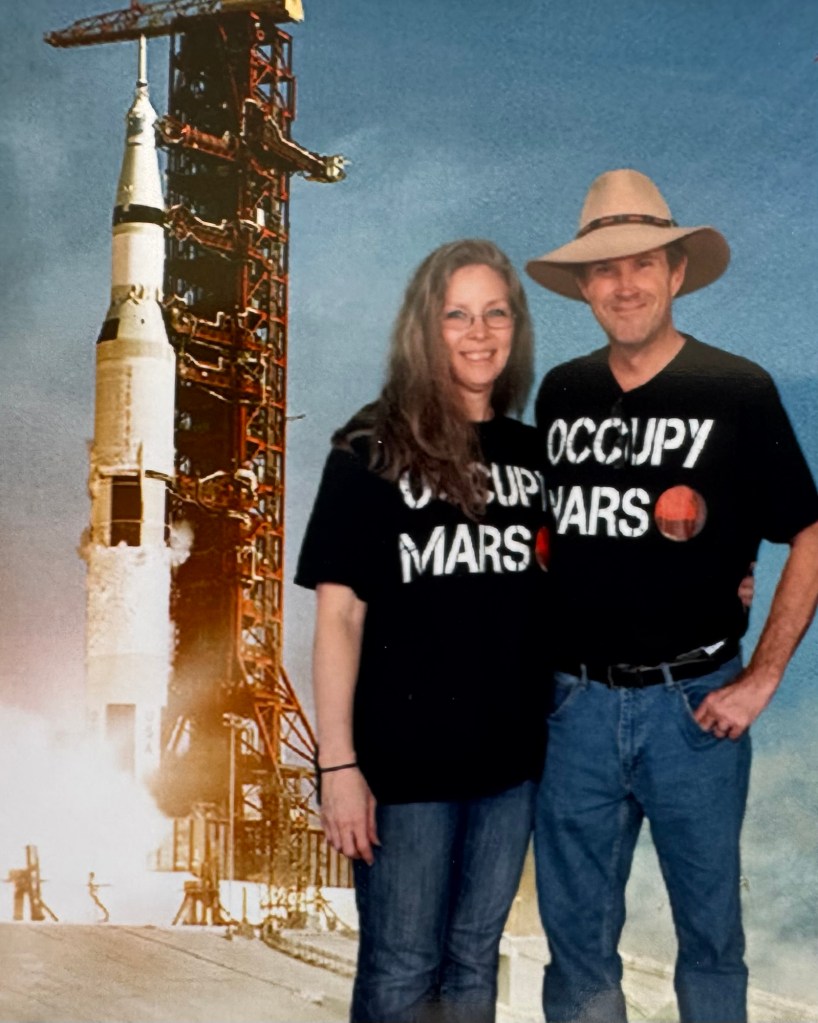
Rich Hoffman is an independent writer, philosopher, political advisor, and strategist based in the Cincinnati/Middletown, Ohio area. Born in Hamilton, Ohio, he has worked professionally since age 12 in various roles, from manual labor to high-level executive positions in aerospace and related industries. Known as “The Tax-killer” for his activism against tax increases, Hoffman has authored books including The Symposium of Justice, The Gunfighter’s Guide to Business, and Tail of the Dragon, often exploring themes of freedom, individual will, and societal structures through a lens influenced by philosophy (e.g., Nietzschean overman concepts) and current events.

He publishes the blog The Overmanwarrior (overmanwarrior.wordpress.com), where he shares insights on politics, culture, history, and personal stories. Active on X as @overmanwarrior, Instagram, and YouTube, Hoffman frequently discusses space exploration, family values, and human potential. An avid fast-draw artist and family man, he emphasizes passing practical skills and intellectual curiosity to younger generations.

The Spine of Courage and Self-Government in Butler County, Ohio: Meeting great kids at the Friends of Youth Shooting Sports fundraiser and dinner

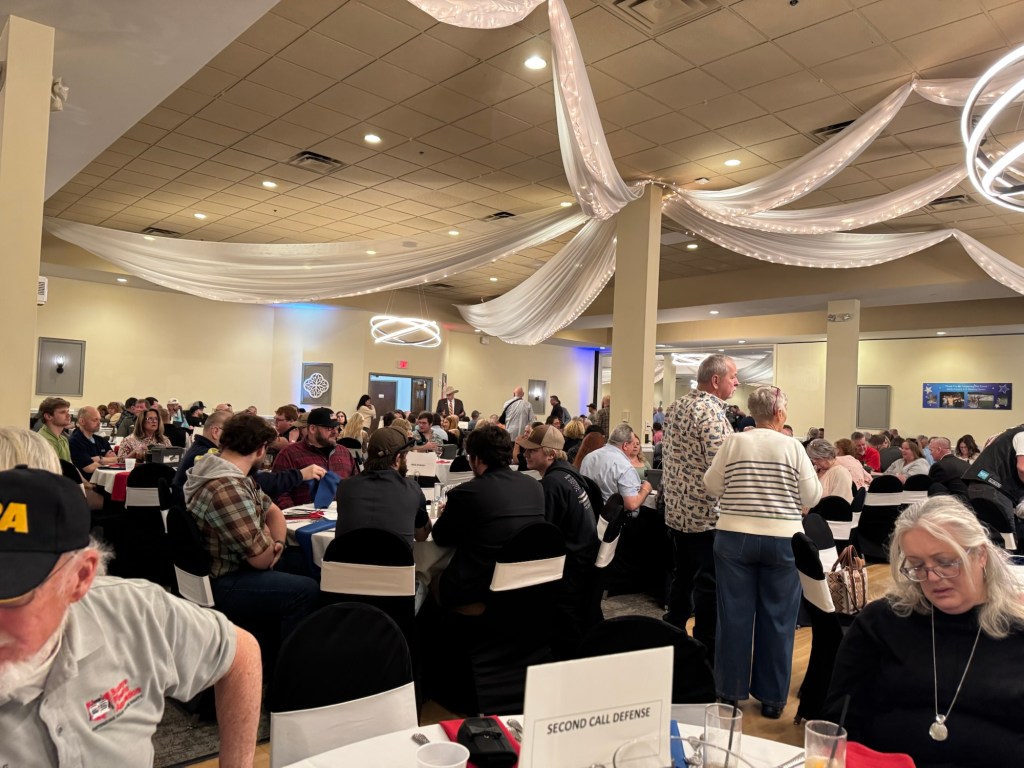
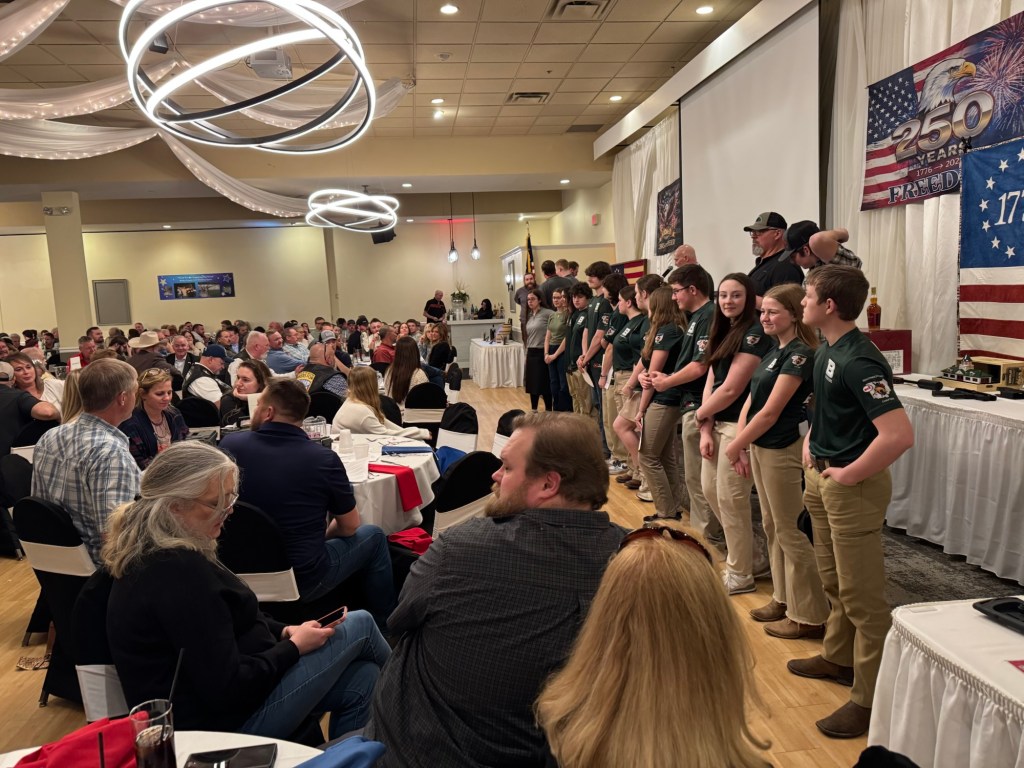
It was really nice to attend the Butler County Friends of Youth Shooting Sports annual fundraiser dinner and auction on March 6, 2026, at Receptions of Fairfield. The place was packed with a large crowd of good, normal people—families, shooters, law enforcement folks, and community leaders—all there to support youth programs that teach firearm safety, marksmanship, discipline, and responsibility. I enjoyed every minute of it: the excellent food, the company, the auctions (silent and live, with plenty of guns and gear on offer), raffles, games, and the overall positive energy in the room. Doors opened at 5:30 p.m., and my wife and I stayed for three or four hours, just soaking it in and talking with good people who share the same fundamental values.

What stood out most was meeting so many young people involved in shooting sports. These kids have a brightness in their eyes, a confidence that comes from handling responsibility early. They learn to clean guns properly, shoot straight, hit targets, and manage danger in a controlled, supervised way. That kind of training builds character—it translates to life. You don’t see school shootings or reckless behavior from kids raised like this. Instead, they grow into solid adults who value family, hard work, and living constructively. They buy cars thoughtfully, choose good spouses, raise their own kids right, and pass on those same lessons.

I particularly enjoyed meeting the children of Butler County Treasurer Mike McNamara. He’s stepped into a big role after Nancy Nix (who was outstanding as treasurer and is now doing great as auditor), and he’s really grown on me. When he first took over, I wondered if anyone could fill those shoes as well as Nancy did, but Mike has proven himself capable and committed. More importantly, he’s solidly behind the Second Amendment and shooting sports. His kids were there wearing nice cowboy hats—just like I did back in third, fourth, and fifth grade, and still do today. We got into a fun conversation about it. People always ask why I wear a cowboy hat everywhere, and I tell them it’s my way of declaring I’m aspiring to something different from the mainstream secular world. It’s like wearing a T-shirt or pin that says, “I’m not going along with the crowd.” Those kids had the same spirit—bold, unapologetic, proclaiming traditional values at a young age. Their eyes had that refreshing light; you can see a lot about the parents in how the children carry themselves. Mike and his wife have raised a solid family, and it was heartening to see.

The event reminded me why these gatherings feel so reassuring. In everyday life—at Walmart or out in broader society—you encounter all kinds of people, some bright-eyed and well-raised, others not so much. Maybe they didn’t have good parents or healthy influences. Conservatives tend to be accommodating toward those folks, giving them a fair shake while holding to our own standards. But when you step into a room like this one, filled with hundreds of people dedicated to the Second Amendment, you see what’s possible when values align: large crowds of normal, productive people celebrating youth excellence, law and order, and personal liberty.

Handling firearms responsibly does something profound for a person. It teaches you to manage danger, focus, follow rules, and achieve precision. Those skills carry over. Kids who excel in shooting sports under good supervision become reliable adults. They don’t turn to violence; they build healthy lives. That’s why programs like those supported by Friends of Youth Shooting Sports—through 4-H clubs, local ranges, safety training, and more—are so vital. Every dollar raised stays local, funding equipment, events, and opportunities for Butler County kids.

Prominent people were there, fully embracing these principles. Sheriff Richard K. Jones gave a powerful speech that captured the mood perfectly. He talked about standing firm despite constant lawsuits (he said he has about 20 at any time), threats, and even people following him to the restroom trying to kill him. But he takes it—he has a spine. His office has deported thousands of illegal immigrants from dozens of countries, working with ICE, putting up signs that say “illegal aliens” without apology. He warned about border threats, getaways, potential terrorists already here, and urged everyone to be careful when traveling or at festivals. He credited President Trump for giving folks like him the backbone. The room erupted in chants: “Trump, Trump, Trump,” then “Vance, Vance, Vance” (a nod to potential future leadership), and “USA, USA.” It was electric, patriotic, and unfiltered.

Sheriff Jones has built a culture of law and order in Butler County. His jail got featured on Discovery Channel’s 120 Hours Behind Bars recently—showing productive reforms, even the infamous Warden Burger (which I’ve tried on tours; yeah, it’s as bad as the jokes say). He’s in his sixth term, setting an example others emulate. People like him, Treasurer McNamara, State Senator George Lang (majority whip and a strong supporter of shooting sports), and Sean Maloney (the main organizer from Second Call Defense) make these events what they are.

Sean Maloney has poured his passion into Second Call Defense for years. It’s a network that provides legal and financial help if you use a firearm in self-defense—protecting you from the legal headaches that often follow, even when you’re in the right. Ohio’s laws have improved dramatically over the last decade: better stand-your-ground, concealed carry, and self-defense protections. Groups like his have helped make that happen.

I support Second Call Defense because it’s effective, and events like this one demonstrate the community’s backing for it. We talked about real concerns—off the mainstream media grid—things the popular narrative pushes against: gun ownership as essential to preventing tyranny, whether from kings, Marxism, or overreaching government acting like a parent over adults. A world without self-defense rights leads to administrative intrusions on liberty. That’s not the trajectory humanity should take.

Butler County feels unique. It’s MAGA country through and through—from Tea Party days to Trump’s wins (and I believe the 2020 irregularities were real; free speech in 2024 helped bring sanity back). CNN even came here years ago, interviewing folks at places like Rick’s Tavern near the venue, trying to figure out why we supported Trump despite the scandals and attacks. It’s because we see through power-structure games. Gun ownership is key: a population armed and trained stays free to speak, organize, and resist overreach.

That’s why I’ve stayed in Butler County all these years, despite chances to live or work elsewhere. Sheriff Jones’s speech nailed it—local pride, taking care of our own, standing up. Property values are high; it’s desirable to live here because of safe communities, strong families, and representatives who embody the character: law and order, Second Amendment support, and traditional values.

This wasn’t a bunch of fringe types talking revolution. These are everyday people—government officials, families, business folks—who elect leaders like Jones (popular for decades), McNamara, and Lang. They want this kind of representation. Strip away the social layers, and you see shared beliefs about building a good society: family, individual strength, and no centralized parental government.

Seeing the youth there—the next generation with cowboy hats, bright eyes, no fear—gives hope. I’ve seen that same light in rodeos, Christian groups, Bible studies: confident kids from strong families and support structures. It starts with learning to handle firearms safely and building confidence under adult guidance. That produces people who stick around for decades, keeping the Republican Party strong here and events like this thriving.

The mainstream media slants toward progressive agendas—disarmament, accommodation of brokenness over traditional standards. But we’re not victims. We’ve been polite, giving seats at the table, but we don’t have to accept their direction. Events like this remind me that goodness is worth fighting for.

It was a wonderful evening—good food, great company, encouragement from like-minded people. I appreciated the invite and loved meeting the young people, especially those like McNamara’s kids. Their boldness, the light in their eyes—it’s refreshing. That’s why places like Butler County endure and why these principles matter: family building, strong individuals, defense of liberty through understanding and ownership of firearms.  Gun ownership is the key to a successful society of self-rule.  And that is the backbone of success in Butler County, Ohio.

Footnotes

1.  Event details from American Freedom Liberty Foundation (aflf.org/banquet), confirming March 6, 2026, at Receptions of Fairfield, with activities including dinner, auctions, raffles, and local youth program support.

2.  Sheriff Jones’s background and jail features were drawn from public reports (e.g., Discovery Channel 120 Hours Behind Bars, March 2026 coverage).

3.  Second Call Defense and Sean Maloney from the official site (secondcalldefense.org).

4.  Butler County officials (McNamara, Nix, Lang) from county websites and election records.

5.  Youth shooting programs reference Ohio 4-H and local clubs.

Bibliography

•  American Freedom Liberty Foundation. “Butler County Friends of Youth Shooting Sports Banquet.” aflf.org/banquet.

•  Buckeye Firearms Association. Related banquet announcements (2025–2026).

•  Butler County official sites (treasurer.bcohio.gov, etc.).

•  Second Call Defense. secondcalldefense.org.

•  Local news on Sheriff Jones (WVXU, Journal-News, 2026).

If you’d like tweaks or more details, say the word.

Rich Hoffman

More about me

Click Here to Protect Yourself with Second Call Defense https://www.secondcalldefense.org/?affiliate=20707
The Book of Enoch: Understanding the 10 Heavens and the political structure of angelic bureaucracy

I’ve been reflecting deeply on this pivotal moment in human history, where the trajectory of our entire species feels intentional—like everything, from the invention of widespread online communication to the collapse of institutional secrecy, has been building toward a massive unveiling. We’re living in what I call the age of disclosure, not just about UFOs and their implications, but about Earth’s true creation story, humanity’s original role, and our relationship with the divine. The internet has turned the world into one giant village, where discussions happen proactively, 24/7, without the old limits of gatekeepers. The sum of all these conversations is propelling us toward truth, stripping away power from those who once hoarded knowledge through secrecy.

I argue that even the tragedies of 2020—the COVID era, the global lockdowns, the antagonisms tied to what increasingly looks like a lab-manufactured event (with declassified materials and books pointing to gain-of-function research)—were necessary, as dark as they were. They shattered blind trust in authorities and sparked the open dialogue we have now. People are throwing ideas into the wind, leading to advanced, healthy exchanges that connect ancient mysteries to modern phenomena.

This brings me to the edition of the Book of Enoch that Timothy Alberino put together with the Blurry Creatures guys (Nathan Henry and Luke Rodgers). I’ve been immersed in it lately, and it’s exceptional. This complete version includes 1 Enoch (the main Ethiopic text), 2 Enoch, and 3 Enoch, with Alberino’s scholarly introduction and detailed commentary—especially on the Book of the Watchers (chapters 1-36). What makes it stand out are the full-color concept art illustrations: scenes of fallen Watchers, Nephilim giants, heavenly ascents, and interactions between celestial beings and humans. One image that struck me depicts a UFO-like encounter on a mountain with people below—it visualizes Enoch’s visions in ways that echo modern sightings and interdimensional ideas.

I don’t see this as science fiction or fantasy; I treat it as a historical text, preserved through the Ethiopians, referenced in the Dead Sea Scrolls, and influential in Second Temple Judaism. Fragments were found at Qumran alongside the Book of Giants, showing how central it was to that community—the Essenes, the Teacher of Righteousness, even figures like Jesus and John the Baptist would have known it. It was debated during canon formation but excluded from the standard Bible, yet it fills gaps in Genesis, explaining the “sons of God,” the Nephilim, the corruption that necessitated the flood, and Enoch’s own journey.

Enoch ascends through multiple heavens, encounters angelic orders, witnesses cosmic structures, and transforms into Metatron—God’s trusted scribe and advocate. The Watchers rebel, driven by lust for human women, father hybrid giants, teach forbidden arts, and corrupt everything, leading to the deluge as a reset. This narrative echoes flood myths worldwide and potentially ties into cryptids, Bigfoot-like beings, shadow people I’ve encountered in haunted spots, UFOs, and ghosts—perhaps residual spirits or something more multidimensional.

I love how Alberino and the Blurry Creatures team integrate global legends without apology. They frame it boldly as relevant today, linking pre-flood giants to anomalies like the Windover Bog site in central Florida. I recently visited the Brevard Museum there and filmed a short video that I sent to Timothy and others. The site dates to about 7,000–8,000 years ago, with over 160 burials preserved in peat. Remarkably, 91 skulls held intact or partially preserved brain tissue—shrunken but with gross anatomy, cellular structure, and extractable DNA. Grave goods included sophisticated woven fabrics rivaling modern textiles. While not exaggerated “giants” (skeletons lean on the high side of normal human height), the preservation and age challenge young-earth views and support deeper antiquity for advanced human activity, possibly tying into antediluvian sophistication described in Enoch.

This edition avoids the hesitant tone of older translations; it presents the text as essential for biblical theology, morality, and understanding Jesus’ mission amid cosmic rebellion. It survived in secret societies (Templars, Masons) while the masses got a sanitized version. Now, in our mass-publishing era, secrecy crumbles—books like this reach everyone.

I binge Alberino’s work—his writing, podcasts, everything—because his generation builds on Hancock and Von Däniken but roots it firmly in scripture. It grounds assumptions from archaeology and matches discoveries to ancient literature. The Book of Enoch likely predates or influenced Sumerian, Indus Valley, and other civilizations, with elements adopted across cultures (similar to how later traditions borrowed biblical motifs).

We’re in a unique time: humanity birthing a renewed relationship with God and truth through open exchange. The Holy Spirit operates multidimensionally, outside time—God, the Son yielding to the Father’s will at crucifixion, the Trinity bridging realities. Books like this facilitate real dialogue: What are ghosts? Interdimensional echoes? Do cryptids connect to fallen entities? Why the flood across every culture?

I highly recommend grabbing this edition—it is flying off shelves and sparks the right conversations. If you’re into biblical studies, lost books, disclosure, or matching scripture to the dirt digging of archaeology, it’s indispensable. It reframes Genesis, the deluge, and our role in profound ways. This is the great-grandfather material to Moses’ era, pre-flood history that validates so much.

It’s a wonderful book, full of love and context from Alberino and the team. I read it while at Windover, pondering these layers, and the implications are profound.

Footnotes

1.  Alberino, T., Rodgers, L., & Henry, N. (2024). The Book of Enoch: With Commentary & Concept Art on the Book of the Watchers (Complete Edition, includes 1, 2, & 3 Enoch). Independently published. (Released June 13, 2024; draws on public-domain translations including R.H. Charles for 1 Enoch [1917], W.R. Morfill for 2 Enoch [1896], and Hugo Odeberg for 3 Enoch [1928]).

2.  Doran, G.H., et al. (1986). “Anatomical, cellular and molecular analysis of 8000-yr-old human brain tissue from the Windover archaeological site.” Nature, 323, 803–806. (Details preserved brain tissue in 91 skulls, radiocarbon dates ~7,790–8,290 years BP.)

3.  Milik, J.T. (1976). The Books of Enoch: Aramaic Fragments from Qumrân Cave 4. Oxford: Clarendon Press. (Documents Aramaic fragments of 1 Enoch from Dead Sea Scrolls, covering parts of the Book of the Watchers and related texts like the Book of Giants.)

4.  U.S. Right to Know. (2026). FOIA-released Defense Intelligence Agency records (e.g., March 27, 2020 assessment on Wuhan Institute of Virology lab-origin scenario). Available via usrtk.org/covid-19-origins.

5.  Office of the Director of National Intelligence. (2021). Declassified Assessment on COVID-19 Origins. (IC assessment noting plausible lab-associated incident hypothesis.)

6.  Charles, R.H. (1917). The Book of Enoch or 1 Enoch. Oxford: Clarendon Press. (Classic translation of the Ethiopic 1 Enoch, basis for many modern editions including Alberino’s.)

Bibliography

•  Alberino, Timothy, Luke Rodgers, and Nathan Henry. The Book of Enoch: With Commentary & Concept Art on the Book of the Watchers (Complete Edition). Independently published, 2024.

•  Charles, R.H. The Book of Enoch or 1 Enoch. Oxford: Clarendon Press, 1917.

•  Doran, G.H., et al. “Anatomical, cellular and molecular analysis of 8000-yr-old human brain tissue from the Windover archaeological site.” Nature 323 (1986): 803–806.

•  Milik, Józef T. The Books of Enoch: Aramaic Fragments from Qumrân Cave 4. Oxford: Clarendon Press, 1976.

•  Office of the Director of National Intelligence. Declassified Assessment on COVID-19 Origins. 2021. https://www.dni.gov/files/ODNI/documents/assessments/Declassified-Assessment-on-COVID-19-Origins.pdf.

•  U.S. Right to Know. FOIA productions from Defense Intelligence Agency (2025–2026 releases). https://usrtk.org/covid-19-origins.

•  Windover Archaeological Site overview. Wikipedia and related sources (e.g., The History Center, Titusville; Atlas Obscura articles summarizing excavations and preservation details).

Rich Hoffman

More about me

Click Here to Protect Yourself with Second Call Defense https://www.secondcalldefense.org/?affiliate=20707

Fighting Monsters: Culture at Liberty Center in Butler County that is healthy and wise

The recent Lunar New Year celebration at Liberty Center in Liberty Township, Ohio, brought back a flood of memories for me. On February 28, 2026, the mall complex—always a wonderful development just north of the I-275 loop—hosted a vibrant Lunar Festival organized by the Alliance of Chinese Culture & Arts. The event featured classic dragon and lion dances, Chinese music, Asian drums, acrobatics, Taiji demonstrations, and more, filling the space with energy and drawing crowds from the local community in Butler County. It was a positive, constructive way to launch the next phase of the year, embracing Eastern cultural traditions in a modern American setting. The performances were well-coordinated, tasteful, and joyful, with vendors offering dumplings and other treats amid the festivities, and watching the dragon soar and the lions prance reminded me of my own early experiences with these rituals.

As a teenager in the mid-1980s—around 1984, 1985, and 1986—I had one of my first real jobs at Emperor’s Wok, a highly decorated Chinese restaurant on Chester Road in Sharonville, Ohio. It was one of the most elaborate spots in Cincinnati at the time, with intricate interiors dedicated to Chinese culture. Everyone went there for authentic food in an immersive environment. The owners and family were wonderful; I got to know the cooks and the performers who handled the dragon dances. My role included customer service—dressing sharply in a bowtie to hustle tips in a classic, high-energy setting—but during Chinese New Year, it became something more adventurous. They kept the dragon costume and props in a closet year-round, and I was tasked with climbing onto the roof and the magnificent awning where cars pulled up for drop-offs. The restaurant had a grand entrance, and the parking lot would fill with spectators as the traditional dragon dance unfolded.

The dance lasted about half an hour, complete with booming drums, crashing cymbals, and the performers underneath the long, colorful dragon puppet. My job was to feed strings of thousands of firecrackers off the awning, setting them off in bursts that exploded above the dragon’s head as it twisted and leaped below. The noise, smoke, and flashes created an electric atmosphere, scaring away bad spirits in the tradition while entertaining the crowd. Firecrackers were key—loud explosions to drive off evil—and the whole thing felt proactive: humans creating their own spectacle to combat terror. Seeing similar elements at Liberty Center in 2026 brought it all rushing back: the coordination, the percussion, the acrobatics, and the sense of community triumph over unseen threats.

These dances aren’t just entertainment; they’re deeply rooted in Chinese mythology and serve a spiritual purpose. The lion dance, prominent in southern China, is often associated with the legend of the Nian (or Nian beast), a ferocious monster that terrorized villages on New Year’s Eve. Descriptions vary—some say it resembled a flat-faced lion with a horn, others a massive creature larger than an elephant with sharp teeth—but the core story is consistent. The Nian feared loud noises, bright lights, and the color red. Villagers discovered this and used firecrackers, fireworks, red decorations, lanterns, and couplets on doors to repel it. Over time, these customs evolved into annual traditions: red envelopes for luck, staying up late, and performances to ensure protection and prosperity. The lion dance mimics this defense, with performers in vibrant, red-heavy costumes embodying strength and courage. The dragon dance, dating back to the Han Dynasty or earlier, honors the dragon as a symbol of power, wisdom, benevolence, good fortune, and control over rain and water—essential for agriculture and abundance.

A key figure in many lion dances is the Laughing Buddha, or Big Head Buddha (Dai Tou Fat), often portrayed as a jolly, potbellied character in a mask, waving a fan. This isn’t the historical Buddha of Buddhism but a folk figure inspired by Budai (or Hotei), the “Laughing Buddha” known for joy, prosperity, and contentment. In the dance, he provides comic relief, teasing and guiding the lions—sometimes playfully chasing them or interacting with the crowd—while coordinating to the music. His presence adds lightness: amid the fierce combat against evil, there’s laughter, pranks, and confidence. The potbelly symbolizes a full, prosperous life, laughing in the face of danger. It’s a brilliant touch—turning fear into joy, showing human ingenuity in overcoming darkness through humor and skill. The martial arts elements, acrobatics, and kung fu displays highlight dexterity and strength, reinforcing that humans can triumph over lurking monsters.

This reverence for the spirit world extends across Eastern cultures. In Japan, Shinto temples feature similar beliefs in kami (spirits), with rituals to balance the seen and unseen. Korea and other regions share roots in warding off malevolent forces through noise, color, and performance. The thin veil between the physical and spiritual worlds means monsters or evil spirits—rambunctious and ever-present—must be managed proactively. Red wards off negativity; mirrors on costumes reflect evil back; drums and gongs create an overwhelming sound to dispel it. It’s optimistic: approach the unknown with boldness, abundance, and good fortune, much like fortune cookies that always deliver positive messages.

These patterns aren’t unique to the East. Globally, cultures confront “monsters” or paranormal threats through ritual. North American Indigenous traditions often involve drums, yelling, colorful regalia, and dances to connect with or control spirit visions—sometimes blurred by hallucinogenic plants in shamanic practices, creating colorful, terrifying projections that demand management for societal harmony. The use of red, loud percussion, and aggressive displays taps into the idea of warding off evil, much like firecrackers or mirrors. In Christianity, demons are pushed out through prayer, exorcism, or faith in divine protection. Everywhere, humans develop mechanisms to live with terror—whether invisible forces, cryptids, or existential fears.

This brings me to the Mothman legend from Point Pleasant, West Virginia (close to Ohio roots). Sightings in 1966-1967 described a large, winged humanoid with glowing red eyes, often near the TNT area (a former munitions site). It became tied to the tragic Silver Bridge collapse in December 1967, killing 46 people, turning Mothman into a harbinger of doom. Some link it to Native American lore, such as thunderbirds or curses (e.g., Chief Cornstalk’s), or even misidentified birds, such as sandhill cranes. But the archetype persists: a monster emerging seasonally or in crisis, attacking or foretelling harm. Around Christmas or New Year periods, it echoes the Nian—seasonal terror tied to transitions. Both involve communities responding: firecrackers and dances for Nian, vigilance and folklore for Mothman.

Expanding further, many speculate on shared origins for such creatures. Ancient astronaut theories suggest amphibious or serpentine beings from places like Sirius (as in Dogon African traditions of Nommo from Sirius B) influenced global myths. Chinese dragons—long, serpentine, benevolent yet powerful—might reflect memories of advanced visitors or natural phenomena, migrating from regions like the Indus Valley over the Himalayas into East Asia. From the Near East westward, dragons became adversarial (e.g., biblical serpents or European fire-breathers), but in the East, they’re auspicious. Amphibious gods (e.g., Babylonian Oannes or Dagon) appear in Sumerian and other lore, possibly tied to seafaring or aquatic extraterrestrials who seeded civilization. The persistence of monster myths—winged humanoids, serpents, beasts—suggests a universal human concern with the “other”: unseen threats in the dark, whether paranormal, spiritual, or existential.

Yet cultures don’t just fear; they innovate. Eastern approaches—optimistic, proactive, laughing at danger—offer lessons. The Laughing Buddha prances confidently amid monsters, embodying joy despite peril. Drums attack the spirit world aggressively, red banners proclaim victory, and firecrackers create human-made chaos to counter it. This mindset—embracing abundance, prosperity, and humor—helps build constructive societies. Liberty Center’s event wonderfully blended this ancient wisdom with modern community life, reminding us that engaging with other cultures enriches our own without duplicating rituals wholesale. We have strengths in the West, but learning to face “monsters”—whether literal cryptids, personal demons, or global uncertainties—builds resilience.

My time at Emperor’s Wok taught me early about cultural depth beyond surface festivity. Friendships with the family performers, the thrill of the rooftop explosions, the cultural immersion—all shaped how I view the world. Watching the 2026 festival, I saw echoes of those days: positive energy pushing back darkness, joy in the face of the unknown. It’s a healthy reverence for survival, a reminder that humans thrive by confronting fears creatively. Watch out for the monsters—they’re everywhere—but find ways to laugh, drum, and dance them away.

For further reading and research:

•  Wikipedia entries on “Nian,” “Lion dance,” “Dragon dance,” and “Mothman” provide solid overviews with sources.

•  Britannica’s article on the Chinese New Year details legends and traditions.

•  Books like The Mothman Prophecies by John Keel explore the Point Pleasant events.

•  Robert K.G. Temple’s The Sirius Mystery discusses Dogon-Sirius connections (though controversial).

•  Academic sources on shamanism and global folklore, such as studies on Indigenous North American rituals or comparative mythology.

Rich Hoffman

More about me

Click Here to Protect Yourself with Second Call Defense https://www.secondcalldefense.org/?affiliate=20707
The Clear Choice of Michael Ryan: Having the guts to be successful

The last day of February 2026 marked a pivotal moment in Butler County politics with the official launch of Michael Ryan’s “Boots on the Ground” campaign for Butler County Commissioner. Held amid enthusiastic support from local Republicans, the event drew a strong turnout of volunteers, elected officials, and community members ready to canvass neighborhoods, distribute materials, and build momentum ahead of the May 5 primary and the November general election. This gathering was more than a routine campaign kickoff; it represented a broader call for generational renewal in conservative leadership, fiscal responsibility, and unapologetic advocacy for free-market principles in one of Ohio’s key counties.

Butler County, encompassing cities like Hamilton, Middletown, Fairfield, and Oxford, has long been a Republican stronghold in southwest Ohio, though not without its internal tensions and occasional Democratic inroads through local races. The county commissioners oversee a budget in the hundreds of millions, managing everything from infrastructure and economic development to public safety and social services. The position demands not just administrative competence but the ability to unite diverse stakeholders—townships, cities, businesses, and residents—while resisting the temptations of prolonged incumbency that can lead to complacency or overreach.

The current dynamics in the 2026 race stem from dissatisfaction with the status quo. Incumbent Commissioner Cindy Carpenter, who has held the office since her first election around 2011 and has been re-elected multiple times, faced mounting criticism for her tenure. Critics pointed to a perceived lack of strong fiscal oversight, strained relationships with constituents and colleagues, and a series of personal and professional controversies. Notably, in November 2025, Carpenter was involved in a heated incident at Level 27, an apartment complex near Miami University in Oxford, where her granddaughter resided. The complex manager accused her of using inappropriate and allegedly racist language, leveraging her political position for intimidation, and making an obscene gesture during a dispute over rent and eviction matters. Video footage captured parts of the exchange, prompting a formal complaint and an investigation by Butler County Prosecutor Michael Gmoser. In December 2025, the prosecutor cleared Carpenter of criminal misconduct, stating that her behavior did not rise to that level and questioning the complainant’s credibility. While no charges resulted, the episode fueled perceptions of poor judgment and an inability to handle pressure gracefully under public scrutiny.<sup>1</sup>

Another contender in the race, Roger Reynolds, brought his own baggage. A longtime political figure who served as Butler County Auditor from 2008 until his removal following legal issues, Reynolds was convicted in December 2022 on a felony count of unlawful interest in a public contract related to corruption allegations. He was sentenced to community control, a fine, and jail time (stayed pending appeal). The conviction was overturned by an appeals court in 2024, restoring his eligibility to hold office, but the Ohio Supreme Court declined to restore him to the auditor position in a related quo warranto case in September 2024. The episode cast a long shadow over his reputation, with legal battles, public scrutiny, and associations with controversy making him a polarizing figure, even among some Republicans who preferred fresher leadership unencumbered by such history.<sup>2</sup>

Into this landscape stepped Michael Ryan, a 40-year-old lifelong Butler County resident and former Hamilton City Council member. Born and raised in Hamilton, Ohio—the county seat—Ryan graduated from Stephen T. Badin High School in 2003. He earned a B.A. from Wright State University and an Associate of Applied Sciences from the Cincinnati College of Mortuary Science. Following in his father’s footsteps—his father, Don Ryan, served as former Hamilton Mayor—Michael entered public service by winning a seat on Hamilton City Council in 2017, where he was the top vote-getter and subsequently selected as Vice Mayor for two years under the city’s charter. He repeated this success in 2021, again topping the ticket and serving another term as Vice Mayor. During his eight years on council (he opted not to seek a third term in 2025 to pursue the commissioner race), Ryan was credited with supporting initiatives that fostered job creation, economic revitalization in Hamilton—a city historically challenged by manufacturing decline—and collaboration with businesses and residents. He played a key role in taxpayer advocacy efforts, including opposition to certain aspects of the Miami Conservancy District that threatened assessment increases, and contributed to projects like historical preservation (e.g., the train depot) and potential infrastructure improvements such as Amtrak stops.<sup>3</sup>

Professionally, Ryan has worked full-time for over a decade as a life insurance underwriter for Western & Southern Financial Group. He is married to his wife Amanda, with whom he has been together for seven years at the time of the campaign launch; the couple resides in Hamilton with their two pugs, Piper and Jackson. Ryan’s family-oriented life, stable career, and emphasis on faith and conservative values have been highlighted as reflective of his character and leadership style.<sup>4</sup>

In May 2025, Ryan announced his candidacy for the Butler County Commissioner seat held by Carpenter. In January 2026, the Butler County Republican Party delivered a resounding endorsement to Ryan, with 71% of the central committee vote (118-42 over Reynolds, with some abstentions), a margin described as “historic” by party leaders. This overwhelming support, including backing from figures such as Auditor Nancy Nix, State Representative Thomas Hall, State Senator George Lang, U.S. Congressman Warren Davidson (who endorsed him in February 2026), and others like Treasurer Michael McNamara, signaled a clear preference for new leadership over incumbency or past controversies. The endorsement eliminated ambiguity: Ryan was the official Republican choice heading into the primary.<sup>5</sup>

The February 28, 2026, launch event exemplified this momentum. Attendees included Ryan’s wife Amanda, his brother Chris, his boss from Western & Southern, and elected officials like Thomas Hall, Nancy Nix, and others. The day began with a prayer for protection and peace, particularly for U.S. soldiers amid global tensions, followed by a moment of silence to honor service members. Speakers emphasized themes of inevitable, beneficial change—drawing analogies from nature where stagnation gives way to resilient growth—and applied them to politics. One introducer highlighted Ryan’s composure, integrity, and proven track record in defending against unjust policies, noting how he mentored others in collaborative advocacy. The event stressed grassroots activation: door-knocking, sign placement, and voter conversations focused on simple questions like “Are you ready for change?” or “Are you okay with the status quo?”

Ryan himself spoke directly, thanking supporters and outlining his vision. He called for engagement to place someone in office who would fight for core values—fiscal responsibility, strong communities, and a voice for every corner of Butler County. He framed the race as preparation for 2050 and beyond, building a winning team that delivers results rather than perpetuating old patterns. With early voting starting April 5 and the primary on May 5, he urged activation to build momentum against Democrats already organizing. The speech closed with gratitude, a call for volunteers, and patriotic blessings.

The enthusiasm at the event was palpable. Volunteers rallied not just for a candidate but for a shift in Republican identity: away from apologetic or conciliatory postures toward Democrats and toward confident, unapologetic advocacy for success rooted in hard work, family values, church involvement, and economic freedom. Ryan embodies this next generation—articulate, family-oriented (with a supportive wife and stable home life signaling character), and tied to practical successes in Hamilton. Unlike predecessors who plateaued in interpersonal skills or succumbed to power’s pitfalls, Ryan appears equipped to unite rather than divide, recruit moderates through ideas rather than coercion, and extend Butler County’s economic strengths.

This campaign reflects larger national trends in the post-Trump Republican Party, often termed MAGA conservatism. Ohio has seen figures like JD Vance rise nationally, with speculation about future leaders like Vivek Ramaswamy in statewide roles. Locally, Ryan’s approach rejects the old unspoken accommodations where Republicans “play nice” to avoid seeming mean or greedy. Instead, it embraces capitalism without apology, viewing success—decent homes, stable families, business ownership—as virtues to celebrate, not excuses to atone for. Democrats, facing demographic and ideological shifts, have lost ground; even some like Pennsylvania’s John Fetterman have moderated to survive. In Butler County, any Democratic gains (as in certain trustee races) often relied on obfuscating party labels, tactics unlikely to work against a well-endorsed, visible conservative like Ryan, especially with potential high-profile support from Trump in midterms.

The commissioner’s role, managing vast resources, requires someone who avoids scandals, handles relationships deftly, and prioritizes growth. Long tenures can breed entitlement; Ryan’s relative youth and fresh perspective promise renewal without inexperience. His association with successes in Hamilton—economic rebirth, taxpayer advocacy—suggests he can sharpen county-wide efforts.

As volunteers fan out in the coming weeks, the race tests whether Butler County voters embrace this change: from ambiguity to clarity, from incumbency’s risks to new leadership’s promise. Michael Ryan stands as the embodiment of that shift—a conservative not afraid to win, rooted in community, and ready to lead Butler County toward a more prosperous, principled future. In an era demanding bold stewardship, his campaign offers a compelling case that the best is yet to come.

Footnotes

1.  See coverage of the November 2025 incident and December 2025 clearance: “Butler County commissioner cleared of misconduct despite heated exchange caught on camera,” WKRC (Dec. 4, 2025); “Prosecutor clears Butler County commissioner of misconduct after apartment dispute,” Journal-News (Dec. 3, 2025); prosecutor’s letter via local media.

2.  On Reynolds’ conviction, overturn, and related cases: “After overturned conviction, Roger Reynolds is running for commissioner,” Cincinnati Enquirer (Sep. 8, 2025); Ohio Supreme Court decision in State ex rel. Reynolds v. Nix (Sep. 25, 2024); Attorney General sentencing release (Mar. 31, 2023).

3.  Ryan’s council service and achievements: “Hamilton councilman Ryan to run for Butler County Commission,” Journal-News (May 19, 2025); campaign site ryanforbutler.com; announcements crediting work on economic projects and Miami Conservancy opposition.

4.  Personal biography: From official campaign website ryanforbutler.com (“Faith and Family” section); family ties noted in “Newcomer Michael Ryan becomes Hamilton’s vice mayor,” Journal-News (Dec. 28, 2017).

5.  Endorsement details: “County GOP backs new face for commissioner over incumbent,” Cincinnati Enquirer (Jan. 10, 2026); “Butler County GOP puts support behind county commission candidate Ryan,” Journal-News (Jan. 12, 2026); Warren Davidson endorsement release (Feb. 23, 2026) via campaign Facebook.

Rich Hoffman

More about me

Click Here to Protect Yourself with Second Call Defense https://www.secondcalldefense.org/?affiliate=20707
Yes, I Think Jeffery Epstein is Still Alive: They think we’re suckers, and treat us that way

The persistent suspicions surrounding high-profile figures who vanish from public view—whether through reported death, disappearance, or institutional cover-up—often stem from a deep-seated distrust in official narratives. In an era where information flows freely and institutional authority faces scrutiny, these doubts are amplified. Conspiracy theories, while frequently dismissed, sometimes point to genuine irregularities that warrant examination. This pattern appears in cases like Adolf Hitler’s fate after World War II, Jeffrey Epstein’s death in 2019, and recent speculations about Joe Biden’s identity and health. What unites them is the recurring theme of “smoke,” suggesting potential “fire”: procedural failures, missing evidence, powerful interests that could benefit from concealment, and a history of elite impunity that makes extraordinary claims feel plausible to many.

Jeffrey Epstein’s case exemplifies this. Epstein, a financier convicted of sex offenses and accused of trafficking minors to elite circles, died on August 10, 2019, in his cell at the Metropolitan Correctional Center (MCC) in New York City while awaiting trial on federal sex-trafficking charges. The New York City Chief Medical Examiner ruled the cause of death as hanging, with the manner classified as suicide. A comprehensive 2023 Department of Justice Office of the Inspector General report detailed significant operational lapses at MCC: guards failed to conduct required checks (some falsified logs, leading to charges), Epstein was left without a cellmate despite recommendations, and he had been removed from suicide watch after a prior incident in July 2019. The report highlighted a malfunction in the prison’s Digital Video Recorder system starting July 29, 2019, which prevented recording from many cameras (though live feeds continued). Only limited footage from one camera was available for the relevant area.

These lapses—combined with Epstein’s connections to figures like Bill Clinton, Prince Andrew, Donald Trump, and others—fueled theories that he was murdered to silence him or that his death was staged for escape. The meme “Epstein didn’t kill himself” captured widespread skepticism, amplified by his associations and the elite networks he cultivated. Recent document releases in 2025-2026, including tranches from the U.S. Department of Justice totaling millions of pages, have reignited claims. Some allege Epstein is alive—perhaps in Israel, on an island, or elsewhere—based on debunked AI-generated images (e.g., a bearded man in Tel Aviv sunglasses falsely claimed as him), misread emails, or even a Fortnite username change (“littlestjeff1”) that Fortnite confirmed was unrelated and from an existing user. No credible evidence supports him being alive; forensic autopsies, including toxicology showing no unusual substances and no defensive wounds inconsistent with suicide, counter speculation. A 2025 CBS News analysis of jail video revealed no “missing minute” as some claimed, and officials dismissed homicide indicators.

Ghislaine Maxwell, Epstein’s associate, convicted in 2021 of sex trafficking and sentenced to 20 years, has remained largely silent on key details. In a February 2026 congressional deposition before the House Oversight Committee (via video from Federal Prison Camp Bryan), she invoked her Fifth Amendment right repeatedly, refusing to discuss Epstein, trafficking links, or related matters. Her attorney cited a pending habeas petition and advised her to invoke the Fifth Amendment to avoid self-incrimination. Reports describe harsh prison conditions in her low-security facility, including limited space, isolation, and a small cell with a toilet near the bunk—echoing inmate accounts of psychological strain. Some interpret her silence as pressure or as protection for powerful figures; others see it as a legal strategy amid ongoing appeals. Conspiracy claims even suggested a body double in her deposition video, but her lawyer confirmed it was her, attributing changes to jail’s toll (including prior sleep deprivation).

Similar doubts surround Adolf Hitler’s death. Official history states Hitler died by suicide in his Berlin bunker on April 30, 1945, alongside Eva Braun, with their bodies burned. Soviet forces recovered remains, including dental fragments confirmed in 2018 by French forensic experts as matching Hitler’s 1944 X-rays, proving his death in 1945. Post-war rumors, fueled by declassified FBI/CIA files on unverified sightings, claimed Hitler escaped via U-boat to South America (Argentina, Colombia, etc.), living incognito until the 1960s. These relied on hearsay, dubious witnesses, and books like Grey Wolf, often debunked as fiction or plagiarism. Recent 2025 Argentine declassifications of Nazi fugitive files (under President Javier Milei) detailed tracking of figures like Eichmann and Mengele, but offered no new evidence for Hitler. Historians note some Nazis fled to South America with ratlines and support networks, but forensic dental matches, bunker eyewitnesses (e.g., Otto Günsche, Heinz Linge), and CIA dismissals of claims as “phony” override speculation. Theories persist due to Soviet disinformation campaigns and incomplete initial body photos.

More recently, theories claim Joe Biden died in 2019 (perhaps from health issues or foul play) and was replaced by a body double, actor, clone, or masked entity for the 2020 election. Proponents cite perceived changes in appearance (ear shape, height, gait, eyes), basement campaigning during COVID, and inconsistencies in behavior. Some tie this to Epstein-related files, with unverified 2026 emails echoing claims (amplified by Donald Trump in 2025 Truth Social reposts) of Biden’s “execution” and replacement. These resurfaced amid broader distrust in elections and institutions. No evidence supports this; claims stem from manipulated videos, aging effects, satire, or debunked deepfake accusations. Biden’s family, public appearances, and medical records show a pattern of continuity. Theories echo patterns of elite manipulation but lack substantiation beyond visual anomalies that can be explained by lighting, age, or editing.

Connections between these cases include elite networks and power imbalances. Epstein’s ties to figures like Bill Gates involved philanthropy discussions, including a 2015 email invitation (from a redacted sender) to a Geneva pandemic preparedness conference on “Preparing for Pandemics.” Epstein claimed interactions with Gates on biomedical projects, modeling, or even lurid personal matters (e.g., STI treatments), but Gates’ spokespeople called such allegations “absurd and completely false,” noting no financial ties or collaboration materialized. Melinda French Gates expressed discomfort with these details in 2026 interviews. These narratives thrive in low-trust environments where official accounts seem incomplete. Procedural failures (MCC lapses, missing Hitler body photos) invite doubt, amplified by 2026 file dumps fueling QAnon-adjacent extremism, AI hoaxes, and foreign disinformation.

Yet, extraordinary claims require extraordinary evidence. Forensic confirmations (Epstein’s autopsy, Hitler’s teeth) counter speculation, while body-double theories lack substantiation. In a free-information age, scrutiny is valuable, but patterns of “smoke” don’t always indicate fire—sometimes they reflect negligence, coincidence, or elite impunity without full criminal conspiracy. Healthy skepticism demands evidence over assumption. As disclosures continue (e.g., ongoing Epstein file reviews, potential Maxwell appeals), patterns may clarify, but current facts point to suicide for Epstein, death in 1945 for Hitler, and continuity for Biden. Distrust in power structures is justified; baseless leaps risk undermining legitimate inquiries into real abuses and cover-ups.  But then again, that’s what money can buy in these cases, a way to taint the evidence, and then shape the conspiracy within the realm of institutionalized analysis.  When we say there is no evidence, it’s because we rely on evidence that has been bought and paid for to tell a story the conspirator desired.  And in that way, the truth is always concealed. 

Bibliography and Further Reading

•  U.S. Department of Justice Office of the Inspector General. Investigation and Review of the Federal Bureau of Prisons’ Custody, Care, and Supervision of Jeffrey Epstein (June 2023).

•  Charlier, Philippe et al. “The remains of Adolf Hitler: A biomedical analysis and definitive identification.” European Journal of Internal Medicine (2018).

•  Various 2026 reports: CBS News (Epstein theories debunked), Reuters (AI images fact-check), NPR (Gates-Epstein ties), France 24 (Hitler escape debunk).

•  Wikipedia: “Death of Jeffrey Epstein,” “Conspiracy theories about Adolf Hitler’s death” (cross-reference primaries).

•  News: New York Times, Guardian, BBC on Maxwell deposition, file releases (2025-2026).

•  Books: Grey Wolf (critiqued escape claims).

Rich Hoffman

More about me

Click Here to Protect Yourself with Second Call Defense https://www.secondcalldefense.org/?affiliate=20707

‘Prehistoric Worlds Or, Vanished Races’: The truth of the anti-giant conspiracy

Not very long ago, my daughter called me in a rush from a used bookstore in downtown Middletown, Ohio—a place that’s seen better days, rough around the edges, but still holding onto some hidden gems. She told me I had to come right away because she’d found something special and was guarding it like a treasure. When I got there, she handed me an 1885 original edition of The Prehistoric World: Or, Vanished Races by E.A. Allen. The book is barely holding together after all these years, its pages fragile and yellowed, but it’s a remarkable artifact. I bought it for a reasonable price, and it’s become one of my prized possessions. It’s not just a book; it’s a window into a time when exploration and curiosity drove inquiry, before modern institutions locked down narratives with rigid assumptions.

I’ve always been drawn to these topics. Back in high school, even as far back as fifth and sixth grade, I was ahead of my teachers in history and anthropology classes. I’d read widely—Joseph Campbell’s works, myths, comparative religion—and I knew much of what was being taught was incomplete or outright wrong. I endured it to graduate and escape that institutionalized mindset, which I saw holding back real understanding. In my twenties, I dove deeper into Joseph Campbell and even joined the Joseph Campbell Foundation. My adventures around the world, combined with a lifelong connection to southern Ohio, shaped my views. My wife and I have been married nearly 39 years, and throughout that time, we’ve visited Serpent Mound repeatedly—every few years, it’s become a touchstone for us.

Living in southern Ohio, near Middletown and Hamilton, I’ve always had a personal relationship with these ancient sites. Serpent Mound, the massive effigy serpent earthwork in Adams County, is one of the most famous, but closer to home are the mounds along the Great Miami River Valley. There’s the Miamisburg Mound, one of the largest conical burial mounds in eastern North America, built by the Adena culture around 800 B.C. to A.D. 100. It’s 65 feet tall, 800 feet around, and excavations in 1869 revealed layered construction with possible stone facing and burial goods like pipes and effigies. There are even reports that they found skulls in that mound that would fit over the top of regular people, and that these finds terrified the excavators and they abandoned the site, never to return. Yet, despite its proximity—right near where I grew up—schools never took us there on field trips. We went to other places, heard stories about Native American burials and the sadness of destruction by Europeans, but nothing about these advanced earthworks.

Then there’s the area across from Joyce Park in Hamilton, where Pyramid Hill Sculpture Park now sits near Fortified Hill, an older than 2,000-year-old ceremonial earthworks site tied to the Hopewell or earlier traditions. In Allen’s 1885 book, there’s a description and illustration of a large effigy mound or structure in that vicinity—two high peaks carved or shaped, possibly reflecting ancient alignments, even to constellations like Aries, thought to be around 5,000 years old in some interpretations. The book chronicles many Ohio River Valley mounds, dedicating significant portions to the Miami and Mississippi cultures, Mexico, the Aztecs, and global prehistoric peoples. It’s an adventurous, Victorian-era take—profusely illustrated, speculative, open to wonders without the heavy filter of modern politics or funding constraints.

What strikes me most is how this 1885 book feels more honest about discoveries than much of what came later. During that era, explorers and adventurers reported findings without preconceived notions imposed by institutions. Allen’s work reflects a time when people were excited about vanished races and prehistoric worlds, including reports of mound contents that challenged emerging narratives. Many 19th-century accounts from Ohio mounds mentioned unusually large skeletons—sometimes described as 7 to 9 feet tall—unearthed during excavations. These were often speculatively linked to biblical giants or to ancient, advanced peoples. Newspapers and reports from the time sensationalized them, but they reflected genuine observations before professional archaeology standardized explanations. Mainstream archaeology today attributes these to the Adena and Hopewell cultures—sophisticated societies with wide trade networks, astronomical alignments in their earthworks, and ceremonial practices—but dismisses giant claims as misinterpretations, exaggerations, or hoaxes based on crumbling bones and poor documentation.  I have come to understand that the anti-giant conspiracy that has permeated the sciences was a secular construct intended to disprove biblical narratives, rather than to understand them, which was a critical error from that perspective.

I can’t help but feel that institutional science took a wrong turn. After the late 19th century, education and research became centralized, often prioritizing narratives that fit political or funding needs over raw observation. The mounds were attributed solely to ancestors of modern Native Americans, like the Adena (800 B.C.–A.D. 100) and Hopewell (200 B.C.–A.D. 500), who built massive geometric enclosures and burial sites with precision. These are now UNESCO-recognized, like the Hopewell Ceremonial Earthworks, celebrated for their engineering and cultural depth. Yet, in my view, this framing sometimes ignores anomalies or alternative interpretations to maintain control over the story.

This ties into broader questions I’ve pondered for decades. What if these earthworks—Serpent Mound with its debated alignments to solstices (summer sunset at the head, possible lunar or solar cycles), Miamisburg’s layered burials, Fortified Hill’s ceremonial space—are remnants of something older, perhaps offshoots of lost civilizations? Some speculate connections to Atlantis or pre-Ice Age advanced societies, which were wiped out by the Younger Dryas catastrophe around 12,900–11,600 years ago—a sudden cold snap possibly triggered by comet impacts and freshwater floods that disrupted ocean currents, leading to megafauna extinctions and cultural disruptions. Graham Hancock and others link this to Plato’s Atlantis, a global flood-like event ending an Ice Age civilization, with survivors possibly influencing later cultures.

In Ohio, the mounds don’t fit neatly into short timelines. Serpent Mound’s age is debated—some radiocarbon dates suggest an Adena date around 300 B.C., others a Fort Ancient date around A.D. 1100, with possible repairs—but its astronomical sophistication and serpent symbolism hint at deeper roots. The book I found predates the heavy institutionalization that followed, capturing a spirit of adventure where discoveries weren’t immediately boxed into “primitive Indians” or dismissed. It dedicates half its 800 pages to American earthworks, showing alignments and complexities that modern textbooks often downplay.

My frustration stems from this: growing up here, no one talked about these sites in school. No field trips to Pyramid Hill or Miamisburg. No discussion of potential giant remains or alignments that “they shouldn’t even know about” at the time. It felt like a deliberate omission to preserve a simple narrative. Institutions, chasing grants and political correctness, built assumptions around limited data, leading to dead ends. Meanwhile, independent researchers and adventurers are bypassing them, returning to direct observation and instinct.

This book reminds me how much more open inquiry was in 1885, before the Smithsonian and universities solidified control. It shows we knew—or at least wondered—more freely then. We’ve gone downhill in some ways, prioritizing preservation of timelines over pursuit of truth. My daughter recognized that instinctually when she saved it for me. It’s a benchmark: a call to question, explore, and reject complacency in institutionalized science.

We need to return to that adventurous spirit—observe these mounds, ask who built them, why, how old they truly are, and how they connect to our story today. The earthworks along the Ohio River Valley aren’t just relics; they’re evidence of advanced understanding—astronomical, engineering, spiritual—that challenges easy answers. By reflecting on books like Allen’s, we see where assumptions went wrong and how rediscovering truth requires going beyond the official path.

Bibliography

•  Allen, E. A. The Prehistoric World: Or, Vanished Races. Central Publishing House, 1885. (Available via Project Gutenberg and archives.)

•  Ohio History Connection. “Miamisburg Mound.” ohiohistory.org.

•  Ohio History Connection. “Serpent Mound.” ohiohistory.org.

•  Hopewell Ceremonial Earthworks. hopewellearthworks.org.

•  UNESCO. “Hopewell Ceremonial Earthworks.” whc.unesco.org.

•  Romain, William F. Various studies on Ohio earthworks astronomy.

•  Hancock, Graham. America Before: The Key to Earth’s Lost Civilization. St. Martin’s Press, 2019. (For Younger Dryas and catastrophe discussions.)

•  Various 19th-century newspaper reports on mound discoveries (e.g., via historical archives).

Footnotes

1.  Radiocarbon dating debates on Serpent Mound: See Monaghan and Hermann (2019) reconciliation of dates.

2.  Giant skeleton reports: Often debunked as mismeasurements (e.g., Columbus Dispatch, 2019), but reflect period observations.

3.  Younger Dryas Impact Hypothesis: Firestone et al. (2007) and subsequent studies.

4.  Adena/Hopewell mainstream views: National Park Service, Hopewell Culture National Historical Park.

Rich Hoffman

More about me

Click Here to Protect Yourself with Second Call Defense https://www.secondcalldefense.org/?affiliate=20707
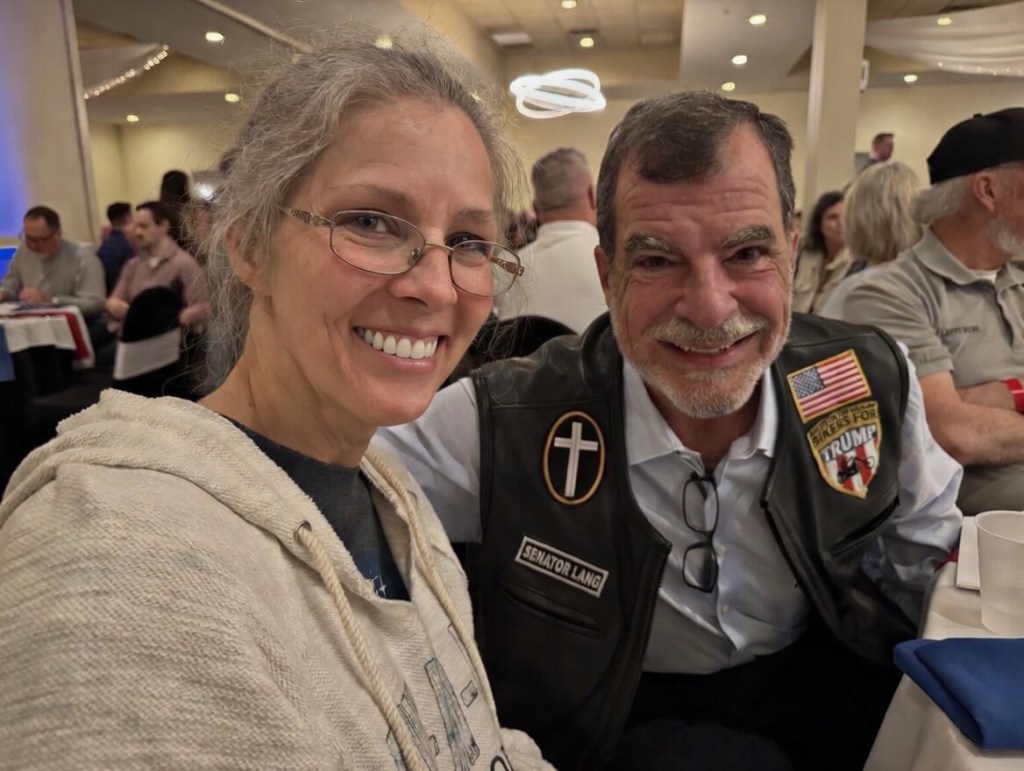
The Jaw-dropping Impact of David Flynn’s Work: Uncovering a lost history of Mars and the migration of people to Earth

I’ve talked about Cydonia: The Secret Chronicles of Mars by David E. Flynn before, but after diving into the newly republished edition, I felt compelled to share my thoughts in depth. This book, originally self-published around 2002 by End Time Thunder Publishers, was ahead of its time—a dense, brilliant exploration that ties ancient mythology, biblical narratives, and apparent anomalies on Mars into a cohesive narrative about humanity’s origins. Thanks to Timothy Alberino’s advocacy, including his foreword in the new edition released in early 2026 by Sunteleia Press (with contributions from Mark Flynn), it’s now more accessible in hardcover, paperback, and digital formats, reaching a broader audience ready for these ideas.

I wouldn’t have picked it up without Alberino’s influence. I’ve followed his work since Birthright in 2020, appreciating how he bridges scriptural truth with adventurous inquiry into giants, Nephilim, and posthuman themes. He’s a genuine explorer with a scriptural backbone, not the stereotypical “New Age” figure some might dismiss. His promotion of Flynn’s work—calling it one of the most consequential books ever written—sparked my interest. I grabbed the new edition as soon as it dropped, read it multiple times to let the concepts sink in, and recorded my podcast thoughts because this material deserves serious consideration.

Flynn was a high-IQ thinker who operated outside mainstream channels. Through his Watcher website in the 1990s and early 2000s, he delved into biblical ufology, eschatology, sacred geometry, and the implications of structures photographed in Mars’ Cydonia region—like the so-called “Face on Mars” from the 1976 Viking images and nearby pyramid-like formations. He argued these weren’t mere pareidolia but encoded remnants of a civilization that fled Mars after catastrophe, bringing knowledge to Earth. Myths from Sumer, Egypt, the Indus Valley, Greece, Rome, and even indigenous Americas trace back to this diffusion, centered in the Near East near Mount Hermon—the biblical entry point for fallen angels (Watchers) in the Book of Enoch.

In Flynn’s view, these “sons of God” descended, fathered giants (Nephilim), taught forbidden arts, and corrupted humanity, leading to the Flood. Post-flood, survivors or their cultural echoes rebuilt civilizations, with megalithic sites worldwide aligning on geometric grids—pentagrams anchored at Giza and the Prime Meridian. This “As Above, So Below” principle suggests Mars’ Cydonia as a template for earthly monuments, from Stonehenge to Ohio’s Serpent Mound. Flynn connected this to ley lines, occult symbolism (serpents, hyperborean origins), and mystery schools preserving elite knowledge while suppressing it from the masses.

I’ve long collected accounts of giants in Ohio mounds—newspaper clippings from the 19th and early 20th centuries reporting oversized skeletons unearthed during excavations, often dismissed or “lost” by institutions like the Smithsonian. Many researchers chase these leads, get excited, then fade when mainstream scrutiny hits. Flynn escaped that cycle by grounding his work in scripture and comparative mythology rather than pure speculation. He wasn’t chasing kooks; he was synthesizing evidence that scripture and emerging science increasingly align.

This shift—from fringe “New Age” shelves (Graham Hancock, Zecharia Sitchin, Erich von Däniken) to respectable inquiry—began with thinkers like Flynn and accelerated with Michael Heiser’s The Unseen Realm and Reversing Hermon. Heiser, a Semitic languages scholar, unpacked Genesis 6 without extraterrestrial leaps, focusing on divine council and supernatural rebellion. Alberino builds on this, applying it to modern threats like transhumanism. Reading Flynn after Heiser and Alberino feels like puzzle pieces clicking: ancient myths aren’t fiction but distorted memories of real events, possibly involving ultra-terrestrial and/or extraterrestrial contact preserved in Enochian texts and global lore.

Critics point to NASA’s higher-resolution images (Mars Global Surveyor 1998 onward) showing the “Face” as a natural mesa eroded by wind, with no artificial symmetry. Pareidolia explains much—humans see faces in rocks, just as in clouds or toast. Yet Flynn’s geometric arguments persist intriguingly: if alignments predict undiscovered sites, why not consider cosmic origins? Hallucinogens like ayahuasca induce shared visions across cultures, echoing cave art from Lascaux to remote tribes, suggesting subconscious or spiritual exchanges. UFO phenomena add layers—disclosure talks under recent administrations hint at deeper truths.

I want to go to Mars not to abandon Earth but to verify. SpaceX and commercial efforts make it inevitable; we’ll build habitats, explore, and likely find preserved ruins—pyramids, mounds, architectural echoes—on a stripped world. No thick atmosphere or active society buries evidence there. If we discover ancient civilization remnants 10,000, 100,000, or millions of years old, it redefines history: humanity as refugees or engineered arrivals, not isolated evolution. Myths become chronicles; scripture’s miracles include survival of truth through millennia.

Power structures suppress this—China buries pyramids to control narrative; mystery schools hoard knowledge for dominance. Flynn exposed that, self-publishing because no mainstream house would touch it. Early internet allowed geniuses like him to connect, compare notes at 3 a.m., and build followings organically. Alberino, inspired, helped republish it, giving it legitimacy. His podcasts dissecting it (dozens in his community) make it digestible.

This book shatters illusions but in a good way. As disclosure ramps up—political, technological, archaeological—we must prepare. Root-cause analysis demands we question origins beyond Darwin or uniformitarianism. Mars may have been part of our past, not just future. Stories of tragedy, survival, and migration from the asteroid belt (Phobos/Deimos as remnants?) to Earth explain gods’ names and shared archetypes.

I’ve read extensively—Heiser, Sitchin (for contrast), Enoch translations, Hoagland’s Monuments of Mars—and Flynn stands out as genius-level synthesis. It’s dense, requires rereading, but rewards with awe at God’s design amid cosmic drama. Humanity’s dominion over Earth includes exploring to reclaim lost truth, bringing heaven here as representatives.

In these times, with information exploding and institutions failing, books like this empower us. Read it on your terms before media forces the conversation. It prepares for paradigm shifts—good ones, shattering control for freedom.

Bibliography

•  Flynn, David E. Cydonia: The Secret Chronicles of Mars. End Time Thunder Publishers, 2002 (original); Sunteleia Press edition with forewords by Timothy Alberino and Mark Flynn, 2026.

•  Alberino, Timothy. Birthright: The Coming Posthuman Apocalypse and the Usurpation of Adam’s Dominion on Planet Earth. Self-published, 2020.

•  Heiser, Michael S. The Unseen Realm: Recovering the Supernatural Worldview of the Bible. Lexham Press, 2015.

•  Heiser, Michael S. Reversing Hermon: Enoch, the Watchers & the Forgotten Mission of Jesus Christ. Defender Publishing, 2017.

•  The Book of Enoch (R.H. Charles translation, 1917; various modern editions).

•  Hoagland, Richard C. The Monuments of Mars: A City on the Edge of Forever. North Atlantic Books, 5th ed., 2001.

•  Sitchin, Zecharia. The 12th Planet. Bear & Company, 2004 reprint.

•  Hancock, Graham. Fingerprints of the Gods. Crown, 1995 (for comparative ancient mysteries context).

•  NASA Mars mission archives (Viking 1976, Mars Global Surveyor 1998–2006, etc.).

•  Flynn’s Watcher website (archived materials via secondary sources).

Footnotes for Further Reading

1.  On Cydonia anomalies and pareidolia: NASA press releases post-1998; Carl Sagan, The Demon-Haunted World: Science as a Candle in the Dark (1995).

2.  Nephilim and divine council: Genesis 6; Deuteronomy 32; Job 1–2; Heiser’s works above.

3.  Alberino’s role: His X posts and The Alberino Analysis community podcasts on Cydonia.

4.  Giant mound reports: 19th-century newspapers (e.g., New York Times archives); critiques in mainstream anthropology.

5.  Sacred geometry/ley lines: Alfred Watkins, The Old Straight Track (1925); Flynn’s pentagram grid discussions.

6.  Disclosure context: 2020s UAP Task Force reports; SpaceX Starship/Mars plans.

7.  Myth diffusion: Joseph Campbell, The Hero with a Thousand Faces (1949).

8.  Mystery schools/esotericism: Manly P. Hall, The Secret Teachings of All Ages (1928).

9.  Enochian influences: Dead Sea Scrolls fragments; 1 Enoch translations.

10.  Mars exploration potential: Recent Perseverance rover findings; astrobiology papers on ancient habitability.

Rich Hoffman

More about me

Click Here to Protect Yourself with Second Call Defense https://www.secondcalldefense.org/?affiliate=20707