The ongoing debate surrounding Vivek Ramaswamy’s candidacy for governor of Ohio in 2026 reveals deep tensions within conservative circles, particularly among those who claim to champion an “America First” agenda. Critics, including figures such as automotive entrepreneur Casey Putsch—often referred to in informal commentary as “the car guy”—and far-right influencers such as Nick Fuentes, have launched attacks questioning Ramaswamy’s eligibility and loyalty based on his Hindu faith and Indian heritage. These criticisms, which include claims that he is an “anchor baby” or that his election would lead to Diwali celebrations in the governor’s mansion rather than Christmas, strike at the heart of what it means to be American. Such rhetoric is not only divisive but fundamentally at odds with the principles of merit, hard work, and shared national identity that the MAGA movement purports to uphold.[^1] I don’t think “far-right” is the right word; that’s the media word for it. But Hitler was a socialist, not a capitalist or a free-market personality. When we talk about political scale, we have Karl Marx on the left and Adam Smith on the right. And most people fit in somewhere along those viewpoints. But not in all cases. But when it comes to someone who declares that they are against someone running, and that is their purpose in life, as Casey the Car Guy has said, that opens up a whole set of new problems. Personally, listening to all these characters talk, I don’t think they harm Vivek Ramaswamy at all. They will actually help him with moderate voters, and the MAGA types will vote for Vivek because he’s Trump’s endorsed candidate. But the efforts to make a fire out of these little rebellions are more than telling.
Ramaswamy, born in Cincinnati to immigrant parents who arrived legally and built successful lives, embodies the American dream in a way that should resonate with conservatives. His parents instilled in him values of family, community, and respect—qualities evident in his devotion to his wife, children, and the state of Ohio. Far from being an outsider, Ramaswamy has deep roots in the Buckeye State, having achieved extraordinary success as a biotech entrepreneur through sheer intelligence and determination. Founding Roivant Sciences, he developed multiple FDA-approved drugs and grew his wealth independently, without needing political favors or handouts. This self-made status allows him to approach public service without financial dependencies, motivated purely by a desire to give back after building a fortune.[^2]
His political evolution further demonstrates a genuine commitment to conservative ideals. Initially apolitical, Ramaswamy entered the public arena critiquing “woke” corporate culture in his 2021 book Woke, Inc., which exposed how companies exploit social justice for profit. He followed with works like Nation of Victims and others that refined his platform against identity politics and in favor of meritocracy. His 2024 presidential run brought him national prominence, where he positioned himself as an unapologetic American nationalist, ultimately endorsing Donald Trump and briefly co-leading the Department of Government Efficiency before pivoting to state leadership. Trump’s full endorsement of Ramaswamy’s gubernatorial bid, along with backing from the Ohio Republican Party and figures like JD Vance, underscores his alignment with the movement’s core.[^3]
I have had a personal acquaintance with Ramaswamy over the years that reveals a man who has undergone a thoughtful arc: from a successful CEO impressed by independent, non-“woke” businesses to someone compelled to enter politics for the sake of his family and community. As I hosted events where Vivek interacted with Ohio innovators and saw how people away from Wall Street lived in the trenches, he was inspired; he saw the potential for the state to revive its industrial strength. His plan, reportedly shaped in consultation at Mar-a-Lago, aims to extend Trump’s agenda to Ohio—focusing on business-friendly policies, efficiency, and opportunity for all who embrace American values of hard work and innovation, regardless of background. I had a front row seat to this development in Vivek, and I understand it. I think it says a lot about him that he wants to step away from making money as he has and step into public service to give something back. After meeting him, I can say I know he loves his wife, his kids, his parents, and Ohio. And he feels he’s been fortunate in life, that he has a lot of talent in talking. And that he can give something back to Ohio so that more people can get a chance at success, too. That is what ultimately comes from Vivek Ramaswamy as governor, an extension of the Trump White House into Ohio. But, not a copy of Trump, but a new generation of innovation and opportunity from someone who has had great success and knows how to make spaghetti in the kitchen.
In contrast, the fringe criticisms leveled against him appear designed to fracture the conservative coalition. Putsch, a YouTube personality and founder of Genius Garage—a nonprofit teaching engineering through car building—entered the Republican primary, positioning himself as a purer “America First” alternative, decrying immigration and H-1B visas while accusing Ramaswamy of failing working-class Ohioans.[^4] Yet these attacks often veer into nativism, echoing the very identity politics conservatives decry. True conservatism demands testing ideas and character through rigorous debate, not exclusion based on ethnicity or religion. Ramaswamy’s family-oriented upbringing, success in the private sector, and willingness to serve without personal gain make him trustworthy and effective—qualities rare in politics.
Politics requires compromise and collaboration to achieve results; isolation and perpetual rebellion yield nothing. Ramaswamy understands this, having built coalitions across persuasions. He may need to adopt a scrappier style in the primary, punching back against baseless smears, but his trajectory positions him as the overwhelming favorite to lead Ohio forward—reviving its economy, supporting families, and carrying the Trump mantle effectively—the alternative—yielding to divisive saboteurs—risks handing power to Democrats and stalling the broader movement. Ramaswamy’s story is an Ohio story: one of opportunity realized through merit, deserving emphatic support.
It is a late entry to the race, this Casey the Car Guy challenging Vivek Ramaswamy in the primary. I think it’s an excellent opportunity for Vivek. Bloody campaigns tend to bring out the truth of things, and I think that will work well in favor of the Republican Party once the smoke clears. And Vivek won’t have any difficulty defeating the stringy-haired Amy Acton from the Democrat side. She will always be known as Mike DeWine’s girlfriend, the Lockdown Lady. She has a track record of destruction that will be very easy to defeat in the general. But first, Vivek has to win the primary, and Casey the Car Guy has invited himself to be punched in the face. And my advice to Vivek would be not to be so nice and, metaphorically, knock his teeth out.
[^1]: Far-right figures like Nick Fuentes have explicitly opposed Ramaswamy on religious and ethnic grounds, while Casey Putsch has framed his challenge around immigration and economic nationalism.
[^2]: Ramaswamy’s net worth, estimated at nearly $2 billion by Forbes in 2025, stems from Roivant Sciences and savvy investments; he graduated summa cum laude from Harvard and earned a J.D. from Yale.
[^3] Ramaswamy’s books include Woke, Inc. (2021), Nation of Victims (2022), and others articulating anti-ESG, pro-merit views; he received Trump’s endorsement upon launching his Ohio campaign in February 2025.
[^4]: Putsch, a Tiffin native running Genius Garage, announced his bid in December 2025 as an “America First” option, criticizing Ramaswamy on H-1B visas and foreign interests.
Bibliography
• Associated Press. “Trump-backed Vivek Ramaswamy wins Ohio Republican Party’s endorsement in 2026 governor’s race.” May 9, 2025.
• Ohio Capital Journal. Various articles on the 2026 Ohio gubernatorial race, 2025.
• Wikipedia. “2026 Ohio gubernatorial election” and “Vivek Ramaswamy.” Accessed December 2025.
• The Columbus Dispatch. “Who is running for Ohio governor in 2026?” December 18, 2025.
• Times of India and other outlets reporting on criticisms from Fuentes and Putsch, December 2025.
• Britannica and Forbes profiles on Ramaswamy’s biography and business career.
Witness statements indicated, “I was driving the northbound lanes of I-75 before Thanksgiving—just the steady crawl of rush hour through West Chester—when a shape where no shape should be caught my eye. Not a streak, not a flare, not the lazy oval of a blimp dragging an ad across the horizon, but a blue-gray rectangle that looked like someone had taken the idea of a stadium banner and carved it into geometry: thin, wide, and impossibly still against the evening sky. The first reaction was mundane: a banner tow. You see them every summer drifting over ballparks, or on fair weekends when traffic is thick, and attention is cheap. But banners have parents—a plane, a line, a sound. This object had none. It hung there, maybe five miles out over the Tylersville exit, tilted at roughly forty-five degrees of elevation, its edges too crisp to be cloud and too steady to be balloon. Ten minutes passed in that ordinary twenty-mile-per-hour way West Chester makes you count time. Then it vanished, not like a fade into haze or a slip behind trees, but like a television cut to black.”¹ ²
Dash cams make you honest in moments like that. One recorded the rectangle; a passenger kept describing it like a sign with no tether, and when the driver pulled up a tracking app, there was no aircraft to match the sightline or altitude. The account went into the National UFO Reporting Center—the place witnesses still go when something refuses easy categorization—as Report #194307, timestamped 5:02 PM local on November 22, 2025, with the witnesses noting “blue/gray,” “thinner than it was wide,” “not rising or descending,” and then the sudden “just vanished.” The details are banal enough to feel reliable—half a football field long, twenty-five yards tall, two observers—and they were posted publicly two days later, preserved among Ohio’s week of strange lights, triangles, and orbs, a familiar drumbeat to anyone who watches the sky and the database alike.³ ⁴
If you live between Cincinnati and Dayton, you learn two parallel languages for this kind of thing. One is the folklore of Wright-Patterson—the base up the road near Dayton, where Project Blue Book once lived. That’s the part of the Ohio myth that keeps a Blue Room and a Hangar 18 in the popular imagination, a Cold War apology of sorts, where pancakes analyzed as “terrestrial origin” and brake drums mistaken for meteors share archival space with seven hundred reports that stubbornly remain “unidentified.” The Air Force ended Blue Book in 1969, insisting they had found no threat and no proof of vehicles beyond current scientific knowledge, which is a bureaucratic way of saying: we saw a lot, we explained most, we couldn’t prove the rest. The legends survived anyway—Magruder’s alleged living alien, Goldwater denied access—and in every new sighting, the old echoes are never far.⁵ ⁶
The other language is more modern, even prosaic. Over the last few years, drone displays have taught us just how convincingly geometry can be painted onto the night. We’ve watched swarms draw logos and lattices, and we’ve seen how quickly human eyes—trained for jets and contrails—misread the choreography of coordinated LEDs. The Pentagon’s shift from “UFO” to “UAP” was meant to widen the frame and cool the fever, and some saner voices remind us that restricted airspace near bases and airports breeds both genuine hazards and exaggerated anxiety. In the more careful telling, many anomalies flatten into drones, balloons, or satellites—but not all of them, and the residue is where our curiosity lives.⁷ ⁸
So what do we do with a rectangle the size of half a football field, floating at a fixed altitude over one of Ohio’s densest corridors, unconnected to any tow, present for ten minutes, then gone? The instinct is to sort it into bins. First, the explainable: balloons can look rectangular when they present edge-on and when the light is low; banners misperceived from certain angles can hide their tow behind line‑of‑sight obstacles; even a drone swarm can, briefly, make you see a plane of light where none exists. NUFORC itself asks reporters to eliminate common misidentifications—such as Starlink trains, planetary brightness, and lens artifacts—before they submit, precisely because the database works best when the obvious is stripped away.³ ⁹ ¹⁰
Second, the engineered: a test article or a proof‑of‑concept flown where human attention is not just likely but guaranteed. There’s a plausible logic to public‑reaction tests—dense traffic, a holiday week, a shape that defies aerodynamics because lift, in a world of new propulsion methods, may no longer require wings, and then an exit, instant and clean, like a cloak or a switch. This is the territory where speculation about “anti-gravity” migrates from sci-fi to serious skepticism. Physicists will tell you—with justification—that gravity control would require overturning or bridging gaps in general relativity and quantum theory in ways that leave fingerprints in supply chains, training pipelines, and infrastructure long before you ever see a box in the sky. No such fingerprints exist in the open literature. But classified programs do not publish literature, and aerospace history is full of moments where rumors covered for stealth experiments—the F-117 era taught us that shadows can be policy.¹¹ ¹² ⁵ ²
Third, the truly anomalous: objects that violate expectations in ways that not only resist quick explanation but survive careful review. Congress has held hearings; videos have appeared of spheres surviving missile strikes; arguments rage between those who see proof of something nonhuman and those who see adversarial drones or doctored footage. In this climate, a rectangle over West Chester is a datapoint, not a revelation—proof only that ordinary observers can still capture experiences that are both specific and strange.¹³ ¹⁴
I keep returning to the witnesses’ matter-of-fact tone. They thought it was a banner. They looked for the plane. They checked a tracker. They watched ten minutes of banality turn into a cut‑to‑black. When you read enough reports, you learn to distrust melodrama and treasure the grocery‑list clarity: location, angle, size, color, duration, exit. And you notice patterns. The Middletown area has had its share—green lights, rotating clusters, sudden movements—sometimes later suspected as hoaxes, sometimes left open, but always recorded against the backdrop of a region that knows its sky is watched, both by enthusiasts and by institutions.¹⁵ ¹⁶ ⁴
West Chester isn’t a small place; nearly 67,000 people live there, more when you count commuters stacked north and south along the highway. Two reported this event publicly. You might read that as stigma or inattention or simply as the mathematics of surprise—most eyes look down in traffic, and most minds file anomalies under “not my problem.” I read it as exactly the reaction a test designer would want, if a test designer were the cause: enough witnesses to produce a credible record, not enough to produce a panic; a durable description; a fleeting presence. But I also read it as the kind of event that keeps the UAP conversation grounded in observation rather than theology. It happened; it was seen; it was logged; it remains unexplained.¹ ³ ¹⁷ ¹⁸
What I think—what I can responsibly think—is that the West Chester rectangle belongs in the small pile of structured, time-bound events with physical witnesses and minimal narrative inflation. It is not a banner because it lacked a tow; it is not a blimp because it lacked the telltale volume and motion; it is not a satellite or planet because it was near‑horizon, large, and dynamic; it might be a balloon if we can imagine a rectangular skin presenting edge‑on; it might be a projection if we can imagine sufficient power and stability in twilight air; it might be a test article if we can imagine the operational risk tolerance for flying a box over a suburban corridor. None of those conditionals settles into certainty. That’s the point.³ ⁹ ¹¹ ⁷
If you ask whether I think little green men took a leisurely hover over Butler County, I don’t. I think human curiosity and human capability—military, commercial, or hobbyist—explain most of what we see, and that the remainder is the frontier where we measure our assumptions. Project Blue Book concluded with the triad that has aged well: no threat proven, no extraordinary technology proven, no extraterrestrial vehicles proven. That’s not a denial; it’s an honest boundary. The rectangle over West Chester sits at that boundary, crisp against a November sky, now a record in a database, now a short local video, now a story told between rush‑hour brake lights, the kind of thing that keeps us looking up because for ten minutes—and then no minutes—it was there.⁶ ³ ⁵
And somewhere north on I-75, past the malls and office parks, a place that once housed America’s best cataloguers of aerial oddities bears the weight of our speculations. The myths around its hangars probably say more about us than about anything kept behind a badge line. But they remind us that Ohio has always been a stage for this theater: everyday people, skyward glances, reports written after kids are fed and dishes done, patience in the face of ambiguity. If the rectangle turns out, in five or ten years, to have been a test of optics or propulsion, we’ll nod and add a footnote. If it remains a rectangle without a parent, we’ll add a different footnote: seen, recorded, unexplained. That’s enough to warrant a paragraph in the ever-growing chronicle of UAP over America’s heartland, but not enough to satisfy the urges of curiosity and the need to know what we need to know.⁵ ⁶ ³
When you start connecting the dots across Butler County, the story becomes harder to dismiss. The West Chester sighting in November 2025 wasn’t an isolated anomaly—it echoes an almost identical event seven or eight years earlier over Monroe. That earlier case, often referred to as the “Middletown UFO,” even has video evidence circulating on YouTube. Two sightings, separated by years but sharing the same geometry and behavior, suggest a pattern rather than coincidence.
The Monroe incident carried an extra layer of irony for me. Just days before, I had recorded commentary criticizing the CIA, arguing that an unaccountable government agency posed a greater threat to society than any hypothetical alien landing at the old Lesourdsville Lake amusement park. Then, as if on cue, a highly defined UFO appeared in the sky over Monroe—right above the road, visible to anyone passing through. Was it occult synchronicity, a manifestation triggered by calling it out? Or was it a projection, seeded into the narrative to reinforce assumptions and steer public perception? Either explanation underscores a truth: the skies are not always what they seem, and the mechanisms behind what we witness may be far more psychological and technological than extraterrestrial.
In the case of West Chester, my view remains pragmatic. If you were an engineer testing cloaking or anti-gravity technology, you’d want real-world conditions—dense holiday traffic, a populated corridor, and proximity to a major Air Force base. You’d want to measure public reaction without announcing the test. And judging by the sparse reporting—two witnesses out of thousands—the experiment likely achieved its goal. That ratio is common in paranormal phenomena: many see, few speak. Stigma silences disclosure, and silence is the perfect cloak for those who prefer their work to remain invisible. In a society that should demand transparency, these events remind us how easily concealment thrives in plain sight.
—
Footnotes
1. NUFORC – West Chester Report #194307, details on date, shape, duration, and description (posted Nov. 24, 2025).
2. NUFORC – Ohio Index, showing the West Chester entry and contemporaneous Ohio reports on 11/22/2025. 1
3. NUFORC Databank (About/Indexes/Disclaimers) explains grading, common misidentifications, and posting practice. 2
4. YouTube: “UFO over West Chester, Ohio” (local upload summarizing the event and public interest). 3
I promised more context for why I hate the legalization of marijuana so much, and in the case of mass society, intoxicants. It’s not enough to say that drugs should be illegal; people need to understand why. And for me, it’s a battle of consciousness and who controls your thoughts. How can people, for instance, fight for small government and the benefits of an intelligent republic, but then surrender all thought through intoxication over to other forces that invade your personal sovereignty, and the most important at that, our minds and the thoughts that those minds produce? When smoke filled the air of an inner sanctum, it was never accidental. It was engineered. In the eighth century BCE, at the Judahite fortress shrine of Tel Arad, roughly thirty-five miles south of Jerusalem, two limestone altars stood before the threshold of the “holy of holies.” Laboratory analysis of the charred residue on those altars has now told us plainly what ancient worshipers were inhaling: on one, frankincense blended with animal fat to volatilize its perfume at higher temperatures; on the other, cannabis mixed with animal dung to slow‑burn at lower temperatures, releasing a psychoactive aerosol sufficient to induce altered states. The compounds identified—THC, CBD, CBN, terpenes, and terpenoids—leave no doubt that the cannabis inflorescences were burned not for fragrance but for ecstasy.¹ ² ³ ⁴ 1234
That is the kind of hard, physical evidence that strips away modern euphemisms. At Tel Arad, cannabis was a ritual technology. It was the apparatus by which priests or officiants crossed the threshold from sober perception to trance, much as frankincense, sourced via Arabian trade routes, made the sanctum smell like heaven even as cannabis smoke tuned human minds to hear it.¹ ³ ⁵ 135 The shrine’s use window, ca. 760–715 BCE, places it squarely in Judah’s political and religious turbulence, between the First Temple’s glory and the Assyrian pressure, when competing cults and high places dotted the land. The Arad altars stood not in a marginal folk‑site but in a fortress on the southern frontier—a liminal place in geography and consciousness.² ⁵ 25
The broader archaeology of Canaan corroborates that mind-altering substances were embedded in ritual. In the Late Bronze Age cemetery at Tel Yehud, archaeologists recovered imported Base‑Ring jugs shaped like poppy heads whose residues test positive for opium—likely associated with funerary rites and the cult of the dead, whether to raise spirits or ease the passage.⁶ 6 Across the Near East, ecstasy was not a fringe practice; it was a cultivated technique. Tel Arad’s twin altars memorialize that technique at the threshold of the inner sanctum, where incense regulated the smell and cannabis regulated the state of mind.¹ ³ 14
From that ancient record, one conclusion emerges that remains relevant today: cannabis was used to override sober cognition in a sacred framework. It did not sharpen judgment; it sought communion—voices, visions, feedback from a realm beyond ordinary waking life. Whether you interpret those experiences as genuine encounters with non-human intelligences or as products of hyper-stimulated neural circuitry, the public‑policy implication is the same. Normalizing marijuana enshrines altered consciousness as a cultural good. The more potent the product and the wider the adoption, the more a society tunes its public square toward ritualized disinhibition.
You can see the continuity of this logic in India’s long bhang tradition. Bhang, a paste made from cannabis leaves, has been woven into festivals like Holi and Maha Shivaratri for centuries, with references in Vedic literature and Ayurvedic lore and with colonial observers documenting its ubiquity.⁷ ⁸ ⁹ ¹⁰ 78910 Contemporary estimates run in the millions of annual consumers around major festivals, placing cannabis within a sacred calendar rather than on the margins of culture.⁸ 8 In visual culture, the art that issues from such states is strikingly consistent across continents: charged neon geometrics, entity‑forms, fractal mandalas—repertoire that echoes shamanic cosmologies from Siberia to Amazonia and now saturates modern psychedelic aesthetics. The continuity of motifs suggests a continuity of effect: the same kinds of altered states produce the same types of visions.
But where ancient priests burned cannabis to induce ecstasy within a small, controlled ritual community, modern legalization scales that effect to whole populations. That is where archeology’s lesson collides with public health. If cannabis is a portal, the portal’s throughput matters. Epidemiology repeatedly associates heavier or earlier cannabis use with increased risk of psychotic outcomes, observing dose‑response effects: meta‑analysis finds the heaviest users have odds ratios near 3.9 for schizophrenia or related psychoses compared with non‑users.¹¹ 11 A 2025 synthesis applying Hill’s criteria argues there is a high likelihood cannabis contributes to schizophrenia development overall, with a pooled OR ≈ 2.88 and roughly two‑fold greater risk for adolescent users.¹⁴ 12 More granular clinical work shows that in diagnosed schizophrenia, cannabis use is tied to increased positive symptoms (hallucinations, delusions) and higher excitement, even as negative symptom patterns can vary; no causality is claimed, but the association is robust.¹³ 13 And among people with schizophrenia, cannabis use is significantly associated with some suicide‑related outcomes, including elevated odds of attempted suicide and increased hazards for suicide death.¹⁵ 14
Jurisdiction-level studies add a societal lens. After U.S. recreational legalization (2009–2019), modeling shows +5.8% injury crash rates and +4.1% fatal crash rates in the aggregate, controlling for factors like unemployment, speed limits, seat‑belt use, rural miles, and alcohol trends—effects vary by state, but the direction is worrisome.¹⁶ ¹⁷ 1516 Systematic reviews converge on negative road‑safety impacts in most studies, and national surveys now find 4–6% of drivers self‑report driving within an hour of cannabis use, with risk perceptions conspicuously more lenient than for alcohol.¹⁸ ¹⁹ 1718 None of this proves that every consumer will suffer harm; it demonstrates that scaled access increases measurable externalities—most acutely among young men, high‑potency users, and those who combine cannabis with alcohol.¹² ¹⁸ 1917
So why invoke Tel Arad in a twenty-first-century legalization debate? Because it reveals what cannabis was for in a culture that canonized sacred space: it was for ecstasy, for crossing boundaries, for letting something else participate in one’s thinking. If you grant the metaphysical possibility that those “somethings” are genuine non-human intelligences, then mass legalization looks like opening a wide conduit into a population’s decision-making machinery. If you deny that and call the entities neural artifacts, the conclusion hardly changes: repeated entry into states that mimic external agency undermines habituated sovereignty and clarity—what a civilization requires for law, craft, and self-government.
There is also a moral claim at stake. Cultures thrive on lucidity—on earned competence and honest accountability. We do not need to romanticize intoxication because it looks antiquarian. Tel Arad was not quaint. It was precise. One altar perfumed the sanctum; the other hijacked cognition. Judah’s priests were innovating in ritual engineering, not engaging in harmless herbalism. The residue composition—the dung matrix, the cannabinoid profile, the deliberate temperature control—shows purposeful design to modulate consciousness.¹ ² ³ 123 That is the legacy modern marijuana culture inherits: techniques to create porosity. Legalization, commercialization, and age-neutral marketing scale porosity to a level ancient officiants never imagined, and the data on psychosis and road safety tell us the cost.
For these reasons, I reject marijuana as a cultural good. The Tel Arad shrine is a fossilized warning: cannabis has been a conduit into ecstasy in high places for a very long time, and cultures that survive do not hand their sovereignty to smoke. The way forward is not to sacralize intoxication, but to honor clarity—frankincense is fragrant; cannabis is psychoactive. The former perfumes a room; the latter reprograms it. Tel Arad did both. We should do neither.
David Jay Brown and Sara Phinn Huntley’s The Illustrated Field Guide to DMT Entities: Machine Elves, Tricksters, Teachers, and Other Interdimensional Beings (2025) brings this conversation into sharp modern focus. Structured like a naturalist’s handbook for hyperspace, the book catalogs 25 distinct entity types encountered in DMT and ayahuasca experiences—from self-transforming machine elves and mantis insectoids to reptilians, gray aliens, fairies, nature spirits, and divine forms like Grandmother Ayahuasca and the Virgin Mary. Each chapter includes encounter narratives from trip reports and scientific studies, rich descriptions of behavior, appearance, and the messages or teachings they impart, accompanied by visionary artwork from artists such as Alex Grey and Sara Phinn Huntley herself 12. The field guide poses a profound question: Are these beings mere constructs of the human psyche, or are they independent intelligences inhabiting other dimensions? That question lies at the heart of every cross-cultural psychedelic tradition, from Tel Arad’s cannabis altars to global shamanic rites.
The guide has not only attracted readers interested in visionary art or entheogens but has also gained credibility through endorsements from figures like Graham Hancock and through guest appearances by Brown and Huntley on platforms like the “Rebel Spirit Radio” podcast 3. Meanwhile, mainstream voices like Joe Rogan regularly revisit “DMT astronauts”—individuals who deliberately seek these entities for spiritual insight or practical guidance—and discuss whether contemporary governments and institutions might align with such interdimensional “high priests” to influence mass consciousness 45. This book is a frontier consideration into a new science of analysis and reinforces the core argument: humanity’s engagement with psychoactive smoke—from ancient altars to modern DMT breakthroughs—is not benign. It is a politics of consciousness intervention, where the line between personal sovereignty and external mental imposition is perilously blurred. And it’s very dangerous, and should under no rational endeavor, should ever be legalized in a serious society.
Footnotes
1. Arie, Rosen, Namdar (2020), GC‑MS identification of THC/CBD/CBN; animal dung/fat matrices; dating and functional interpretation. 1
2. Science News coverage of the shrine context, the cannabis–dung mixture, and THC levels consistent with altered states. 2
3. Taylor & Francis newsroom summary highlighting frankincense chemistry (boswellic acids) and deliberate psychoactive use of cannabis. 3
4. Times of Israel report: cannabis “to stimulate ecstasy” and implications for Temple ritual analogs. 4
5. Sci. News overview of shrine chronology, fortress border function, and compositional findings. 5
6. Biblical Archaeology Society: Tel Yehud opium residues in Base‑Ring jugs; cult‑of‑the‑dead context. 6
7. Wikipedia (summary with sources) on bhang as an edible cannabis preparation and festival use. 7
8. Firstpost explainer on Holi and bhang’s historical embedding; contemporary practice estimates. 8
9. IndiaTimes feature with Vedic/Ayurvedic references and colonial documentation of bhang. 9
10. SAGE review on the historical context and research state of cannabis use in India. 10
11. Marconi et al. (2016) meta-analysis: dose‑response; OR≈3.9 for heaviest use vs. non-use. 11
12. JAMA Network Open invited commentary (2025) summarizing evidence and Ontario cohort demographics; rising PARF after medical legalization. 19
13. eClinicalMedicine IPD meta-analysis (2023) associating cannabis use with higher positive and excitement dimensions in schizophrenia. 13
15. Psychological Medicine (2025) meta-analysis: cannabis use in schizophrenia linked to attempted suicide and suicide death hazards. 14
16. Journal of Studies on Alcohol and Drugs (2022): legalization associated with +5.8% injury crashes and +4.1% fatal crashes in aggregate. 15
17. IIHS bibliography summary of the same study’s methodology and state heterogeneity. 16
18. MDPI systematic review (2023) concluding negative impacts of legalization on road safety in most studies; risk profiles. 17
19. AAA Foundation (2024) fact sheet on DUI‑C prevalence (~4–6%), risk perceptions, and sex differences. 18
—
Bibliography
Arie, E.; Rosen, B.; Namdar, D. (2020). Cannabis and Frankincense at the Judahite Shrine of Arad. Tel Aviv, 47(1), 5–28. 1
Bower, B. (2020). An Israeli shrine may have hosted the first ritual use of marijuana. Science News. 2
Farmer, C. M.; Monfort, S. S.; Woods, A. N. (2022). Changes in Traffic Crash Rates After Legalization of Marijuana. Journal of Studies on Alcohol and Drugs, 83, 494–501. 15
Marconi, A., et al. (2016). Meta-analysis of the Association Between the Level of Cannabis Use and Risk of Psychosis. Schizophrenia Bulletin, 42(5), 1262–1269. 11
Argote, M., et al. (2023). Association between cannabis use and symptom dimensions in schizophrenia spectrum disorders. eClinicalMedicine, 64, 102199. 13
Pourebrahim, S., et al. (2025). Does Cannabis Use Contribute to Schizophrenia? Biomolecules, 15, 368. 12
Mulligan, L. D., et al. (2025). Cannabis use and suicide in schizophrenia. Psychological Medicine, 55, e79. 14
González Sala, F., et al. (2023). Effects of Cannabis Legalization on Road Safety: A Literature Review. IJERPH, 20(5), 4655. 17
AAA Foundation for Traffic Safety (2024). Cannabis Use, Public Health, and Traffic Safety (Fact Sheet). 18
Biblical Archaeology Society (2022). Narcotics used in Canaanite Cult: Opium in Late Bronze Age Graves. 6
Firstpost (2025). The Big ‘Bhang Theory’: Why Indians drink bhang on Holi. 8
IndiaTimes (2023). On Holi, a look at the tradition of using bhang and its legality. 9
These people never learn. When you are the front runner in a serious commissioner election in Butler County, Ohio, as Michael Ryan is, the dirty tricks trying to prevent his momentum are just the kind of thing that give politics a bad name. What starts you on the road to good health in politics isn’t kale or cardio, it’s truth without legalese, straight talk without a billable hour attached. I deal with lawyers all the time—good ones, bad ones, and the “print this from the shelf and scare them” variety—and my general opinion, even conceding that the profession began with noble intentions, is that far too much of it has drifted into a uniform intimidation racket. You’ve seen the type: the form-letter cease-and-desist that looks like an astrology reading for defamation, except the fortune costs you a retainer and the outcome is a long, nervous wait for a judge who usually tosses it after you’ve lost sleep and savings. The trick is the tone, not the law: it’s written to make you believe you must respond with a lawyer, because only priests of the temple may interpret the runes. I don’t like the practice and personally think it should be destroyed, and that the perpetrators of such legal manipulation should be thrown in jail and punished with career-ending justice, just for applying the kind of abuses of power that are all too common.
And then there’s this, additionally
This is why the old play of lawfare against rivals—especially in local races where reputations are accessible targets—needs to be called out. We’ve watched how it stains the process in Butler County. Roger Reynolds, who was convicted on a single count in late 2022, later saw that conviction overturned on appeal in May 2024 for “insufficient evidence,” with the appellate panel ordering an acquittal and discharge. The case centered on the golf academy idea tied to Lakota Schools and Four Bridges; the court noted that the proposal never matured, that the school board held the authority, and that the key witness’s legal counsel ended the discussion before any contract could be secured. 1234 In September 2024, the Ohio Supreme Court declined to restore him to the auditor’s office immediately (the seat had been filled due to the bar against felons holding office at the time of his conviction) but clarified he remains eligible to run in the future. 5 That’s the landscape: facts matter, timelines matter, and our politics should run on open argument, not legal intimidation.
Then there’s Cindy Carpenter. She recently walked into a student housing office in Oxford to resolve back rent tied to a family member. A surveillance camera caught her flipping off the counter during the exchange; staff alleged racist language and abuse of office. The Butler County Prosecutor investigated and concluded that her conduct, while “unseemly,” did not rise to the level of misconduct or abuse of power. 67 It’s all on tape and all public now; the gesture happened, the allegations were made, and the official finding closed the matter without charges. 86 You can dislike the behavior—I do—but voters deserve a campaign where candidates fight this out in daylight, not by hiring attorneys to stuff the mailbox of a rival.
Enter Michael Ryan. He’s a Hamilton City Councilman turned countywide candidate, and he’s collected a long list of conservative endorsements—state senator George Lang, multiple township trustees and councilmembers, and county auditor Nancy Nix among them—because he’s making the case for generational leadership and a forward-looking county agenda. 9 He launched his commission bid in May 2025, framing it around growth, jobs, and fewer distractions—promising to fight for every city, township, and village, and to recruit the next-generation workforce. 10 Ryan’s pitch has resonated in part because people are tired of courthouse drama and lawfare theatrics; they want a debate about budgets, infrastructure, and living standards, not another stack of demand letters mailed in bulk from counsel. And he’s not alone—the GOP field is crowded, with Reynolds and Carpenter in the mix for the May 2026 primary—but the voter mood described by local reporting is unmistakable: they’re weighing future capacity, not re-litigating yesterday’s trials. 11
Now, when the intimidation letter lands—as it did from Reynolds to Ryan—you don’t have to swallow the premise that only a lawyer can answer it. You can answer it yourself, plainly and legally, because the guardrail is still the Sullivan standard from 1964. New York Times Co. v. Sullivan was a 9–0 Supreme Court decision that put a constitutional backbone into defamation law for public officials: to win, a public official must prove “actual malice,” meaning the speaker knew the statement was false or acted with reckless disregard for its truth, and must do so with “convincing clarity.” 1213 The case grew out of a civil rights-era advertisement that contained factual errors; a local jury hit the Times with $500,000 in damages, but the Supreme Court reversed, explaining that debate on public issues must be “uninhibited, robust, and wide-open,” even when the attacks are “vehement” and sometimes “unpleasantly sharp.” 1415
If you want numbers: the jury’s original $500,000 damage award (an enormous sum in 1960) was wiped away; the final holding established a higher burden that has, for six decades, made defamation claims by public officials very hard to win without proof of knowing falsity or reckless disregard. 1514 In practical terms, that means campaign statements, press releases, and political commentary about public officeholders are protected—unless the speaker crosses the line into deliberate falsehood or reckless disregard for the truth. 1316 The standard is why you don’t need to hire a lawyer to say, “We disagree, and our statements are protected political speech,” and it’s why cease-and-desist letters are so often theatre: they depend on the recipient’s fear, not on an actual path to winning under Sullivan.
So let’s put it together. Reynolds’ single-count conviction was reversed; whatever lessons he took from the ordeal, sending form-letter threats at a rival to police campaign commentary is the wrong takeaway. 12 Carpenter’s apartment-office incident was embarrassing but not criminal; voters can judge her temperament, but the prosecutor closed the file. 6 Ryan, meanwhile, has stacked endorsements and is running an argument-heavy, growth-forward race; that’s where the energy is. 9 Let them debate. Let voters see who can build coalitions and deliver results without resorting to legal cudgels. And when the legal cudgel shows up anyway, answer it with Sullivan—because in American political life, the First Amendment demands a high tolerance for hard speech about public officials, and the courts have enforced that by design. 1315
In the decades since Sullivan, the Supreme Court clarified and extended the actual-malice requirement through several landmark decisions:
Gertz v. Robert Welch, Inc. (1974)
This case distinguished between public officials, public figures, and private individuals. The Court held that the actual‑malice standard does not apply to defamation claims by private individuals. Instead, states may allow recovery with a lower standard of fault—such as negligence—when proven, and plaintiffs are limited to actual damages unless actual malice is shown 12.
• Outcome: Private individuals need not meet the high threshold; states can define fault and damages within constitutional bounds 23.
Curtis Publishing Co. v. Wally Butts (1967)
Extending Sullivan, the Court held that public figures (like former coach Wally Butts) must prove actual malice to prevail in libel suits. The investigation in question fell short of reasonable journalistic standards, leading to damages after the Court found reckless disregard for truth 45.
Philadelphia Newspapers v. Hepps (1986)
When private individuals sue over speech on matters of public concern, the Court ruled they must bear the burden of proving falsity—not leave it to the defendant. This ensures truth holds primacy in public discourse and avoids chilling speech 67.
Hustler Magazine, Inc. v. Falwell (1988)
This case affirmed that even intentional infliction of emotional distress torts related to offensive parody do not evade the actual‑malice rule when a public figure is involved. Religious leader Jerry Falwell could not recover without proving that Hustler knowingly published false statements or acted with reckless disregard 89.
• Result: Political satire and parody targeting public figures are constitutionally protected—even if deeply offensive—absent false statements made with actual malice.
—
Together, these rulings illustrate how Sullivan’s actual‑malice standard has been reinforced and nuanced:
• It does apply to both public officials and public figures (Butts, Falwell).
• It does not apply to private individuals (Gertz), though they must still show fault and harm.
• Plaintiffs challenge private or public speech tied to public concern must prove falsity (Hepps).
These cases bolster the legal shield for political speech—underscoring that public dialogue outpaces legal intimidation unless clearly false and malicious.
We’ve seen it too often, when candidates in politics can’t make a good argument, they turn to lawfare and hope that the public perception of expensive lawyers will do the work for them of winning an office they otherwise don’t deserve. In Roger Reynold’s case, he is the one who got himself into trouble in the first place, and nobody wants to see that kind of trouble in the office of the Butler County Commissioners, just to repair the reputation of a person looking for respect that he lost during the process. There are other ways to win respect, and this isn’t how you do it. Showing leadership is the way to restore party integrity, not to make more rifts that cost more than reputations. And hiring expensive, pin-headed lawyers to send out form letters of intimidation on a case they know is phony as they sent it, is why there are problems in politics to begin with.
Footnotes
1. New York Times Co. v. Sullivan set the “actual malice” standard for public officials, requiring proof that the defendant knew a statement was false or acted with reckless disregard, and emphasized “uninhibited, robust, and wide-open” debate on public issues. 1314
2. The original jury verdict in Alabama awarded L.B. Sullivan $500,000 in damages; the U.S. Supreme Court reversed unanimously in 1964. 15
3. Former Butler County Auditor Roger Reynolds’ 2022 unlawful-interest conviction was overturned for insufficient evidence in May 2024; the appeals court ordered acquittal and discharge. 12
4. The Ohio Supreme Court, in September 2024, declined to restore Reynolds to office mid-term but affirmed his eligibility to run in the future. 5
5. Butler County Prosecutor Michael Gmoser cleared Commissioner Cindy Carpenter of misconduct after the Oxford apartment incident, noting the gesture was “unseemly” but not unlawful. 6
6. Michael Ryan launched his commission bid in May 2025 and lists numerous Republican endorsements on his campaign website. 109
7. Local reporting describes a crowded May 2026 GOP primary field for the commission seat and outlines competing narratives about experience versus future focus. 11
I’m not rooting for this new Avatar film to be a bust. I want the theaters breathing; I want popcorn machines humming; I want the marquee lights on for people who built these auditoriums and stuck it out through shutdowns, strikes, and the great experiment of “day‑and‑date” streaming. I’ve always liked the filmmaker; I’m not rooting for him to fail. But I can read a marketplace, and I can listen to what regular moviegoers tell each other—at the concession stand, online, at church, at work—and they’ll forgive almost anything except being lectured when they paid to be entertained. If the third one—this Fire and Ash one—lands, I’m happy for every exhibitor who cashes tickets and sells a few extra souvenir cups. If it stumbles, the reason won’t be the craft; Jim Cameron still builds technical worlds like few others. It will be the message mismatch in a market that has shifted under his feet. And that shift isn’t in our imaginations; it’s in the numbers. Opening weekend? $345 million globally, $88–89 million domestic—second‑largest global debut of 2025 behind Zootopia 2, but materially softer than The Way of Water’s $435 million holiday launch in 2022. The third film’s premium formats carried a heavy share—IMAX alone did $43.6 million, and 3D/IMAX accounted for 66% of grosses—proof that the draw remains “event tech” even when general interest cools a bit. 12
And yes, Jim Cameron knows exhibition math, over the years, he’s been the best at it; these films play for legs, not for a single weekend spike. The first one opened to $77 million domestically but camped at No. 1 for seven weeks and marched past $2.9 billion lifetime—still the all-time champ after reclaiming the crown via China re-release. The second one opened bigger—$134.1 million domestic—and legged out to $2.343 billion worldwide. So “Fire and Ash” starting below Way of Water doesn’t predetermine the finish line, but it does announce the current climate: domestic ticket buyers are more selective; they save their premium formats for must-see spectacles and otherwise wait for streaming. 34
Cameron bets that Fire and Ash can give Pandora a human core the audience bonds with again. He’s been telling the press that family—love, bonds, empathy—moved to the forefront after Way of Water’s reception, and that the “Ash People” show a different angle on the Na’vi. The studios pushed all of that: ABC’s primer explains the arc and the 197-minute run; USA TODAY walked folks through the romance pivot with Spider and Kiri; People and the official Avatar site laid out the December 19 release, cast, and creative. It’s all there if you want the meta‑story of the franchise’s evolution and Cameron’s tinkering to tune it to audience reaction. 5678
But I’m going to say the part people mutter in the lobby: Avatar is FernGully in space, Dances With Wolves in space, hippie parables in space. Beautiful, yes. Bioluminescent, yes. But the heart isn’t the creature; it’s the ride. You can see it at Disney’s Animal Kingdom—Pandora is a marvel of engineering; Flight of Passage is a technical knockout. People queue for hours, glow under the blacklight, and walk out saying, “That was cool.” Then they turn left and head for Everest or the safari. The land is loved; the Na’vi dolls are not driving retail like Marvel or Star Wars. Pandora is foremost an experience of tech and design. 910
That’s the sore truth Cameron wrestles with: he won the world by selling a technical spectacle and then tried to use that platform to teach environmentalism and human restraint to a culture whose purchasing habits—phones, trucks, streaming subscriptions—declare that they want harmony with technology, not a scolding about it. If you can make the metaphor land without the wagging finger, you’re in business. But modern audiences, especially domestic ones, have tuned their ears to “message movies,” and they pick them carefully. When they don’t like yours, you feel it in the Friday night cash drawer. Ask the theater managers: they’ll tell you that premium‑format demand spikes when the spectacle is undeniable—and the rest of the release slate lives or dies by word of mouth about fun, action, and escape, not the righteousness of the lecture. 1
And since we’re talking about keeping theaters alive, let’s talk economics. The domestic yearly box office has clawed back to $8.2 billion as of mid December 2025—up from pandemic lows but still well below the $11+ billion of pre-COVID years. Ticket sales around 726 million and an average price in the $11 range (with premium surcharges pushing the “effective” average higher for event weeks) tell you how fragile attendance remains even when tentpoles overperform. Zootopia 2 blasted the family corridor and crossed $1 billion in just 17 days—the fastest PG film ever to the milestone—demonstrating that when a title hits, America still shows up with kids and grandparents. But the recovery is uneven; mid-budget adult films continue to crater, and exhibitors need reliable pipelines of four-quadrant hits to pay the rent. 11121314
Operating a theater is unforgiving math: payroll, lease, utilities, insurance, and the studio’s cut, which is heaviest in the opening weeks. Concessions are the lifeline—popcorn and soda can carry margins north of 80%; ticket revenue shares may be 70–90% to studios in week one, easing toward 50/50 later. So the survival instinct for exhibitors is simple—give them blockbusters frequently enough that the concession engine runs hot, and use subscription programs to smooth the demand curve. That’s how you pay the $83K monthly OpEx and keep the HVAC humming. When tentpoles slide, and streaming conditions lead audiences to wait, that cash‑flow logic breaks down. 1516
Industry analysts tracked closures: roughly 5% of U.S./Canada screens gone between 2019 and 2022; AMC closed 106 net theaters through 2023; Regal/Cineworld shed dozens through bankruptcy. Foot traffic dropped by double digits across major chains in late 2023–mid 2024 because strikes delayed releases. Even with 2025’s steadier slate, domestic totals were still hovering in the low eighths by December, threatening fatigue if the holiday anchors didn’t deliver. That’s the context in which exhibitors watch Avatar 3: if it has legs, the end-of-year swing can push totals toward $9B; if it behaves like a front-loaded blockbuster without the legs, the last two weeks don’t bail out the ledger. 1718
Meanwhile, the streaming battlefield grew sharper. Households averaged 2.9 paid streamers, spending ~$46/month, with Netflix the most used; Amazon introduced default ads unless you pay to remove them; Disney tightened windows on high‑performers like Zootopia 2, stretching theatrical exclusivity into 2026. Consumers say inflation bites their entertainment budget, but they don’t cancel streaming easily; ad-supported tiers make the price stickier. All of that pulls casual theatergoers away from opening weekends—unless the title is a true “you gotta see it on the big screen” phenomenon. That’s the point: theaters remain vital for communal spectacles; streaming dominates convenience. 192021
So where does Cameron’s messaging collide with that behavior? Hollywood’s data on “woke” communication is complicated: some research finds inclusive advertising drives sales and engagement; other research warns consumers may perceive “woke‑washing,” eroding brand trust. In exhibition terms, the American audience isn’t a monolith—some will welcome explicit themes on environment, identity, or politics; others recoil if they feel preached to. When a movie becomes the avatar of a social crusade, it risks trading broad escapism for factional passion. That can be commercially fine when the target demos are wide (family animation, for instance). It’s harder when the film expects legions of repeat adult viewers to sustain $400M budgets. 222324
Technically, Cameron is still a master. The franchise’s premium format share proves that—audiences paid more than the average to see the images in the best way possible. Guinness World Records still catalogs the original’s mountain of achievements: the highest-grossing 3D film at the time, the fastest to a billion at the time, and global king. Way of Water reinforced that technical leadership, but here’s the 3D lesson of the last fifteen years: outside of Avatar (and a handful of bespoke releases), 3D became a surcharge for middling conversions. Audiences noticed; the novelty wore off. When Avatar returns, people remember, “Oh, this is what 3D is supposed to feel like,” and they show up in IMAX. But it doesn’t rehabilitate 3D as a default; it just says “this franchise is the exception.” That’s both a badge of honor for Cameron and a ceiling he can’t escape: as long as the brand’s primary hook is visual immersion, the story has to be world-beating to keep legs beyond the tech hit. 2526
You can ride that tech wave into theme parks. Pandora at Animal Kingdom opened in 2017 and became a crown jewel; it did exactly what the films do best—make you feel like you’re inside a place. But again, the halo is experiential. People gush about the floating mountains and Flight of Passage. They don’t fill shelves with Na’vi figurines the way they do Marvel characters. That’s not a moral judgment; it’s a merchandising truth that tells you what audiences connect to: the ride and the view. 10
Now, to the box office chessboard of 2025. Zootopia 2 became the highest-grossing American film of the year, blowing past $1 billion in record time for a PG title, with China acting as a rocket booster—over $430–$ 447 million there, second only to Endgame among MPA releases. Family content remains the most reliable play in a jittery market; inside Disney’s slate, you can see the split personality—animated juggernauts on one end, adult mid-budget dramedies like Ella McCay face-planting on the other. Exhibitors need the former to keep the concession margin pumping through the holidays, and they will take any Cameron-sized spectacle that keeps teens, dads, and gearheads buying premium tickets. 271314
On that score, Fire and Ash didn’t exactly bomb, initially—it managed to gain a $345 million worldwide opening and posted more assertive China than Way of Water’s first frame. But domestically, it’s under the sequel’s pace. Not the kind of performance that a film like this needs, given how many resources went into making it. They are expensive to make and market. And this kind of performance doesn’t come close to what the industry needs. Analysts called out the new reality: three years after Way of Water—without the thirteen-year nostalgia gap—brand saturation and the streaming habit create a ceiling. Cameron is competing against his own legacy. The question is legs: holiday weekdays that behave like weekends, repeat viewings in premium formats, and the overseas skew that has always been Pandora’s ally. If the film holds like the first two, the break-even—reported budgets of ~$400 million plus $150 million in marketing—demand $1B+ to be comfortable. Disney’s decision tree on parts 4 and 5 will look at those legs, not the Friday surge. 2829
But let’s say the worst happens and domestic audiences shrug after two weekends. What does that mean? It doesn’t mean theaters are doomed. It means studios must feed exhibitors with a genre spread that respects what Americans actually buy: action they can cheer, family movies they can share, comedy that feels “earned” not sermonized, and adult thrillers that find urgency beyond streaming. The market is proving it will sprint for the right reasons—look at 2025’s slate: Minecraft, Wicked: For Good, Superman, Jurassic World Rebirth—all fueled weekends over $90–160 million. The domestic total we saw in Box Office Mojo’s year page—low eights as of Dec 22—can still jump if the holiday corridor behaves and Cameron’s legs show up. But the macro trend is stubborn: we’re not at $11 billion, and we won’t be until release pipelines and consumer habits align. 1211
A word for the owners who lasted this long: your business is still, fundamentally, concessions powered by event content. Subscription passes (AMC Stubs A-List, Regal Unlimited) cushion attendance; laser projection, PLF screens, and dine-in service lift per-patron revenue. But your fixed costs don’t care about critical scores; they care about whether Friday brings teenagers who buy buckets of popcorn and dads who add an IPA. So when a Cameron tentpole arrives, you pray for the old magic: repeat viewings, premium surcharges, and a “must see on the big screen” vibe. That’s why, regardless of anyone’s politics, I want Avatar to do well enough to float the end of the year for the exhibitor class. 30
And the politics—since we’re being honest—matter in a way studios underestimated. The 2016–2025 period trained Americans to see media as partisan signaling. Some studies say inclusive marketing drives sales; other data points to backlash when consumers smell inauthenticity. The Bud Light saga, Target backlash, Disney controversies—they taught brand managers to avoid overt culture‑war stands unless they can carry the consequences. Films became lightning rods. When a blockbuster’s press tour tilts into liberal advocacy—it can polarize the chatter that would otherwise be “did you see that set piece?” Cameron seems to have steered Fire and Ash toward grief, family, and character, perhaps as a recalibration. But if the audience has already filed Avatar under “lecture about environment,” you need months of word‑of‑mouth to prove you’ve delivered a narrative they can feel passion for. 2231
Cameron at his peak was never “woke” in the modern meme sense; he was a master of romance in catastrophe (Titanic) and man‑versus‑machine (Terminator), of Marines versus xenomorphs (Aliens). Those are universal frames you fill with craft, pace, and heart. Avatar’s universalism is visual; its message is particular. The bigger the individual, the narrower the net. Maybe Fire and Ash, with Lo’ak’s POV and Neytiri’s grief, has found the core that makes Pandora feel like a home family fights for rather than a lecture on planetary stewardship. Reviews and audience scores suggest the gap between critics (67%) and audiences (91%) is real—if the crowd likes it, the legs can happen. That’s the best-case path: the people drown out the pundits and get their friends to go. 32
As for me, I’m still walking into Pandora at Animal Kingdom and grinning at the floating mountains. I’m glad the tech exists, but my wish this holiday is practical: give exhibitors enough cash flow to survive. Give them Zootopia 2 numbers every Thanksgiving and Cameron-sized legs every Christmas, and then scatter a year with mid-range hits that fill Tuesdays. Give the owners who survived a marketplace with streaming siphons and political crossfire a break. They’re the stewards of a civic experience—strangers laughing together in the dark—that no algorithm can replace. If Fire and Ash ends up short of the Way of Water’s heights, I hope it’s still long enough to keep the box office humming while studios recalibrate toward stories that are fun first, message second, and always worth buying a large popcorn for. And when the exhibitors tally the year—$8.2B domestic, maybe a late surge to $9B if the holiday miracles stack—they’ll know the path forward. Audiences haven’t disappeared; they’ve become choosier. Earn the trip. Earn the concession upsell. But a fair warning for Cameron and the rest of the Hollywood lefty types, when you find out that people don’t support your fantasy messaging for a Democrat platform at the movies, don’t be surprised that people reject you. 3311
—
Footnotes
1. “Box Office: ‘Avatar: Fire and Ash’ Powers to $345 Million Globally… Premium formats accounted for 66%; IMAX $43.6M.” Variety/Yahoo syndication (Dec 21, 2025). 1
2. Box Office Mojo: Avatar: The Way of Water totals and opening; franchise legs. 3
3. Wikipedia: List of box office records set by Avatar; regaining #1 worldwide via 2021 China re-release. 4
4. ABC News: “Everything to know about ‘Avatar: Fire and Ash’” including runtime and Dec. 19 release. 5
5. USA TODAY: Cameron’s emphasis on relationships; Ash People context. 6
6. People.com: Fire and Ash overview; Ash People framing; Dec. 19 release. 7
7. Avatar.com: official runtime, cast, awards notes. 8
8. Walt Disney World: Pandora – The World of Avatar land overview. 9
9. Pandora – The World of Avatar (Wikipedia): acreage, attractions, opening history. 10
10. Deadline: Domestic box office crossed $8B in 2025; holiday expectations tied to Fire and Ash. 33
You want the switch flipped in the storage locker, the last light turned off, and the chain of events made to click—clean, audible—like a bolt sliding home. So here’s the Brown shooter case, the way I see it, the way the case sounds when you’ve done the hard part and need the paperwork to catch up to the conclusion, but it never does, because that’s the nature of conspiracy. So, let’s start at Brown University, finals week, Barus & Holley—the engineering building, a first-floor classroom, kids huddled into a study session—and an assailant who walked in with a 9mm and fired around forty rounds, killing two, wounding nine, and triggering a search that ran across states and ended in a New Hampshire storage unit with a body, two pistols, body armor, phones, and the kinds of IDs and thumb drives that investigators comb for motives that never quite appear. The suspect: Claudio Manuel Neves Valente, 48, Portuguese national, former Brown physics grad student circa 2000–2001, withdrew by 2003, last known address in Miami. Claimed alone; matched by ATF/FBI ballistics; found dead by a self-inflicted gunshot wound; autopsy timed his death likely two days before discovery. The police narrative is linear, methodical, and, to their credit, supported: surveillance, a rental car, a license plate reader, a tip originating on Reddit from “John,” a mysterious witness who cracked the case open, tracing a grey Nissan with Florida tags to an Alamo rental, anchoring the suspect’s name to paperwork and video frames—then running the string to Salem, New Hampshire, where the locker doors were breached and the search ended. 12345
“Okay,” you say, “but MIT? How does Brookline link into Providence?” That’s where it gets tight: Professor Nuno F.G. Loureiro, 47, was shot in his home two days after Brown. Federal prosecutors say the suspect previously attended the same Portuguese university as Loureiro; classmates recall the suspect as brilliant but volatile. The U.S. attorney connected the rental car movements from Boston to Providence and back, and later to New Hampshire. ATF and FBI say two 9mm pistols recovered with the body correlate—one to Brown, one to Loureiro. Rapid DNA preliminarily matched the suspect to Brown-scene evidence. Motive? Unclear. But the official chain is stitched: a single offender acting alone, two crimes linked by ballistics, travel records, and surveillance timelines. 67358
I’ve seen neat narratives before—too neat, there are a lot of problems with this case. Homeless tip, locker, suicide, no interview, gun matches, case closed. We’ve been here many times before. San Bernardino had the ‘terrorism-or-not’ dance before the bureau put a label on it.” In 2015, the FBI designated San Bernardino as a terrorism homegrown violent extremist, self-radicalized. It took days; the public memory often compresses the sequence. But the record shows Comey’s official framing and the FBI’s documentation of the radicalization indicators, alongside caution that the attackers weren’t part of a larger network. That’s all in the transcripts and the DOJ-COPS incident review that dissected command and communications. I’ve covered this case extensively over the years, and the FBI clearly contaminated the crime scene with the media to shake the case into an easy conclusion where they controlled the narrative. 91011 This kind of behavior would later be revealed in Comey’s handling of the incoming presidency of Trump.
I’ve been around rooms where hit men get green lights and walk out with tacit immunity. I know the feeling of a case that’s been pre-sorted. I hear ‘MKUltra’ in the pattern of this Brown University shooting. Operation CHAOS ran domestically even when the charter said otherwise. Drugs. Leverage. Control. Charlie Manson—how do we not see it?” And this is where disciplined skepticism meets documented history. MKUltra happened. It was clandestine, unethical. Gottlieb ran it; LSD and other substances were tested on unwitting subjects; much of the paper trail was destroyed. That’s not “theory”—it’s recorded, investigated, and widely sourced. Operation CHAOS existed: inter-agency projects surveilling domestic movements amid Cold War paranoia, overlapping with the FBI’s COINTELPRO. Those programs are in official histories and journalism. Where the debate sharpens is the degree to which MKUltra or CHAOS tangibly shaped specific criminal acts or assassinations, and whether Manson was an instrument rather than merely a manipulative sociopath who exploited a drug-saturated counterculture. Tom O’Neill’s book CHAOS pushes hard on those linkages; Errol Morris’s 2025 Netflix doc explores O’Neill’s material while stating on camera he isn’t entirely convinced. Reason’s review captures that tension: dogged reporting, provocative connections, and a frank admission about what’s not proven. People Magazine and The Standard recapitulate the operation’s history and O’Neill’s framing. Wikipedia’s CHAOS entry, while tertiary, anchors dates and publication context. All of that gives you a scaffold: MKUltra and CHAOS are real; the “Manson-as-mind-control asset” remains a hypothesis with intriguing circumstantial roads and contested conclusions. 1213141516
Intelligence programs did pursue capabilities that, left ungoverned, warp into precisely the abuses I’m describing. In 2025, Brown/MIT investigators found no writings, no cohort, no direct ideological manifesto—no Islamist tie, despite early rumor fog. The autopsy nails suicide—the ballistics match. The timeline is complete with the standard drudgework—video canvases, LPR hits, rental contracts, financial traces, and an eyewitness who chased the suspect on foot and recorded enough detail to triangulate the car. If there’s an invisible hand, it left no fingerprints in the evidence boxes presented to the press, which is why controlling the narrative is so important in these cases, and is at the heart of the conspiracy, and the cover-up. These are authority figures who have lost the trust of the public because of their vast past incompetence. 123
Like the Brown killings and the Manson case, the Charlie Kirk hit has the smell of trained escalation. The record on Kirk is, tragically, public and detailed: shot on Sept. 10, 2025, at Utah Valley University, an outdoor event, a single lethal shot, a search, a strong consensus describing the act as a political assassination, with subsequent reporting documenting the suspect’s surrender and charges. Across mainstream outlets—PBS/AP live updates, USA TODAY analysis on rising political violence, ABC News coverage of the search, Fox’s timeline, and even Britannica’s digest—the event is treated as targeted political violence. No credible outlet has publicly substantiated an MKUltra-style control narrative here; the official storyline is a sniper attack amid a documented rise in politically motivated threats and violence across the spectrum. The timeline of the killer in that case, engineered radicalization through online interactions, the Furry culture, and likely drug use among the peers produced evidence of orchestrated programming that we’ll never learn about, because the same investigators who set up the scenario are the same ones doing the investigation. As long as they can put a logical ribbon on the story, the details will be lost to the whims of chaos. The present, verifiable truth is that assassinations “work” in the brutal arithmetic of power vacuums and coalition fragmentation; Matt Walsh’s comments on that point echo a centuries-old grim reality: kill one leader and you often create chaos rather than a million martyrs. 1718192021
We have a long history of the intelligence state learning to steer populations. Drugs are the lever; compromise is the clamp. Here, the record is mixed but consequential. MKUltra’s intent included behavior control. The technique set—psychoactive dosing, sensory manipulation, psychological breaking—was documented, condemned, and dismantled in public view. Operation CHAOS and COINTELPRO surveilled and infiltrated domestic groups. It’s fair—and historically supportable—to argue that those programs sought influence over mass behavior. It’s also fair to say that the cultural legacy—mistrust, prosecutorial skepticism, and persistent fear of engineered radicalization—survived well beyond the programs’ official end dates. O’Neill’s book treats Manson as a possible node in a larger pattern; Morris’s film examines but does not authenticate every link. That is the present epistemic posture. 1213
Now, let’s stitch the Brown/MIT narrative into cohesive, investigative, clean of rumor, clearly flagged as such, and consider the story under the lens of history. Start with the site: Barus & Holley, Providence, Dec. 13, 2025, 4:05 p.m. Shelter-in-place; grainy surveillance; early misidentifications; a person detained and later released Sunday; FBI announces a $50,000 reward Monday; a public map showing movements near campus; a “John” in the footage that police seek to identify. By Thursday, a breakthrough: a Reddit post about a grey Nissan with Florida plates, believed to be rented; “John” identifies himself; police find the rental company, pull the contract, and get the suspect’s name, plus video stills matching the clothing worn by the shooter. Then the license-plate readers point to the vehicle’s path; the car is seen intermittently around Brown from Dec. 1–12; the suspect travels, swaps plates to an unregistered Maine tag, and heads north; FBI SWAT executes warrants and finds the suspect dead in Salem, NH, at 9 p.m. Two firearms. A satchel. Body armor. Phones. Thumb drives. The autopsy on Friday calls suicide; estimates death occurred Dec. 16. ATF/FBI match the guns—one to Brown, one to Loureiro—and report preliminary rapid DNA linking the suspect to Brown-scene evidence. Press conferences at Providence and Boston lock the conclusion: one offender, two related crimes. No manifesto. No accomplices. Motive unknown. 122234235 The main question that arises, who is John from Reddit?
And now we had a mass shooter and an immigrant program intersecting at the podium, enough meat to wave away critics of the case with a shiny new toy. Within twenty-four hours, Homeland Security announces a pause on DV lottery-linked green card cases, the State Department pauses diversity visas, and the political layer lights up—evidence that the suspect entered on DV1 in 2017. Policy, blame, deterrence—the usual sequence. This is how a hidden hand remains so in these cases, how public bandwidth is used to conceal the real story; it is proof of the political reflex to attach immigration architecture to tragedies involving foreign nationals. That reflex is its own story. 724
The Brown/MIT case can be laid out in verifiable terms that contradict early social media claims about Islamist motives or campus cover-ups, because the ballistics and autopsy are hard facts, and the investigative timeline is coherently documented across outlets, conveniently, both guns were at the scene, set out nicely to remove all doubt. But we have a historical record: MKUltra’s existence, Operation CHAOS’s framework, COINTELPRO’s domestic operations, and the known ways agencies pursued behavioral leverage via drugs, surveillance, infiltration, and disinformation. From there, we can and should argue that modern patterns still exhibit the signatures of chaos management: misinformation storms, rapid political pivots, and neat closures that evade deep motive accounting.
Charlie Kirk’s assassination is a wound in the nation’s nervous system added to an already long list; the Brown/MIT chain is a wound in a university community; San Bernardino was a wound that aged into a permanent scar on policy and practice. In every case, the first narratives are unstable, and the final narratives may be incomplete. Reading back through O’Neill and Morris, through FBI releases and DOJ reviews, through PBS/AP live logs and USA TODAY retrospectives, you can say: America’s institutions have proven they can both investigate well and fail spectacularly; the intelligence state can both protect and overreach; and the line between manipulation and enforcement remains the most dangerous seam in our civic fabric. Drugs, kompromat, pressure—those are tools. The question is who wields them now and to what documented effect. And the crimes of concealment are in erasing the evidence before anybody can uncover it, such as witness statements indicating that the shooter yelled an Islamic reference during the killings, which turned out in the end to be reported, “he barked like a dog.”
What makes the Brown University case so unsettling isn’t just the violence—it’s the speed and neatness of the official narrative. A suspect identified, a body found, a motive declared “unknown,” and the story sealed before the public could even process the contradictions. If you’ve studied the history of covert influence—from MKUltra’s mind-control experiments to Operation CHAOS and COINTELPRO—you know these patterns aren’t new. They rely on complexity that exceeds the average person’s ability to digest, then offer a simplified explanation that satisfies curiosity without exposing the machinery behind it. That’s how power protects itself: by controlling not just events, but the interpretation of those events.
The lesson is bigger than one crime. When institutions learn they can steer perception, they will—whether through media framing, selective disclosure, or outright fabrication. Oversight exists for a reason, because unchecked authority becomes a self-perpetuating system of manipulation. Today, those same psychological levers pioneered in the Cold War are embedded everywhere: politics, advertising, entertainment, and yes, intelligence operations. The Brown case is a reminder that truth often hides behind the curtain of “closure,” and unless we demand transparency, the cycle will continue—quietly shaping the world while most of us accept the story we’re given.
—
Supplemental Notes & Footnotes (by topic)
Brown University shooting & MIT professor killing (Dec. 2025):
• Suspect identified as Claudio Manuel Neves Valente, 48; former Brown physics grad student; found dead by suicide in a Salem, NH storage unit; linked to both crimes via ballistics/DNA; motive unknown. 135
• Investigative breakthrough came via eyewitness “John” and a Reddit post about a grey Nissan with Florida plates; rental contract and surveillance confirmed ID; Flock Safety LPRs helped track the vehicle. 27
• Evidence recovered from storage unit: two 9mm pistols, ammo, body armor, multiple phones, thumb drives, IDs; FBI analyzing for motive. 4
• Autopsy: self-inflicted gunshot; estimated date of death Dec. 16; body found Dec. 18. 23
• Policy reaction: DHS and the State Department pause DV lottery-related processes after confirmation that a suspect entered via DV1 in 2017. 247
San Bernardino (Dec. 2015) for historical comparison:
• FBI officially designated the attack an act of terrorism, citing indications of radicalization and attempted destruction of digital evidence; emphasized no larger directed network. 910
• MKUltra: CIA mind-control experiments (1950s–’60s), led by Sidney Gottlieb; documented use of LSD and other methods; evidence partly destroyed; later investigations and bans. 12
• Operation CHAOS: CIA domestic surveillance/infiltration of antiwar/counterculture movements; referenced in O’Neill’s CHAOS. 14
• Tom O’Neill’s book CHAOS (2019) argues alternative linkages among Manson, MKUltra, and intelligence programs; Errol Morris’s 2025 Netflix documentary explores, but with measured skepticism. 13
• Pop and press summaries of MKUltra’s history and claimed Manson connections provide accessible context but are not dispositive proof. 1516
Charlie Kirk assassination (Sept. 10, 2025):
• Live updates and mainstream reporting document the assassination, search, suspect surrender/charges, and political reverberations; no verified evidence of MKUltra-style programming made public. 171819
• Commentary on the political impact and the grim efficacy of assassinations in creating leadership vacuums. 21
—
Bibliography & Further Reading
Primary/current-event reporting (Brown/MIT 2025)
• Boston Globe/Boston.com live coverage: “Man suspected of Brown University shooting, MIT professor slaying found dead in N.H. storage facility” (Dec. 18–19, 2025). 1
• ABC News: “What investigators know about suspected Brown, MIT shooter and hero tipster” (Dec. 19–20, 2025). 2
• USA TODAY: “What we know after authorities find Brown shooting suspect dead” (Dec. 19, 2025). 3
• NBC News live blogs (Dec. 19, 2025): suspect found dead; ballistics/DNA updates. 65
• CBS News live updates: motive sought; DV program pause. 7
The truth about affordability, because that’s the tired drumbeat the Left will pound all the way into 2026: “prices are high, blame the billionaire.” It’s the same old class-war script—paint the rich guy as out of touch, pretend the pain at the pump and the grocery store fell from the sky, and hope voters forget who built the scaffolding for that pain. The truth is, affordability has roots—deep, structural roots—in policy choices that take years to unwind. Unwinding is slow; rebuilding competitive markets is slower; letting innovation breathe is slower still. But it happens. And when it happens—especially around energy and health care—you feel it first in the path of prices, then in the path of opportunity. That’s the meat and potatoes of the issue that everyone needs to understand as we go forward.
Starting with health care because it’s so grotesquely obvious—the Democrats’ favorite talking point and, paradoxically, their favorite controlled market. What the public senses as “expensive care” is really an industry whose cost structure is defended by regulation, protected monopolies, and financial engineering that prioritizes jobs and margin over cures. Just look at the macro: national health expenditures reached roughly $4.9 trillion in 2023—17.6% of GDP—and blew past $5 trillion in 2024, with CMS projecting the health share of the economy could hit 20.3% by 2033. That’s not me speculating; it’s the official actuaries. They estimate spending growth of 8.2% in 2024 and 7.1% in 2025—outpacing GDP—driven by rising utilization and coverage levels. 1234 You don’t need a PhD in economics to hear what that says: health care, as currently constituted, is set on an upward cost glide path that eats the economy.
Dig beneath the top line, and you find what patients feel: hospitals posted double-digit spending growth in 2023; physician services accelerated; prescription drugs jumped more than 11% in 2023 alone. 1 These are not isolated blips—they’re part of a financing machine that has learned to monetize chronic decline. It’s the difference between maintaining weakness for revenue and making patients truly well, which would shrink the revenue base. That philosophical choice drives both policy and practice.
Layer in the private‑equity wave. In health care, PE ownership has expanded rapidly across hospitals, specialty practices, nursing homes, and ancillaries. Systematic reviews in BMJ and updates from Wharton’s HMPI synthesize dozens of empirical studies and repeatedly find what clinicians and patients suspect: PE ownership is most consistently associated with higher costs to patients or payers and mixed-to-harmful impacts on quality. Staffing skews downward, administrative pressure increases, and the exit horizon is 3–7 years, with debt piled onto the acquired entity. 56 Even JAMA’s coverage of the evidence lands in the same place: higher costs, quality concerns. 7 Now, to be fair, not every PE hospital outcome is catastrophic; a late‑2025 research brief found no excess closures and cost-cutting concentrated in admin rather than core medicine, though patient satisfaction dipped. 8 But the through‑line is unmistakable: financialization has bridged into care delivery, and the pass-through is inflationary for payers and patients. When you lace debt service, management fees, and rapid roll-up incentives on top of already rising unit costs, affordability dies by a thousand cuts.
And we haven’t even touched the bigger affordability architecture—consolidation and financialization across supply chains. Ten years ago, lean shops squeezed costs by owning their processes and competing in open markets. Today, in many sectors—manufacturing, food processing, distribution—the playbook is add-on acquisitions, platform roll-ups, and fee-driven intermediaries. Private equity has poured roughly $262 billion into U.S. manufacturing firms since 2020, explicitly to consolidate and “unlock value at speed,” while debt financing has been layered into an already fragile logistics environment. 910 The National Economic Council’s 2021–2024 Quadrennial Supply Chain Review lays it out in sober terms: critical chains—from energy components to pharmaceuticals and agri‑food—were brittle, policy‑distorted, and subject to non-market practices that amplified shocks. 11
Why should voters care about that alphabet soup of capital and supply chain policy? Because the price on your shelf has a genealogy. COVID made that visible; economists at Brookings argue that the inflation shock was largely supply-driven, with long lags as delivery times normalized and margins reset—proving that what breaks upstream ripples downstream for years. 12 The Richmond Fed estimates that about half of a disruption’s total effect comes from amplification through the supply network; shocks abroad propagate into U.S. GDP and inflation, and re-shoring, redundancy, and inventory carry real cost. 13 Translation: if you replace diversified mom‑and‑pop networks with concentrated platforms, then hit those platforms with a once-in-a-century shock and policy friction, you get sticker shock that doesn’t vanish overnight.
Then there are the minimum wage mandates, which I warned about a decade ago when Democrats pushed for them and which, mainly, got what they wanted during Covid—the bottom-up piece of the affordability puzzle. The Left sells them as “free money,” then acts surprised when menus and price tags jump. The CPI tells a straightforward story: food away from home rose 3.6% in 2024, outpacing grocery inflation, and industry groups show menu prices still rising into late 2025. 1415 CNBC put a fine point on limited-service meals: almost 28% price growth from 2019 to 2023—well above the overall CPI—driven in part by labor cost increases that chains passed on to customers, especially in high-mandate states. 16 The academic literature fills in the mechanism. Recent meta-analysis estimates a 0.03–0.11 price elasticity to minimum wage changes—meaning a 10% hike produces roughly 0.3–1.1% price increases, bigger in labor-intensive sectors like restaurants. 17 NBER and Upjohn surveys show mixed employment effects but clear evidence of slower job growth and hours adjustments over time, with price pass-through in narrow industries. 1819 And when wage floors leap in gig delivery, the “unintended consequences” are no longer theoretical; a 2025 NBER working paper tracking Seattle’s 2024 ordinance found base pay doubled per task, but tips and order volume fell, netting out the gains for most active drivers within a month while delivery costs popped and idle time rose. 20 All that flows straight into the affordability experience at the counter. If your value meal used to be $5 and now feels like $10, it’s not imaginary—the chain is absorbing higher mandated labor costs, higher input volatility, and a consolidated middleman layer that taxes every step. The macro data confirm the sting: food prices rose 2.5% overall in 2024, but restaurant inflation was higher, and eggs, beef, and insurance were outliers. 14
The other pillar in the affordability conversation is energy—because it feeds trucks, ships, harvesters, ovens, and heat. Here’s some good news: U.S. oil production set records through 2024 and 2025, with the EIA projecting record crude and gas output in 2025, and AAA reports December 2025 gasoline averages around $2.89 nationally—the cheapest December since 2020. That’s not partisan; that’s a supply reality. 212223 The EIA’s Short‑Term Energy Outlook expects Brent to settle near $55/bbl through 2026 as inventories rise, while dry gas production continues climbing. 24 In plain English: drilling and efficiency gains—especially in the Permian—have kept domestic supply high and prices stable, muting one of the biggest drivers of household pain. 25 So when we say a pro‑production posture affects affordability, this is the line we draw: more barrels and cubic feet, fewer spikes at the pump, cheaper freight, easier input cost for food and goods.
Affordability isn’t “high versus low prices in a vacuum.” It’s the architecture of how costs stack up: energy feeds logistics; logistics feed input prices; input prices feed menus and store shelves; health care premiums drain the checking account regardless. If your cost stack is built on regulated scarcity, consolidated intermediaries, debt‑service layers, and mandated wage floors, you’ve engineered inflation. If you reverse the stack—by increasing supply (energy), rebuilding distributed ownership (manufacturing and ag), and unleashing cures (health)—you engineer disinflation. And yes, it has a lag because capital redeployments and networks re-route over quarters, not weeks.
Now, about health care’s future—the part that sounds disruptive because it is. The frontier is not the following billing code; it’s gene editing, cellular regeneration, and targeted micro‑devices that fix the plumbing without cracking open the chest. CRISPR-based therapies have already crossed the FDA threshold for specific indications, signaling that programmable biology isn’t science fiction anymore, though current price points are eye-watering and regulatory guardrails are tight. 26 Stem cell advances proceed unevenly under FDA frameworks, but the pipeline is real, and the durability of regenerative approaches changes the calculus on chronic disease costs. 27 As for “nanobots in arteries,” let’s be scientifically precise: at present, that’s experimental vision—nanotechnology for targeted delivery and plaque management is under research, but widespread, approved deployment in the U.S. is still a few years away, as in 2030. The trajectory, however, is toward minimally invasive, programmable interventions that obviate today’s expensive, labor-intensive procedures. If you strip the hype and ask, “What happens to costs if cures replace maintenance?” the answer is radical deflation in medical services that today require giant physical plants, armies of staff, and recurring billing. The only things stopping acceleration are policy acceptance and risk-tolerant frameworks that protect patients while allowing innovation to scale.
That leads to the tricky question: do we design a system that keeps people sick slowly—so the machine gets paid—or do we create a system that heals fast, and then reallocates labor to growth sectors like space, advanced manufacturing, and AI-enabled industrials? We can’t flip that switch in two months. If you liberated regenerative and gene therapies tomorrow without adjusting reimbursement and licensure, you’d displace millions of jobs and crash legacy revenue streams. But over a decade, with clear lanes for innovation and targeted transition support, you can migrate human capital to sectors that compound prosperity—what I call the “space economy” and adjacent fields—so people live longer, healthier lives and earn across extended productive spans. Morgan Stanley and others project trillion-dollar trajectories in space-enabled services, manufacturing, and communications; the point isn’t the exact number, it’s the labor shift: from managing decline to building frontiers. 28
Affordability also lives in the home. Property taxes are the most visible local lever, and they’ve been creeping up. ATTOM’s national analysis finds the average single-family property tax bill rose about 5–6% in 2024 to roughly $4,300, while effective rates ticked slightly down as home values rebounded. The press summary in early 2025 pegged average bills around $4,172 and highlighted regional variance, with Northeast/Midwest rates higher. Different methodologies, same lived experience: homeowners feel the pinch. 2930 AAA talks about gas as one side of the ledger; property taxes are the other, especially in school-heavy budgets. The Lincoln Institute’s state-by-state comparison shows effective rates are a function of reliance on property tax, home values, and spending levels, with Detroit at the high end and Honolulu at the low end for homestead effective rates. Assessment limits can shift burdens onto new buyers—a silent affordability killer. 31 Economists even argue that higher property taxes can—counterintuitively—reduce entry prices and reallocate homeownership toward younger families by capitalizing the tax burden into lower upfront costs, though that shifts pain onto older and low-income owners. 32 My point isn’t that one tax tweak fixes affordability; it’s that you can’t jack up wages, ignore supply, and raise local levies without squeezing families from three directions. If wages must rise for entry-level dignity, then energy, health, and taxes must fall—or the squeeze is intolerable. That’s arithmetic.
Ask yourself: who broke the affordability architecture? Food-at-home inflation cooled in 2024—USDA pegs it at around 1.2%—because some inputs normalized after supply shocks, yet restaurants remained pricier because labor and overhead didn’t normalize. Eggs spiked again on disease resurgence; beef rose on low cattle inventories. 33 Meanwhile, gasoline trended down year‑over‑year into late 2025; the national average sat below $3 by December. 2223 None of that aligns with the “blame the billionaire” slogan. It aligns with policy levers: energy supply, wage mandates, consolidation rules, and the health care financing model.
So when critics sneer, “What does a billionaire know about affordability?” the answer is: affordability isn’t about your bank account, it’s about whether you understand the machine. In 2017-2019, we saw what pro-production energy, plus regulatory breathing room, can do—pump prices stabilized, and freight costs fell. In 2024‑2026, EIA projections show strong domestic output and soft global prices—potential tailwinds if you don’t throttle drilling or overregulate pipelines. 2124 In the next three to five years, health innovation could begin to bend the cost curve—but only if you let it. And over the same window, you can chip away at consolidation by encouraging distributed ownership, limiting fee extraction, and restoring competitive procurement in sectors like aerospace and ag.
Agriculture is instructive. USDA reports 1.89 million farms in 2023—down slightly—with land in farms also down and acreage concentrating in high‑sales classes. In 2023, farms with $500,000+ in sales operated roughly half of all farmland—a consolidation pattern built over decades. 34 ERS’s historical work shows crop acreage shifting persistently toward larger operations; livestock consolidation has been episodic but dramatic in some lines. 3536 Production expenditures climbed to about $482 billion in 2023, with feed, labor, and services dominating the cost share. 37 That’s not a mom-and-pop landscape; it’s an industrial farm economy whose cost base moves with energy, labor, and finance. If you push mandates and taxes up while tolerating monopolized inputs, you get $6 milk and $10 burgers.
Affordability doesn’t fix itself in a quarter. It takes enthusiasm and patience—years, not months. In a MAGA-style agenda, you’d do three things at once: push energy to keep gasoline, diesel, and electricity stable; open lanes for regenerative medicine and gene therapy with reimbursement and safety frameworks that accelerate cures; and de-financialize chokepoints in supply chains by favoring private ownership, competition, and transparency over fee-stacked intermediaries. The lag effect is real. CMS projects health’s share of GDP rising, not falling, through 2033 under current assumptions; turning that curve requires more than rhetoric. 38 But you can feel affordability improve in the interim if energy and freight stay tame and food inflation stays cooled—as the 2024 numbers did. 1433
The choice at the center of health care affordability, because it’s moral as much as economic: do we maintain people’s weaknesses to preserve a sprawling, union-protected, fee-protected medical services empire, or do we make them strong again—knowing we must redeploy those workers into frontier industries? If you want the second outcome, embrace innovation and plan the transition. The space economy, industrials, AI-enabled maintenance, precision manufacturing—those aren’t sci-fi; they’re labor sinks ready to absorb talent. 28 You don’t solve affordability by berating billionaires; you solve it by designing an economy that doesn’t require families to hemorrhage cash for energy, food, and maintenance of decline.
Today’s gas is under $3 in many regions. 22 Food-at-home inflation cooled to near 1%. 33 Health spending is still climbing because we feed the maintenance machine. 1 Minimum wage hikes push menus higher, especially in limited‑service. 1617 Consolidation and financialization tax every step of the supply chain. 1110 Property taxes squeeze homeowners even as effective rates wobble with valuation cycles. 29 If you want affordability, you have to unwind the stack that made it scarce—and that takes leadership, authentic leadership that is very hard to get and takes a lot of guts to utilize.
—
Footnotes
1. National health expenditures and projections: CMS NHE Fact Sheet and analyses indicate $4.9T in 2023 (17.6% GDP); projected 8.2% spending growth in 2024 and continued gains through 2033 to ~20.3% of GDP. 123
10. Seattle gig delivery minimum wage outcomes (2024–2025): NBER working paper coverage. 20
11. Energy production and prices: EIA STEO (Dec 2025), projections of record crude/gas; AAA national average ~$2.89 in Dec 2025; EIA weekly regional gasoline data. 24212223
12. U.S. oil production highs in 2025 (EIA/Reuters round-ups). 25
13. CRISPR therapy approvals and trajectory: FDA‑tracked approvals in 2023–2024; cost and regulation context. 26
14. Stem cell therapy/regulatory status: overviews and policy context. 27
15. Space economy outlooks and manufacturing metrics: NIST manufacturing report (2024) for macro context; industry projections. 28
16. Property tax trends: ATTOM 2024 analysis; Mortgage Professional America summary (2025); Lincoln Institute 50-state comparison; Minneapolis Fed analysis on property taxes and home prices. 29303132
17. Agriculture consolidation and expenditure trends: USDA NASS Farms and Land in Farms (2023); ERS “Three Decades of Consolidation”; AEI policy slides; NASS production expenditures (2023). 34353637
18. Food‑at‑home inflation easing in 2024; category specifics and 2025 outlook: USDA ERS Charts of Note. 33
(I wrote this before Trump signed that stupid pot executive order. I won’t write any more support for Trump, or speak favourably of him in any more videos. This article is still true, and is the case with Ohio in general. People can do what they want. For me, this is where I step off the Trump train. It was fun while it lasted. He said people from my side didn’t call him to warn him away from making that really dumb decision. Well, I warned him, and he did it anyway. So I’ve cooled off a lot on Trump and don’t feel like defending him any longer, as it’s a waste of my time. With that said, the facts of this article still hold. The Democrats are offering worse people, with even dumber ideas about pot and civilization in general. So the facts are the facts. But because of Trump’s all talk and no action on the essential things, and his alignment with pot, I am done with his administration. I took down all my Trump signs and got rid of all my Trump collectibles. I didn’t throw them away; I put them away and out of sight. They are part of history. But I am no longer as proud of Trump as I have been for 10 years. Needless to say, between him and the Democrats, Ohio will still pick him.)
Ohio didn’t suddenly sour on Trump because one online poll said so, and the breathless headlines that tried to turn a three-month, opt-in web survey into a pronouncement on the Buckeye State’s political soul tell you more about the media’s incentives than about voters. The story making the rounds came from Morning Consult’s December state-level approval tracker, which rolled up interviews from September through November and reported Ohio at 49% disapprove, 48% approve, 2% don’t know—net −1, same as Iowa. That is the entire basis for the “Ohio flips negative” narrative. It’s wafer-thin, within the plausible margin for any nonprobability sample, and it relies on online panel responses that are later weighted to look representative. If you know how Ohio votes, and who actually shows up on Election Day, the “flip” reads like a media convenience, not a signal. 12
Start with what the poll is, not what people pretend it is. Morning Consult’s state approval series is an online, quota‑- and sample-tracking program; they interview registered voters every day via a network of web panels, then weight those respondents to government benchmarks and past vote, and publish a three-month rolling average for each state. They’re transparent about it: a July 2025 methodology primer spells out the quota sampling, ranking, and the +/-1 to +/-6 point state-level margins, depending on population. In other words, these are not random samples drawn from a known frame of all Ohio voters; they are scaled, modeled estimates built from opt-in online interviews, aggregated across a quarter. That matters when the “movement” being hyped is a one-point net change. 34
If you want to understand why these numbers gyrate month to month, look at how they’re constructed. Nonprobability online panels can be excellent for speed and topic tracking; they also introduce two significant vulnerabilities in politics: coverage and self-selection. Every serious polling standards body has wrestled with this. AAPOR’s task force reports—one classic from 2013 and another extensive update in 2022—explain that opt-in online samples don’t give you known selection probabilities for respondents, so you rely on weighting and modeling to back into representativeness. That’s defensible for many uses, but it’s also where nonresponse and selection biases can sneak in, mainly when partisan participation differs across modes. The reports also catalog quality metrics to diagnose panel drift and response attentiveness; the punchline is that online panels can be made useful, but you must keep their inferential limits in mind. None of that supports turning a −1 net in a rolling average into “Ohio abandons Trump.” 56
It’s not just theory. The lived reality in Ohio has been three straight presidential cycles of double-digit rightward lean relative to the country and consistent Trump wins. In 2024, Trump carried Ohio by about eleven points—roughly 55% to 44%—adding more raw votes than he had in 2020, even as total turnout dipped slightly. That outcome reinforced the long glide from swing‑state status to reliable red terrain, with the GOP broadening margins across most counties. Anyone living here saw the on-the-ground coalition: working-age voters in exurbs and small industrial towns whose politics are shaped by affordability, energy, and cultural stability—not by who answers online surveys on their phone during lunch. That’s the fundamental disconnect between online approval tracking and honest Ohio elections. 789
Media framed the December tracker as a “flip” because it fits a larger storyline about Trump underwater in swing states and a blue wave threat in 2026, but step back and you see the core fact the headlines buried: even Morning Consult’s own map shows Trump net‑positive in 22 states, with Ohio and Iowa moving to net −1 inside an error band. When your method can swing a couple of points on panel composition changes or weighting updates, you don’t declare reversals—you caution readers. The Cincinnati Enquirer piece, which repeats the 49/48/2 figures, at least notes that margins vary by state and are derived from a three-month roll-up; it still presented the “flip” as a dramatic change without grappling with how fragile a one-point net is on an online panel. That’s precisely how suppression narratives work: take noisy readings, build a doom arc, hope the mood sticks. 110
Iowa and Ohio were singled out, but notice how the same tracker had Florida at 50/46 approval for Trump—net positive—and Pennsylvania at 47 approve/50 disapprove—basically what you would expect from a purple state. If you are trying to tell the story of collapsing support in former GOP strongholds, Florida’s numbers don’t help that narrative, so they get footnoted, while the two net −1 states get the spotlight. That’s selection by headline, not by method. And again, we’re talking about slim differences inside modeled margins: it’s a map designed for trend reading, not knife-edge pronouncements. 11
Now, to the core critique: online panels systematically underrepresent the kind of “silent majority” MAGA voters most common in Ohio. You can hear it in any shop floor breakroom: people who work fifty or sixty hours a week aren’t clicking survey invites, and they’re not keen on sharing opinions with strangers for points or coupons. AAPOR’s work on nonprobability sampling and online panels acknowledges the coverage problem and the dependence on weighting to correct for it. Pollsters like YouGov defend their panels as high‑quality with strong fraud detection and advanced weighting; they also admit that recruitment tilts toward the more digitally connected. Even when you calibrate to census and voter file benchmarks, you’re still correcting a nonrandom, volunteer sample. When the political signal you’re measuring is heavily driven by turnout and preference intensity among people who aren’t panel joiners, you can miss a lot of real-world support until ballots are counted. 12136
There’s also the “shy” question. In 2016 and 2020, analysts argued about social desirability creating a hidden Trump vote. The academic record is mixed: a Yale list experiment found no evidence that Trump support was under-reported; FiveThirtyEight suggested shy voters weren’t the main driver of error. On the other hand, the USC Dornsife team showed systematic differences across modes, with self-administered polls showing higher Trump support than live interviewer surveys, consistent with a discomfort effect. The newest work on social pressure finds cross-pressured partisans on both sides, with the aggregate bias likely dampened. Put all that together, and I’d call the shy effect situational, not universal—more relevant where stigma is high, less relevant in places where Trump is a social norm. In Ohio, especially outside a handful of urban neighborhoods, there’s not much stigma in saying you’re for Trump. The bigger bias here is availability: who answers at all—online, by phone, or at the door. 14151617
When the media reach for “approval” to make a case about electoral strength, they also conflate two different animals. Approval is a temperature check about job performance; elections are about choice under constraints—issues, opponents, down-ballot dynamics, mobilization, and rules. Look at Emerson’s December 2025 Ohio survey: it used mixed mode (cellphone text/IVR plus an online panel), and found Trump approval 46/48 among Ohio voters—again a slight net negative—, but in the same poll, Democrats gained some ground in governor and Senate horse races as women consolidated for Amy Acton while men stayed with Vivek Ramaswamy. That’s not a collapse; it’s issue sorting. It tells you that campaign narratives and mobilization matter more than a two-point swing in approval. And even Emerson’s series acknowledged that, since August, Trump’s approval fell by three points while disapproval rose by six—but the economy remained the top issue (44%), immigration (8%), and education (7%)—a profile that has historically favored Republicans in Ohio. 1819
There’s an additional wrinkle: turnout validation. When researchers link surveys to voter files, they consistently find that self-reported voting overstates actual turnout, and that this bias is disproportionately among the more educated and politically attentive—precisely the groups who are more likely to complete online polls. Harvard’s Kosuke Imai and UNC’s Ted Enamorado showed that once you validate against the voter file, inflated turnout claims drop, and the sample’s voting behavior looks more like the real electorate. If your online panel tilts toward habitual survey‑takers who also overreport civic activity, no amount of ranking thoroughly fixes the difference between “people who like to answer surveys” and “people who actually vote.” This is one reason approval and intention measures in opt-in panels can underperform in high‑salience elections—turnout composition swamps neat demographic weights. 2021
So what can you actually learn from the Ohio “flip” month? Two things: first, the national mood in late fall 2025 went sour around affordability and government dysfunction; national aggregates showed Trump underwater at the end of the shutdown, with Gallup at 36% approve, NBC/YouGov, and Quinnipiac similarly negative. That atmospheric dip can tint state panels—even red ones—for a few weeks. Second, you should watch trajectories across methods, not a single three-month roll-up. Emerson’s Ohio series put Trump’s approval in the mid-40s; Morning Consult’s national tracker had him in the mid-40s, too; RealClear’s compilation showed a spread across outlets from the high 30s to the mid-40s. All consistent with a choppy environment, not with Ohio turning blue. 2223
The media hook—“Ohio flips negative”—also ignores a simple, durable counter‑fact: elections here continue to break for Republicans, even when national approval wobbles. The 2024 map showed GOP dominance across nearly all counties, and state certification confirmed that Trump netted more votes than his 2020 Ohio total despite slightly lower turnout. That doesn’t happen in a state “flipping away”; it occurs in a state consolidating. 89
Let’s talk method faults more directly, because that’s the part that actually teaches you something worthwhile. Nonprobability online polling faces four recurring problems in U.S. electoral work:
First, coverage error. Not all likely voters are reachable or inclined to join web panels. Internet access is high, but panel participation has its own skews: time availability, digital comfort, and willingness to trade opinions for incentives. AAPOR’s reports and YouGov’s own methodology notes acknowledge this and lean on active sampling and propensity scoring to compensate. In practice, compensation helps; it does not erase differences in contactability. The working-age, shift-based voters who anchor Ohio’s GOP strength are precisely under-covered by panel culture. 125
Second, selection and nonresponse. Even if you invite a demographically balanced slice of your panel, the people who respond to political surveys at a given moment are not random. During periods of partisan enthusiasm, one side may “show up” more in surveys; during periods of disgust or cynicism, response rates fall unevenly. AAPOR’s 2022 task force walks through how response quality metrics can improve detection, but it doesn’t change the fact that in high‑polarization cycles, panel response is a mood-weighted sample. When affordability becomes the top issue—as it did in late 2025—people irritated with politics may be less inclined to answer; that alone can shift approval by 2 points without any underlying change in vote intent. 6
Third, mode effects. In political polling, live‑caller phone, IVR, text‑to‑web, and online panel surveys can produce different distributions, especially on sensitive questions. USC’s 2016 work showed online self-administered surveys yielded higher Trump support than interviewer-administered phone polls, consistent with social comfort patterns. In Ohio, where “Trump talk” is everyday in many communities, the mode effect probably flattens, but nationally, when media storms frame a narrative of controversy, online samples can absorb more activism from the left—people who like surveys and like being heard. That can tilt a short‑window tracker. 16
Fourth, translating approval to a vote. Approval is not a ballot. Ohio voters have repeatedly separated “job rating” judgments from vote choice, prioritizing affordability, energy prices, border policy, and cultural guardrails. Emerson’s December Ohio poll confirmed the issue stack: economy at 44%, then “threats to democracy” at 13%, healthcare at 11%, housing at 9%, immigration at 8%. That landscape, coupled with historic vote margins, suggests Republicans will remain favored unless they become complacent. A one-point net approval drift in a web panel doesn’t rewrite that reality. 18
Now, some readers will push back with other online trackers. Civiqs, for instance, had Ohio at 51% disapprove/44% approve of Trump in early December after the shutdown, and local coverage highlighted the dip among younger voters and college-educated respondents. That’s a data point; it shows how shifts in subgroup composition can affect approval. But even that report noted the split by age—50+ approve, 18–49 disapprove—and the gender gap. Translate that to turnout and geographic distribution—older voters vote more, and Ohio’s GOP strength is outside the big metros—and the electoral consequences look less dire than the topline suggests. 22
If you want Ohio-specific reassurance that the fundamentals haven’t changed, look at actual 2024 results and how they mapped across counties: red strength intensified almost everywhere; Democrats tightened only in a few suburban counties like Union, Clermont, and Delaware. The new coalition here is anchored in places the media rarely visits, and it shows up when it matters—not in online panels, but on paper ballots. That’s the silent majority phenomenon people talk about—not “shy,” just disinterested in surveys. 24
Two practical lessons for reading polls as we head into 2026:
First, weigh the method, not the headline. An online three-month tracker is useful for trend sense; don’t treat a one-point net as a regime change. Check whether other modes—mixed IVR/text, live‑caller statewide polls—show the same movement. In December, Emerson’s mixed-mode Ohio survey clocked Trump at 46/48 approval, consistent with Morning Consult’s national mid-40s; RealClear’s national batteries ranged from 39–46 approve, depending on the house effects. That triangulation tells you the mood was softer, not collapsing. 1823
Second, remember the reality of turnout and election timing. Polls measure talking; elections measure doing. Pew’s “validated voter” work makes this plain: the people who say they vote are not always the ones who do, and compositional differences matter more in midterms. The Ohio electorate that shows up in 2026 will look more like 2024 Ohio voters than like a national online panel. That means more weight on the working class and the 50+ cohort, less on the disengaged younger respondents who fill out online surveys between classes. 25
Gas will be under $2 going into the next election cycle. What matters politically: perceived affordability. Voters judge by weekly spend—fuel, utilities, groceries—and by whether they feel their community is stabilizing or fraying. Trump’s rallies have leaned hard into affordability and border policy precisely because those resonate in Ohio. Even the USA Today roundups that touted the “flip” acknowledged that Florida remains net‑positive on Trump and that national averages ticked up slightly after the November low. If energy stays cheaper and wages steady, approval will follow—but more importantly, votes will hold. 11
Is the left trying to plant suppression narratives through poll headlines? Of course, that’s politics. The tactic is as old as Gallup: shape mood, depress the other side’s excitement, declare inevitability. The antidote is local reality: county maps, early vote patterns, precinct work, and actual field operations. Ohio Republicans have a structural advantage here; if they keep “same‑day, paper, ID” as a rallying cry and focus on precinct captains instead of Twitter fights, they’ll out-organize online sentiment. The 2024 map already proved the coalition is resilient. 8
For readers who want receipts—the footnotes that help you judge the robustness—here’s a compact reference set you can use whenever the following “flip” headline drops:
• Morning Consult’s tracker and its state-level methodology primer, detailing the three-month roll-up and weighting to CPS benchmarks. 23
• The Cincinnati Enquirer and USA Today write-ups that summarized the December update (the 49/48/2 Ohio figure and the context of 22 net‑positive states) are useful to see how reporters framed the same dataset. 111
• Emerson College Polling’s December 2025 Ohio survey, showing mixed‑mode data for gubernatorial and Senate matchups and Trump approval at 46/48 with issue salience led by the economy. Local TV and NBC4 coverage of that same poll adds clarity on sample size (n≈850, MOE ±3.3). 1819
• Civiqs-based local coverage indicating a post-shutdown approval dip (Ohio 51 disapprove / 44 approve), with subgroup splits by age and education—worth reading but always weighed against turnout patterns. 22
• The election result confirmations: NBC News Ohio 2024 live results (55–44), county breakdowns from NBC4, and certification notes from Cleveland.com on turnout and vote totals. These ground everything. 789
• AAPOR’s nonprobability sampling reports (2013; updated task force on online panels and data quality metrics in 2022/2023). These are the “how the sausage is made” documents for opt-in online surveys. 5626
• Mode‑effect and shy‑vote literature: Yale’s list experiment (no shy effect), FiveThirtyEight’s skeptical analysis, USC’s 2016 mode comparison, and recent work on social pressure showing cross-pressured partisans on both sides. Use these to push back when someone waves “shy voters” as either a cure-all or a fantasy. 14151617
• Turnout validation studies: linking surveys to voter files to debias self-reported voting, which underscores why online samples overrepresent habitual survey‑takers. 20
If you collect those sources, you’ll see how flimsy the “Ohio flips negative on Trump” headline is in methodological terms. It’s a cautious tracker’s small net move during a rough national month, not a realignment. And even inside the tracker’s own series, Florida and other GOP states remained net‑positive, with the number of above-water states still exceeding similar points in Trump’s first term. The narrative breaks under its own weight. 11
What should Ohio Republicans do with this? Treat it as a lesson in media jujitsu. When a web panel drifts two points, smile and keep organizing. Push precinct-level turnout plans, show up in the workplaces and churches where surveys don’t go, and keep beating the drum on affordability with receipts: local gas averages, utility bills, grocery basket comparisons over six months. You don’t need a poll to tell you what the checkout line tells you. And if you want a poll, prefer mixed‑mode, registration-based samples connected to the voter file (SSRS’s Voter Poll methods statement is a good model). Those designs reduce the self-selection bias of pure opt-in panels and tend to track the actual electorate more accurately. 27
Ohio didn’t flip. It yawned while national pundits tried to turn a rounding error into prophecy. The people who will decide 2026 are not filling out online “approval” pulse checks; they’re making shifts, fixing machines, and then voting. And when you look past the headlines to the county maps and the validation studies and the complex math of turnout, the story is the same one you’ve seen for three cycles: Ohio is MAGA country, not a trending blue lab experiment. Polls will keep trying to tell a different story because it sells. But the ballots—paper, same day, with ID—are what count. Those who have told the truth about Ohio for years now will continue to do so. 7 Ohio won’t turn away from Trump in exchange for the kind of people who buy lottery tickets and fill out online polls.
—
Sources for further reading (a handy set to clip under the essay body for footnoted context):
• Morning Consult state tracker and methodology: “Tracking Trump” and “Methodology Primer—State‑Level Tracking (July 2025).” 23
• Local coverage of the December Ohio/Iowa net‑one reading: Cincinnati Enquirer; USA Today overview. 111
• Emerson College Polling—Ohio (Dec. 6–8, 2025) plus NBC4/WLWT write-ups. 181928
Trump did what he should not have done, and I can no longer support him the way I have for ten years. It’s time for me to move on to other things and people. To put it mildly, we’re talking about a Tree of Knowledge of Eternal Life issue, where pot is the snake in the garden, trying to push humanity to eat from the Tree of Knowledge of Good and Evil. God puts all these trees in the garden, but wants human beings to make free choices about what is best. And this is one of those kinds of issues. Can a plant be evil? Sure, it can; the snakes of the world will, of course, say no.
Donald Trump’s decision to reclassify marijuana from Schedule I to Schedule III is, in my view, a catastrophic mistake. It’s not just a technical change—it’s an open door for the cannabis lobby and progressive forces that have been pushing for mass legalization under the guise of “medical necessity.” This move mirrors the same vulnerability Trump showed during COVID: trusting white-coat experts who present themselves as saviors while advancing agendas that weaken society.
Cannabis is not harmless. It’s a gateway drug, a cognitive depressant, and a cultural detriment. Studies link marijuana use to lower IQ, impaired memory, psychosis, and increased risk of schizophrenia. Emergency room visits and traffic fatalities spike in states after legalization. THC potency has skyrocketed, amplifying addiction and mental health crises. These aren’t fringe claims—they’re documented realities.
The argument that marijuana is needed for pain relief is a false choice. We should be solving cancer and chronic pain at the root, not normalizing an intoxicant tied to decades of social decay and, yes, deeper occult influences that seek to compromise human clarity and autonomy. Legalization advocates have always framed this as compassion, but the real goal is control: a dulled, compliant population.
Trump thinks this is an 85% approval issue. He sees polls, not principles. But leadership isn’t about chasing popularity—it’s about protecting civilization from corrosive forces. On this issue, he failed. For me, it’s a deal-killer. I’ve supported Trump for a decade, but endorsing marijuana—even under the medical banner—is embracing evil. Ohio’s recent rollback of legalization shows the right path: resist the progressive push, restore sanity. Donald Trump’s decision to reclassify marijuana isn’t just bad policy—it’s political deceit. He waited until the Christmas season to slide this under the door, the same way Obama did with Obamacare, hoping conservatives would be distracted. He announced it right after addressing the nation and during the release of the Epstein findings, burying the story behind bigger headlines. That’s not leadership; that’s manipulation.
Why? To appease his new left-leaning allies—the Kennedy health crowd and cannabis advocates who’ve been pushing this agenda for decades. Trump gave them a bone, thinking it would broaden his coalition. But in doing so, he embraced a cultural Trojan horse. And the enemies of our nation are hidden inside, clapping because they see in Trump a sucker they easily manipulated and turned into their weapon of doom.
This isn’t about being rigid; it’s about survival. Drugs erode minds, and compromised minds are easy to control. Trump got played, and America will pay the price if we don’t fight back. What follows may be heavy on the legal terminology and statistics. But the evidence is quite extensive, and for those who need further proof, well beyond just opinion, well, here it is:
On December 18, 2025, President Donald J. Trump signed an executive order directing federal agencies to expedite the rescheduling of marijuana from Schedule I to Schedule III under the Controlled Substances Act (CSA), the most consequential U.S. cannabis policy shift in over half a century (White House Fact Sheet, 2025; POLITICO, 2025). The action accelerates a process begun after the Department of Health and Human Services (HHS) recommended Schedule III in August 2023 and the Drug Enforcement Administration (DEA) issued a Notice of Proposed Rulemaking in May 2024 (CRS, 2023; DEA, 2024). While rescheduling may ease research constraints and alter tax treatment, it does not legalize recreational use nor eliminate associated public-health risks (POLITICO, 2025; All About Lawyer, 2025). But it is an open door to the pot advocates which is trying to ignore the evidence on neurocognitive outcomes, addiction epidemiology, psychosis risk, pediatric exposures and emergency presentations, and traffic safety to assess ethical and policy implications—using Ohio’s late-2025 legislative retrenchment as a case example (Ohio Capital Journal, 2025; Cincinnati Enquirer/USA Today, 2025).
President Trump’s order directs the Attorney General to complete rescheduling to Schedule III, aligning with HHS’s 2023 scientific review that recognized currently accepted medical uses for marijuana (White House Fact Sheet, 2025; CRS, 2023). Media and legal analyses concur that the order expedites but does not itself finalize DEA rulemaking—and thus does not legalize adult-use marijuana at the federal level (POLITICO, 2025; All About Lawyer, 2025). The DEA’s 2024 proposed rule explicitly states that even if marijuana moves to Schedule III, manufacture, distribution, and possession remain subject to applicable controls, and FDA drug-approval requirements still apply (DEA, 2024). At the same time, the executive order frames rescheduling as a research- and access-facilitating initiative (White House Fact Sheet, 2025). Which I propose is a declining state of any nation, once that path is opened to public acceptance.
2.1 Longitudinal Evidence of Cognitive Decline, the Dunedin cohort (n≈1,037) provides prospective evidence: persistent cannabis use beginning in adolescence was associated with an average drop of ~8 IQ points between ages 13 and 38, with broad impairments in memory and executive functions; reductions were not fully reversed by cessation (Meier et al., 2012; Nature News, 2012).
2.2 Methodological Challenges and Confounding, critics argue that socioeconomic and familial confounders may explain part or all of the observed IQ decline, warning against strong causal claims from observational data (Rogeberg, 2012).
2.3 Consensus Reviews. Authoritative reviews conclude that regular adolescent use is associated with deficits in learning, attention, and memory, with stronger evidence for harms among youths (Volkow et al., 2014 NEJM).
Cannabis can lead to clinically significant use disorders. Classic estimates report ~9% dependence among experimenters, rising to ~17% for adolescent initiators and 25–50% for daily users (Volkow et al., 2014). JAMA Psychiatry analyses found that past-year marijuana use doubled from 4.1% (2001–2002) to 9.5% (2012–2013), and nearly 3 in 10 users met criteria for a marijuana use disorder; overall past-year cannabis use disorder prevalence reached ~2.8% of U.S. adults (Hasin et al., 2015; Columbia Mailman School release, 2015). Prospective U.S. data link baseline cannabis use to elevated odds of subsequent alcohol, cannabis, other drug use disorders, and nicotine dependence, even when adjusting for extensive confounders (Blanco et al., 2016).
Case-control and multicenter studies associate daily use—especially of high-potency cannabis—with substantially higher odds of first-episode psychosis (adjusted OR ≈3.2 for daily use; ≈4.8 for daily high-potency), and estimate population-attributable fractions up to ~30% in London and ~50% in Amsterdam under high-potency exposure scenarios (Di Forti et al., 2019; King’s College London, 2019). Danish nationwide registry analyses (n>7 million) report that the fraction of schizophrenia cases attributable to cannabis use disorder rose from ~2% (mid-1990s) to ~6–8% since 2010; among young males, PARF estimates reach ~15% by 2021 (Hjorthøj et al., 2021; Hjorthøj et al., 2023). Critiques caution that genetic and environmental confounding may inflate causal interpretations; however, registry time-trend analyses and sensitivity checks strengthen the case that rising potency and heavy use contribute materially (Gillespie et al., 2019; ESPE Yearbook summary, 2022).
Following legalization in Colorado, pediatric poison-center calls and hospital visits for marijuana exposures increased, with edibles frequently implicated; rates roughly doubled in hospital data and quintupled in poison-center reports from 2009 to 2015 (Wang et al., 2016 JAMA Pediatrics; ScienceDaily, 2016). Subsequent analyses through 2017 confirmed continued increases despite packaging reforms (Clinical Pediatrics, 2019). Recent U.S. pediatric hospital-system data (2016–2023) show sharp rises in adolescent cannabinoid hyperemesis syndrome (CHS) emergency-department encounters, with higher rates in recreational-legal states, though increases occur in both legal and non-legal settings (Toce et al., 2025).
Meta-analyses indicate that acute cannabis use is associated with increased motor-vehicle crash risk—approximately 1.2–1.9 times higher odds overall, with stronger associations in fatal collisions and case-control designs; combined alcohol and THC further magnifies risk (Asbridge et al., 2012 BMJ; Rogeberg & Elvik, 2016 Addiction). Updated reviews summarize impairments in reaction time, attention, and lane keeping, and recommend conservative post-use waiting windows (≈6–8 hours inhaled; ≈8–12 hours oral) (Cannabis Evidence, 2025).
In December 2025, Ohio enacted SB 56, banning most intoxicating hemp outside licensed dispensaries, vetoing THC beverages, lowering THC caps, criminalizing possession of products purchased in other states, and tightening public-use rules—changes framed as child-safety and regulatory harmonization (Ohio Capital Journal, 2025; Cincinnati Enquirer/USA Today, 2025). Reporting notes that the law rolls back portions of the voter-approved 2023 statute (Issue 2) and may trigger legal and political challenges (WLWT, 2025; NORML, 2025). Ohio’s trajectory exemplifies how states recalibrate post-legalization to address pediatric exposures, product potency, interstate transport, and community norms (Statehouse News Bureau, 2025; APA Ohio summary of Issue 2, 2023).
Respect for autonomy is constrained by predictable harms to minors, vulnerable populations, and public safety. The empirical record—rising adolescent CHS encounters, increased unintentional pediatric ingestions, measurable crash-risk elevations, and signals linking heavy/high-potency use to psychosis—supports precautionary regulation even as research into therapeutic cannabinoids proceeds (Toce et al., 2025; Wang et al., 2016; Asbridge et al., 2012; Di Forti et al., 2019).
• Age-targeted prevention and potency controls: Restrict high-potency products for adolescents and young adults; fund longitudinal potency-exposure surveillance (Di Forti et al., 2019; Hjorthøj et al., 2023).
• Packaging, retail, and home-storage safeguards: Enforce child-resistant, opaque packaging; limit candy-like edibles; and conduct statewide campaigns on home storage (Wang et al., 2016; Clinical Pediatrics, 2019).
• Clinical readiness for CHS and psychosis: Resource EDs with CHS protocols; ensure early detection and treatment pathways for cannabis-associated psychosis, especially for young males (Toce et al., 2025; Hjorthøj et al., 2023).
• Impaired-driving enforcement and guidance: Invest in drug-recognition training, public messaging on waiting windows post-use, and integrated alcohol-THC deterrence strategies (Asbridge et al., 2012; Rogeberg & Elvik, 2016).
• Research integrity post-rescheduling: Use Schedule III easing to fund randomized trials and mechanistic studies; maintain transparency about limitations of observational data (White House Fact Sheet, 2025; CRS, 2023).
Rescheduling marijuana to Schedule III is a structural change that may boost research and alter industry economics—but epidemiologic signals argue for a prudential approach prioritizing youth protection, potency regulation, impaired-driving prevention, and clinical readiness for CHS and psychosis. The Ohio experience demonstrates that, after initial liberalization, states often recalibrate to safeguard public health. Policymakers should balance putative benefits against quantifiable risks, keeping protection of the vulnerable at the center of cannabis governance (Ohio Capital Journal, 2025).
The data piles on: youth brain changes from cannabis are lasting, altering connectivity in executive networks and reducing hippocampal volume.[11] Gateway effects, though debated, show associations where cannabis precedes harder drugs in sequences, with some studies finding fivefold increases in likelihood.[12] Societal costs mount—emergency visits for hyperemesis and psychoses rise, impaired driving fatalities involving THC climb post-legalization, and cognitive deficits compound into lifelong disadvantages. So, in many ways, marijuana is a gateway drug, in whatever form it’s presented, to a declining civilization, and a condition of individual integrity. The medical profession should be ending cancer, not yielding to it with pain relief. The goal should be to correct sickness, not bend the knee to pain and suffering. We should be eating from the Tree of Eternal Life. Trump got bit by the snake of deception here, and for me, it’s the off-ramp to continued support. I’ve stood by Trump on everything for over ten years, and more. But now, it’s time for all that to come to an end, over this issue. Because for me, there is no compromise with evil. Under any form that it presents itself. And marijuana under any form that its presented is evil. There are no blurred lines of consideration. Trump got suckered by the same kind of people in the medical profession who suckered him on Covid. And that isn’t forgivable.
Appendix: Cannabis Impact Metrics (Selected)
Metric
Finding
Population/Study
Key Citation
IQ decline (adolescent-onset, persistent)
~8 points from 13 to 38; broad deficits
Dunedin cohort (n≈1,037)
Meier et al., 2012; Nature News, 2012
Cannabis use disorder prevalence
≈2.8% past-year adults; ~30% of users with CUD
NESARC 2012–2013; national surveys
Hasin et al., 2015; Volkow et al., 2014
Psychosis risk (daily, high-potency)
Adj. OR ≈4.8; PAF up to 30–50% in some cities
EU-GEI multicenter case-control
Di Forti et al., 2019
Schizophrenia PARF (young males)
~15% in 2021; rising since 1990s
Denmark registry >7M
Hjorthøj et al., 2023; 2021
Pediatric exposures (Colorado)
Hospital rate ~2×; RPC calls ~5× increase
Colorado 2009–2015
Wang et al., 2016; ScienceDaily, 2016
Adolescent CHS ED encounters
Rates rose sharply 2016–2023
PHIS database, adolescents
Toce et al., 2025
Driving crash risk (acute use)
OR ≈1.2–1.9; higher with alcohol co-use
Meta-analyses 1982–2015
Asbridge et al., 2012; Rogeberg & Elvik, 2016
References
Asbridge, M., et al. (2012). Acute cannabis consumption and motor vehicle collision risk: systematic review and meta-analysis. BMJ, 344:e536. https://doi.org/10.1136/bmj.e536
Blanco, C., Hasin, D. S., Wall, M. M., et al. (2016). Cannabis Use and Risk of Psychiatric Disorders: Prospective Evidence. JAMA Psychiatry, 73(4), 388–395. https://doi.org/10.1001/jamapsychiatry.2015.3229
Di Forti, M., et al. (2019). Contribution of cannabis use to variation in psychotic disorder incidence across Europe. The Lancet Psychiatry, 6(5), 427–436. https://doi.org/10.1016/S2215-0366(19)30048-3
Meier, M. H., et al. (2012). Persistent cannabis users show neuropsychological decline from childhood to midlife. PNAS, 109(40), E2657–E2664. https://doi.org/10.1073/pnas.1206820109
Rogeberg, O. (2012). Correlations between cannabis use and IQ change in the Dunedin cohort are consistent with confounding. PNAS, 109(40), E2657–E2664. https://doi.org/10.1073/pnas.1215678110
Rogeberg, O., & Elvik, R. (2016). The effects of cannabis intoxication on motor vehicle collision revisited. Addiction, 111(8), 1348–1359. https://doi.org/10.1111/add.13347
Wang, G. S., Roosevelt, G., & Heard, K. (2016). Unintentional pediatric exposures to marijuana in Colorado, 2009–2015. JAMA Pediatrics, 170(9):e160971. https://doi.org/10.1001/jamapediatrics.2016.0971
Clinical Pediatrics (2019). The Continued Impact of Marijuana Legalization on Unintentional Pediatric Exposures in Colorado. https://doi.org/10.1177/0009922818805206
What’s about to happen with Steven Spielberg’s Disclosure Day isn’t just another studio rollout with a cryptic Times Square billboard and a two-minute teaser—though we did get exactly that, complete with the line “All will be disclosed,” and a June 12, 2026 date tag splashed across NYC and LA ahead of Christmas week. It’s the once‑every‑generation moment when a master filmmaker steeped in UFO lore, biblical symbolism, and national mythology decides to shove the cultural conversation forward—and does it at a time when governments, newsrooms, and intelligence bureaucracies are finally admitting that “there is footage and records of objects in the skies that we don’t know exactly what they are.” 123
Spielberg’s teaser landed December 16, 2025: a brisk montage of unsettling phenomena, a TV meteorologist (Emily Blunt) breaking down on live air as her voice devolves into clicks, crop circles forming in real time, and a whistleblower (Josh O’Connor) promising “full disclosure… to the whole world… all at once.” Universal confirmed the title, Disclosure Day, along with the ensemble (Blunt, O’Connor, Colin Firth, Colman Domingo, Eve Hewson, Wyatt Russell) and the logline: “If you found out we weren’t alone… would that frighten you? This summer, the truth belongs to seven billion people.” David Koepp—Spielberg’s long-time screenwriter on Jurassic Park, The Lost World, War of the Worlds, and Kingdom of the Crystal Skull—returns to script from the director’s original story, with a release set for June 12, 2026. John Williams is scoring. A billboard campaign seeded curiosity days earlier, then the first trailer attached to Avatar: Fire and Ash screenings sealed the hype. 4567
The trailer’s grammar is familiar to anyone who’s lived inside Spielberg’s extraterrestrial trilogy—Close Encounters, E.T., and War of the Worlds—but this time the tone leans somber, even unnerving. You see none of the aliens; you feel their pressure on the edges of ordinary life. A nun stares at a mind-melding rig, animals behave strangely, and a murmuring chorus asks an ancient question: “Why would God make such a vast universe, yet save it only for us?” It is science‑fiction by way of catechism: mystery first, optics later. The teaser dropped in front of a public already primed by years of official disclosures and denials, a news cycle that swings between ODNI reports and Navy cockpit videos, and a new nomenclature (UAP) designed to strip away decades of “little green men” baggage. Spielberg, who has long said he doesn’t believe we’re alone, didn’t invent this moment; he’s channeling it. 68
The studio press materials are sparse by design, but they do confirm the core: a global reveal of proof, a media-driven human response, and a cast positioned at the edge where faith, science, and politics collide. People magazine’s write-up underscores that this is Spielberg’s first feature since The Fabelmans and his return to UFO storytelling; ABC’s GMA packaging shows Blunt possessed mid-broadcast; Deadline’s industry note pins the date and positions the film as the summer’s existential event. That triangulation—trade outlet confirmation, mainstream broadcast amplification, and fandom analysis threads—is not just PR; it’s an index of appetite. Audiences want a serious, sober take on disclosure that neither laughs it off nor turns it into a carnival. Spielberg’s reputation lets him ask the question without collapsing beneath it. 9105
If you care about the politics under the hood, the timing is obvious. Since late 2017, when The New York Times broke the Pentagon videos and the existence of AATIP, we’ve had the UAP Task Force (approved August 2020), the ODNI Preliminary Assessment (June 25, 2021), and Congress’s 2022 NDAA creating AARO—the All‑Domain Anomaly Resolution Office—to centralize reporting, analysis, and public transparency. AARO’s first historical volume landed in February 2024, mapping U.S. government involvement since 1945 from Project SIGN to BLUE BOOK to CIA panels, and its public posture has been to release as much raw evidence as possible without harming partner equities. That’s not Hollywood; that’s bureaucracy. But bureaucracy has set the table. A movie like Disclosure Day rides the wave of official acronyms that admit the problem, even as it insists that most cases fit prosaic profiles (balloons, drones, birds). The serious work of weeding out errors and hoaxes did not kill the subject; it made “we don’t know” socially respectable again. 11121314
The CIA files are another background hum. Far from confirming crash retrievals, the agency’s publicly accessible “UFOs: Fact or Fiction?” collection compiles cables, memos, and summary press clippings from the 1940s through the early 1990s—an archive of seriousness, not sensationalism. The Black Vault digitizations and Smithsonian coverage in 2021 made those documents easier to browse and fueled a sense that, while much is mundane, some fraction remains unexplained due to data gaps. Add the National Archives’ UAP Records Collection created in 2024 NDAA, and government-kept paper trails are no longer a subculture hobby; they are an official research topic. When a storyteller with Spielberg’s credibility references “disclosure,” he isn’t inventing a bureaucracy. He is meeting it. 151617
Then there’s the other engine of disclosure: the perennially curious political operative, John Podesta. From his 2011 foreword to Leslie Kean’s book to tweeting in 2015 that his biggest White House failure was not securing UFO disclosure, Podesta has been the Beltway’s most persistent, mainstream voice for transparency. The Wikileaks dump of his emails in 2016 crystallized that curiosity with exchanges involving Apollo 14 astronaut Edgar Mitchell (who referenced “nonviolent ETI from the contiguous universe,” however eccentric that reads) and Tom DeLonge’s outreach framing UAP as a national security priority; Mother Jones later documented how Podesta nudged campaign messaging toward tongue‑in‑cheek “the truth is out there” lines. The Obama Presidential Library has FOIA material showing internal attention to Podesta’s public remarks about UAPs. Whatever you think of the personalities and their metaphysics, it’s undeniable that “disclosure” stopped being fringe and stepped into official statements years ago. The Clintons flirted with promises; Democrats like Podesta kept the word alive; and the media stopped rolling its eyes. That’s the ecology in which a Spielberg film lands. 18192021
On television, Barack Obama’s May 2021 appearance with James Corden registered as a cultural permission slip: “There is footage and records… we don’t know exactly what they are,” he said, adding that we can’t explain their trajectories and that serious people are investigating. Again, no crash retrievals, no bodies; just dignified uncertainty framed as worth study. That single clip circulated across NBC, CNN, and the Independent with the same headline and sentence, making it resistant to partisan spin. It’s impossible to overstate how statements like this alter the audience for a film like Disclosure Day. You no longer need to sell the premise that a government might know things and might release them. You need to tell the human story of what it feels like when that knowledge crosses the threshold of proof. 32223
This is why I argued for months that the Disclosure Day campaign would not be merely cinematic. The teaser’s choices—biblical language, moral stakes, a chorus of “people have a right to know the truth… it belongs to seven billion people”—give you a tell. Spielberg is staging the post-disclosure psychology: trust breakdowns, religious reinterpretations, the questionable allure of a technocratic “we’ll manage it for you” state, and the tempting promise that a new cosmic threat will unify otherwise warring factions. That promise, by the way, is precisely the sort of political device elites would wield in a crisis: when ordinary collectivist appeals fail, fear works. The left in America—from John Podesta’s transparency drumbeat to West Coast cultural power—understands the unifying leverage of a “we are not alone” narrative. Positioning Democrats as the “party of disclosure,” through Hollywood’s megaphone, is as plausible as it is cynical, precisely because the public appetite for answers is now bipartisan. Skeptics and believers alike want competence. Whether Disclosure Day’s marketing was hatched over party cocktails is less important than the fact that the messaging aligns: all will be disclosed, the government has a role, and trust us—this time. 6
A Trump administration brings a different set of instincts to the table. He has publicly styled himself a UFO skeptic—“It’s never been my thing,” he told Joe Rogan in October 2024—but his Pentagon rode the arc of UAP openness: UAPTF, ODNI assessments, and the founding of AARO came out of a bipartisan legislative environment and continued under his second term’s defense establishment. ABC’s June 2025 segment with AARO’s director described hundreds of cases reviewed, most resolved, “several dozen” still anomalous, and an explicit effort to release more raw videos after automated redaction. You don’t need a sci-fi president for disclosure to advance; you need a bureaucracy with political air cover and a media willing to treat UAP like air safety and national security. That is present. If Trump wants to preempt a Hollywood-driven “party of disclosure” narrative, he can do it by ordering wider releases, allowing fuller congressional briefings, and framing disclosure as competence, not mysticism. The danger is letting the reveal be defined by fandom and fear; the opportunity is to take ownership as the administration that finished the job begun by ODNI and NDAA. 14
What happens after people realize what disclosure means? I’ve been writing The Politics of Heaven to answer that: to guide the post-disclosure world in a way that protects faith, families, and local governance while absorbing the shock of metaphysical and material claims. Whether you believe in ultra-terrestrials, interdimensional entities, or straightforward extraterrestrials, the questions that follow are the same: What is consciousness, and how does it persist beyond bodies? How do these intelligences intersect with biblical prohibitions, demonic lore, reincarnation motifs, and avatar theories? Who should arbitrate contracts—governments, churches, scientists, or communities? And when trust in institutions is already brittle, how do you stop a frightened public from begging Leviathan to manage their fear? That last question is the political acid test; you will see the left bid to occupy the role of compassionate intermediary. You will also see conservatives argue for decentralization and personal responsibility in the face of cosmic news. Neither side is ready for the metaphysical repositioning disclosure demands. A movie can start the dialogue; a book needs to map the terrain. 6
Some insist Spielberg’s film is simply entertainment, not a node in the broader campaign. I don’t buy that. The speed with which the project moved—kept under wraps, then billboards, then a title and trailer in mid-December, releasing the teaser in front of Cameron’s new Avatar—shows a marketing intelligence calibrated for maximum cultural reach. Hollywood trades (Deadline, Hollywood Reporter, IGN) treat the teaser as a significant event; mainstream outlets (USA Today, ABC, People) amplify with a civic tone rather than tabloid noise. Even the genre press (Polygon, Space.com, GoldDerby) notes the film’s “not like E.T.” mood. None of this is accidental. It sets June 12 as a summer opening thought experiment and primes your mind to connect the dots between the content and the headlines. 5642
Will Disclosure Day be statistically consequential? Not the film itself, obviously, but the ecosystem it feeds is full of numbers worth tracking. ODNI’s 2021 preliminary assessment summarized 144 incidents, with the majority lacking sufficient data—a sober reminder that proof is hard to obtain. AARO’s public briefings and annual reports count hundreds of new submissions, with most resolved. If, ahead of June 12, DOD authorizes another tranche of imagery with automated redactions, the viewership and downstream social metrics—shares, searches, FOIA requests—will spike. Smithsonian tracked thousands of downloads within 24 hours when the Black Vault made CIA UFO documents searchable; VICE documented how hard it was to make those files usable. “Disclosure” is not one event; it is a flow of documents, videos, and structured briefings that accumulate like sediment. Spielberg’s film is a catalytic object in that flow. 122416
Cynics will argue that Hollywood elites are exploiting grief and curiosity. The Rob Reiner tragedy—the director and his wife stabbed to death, their son arrested, with reports that they were headed to an engagement with Barack Obama the same night—has nothing to do with disclosure, yet it illustrates how quickly elite social circles blur into political networks and media narratives. When people claim “this plan was hatched at parties,” they’re not entirely wrong about cultural clustering; they’re bad to infer an omnipotent conspiracy behind every rollout. Information travels through overlapping circles, and films like Disclosure Day live in those circles. The politics is real; the paranoia needn’t be. 2526
If you’re looking for the “interdimensional hypothesis” within Spielberg’s cinematic tradition, Jacques Vallée’s work is the obvious touchstone: UFOs as manifestations at the seams of reality, trickster-like phenomena that feel spiritual as much as technological. Disclosure Day’s teaser seems to flirt with that—not by name, but by making the human body the first receiver. A weather forecast becomes glossolalia; a nun becomes an antenna. It doesn’t matter whether the story lands on ET or ultra‑T; what matters is that the film recognizes that the primary battlefield is consciousness, not hardware. In that sense, Spielberg’s new movie may be his boldest: less “spaceship lands” and more “the mind cracks.” 6
So how should a president handle disclosure in the shadow of Spielberg? Don’t surrender the frame. If it’s Trump, publish what AARO can safely release, demonstrate chain‑of‑custody, and invite independent scientific review, not just classified briefings. Anchor the message in air safety, national security, and scientific humility. Avoid promising a “blue wave of unity” around fear; call for calm competence. And for the rest of us—families, pastors, scientists, local officials—prepare the language for what faith traditions already admit: there are powers and principalities beyond our ken, and discernment is a discipline, not a tweet. The task is not to panic or to hand your agency to distant institutions; it is to keep your soul intact while you learn new facts about the cosmos. Spielberg’s teaser asks the right question: Would proof frighten you? It will. But fear need not decide your politics or your religion. The truth belongs to seven billion people because freedom inspires it. 5
What I expect next: more billboards, a second trailer around Easter, almost certainly tie-ins that echo Arrival’s semiotic puzzles and Signs’ domestic dread—though the production notes suggest Spielberg is avoiding clones of those films and choosing a wider, global lens. Expect chatter about whether Disclosure Day lives in the Close Encounters universe; Koepp refused to confirm or deny. Expect breathless “is this real disclosure?” threads online and new FOIA campaigns piggybacking on the film’s marketing. Expect claims that Democrats will harness the momentum for the 2026 midterms, and counterclaims from the right that they’re weaponizing wonder for votes. Most of all, expect the usual: elites overpromising unity while ordinary people look for ways to protect their families and livelihoods. In that sense, Disclosure Day is not just a movie; it is a rehearsal. 6
The day after the teaser, outlets like Polygon, Parade, Dexerto, and Cinemablend rolled out explainer pieces with production stills, cast bios, and historical callbacks to Spielberg’s UFO filmography. Yahoo’s Space vertical contextualized the director’s lifelong fascination with meteors and Firelight. GoldDerby and IndieWire talked up the billboards as a clever marketing stroke. IGN emphasized the theological line. The coverage reads like a consensus: Spielberg is back in the UFO seat, and this one is bigger and darker. It makes sense to be excited—and it makes even more sense to be prepared for what happens after the lights come up and the credits roll. The film will end; the conversation won’t. 72728298304
Because disclosure, whatever shape it takes, will force every institution to tell the truth about its own limits. Intelligence agencies will confess how much of the archive is press clippings and hearsay; AARO will say how many reports are balloons and birds. Churches will revisit glossolalia and demons with new humility. Universities will expand consciousness studies beyond an evolutionary footnote. And Hollywood—which conditioned us to believe in aliens—will confess that it cannot resolve what theologians and physicists must debate. If the truth belongs to seven billion people, then seven billion people must learn how to live with it. Spielberg can start the conversation; your community must finish it. And here’s something to think about: there are 8.26 billion people in the world. Why are they saying “seven”? Are there a billion of those life forms that are not actually human? But are avatars from an interdimensional realm taking residence in a biological vehicle so that they can interact with the events of our time? Likely, that’s the point of the trailer: to spawn that kind of massive discussion with ground-shattering implications.
And here’s the hard counsel nobody wants to give: do not let disclosure be your gateway drug to technocratic control. The instinct to panic and hand the reins to whoever promises a plan is the oldest political seduction in the book. The left will speak the language of compassion and unity; the right will talk about the language of sovereignty and order. Both will be tempted to use the unknown to centralize power. Resist the temptation. Disclose widely, validate rigorously, and keep authority as close to the citizen as possible. The truth is large enough to hold your fear without outsourcing your dignity. Spielberg’s teaser got one thing perfectly correct: the truth belongs to seven billion people. The question is whether seven billion people will remember that their consciousness has a power the universe wants, and that they control their own fate much more than they ever thought possible. 5
Executive Summary: The Politics of Heaven and the Post-Disclosure Era
Now, let’s talk about The Politics of Heaven and why now, and why I am putting so much into it. The project was conceived before, and then written alongside, the production of Steven Spielberg’s Disclosure Day (teaser released December 16, 2025; U.S. theatrical set for June 12, 2026). It argues that (1) the public now lives in an environment of information abundance that is overturning religious, political, and scientific commonplaces; (2) a major cultural catalyst like Disclosure Day will force those assumptions into the open; and (3) the immediate need is a deep, rigorous, post‑disclosure framework—political, theological, and philosophical—beyond what a two‑hour film and follow‑on documentaries can provide. 12
The inflection point: information abundance and challenged assumptions.
Over the last decade, the combination of official UAP releases, FOIA archives, and mainstream acknowledgment has made “serious uncertainty” socially acceptable again. The CIA’s digitized UFO/UAP collections, the National Archives’ new UAP Records Collection (created by the 2024 NDAA), and ODNI/AARO reporting transformed curiosity into a public research agenda; that scaffolding existed before the Disclosure Day teaser, and it contextualizes it now. 34
• ODNI’s Preliminary Assessment (June 25, 2021) made pilot safety and national security the frame, not fringe;
• AARO (established by Congress in 2022) now issues historical reviews and annual updates that resolve most cases but leave several dozen anomalous, while investing in tools to release more raw evidence safely;
• Former President Barack Obama (May 18, 2021) explicitly affirmed that there is “footage and records of objects we don’t know exactly what they are.” 5678
From surface anthropology to deep comparative inquiry.
Classic comparative frameworks (e.g., James Frazer’s The Golden Bough and the early anthropology of religion) were built when information moved slowly, and travelers could “look at the surface and pick up artifacts.” A century of archaeology, psychology, and comparative religious study has since exposed layers those pioneers couldn’t observe, demanding more careful models of consciousness, symbol, and ritual. Today’s public can test those models instantly against real archives and sensor data; a global dialogue that once took lifetimes now unfolds in hours. 4
Consciousness, privacy, and the interdimensional debate.
The popularization of parallel‑worlds and entanglement-style ideas—sometimes via high-concept entertainment, sometimes via speculative science—has normalized conversations about nonlocal effects and mind–matter enigmas. Spielberg’s teaser leans into that terrain without naming it: the human body first, the revelation second. A possessed weather broadcast, mirrored actions, and religious imagery (“Why would He make such a vast universe…”) signal that the primary battlefield of disclosure is consciousness, not craft. That, in turn, reopens classical debates (angelic, demonic, ultra‑terrestrial) in a modern register. 92
Ideological frames that will compete to “own” disclosure.
• A left‑liberal/naturalist reading (which you argue Spielberg’s film may amplify) treats disclosure as an invitation to submit to nature’s deeper, animating order—often expressed in syncretic terms (Native cosmologies, Eastern metaphysics, ecological spirituality). The pitch: disclosure unifies, softens borders, and mandates communal management of anxiety. 2
• A conservative/sovereignty reading insists Genesis grants stewardship—“rule over nature” through ordered freedom—and worries that fear will be instrumentalized to expand central authority. The pitch: disclose widely, validate rigorously, do not trade agency for technocratic management.
• The state (irrespective of party) will tend to present itself as the trusted intermediary—a reflex strengthened by AARO’s mandate and ODNI’s safety language. The risk: turning existential wonder into administrative leverage. 56
Why The Politics of Heaven.
I started this book before Disclosure Day took shape because the collision I outline was inevitable: unprecedented access to information + mainstream validation + public mythologies = paradigm pressure. The book asks:
• What are the politics among non-human intelligences (altered terrestrials, angels/fallen angels, rebels against the Creator)?
• How do those politics interact with human sovereignty, law, worship, and culture?
• What happens when a society learns it is not alone, possibly not even alone in its locked bedrooms—and discovers that manipulation has been continuous across history?
• How do we protect families and faith while absorbing complex data about mind, matter, and presence?
The limits of cinema; the need for rigorous guidance.
A feature film can ignite the conversation; it cannot furnish the multi-level study (political theory, comparative religion, metaphysics, law, ethics, and security) that people will demand after the credits roll. Given the sudden spike in public legitimacy—from billboards announcing “All will be disclosed” to a trailer in front of Avatar—I anticipate a wave of documentaries and explainer shows. This book aims to be the serious handbook readers turn to when they realize the topic touches on Genesis and governance, not only on spectacle. 1011
—
Key Claims (with source pointers)
• Disclosure Day is confirmed as Spielberg’s UFO event film; title, cast, teaser, and June 12, 2026, release date are official. 12
• Mainstream outlets framed the teaser as a return to existential UFO themes, emphasizing the trailer’s religious, psychological, and global stakes. 1213
• Official U.S. channels (ODNI, AARO) shifted discourse by legitimizing UAPs as safety and security concerns; AARO continues a controlled transparency program. 56
• Archives (CIA FOIA; NARA’s UAP collection) broaden public access and keep post-disclosure inquiry tethered to documents, not rumor. 34
• Obama’s 2021 remarks normalized high-level acknowledgement: “footage and records” exist of objects whose behavior resists easy explanation. 8
—
What Readers Should Expect (and Why the Book Matters)
1. A surge of myth-making and fear-based politics.
Parties and media will compete to “frame” disclosure as either communal healing or controlled competence. Your guidance: disclose widely, decentralize interpretation, protect sovereignty. 5
2. Religious re‑reading under pressure.
Expect new homiletic and doctrinal work on angels/demons, possession, discernment, and cosmology. Provide guidance: restore biblical guardrails, engage comparative traditions seriously, and reject sentimental syncretism.
3. Law, security, and ethics.
Air safety, sensor policy, and data custodianship will dominate hearings; civil liberty questions (privacy, mind–machine interfaces, and conscience) will follow. Your guidance: keep civil protections strong, resist “emergency powers creep.”
4. Consciousness first, technology second.
The teaser’s grammar—and much of the historical record—suggest the human mind is the first theater. Your guidance: form communities of discernment, not fandoms of panic. 9
—
Footnotes & Selected Bibliography
Footnotes / Source list
1. “Disclosure Day trailer/title/release” — Deadline (Dec 16, 2025); Hollywood Reporter (Dec 16, 2025). 12
4. “ODNI Preliminary Assessment; UAPTF creation” — Wikipedia summary of ODNI report (citing ODNI, June 25, 2021); DoD release on UAPTF (Aug 14, 2020). 514
5. “AARO historical record & transparency posture” — AARO Historical Record Report Vol. 1 (Feb 2024); ABC News interview with AARO director (June 4, 2025). 67
6. “CIA FOIA ‘UFOs: Fact or Fiction?’; Black Vault / Smithsonian overview” — CIA Reading Room; Smithsonian (Jan 15, 2021). 153
8. “Obama 2021 remarks on James Corden” — NBC News (May 18, 2021). 8
Selected bibliography (for your appendix)
• Office of the Director of National Intelligence. Preliminary Assessment: Unidentified Aerial Phenomena. June 25, 2021. 5
• Department of Defense (UAPTF Establishment). Release, Aug 14, 2020. 14
• All‑Domain Anomaly Resolution Office (AARO). Report on the Historical Record of U.S. Government Involvement with UAP, Vol. I. Feb 2024 (DOPSR‑cleared). 6
• CIA FOIA Reading Room. UFOs: Fact or Fiction? 1940s–1990s collection. 15
• National Archives. Records Related to UAPs (RG 615). 4
• Deadline; Hollywood Reporter; IGN; Polygon; GoldDerby; IndieWire/Yahoo—industry and mainstream coverage of Disclosure Day teaser and release. 129121011

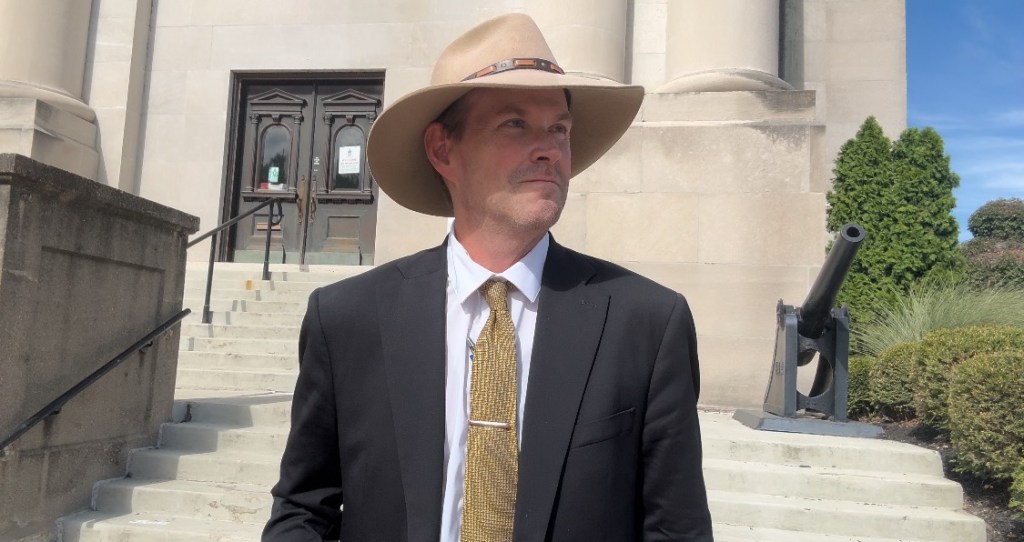
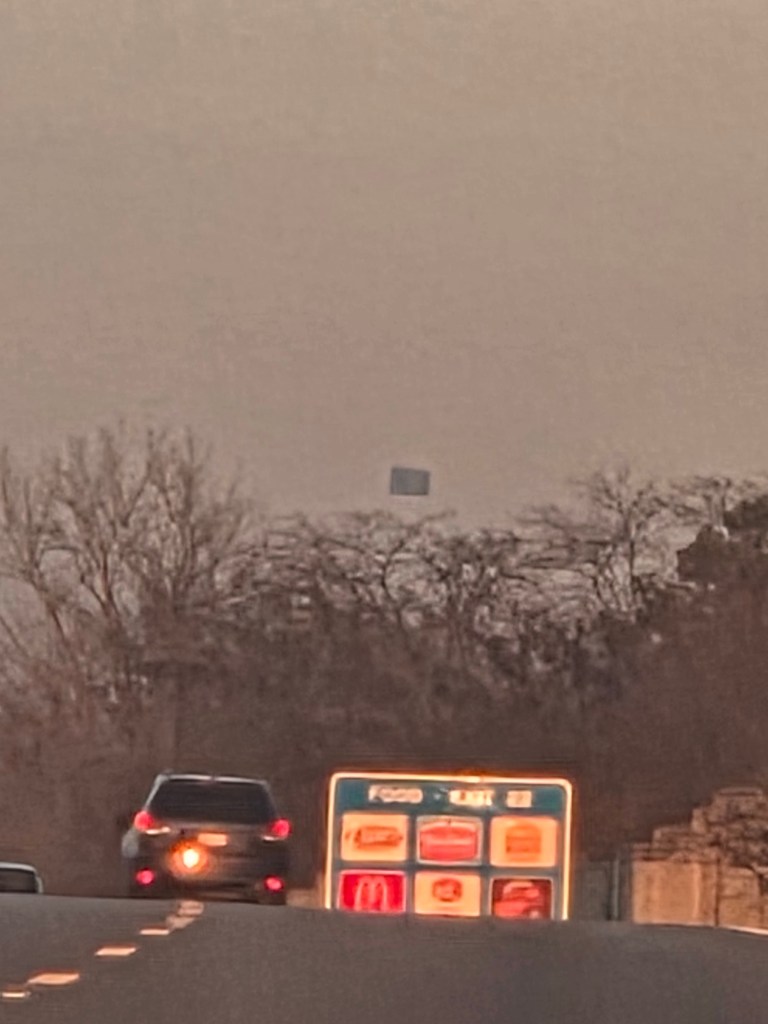
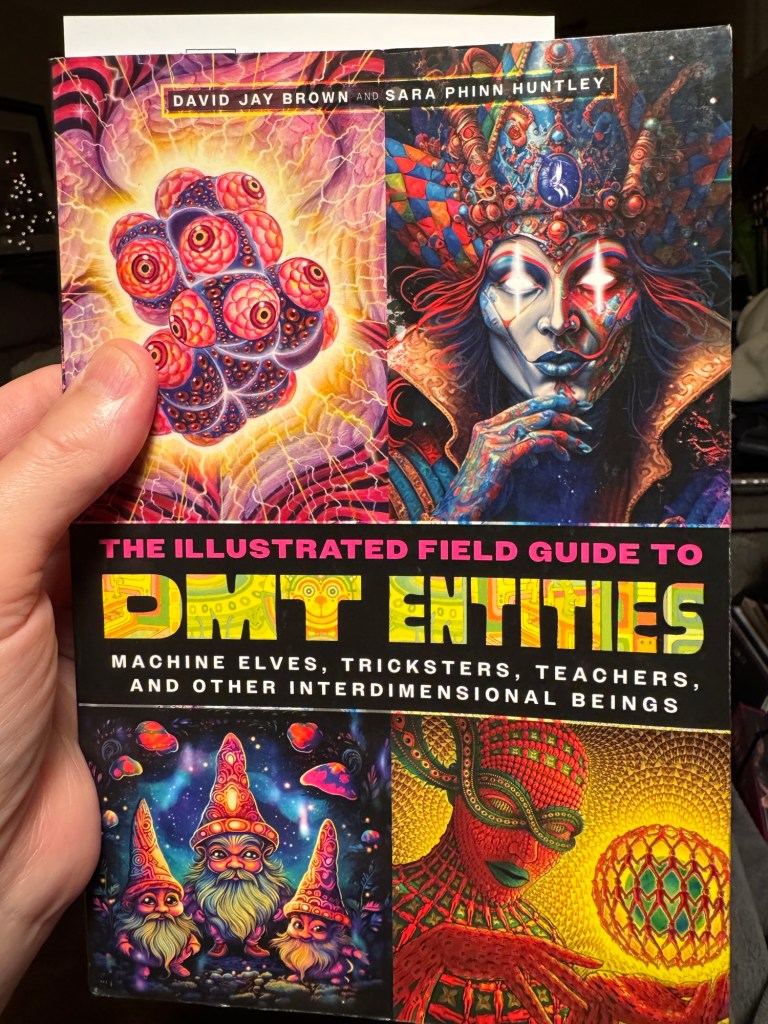
 The Overmanwarrior