Mystery of The Copper Scroll: Lost Treasure, and the Rise of a Global Ideology

Every great mystery has a ripple effect, and few are as intriguing as the Copper Scroll discovered near Qumran in the early 1950s. Unlike the other Dead Sea Scrolls, this one wasn’t written on parchment—it was etched into copper, listing 64 hiding places for gold and silver from the Jewish Temple. Scholars estimate its value at over $1 billion in today’s terms, with some claims reaching into the trillions. Yet, despite decades of archaeological interest, none of these treasures has ever been found. Why does that matter? Because when you look at the explosion of wealth in the Middle East—cities like Dubai rising from sand into skylines—it’s hard not to wonder if oil alone explains it. Or was there an older, deeper source of capital fueling this transformation?
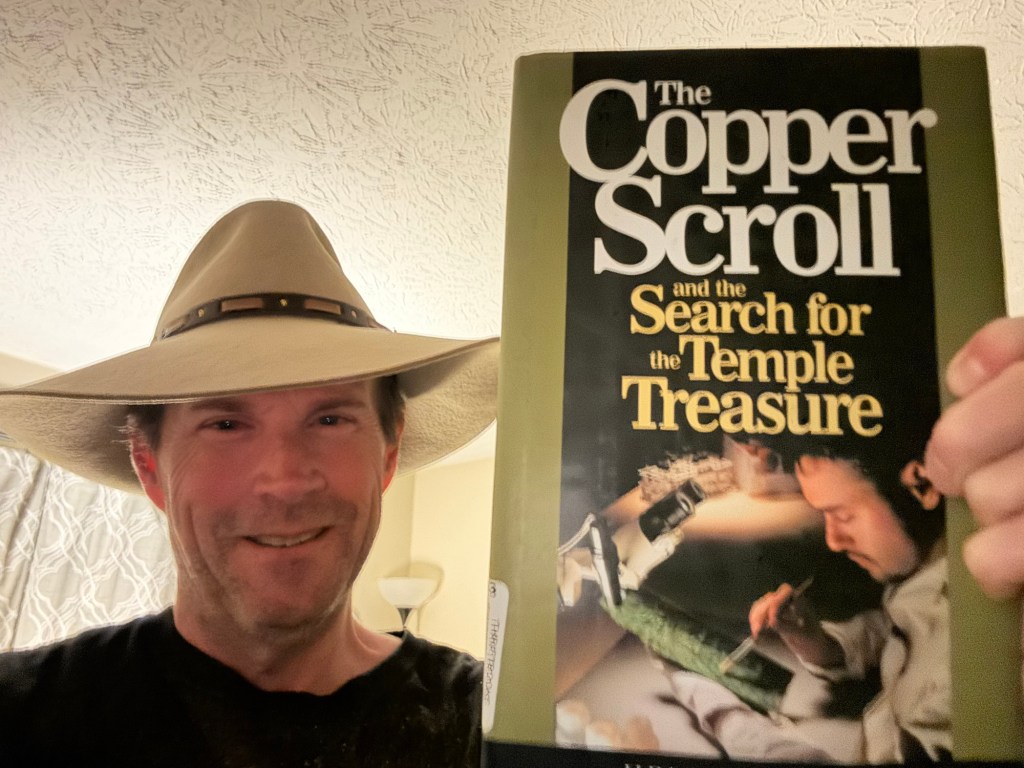
The Copper Scroll isn’t just a curiosity; it’s a potential key to understanding how wealth and ideology intersect. If even a fraction of that treasure had been quietly recovered, it could have seeded fortunes that later shaped geopolitics. And here’s the main problem: you can’t dig under the Temple Mount today. Religious and political tensions make it a no-go zone for serious archaeology. That means the truth—whether the treasure was looted and monetized—remains buried, literally and figuratively. But the circumstantial evidence is compelling: a region that was economically stagnant for centuries suddenly becomes a global financial powerhouse in less than 50 years. Oil was the public story. Was the Copper Scroll the private one?  I would say that the answer is an emphatic yes.  And yes, that could easily be validated by archaeology at the Temple Mount, by digging in the places indicated by the Copper Scroll.  The Dead Sea Scrolls in general have been very trustworthy, and regarding the Copper Scroll specifically, the dismissal of it as suddenly fiction makes you raise your eyebrows at those who say so, especially as you trace their personal ideology to Islam. 

To understand the modern Middle East, you have to rewind to the Crusades. Between the 11th and 15th centuries, Islamic states controlled lucrative trade routes, enriching themselves and European city-states like Venice and Genoa. But after the Ottoman Empire’s decline, the region languished economically—until the 20th-century oil boom. In 1970, Saudi Arabia’s GDP per capita was under $1,000. Today, it’s $34,441, projected to hit $65,847 (PPP) by 2027. The UAE tells a similar story: Dubai went from a sleepy port to a global hub of finance and luxury in just a few decades. Yes, oil explains part of it—but not all of it. The sheer scale of wealth, the speed of transformation, and the ability to bankroll ideological movements worldwide suggest deeper roots.

Consider this: the Copper Scroll describes treasure hidden during times of crisis—likely when the Romans sacked Jerusalem in 70 CE. That wealth didn’t vanish; it was concealed. If recovered centuries later, it could have provided the seed money for dynasties and states. And when you combine that with oil revenues and modern financial engineering—hedge funds, private equity, sovereign wealth funds—you get a perfect storm of capital capable of reshaping global politics, which brings us to ideology.

 Here’s a statistic that should make you pause: Two-thirds of U.S. Muslims favor larger government and social welfare programs, according to Pew Research. Globally, Islamic socialism has deep roots, blending Quranic principles like zakat with Marxist ideals. Movements in Iran, Pakistan, and Palestine during the 20th century openly embraced socialist frameworks. Why does this matter? Because when you look at radical Islamic movements today, many share ideological DNA with Marxism—centralized control, anti-capitalist rhetoric, and revolutionary zeal. You don’t see mosques preaching free-market capitalism; you see calls for redistribution, resistance, and dominance.

This ideological overlap isn’t accidental. It’s strategic. Marxism offers a political playbook for dismantling Western systems, while Islam provides a religious framework for mobilization. Together, they form a potent alliance against Western civilization as a whole. And when you add money—lots of it—you get influence campaigns, political candidates, and cultural incursions. Case in point: the election of a devout Muslim mayor in New York who also espouses socialist policies. Twenty years after 9/11, that’s not just irony; it’s a sign of a long game being played.

So where does this leave us? With a hypothesis that deserves serious consideration: the Copper Scroll treasure, if recovered, could have been the silent catalyst behind a century of upheaval. It’s not just about gold and silver; it’s about what wealth enables—power, ideology, and the ability to shape civilizations. Oil was the cover story, but perhaps the real story began in a cave near Qumran, etched into copper by hands that knew the stakes. Today, that wealth—whether ancient or modern—funds a movement that isn’t just religious but deeply political, aligned with Marxist principles and aimed at dismantling Western civilization.

You won’t hear this theory in mainstream discourse. It’s too uncomfortable, too complex. But look at the patterns: sudden wealth, ideological aggression, political infiltration, and a region locked in perpetual tension over a piece of land where archaeology could blow the lid off everything. Until someone digs under the Temple Mount, we may never know for sure. But the circumstantial evidence is strong enough to ask: Is the greatest crime in history still shaping our world today?  That’s not just a rhetorical question, it’s a serious one about the rise of a global power and the funding of an anti-capitalist movement against the United States, the New Atlantis: seed wealth and its origin.  The Copper Scroll indicates that something of great value was in those locations.  And whenever there is a treasure map, of course, there will always be treasure hunters who will seek fortune and glory in the wake of such a discovery.  But that none of that vast treasure has ever been found, with all the attention applied to it, and that investigation into the matter is not allowed, due to religious zeal, paints a different picture as to what happened to all that wealth.  Based on merit, we can trust that the Copper Scroll wasn’t just a work of fantasy, so what happened to all that treasure? 

The answer is simple and can be validated by science: there are many tunnels under the Temple Mount, but the restrictions under Islamic occupation prevent any serious investigation.  And that concealment is what we should take note of, especially when you see how Zohan Mamdani refrained from his speech after he won the election in New York as not only a radical member of the Islamic community, but an open Marxist.  He went from a friendly TikToker to a vile Marxist overlord, like a Fidel Castro type.  And when you see a friendly face in front of vast amounts of wealth, trying to prevent an investigation into the historical circumstances of that wealth creation, now you have something much bigger than a Scooby Doo mystery.  Without the Copper Scrolls, we wouldn’t even know to ask the question, but their discovery causes a pause in assuming that everyone has been honest with each other.  Knowing that one culture stole the treasure of another would cause significant global tension if the victimized culture were still around.  Usually, when treasure is stolen from one culture and transferred to another, the previous culture is left for destruction.  But the Jewish people are still around, and in many ways, the Christian crusades never came to a resolution.  Only the emergence of Western civilization led to their continued growth, as capitalism became the new treasure, replacing the old.  And now two powers stand at odds against each other, propped up through time in ways that history usually doesn’t endure.  And the source of all the tension likely comes down to the stolen treasure indicated in the great and magnificent Copper Scrolls of the Dead Sea, found in the caves of Qumran.

Rich Hoffman
Click Here to Protect Yourself with Second Call Defense https://www.secondcalldefense.org/?affiliate=20707

The Essenes and Ancient Quest for Free Speech: A story as old as time

Another question I get asked all the time is my position on the Jewish people and why I like them so much.  Unfortunately, most people don’t know their history and have their understandings about things defined for them with a modern context, which is usually politically driven and has some bits of globalism in their assumptions.  They have had their understanding of the Jewish people defined by enemies of the Bible and world dictators like what we saw with the Protocols of the Elders of Zion, which tries to lump the Hebrew people into one giant heap of the same-thinking people, and that is wrong.  People say to me, “You love freedom and independence, but then speak out about centralized banking; the Rothschilds are Jewish.  The United Nations created the modern state of Israel; how can you support these tyrannical forces?”  And “that Jews typically vote for Democrats.”  The problem is that even with all the information that is available to people, they just haven’t learned what they need to in life to make proper decisions about things, and for me, it’s all about the Jewish people surviving as the most extended group of people from the past to be able to hold it together long enough to bring us information from the far past.  But even among themselves, fighting and disagreements were prevalent, and if I had been around during the biblical period and happened to be Jewish or been associated with the Jewish people, I would have the most in common with the Essene people of Qumran, the authors of the Dead Sea Scrolls.  That band of Jewish rebels flocked into the desert for hundreds of years during the Second Temple Period and isolated themselves from the rest of the world.  They were the Tea Party of that time, where the rest of the Jewish people were more like the RINO Republicans of our present culture.

After Jesus was killed for political reasons, the Jewish people tried to lead a revolt against their Roman controllers, and, around 68 A.D., attacked Jerico to put down the rebellion.  By 70 A.D., Rome attacked Jerusalem to chase down the remaining troublemakers, which is a lot like what we are seeing today with cancel culture trying to put Trump in jail and all the members of his former White House.  But this wasn’t an easy task because, at that time, the Jewish people were divided into three basic categories: the Pharisees, the Sadducees, and, of course, the Essenes.  The Pharisees were, of course, attributed to the plotting to kill Jesus with Jewish manipulation of their Roman overseers, and the situation was getting irritating to the regional governors, which migrated into the rebellion of 70 A.D.  After wiping away the last remnants of Christ and his disciples, the Romans were trying to get control of their empire again which had as its motivations the same priorities as the current Deep State is utilizing against any challengers to their authority.  The only real difference between then and now is that the new empire is globalism because technology has allowed for a power grab that we are currently experiencing.  But in the times of the Roman Empire, everything grew outward from the Mediterranean Sea, which was their prime source of communication.  Modern globalism uses communications systems and modern transportation to spread its intentions beyond regional concerns.  But the effort is essentially the same.  And this is when the Romans destroyed the Second Temple and forced the Jewish rebels to flee for their lives.  That left the Essenes on the outskirts of the desert to flee ahead of the Romans, where they sought refuge at Masada. 

Eventually, the Essenes were pinned down by the Roman army, and before they were massacred atop that mountain fortress, they committed mass suicide, and the rest became history.  The Essenes were a very rebellious group, and they had been fighting with the other Jews for many hundreds of years and thought of them as sell-outs to their Roman overseers.  They refused to be part of the typical Jewish society and spent their time as monks relishing ancient scripture.  And it was they who anticipated that at some point, the world would come for them to implement their destruction, so they wrote the Dead Sea Scrolls and hid them in the caves at Qumran, knowing that was the only way to preserve their culture for the future.  But it’s because of them that we have what we do today.  However, they weren’t willing to associate with the Pharisees and Sadducees as one big happy team.  And thank goodness they preserved their history the way they did because we can learn a lot from their past; it’s all happened before.  And if we don’t want it to happen in the future, we need to do something different.  But just calling the Essenes “Jewish” doesn’t begin to tell the whole story.  They thought of their fellow Jewish brothers and sisters as wrong and evil, and they wrote their work in a style called Apocalyptic, where their fantasies were that God would come along, as stated in the Book of Revelation, and put down all their enemies for their betrayal.  The Essenes hoped to have redemption from their persecutors, so they fled to the desert in the first place.  They weren’t hanging around in the Jewish high society in Jerusalem making goat sacrifices at the Temple.  They were rebels of the rebels waiting in the desert for God to come and crush their enemies.  They left that apocalyptic vision in their various biblical and non-biblical writings for the future to read in the many clay jars that corresponded to the ancient text. 

At that time, the Essenes had no way of knowing that the Greeks would preserve the Old Testament in the form of the Septuagint or that, eventually, the Roman Empire, under the weight of their control, would seek to make Christianity the one religion of the empire.  So, they wrote the Dead Sea Scrolls to preserve their view of the world.  They only validated that the Qumran texts were authentic to what we had come to know as the Bible.  There are historical references and religions from all over the earth, but under no other circumstances do we have such a well-documented period or one that corresponds to what the Dead Sea Scrolls revealed. But at the time, the Essenes were not cooperative Jewish sell-outs.  They were rebels, even considered radicals, along the lines of John the Baptist and Jesus Christ living out in the desert in isolation.  Their commitment to intellect can’t be mistaken.  When the Romans invaded and pushed them to flee to Masada, that was one of the first attempts at mass cancel culture, precisely what we see today.  Except for this time, we aren’t trying to hide on the mountaintops to preserve ourselves or hide our life’s work in the caves of Qumran, so the future remembers us.  We are instead voting for President Trump to put a stop to these evil groups of tyrants who are constantly forming empires and trying to kill people they can’t control.  Only this time, we have our nation to fight back with, which describes the conflict of our times.  I am very thankful to the Jewish people for their history and preservation.  If not for the Essenes, there is a lot we wouldn’t know and learn from.  But because of them, we are fighting for our lives in a way that is the first time in history that the trend favors freedom and not oppression. 

Rich Hoffman

Click Here to Protect Yourself with Second Call Defense https://www.secondcalldefense.org/?affiliate=20707
Interacting with the Spirit World: How incense provides a vehicle to a world beyond the living

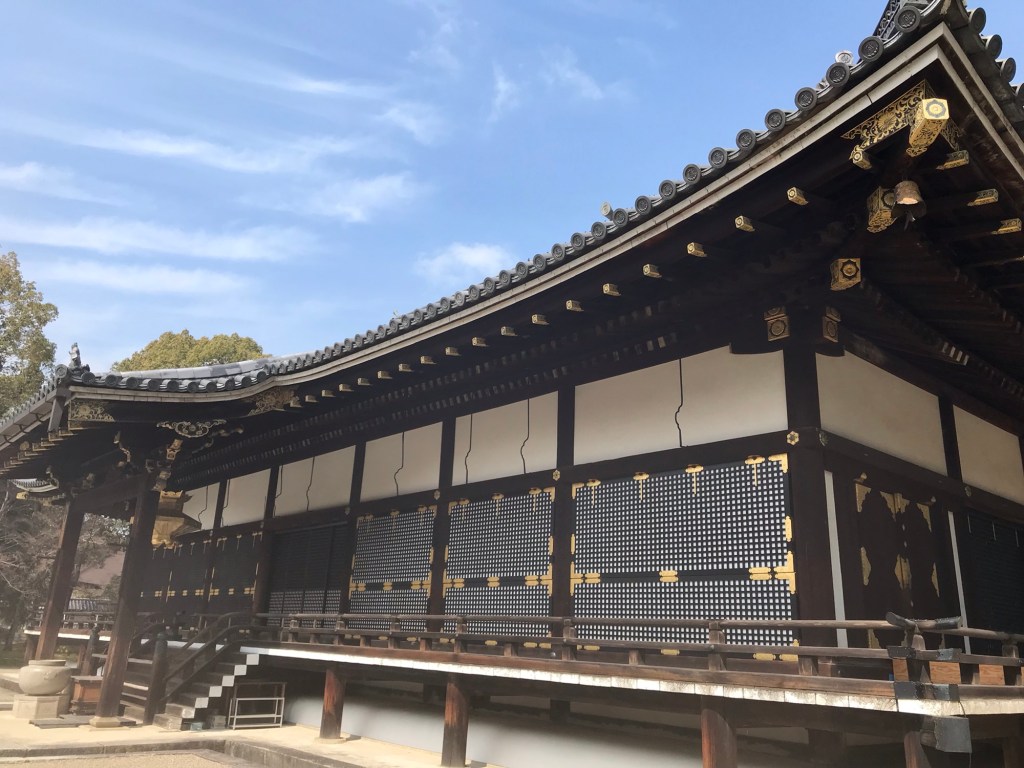
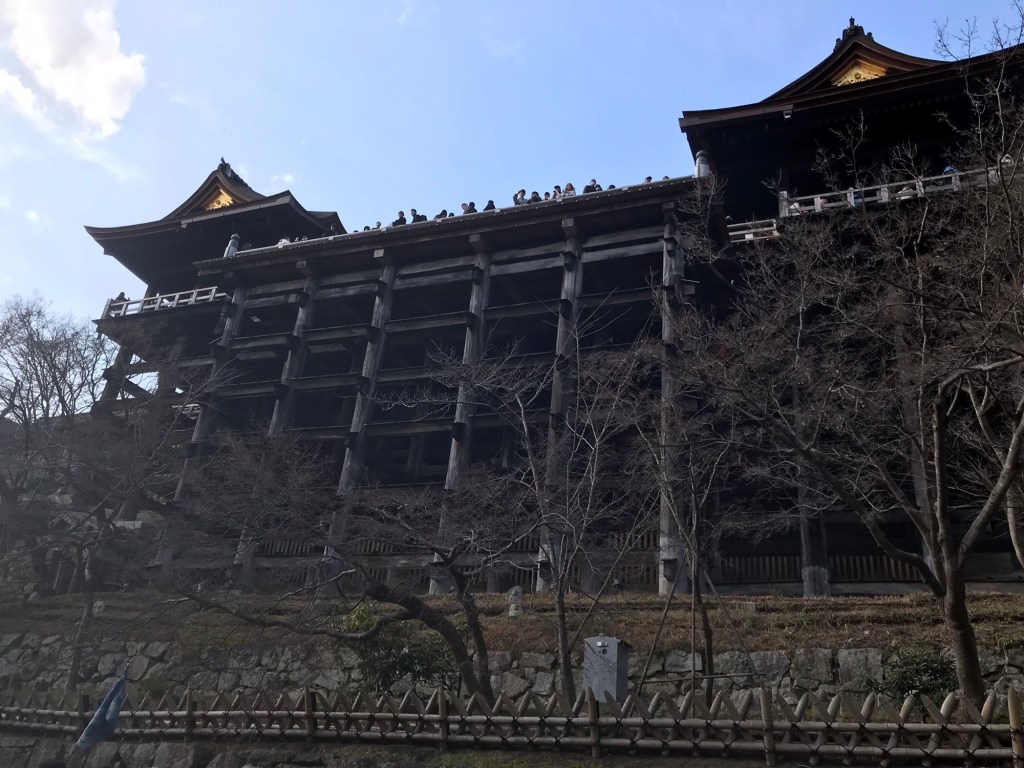
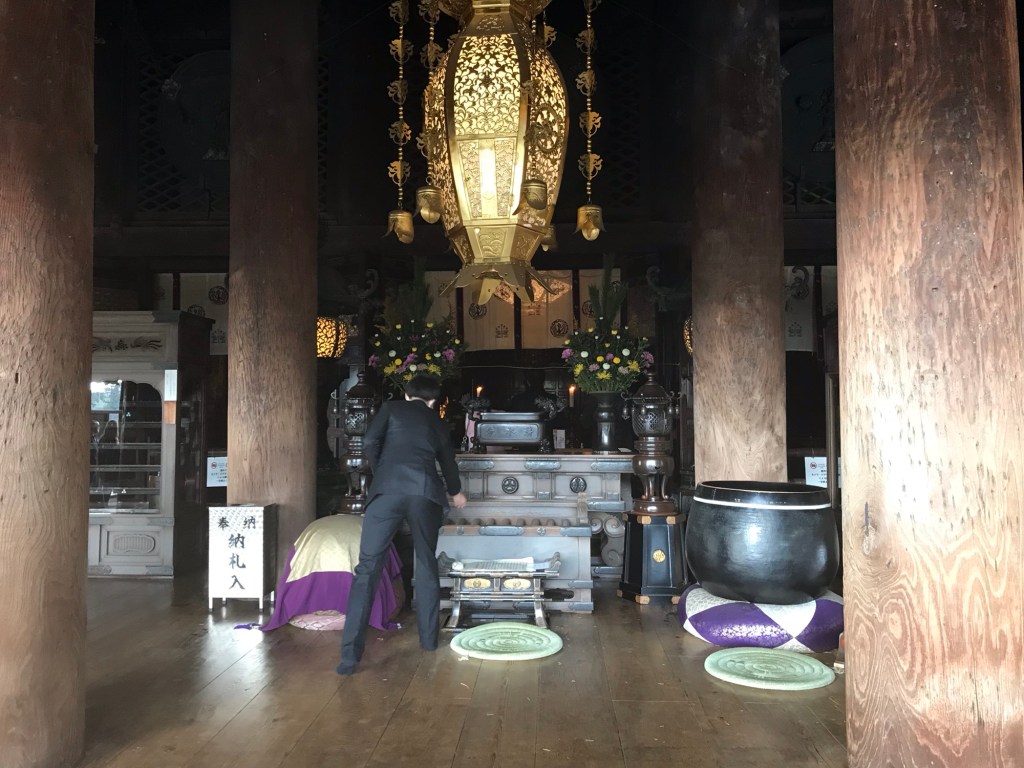
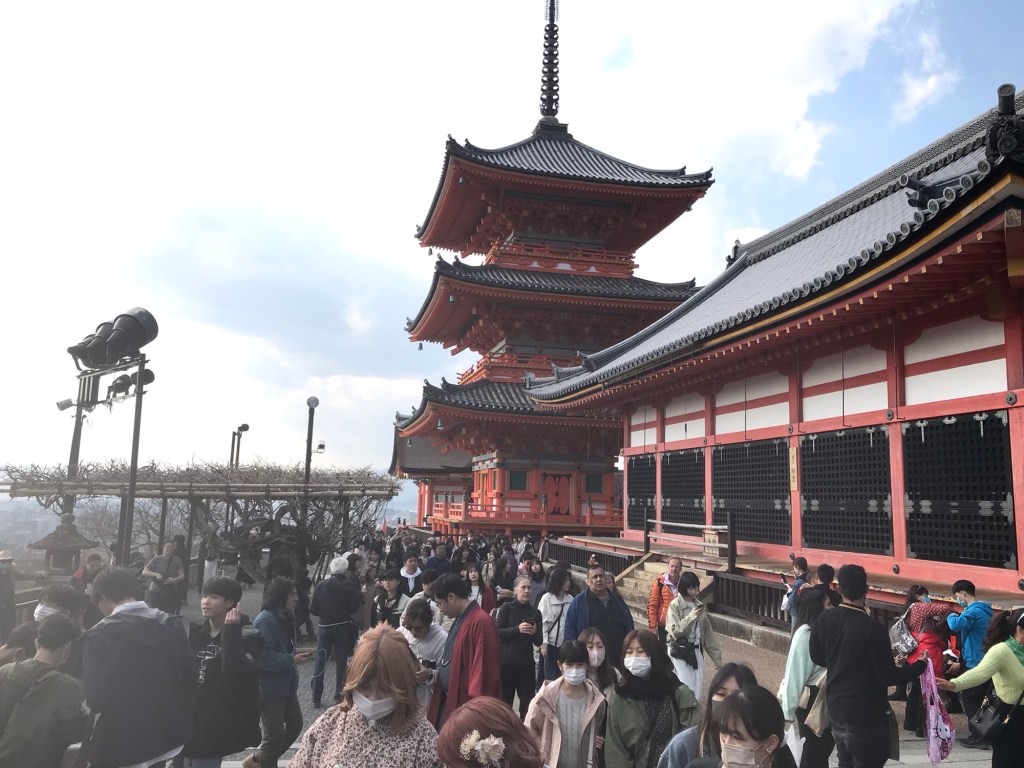
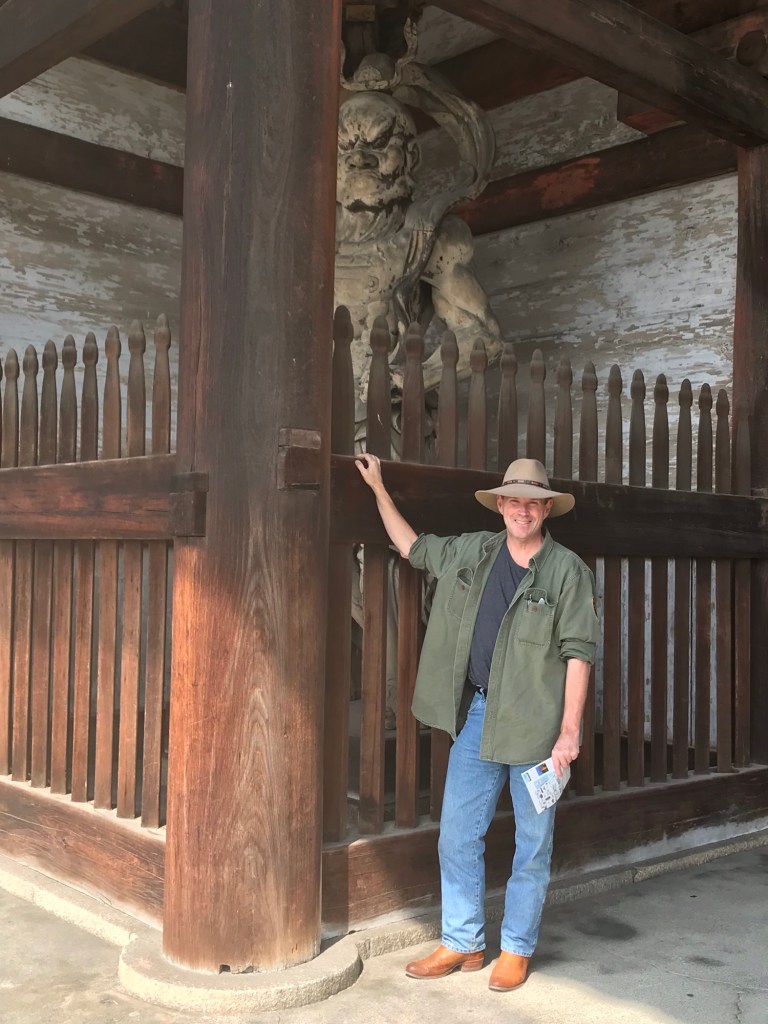
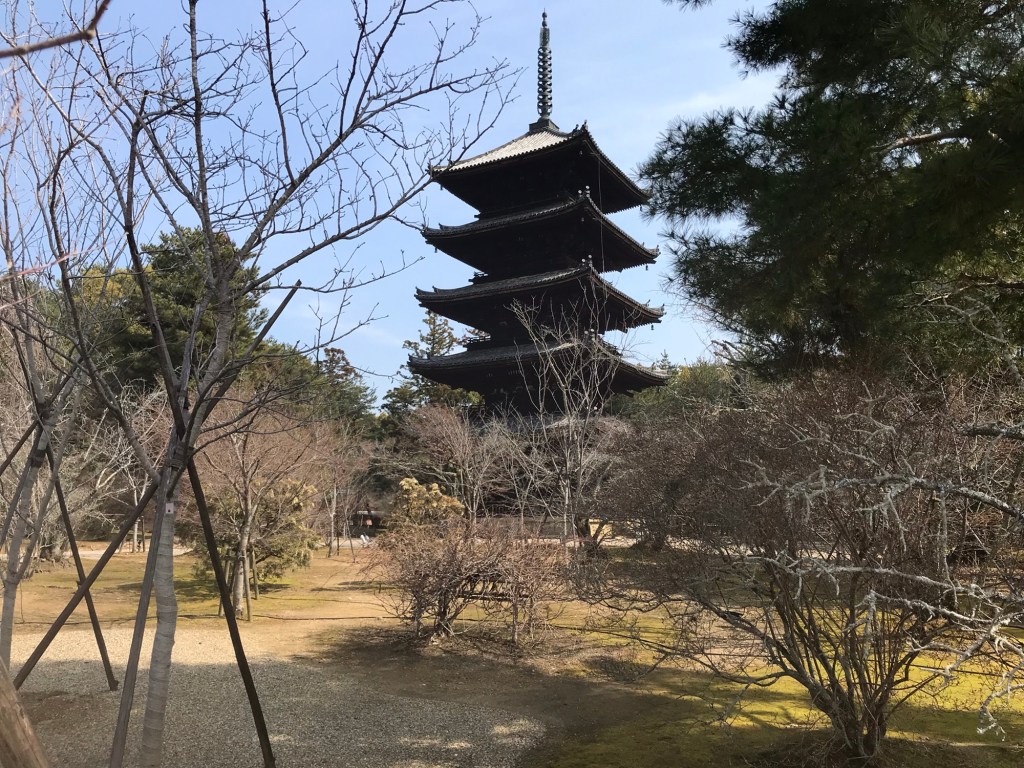
I’ve been thinking about how the spirit world dramatically influences the politics of our lives, as most indicators point to massive manipulation of our politics from the realm best articulated in the traditional Bible.  I found myself in Japan visiting some of the best-known temples in Kyoto with friends and comparing them to what we know about the Temple of Solomon.  Even though there have been over three thousand years of evolution in them, I couldn’t help but see massive similarities and notice how a religious relationship with the politics of a nation has either a positive or negative effect.  The gods worshipped aren’t even the same; in the case of Solomon’s Temple, it was Yahweh.  In the temples of Kyoto, it was Buddha, but as I have been saying for a while now, even including the way that the original Hebrew Bible was written from back to front, right to left, just as Japan writes to this day, it is obvious that the influences along the Silk Road, even in ancient times were a massive culture of uniformity that has its influences even now.  It might be uncomfortable for many people to consider their regional specificity, but there is a common theme that is easily verified when visiting these religious places, and that is the use of incense to establish a relationship with spiritual entities for assistance in the here and now.  Watching people interact with incense in Japan by washing it over themselves and then stepping into the temple to pray to Buddha reminded me almost identically of the tabernacle rituals of Solomon’s Temple and many others worldwide.  However, the same approach to these sacred precincts established by the Jewish people was more than just a coincidence.  There was a science to the approach that worked at some unconscious level, and it had been established long ago and is still in use to this very moment. 

We don’t get to see such a spiritual alignment in the United States because we have allowed ourselves to be suckered into a church versus state argument that discourages public displays of religious value, which the Japanese people have no apprehension over.  As a direct result, you can travel the streets in downtown Tokyo at 2 AM and see nearly no litter and experience very little crime.  People are overwhelmingly respectful of each other, and much of the root of this behavior is their relationship with the spirit world, which they are very open about.  Visiting temples in Kinkakujicho, the Kinna-ji Temple, the magnificent Kiyomizu-dera Temple, and several others, the use of incense smoke to provide a place for the spirit world to manifest in our three-dimensional world is a foundation for establishing a relationship with those characters.  It is common for people to regionally associate their deities of worship with the specificity of their culture and give them names like people name their goldfish.  But in truth, there is much more than just mimicry across multiple cultures over vast periods.  There was a cause and effect that couldn’t be ignored and was at the root of all successful societies.  Much of the Bible deals specifically with the nature of having a relationship with God, as the purpose of the Tabernacle even before the Temple of Solomon was built, was so that God could exist with his people, to manifest upon the Mercy Seat over the outstretched wings of the Ark of the Covenant.  I often think of the Ten Commandments as being the key to a prosperous society, in having rules that work and structure people to work together with shared assumptions.  But even more than that, this relationship with God through incense smoke is unmistakably productive. 

When people stopped worshipping God, as chronicled in the Bible and stepped back into the worship of the high places with human sacrifice to Baal, those societies quickly crumbled into a heap of madness.  And that has been the same story of all cultures who stepped away from God over the many years, the God Yahweh, as the Jewish people came to know him.  As I watched people in Japan interacting with the smoke and washing it over themselves, I kept thinking that the smoke itself was something anybody could produce anywhere, from simple incense burners from Walmart.  There was nothing specifically special about the smoke.  It was only made at a place meant to take the participant’s mind away from the noise of their daily life and have a relationship with the spirit world and whatever Gods might answer.  They have their names for them.  Just as most religions around the world do as well.  But that the intent was the same was more than a coincidence.  If you wanted to see what temple life was like for the Hebrew people in the Near East and understand what a thriving culture looked like, Japan had its finger on it.  Whereas modern Israel is war-torn and under contention, purposely trying to suppress a successful religious experience, much of the world is in conflict over this essential relationship, I would argue.  This is not just for the regional aspects of nation-building but also for the soldiers of the spirit world themselves.  They are at war with each other, and they use the minds of men to corrupt them into conflict by interrupting a positive experience of chaos and maniacal lunacy, such as the church and state arguments. 

By eroding the values of a culture, people allow themselves to be manipulated like pawns in a grand chess game from rivals beyond the world of the living.  And in places in the world where that relationship is positive, they also have a political culture that is functioning correctly.  The best way to destroy a person is to destroy their relationship with the spirit world, no matter what they call their gods, whether those gods are the same character with different names or a pantheon of different characters sometimes called the same name.  It’s the relationship that matters and how it carries over into a political society.  And what about the smoke of incense that carries a relationship with God?  It’s a common theme we can learn from the longest-running, prosperous society of people, the Jewish people because they have been doing it for a long time.  In Japan, as I visited many temples last week in Kyoto, the functionary relationship with the spirit world is alive and well.  And it’s working for them successfully.  Few places on earth today are more successful culturally than what is witnessed in Japan, especially Kyoto, the old capital.  People had a relationship with the more significant aspects of dimensional confinement, and they were happy about it.  The incense smoke appealed to that relationship, which was tangible and precisely like the Tabernacle of the Hebrew people.  When people fell to Baal worship, they turned to appeasement of those gods through the sacrifice of the living.  Whereas to Yahweh, and eventually the Buddha, who came 500 years later, and then the influence of Christ from India, we see an approach that worked along the Silk Road many thousands of miles apart.  It can be shown that a successful relationship with the spirit world creates an opportunity for a prosperous society.  But the temptations to shortcut or abandon that relationship are all too common and involve politics beyond our lives, yet very much at the center of everything we do. 

Rich Hoffman

Click Here to Protect Yourself with Second Call Defense https://www.secondcalldefense.org/?affiliate=20707

The Elohim and Plight of the Divine Council: Fighting the great war that spans eternity

In case you haven’t figured it out yet, we are being played in a kind of chess game with some basic patterns of thinking that are precisely how marketing motives are revealed. To say that the Jewish people are all one way or another is utterly ridiculous. That is like saying that Joe Biden and I are both American. But the next question about Republicans and Democrats, traditionalists and progressives, ends the conversation. There are no more similarities between Joe Biden and me than in saying that we live within the same borders of the same country. It has come up a lot over the Holiday season where people have been asking me a lot about the Bible, why and how I can support the Jewish people, and the creation of Israel at the expense of the Palestinians the way I do, even knowing what I do about the Protocols of the Elders of Zion. So, of course, that opens up many explanation opportunities, which I’m happy to divulge. But to put it nicely, if you have allowed yourself to be marketed into foolishness, then you will be a little upset to find out all the ways you’ve been suckered, including most of the translations of the Bible. I think most people, including some of the most vigorous religious studies, get their interpretation of the Bible all wrong, and I often turn to Psalm 82 for the entire purpose of the Bible, which I would argue runs counter to everything people believe. 99. 99999999999999999999999999999999999999999999% of everyone gets the Bible wrong. They have allowed their worldview and their religions to be shaped by institutional aggressors who are prone to mischaracterizations and influences of scandal that reside in the hearts of most translations, on purpose or by accident.

The Elohim is the proper word for God

There is quite a movement looming in the background that has figured some of this out and has been gaining momentum over the last few decades, which I would attribute to the nature of mass communication and having so many cultures interact now in ways they never could before. The old game of keep-away isn’t working like it used to, of pitting various sides against each other. I love the Jewish people because they are the oldest surviving group on earth. They are an ancient people, and with them and their rituals comes a window into the past that I find fascinating. Why do they believe the things they do? And why have so many groups, including those of today, want to eradicate them from the face of the earth, yet they are still here after many such attempts? And regarding any references to the Jewish people running all banking and controlling the world in the way that the Protocols of the Elders of Zion have chronicled, I would use the Joe Biden comparison, too. We both might have white skin. We both might live in America and be called American, but the differences end there. Otherwise, I’m nothing like Joe Biden, and regarding the many conspiracies, the Jewish people are not like the Rothchilds and various globalists who try to hide their tendency to want to control the world by hiding behind a religion, a region of the world, or the sentiments of history. Those who try to put everyone into these neat little categories are part of the problem, and their antics should be revealed for what they are: the actual manipulations of the Elohim and the Divine Council politics that work their way into our lives daily but reside far beyond our reach materially, into the chess games of Heaven that are very much a part of our daily life.

An amazing book compiled over a tremendous amount of time

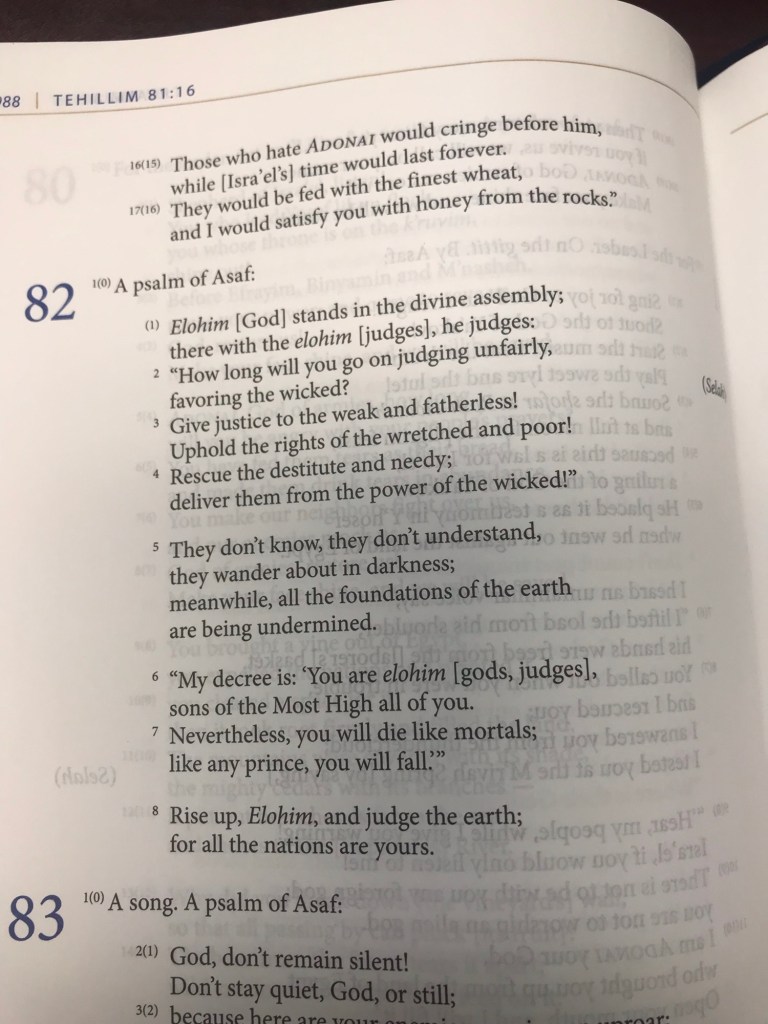
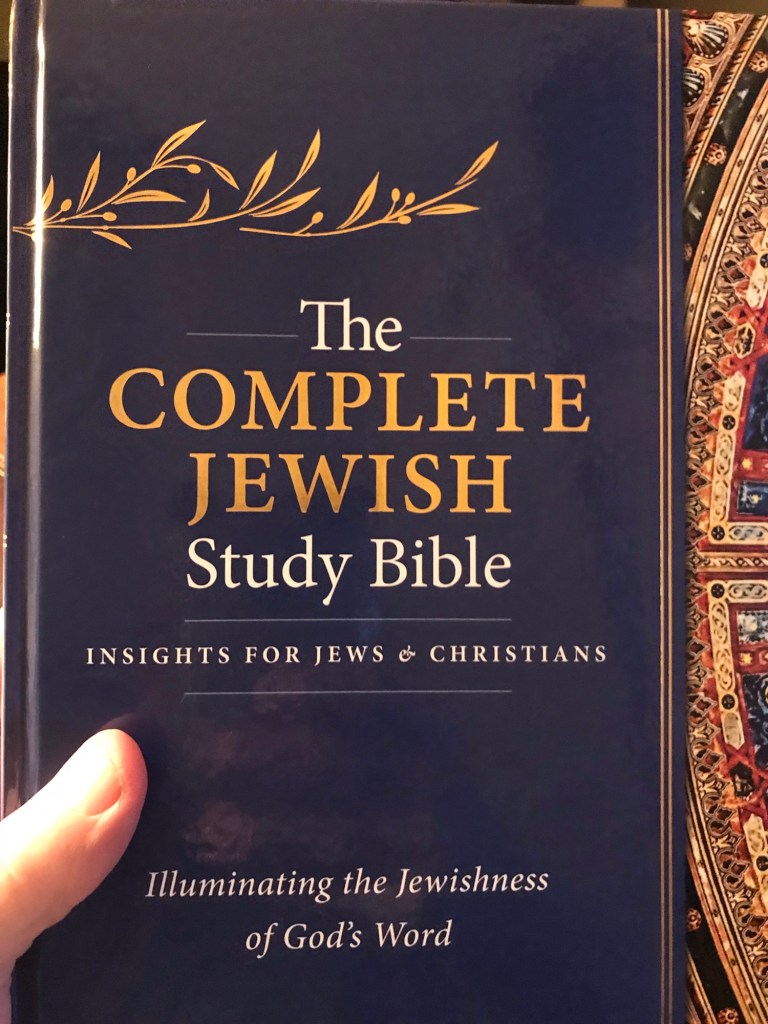
In that wonderful passage, Psalm 82, we find the proper word for God, Elohim, used by the Jewish people in their Hebrew Bibles, particularly before the modern era of progressive impact on the publishing industry began tampering with words, that the Hebrew names for things are essential.  God calls on the Divine Council of Heaven to pull it together and judge wickedness righteously.  Even though God spoke about here as the singular Elohim, he has trouble keeping his Divine Council together even as creator of the universe.  They are plotting and scheming always to undercut all civilization for their political purposes.  We tend to think of Heaven as a relief from the concerns of Earth, but reality indicates that things are on Earth as they are in Heaven.  Politics is a creation of Heavenly existence; our motivations are similar everywhere, including on the other side of the universe among all living creatures.  The idea of a utopia where everyone gets along is the fantasy of those who don’t have the will to fight and understand politics as living things interact.  I have many different Bibles that I use for study, and one of my favorites for this very reason is a Complete Jewish Study Bible that has gone to great effort to put its original Hebrew words in it to translate the true meanings of biblical passages.  One of my Bibles, my study Bible for the King James version, is wonderful, but purposefully, the translation from the original Septuagint in Greek is very much watered down.  These last few decades, It has been challenging to find a Bible with the correct term for God, the Elohim, in it for the context of meaning.  And even then, there has been a lot lost to time and translation by minds not entirely up to the task of wrapping their minds around the concept of a “divine council” that is always rebelling against God and using the plight of humanity for malicious purposes. 

The wars we are fighting are instigated by many of these same forces who jump into the minds of the stupid and weak willingly for purposes that cannot be understood until the context of the entire Bible is conceived as an attempt over many thousands of years to see this big picture of politics among the Divine Council for what it is.  Psalm 82 was likely written around 1450 BC, so it predates the building of Solomon’s Temple by 500 years and the birth of Christ by over a thousand.  So, to put together this story as the Jewish people had by being one of the only civilizations to be together still after such an ancient past is quite remarkable and worth preserving.  Another interesting fact is that Jewish people, by heritage, can all trace back their genealogy to one common ancestor 140,000 years ago, which makes sense to me.  To all those who want to think about the entire history of the world starting about 6000 years ago, I believe that is because the translations are off.  That doesn’t cheapen the religious experience but is driven because the context of history is off in translating ancient material.  Such a consideration gives the Adam and Eve story a lot more merit.  If the Middle East didn’t have so many wars all the time, we would likely be able to confirm all this, but then perhaps that’s the point of all the political turmoil.  To keep us from figuring it out, the political mechanisms can be applied for reasons that extend well beyond the concerns of the Earth.  And that is my answer on the Jewish people and religion in general.  I like to understand politics and am very interested in why people do what they do.  But saying all that, I am very interested in the Elohim in the plural sense and their politics so that we, too, can play the big chess game and win it on the side of goodness and righteousness.  And to not be victims as Job was, or many other characters who were caught up in the political antics of the Elohim.  But to fight back against them in ways they aren’t prepared for, and to win.

Rich Hoffman

Click Here to Protect Yourself with Second Call Defense https://www.secondcalldefense.org/?affiliate=20707
The Scapegoat of Yom Kippur: Why the bad guys expect Israel to be destroyed, and President Trump

The acceptance level of sacrifice indicates in any society the ratio of liberalism we are dealing with.  The belief that by appeasing some greater power through sacrifice, redemption for some mistake can be made is at the heart of all liberal policies in the world.  And that notion is also used to control people.  So it was no accident that the Hamas attack was initiated against Israel during their festivities of Yom Kippur which is a direct association with the two goat ritual, which is the origin for the term “scapegoat” that we often say all the time without knowing its meaning.  In that ritual, one goat is offered for killing in the usual way, so a high priest would slaughter it and sprinkle its blood appropriately on an altar as an offering.  The other high priest would put their hands on and dedicate the nation’s sins, then send the goat into the wilderness to carry those sins away.  The insertion of the Jesus stories into the Bible was always meant to represent him as the ultimate scapegoat.  As an innocent man, his social role was to take away the guilt of the nation killing him, and through his crucifixion, he would carry that guilt into the afterlife.  So over the years, very evil cultures have built into people this accepted belief that they are not responsible for their actions, but can redeem themselves through Christ by sacrificing him or innocence to the needs of a corrupt society.  With that in mind, Hamas, who is dedicated to the destruction of the Jewish people, felt that they would be protected from retaliation if they struck on that Day of Atonement Holiday so that the sins would be carried away in the usual sacrificial manner.  That is why many of us watched, astonished in the aftermath, as such attacks were expected to be part of the sacrifice.  Israel wasn’t supposed to strike back, they were supposed to be the willing participants in the notion of sacrifice, which was being exploited at this particular time for purely political reasons. 

Of course, Israel has a right to attack the Palestinians who have been plotting their destruction.  The only logical rationalization resulting from the horrendous Hamas attack against Israel is the destruction of all those who stand against the Kingdom of God.  Not just because religions say so but because we now have a history that shows the benefits of Western Civilization, and we must defend it for the perpetuation of the human race.  Yet, even religions we like have apparent traces of the concept of sacrifice that are part of a much larger problem.  And that assumption was evident in the days after the attack in protests worldwide that didn’t expect the goat to fight back.  It was supposed to go quietly into history and carry away the sins of corrupt nations and religions seeking global domination.  So now we have protests from the attackers against the country that was supposed to be their scapegoat.  An enemy on paper and policy, but functionally in pursuing the ever after, the carrier of sins from those most guilty of reprehensible behavior.  The belief is that evil conduct can be committed just by the nature of living and that those sins can be placed with blame upon whoever will serve as the scapegoat for that society.  And everyone else will live happily ever after.  That is the absurdity of the belief that Israel must be like Jesus, to accept the role of international scapegoat, take its slaughter and the blame, and carry it away from those most guilty. 

This is the essential Deep State plan against President Trump.  The Government Gangsters so well flushed out in the excellent book by Kash Patel made President Trump their target for the carrying away of their sins, and it is expected that he will serve that purpose, which was the intent of the J6 controversy, the Russia hoax, the FBI spying and all the tampering of a fourth branch of government and its desire for sustainable power as a creature of liberalism and the perpetuation of the Liberal World Order.  What most people have in common is some notion of religion, and at the core of that belief system, no matter what gods are celebrated is a notion of sacrifice for some greater good that can then override whatever individual input might get in the way.  When personal responsibility is not a value system of a culture, then these kinds of beliefs can then be used to mass control entire civilizations into a guilt shedder and encourage sinful behavior with the knowledge that the gods can be appeased in the rituals of mass sacrifice.  This is how we constantly see this Democrat notion that what they are guilty of can be erased away by the creation of some social scapegoat.  They could kill and destroy individuals as long as they identified them as a scapegoat for their culture and could justify the violence as a redemption process.  That’s also why the Romans were sure to include Jesus in the context of the Bible because what was important to them was to have the entire story wrapped up in a sacrifice.  Once people are willing to sacrifice to a god, they will be open to the next best thing on earth: sacrifice to the state.  That’s what the Romans were after, and the Arab world was as well with their expansion of the Quran, written by many people because Muhammad didn’t know how to read or write.  But many of his Christian friends did, so he would have them write for him; after all, their results were all for the same purpose: creating scapegoats in a social context to wash away the sins of evil nations looking to justify their vile actions.

Like many things lately, people are watching this apparent evil and scratching their heads.  But it has been at the heart of all liberal ideas since the beginning of time, and this is the essential Democrat playbook and that of the uniparty antics many have become so frustrated with.  Of course, individuals have a right to defend themselves when attacked by some antagonizers.  That is the heart of the concept of the American Second Amendment.  And, of course, Israel can defend itself when attacked by terrorist ideas.  But to those looking for a scapegoat for their sins, the belief is that individuals and even nations should sacrifice themselves for the greater good, just as Jesus did, or any other character that suffered through martyrdom the sins of mass society.  And if the masses desire the eradication of their sworn enemies, enemies because they have expectations of good conduct, then those scapegoats are to happily offer themselves to the mob for consumption, which is how the world’s evils have always spread.  Personal behavior is never improved because the mass population believes that a scapegoat concept will wash away those sins without correcting the detrimental behavior holding back that society.  And you get the kind of mess we see daily on the nightly news.  And we see the attackers of Israel, then protesting not at the country itself but in not accepting their role as the sacrificial scapegoat that was expected of them by a corrupt and evil Liberal World Order. 

Rich Hoffman