

The recent developments in the Middle East, particularly the decisive military actions taken by the Trump administration against Iranian targets, have exposed deep fissures in American political life and revealed the true priorities of those who claim to represent progressive values. What began as a targeted bombing campaign to neutralize threats from a hostile regime has been met with a bizarre and troubling response from certain quarters of the Democratic Party and left-leaning media, where voices seem almost eager to amplify the remaining terrorist elements capable of disrupting global oil flows through the Strait of Hormuz. This narrow waterway, situated between Iran and the United Arab Emirates in the Persian Gulf, represents one of the most strategically vital passages in the world, funneling approximately 20 percent of global seaborne oil trade—roughly 21 million barrels per day under normal conditions—through a chokepoint as narrow as 21 miles at its most constricted point. Historically, this strait has been a flashpoint for conflict; during the 1980s Tanker War between Iran and Iraq, both sides attacked commercial shipping, leading to U.S. naval intervention under Operation Earnest Will to protect oil tankers. The geography itself underscores the vulnerability: while 21 miles may seem vast on a map, it is narrow enough for modern anti-ship missiles, speedboats operated by Iran’s Islamic Revolutionary Guard Corps (IRGC), and even rudimentary mines to pose credible threats, yet wide enough that vessels cannot simply “hide” in open seas without sophisticated escort protection. Ships transiting the area must navigate between Iranian coastal defenses and the Omani side, making any disruption not just a regional issue but a global economic shock, as evidenced by past spikes in crude prices during similar crises.
The Trump administration’s campaign, which included precision strikes on military infrastructure such as those at Kharg Island—Iran’s primary oil export hub, where U.S. forces targeted over 90 military assets while sparing core oil facilities—has fundamentally altered the balance of power. Reports indicate that these operations, coordinated in part with Israeli efforts, eliminated significant portions of Iran’s leadership succession bench, including the Supreme Leader Ayatollah Ali Khamenei and dozens of top commanders, effectively decapitating the command structure that once orchestrated proxy terrorism across the region. This was no accidental escalation; it followed years of Iranian provocations, from nuclear enrichment programs set back by earlier U.S. actions in 2025 to support for groups like Hamas and Hezbollah, which have long destabilized the Middle East. The strikes targeted air defenses, missile batteries positioned along the Strait of Hormuz, and naval assets, rendering Iran’s ability to organize a sustained closure of the waterway severely compromised. In the immediate aftermath, Iranian remnants attempted retaliatory actions with speedboats and anti-ship missiles—tactics reminiscent of their “swarm” tactics in past incidents—but without centralized leadership or intact infrastructure, these efforts amount to little more than guerrilla harassment rather than a viable military strategy capable of halting commerce indefinitely.
Yet, rather than celebrating this reduction in a long-standing threat to American energy security and global stability, segments of the Democrat establishment and aligned media outlets have responded in ways that can only be described as cheerleading for the very terrorist elements left scrambling in Iran’s diminished capacity. Coverage has fixated on potential disruptions to oil shipments, speculating wildly about prolonged blockades that would drive gasoline prices skyward and derail economic progress under the current administration. This is not neutral reporting; it aligns with a broader ideological agenda that prioritizes weakening capitalist structures over securing American interests. The goal, as evidenced by repeated patterns, appears rooted in a desire to impose a net-zero-energy future, in which fossil fuel flows are throttled not by market forces but by engineered crises, forcing societies toward reliance on unreliable alternatives or, in the most extreme visions, a return to pre-industrial existence. One need only look at the climate rhetoric that has dominated left-leaning discourse for decades: shutting down pipelines, opposing domestic drilling, and now implicitly rooting for Iranian proxies to succeed where sanctions and diplomacy failed. This mindset views high energy prices not as a policy failure but as a feature, punishing consumers and industries alike to accelerate a transition that ignores practical realities like the intermittent nature of renewables and the immediate needs of working families.
The Strait of Hormuz incident encapsulates this perfectly. With the waterway’s narrowest stretch creating a natural bottleneck—vessels must slow and align in a predictable lane for safe passage—any residual Iranian speedboat attacks or missile launches from the mainland could theoretically endanger tankers. However, the scale of the U.S.-led degradation of Iranian naval and coastal capabilities has rendered such threats marginal. Iran’s “bass boat” navy, as critics have mockingly termed the IRGC’s small, fast-attack vessels used for fishing one moment and asymmetric warfare the next, lacks the logistical support or air cover to sustain operations against a coalition presence. Trump has already called for international partners, including approximately seven nations, to contribute minesweepers and escorts, leveraging alliances that recognize the shared interest in uninterrupted energy flows. Traffic through the strait, while initially reduced to a trickle amid the early chaos of retaliatory strikes—with estimates of only dozens of vessels transiting in the first weeks compared to over 100 daily pre-conflict—has begun to recover as U.S. forces neutralize threats. Iranian oil exports themselves continue at reduced but notable volumes, underscoring that the regime’s own economic lifeline persists even as it attempts to weaponize the passage against adversaries. The notion that this could spiral into another prolonged ground war akin to Iraq is pure speculation peddled by those invested in market volatility; boots-on-the-ground scenarios ignore the precision, standoff nature of the current operations, and the absence of any viable Iranian conventional force.
This cheerleading for disruption ties directly into a deeper anti-Trump animus that has stripped away the Democrat Party’s moderate facade. Once bolstered by centrist voices who could bridge divides, the party now stands exposed after waves of defections from its ranks. Union workers, laborers, and everyday Democrats who once formed the backbone of the coalition have shifted toward the Republican side, drawn by tangible results in economic security and a rejection of radical policies. Figures like Pennsylvania Senator John Fetterman, previously seen as a progressive stalwart, have moved toward positions that emphasize strength abroad and support for decisive action against threats such as Iran, aligning more closely with MAGA priorities on national security. Similarly, podcaster Joe Rogan—long a voice of independent inquiry—has critiqued leftward excesses and shown openness to perspectives once dismissed, including explorations of faith and personal responsibility. Elon Musk, who built revolutionary companies while navigating early left-leaning sympathies, has increasingly championed free-market principles and innovation unfettered by government overreach. Even Robert F. Kennedy Jr. has broken from family traditions to advocate for pragmatic governance. These are not Republicans migrating leftward; they represent a genuine realignment in which former Democrats, recognizing the failures of identity-driven radicalism and economic sabotage, have gravitated toward a growing GOP tent under Trump’s leadership. As someone who has held conservative convictions since childhood, I approach this influx with some caution—the “big tent” expands rapidly, incorporating voices that may not align perfectly on every issue—but the net effect is to strengthen the movement. It dilutes the radicals left behind, those who now dominate media narratives and push agendas that prioritize ideological purity over prosperity.
The absence of any remaining Iranian leadership structure capable of orchestrating a coherent closure of the strait further undermines the doomsday predictions. With key figures eliminated and succession plans disrupted, the regime’s Marxist-adjacent authoritarian framework—characterized by centralized control, suppression of dissent, and alliances with adversarial powers like China—lacks the organizational muscle for sustained operations. (Note: while the Islamic Republic is fundamentally a Shia theocratic system governed by the principle of velayat-e faqih, or guardianship of the jurist, it incorporated anti-imperialist and redistributive elements from the 1979 Revolution that some analysts have likened to Marxist influences, though communist factions were later purged.) This vacuum leaves scattered terrorist remnants, easily countered by American naval superiority and coalition patrols. Speculation about skyrocketing oil prices persisting at elevated levels—perhaps locking gasoline at around $3.50 per gallon indefinitely—ignores historical precedents in which resolved crises led to rapid stabilization. Markets react to uncertainty with volatility, but once security is restored, barrels will trade lower, potentially dipping gasoline below $2 in the not-too-distant future as domestic production ramps up and global flows normalize. Card sharks in futures markets may bet on prolonged pain, but those bets are being unwound as reality sets in: the region is being secured through justified force, not endless occupation.
This dynamic exposes the fundamental philosophical rift. Democrats, now largely unmasked without their moderate cover, pursue policies that undermine self-rule and free enterprise. From reluctance to fully fund transportation security amid shutdown threats—actions that could grind air travel to a halt and mirror desires to cripple economic engines—to broader efforts against fossil fuels, the pattern is consistent: hurt capitalism at all costs to usher in a managed decline. Chuck Schumer and similar figures exemplify this by framing fiscal standoffs in ways that prioritize partisan leverage over public safety, hoping disruptions erode support for the administration. In contrast, the Republican Party, bolstered by defectors seeking common ground, offers a vision of strength, innovation, and abundance. Trump’s approach—opening the tent wide while delivering results—facilitates this evolution. People who were once skeptical, including those who viewed certain figures as too far left during earlier campaigns, now see the logic under pressure from real-world governance. This is not Republicans compromising; it is a magnetic pull toward policies that work, evident in parallel movements worldwide: Italy’s shifts under Giorgia Meloni, Argentina’s Milei revolution against socialism, Brazil’s adjustments, Mexico’s easing of cartel pressures, Canada’s populist stirrings, and European realignments against entrenched elites.
Globally, the removal of threats like Iran’s regime reverberates. George Soros and his network, including successors, have long funded elements that sow discord, preferring chaos to organized self-governance where moneyed interests cannot play kingmaker. Their immature worldview clashes with representative systems that empower citizens. As Trump dismantles such obstacles—from Iranian proxies to domestic regulatory overreach—more individuals awaken to the benefits of ordered liberty. In the Strait of Hormuz specifically, oil will continue flowing because the infrastructure for interference has been neutralized. American dominance in the region, achieved through air and naval power rather than quagmires, ensures this. Media attempts to manufacture crises, portraying terrorists as underdogs or inevitable victors, ring hollow as facts emerge: no mass closure, no boots on the ground quagmire, no permanent economic sabotage.
The cheerleading for potential chaos reveals a side long suspected but now undeniable. Without the polite moderates who once provided camouflage, radicals stand exposed, rooting against American success, whether through domestic shutdowns or foreign disruptions. This anti-team America stance contrasts sharply with the defectors streaming into the broader conservative coalition. The trend accelerates over the coming years: four, six, or more, as global populist waves mirror the U.S. shift. Marxism’s allure—centralized control disguised as equity—fails under scrutiny, leaving adherents isolated. In Iran, the vacuum created by leadership losses prevents any orchestrated Strait closure, despite desperate attempts by holdouts. The illusion peddled in some outlets, suggesting a robust threat persists, crumbles in light of evidence of degraded capabilities.
Economically, the payoff is clear. With secure shipping lanes, energy abundance returns, lowering costs for families and industries. Speculative bets on perpetual high prices will falter as tankers resume normal transit under protection. This is the future: flourishing commerce, reduced threats, and a political landscape realigned toward prosperity. Those clinging to old ideologies find themselves sidelined, their masks removed by the very successes they decry. The Strait of Hormuz remains open not by Iranian sufferance but through American resolve, proving once more that strength deters aggression while weakness invites it.
Expanding on the historical context, the Persian Gulf has long been a theater of great-power competition. Pre-1979, Iran under the Shah was a U.S. ally, stabilizing oil flows; the Islamic Revolution reversed this, birthing a system that exported revolution via proxies. The 1980-1988 Iran-Iraq War saw the strait mined and tankers attacked, prompting reflagging operations where U.S. warships escorted Kuwaiti vessels. Lessons from that era inform today’s response: targeted naval interdiction can work without a full invasion. Iran’s current arsenal—anti-ship ballistic missiles like the Khalij Fars, fast-attack craft, and submarine threats—has been systematically degraded, as confirmed in post-strike assessments. Supplemental economic data reinforce optimism: pre-conflict, Gulf exports underpinned global supply chains; disruptions temporarily raise West Texas Intermediate crude prices, but diversification (U.S. shale, alliances with Saudi Arabia and the UAE) buffers the impact. Forecasts from energy analysts, accounting for resumed patrols, point to normalization within months, countering alarmist narratives.
Politically, the realignment transcends personalities. Labor unions, once Democrat mainstays, fracture over issues like energy jobs versus green mandates. Fetterman’s evolution—praising decisive foreign policy—exemplifies how representative pressures compel adaptation. Rogan’s platform amplifies voices questioning orthodoxy, fostering conversions through dialogue. Musk’s enterprises, from electric vehicles to space, thrive in open markets, his critiques of regulatory capture aligning with conservative skepticism. Kennedy’s independent run highlighted anti-establishment sentiment cutting across lines. This influx enlarges the tent, accommodating diverse views on fiscal matters and social issues while unifying around core principles: secure borders, energy dominance, and the rejection of globalist entanglements that empower adversaries.
The Marxist label applied to Iran merits nuance in background: the 1979 revolutionaries blended Islamist fervor with leftist economics, nationalizing industries and allying with Soviet remnants initially, but Khomeini’s purges eliminated true communists by the 1980s. Today’s regime blends theocracy with state capitalism, funneling oil revenues to proxies while partnering with China via Belt and Road initiatives. Its hostility stems from ideological opposition to Western liberalism, not from pure Marxism, yet it shares the goal of undermining capitalism through disruption. Allies in Beijing benefit from the chaos that elevates their influence. Removing this node weakens that axis, paving the way for regional realignments favoring stability.
On the domestic front, TSA funding battles illustrate the pattern: withholding resources to manufacture crises, hoping airport delays erode public confidence. This echoes broader shutdown tactics that prioritize narrative over function. Contrast with the Republican emphasis on funding security while streamlining bureaucracy. The exposure of such tactics accelerates defections, as average citizens—union members, small-business owners—recognize the disconnect from their livelihoods.
Worldwide echoes abound. Italy’s Meloni government curbs migration and revives industry; Argentina’s Milei slashes spending to combat inflation; Brazil navigates post-leftist adjustments; Mexico confronts cartels with renewed vigor; Canada faces provincial pushes against federal overreach; Europe contends with energy crises post-Russia sanctions, fueling populist surges. Each dismantles radical covers, mirroring U.S. trends. Soros-funded NGOs, promoting open borders and identity politics, lose ground as the public demands accountability.
Analysis of the Hormuz situation, speculation of endless hostility ignores military realities. U.S. and allied assets have cleared key threats; Iranian “fishing” boats repurposed for attacks lack sustainment. Oil flows resume, prices moderate. This victory, smooth and leadership-focused, signals broader progress against adversarial networks. Those celebrating potential setbacks reveal priorities that are misaligned with the national interest. The future belongs to the expanding coalition prioritizing strength, growth, and unity—Team America redefined through inclusion of the awakened. Gas prices will decline as security solidifies, economies flourish, and radical elements fade into irrelevance. This evolution, driven by results over rhetoric, defines the coming era.
Footnotes
1. EIA estimates on global oil transit chokepoints (historical baseline for 21 million barrels/day figure).
2. AP/Reuters reporting on coalition calls and vessel transits (March 2026 updates).
3. Fox News and NPR accounts of leadership eliminations post-strikes.
4. CNN and Politico details on Kharg Island targeting.
5. Historical context from U.S. Naval Institute records on the 1980s Tanker War.
6. Analyses of Iranian regime ideology from scholarly sources like those in Foreign Affairs archives.
7. Examples of political shifts drawn from public statements by Fetterman, Rogan interviews, and Musk commentary.
8. Oil price forecasts and shipping data from Kpler, TankerTrackers, and Lloyd’s List (2026 conflict metrics).
9. Global populist movements referenced in comparative political studies (e.g., Journal of Democracy).
10. U.S.-Iran relations timeline from Council on Foreign Relations backgrounders.
Bibliography
• CNN. “Trump Administration Underestimated Iran War’s Impact on Strait of Hormuz.” March 13, 2026. https://www.cnn.com/2026/03/12/politics/hormuz-trump-administration-underestimated-iran
• Al Jazeera. “Trump Says US May Hit Iran’s Kharg Island Again ‘Just for Fun’.” March 15, 2026. https://www.aljazeera.com/news/2026/3/15/trump-says-us-may-hit-irans-kharg-island-again-just-for-fun
• AP News. “Trump Says He’s Asked ‘About 7’ Countries to Join Coalition to Police Iran’s Strait of Hormuz.” March 15, 2026. https://apnews.com/article/iran-iraq-us-trump-march-15-2026-9bbed3c906146844be08fdfd02595754
• Fox News. “Trump Says Iran Strikes Eliminated Most Leadership.” March 3, 2026. https://www.foxnews.com/politics/trump-says-irans-succession-bench-wiped-out-israeli-strike-hits-leadership-deliberations
• NPR. “Trump Warns Iran Not to Retaliate After Ayatollah Ali Khamenei Is Killed.” March 1, 2026. https://www.npr.org/2026/03/01/nx-s1-5731333/iran-us-israel-strikes
• CNBC. “Traffic Is Trickling Through Strait of Hormuz.” March 18, 2026. https://www.cnbc.com/2026/03/18/hormuz-bottleneck-vessel-tanker-tracker-shipping-strait-of-hormuz.html
• Reuters. “Oil Tankers ‘Starting to Dribble Through’ Strait of Hormuz.” March 17, 2026. https://www.reuters.com/business/energy/oil-tankers-starting-dribble-through-strait-hormuz-says-white-house-2026-03-17/
• U.S. Energy Information Administration. “World Oil Transit Chokepoints.” Updated reports on Hormuz.
• Council on Foreign Relations. “U.S.-Iran Relations Timeline.” Background primer.
• Foreign Affairs. Articles on Iranian revolutionary ideology and regional proxies.
• Additional references: Kpler energy analytics, Lloyd’s List Intelligence shipping data, and public statements from political figures as cited in mainstream coverage (March 2026). 202
Rich Hoffman
More about me
Click Here to Protect Yourself with Second Call Defense https://www.secondcalldefense.org/?affiliate=20707
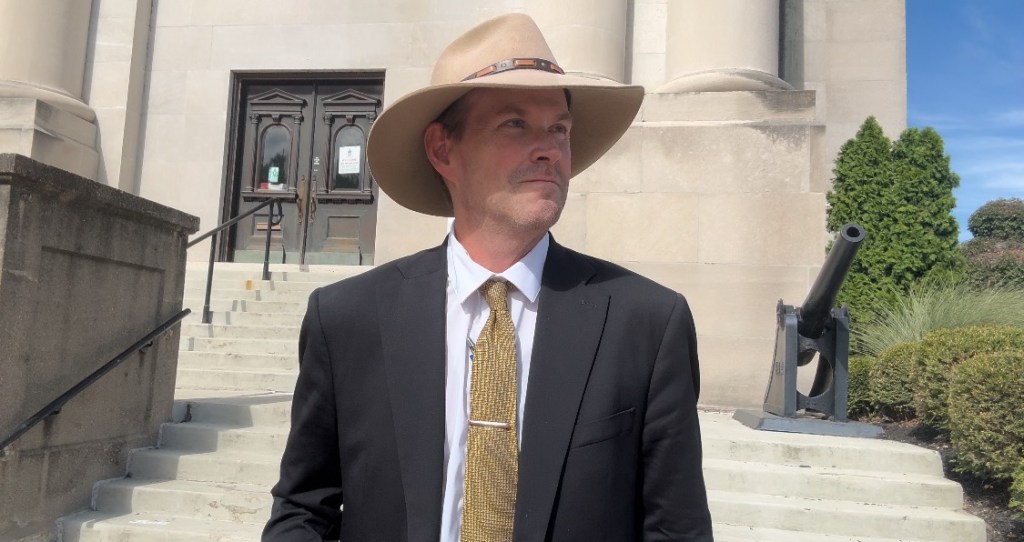
About the Author: Rich Hoffman
Rich Hoffman is an independent writer, philosopher, political advisor, and strategist based in the Cincinnati/Middletown, Ohio area. Born in Hamilton, Ohio, he has worked professionally since age 12 in various roles, from manual labor to high-level executive positions in aerospace and related industries. Known as “The Tax-killer” for his activism against tax increases, Hoffman has authored books including The Symposium of Justice, The Gunfighter’s Guide to Business, and Tail of the Dragon, often exploring themes of freedom, individual will, and societal structures through a lens influenced by philosophy (e.g., Nietzschean overman concepts) and current events.
He publishes the blog The Overmanwarrior (overmanwarrior.wordpress.com), where he shares insights on politics, culture, history, and personal stories. Active on X as @overmanwarrior, Instagram, and YouTube, Hoffman frequently discusses space exploration, family values, and human potential. An avid fast-draw artist and family man, he emphasizes passing practical skills and intellectual curiosity to younger generations.

