

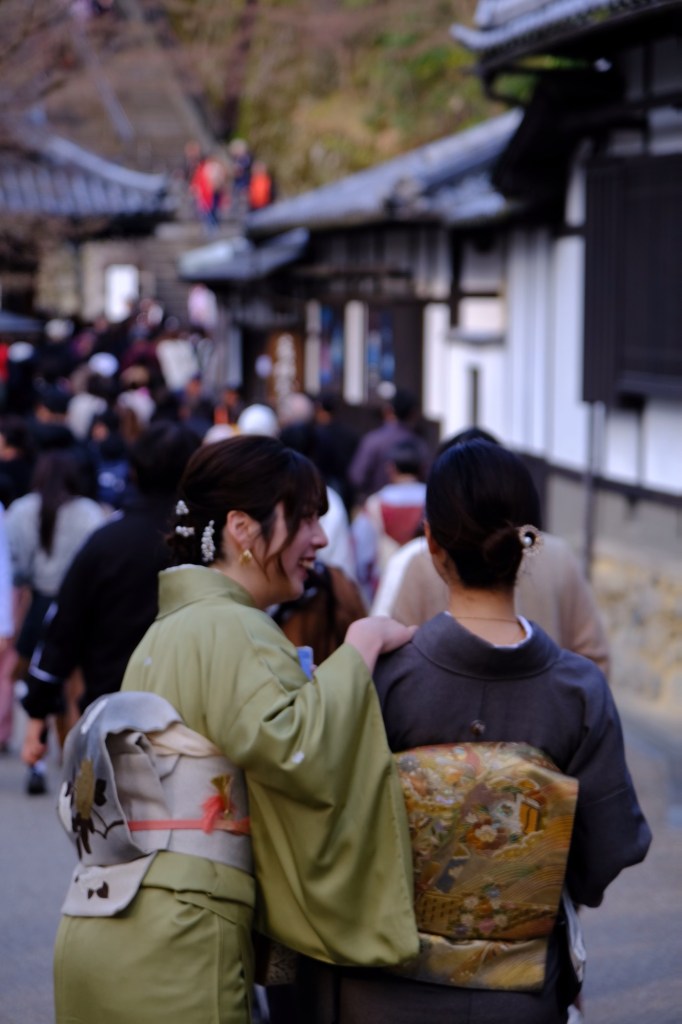
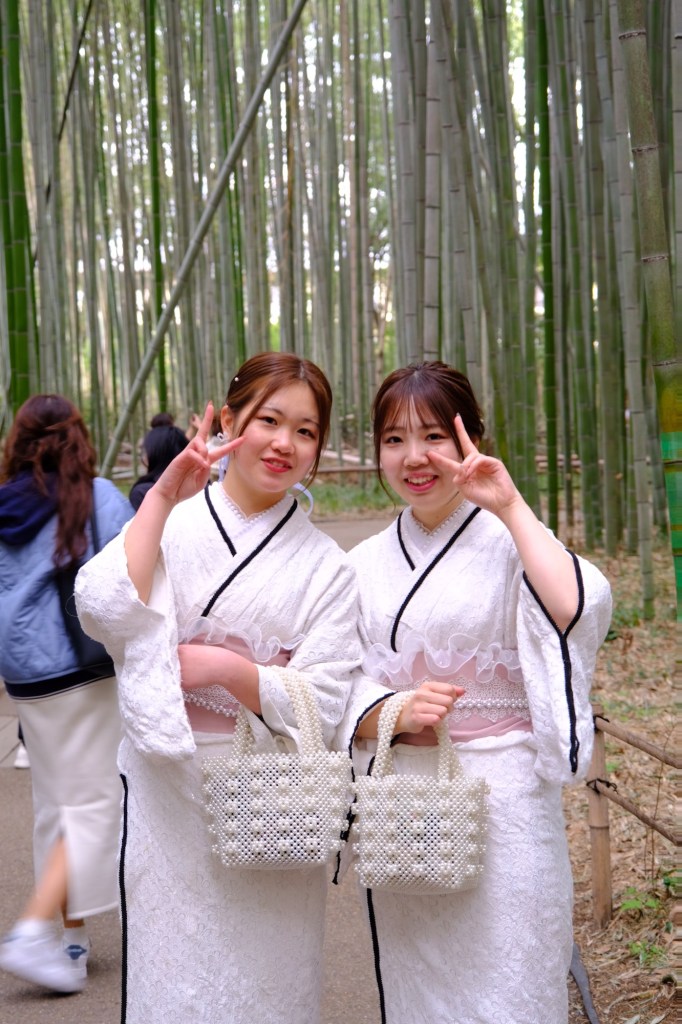
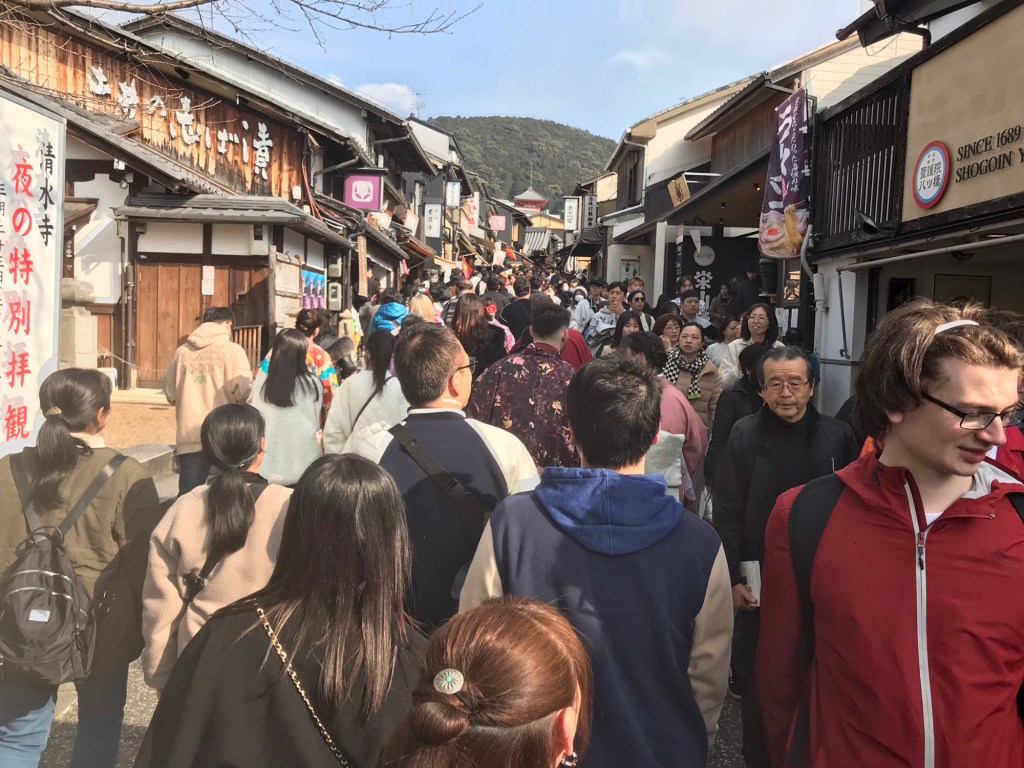
You might have heard about Jimmy Kimmel’s recent trip to Japan, a topic of its own. But he is right about several things: Japan is clean, and crime is low. He didn’t understand why, which I’ll break down in a separate article. However, one thing that is quite clear that I admire about the Japanese people quite a lot is their embrace of their traditional culture and their kimono dress. I, too, was recently in Japan. I’ve been there a few times during this year, so I am very familiar with some of the unique customs that they have there. However, during this most recent trip, I saw quite a lot of Kyoto on a Thursday afternoon and for an extended period, and I was surprised by how they dressed. Most of the people I encountered there were walking around the streets, the temples, and the bamboo forest in full kimonos, both men and women. And there were rental shops everywhere that kimonos could be rented to wear around town. It wasn’t a samurai cosplay convention, which was what I thought was going on. This was how people dressed all the time, and it was very refreshing to see. It reminded me of something I have been saying all the time, that in America, we need to embrace more of our traditions. While in Japan, I fully expressed American culture, which they appreciated. In America, I tend to wear a poncho to my gun competitions and other Second Amendment activities, the kind of Western wear that is very traditional to Western expansion and hard, cold nights on the open ranges next to campfires. I have several of them, and when I wear them, I always get a lot of strange looks. But I don’t think they should be considered strange at all. And when I dressed that way to go out to the store in the middle of the night outside my hotel in Kobe, nobody in Japan thought it was strange at all.
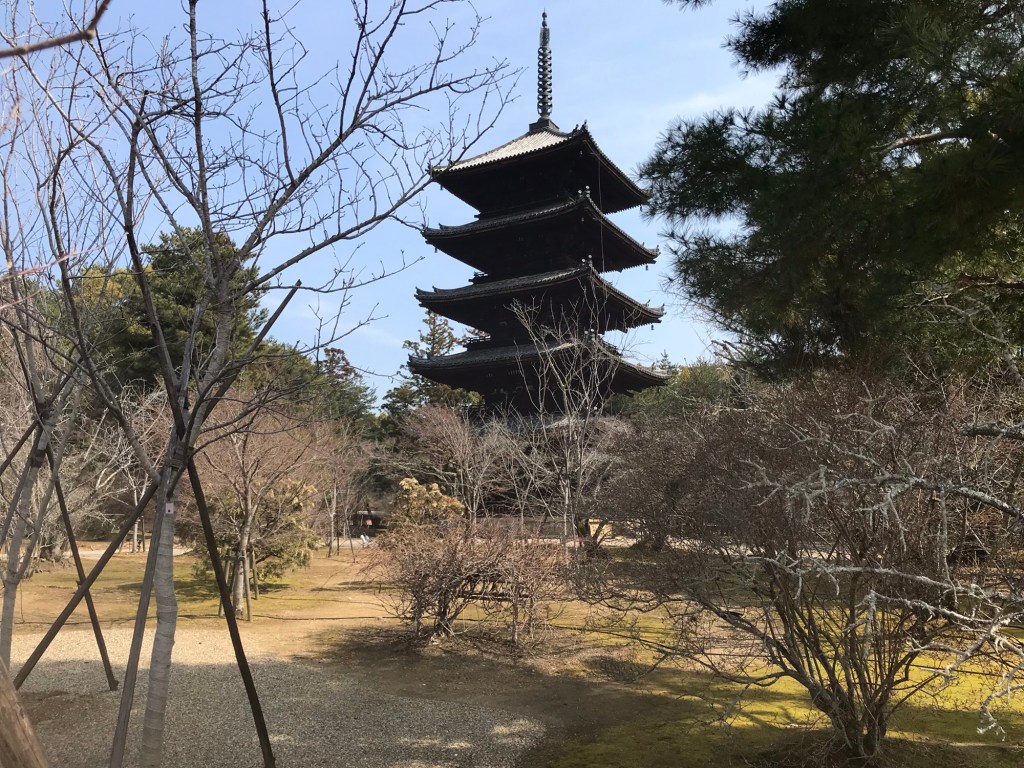
I had a few ponchos in Japan which I like to put on instead of a jacket, especially in inclement weather. It’s like having a wrap-around blanket without worrying about it falling off your shoulders, so it frees up your arms underneath. It’s suitable for short-term warmth without messing around with a cumbersome jacket. And I like that a poncho hides a lot of what you might not want people to see, such as the many knives and guns that I carry all the time. With concealed carry across multiple states, it is better to hide the big stuff with very baggy clothing instead of trying to contain the weapons in modern-day America’s conventional dress. In Japan, their reverence for history, especially in their samurai culture, is unmistakable, and they openly embrace it, which I thought was very classy. It was nice to see the women dressing up in these classic robes to go shopping and be seen around town. And the men dressed similarly to accompany them. Instead of being repealed by the display of my own dress, a few times on this latest trip, as I wore my poncho down to the local store to pick up supplies, people wanted to take a picture next to me in my boots, poncho, and Stetson cowboy hat to show they had met a “real American.” And they were pleased about it. As they snapped their pictures with me, I couldn’t help but think of one of my favorite quotes from the Dune books: “How else do humans invent the traps that betray us into mediocrity?”
Mediocrity is what we have adopted in our modern Western cultures, with our associations with communism introduced through our education system. They have rejected this mediocrity primarily in Japan due to their reverence for traditional values. But in America, these days, we have associated fashion with an alliance with sportswear. Nike, Adidas, and other brands seen from college sports programs have largely inspired our public presentation of ourselves. These days, the idea of proper dress on casual Fridays is a golf shirt that shows we are interested in sports programs. That is something that they don’t do as much in Japan. They love sports, especially baseball, but they don’t go out of their way to show reverence for it out of disrespecting their traditional cultures. But in America, we want to look like the coaches and players of our sports teams, which behind them have all kinds of corporate communism attached to them. So, our American dress has shifted from individual expressions of a rugged outdoorsman to billboards for corporate influence over our sporting markets. And the not-so-subtle message there is to accept that individuals are less important than the team’s greater good. And, of course, behind that is that communism defines the greater good. So, wearing a cowboy hat in America is quite a statement. More people are doing it now than they used to, mainly because of the popular Yellowstone television show and the failed politics of the communist left. People want to make America great again, and like the Japanese, they are turning to traditional dress to convey that trait. But in America, our dress directly influences our society’s condition.
I have always worn a cowboy hat. But over the years, I have been less inclined toward sporting goods fashion trends in favor of my traditional gunslinger apparel. I’ve been that way for many years. I remember many late-night encounters in my twenties where I would wear my ponchos everywhere, including the Kenwood Mall in Cincinnati. It’s one thing to do when you are in your 50s, as I am now. But when you are in your 20s, many people look at you weird because you are so out of step with mainstream culture. But it’s always been a visual hedge against mediocrity, which is how I view modern dress codes, and I largely reject the premise. A culture should strive to stand out from the crowd in everything, individually. Not to retreat into submission to the mob. In Japan, particularly Kyoto and even Tokyo, even though the kimonos are uniformly similar in their loose-fitting robes, they are colorful and full of individualized expression. I thought that seeing that expression was wonderful and was a major contributor to the quality of their society. I had a chance to eat at a very nice restaurant in Kyoto with some friends. It was a classic place; most people wore kimonos, and you had to take off your shoes while eating. It had a spectacular garden to walk in while you waited for your food, and they provided you with slippers to do so. I stepped into that place, mostly having to duck because the ceiling was low, and the whole place was primarily made of paper and wood. They gave me a very large locker for my big cowboy boots, which is what they do when you enter to put your shoes in while you eat, but I still wore my cowboy hat. And they took notice of it. But it wasn’t in a “you’re not like us” way. But rather, a respect for the culture that I came from. And they were proud of their culture. And what we all shared was a disrespect for sameness as defined by communism and an embrace of versatility as defined by capitalist markets. They brought us mostly raw fish and vegetables, certainly not chicken nuggets as I might otherwise be used to in the States. But it was a good look into a culture that embraced their uniqueness and certainly wasn’t shying away from their projection to the rest of the world. And if America wants to be Great Again. Perhaps we should start dressing for that greatness instead of playing everything down to some corporate version of casual and accepting sameness as a value rather than uniqueness.
Rich Hoffman

Click Here to Protect Yourself with Second Call Defense https://www.secondcalldefense.org/?affiliate=20707

