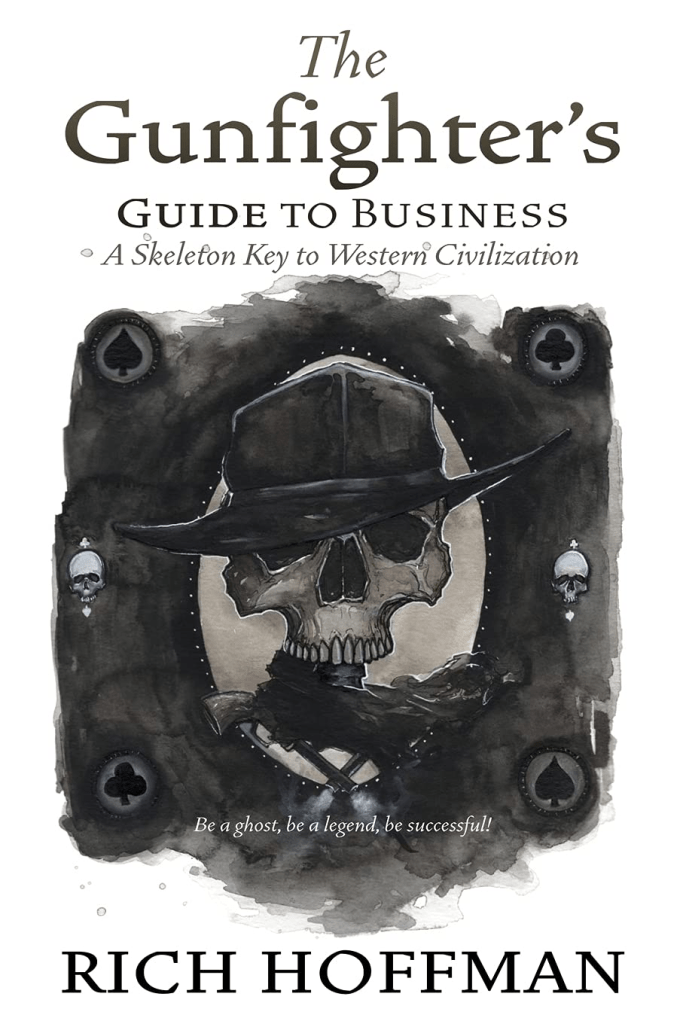
This is a bit of a footnote on some projects I have going, which involve King Solomon, his ring of power and the influence of jinn and kami in various world cultures. King Solomon’s Ring is a fabled object of immense power and wisdom that has captivated the human imagination for thousands of years. Many legends and stories have been passed down about its incredible abilities, but its true existence remains a mystery. Nonetheless, the tale of King Solomon’s Ring continues to inspire and intrigue people even to this day.
According to the ancient stories, King Solomon was given the ring by an angel, and it became a symbol of his great power and wealth. The ring was said to have the power to control demons and spirits and to grant its wearer immense knowledge and wisdom. It was also believed to have the power to heal the sick and to protect its wearer from harm.
Despite the many legends that surround King Solomon’s Ring, its true existence remains a mystery. Some scholars believe that the ring was a metaphor for the wisdom and power that King Solomon possessed, while others believe that it was a real object that has been lost to the ages.
One thing is certain, however – the story of King Solomon’s Ring has had a profound impact on human culture and history. It has inspired countless works of art, literature, and music, and it has been the subject of intense study and speculation by scholars and historians for centuries.
In the end, the true nature of King Solomon’s Ring may never be known. But its legacy lives on, inspiring us to seek out wisdom and knowledge, and reminding us of the power of legend and myth to capture the human imagination.
King Solomon’s Temple is one of the most iconic and enduring structures in human history. Built in ancient times by King Solomon himself, it is a testament to the great wealth and power of the Israelite kingdom. But who exactly built this magnificent temple? Many historians and scholars have debated this question for centuries, and the answer remains elusive to this day.
Some believe that King Solomon himself oversaw the construction of the temple, using his immense wealth and resources to bring his vision to life. Others argue that he employed skilled artisans and craftsmen from across the kingdom to complete the work, drawing on their expertise and experience to create something truly remarkable.
Still, others suggest that King Solomon may have enlisted the help of supernatural forces to build the temple, calling upon angels or other divine beings to assist him in the construction process. While this theory may seem far-fetched, it is not entirely without merit, given the many stories and legends that have been passed down throughout history about King Solomon’s incredible powers and abilities.
Regardless of who built the temple, there is no denying its remarkable beauty and grandeur. From its soaring columns and intricate carvings to its shimmering gold and precious stone decorations, the temple is a testament to the skill and artistry of its creators. Even today, thousands of years after its construction, the temple remains a symbol of the Israelite kingdom’s power and influence, and a reminder of the incredible achievements that can be accomplished by those who dare to dream big and work hard to make their dreams a reality.
In conclusion, the question of who built King Solomon’s Temple remains a mystery to this day. While there are many theories and legends surrounding its construction, the truth may never be known for certain. Nonetheless, the temple remains a remarkable achievement of human ingenuity and creativity,
Hiram Abiff is a prominent figure in the world of Masonic symbolism and ritual. He is a central character in the legend of the building of King Solomon’s Temple, which is a foundational story in Masonic lore. According to legend, Hiram Abiff was the chief architect and master craftsman of the Temple, and his death at the hands of three jealous apprentices is a tragic and important event in Masonic history.
The legend of Hiram Abiff is a complex and multi-layered story that has been interpreted and re-interpreted by Masonic scholars and practitioners for centuries. At its core, however, the story is a morality tale about the importance of truth, fidelity, and honor in the Masonic brotherhood.
According to the legend, Hiram Abiff was a skilled craftsman who was entrusted with the task of building King Solomon’s Temple. He was known for his uncompromising commitment to excellence and his unwavering dedication to the craft of building. However, his great skill and success also made him a target of envy and jealousy among some of his fellow craftsmen.
Three of Hiram Abiff’s apprentices, known as the “ruffians,” conspired to steal the secrets of his craft by force. They demanded that Hiram reveal the “Master Mason’s Word,” which was believed to be a powerful and sacred secret that only the most skilled and worthy Masons knew. Hiram refused to divulge the secret, even under threat of death.
The ruffians then attacked Hiram, first striking him with a mallet and then stabbing him with a chisel. Hiram died, but not before uttering a powerful and cryptic message that has become central to Masonic symbolism: “Ma-ha-bone.”
The death of Hiram Abiff is a tragic event in Masonic history, but it is also a powerful symbol of the importance of fidelity and honor in the Masonic brotherhood. Hiram’s refusal to reveal the Master Mason’s Word, even under threat of death, is seen as a powerful example of the importance of keeping one’s commitments and upholding one’s obligations in the face of adversity.
Today, Hiram Abiff remains a powerful symbol in the world of Masonic symbolism and ritual. His story is told and retold in Masonic lodges around the world, and his death is commemorated in elaborate ceremonies that are meant to inspire and instruct Masonic initiates.
In conclusion, Hiram Abiff is a central character in the legend of the building of King Solomon’s Temple, and his tragic death at the hands of three jealous apprentices is a powerful symbol of the importance of fidelity and honor in the Masonic brotherhood. His story continues to inspire and instruct Masonic practitioners around the world, and his legacy remains an important part of Masonic lore and tradition. and a testament to the enduring legacy of King Solomon and the Israelite kingdom.
Asmodeus is a fascinating figure in the world of biblical lore. According to the legends, Asmodeus was a powerful demon who helped King Solomon build his temple. But who was Asmodeus, and what drove him to assist the king in such a monumental task?
To answer these questions, we must first delve into the origins of Asmodeus. According to the Book of Tobit, Asmodeus was originally an angel who fell from grace and became a demon. He was said to be one of the seven princes of hell, ruling over the sin of lust. He was also known as the “destroyer,” due to his penchant for causing chaos and destruction.
Despite his demonic nature, Asmodeus was said to have a fascination with humans. He was known to possess humans and engage in sexual acts with them, often resulting in the birth of monstrous offspring. This behavior earned him a reputation as a powerful and dangerous demon, one who was feared by many.
So why would Asmodeus help Solomon build his temple? Some believe that Asmodeus was motivated by a desire to gain access to the holy site. Others speculate that he was seeking redemption for his sins and saw assisting the king as a way to achieve it.
Regardless of his motivations, it is clear that Asmodeus played a critical role in the construction of the temple. According to the legends, he used his powers to help Solomon locate and mine the precious stones and metals needed for the temple’s construction. He also provided Solomon with the knowledge and expertise needed to design and build the temple’s intricate architecture.
But Asmodeus’s assistance came at a cost. In exchange for his help, Solomon was said to have given Asmodeus the power to tempt and corrupt humans. This power allowed Asmodeus to continue his wicked ways, and he became even more feared and reviled by those who knew of his involvement in the temple’s construction.
Despite the controversy surrounding Asmodeus’s role in the construction of the temple, there is no denying that his contributions were critical to its success. Without his help, Solomon may never have been able to complete the project, and the temple may never have become the revered holy site that it is today.
In conclusion, Asmodeus is a complex and fascinating figure in biblical lore. His role in the construction of Solomon’s temple has been the subject of much debate and speculation, but there is no denying that his contributions were critical to its success. While his demonic nature may be troubling to some, it is clear that Asmodeus played a critical role in the history of the Jewish faith.
Rich Hoffman