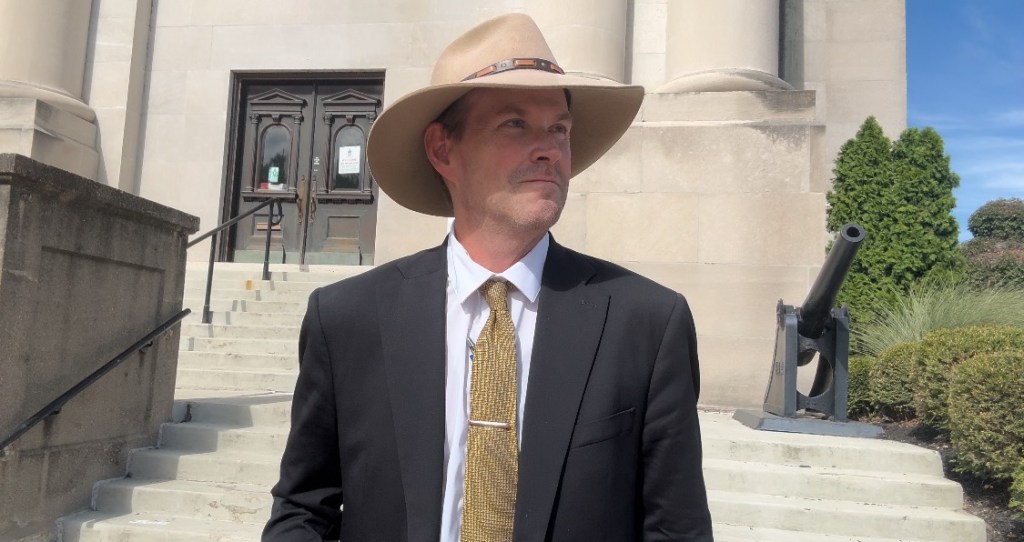
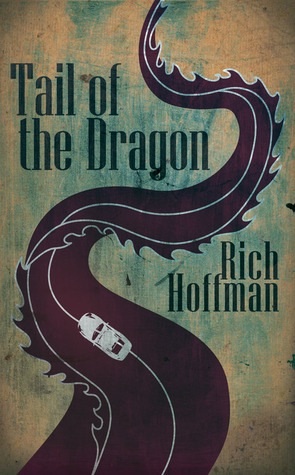
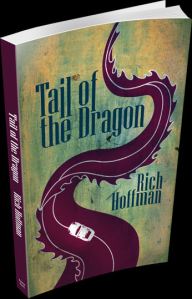
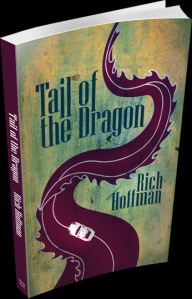
The book Tail of the Dragon, which I wrote and published in 2012, remains one of the most personal and enduring statements I’ve ever made. At the time, I was deeply immersed in the political currents of the late 2000s and early 2010s—active in the Reform Party since the Ross Perot days, a supporter of Pat Buchanan’s ideas, an early Tea Party participant (even earning the nickname “Tax Killer” in my community for fighting tax increases), and someone who had long advocated for limited government against what I saw as growing tyranny. I began writing the novel around 2010, finishing it in 2012, during Barack Obama’s presidency, when frustrations with federal overreach, economic policies, and foreign entanglements were boiling over.
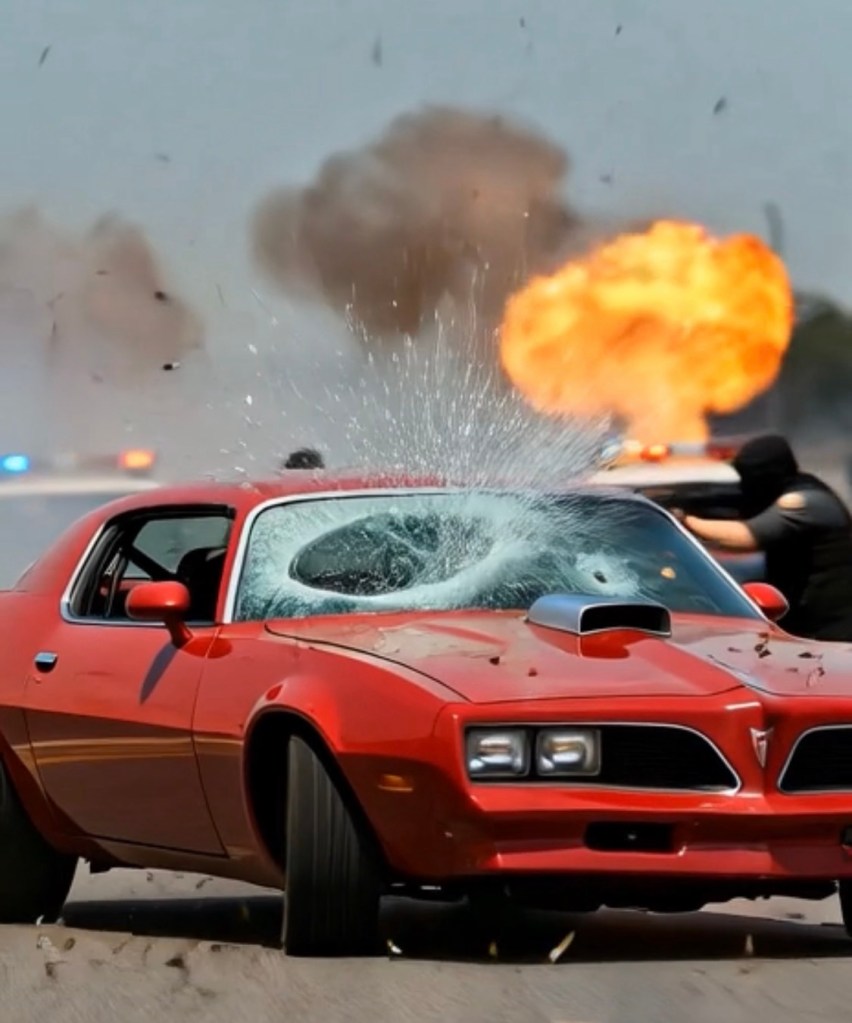
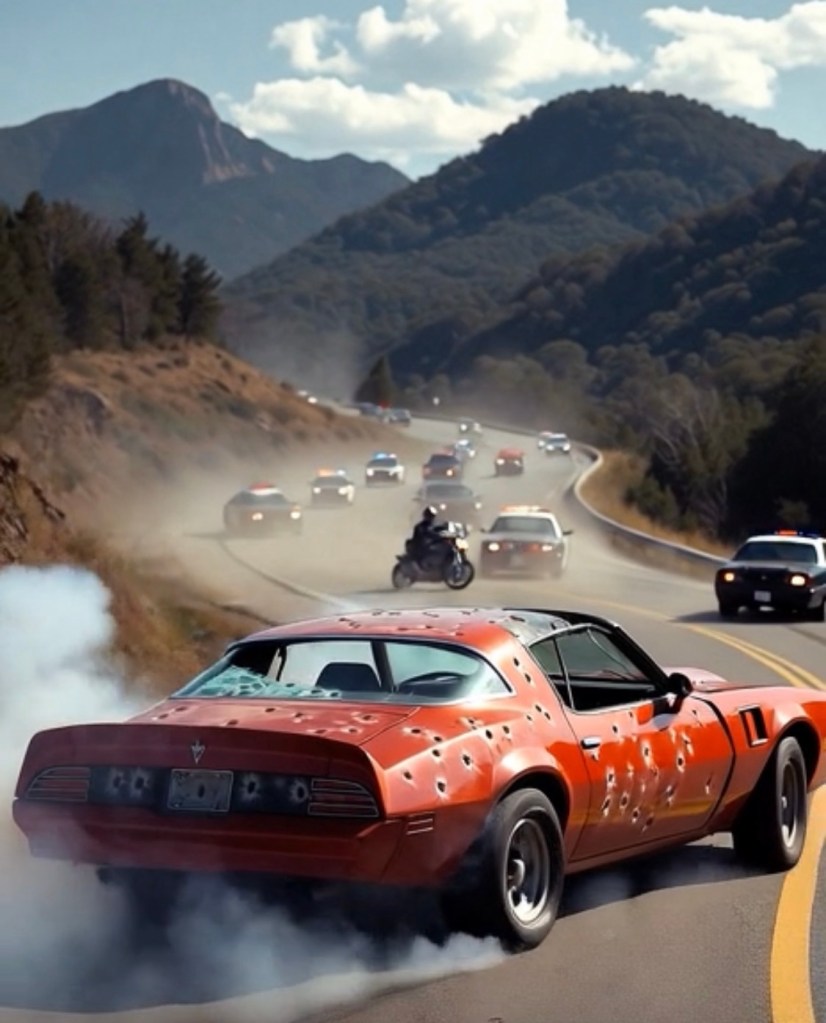
The story is framed as a high-octane action tale—a car chase thriller set on the real-life Tail of the Dragon, the legendary 11-mile stretch of U.S. Highway 129 straddling the Tennessee-North Carolina border in the Great Smoky Mountains. This road, with its 318 curves, has a storied history dating back centuries: originally a buffalo trail and Cherokee path, later used by hunters, trappers, and settlers in the 1700s and 1800s, it was paved in the 1930s and became a mecca for motorcyclists and sports car enthusiasts in the late 20th century.
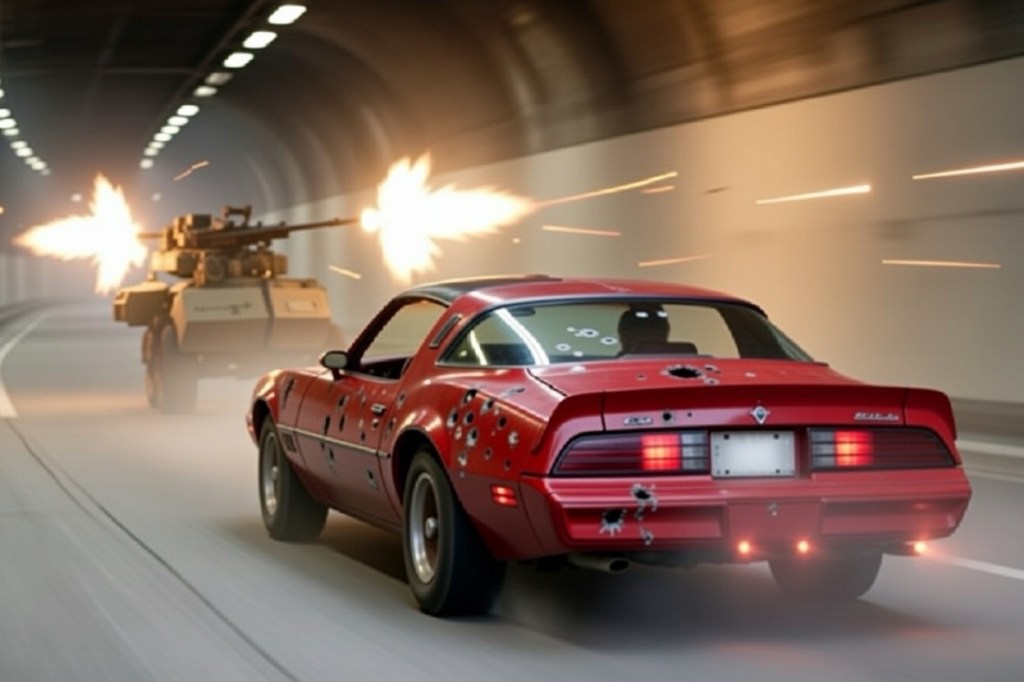
I drew from my own experiences riding motorcycles across the U.S., immersing myself in the culture of independence and the open road—the raw desire for freedom unburdened by overbearing authority. The protagonist, Rick Stevens, a rebellious everyman whose NASCAR dreams have faded, becomes entangled in a high-stakes pursuit that pits individual liberty against a corrupt, tyrannical system. It’s packed with action, comedy in places, romance, and high-speed drama, inspired by classics like Smokey and the Bandit or The Dukes of Hazzard, but with a much darker, more serious edge. Unlike those lighthearted films where characters evade consequences, my story reflects real-world stakes: government overreach, loss of personal freedoms, and the moral cost of resistance.
Officially categorized as “philosophy in action” because that’s where my mind was—blending thrilling narrative with deep ideas about governance, justice, and human nature. I didn’t write it for quick sales or mass-market appeal; books, for me, are vehicles for ideas meant to endure for centuries, not fleeting articles or videos. They provide a framework—a complete world—to explore concepts that demand sustained thought.
At the time, the book puzzled people. Some saw it as just a car-chase novel; others recognized the anti-government manifesto woven in. It critiqued a system that enabled corruption, foreign meddling, and domestic tyranny. I distributed hundreds of copies to tourist spots near the Tail of the Dragon, where motor geeks and road warriors embraced it. The motorcycle community—fiercely independent—loved the authenticity. Online, it sold modestly, but it found a niche among Tea Party leaders, libertarians (though I’m not strictly one), and those disillusioned with the status quo.
The reception was mixed in mainstream circles. My connections—friends close to Glenn Beck, entertainment figures—hinted at potential for film adaptation, given the era’s boom in car-chase movies grossing billions. But Hollywood was shifting leftward, and my conservative, liberty-focused message was too explosive. Pre-Trump, pre-MAGA, it was taboo to openly challenge the Obama-era government so aggressively.
The ending is what many readers called “perfect”—and it’s the core of why the book feels prophetic today. Without spoiling it fully, the resolution isn’t a simple outlaw victory or easy escape. It grapples with justice, consequences, and optimism: even in chaos, there’s a path to something better. I am an optimist at heart; I see potential for good even amid fire. The characters face dire situations far beyond Bonnie and Clyde-style tragedy or Smokey and the Bandit hijinks, reflecting my real experiences with law, order, and government reform efforts.
Fast-forward to now, in 2026, and the world has caught up. People who read it years ago—Tea Party activists, early MAGA supporters, grassroots leaders—revisit it and say the arguments aged well. They ask: “You were anti-government then—why support crackdowns now on protesters, immigration enforcement, or actions against regimes like Iran?” The answer lies in that ending and the philosophy behind it.
In 2012, the government I opposed funded adversaries abroad while undermining constitutional principles at home. The Obama administration pursued policies toward Iran that included sanctions but also controversial elements—like the eventual JCPOA nuclear deal (finalized later in 2015) and cash transfers critics labeled as enabling terrorism.
It allowed influence from regimes in places like Venezuela, where China and others gained footholds through oil and alliances. Drug cartels and thugs thrived in hemispheric politics, enabled by weak borders and foreign policy that prioritized appeasement over strength.
My book was a call to fight back—violently, if necessary—against such tyranny. It was rough, angry, explosive. Mainstream folks shied away; motorcycle warriors and liberty-minded readers took it to heart.
Today, the shoe is on the other foot. A government aligned with the values I championed—freedom, upward mobility for the majority, cracking down on threats—holds power. Actions against violent protesters (like those in Minnesota scenarios), strong immigration enforcement, and decisive moves on Iran and Venezuela aren’t hypocrisy; they’re the fulfillment of what I advocated. A freedom-fighting government represents the people’s interests, not the old tyrannical one.
Recent developments illustrate this: U.S. operations targeting Iran’s nuclear sites and influence, combined with efforts in Venezuela to remove leaders like Nicolás Maduro, curb Chinese, Russian, and Iranian footholds in the hemisphere, and secure strategic resources like oil.
These are chess moves in a high-level game—eradicating threats that once thrived under the prior order, reducing adversarial footprints, and restoring American dominance in our sphere.
The difference isn’t anti-government absolutism (that’s libertarian territory, which I don’t claim). It’s defining tyranny versus legitimate authority. When “our side” wins, we fly the flag proudly, ensuring government serves freedom, not suppresses it. The former rulers now protest violently—borrowing our playbook but twisting it with force—because they’re on the outside.
Tail of the Dragon helped shape thinking among key influencers years ahead of the curve. It wasn’t a bestseller, but it has a cult following: people still seek copies, discuss it at rallies, reference it in conversations. It provided a philosophical framework for building a movement—one that took time (through Tea Party to MAGA, through investigations, COVID, and elections) but prevailed.
I’m proud of it. Books like this aren’t for immediate gain; they’re for longevity. The message endures: resist tyranny, but recognize when victory arrives and authority aligns with liberty. The world caught up, and that’s a good thing.
Bibliography
• Hoffman, Rich. Tail of the Dragon. Self-published/iUniverse, 2012. (Primary source; available on Amazon and Goodreads.)
• Tail of the Dragon official site. “History.” tailofthedragon.com/history. Accessed March 2026.
• U.S. Department of State archives. “Iran–United States Relations During the Obama Administration.” Wikipedia summary drawing from primary sources, 2010–2016.
• FactCheck.org. “Obama Didn’t Give Iran ‘150 Billion in Cash’.” March 1, 2019 (updated context).
• Politico. “Obama’s Hidden Iran Deal Giveaway.” April 24, 2017.
• Foreign Affairs. “Trump’s Way of War: Iran, Venezuela, and the End of the Powell Doctrine.” Recent analysis, 2026.
• ABC News. “Trump Demands Venezuela Kick Out China and Russia.” January 6, 2026.
• Various Goodreads and Amazon reviews of Tail of the Dragon by Rich Hoffman, 2012–present.
Footnotes
1. Tail of the Dragon route history drawn from tailofthedragon.com and related sources.
2. Book details from Amazon and Goodreads listings.
3. Iran policy critiques based on archived Obama-era fact sheets and subsequent analyses.
4. Current geopolitical actions referenced from 2026 news reports on U.S. operations in Iran and Venezuela.
Rich Hoffman
More about me
Click Here to Protect Yourself with Second Call Defense https://www.secondcalldefense.org/?affiliate=20707