

There is a growing controversy surrounding Amy Acton’s campaign as it attempts to distance itself from the COVID-era lockdown decisions that defined her tenure as Ohio’s health director. That strategy faces a fundamental problem: the record is well known, and voters remember. Governor Mike DeWine may have held executive authority, but Acton was not a passive figure—she was the central public voice and policy driver behind the state’s pandemic response. Day after day, she appeared before Ohioans, advocating aggressive mitigation measures, including shutdowns, mask requirements, and restrictions on gatherings. Those policies were not abstract recommendations; they were implemented in real time under the administration she helped guide.
Attempts to shift responsibility now—whether onto the governor or broader circumstances—risk undermining credibility. Acton was appointed to provide expert guidance, and by all observable accounts, DeWine relied heavily on that guidance. In that sense, the administration’s decisions were inseparable from her influence. The argument that these policies were solely political or that they emerged independently of her leadership is difficult to reconcile with the public record of her daily briefings, national media presence, and close alignment with federal health leadership at the time.
Politically, the sensitivity of this issue suggests vulnerability. The campaign’s effort to reframe or soften Acton’s role indicates awareness that the lockdown period remains deeply polarizing, particularly among voters who experienced economic disruption, job loss, or prolonged social restrictions. Efforts to draw comparisons between Acton and her opponents, including Vivek Ramaswamy, may reflect a broader defensive strategy—one intended to diffuse criticism rather than directly confront it. But such comparisons also risk backfiring if voters perceive them as evasive.
Another point of criticism centers on Acton’s departure from her role in 2020. She resigned amid mounting public pressure and protests, at a time when tensions around lockdown policies were intensifying. For critics, this moment reinforces a narrative of incomplete accountability—that she helped shape sweeping policies and then exited before the long-term consequences fully unfolded. Supporters may interpret her resignation differently, but politically, the timing continues to factor into how her leadership is judged in retrospect. She is very vulnerable to the lockdown issue. She dragged Jon Husted into her mess, as well as DeWine. They were too nice to say no to her. David Pepper and the national Democrats think Republicans won’t expose her because of complicity. Jon Husted will not take friendly fire if Republicans destroy Amy Acton with her lockdowns. It’s easy to defend. Her stupid policies were some of the dumbest things ever to be done in politics. And she completely owns it.
I was out in the driveway the other day, swapping tires on the RV after blowing a couple on our recent trip, sockets in hand, going back and forth to the garage. The rain was coming down, so I had WLW on for some background noise 12 to 3 on Saturday afternoon, right before the Cardinals game. I didn’t catch every word. I was in and out, focused on the work, but I heard enough. It was Kim Brew hosting, with Jim Renacci as a guest, discussing Ohio politics, John Husted, Vivek Ramaswamy, and the path forward for Republicans.
What I heard didn’t surprise me, but it reinforced exactly why I’ve distanced myself from that station over the years. They used to have more Tea Party energy, real conservative voices in the programming and talent. But as Clear Channel evolved into the corporate middle-road sports-and-news machine, the anti-Trump corporate types gained the upper hand. Cunningham hasn’t been outright hostile, but Scott Sloan and others have leaned that way for a long time. Even Tucker Carlson types shifted toward stronger support for Trump over the years, but the station’s overall direction felt like it was cracking down on anything too disruptive to the ad-revenue model. I usually keep a radio on in the garage while I’m working on projects around the house—cars, the RV, whatever needs fixing. I catch snippets, but I don’t live by them. That Saturday was no different.
They were discussing campaigns, and the guest was pushing the idea that candidates like Vivek and Jon need to distance themselves from Trump because he’s “baggage.” That was one of the dumbest pieces of advice I’ve heard in years. I’ve seen this game up close. I came out in favor of Jim Renacci in his races. I told him, straight after a Miami University event where he debated Sherrod Brown, that you left too much on the table. You were too nice. You didn’t hit hard enough on the things that matter—attack, attack, attack. That’s how you give voters something to show up for on Election Day. Not nice-guy politics. Voters don’t reward playing defense or hoping for fair coverage. They reward fighters.
I remember sitting down for lunch with Bernie Moreno during his campaign. Smart young guy, full of energy. First question out of his mouth: “What do you think about Sherrod Brown?” I told him the truth. Bernie listened better than some. Trump endorsed him even from political exile at one point, and Bernie won. That’s the model. Trump showed the country you don’t win by playing the corporate media game, spending millions on traditional ad slots, and hoping the gatekeepers treat you fairly. He built his own platform, dominated podcasts, went directly to the people on YouTube, Rumble, X—free or low-cost reach that bypasses the old gatekeepers.
That’s exactly what I heard critiqued on WLW that day. The narrative was that Republicans are in trouble in the polls, so they better spend more on ad revenue with stations like this one to close the gap. It’s the same old revenue-driven thinking. I know how radio works from the inside—I bought ads, I even hired Bill Cunningham back in the 90s as a spokesman for a project. They’ve got the big sales floor, the WLW 55KRC on the desk, and cubicles full of people chasing revenue. The belief is that if you don’t outspend Democrats on their airwaves, you won’t get fair play. But that’s nonsense. Trump broke the mold. He won without playing their game. He attacked relentlessly, defined the opposition, and created his own media reality. Elon Musk’s changes to X further eroded the old suppression model. Corporate media wants you scared into buying their slots.
Look at the current Ohio landscape as we head toward November 2026. Vivek Ramaswamy crushed the Republican primary for governor with over 82% of the vote. Amy Acton, the former Health Director under DeWine during COVID, won the Democratic side unopposed. Polls have been tight—some showing Acton with a slight edge or dead heat, others giving Ramaswamy the advantage. But the fundamentals favor aggressive conservatism.
Acton’s record is vulnerable. She was central to the lockdowns—closing schools and businesses, restricting gatherings, and even pushing to postpone the primary. Protesters showed up at her house. Republicans remember the economic pain, the overreach, the mutiny against the restrictions. She left the position in mid-2020 amid backlash. There’s plenty to attack there: the human cost of those policies, the constitutional questions, the long-term damage to kids’ education and small businesses. Playing nice or treating her as some neutral public servant won’t cut it. Voters respond to reminders of why these approaches failed.
Jon Husted (often referenced in these discussions) has his own path, whether in the Senate or in other roles, but the principle is the same. Distancing from Trump is terrible advice. Trump remains enormously popular with the base. People still love him for what he represents—fighting the establishment, delivering results, refusing to bow. Running away from that energy is how you lose enthusiasm. Embrace it. Remind voters why the alternatives are worse.
My friend Senator George Lang is a perfect example of what works. He’s won repeatedly in his district by being aggressive when challenged. He’s a nice guy personally, but he doesn’t hesitate to go after opponents metaphorically—hard. That’s how you deter challenges and win decisively. I’ve watched him rise because he understands the arena. Same with Trump: attacked from every direction, impeachments, lawfare, assassination attempts, and he keeps fighting back. That resilience resonates. Jim Renacci, for all his strengths, played too nice against Sherrod Brown, and it showed. I told him as much in the parking lot after that debate. You can’t leave domestic issues, policy failures, or character questions on the table.
Corporate radio personalities like the ones I heard that day know how to stay employed. They tow a line that keeps the ad dollars flowing and the golf invitations coming from the “titans of industry” crowd. Many in corporate media have migrated toward softer, more socialist-friendly positions because control through authority and supply chains appeals to the management mindset. They want to be like Fox or MSNBC in their own way—mouthpieces that don’t rock the boat too much. Podcasts and independent platforms threaten that. That’s why you hear the suppression polls and the fear-mongering about Republican chances unless they buy more airtime.
I’ve lived this for decades in Butler County and the Cincinnati area. From my time as a young man handling logistics in some rough circles—Newport and Sharonville—learning coded signals, plausible deniability, and how power really operates, to my days deeply involved in downtown Cincinnati politics and infrastructure projects. I’ve seen the game from multiple angles. The lesson is consistent: nice guys finish last when the other side plays for keeps. Democrats attack relentlessly. They use lawfare, media allies, every tool—Republicans who mirror that energy and define the contrast win.
The data backs the fighter approach. Trump’s 2024 victory, Bernie Moreno’s success against Brown, the enthusiasm in grassroots circles—these come from unapologetic messaging. In Ohio, with its mix of suburban, rural, and working-class voters, reminding people of the failures of lockdown policies, high taxes, and education issues in places like Lakota, as well as the broader cultural drift, works. Vivek brings energy, business success, and a willingness to challenge the status quo. Pair that with relentless attacks on the opposition’s record, and the path is clear.
This is bigger than one radio segment. It’s about the shift in media and politics. Traditional outlets are losing ground because people see through the bias. Podcasts like mine, independent voices, direct communication—these are where real conversations happen. I dictate these essays as first-person narratives because that’s authentic. No scripts, no corporate filters. Just truth as I’ve lived it, backed by history, personal experience, and observation.
My book The Gunfighter’s Guide to Business lays out similar principles: impose your will on circumstances, prepare relentlessly, strike decisively. The same ethos applies to politics. The whip I carry as a symbol—discipline, precision, deterrence—fits here too. You don’t win by being soft. You win by being ready.
As we move through 2026, I’ll keep helping where I can—locally in Butler County, supporting strong candidates who understand the fight. Republicans don’t need to defend or chase poll-driven ad spend endlessly. They need to attack the vulnerabilities: Acton’s COVID record, the broader Democrat policy failures, the corruption and two-tier systems we’ve seen. Democrats haven’t been “too smart to get caught”; they’ve benefited from institutional protection and media cover. Expose it.
Don’t listen to the Saturday afternoon analysis that tells you to run from Trump or play nice. Attack. Destroy the arguments. Give voters a reason to show up. That’s how Vivek Ramaswamy wins the governorship, how Jon Husted and others secure their seats, and how Ohio stays on the right track. Trump proved it nationally. George Lang proves it locally. History proves it repeatedly.
I’ve shared these thoughts before in various forms—on the podcast, in writings, in conversations with candidates. The response from people who get it is strong. The Overmanwarrior approach isn’t about blind aggression; it’s about moral clarity, preparation, and the will to impose order on chaos. Whether it’s troubleshooting a rocket launch with my grandson in bad weather or navigating political storms, the mindset is the same: adapt, strike, prevail.
Corporate media will keep pushing the narrative that fits their business model. Ignore it. The future belongs to those who build their own platforms and fight without apology. That’s the lesson from that rainy Saturday in the driveway, and it’s the one Ohio Republicans should heed as they head into November.
Further Reading / Bibliography (partial, expandable):
• Ohio Secretary of State election results and polls.
• Coverage from Ohio Capital Journal, AP, Wikipedia summaries on candidates.
• Trump campaign analyses, Moreno Senate race reporting.
• Personal works: The Gunfighter’s Guide to Business, Tail of the Dragon.
• Broader: Books on political strategy, corporate media influence, COVID policy impacts.
Rich Hoffman
More about me
Click Here to Protect Yourself with Second Call Defense https://www.secondcalldefense.org/?affiliate=20707
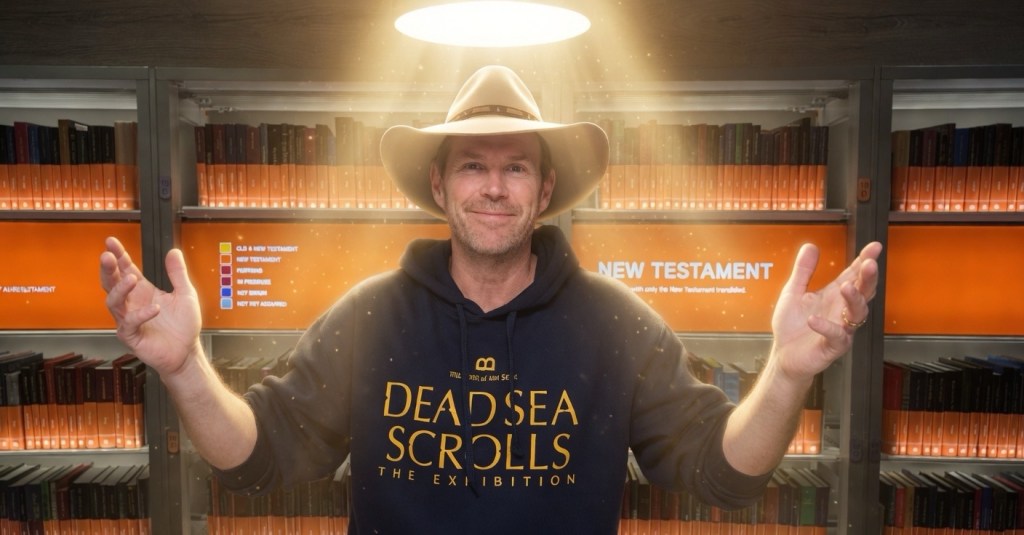
About the Author: Rich Hoffman
Rich Hoffman is an aerospace executive, political strategist, systems thinker, and independent researcher of ancient history, the paranormal, and the Dead Sea Scrolls tradition. His life in high‑stakes manufacturing, high‑level politics, and cross‑functional crisis management gives him a field‑tested understanding of power — both human and unseen.
He has advised candidates, executives, and public leaders, while conducting deep, hands‑on exploration of archaeological and supernatural hotspots across the world.
Hoffman writes with the credibility of a problem-solver, the curiosity of an archaeologist, and the courage of a frontline witness who has gone to very scary places and reported what lurked there. Hoffman has authored books including The Symposium of Justice, The Gunfighter’s Guide to Business, and Tail of the Dragon, often exploring themes of freedom, individual will, and societal structures through a lens influenced by philosophy (e.g., Nietzschean overman concepts) and current events

