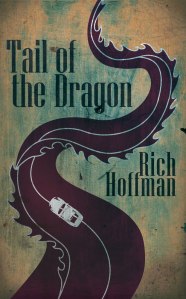
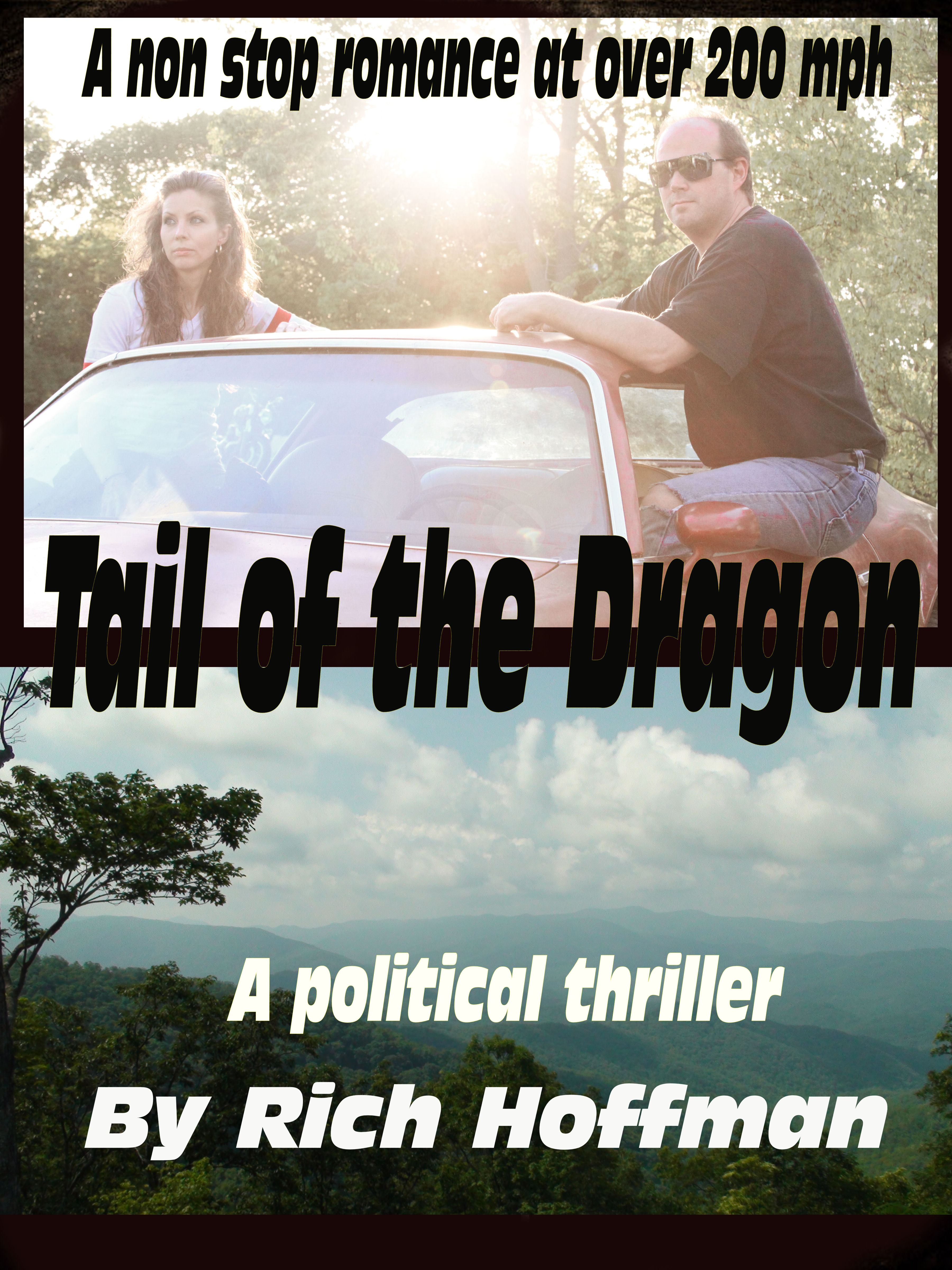
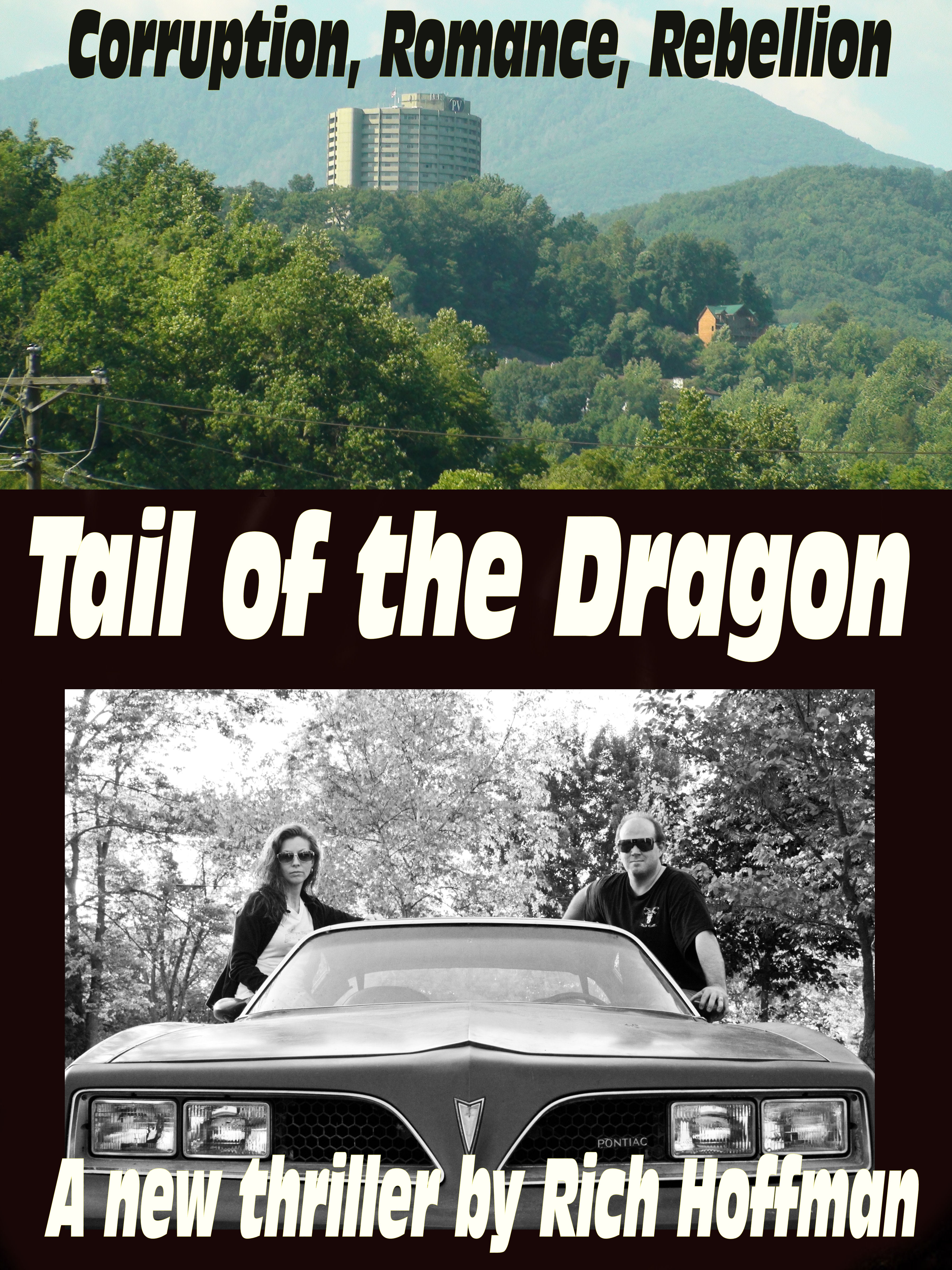
In 2012, amid the political turbulence of the early Obama years and the rise of the Tea Party movement, Rich Hoffman published Tail of the Dragon, a novel that defied easy categorization. Officially designated “philosophy in action” by its publisher, the book combines the adrenaline-fueled thrills of classic car-chase stories with a deep exploration of individual liberty, governmental overreach, and the moral ambiguities of resistance. Far from a mere pulp thriller, it serves as a vehicle—literally and figuratively—for Hoffman’s enduring belief that books, unlike fleeting articles, podcasts, or blog posts, can endure for centuries, delivering ideas that challenge readers across generations.
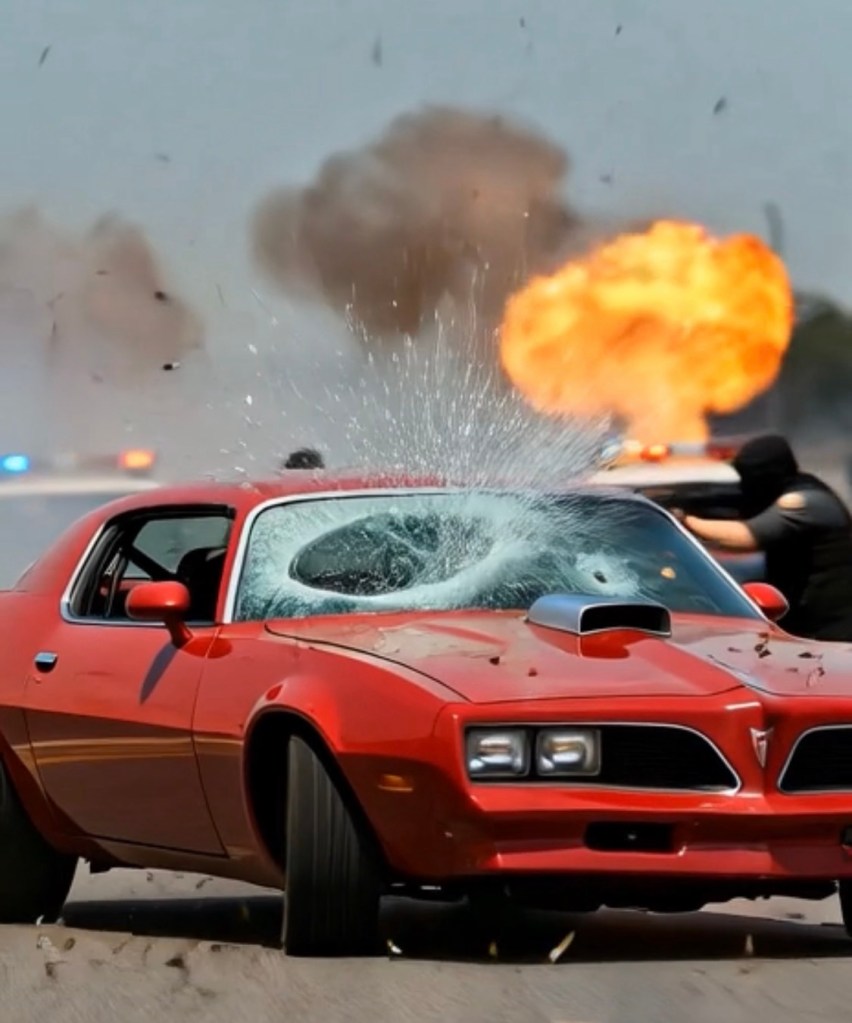
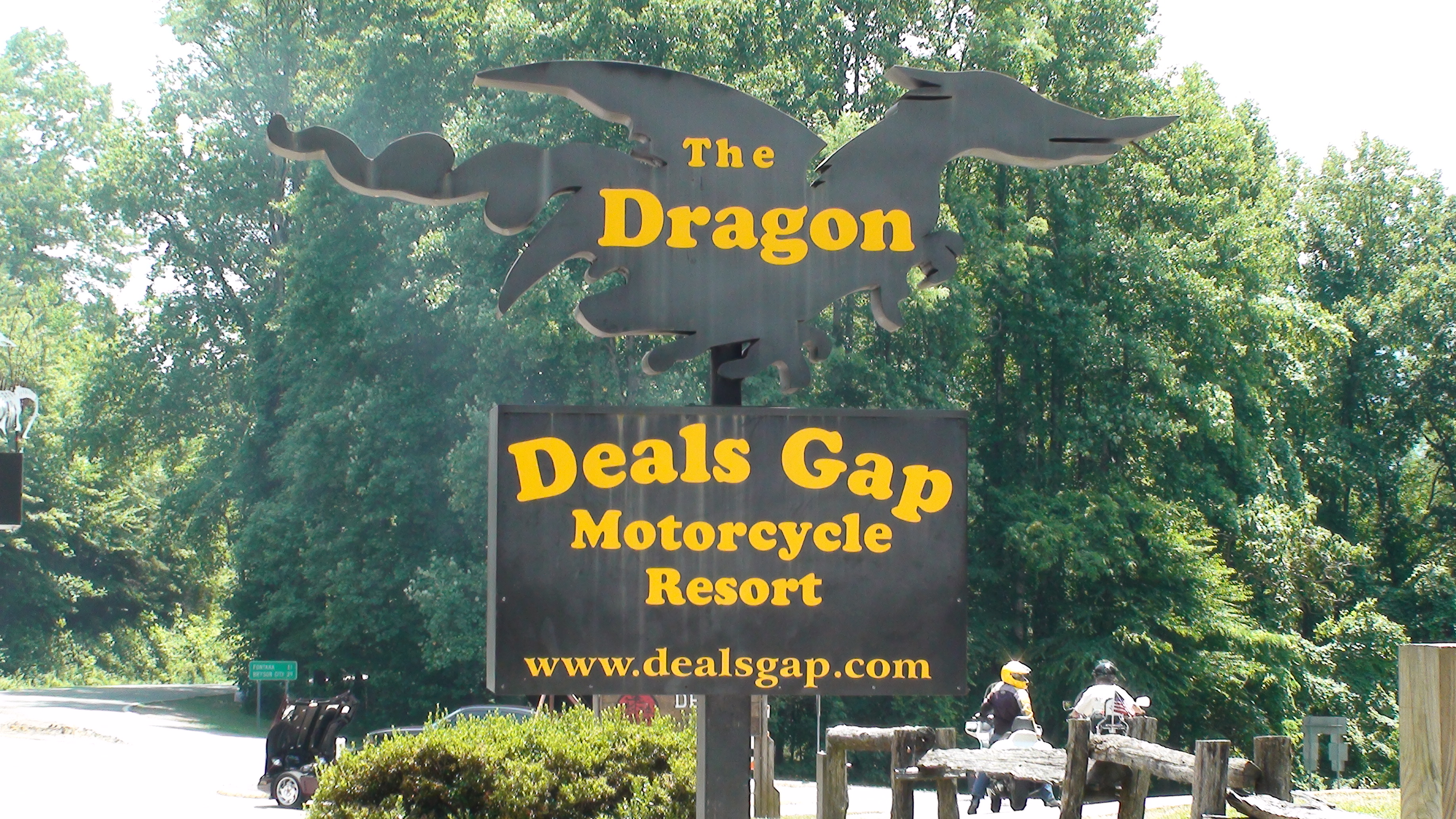
The story centers on Rick Stevens, a NASCAR-loving everyman whose dreams have been stifled by a mundane life of conformity. After being wronged by an overzealous highway patrol backed by political ambition, Stevens embarks on what becomes the most incredible car chase in literary history. Armed with a custom-built red Firebird and twenty million dollars, he races through the treacherous curves of the Tail of the Dragon—a real-world stretch of U.S. Route 129 along the Tennessee-North Carolina border, notorious among gearheads for its 318 curves in 11 miles. Joined by Renee, his wife, the chase evolves into a journey of self-discovery, romance, and defiance against a tyrannical system that extends to the White House. The narrative draws inspiration from films like Smokey and the Bandit, The Dukes of Hazzard, and Bonnie and Clyde, but infuses them with a serious anti-government critique in which breaking laws becomes a philosophical experiment in freedom.

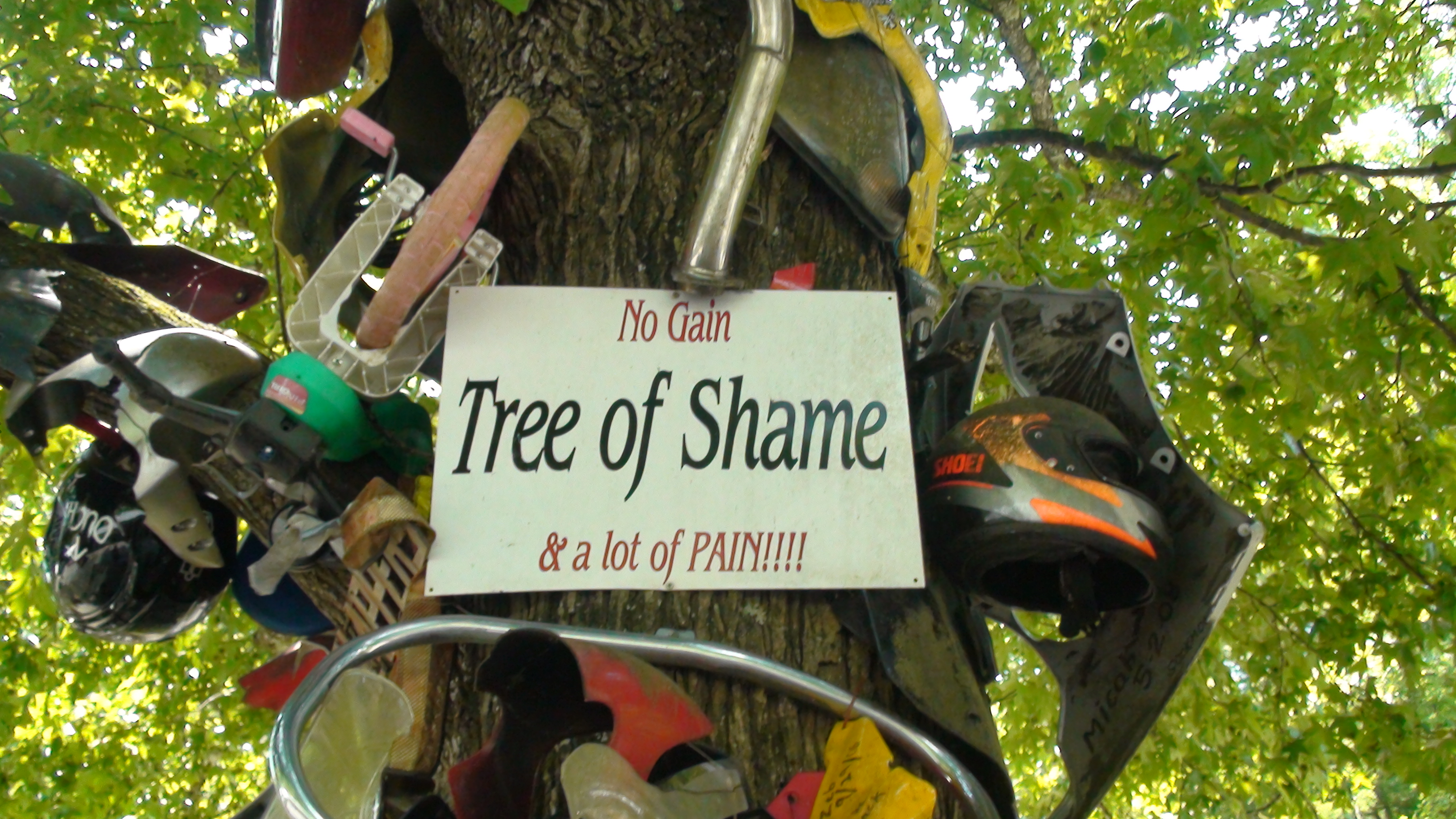
Hoffman’s inspiration stemmed from personal experience and extensive research. A longtime activist in the Reform Party—supporting Ross Perot and Pat Buchanan—and an early participant in the Tea Party, he viewed government as often tyrannical, especially in local tax and regulatory battles that earned him the nickname “Tax-killer.” Motorcycle trips with his wife across the United States immersed him in road culture, the freedom of the open highway, and the allure of untethered motion. The Tail of the Dragon road itself, a mecca for performance car enthusiasts, provided the perfect backdrop: a place where drivers test limits against nature’s unforgiving twists, mirroring the broader struggle against oppressive authority.
Yet the book resists simple libertarian categorization. Hoffman has never identified strictly as a libertarian; his perspective is more pragmatic and optimistic. The novel’s “perfect ending”—praised by readers as one of the greatest in independent fiction—avoids the tragic downfall of outlaws like Bonnie and Clyde. Instead, it offers resolution that affirms individual triumph over systemic oppression, without descending into nihilism. This optimism reflects Hoffman’s worldview: even amid chaos, positivity can emerge, turning potential hell into something constructive.
Published during a time of political polarization, Tail of the Dragon initially struggled for mainstream appeal. Plans for broader distribution, including ties to Glenn Beck’s circle, faltered because of its explosive anti-government tone amid an administration seen as expanding federal power. It found a niche audience among motorcycle enthusiasts, road warriors, and Tea Party activists, who distributed copies at tourist sites along the Dragon Road in North Carolina. Reviews highlighted its action, romance, and philosophical depth, with some comparing it to Ayn Rand’s works for its portrayal of an Übermensch-like figure defying collectivist constraints. One early commentator noted it as a “wake-up call to stand strong and firm to protect America the way it was founded.”
Over the subsequent years, the book’s prescience became evident. Hoffman argues that its themes anticipated the rise of Donald Trump and the MAGA movement—three years before Trump’s 2015 candidacy. The novel’s critique of entrenched power, lawfare, and the hypocrisy of those who decry tyranny only when out of favor resonated with real-world events: the Tea Party’s evolution into broader populist resistance, Trump’s first term amid investigations, the COVID-era restrictions, and the shift in political fortunes. Readers who once viewed the book as overly angry or extreme returned to it years later, finding its arguments validated. Questions arose: How could the author, once fiercely anti-government, now support vigorous enforcement under a Trump-aligned administration? The response lies in the book’s core philosophy: opposition to tyranny depends on whose interests the government serves. When “our people” hold power, representing the majority’s will and individual freedom, authority becomes legitimate—a “freedom-fighting government” rather than oppression.

This distinction—between a tyrannical regime and one aligned with liberty—defines the novel’s enduring message. It challenges readers to think beyond blanket anti-statism, exploring why one government might be resisted violently while another is defended. In a post-2020 landscape of protests, immigration enforcement, and shifting power dynamics, the book’s ending feels prophetic: the protagonists’ victory mirrors a broader societal realignment in which former outsiders gain control and yesterday’s rebels become today’s defenders of order.
More than a decade later, Tail of the Dragon continues to circulate in niche circles, selling copies sporadically and sparking discussions at rallies and events. Its lack of mass-market success is unsurprising; Hoffman writes for longevity, not immediate gain, targeting specialized audiences who grapple with fundamental questions of power, freedom, and justice. The book remains a testament to the idea that philosophy can ride shotgun in an action story, delivering uncomfortable truths that take years—or elections—to register fully.

When I write books, I intend them to say something larger than a temporary platform commentary, and Tail of the Dragon is one of those projects. Even if the reform sought in the book turned out to be the Presidency of Donald Trump, that outcome was hinted at in the ending of Tail of the Dragon. At that time, people couldn’t imagine the kind of government we have now, as we had just had 8 years of George W. Bush and 4 years of Obama, with the leanings of 4 more years. The Tea Party movement was in full swing, but nobody really knew where it was going. So the events in the book were quite scandalous at the time, and I faced a lot of wrath because of them. But what happened was essentially the same. It was always going to take something like what happened at the Tail of the Dragon to change the political order, and President Trump put that on himself. And I think what we ended up with was something better. So yes, what’s the difference between then and now? Well, my people won offices and are now running the government, unlike what we experienced in 2012, when this book came out. And with this government in charge, I like it and fully support it. I fought for this government, and I’m happy to have it.
Bibliography
• Hoffman, Rich. Tail of the Dragon. Cliffhanger Research and Development, 2012 (various editions, including CreateSpace Independent Publishing Platform reprints).
Footnotes
1. Plot summary and quotes drawn from book descriptions on Goodreads and Amazon listings.
2. Author background and intentions from Hoffman’s own commentary on his blog (overmanwarrior.wordpress.com) and Goodreads author profile.
3. Reviews and comparisons (e.g., to Ayn Rand, Zen and the Art of Motorcycle Maintenance) from contemporary reader feedback and promotional materials.
4. Tail of the Dragon road details are widely documented in automotive and tourism sources; Hoffman’s research involved on-site motorcycle trips.
5. Political context aligns with the Tea Party era (2010–2012) and subsequent MAGA developments, as reflected in Hoffman’s retrospective analysis.
Rich Hoffman
Click Here to Protect Yourself with Second Call Defense https://www.secondcalldefense.org/?affiliate=20707