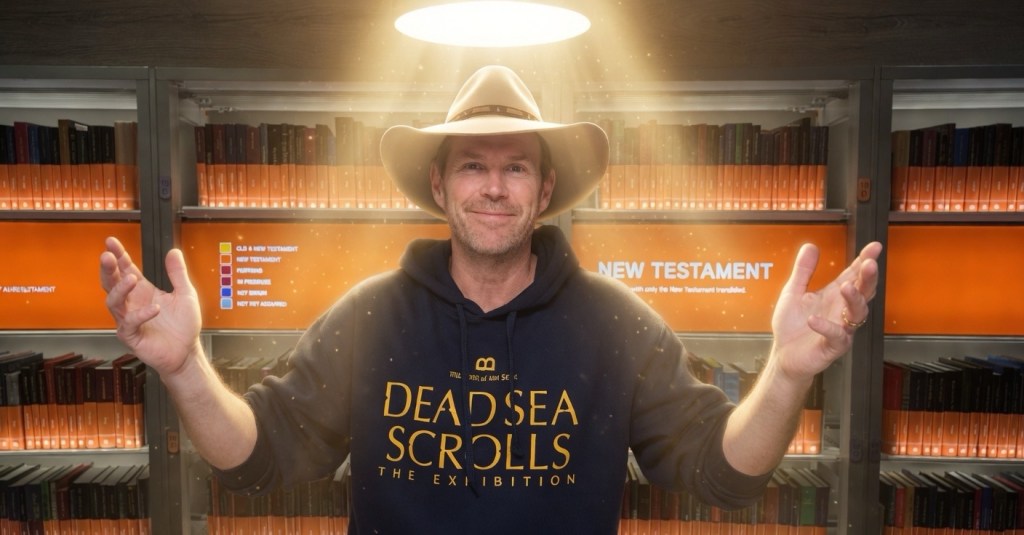
Pip: Welcome to The Overmanwarrior — where the Hawaiian shirt is a political statement and mediocrity is the real tyranny.
Mara: Rich Hoffman’s recent writing covers a lot of ground: what happens when exceptional people finally feel the weight of the systems they once worked inside, and what that means for a country choosing between builders and managers.
Pip: Let’s start with Musk, Russell Brand, and the argument that oppressive government is really just mediocrity with a budget.
Elon Musk, Russell Brand, and the Machinery of Mediocrity
Mara: The central question here is what actually changes a person’s politics — and the argument is that it’s not ideology, it’s exposure. When the system starts costing you something, you finally see it clearly.
Pip: The post puts it directly: “Once you have enough financial independence, or once the system starts targeting you directly, the incentives change. The same people who stayed quiet for decades while drawing a corporate or government check suddenly discover principles.”
Mara: That’s the arc traced across Musk, Brand, and even retired engineers from the Tea Party years — people who played it safe until the paycheck was gone or the machine turned on them. The courage arrives, but often only after the risk is lower.
Pip: Which is the uncomfortable part. It’s not conversion — it’s pattern recognition on a delay.
Mara: And the post is precise about what the pattern reveals. When Musk replies to Brand about an “oppressive government,” the argument is that he’s naming something he’s now felt firsthand — FAA paperwork slowing Starship, mediocre bureaucrats constraining exceptional engineering.
Pip: SpaceX is aiming at thirty-plus Starship launches a day by 2030. The regulatory state is not exactly keeping pace.
Mara: The deeper diagnosis is structural. Oppressive government isn’t abstract tyranny — it’s, as the post frames it, “the systematic empowerment of mediocre people who would never hold power in a pure merit system.” They don’t hire the exceptional because the exceptional make them feel small.
Pip: The corporate Judas cycle runs the same software: trade the exceptional for a steady check and a career ladder.
Mara: That contrast carries into Ohio, where the Ramaswamy-Acton race is framed as exactly this choice — a builder versus the candidate of lockdowns and managed outcomes, with polling showing a statistical tie as of this summer.
Pip: Trump wears the suit and talks about winning. Bannon dresses down so the crowd doesn’t feel threatened. The post argues we voted for the suit — for exceptionalism, not comfort.
Mara: And that’s the through-line: whether it’s Musk filing FAA paperwork, a radio talent cleaning up his social media for a corporate job, or Ohio voters choosing between data centers and empty cornfields, the same tension keeps surfacing.
Pip: The question of what a nation is willing to tolerate in exchange for feeling safe is not going away anytime soon.
Mara: The through-line across all of this is the cost of safety — what gets traded, and when people finally notice the price.
Pip: More of that reckoning ahead. We’ll be back when the next posts land.
Rich Hoffman is an author, political consultant, and strategic advisor based in Cincinnati, Ohio, and the creator of The Politics of Heaven—a unique framework that connects biblical theology, ancient history, and modern power structures to explain how moral alignment and spiritual forces shape global events. Blending real-world political experience with deep research into archaeology, UFO phenomena, and suppressed historical narratives, Hoffman offers compelling commentary on topics ranging from ancient civilizations and the Dead Sea Scrolls to modern populist movements, paranormal continuity, and leadership strategy in chaotic environments. As the author of The Gunfighter’s Guide to Business and the forthcoming Politics of Heaven, he brings a grounded yet provocative voice to media discussions, supported by firsthand experiences and a cross-disciplinary approach that bridges science, history, and theology. For interviews, speaking engagements, or expert analysis, visit richhoffmanbooks.com or contact directly via phone at 513-307-5815 or email at rhoffman@richhoffmanbooks.com. If you’ve seen the movie, Disclosure Day and want to talk about it and the implications of Presidnet Trump’s UAP disclosures, let me know and we can bring some color to your coverage. https://richhoffmanbooks.com/media-inquiries-broadcast-topics-and-contact-info/?frame-nonce=ad51e7ecba I do have a firsthand UFO encounter to discuss.
I’ve taken a lot of heat over the years for how I approach operations management. People watch what I’ve done with large, complicated organizations and then announce that I’m somehow making it look too easy, or that the method can’t scale, or that anyone with enough capital could copy it. Fine. Let me answer all of them at once, because the emails on this subject have been piling up and a single clear response is better than another round of copy-and-paste.
Jungle Jim’s International Market sits out on Route 4 in Fairfield, right here in Butler County. I grew up watching the place. My grandfather worked across the way at the old Fisher Body plant. The roadside produce stand that became the store was there in the early seventies, bouncing from vacant lot to vacant lot until Jim Bonaminio finally planted roots in 1975 with a 4,200-square-foot building. Today the flagship is somewhere north of 200,000 square feet—some measurements put it closer to 280,000 or even 300,000 depending on how you count the latest expansions—and there is a second location in Eastgate. It is one of the largest independent grocery operations in the country and easily the most distinctive.
People from every corner of the planet who land in the Cincinnati area homesick walk through those doors and find something that tastes like home. Almost two thousand wines. Live seafood tanks. Sections organized by country. Animatronics, a monorail, giant animals, a cooking school, a podcast studio. The bathrooms open into rooms that feel like Narnia. It is a theme park of food, and it runs on thin margins in one of the most competitive, low-margin industries on earth. Yet it keeps growing while the corporate chains in their shiny shoes and pressed shirts keep trying—and failing—to reverse-engineer the magic.
I have watched Jim walk the floor in costume, looking like Merlin or some jungle explorer, and the first thing you notice is that he is not trying to do every job himself. He hires people who actually care about the product, gives them real authority over their departments, and then gets out of the way. Department managers run their sections like independent businesses—buying, merchandising, hiring, firing. He does not need his name stamped on every decision. That is one of the hardest disciplines in leadership: empowering competent people without constantly inserting yourself so everyone knows who is in charge. Most executives fail that test. They cannot stand the idea that something good happened without their fingerprints all over it.
The same pattern shows up across Butler County. Sheriff Richard Jones has run the sheriff’s office for two decades with a continuity culture that keeps the books in the black, generates substantial boarding-of-prisoners revenue (including the ICE contract), and maintains operational discipline without the endless consultant theater you see in other counties. He understands that you put the right people in place, give them clear authority, and then hold them accountable for results. You do not throw money at wet wood and hope it lights.
Butler County has produced more than its share of these personalities. JD Vance came out of Middletown. The traits are recognizable once you have lived here long enough: direct, practical, uninterested in the performance of competence that substitutes for the real thing. You see the same operating style in the way Jungle Jim built from a roadside stand across from the factory where my grandfather worked into the largest independent of its kind. You see it in the way SpaceX runs.
Elon Musk did not invent the principle, but he has executed it at industrial scale. SpaceX gives engineers real ownership—cradle-to-grave responsibility—and then demands results. Automation and advanced welding are not about eliminating jobs; they are about expanding capacity when there are not enough skilled people to meet demand the old way. The robots and the elevated welding systems are force multipliers. The culture underneath them is the same one that lets Jungle Jim’s stock 180,000 items and still feel alive instead of sterile. It is the same culture that lets a sheriff’s office run surplus while neighboring jurisdictions drown in process.
Corporate types in suits keep flying in from New York and Los Angeles and San Francisco with large budgets and big investors. They walk the aisles of Jungle Jim’s taking notes. They study SpaceX’s production rates. Then they go home and throw gasoline on wet wood. They saturate the problem with capital and consultants and shiny process decks, and when the fire never quite catches they blame the market or the labor force or the regulations. They never figure out that the wood was never stacked correctly in the first place. The people who actually know how to start a fire in the rain do not need the gas. They prepare the ground, choose the right people, and let the work speak.
I have done this for decades in complex organizations. The critics who say it looks easy are usually the ones who have never had to do it without a blank check. When you do not have unlimited capital you get creative. You learn to empower rather than control. You accept that the best people will not stay if you keep putting your name over theirs. Jungle Jim has had corporate buyers and executives studying him for thirty years and they still cannot copy it. China has been trying to copy SpaceX and they still cannot drop the vehicle on the camera the way SpaceX does. The difference is not money. The difference is a personality type and an operating culture that cannot be faked.
That is why I believe the SpaceX IPO path will continue to create enormous new wealth. The culture is real. The operational discipline is real. The people closest to the work are trusted to move. Investors who understand people—who understand the difference between wet-wood capital and actual fire—will do very well. The ones who think you can buy the same result with consultants and process will keep burning fuel and wondering why nothing catches.
I will put a couple of the better documentaries and walk-throughs of Jungle Jim’s on the blog, along with material on SpaceX’s production and welding systems. Watch the way the people on the floor actually operate. Then watch the corporate versions of the same industries. The contrast is the entire lesson.
Operational excellence is not a mystery. It is rare because most people cannot stand to give away the credit. The ones who can do it make it look easy. The ones who cannot keep throwing gas on wet wood and calling it strategy. Butler County has produced more than its share of the first kind. I am not going to apologize for noticing.
Notes
1. Jungle Jim’s International Market was founded by James O. “Jungle Jim” Bonaminio. The permanent Fairfield store opened in 1975 at 4,200 square feet after several years of roadside stands, including a location across from the Fisher Body plant. Current main-store size is reported in the 200,000–300,000 square-foot range depending on the source and the most recent expansions; a second location operates in Eastgate. See Wikipedia entry and official Jungle Jim’s history pages.
2. Weekly visitor figures of approximately 82,000 and product counts exceeding 180,000 items (with strong international representation) appear consistently in contemporaneous reporting. The store is frequently described as a “theme park of food.”
3. Bonaminio’s management approach emphasizes hiring people with passion for specific departments and granting them substantial operating authority. Recent interviews and employee descriptions confirm department-level autonomy in buying, merchandising, and staffing.
4. Butler County Sheriff Richard K. Jones has held office since 2005. The office generates significant revenue through boarding-of-prisoners contracts, including a renewed ICE arrangement that has produced multi-million-dollar annual inflows and rate increases. County budget documents show the sheriff’s operation remaining a major, self-supporting component of the overall budget while maintaining operational continuity.
5. SpaceX’s internal culture of extreme ownership, flat structure for engineers, and cradle-to-grave product responsibility is documented in multiple former-employee accounts and contemporaneous reporting. Automation and advanced welding processes are treated as capacity multipliers rather than pure labor replacements.
6. JD Vance was raised in Middletown, Ohio (Butler County). The local cultural and industrial background is a matter of public record.
Bibliography / Further Reading
• Jungle Jim’s official site and “The Jungle Jim Story” pages (junglejims.com).
• Wikipedia: “Jungle Jim’s International Market.”
• Smithsonian Magazine, “Welcome to Jungle Jim’s” (2016).
• Cincinnati Business Courier and Journal-News coverage of Bonaminio interviews and 50th-anniversary material (2024–2026).
• Wall Street Journal Opinion Q&A with Jim Bonaminio (2026).
• Progressive Grocer and Supermarket News profiles of Jungle Jim’s independent model.
• Butler County Sheriff’s Office budget submissions and Journal-News reporting on ICE contract revenues and staffing (2025–2026).
• Reporting on SpaceX engineering culture and ownership model (Wired, Business Insider, former-employee accounts, 2022–2026).
• “Evolution of the Jungle” and related YouTube material produced by Jungle Jim’s International Market.
• Local Butler County political and business coverage of Sheriff Jones and regional figures.
Rich Hoffman is an author, political consultant, and strategic advisor based in Cincinnati, Ohio, and the creator of The Politics of Heaven—a unique framework that connects biblical theology, ancient history, and modern power structures to explain how moral alignment and spiritual forces shape global events. Blending real-world political experience with deep research into archaeology, UFO phenomena, and suppressed historical narratives, Hoffman offers compelling commentary on topics ranging from ancient civilizations and the Dead Sea Scrolls to modern populist movements, paranormal continuity, and leadership strategy in chaotic environments. As the author of The Gunfighter’s Guide to Business and the forthcoming Politics of Heaven, he brings a grounded yet provocative voice to media discussions, supported by firsthand experiences and a cross-disciplinary approach that bridges science, history, and theology. For interviews, speaking engagements, or expert analysis, visit richhoffmanbooks.com or contact directly via phone at 513-307-5815 or email at rhoffman@richhoffmanbooks.com. If you’ve seen the movie, Disclosure Day and want to talk about it and the implications of Presidnet Trump’s UAP disclosures, let me know and we can bring some color to your coverage. https://richhoffmanbooks.com/media-inquiries-broadcast-topics-and-contact-info/?frame-nonce=ad51e7ecba I do have a firsthand UFO encounter to discuss.
Pip: The Overmanwarrior had lunch with a state senator, got rained out before he could finish his thought, and decided the logical next step was ancient Canaanite necromancy.
Mara: Rich Hoffman picks up that interrupted conversation in writing, and it pulls together ancient Near Eastern ritual, Ohio’s Hopewell earthworks, and the manuscript he’s been working toward. Let’s start with what that conversation actually opened up.
A message to George Lang: Making deals with the dead for earthly power
Pip: The premise here is that the political present and the ancient past are running the same operating system — and a lunch with Senator George Lang is where that argument gets its latest airing.
Mara: The post sets the scene directly: “Nothing formal, nothing staged for the cameras, just two guys who have known each other a long time sitting outside at a place we both like, talking the way we always end up talking when the politics finally take a back seat.”
Pip: So the lunch is a frame for something much older. What the rain interrupted was a walk through a specific ancient system — the cult of the Rephaim, dead aristocratic warrior kings whose spirits living rulers in the Late Bronze Age still summoned by name.
Mara: The Ugaritic tablet KTU 1.161 records the liturgy. Food and drink were set for the dead. The post describes it plainly: the meal was not polite remembrance — it was consultation, and it was power. The Gilberts’ book Veneration is the source he’s working through here, alongside Brian Muraresku’s The Immortality Key.
Pip: The upshot is that the biblical command to destroy those Canaanite cultures wasn’t territorial ambition — it was an attempt to close a door the cult of the dead kept propping open.
Mara: And the geography matters. Mount Hermon appears in the Book of Enoch as where the Watchers descended. In older Canaanite material it’s the seat of the divine council opposing Yahweh. The post notes that when Jesus stood at Caesarea Philippi at the foot of that mountain, he was issuing a direct challenge to the old cult on its own ground.
Pip: Then the argument crosses an ocean. The Hopewell earthworks in Ohio — Newark, the Milford Works, the mounds through Butler and Warren counties — get placed in the same category of ritual architecture as Gilgal Refaim in the Golan Heights.
Mara: And the Windover site in Florida, seven to eight thousand years old, with preserved brain tissue and textiles more sophisticated than the standard timeline allows, gets folded in too. The post connects it to copper trade networks that moved material out of Lake Superior in volumes still not fully explained.
Pip: The Loveland Frogmen make a brief appearance — not as proof, but as a pattern. Anomalous encounters clustering near the same river corridors where the old ceremonial centers stood.
Mara: The manuscript he updated Lang on, The Politics of Heaven, is described as treating the entire span from the deep pre-biblical period to the present as one continuous political and spiritual struggle. The question the post ends on is whether we keep setting places at the table for whatever was once invited.
Pip: From ancient banquet rites to Ohio subdivisions built over mounds — the territory doesn’t get smaller from here.
Mara: The thread running through all of this is that the old systems didn’t end — they changed methods. That’s the argument the book is building toward.
Pip: And the next time someone tries to sell a new version of the old system, the idea is you’d recognize it. That’s a conversation worth continuing.
Rich Hoffman is an author, political consultant, and strategic advisor based in Cincinnati, Ohio, and the creator of The Politics of Heaven—a unique framework that connects biblical theology, ancient history, and modern power structures to explain how moral alignment and spiritual forces shape global events. Blending real-world political experience with deep research into archaeology, UFO phenomena, and suppressed historical narratives, Hoffman offers compelling commentary on topics ranging from ancient civilizations and the Dead Sea Scrolls to modern populist movements, paranormal continuity, and leadership strategy in chaotic environments. As the author of The Gunfighter’s Guide to Business and the forthcoming Politics of Heaven, he brings a grounded yet provocative voice to media discussions, supported by firsthand experiences and a cross-disciplinary approach that bridges science, history, and theology. For interviews, speaking engagements, or expert analysis, visit richhoffmanbooks.com or contact directly via phone at 513-307-5815 or email at rhoffman@richhoffmanbooks.com. If you’ve seen the movie, Disclosure Day and want to talk about it and the implications of Presidnet Trump’s UAP disclosures, let me know and we can bring some color to your coverage. https://richhoffmanbooks.com/media-inquiries-broadcast-topics-and-contact-info/?frame-nonce=ad51e7ecba I do have a firsthand UFO encounter to discuss.
Pip: The Overmanwarrior is the kind of place where a single post connects Serpent Mound, a meteorite crater, submerged Florida cemeteries, and Spielberg’s Disclosure Day — and somehow it holds together.
Mara: Rich Hoffman is doing exactly that in this episode’s territory: ancient sites, suppressed archaeological questions, and what UAP disclosure might mean for how we read the deep past.
Pip: Let’s start with the serpent itself.
Some of my Jaw Dropping Statements about History: Serpent Mound, Ancient Mysteries, Disclosure, and the Politics of Heaven
Mara: The animating question here is whether mainstream archaeology’s framework for sites like Serpent Mound is constrained less by evidence than by institutional habit — and what disclosure of non-human phenomena might do to that framework.
Pip: The post sets up that tension directly. Here’s the line that frames the whole argument: “Once a framework is set, new evidence is often shoehorned to fit rather than allowed to challenge the foundation.”
Mara: And the stakes of that shoehorning are concrete. Serpent Mound — 1,348 feet long, built atop an 8-kilometer meteorite impact crater in Adams County, Ohio — has radiocarbon dates that have shifted repeatedly, from Adena around 300 BC to Fort Ancient repairs centuries later. The site’s own timeline resists a tidy single-culture attribution.
Pip: The crater detail is the part that stops you cold. Whoever built there chose the rim of a 300-million-year-old impact structure that would have been invisible to casual observation. The solstice and equinox alignments encoded in the mound’s orientation suggest, as the post puts it, “knowledge far beyond simple hunting calendars.”
Mara: The post draws three sites together as what it calls evidence of non-human technological and spiritual interaction. Serpent Mound is the first. The second is Windover in central Florida — an 8,000-year-old Middle Archaic cemetery near the Kennedy Space Center that yielded 168 burials with preserved brain tissue and woven textiles of advanced complexity. The third is Flag Fen in England, a Bronze Age ritual landscape excavated by Francis Pryor featuring timber platforms and votive weapon offerings in wetlands.
Pip: Three sites, three continents, three different millennia — and the argument is that the consistency across them points to real encounters rather than independent invention.
Mara: Closer to home, the post mentions the Miamisburg Mound — 65 feet high, 800 feet in circumference, one of the largest conical mounds in eastern North America — and notes that NAGPRA constraints limit new excavation even as questions multiply.
Pip: And then Disclosure Day lands as the pivot. UAP whistleblower testimony on non-human biologics makes ancient interaction, in the post’s framing, newly plausible — and sites like Serpent Mound may have functioned as celestial recalibration markers for beings who experience time dilation as a physics fact, not a metaphor.
Mara: All of this feeds into the forthcoming book The Politics of Heaven, which the post describes as tackling nineteen of twenty-one chapters on controversial ground because they prioritize evidence over control narratives. Donna D’Errico’s Myth Bound series gets credit here too — her Serpent Mound episode is what opened the conversation, and the post holds her up as the right spirit for this kind of open inquiry.
Pip: The serpent on its ancient crater, the submerged Florida dead, the English wetland offerings — if the post is right, the question isn’t whether these sites are connected. It’s whether we’re finally allowed to ask how.
Mara: What runs through all of this is the idea that the Overton window on ancient history and non-human contact is genuinely shifting — and that the evidence was always there, waiting for the frame to change.
Pip: The serpent watches. Next time, we’ll see what else it’s been keeping an eye on.
Rich Hoffman is an author, political consultant, and strategic advisor based in Cincinnati, Ohio, and the creator of The Politics of Heaven—a unique framework that connects biblical theology, ancient history, and modern power structures to explain how moral alignment and spiritual forces shape global events. Blending real-world political experience with deep research into archaeology, UFO phenomena, and suppressed historical narratives, Hoffman offers compelling commentary on topics ranging from ancient civilizations and the Dead Sea Scrolls to modern populist movements, paranormal continuity, and leadership strategy in chaotic environments. As the author of The Gunfighter’s Guide to Business and the forthcoming Politics of Heaven, he brings a grounded yet provocative voice to media discussions, supported by firsthand experiences and a cross-disciplinary approach that bridges science, history, and theology. For interviews, speaking engagements, or expert analysis, visit richhoffmanbooks.com or contact directly via phone at 513-307-5815 or email at rhoffman@richhoffmanbooks.com. If you’ve seen the movie, Disclosure Day and want to talk about it and the implications of Presidnet Trump’s UAP disclosures, let me know and we can bring some color to your coverage. https://richhoffmanbooks.com/media-inquiries-broadcast-topics-and-contact-info/?frame-nonce=ad51e7ecba I do have a firsthand UFO encounter to discuss.
I was really impressed with a recent piece by Donna D’Errico. She produces YouTube videos as part of the Myth Bound series, and I completely understand her approach. In an era when everyone can have their own media platform, people like Donna are stepping up to explore Earth’s mysteries afresh. She’s doing a kind of modern Josh Gates-style investigation—traveling to sites, talking to experts, and digging into legends with genuine curiosity. Her episode on Serpent Mound struck me as particularly strong.
Before I dive deeper, I have to acknowledge that this discussion probably won’t win me many friends—especially as my book The Politics of Heaven nears publication during a time when Spielberg’s Disclosure Day and waves of official UAP releases are forcing people to reconsider long-dismissed ideas. My reference point here is one of deep respect for the field: I love archaeologists. I admire the dedication it takes to spend years in the dirt, uncovering artifacts so the rest of us can wrestle with their meaning. But like any institutional endeavor, grooves form. Assumptions harden into orthodoxy. Human nature resists relearning, especially when funding, careers, and political narratives are at stake. Once a framework is set, new evidence is often shoehorned to fit rather than allowed to challenge the foundation.
Serpent Mound, in Adams County, Ohio, is far more mysterious than mainstream accounts typically allow. The default narrative attributes it to “Indigenous people,” specifically linking it to the Adena (circa 800 BC–AD 100) or Fort Ancient (AD 1000–1650) cultures, which then folds neatly into broader political claims about “stolen land.” This framing, I believe, serves agendas that seek to undermine America’s founding legitimacy in favor of collectivist remaking—an echo of old European resentments toward the prosperous republic born from the Louisiana Purchase, Florida acquisition, and western expansion.
Donna’s episode respectfully features archaeologists discussing the site’s astronomical alignments, particularly its alignment with the summer solstice sunset, which was important to Fort Ancient peoples. She highlights how the mound feels profoundly three-dimensional on the ground—coiling serpent body undulating with the terrain—unlike the flattened maps most people see. That experiential quality is key. The site was meant to be walked, felt, and understood in context.
Serpent Mound itself is the largest known serpent effigy in the world, stretching approximately 1,348 feet in an uncoiling form with a curled tail. It sits atop a plateau within the Serpent Mound crater (also called the Serpent Mound Disturbance), an eroded meteorite impact structure roughly 8 km (5 miles) in diameter (estimates up to 14 km), formed less than 320 million years ago (likely around 300 million years ago). The builders chose this precise location on the rim of an ancient scar invisible to casual observation. Radiocarbon dating has shifted: earlier assumptions pointed to Adena; a 1991 study suggested Fort Ancient around AD 900–1200; and a 2014 analysis (later corroborated) supports Adena construction around 300 BC, with rebuilding in the Fort Ancient period. Multiple layers of use are evident.
Why build the world’s largest serpent effigy on the edge of a 300-million-year-old impact crater with sophisticated celestial alignments? The mathematics encoded here—solstice and equinox orientations—suggest knowledge far beyond simple hunting calendars. I’ve visited the site for decades, often reflecting on these questions while overlooking the Brush Creek Valley. It is one of three key locations I explore in The Politics of Heaven as evidence of non-human technological and spiritual interaction.
The second is Windover in central Florida, near the modern Kennedy Space Center. This ~8,000-year-old Middle Archaic cemetery (roughly 7,000–8,000 years BP) yielded 168 burials in a peat pond, many with remarkably preserved brain tissue, woven textiles of advanced complexity (multiple weaves, including non-heddle loom examples), and deliberate ritual orientation (often flexed, on left side facing west, anchored with stakes). At the time, sea levels were far lower; the coastline extended miles farther out. Submerged sites likely await discovery. These people practiced sophisticated mortuary rites predating biblical timelines by millennia, challenging simplistic post-Ice Age migration models from Beringia. Their genetics and practices don’t align neatly with those of later tribal groups, opening the door to deeper questions about origins and external influence.
The third is Flag Fen in England, masterfully excavated by Francis Pryor. This Bronze Age site (around 1000 BC, contemporaneous with the First Temple period) features complex timber platforms, votive weapon offerings in wetlands, and evidence of sophisticated beliefs about the afterlife. Pryor’s work—detailed in books like Flag Fen: Life and Death of a Prehistoric Landscape—reveals a ritual landscape of remarkable engineering.
These sites, alongside markers such as the London Stone, Paris’s origin stone, and Washington, D.C.’s Masonic layout, suggest coordinated knowledge across continents and eras. Native American legends—Iroquois, Shawnee, and Aztec migrations from the north (echoed at Three Rivers Petroglyphs in New Mexico)—feature descending “gods,” giants, and supernatural beings that are remarkably consistent with global mythologies. The uniformity points to real encounters rather than independent invention.
Near my home in the Great Miami River valley (Liberty Township / Middletown area, Ohio), the Middletown Mound and Miamisburg Mound stand as testaments. Miamisburg is one of the largest conical mounds in eastern North America—65 feet high, 800 feet in circumference, built by Adena peoples in stages, containing vast amounts of earth and visible for miles. My daughter has taken a great interest in the Middletown site. These should be premier attractions, yet NAGPRA and institutional caution limit new excavations. Cultures routinely built atop older complexes—Cahokia, Baalbek, Jerusalem, Christian churches over pagan temples. Why assume otherwise here?
Archaeologists I respect operate under real constraints. Funding flows through institutions influenced by political and financial interests historically at odds with figures like Andrew Jackson. The “Mound Builder” myth was once weaponized for removal policies (Indian Removal Act, 1830), but today continuity narratives sometimes sideline anomalous evidence. I want these professionals to be better funded for open inquiry.
Post-disclosure, the picture sharpens. UAP whistleblower testimony on non-human biologics and reverse-engineering (with local ties to Wright-Patterson) makes ancient interaction plausible. Disclosure Day shifts the Overton window.
This leads to time—interdimensional or ultra-terrestrial beings likely master relativity. Time dilation is a physics fact. Travelers could experience days while centuries pass on Earth. Sites like Serpent Mound may serve as temporal anchors—celestial markers to recalibrate “when” upon return. Mythic “gods” gifting knowledge then vanishing aligns with this. Cryptids fit as echoes.
I’ve visited these regions and studied the works extensively. These inform The Politics of Heaven, my exploration of spiritual warfare, giants/Nephilim, divine rebellion, and humanity’s interactions. Nineteen of twenty-one chapters tackle controversial ground because they prioritize evidence over control narratives.
Donna D’Errico embodies the right spirit. Archaeologists deserve support for deeper digs. The great serpent on its ancient crater is no random effigy. It testifies to encounters with star-faring knowledge-bearers.
We stand at the threshold of new understanding. The dance continues. The serpent watches. Truth uncoils into the light.
Footnotes
¹ Donna D’Errico, Myth Bound YouTube series (episodes on Serpent Mound and related mysteries).
² Ohio History Connection, Serpent Mound official site details and history.
³ Wikipedia / scientific sources on Serpent Mound crater: ~8 km diameter, <320 million years old (est. ~300 Ma).
⁴ Radiocarbon dating summaries: 2014 Adena ~300 BC with Fort Ancient repairs.
⁵ Astronomical alignments (solstices/equinoxes).
⁶ Windover site reports: ~8,000 BP burials, textiles, rituals (Glen Doran et al.).
⁷ Francis Pryor, Flag Fen: Life and Death of a Prehistoric Landscape (2005).
⁸ Miamisburg Mound: Ohio History Connection / National Register details.
⁹ Broader context: Graham Hancock, Ross Hamilton (Serpent Mound), UAP disclosures, and Pryor’s Time Team work
Rich Hoffman is an author, political consultant, and strategic advisor based in Cincinnati, Ohio, and the creator of The Politics of Heaven—a unique framework that connects biblical theology, ancient history, and modern power structures to explain how moral alignment and spiritual forces shape global events. Blending real-world political experience with deep research into archaeology, UFO phenomena, and suppressed historical narratives, Hoffman offers compelling commentary on topics ranging from ancient civilizations and the Dead Sea Scrolls to modern populist movements, paranormal continuity, and leadership strategy in chaotic environments. As the author of The Gunfighter’s Guide to Business and the forthcoming Politics of Heaven, he brings a grounded yet provocative voice to media discussions, supported by firsthand experiences and a cross-disciplinary approach that bridges science, history, and theology. For interviews, speaking engagements, or expert analysis, visit richhoffmanbooks.com or contact directly via phone at 513-307-5815 or email at rhoffman@richhoffmanbooks.com. If you’ve seen the movie, Disclosure Day and want to talk about it and the implications of Presidnet Trump’s UAP disclosures, let me know and we can bring some color to your coverage. https://richhoffmanbooks.com/media-inquiries-broadcast-topics-and-contact-info/?frame-nonce=ad51e7ecba I do have a firsthand UFO encounter to discuss.
Human beings interact in countless ways, layered with psychological complexities that often obscure simple truths. Friendships form, alliances shift, and conflicts arise—not always from malice, but from differing visions of what is right. In politics especially, these dynamics intensify: tides turn, candidates rise and fall, and people find themselves on opposite sides of debates. Yet, amid the noise, some relationships endure. Observers sometimes question loyalties: “How can you be so friendly with someone you disagree with politically?”
I’ve had some very public disagreements with people. But I can never think of a time that I wouldn’t ever talk to someone again
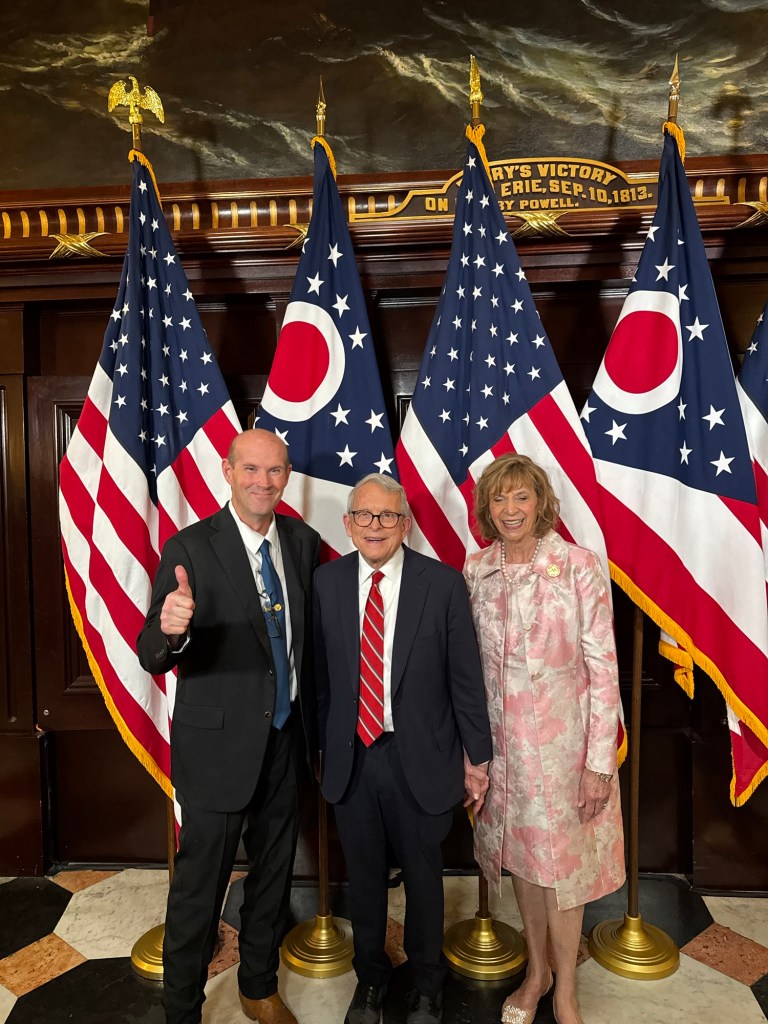
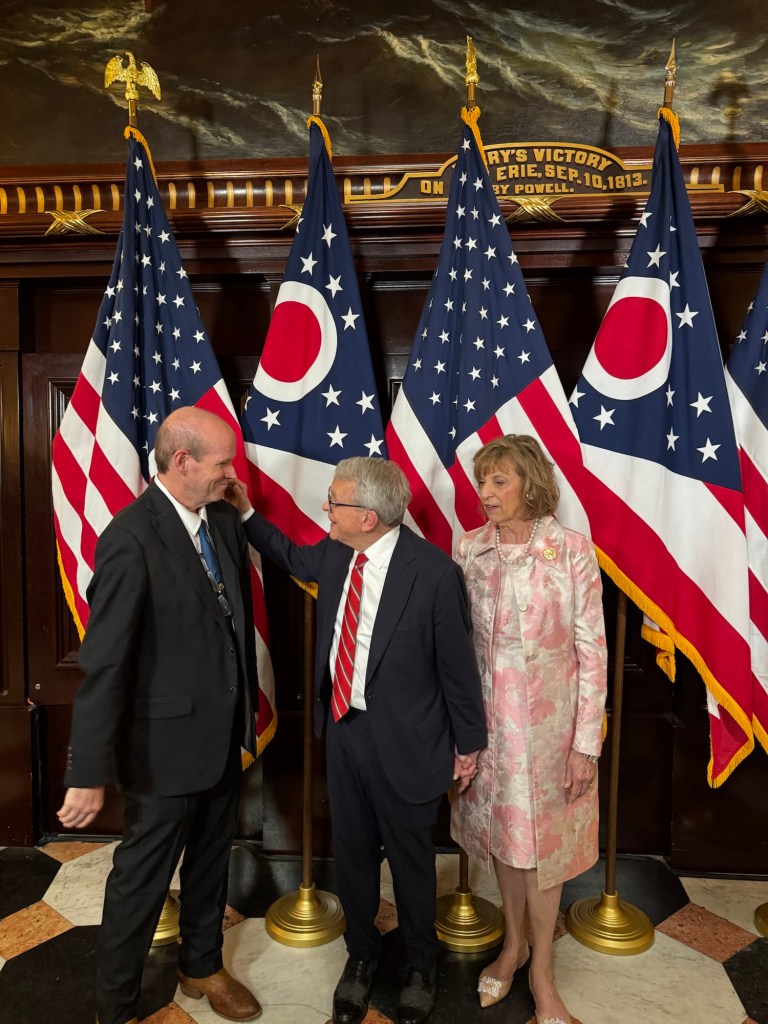
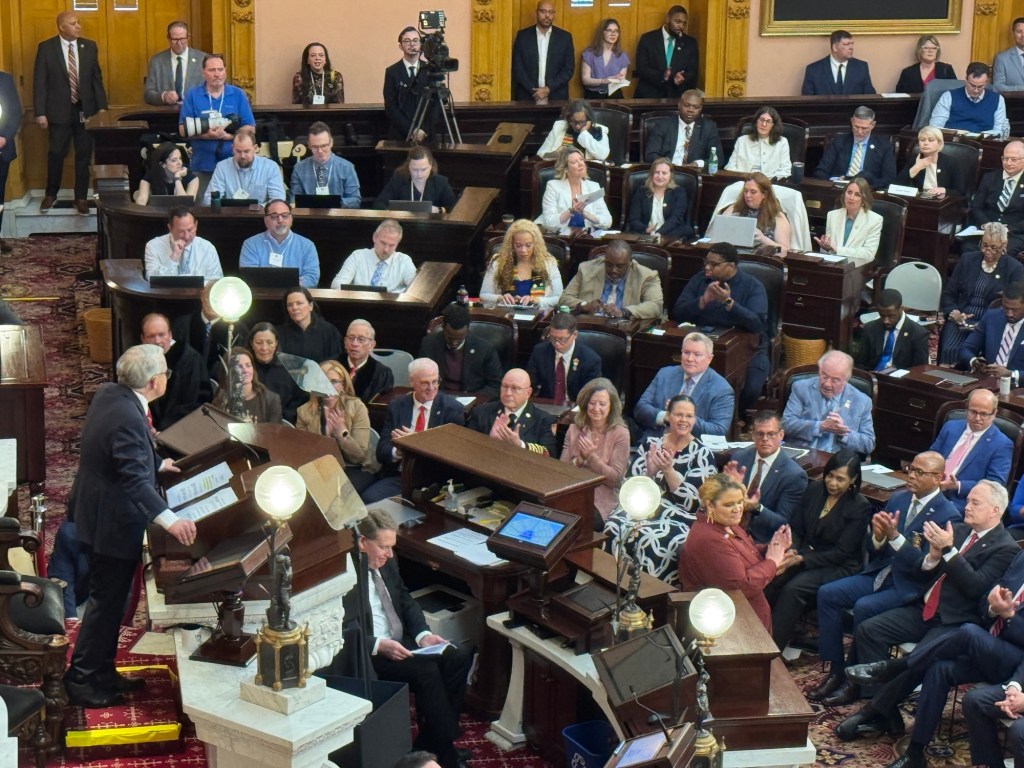
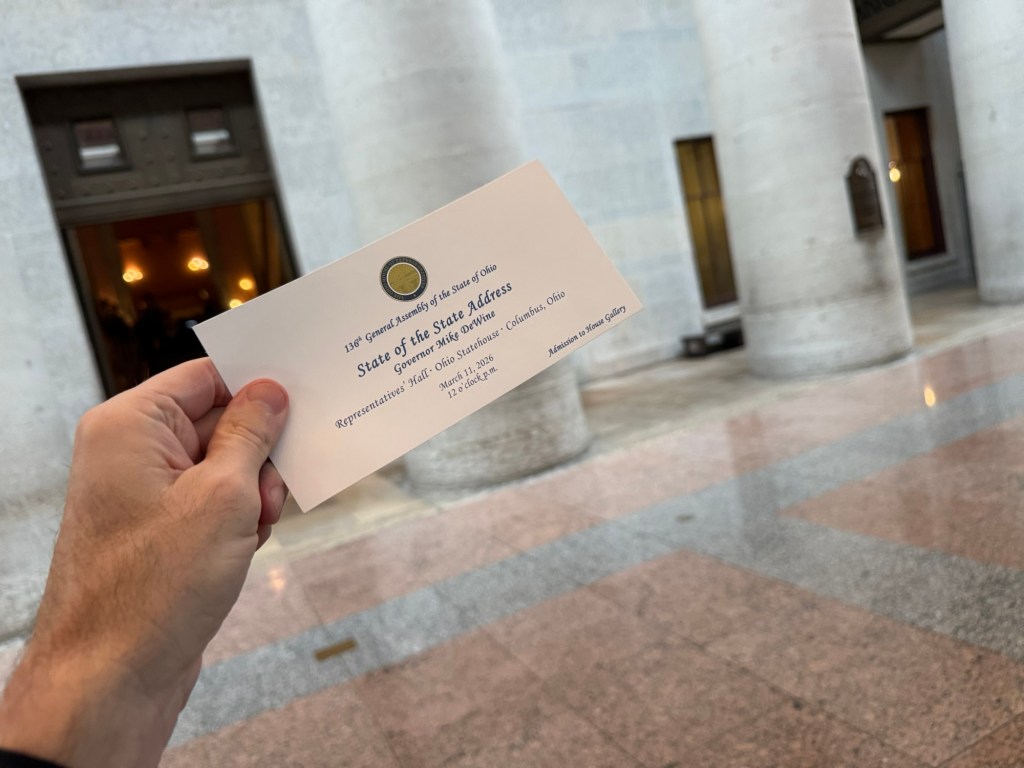
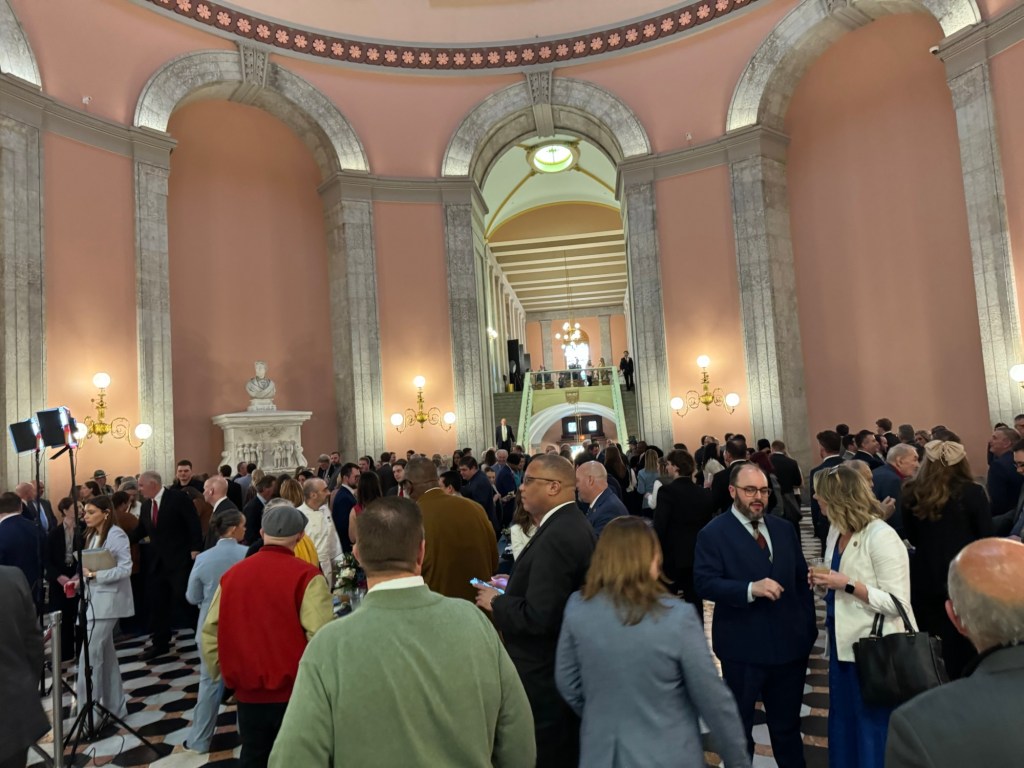
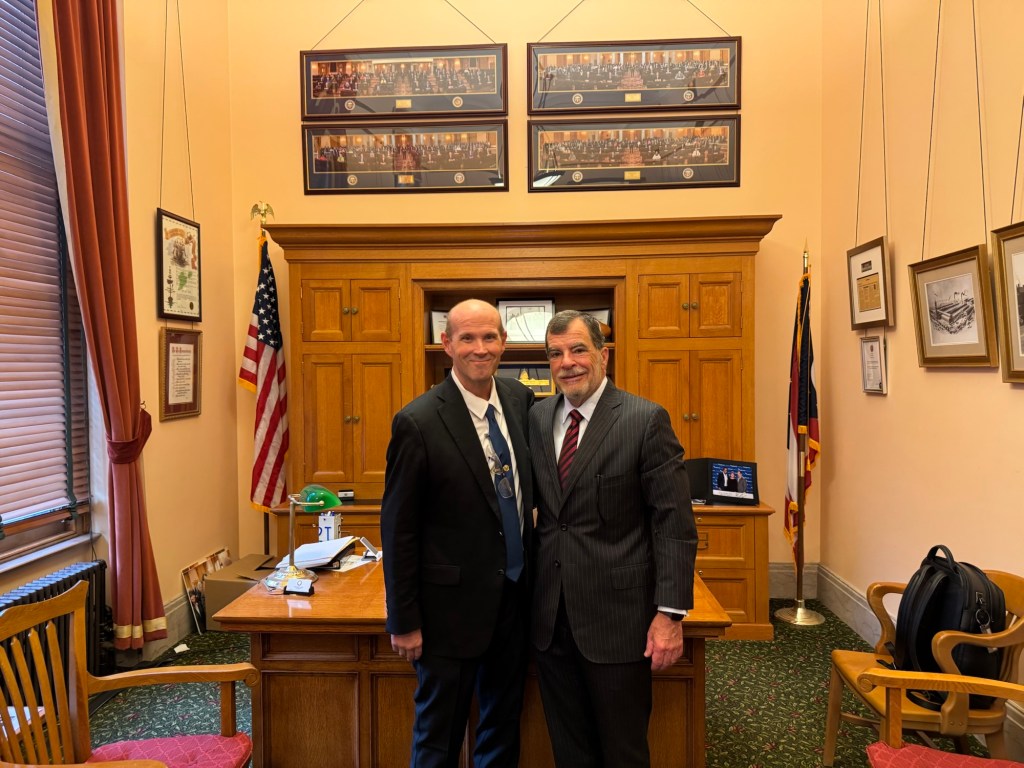
This question has arisen repeatedly in my interactions with Butler County Sheriff Richard K. Jones and many others. We’ve shared public moments of warmth and camaraderie, even as political winds have blown in conflicting directions. The same applies to recent encounters with Ohio Governor Mike DeWine. After years of sharp criticism—particularly over his administration’s handling of COVID policies and other matters—I shook his hand following his final State of the State address. We discussed areas of agreement, such as Second Amendment rights and efforts to combat AI-generated child exploitation. These moments highlight a core principle: genuine regard for individuals ‘ needs need not hinge on perfect alignment. Relationships built on authenticity withstand disagreement; those rooted in manipulation crumble.
We were talking about his wife’s great cookies. The second amendment during his administration. Taxes. And his endorsement of Vivek Ramaswamy.
This perspective stems from a life shaped by diverse encounters. Growing up in Ohio, I navigated rough characters and “celebrity” figures in my early adult years—individuals carrying heavy psychological burdens and disappointments. These experiences, often intense and sleepless, taught navigation of human darkness. I awoke each day intent on being the “good guy,” never contemplating villainy. This innate drive toward justice, perhaps divinely guided, clashed with destructive forces, leading through ominous courtrooms and rigorous trials.
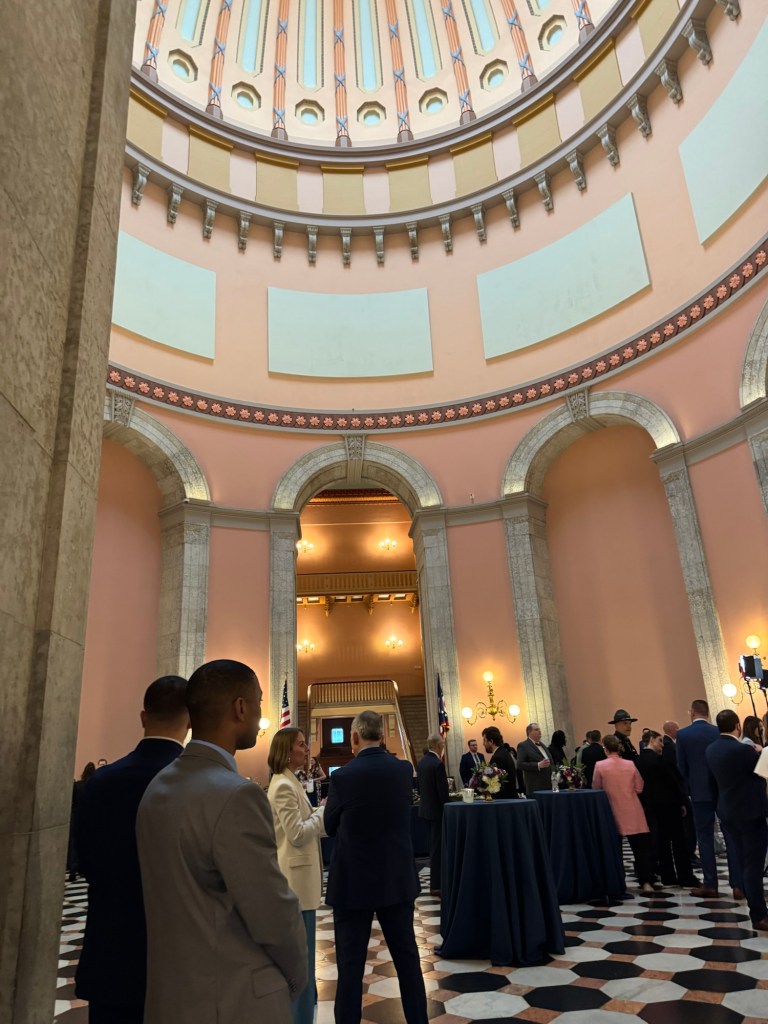
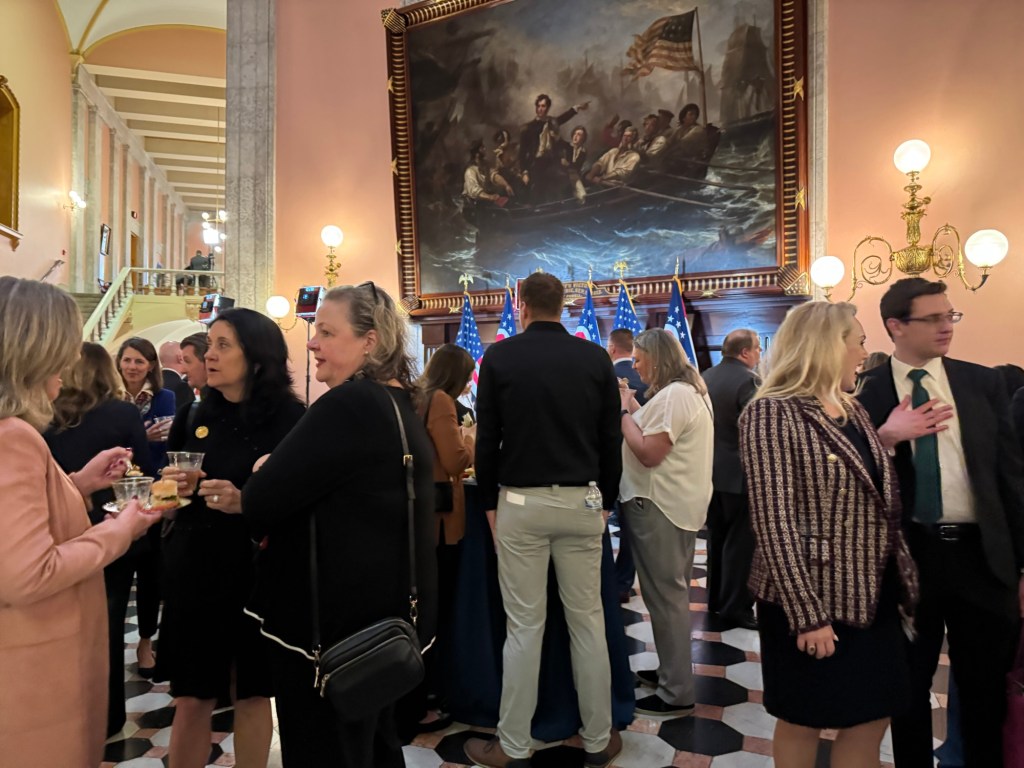
The lofty expectations of public office. Few people ever live up to those expectations. But the building was built with the expectation of exceptionalism.
These trials instilled resilience. I’ve seen the worst of human behavior: betrayal, manipulation, and raw conflict. Yet, they clarified priorities. Nothing since has felt catastrophic by comparison. This foundation allows aloof observation—staying “lofty” amid chaos—while engaging directly when needed.
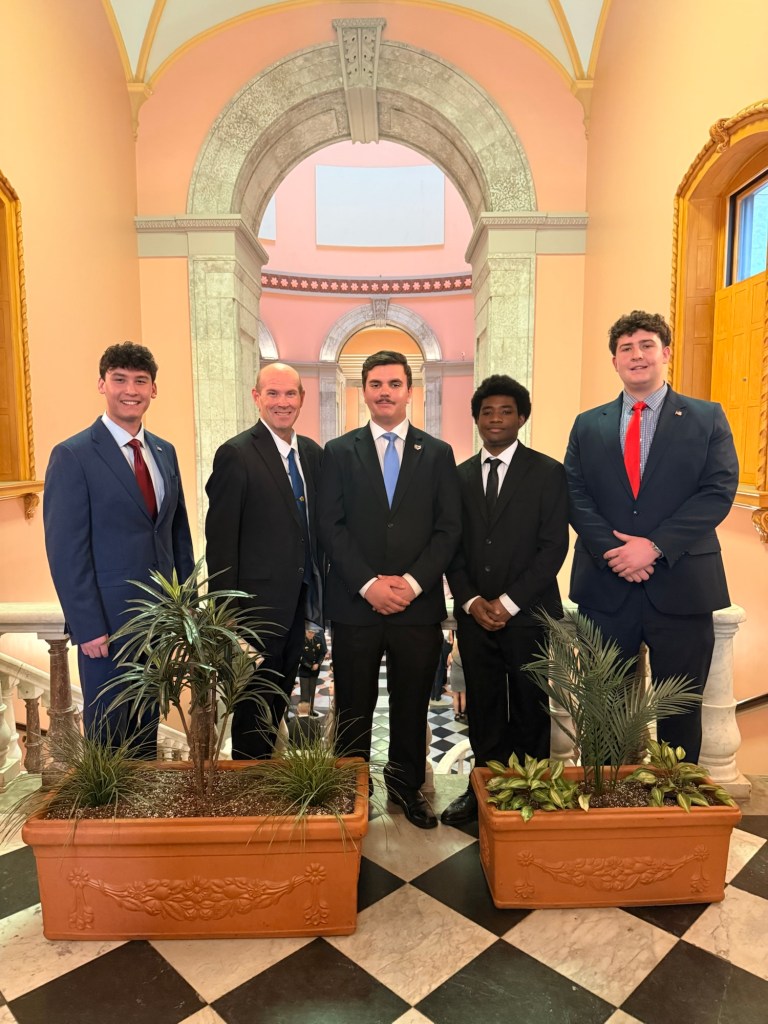
I love to see the future, in the here and now. Great young people!
Professionally, I’ve channeled this into commentary via platforms like The Overmanwarrior blog, podcasts, and writings (including books like The Symposium of Justice and business guides). As a fast-draw enthusiast and strategist, I’ve advised on local and state issues. Public friendships, like with Sheriff Jones, stem from shared values on law, order, and community—despite occasional political divergences. These are not performative; they’re authentic.
Most relationships reduce to two levers of control. The first is friendship as leverage: people offer smiles, hugs, or inclusion to gain compliance. When denied, they withdraw—“I’m not your friend anymore unless you…” This mirrors childhood games (stickers on lockers) and adult dynamics (passive-aggression in marriages, where affection is withheld until demands are met). In politics, it’s “endorse my candidate or lose my support.” Women and men alike use emotional coziness as currency; it’s learned early and persists.
The second is the threat of violence or intimidation. When friendship fails, escalation follows: harassment, protests, spiritual “warfare,” or physical threats—“Do what I say or face consequences.” Authoritarian regimes amplify this; bullies in parking lots embody it personally. Both aim at submission through fear.
I’ve rejected both. Secure in my positions, I express them openly—here, on podcasts, in writing—without needing validation. Disagreement doesn’t prompt cliff-jumping; it invites dialogue or indifference. If someone withdraws friendship over opinions, that’s their choice. If intimidation arises, I handle it unflinchingly, drawing from early lessons in facing rough characters.
This stance echoes timeless wisdom, like Sun Tzu’s The Art of War: become invincible by rendering tactics ineffective. Control what you can—your actions, values, responses—and influence outcomes without direct domination.
Sheriff Jones exemplifies this. We’ve agreed on much: law enforcement, border security, deportations, and community protection. His office’s work with ICE and unapologetic stance on illegal immigration align with my views. Publicly, we’re friendly—podcasts, events, and genuine conversations about his brand and duties.
Yet, political motivations diverge at times. Endorsements or strategies might differ. Critics note our chumminess amid such gaps, confused by loyalty despite opposition. The answer: I like him authentically. His character, spine, and public service earn respect. If we clash, we may not talk for a while—that’s fine. Friendship isn’t conditional on perfect alignment. I won’t manipulate him (or allow manipulation) to force agreement. Truth emerges through pressure and process, not emotional blackmail.
This extends broadly. I like many who’ve opposed me politically, and I reserve the right to value people independently. Indifference to reciprocity preserves freedom.
A recent addition underscores this: Governor DeWine’s final State of the State address. His administration faced criticism—over COVID handling and other policies—creating opposition, which I had been very critical of, rightfully so. Yet, post-speech, we shook hands and spoke cordially.
We aligned on key issues: Second Amendment defense, and crucially, combating AI-generated child sexual abuse material (often called “simulated” or “AI child porn”). DeWine and Attorney General Dave Yost highlighted predators using AI to create exploitative images of children, urging legislation to criminalize creation, possession, and distribution. This addresses a growing threat where legal gaps allow evasion of traditional child pornography laws. I expressed support, noting agreement despite past differences, such as when Yost was running against my supported candidate, Vivek Ramaswamy for governor.
This exchange wasn’t leverage-seeking. It prioritized common ground—protecting children—over grudges. Putting differences aside when opportunities arise fosters the emergence of truth, not manipulation through fear of lost friendship.
Politics amplifies these dynamics: RINOs vs. traditional conservatives, reform movements, religious clashes. Belief systems collide; scores settle. Yet, values about people shouldn’t depend on outcomes. I like or dislike based on character, not scoreboard.
Pursuing righteousness means respecting all sides, allowing truth to reveal itself through conflict’s “fog of war.” Hot tempers subside; smoke clears; good emerges. Manipulation—friendship withdrawal or intimidation—crowds ideas into small-mindedness. Independence enables macro focus: immortal existence over micro squabbles (marriages, divorces, family disputes).
A good friend of mine gave me some homework to do
I’ve built a life affording this luxury: secure positions, no fear of loss. Many seek friendship; time limits interactions. Some engage strategically to advance balls—purely functional, not manipulative.
It’s okay to like those who hate you, to be friendly with opponents, and to shake hands after battles. Truth often surfaces in conflict; observation reveals positions. By staying outside manipulation’s reach, one accomplishes greatly where others falter.
In the end, righteousness is rooted in truth, not personal desires or leverage. Respect others’ thoughts—even wrong ones. Good people come around; disputes fade. We shake hands, share hot dogs at picnics, and discuss lofty things as emotions drift.
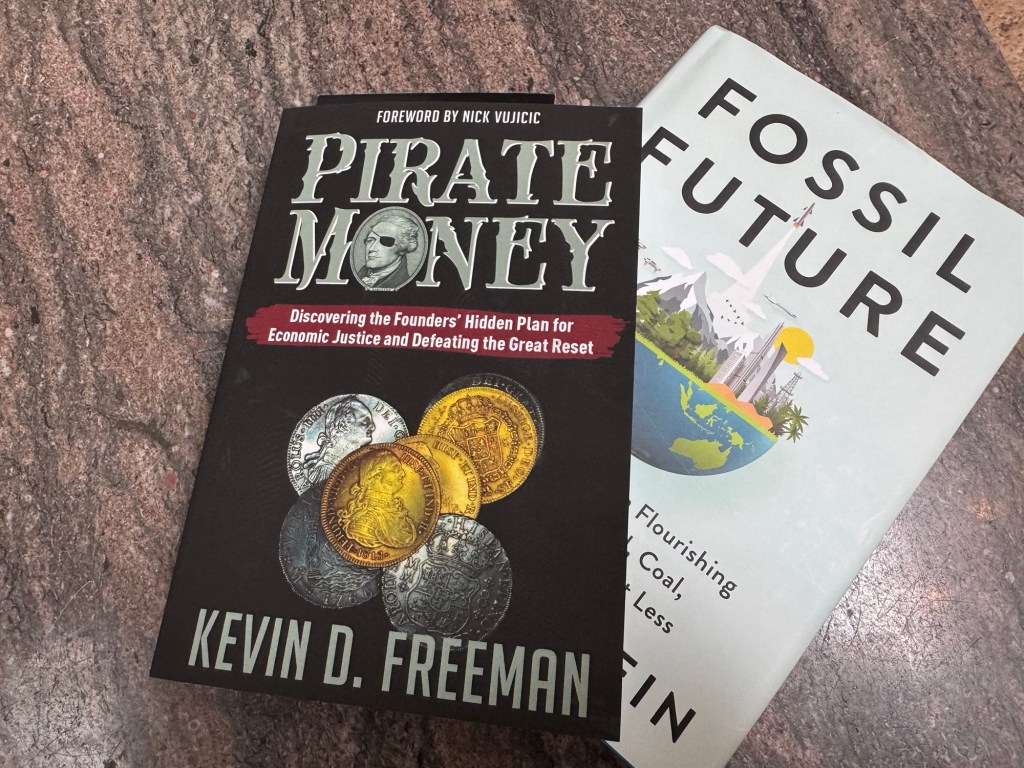
George Lang is a great guy in all aspects, what a lot of people don’t know about him is he loves books. Something we share beyond the immediacy of politics
Bibliography
Overmanwarrior blog (overmanwarrior.wordpress.com) – Primary source for writings on politics, philosophy, and personal insights. Butler County Sheriff’s Office interactions – Public podcasts and events with Sheriff Jones (e.g., discussions on immigration, law enforcement). Ohio Governor Mike DeWine’s State of the State address (2026) – Focused on AI restrictions, including child exploitation; references from news coverage (e.g., Toledo Blade, ABC6). Attorney General Dave Yost’s efforts – Collaboration on bills like SB 217/SB 163 targeting AI-generated CSAM. The Art of War by Sun Tzu – Concept of invincibility through non-engagement with opponent strengths. Personal books: The Symposium of Justice, business guides – Available via Overmanwarrior platforms.
This framework allows engagement without compromise, advancing righteousness amid human complexity.
1. Hoffman, Rich. The Symposium of Justice. iUniverse, 2004.
2. Hoffman, Rich. Tail of the Dragon. CreateSpace Independent Publishing Platform, 2012.
Explores themes of freedom, law, and high-stakes conflict through a narrative rooted in real altercations and political activism and often described as “faction” (fact-based fiction).
3. Hoffman, Rich. The Gunfighter’s Guide to Business: A Skeleton Key to Western Civilization. Liberty Hill Publishing, 2021.
A practical and philosophical guide that draws parallels among gunfighting strategy, business, and life—offering a Western counterpoint to Eastern classics like The Art of War. Emphasizes invincibility through preparation and independence. Available on Amazon and referenced in Hoffman’s bio.
Daily posts on politics, culture, philosophy, personal stories, and current events in Ohio (e.g., Butler County issues, tax fights, and human dynamics). Includes author bio, reflections on early life, and discussions of books like The Symposium of Justice.
5. Sun Tzu. The Art of War. Translated by Lionel Giles (1910 edition) or modern versions (e.g., Everyman’s Library). Original ~5th century BCE.
Key concept from Chapter 4 (“Formation”): “Invincibility lies in oneself; vulnerability lies in the enemy.” The skilled make themselves invincible through self-preparation, rendering opponent tactics ineffective—directly echoed in the essay’s rejection of manipulation levers.
6. “DeWine calls for new AI regs, parental control rules in 2026 State of the State.” Cleveland.com (via various outlets, including Facebook reposts and Toledo Blade coverage), March 2026.
Covers Governor Mike DeWine’s final State of the State address, urging legislation on AI guardrails, including outlawing the creation, possession, and distribution of AI-generated child sexual abuse material (CSAM). Aligns with the essay’s mention of agreement on child protection despite past differences.
7. “Ohio struggles to combat AI-generated child porn amid legal gaps.” ABC6 On Your Side, January 29, 2026.
Details legislative efforts (involving DeWine and Attorney General Dave Yost) to close gaps in prosecuting AI-simulated child exploitation, highlighting the growing threat and push for criminalization.
8. Butler County Sheriff’s Office. “In The Saddle With Sheriff Richard K. Jones” (podcast series). Apple Podcasts and related platforms, ongoing.
Episodes featuring Sheriff Richard K. Jones on law enforcement, immigration (e.g., 287(g) agreements), and community issues. Includes collaborations and discussions with Rich Hoffman (e.g., Rumble episodes on ICE detainees and related topics).
9. Various public interactions: Butler County Sheriff’s Office Facebook posts and YouTube videos (e.g., “Ohio 287(g) with Butler County Sheriff Richard Jones,” November 2025).
Document friendly exchanges, podcasts, and joint appearances between Sheriff Jones and Rich Hoffman on topics like border security and prisoner handling.
Top Notes for Further Reading
• Start with Hoffman’s blog (The Overmanwarrior) for the most direct, unfiltered context—search archives for terms like “Sheriff Jones,” “DeWine,” “friendship,” “manipulation,” or “invincibility” to find raw reflections mirroring the essay’s monologue.
• For philosophical grounding on invincibility and non-manipulative strategy, read The Art of War Chapter 4 alongside The Gunfighter’s Guide to Business—Hoffman explicitly positions his work as a Western response to Sun Tzu.
• On Ohio politics and the examples: Follow coverage from Cleveland.com, Toledo Blade, and ABC6 for updates on AI/CSAM bills (e.g., potential SB 217/SB 163 analogs) and DeWine’s 2026 address. Sheriff’s Office social media provides real-time context on Jones’ work and public persona.
• For broader insights into human relationships and power dynamics: Explore related classics like Machiavelli’s The Prince (on manipulation) or Nietzsche’s ideas on the “overman” (influencing the blog’s name), though Hoffman’s approach emphasizes righteousness over conquest.
Rich Hoffman is an independent writer, philosopher, political advisor, and strategist based in the Cincinnati/Middletown, Ohio area. Born in Hamilton, Ohio, he has worked professionally since age 12 in various roles, from manual labor to high-level executive positions in aerospace and related industries. Known as “The Tax-killer” for his activism against tax increases, Hoffman has authored books including The Symposium of Justice, The Gunfighter’s Guide to Business, and Tail of the Dragon, often exploring themes of freedom, individual will, and societal structures through a lens influenced by philosophy (e.g., Nietzschean overman concepts) and current events.
He publishes the blog The Overmanwarrior (overmanwarrior.wordpress.com), where he shares insights on politics, culture, history, and personal stories. Active on X as @overmanwarrior, Instagram, and YouTube, Hoffman frequently discusses space exploration, family values, and human potential. An avid fast-draw artist and family man, he emphasizes passing practical skills and intellectual curiosity to younger generations.