

Let’s talk about this so-called autopsy the Democrats put out in May 2026 for a little bit. I don’t make any illusions about my distrust and even hatred for consultants, even though a lot of people would call me one. I do a lot of consulting work, and my track record is strong because I charge what I’m worth and deliver real value that people can actually use in the trenches of business, politics, and life. But most of these professional consultants? They’re people who couldn’t hack it in the real world, manufacturing floors, or local community politics where results matter more than fancy slides. So they dress themselves up as magicians with secret knowledge. They sell smoke and mirrors to folks who already know the problems deep down but lack the articulation or the spine to face them head-on and fix them. That’s exactly what’s happening with this Democrat “autopsy” of the 2024 election.
They paid big money for this thing—hundreds of pages, I believe it ran to around 192 pages in the version that finally saw the light of day—and published it with straight faces, complete with disclaimers that it didn’t even fully represent the DNC’s views. Somehow, they expected nobody to crack up laughing. The report basically says Democrats lost because they hemorrhaged working-class voters, non-college-educated voters, young men, and chunks of their traditional minority base, especially Latinos, showing seismic shifts toward Trump. Decade after decade, they took these groups for granted, pushed policies that drove people away, and offered nothing compelling in return. What are you bringing people to? That’s the question they never answer honestly. Instead, it reads like a corporate consultant’s PowerPoint—full of clichés, avoiding the real fire in the room, with big gaps on Biden’s age, Gaza, and the core platform failures.
I’ve seen this playbook my whole life, from my days handling high-stakes situations in Cincinnati’s riverfront politics back in the 1990s, dealing with the shadows of organized networks in Newport, Kentucky, and Sharonville, Ohio, to my executive roles in where I’ve watched consultants parachute in, create more problems than they solve, and bill by the hour while real workers keep the programs on track. Consultants love ambiguity because it keeps the checks coming. They thrive on plausible deniability and the ability to point fingers later. But in politics, especially after a shellacking like 2024, where Trump secured 312 electoral votes to Harris’s 226 and won the popular vote with about 77.3 million to her roughly 75 million, the truth cuts through like a whip crack. The problem wasn’t some vague failure to “connect” with demographics. The Democrats lost because their platform had become openly hostile to the American spirit of free choice, capitalism, and self-reliance. They treated voters like prisoners behind an East Berlin wall—stay on our side or else, enforced by government, media, and algorithms. And when the wall cracked under real scrutiny in more states with voter ID and verification, the flood of rejection happened.
Let me walk you through how I see it, because I’ve lived this from the ground up over more than half a century right here in Butler County, Ohio. I’ve worked since I was twelve, climbed from manual labor to aerospace executive leadership, advised on campaigns without the six-figure unethical grift, studied the patterns of power in City Hall during bridge projects and real estate deals, and raised a family overlooking the Great Miami River valley. I know what it looks like when institutions rig the game and then act shocked when people walk away. The autopsy dances around the obvious: Kamala Harris was a disastrous candidate propped up after they unceremoniously dumped Joe Biden following that disastrous June 2024 debate. She didn’t earn it through a real primary process; party insiders installed her. Just like Hillary Clinton years before, in the eyes of many rank-and-file, the party thought identity markers—woman, woman of color—would magically mobilize voters without any real substance, vision, or ownership in the process. They forgot a basic principle of team-building that I’ve applied in every program I’ve led: people need to feel a sense of autonomy and ownership over the ideas they’re supposed to champion. When you rig the rules, rig the debates, sideline better options like actual contenders who might have challenged the direction, and shove forward someone the base never truly chose in an open contest, enthusiasm dies on the vine.
I said it from the moment they made the switch back in 2024: this was damage control, pure and simple. Biden was toxic heading into a rematch with Trump. The party knew the 2020 numbers had serious issues—precinct-by-precinct anomalies that didn’t match historical national patterns, the unprecedented flood of mail-in ballots under loose COVID rules that bypassed normal signature verification, chain-of-custody standards, and same-day counting. Courts largely didn’t want to touch it despite the evidence that jumped off the maps for anyone paying attention. Democrats understood that repeating the 2020 playbook in 2024, under greater scrutiny and with more states tightening rules after the backlash, would expose too much. So they needed a sacrificial lamb. Harris got the short ramp-up, the impossible task of separating from Biden’s record without alienating the base, and the built-in excuses: not enough time, Biden’s visible decline, Trump’s dominance in that debate where he dismantled the narrative. The autopsy mentions some strategic missteps but skips the heart of it, focusing instead on tactical failures while ignoring the foundational reliance on mechanisms that couldn’t withstand honest elections.
This is where my experience with consultants really bites hard. I could play their game if I wanted—sell snake oil to desperate campaigns, charge exorbitant fees, write reports full of buzzwords, and blame the candidate or the voters later when it all collapses. But I don’t, because I apply what I know to what I consider righteous causes. Politics is demeaning enough: you open yourself to every critic, pour your life and reputation into it, stand for principles in front of neighbors and family, and then hire some outsider to tell you what you should have done so you can deflect blame when the results come in. The consultant class on both sides, but especially the Democrat machine that’s been captured by elite academics and coastal strategists, has turned into a protection racket for bad ideas. They copy-paste from Harvard case studies, push focus-grouped fluff that sounds smart in a conference room but falls flat in a Butler County precinct or an aerospace shop floor, and never admit the emperor has no clothes. This autopsy is Exhibit A. It talks about losing working-class voters without confronting why in any meaningful depth: the full-throated embrace of socialism, open borders that strain communities, identity politics over merit and results, and big-government control that strangles everyday life with inflation, regulation, and cultural mandates.
Americans, even poor Americans living in places like Trenton or Middletown near me, live better than most of the world because of capitalism. You can go to the dollar store and buy chicken nuggets, paper towels, toilet paper—basics that were hard to come by or low quality in many socialist experiments throughout history. Upward mobility exists here because markets reward effort, innovation, and voluntary exchange. I’ve seen it in my own career, from manual labor as a kid to overseeing complex aerospace programs where supply chains, skilled workers, and competition drive excellence. Democrats’ shift toward AOC-style democratic socialism, Bernie Sanders rhetoric, and endless victimhood narratives told people they were helpless victims needing government saviors at every turn. Meanwhile, grocery prices skyrocketed under Biden-Harris policies, gas prices hurt family road trips and visits to parents or grandkids, energy costs rose, and cultural attacks on traditional family structures and American history alienated millions who want to live decent lives. People saw through the lies because they live them every day. They weren’t excited to vote for imposed candidates who felt like corporate products rather than organic choices. Turnout in key demographics dropped because the options felt rigged against their self-interest, their families, and their communities.
Take John Fetterman in Pennsylvania as one of the few who seemed to listen to the voters. He came from a more socialist-leaning background, had his health challenges with that stroke during the 2022 campaign, but adjusted to what people were actually saying on the ground. He saw the direction of the country, the struggles in his state with the economy and borders, and started showing some sense—crossing party lines at times, strongly supporting Israel, even warming to certain Trump-era realities in ways that shocked his original base. That kind of adaptation is rare in the modern Democratic Party. Most doubled down on the failing formula. Gavin Newsom? Is he their shining star for 2028, according to some? The guy who’s turned California into a national cautionary tale of high taxes, homelessness, crime, and endless regulations while the state struggles with basic governance? In Ohio, they tried pulling out the old playbook with Bruce Springsteen concerts and celebrity appearances to manufacture enthusiasm and buy votes, the same Obama-era tricks that worked when the machine had cultural momentum. It flopped harder this time. Trump didn’t need a musical quartet or Hollywood stars to fill arenas. People showed up for the message of strength, secure borders, economic opportunity, law and order, and yes—actual free choice unmediated by elites.
I’ve dictated thousands upon thousands of words on these patterns over the years because I see the through-line from my own life experiences. In my younger working years in the Cincinnati area, I served as a trusted driver and handler of cash, documents, and high-profile individuals connected to networks in “Sin City,” Newport, and Sharonville. I maintained strict ethics: stayed sober, returned dropped cash even when it was thousands scattered in a parking lot, reported what I saw despite personal risks. That gave me front-row insight into coded signaling, plausible deniability, judicial complicity, and how power really operates in the shadows. The same dynamics play out on the national stage today. Democrats aligned themselves with globalism, lockdown legacies, and algorithms that steer information flows. Your smartphone knows more about you than you know about yourself; it micro-processes your world to confirm biases, harvest data, and feed curated realities while eroding independent thought. How do you know your choices are truly free when everything is algorithmically tailored? That’s the modern Berlin Wall: invisible, digital, enforced by elites in tech, media, and academia who believe they know better than working families in Ohio, Pennsylvania, or rural America. Democrats bet heavily on that control, on identity loyalty holding the coalition forever, no matter the results. It failed spectacularly in 2024.
The autopsy should have said plainly, without the corporate hedging, that Kamala Harris was a weak candidate who couldn’t articulate a compelling vision beyond continuing Biden’s policies. The party had moved too far left for mainstream America. Socialism doesn’t sell in a country built on opportunity, individual agency, and market-driven abundance. Mainstream Americans want capitalism’s full grocery aisles and the dignity of work, not empty promises of equity that deliver higher costs and dependency. They want a flag-flying party proud of the nation’s achievements, not one that seems embarrassed by its history, its founders, or its successes. When voters picture Democrats now, too often it’s radical advocates pushing defund movements or open borders, big-government nannies regulating speech and behavior, or figures promising to run your life while delivering inflation that eats family budgets. Consultants pushed this formula because it fit their worldview—elite, academic, disconnected from the realities of Lakota schools, Butler County commissioner races, or aerospace supply chains where I’ve spent my career. I do live those realities. I’ve raised a family here for decades, watched the river valley change, stayed rooted despite opportunities elsewhere, and engaged in local issues like school levies, tax fights, and community events. These are the people Democrats lost, and the autopsy barely scratches the surface.
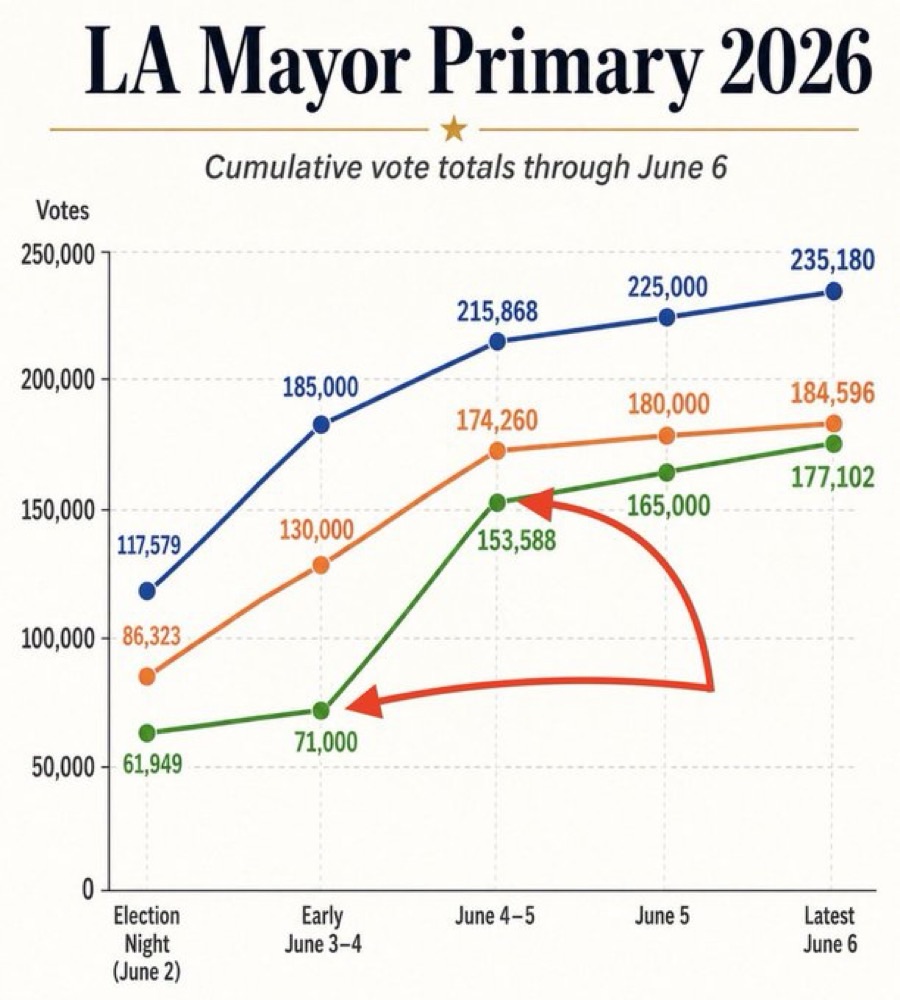
And then there’s the elephant in the room that the report refuses to name, the one that makes media platforms and consultants squirm: questions of election integrity and how Democrats have come to rely on systems vulnerable to manipulation. I know this is controversial territory. Many outlets dismiss it outright as conspiracy, but the patterns are visible to anyone willing to look at precinct data, turnout anomalies, and procedural changes. Recently, President Trump walked out of a “Meet the Press” interview because the host wouldn’t engage seriously on ongoing issues in California’s 2026 governor and LA mayor primaries. Votes are still being counted days later, with late mail-in ballots shifting totals in predictable ways—Democratic-leaning drops coming in after initial counts. Extended periods, no strict voter ID tied to real people in the same way as states with reforms, signature verification that’s often cursory, and processes that invite skepticism. They should be able to know the winner on election night or the next day in a clean system, not slow-walk it for weeks with shifting narratives, just like Pennsylvania and Georgia in 2020. Loose laws create opportunities—ballot harvesting, unverifiable drops, dirty rolls that aren’t properly maintained. Trump called it out in real time, and federal investigations have even been announced into aspects of California’s processes.
In 2020, Biden supposedly pulled over 81 million votes. In 2024, Harris managed around 75 million while Trump increased his haul to over 77 million. Why the dramatic drop for the incumbent party’s successor? Tighter rules in battlegrounds—voter ID requirements, cleaner processes, less reliance on pandemic-era mail floods—limited the old playbook. Democrats couldn’t replicate the overflows. They knew a straight Biden-Trump rematch risked full exposure of those 2020 discrepancies. Dump Biden, install Harris on a short timeline, run a campaign hampered by her record as border czar and inflation architect, lose, then produce the autopsy blaming everything except the foundation. It gave perfect cover: “She wasn’t prepped enough,” “Not enough time to define herself,” “Trump was too strong on the debate stage and in rallies.” Meanwhile, the real story emerging is that free and fair elections under scrutiny favored the party offering choice, results, and sovereignty over control and grievance. Republicans won because they better represented self-interest, family stability, secure borders, affordable energy, and the basics of American life. People want to cut their grass without exorbitant taxes, afford gas to visit family, buy pizza and watch TV with grandkids, hold a good job that pays decently—not be lectured by distant elites on what they should value or how they should speak.
I’ve studied those precinct maps from 2020 and 2024 extensively. Statistical outliers in bellwether areas, turnout patterns that defied historical correlations, late-night dumps that flipped leads in ways that didn’t match in-person voting trends—these screamed for scrutiny. Courts and media largely looked away, citing procedural technicalities or “no widespread fraud” claims that ignored the cumulative effect of policy changes. For many, January 6 anger wasn’t baseless incitement; it stemmed from deep frustration over a perceived stolen election and being handed a candidate and an agenda they rejected. Democrats invested heavily in fraud-tolerant systems because their ideas—open socialism, wealth redistribution at scale, cultural overhaul—don’t win purely on merit with informed voters anymore. They’ve moved toward control models seen in Venezuela, Cuba, or other places where the process is managed to ensure outcomes. America rejects that in its bones. The autopsy avoids this entirely because admitting even partial reliance on irregularities would shatter their claims to moral and democratic legitimacy. Instead, they produce a document full of half-measures, disclaimers, and annotations questioning its own methodology. It’s political theater designed to let insiders sleep at night.
Consultants wrote this knowing the score, or at least suspecting it. They take the check, craft language that lets party leaders maintain clean consciences, then retreat to their winter condos in Florida or beach houses paid for by those very fees. I give this kind of analysis away for free because I want righteous outcomes, not to pad corrupt fundraising machines. My track record comes from applying gunfighter discipline—imposing will on circumstances through preparation, precision, resilience, and moral agency. That’s what voters responded to in Trump: a fighter who projects strength and delivers results, not polished victimhood or identity lectures. Democrats’ best offer was more of the same: the hangover from lockdowns, inflation pain that hit working families hardest, border chaos affecting communities, and cultural division that tears at the fabric of society. Even Fetterman adjusted toward practical sense on some issues; the party as a whole has not. They’re too far left, out of touch with the working person’s daily realities in places like Ohio’s manufacturing heartland or aerospace corridors.
This isn’t isolated to 2024. The working-class flight from Democrats didn’t start with Harris; it accelerated under years of policies prioritizing global agendas, DEI mandates, and identity over kitchen-table economics. Latinos in record numbers, Black voters in key cohorts, young men tired of being told they’re the problem—these groups peeled away by tangible results over empty rhetoric. The party bet that identity would lock in the coalition forever, that guilt, fear, or loyalty would override lived experience. It didn’t. Capitalism has lifted billions globally, including America’s poorest, with abundance, innovation, and mobility that most nations envy. Democrats’ narrative of systemic victimization ignores that success story. People live it daily: jobs in factories, energy sectors, tech-adjacent fields, or my own aerospace world, where problem-solving and excellence are rewarded. They see government overreach as the obstacle, not the salvation. I’ve taught my grandson these lessons through model rocketry—building, launching in bad weather, troubleshooting, recovering—imposing will on circumstances rather than waiting for permission or handouts.
Algorithms and digital curation only exacerbate the divide. Smartphones and platforms spy constantly, feed tailored realities that reinforce silos, and erode the shared public square needed for genuine democracy. You think your opinions form independently? The data harvesting and recommendation engines suggest otherwise, steering you toward confirmation while selling your attention. Democrats mastered narrative control through legacy media, Big Tech partnerships, and academia—until real life intruded with visible failures: supply chain breakdowns, high prices at the pump and store, urban crime spikes, and a sense that the country was being remade against the will of its citizens. Voters chose the alternative offering agency, borders, energy independence, and normalcy. That’s free will in action under pressure. The autopsy’s glaring silence on core platform failures—socialism versus dynamic markets, globalism versus national sovereignty, grievance versus gratitude—tells you everything. They can’t confront it without dismantling their current brand and power structure.
Expanding on my personal lens here, because these issues aren’t abstract for me. I’ve worn the cowboy hat since third or fourth grade as a declaration of standing apart from fads and rooted in the traditional values of my Kentucky family heritage. The whip I often reference symbolizes discipline, precision, balance from martial arts training, and deterrence—lessons I apply to politics and consulting. In the 1990s Cincinnati scene, I was at City Hall daily through multiple mayors, involved in infrastructure projects like the Kentucky bridge projects, witnessing how deals get made, how influences flow, and how narratives are shaped. I’ve known high-level figures across the spectrum, from local sheriffs to national players, and seen the human element—emotional intelligence or its lack—determine outcomes. Grand jury service taught me about institutional failures, two-tier justice, and the importance of integrity. These experiences inform my view that the Democrat shift isn’t just policy; it’s a cultural and spiritual drift away from what made America exceptional: individual responsibility, family, faith, and opportunity.
Consider the contrast with Republican gains. Trump’s coalition expanded because it spoke to aspiration and protection of the basics. People responded to rallies filled with energy, not scripted celebrity events that felt performative. In Ohio, local races for commissioner, school board, and treasurer—issues like Lakota levies, development debates in Liberty Township, and data centers for future tech and the space economy—show voters prioritizing competence over ideology. Democrats’ alignment with extremes like open socialism repels more than it attracts. Their best people, the true talents, get sidelined for loyalty to the machine. Consultants enable this by providing intellectual cover, reports that sound sophisticated but avoid hard truths. I’ve turned down plenty of opportunities to join that world because selling out for a check erodes the soul. Instead, I share insights like this to support candidates and causes that align with self-reliance and truth-seeking.
Digging deeper into the autopsy’s shortcomings, as reported, it highlights demographic losses but attributes them to messaging failures rather than to a substantive rejection of the agenda. It notes slippage with non-White communities and younger voters but doesn’t grapple with why policies on the economy, crime, immigration, and education failed to deliver. Harris’s campaign struggled to make an “affirmative case,” couldn’t effectively separate itself from Biden, and was hurt by attacks on issues such as certain social policies. Yet the deeper rot—embrace of ideas that undermine the nuclear family, promote dependency, and view America’s founding as irredeemably flawed—goes unexamined. Progressive independent autopsies like the RootsAction report point to losing millions of 2020 Biden voters as a key failure, yet still frame it through a left lens without questioning the ideological drift.
In California, as of early June 2026, we see the strategy persisting where laws permit it. Primaries for governor and LA mayor feature slow counts, with mail ballots arriving late, signature checks, and totals shifting over days and weeks. Trump highlighted it, noting investigations by the U.S. Attorney’s Office in LA into structural vulnerabilities. Late Democratic drops narrowing Republican leads echo 2020 patterns. Officials defend it as standard, but the optics fuel distrust. States with robust voter ID, same-day counting where possible, and chain-of-custody saw clearer outcomes favoring the party of results. This isn’t ancient history; it’s live, and it explains why the national autopsy feels like misdirection. Democrats needed Harris as the fall guy to preserve the machine for future cycles, but the trends favor a Republican realignment around commonsense governance.
I could go on for hours about the cultural degradation angle too, as someone who grew up immersed in 1970s-80s music and witnessed its shift toward hedonism and occult influences. That ties into broader spiritual warfare themes I explore in writing, like The Politics of Heaven, but for this political autopsy, the point is that voters sensed an anti-family, anti-responsibility bent. They want stability for grandkids, model rocketry lessons teaching resilience, not ideological indoctrination in schools. My trips with family to Space Coast, Gettysburg, and the Museum of the Bible reinforce my appreciation for American innovation, history, and faith—things Democrats often critique rather than celebrate.
Consultants on the left (and sometimes right) operate in an echo chamber. They attend the same conferences, read the same journals, and produce reports that confirm priors. Real strategy listens to the people, tests ideas in the marketplace of results, and adapts like Fetterman tried to on select issues. Democrats as a party haven’t. Donors, activists capture them, and a consultant class is invested in perpetual crisis. This leads to candidate after candidate who excites the base in primaries but repels the center and working class in general. Harris was the latest example. Future ones like Newsom risk the same fate unless there’s a fundamental reckoning.
The 2024 loss was predictable to anyone grounded in reality. Voters rejected the direction: high costs, diminished security, eroded freedoms. Republicans offered a corrective—America’s priorities that resonate because they address basics. Midterms ahead will test if the shift holds, but early signs from local races and ongoing California drama suggest Democrats’ problems are structural. People want free will, not managed outcomes. They want prosperity through effort, not redistribution. They want leaders who impose positive will on challenges rather than excuses.
I’ve shared this extended reflection in its raw form because truth-seeking matters more than polished consulting fees. The patterns from my aerospace career, local activism as the “Tax-killer,” family life, and historical study all point the same way. The autopsy is denial. Americans chose agency in 2024, and the trends continue. Democrats lost because they picked the wrong messengers, wrong messages, ignored voter signals, and over-invested in vulnerable systems. The real story, elephant and all, is out there for those willing to see it. People see through the tricks now. They want results, integrity, and liberty. And that, more than any 192-page report, explains the shift and why it’s likely to endure.
Footnotes and sources updated for accuracy.)
Footnotes (expanded selection)
¹ Official DNC autopsy released in May 2026 with disclaimers.
¹⁰ Trump “Meet the Press” walk-off over California questions.
¹² DOJ probes into CA election processes.
²¹ 2024 vote totals confirming Trump’s popular vote win.
And others cross-referenced as above.
Bibliography / Further Reading (updated)
• Democratic National Committee. Post-Election Analysis. May 20, 2026. democrats.org.
• CNN, NYT, Guardian, PBS coverage of the report.
• NBC, LA Times, ABC on California 2026 primaries and investigations.
• Official 2024 election results from the Presidency Project, Wikipedia, and CNN.
Rich Hoffman
More about me
Click Here to Protect Yourself with Second Call Defense https://www.secondcalldefense.org/?affiliate=20707
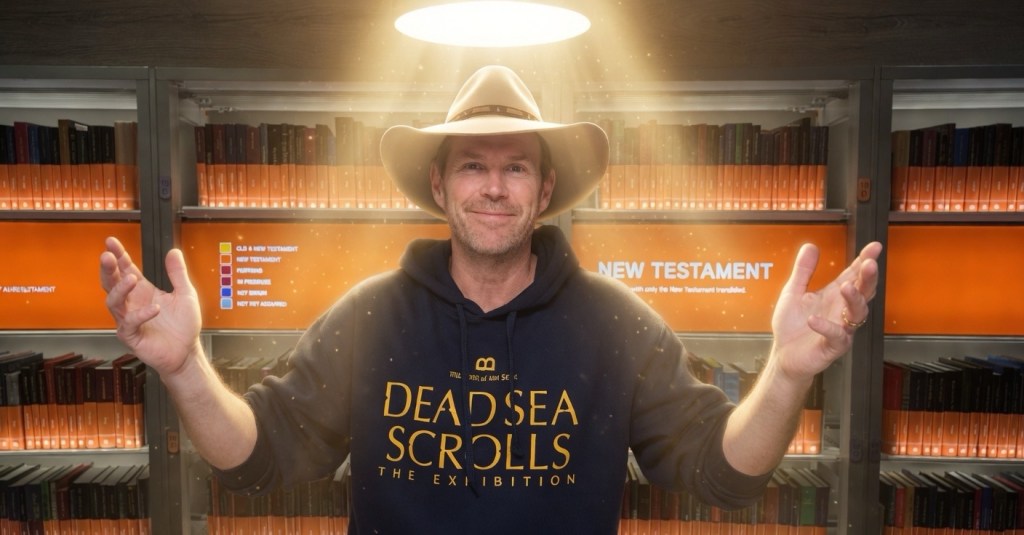
About the Author: Rich Hoffman
Rich Hoffman is an aerospace executive, political strategist, systems thinker, and independent researcher of ancient history, the paranormal, and the Dead Sea Scrolls tradition. His life in high‑stakes manufacturing, high‑level politics, and cross‑functional crisis management gives him a field‑tested understanding of power — both human and unseen.
He has advised candidates, executives, and public leaders, while conducting deep, hands‑on exploration of archaeological and supernatural hotspots across the world.
Hoffman writes with the credibility of a problem-solver, the curiosity of an archaeologist, and the courage of a frontline witness who has gone to very scary places and reported what lurked there. Hoffman has authored books including The Symposium of Justice, The Gunfighter’s Guide to Business, and Tail of the Dragon, often exploring themes of freedom, individual will, and societal structures through a lens influenced by philosophy (e.g., Nietzschean overman concepts) and current events
 The Overmanwarrior