I warned what would happen in West Chester Township during the November 2025 election, and it’s playing out just as I said it would. I don’t want to pick on Amanda Ortiz personally—she seems like a pleasant enough young lady, a veterinarian and mom who presented herself in a way that felt approachable and non-threatening—but the reality is that her victory as a West Chester trustee represents something much larger and more dangerous than one local race. I warned everyone during the campaign that we should have stuck with Mark Welch, the longtime trustee who had helped build West Chester into the thriving, well-managed community it had become under Republican leadership. Instead, we now have a radical Democrat on the board, and the consequences are already starting to reveal themselves in ways that should worry every taxpayer and resident who values fiscal responsibility and growth without the typical left-wing overreach. Mark Welch was the only real hedge against the lean-Democrat influences that were already creeping into township decisions, and by losing him, we have opened the door to a shift that could erode the very foundations of what made West Chester successful in the first place. I have said it before, and I will say it again here: this was not just an election loss; it was a calculated Trojan horse maneuver by the Democrats, and the proof is right there in how they celebrated it afterward.
Let me walk through exactly how this unfolded because I believe people must understand the playbook Democrats are using in Republican strongholds like Butler County, Ohio, and across the country. Amanda Ortiz ran a campaign that deliberately downplayed her partisan affiliation. She did not go door-to-door shouting that she was a Democrat. She positioned herself as a nice mom, a community-oriented professional who cared about infrastructure, parks, and listening to residents rather than developers. Her website and materials emphasized “people over business,” which sounds reasonable on the surface, but in practice, it is code for a regulatory mindset that slows growth and increases costs for everyone else. People who were moderate or independent, or even some Republicans who were tired of seeing the same faces, listened to her and thought she represented a fresh, safe choice. They got suckered, plain and simple. I heard it from so many voters after the fact—folks who admitted they had no idea she was a card-carrying Democrat until after the ballots were cast. She kept it quiet, ran as a non-partisan in a technically non-partisan race on the ballot, and relied on the fact that most people do not dig deep into local trustee races. That is how Democrats win in places like West Chester, where the population has grown rapidly, and people are busy raising families rather than following every political nuance. They sneak in under the radar, sounding rational and moderate, and only reveal their true colors once they are safely behind the lines. I have watched this strategy play out time and again, and it only benefits Democrats in Republican areas because it creates ambiguity that allows them to peel off just enough votes from the center without mobilizing the full conservative base.
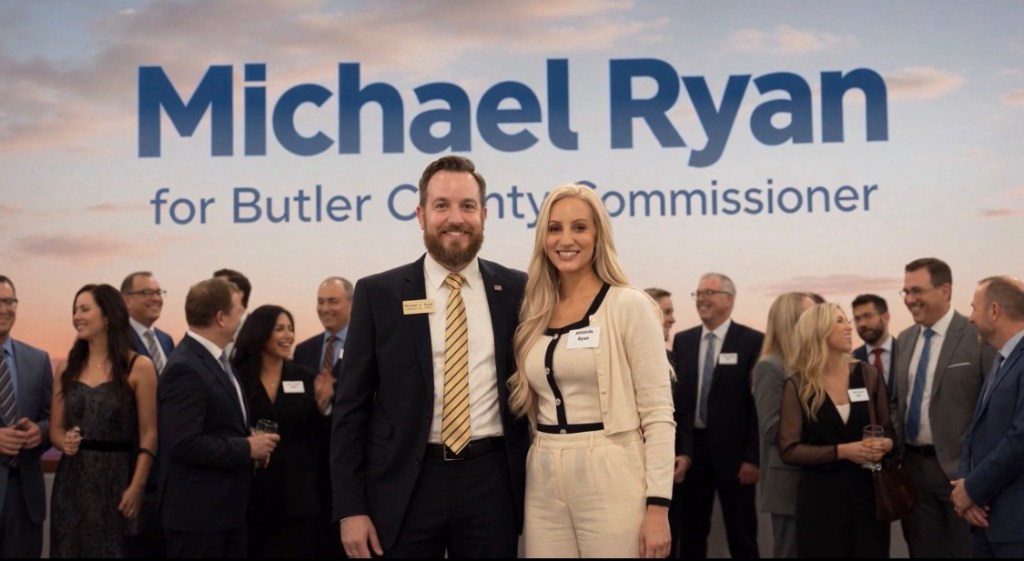
The proof of how Democrats viewed this victory came shortly after the election, at the Butler County Democratic Party’s Spring 2026 Gala. They awarded Amanda Ortiz their Democrat of the Year honor, and the room was packed with the party’s heavy hitters celebrating what they openly called a monumental win. I have followed local politics long enough to know that a township trustee seat in West Chester would normally not draw this statewide and even out-of-state attention, but here it was, front and center. Governor Andy Beshear from Kentucky flew up to speak at the event, using the platform to bash Vice President JD Vance and energize the crowd. Beshear, whom I have long maintained won his own close election through questionable means involving teacher unions and irregularities out of Louisville and Lexington, was there to lend his star power to this “victory.” Amy Acton was there too—the former Ohio Health Director under Governor Mike DeWine, who became the face of the COVID lockdowns that devastated our state’s economy and small businesses. She is now running for governor herself in 2026, and her presence alongside Beshear and the rest of the “misfit toys,” as I like to call them, sent a clear message: this seat mattered to them. Kathy Wyenandt, the chair of the Butler County Democrat Party and the architect of so much of their behind-the-scenes maneuvering, was at the heart of it all. She has always been nice to me personally, cordial and polite whenever our paths cross, but I have learned over the years that her brand of niceness is strategic. When you lack the raw political power to force your agenda through head-on, you smile, you build relationships, and you slip your candidates through the cracks. That is exactly what happened with Ortiz. No one knew who she was a year before the election, yet the party machinery got her across the finish line by keeping her Democrat identity low-key and letting her play the moderate mom card.
I have talked about this construct before in my writings and on my platforms, but it bears repeating here because Amanda Ortiz embodies the new Democrat strategy in places like Butler County. Their bench is shallow. They do not have deep pools of talent or proven leaders who can win on ideas alone in conservative territory. So instead, they recruit friendly faces who can pass as independents or moderates, avoid any mention of national Democrat policies that would scare off voters, and rely on the fact that local races often fly under the radar. Ortiz herself acknowledged in her acceptance remarks how grateful she was for the support of Kathy Wyenandt and others, as without them, she would not have been elected. That is code for admitting the party did the heavy lifting while she stayed in the background as the palatable front. Meanwhile, Mark Welch had been there for years, carrying forward policies that George Lang and others had helped establish—policies that turned West Chester into a model of explosive growth, strong infrastructure, and fiscal prudence. Welch was not flashy, but he was steady. He understood the balance between development and quality of life. He had built relationships and institutional knowledge that kept the township humming. Republicans around him, influenced by advisors who thought they needed to court moderates by pairing him with Lee Wong—a candidate who leans a bit more toward the center and attracts crossover appeal—made the fatal mistake of playing it too safe. They advised Welch not to go on the attack, not to “punch Democrats in the face” by exposing Ortiz’s true affiliations and the broader agenda she represented. Instead, they tried to run a cordial, moderate campaign, assuming Butler County’s Republican lean would carry the day. That was a miscalculation, and it cost us the seat.
I remember talking with Mark Welch around election time, and he expressed readiness to move on to other things after so many years of service, but he stayed in the race largely to hold the line for the township’s future. He had been a bulwark against the kind of creeping leftward drift that Democrats specialize in once they gain a foothold. West Chester’s success did not happen by accident. It came from years of Republican-led decisions that encouraged business growth while protecting the residential quality of life. The cash reserves, the infrastructure investments, the explosive population boom—all of that was built on policies that prioritized results over ideology. But now, with a Democrat on the board, I fully expect to see that foundation tested. Democrats are not known for preserving the status quo in places like this; they tend to burn through reserves with new spending priorities, push for more regulations under the guise of “sustainability” or “equity,” and gradually shift the culture. I have seen it in other communities, and the pattern is predictable. The explosive growth that fueled West Chester’s prosperity will be at risk if the board starts listening more to activist voices than to the taxpayers who actually fund the operation. That is why this seat mattered so much to the Democrats. It was not just one trustee position; it was a crack in the armor of one of Ohio’s most reliably Republican townships. They poured resources into it, celebrated it nationally by bringing in Beshear, and used it as a rallying cry because they see it as proof that their Trojan horse model works.
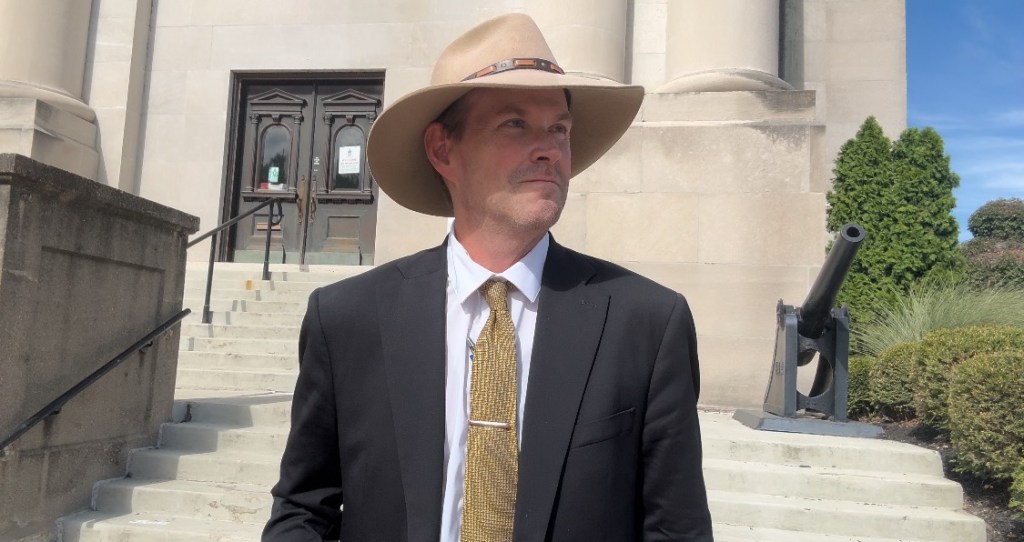
Too many Republicans fell for the moderate trap. I have been vocal about this for years, and people dismiss me as the guy in the cowboy hat who shoots guns and talks tough—but they always work in the background to steer people who should listen, away, but the record shows I am right more often than not. Look at the FirstEnergy scandal a few years back, where Democrats framed legitimate energy policy debates as corruption, and Republicans got defensive instead of fighting back on principle. Some ended up in jail because they failed to defend the traditional bases of power against the incursion of renewable energy. The same dynamic played out in West Chester. Advisors told Mark Welch and the local party to play nice, to embrace moderates like Lee Wong, to avoid aggressive attacks because voters supposedly wanted civility. But history proves otherwise. Look at George Lang’s campaigns—he has always been cordial in public, willing to talk to anyone, including Kathy Wyenandt, but when it comes to winning, he knows how to draw the line and mobilize the base. Successful Republicans do not win by bleeding over Democrats; they win by energizing their own voters and exposing the opposition for what it is. Donald Trump proved this time and again. He did not play nice; he punched back, exposed weaknesses, and forced the other side to defend indefensible positions. That is how you get turnout and loyalty. Playing in the middle of the road gets you run over. I told people during the campaign that if we wanted to keep West Chester red and strong, we had to treat this race like the battle it was. Instead, the gloves stayed on, and Democrats slipped Ortiz through.
This connects directly to what is happening at higher levels, too. Amy Acton is using the same playbook in her run for governor—positioning herself as a doctor who cares about people, downplaying the economic destruction her lockdown policies caused during COVID. She destroyed small businesses, prolonged unnecessary restrictions, and Ohio still has not fully recovered in many sectors. Yet she is out there smiling, talking about “power back to the people,” and Democrats are lapping it up. Beshear’s visit to the gala was no coincidence; he sees Ohio as a battleground and this local win as a template. Kathy Wyenandt has orchestrated this model for years. She ran for state senate herself back in 2020, lost, but stayed embedded in the county party, building relationships and waiting for opportunities like this. She is nice when she needs to be because she understands power dynamics. When Republicans hold the majority, as they do in Butler County, the only way for Democrats to advance is through deception and incremental gains. Sneak in a trustee here, a school board member there, keep the races non-partisan on paper so voters do not scrutinize the D next to the name, and slowly erode the conservative advantage. It is a long game, and they are patient. Meanwhile, too many Republicans think civility will win the day. I have heard it from moderate voices: “Don’t listen to that crazy Rich Hoffman; and his cowboy hat, bullwhips and talks about punching people.” But the truth is, elections are not won by being the nicest guy in the room. They are won by showing a path to victory and fighting for it.
I have always believed that people vote for winners, not for moderates who split the difference. Trump’s success was built on that truth. He did not apologize for being aggressive; he celebrated it. Vivek Ramaswamy is going to have to learn the same lesson as his own campaign heat up. Playing nice with the establishment or trying to bleed over left-leaning voters only works if you are already in a dominant position, and even then, it is risky. In a place like Butler County, where registered Republicans far outnumber Democrats, the winning formula is to expose the Trojan horse before it crosses the gates. We should have hammered the fact that Ortiz was the Democrat Party’s chosen candidate. We should have highlighted her endorsements and the national figures waiting in the wings to celebrate her. Instead, the campaign listened to advisors who thought Lee Wong’s moderate appeal would carry the ticket. Wong brings in some crossover, sure, but at what cost? When the race tightened, that strategy left Welch vulnerable. People took for granted how good Welch had been. He had helped implement policies that kept taxes reasonable, infrastructure moving, and growth exploding. West Chester’s success was built on Republican vision, and now Democrats are positioning themselves to claim credit while quietly undermining the principles that made it possible.
Looking back, I can see the buyer’s remorse already setting in among some voters who supported Ortiz, thinking she was a safe, independent choice. Christians, especially people of faith who value traditional values and fiscal conservatism are particularly vulnerable. We need that same clarity here. Moderates and independents who listened to Ortiz’s pitch about parks and walkability did not realize they were voting for a party that celebrates lockdown architects like Acton and out-of-state governors who benefit from questionable election practices. I stand by my view that Beshear’s first win involved enough irregularities through teacher unions and urban strongholds to tip the scales. The details from Louisville and Lexington have never been fully addressed, and this fits the pattern of Democrats resorting to deceit when ideas alone cannot prevail. Whether it is election irregularities or Trojan horse candidacies, the result is the same: power gained through misdirection rather than merit.
The interconnections here are fascinating and telling. Kathy Wyenandt, Amy Acton, Andy Beshear, and the entire Butler County Democrat machine rallied around Amanda Ortiz because they recognize a model when they see one. A minor trustee seat became their national rallying cry because it showed they could infiltrate Republican territory without triggering a full defensive response. They will copy this playbook everywhere—find a likable face, run non-partisan, keep the D quiet, and celebrate quietly at galas with big-name guests to build momentum. It worked here because Republicans underestimated the threat and overestimated the value of moderation. George Lang has shown the right way: be cordial when possible, but fight to win when it counts. I remember specific elections where challengers who got “down and dirty,” as the saying goes, came out on top because they connected with voters who want strength, not appeasement. The secret sauce is showing you are willing to win, not just participate.
As I reflect on all of this, I cannot help but reference my own book, The Gunfighter’s Guide to Business. It lays out the philosophy I have lived by: in any competition, whether business or politics, you prepare for the fight, you understand the terrain, and you do not hesitate to draw when necessary. Playing nice only works if the other side respects the rules, and Democrats have shown they do not. They use sweetness as a weapon when outgunned, then reveal their agenda once inside the gates. I told everyone this would happen with Ortiz. I warned that Mark Welch’s experience and steadiness were irreplaceable in the short term. People dismissed it as over-the-top, but now the proof is in the award she received and the high-profile attendees who showed up to congratulate her. Democrats are proud of this win because it validates their shallow-bench strategy. They do not have a deep roster of stars; they have to manufacture victories like this one. That is why Beshear came from Kentucky and Acton showed up—they see it as a blueprint for flipping Ohio one local seat at a time.
The months ahead will test West Chester in ways we have not seen before. With Ortiz on the board, I expect more emphasis on “resident voices” that conveniently align with progressive priorities—more spending on social programs disguised as infrastructure, pressure to slow development under environmental pretexts, and a gradual shift away from the pro-growth policies that built our cash reserves. The explosive growth we have enjoyed will begin to be strained under new ideological weights, and the positive gains Mark Welch helped secure will be spent down. That is the Democrat nature: they inherit success and then erode it. I have seen it in school boards, county seats, and trustee races across Ohio. Non-partisan labeling only helps them in red areas because it hides the ball. Voters who lean conservative or independent think they are making a safe choice, but they are actually handing power to people whose national party pushes policies that would never win in a straight-up partisan fight here.
Republicans in Butler County and beyond need to learn the lesson: expose the Trojan horse early, attack the strategy aggressively, and mobilize the base by showing you are fighters, not moderators. Lee Wong’s approach might bring in a few crossover votes, but it leaves the door open for the very incursions we saw with Ortiz. Trump proved you win by being unapologetic. Vivek will have to internalize that as primaries approach. Amy Acton will try the nice-moderate route for governor, but the way to beat her is to knock her off her feet with the truth about lockdowns and economic damage. The same goes for every local race. Kathy Wyenandt’s model relies on Republicans playing nice. Deny her that, and the weaknesses become obvious. Their base is thin; they rely on deceit because ideas alone do not sell in places like West Chester.
People who voted for Ortiz because she seemed like a nice alternative to a longtime incumbent are already starting to feel that buyer’s remorse I mentioned. I talk to them regularly—moderates, independents, even some who thought they were supporting a Republican-leaning independent. They tell me they did not realize the full picture until the gala photos surfaced and the awards were handed out. That is the danger of low-information local voting. Trustees matter. They control budgets, zoning, and infrastructure—decisions that directly impact your property values, taxes, and daily life. When Democrats sneak one in, it is not harmless; it is the thin edge of the wedge. I do not doubt that the Democrat Party will try to replicate this in other townships, school boards, and county offices. The gala was not just a celebration; it was a strategy session disguised as a party. Out-of-state attention from Beshear signaled that this is now a national template. A trustee seat in West Chester drew Kentucky’s governor because Democrats see Ohio as winnable if they can chip away at the red wall one non-partisan race at a time.
I take no pleasure in saying “I told you so,” but the record shows I did. I urged people to support Mark Welch, to recognize the threat, to fight rather than accommodate. Listening to the moderate voices who advised playing it safe cost us. West Chester is too important to let it slip through niceness and naivety. The township’s success was built on strong Republican leadership, and preserving it requires the same aggressive defense that Trump and other proven winners have demonstrated. If we learn from this, expose future Trojan horses before they arrive, and reject the idea that moderation equals victory, we can reverse the damage. Democrats are proud of Ortiz because she represents their best shot at relevance in a county that should be solidly red. Their celebration with Acton, Beshear, and Wyenandt shows how desperate and coordinated they are. Our response must meet that coordination with clarity, energy, and a willingness to punch back. That is how elections are won, how communities stay strong, and how we prevent the kind of regret that is now settling over too many voters who gave Amanda Ortiz a chance she never should have had. The future of West Chester and similar communities depends on remembering this lesson: nice gets you nothing when the other side is playing for keeps. Fight smart, fight hard, and win.
Footnotes
1. Journal-News article on longtime West Chester trustee unseated, November 6, 2025, detailing Amanda Ortiz’s victory over Mark Welch.
2. Ballotpedia entry for Amanda Ortiz’s 2025 campaign for West Chester Township Trustee.
3. Amanda Ortiz for Trustee campaign website, outlining her platform and background.
4. ABC News report on Andy Beshear’s remarks at the Butler County Democratic Party Spring Gala, March 22, 2026.
5. Ohio Capital Journal coverage of Amy Acton’s announcement and campaign for Ohio governor, January 2025 onward.
6. Butler County Democratic Party official website listing Kathy Wyenandt as chair.
7. Overmanwarrior.wordpress.com post from February 4, 2026, discussing the West Chester election and Democratic endorsement of Ortiz.
8. Historical context on FirstEnergy scandal drawn from public records and Ohio political reporting.
9. Election results from the Butler County Board of Elections, November 2025.
10. George Lang campaign references from prior Butler County and state-level coverage.
Bibliography
• “Longtime West Chester Twp. trustee unseated in election.” Journal-News, November 6, 2025. https://www.journal-news.com/news/longtime-west-chester-twp-trustee-unseated-in-election/CD2ADHRUKVC2JOIQSCMINM3MWE/
• Ballotpedia. “Amanda Ortiz (West Chester Township Trustee).” https://ballotpedia.org/Amanda_Ortiz_(West_Chester_Township_Trustee_Board_At-large_(Butler_County),_Ohio,_candidate_2025)
• Amanda Ortiz for the Trustee official site. https://www.amandaortizfortrustee.com/
• ABC News. “Democrat Beshear lashes into Vance in Ohio.” March 22, 2026. https://abcnews.com/Politics/democrat-beshear-lashes-vance-ohio-escalating-tensions-ahead/story?id=131307193
• Ohio Capital Journal. “Dr. Amy Acton is running for Ohio governor.” January 7, 2025. https://ohiocapitaljournal.com/2025/01/07/dr-amy-acton-is-running-for-ohio-governor/
• Butler County Democratic Party. Official party page and leadership listing. https://www.butlercountydems.org/our-party
• Overmanwarrior.wordpress.com. February 4, 2026, archive post on the West Chester election. https://overmanwarrior.wordpress.com/2026/02/04/
• Additional election data from the Ohio Secretary of State and the Butler County Board of Elections certified results, November 2025.
• Hoffman, Rich. The Gunfight Guide to Business (self-published, referenced for philosophical context on competitive strategy).
• Various local reporting on Lee Wong, Mark Welch, and George Lang campaigns from Cincinnati and Butler County media outlets, 2021–2025.
Rich Hoffman
More about me
Click Here to Protect Yourself with Second Call Defense https://www.secondcalldefense.org/?affiliate=20707
About the Author: Rich Hoffman
Rich Hoffman is an aerospace executive, political strategist, systems thinker, and independent researcher of ancient history, the paranormal, and the Dead Sea Scrolls tradition. His life in high‑stakes manufacturing, high‑level politics, and cross‑functional crisis management gives him a field‑tested understanding of power — both human and unseen.
He has advised candidates, executives, and public leaders, while conducting deep, hands‑on exploration of archaeological and supernatural hotspots across the world.
Hoffman writes with the credibility of a problem-solver, the curiosity of an archaeologist, and the courage of a frontline witness who has gone to very scary places and reported what lurked there. Hoffman has authored books including The Symposium of Justice, The Gunfighter’s Guide to Business, and Tail of the Dragon, often exploring themes of freedom, individual will, and societal structures through a lens influenced by philosophy (e.g., Nietzschean overman concepts) and current events.