The Nature of Government

On the morning of December 8, 2010, I went to work as I normally do, only the temperature was hovering just above 10 degrees with a wind chill shaping up to a goose egg. I was riding my motorcycle, as I do all year, rain, snow or tornados, and the explanation for our governmental troubles came to me in the beauty of simplicity.
Many people wonder why I do things like riding motorcycles in sub-zero temperatures, and the explanation I could give them isn’t something they typically would understand from their perspective. I do it for what comes to my mind in the pain and endurance of the exercise. Often, being in such a predicament, which takes a person out of their comfort zones, will clarify thoughts. Since I do a lot of thinking, there are a lot of thoughts to clarify, so driving to work in extremely cold temperatures helps.

On this particular morning, I looked at the cars around me. At a stop light the woman next to me had her heat turned all the way up and she had on a hood, windows rolled up firmly. She looked at me like I was nuts. At the next light was a man in a pick-up truck. He looked like a man that fancy’s himself as a rough and tumble individual, had mud flaps with the silhouette of naked women on them. He refused to make eye contact. I could see his hair blowing in the warmth of his cockpit from the turned up heat, again windows rolled up tight.
I thought this morning of all the books I had read about Native American culture, of Tecumseh, Blue Jacket, the great Shawnee nation, the Five Nations of the Iroquois. I thought of Chief Pontiac of the Ottawa’s eating the heart of his enemies like they were just apples, many times while the victims were still alive. I thought of Chief Seattle and his great speech. And as I thought of those men, and the nature they revered, I thought of President Obama and his famous speech to the Fort Hood victims, “I want to put a shout out to the Native American’s,” or something to that ridiculous effect. It was another car that pulled up next to me at yet another light, with the exhaust from his vehicle dancing around his car and whipping around me in the swirling frozen wind. This guy was a typical suburbanite, well-shaven, clean cut, and looking straight ahead at the road ahead. Again, he didn’t make eye contact, and he reminded me of Obama, just going through the motions of living keeping his eyes on the road ahead, but not willing to look at things to the side of him that didn’t fit his learned behavior. For all I know the guy could live in my neighborhood.

On the rest of my journey to work, I thought of the train trolley down in Cincinnati, Strickland’s letter to Kasich on the high speed rail deal, Obama agreeing to the Bush Tax cuts, I thought of the TSA situation, and I thought about the Lakota Levy that is sure to come again, especially once the unions discover that they will not be able to maintain the level of income they’ve negotiated for themselves when Governor Kasich cuts education even more to get Ohio back on a balanced budget track.
Who is to say that riding a motorcycle in the extreme cold is wrong? Only in relation to the rest of orthodox society is it looked down on. To me, it makes perfect sense. It clears my head, like I discussed, and it saves a ton of fuel. With fuel climbing up over $3 bucks a gallon, I don’t want to pay more for fuel, so I’ll buy less. I have a perfectly nice car in the driveway, but I don’t like to use it for all the reasons described.

Big government types have associated themselves with the green initiative to save the planet from human impact. These are the same individuals that roll their windows up tight to protect their skin from the cold weather. They are not what in my opinion an environmentalist is.

Nature is not a fragile organism. Nature lives in the extreme cold, and the excessive heat and it sends hurricanes to destroy entire cities that humans build for themselves. Yet if you consider what the modern progressive minded person asserts with their big government ideas, you would at first think these people have mankind’s best interest at the front of their minds. But when you look at their actions from the perspective of a motorcycle in the brutal cold of a sunless morning, you see how infantile these people are.
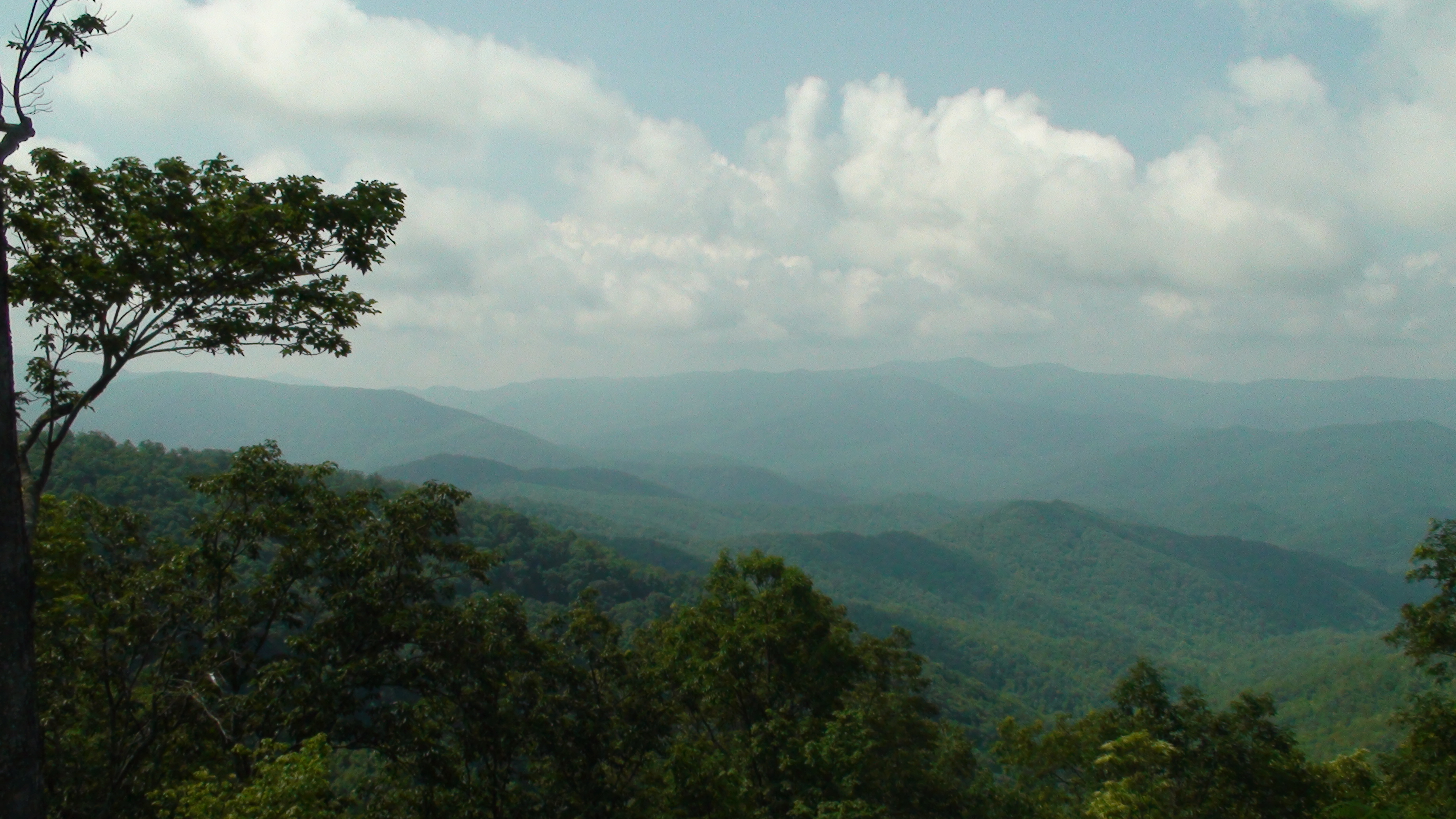
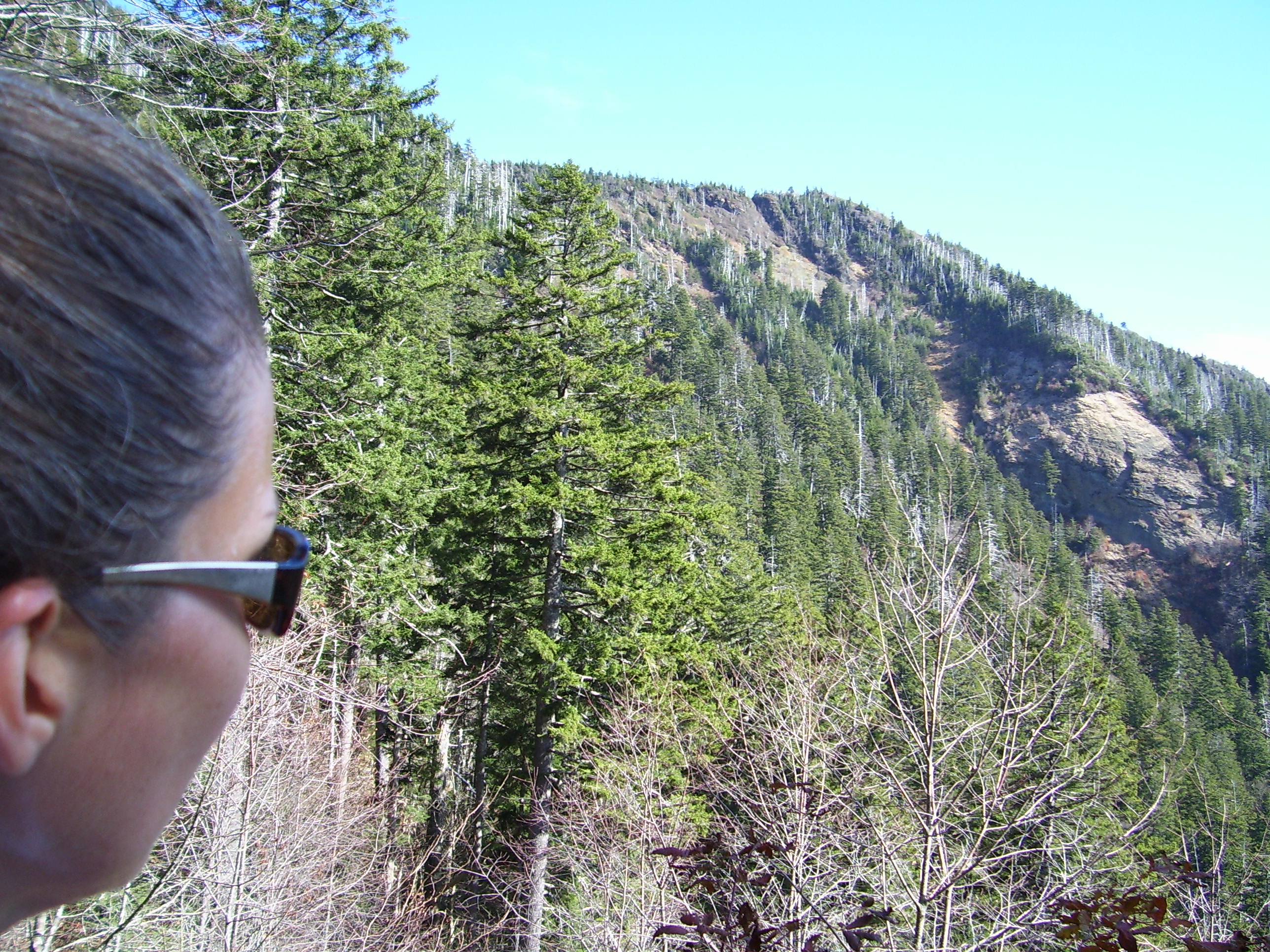
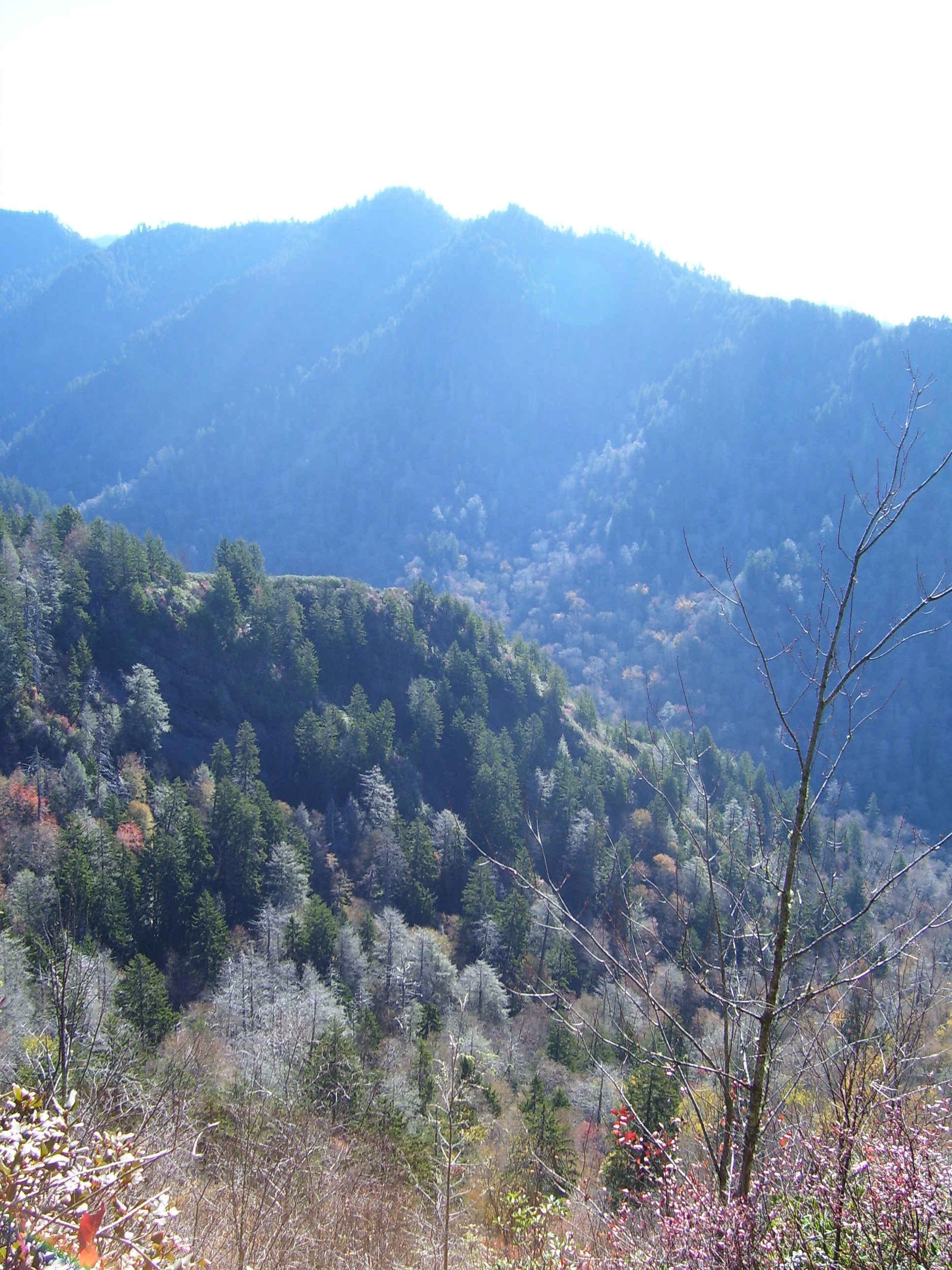
Which is more beautiful, the nature that can be seen from the Appalachian Trail atop Mount LeConte or the nature in someone’s back year where all the bushes and trees are trimmed nicely, and the grass is cut, and every rock placed in the yard was put there by the owner of the property.

The degree to which human beings attempt to alter nature is called government. If you look to the forest, where mankind has not put their feet, nature thrives. Trees grow, animals eat each other, and water flows in the path of least resistance. Trees in the forest compete for light, the smaller ones get pushed aside by the bigger ones, and survival of the fittest is the general rule. In the forest, the will to survive is so great that a tree will sink roots into rock in order to get what it needs. The nature of human beings is not different from the organism of a tree.

In the back yard garden, trees are pruned and sculpted to fit the contours of homes, or other trees. Plants are mulched to assist them to grow, and shrubbery is trimmed and controlled. The grass is cut to a desired level, and in some cases watered to ensure its survival.

Our government is simply a garden of which we all have different ideas of where the plants should go, or what flowers we need to plant and where. But the understanding of it all is that it is purely cosmetic. All the rules of mankind are simply made up in the minds of the human being. In the global neighborhood, what is happening in America, is pruning, where the branches are being cut away so that the other trees in the neighborhood can grow, because the big tree of America sucks up all the water, at least according to these green thumbed gardeners called politicians.

The fertilizer and various chemicals we use on our lawns are simply equitable to the stimulus money government has issued to grow the economy.

From the cold morning of December 8, 2010 it became excessively clear to me that the same people tucked away in their warm cars are the same people that buy flowers for their gardens in the spring, and cut their grass on Saturday afternoons in the heat of a summer day. And they’ll plant a tree in this location or that location hoping that one day the tree will provide some shade. And these people take this same mentality to their business, whether they directly work for government, or if they simply vote in the grand idea of a republic, and the politicians they elect do all those things and more to their lawns. And they believe with all their hearts and souls that the work they’re doing is important, and that they must trim trees, and cut grass or use fertilizer in order to make our world grow.

What they fail to understand is that nature doesn’t need human assistance at all. We are simply guests that have arrived like a pimple on the face of geologic time. Our duration on the plant will come and go without the earth hardly noticing. Global warming and every related issue are only musings from human beings that have an unhealthy belief of their universal importance.
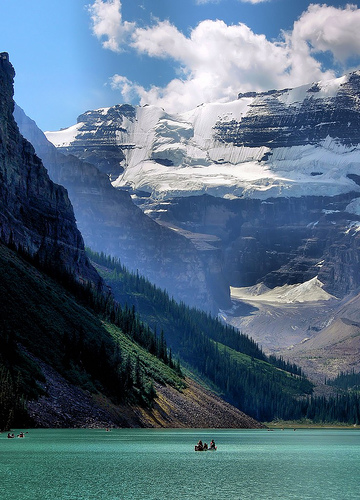
For all the gardens those humans build for themselves will be wiped away in time by the true brutality of nature and its selection of what is beautiful or not, what lives what dies, and what is strong and what is weak.
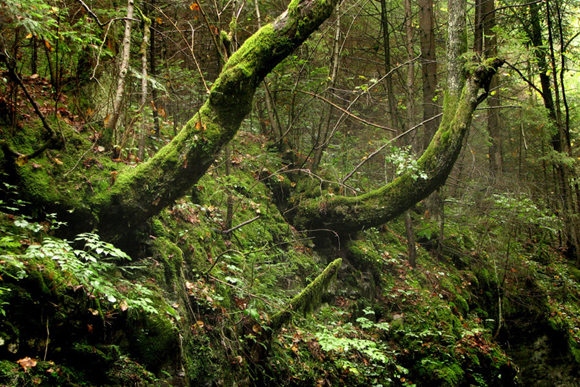
It never made sense to me why so many atheists and others without some sort of faith to ground their terrestrial selves seemed prone to migrate to the conservation movement so embraced by the left, and why so many young people seem attracted to those mentalities. It’s because their undeveloped minds have not yet worked out their place in the universe. This is why so many senior citizens tend to vote conservative, while the young tend to vote liberal. The young still cleave to the ego based notion that they are all there is. The old know better and have learned after a lifetime of living. This is the difference. The silly, small minded politicians think they can actually improve nature with their juvenile influence. But all they really end up doing in the scheme of things is move some rocks around and plant some trees, most of which are quickly uprooted as soon as a major storm comes.

All the policies of mankind fall under this description. So is this a proclamation of anarchy? No. When I go to the forest, I walk the trail, which is not natural, but created by man. I build a fire with the wood that falls from the trees. And I leave the campsite looking the same as it did before I arrived. If I build a home with what the forest provides, I do it understanding that within 100,000 years everything I create will return to nature including every item a human ever created.
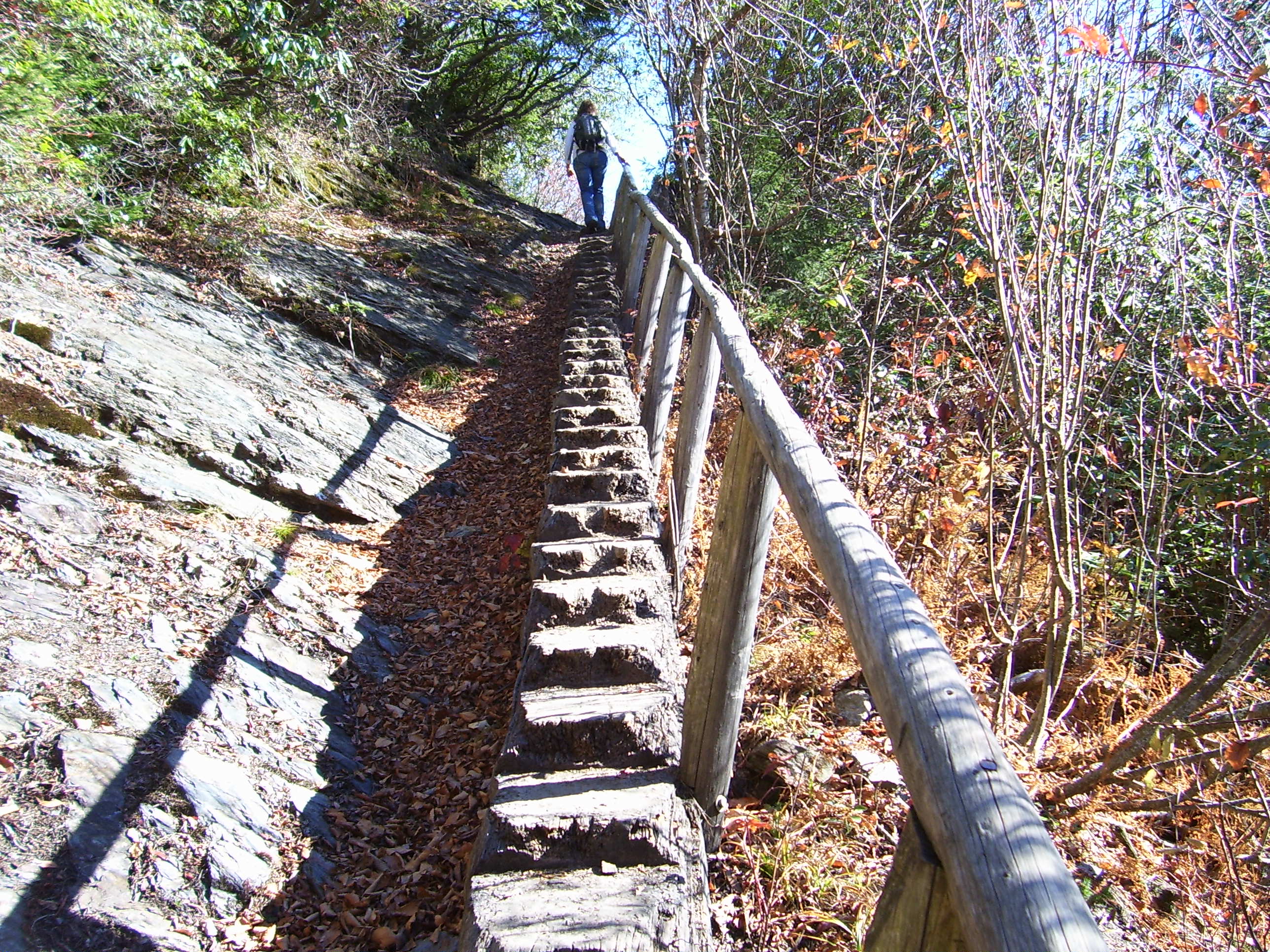
Notions like Social Security, Wiki Leaks, Communism, teacher contracts, health care, all laws, all government and every roadway built will be swallowed by nature in a relatively short time geologically speaking.

If the human race wanted to truly survive, it would copy nature. Not try to corrupt nature with their undeveloped ego desire to build a better garden. America was modeled after nature, as envisioned by John Locke in the late 1600’s. But during the growth of government periods, particularly in the 20th century, America has become a land of gardeners instead of the natural element.
Our society needs to ask how much we want to spend in taxes to supply a garden that is purely cosmetic to begin with. Because that’s all any of it is. It’s just gardening by gardeners that have the audacity to believe they can do it better than nature.

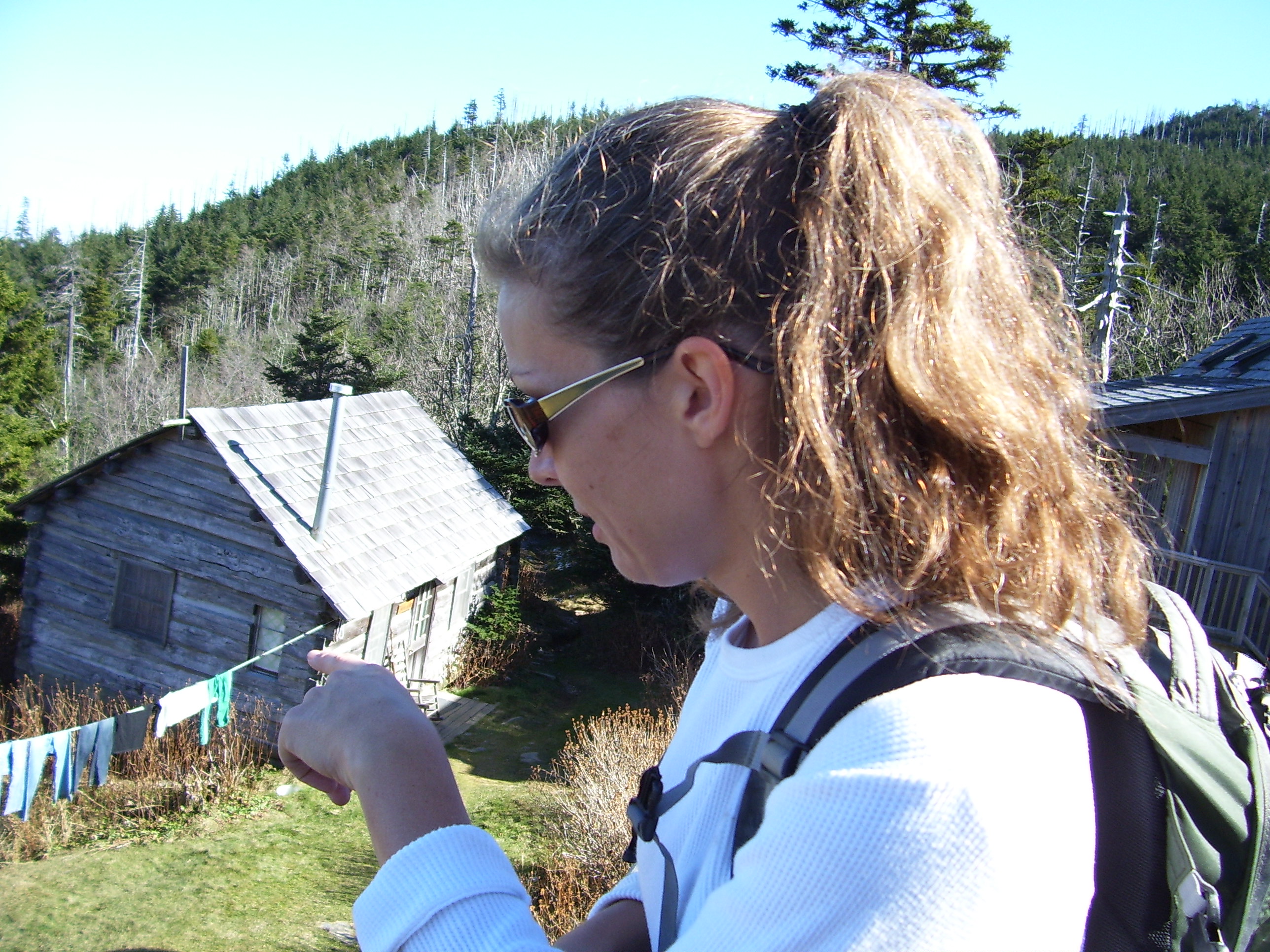
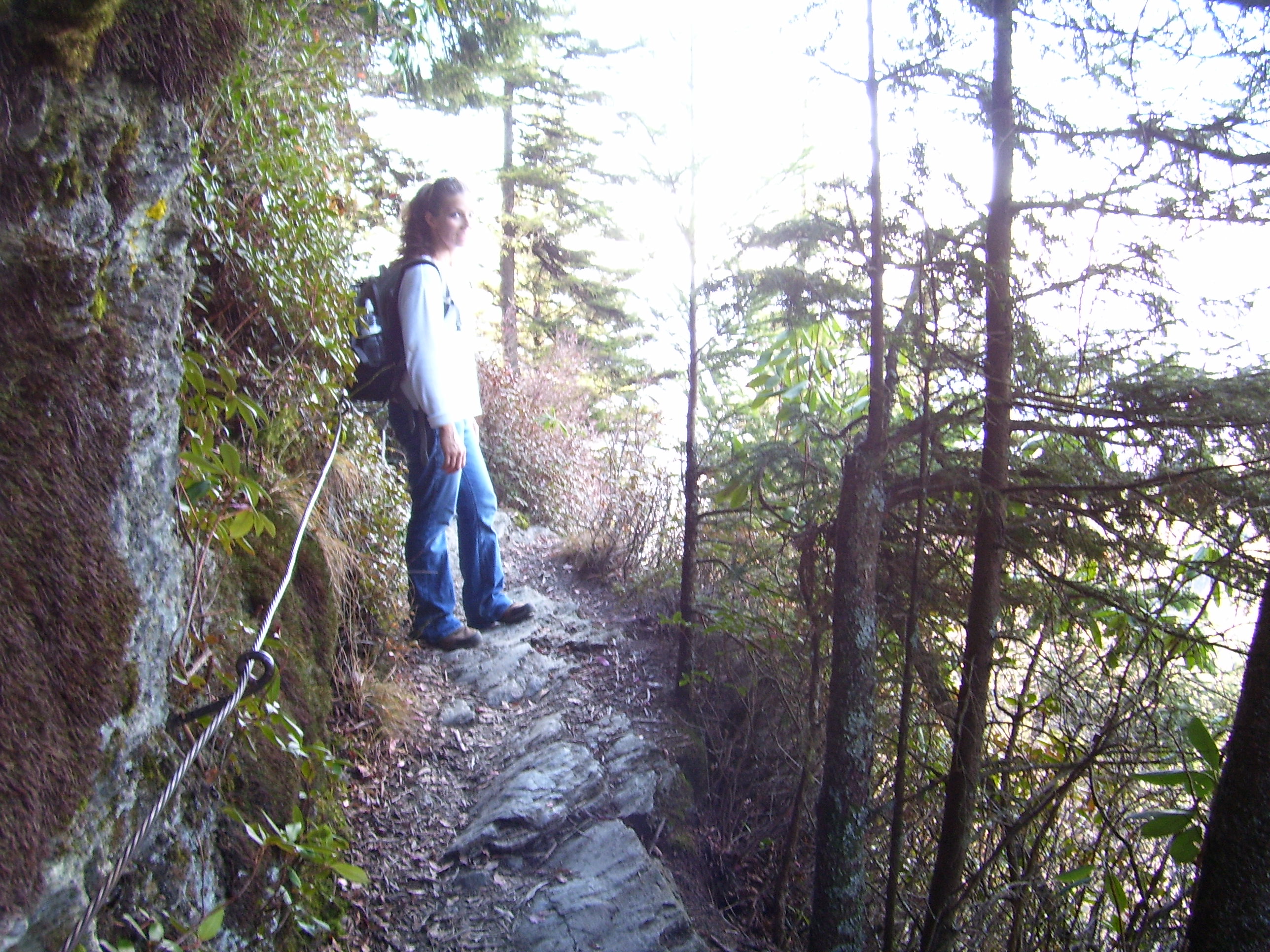
I ran into a community once that reflected some of what I’m talking about. It was a little neighborhood on top of Mt LeConte that serves tourists wishing to climb that mountain. I’ve been to Gatlinburg and Pigeon Forge many times and Mt LeConte is the big mountain approximately 10 miles from downtown Gatlinburg which looms over the town. It is the highest peak visible from Pigeon Forge and is an unmistakable monster of a mountain. From the ground you’d never know that speckled across the top is a community of cabins, with some residents that work up there, and guests renting cabins to stay for the night. There’s a mess hall and a couple of rest rooms to facilitate everyone’s needs.
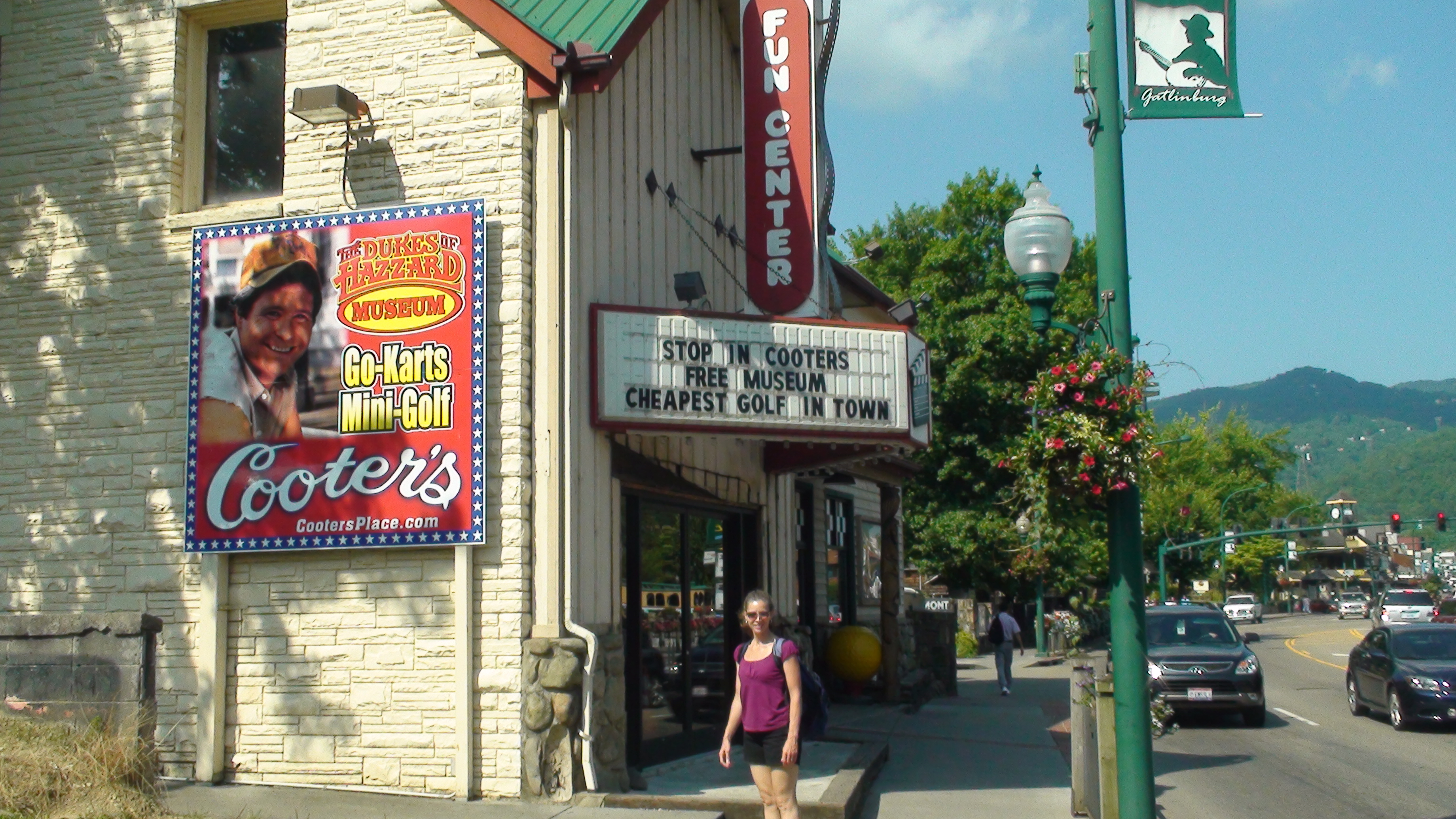
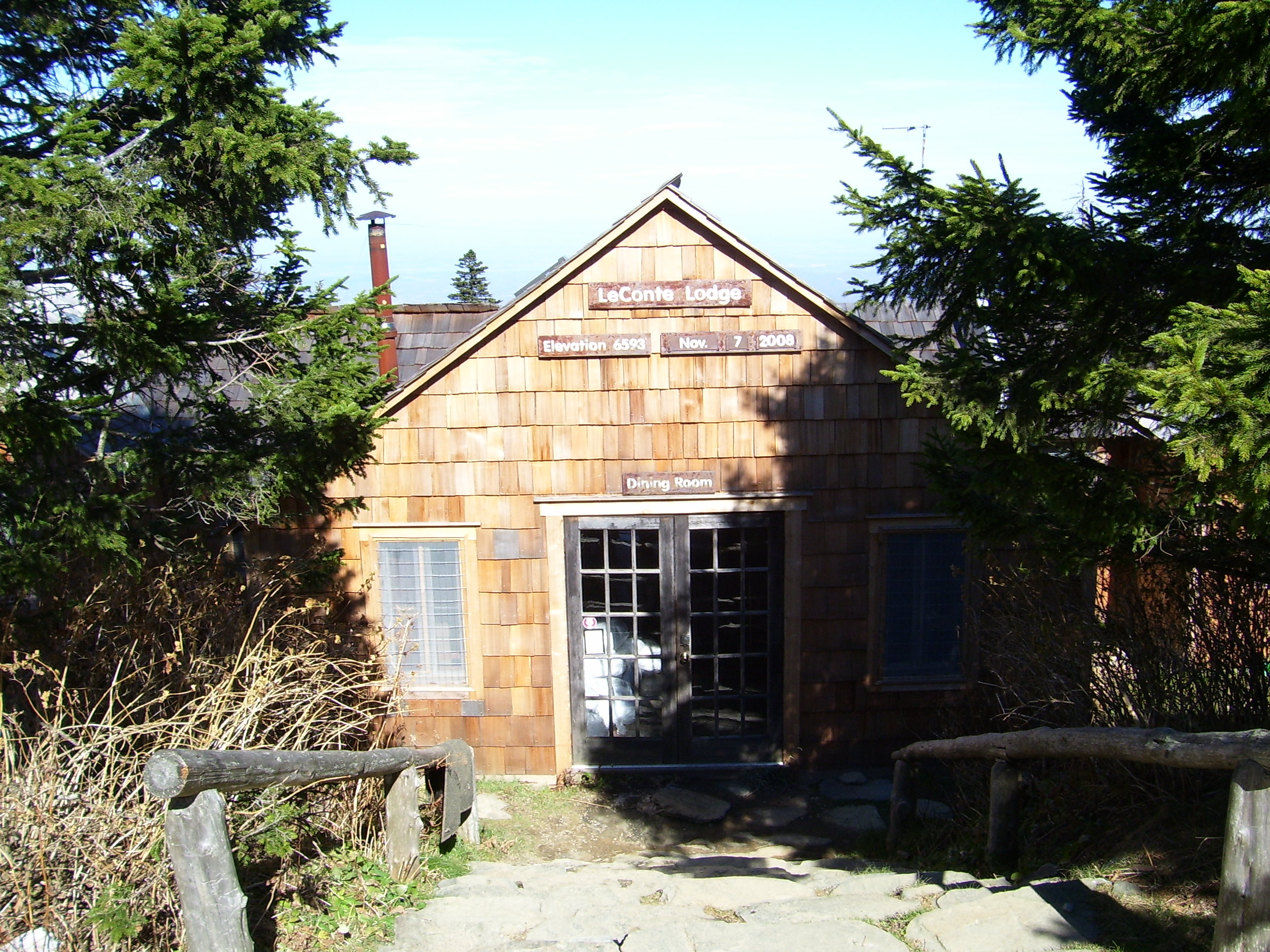
From the top of the mountain, in that little village, all the great monuments of Pigeon Forge are almost completely invisible. The community resides over 6000 feet which doesn’t sound like much compared to mountains in the west, or in the Himalayas but the top of Mt LeConte has its own weather patterns. Its peaks are often submerged in a cloud layer and take the full brunt of weather patterns migrating across Tennessee and Kentucky from the west. But at such a height all the monuments of tourism are just little specs. Nothing looks too complicated from that vantage point.
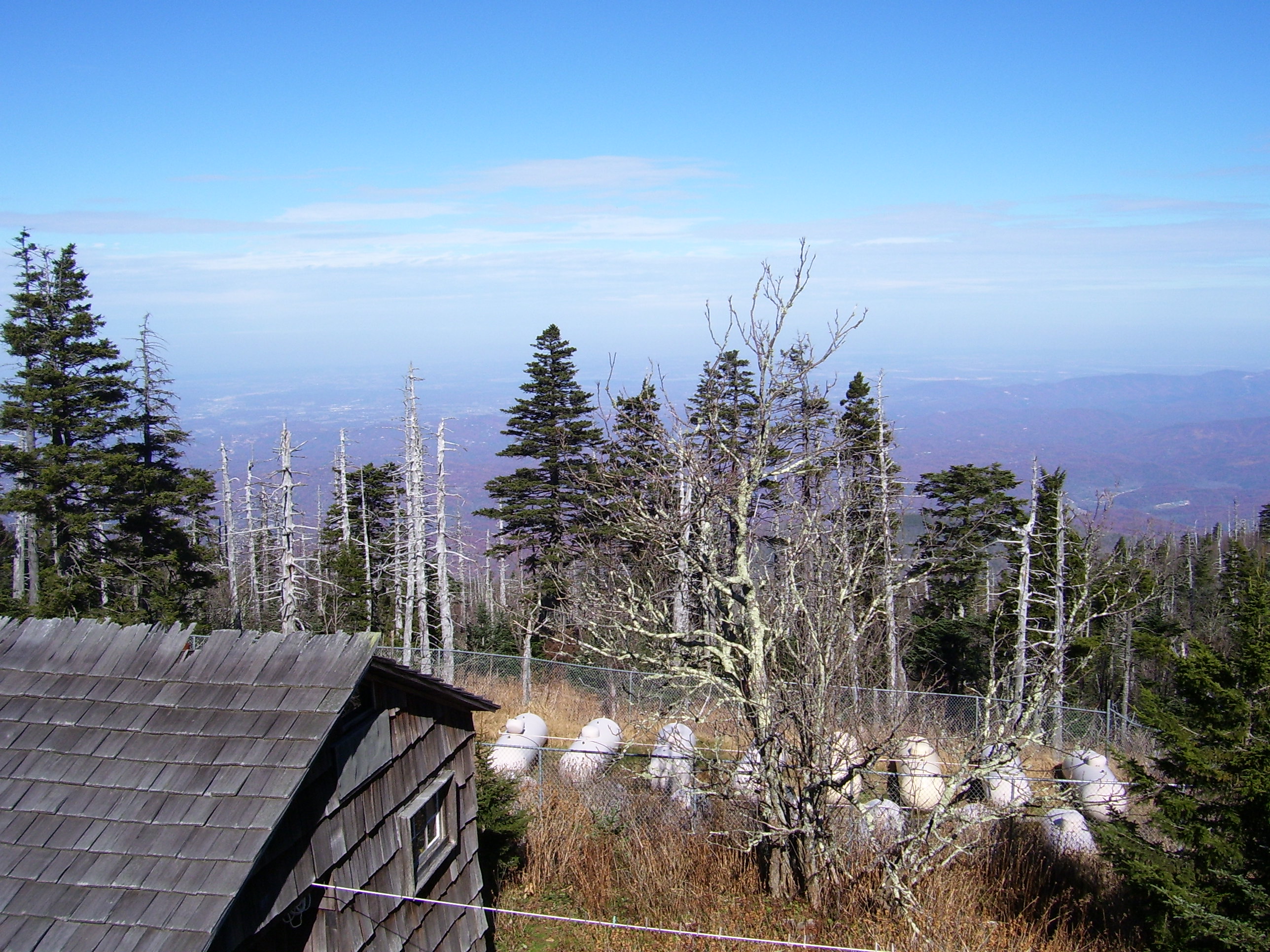
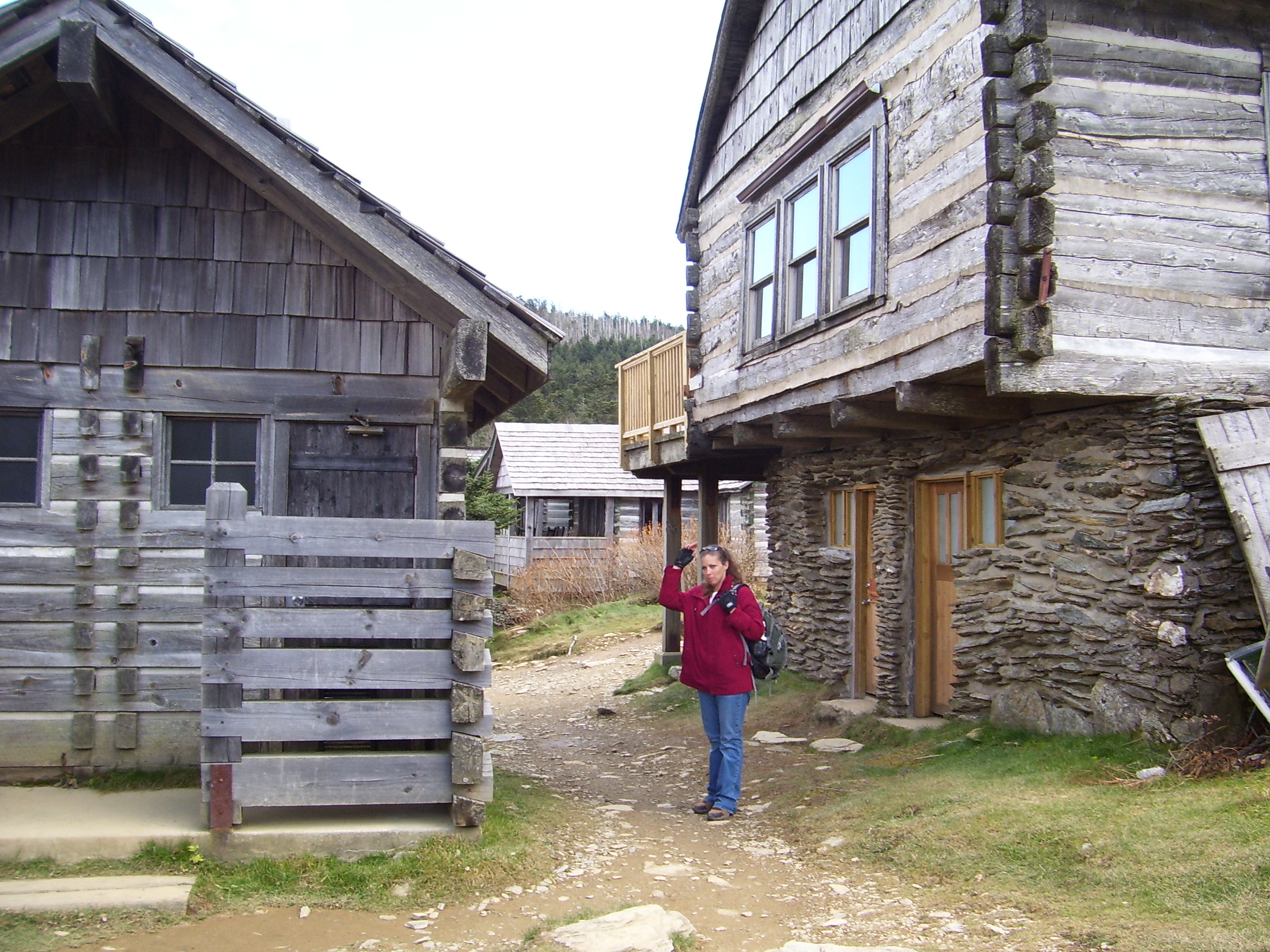
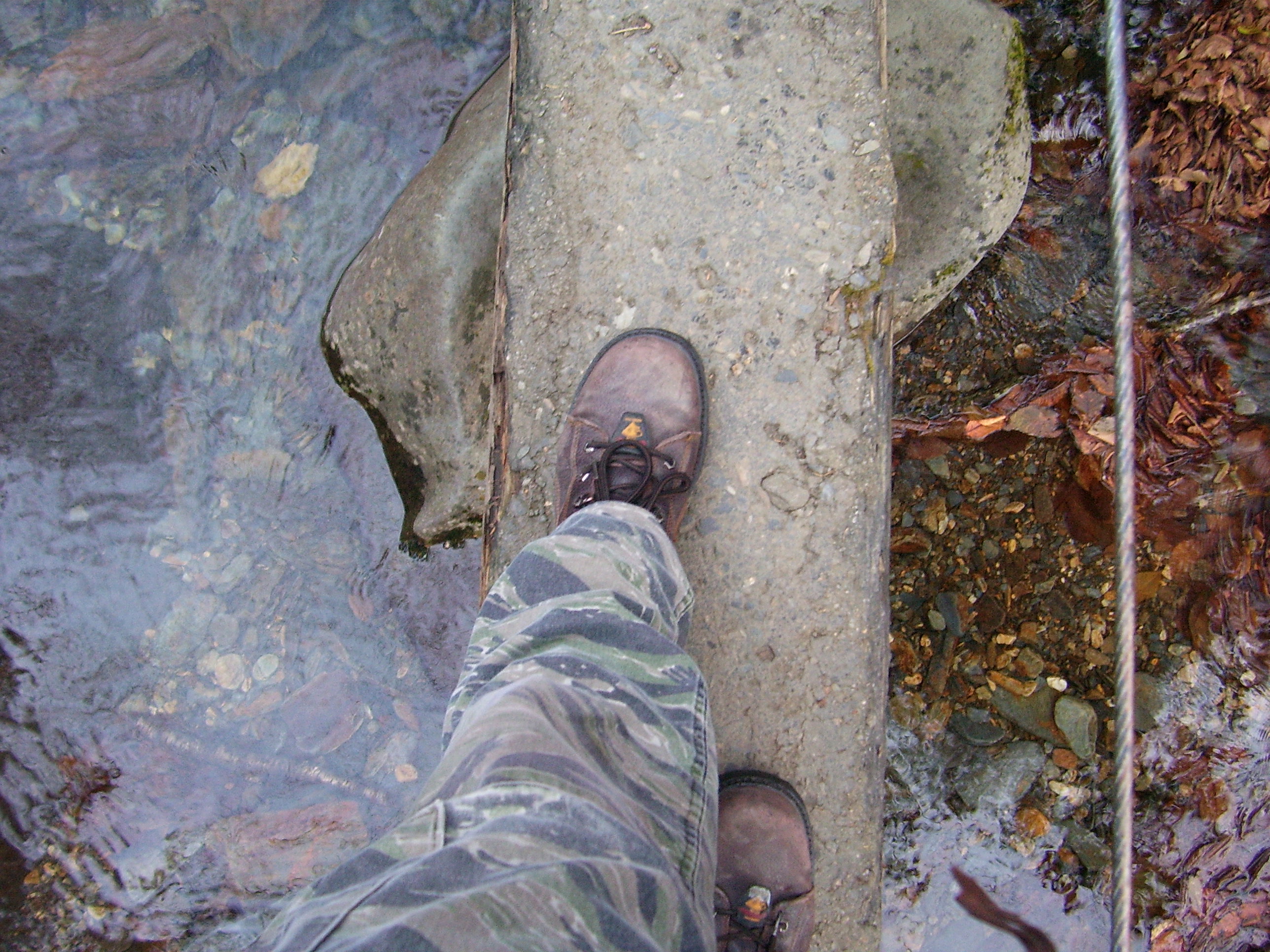
From atop that mountain, the world makes sense. The people you meet up there say hello and are generally happy to see you. What everyone shares that arrive at the distant land is they had to work hard to get there. There’s only three ways that will get you to the top. You have to walk and climb, you can take a llama, or you can be dropped off with a helicopter, which brings supplies to the top of the mountain. It’s as primitive, yet as civilized of a place as anywhere I’ve ever been. On that mountain perspective is easy, just like in the harsh cold on a motorcycle in mid December. That rugged paradise is virtually a stones throw from downtown Gatlinburg with all the tourist spots, yet the two worlds are diametrically opposed.
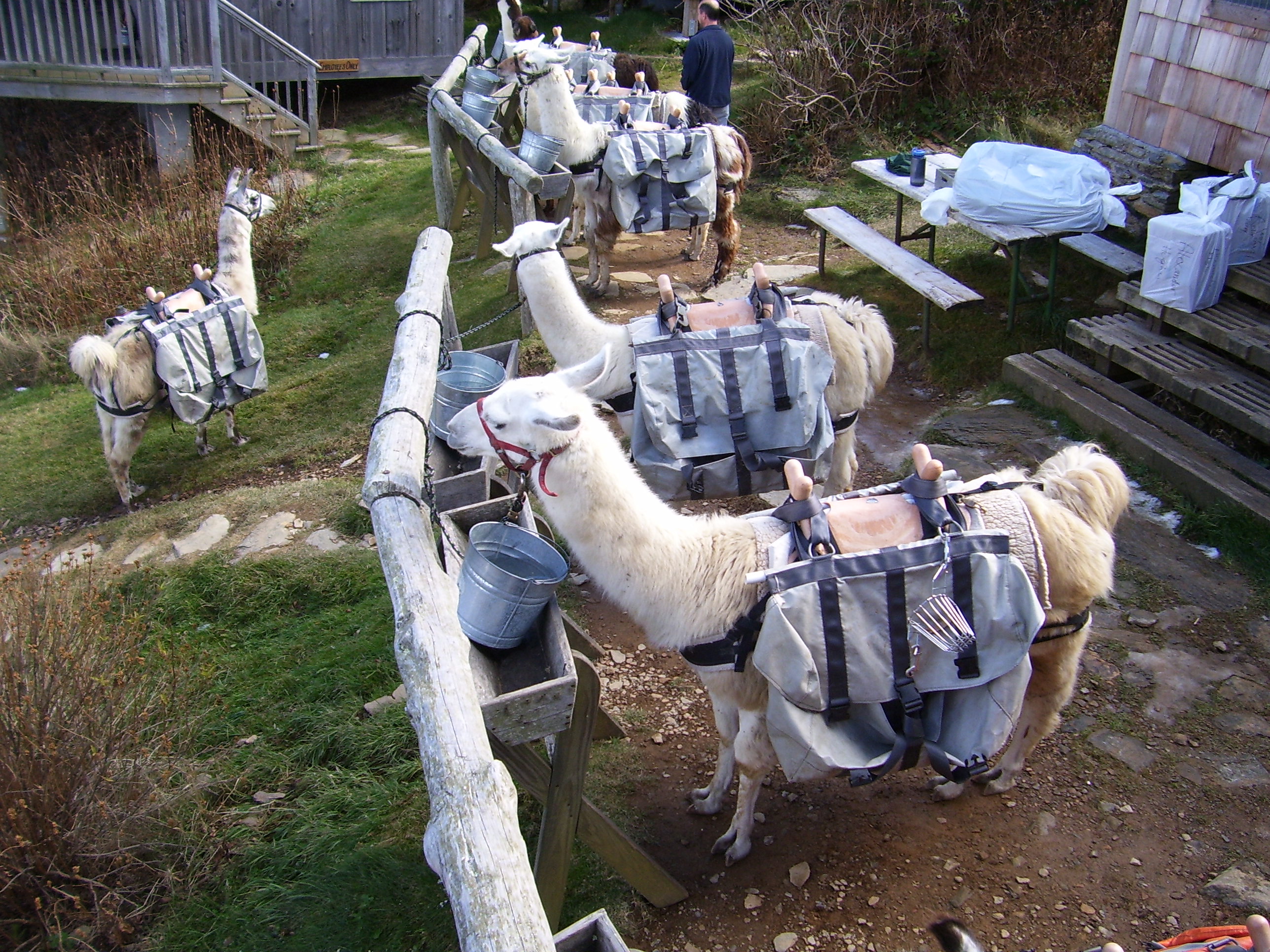
That’s when it is easy to see the only difference between the two is the inventions of man, which are transitory at best. In Gatlinburg you run into thousands of people and say hello to nobody. On top of the mountain you say hello to everyone because everyone respects each other because everyone worked hard to get there.
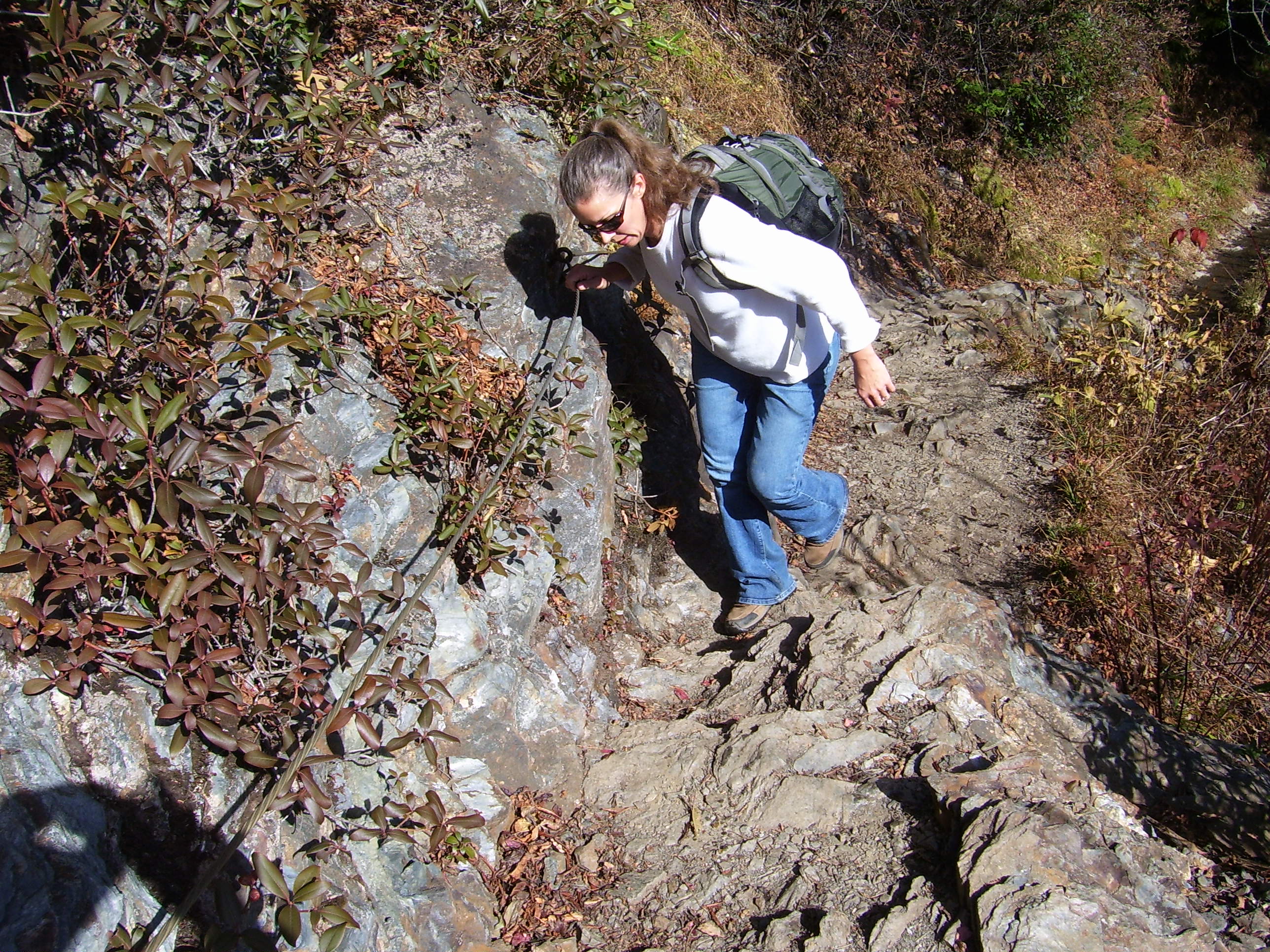
Nature requires one thing and that’s respect. Respect for yourself. Respect for the power of nature. And respect that each moment could be your last.

In the politics of mankind, their laws mean nothing because politicians cannot create respect. And no amount of tax money or social program will give someone respect for anything. They can make a garden look nice, but nobody truly respects the garden because it’s contrived and manipulated by the gardener, and artificially watered and fertilized.

Nature is the only true gardener.
Rich Hoffman
http://twitter.com/#!/overmanwarrior

www.overmanwarrior.com

The Standoff!

I’m going to try something different.  I spend a lot of time thinking about abstract concepts, and piecing together things that don’t always easily appear to connect.  I can give a lot of evidence as to why it’s important to think outside the box, and I can even help some that are close to being able to think that way, cross over that invisible line and begin practicing it.  


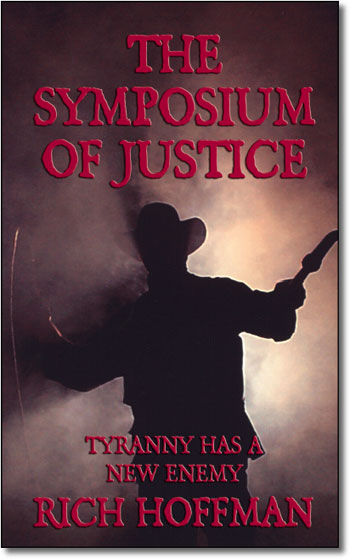
But for the general person busy with their lives, that need information quickly, and in a form they understand, fiction is the best way to lay out an argument.  As an artist, the best way for a writer to convey an argument is with a work of fiction so that the concept can be held up to reality and measured.  The following short piece is from a work connected to my Symposium of Justice novel. And I will begin letting out small bits of that work to support some of the concepts discussed at this site.  


So enjoy this small work titled The Standoff, and think of it in an abstract before trying to apply any meaning.

Fletcher appraised the massive influx of the troops as they surrounded the parameter of his property.  He noted that they stayed off about 100 yards.  They were going to try and take him by force as opposed to an air strike.  That was the best option for him, although it wouldn’t have mattered either way.  The result would be the same. 

He knew they’d try to gas him out, and if that didn’t work they’d shell his home.  He could see the mortar placements set up at the appropriate range.  He could also see the snipers stationed strategically in the distance.  Many of them were well over 100 yards, and he thought he could see most of them.  He suspected that there were others hidden on the rooftops, and in trees that eluded him, but that wasn’t important.  Knowing the details of their where-a-bouts where not important to his strategy, in fact, that was their intent, to overwhelm him.  He would do fine as long as he didn’t allow himself to get lost in the details. 

He had heard that the devil was in the details by more than one person in his life.  But the devil seeks to corrupt the mind with those same details by pulling the mind into his domain where he can corrupt and inflict doubt.  Very few human beings in their entire lifetimes found a way to master the art of details. 

Misty walked up next to him and gently placed her hand on his shoulder.  “There’s too many this time.”

“This is no different than before.”  Fletcher was aware that he sounded harsh, but he was mentally prepared for war.  “Whether it’s ten or ten thousand, their failure is in their trust that numbers will be to their advantage.”

“What will you do?”

“I want you to take the kids and go to the grocery.”

“The grocery?”

“Yes, don’t react to this as if anything is any different from any other day.  You take the kids and go to the store.  Bring back some food for later.  That will keep you safe and off my mind.”

“They’ll never let us leave.”

“Yes they will, they can’t afford to have women and children slaughtered in this media event they are holding.  They’ll be glad to see you go.  They have not formally charged you with any crimes and you can move about unimpeded.  To restrain you now will only irritate me further and they won’t risk that.  They seek a peaceful end before the day is out.  That is why they’ve already lost.  Because I seek war, and blood and I will spill it at their expense.”

“But what will you do?”

“I will lure them away from the castle.  They think I built it to hold off an onslaught.  Their strategy is to get me to emerge from it by lack of choice.  I will do so quickly at the beginning of the fight.  I will go into their lines where their mortars, snipers and heavy weapons will destroy their own people.  I will not stay here on ground they dictate.”

“Can you get out there that fast?  That will be a lot of ground to cover.  They’ll have lots of open chances to take a shot at you.”  Misty was not a military woman, but in her marriage to Finnegan she had learned his ways.  She had seen enough to make the kinds of observations that would make a general proud.  She had seen Fletcher do amazing things and was accustom to his late night workouts.  She knew his mind believed he could manipulate physical law with sheer confidence, and had seen it work on much smaller numbers.  He had survived incredibly the standoff at the river last year at Ben Carter’s residence against a small attachment of elite troops and the police force of Fort Seven Mile.  That day Fletcher had returned to her covered in scratches and holes penetrated his clothing where bullets had narrowly missed him hundreds of times.  She had called him lucky where he refuted her with similar characters in history.  George Washington had dodged similar odds when he acted heroically at Fort Duquesne having his body riddled with bullet holes that had never found their mark.  Stonewall Jackson had showed the same kind of valor needed in the battle of Bull Run to defy all odds.  And General Patton also survived numerous brushes with death, and Fletcher often cited how both Jackson and Patton had suffered silly accidents that either caused amputations, or were paralyzed prior to their deaths.  It was a fascinating fact that some of the great minds of military like Patton believed that he was directly reincarnated from Hannibal. 

Fletcher believed that in the heat of battle great men rose to great achievement because their minds were focused on the task and their beliefs manipulated all the events on the battlefield.   Where some would believe that some sort of force such as karma was responsible for balancing out the lives of these same men be subjecting them to freakish accidents, Fletcher believed those men despised times of peace so intensely that their strong minds actually attracted the negative events that sealed their fates. 

It was not unusual for him to stay up late into the night reading volumes of books and would tell her of his night time adventures when she awoke for breakfast.  Alexander the Great, Frederick Nietzche, Socrates, Galileo, and many others found illness, and social castration part of their later lives leaving only history to vindicate their work into a respectable status.  Nietzche was a favorite of Fletcher and she was shocked to learn that copies of the fourth installment of Thus Spoke Zarathustra, arguably Fletcher’s favorite book, only saw a printing of 40 initial copies. 

Fletchers other favorite book was The Book of Five Rings by the undefeated samurai Miyamoto Musashi and she knew that Fletcher’s standoff here was modeled from his study of that book.  It was Musashi that had been independent of any social clans in Japan, and offered himself as a samurai for hire.  That left him a target to every political entity and forced him to survive many battles where he was severely outnumbered. 

Fletcher had already achieved much of what Musashi had.  His standoff at the river should have been enough.  There would be stories told for years about his exploits and if he were not considered an outlaw, society would make him the hero of the nation.  Quietly, the political powers that made up “The System,” had shown an interest in making peace with Fletcher.  Once his identity was revealed, and it was known that he had wealth, they sent representatives to make peace, but Fletcher could not be bought.  He sent them away with the same audacity that he had these last two visitors. 

Was it madness that looked out across the yard and showed no fear at 5000 troops with the taste of blood in their throats for his death?  She wasn’t sure.  What she did know was that if she stopped him he would be perpetually unhappy.  Even though social duty may dictate that she talk her husband out of this, he would never-the-less be arrested and thrown in jail for many years at this point so there really wasn’t any turning back.  After all, nobody in history had survived a standoff of this magnitude.  Nobody but Buddha had ever done such a thing. 

Fletcher Finnegan did not attribute himself with the Buddha, but there wasn’t any other image that came to her mind as she studied her husband gazing calmly out the window.  Mara, the evil one had tried to prevent the enlightenment of the Buddha with temptations, one of the most dramatic of which was a massive army that promised the Buddha annihilation if he did not remove himself from his immovable spot.  She was never completely clear why Mara called off his army and left the Buddha to his enlightenment.  She could see for herself that Fletcher’s calm resistance to this army would not bring peace.  He would have to go and fight and all logic would guarantee his destruction. 

At any other time in history, if this would have been Christ, he would have been captured uneventfully and killed brutally.  In fact, in all of history she couldn’t think of any time that surrender was not considered the noblest thing to do, and that didn’t make any sense to her.  Even with the world seemingly at her doorstep wanting to kill her husband and destroy everything that was her family, she couldn’t think of another time where another human being would be poised to make such a stand.       

It is said that Mara, the evil one, tried to prevent this great occurrence.  He first tried to frighten Siddhartha with storms and armies of demons.  Siddhartha remained completely calm.  Then he sent his three beautiful daughters to tempt him, again to no avail.  Finally, he tried to ensnare Siddhartha in his own ego by appealing to his pride.  That, too, failed.  Siddhartha, having conquered all temptations, touched the ground with one hand and asked the earth to be his witness.

“I will give them nothing to shoot at.”  Fletcher was aware of her thoughts, but did not remove his war readiness.  He knew she understood.  “You have to understand, they want only for this event to be over.  The shooters out there rely on the next man to take the shot, and nobody is solely responsible, which is why they will fail.  They have spent their time from arrival to now with fat thoughts like their leader.  They trust that mass alone will do the job even though they have been instructed by their superiors to take this situation with utmost seriousness.  The men behind those guns will be looking for where they think I’ll be.  At the distance they are placed they will be severely restricted in movement.  To get a clear shot at me, they will need me to be as still and predictable as possible.”

She looked at what he looked at, and noticed that most of the infantry was in the front.  “Are you going to use the tunnel?”

“When we built the place, I suspected something like this would happen eventually.  It comes out right in the middle of their mass.  It will take away their guns and put them at close range for hand to hand combat.  Many will seek to back away from the fight when it starts but will trample their own in an attempt to make their guns useful.  I will use their confusion as my troops.”

“But you said they would probably resort to the B2 bomber.”

“They may try that, and if that’s the case, you and the kids need to be far away from here, at least forty miles.”  He turned to her.  “Do you understand?” 

“And this town will be annihilated.  All the work you’ve done to bring justice to this community would be for nothing.  Thousands of people will be killed, and for what?  If you surrender you could save them all.”  She said that knowing what his reaction would be, but she felt she needed to say something. 

“Save them in what way?  They are all on strings they can’t see, living lives that aren’t their own.  It is not me that brings death to them.”

“But your actions brought them.”

“The responsibility to annihilate this community with nuclear destruction will be up to executives.  We’ll see what happens.”

“If you last that long.”

Fletcher doesn’t offer a response.  Her point is clear and he isn’t in a position to make promises.  Fate is much of what you make of it, and he was making his moment by moment.  He was in uncharted water here. 

“There is no way to camouflage any of this but as an act of terrorism.  You will be labeled an enemy of the United States.”

“You know I love this country.  Most of its history was formed on war, and this is no different.  You know that.”

Misty paused a long time.  Troop movements had settled down and everyone was in place.  “I know you do.”

“Only in the context of history will anyone understand.  Long after the dead from today are buried and their relatives evaporate into earth.  When the sensibilities of orthodox behavior align society into rational thought, much more will be understood.”

Rich Hoffman

http://twitter.com/#!/overmanwarrior

www.overmanwarrior.com