Oh Let’s Be Sensitive: The power of manipulated guilt

My wife and I were discussing over dinner the fact that in the times of Lincoln, Washington DC actually had liveries in town to tie up their slaves like horses. I thought about how far we’ve all come since then, and I thought about how instrumental Lincoln was in changing those opinions people had, on the “culture” of slavery. Lincoln was an uneducated white man, and he used the Constitutional rights of the great United States to put in front of people the fact that American society wanted slavery because they wanted to protect their pocket books. Lincoln wrote and spoke about that issue to a huge degree, and it made him very unpopular for a while, because it was affecting people’s comfort level. But history shows the result. Lincoln was openly hostile about slavery in his letters and over time he came to realize how terrible slavery was as an institution, and eventually, under his watch, slavery was abolished, and the United States has lead the way to religious and racial tolerance all over the world since then

But that’s not what you hear among our radical press that has an agenda for a political power grab. Civil rights, even though we all agree is the right thing to think about is big business, and power grabs for the party that rides the wave of emotion behind it.

Religion, like race relations is one of the longest forms of political power grabs known to mankind. Doc Thompson did a great bit of radio poking fun at Katie Couric’s suggestion of creating a television show based on the Muslim faith.

What a lot of people have a hard time understanding is how devious some political, and religious groups are in achieving their personal goals. We’ve studied how communism and other socialist principles have grown under our collective watchful, yet naive eyes. The same thing occurs under the umbrella of religious fervor.

A great example of this is the current Islamic possession of the Temple Mount while Jews resort to their practices at the Wailing Wall and the continuous tension that exists between those two religions at the Temple.

To a guy like me, I look at those religious icons and I see the artifacts of King Solomon’s Temple. It is a baffling concept that one particular religious entity or another would even consider “fighting” over rights to such things. But that is the state of our minds.

And that is why we can’t even joke about certain religious issues, such as the mosque in New York, because the debate is not one of life after death. It’s about control and power while here on earth. Our current debate on whether or not we should have a mosque in New York is really just a diversion to weaken an enemy, and to many in the world that crave power, the United States is an enemy to their goals.

It is difficult for many people to get their minds around devious concepts, even though many people unconsciously participate in devious behavior. So it is hard for people to see that there are still, in the 21st century, groups of people that want power, and they hide their desire for that power behind religion in order to unite the minds of their armies to help them achieve those goals. So I’m going to put this situation in a way that people can understand, because virtually everyone can relate.

Family is one of the most basic building blocks we all share with one another. Family problems are a great way to personalize some of these larger religious, and sensitivity issues, because we all have those problems. So let’s look at a hypothetical situation that occurs in many families and explore the hidden motives behind those actions so as to comprehend how religious leaders and civil rights advocates manipulate our emotions for the same basic end result.

Marriage is supposed to be a wonderful institution where typically a woman marries a man who is the son of someone. Usually, the mother of that man will look at the new woman as her “replacement” and because she has never in her mind made the correct breaking away from her son, still craves the love of her son over his wife. Now that new wife may actually like the brother of that husband, but that brother is already married to another woman. This “like” may not be sexually based, but just might be some deep seated psychological reaction because the brother is very similar to her husband, but benefits from having the traits the wife likes, but not the disadvantage that living with the husband has, so myths are allowed to form in the mind of the wife about the brother because she doesn’t live with him, and she sees the brother in a holier-than image.

Now this wife may actually be quite pretty, so the father who is married to the mother may be jealous of this son, the husband to the new wife. This might occur because the son is not his biological son, and is a bad memory of the man that came before him. Of course around the dinner table he is friendly, but his insecurities are great being the “second” man. Seeing his wife’s son marry a beautiful woman and having a fresh start in life with a fresh and unmolested “new” woman is enough to drive him to private madness, so he eats more, drinks more, and in general craves the attention of women half his age. The mother knowing that the husband feels this way deep down inside resents even more the new wife because she is a convenient target. This being her second marriage, she isn’t ready to admit to herself that her second husband is a creep. Because such a revelation may actually reveal to her extended family that she makes bad decisions, and the real problem may actually originate deep inside her and her desire to affiliate with bad people. So the mother befriends the brother’s wife to conspire against the new wife. Not openly mind you, but subtly.

Now our new husband and wife live well for a couple of years. The husband gets a few promotions and is making decent money which causes jealousy with his brother who hasn’t had such good luck. So he starts befriending the husband of his mother, who is just a step-father to him. And this step father uses this young man’s jealously to incite anger, and get the brother to do his bidding, so that his own wife doesn’t discover that he is trying to bring secret harm to her favorite son. A couple of kids are born to the son and his wife, and the wife has maintained her figure while the brother’s wife gets fat with boredom. The new wife dislikes the brother’s wife because she sees that the woman’s weight is embarrassing to the brother and she can see that the brother she likes so much isn’t enjoying sex because he has a fat wife, so she feels sorry for him and develops more anger at the brother’s wife.

The whole family has a get together to celebrate the 5th birthday of the oldest child of this marriage. The brother and his wife don’t really want to come, because they’ve been trying to have kids for a while, but can’t. The real reason they don’t have children yet is they don’t have sex enough because the brother isn’t interested in his own fat wife. The brother’s wife knows this, and resents her husband and her brother-in-law’s children more each time she sees them.

To make matters worse for the sister-in-law, and the mother, is the son’s wife has managed to find a way to stay home with her children so she has time to make a cake for her child’s birthday. The cake is a really fancy and personal cake that you couldn’t get in a bakery, because it’s actually made with love. Now you’d think the mother would be proud of her son for finding a wife that could and would make a cake for their child on their 5th birthday, but that’s not the case. Unfulfilled dreams and the mother’s own past mistakes of having her first marriage fail permeates her thoughts when she sees the cake, so in private she decides to instigate the brother’s fat wife into talking about what a prissy little bitch her son’s wife has become. Feeling empowered, the fat brother’s wife makes fun of the color of the cake right in front of the son’s wife, which breaks the heart of the wife who truly wants the appreciation of her mother-in-law. But what she sees in that moment of grief is great joy on the mothers face at the pain the son’s wife experienced at the antagonism of the brothers wife.

And the two women have a vicious argument right in the kitchen.

Meanwhile the son comes to break it up, and he insults his brother’s wife by calling her a spiteful, fat bitch! That gives his brother the opportunity to seize his anger that had been built up by his step-father, and now brother and brother fight it out right there in the kitchen.

The children are horrified to see all this going on. And the child that is turning 5 never forgets the images of everyone fighting, and makes the personal proclamation to never marry.

20 years later the elderly mother is asking her favorite son why he doesn’t come around more often, and that she misses him. The son doesn’t want to hurt his mother’s feelings and explain how destructive her beliefs have been to the family. His brother had long since divorced his fat wife. His mother lost her second husband to a chubby woman that was 21 who worked at the Waffle House. And he just didn’t have the heart to explain to his mother that her only grand children did not want to have children of their own, because they believe all families are dysfunctional.

The kids move out and the son and the wife live on alone, because the family had never really bonded. They tried over the years to go through the motions, but in the end, nobody really liked each other, so everyone found themselves alone and unhappy in the later years, meeting only in weddings and funerals.

Now what’s the point of that story? Well, the mother created the original sin by wanting power over her son. She didn’t want to face her own mistakes, and she desired to shape the lives of those around her to hide her own deficiencies from herself. The result of her divine leadership is she basically ruined the lives of everyone attached to her.

The same thing happens politically for much the same reasons. Our inability to see through the intentions of our enemies or to even name an enemy to our nation often allows corruption to migrate and fester over a long period of time into something that could ruin our lives. And it happens because we won’t even allow ourselves to be critical of something.

The resistance to slavery was because so many people made money off slavery. Lincoln did the good work of making people look at themselves, and that’s where slavery ended, in people’s hearts. It wasn’t just legislated. It changed inside people and it happened in America by a Republican.

Religion is supposed to be a personal thing, so you always have to be cautious when a religious group desires to “impose” itself on society. Because when they do, they are looking for power not spiritual understanding. And when they get caught doing so, they deserve to be ridiculed for the potential corruption they could bring to our society.

Call it what it is, so you can avoid a lifetime of pain.

Rich Hoffman
http://twitter.com/#!/overmanwarrior
www.overmanwarrior.com

Communism and the Seduction of our Youth

I have done plenty of reading to understand that there has been ever-present within the United States a clear and present danger to our country and everything it stands for. These enemies hide like cancer cells within the body of our society and use our Constitution to embed themselves into every aspect of our nation’s activity.

I suppose I was a bit shocked to learn to what extent communism had penetrated our society prior to World War II. Heck, even Ronald Reagan inquired about joining the communist party in 1938 when he was a young actor in Hollywood. I couldn’t help but think of Johnny Depp, George Clooney, or Sean Penn, today’s Hollywood socialists, and wonder what the common appeal is to the seductive power of communism.

Then there is this video which I ran across the other day about the New York Communist Society. I watched this video with intrigue, having to struggle to hold back my laughter while at the same time keeping myself from becoming sick.

Oh…..did you catch that?  They like to be called Progressives.  Not the “C” word. 

What most of these communist’s have in common is that they are young, and particularly sheltered from the harsh realities of the world. They have not yet cast themselves into the fires of life to become battle hardened by experience. And in the case of Hollywood, where once you’re on the inside track, the money comes easy and minds go soft with inactivity.

I remember sitting in a trailer in Hollywood getting my make-up applied by the same woman that had just put on the make-up to Johnny Depp just hours before me, and she made comments about what nice skin I had. The reason that stuck with me is that Depp is a big time star, what some would consider one of the most attractive men in the world, and here was a make-up person that thought my skin was more favorable to work with. It put in perspective for me that much of Hollywood is image once you get behind the façade of things, and many of the actors that perpetrate that image, and the make-up people that apply the image to their faces. It’s about building images, and it is easy for simple minded people to become seduced by Utopian ideas, and in Hollywood beyond the catering trucks, the agents that sit in their cars with a phone to their ears and one on the radio, and the camera crews, well paid actors look out over the Hollywood Hills and travel the streets of Santa Monica, and Beverly Hills as if they lived on another planet.

Those actors create the image that young students attempt to live up to, and when you listen to these “hippie” types repeating what their favorite star has said in some magazine, or entertainment TV show like “E” they turn to these leftist oriented groups like this New York Communist Society to fulfill the dreams of their silver screen heroes.

I emerged from such make-up trailers to ponder these images and relate them to my own experiences. You quickly realize that they don’t like you personally because you represent a world outside their understanding, but they put up with you because you have something they want, otherwise you wouldn’t be there to begin with. And such experiences have given me insight into the pathetic dreams of communists.

The works of Marx and Engels is laughable as a philosophy, rooted naively in sensitivity that is contrary to the nature of all existence. What people who subscribe to those beliefs basically hold on to is that all wealth in the world exists like air, and the rich set themselves up like trolls to guard access to it. And if the trolls were removed, then all people everywhere would have access to that wealth.

The trouble is that wealth doesn’t just exist. The elements that make up wealth do, but the organization of those elements that create the flow of money have to be created from an entrepreneur, and capitalism creates the foundation of the entrepreneur.

I know several people that live in other countries, and particularly England. The Labor Party in England created an environment that ended English Imperialism, which they are guilty of maintaining an Empire at the turn of the last century. It is assumed that America, because of our close relation to England would pursue the same course if left to our own devices. But, what that Labor Party has brought to England is row after row of the same buildings, a tax rate exceeding 50%, and their ability to export virtually nothing. They have become a service oriented society. Those same floppy minds have their hooks in America, and can be seen in that video.

Ironically, it was when Ronald Reagan was working on a film at Elstree Studios in England that scared him away from communism. Living in that country and looking at the run down, un-motivated conditions of the employees, and the residents in the neighborhoods around Elstree Studios set Ronald Reagan on a pro-capitalist journey that would propel the United States to greatness, if only for a short time in the 80’s. Reagan returned from England to the labor riots at Warner Brothers and noticed how many communists had penetrated the labor movement in Hollywood, which Reagan was president of the screen-actors guild and had intimate knowledge of such things, and was on the front line when the McCarthy Hearings took place. Reagan had made the transition because he had enough of an inquiring mind to continue growing, where many of his fellow actors were just happy collecting checks and vacationing in the mountains. Reagan’s pursuit of capitalism cost him his marriage to his first wife, Jane. But Reagan learned, thankfully, of the foolishness of communism through growing up and maturing into a middle-aged man.

And that seems to be the pattern. Young people full of compassion and fresh ideas, hungry to reshape the world into their own images seem prone to the utopian ideas of communism. And entertainment is run by the young. Most studio execs are under 35, same as agents and publicists, as well as the clientele they represent. Sports are in the same situation, where young people rule and old players considered over-the-hill are 38. In a world obsessed with the young, it’s easy to understand how these boondoggled ideas emerged and how those goofy young people could even conceive wasting their time singing songs of leftist propaganda.

Yet it’s age and wisdom that have the real value, and typically once people get both, the move more to the right on the political spectrum is what happens. It would seem those that don’t move to the right after achieving age; have poor minds to begin with. I’m thinking of people like Francis Piven, and Bill Ayers. They are just delinquents at heart in adult bodies that haven’t developed in maturing beyond age 15.

A way to describe the situation is to compare communism, and doing one of the most difficult things which is to give an employee a review. I have had to give hundreds of reviews, and the temptation is always to sit down with the employee and only discuss the nice aspects of an employee, even though the real function of a review is to let the employee know what they need to do to improve them. You can determine the strength of many managers based on the type of reviews they give their employees. Compassion is often thought of as a high quality, but what it really does is allow people to use their weaknesses as handicaps. A good manager would find the weakness in an employee and encourage them to attack that weakness to become better. You may hurt that employees feelings, but in the scheme of things, you will not only make that employee better, but you will also improve your companies operations. I can say that being a compassionate liberal is much easier and mentally less taxing than a conservative that is pushing those around them to achieve all they can with the least amount of resources. Compassion as many people know it is rooted in weakness. Weakness is giving in to shortcomings.

Communism is a disease that is only attractive to the minds of the weak and lazy. Behind advocates of communism you will find the mind of a lethargic being craving the safety of the herd. Such people have no desire to contribute equally to anything, and there will always be people like this in the world. The folly of our times however, is that we’ve allowed those types of people to actually have input in our society because of our defense of free speech, and desire to give them equal footing in our society. But what it really equates to is asking your 5 year old how to drive to California from New York City. The wise of us would ask the opinion of the youngster and pat them on their heads for their attempt at an answer. But we’d use our wisdom and age to determine the correct route based on our experience and knowledge of the terrain. And the child would sit in the back seat and color in their coloring book.

That’s where youthful opinion belongs, in the back seat.

Rich Hoffman

http://twitter.com/#!/overmanwarrior
www.overmanwarrior.com

Gas Over $3 Per Gallon is the Fault of Politics and Nothing Else

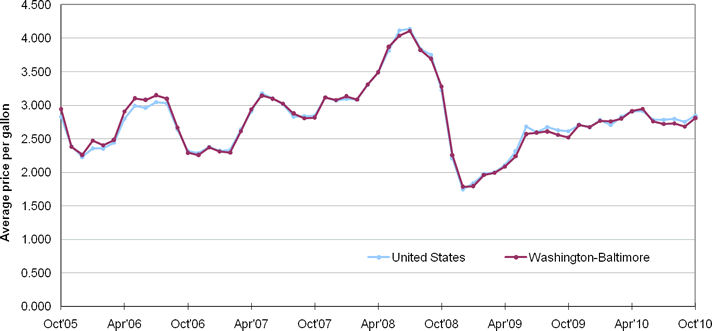
Many people forget that during the summer of 2008 fuel costs were up over $4 per gallon. What happened was all the money that Americans normally spent on McDonalds, Walmart, and other consumer outlets, suddenly went to the excessive fuel costs and a long way to creating the recession we are currently in. Americans were using their expendable income on fuel costs, not on other items in the economy.

And here we go again. Doc Thompson has on a guest that discusses this very issue.

It is unacceptable to have fuel costs higher than what they are now. If fuel costs go up, it is entirely due to the ineptness of our political structures. Americans should not be “nudged” into other forms of energy while our economic competitors fuel their economic engines with unregulated drilling. In America we have regulated ourselves into a poor strategic position.

It is not my fault that our politicians screwed up and stood with weak backs to environmentalists that are in actuality communists at heart and crave an end to American Imperialism by crushing their great independent “car culture.” I will not spend the extra money on fuel. Instead, I will spend less. I will ride my motorcycle when I’d normally take a car. I’ll ride a bicycle or even walk before I use my extra money on a tank of fuel.

America would be wise to only use the fuel it needs, and respond to these price increases by hurting the revenue of all the government hands that have their hands in the cookie jar that is fuel industry. If you want to punch back the government that screwed all this up to begin with, hurt the money they take in with each gallon of gas that you buy. Below is some information on how much we pay in taxes by state for each gallon of gas. 

State Gasoline Diesel Additional Sales Tax Comment
(¢/g) (¢/g) (%)
Alabama 18 19 4 The gasoline gasohol and diesel rates include a 2 cents per gallon inspection fee. Alabama-registered LPG vehicles pay an annual fee based on vehicle type in lieu of the volume tax.
Alaska 8 8 0  
Arizona 18 19 5 The fuel tax on diesel remains at 18 cents per gallon for light and exempt vehicles but is set at 27 cents per gallon if used to propel a truck with more than two axles or with a declared gross weight over 26 000 pounds.
Arkansas 21.5 22.5 4.5 The gasoline gasohol and diesel rates include 0.4 cents per gallon Environmental Assurance Fee. Applicants for LPG user permits must pay a fee in lieu of the volume tax.
California 18 18 6 LPG users may pay an annual fee in lieu of the volume tax.
Colorado 22 20.5 3 Owners of LPG vehicles registered in the State must pay an annual fee in lieu of the volume tax.
Connecticut 25 45.1 5 The tax is computed at 5% of the gross earnings from the first sale of a petroleum product in the State.
Delaware 23 22 0 The tax rate varies annually based on the average wholesale price of gasoline for the previous year.
Dist. of Columbia 23.5 20 5.8  
Florida 16 16 0 Tax rates are variable, adjusted annually. For gasoline and gasohol, in addition to the rates shown, there is a State-imposed State Comprehensive Enhanced Transportation System (SCETS) tax that varies by the county from 0-5.0 cents per gallon. All counties levy the SCETS tax on gasoline, but a few levy less than the maximum rate. LPG vehicles registered in the State pay an annual fee in lieu of the tax on alternative fuels and the SCETS tax.
Georgia 7.5 7.5 4  
Hawaii 17 17 4 Effective 01/01/02, alternative fuels pay an amount proportional to the diesel tax as follows: .29 for ethanol, .5 for bio-diesel, and .33 for LPG. An additional 1 cent is added to these amounts, and then rounded to the nearest 1 cent.
Idaho 25 25 5 LPG users may pay an annual fee based on vehicle weight in lieu of volume tax.
Illinois 19 21.5   Motor carriers pay an additional 6.3 cents per gallon on gasoline, 6.5 cents on diesel, and 5.9 cents on LPG.
Indiana 18 16 5 Motor carriers pay an additional 11 cents per gallon. LPG vehicles pay an annual fee.
Iowa 21 22.5 5 Effective 07/01/02, motor fuel tax rates will be adjusted annually based on the amounts of ethanol blended gasoline being sold and distributed annually.
Kansas 24 26 4.9 LPG users may pay an annual fee based on mileage and gross vehicle weight in lieu of the volume tax.
Kentucky 24.1 21.1 6 Tax rates are variable, adjusted quarterly. A 2 percent surtax is imposed on gasoline and 4.7 percent on special fuels for any vehicle with 3 or more axles. The gasoline, gasohol, and diesel rates include 1.4 cents per gallon Petroleum Environmental Assurance Fee.
Louisiana 20 20 0  
Maine 29.5 30.7 0 Rates are variable, adjusted every February based on past years Consumer Price Index. Rates are effective on the following July 1.
Maryland 23.5 24.25 5  
Massachusetts 21 21 5  
Michigan 19 15 6 For vehicles defined under the Motor Carrier Fuel Tax Act, diesel fuel is discounted 6 cents per gallon at the pump; and assessed a 12 cents per gallon surcharge on a quarterly return, with a provision for a 6 cent per gallon refund on fuel purchased in Michigan.
Minnesota 27.1 27.1 6 There is a credit to the wholesaler of 15 cents per gallon of alcohol used to make gasohol.
Mississippi 18.4 18.4   The gasoline, gasohol, and diesel rates include 0.4 cents per gallon dedicated to the Groundwater Protection Trust Fund.
Missouri 17 17 0 LPG vehicles 18,000 pounds or less gross vehicle weight registered in the State pay an annual fee in lieu of the volume tax.
Montana 27.75 27.75 0 LPG vehicles registed in the State pay an annual fee based on gross weight in lieu of the volume tax. Out-of-State vehicles purchase trip permits. There is an alcohol distiller credit of 30 cents per gallon of alcohol produced in the State with State agricultural products and used to make gasohol.
Nebraska 26.8 26.8 5 Rates are variable, adjusted quarterly. The gasoline and gasohol include 0.6 cents per gallon and diesel rate includes 0.2 cents per gallon Petroleum Release Remedial Action Fee. Effective 01/01/02, new Nebraska ethanol production facilities may receive an ethanol production credit equal to 18 cents per gallon of ethanol used to fuel motor vehicles.
Nevada 24 27 0  
New Hampshire 18 18 0 The gasoline, gasohol, and diesel rates include 1.5 cents per gallon Oil Discharge and Disposal Cleanup Fee. Alternative fuel vehicles pay twice the usual registration fee in lieu of the volume tax.
New Jersey 10.5 13.5 0 In addition to the rates shown, there is a Petroleum Products Gross Receipts Tax. The tax is computed on a cents-per-gallon basis and is applicable to a wide variety of petroleum products.
New Mexico 18.875 22.875 5 The gasoline, gasohol, and diesel rates include the Petroleum Products Loading Fee of $150 per 8,000 gallons (1.875 cents per gallon). Owners of LPG-powered vehicles up to 54,000 pounds gross vehicle weight may pay an annual fee in lieu of the volume tax.
New York 24.35 22.55 4 Rates are variable, adjusted annually. Rates include the Petroleum Business Tax of 14.6 cents per gallon. The gasoline rate includes a 0.5 mill (0.05 cents) per gallon Petroleum Testing Fee.
North Carolina 30.55 30.55 0 Rates are variable, adjusted semiannually.
North Dakota 22 22 5 Rates are variable, adjusted semiannually.
Ohio 28 28 5 Commercial vehicles formerly subject to the highway use tax pay an additional 3 cents per gallon. Dealers are refunded 10 cents per gallon of each qualified fuel (ethanol or methanol) blended with unleaded gasoline.
Oklahoma 17 14 4.5 Rates shown include 1 cent per gallon tax dedicated to the Petroleum Underground Tank Release Environmental Cleanup Indemnity Fund. When the Fund reaches specified balance, future tax revenues will be deposited in a highway fund. The gasoline, gasohol, and LPG rates include 0.08 cents for fuel inspection. LPG users may pay an annual fee in lieu of the volume tax.
Oregon 24 24 0 The diesel and LPG rates shown are paid by users for vehicles not under the jurisdiction of Public Utility Commissioner. Vehicles under the jurisdiction of the Public Utilities Commissioner and paying motor-carrier fees are exempt from payment of the motor-fuel tax.
Pennsylvania 31.2 38.1 6 The rates include the Oil Franchise Tax for Maintenance and Construction, a variable rate tax adjusted annually. LPG rate is based on the gasolie gallon equivalent.
Rhode Island 33 33   Rates includes 1 cent per gallon tax for the Underground Storage Tank Financial Responsibility Fund.
South Carolina 16 16 5  
South Dakota 22 22 4 As of 7/1/2009, South Dakota taxes gasoline at 22 cents and ethyl alcohol at 8 cents.
Tennessee 20 17 6 LPG users without permits must pay in advance at the beginning of the fiscal year, others pay quarterly. Fee is based on vehice weight and fuel efficiency.
Texas 20 20 6.3 Owners of LPG vehicles registered in the State must pay an annual fee in lieu of the volume tax.
Utah 24.5 24.5 4.9 LPG is tax exempt if user purchases annual exemption certificate.
Vermont 20 29 0 Diesel vehicles 10,000 pounds and over pay 26 cents per gallon. LPG vehicles are subject to a registration fee 1.75 times the usual fee. The gasoline, gasohol, and diesel rates include 1 cents per gallon for the Petroleum Cleanup Fund.
Virginia 17.5 17.5 0 Vehicles weighing 26,000 pounds or more having 3 or more axles pay an additional 3.5 cents per gallon.
Washington 37.5 37.5 6.5 Owners of LPG vehicles pay an annual fee.
West Virginia 32.2 32.2 0 Rates are variable, adjusted annually.
Wisconsin 30.9 30.9 5 Rates are variable, adjusted annually.
Wyoming 14 14 4 LPG is subject to sales tax. The gasoline, gasohol, and diesel rates include 1 cent for the Underground Storage Tank Corrective Action Account.
         

There is no reason for gas to go over $3 a gallon. If you put up with it, it’s your own fault.   Our economy has not yet recovered from the last recession.  The arrogance of politicians who believe Americans have enough expendable income to ride the fuel price hikes are at best out of touch.  And the best way to hurt a politician is to take away the money they rely on.  So lower your consumption and therefore the revenue politicians collect at the gas pumps. 

Rich Hoffman
http://twitter.com/#!/overmanwarrior
www.overmanwarrior.com

Lakota Teacher Busted for Child Porn made over $65K per year

Below is a story about the Lakota Teacher arrested for child pornography charges. For the thousands of you that follow this blog and know some of the history here, Ryan Fahrenkamp is #286 on my list of teachers that make more than $65,000 per year. Fahrenkamp made $69,456.00. That’s the kind of “quality” teacher that our tax money has purchased. My comments about the impact this has on Lakota are right after the Enquire portion of the article. Ironically, Doc Thompson did a piece about the value of teachers from a wage stand point as this story was breaking during his January 3, 2011 show. I think it is an interesting argument while at the same time reading the details of this child porn story.

Story from the Enquire by: dhorn@enquirer.com
A former elementary school teacher in West Chester was arrested Monday on charges of possessing child pornography.

FBI agents said Brant Fahrenkamp, 42, used his school-issued laptop computer to access pornographic websites and to store images of young men, including some former students, without their shirts on. Fahrenkamp is a former teacher at Endeavor Elementary School.

An FBI spokesman said their investigation began in May 2010 when Lakota school officials contacted the West Chester Police Department about a parent’s complaint that Fahrenkamp was sending text messages to a student.

FBI officials said a search of Fahrenkamp’s hotel room in May 2010 turned up a camera and the laptop, both of which had video files depicting a naked boy. Investigators believe the photos were taken in 2008………………………………………………..

Interesting choice of words, “former,” as mentioned above Fahrenkamp was receiving almost $70K a year while he was taking pictures of little boys at Endeavor Elementary with their shirts off. He was employed until August of 2010.

The first line of defense that other teachers would proclaim is that they cannot be judged by the actions of this demented man, Mr. Ryan Fahrenkamp. And I would say that’s true. There are always a few bad apples, and the actions of Fahrenkamp should not reflect on all teachers.

However,

How many times during the last levy campaign were we told that money bought us “quality” teachers? And if we didn’t pay the extra money in taxes, those teachers might leave Lakota. Right now, how many people out there think that Fahrenkamp was a “quality” teacher and what made him worth more than $65K per year?

On another philosophic debate, when talking about a utopia type of society, where teachers do the work of teaching our children while many parents trot off to work completely entrusting the lives of their children to people like Fahrenkamp, this incident proves that such an act is a folly. Fahrenkamp was using a school lap top to store images of several boys with their shirts off, several students from Endeavor Elementary, and if that cautious parent had not caught text messages going to their child, how far would this incident have gone and for how long?

The other issue is how the school system kept a cap on this story during the media blitz of the school levy of 2010. This teacher was arrested right after the first levy attempt of 2010 and all this investigation was going on during the last one that ended in November of 2010. How did everyone keep this story quiet, and why? This seems like the kind of story the community should have known about back in May. So since the Lakota School System kept the story so quiet, it makes you wonder what other stories they are keeping a tight lid on. I’m sure Fakrenkamp is not the only bad apple.

The pictures of the students with their shirts off from Endeavor Elementary dated back to 2008. The original arrest was on May 26th of 2010. The lag on this story is far too long. This shows that the Lakota School System was more interested in protecting their image than exposing the story. It is unlikely that the concerned parent was the first whistle-blower. It may have been the first alarm from “outside” the school system, but I’m certain there were other behavioral signs that some other co-worker was aware of. The choice was to keep it quiet when the public should have known. That says everything!

I’ll say again that Fakrenkamp does not reflect all teachers everywhere. But because of people like Fakrenkamp, schools will never be able to be 100% trusted with our students. Parents will always have to be a part of their children’s lives if they want to protect their children from people like Fakrenkamp. That might be an inconvenient truth. But it’s a fact of life that must be considered when assessing the value of the teaching profession.

Rich Hoffman
http://twitter.com/#!/overmanwarrior

www.overmanwarrior.com

Think Big! Think Star Wars!

I’ve said more than once, that Star Wars is an excellent study in political science, and is much more sophisticated than just a simple childhood entertainment.

I am extremely pleased to learn that my nephew, who is 6, just received his first toy Millennium Falcon for Christmas.
It’s great for young people, but it’s good for adults too. When you have an imagination without limits, there are few playgrounds for the mind than what you can find in Star Wars. As far as my personal thoughts and philosophy, the clip of Mace Windu below, reflects most accurately my essential foundations.

The politics in Star Wars is sophisticated and worth watching just for the interesting problems that are addressed. But the combat is always entertaining and visually pleasing to look at.
Here is a scene from one of my favorite Star Wars games. This is EPIC!


This TV show is keeping Star Wars alive for a whole new generation. GREAT STUFF!

A lot of people are asking me to run for office. Others are asking me to join their company to help them get their finances in line. But to be honest, I am thinking of retiring when this game comes out. My wife and I are planning to play this together for thousands and thousands of hours!

Star Wars is a great escape when you need it. But its themes are more valuable than just escape, and to me, this scene is the greatest scene of any movie in the history of film.

While it may seem like a lot of information to follow, the topics I have covered on this site, it really is only complicated in relation to other adults that have allowed their minds to be clouded with routine, golf games, shopping and other unnecessary burdens. Star Wars is something my entire family enjoys together, and places our minds on subjects much larger than the silly grip of power that a local trustee or city council member pursues. And because I value the fictional world of Star Wars more than the communist musings of the modern world looking for just an “average” existence that ends in some eventless death, it is easy to see the error many of these small minded politicians pursue. I would rather spend a minute with a deep seated Star Wars nerd than a whole afternoon with a powerful politician, if that tells you anything. Because the Star Wars nerd is spending their time thinking big, where the politician is on the silly little aspects of human achievement that a developing species, in their infantile beginnings, is limited to.

Rich Hoffman
http://twitter.com/#!/overmanwarrior

www.overmanwarrior.com

Meet Francis Fox Piven: another radical old hippie and current college professor

Let’s start off the New Year with yet another college professor, and former hippie radical that is helping to shape the world we live in today.

Meet Frances Fox Pivan, in her own words.


Here she talks about Glenn Beck. What’s interesting is that she admits that the progressive process was already a larger plan by the late 60’s.

Piven is all about subversion and undermining the power structure that exists in favor of a more level society. That’s called socialism. It’s easy for her to point at people who are calling her out on the issue and pretend surprise. But she has a long history of supporting that leveling of the playing field and revealing that the strategy of undoing America as a world power is the overall objective.

Rich Hoffman
http://twitter.com/#!/overmanwarrior
www.overmanwarrior.com

Executive Order 10988: The Start of Public Sector Unions

Defeating the Lakota Levy in November of 2010 was not considered a victory, as many would assume. 

We all know what the real trouble is; it’s the wage levels of the teachers that are forcing a re-evaluation of tax allocation.   Prior to the last election, many people in our community didn’t know how much teachers actually made.  Teachers aren’t alone; all public sector employees are experiencing this issue, where the tax payers are paying the servants of the community more than they make.  The tax payers just cannot support the expectations set by public sector unions.  The failure of 1962 is now completely obvious and must be reversed before it bankrupts our entire government.  You see, government unions did not always exist.  In fact, it was FDR that warned us about them in 1937.

 “Meticulous attention,” Roosevelt insisted, “should be paid to the special relations and obligations of public servants to the public itself and to the Government….The process of collective bargaining, as usually understood, cannot be transplanted into the public service.“

So, how did government unions come to be?

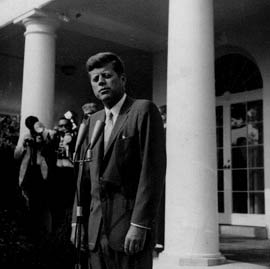
At the federal level, government unions came to being as a result of President Kennedy’s 1962 Executive Order 10988. Unions in the federal government were created not by law but by Executive Order.

So now in 2011 we have arrived at a place where the cost of those unions followed by a recession where funds are short in the private sector, have finally come to a point nobody can afford. 

State funding will be drastically decreased, so Lakota will find itself even more strapped for cash.  The union step increases are set to devastate our community budget.  So the fight is far from over.

The campaign never really stopped.  The LEA should have done the right thing and renegotiated their contract to save the community money.  But they didn’t, so now things will get rough.  To think in terms of wins and losses is to miss the real problem.  The fight will continue until Lakota can live within its supplied budget without breaking the financial back of the community. 

So for the sake of information, I include below Executive Order 10988 for analysts of that devastating decision that has thrust our nation into its current peril. 


EMPLOYEE-MANAGEMENT COOPERATION IN THE FEDERAL SERVICE

WHEREAS participation of employees in the formulation and implementation of personnel policies affecting them contributes to effective conduct of public business; and

WHEREAS the efficient administration of the Government and the well-being of employees require that orderly and constructive relationships be maintained between employee organizations and management officials; and

WHEREAS subject to law and the paramount requirements of the public service, employee-management relations within the Federal service should be improved by providing employees an opportunity for greater participation in the formulation and implementation of policies and procedures affecting the conditions of their employment; and

WHEREAS effective employee-management cooperation in the public service requires a clear statement of the respective rights and obligations of employee organizations and agency management:

NOW, THEREFORE, by virtue of the authority vested in me by the Constitution of the IUnited States, by section 1753 of the Revised Statutes (5 U.S.C. 631), and as President of the United States, I hereby direct that the following policies shall govern officers and agencies of the executive branch of the Government in all dealings with Federal employees and organizations representing such employees.

SECTION 1. (a) Employees of the Federal Government shall have, and shall be protected in the exercise of, the right, freely and without feel of penalty or reprisal, to form, join and assist any employee organization or to refrain from any such activity. Except as hereinafter expressly provided, the freedom of such employees to assist any employee organization shall be recognized as extending to participation in the management of the organization and acting for the organization in the capacity of an organization representative, including presentation of its views to officials of the executive branch, the Congress or other appropriate authority. The head of each executive department and agency (hereinafter referred to as “agency”) shall take such action, consistent with law, as may be required in order to assist that employees in the agency are apprised of the rights described in this section, and that no interference, restraint, coercion or discrimination is practiced within such agency to encourage or discourage membership in any employee organization.

(b) The rights described in this section do not extend to participation in the management of an employee organization, or acting as a representative of any such organization, where such participation or activity would result in a conflict of interest or otherwise be incompatible with law or with the official duties of an employee.

SEC. 2. When used in this order, the term “employee organization” means any lawful association, labor organization, federation, council, or brotherhood having as a primary purpose the improvement of working conditions among Federal employees or any craft, trade or industrial union whose membership includes both Federal employees and employees of private organizations; but such term shall not include any organization (1) which asserts the right to strike against the Government of the United States or any agency thereof, or to assist or participate in any such strike, or which imposes a duty or obligation to conduct, assist or participate in any such strike, or (2) which advocates the overthrow of the constitutional form of Government in the United States, or (3) which discriminates with regard to the terms or conditions of membership because of race, color, creed or national origin.

SEC. 3. (a) Agencies shall accord informal, formal or exclusive recognition to employee organizations which request such recognition in conformity with the requirements specified in sections 4, 5 and 6 of this order, except that no recognition shall be accorded to any employee organization which the head of the agency considers to be so subject to corrupt influences or influences opposed to basic democratic principles that recognition would be inconsistent with the objectives of this order.

(b) Recognition of an employee organization will continue so long as such organization satisfies the criteria of this order applicable to such recognition; but nothing in this section shall require any agency to determine whether an organization should become or continue to be recognized as exclusive representative of the employees in any unit within 12 months after a prior determination of exclusive status with respect to such unit has been made pursuant to the provisions of this order.

(c) Recognition, in whatever form accorded, shall not—

(1) preclude any employee, regardless of employee organization membership, from bringing matters of personal concern to the attention of appropriate officials in accordance with applicable law rule, regulation, or established agency policy, or from choosing his own representative in a grievance or appellate action; or

(2) preclude or restrict consultations and dealings between an agency and any veterans organization with respect to matters of particular interest to employees with veterans preference; or

(3) preclude an agency from consulting or dealing with any religious, social, fraternal or other lawful association, not qualified as an employee organization, with respect to matters or policies which involve individual members of the association or are of particular applicability to it or its members, when such consultations or dealings are duly limited so as not to assume the character of formal consultation on matters of general employee-management policy or to extend to areas where recognition of the interests of one employee group may result in discrimination against or injury to the interests of other employees.

SEC. 4. (a) An agency shall accord an employee organization, which does not qualify for exclusive or formal recognition, informal recognition as representative of its member employees without regard to whether any other employee organization has been accorded formal or exclusive recognition as representative of some or all employees in any unit.

(b) When an employee organization has been informally recognized, it shall, to the extent consistent with the efficient and orderly conduct of the public business, be permitted to present to appropriate officials its views on matters of concern to its members. The agency need not, however, consult with an employee organization so recognized in the formulation of personnel or other policies with respect to such matters.

SEC. 5. (a) An agency shall accord an employee organization formal recognition as the representative of its members in a unit as defined by the agency when (1) no other employee organization is qualified for exclusive recognition as representative of employees in the unit, (2) it is determined by the agency that the employee organization has a substantial and stable membership of no less than 10 per cent of the employees in the unit, and (3) the employee organization has submitted to the agency a roster of its officers and representatives, a copy of its constitution and by-laws, and a statement of objectives. When, in the opinion of the head of an agency, an employee organization has a sufficient number of local organizations or a sufficient total membership within such agency, such organization may be accorded formal recognition at the national level, but such recognition shall not preclude the agency from dealing at the national level with any other employee organization on matters affecting its members.

(b) When an employee organization has been formally recognized, the agency, through appropriate officials, shall consult with such organization from time to time in the formulation and implementation of personnel policies and practices, and matters affecting working conditions that are of concern to its members. Any such organization shall be entitled from time to time to raise such matters for discussion with appropriate officials and at all times to present its views thereon in writing. In no case, however, shall an agency be required to consult with an employee organization which has been formally recognized with respect to any matter which, if the employee organization were one entitled to exclusive recognition, would not be included within the obligation to meet and confer, as described in section 6 (b) of this order.

SEC. 6. (a) An agency shall recognize an employee organization as the exclusive representative of the employees, in an appropriate unit when such organization is eligible for formal recognition pursuant to section 5 of this order, and has been designated or selected by a majority of the employees of such unit as the representative of such employees in such unit. Units may be established on any plant or installation, craft, functional or other basis which will ensure a clear and identifiable community of interest among the employees concerned, but no unit shall be established solely on the basis of the extent to which employees in the proposed unit have organized. Except where otherwise required by established practice, prior agreement, or special circumstances, no unit shall be established for purposes of exclusive recognition which includes (1) any managerial executive, (2) any employee engaged in Federal personnel work in other than a purely clerical capacity, (3) both supervisors who officially evaluate the performance of employees and the employees whom they supervise, or (4) both professional employees and nonprofessional employees unless a majority of such professional employees vote for inclusion in such unit.

(b) When an employee organization has been recognized as the exclusive representative of employees of an appropriate unit it shall be entitled to act for and to negotiate agreements covering all employees in the unit and shall be responsible for representing the interests of all such employees without discrimination and without regard to employee organization membership. Such employee organization shall be given the opportunity to be represented at discussions between management and employees or employee representatives concerning grievances, personnel policies and practices, or other matters affecting general working conditions of employees in the unit. The agency and such employee organization, through appropriate officials and representatives, shall meet at reasonable times and confer with respect to personnel policy and practices and matters affecting working conditions, so far as may be appropriate subject to law and policy requirements. This extends to the negotiation of an agreement, or any question arising thereunder, the determination of appropriate techniques, consistent with the terms and purposes of this order, to assist in such negotiation, and the execution of a written memorandum of agreement or understanding incorporating any agreement reached by the parties. In exercising authority to make rules and regulations relating to personnel policies and practices and working conditions, agencies shall have due regard for the obligation imposed by this section, but such obligation shall not be construed to extend to such areas of discretion and policy as the mission of an agency, its budget, its organization and the assignment of its personnel, or the technology of performing its work.

SEC. 7. Any basic or initial agreement entered into with an employee organization as the exclusive representative of employees in a unit must be approved by the head of the agency or an official designated by him. All agreements with such employee or organizations shall also be subject to the following requirements, which shall be expressly stated in the initial or basic agreement and shall be applicable to all supplemental, implementing, subsidiary or informal agreements between the agency and the organization:

(1) In the administration of all matters covered by the agreement officials and employees are governed by the provisions of any existing or future laws and regulations, including policies set forth in the Federal Personnel Manual and agency regulations, which may be applicable, and the agreement shall at all times be applied subject to such laws, regulations and policies;

(2) Management officials of the agency retain the right, in accordance with applicable laws and regulations, (a) to direct employees of the agency, (b) to hire, promote, transfer, assign, and retain employees in positions within the agency, and to suspend, demote, discharge, or take other disciplinary action against employees, (c) to relieve employees from duties because of lack of work or for other legitimate reasons, (d) to maintain the efficiency of the Government operations entrusted to them, (e) to determine the methods, means and personnel by which such operations are to be conducted; and (f) to take whatever actions may be necessary to carry out the mission of the agency in situations of emergency.

SEC. 8. (a) Agreements entered into or negotiated in accordance with this order with an employee organization which is the exclusive representative of employees in an appropriate unit may contain provisions, applicable only to employees in the unit, concerning procedures for consideration of grievances. Such procedures (1) shall conform to standards issued by the Civil Service Commission, and (2) may not in any manner diminish or impair any rights which would otherwise be available to any employee in the absence of an agreement providing for such procedures.

(b) Procedures established by an agreement which are otherwise in conformity with this section may include provisions for the arbitration of grievances. Such arbitration ( 1 ) shall be advisory in nature with any decisions or recommendations subject to the approval of the agency head; (2) shall extend only to the interpretation or application of agreements or agency policy and not to changes in or proposed changes in agreements or agency policy; and (3) shall be invoked only with the approval of the individual employee or employees concerned.

SEC. 9. Solicitation of memberships, dues, or other internal employee organization business shall be conducted during the non-duty hours of the employees concerned. Officially requested or approved consultations and meetings between management officials and representatives of recognized employee organizations shall, whenever practicable, be conducted on official time, but any agency may require that negotiations with an employee organization which has been accorded exclusive recognition be conducted during the non-duty hours of the employee organization representatives involved in such negotiations.

SEC. 10. No later than July 1, 1962, the head of each agency shall issue appropriate policies, rules and regulations for the implementation of this order, including: A clear statement of the rights of its employees under the order, policies and procedures with respect to recognition of employee organizations; procedures for determining appropriate employee units; policies and practices regarding consultation with representatives of employee organizations, other organizations and individual employees; and policies with respect to the use of agency facilities by employee organizations. Insofar as may be practicable and appropriate, agencies shall consult with representatives of employee organizations in the formulation of these policies, rules and regulations.

SEC. 11. Each agency shall be responsible for determining in accordance with this order whether a unit is appropriate for purposes of exclusive recognition and, by an election or other appropriate means whether an employee organization represents a majority of the employees in such a unit so as to be entitled to such recognition. Upon the request of any agency, or of any employee organization which is seeking exclusive recognition and which qualifies for or has been accorded formal recognition, the Secretary of Labor, subject to such necessary rules as he may prescribe, shall nominate from the National Panel of Arbitrators maintained by the Federal Mediation and Conciliation Service one or more qualified arbitrators who will be available for employment by the agency concerned for either or both of the following purposes, as may be required: (1) to investigate the facts and issue an adsvisory decision as to the appropriateness of a unit for purposes of exclusive recognition and as to related issues submitted for consideration; (2) to conduct or supervise an election or otherwise determine by such means as may be appropriate, and on an advisory basis, whether an employee organization represents the majority of the employees in a unit. Consonant with law, the Secretary of Labor shall render such assistance as may be appropriate in connection with advisory decisions or determinations under this section, but the necessary costs of such assistance shall be paid by the agency to which it relates. In the event questions as to the appropriateness of a unit or the majority status of an employee organization shall arise in the Department of Labor, the duties described in this section which would otherwise be the responsibility of the Secretary of Labor shall be performed by the Civil Service Commission.

SEC. 12. The Civil Service Commission shall establish and maintain a program to assist in carrying out the objectives of this order. The Commission shall develop a program for the guidance of agencies in employee-management relations in the Federal service; provide technical advice to the agencies on employee-management programs; assist in the development of programs for training agency personnel in the principles and procedures of consultation, negotiation and the settlement of disputes in the Federal service, and for the training of management officials in the discharge of their employee-management relations responsibilities in the public interest; provide for continuous study and review of the Federal employee-management relations program and, from time to time, make recommendations to the President for its improvement.

SEC. 13. (a) The Civil Service Commission and the Department of Labor shall jointly prepare (1) proposed standards of conduct for employee organizations and (2) a proposed code of fair labor practices in employee-management relations in the Federal service appropriate to assist in securing the uniform and effective implementation of the policies, rights and responsibilities described in this order.

(b) There is hereby established the President’s Temporary Committee on the Implementation of the Federal Employee-Management Relations Program. The Committee shall consist of the Secretary of Labor, who shall be chairman of the Committee, the Secretary of Defense, the Postmaster General, and the Chairman of the Civil Service Commission. In addition to such other matters relating to the implementation of this order as may be referred to it by the President, the Committee shall advise the President with respect to any problems arising out of completion of agreements pursuant to sections 6 and 7, and shall receive the proposed standards of conduct for employee organizations and proposed code of fair labor practices in the Federal service, as described in this section, and report thereon to the President with such recommendations or amendments as it may deem appropriate. Consonant with law, the departments and agencies represented on the Committee shall, as may be necessary for the effectuation of this section, furnish assistance to the Committee in accordance with section 214 of the Act of May 3, 1945, 59 Stat. 134 (31 U.S.C. 691). Unless otherwise directed by the President, the Committee shall cease to exist 30 days after the date on which it submits its report to the President pursuant to this section.

SEC. 14. The head of each agency, in accordance with the provisions of this order and regulations prescribed by the Civil Service Commission, shall extend to all employees in the competitive civil service rights identical in adverse action cases to those provided preference eligibles under section 14 of the Veterans’ Preference Act of 1944, as amended. Each employee in the competitive service shall have the right to appeal to the Civil Service Commission from an adverse decision of the administrative officer so acting, such appeal to be processed in an identical manner to that provided for appeals under section 14 of the Veterans’ Preference Act. Any recommendation by the Civil Service Commission submitted to the head of an agency on the basis of an appeal by an employee in the competitive service shall be complied with by the head of the agency. This section shall become effective as to all adverse actions commenced by issuance of a notification of proposed action on or after July 1, 1962.

SEC. 15. Nothing in this order shall be construed to annul or modify, or to preclude the renewal or continuation of, any lawful agreement heretofore entered into between any agency and any representative of its employees. Nor shall this order preclude any agency from continuing to consult or deal with any representative of its employees or other organization prior to the time that the status and representation rights of such representative or organization are determined in conformity with this order.

SEC. 16. This order (except section 14) shall not apply to the Federal Bureau of Investigation, the Central Intelligence Agency, or any other agency, or to any office, bureau or entity within an agency, primarily performing intelligence, investigative, or security functions if the head of the agency determines that the provisions of this order cannot be applied in a manner consistent with national security requirements and considerations. When he deems it necessary in the national interest, and subject to such conditions as he may prescribe, the head of any agency may suspend any provision of this order (except section 14) with respect to any agency installation or activity which is located outside of the United States.

Approved—January 17th, 1962.

JOHN F. KENNEDY
THE WHITE HOUSE,
January 17, 1962

Rich Hoffman

http://twitter.com/#!/overmanwarrior
www.overmanwarrior.com

Dystopia of Public Union attachment to our Government.

I have spoken about groups like Progress Ohio that are progressive oriented groups in states built on advancing progressive ideas. Until 2010 I didn’t even know there were groups dedicated to such a cause. I was still wondering if the word “progressive” was something Glenn Beck made up to support some conspiracy. As it turned out, Beck probably didn’t say enough.

There has also been a lot of discussion about state budget shortfalls and how on earth our local, state and federal government is going to pay for the massive revenue problems that are occurring. Well, these budget problems are caused by public sector unions that have managed to negotiate an average salary of approximately $79,000 per year per employee. That is more than the average American tax payer makes by over $20K per year. The formula is all messed up; where the public servant makes more than the public it serves. And as government has grown larger and employed more and more people, adding more employees to that fantastically high pay scale and the wages in the private sector have been frozen to deal with the recession.

Now listen below to the suggestion from Progress Illinois of how to cover the budget problems. (LAUGH OUT LOUD)

Can you believe that? That’s how out of touch progressives are. That is their solution to the irresponsible spending problem we’ve allowed in government.

The high wages promised government employees create a government that is revenue hungry.

And this video is hilarious. Didn’t these people go to school? Why do they think the steel mills went overseas? Unions drove the costs too high, so those jobs left the country.


Now they have done the same cost increase of labor as they did in the American Car companies and steel industries. But now those costs are in government and government can’t pick up and move to another country. Government exists to serve the people, so the only thing to do is to cut the jobs or reduce dramatically the salary of those employees in order to justify their existence. The videos below are by Armand Thiebolt of the Cato Institute. This isn’t Fox News, but the Cato Institute. It’s an attempt to present the problem cleanly.


Now this is Fox Business, a piece done by Jon Stossel, but I think it explains things very clear.


This is serious business!

What needs to happen is public sector unions should return back to the legal status prior to the Kennedy Administration. That needs to happen in 2011 while a conservative congress can address the issue. Only by dealing with the issue directly can we hope to avert catastrophic budget failures.

Rich Hoffman
http://twitter.com/#!/overmanwarrior
www.overmanwarrior.com

Desperate Cries Over Budget Collapse: A preview of what’s to come.

Coming to a budget meeting near you starting in 2011, complete chaos!

It was sadly humorous to listen to the Cincinnati City Council meeting in their vain attempts to arrive at a budget before the New Year. Cincinnati is running serious deficits and in spite of their desire to build a street car, because there isn’t enough money to pay for the current staff of police and fire department personnel. Tax increases to pay for extremely inflated public sector wages is not an option. That has been the type of band-aid fix that has always bailed out these types of problems in the past. But it is not going to fix the problem going forward.

Those two public sectors police and fire departments are essentially in the same boat as teachers. Too much money is tied up in personnel at too high of a cost per employee. And all across the nation public sector employees that are making over $70,000 a year on average are strangling the budgets of states to the point of bankruptcy.
The audio of this clip is particularly revealing about the nature of everyone involved.


The unions are refusing to see that they need to rethink their contracts. In the audio clip, the head of the police union is reacting violently to the facts presented by council and how much of the budget is taken up by her union. Just like teachers, they are all well-intentioned people who have become accustomed to a certain level of income. And the city council is ill-equipped to make the hard decisions needed. Just like school boards, and township trustees these local level political entities are not able to handle complicated problems. Public sector unions have had their way with these naive political bodies for such a long time that the budgets have bulged to these critical levels.

In 2011 I see that teachers are going to deal with this reality as well. Striking won’t help because there are too many job shortages, so teaching vacancies could quickly be filled with teachers that make far less than tenured teachers do. But it will be painful. During the Lakota Levy of 2010, a slight reduction in state funding caused a fiscal crisis at Lakota, because the step increase schedule was plotting the Lakota Budget on a perilous collision course. In 2011, that same step increase schedule is in place, but under the Kasich administration, public education funding may decrease another 15 to 20%. And local communities will not cover that large discrepancy with tax levies, because it doesn’t fix the problem and is a completely unreasonable cost to communities. It only buys a little more time for the tenured teachers to hopefully get to their own retirements while their pensions and wage rates are still intact. That is the desperation you hear from the head of the Police Union, it’s the realization that life as they have always believed it, is coming to an end. And that desperation is only a preview of the neurotic fits that public education employees will soon reveal.

It’s not that I don’t have sympathy. But remember that public employees chose their professions, and the time that’s coming will be bad for all people who work in public sector work. However, those of us that have stayed in the private sector, which pays less because competition sets the costs, will find that these desperate cries won’t affect us. The cries will come from those employees wanting to be paid from our tax money. And the noise will be intense, but it’s not members of government employment that support our society. It is the tax payer that does. So don’t let that noise confuse the situation. The pain is simply a result of necessity. Our nation needs a smaller, less intrusive government so our economy can expand. Once the smoke clears, it will be a stronger state, and a more resolute nation.

Rich Hoffman
http://twitter.com/#!/overmanwarrior
www.overmanwarrior.com

The Delphi Technique: How it works

Have you ever been to a public meeting, like a school board meeting, or a city council meeting, or a trustee public hearing on a zoning change, only to find out that the decisions had been made before the meeting ever began? And on your way home from those meetings where you had stood up and voiced your opinion, but the group preceded anyway in spite of your protests and asked yourself why you even bothered. It’s because of The Delphi Technique or some variation of it which is designed to build group consensus for a desired idea while creating the illusion of community participation. The Delphi Technique is something that everyone needs to understand. Since intellectuals began to implement these types of manipulative studies, which require specialized training to use and understand, techniques like the Delphi have subverted our election process in a subtle way nationally by subverting common sense logic in favor of a socialist oriented group conscious founded on illusion, because the end results are most of the time pre-determined.

So enjoy the information below and use it in your communities to begin to take back your local government. Only when we can diffuse the effects of The Delphi Technique can we return the actions of government to the people it is supposed to serve.

Source article for below information: http://www.eagleforum.org/educate/1998/nov98/focus.html

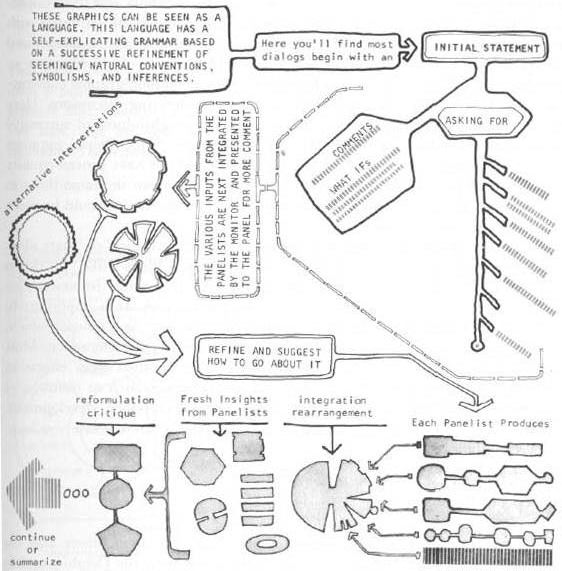
The following information is written by Lynn Stuter.  Her home web site is linked at the end of this portion.   The photographs come from the PDF page also listed at the end of this article. 

Using the Delphi Technique to Achieve Consensus
How it is leading us away from representative government to an illusion of citizen participation

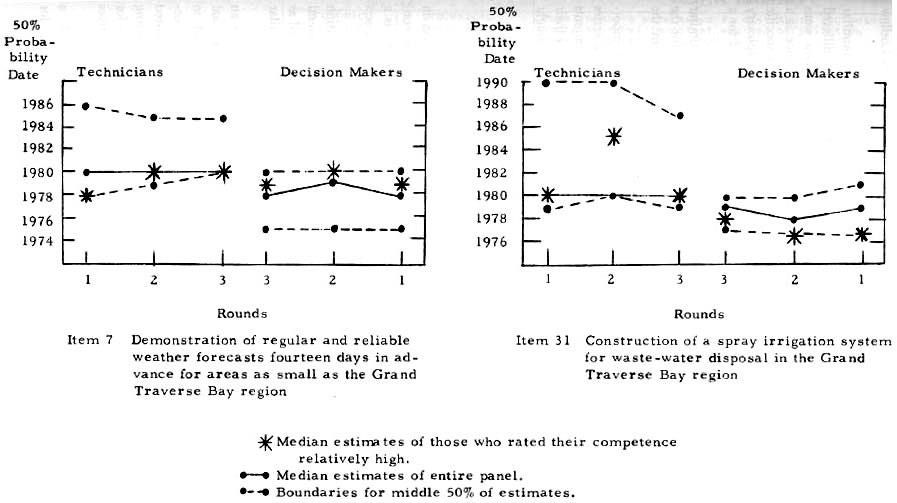
The Delphi Technique and consensus building are both founded in the same principle – the Hegelian dialectic of thesis, antithesis, and synthesis, with synthesis becoming the new thesis. The goal is a continual evolution to “oneness of mind” (consensus means solidarity of belief) -the collective mind, the wholistic society, the wholistic earth, etc. In thesis and antithesis, opinions or views are presented on a subject to establish views and opposing views. In synthesis, opposites are brought together to form the new thesis. All participants in the process are then to accept ownership of the new thesis and support it, changing their views to align with the new thesis. Through a continual process of evolution, “oneness of mind” will supposedly occur.

In group settings, the Delphi Technique is an unethical method of achieving consensus on controversial topics. It requires well-trained professionals, known as “facilitators” or “change agents,” who deliberately escalate tension among group members, pitting one faction against another to make a preordained viewpoint appear “sensible,” while making opposing views appear ridiculous.

In her book Educating for the New World Order, author and educator Beverly Eakman makes numerous references to the need of those in power to preserve the illusion that there is “community participation in decision-making processes, while in fact lay citizens are being squeezed out.”

The setting or type of group is immaterial for the success of the technique. The point is that, when people are in groups that tend to share a particular knowledge base, they display certain identifiable characteristics, known as group dynamics, which allows the facilitator to apply the basic strategy.

The facilitators or change agents encourage each person in a group to express concerns about the programs, projects, or policies in question. They listen attentively, elicit input from group members, form “task forces,” urge participants to make lists, and in going through these motions, learn about each member of a group. They are trained to identify the “leaders,” the “loud mouths,” the “weak or non-committal members,” and those who are apt to change sides frequently during an argument.

Suddenly, the amiable facilitators become professional agitators and “devil’s advocates.” Using the “divide and conquer” principle, they manipulate one opinion against another, making those who are out of step appear “ridiculous, unknowledgeable, inarticulate, or dogmatic.” They attempt to anger certain participants, thereby accelerating tensions. The facilitators are well trained in psychological manipulation. They are able to predict the reactions of each member in a group. Individuals in opposition to the desired policy or program will be shut out.

The Delphi Technique works. It is very effective with parents, teachers, school children, and community groups. The “targets” rarely, if ever, realize that they are being manipulated. If they do suspect what is happening, they do not know how to end the process. The facilitator seeks to polarize the group in order to become an accepted member of the group and of the process. The desired idea is then placed on the table and individual opinions are sought during discussion. Soon, associates from the divided group begin to adopt the idea as if it were their own, and they pressure the entire group to accept their proposition.

How the Delphi Technique Works

Consistent use of this technique to control public participation in our political system is causing alarm among people who cherish the form of government established by our Founding Fathers. Efforts in education and other areas have brought the emerging picture into focus.

In the not-too-distant past, the city of Spokane, in Washington state, hired a consultant to the tune of $47,000 to facilitate the direction of city government. This development brought a hue and cry from the local population. The ensuing course of action holds an eerie similarity to what is happening in education reform. A newspaper editorial described how groups of disenfranchised citizens were brought together to “discuss” what they felt needed to be changed at the local government level. A compilation of the outcomes of those “discussions” influenced the writing of the city/county charter.

That sounds innocuous. But what actually happened in Spokane is happening in communities and school districts all across the country. Let’s review the process that occurs in these meetings.

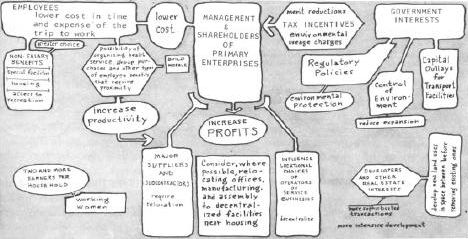
First, a facilitator is hired. While his job is supposedly neutral and non-judgmental, the opposite is actually true. The facilitator is there to direct the meeting to a preset conclusion.

The facilitator begins by working the crowd to establish a good-guy-bad-guy scenario. Anyone disagreeing with the facilitator must be made to appear as the bad guy, with the facilitator appearing as the good guy. To accomplish this, the facilitator seeks out those who disagree and makes them look foolish, inept, or aggressive, which sends a clear message to the rest of the audience that, if they don’t want the same treatment, they must keep quiet. When the opposition has been identified and alienated, the facilitator becomes the good guy – a friend – and the agenda and direction of the meeting are established without the audience ever realizing what has happened.

Next, the attendees are broken up into smaller groups of seven or eight people. Each group has its own facilitator. The group facilitators steer participants to discuss preset issues, employing the same tactics as the lead facilitator.

Participants are encouraged to put their ideas and disagreements on paper, with the results to be compiled later. Who does the compiling? If you ask participants, you typically hear: “Those running the meeting compiled the results.” Oh-h! The next question is: “How do you know that what you wrote on your sheet of paper was incorporated into the final outcome?” The typical answer is: “Well, I’ve wondered about that, because what I wrote doesn’t seem to be reflected. I guess my views were in the minority.”

That is the crux of the situation. If 50 people write down their ideas individually, to be compiled later into a final outcome, no one knows what anyone else has written. That the final outcome of such a meeting reflects anyone’s input at all is highly questionable, and the same holds true when the facilitator records the group’s comments on paper. But participants in these types of meetings usually don’t question the process.

Why hold such meetings at all if the outcomes are already established? The answer is because it is imperative for the acceptance of the School-to-Work agenda, or the environmental agenda, or whatever the agenda, that ordinary people assume ownership of the preset outcomes. If people believe an idea is theirs, they’ll support it. If they believe an idea is being forced on them, they’ll resist.

The Delphi Technique is being used very effectively to change our government from a representative form in which elected individuals represent the people, to a “participatory democracy” in which citizens selected at large are facilitated into ownership of preset outcomes. These citizens believe that their input is important to the result, whereas the reality is that the outcome was already established by people not apparent to the participants.

How to Diffuse the Delphi Technique
Three steps can diffuse the Delphi Technique as facilitators attempt to steer a meeting in a specific direction.
1. Always be charming, courteous, and pleasant. Smile. Moderate your voice so as not to come across as belligerent or aggressive.

2. Stay focused. If possible, jot down your thoughts or questions. When facilitators are asked questions they don’t want to answer, they often digress from the issue that was raised and try instead to put the questioner on the defensive. Do not fall for this tactic. Courteously bring the facilitator back to your original question. If he rephrases it so that it becomes an accusatory statement (a popular tactic), simply say, “That is not what I asked. What I asked was . . .” and repeat your question.

3. Be persistent. If putting you on the defensive doesn’t work, facilitators often resort to long monologues that drag on for several minutes. During that time, the group usually forgets the question that was asked, which is the intent. Let the facilitator finish. Then with polite persistence state: “But you didn’t answer my question. My question was . . .” and repeat your question.

Never become angry under any circumstances. Anger directed at the facilitator will immediately make the facilitator the victim. This defeats the purpose. The goal of facilitators is to make the majority of the group members like them, and to alienate anyone who might pose a threat to the realization of their agenda. People with firm, fixed beliefs, who are not afraid to stand up for what they believe in, are obvious threats. If a participant becomes a victim, the facilitator loses face and favor with the crowd. This is why crowds are broken up into groups of seven or eight, and why objections are written on paper rather than voiced aloud where they can be open to public discussion and debate. It’s called crowd control.

At a meeting, have two or three people who know the Delphi Technique dispersed through the crowd so that, when the facilitator digresses from a question, they can stand up and politely say: “But you didn’t answer that lady/gentleman’s question.” Even if the facilitator suspects certain group members are working together, he will not want to alienate the crowd by making accusations. Occasionally, it takes only one incident of this type for the crowd to figure out what’s going on.

Establish a plan of action before a meeting. Everyone on your team should know his part. Later, analyze what went right, what went wrong and why, and what needs to happen the next time. Never strategize during a meeting.

A popular tactic of facilitators, if a session is meeting with resistance, is to call a recess. During the recess, the facilitator and his spotters (people who observe the crowd during the course of a meeting) watch the crowd to see who congregates where, especially those who have offered resistance. If the resistors congregate in one place, a spotter will gravitate to that group and join in the conversation, reporting what was said to the facilitator. When the meeting resumes, the facilitator will steer clear of the resistors. Do not congregate. Instead gravitate to where the facilitators or spotters are. Stay away from your team members.

This strategy also works in a face-to-face, one-on-one meeting with anyone trained to use the Delphi Technique.

Lynn Stuter is an education researcher in Washington state. Her web site address is www.learn-usa.com/.

For a much more detailed paper on the Delphi Technique, one wrote by academics very much enchanted by the process, check out their paper here: That PDF file represents much of what my experience with the Delphi Technique consists of, primarily in business applications. However, to my experience as well, such consensus building almost always fails to some degree making the Delphi Technique good for public manipulation but not in true process improvement as Six Sigma would evolve into. The reason is explained in this article written by me.

Rich Hoffman
http://twitter.com/#!/overmanwarrior
www.overmanwarrior.com