The Deep State is in Deep Trouble: How Wikileaks is actually saving lives in America

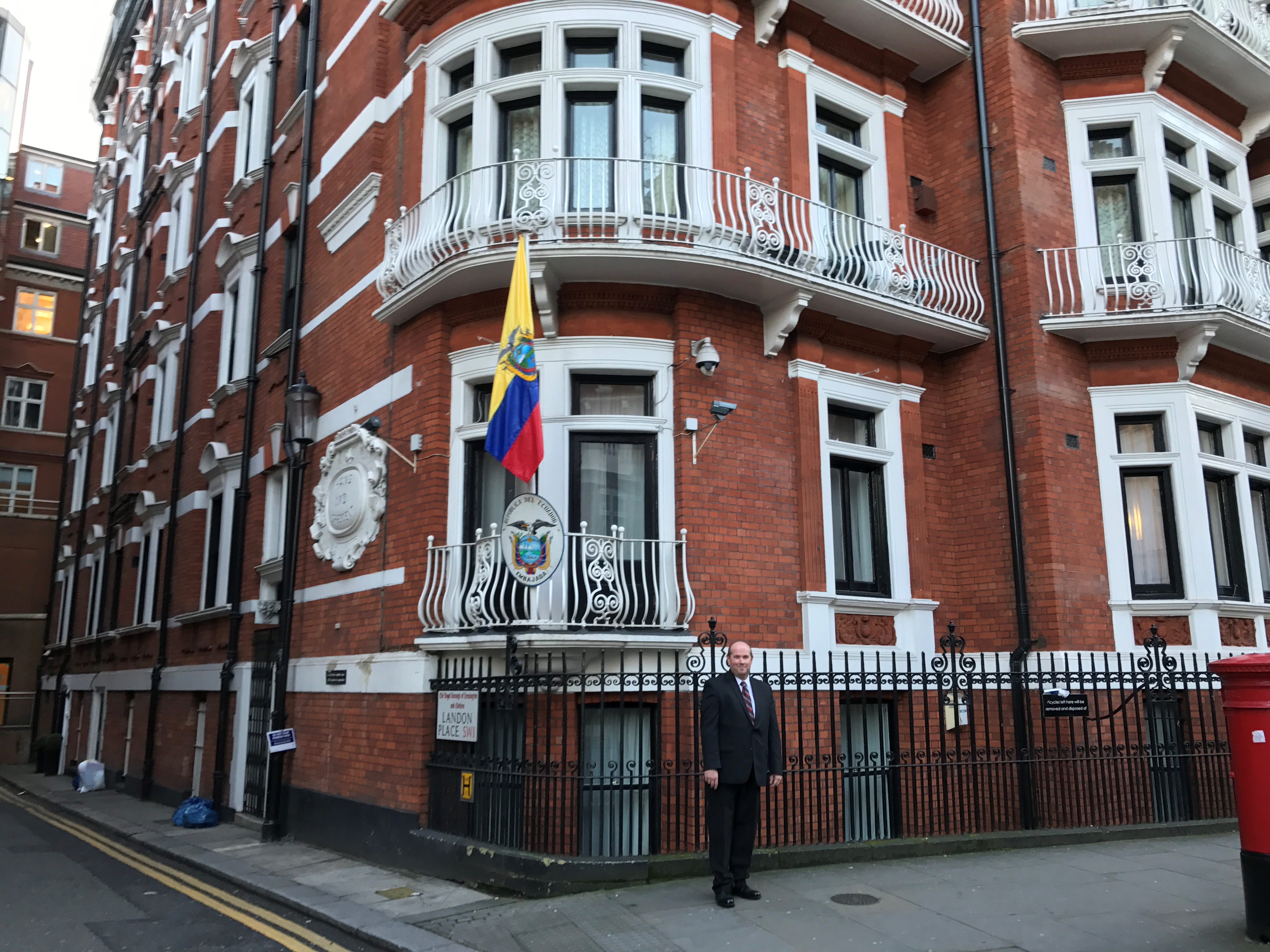
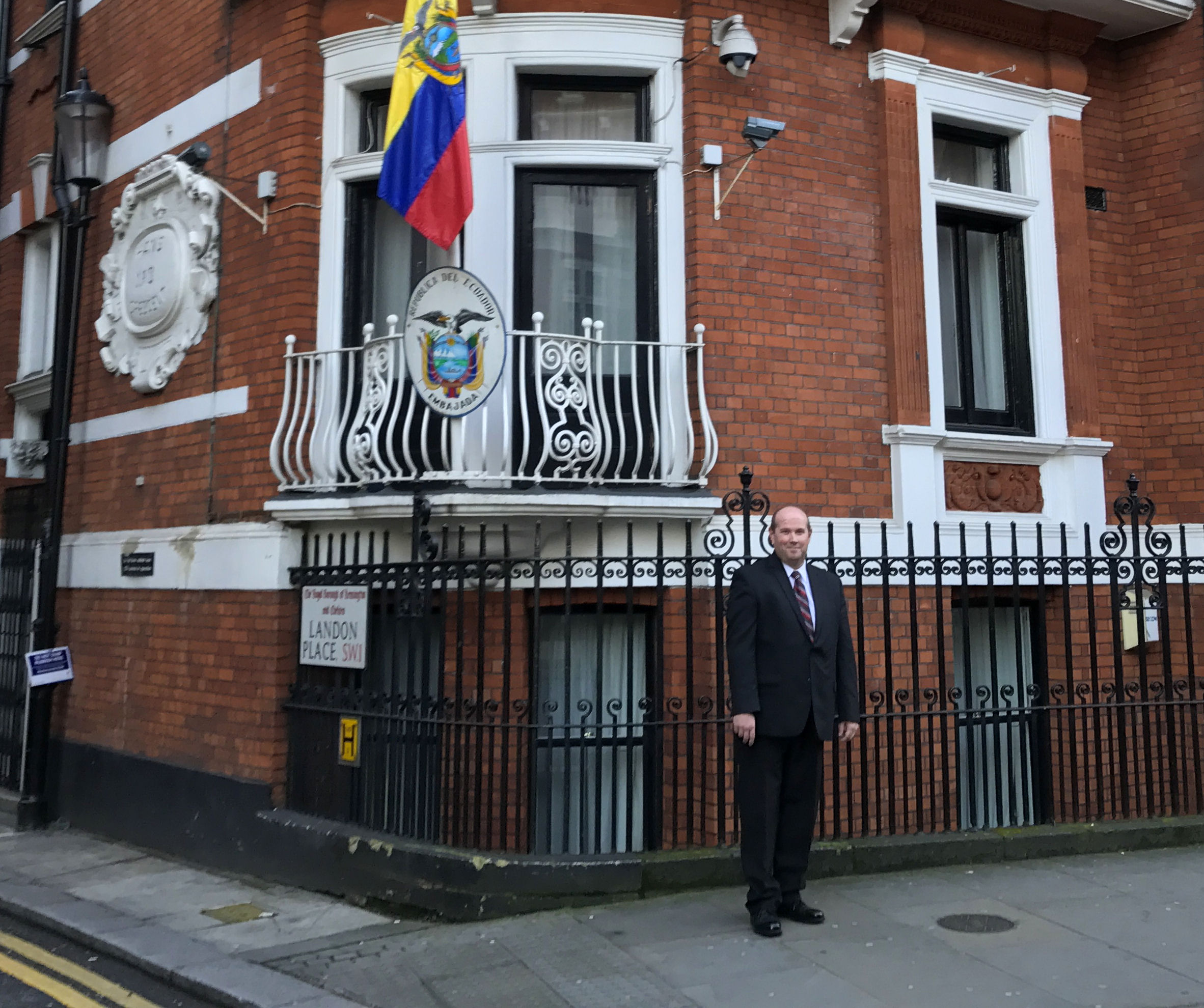
Yes, the “Deep State” is in deep trouble, and now you know why dear reader that I was so proud to stand beneath the Wikileaks headquarters at the Ecuadorian Embassy in London to have my picture taken. I don’t normally pose for pictures like that but for Wikileaks I was happy to make an exception.  As Wikileaks provided a platform for someone within the United Sates intelligence apparatus to leak thousands of pages of very damaging reports as to what the CIA and FBI can do with our smart televisions, gaming consoles, and smart phones.  Many thought that revealing such information was traitorous—and that Wikileaks was acting in a hostile way toward the American government.  Well, let me tell you what’s hostile—a rogue government working behind the scenes of our election process trying to destroy a duly elected representative of the American people and attempting to start World War III with Russia as a scape goat to preserve their own power as a shadow government.  Yeah, that’s much worse of a crime against the constitutional republic that we have in America than the treachery committed by the leakers. I was proud to know that just above my head behind those windows in those small little rooms was Wikileaks doing real good in a very dangerous world by showing those Deep State insurgents that technology can work both ways.  Sure they can spy on us—know everything we do and build a profile on each of us to destroy everything that we hope to become with the push of a button at their discretion—but we can also spy on them and know where they are and what they are up to as well.  If they want to play that game—which they have been willing to do—then the tables can turn on them and Wikileaks has provided a platform to those who dare use them to undo these shadow governments around the world—and in this case one that is actively working against Donald Trump—who is sincerely trying to reform the way business is done in Washington D.C. for the better.  If John McCain is against Wikileaks you know you are on the right side of justice.  Better yet, if Facebook is against it—you really understand the magnitude of this new information which not only pulls away the cloak of deception that has hidden this Deep State in America—but it tears it away to reveal grotesque nudity.
I personally don’t worry about the spying because I know how to throw off their Deep State profile.   I’m still a guy who reads real books, not online downloads, so if I want to go dark on their profile building, or if I want to contaminate their mechanical data collection with rogue information to corrupt their data—I know how to do that—and I actually do put forth a considerable effort to corrupt their information gathering on me.  I came to that crises when I realized over 15 years ago that everything my wife and I did together—and everywhere we went—we were followed.  It took some getting used to in understanding that a closed door and a locked house didn’t save you from that “deep state.”  And that was well before everything we owned became a spy device for this shadow government.

How bad is it—well let me just elaborate that my daughter and I are probably two of the sanest and nicest people among all who claim such things on earth. We would never be terrorists or dangers to any state government that is legitimate by the standards of decency.  Yet while traveling around Europe and back to America guess who got pulled aside for “extra” security every single time when many more potential people were there to pick from—some of them obviously nefarious characters?  To some extinct I might understand security being concerned about me—but her?  Give me a break.  Yet, our names came up on their lists as people to watch and they let us know in subtle ways that they have their eyes on us.  As if I didn’t already know.  So pathetically small-minded.  But that’s who is on the other side of these listening devices, perverts, losers, people afraid of the real world—those are the types of people who find themselves in those “deep state” jobs to spy on people to preserve the shadow government that has been building itself up for many decades behind progressive policies. Donald Trump’s election for me, and it appears many others as well, was the hope that the “deep state” would finally be challenged and eventually eliminated—and that process is underway as we speak, and I am very happy about it.

It’s not a big deal to reveal to the rest of the world what our secrets are—because these were never secrets. Terrorists in the middle of Syria know that the United States has eyes in the sky that can see everything they are doing—yet they still do what they do.  It’s up to the political resolve of The United States to decide if courageous action will take place and under Obama and Bush—that seldom happened.  Under Trump—such as moving THAAD missiles into South Korea to protect it from North Korea proactive measures are back in style—thankfully.  But remember the terrorist case in San Bernardino where the FBI refused to call the act one of terrorism—until the leaks became too great—and when that same FBI let the media into the crime scene to destroy the evidence—and claimed that they needed Apple’s permission to gain access to one of the terrorist’s iPhones—which they already had—American intelligence has a failing grade at protecting us from terrorists.  With all the spying that is going on with all of us—does anybody believe that the intelligence community didn’t know that terrorist attempts were going to happen as the terrorists bought weapons and discussed the attempt in their house around the crib of their baby in San Bernardino?  I’m sure the Deep State knew.  And what about that loser in Orlando who shot up The Pulse nightclub with an obvious terrorist act?  The terrorist movements would have been witnessed from his phone position as he scouted out the location and discussed it with his wife—who tried to talk him out of it.   Yet the terrorist act wasn’t stopped—why?

All this intelligence gathering isn’t to keep us safe from terrorists—it is to keep the “deep state” safe from possible insurgents so that they can harass them before they become a real danger. It’s not to protect America—it’s to protect their shadow government.  So what Wikileaks did with the submission of an intelligence insider—likely a rogue Trump supporter is an act of patriotism.  That day outside of the Wikileaks headquarters, I thought seriously about bringing some food to Julian Assange who was trapped behind those curtains.  Without question, I’m sure they were inside there looking down on my head wondering what I was up to.  It was strange to be so close, yet so far away from a man at the center of modern history—but I wanted to respect his privacy as much as possible.  I just wanted to see the spot that was so important in shaping our modern world and really the only place standing up against these deep state insurgents around the world.  I am sure as hard as Donald Trump worked to become president, that without Wikileaks, the deep state would have won the election and we’d presently have Hillary Clinton as POTUS and likely there would be steps toward an armed civil war in America this early into 2017.  But because of Trump he’s fighting back from the Executive Branch and Wikileaks is providing the evidence that would otherwise be destroyed before it ever reached the public eye—and for that—we should all be extremely grateful.  Wikileaks has prevented open civil war in America—and that is an act of heroism.  Liberals who are now protesting Trump and his supporters have no idea how close they came to real violence—and perhaps might yet still see.  They better hope that Trump is successful.  The Deep State that watches me in the quiet hours of the morning understand why.  And there are millions just like me out in the plains of American sovereignty.  And the Deep State is afraid—as they should be.

Rich Hoffman

 CLIFFHANGER RESEARCH & DEVELOPMENT

Sign up for Second Call Defense here:  http://www.secondcalldefense.org/?affiliate=20707  Use my name to get added benefits.

cropped-img_0202.jpg

To the Democrats Everyone Looks Tough: But the Russians are not even relevant–Obama bites down on the hook

It really is astonishing how far the Democrats have come in just five years with their view of Russians as being a superpower.  Remember when during the 2012 election Barack Obama made fun of Mitt Romany for suggesting that the Russians might be some lingering maniacal menace?  Then also remember when Barack Obama suggested to the Russians that he’d have move flexibility after the election obviously trying to appease Vladimir Putin despite the American people.  Now, in 2017, they seem to think that Russia is a powerhouse of activity able to manipulate the strings of the American government and that Donald Trump is a pawn to the power of the former communist country. And to prove their case they used the power of government to try to stop the forward advancement of Donald Trump winning the election in spite of all their efforts.  So for them the great tragedy of their loss is that someone else much be at fault—that Russia must be much more powerful than anybody ever thought possible—because otherwise Democrats would still be in power.

I knew it when I saw Trump’s Tweets on that early Saturday morning about his explosively angry reaction to discovering that Obama’s White House had wire tapped Trump Tower in the remaining days of the great November 8th election.  The Democrats, particularly Hillary Clinton was being killed by Wikileaks and the FBI probe into the now famous deleted emails, so the Democrats needed something to stop Donald Trump—so they wire tapped him using the power of the Federal government to spy on a political rival—which was a major violation of the law.  After winning, Trump showed great grace in his victory showing no signs that he wished to prosecute either Hillary Clinton or Barack Obama for the obvious transgressions against justice that they displayed during that election cycle.  After all, why rub their nose in it?

But the Democrats couldn’t leave things there—no they had a job to do. And that job was to continue destroying America from the inside out with progressive policies aimed at eliminating American sovereignty.  People like me had always referred to these people as running a “shadow government” and Trump always seemed sympathetic to those thoughts—but the proof was hard to pin down because these criminals also go well out of their way to destroy the evidence.  When caught they always say first, “show us the evidence,” because they know they’ve destroyed it, and thus cannot be caught. But this time was different.  Trump was never supposed to win, but since he had the rules of engagement had changed considerably.  Trump now controlled the Department of Justice and essentially all other branches of investigative government making it much harder for Democrats to operate their “shadow government” except for career bureaucrats that had been in government jobs for decades who could try to bring Trump down from the inside.

Then those same Democrats attempting to make themselves relevant before Jeff Sessions was able to dig into his new AG job and start investigating all the crimes the Democrats have been up to–conjured up a completely false narrative about the Trump campaign’s ties to the suddenly all powerful Russians hoping something might stick. It was for them a hail-marry attempt with no time left on the clock and most of us viewed it that way.  After all, Trump had just delivered a very popular speech and public support was soaring—and the Democrats had to try something.  But what they didn’t expect to happen was what occurred next.

Most people might go on the defensive and attempt to answer a negative being pulled into the typical political trap as Republicans had for decades—but not Trump. He has always been several steps ahead of the rest of the world—that’s why he’s rich.   So when he found out for certain that Obama had attempted to wiretap his sacred residence at Trump Tower—he had enough, and set to go to war with the former presidential administration that had been caught playing dirty. Of course, Trump waited to see who would control the Democratic Party and once Obama’s guy Tom Perez was elected last week, it was clear that Obama wouldn’t be going away and that he intended to maintain control of the party.  So Trump did what any good fisherman does with his bait in the water—he let the Democrats push on the false narrative of the Russian connection nibbling away at the hook, and at the right moment Trump pulled up on the reel and caught Obama hard by the mouth sinking that hook deep into his jaw.  There would be no escaping this time, and the liberal media knew it.  Trump knew it too.  Rather than elaborate he simply held onto the reel and resumed to let the fish tire itself into exhaustion—because the end was inevitable.

Later that night I watched Saturday Night Live—which I had been avoiding, but I had to see how they would handle the situation. Like I predicted, they were lost.  Their show has been accustomed to being the cultural driver of our society and now they looked like a bunch of high school kids who partied all weekend who were supposed to put on a play, but everything went wrong because nobody studied their lines.  Their show was terrible.  Even worse, the strains were showing at the Academy Awards the week before.  The Democrats in entertainment had lost their mojo to the new age of Trump—and they didn’t know how to deal with the strain.  The cracks were showing everywhere.

The Democrats are learning something which for them is too late—but the lesson is obvious and it’s what they fear most about all forms of capitalism. When someone is really good at something and they apply pressure, they can make you look bad just through their existence.  Someone like Trump can make people befuddle themselves with just a look, which is why Arnold Schwarzenegger left The Apprentice earlier this week.  It’s the difference between an actor and the real deal.  Trump is really a successful person, while Schwarzenegger is someone who pretends to be—he does whatever the script says.  Trump writes the script.  Trump is making the Democrats into monkeys by turning their world completely upside down and reaching for moments of desperation like the Russian story.

However, the Russians are not so sinister. They have less of an economy than the entire value of the American company Apple—so who is afraid of whom?  What are the Russians going to do to us, throw bread at Alaska across the Bering Strait?  Please, they are no menace.  If there was ever talk between Russian and Trump it would have been to help spread some wealth there—certainly not to help him get elected because as Trump would say—he’s not going to take advice from people who don’t know how to win.  The Democrats are in real trouble, as I predicted on the Matt Clark radio show right before the election in 2016 where I predicted they’d be extent within a few years.  Well, guess what?  I’m right on target—again.

Rich Hoffman

 CLIFFHANGER RESEARCH & DEVELOPMENT

Sign up for Second Call Defense here:  http://www.secondcalldefense.org/?affiliate=20707  Use my name to get added benefits.
cropped-img_0202.jpg

Whispers from the Catacombs of Canterbury: The great work of the Time Team and B.C. trade between America and England

img_4188One of the wonderful discoveries I made while in the United Kingdom recently was the great archaeology that had been done over a fifteen year period by the Time Team.  They had managed to host  television shows featuring very aggressive digs over three-day periods at various sites around England, and elsewhere and putting them on television in an entertaining way.  Working fast as they did, the Time Team has managed to do an enormous amount of research that has culminated in tremendous work in England in understanding their pre-history cultures, the Vikings, Anglo Saxons, Romans, Normand’s, and the relatively recent Victorian Age settlements to better assemble a history of England that nobody really understood prior.  Personally the most explosive example of the Time Team’s value to the United Kingdom was the work they did in Canterbury as seen below.

My son-in-law is from that region so it had been a goal of ours to visit his homeland and get to know the elements of that place which helped shape him into the fine young man that he is now.  When I first met him I was happy to learn that he was from Canterbury because Canterbury Tales was one of my favorite classic pieces of literature.  Along with James Joyce’s Finnegan’s Wake, Canterbury Tales was one of those really hard books I pushed myself to read while living on campus at the University of Cincinnati in what I would call my days of breaking free of society’s intellectual shackles.  Nobody was doing things like that when I was 25 freely reading those great works of literature while eating my breakfast, lunch and dinner almost every day in the Perkins at Coryville just to the east of the main campus of the University of Cincinnati.  Now people did read them because their literature professors gave them homework assignments to do so, but nobody did it for fun, like I did.  Even though I had a car in those days, most of my time was spent walking between the apartment I was staying at and that Perkins reading my books, such as Canterbury Tales.  So it was quite odd for me that my daughter had out of all places in the world meet a young man from Canterbury and was intent to marry him.

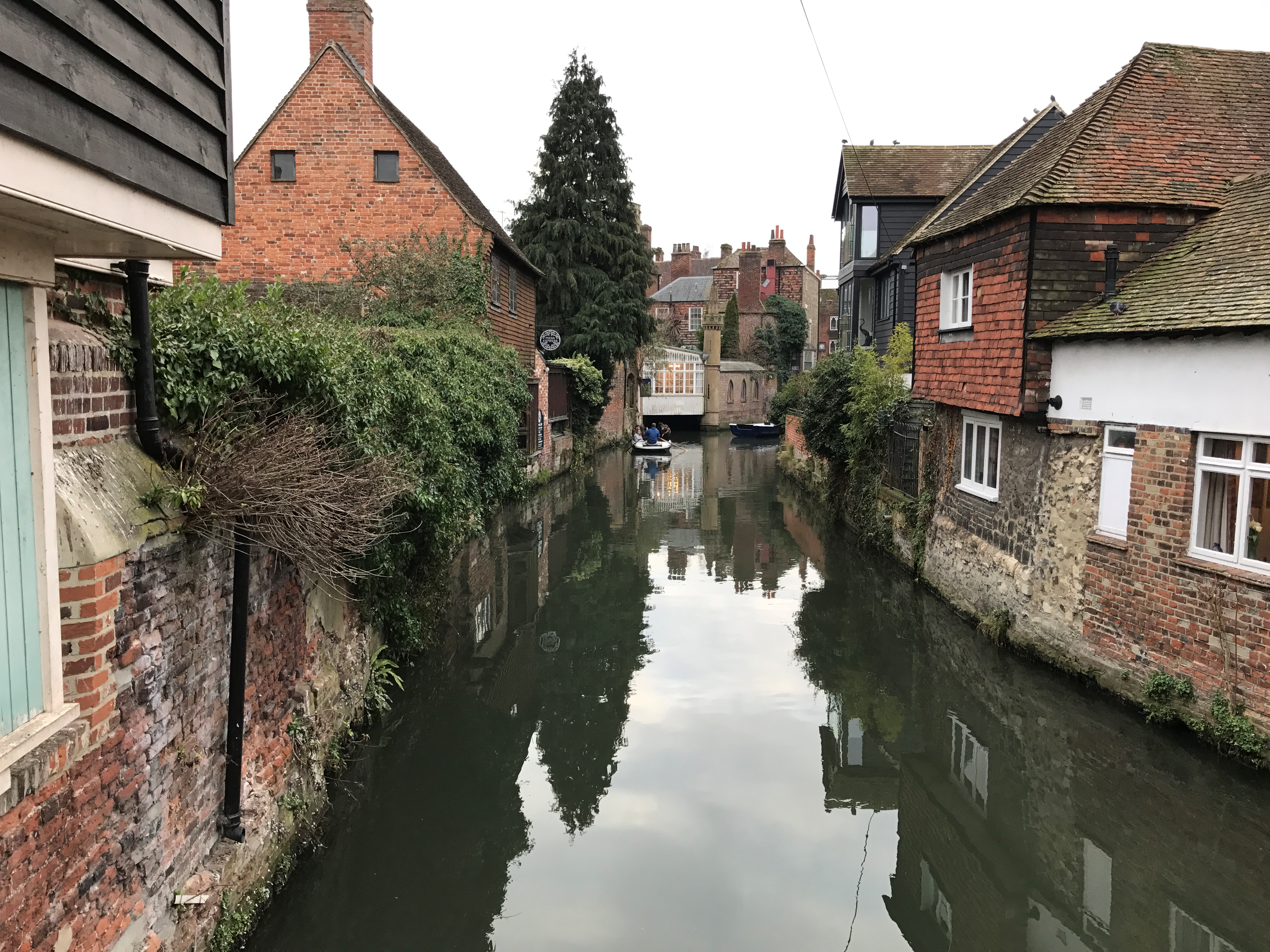
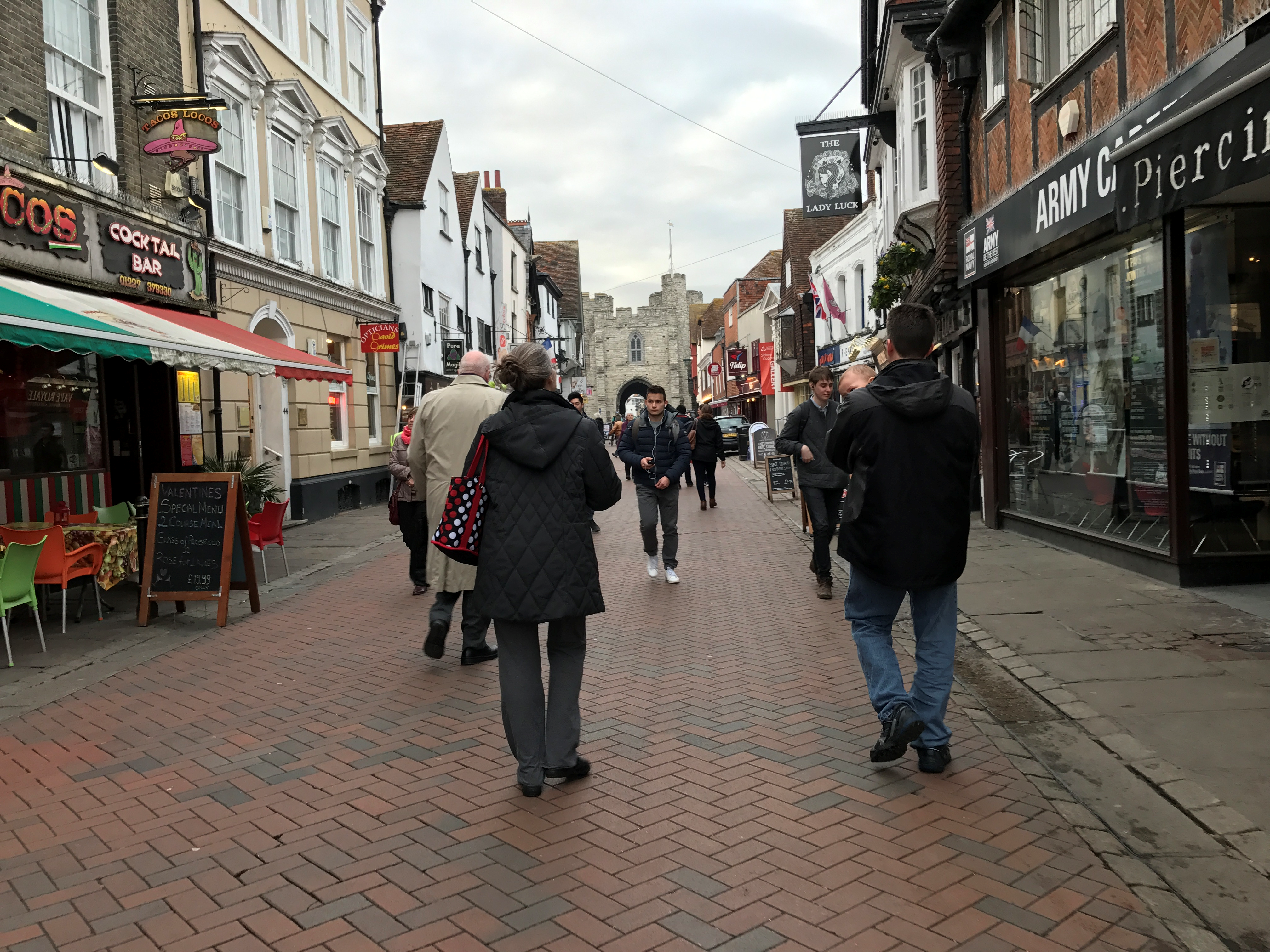
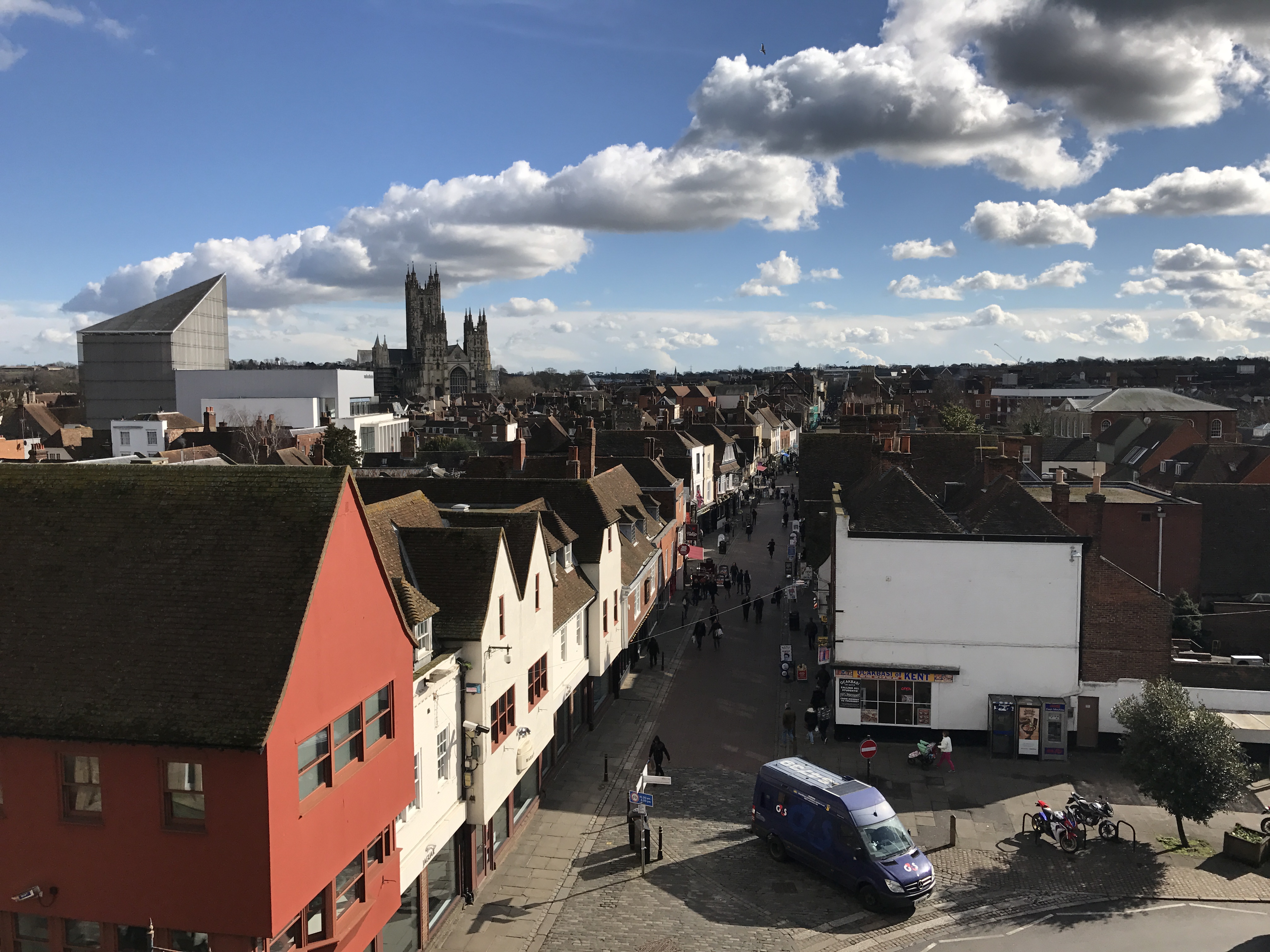
Fast forward 25 years into the future from the time that I was readying Canterbury Tales at that Perkin’s restaurant in a college campus environment to doing nearly the same thing in Canterbury itself this time not just reading classic literature in a studious setting, but seeing the places where Thomas Beckett was actually slaughtered and visiting the pubs and inns that were put on the map because of the pilgrimages to Canterbury Cathedral to visit the tomb of the slain archbishop who had fallen out of political favor with Henry II.  Because the intent of the visit to Canterbury was to visit my son-in-law’s family and see how he grew up, we were staying in a flat in the 4th most expensive city in all of England just one street over from the Canterbury West train station.  It was the closest thing I had come in over two decades to living the “college kid” lifestyle that I had when I first read Canterbury Tales—and it was strange.  We actually lived in Canterbury as opposed to staying at a hotel.  At our flat we lived like we would at home doing laundry, preparing meals, and conducting life in general outside the mode of being on vacation.  There is quite a difference.  Over the course of February my wife and I discovered our favorite shopping spots for getting food and we developed a nice relationship with the pizza place directly across from the Westgate Towers—because we ate a lot of pizza.  Canterbury became a second home for us.

However, for the part of me who would have loved to have been an archaeologist if I could put my other interests and career paths in some other order—Canterbury was like living in a dig site.  With their long history of prehistoric people who were conquered by the Romans, the Anglo Saxons, then the Normans—before being dominated by Catholicism, the history of this particular city was extraordinary and something that I soaked up like a sponge.  Not to mention that it was just a short walk from our flat where the pilgrims began their journey to America—so there was plenty of history to investigate and that’s what my wife and I spent most of our time doing around Canterbury.  After reading so much about the place for such a long period of time I was finally able to put my eyes on the real things and touch history as it was—which for me was very satisfying.

Canterbury is a microcosm of what I think has happened to the rest of the world.  In the macrocosm of modern history wars have defined our understanding of things and caused a very shallow recollection of our roots toward civilization.  But the world is just too big and our sciences are too slow to truly get to the roots of things.  For instance, the Time Team tried to do a similar show in America on PBS but they just couldn’t get it off the ground.  America is a different audience and things are spread out differently.  And in regard to our mound culture in the States everything is protected by the Native American Graves Protection and Repatriation Act (NAGPRA).  So archaeology has become nearly impossible in America for that very reason making it so that there isn’t any quick study over three days of the most ancient mysteries so obvious to American audiences, like Cahokia, the Newark Mound complex and Serpent Mound.  But the Time Team wasn’t so constrained in the United Kingdom and what they were able to unlock in a relatively short period of time was short of extraordinary.  That left a lot to explore for a guy like me in Canterbury and I relished it immensely.

There were in Canterbury several mounds that I could see on an ancient map of the city dating back to the Romans,  burial mounds all over the place just the same as were found in Stonehenge and in the United States at Fort Ancient and they all date back to the same periods.  I saw physical evidence of two large ones, one at the St. Augustine’s Abby and another right next to the old Roman walls that was as tall as the Miamisburg Mound.  Archaeologists in the area attributed that mound to the Romans who moved into the area, but because of my history with the mounds of Ohio, I would associate it as being before the Romans and for the same reasons.  I think the Romans put their imprint on the mounds they found in Canterbury, but I don’t think they initiated them.  But what was astonishing was that they were there—part of the history of Canterbury and its many microcosm layers of history were there for all to see focused on that one point in the world.  There are very few places anywhere that so much history could be observed in such a preserved way in a relatively confined space.  What made Canterbury unique was that it was the target for many civilizations to make their mark as opposed to building cities here and there within twenty miles of each other.  At Canterbury each big revolutionary period of human consciousness along the present Vico cycle was layered on top of each other for future archaeologists such as the Time Team to reveal to the world in a glorious television production which contributed immensely to our understanding of these periods.

The Time Team would go on to write several very important books on archaeology namely Fancis Pryor’s Britain BC and Tim Taylor’s Guide to the Archaeological Sites of Britain and Ireland.  I picked up Tim’s book at the St. Augustine’s Abby site and I found Pryor’s book at Stonehenge which both made my entire trip worth it alone.  These are books that you can find online, but not as easy as you might think in the States because the two cultures just don’t work well together intellectually.  What Pryor has been doing is similar to the very independent work of Fritz Zimmerman in America but schools of thought haven’t yet put two and two together.  But that’s part of the fun of discovery.  Zimmerman is dealing with a political culture in the States that is using laws the way the Catholic Church imposed its will on private citizens to control thought and history in Canterbury for at least five centuries strongly and another five modestly—but now the Time Team finds itself in a unique place where the politics in England is conducive to archaeology because of the various progressive elements that are trying to rot away the foundations of the Church to overthrow their current society.  So for the members of the Time Team, they went to work in a short period of time and are continuing to do fantastic work which has expanded the historic knowledge of Canterbury and the surrounding English countryside.

One thing I did notice at Stonehenge was that there were many archaeologists working on the site presently as they had their cars, campers and tents set up away from the tourist areas.  In America it is rare to see this kind of aggressive investigation simply because universities have not made it a priority and the politics of the times have not been friendly toward investigation.  We really need to fix that in America because we could use our own version of the Time Team.  But after visiting Canterbury and seeing many things up close that I have long been curious about, I am more convinced than ever that the cultures of prehistory Canterbury and southern, central and western England were actively working with cultures in North America through sea trade that was much more advanced than anyone has previously committed true scientific thought to as of yet.

I am grateful for the chance to have gone to Canterbury having all the great work that the Time Team and many others have contributed so that my time as a born again college kid living on the campus of that ancient city could wander around the streets with my notebooks, books, and camera validating in the microcosm something that interests me greatly on the macro.  The evidence was there for everyone to see and it was fixated on that spot because for the western world, it was the cradle of civilization.  Literature by Geoffrey Chaucer first drew my eye to Canterbury and my daughter’s marriage to one of its sons was the second, but before these events Canterbury was already ancient and laced with a deep history that was covered by time and only unearthed by human ambition through war and profit.  And that made eating pizza across from the Westgate Towers much more meaningful and mysterious as the echoes of the past came to me uniquely through the circumstances of authentic living for just a short time in an ancient place dying to tell its story on a global scale through whispers in the wind and ghosts from its catacombs.

Rich Hoffman

 CLIFFHANGER RESEARCH & DEVELOPMENT

Sign up for Second Call Defense here:  http://www.secondcalldefense.org/?affiliate=20707  Use my name to get added benefits.

cropped-img_0202.jpg

The Virtue of Material Acquisition and Spending Money: Defying thousands of years of wrongly framed thinking

I am not suggesting that any person spend money like a bottomless pit buying anything everywhere to cover up some deep psychological problem.  That is a different issue from what I’m proposing.  Money is simply a representation of value so when someone spends money without considering the implication of cost they are essentially unable to grasp the concept of value because psychologically, they are lacking the basic foundations to do so.  However, and this is a uniquely American way to think which was drawn incredibly clear for me while traveling recently through London, Paris, Brighton and many other places in between and observing the people there and comparing them to those I have known back home in the United States.  Additionally, as one of my many occupations, I am an employer and am an expert in the breakdown of labor=productivity and the psychological implications of personality=quality+implied effort toward targeted outcomes, so what I’m about to say requires some advanced context—because it eludes most people living on the earth today—and my assertion of these concepts comes from very advanced knowledge earned the hard way, and in my view, the only way.

I had the fortune to grow up and know both of my grandparents very well.  Both were farmers and had obviously had their world outlook shaped by the Great Depression.  One was particularly keen about every penny spent and watched them like a hawk always afraid that some big wave would come and overtake them wiping them out forever into poverty. They were extremely hard-working people and were socially very honorable, but did reflect a constant fear that their money would be taken away by some unknown force be it a disaster or the aggressions of mankind through some form of robbery—so every penny was watched for their entire lives. The other set of grandparents were rather loose with their money.  If they wanted something they bought it and never gave much of a concern if something cost thousands of dollars even back in the 60s, 70s and 80s.  If they wanted it they’d do what they had to in order to obtain it—whether it be a farm, a particular car, or just a lifestyle.

While traveling around Europe there was this constant phantom in the back of every conversation I had with people I interacted with, from family, friends and mild acquaintances which were shocked that we did so much in such a short period of time while people who were regionally located had spent their whole lives 60 miles to 100 miles from the things we were doing as a family in Europe yet had never tried to do them themselves.  And it came up more than once at dinner tables that my youngest grandson who was at this point only 10 months of age had already been to Disney World once, and was now traveling around Europe with my daughter and her husband.  Additionally while he was still a fetus he traveled around Iceland the year before so before he was even a year old had experienced vast cultural influences which are the foundations of a very interesting coming life that he will have—but people hearing all this just didn’t understand.  “You spent how much at that Ramsay restaurant in Chelsea?”  “You took the Eurostar to Paris just to go to the Louvre?” “Why go all the way out to Stonehenge just to look at some old rocks?”  Those were the kind of questions we received just over the last few weeks by people mystified by the amount activities we reported through small talk which of course opened up a deeper sore which rests on the surface of most things human beings do in their lives.  What is the value of a human day and what does one wish to do with those days toward a value that is internally comprehended at the subconscious level?

That same daughter who traveled with me just recently purchased an iPhone 7 Plus after working with mine on that trip and I was proud of her because it’s the best on the market at this particular time and I like to see she does not compromise quality for the comfort of saving a few dollars.  Just like my view that if we are in London and my wife wants to go to the best restaurant that they have—why not do it?  Essentially if I really want something, I typically get it. I don’t feel that way about everything and I do go through a screening process.  Such as Stonehenge is something that I’ve mulled around for years, but the expense wasn’t worth the trip just for that endeavor.  But If I’m in London on business, or leisure, then I’ll find a way to get there—you better believe it.  I am not the kind of person content to just watch from my front porch others doing things and not doing them myself.  To me nothing on earth is off limits—if I want it, I’ll get it.  With that in mind, when I hear someone say that this is too expensive, or that is too far out of reach, I lose respect for those people because what they are really saying is that they are not willing to do the extra work to acquire the things their heart’s desire and are more than willing to yield to complacency.

Such people who do the minimum in life favoring the lazy position of being victims of circumstance are miserable human beings.  One thing that makes Donald Trump a uniquely American product is that he has the kind of mind that never felt limited by circumstances.  He dreamed big, lived big, and was more than happy to show off how much harder he was willing to work than his contemporaries.  Because after all what is a man really showing off when he arrives at an exclusive club in a Lamborghini with a hot woman on his arm looking very debonair?  He’s not saying he just inherited millions of dollars from his dad, or that he’s willing to waste large volumes of money on nothing—he’s saying that he is willing to outwork his peers and has obtained success and by fluffing his feathers declares himself above those around him so that he can have top access to the best that mankind has to offer—whether it be women, productivity, or leisure opportunity.  Those who point jealously at the man are those simply not willing to do what it takes to acquire such things.  They resort to socialism hoping to be equal to the man without having to do the work so that they essentially don’t have to feel the guilt of underperforming in a world which rewards people like the Lamborghini driver over those who watch every penny fearful that the penny might be taken from them at some point forcing them to work one hour longer to make it up in the future.  People who deliberately set low bars for themselves are constantly unhappy when they have to live in a world where people are free to work and gain all they can and this is the cause of much anxiety in the world. By having a guy like that Lamborghini driver in the White House the expectations for our national economy will naturally expand which I see no negative to at all.  People who are afraid of hard work won’t like it because the social bars of expectation will be raised out of their range of desired applied effort—but that’s good for America as a whole for obvious reasons of economic expansion.

What I observed in Europe was something completely foreign to me.  I knew about it, but actually spending significant time there the situation was glaringly obvious.  They think small in Europe.  They have too much vacation time-they sit and talk too much about nothing and are content to live with the limitations they inherited from their ancient ancestors and they have grown as a region to accept many restrictions which keep them from really living life.  I personally don’t have any of those limits in my life because honestly no matter how much I spend, I’m willing to work harder than anybody else to have what I desire.  I may not care to have a Lamborghini because I’m not interested in the social things that come with it.  I’m married and not looking for women, and I usually do things with my family so there isn’t a back seat for them to sit in when we go out to dinner so the value isn’t worth the cost to me.  But if I wanted one, I’d buy one and nothing would stop me from getting it.  There really aren’t many “things” I want in life because material objects don’t bring much value to me—intellectual things do like books—but “things” themselves don’t do it for me.  But when I want a particular gun, or a motorcycle, or an iPhone—or a television—I get the best of whatever it is and I don’t think about the cost because I am literally willing to work 24 hours a day 7 days a week to obtain whatever it is.

That leaves me with absolutely no sympathy for the person who holds onto their money because they either fear someone taking it from them through aggression, or that they just are afraid of hard work. The person who is afraid to take their wife out to a nice dinner isn’t being fiscally prudent as much as they are just being a wimp afraid of giving up their leisure time to make their spouse a little more happy and comfortable. To select the cheaper version of a car to save money is setting the bar lower for other things and such people are artificially restricting the quality of their life to preserve their internal laziness—in most cases.  And that’s a generally accurate way to identify much of what is currently sickening the world in regard to human beings. They want things that they see other people have, but they are not willing to do what it takes to have those things.  In many cases their religions have given them a free pass to be lazy by constantly castigating the wealthy by highlighting poverty as some kind of virtue.  And that has been a cleverly shrouded element in our society which has garnered little to no attention from our everyday life.

I fortunately was able to live in Canterbury for a good part of February 2017 and in that ancient city there are still monks who make the conscious decision to live in poverty—to essentially quit yearning for material objects so that they can earn their way into heaven.  Its one thing to read about such things, it’s quite another to meet them and see them in the streets of Canterbury which I did.  My wife and I even went to their little island in the Stour River to get a sense of how and why they live the way they do.  Additionally, there are quite a few homeless people in Canterbury who have obviously quit life yielding to the escape of alcoholism.  The two groups of purposely poor demographic groups had decided to set the bar so low for themselves that they were victims of circumstance and simply yielded their life to other controlling elements.  Compassion is not the word I would use to explain their circumstance upon meeting them and speaking directly to them about their manner of living.  They have quit life and have tossed it back to what they think “God” is—and by my definition for things are wasting themselves.  It’s not honorable to be poor or to sacrifice their life for some greater good when what they are really hiding is their sheer laziness to get up each day and battle toward personal goals set for the benefit of being alive.  Such as, you can’t take that car, that house and that nice watch with you into the next world.  But what you do take is the experience gained in obtaining those things because the effort expands your intellect which has resonance into the many dimensional planes of reality that your soul resides on.  So in essence, the work utilized in reaching for material goods and services has a natural byproduct that resonates across the universe into your eternal elements—and those monks in Canterbury are missing the point by deciding to live in poverty so to obtain the grace of God.  And regarding the homeless people, I’ve been at points in my life where compared to them, they were much wealthier than I was—but I never quite working.  A person like me would never be on the street without a house or the means to get one and to me there is no excuse in living on the street begging for food or enough scraps to get a bottle of alcohol to indulge in drunkenness.  They are people who lack the internal drive to fight through each day and make the best of it—let’s be honest.

So those are some things to think about in regard to money, value, virtue, and immortal spirit.  When my daughter told me she had bought a new iPhone 7 after working with mine I would say she did more for her eternal spirit than those Canterbury monks have done in 30 years of living deliberately impoverished in dedication to God—because the value isn’t in the material item—it’s in the productive output to acquire it.  The morality of a good economy does more for assisting the soul of its recipients than deliberate quitting of the world does by yielding to the old forces of intellectual control over those willing to submit themselves to every authority.  Doing what the heart desires for the right reasons is a more moral decision than sacrificing it to circumstance.  It is not honorable to say “I can’t do this because of that, or that I don’t have enough of that to do this.”  It is honorable to say I want that so I’m going to do this to have it because the virtue comes in the act of acquiring the means to perform the task.  For instance the virtue of spending over $1000 on a meal isn’t the food itself or the obvious consumable nature of it—it’s in acquiring the $1000 to spend and in sharing that experience with the people you care about for the memory of it—and the message to them that they are more valuable to you than just setting the bar too low for everyone and holding them prisoner to your low expectations for yourself.  Monks hide that low bar behind dedication to God. The homeless behind their lack of internal resolve to fight through personal challenges–and the lazy hide behind circumstances—whether they are too short, not smart enough, too weak, too something to be that guy who shows up to dinner in the Lamborghini with the hot chick on their arm—so reserve themselves to sitting on their front porch watching the world pass them by and claim that they are being “fiscally prudent.”  They are just being wimps.  And that is the harsh reality that so many people need to face—because they aren’t fooling anyone.

Rich Hoffman

 CLIFFHANGER RESEARCH & DEVELOPMENT

Sign up for Second Call Defense here:  http://www.secondcalldefense.org/?affiliate=20707  Use my name to get added benefits.

cropped-img_0202.jpg

Swamp Monsters Attack Trump Before the Election: Obama caught tapping the phones at Trump Tower

As if we didn’t know it already early in the morning of March 4th 2017 Donald Trump found out that President Obama just before the November 2016 election had Trump’s phones tapped in Trump Tower using the government to spy on a political rival—obviously breaking many laws in the process.  As Democrats have attempted to do anything to put the new Trump administration on their heels to prevent proper management from the White House—the web of deceit gets more and more complicated making even the most far-reaching conspiracies light up with complete clarity.  And Donald Trump did the correct thing; he went to Twitter before any of the news outlets were even up and broke the story as he found out about it.

Imagine a sitting president using the resources of government to spy on private citizens to preserve their own dynasty of control?  If you read what I say everyday here, of course you can imagine it.  But now you have the confirmation dear reader of just how far these people were willing to go, and thank goodness we now have a president who is willing to set things right—starting with being very vocal in his criticism as he discovers these types of things.

The reason for attacking Jeff Sessions is to keep the new DOJ from prosecuting all these crimes that did occur—and to consider that Trump was willing to extend the branch of friendship to his former political rivals and be a graceful winner.  Well, not anymore.  Time to go for the jugular, and I’m sure Jeff Sessions under Trump’s direction will have a field day with this very revealing information about just what kind of monsters live in the swamp of Washington D.C.

Rich Hoffman

 CLIFFHANGER RESEARCH & DEVELOPMENT

Sign up for Second Call Defense here:  http://www.secondcalldefense.org/?affiliate=20707  Use my name to get added benefits.

cropped-img_0202.jpg

Donald Trump and Saint Augustine: Becoming a missionary of justice to fight off the pagan insurgents

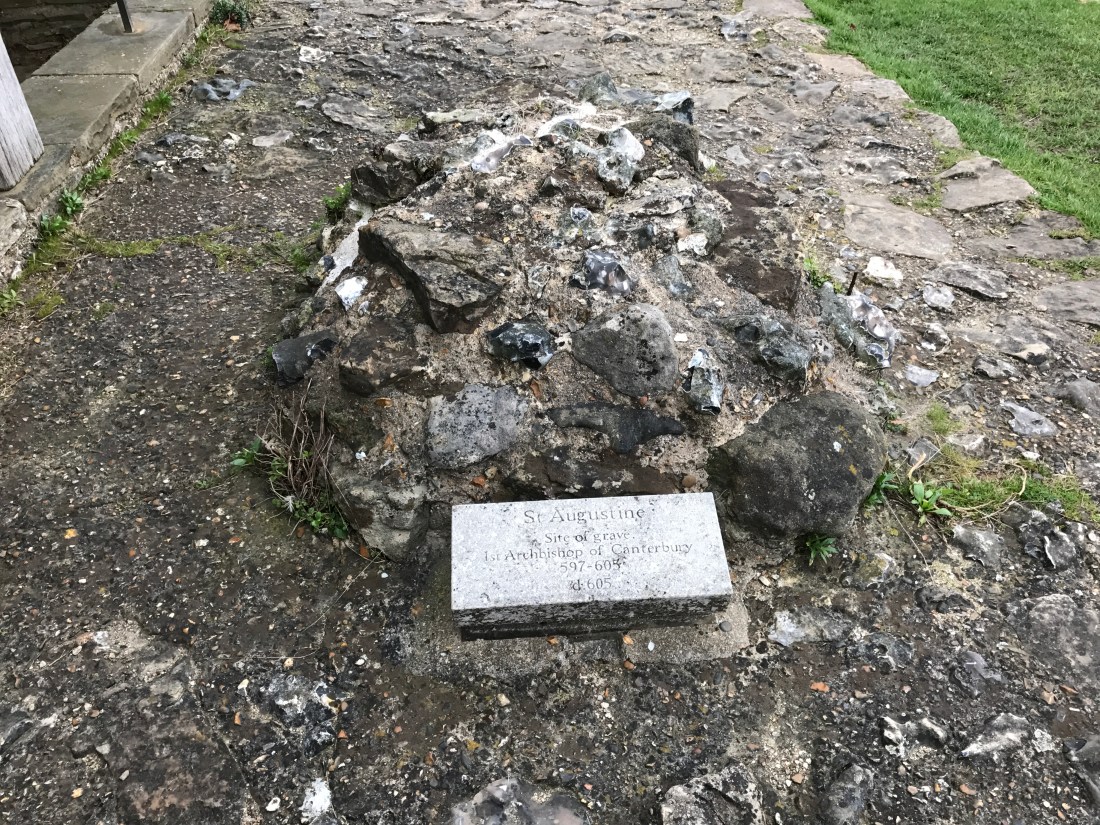
It was intensely bizarre for me personally to be standing at the grave of St. Augustine in his demolished Abby while watching the media reaction to Donald Trump’s CPAC speech on my iPhone because in a lot of ways, what Trump and Steve Bannon are doing presently reflects accurately what St. Augustine did in 597 AD under the assignment of Pope Gregory. Rome had to withdraw its troops from Britain to protect its crumbling empire and Anglo Saxons had moved into south England bringing with them their pagan religions to corrupt the countryside away from Christianity, which had been brought to England by the Romans.  Augustine set up a mission in Canterbury and formed a friendship with the pagan king Æthelberht of Kent and within a few years the Roman Catholic Church was converting pagans to Christianity serving as the first of its kind anywhere in the world. What happened in Canterbury would be done to the far corners of the world in favor of the Catholic Church following the manner for which Augustine had conducted the enterprise.  Eventually during the reformation in England King Henry VIII would destroy the Abby and loot it of its wealth which left the place in ruins at Canterbury.  But the body of St. Augustine remained for me to observe as I finished watching the speech fall out by Donald Trump who was given a similar task, this time not by a Pope, but by the people of the United States to spread the message of Americanism to a world hell-bent on anti-capitalist objectives.

Trump’s message to the media during CPAC was firm, that they were no longer relevant and that the White House would not be moved off its objective of returning Americanism to the land of the free as opposed to the pagan chaos of the parasites that had moved in and taken refuge in the shadows of the weak leaders that have emerged over the last century due to a more global focus on philosophy and economics. Stunningly the whole speech was carried live in England from the start of it to the end and endless commentary spewed forth after.  Donald Trump like St. Augustine before him was a vessel for undoing the damage caused by poor thinking and the lack of structure adhered to by an advanced culture.  For instance, the moment the Romans moved out of England, the society reverted back to the tribalism of the Germanic people following perfectly the Vico cycle—where democracy turns to anarchy, then back to theology—and thus under St Augustine, then by the influence of the Nomads, the spreading of Christianity spread again and gave birth to a new age which lasted for over a thousand years.

Trump is engaged in the same kind of effort. The emphasis of his presidency is one with a long goal in mind, to change the culture of America back toward patriotism and to vanquish those who speak against it, which has been the entire world.  And the world cannot turn away because Trump is such a great topic to cover, they can’t help but put him on television.  Even as Jodi Foster held a rally against Trump and the attendees of the Oscars were winding up for a celebration of the black, gay film Moonlight—Trump was planning his own celebrations which would divide up the media coverage of what is often a monopoly held by Hollywood on Oscar night.  For the first time ever a sitting president wasn’t licking the heels of the Hollywood community, but was standing in defiance of them during Oscar night.  Even as Hollywood and their Academy members bent over backwards to put a film like Moonlight into the limelight—to show they aren’t racist elites in Santa Monica, Trump was beating a different drum and the world was listening—a national patriotism that was intent to convert people back to what built the country.

img_3820Our politicians in America and the media culture that followed it were a lot like the Germanic people who invaded England once the Roman Empire withdrew. That is always what happens when a powerful force from a superior culture takes away its influence.  The masses collapse on themselves and chaos ushers itself in.  This was the subject of the great Ayn Rand novel Atlas Shrugged, where the producers of society withdrew their talents and society quickly crumbled away.  What has been told to American culture was that we should embrace all these “Moonlight” values and establish our society on those foundations, which of course lead to a degradation of the human condition—as we see presently in Paris.  Even as all this news was spewing forth about the Oscars and Trump’s CPAC speech across Europe, President Hollande was complaining about how disrespectful Trump had been toward the city of Paris—and the news cycle did almost nothing but talk about it.

In the past lesser people would feel the burden of not being accepted by the actors of Hollywood, or the press, or even global socialists like Hollande, but Trump doesn’t care, because he is on a mission and his drive is not created from other people, it is generated from within. And that’s what the world doesn’t understand.  I could see it clearly watching the news while I toured the St. Augustine Abby and paid respect to the tomb of the Saint himself.  Trump was that modern voice who had to step into a pagan land of lawless behemoths and establish order among them.  Trump gets all his strength from within himself, in his faith in his ability.  Augustine put his faith in God so he was able to step into a hostile environment and establish the first Church of England.  Trump is doing something as we speak that will be talked about for thousands of years and that history is happening in the present—and it’s quite something to see.

It is during events like this which is why I love history so much, because understanding these types of things explain contemporary occurrences with context. Because once you understand the Vico cycle and the patterns of the human race, you can know the outcome of something that is happening which of course happened before.  Only instead of the topic being Christianity as it was in Augustine’s time, it is now the concept of Americanism, which to my eyes the world desperately needs.  The pagan losers in Hollywood like Jodi Foster, Casey Affleck and many others never understood the meaning of America, and are completely unable to define it.  And the kids in the media, all those entertainment writers and beat reporters who are under 30 years old and have a lifetime of lessons to learn before really being able to inform a public of a viewpoint beyond the facts of a matter—they are lost and rootless and will quickly convert to the Americanism that Trump and Steve Bannon are proposing.  Just as the skeptical Æthelberht listened to Augustine for his first years of missionary action then converted to Christianity from his pagan roots—the world too will do the same with Trump.  And Trump knows it.

The real fear that isn’t being said at the Oscars, in France, in the media and in the CNN newsrooms, the New York Times boardroom, and all the others who are finding themselves on the outside of Trump’s White House. They are aware of it too, that they are about to be extinct.  Trump is converting pagans to Americanism and his White House has more global influence than all of Hollywood and the modern press put together and it is driving them crazy to realize how irrelevant they are.   And that was the purpose of the old cathedrals, they were to impress upon the residents the power and majestic triumph of the Catholic Church which strengthened their faith into God and the Church’s role in statehood.  Trump is now doing that with the White House, using that majestic platform to spread the benefits of Americanism.  And the pagans know they are losing their grip on the American public because Trump doesn’t need anything from them leaving them completely powerless.   And that is a great thing!

Rich Hoffman

 CLIFFHANGER RESEARCH & DEVELOPMENT

Sign up for Second Call Defense here:  http://www.secondcalldefense.org/?affiliate=20707  Use my name to get added benefits.

cropped-img_0202.jpg

Mystery of the British Museum’s Crystal Skull: Why its not a fake, but many wish it were

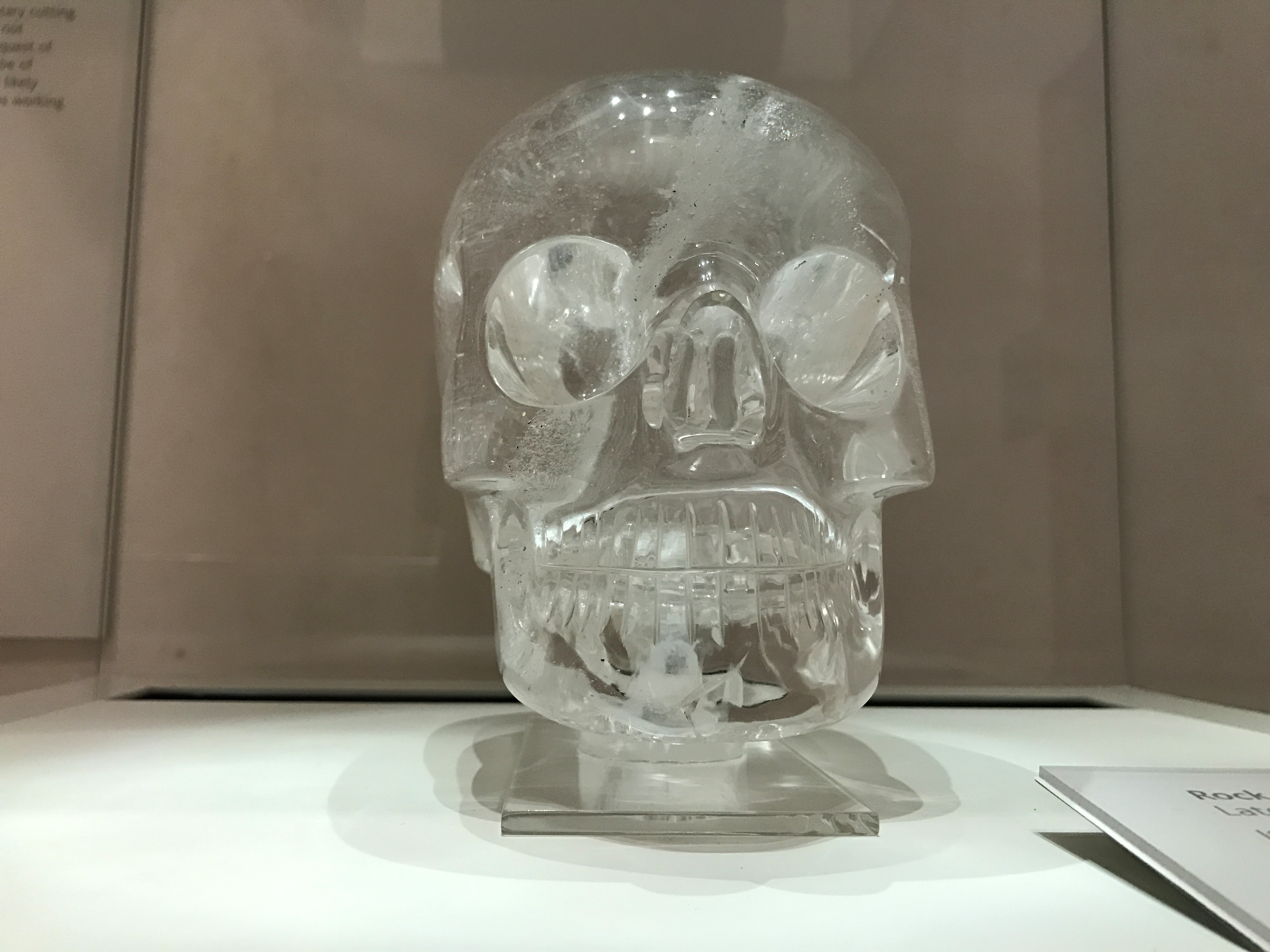
It was one of the things I most wanted to see in London—the famous crystal skull at the British Museum. The idea that an ancient civilization was able to carve such a fine sculpture out of quartz without obvious machining marks in the 14th century, or even before, is quite remarkable so I wanted to see it for myself.   The artifact is famous because it is one of the few of its kind in the world and it was acquired by the British Museum at that magical time of early archaeology when the British empire still held sway and was able to gather important items around the world before a new generation of politics and war would further destroy the art and relics of the Middle East, Europe, and the Americas—especially in Mexico where their Mexican Revolution at the start of the 20th Century has all but destroyed their economy leaving the people there impoverished.  If any crystal skulls were found today in those regions they would without question be in private collections sold off by locals who needed to feed themselves.  It was remarkable that the crystal skull featured here even made it to the British Museum as it was acquired from the Tiffany and Co. from New York in 1897 after being owned originally by Eughen Boban who was an early fortune hunter able to gather up objects from digs before the Smithsonian, and the British Museum were able to lay claim to the historic record.  For something that old, it certainly couldn’t have seen modern methods of cutting a quartz structure so for anybody to go to such trouble to make a crystal skull there had to be a good reason for it.crystal-skull

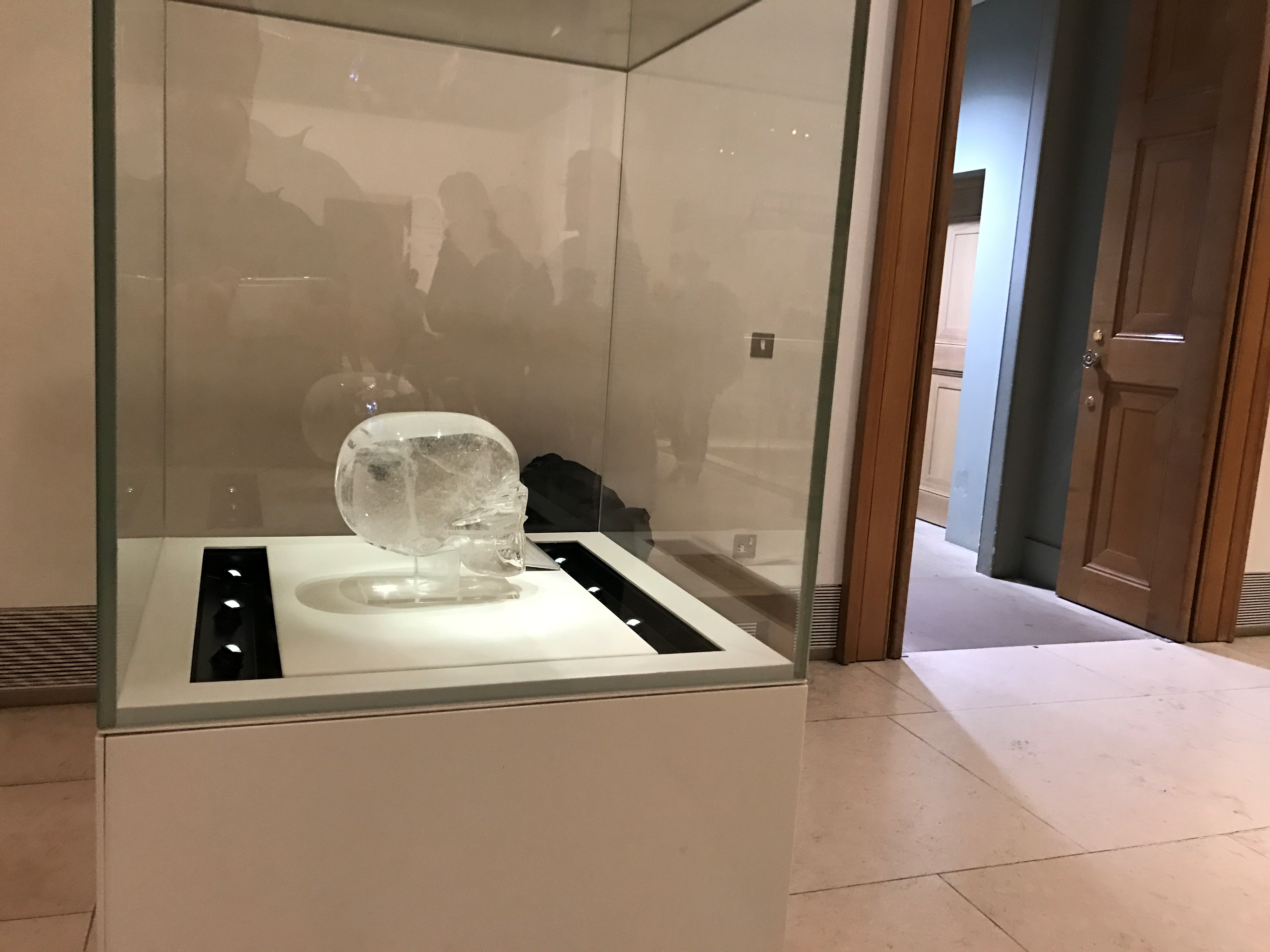
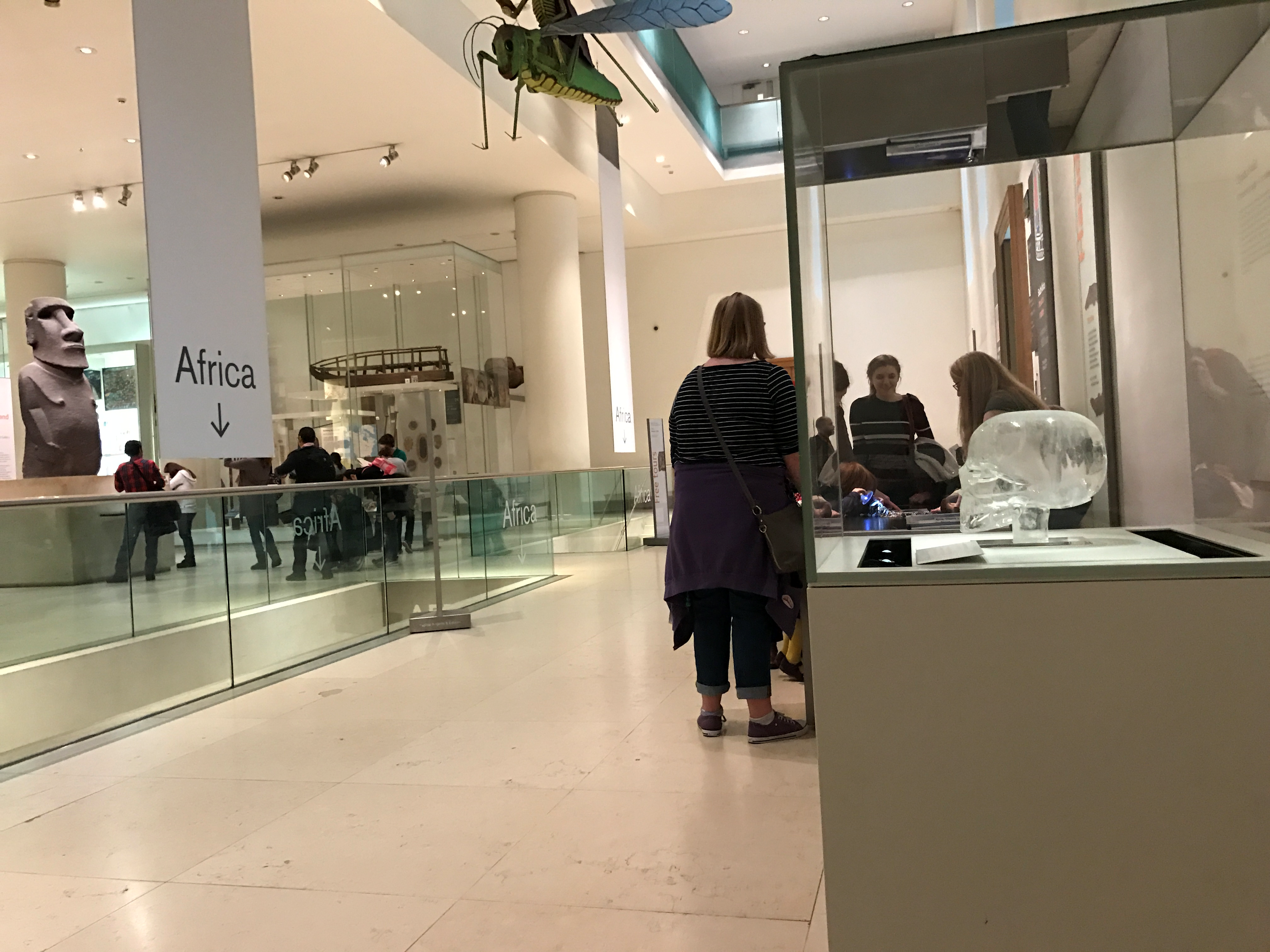
The skull is in the “living and dying” wing of the museum stuck away in the corner much the way that the Cincinnati Tablet is at the Museum Center in my home town of Cincinnati—they really don’t know what to do with it because it doesn’t fit their narrative of a primitive people. In Cincinnati the tablet doesn’t fit the profile of the Adena Indians and at the British Museum which many contributes have already laid claim to their version of history and feel they possess the narrative of history by being the first to report it—the crystal skull is sort of a mystery—so they put it in the corner of the room leaving it in limbo.  In fact it was so unobtrusive I had to ask where it was.  I found a museum worker who pointed it out to me then felt the need to let me know that the skull was a “fake” which irritated me greatly.  There was no need for the additional commentary, but the guy felt he needed to make sure I knew his opinion of the crystal skull which revealed a lot about what I had long suspected about this particular museum.

The collection at the British Museum is one of the finest in the world and it could be argued that their imperialism which acquired all the artifacts there robbed the home countries of their “birth rights” to those cultures. But as we’ve seen in Cairo, Baghdad and other places around the world, especially in Mexico City where the ruins of an Aztec civilization were literally buried underneath—new cultures usually destroy old cultures and the British Museum was able to save those artifacts in time because of their audacity to take them from their domestic lands—which were unstable to the historical record.  The museum has an extensive membership list that is very active, and they depend on their donations to keep everything on the upside—and they are very successful.  However, to preserve that funding model they need to lay claim to the historical narrative created by the British Museum, so to preserve the integrity of their members and donors.  That concern was reflected in the museum worker’s proclamation to me that the crystal skull was a fake—because he didn’t want me to be one of those guys to further perpetuate the many theories that the skull may belong to an undiscovered culture not yet in the museum—which is highly likely—and was the source of my interest.crystal-skull-2

The failure of the premise that the British Museum established, for which the worker represented was that it was inconceivable that the Spanish conquest of Mexico in 1521 was interacting with a superior culture at the time since it has been established that European culture was the dominate one and that everyone they interacted with was inferior. We see this with the discovery of America by Columbus—even though the Chinese were obviously already in America and trading around the world—and that the Vikings were likely already in America several centuries earlier.  Even more perplexing, which is obvious to me, the mound builders of England, Ireland and likely Scandinavia likely were trading with the Phoenicians from the south, maybe even Egypt and were in the New World building mounds like those at Nework in Ohio well before Christ was born.  The British Museum ignores all these issues and sticks to their story that Europe conquered the world and thus making them the authors of history.  Relics like the crystal skull challenge that.crystal-skull-3

After looking at the skull closely with an electron microscope scan, there is evidence that some of the features were carved using a rotary cutting wheel of some kind.   Note the word, “some.”  There are many parts of the crystal skull that defy even modern methods of manufacture so there is still great mystery as to how the thing was even made by today’s standards, let along done at a time before the telephone existed.  And there is evidence that what Spain conquered in Mexico was far advanced in many ways to the Europeans, especially in canal building and astronomy.  So there is guilt in the statement—the “crystal skull is fake.”  Guilt that the very things the British Museum is supposed to guard against—the loss of information advanced by the many cultures of the world—the evidence says that a lot of the world’s cultures have been lost and the Europeans are very guilty of building their Catholic religion on top of conquests to erase the memory of what came before—which I think the crystal skull represents most.brisish-museum2

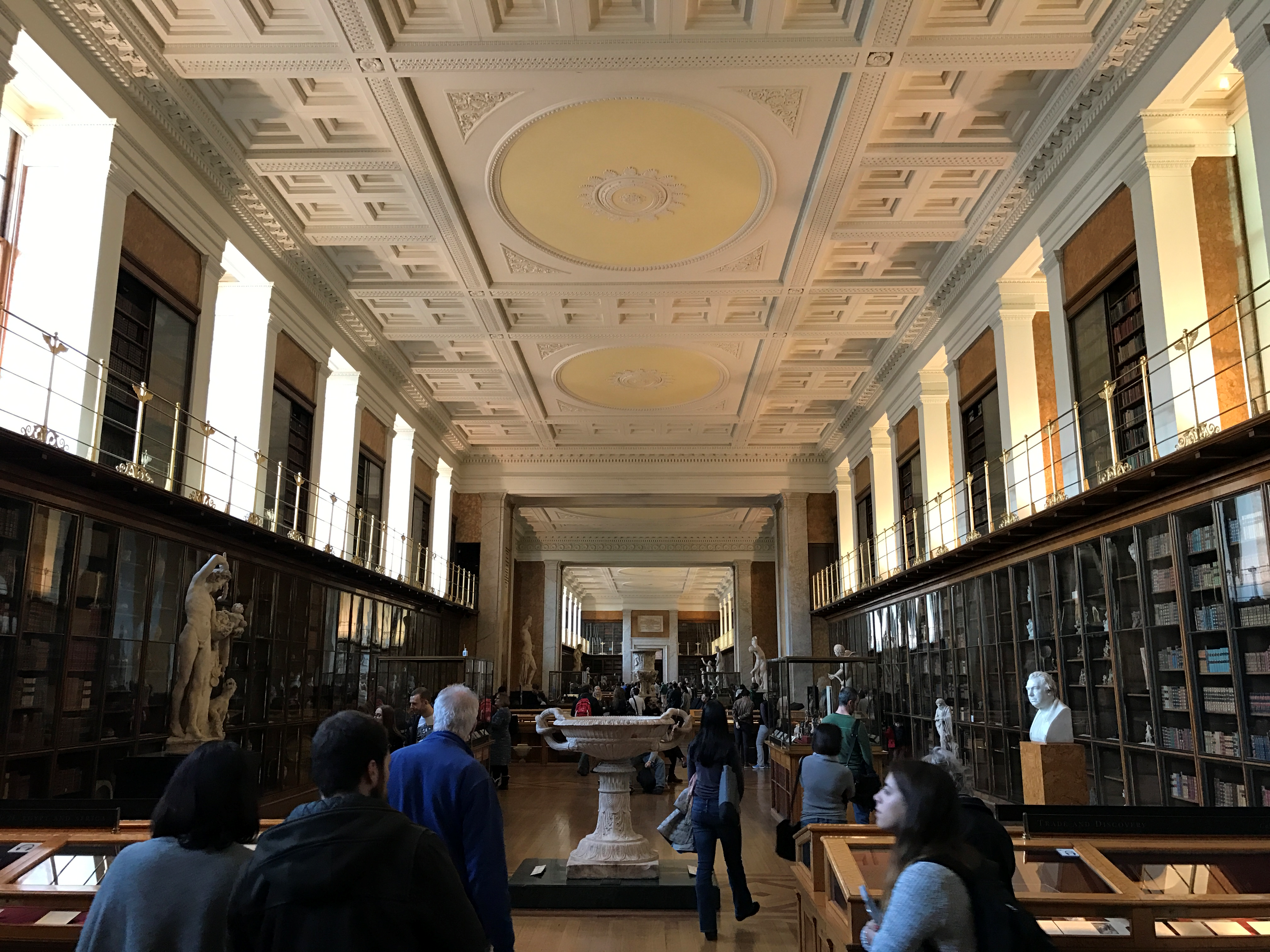
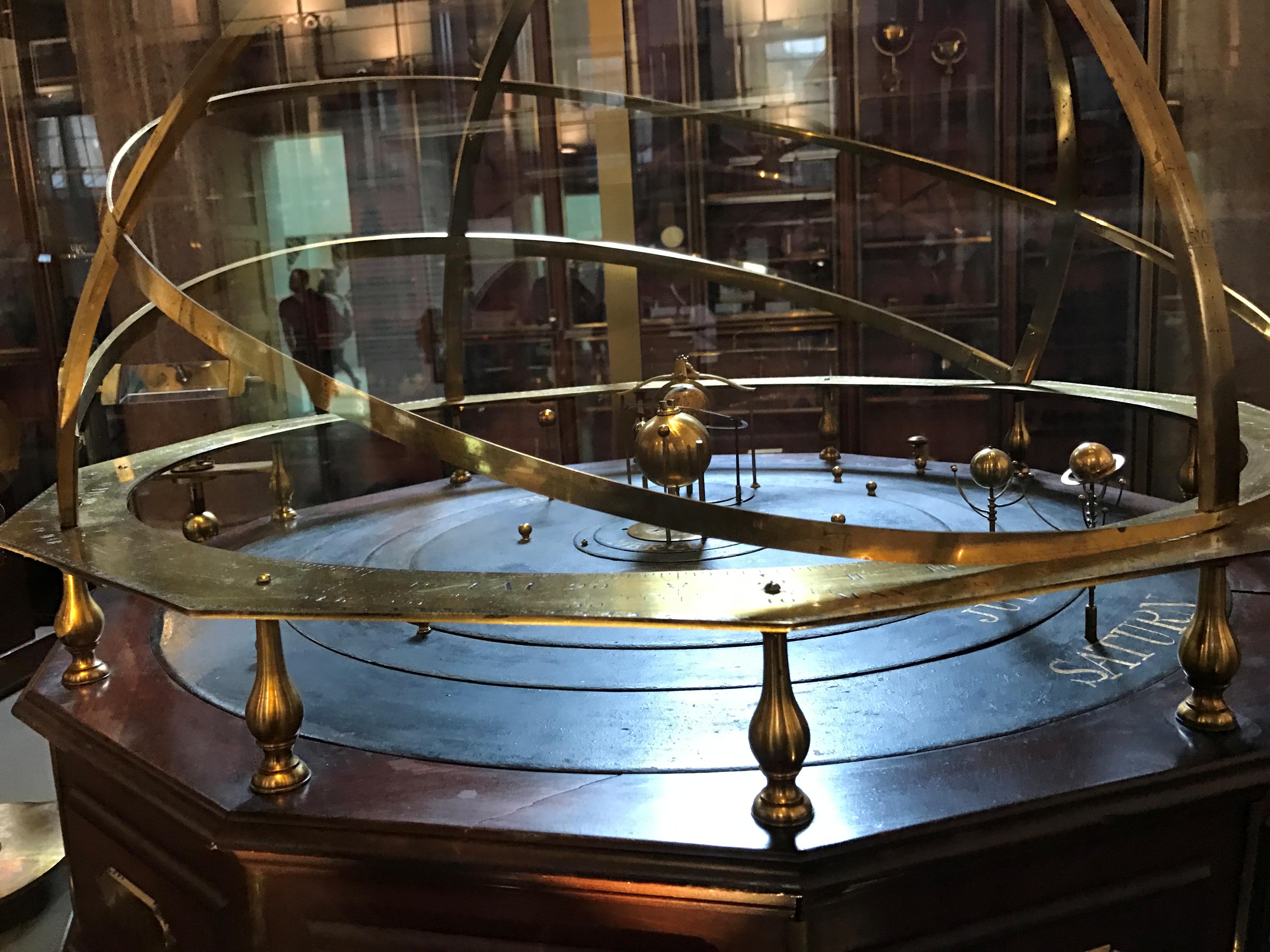
The science of history is in its infancy, even in the Room of Enlightenment—which was my favorite room in the museum—it is obvious that our grasp of history is rather shallow, and all we know is from the private collections of kings, or the little bits of junk acquired from dealers who looted tombs and cultures to sell on the black market. The best stuff is still out there locked away in private collections and museum basements lacking a proper explanation that fits with the story of history that has been told to us from our infancies.  History is much more complicated and to know it is to understand the crystal skull culture and other mysteries that are out there which have not been given a proper introduction to the world because too many people—especially of European decent—call things fake—when they are obviously not.  The crystal skull of the British Museum is more than just an artifact, it is a glimpse into the human race who had an obsession with death and wanted to face it literally—and an old habit of doing what should be impossible for the benefit of doing it and perplexing those from the future with the valor of their endeavors.britsh-museum

Rich Hoffman

 CLIFFHANGER RESEARCH & DEVELOPMENT

Sign up for Second Call Defense here:  http://www.secondcalldefense.org/?affiliate=20707  Use my name to get added benefits.

cropped-img_0202.jpg

Plugging up America’s Intelligence Leaks with Julian Assange: What Donald Trump could do to help “really” drain the swamp

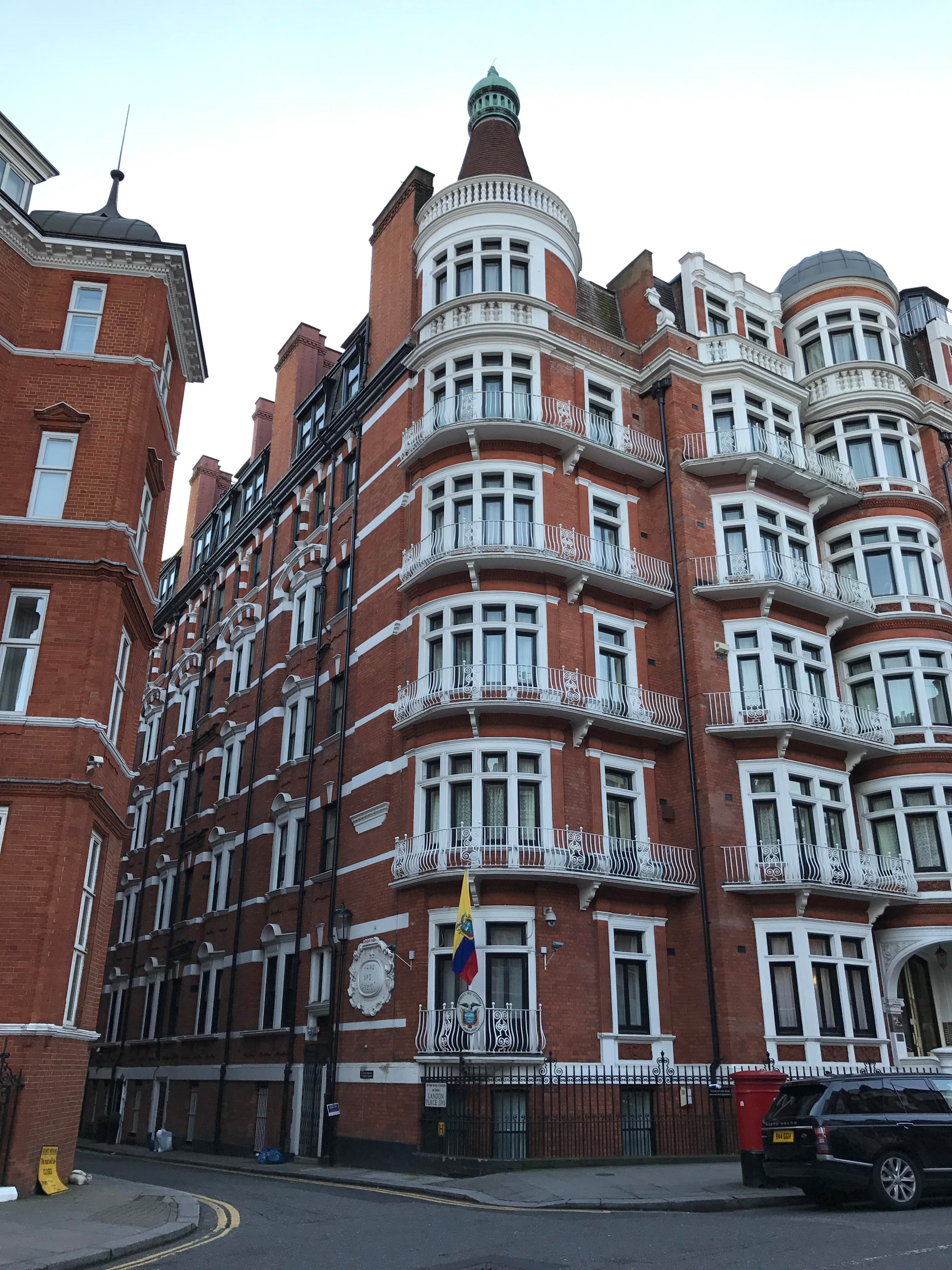
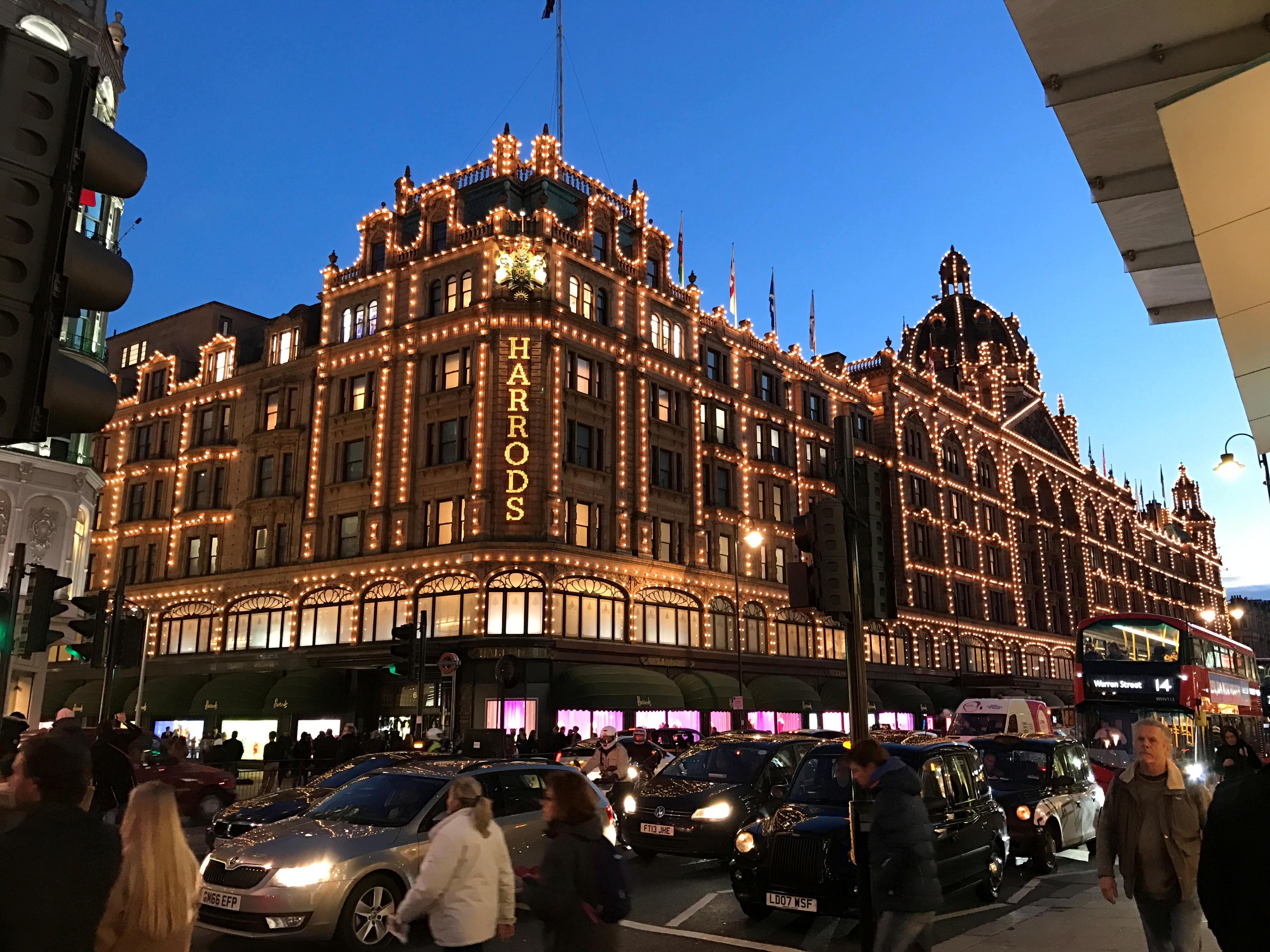
While my wife was shopping at Harrod’s in London I couldn’t resist but to walk just a few feet to the east and take a glance at the Ecuadorian Embassy where what I think is the most honest journalistic organization presently in the world is hiding the notorious Julian Assange behind the dainty curtains of the balcony I have watched so many historic press conferences. Assange cannot leave the embassy and due to a current Ecuadorian presidential race that may jeopardize his continued asylum there, I couldn’t help but think of ways where he could be more useful to a Trump administration being attacked from every corner—including its own intelligence community.  So I had my daughter take a rare tourist picture of me standing next to the window of the famous spot as I pondered ruthlessly the many ways that strategically this situation could be rectified better for the world at large.  Even with all the controversy surrounding Julian Assange—to me he is a similar character to American appeal that Wernher Von Braun was who converted as a Nazi rocket builder into one of the heads of NASA. Was America still the same country that could pull off something similar here—perhaps.  But it wouldn’t be easy.   As I listened to the world’s reaction to the Trump rally in Florida which went on just a few hours later that I watched live on my iPhone while my family continued to shop at Harrod’s—I couldn’t help but think Trump’s solution was just a few feet away from me hidden behind the windows of that Ecuadorian Embassy.assange

The media had already been aghast by Donald Trump’s fourth week in office before he had a rally in Melbourne. Florida where Melania Trump really stuck her thumb in the eye of the secular world by starting off a speech with the “Lord’s Prayer.” In the great classic book on military strategy The Art of War, it is important to unite people behind flags of commonality toward the great strategic objective of the enterprise, and clearly that was the purpose of Trump’s rally.   The media didn’t know what to do with it because their goal had been to chip away at him until there was nothing left causing a fissure between Trump supporters and the new president.  You see, the media sees itself as a fourth branch of government and they had decided long before Trump that they were going to carry America off a precipice of destruction for progressive goals.  After all, most of the media were somewhere between the ages of 40 for the really old people to about age 27, still just kids learning about how the world worked.  In their universities, they learned about progressive values and they were now expressing those values in their media occupations, and presently that meant they needed to destroy Donald Trump to preserve their century long task at maintaining their fourth branch of power.  Those checks and balances of course would be fine if their end goal was to preserve free speech and root out tyranny.  But that’s not what the American press was up to.  They were hell bent on shaping the world into a progressive philosophy formed many years ago toward globalism desires.  For instance, in England as I contemplated these things, a prime example of how a government looks to “nudge” people into the direction of their intentions is to alter behavior through inconvenience.  Such as—at Harrod’s, one of the most popular shopping areas in the world, it is very difficult to find a garbage can to throw away trash.  There is a reason for that—because the government wants its people to make decisions not to overly consume disposables so they make it hard to get rid of things.  Not to the point where people just throw things down in the street—but just enough to stave off careless purchases.  Also, when you go to an English restaurant of any kind, they don’t do refills like they do in America.  Obviously, that is to also stave off excess consumption.  Rather than create a rule like Michael Bloomberg attempted a few years ago in New York City with a soda tax to regulate consumption, progressives utilize inconvenience in their government processes to control human behavior and market conditions as they see the need.  The media, particularly in America, but also around the world is a bridge between government’s desires to control people and the people who change their behavior to accommodate the desired change.  People watch the news to hear the latest about Beyoncé’s pregnancy, or who won the latest award’s show of their favorite media artist, but then they stick around to hear news stories from a media trained by liberal institutions to sell progressivism in the byline stories.  It is that force which is presently attacking Donald Trump viciously—and why he had his Florida rally to step around a media quickly trying to box him in at the White House—ground they have up until this point controlled.assange-2

Trump has learned to spend his weekends at Mar-a-Lago in Florida to a property he has controlled for years, as opposed to the media haven at the White House where the press firmly has roots planted to over analyze everything Trump does. John McCain the so-called Republican senator has spent much of his recent life fighting everything Donald Trump does and the intelligence community has been doing much the same to preserve the swamp Trump wants to drain.  So with all these enemies, many which come from within the Republican Party, something needs to be done to reveal the ways that the intelligence community is hacking the White House to listen in on everything that is said—which then gets leaked to the press to use against Trump.  That whole process has to be stopped—which Trump has stated he intends to do.

Of course people like John McCain and the political left look at Julian Assange and see a villain, because Wikileaks threatens their very existence. The entire media empires of the world rely on this “nudging” that they do to shape people’s opinions in subtle ways, and they can’t compete with a news organization which seeks to put a blind eye toward reporting—the way things are actually supposed to be done.  Yes, I don’t like the secrets that were revealed by that Manning character—whatever “it” is, man or woman.  But I am more concerned about the behavior of my government revealed through the Wikileaks.  And to watch this latest election in America and the audacity that the media has attempted to put all the blame on the “Russians” even if it causes World War III says a lot about how much the media is terrified of Julian Assange.  So what I’d do if I were Trump is I’d find a way to legally grant Assange asylum and put him to work in solving the many leaks coming out of the intelligence community to root out the real villains operating under the cloak of media activism.  After watching the behavior of the media toward Michael Flynn who was forced to step down and the persistence to attack any member of the Trump team, from the little 10-year-old Barron Trump to Kellyanne Conway, something has to be done to strike back and if I were Trump, that alliance of aggression would be the Wikileaks founder.

If I were Trump I’d get Assange out of his situation and use his natural skills to “nudge” the media back to honest reporting which would favor Trump’s “sentimental honesty.” That type of honesty was what people showed up in Melbourne to hear and was the driving force behind the Trump White House, and was the target of the current media.  So Trump needs to attack that aggression directly, and Assange would make a wonderful ally.  For me, standing in front of that window of the Ecuadorian Embassy in London, the solution was as clear as it could be.  Give Wikileaks a real voice and free it from the confines it finds itself in, and use that ability to help root out the villains working against this current White House from within the NSA and other government organizations who are doing what we all feared years ago would be happening—that they’d use private information about us to “nudge” us all into a desired political behavior—just as you can’t get refills on drinks or have easy access to trash cans in England—US intelligence gathering does not favor freedom, it is to control our population toward the desires of liberalized senators like John McCain and many others who think they are smarter and better than all of us in a free market economy.

Clearly the markets are hoping that Trump is for real as the stock market is currently pushing new highs each and every week so far since he was elected. That money, that value is a pent-up desire to be free because the wealth created in a free market society requires a free press to keep everything honest, and right now Wikileaks is the only organization in the world that I know of which is attempting to provide that freedom to intellectual honesty.  Literally trillions of dollars which had been hidden away during the Obama years have suddenly flooded the marketplace and we are starting to see those effects around the world quite fast.  But before we can have the full effect and use that new-found wealth to pay down our national debt and infuse real economic growth into the American way of life—which the entire world depends on—the media has to be “nudged” back into honestly and for Trump, Assange is sitting right there poised to help in ways that are currently unimaginable.harrods

Yes there would be blowback, John McCain would be screaming about treason and every liberal in the world would be looking to get Donald Trump impeached by such a move toward Assange. But, they will do that anyway.  What Trump needs is a real offensive weapon against a corrupt media and the politicians that count on it to sustain their life in the swamp.  The leaks at the NSA, the FBI, and the CIA have to be plugged up and the media outlets themselves need to be exposed for their back-door tactics of progressive salesmanship.  And if not for Julian Assange and his Wikileaks organization, we wouldn’t know about CNN giving questions to Hillary Clinton for the debates, and we wouldn’t know about the Podesta “spirt cooking,” or even know how the heads of the major media companies gave money to the DNC and how bad things really were beyond our suspicions.  Without all that, we probably wouldn’t have a Donald Trump at all in the White House.  So why not go all the way and get Assange out of that Ecuadorian Embassy and let him do his thing honestly and openly—and apply his skills to really solving the problem of the many leaks coming out of the American government toward Trump?  What would we have to lose, really?

Rich Hoffman

 CLIFFHANGER RESEARCH & DEVELOPMENT

Sign up for Second Call Defense here:  http://www.secondcalldefense.org/?affiliate=20707  Use my name to get added benefits.

cropped-img_0202.jpg

The Canterbury Cathedral: A step on the way to eternity

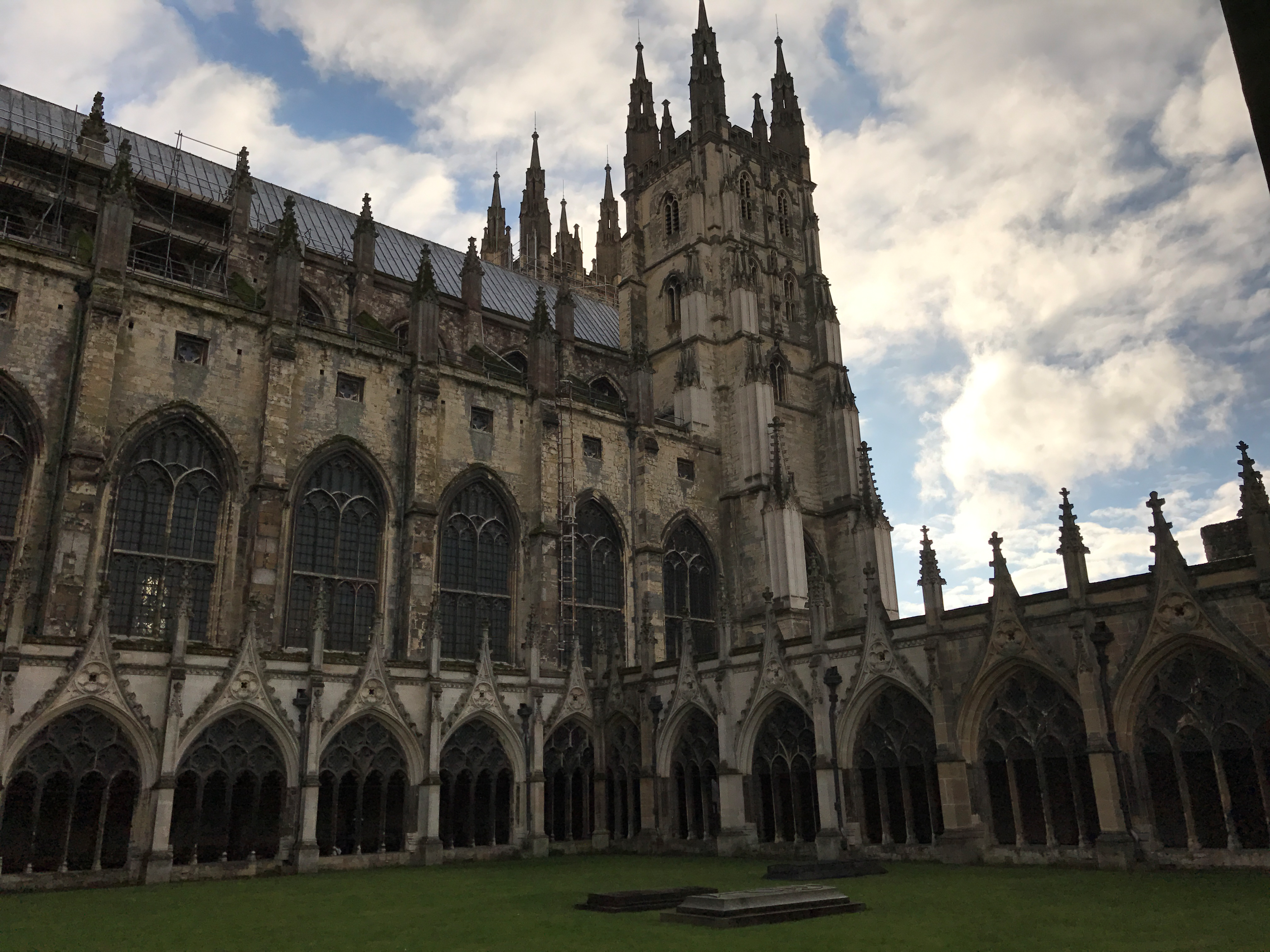
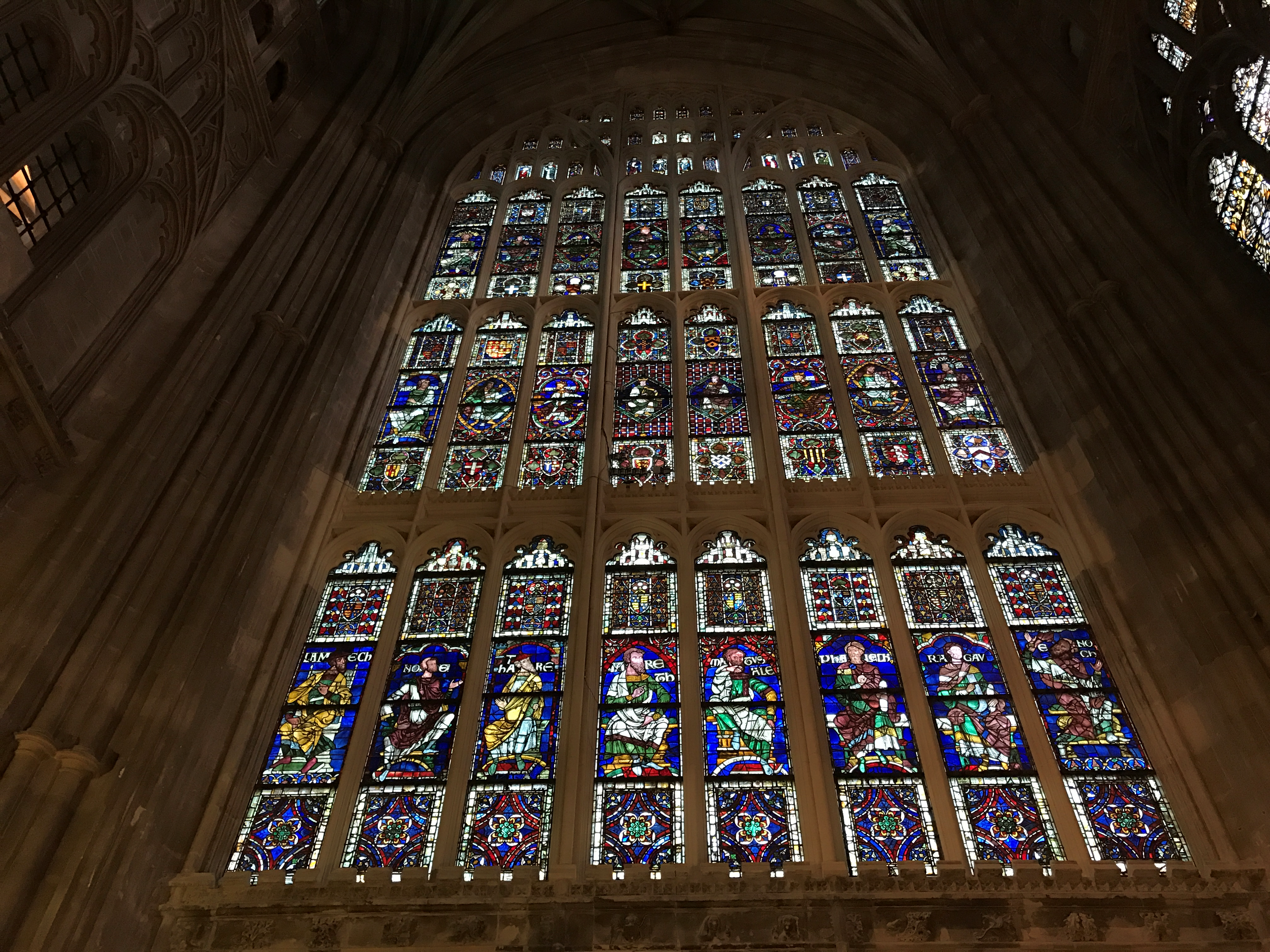
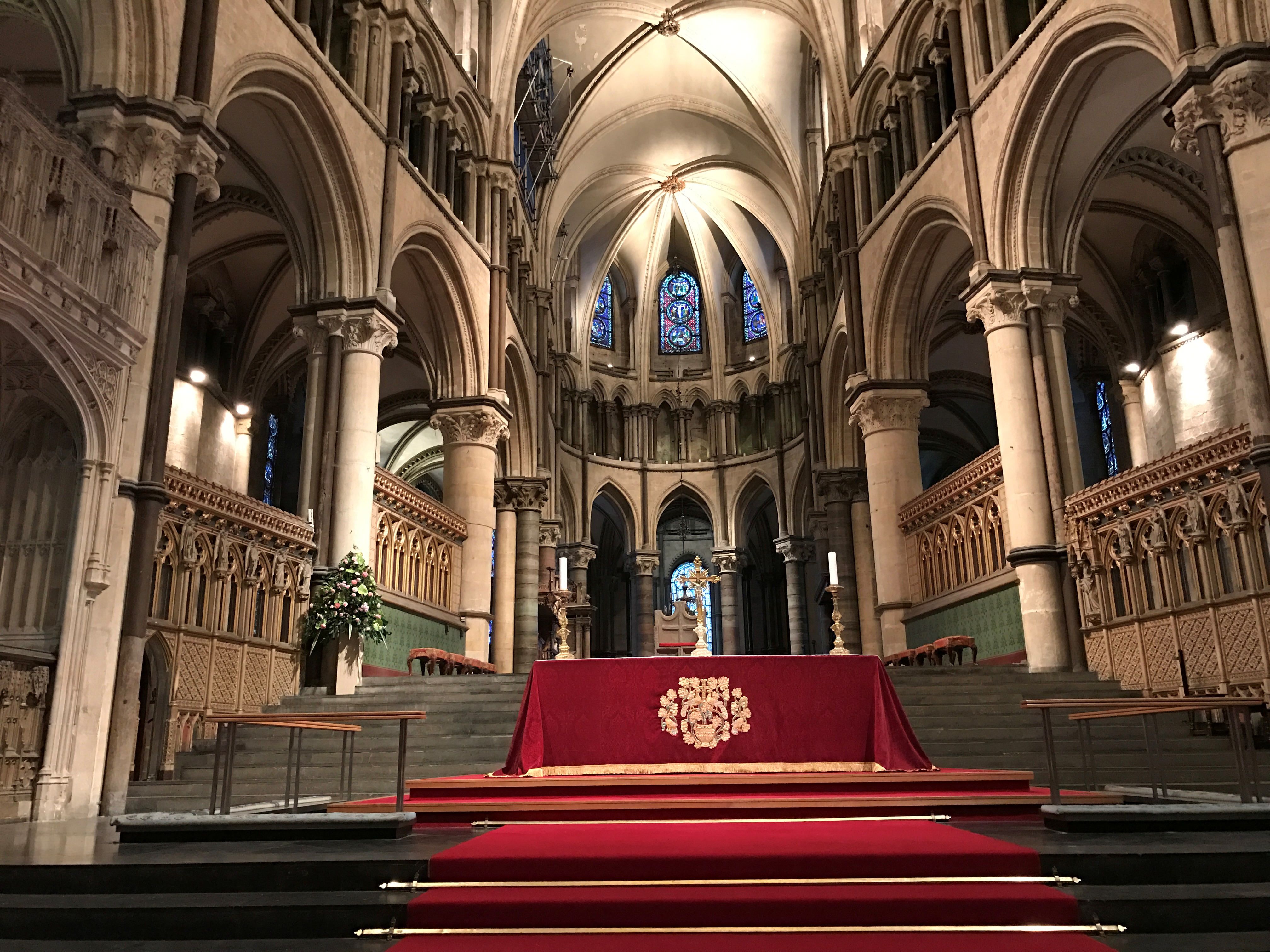
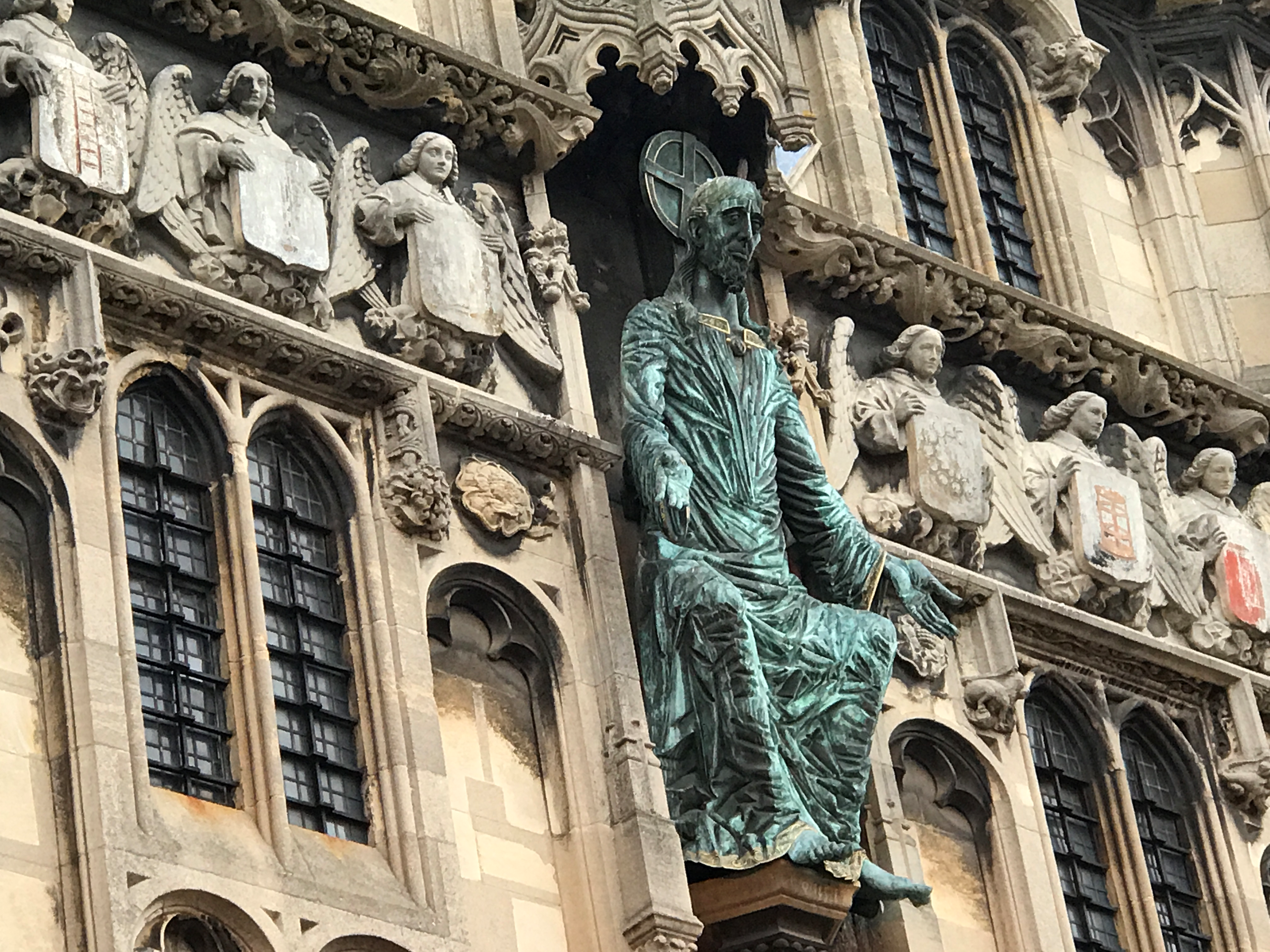
canterbury-4It was something I’ve wanted to see for many years because of its place at the center of western civilization. Standing for over a millennium to shape the ideology of the civilized world—to be one of the only lasting vestiges of the Roman Empire for which it was born and gave birth to the nation of England in the form we know it today—the Cathedral of Canterbury is an awesome thing to behold.  It sits atop the highest point of that little pilgrimaging town protected by law not to have any rivals holding the progress of mankind to its history it still sits perched above all else in a way that just isn’t seen in America anywhere.  In New York skyscrapers would have long overtaken such a structure, but not in Canterbury where its Cathedral is still the star of the show and will remain that way for the rest of the foreseeable future.  In many ways the Canterbury Cathedral is the very definition of America’s desire to have a separation of “Church and State” as defined by our Constitution which essentially changed the world and launched the most productive country on earth because the pent-up abilities of the human race had been stuck for over two thousand years under the weight of places like the Canterbury Cathedral and the kings who held the throne in London—which evolved directly out of the Roman Empire in Italy.canterbury6

The figure I’ve long admired was Thomas Beckett the Archbishop of Canterbury. If you’ve ever wondered why there is a piece called “bishop” in the game of chess—you’d have to understand the role they played in monarchal politics as for many centuries they were directly challenged by power-hungry kings for the right to rule the minds of mankind.  And kings often used them to acquire power and to keep them busy so not to allow the church to impose itself on the aggressions of the monarchy.  So bishops—especially archbishops, had their role in European politics that were quite spectacular from the perspective of a scholar, but a pain to the public stuck between the church and the state.  In fact, it was in Canterbury that the pilgrims which left for America and started the Holiday Thanksgiving launched—because they had enough of being stuck between the church of Canterbury and the politics of London.canterbury7

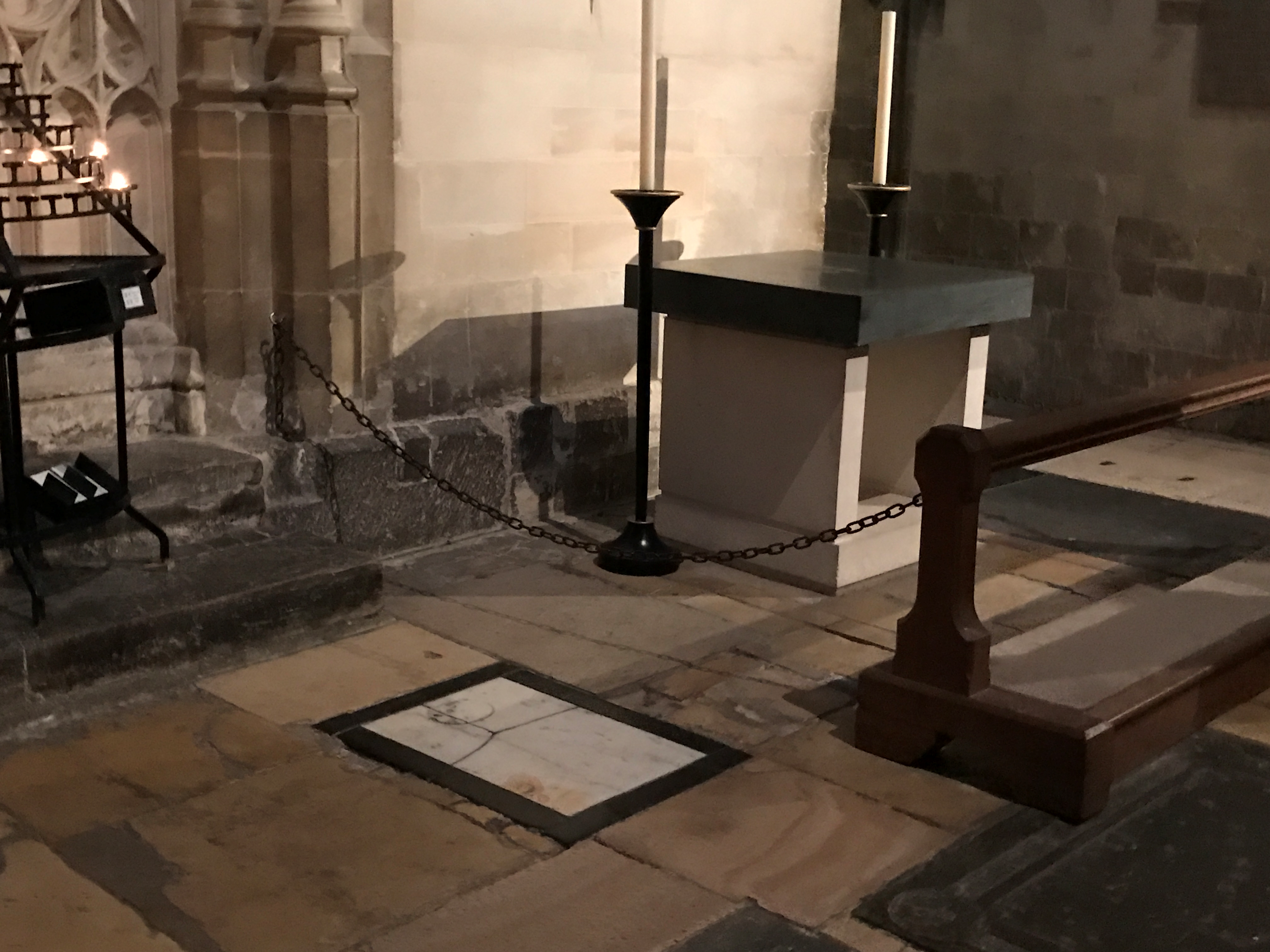
Henry the II had pushed Thomas Beckett beyond his limits and provoked four knights to seek out the big man at the Cathedral to murder him in cold blood to appease the king. The reason was that Beckett refused to allow the king to believe he was superior to the papacy.  King Henry II really didn’t mean to, because Beckett had been his friend for a long time, but his quest for power overtook him to the point of murder.  Beckett was killed right in the Cathedral which made it an interesting place to visit, I wanted to stand in the spot where the knights had spilled out his entrails and stained the floor with blood.  I felt fortunate to go through the door where the knights had come through to kill Beckett and to stand and face a murder I had read about for years.  To me it was like visiting the site of the murders of Helter Skelter—an event of such evil and propensity that to attempt to understand it, you have to see and touch the surroundings.   After all, Beckett knew they were coming to kill him and he refused to lock the door to prevent it. And for the knights to approach the Cathedral knowing what they intended to do—I had to see it for myself.canterbury8

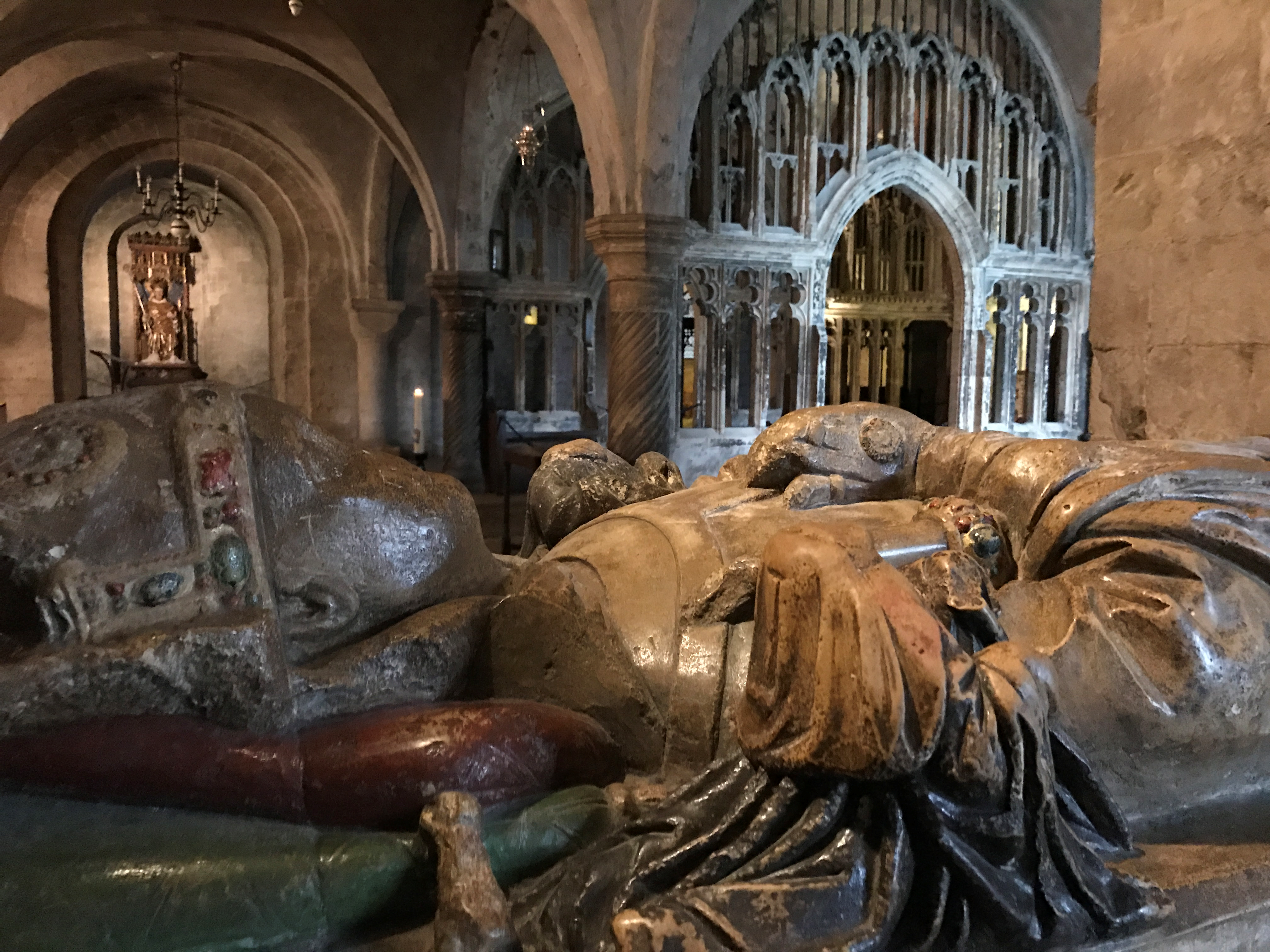
Once Beckett had been buried at the Cathedral down in the crypt which I was also able to see, pilgrims began to flock to Canterbury to visit the tomb of the slain and beloved Archbishop. It was this action that provoked the entire novel, (poem) The Canterbury Tales by Geoffrey Chaucer which chronicled the many pilgrimages to Beckett’s tomb from all levels of society—and is one of my favorite works in literature.  It was Chaucer in fact that launched the age of great literature which then launched the western world.  For me it was interesting to walk the streets that Charles Dickens, Chaucer and many others had walked before to see the roots of their musings.  But there was nothing like the Cathedral to lay eyes on because of the ruckus it caused in the minds of mankind in so many ways—and to see it, and touch it was something that was for me necessary.canterbury9

As my wife and I went to visit the site it was obvious the church had long lost its power and what we were seeing was simply a ghost from the past. Canterbury is stuck in the shadow of its own history as immigration has fundamentally changed the nature of the old town into something less English and more European.  The days of great literature were gone as the minds of the inhabitants either settled into those shadows or left for their own glory leaving behind directionless ambition to study the old monuments with open notebooks only to learn nothing applicable to the modern world.  The caretakers of the Cathedral were quick to emphasize that the place was a nondenominational church now.  In 1536 the Reformation was well underway and the government turned against the papacy once and for all.  After a hundred years of that the pilgrims tired of the struggle between church and state left for North America to live as freely as they could.  From the time of Beckett’s slaughter on December 29th 1170 to the writing of Chaucer’s Canterbury Tales in 1389 AD to the destruction and looting of Beckett’s tomb in 1538 a very careful and pointed ache of understanding had attached itself to the human race.  The kings of England had lost their godly justification to rule and turned more toward war to keep their people busy colonizing the world with empire pride to unify their kingdom.  These forces of course would collide once and for all in America—the pilgrims who had left centuries earlier with the immigrants fleeing the king’s influence now that the Reformation had destroyed the church which built their country and people became free for the first time in all of human civilization.  It was something to walk about the Cathedral and see the tomb of Henry the IV, the Black Prince, and the spot in the crypts where Beckett had rested—along with many hundreds of others buried in that historic place haunting the modern world with a foot back in time to when human beings were still trying to invent themselves in the wake of the Romans, the Greeks, and the Minoans (Atlanteans)—The Sumerians, and whatever came before them which is likely long gone now to the eyes of history. The Canterbury Cathedral served as a testament to mankind’s history and eventual evolution so it was a place to visit that was necessary.canterbury11

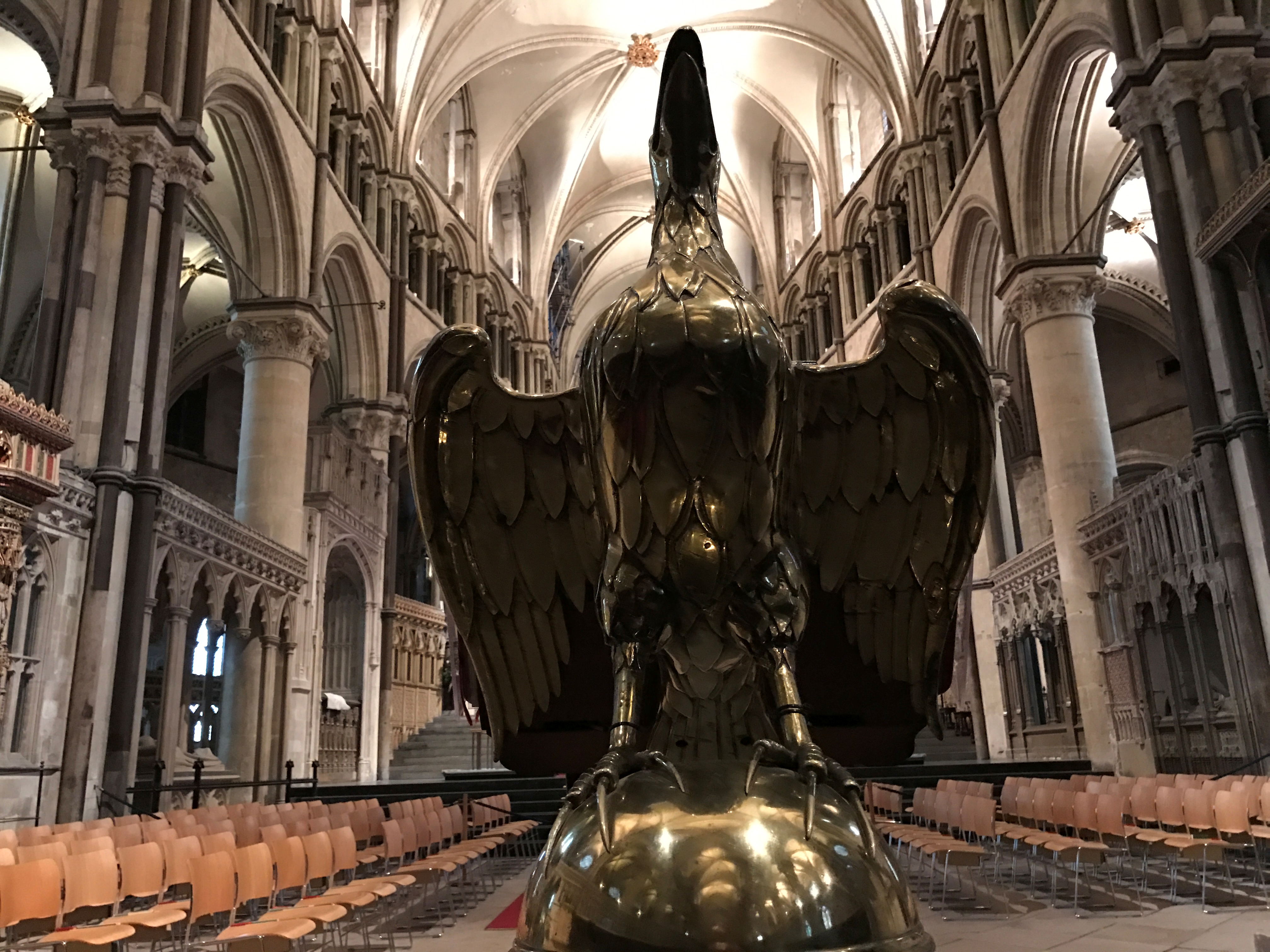
Whereas the church has lost its power in Europe the effort has not led to a gain of intelligence. It can’t be helped but to notice that people are not better off without the church and its influence, but worse.  Their freedom from religion and the state has not given them boundless philosophic presence, but left them standing naked and exposed to the cosmos—and an anxiety has emerged that cannot be covered up with drunkenness or upward social mobility.  At the Cathedral, monks spent their time reading and contemplating—thinking which was the real magic of the place.  If you take away religion, the scholarship offered by the church made people better because it at least encouraged people to be smarter.  These days the shaping of minds has moved from religion to our modern media—but the imprisonment of reason is the same.  To understand it, it helps to walk an ancient cathedral and visit the tombs of the most powerful people of their day and see how small their highest aims at life really where.  And to notice how the cathedral architecture aimed to be bigger than anything human beings should build for worldly affairs—to reach up and touch the majestic of something greater.  But they missed the point, and not all to their fault.  After all they were the first to get there and we today have the benefit of hindsight.  It is in that context that I found the Cathedral not a tomb of the dead, or place of the murdered, or even the destination of many pilgrimages over the centuries—but a step on the way to a heaven that isn’t so much “out there,” but much more personal.  It is certainly a place worth seeing, especially to those who love books and scholarship and the zeal to be greater than our terrestrial surroundings.canterbury5

Rich Hoffman

 CLIFFHANGER RESEARCH & DEVELOPMENT

Sign up for Second Call Defense here:  http://www.secondcalldefense.org/?affiliate=20707  Use my name to get added benefits.

cropped-img_0202.jpg

The Battlefield of Canterbury: Sex, Chess, and Empires

It was a good opportunity that reflected the many challenges we see facing the world. My family had the chance to have dinner in one of those European experiments where the lines between men and women were blurred and the experiment of the nations to blend all the nationalities of the world into one earthly soup was well underway and had found its footing.  It was Valentine’s Day in Canterbury, England and the many fine restaurants and pubs which lined the pedestrian area from Westgate Tower down to the famous Cathedral were surging with activity.  Many couples were walking about doing the modern simulation of a “date,” yet there was something missing—and even worse—there was a lack of interest.  Most of the restaurants were nearly empty when it should have been their best night of the year.  What was going on?  This was obviously the creation of the open border advocates because I could see couples, men and women of different races together, there were open gays, there were young and old people and there were many from east European countries bordering Russia—immigrants drawn to the charms of Canterbury treating the city like a library for which nobody ever checks out the books—but just hangs out to put their feet in a history that has little connection to them.  This is what George Soros wants America to look like and was essentially a glimpse into the world of his kind for America.  And it was obvious to me that it was an experiment going wrong by the second.canterbury

Canterbury reminded me of Gatlinburg, Tennessee in a lot of ways only instead of being a former logging village that had grown into a tourist hub, Canterbury was the religious center of the western world—and linchpin of literature—and had become a kind of Paris just across the Channel into the old battlefields of WWII—the quant town of Canterbury was now the hub of the wheel for European progressivism which would spill over into London eventually. It was obvious to me that the chess board had been laid out long ago—progressivism seeking to alter the very nature of the human race was using the sentiments of European history—namely the religious monuments of our Roman Catholic past to destroy those institutions in revenge for the first Crusades and the might of the English Empire which followed to undo that nation from within.

As I walked the streets of Canterbury the results on the people were obvious. The town itself watched patiently as the people within it destroyed themselves, like the body of a sick person awaiting a cold to be beaten by its immune system.  Canterbury had seen many battles in its lifetime from the slaying of Sir Thomas Beckett to the current European invasion through sexual revolution—it knew where all this was going as I did.  It’s crooked old buildings sagging from years of life almost laughed at the human race’s transitory appeal toward shallow water historical knowledge and it was in that sense that I found myself endeared to Canterbury.  We both knew the secret and where it was taking things and that in the United States it was our fight to prevent such nonsense in the future.  But the battle itself Canterbury was indifferent to.  From the Roman walls of its empire conquest around 400 A.D. to the many reiterations of Dukes and Bishops fortifying Canterbury over the last thousand years—or even the recent wreckage of Hitler’s attacks during World War II, this fight was designed to overtake all the walls known to mankind and attack with the most potent weapon to date—sex.

Landing at Heathrow in London the situation was very obvious—London which was only an hour away from Canterbury by train had become a sex haven for the young and the Trojan Horse of progressivism was sitting there with everything but a sign calling it that. The nightlife of London no longer is reminiscent of a Mary Poppins story—or the utterances of modern literature in Harry Potter—it is pornography that the youth want and there are plenty of sex clubs available to promise a happy ending for the cost of admission.  The obvious goal was to get people of many backgrounds to have sex and merge their biological process together in revenge for the first Crusades in the Holy Land many centuries earlier.  If the people of the Mediterranean couldn’t beat the British Empire with force through literal battle, then they’d do it with sex.  The net result was what I observed in Canterbury on a Valentine’s Day in 2017—passionless dating all headed to the same goal—dinner, sex—then complaining about your mate online while looking for another lover to fill the insatiable appetite and impatient nature of the typical millennial.  There were no great romances going on in Canterbury which was a shame, because the city is one of the most suited places in the world for that kind of thing.  What should have been a night that filled the memories of young couples forever was instead the remnants of war torn progressives who had launched themselves into a future that lacked value and ambition leaving them empty and only going through the motions.  This was what we were fighting in the United States and why most people in England had voted for Brexit.  They saw what I was seeing and they didn’t like it—and they wanted to save their nation before it was too late.canterbury-2

Human kind just can’t build a civilization on these ideas of primal devices—and sex should not be used as a weapon because it’s worse than a nuclear option. At least when a nuclear explosion occurs, you can see the damage and understand the effects.  With sex, you don’t see the damage of porn addiction and the numb hearts that come with it—from men indifferent to the work of sex because the value of it was cheapened.  On every corner is a willing mate to run the bases with any guy willing to step away from their online gaming long enough to remove their cloths.  Not even a romantic night out in a major European city was enough anymore to do the trick because the value had been so grossly cheapened.  Why go to dinner if you were going to get laid anyway?  So many couples didn’t and the restaurants were suffering obviously.

Off in the corners in the second story rooms looking down into the street were the architects of this mess, the globalists who sipped wine and thought they were winning a chess game against the world that would end Anglo Saxon imperialism once and for all, defeating two centuries of rule by first the Roman Empire, then the British Empire—and now the American one. Finally through sex the nations of the world would unite back to what it was—“they think” before the Tower of Babel separated the nations into chaos so we might all be joined as one worshiping the earth as our next goddess—and where better to do it but in the shadow of Canterbury’s famous Church of England?  But like all masterminds—this evil plot is about to explode in their faces and what’s left of sanity is fighting back as the youth find themselves caught between tradition and progressivism which has left them soiled like human waste waiting to be flushed.  Yes, it was a chess game being played by many minds who think of themselves as one—but they aren’t very smart—and it showed.canterbury-3

Yet the town of Canterbury sat poised to wait out the storm as these current human beings destroy themselves with casual sex, kids out of wedlock, and mixed cultures cheapened by religions that have lost their meaning. Literature once encouraged the mind of youth to step beyond their limits, but pornography has replaced it with the promise to dump their biological anxieties with the cheapness that one uses the bathroom to dispose of the waste they gained while eating a meal.  What was happening in Canterbury was projected to happen to the rest of the world if only things could last long enough.  But to my eyes, all I could see was a Trojan Horse being pushed in with insurgents on board, but they were falling out of a hole in the back as they moved along, revealing the contents inside.  What was happening was no surprise.  It was just disgusting and the cities of the world would survive, but the goal of them and their place in the human experiment might not.

Rich Hoffman

 CLIFFHANGER RESEARCH & DEVELOPMENT

Sign up for Second Call Defense here:  http://www.secondcalldefense.org/?affiliate=20707  Use my name to get added benefits.

cropped-img_0202.jpg