

The Supreme Court of the United States has long stood as one of the most vital institutions safeguarding the principles that define American liberty, a bulwark against the encroachment of government power on individual thought and expression. Its decisions shape not only legal precedents but the very fabric of how society balances competing rights, particularly when the vulnerable—such as minors navigating the tumultuous waters of adolescence—are at stake. On March 31, 2026, the Court delivered a landmark ruling in Chiles v. Salazar that exemplifies this role, striking a decisive blow for free speech in the context of professional counseling and underscoring the dangers of state attempts to stifle dissenting viewpoints on matters of profound personal and moral significance. In an 8-1 decision authored by Justice Neil Gorsuch, the justices held that Colorado’s 2019 law banning so-called “conversion therapy” for minors, as applied to the talk therapy practices of licensed counselor Kaley Chiles, unconstitutionally regulates speech based on viewpoint. The ruling requires the lower courts to apply strict scrutiny on remand, a standard that few laws survive when they target expression in this manner. This outcome is not merely a technical victory for one counselor; it is a profound affirmation of the First Amendment’s protection against government orthodoxy, especially where children’s developing minds and futures hang in the balance.
To fully appreciate the significance of Chiles v. Salazar, one must first understand the origins and contours of the Colorado law at issue. Enacted as House Bill 19-1129 in 2019, the statute prohibits licensed mental health care providers—including physicians specializing in psychiatry and licensed, certified, or registered counselors—from engaging in “conversion therapy” with any patient under the age of eighteen. The law defines conversion therapy broadly as any practice or treatment that attempts to change an individual’s sexual orientation or gender identity, encompassing efforts to alter behaviors, gender expressions, or to reduce or eliminate sexual or romantic attractions toward individuals of the same sex. Violations can trigger disciplinary actions by state licensing boards, ranging from fines to probation or outright revocation of a professional license. Proponents framed the measure as a necessary response to a perceived mental health crisis among Colorado’s youth, citing studies linking such practices to increased risks of depression, anxiety, suicidal ideation, and attempts. Yet the statute is not neutral in its application. It explicitly carves out exceptions for “[a]cceptance, support, and understanding for an individual’s identity exploration and development” and for assisting persons “undergoing gender transition.” This asymmetry—banning one set of therapeutic conversations while permitting and even endorsing another—lies at the heart of the constitutional infirmity identified by the Supreme Court.
Kaley Chiles, the petitioner in the case, is a licensed professional counselor in Colorado holding a master’s degree in clinical mental health. Her practice is rooted in client-directed talk therapy, a non-coercive, non-aversive approach that begins with no predetermined goals. Chiles listens to her clients—adults and minors alike—discuss their aspirations, then collaborates with them to develop methods that respect their fundamental right to self-determination. For some young clients struggling with same-sex attractions, gender dysphoria, or related issues, the goal may be to reduce unwanted feelings, change behaviors, or achieve a sense of harmony with their biological bodies, often informed by religious or personal convictions. Chiles employs only verbal counseling; she prescribes no medications, performs no physical interventions, and imposes no values. Her work, she argues, is simply speech—protected conversations aimed at helping clients achieve their own stated objectives. When Colorado’s law threatened to subject her to professional discipline for engaging in such dialogue with minors, Chiles filed suit in federal court, seeking a preliminary injunction on First Amendment grounds. Lower courts initially viewed the restriction as a permissible regulation of professional conduct with only incidental effects on speech, applying a deferential rational-basis review. The Tenth Circuit upheld this approach, but the Supreme Court granted certiorari to resolve conflicts among the circuits on how the First Amendment applies to laws regulating talk therapy.
The majority opinion in Chiles v. Salazar meticulously dismantles the notion that professional licensing somehow strips speech of constitutional protection. Drawing on longstanding precedents, Justice Gorsuch explained that the First Amendment safeguards the right of all individuals—including licensed professionals—to speak their minds without government-imposed viewpoint discrimination. The Colorado law does not merely regulate conduct; it targets the content of what counselors may say in the counseling room. By forbidding any effort to “change” sexual orientation or gender identity while expressly allowing affirmations of identity exploration or transition, the statute discriminates based on the speaker’s perspective. As the Court noted, this is “egregious” viewpoint discrimination, the most blatant form of content-based regulation presumptively unconstitutional under cases like Reed v. Town of Gilbert (2015) and Rosenberger v. Rector and Visitors of the University of Virginia (1995). The law does not incidentally burden speech as part of a broader regulation of medical procedures; talk therapy is speech itself, not conduct like surgery or medication. The opinion explicitly rejected attempts to recast pure verbal expression as regulable “treatment,” citing Cohen v. California (1971) for the principle that speech cannot be stripped of protection merely by labeling it otherwise.
This reasoning builds directly on the Court’s seminal 2018 decision in National Institute of Family and Life Advocates v. Becerra (NIFLA), which rejected the idea of a separate, diminished category of “professional speech” exempt from ordinary First Amendment scrutiny. In NIFLA, California had attempted to compel crisis pregnancy centers to post notices about abortion services, a content-based mandate that the Court subjected to strict scrutiny. Justice Thomas’s opinion there emphasized that professionals do not forfeit their expressive rights simply by virtue of their licensure; states cannot use licensing regimes as a backdoor to suppress disfavored ideas. Chiles extends this logic to counseling, affirming that even in the therapeutic context, the government may not dictate which viewpoints on sexuality and gender a counselor may articulate. Exceptions for traditional professional regulations—such as requiring factual disclosures in commercial speech under Zauderer v. Office of Disciplinary Counsel (1985) or incidental burdens tied to conduct like informed consent in Planned Parenthood of Southeastern Pa. v. Casey (1992)—do not apply here. The Colorado law is not about ensuring informed consent or preventing fraud; it is about silencing one side of a debate. As Justice Gorsuch wrote, “The First Amendment stands as a shield against any effort to enforce orthodoxy in thought or speech in this country.”
Justice Elena Kagan, joined by Justice Sonia Sotomayor, concurred in the judgment, reinforcing that the law’s selective prohibition on change-oriented speech while permitting affirmation constitutes impermissible viewpoint discrimination. She left open whether a hypothetical content-based but viewpoint-neutral regulation of counseling might warrant different treatment, but emphasized the “egregious” nature of skewing the marketplace of ideas. Only Justice Ketanji Brown Jackson dissented, arguing that the law regulates professional conduct—substandard care deemed harmful by medical consensus—and only incidentally burdens speech. Jackson invoked the state’s traditional police powers to license professions and protect public health, citing historical precedents for regulating medical practice. Yet the majority rightly countered that no historical tradition supports outright bans on specific viewpoints in talk therapy; counselor licensing itself is a relatively modern phenomenon, dating primarily to the mid-twentieth century, and malpractice laws require proof of actual harm rather than preemptively silencing dialogue.
The ruling’s implications extend far beyond Colorado’s borders. At least two dozen states have enacted similar bans on conversion therapy for minors, many of which could now face renewed constitutional challenges under the strict scrutiny standard. This decision safeguards counselors like Chiles’ ability to provide client-centered support to young people who may seek alternatives to medical transition or affirmation-only approaches. It also highlights the critical role of parental involvement and professional judgment in addressing youth mental health, rather than allowing states to impose ideological uniformity. For families, the stakes could not be higher. Adolescence is a period of profound biological and psychological flux, and the law’s attempt to limit therapeutic options risks leaving vulnerable minors without the full range of perspectives needed to make informed choices.
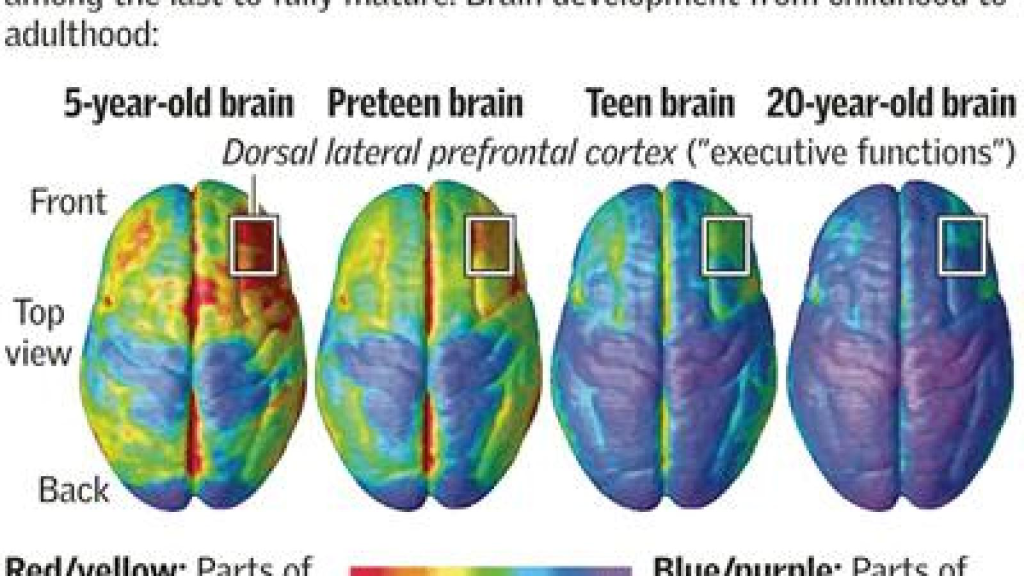
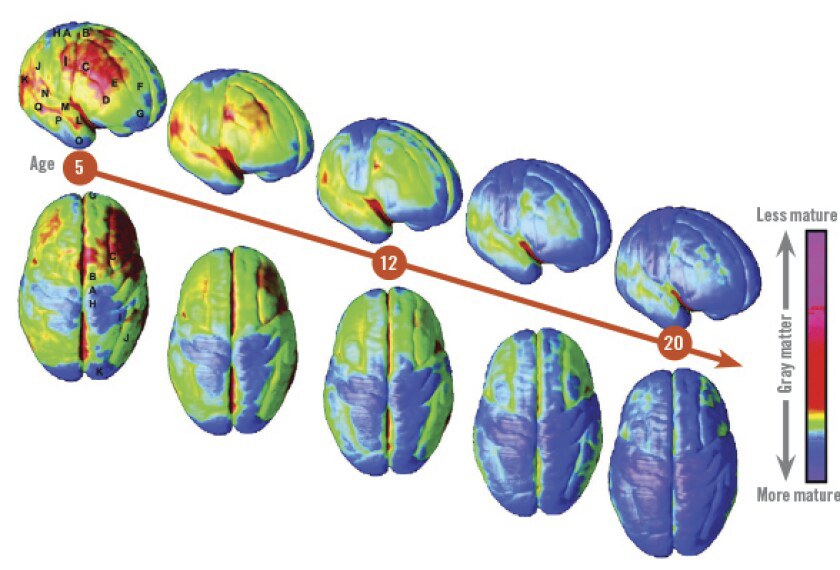
Central to this debate—and to the broader societal implications of the ruling—is the science of adolescent brain development. Extensive neuroscientific research demonstrates that the human brain, particularly the prefrontal cortex, which is responsible for executive functions such as impulse control, long-term planning, risk assessment, and emotional regulation, does not fully mature until the mid-twenties. Studies using MRI have shown that this region undergoes significant “rewiring” during adolescence and young adulthood, with gray matter volume peaking around puberty, followed by pruning inefficient connections while strengthening others. As one comprehensive review in Neuropsychiatric Disease and Treatment explains, “The fact that brain development is not complete until near the age of 25 years refers specifically to the development of the prefrontal cortex.” This maturation process explains why society has long recognized age-based restrictions on decision-making: the drinking age of 21, the common law age of majority at 18, and even restrictions on contracts or military service reflect an understanding that younger individuals may lack the full capacity for mature judgment. In the context of gender dysphoria or sexual orientation confusion, this developmental window underscores the prudence of caution. Young people experiencing rapid-onset distress—often exacerbated by social media influences, peer groups, or underlying comorbidities like autism, trauma, or anxiety—may not be equipped to consent to irreversible interventions such as puberty blockers, cross-sex hormones, or surgeries that carry risks of infertility, bone density loss, cardiovascular complications, and lifelong medical dependency. Talk therapy, by contrast, offers a reversible, exploratory space where counselors can gently probe whether distress stems from transient factors rather than innate identity. Chiles’s approach exemplifies this: helping clients align with their stated goals, whether that means reducing unwanted attractions or simply processing family and social pressures, without coercion.
The medical and psychological landscape surrounding youth gender dysphoria has evolved dramatically in recent years, revealing deep fissures in the once-dominant “affirmation-only” model. Historical data from the 1970s through the 2000s indicated high rates of natural desistance among children with gender dysphoria—often 60 to 90 percent by adulthood without medical intervention—particularly when comorbidities were addressed through watchful waiting and therapy. More recent studies, however, document a surge in adolescent-onset cases, disproportionately affecting adolescent females, coinciding with the rise of social media and online communities. Researchers like Lisa Littman have described “rapid-onset gender dysphoria” as a potential social contagion phenomenon, where peer influence and online exposure play outsized roles. The 2024 Cass Review in the United Kingdom, an independent analysis commissioned by the National Health Service, concluded that the evidence base for puberty blockers and hormones in minors is “remarkably weak,” plagued by poor study quality, confounding factors, and failure to account for desistance or mental health comorbidities. European nations, including Sweden, Finland, Norway, and the UK, have since restricted or banned these interventions for minors, shifting toward holistic psychological care. In the United States, detransition stories and lawsuits against clinics—such as those involving Keira Bell in the UK or multiple cases here—highlight the potential for regret when hasty affirmation supplants exploratory therapy. The Colorado law, by criminalizing one form of such exploration while mandating another, effectively stacks the deck against caution, prioritizing ideological conformity over individualized care. The Supreme Court’s ruling restores balance, ensuring that counselors can present all options, including those rooted in biological reality, faith-based values, or simple prudence about permanent changes.
This free speech victory resonates deeply with broader cultural and policy struggles over the meaning of human flourishing. Progressive agendas in recent decades have increasingly framed traditional views on sexuality, family, and procreation as obstacles to progress, often at the expense of empirical realities. Policies promoting unlimited access to abortion, expansive gender ideology in schools without parental notification, and the normalization of lifestyles that do not naturally result in reproduction reflect a worldview that devalues the nuclear family as society’s foundational unit. When combined with energy policies that demonize reliable, high-density sources like nuclear power—Ohio’s nuclear plants, for instance, faced regulatory pressures and subsidy disadvantages in favor of intermittent wind and solar, despite nuclear’s proven record of clean, baseload energy production—the pattern suggests a prioritization of ideological purity over human welfare. Nuclear facilities in northern Ohio represent the future of abundant, affordable power essential for economic mobility, yet similar regulatory zealotry that targeted them mirrors the Colorado law’s assault on dissenting therapeutic perspectives. Both exemplify how certain political forces seek to regulate not just behavior but thought itself, sidelining evidence-based alternatives in favor of narratives that align with anti-natalist or de-growth ideologies. The result? Diminished human potential, whether through energy scarcity or through policies that encourage self-harm under the guise of liberation. The Supreme Court’s intervention in Chiles halts one such incursion, reminding us that logic, parental authority, and open discourse remain essential safeguards.
The decision also illuminates the fragility of our constitutional order and the imperative of preserving institutional integrity. The Supreme Court’s 6-3 ideological balance, fortified by appointments prioritizing originalism and textualism, proved decisive here, with even two liberal justices recognizing the viewpoint discrimination at play. Yet the dissent’s reliance on professional deference and medical consensus highlights the risk of judicial abdication to evolving—often politically influenced—orthodoxies. History shows that majorities in the Senate, when unchecked by procedural safeguards like the filibuster, have eyed court-packing or threshold alterations to bend the judiciary to transient electoral winds. During periods of unified Democrat control, such temptations loomed large, restrained only by political calculus and the lingering prospect of electoral accountability. Had those efforts succeeded, rulings like Chiles might never have materialized, leaving counselors muzzled and minors funneled toward one approved narrative. The case thus serves as a stark reminder: safeguarding the Court’s independence is not partisan gamesmanship but a defense of the republic’s commitment to reasoned debate over enforced conformity. As the nation grapples with declining birth rates, family dissolution, and youth mental health crises, policies that isolate children from diverse perspectives—logical counsel included—exacerbate rather than alleviate suffering.
In the end, Chiles v. Salazar reaffirms that free speech is not a luxury but the lifeblood of a free society, particularly in the intimate, high-stakes domain of counseling our nation’s young. It protects the right of a Christian counselor to whisper caution into the ear of a confused adolescent: “Do you really want to make changes you may regret for a lifetime?” It honors the reality of immature brains still wiring for adulthood, the wisdom of parents as primary guardians, and the folly of state-imposed silence on uncomfortable truths. By rejecting Colorado’s attempt to legislate orthodoxy, the Court has not only vindicated Kaley Chiles but has fortified the foundations of liberty against those who would sacrifice children’s futures on the altar of ideology. In a time when debates over energy abundance, family formation, and human dignity rage unabated, this ruling stands as a beacon of sanity—a reminder that the path to human flourishing lies not in censorship but in the open exchange of ideas, guided by evidence, faith, and the unyielding pursuit of truth. The survival of our moral and cultural ecosystem depends on it.
Footnotes
1. Chiles v. Salazar, 603 U.S. ___ (2026) (Gorsuch, J., majority opinion), slip op. at 1-2.
2. Colo. Rev. Stat. §12-245-224(1)(t)(V) (2025); §12-245-202(3.5)(a)-(b).
3. Id. at slip op. 12-13 (describing viewpoint asymmetry).
4. Reed v. Town of Gilbert, 576 U.S. 155 (2015).
5. NIFLA v. Becerra, 585 U.S. 755 (2018).
6. Arain et al., “Maturation of the Adolescent Brain,” Neuropsychiatric Disease and Treatment 9 (2013): 449-461.
7. National Institute of Mental Health, “The Teen Brain: 7 Things to Know” (2023 update).
8. Cass Review, “Independent Review of Gender Identity Services for Children and Young People” (UK, 2024).
9. Littman, “Parent Reports of Adolescents and Young Adults Perceived to Show Signs of a Rapid Onset of Gender Dysphoria,” PLOS ONE (2018).
10. Rosenberger v. Rector and Visitors of the University of Virginia, 515 U.S. 819 (1995).
11. Ohio nuclear subsidy debates, HB6 (2019) context and repeal attempts.
12. Planned Parenthood v. Casey, 505 U.S. 833 (1992) (distinguished).
13. Zauderer v. Office of Disciplinary Counsel, 471 U.S. 626 (1985).
14. APA et al., joint statements on conversion therapy (various, 2009-2021) contrasted with Cass findings.
15. European shifts post-Cass: Sweden, Finland policy changes (2022-2024).
16. Detransition litigation examples, e.g., UK Bell v. Tavistock (2020).
17. Historical desistance data: Zucker et al., Archives of Sexual Behavior (various pre-2010 studies).
18. Gorsuch opinion, slip op. at 14 (quoting First Amendment principles).
19. Jackson dissent, slip op. at 27 (police powers argument).
20. Kagan concurrence, slip op. at 1-2.
21. Holder v. Humanitarian Law Project, 561 U.S. 1 (2010).
22. Brain development citations cross-referenced with Giedd et al., Nature Neuroscience (1999-2014 longitudinal scans).
23. Colorado legislative history, HB19-1129 floor debates.
24. SCOTUSblog analysis, March 31, 2026.
25. Implications for 20+ state laws per Lambda Legal and SCOTUSblog reporting.
26. Parental rights framework under Troxel v. Granville, 530 U.S. 57 (2000) (analogous).
27. Energy policy parallel: Ohio nuclear plants’ role in grid reliability vs. renewable intermittency data from EIA reports.
28. Filibuster and court-packing historical context, 2021-2025 Senate dynamics.
29. Broader cultural data: U.S. fertility rates (CDC, 2020s decline).
30. Supreme Court composition impact per majority joiners.
Bibliography
Chiles v. Salazar, No. 24-539 (U.S. Mar. 31, 2026). https://www.supremecourt.gov/opinions/25pdf/24-539_fd9g.pdf.
Arain, Mariam, et al. “Maturation of the Adolescent Brain.” Neuropsychiatric Disease and Treatment 9 (2013): 449–461. PMC3621648.
Cass, Hilary. Independent Review of Gender Identity Services for Children and Young People: Final Report. UK National Health Service, 2024.
Giedd, Jay N. “The Teen Brain: Under the Hood.” Harvard Medical School (2014).
Littman, Lisa. “Parent Reports of Adolescents and Young Adults Perceived to Show Signs of a Rapid Onset of Gender Dysphoria.” PLOS ONE 13, no. 8 (2018).
National Institute of Mental Health. “The Teen Brain: 7 Things to Know.” Updated 2023. https://www.nimh.nih.gov/health/publications/the-teen-brain-7-things-to-know.
National Institute of Family and Life Advocates v. Becerra, 585 U.S. 755 (2018).
Reed v. Town of Gilbert, 576 U.S. 155 (2015).
Rosenberger v. Rector and Visitors of the University of Virginia, 515 U.S. 819 (1995).
U.S. Energy Information Administration. Reports on Ohio nuclear capacity and renewable integration (2020-2025).
Zucker, Kenneth J., et al. Various studies on gender dysphoria desistance, Archives of Sexual Behavior (pre-2013).
Colorado General Assembly. HB19-1129, “Prohibit Conversion Therapy for a Minor” (2019). http://leg.colorado.gov/bills/hb19-1129.
SCOTUSblog. “Supreme Court Sides with Therapist in Challenge to Colorado’s Ban on Conversion Therapy.” March 31, 2026.
Lambda Legal. Press release on Chiles v. Salazar (March 31, 2026).
Alliance Defending Freedom. Case summary for Chiles v. Salazar (2024-2026 filings).
U.S. Supreme Court. Syllabus and opinions in related First Amendment cases (NIFLA, Reed, etc.).
Rich Hoffman
More about me
Click Here to Protect Yourself with Second Call Defense https://www.secondcalldefense.org/?affiliate=20707
About the Author: Rich Hoffman
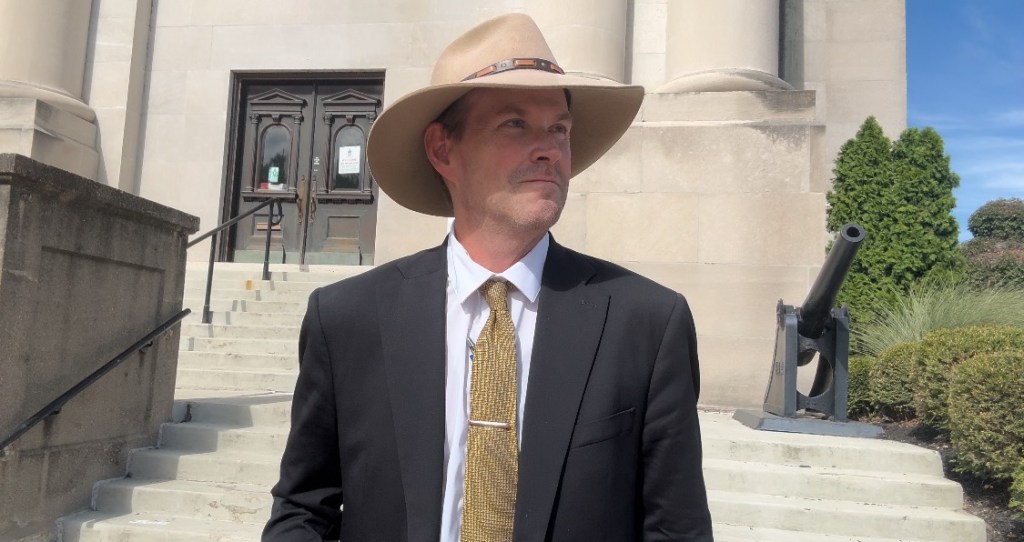
Rich Hoffman is an aerospace executive, political strategist, systems thinker, and independent researcher of ancient history, the paranormal, and the Dead Sea Scrolls tradition. His life in high‑stakes manufacturing, high‑level politics, and cross‑functional crisis management gives him a field‑tested understanding of power — both human and unseen.
He has advised candidates, executives, and public leaders, while conducting deep, hands‑on exploration of archaeological and supernatural hotspots across the world.
Hoffman writes with the credibility of a problem-solver, the curiosity of an archaeologist, and the courage of a frontline witness who has gone to very scary places and reported what lurked there. Hoffman has authored books including The Symposium of Justice, The Gunfighter’s Guide to Business, and Tail of the Dragon, often exploring themes of freedom, individual will, and societal structures through a lens influenced by philosophy (e.g., Nietzschean overman concepts) and current events.

