
Watching those grainy surveillance clips from the Washington Hilton on April 25, 2026, is a reminder of how insanity is a persistent threat to the propensity for personal freedom. Even Mark Hamill, the guy who played Luke Skywalker in the Star Wars movies, was in on this push by the radical Marxist left to kill off those in their way for the destruction of Western civilization itself. The annual White House Correspondents’ Dinner— that odd, decades-old ritual where journalists, celebrities, politicians, and power brokers cram into the International Ballroom under the pretense of civility—had been humming along as usual. Over 2,600 guests, including President Trump, the First Lady, the Vice President, Cabinet members, and a chunk of the presidential line of succession, all dressed to the nines, trading polite laughs while the country outside kept grinding through its divisions. Then, at roughly 8:36 p.m. Eastern, the illusion shattered in under ten seconds. Gunfire cracked near the security screening area one level above the ballroom. Chaos rippled through the dining hall. Secret Service agents moved like they were trained to: shielding the President, evacuating the principals, and locking down the succession. The rest of us watching from afar didn’t know it yet, but an armed man named Cole Tomas Allen, a 31-year-old teacher and mechanical engineer from Torrance, California, had just sprinted through a metal detector checkpoint, shotgun and .38-caliber handgun in hand, knives strapped on, treating the whole thing like a level in Call of Duty he’d rehearsed in his head for who knows how long.
I watched the footage from multiple angles—the one that captured him charging from a 90-degree side view made it look lightning-fast, almost cinematic, but the head-on camera told a different story. He looked reckless, almost naïve, the way he barreled straight at that first barrier like the game’s respawn button was waiting. He fired; a Secret Service officer took a shotgun pellet to the chest, but the ballistic vest and the officer’s cell phone absorbed the worst of it. The agent drew, returned fire, and within about seven seconds from the moment Allen hit the checkpoint until he was wrestled down, it was over. No one in the ballroom was hurt. The President and the inner circle were evacuated safely. By any narrow metric, catastrophe was averted. But narrow metrics don’t tell the whole tale, and that’s why I’ve been turning this over in my mind ever since. Why didn’t anyone flag this guy earlier? How did he check into the very hotel hosting the event, spend days scouting access points, and still get that close? And what does it say about the limits of layering more security when the real breakdown is happening in the culture long before anyone reaches for a trigger?
I have experience in personal protection, and I know how these things go. You stand post for hours—sometimes thousands of them—where nothing happens, people are laughing inside the ballroom, you’re thinking about Netflix or grabbing Chinese on the way home to your wife, and then suddenly a figure is sprinting your way with a long gun. Context collapses. Decision time compresses to fractions of a second. That officer who got hit? He reacted fast, drew clean, and did his job. The team neutralized the threat without letting it reach the principals. That’s a positive outcome, even if it wasn’t flawless. But the broader questions linger, and they’re the ones the public is rightly screaming about. How do we prevent the next one without turning every public gathering into a TSA-style gauntlet that makes normal life miserable? Because layering metal detectors, more agents, more dogs, more AI profiling only gets you so far when the problem isn’t just tactical—it’s behavioral, cultural, rooted in how we raise kids, what we feed their minds through screens, and the toxic political rhetoric that lights the fuse.
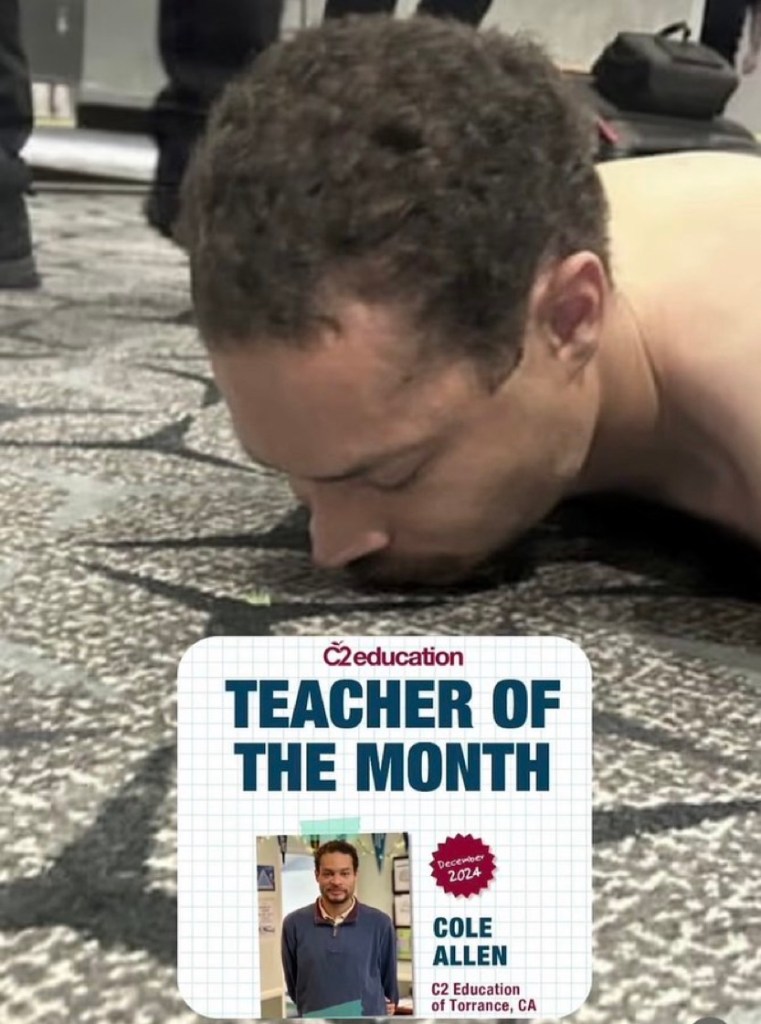
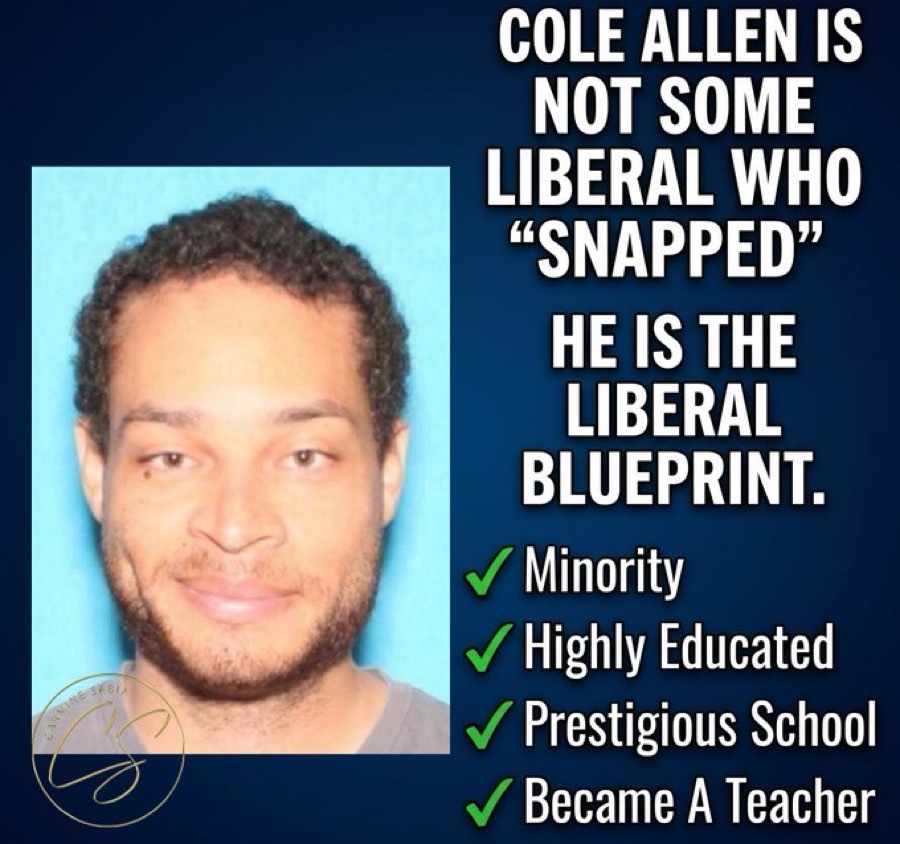
Take Allen himself. Thirty-one years old, no prior criminal record that’s come out yet, educated—mechanical engineering background, game developer, part-time teacher. He wasn’t some drifter; he was the kind of guy who could blend in, book a room at the Hilton weeks ahead, ride the train cross-country from California, and case the place like it was reconnaissance for a mission. He left a manifesto—over a thousand words—sent to family members just minutes before he charged, calling himself the “Friendly Federal Assassin” and laying out “rules of engagement” for targeting Trump administration officials, prioritized by rank. He wasn’t after random guests or hotel staff, but he was willing to go through them to get there. He referenced his duty, his outrage at policies, the whole grievance cocktail that’s become too familiar in these lone-actor cases. And yes, he had the video-game vibe written all over it: dressed for the occasion, shotgun ready, sprinting the perimeter like he expected the respawn or the cutscene reward. I laughed a little when I first saw the clips—not because it was funny, but because I’ve seen this pattern before with these younger guys who’ve spent years in simulated combat, where death is temporary, and glory is instant. Reality doesn’t work that way. He fell, got tackled, and now faces federal charges: attempt to assassinate the President, interstate transport of firearms with intent to commit a felony, and discharge of a firearm during a crime of violence. Potential life sentence. Good. But the real failure happened upstream, in whatever radicalized him to the point where he thought charging a Secret Service checkpoint was a viable strategy to “change behavior” in American politics.
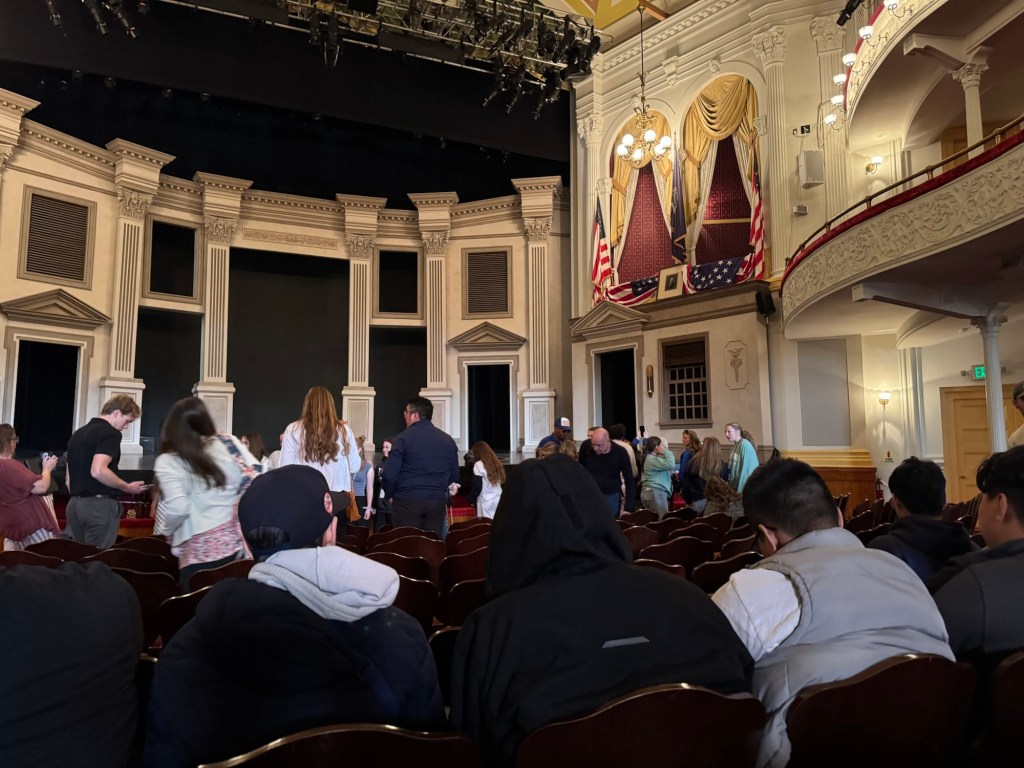
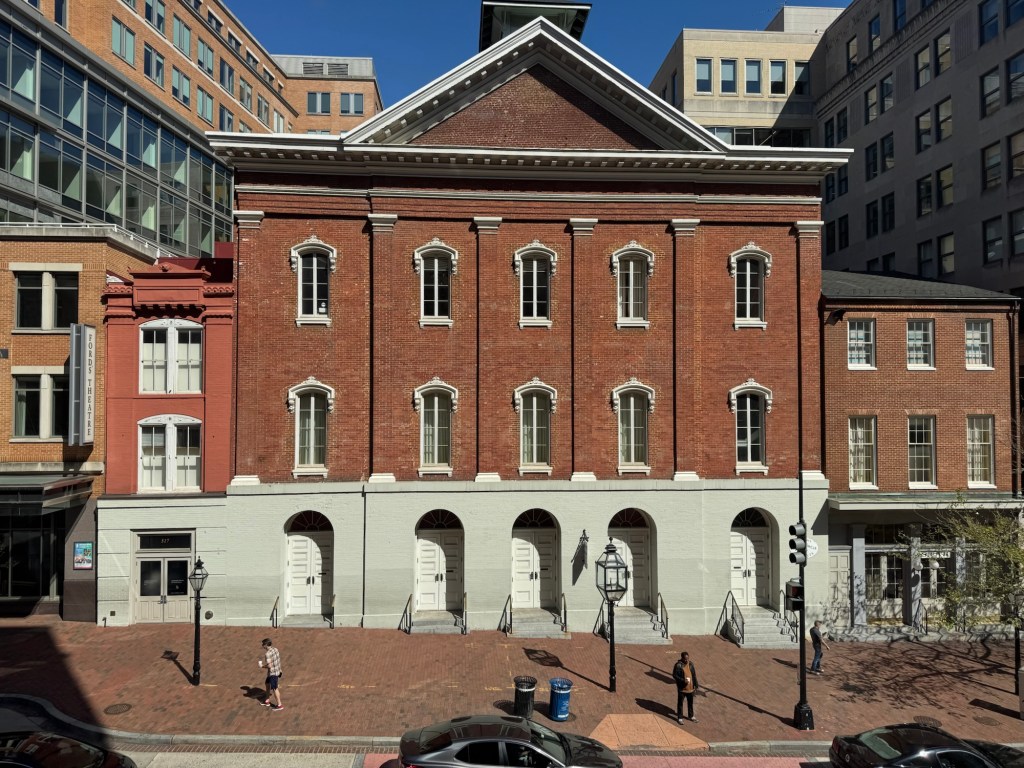
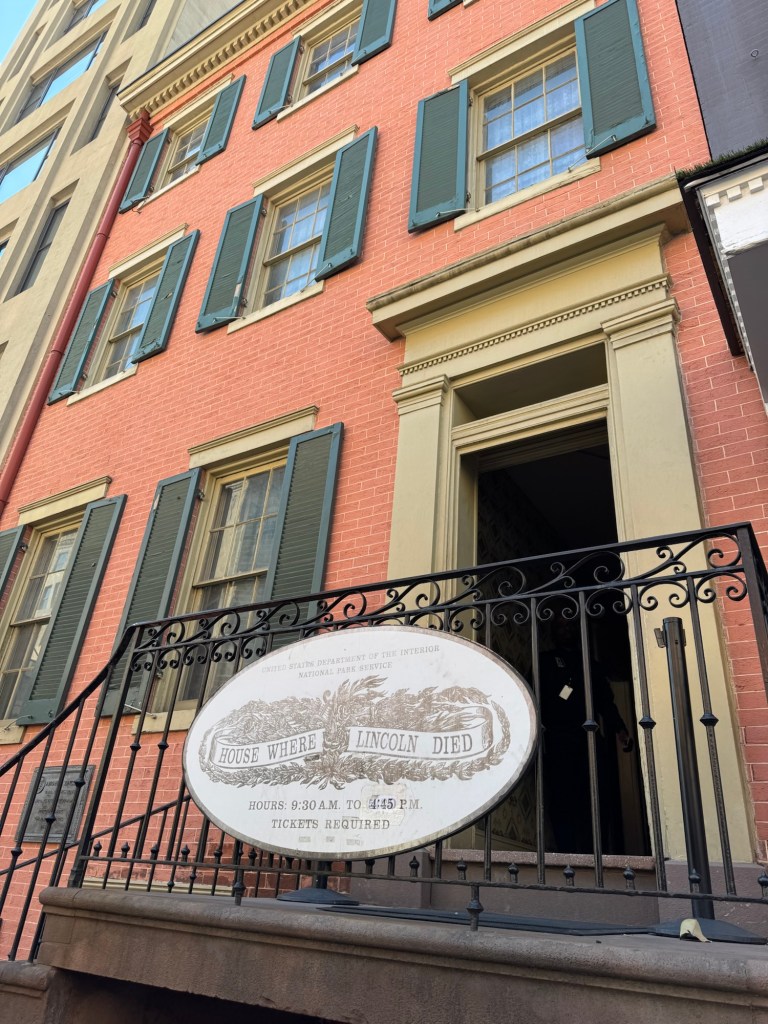
This isn’t the first time the Hilton has seen this kind of violence. Forty-five years earlier, almost to the month, John Hinckley Jr. waited outside the same hotel after Reagan spoke at a conference and opened fire, wounding the President, his press secretary Jim Brady, a police officer, and a Secret Service agent. Reagan survived, but the parallels hit hard: same venue, same sense of a public ritual turned lethal in seconds. Historically, we’ve had about 18 assassination attempts or plots on U.S. presidents where the attacker got close enough to pose a real physical threat—four successful kills (Lincoln, Garfield, McKinley, Kennedy), several woundings (Reagan, Teddy Roosevelt as a former president, Trump himself in 2024 at that Pennsylvania rally), and a litany of foiled plots. Most attackers have been lone actors driven by personal grievances, mental health struggles, ideological fixations, or some toxic mix. Many left manifestos or rambling notes, just like Allen. In 1835, Andrew Jackson in 1835 beat off an assailant with his cane after both pistols misfired. Gerald Ford survived two attempts in 1975, within weeks of each other. The list goes on, and the pattern is depressingly consistent: security layers get breached because no perimeter is perfect when someone is willing to die for the cause, and the real variable is human behavior on both sides—the attacker’s and the society that produced him.
What’s changed in the modern era is the accelerant: online radicalization, 24/7 political outrage cycles, and entertainment that gamifies violence. I’ve said it before on the show, and I’ll say it again here—kids (and adults who never grew out of it) spend countless hours in first-person shooters where charging a fortified position with a shotgun is a power move, where the AI enemies drop, and you rack up points. Allen wasn’t the first to treat real-world targeting like a mission brief. We’ve seen it in other mass violence cases where perpetrators referenced games explicitly. It’s not the sole cause—plenty of gamers never hurt anyone—but when you combine it with manifestos railing against “the administration,” echo-chamber rhetoric from politicians who’ve flirted with “fight like hell” language or “by any means necessary” vibes and a culture that’s lost its grip on basic moral foundations, you get powder kegs like this. Allen wasn’t some mastermind; he was a product of the times, radicalized enough to cross the country, arm up, and sprint into history. His sister reportedly told investigators he’d made extreme statements before. There were signs, perhaps, but in a free society, we can’t pre-crime every disgruntled soul with an online footprint without shredding the Constitution. That’s the free-speech tension everyone’s yelling about now: should we have been monitoring his posts more aggressively? Should AI have flagged the cross-country trip combined with his hotel booking and known grievances? Maybe. But intrusive surveillance comes with its own costs, and we’ve already seen how that path leads to overreach.
The aftermath has been predictable. The dinner was postponed or scaled back in future planning talks. Congressional briefings are demanded. Reviews launched by the FBI, Secret Service, ATF—screening enhancements, internal movement controls, all the usual post-incident layers. And that’s fine as far as it goes, but I keep coming back to the deeper point: you can’t just secure your way out of a behavior problem. We’ve tried that with airports—TSA pat-downs, body scanners, the whole theater of it—and people grumbled but accepted it after 9/11 because the threat felt existential. Yet even there, determined attackers have slipped through. Here, at a black-tie event meant to celebrate the press and democracy, we don’t want guests feeling groped or stripped down to hear a few jokes. Striking that balance is tough. Secret Service leadership has rightly defended the response: the outer layer was breached, but the inner perimeter held. That’s layered defense working as designed. A former agent I respect called it a “positive outcome, not a successful one”—acknowledging the breach while praising the neutralization. Fair enough. But critics are right too: visible posture in the outer areas, minimal ID checks in a functioning hotel space, complexity of securing mixed public-private venues—all vulnerabilities.
Statistically, these events are rare, but their costs are enormous. The global economic impact of violence hit about $19.97 trillion in 2024 (11.6% of world GDP, or roughly $2,455 per person), with military spending, internal security, and homicide making up the bulk. In the U.S., post-9/11 terrorism and related conflicts have run into the trillions when you tally direct damages, lost output, heightened security, wars, and long-term health costs for responders and veterans. One study pegged immediate 9/11 losses at $20-60 billion, with broader “terror tax” effects on airlines, insurance, logistics, and GDP drag of 0.1-0.3% annually for years. A single event like this WHCD incident? Immediate costs include the officer’s hospitalization (thankfully brief), massive law enforcement mobilization, hotel lockdowns, event cancellations or rescheduling, and the inevitable bump in protective details. The Secret Service’s FY2025 budget is already $3.2 billion, with over $1.2 billion allocated to protective operations alone—covering not just the President but also former officials, candidates, and major events. Add in local police overtime, FBI investigations, congressional hearings, and the intangible hit to public confidence, and one botched sprint through a checkpoint can easily run into tens of millions. And that’s before you factor the copycat effect: bad actors worldwide study these videos, learning what worked and what didn’t. Allen’s failure—getting stopped before the ballroom—will inspire some to refine the tactic: faster, better armed, maybe drones or diversions next time. We can’t afford to pretend otherwise.
Side stories often get lost in the headlines, but they matter. Consider the security canine that reportedly reacted to Allen’s presence moments before, but whose handler didn’t intervene in time. Critics pounced: missed signals. Defenders noted the dog pulled, but real-time human judgment in a crowded corridor is messy. Or the crossfire dynamics—agents firing, missing Allen initially, rounds potentially endangering bystanders in a hotel full of civilians. Training scenarios rarely replicate the exact stress of a black-tie crowd with the President yards away. Then there’s the human element on the security side: 20-plus officers on post, but sometimes more bodies can breed diffusion of responsibility—“someone else has got this.” Complacency creeps in during the quiet hours. I’ve been in those shoes; it’s human. That’s why personal foundations—character, vigilance, moral clarity—matter more than extra badges.
Politically, this lands in the third assassination attempt on Trump in recent years (the Butler rally in 2024, the golf course plot, now this). It marks something ugly: political violence isn’t episodic anymore; it’s persistent, compressed, modern. Assassins used to be mentally ill loners with pistols; now they’re often ideologically fueled, manifesto-writing, game-trained actors who see themselves as protagonists in a larger war. Allen wasn’t fighting for “freedom”—he wanted to force behavioral change through terror, echoing 9/11 logic but on a smaller, more personal scale. We can’t surrender to that. We don’t cancel the dinner, hide the President forever, or let radicals dictate how we govern. But neither can we ignore the rhetoric that poisons minds. When leaders on any side joke about or wink at violence—“punching Nazis,” “fight like hell,” late-night host monologues that cross into incitement—it adds fuel. Allen’s irrationality didn’t come from nowhere; it was cultivated. How do we counter radicalization without becoming the thought police? That’s the free-speech tightrope. I favor more armed, responsible citizens as the ultimate backstop—law-abiding people trained to stop threats in progress—because police and Secret Service can’t be everywhere. A well-armed, well-behaved society is the best deterrent—more guns in good hands, fewer in the unstable ones. Enforce existing laws, prosecute threats, but don’t disarm the law-abiding.
Zoom out historically, and the data bears this out. The Violence Project’s presidential attacks database traces these incidents back to 1835, revealing patterns linked to periods of high polarization, economic stress, or cultural upheaval. Many perpetrators had recent life stressors, a fascination with prior attackers, or exposure to violent media. Mental health plays a role, but so does ideology. Post-2026, we’ll see calls for red-flag laws, online monitoring, and more funding for mental health—some good, some overreach. What we really need is a cultural reset: stronger families, communities that prioritize reality testing over fantasy escapism, education that values debate over demonization, and, yes, a recommitment to the Second Amendment as both a right and a responsibility. I hate heavy security personally; I carry, I train, and I want to move freely without feeling like I’m in a police state. But after events like this, the public demands action. The trick is action that targets roots—discouraging the hatred, the loss of touch with reality—rather than just adding layers that make society paranoid and miserable.
Democrats often push the “more control” angle, which I get, but it’s proven that it can’t eliminate the human variable. Republicans emphasize personal agency and armed self-defense, which aligns with my view. Neither side has a monopoly on solutions, but pretending this was just a security lapse misses the forest. Allen planned it academically, almost academically detached from consequences, willing to die to “send a message.” That mindset is the real enemy. We saw similar in the 2024 attempts on Trump: lone actors, manifestos or online trails, grievances against “the system.” Each time, the distance between public ritual and lethal intent shrinks. The Hilton ballroom, once a symbol of Washington pomp, now carries that scar.
Looking ahead, expect tighter protocols: advanced intelligence fusion (AI cross-referencing travel, bookings, and online activity with threat databases), better hotel vetting for high-profile events, and perhaps moving more gatherings to hardened venues like the White House itself or military bases where lockdown is feasible. But that changes the “dance”—the odd ritual of press and power mingling. We need it, warts and all, for transparency and normalcy. The alternative is bunker mentality, and that hands victory to the Allens of the world. Ultimately, more security isn’t just more guards; it’s more people living with their eyes open, ready to act as good Samaritans or armed defenders when the moment demands it. It starts with personal foundations: teach kids reality over fantasy, hold media and politicians accountable for inflammatory language, celebrate responsible gun ownership, and reject the victimhood narratives that breed assassins. We can’t overreact to every threat and make life unlivable, but we can’t underreact either and pretend behavior doesn’t matter.
In the weeks since, I’ve reflected a lot on my own experiences—times I’ve been heavily armed in uncertain environments, the split-second decisions that define protection work. It’s never easy. Those agents weren’t “hoping for two more hours till shift end”; they were professionals doing a thankless job. The public owes them gratitude, not just criticism. Yet we also owe it to ourselves to learn. This incident—seven seconds of terror—reveals the compressed threat environment of 2026 America. Political violence persists because underlying values have frayed. Rebuilding those—family, faith, personal responsibility, civic duty—is the only long-term fix. More layers buy time; better people prevent the need for them. We solve this at the foundation, or we keep paying the price in blood, treasure, and lost liberty. The ballroom lights are back on, but the warning lingers.
Footnotes
1. NBC News, CBS News, and DOJ reports on Cole Tomas Allen’s charges and actions, April 2026.
2. Wikipedia entry on 2026 WHCD shooting and historical parallels to Reagan 1981 at the Hilton.
3. The Violence Project Presidential Attacks Database (18 incidents tracked).
4. Institute for Economics and Peace, Economic Impact of Violence 2025 report ($19.97T global figure).
5. DHS FY2025 Secret Service budget overview ($3.2B total, $1.2B protective).
6. Joint Economic Committee historical analyses of terrorism costs post-9/11.
7. NYT, WaPo, and NY Post coverage of Allen’s manifesto and background (teacher/engineer, Cal State/LinkedIn details).
Bibliography for Further Reading
• U.S. Department of Justice Press Release: “Suspect in White House Correspondents’ Dinner Shooting Charged with Attempt to Assassinate the President,” April 27, 2026.
• The Violence Project. “Presidential Assassinations Database,” ongoing.
• Institute for Economics and Peace. “The Economic Impact of Violence,” 2025.
• Wikipedia. “List of United States Presidential Assassination Attempts and Plots.”
• U.S. Department of Homeland Security. “U.S. Secret Service Budget Overview,” FY2025.
• New York Post. “Read WHCD Suspect Cole Allen’s Full Anti-Trump Manifesto,” April 26, 2026.
• CBS News and NPR profiles on Cole Tomas Allen, April 2026.
• Joint Economic Committee. “The Economic Costs of Terrorism,” historical studies.
• Additional sources: NYT visual investigations of WHCD footage; historical accounts from HistoryExtra and Statista on presidential attacks.
Rich Hoffman
More about me
Click Here to Protect Yourself with Second Call Defense https://www.secondcalldefense.org/?affiliate=20707
About the Author: Rich Hoffman
Rich Hoffman is an aerospace executive, political strategist, systems thinker, and independent researcher of ancient history, the paranormal, and the Dead Sea Scrolls tradition. His life in high‑stakes manufacturing, high‑level politics, and cross‑functional crisis management gives him a field‑tested understanding of power — both human and unseen.
He has advised candidates, executives, and public leaders, while conducting deep, hands‑on exploration of archaeological and supernatural hotspots across the world.
Hoffman writes with the credibility of a problem-solver, the curiosity of an archaeologist, and the courage of a frontline witness who has gone to very scary places and reported what lurked there. Hoffman has authored books including The Symposium of Justice, The Gunfighter’s Guide to Business, and Tail of the Dragon, often exploring themes of freedom, individual will, and societal structures through a lens influenced by philosophy (e.g., Nietzschean overman concepts) and current events.