It really is astonishing how far the Democrats have come in just five years with their view of Russians as being a superpower. Remember when during the 2012 election Barack Obama made fun of Mitt Romany for suggesting that the Russians might be some lingering maniacal menace? Then also remember when Barack Obama suggested to the Russians that he’d have move flexibility after the election obviously trying to appease Vladimir Putin despite the American people. Now, in 2017, they seem to think that Russia is a powerhouse of activity able to manipulate the strings of the American government and that Donald Trump is a pawn to the power of the former communist country. And to prove their case they used the power of government to try to stop the forward advancement of Donald Trump winning the election in spite of all their efforts. So for them the great tragedy of their loss is that someone else much be at fault—that Russia must be much more powerful than anybody ever thought possible—because otherwise Democrats would still be in power.
I knew it when I saw Trump’s Tweets on that early Saturday morning about his explosively angry reaction to discovering that Obama’s White House had wire tapped Trump Tower in the remaining days of the great November 8th election. The Democrats, particularly Hillary Clinton was being killed by Wikileaks and the FBI probe into the now famous deleted emails, so the Democrats needed something to stop Donald Trump—so they wire tapped him using the power of the Federal government to spy on a political rival—which was a major violation of the law. After winning, Trump showed great grace in his victory showing no signs that he wished to prosecute either Hillary Clinton or Barack Obama for the obvious transgressions against justice that they displayed during that election cycle. After all, why rub their nose in it?
But the Democrats couldn’t leave things there—no they had a job to do. And that job was to continue destroying America from the inside out with progressive policies aimed at eliminating American sovereignty. People like me had always referred to these people as running a “shadow government” and Trump always seemed sympathetic to those thoughts—but the proof was hard to pin down because these criminals also go well out of their way to destroy the evidence. When caught they always say first, “show us the evidence,” because they know they’ve destroyed it, and thus cannot be caught. But this time was different. Trump was never supposed to win, but since he had the rules of engagement had changed considerably. Trump now controlled the Department of Justice and essentially all other branches of investigative government making it much harder for Democrats to operate their “shadow government” except for career bureaucrats that had been in government jobs for decades who could try to bring Trump down from the inside.
Then those same Democrats attempting to make themselves relevant before Jeff Sessions was able to dig into his new AG job and start investigating all the crimes the Democrats have been up to–conjured up a completely false narrative about the Trump campaign’s ties to the suddenly all powerful Russians hoping something might stick. It was for them a hail-marry attempt with no time left on the clock and most of us viewed it that way. After all, Trump had just delivered a very popular speech and public support was soaring—and the Democrats had to try something. But what they didn’t expect to happen was what occurred next.
Most people might go on the defensive and attempt to answer a negative being pulled into the typical political trap as Republicans had for decades—but not Trump. He has always been several steps ahead of the rest of the world—that’s why he’s rich. So when he found out for certain that Obama had attempted to wiretap his sacred residence at Trump Tower—he had enough, and set to go to war with the former presidential administration that had been caught playing dirty. Of course, Trump waited to see who would control the Democratic Party and once Obama’s guy Tom Perez was elected last week, it was clear that Obama wouldn’t be going away and that he intended to maintain control of the party. So Trump did what any good fisherman does with his bait in the water—he let the Democrats push on the false narrative of the Russian connection nibbling away at the hook, and at the right moment Trump pulled up on the reel and caught Obama hard by the mouth sinking that hook deep into his jaw. There would be no escaping this time, and the liberal media knew it. Trump knew it too. Rather than elaborate he simply held onto the reel and resumed to let the fish tire itself into exhaustion—because the end was inevitable.
Later that night I watched Saturday Night Live—which I had been avoiding, but I had to see how they would handle the situation. Like I predicted, they were lost. Their show has been accustomed to being the cultural driver of our society and now they looked like a bunch of high school kids who partied all weekend who were supposed to put on a play, but everything went wrong because nobody studied their lines. Their show was terrible. Even worse, the strains were showing at the Academy Awards the week before. The Democrats in entertainment had lost their mojo to the new age of Trump—and they didn’t know how to deal with the strain. The cracks were showing everywhere.
The Democrats are learning something which for them is too late—but the lesson is obvious and it’s what they fear most about all forms of capitalism. When someone is really good at something and they apply pressure, they can make you look bad just through their existence. Someone like Trump can make people befuddle themselves with just a look, which is why Arnold Schwarzenegger left The Apprentice earlier this week. It’s the difference between an actor and the real deal. Trump is really a successful person, while Schwarzenegger is someone who pretends to be—he does whatever the script says. Trump writes the script. Trump is making the Democrats into monkeys by turning their world completely upside down and reaching for moments of desperation like the Russian story.
However, the Russians are not so sinister. They have less of an economy than the entire value of the American company Apple—so who is afraid of whom? What are the Russians going to do to us, throw bread at Alaska across the Bering Strait? Please, they are no menace. If there was ever talk between Russian and Trump it would have been to help spread some wealth there—certainly not to help him get elected because as Trump would say—he’s not going to take advice from people who don’t know how to win. The Democrats are in real trouble, as I predicted on the Matt Clark radio show right before the election in 2016 where I predicted they’d be extent within a few years. Well, guess what? I’m right on target—again.
My wife was sentimental toward Harrod’s in London because of the long history that luxury department store had with the city that was respectable—so she wanted to do some shopping there which was quite an experience. It was a very luxurious multilevel department store right on the edge of Hyde Park and was the anchor of all activity in that part of the city.
It was what Tiffany & Co. of New York or Sak’s Fifth Avenue were to the United States but Harrod’s had a little extra flair that I thought was quite glorious in its audacious embrace of capitalism in essentially a country that had embarked too long down the spiral of doom with socialism. Harrod’s was all about luxury and excess declaring proudly that mankind had stepped beyond the limits of a hunting and gathering culture into the full light of an advanced society that produced more than it needed. Harrod’s was a celebration of that and offered no apologies which surprised me in a good way.
As usual however I looked under the covers at the real situation. I had noticed around London each time that I had been there over a two-week period that Muslim immigrants were in many service jobs at all levels of society and that for them it was a reversal of the Crusades period. Instead of the Christian world this time going into the Middle East to conquer the Muslims into conversion and acceptance of a Christian God—now it was the Muslim’s turn to handicap that originating country of the Crusades with social justice legislation through the EU then slowly convert the Christians which have been convinced to give up on the church into Islamic faithful—and they planned to do it peacefully without firing a shot.
This time there would be no attacking fortresses held by kings only to be slaughtered with superior technology. There would be no Treaty of Versailles or the Sikes Pikot Treaty—this time the missionaries were coming from the Middle East under a banner of peace to integrate with English society then to convert their children into tolerant-open minded pacifists while the target of the next generation would be full acceptance of Sharia Law. But that’s still about thirty years away by the attack plan well-known throughout the Muslim insurgents—for now they were peaceful and working in London—and they were shopping and working at Harrod’s.
You could see the power moves made particularly by Qatar Airlines and Turkish Airways in London to establish themselves as the new superior airline of the world marketing themselves as the next best thing. And subtly, it was obvious at Harrod’s that they were no longer owned by the Charles Henry Harrod family but by Qatar Holdings. This was particularly obvious when one of the many floors of that shopping complex was dedicating to promoting travel to Abu Dhabi as the next great metropolis city on earth. And by the plans presented and so far implemented in that city which is as of now about the size of Cincinnati, Ohio by population density—it has all the benefits of a new city completely built on new wealth by the oil industry as recently as 1971. The Sharia Law country of Qatar is only 200 miles to the west of Abu Dhabi as Iran is right across the Persian Gulf 100 miles to 40 miles depending on where you measure from—the number one sponsor of terrorism. Abu Dhabi is being set up as a fountainhead of capitalism thriving off the oil industry and convincing the West to turn its aggressions away out of a love for what they see there and using that wealth to bolster the terrorist countries which surround the region for their aims as a global caliphate.
Abu Dhabi is like a mistress to the civilized world—she doesn’t have the baggage of knowing her for 30 years and all the mistakes it takes to make a relationship—and showing that on her face as scars, sagging skin and menopausal hot flashes the way that Paris, London and New York are experiencing now. Abu Dhabi is the fresh 18-year-old who loves the flash of gold and Rolex watches who would gladly trade sex with one gross looking middle-aged man to save herself from sex with many middle-aged men as an official prostitute in an economically deprived communist country such as China, Vietnam, Cambodia or even India. She is clean and eager to please so long as she has access to the great wealth that the oil industry showers her with and this is what was on display at Harrod’s in London under the new ownership of Qatar Holdings.
Abu Dhabi was planning big things by the full-scale models of the city revealed at Harrod’s and they planned to be a big part of the international economy—which was a cover story for Islamic expansion to the far reaches of the world. For instance, it’s not New York or Los Angeles who are looking to be the first to implement the new Hyperloop technology, it’s Abu Dhabi and India because that’s where the money is, and the freedom to build such a thing with loose regulation to allow for proper development of an emerging technology. Within four years of this writing there will be a Hyperloop between Dubai and Abu Dhabi and an economic center of serious influence will challenge all the greatest cities of the world with new money influence.
While San Francisco, New York, London, Paris and Tokyo struggle under their welfare states built by old economic rules, the new money of Abu Dhabi, Dubai, and Qatar won’t have those burdens and it will force the world literally to eat out their hand. However, things don’t have to be this way. Sometimes all a woman needs is love and the new mistress isn’t all it’s cracked up to be. I think it’s too late for Paris and London, but America is sitting on vast amounts of wealth—particularly oil of its own and could easily rival the wealth of Abu Dhabi by unleashing it. Commercial space travel is being developed in the United States as well as great work by the Apple Company—and of course the Hyperloop is American in its origin as well as countless medical breakthroughs which are seeing the light of day under the new Trump administration. Between those things and a resurgence of old means of economics capped off by an activist EPA—America could produce extraordinary wealth that would stop this global incursion, which was on full display at Harrod’s in London. And that’s exactly what is causing all the trouble between the Trump administration and the world powers that have set up this whole chess board.
Trump understands what I’ve said here and his election was a decision by the American people not to surrender tomorrow to the insurgents of today. We could still have all that Abu Dhabi is offering in the United States if we could climb out from under our debts and embrace being the only country in the world that is truly free, and fiscally independent. Because the 18-year-old mistress that likes gold and Rolex watches gets old too and within a few years will just be another has-been. The best investment is to keep what you have nice, and fresh by treating her nice all along and loving her even when middle age provides a second wind. For London to be saved from these mistakes America has to be there as an ally and for that to happen, we need our own versions of Abu Dhabi.
One of the wonderful discoveries I made while in the United Kingdom recently was the great archaeology that had been done over a fifteen year period by the Time Team. They had managed to host television shows featuring very aggressive digs over three-day periods at various sites around England, and elsewhere and putting them on television in an entertaining way. Working fast as they did, the Time Team has managed to do an enormous amount of research that has culminated in tremendous work in England in understanding their pre-history cultures, the Vikings, Anglo Saxons, Romans, Normand’s, and the relatively recent Victorian Age settlements to better assemble a history of England that nobody really understood prior. Personally the most explosive example of the Time Team’s value to the United Kingdom was the work they did in Canterbury as seen below.
My son-in-law is from that region so it had been a goal of ours to visit his homeland and get to know the elements of that place which helped shape him into the fine young man that he is now. When I first met him I was happy to learn that he was from Canterbury because Canterbury Tales was one of my favorite classic pieces of literature. Along with James Joyce’s Finnegan’s Wake, Canterbury Tales was one of those really hard books I pushed myself to read while living on campus at the University of Cincinnati in what I would call my days of breaking free of society’s intellectual shackles. Nobody was doing things like that when I was 25 freely reading those great works of literature while eating my breakfast, lunch and dinner almost every day in the Perkins at Coryville just to the east of the main campus of the University of Cincinnati. Now people did read them because their literature professors gave them homework assignments to do so, but nobody did it for fun, like I did. Even though I had a car in those days, most of my time was spent walking between the apartment I was staying at and that Perkins reading my books, such as Canterbury Tales. So it was quite odd for me that my daughter had out of all places in the world meet a young man from Canterbury and was intent to marry him.
Fast forward 25 years into the future from the time that I was readying Canterbury Tales at that Perkin’s restaurant in a college campus environment to doing nearly the same thing in Canterbury itself this time not just reading classic literature in a studious setting, but seeing the places where Thomas Beckett was actually slaughtered and visiting the pubs and inns that were put on the map because of the pilgrimages to Canterbury Cathedral to visit the tomb of the slain archbishop who had fallen out of political favor with Henry II. Because the intent of the visit to Canterbury was to visit my son-in-law’s family and see how he grew up, we were staying in a flat in the 4th most expensive city in all of England just one street over from the Canterbury West train station. It was the closest thing I had come in over two decades to living the “college kid” lifestyle that I had when I first read Canterbury Tales—and it was strange. We actually lived in Canterbury as opposed to staying at a hotel. At our flat we lived like we would at home doing laundry, preparing meals, and conducting life in general outside the mode of being on vacation. There is quite a difference. Over the course of February my wife and I discovered our favorite shopping spots for getting food and we developed a nice relationship with the pizza place directly across from the Westgate Towers—because we ate a lot of pizza. Canterbury became a second home for us.
However, for the part of me who would have loved to have been an archaeologist if I could put my other interests and career paths in some other order—Canterbury was like living in a dig site. With their long history of prehistoric people who were conquered by the Romans, the Anglo Saxons, then the Normans—before being dominated by Catholicism, the history of this particular city was extraordinary and something that I soaked up like a sponge. Not to mention that it was just a short walk from our flat where the pilgrims began their journey to America—so there was plenty of history to investigate and that’s what my wife and I spent most of our time doing around Canterbury. After reading so much about the place for such a long period of time I was finally able to put my eyes on the real things and touch history as it was—which for me was very satisfying.
Canterbury is a microcosm of what I think has happened to the rest of the world. In the macrocosm of modern history wars have defined our understanding of things and caused a very shallow recollection of our roots toward civilization. But the world is just too big and our sciences are too slow to truly get to the roots of things. For instance, the Time Team tried to do a similar show in America on PBS but they just couldn’t get it off the ground. America is a different audience and things are spread out differently. And in regard to our mound culture in the States everything is protected by the Native American Graves Protection and Repatriation Act (NAGPRA). So archaeology has become nearly impossible in America for that very reason making it so that there isn’t any quick study over three days of the most ancient mysteries so obvious to American audiences, like Cahokia, the Newark Mound complex and Serpent Mound. But the Time Team wasn’t so constrained in the United Kingdom and what they were able to unlock in a relatively short period of time was short of extraordinary. That left a lot to explore for a guy like me in Canterbury and I relished it immensely.
There were in Canterbury several mounds that I could see on an ancient map of the city dating back to the Romans, burial mounds all over the place just the same as were found in Stonehenge and in the United States at Fort Ancient and they all date back to the same periods. I saw physical evidence of two large ones, one at the St. Augustine’s Abby and another right next to the old Roman walls that was as tall as the Miamisburg Mound. Archaeologists in the area attributed that mound to the Romans who moved into the area, but because of my history with the mounds of Ohio, I would associate it as being before the Romans and for the same reasons. I think the Romans put their imprint on the mounds they found in Canterbury, but I don’t think they initiated them. But what was astonishing was that they were there—part of the history of Canterbury and its many microcosm layers of history were there for all to see focused on that one point in the world. There are very few places anywhere that so much history could be observed in such a preserved way in a relatively confined space. What made Canterbury unique was that it was the target for many civilizations to make their mark as opposed to building cities here and there within twenty miles of each other. At Canterbury each big revolutionary period of human consciousness along the present Vico cycle was layered on top of each other for future archaeologists such as the Time Team to reveal to the world in a glorious television production which contributed immensely to our understanding of these periods.
The Time Team would go on to write several very important books on archaeology namely Fancis Pryor’s Britain BC and Tim Taylor’s Guide to the Archaeological Sites of Britain and Ireland. I picked up Tim’s book at the St. Augustine’s Abby site and I found Pryor’s book at Stonehenge which both made my entire trip worth it alone. These are books that you can find online, but not as easy as you might think in the States because the two cultures just don’t work well together intellectually. What Pryor has been doing is similar to the very independent work of Fritz Zimmerman in America but schools of thought haven’t yet put two and two together. But that’s part of the fun of discovery. Zimmerman is dealing with a political culture in the States that is using laws the way the Catholic Church imposed its will on private citizens to control thought and history in Canterbury for at least five centuries strongly and another five modestly—but now the Time Team finds itself in a unique place where the politics in England is conducive to archaeology because of the various progressive elements that are trying to rot away the foundations of the Church to overthrow their current society. So for the members of the Time Team, they went to work in a short period of time and are continuing to do fantastic work which has expanded the historic knowledge of Canterbury and the surrounding English countryside.
One thing I did notice at Stonehenge was that there were many archaeologists working on the site presently as they had their cars, campers and tents set up away from the tourist areas. In America it is rare to see this kind of aggressive investigation simply because universities have not made it a priority and the politics of the times have not been friendly toward investigation. We really need to fix that in America because we could use our own version of the Time Team. But after visiting Canterbury and seeing many things up close that I have long been curious about, I am more convinced than ever that the cultures of prehistory Canterbury and southern, central and western England were actively working with cultures in North America through sea trade that was much more advanced than anyone has previously committed true scientific thought to as of yet.
I am grateful for the chance to have gone to Canterbury having all the great work that the Time Team and many others have contributed so that my time as a born again college kid living on the campus of that ancient city could wander around the streets with my notebooks, books, and camera validating in the microcosm something that interests me greatly on the macro. The evidence was there for everyone to see and it was fixated on that spot because for the western world, it was the cradle of civilization. Literature by Geoffrey Chaucer first drew my eye to Canterbury and my daughter’s marriage to one of its sons was the second, but before these events Canterbury was already ancient and laced with a deep history that was covered by time and only unearthed by human ambition through war and profit. And that made eating pizza across from the Westgate Towers much more meaningful and mysterious as the echoes of the past came to me uniquely through the circumstances of authentic living for just a short time in an ancient place dying to tell its story on a global scale through whispers in the wind and ghosts from its catacombs.
I am not suggesting that any person spend money like a bottomless pit buying anything everywhere to cover up some deep psychological problem. That is a different issue from what I’m proposing. Money is simply a representation of value so when someone spends money without considering the implication of cost they are essentially unable to grasp the concept of value because psychologically, they are lacking the basic foundations to do so. However, and this is a uniquely American way to think which was drawn incredibly clear for me while traveling recently through London, Paris, Brighton and many other places in between and observing the people there and comparing them to those I have known back home in the United States. Additionally, as one of my many occupations, I am an employer and am an expert in the breakdown of labor=productivity and the psychological implications of personality=quality+implied effort toward targeted outcomes, so what I’m about to say requires some advanced context—because it eludes most people living on the earth today—and my assertion of these concepts comes from very advanced knowledge earned the hard way, and in my view, the only way.
I had the fortune to grow up and know both of my grandparents very well. Both were farmers and had obviously had their world outlook shaped by the Great Depression. One was particularly keen about every penny spent and watched them like a hawk always afraid that some big wave would come and overtake them wiping them out forever into poverty. They were extremely hard-working people and were socially very honorable, but did reflect a constant fear that their money would be taken away by some unknown force be it a disaster or the aggressions of mankind through some form of robbery—so every penny was watched for their entire lives. The other set of grandparents were rather loose with their money. If they wanted something they bought it and never gave much of a concern if something cost thousands of dollars even back in the 60s, 70s and 80s. If they wanted it they’d do what they had to in order to obtain it—whether it be a farm, a particular car, or just a lifestyle.
While traveling around Europe there was this constant phantom in the back of every conversation I had with people I interacted with, from family, friends and mild acquaintances which were shocked that we did so much in such a short period of time while people who were regionally located had spent their whole lives 60 miles to 100 miles from the things we were doing as a family in Europe yet had never tried to do them themselves. And it came up more than once at dinner tables that my youngest grandson who was at this point only 10 months of age had already been to Disney World once, and was now traveling around Europe with my daughter and her husband. Additionally while he was still a fetus he traveled around Iceland the year before so before he was even a year old had experienced vast cultural influences which are the foundations of a very interesting coming life that he will have—but people hearing all this just didn’t understand. “You spent how much at that Ramsay restaurant in Chelsea?” “You took the Eurostar to Paris just to go to the Louvre?” “Why go all the way out to Stonehenge just to look at some old rocks?” Those were the kind of questions we received just over the last few weeks by people mystified by the amount activities we reported through small talk which of course opened up a deeper sore which rests on the surface of most things human beings do in their lives. What is the value of a human day and what does one wish to do with those days toward a value that is internally comprehended at the subconscious level?
That same daughter who traveled with me just recently purchased an iPhone 7 Plus after working with mine on that trip and I was proud of her because it’s the best on the market at this particular time and I like to see she does not compromise quality for the comfort of saving a few dollars. Just like my view that if we are in London and my wife wants to go to the best restaurant that they have—why not do it? Essentially if I really want something, I typically get it. I don’t feel that way about everything and I do go through a screening process. Such as Stonehenge is something that I’ve mulled around for years, but the expense wasn’t worth the trip just for that endeavor. But If I’m in London on business, or leisure, then I’ll find a way to get there—you better believe it. I am not the kind of person content to just watch from my front porch others doing things and not doing them myself. To me nothing on earth is off limits—if I want it, I’ll get it. With that in mind, when I hear someone say that this is too expensive, or that is too far out of reach, I lose respect for those people because what they are really saying is that they are not willing to do the extra work to acquire the things their heart’s desire and are more than willing to yield to complacency.
Such people who do the minimum in life favoring the lazy position of being victims of circumstance are miserable human beings. One thing that makes Donald Trump a uniquely American product is that he has the kind of mind that never felt limited by circumstances. He dreamed big, lived big, and was more than happy to show off how much harder he was willing to work than his contemporaries. Because after all what is a man really showing off when he arrives at an exclusive club in a Lamborghini with a hot woman on his arm looking very debonair? He’s not saying he just inherited millions of dollars from his dad, or that he’s willing to waste large volumes of money on nothing—he’s saying that he is willing to outwork his peers and has obtained success and by fluffing his feathers declares himself above those around him so that he can have top access to the best that mankind has to offer—whether it be women, productivity, or leisure opportunity. Those who point jealously at the man are those simply not willing to do what it takes to acquire such things. They resort to socialism hoping to be equal to the man without having to do the work so that they essentially don’t have to feel the guilt of underperforming in a world which rewards people like the Lamborghini driver over those who watch every penny fearful that the penny might be taken from them at some point forcing them to work one hour longer to make it up in the future. People who deliberately set low bars for themselves are constantly unhappy when they have to live in a world where people are free to work and gain all they can and this is the cause of much anxiety in the world. By having a guy like that Lamborghini driver in the White House the expectations for our national economy will naturally expand which I see no negative to at all. People who are afraid of hard work won’t like it because the social bars of expectation will be raised out of their range of desired applied effort—but that’s good for America as a whole for obvious reasons of economic expansion.
What I observed in Europe was something completely foreign to me. I knew about it, but actually spending significant time there the situation was glaringly obvious. They think small in Europe. They have too much vacation time-they sit and talk too much about nothing and are content to live with the limitations they inherited from their ancient ancestors and they have grown as a region to accept many restrictions which keep them from really living life. I personally don’t have any of those limits in my life because honestly no matter how much I spend, I’m willing to work harder than anybody else to have what I desire. I may not care to have a Lamborghini because I’m not interested in the social things that come with it. I’m married and not looking for women, and I usually do things with my family so there isn’t a back seat for them to sit in when we go out to dinner so the value isn’t worth the cost to me. But if I wanted one, I’d buy one and nothing would stop me from getting it. There really aren’t many “things” I want in life because material objects don’t bring much value to me—intellectual things do like books—but “things” themselves don’t do it for me. But when I want a particular gun, or a motorcycle, or an iPhone—or a television—I get the best of whatever it is and I don’t think about the cost because I am literally willing to work 24 hours a day 7 days a week to obtain whatever it is.
That leaves me with absolutely no sympathy for the person who holds onto their money because they either fear someone taking it from them through aggression, or that they just are afraid of hard work. The person who is afraid to take their wife out to a nice dinner isn’t being fiscally prudent as much as they are just being a wimp afraid of giving up their leisure time to make their spouse a little more happy and comfortable. To select the cheaper version of a car to save money is setting the bar lower for other things and such people are artificially restricting the quality of their life to preserve their internal laziness—in most cases. And that’s a generally accurate way to identify much of what is currently sickening the world in regard to human beings. They want things that they see other people have, but they are not willing to do what it takes to have those things. In many cases their religions have given them a free pass to be lazy by constantly castigating the wealthy by highlighting poverty as some kind of virtue. And that has been a cleverly shrouded element in our society which has garnered little to no attention from our everyday life.
I fortunately was able to live in Canterbury for a good part of February 2017 and in that ancient city there are still monks who make the conscious decision to live in poverty—to essentially quit yearning for material objects so that they can earn their way into heaven. Its one thing to read about such things, it’s quite another to meet them and see them in the streets of Canterbury which I did. My wife and I even went to their little island in the Stour River to get a sense of how and why they live the way they do. Additionally, there are quite a few homeless people in Canterbury who have obviously quit life yielding to the escape of alcoholism. The two groups of purposely poor demographic groups had decided to set the bar so low for themselves that they were victims of circumstance and simply yielded their life to other controlling elements. Compassion is not the word I would use to explain their circumstance upon meeting them and speaking directly to them about their manner of living. They have quit life and have tossed it back to what they think “God” is—and by my definition for things are wasting themselves. It’s not honorable to be poor or to sacrifice their life for some greater good when what they are really hiding is their sheer laziness to get up each day and battle toward personal goals set for the benefit of being alive. Such as, you can’t take that car, that house and that nice watch with you into the next world. But what you do take is the experience gained in obtaining those things because the effort expands your intellect which has resonance into the many dimensional planes of reality that your soul resides on. So in essence, the work utilized in reaching for material goods and services has a natural byproduct that resonates across the universe into your eternal elements—and those monks in Canterbury are missing the point by deciding to live in poverty so to obtain the grace of God. And regarding the homeless people, I’ve been at points in my life where compared to them, they were much wealthier than I was—but I never quite working. A person like me would never be on the street without a house or the means to get one and to me there is no excuse in living on the street begging for food or enough scraps to get a bottle of alcohol to indulge in drunkenness. They are people who lack the internal drive to fight through each day and make the best of it—let’s be honest.
So those are some things to think about in regard to money, value, virtue, and immortal spirit. When my daughter told me she had bought a new iPhone 7 after working with mine I would say she did more for her eternal spirit than those Canterbury monks have done in 30 years of living deliberately impoverished in dedication to God—because the value isn’t in the material item—it’s in the productive output to acquire it. The morality of a good economy does more for assisting the soul of its recipients than deliberate quitting of the world does by yielding to the old forces of intellectual control over those willing to submit themselves to every authority. Doing what the heart desires for the right reasons is a more moral decision than sacrificing it to circumstance. It is not honorable to say “I can’t do this because of that, or that I don’t have enough of that to do this.” It is honorable to say I want that so I’m going to do this to have it because the virtue comes in the act of acquiring the means to perform the task. For instance the virtue of spending over $1000 on a meal isn’t the food itself or the obvious consumable nature of it—it’s in acquiring the $1000 to spend and in sharing that experience with the people you care about for the memory of it—and the message to them that they are more valuable to you than just setting the bar too low for everyone and holding them prisoner to your low expectations for yourself. Monks hide that low bar behind dedication to God. The homeless behind their lack of internal resolve to fight through personal challenges–and the lazy hide behind circumstances—whether they are too short, not smart enough, too weak, too something to be that guy who shows up to dinner in the Lamborghini with the hot chick on their arm—so reserve themselves to sitting on their front porch watching the world pass them by and claim that they are being “fiscally prudent.” They are just being wimps. And that is the harsh reality that so many people need to face—because they aren’t fooling anyone.
As if we didn’t know it already early in the morning of March 4th 2017 Donald Trump found out that President Obama just before the November 2016 election had Trump’s phones tapped in Trump Tower using the government to spy on a political rival—obviously breaking many laws in the process. As Democrats have attempted to do anything to put the new Trump administration on their heels to prevent proper management from the White House—the web of deceit gets more and more complicated making even the most far-reaching conspiracies light up with complete clarity. And Donald Trump did the correct thing; he went to Twitter before any of the news outlets were even up and broke the story as he found out about it.
Terrible! Just found out that Obama had my "wires tapped" in Trump Tower just before the victory. Nothing found. This is McCarthyism!
Imagine a sitting president using the resources of government to spy on private citizens to preserve their own dynasty of control? If you read what I say everyday here, of course you can imagine it. But now you have the confirmation dear reader of just how far these people were willing to go, and thank goodness we now have a president who is willing to set things right—starting with being very vocal in his criticism as he discovers these types of things.
Is it legal for a sitting President to be "wire tapping" a race for president prior to an election? Turned down by court earlier. A NEW LOW!
The reason for attacking Jeff Sessions is to keep the new DOJ from prosecuting all these crimes that did occur—and to consider that Trump was willing to extend the branch of friendship to his former political rivals and be a graceful winner. Well, not anymore. Time to go for the jugular, and I’m sure Jeff Sessions under Trump’s direction will have a field day with this very revealing information about just what kind of monsters live in the swamp of Washington D.C.
No matter where I traveled in Europe during the month of February 2017, when people found out I was an American they wanted my opinion on Donald Trump. From the local pizza maker across from Westgate in Canterbury to the immigration officer in Paris—and literally everywhere in between, Donald Trump was on everyone’s mind. On literally every television in every café and pub was the image of Donald Trump’s ruckus romp through the global authenticating of American values, and people everywhere were fascinated by him. At Heathrow the rental car terminal driver had on a radio news station and all the talk was Donald Trump and as he saw my cowboy hat deduced that I was an American—and he was excited about how the new American president was sticking it to everyone. “Gotta’ love that the man does what he says he’ll do,” he said to me. “Do you like what he’s saying there in the States?” Of course, my answer to all of them was similar, I said that Trump was something new and special—he’s not a politician, he’s a business guy, and the rules have changed for all of us for the better. That was the most appropriate answer for these political novices in Europe who had simply never experienced someone like Donald Trump in their 2000 years of human history—and they were loving it. For them Trump represented that courageous push back that they dared not do in their own cultures and it is behind all that which has Democrats in the States so worried. Trump isn’t just being effective in America—his impact was resonating around the world in ways nobody had calculated—except for maybe me.
This whole business over the new Attorney General Jeff Sessions ties to Russia and other members of the Trump cabinet from Kellyanne Conway’s feet in the couch of the Oval Office furniture to Ivanka Trump’s clothing line has been an attempt to deflate the bombastic Donald Trump and wound this global influence before it’s too late. But I would argue that it’s way too late now. I stood outside a Paris café waiting on my family to complete some souvenir acquisition tasks and watched a group of men gathered around a flat screen television high up on the wall sipping beverages and pointing at an image of Trump smiling. It was some soccer match they would otherwise be watching, or a cricket highlight—or even rugby, but it was the American president Trump capturing the imagination of the world with an optimism that was unstoppable. The broadcast came on the heels of a release from NASA that Trump wanted to go to go back to the moon by 2020, and that Trump was trying to close the “gender gap” while advancing help toward African American communities—which are all things that seem very un-Republican. As Trump did these things the stock market Dow Jones index shot over 21,000 for the first time as over 3 trillion dollars of investment had flowed into the American economy in just two short months of the Trump presidency. Something was going on that was capturing the world and there was no way to stop that momentum now, and the Democrats seem to be sensing their own end—and the desperation was becoming more palatable in their actions.
Even more comical was the notion that the same old Saul Alinsky playbook would work with Trump—so by alienating the people attached to him—that the foundations of Trump could be destroyed bringing down the president and putting him into a political version of a prevent defense. But that won’t work with Trump because he’s his own man. If Jeff Sessions is taken out politically, Trump has a deep bench of people to replace him with and it won’t do anything to slow down the administration. The biggest problem that current Democrats have is they don’t understand the situation—they believe Trump is defined by the typical middle-class white man who Saul Alinsky broke down in his Rules for Radicals book way back in the 70s—which was constructed by studying the mob and the effectiveness of their lore upon public opinion. Yet Trump is an evolution beyond that kind of “man,” and even people in other cultures understand that. The typical “white” male from European decent has never in the history of civilization stepped out of the common mold of human by being created in the vacuum of church and state to produce such a uniquely independent thinker. So Saul Alinsky’s observations conducted through analysis of Al Capone’s mobsters won’t work because Trump has evolved beyond them. As a builder in New York with an unusual independence streak, shaped with a family that loved him, a successful father who helped him get a solid start in life, then being sent to a military school to fine tune Trump’s unusual demeanor—as a businessman he has had to deal with unions, mobsters and radical leftist progressives just to get his projects done. And he’s mastered those needs leaving him uniquely fashioned to sidestep the Saul Alinsky strategies applied to him by the present Democrats. Even if all of Trump’s cabinet people were eliminated, he would still be successful as a president and would be unstoppable, because what drives him is not any association with groups. Trump functions best independently and this is the real problem for Democrats who are not equipped for such a person in any of their strategies.
Europe looks at America with fascination anyways, the roads are huge as well as the cars. America makes the best movies and television and their food is limitless. The lifestyle standard of the typical American far eclipses those of the European who is used to small places to live without dish washers, air conditioning, or large voluminous showers with bountiful quantities of hot water. In Europe, they don’t tip so the service isn’t very good in restaurants and they still live under the looming control of their medieval churches even if they have turned to satanic cults and radical Islamic terrorism. The root cause of their misery is their long history of submitting to the controls of the politicians of the state and the various religions and their power-hungry clergy. People who came to America to get away from those kinds of controls eventually settled and became Republicans. Democrats were those who came to America to make it more like Europe so collective submission to hokey pokie medieval concepts was their baseline behavior—which is why everything is a cult to them—environmental issues, union membership, political submission—etc. So now they are dealing with a person who is not like them at all in Trump. Yet the current president is one of the first of his kind born in America by a system of capitalism that has freed him of the guilt of his European heritage and is truly acting as a product of freedom for the first time at such a level in the history of the world.
There was a lot for the Europeans to be curious about regarding Trump. His behavior mystifies them and they were quite energetic to speak to me about him—not in a bad way, but curious at how a man like Trump could function so independently of collective input. In America, at least half of us understand—and we typically call ourselves Republicans. But elsewhere in the world people just don’t stand up against orthodox systems like Trump dose. It just doesn’t happen. But now it is and the Europeans trapped behind 2000 years of obedience are seeing for the first time what human potential looks like, because for once, it’s not defined by collective associations, but rather the integrity of the individual, in this case Donald Trump. And what they are witnessing is more than history, entertainment, or even curiosity—it’s a philosophic transition from dependence to independence at the most fundamental level possible and the Democratic Party is going extinct because of it.
For my wife and I it was a bit of an overwhelming moment, only because we both love history and have a strong reverence for the Holiday of Thanksgiving in the United States. I had known that Robert Cushman who originally commissioned the Mayflower for the famous voyage to North America which of course unleashed the famous Thanksgiving Holiday that we celebrate each year unlocking the Christmas Season, but I didn’t think I’d ever get close to sitting in the cell where he was held imprisoned by the Church for spreading protestant pamphlets. Yet, while touring the city streets of the ancient city of Canterbury, England at the Westgate Towers I found myself in a room exhibiting the shackles that were used for holding prisoners there and sure enough on the wall was the information talking about Cushman’s ordeal that led to the start of the Mayflower voyage in that very room.
Just toured Westgate Tower where Robert Cushman was imprisoned. Once released he commissioned the Mayflower in Canterbury for America. pic.twitter.com/aJP1eEtdmA
A lot of people these days don’t really understand the necessity, and context of the argument between American separation of church and state because they have been free all their lives and have a shallow knowledge of history. But for Cushman who’s only ambition in life was to be a grocer on the streets of his childhood home in Kent he was a very passionate religious person who found himself in the crosshairs of the Church and their desire to be the primary vehicle through sacrament to Heaven. Cushman naturally resented that control and wanted a more passionate relationship with God directly. So the Church had him thrown in jail and as he sat in the cell at Westgate his young mind set him on a life course that would usher in the first pilgrims into the New World and start the concept of America.
In a lot of ways, the birth of the United States happened right in that spot in Westgate so it was a little overwhelming. The role that Canterbury played was phenomenal—it was a town that featured at least two major earthwork mounds that are credited to the pre-Roman period, but I personally think are even thousands of years older—likely the same type of people who inhabited the Stonehenge area over 100 miles to the west. Both St Augustine’s Abby and a gigantic mound the size of the Miamisburg Mound in Ohio sit among the ruins of the great Roman city that set Canterbury on its start. But then the Romans pulled out a few 400 years later and in came the Anglo Saxons from Germany and elsewhere. But William the Conqueror from the lineage of the Viking Rollo invaded from France and dominated the countryside. When he came to Canterbury the people surrendered without a fight and thus the great Cathedrals began, first at St Augustine’s Abby, then the great Canterbury Cathedral and the region quickly became known as the Church of all England. Fast forward another 500 years or so and Robert Cushman was wanting to apprentice as a grocer but as a young passionate man critical of the Church’s role in the issuing of the sacrament found himself locked away in that old Roman tower.
As many historians understand, the Church of England was always in a perilous relationship with the kings of England and some, especially Henry II and Henry VIII had especially contentious relationships with the power the Church held and pushed up against it. This often put the people of England in the crosshairs of politics whether they wanted to be or not just by their association with needing religion in their lives. The church and the state were always at war with each other leaving people like Martin Luther and eventually Robert Cushman to make extreme personal sacrifices to be free of the mess. As he sat cold in the Westgate Tower Robert Cushman made a decision that if and when he was released that he’d escape to someplace friendlier to his religious views. When he was released, he fled to Holland to live for 9 years but had to leave again because a treaty with Spain was due to expire in 1619 which meant the Spanish Inquisition would soon legislate that little country—so Cushman had to flee again back to his homeland to find some other means of escaping the tyranny of the church and its battles with the state. So he commissioned the Mayflower in Canterbury to take his small group of protestant followers to a New World where they’d be free to follow their passions which took them to the famous Plymouth Rock in Massachusetts.
When Satanists and radical Islamic lunatics want to claim that separation of church and state allows them to do whatever they want to whomever they like—they have an inaccurate view of the context of the statement. The separation of church and state was to prevent the situation that Robert Cushman and his pilgrim followers experienced on the ancient streets of Canterbury, England—where they couldn’t be thrown in the Westgate Tower just for having a different view of how the sacraments should be administered to the public. The Church in its insecure position with the kings of England felt that Rome should continue to stand at the gateway to Heaven, and not those heredity selected masses of human flesh called kings—and if they lost that authority for just a decade of their existence, then the kings would push against the church for power over the people—so the poor people of England were caught in that vice between the state and the church. People in America didn’t want to find themselves in that situation and they certainly didn’t want to be thrown in jail for having a different belief, as Cushman was.
For my wife and I it’s one thing to know these stories, it was quite another to stand in those spots and walk down the same corridors as Cushman did and to see what he did under similar conditions. If I had been Cushman, I would have been beyond pissed off and I don’t blame him a bit for organizing his pilgrimage to America to escape such nonsense. It’s also important for those of us in America to honor the spirit of that first journey. In many ways, this is the big debate surrounding the immigration debate to this day. Refugees around the world are fleeing broken regions for the hope that America can shield them with freedom of persecution and economic mobility. However, there are some who flee to America to destroy it from within from that same jealous Europe and all the fallen empires of the past for that first sinful act of defiance which Cushman fled from to begin with. They do so not with military might, but with that paradox of squeezing society between the church and the state once again—such as what the radical Islamic terrorists have been advocating in their terrorist’s attempts. The imposing religious beliefs of these modern terrorists are just a modern version of the medieval inquisitions being imposed on the here and now. Yet the argument between church and state is the same as it was in Cushman’s time, only now we’ve run out of places to run. So now we have to stay and fight because America is the last place on earth that is free of that type of tyranny. And that is why we really celebrate Thanksgiving, and why for my family, it’s a very special Holiday.
Like Dover Castle, Old Sarum was fascinating because on top of previously built prehistoric mounds the Romans, the Normans, then several successions of English kings built magnificent castles providing many layers of study. While I was impressed with the amount of earth moved to make the mountain Dover Castle sits upon I was simply awestruck when I saw Old Sarum. To think that human beings well before any mechanical earth moving machines made these tremendous mounds is literally jaw dropping. In the case of Old Sarum, there is over 5000 years of history at the site which places it as part of the earthworks culture just 6 miles north at Stonehenge which I have previously written about. CLICK HERE to review. That made the location a must see for me. Additionally, just two more miles to the south from Old Sarum is the Salisbury Cathedral which holds one of the four original Magna Cartas under the spire which shoots up over 400 feet into the air declaring itself the highest point along the vast plain. Of course the American Constitution was based on the Magna Carta so there is a lot going on in this very small region of the world, and I would argue that the preservation of all this history is due to the primary event by William the Conqueror when at Old Sarum he forced the land owners of England to come and commit themselves to his rule which was a dominating act in itself, but one that protected the region around Old Sarum for the next thousand years and preserved all these wonderful historical monuments. Old Sarum was more than a fortress which would inspire thousands of fantasy films, Arthurian romances and provide the stereotypical backdrop for a medieval castle—it was literally a protector of a snapshot of human history saving the area much the way it would have appeared to William the Conqueror upon arriving for the first time.
There is no way photographs can capture the sheer scale of Old Sarum. It’s one of those places that only a human eye can rationalize upon being there. When arriving from the north the fortress completely dominates the skyline and to fathom that it was being worked on at the same time as Stonehenge is something to behold. I’ve been to the Cahokia mound site outside of St. Louis and this Old Sarum is much larger. The ditches around the two-layered fortification are deep, and considering the amount of erosion that had occurred over the years, were still extremely steep. To think human beings carried away all the dirt to make this complex is just inconceivable. The castle and full cathedral which used to be on top of the earthworks are gone now, but just to think of the massive amount of human effort to build everything is astonishing. I always felt that what Old Sarum suffered from is that archaeologically, it gets tossed into the medieval study group, so the people who work the digs put an emphasis on that period of time, from around 1070 AD until the time that the new cathedral was moved from Old Sarum down into Salisbury in 1227 AD. The regional politics of the area were such that from the time that William the Conquer used the site to unite his kingdom and solidify his rule, to housing the Magna Carta in the new facilities, up to the present time, the entire region has been uniquely protected for modern study, which makes it extremely special around the world.
I would argue that it is because of the influence that the Romans had on the area, and the huge political effort excerpted by William the Conqueror then the personal care of Henry II all the way up the line that the 50-mile radius around Old Sarum has been spared from war, looting, and further religious defacements which protected sites like Stonehenge and Avebury to the far north. Farmers did move into the area, but other major cities never rose up around Old Sarum and no foreign attacker ever dared to come close to penetrating the English countryside from that angle of the island continent. I think the evidence is quite conclusive that these mound building cultures were all over the world—these exact types were certainly in North America—but Russia, China and many other places have their share of these earthen reflections. However, their borders have often changed many times over the centuries and hostile immigration often accompanied such movements and the thing to do was to deface the culture that was previously there. For instance, the ISIS terrorists in the Middle East recently have been plundering the museums around Iraq and Syria and destroying great archaeological sites to preserve their Quran history of the region—so not to have any contradictory influences in their spreading of their religion into new borders—the way such things have been done for thousands of years to a greatly destructive effect. The Quran text is a very new Muslim religion, written down for the first time in 632 AD so the cultures that built Stonehenge and Old Sarum are much older and would have been susceptible to a competing religion defacement if they had been located in a region of the world that was unstable. But because of the might of England’s long reins of power extending into the modern world Old Sarum has been spared the spoils of war and its ominous influence protected it until the establishment of an imperial global presence. This gives us the purest look in the world into our own history.
China has a number of unique earthworks, but study there is regulated to the communist government which censors everything. They are currently in the business of editing their own history so that their current communist regime won’t be challenged by their more than a billion residents. That kind of censorship has been going on in the United States for a long time as the political desire to show that the Indians were harmed during westward expansion has taken precedence of true archaeological study. In North America, the mound builders have been associated as groups of Indians—in an effort to designate them as the oppressed people harmed by Christopher Columbus’s journey across the Atlantic and to blame Europe for discovering the New World in 1492 AD. The problem for modern science is that the plot doesn’t fit the politics—obviously, the cultures that built Old Sarum, Stonehenge, and Avebury were able to bring gigantic 30 ton rocks down from Wales by sea and carry them up the shallow Avon River—but we are to believe that they weren’t sailing across the channel into France, Ireland, Greenland, and North America at a time many thousands of years before Christ was born. This is because Christianity dominated Medieval thought all the way up through the Renaissance and now all the political boundaries of the world have been established based on those histories and nobody wants to change them now with all this new evidence—because of politics.
Old Sarum and the archaeology of the entire Salisbury plain say otherwise and reluctantly established science is beginning to change their minds off the assumptions of their grant funding from previous quickly deduced discoveries such as the characteristic that the Druids were the builders of Stonehenge which came from the Anglo-Saxons out of German shortly after the Romans left and the Normans invaded England. The people who worked and lived in the area of Stonehenge and Old Sarum were much older, and more organized than anybody has given them credit for previously—and how they came to know what they do about astronomy is just mind bending—for a supposed “primitive” people. Those same people were in North America doing work like can be seen at Old Sarum and Stonehenge well before the Chinese began migrating into and settling the New World centuries before Columbus. In fact, the North American “Indian” it is proving out was just a Hodge podge of global cultures abandoned by the Vico cycle only to begin again as hut dwellers who could barely thatch together a roof—let alone build massive structures that aligned with the stars, the sun and the moon on particular days of the year and had monuments on the ground visible from space to appease gods who were only passed down through oral tradition.
Old Sarum was to thank for the preservation of a culture that would otherwise be destroyed in other regions of the world and it is due to its massive political influence over a great period of time landing it in the present. Without Old Sarum I would say that Stonehenge never would have survived into modern times—it would have been looted over and over again and likely would have had someone’s church or mosque built upon it to hide what had been there before. And so long as this is the way of the world, we can’t assume to know anything about our past or who did what when—because politics and religion have essentially erased most sites like Old Sarum from the maps of our understanding. Even giant mounds like the one at Old Sarum have been built over and destroyed due to human migration that didn’t know the large hill they built their house upon, or a city was an ancient dwelling of any kind. So it was quite a special to roll through the old English countryside to see the massive behemoth of Old Sarum perched high among the landscape defying convention. The place was fascinating to me not for the Medieval archaeology it presented, but for the window into the past that it preserved, and for that I am very grateful. What a fabulous site. I am very happy to have seen it, in many ways it was more spectacular than Stonehenge, but more importantly, because of it, Stonehenge can still speak to us from a time that earth forgot.
I am a hundred percent sure that when Saint Brendan’s mythic stories were told about sailing across the Atlantic into Canada around 512 AD—1000 years before Christopher Columbus—that the trade routes into the New World were already many thousands of years old. Saint Brendan was only one of the more recent visitors and I was able to confirm this by visiting the fabled wonder of the world—Stonehenge. I’ve read and watched many documentaries about Stonehenge and the extremely mysterious earthworks all over the Salisbury Plain all the way up to Avebury including the famous Uffington White Horse and I’ve had my suspicions. I knew there were mounds similar to what are in my home town of Ohio which are generally attributed to the Adena and Hopewell Indians—but upon arriving at the vast and newly refurbished Stonehenge Heritage site, it was clear beyond a reasonable doubt that the same culture of people who built the earthworks at Stonehenge were the same who built them in Ohio and the surrounding area within the United States meaning that there was trade and communication between Europe and America many thousands of years before modern times. The evidence was extremely overwhelming. As I stood at Stonehenge and looked 360 degrees in every direction I could see mound earthworks which all looked like those found in Fort Ancient, in Ohio. And 20 miles north in Avebury was the Silbury Hill which was an even larger version of the Miamisburg Mound that I’ve spoken so much about. At Stonehenge the great novel, Finnegan’s Wake came to life before my eyes as science merged with myth to confirm a reality that was all too distressing for the human race.
Before continuing, let me report something very positive. As much as my visit to The Louvre in Paris was extremely disappointing, the visit to the new Heritage Vistor’s Center at Stonehenge was completely positive in every way. I continue to be extremely impressed with the Heritage people within the United Kingdom. My membership with them is something that I will always treasure. Everywhere I have gone from the Saint Augustine’s Abby, to Dover Castle, Old Sarum and several other sites, they always have a good staff on hand to promote the Heritage work and the featured site. Most notably was the Old Sarum location just about 6 or 7 miles South of Stonehenge—which I will talk about in another article extensively because it was actually my target for exploration—not Stonehenge, and was absolutely spectacular. That site was relatively remote yet the Heritage staff had a very nice acquaintance area with drinks, books, and even restrooms far better than The Louvre. It was something to step across a long bridge over a deep ravine to come out on the other side and have a cozy little shed with the Heritage staff inside to get you off the windswept plains surrounding the magnificent monument. But Stonehenge is kind of the capital monument for the Heritage team and the one that has received all the press over the years—so everyone knows it—and what those fine people did there was simply amazing.
The big improvement is that the road that used to run immediately through Stonehenge had been removed and replaced with an almost amusement park like setting with the visitor’s center over a mile away from the ancient ruins. In year’s past the viewing area for the megaliths were out near the concentric circle which has always surrounded the temple area. However, not anymore. Under the English Heritage leadership the viewing area now takes you right up next to the site without destroying the ground under foot. And by moving the visitor’s center way down the road they have separated the incoming tourist traffic with the sacredness of analysis at the actual site. I thought it was just brilliant because really for the first time you could stand in the middle of what used to be a modern public road and look out all around at the region and that’s where all the mounds surrounding Stonehenge were extremely obvious—more so than in any documentary that I’ve ever seen on the subject. There were hundreds of them, all like those at Fort Ancient, Ohio in size and technique. These two cultures knew of each other and practiced similar mythic rituals—and that was no prehistoric accident.
I photographed extensively, but all the earthworks around Stonehenge are just too massive to capture properly, only the human eye can put a scale to it properly. Much to my surprise archaeologists are now beginning to relax their apprehension to some of the extreme dates around Stonehenge—going back over 8000 years to some of the features—which is a whole new chapter on understanding human development particularly regarding the Stonehenge Cursus which is a very long runway type of earth feature that is over two miles long and 420 feet wide clearly meant to be seen from the sky at very high altitude. On the ground it is nearly invisible, but it is so large and vast, that only from very high up can it really be seen. It is every bit as mysterious as a Nazca line in Peru. It would have been quite majestic to the ancient world and was a sign that a very ancient people knew how to make very straight lines over many miles from the vantage point of the ground which is not easy to do. The way that the Heritage group was able to remove the road through the Stonehenge site allowed really for the first time a proper analysis of the entire area under modern scrutiny. It’s one thing to look at some big rocks on the side of the road back when nearby Amesbury was being built 50 years ago and put all the emphasis on the stones. But it is the surrounding mounds and earthworks that really tell the story—or begin to—which required someone to take the leadership to protect—which is what the English Heritage, the group, has been able to do over the last 10 years.
On the business side, Stonehenge was making a killing on a Sunday afternoon at the end of February. They had a fabulously large café with many people working the cash registers. The gift shop was enormous and filled with people. They had a great museum, not large, but effective. And they had great bathrooms for an entertainment destination in a remote part of England, out on the edge of the western plains an hour outside of London. It was cold outside and very wet, and breezy and the various commercial enterprises allowed for people to get out of the cold, which is actually a problem all through the year. The style of the visitors center itself reminded me of the Space Port in New Mexico—meant to look integrated with the surrounding hillsides and unobtrusive. From the parking lot my son-in-law thought the whole complex was a shack because it looked like a partially constructed giant barn of some kind with a very flat and waving roof. But that was on purpose to fuse modern and ancient styles together into a unique work of art which was highly functional—and smart. The complete opposite of The Louvre which is a place that had a lot more to work with, but lazily passed on the opportunity. The English Heritage folks had made the most out of almost nothing and what they brought to the exhibit of Stonehenge was something that would have been at home at Disney World’s Epcot Center. Making money helps preserve and uncover history and it is just so wonderful that at least in England they have the English Heritage people who are merging capitalism with historic preservation and unleashing the discoveries of the past at a record pace. Put money into science and guess what, you get productivity.
But the most important aspect of Stonehenge which is now undeniable is the story around it—the vast complex of ancient earthworks that obviously migrated into North American and likely many other sites around the world. With all the criticism of western conquests and imperialism which we hear so much about in politics, if not for those attributes of an advanced civilization imposing itself on inferior ones—we wouldn’t have things like Stonehenge, and the British Museum. If not for William the Conqueror making a mountaintop fortress out of Old Sarum to the south of Stonehenge, likely someone would have farmed up the ground and destroyed many of the earthworks which are still raw on the surface of the land. But under the civilized guidance of England’s national superiority which expanded into a massive empire of its own eventually, such treasures would not be protected from the Vico cycle of terror that often comes when civilization moves from democracy, anarchy then back to theology. It was England’s global superiority that has preserved Stonehenge for us all to see today. Likely there were similar sites in China, Russia, all over the Middle East, and in North and South America—but the chaos of politics and land grabs have prevented adequate archaeology—which continues at Stonehenge. That makes the English Heritage work to my mind one of the most important on planet earth because there at the site of Stonehenge is a glimpse into mankind’s real past which holds truths we are only beginning to admit to ourselves. Because the big mystery is not why such an ancient people went to the trouble to move such large rocks from over 200 miles away to arrange them in the fashion they did at Stonehenge—it’s how they came to know how and why to do such things. Additionally, who did they talk to and what was the real limit of their global influence? That to me is the big question and the bookmark in history to the mystery of how civilization continues to follow the Vico cycle ever and ever again into the abyss of recreation. And it is possible that the people of Stonehenge knew a lot of things that we have yet to learn, because they had already seen it many thousands of years before and like many people in search of the everlasting played their part in articulating the mysteries of the universe to put the brakes on human regional self-destruction through art revealed through great effort.
It was intensely bizarre for me personally to be standing at the grave of St. Augustine in his demolished Abby while watching the media reaction to Donald Trump’s CPAC speech on my iPhone because in a lot of ways, what Trump and Steve Bannon are doing presently reflects accurately what St. Augustine did in 597 AD under the assignment of Pope Gregory. Rome had to withdraw its troops from Britain to protect its crumbling empire and Anglo Saxons had moved into south England bringing with them their pagan religions to corrupt the countryside away from Christianity, which had been brought to England by the Romans. Augustine set up a mission in Canterbury and formed a friendship with the pagan king Æthelberht of Kent and within a few years the Roman Catholic Church was converting pagans to Christianity serving as the first of its kind anywhere in the world. What happened in Canterbury would be done to the far corners of the world in favor of the Catholic Church following the manner for which Augustine had conducted the enterprise. Eventually during the reformation in England King Henry VIII would destroy the Abby and loot it of its wealth which left the place in ruins at Canterbury. But the body of St. Augustine remained for me to observe as I finished watching the speech fall out by Donald Trump who was given a similar task, this time not by a Pope, but by the people of the United States to spread the message of Americanism to a world hell-bent on anti-capitalist objectives.
Trump’s message to the media during CPAC was firm, that they were no longer relevant and that the White House would not be moved off its objective of returning Americanism to the land of the free as opposed to the pagan chaos of the parasites that had moved in and taken refuge in the shadows of the weak leaders that have emerged over the last century due to a more global focus on philosophy and economics. Stunningly the whole speech was carried live in England from the start of it to the end and endless commentary spewed forth after. Donald Trump like St. Augustine before him was a vessel for undoing the damage caused by poor thinking and the lack of structure adhered to by an advanced culture. For instance, the moment the Romans moved out of England, the society reverted back to the tribalism of the Germanic people following perfectly the Vico cycle—where democracy turns to anarchy, then back to theology—and thus under St Augustine, then by the influence of the Nomads, the spreading of Christianity spread again and gave birth to a new age which lasted for over a thousand years.
Trump is engaged in the same kind of effort. The emphasis of his presidency is one with a long goal in mind, to change the culture of America back toward patriotism and to vanquish those who speak against it, which has been the entire world. And the world cannot turn away because Trump is such a great topic to cover, they can’t help but put him on television. Even as Jodi Foster held a rally against Trump and the attendees of the Oscars were winding up for a celebration of the black, gay film Moonlight—Trump was planning his own celebrations which would divide up the media coverage of what is often a monopoly held by Hollywood on Oscar night. For the first time ever a sitting president wasn’t licking the heels of the Hollywood community, but was standing in defiance of them during Oscar night. Even as Hollywood and their Academy members bent over backwards to put a film like Moonlight into the limelight—to show they aren’t racist elites in Santa Monica, Trump was beating a different drum and the world was listening—a national patriotism that was intent to convert people back to what built the country.
Our politicians in America and the media culture that followed it were a lot like the Germanic people who invaded England once the Roman Empire withdrew. That is always what happens when a powerful force from a superior culture takes away its influence. The masses collapse on themselves and chaos ushers itself in. This was the subject of the great Ayn Rand novel Atlas Shrugged, where the producers of society withdrew their talents and society quickly crumbled away. What has been told to American culture was that we should embrace all these “Moonlight” values and establish our society on those foundations, which of course lead to a degradation of the human condition—as we see presently in Paris. Even as all this news was spewing forth about the Oscars and Trump’s CPAC speech across Europe, President Hollande was complaining about how disrespectful Trump had been toward the city of Paris—and the news cycle did almost nothing but talk about it.
In the past lesser people would feel the burden of not being accepted by the actors of Hollywood, or the press, or even global socialists like Hollande, but Trump doesn’t care, because he is on a mission and his drive is not created from other people, it is generated from within. And that’s what the world doesn’t understand. I could see it clearly watching the news while I toured the St. Augustine Abby and paid respect to the tomb of the Saint himself. Trump was that modern voice who had to step into a pagan land of lawless behemoths and establish order among them. Trump gets all his strength from within himself, in his faith in his ability. Augustine put his faith in God so he was able to step into a hostile environment and establish the first Church of England. Trump is doing something as we speak that will be talked about for thousands of years and that history is happening in the present—and it’s quite something to see.
It is during events like this which is why I love history so much, because understanding these types of things explain contemporary occurrences with context. Because once you understand the Vico cycle and the patterns of the human race, you can know the outcome of something that is happening which of course happened before. Only instead of the topic being Christianity as it was in Augustine’s time, it is now the concept of Americanism, which to my eyes the world desperately needs. The pagan losers in Hollywood like Jodi Foster, Casey Affleck and many others never understood the meaning of America, and are completely unable to define it. And the kids in the media, all those entertainment writers and beat reporters who are under 30 years old and have a lifetime of lessons to learn before really being able to inform a public of a viewpoint beyond the facts of a matter—they are lost and rootless and will quickly convert to the Americanism that Trump and Steve Bannon are proposing. Just as the skeptical Æthelberht listened to Augustine for his first years of missionary action then converted to Christianity from his pagan roots—the world too will do the same with Trump. And Trump knows it.
The real fear that isn’t being said at the Oscars, in France, in the media and in the CNN newsrooms, the New York Times boardroom, and all the others who are finding themselves on the outside of Trump’s White House. They are aware of it too, that they are about to be extinct. Trump is converting pagans to Americanism and his White House has more global influence than all of Hollywood and the modern press put together and it is driving them crazy to realize how irrelevant they are. And that was the purpose of the old cathedrals, they were to impress upon the residents the power and majestic triumph of the Catholic Church which strengthened their faith into God and the Church’s role in statehood. Trump is now doing that with the White House, using that majestic platform to spread the benefits of Americanism. And the pagans know they are losing their grip on the American public because Trump doesn’t need anything from them leaving them completely powerless. And that is a great thing!



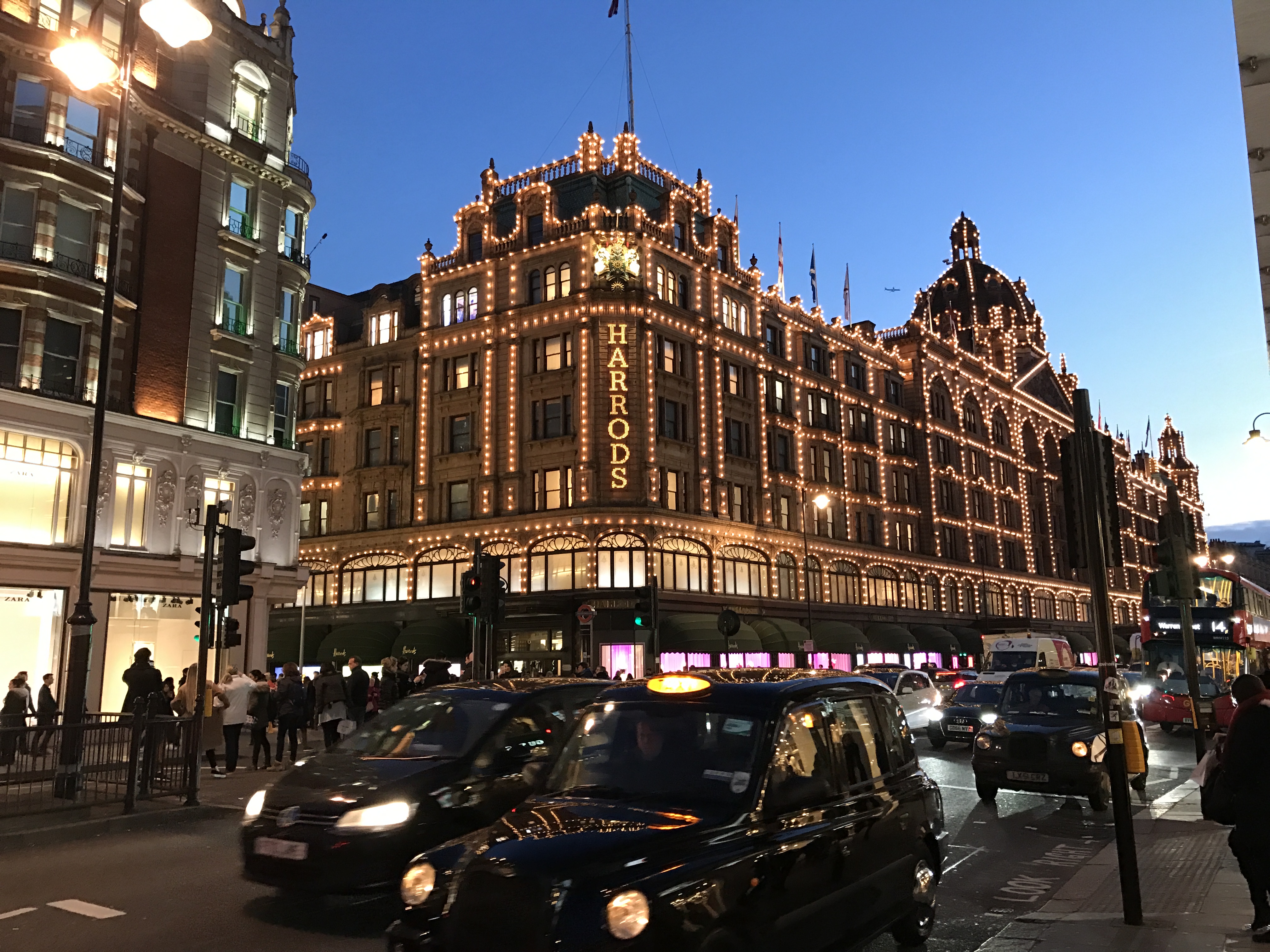


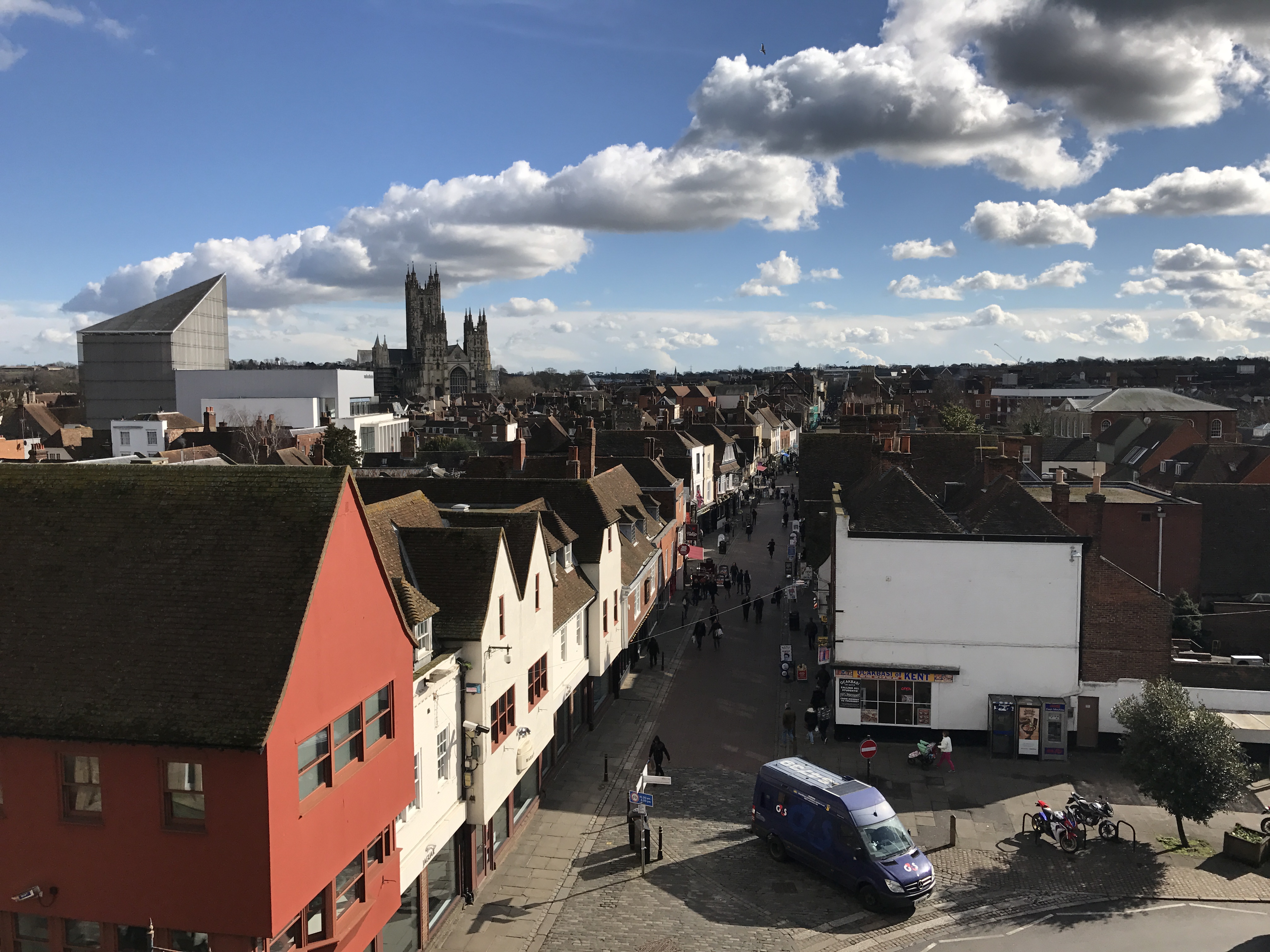


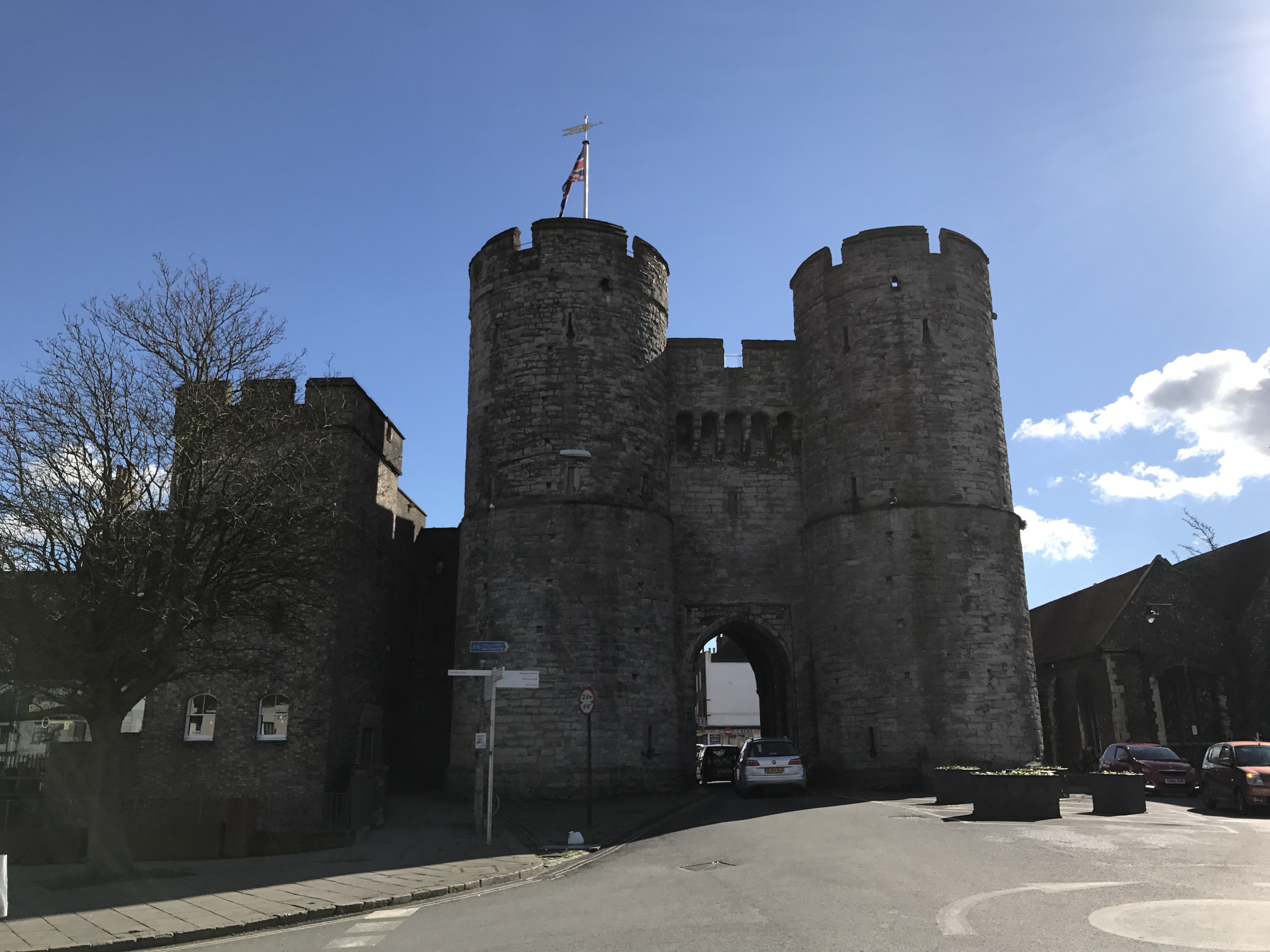
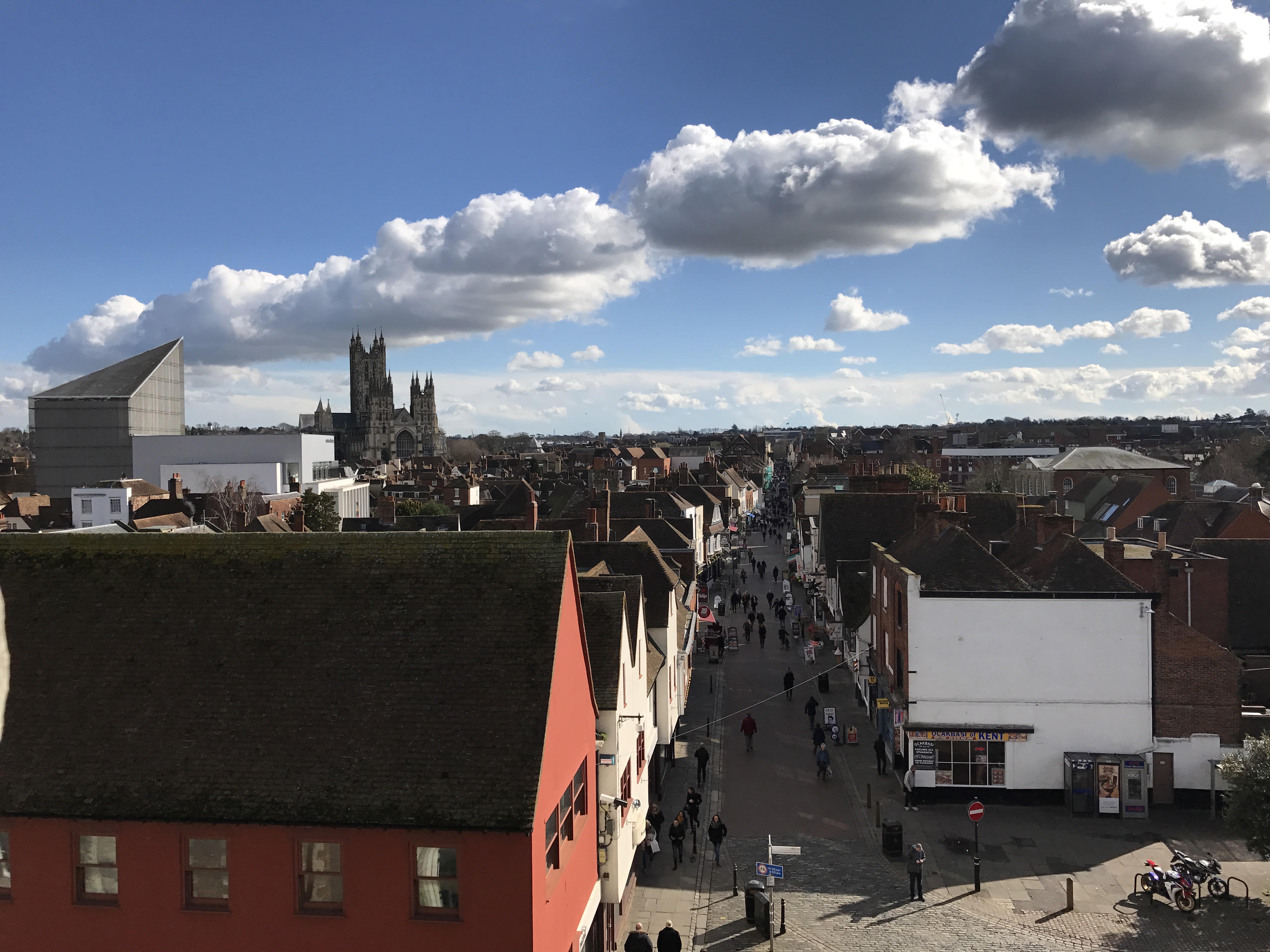
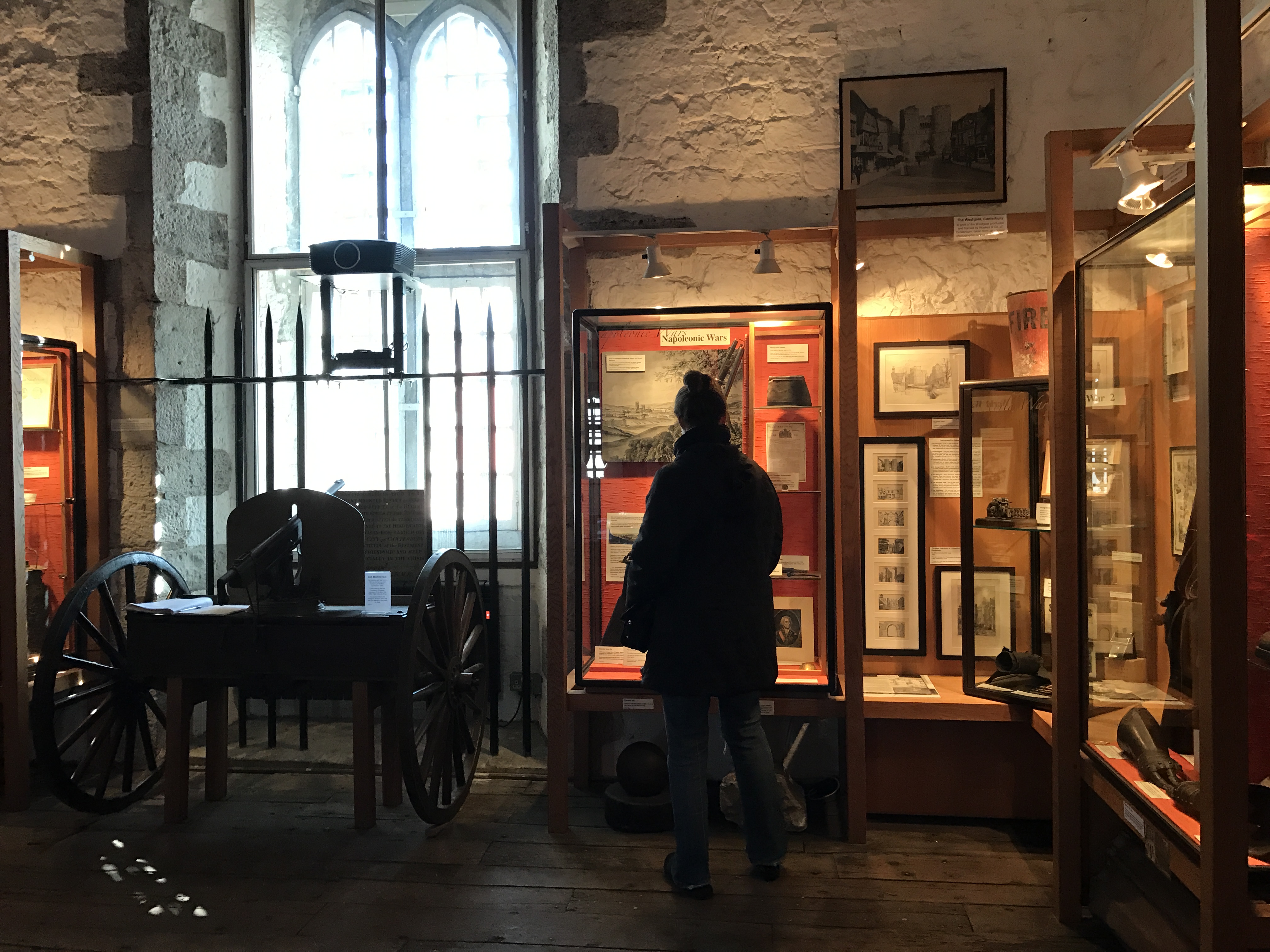
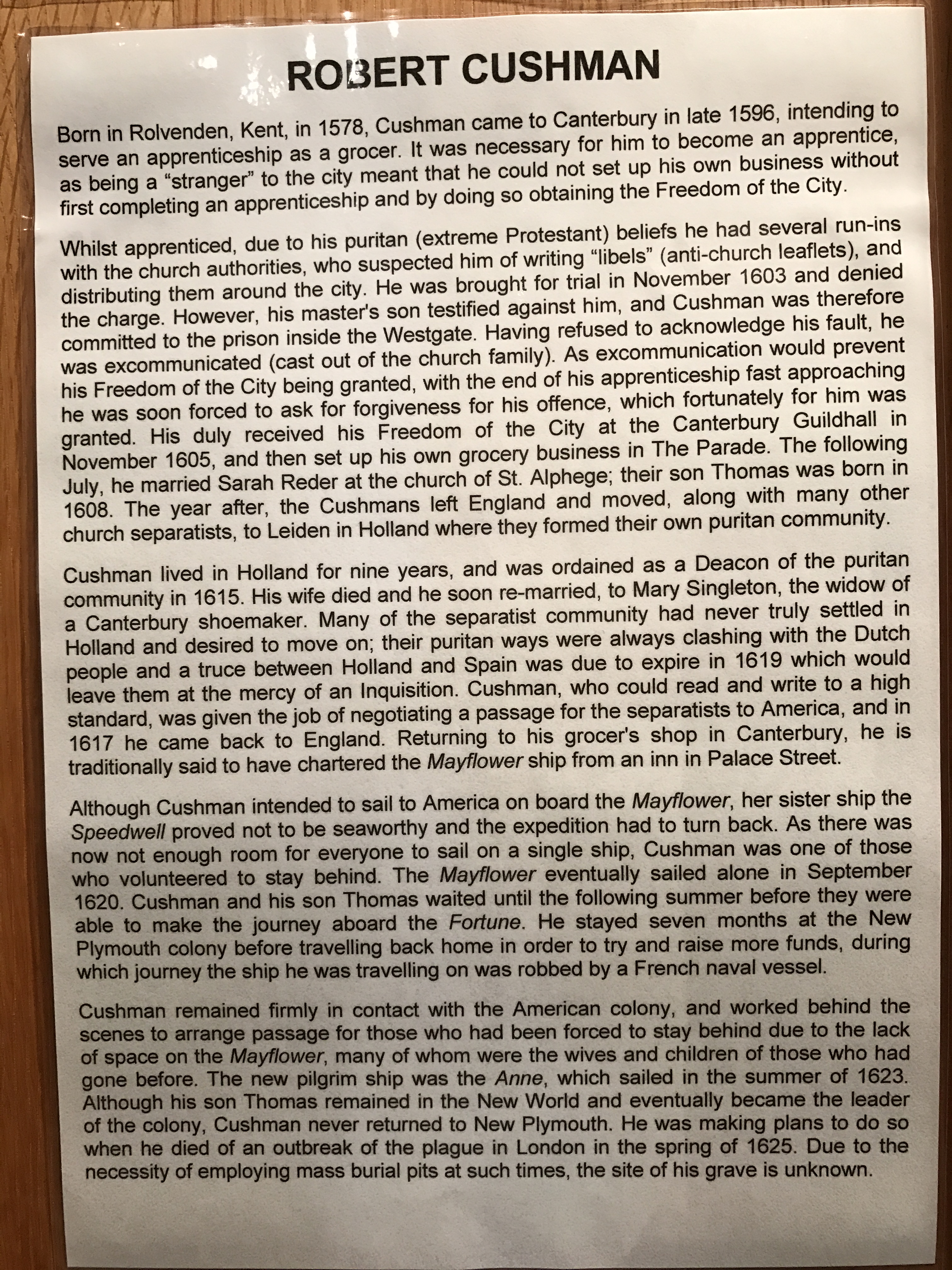
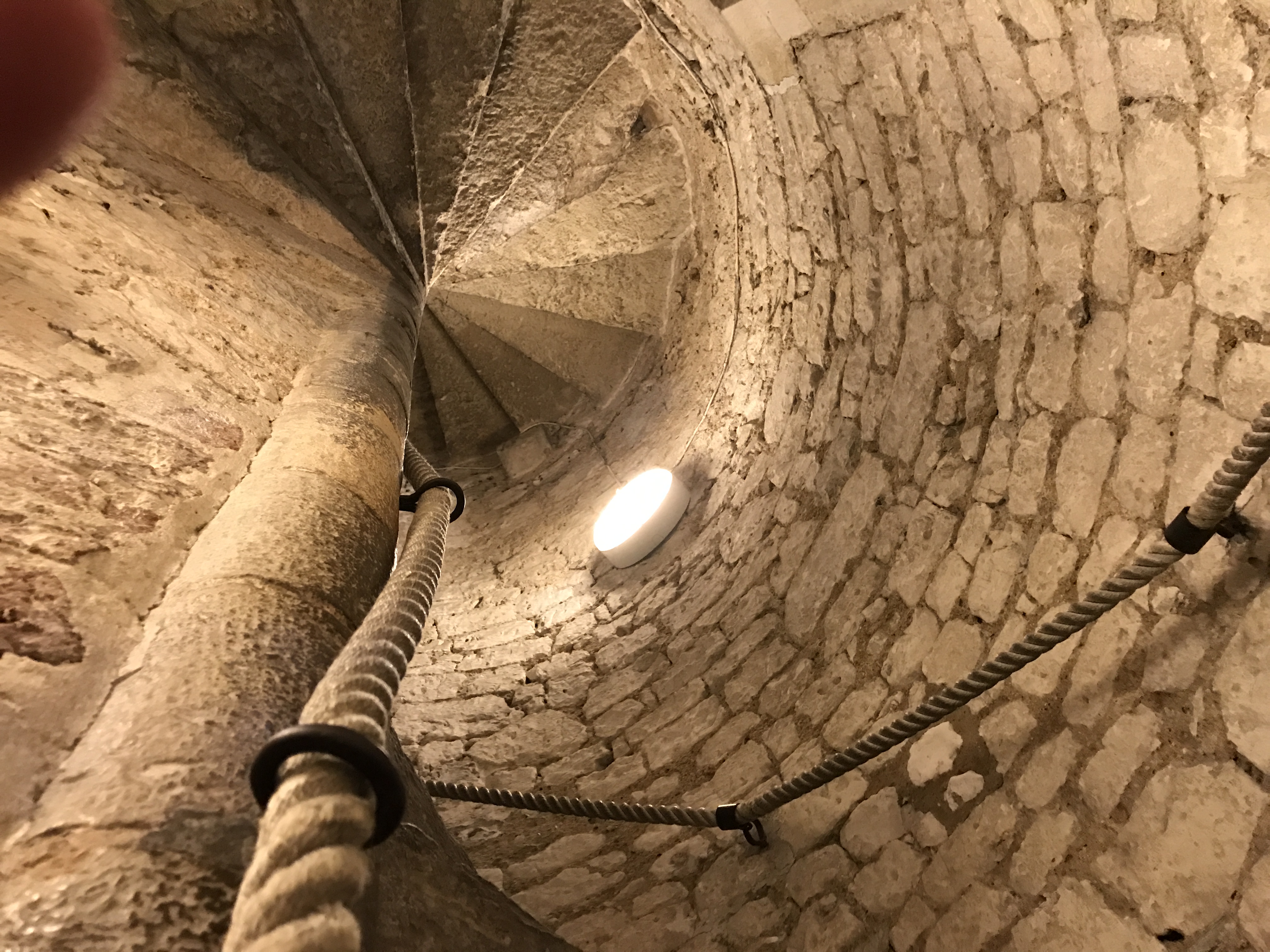
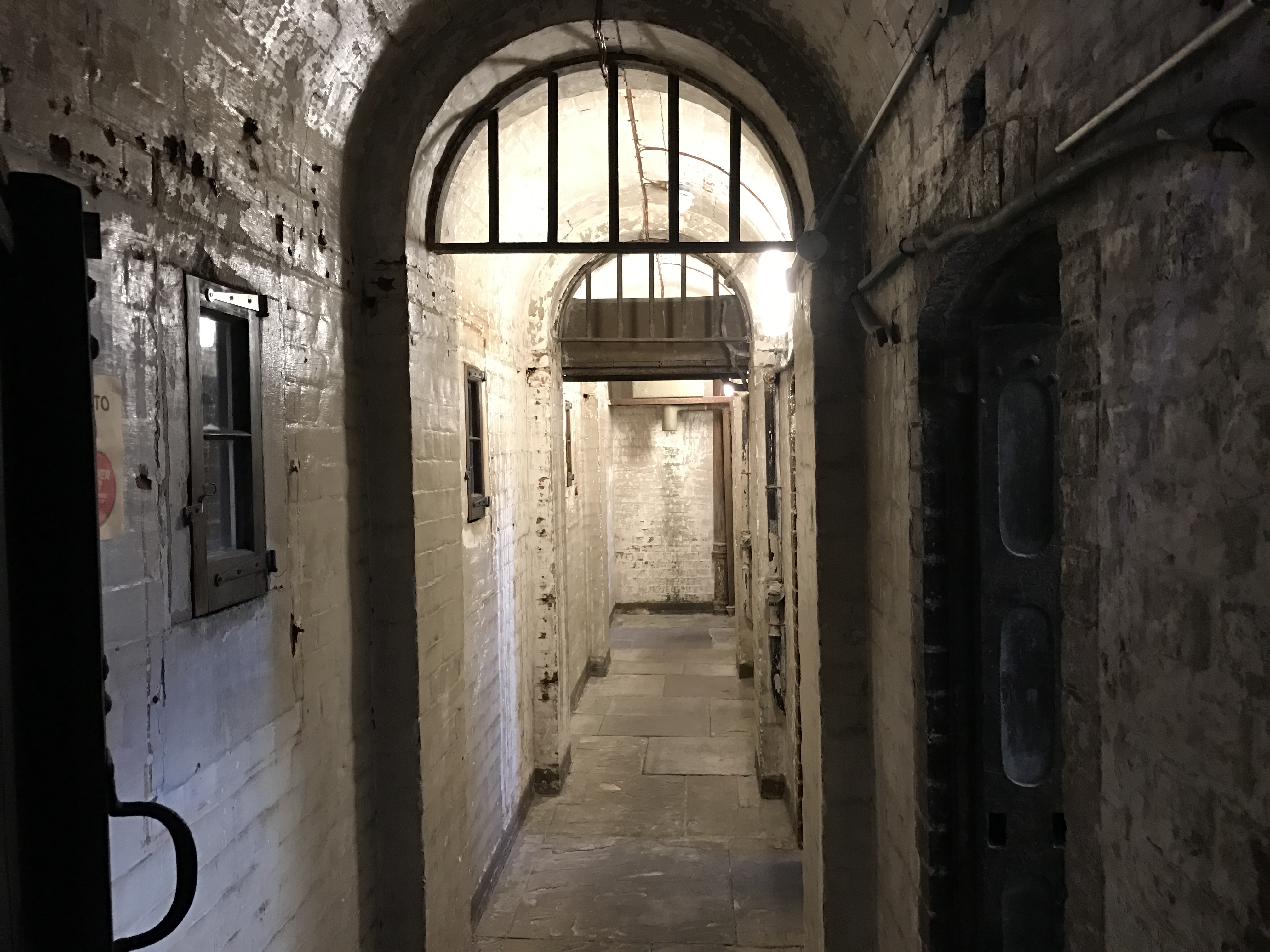
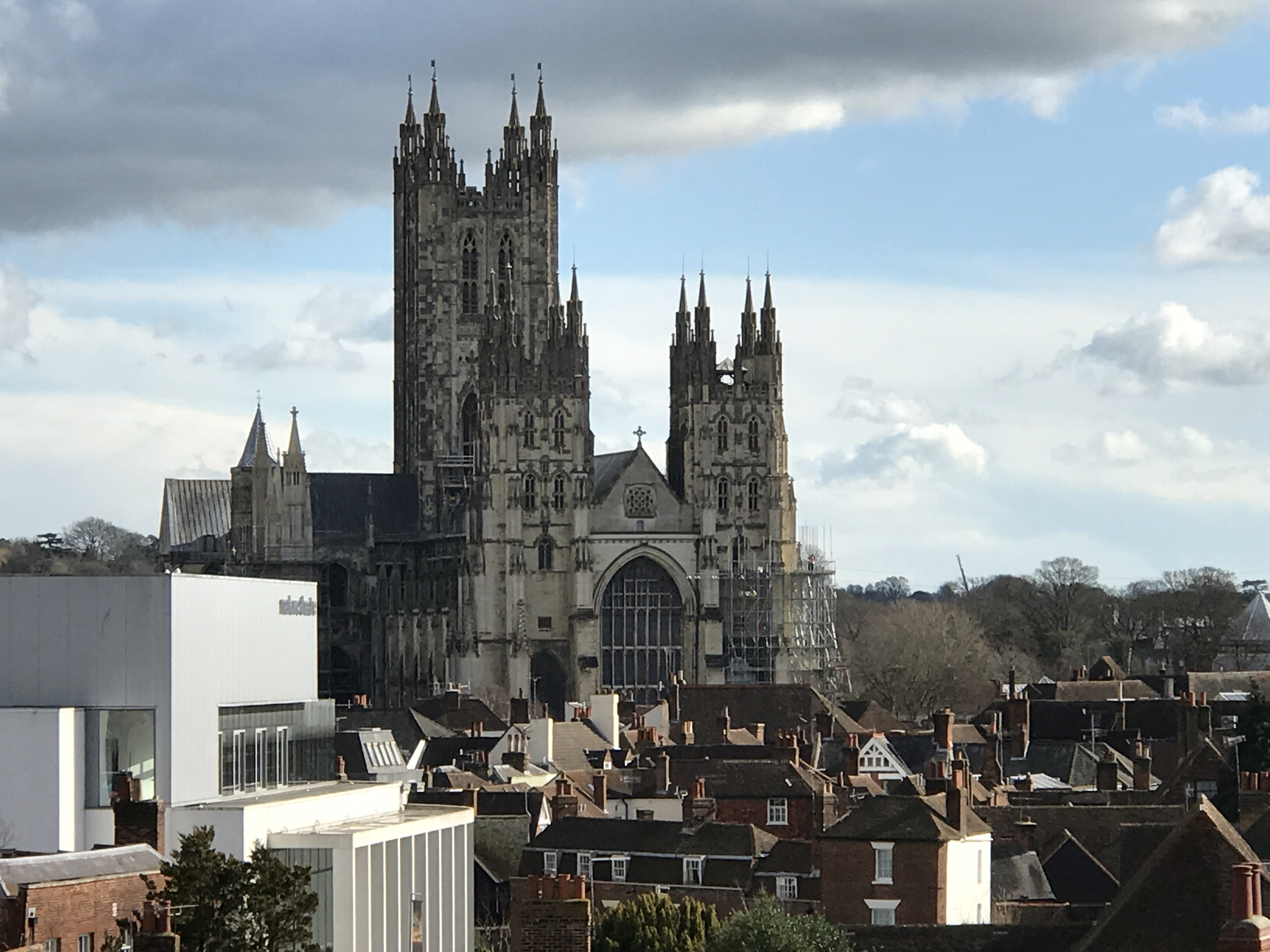
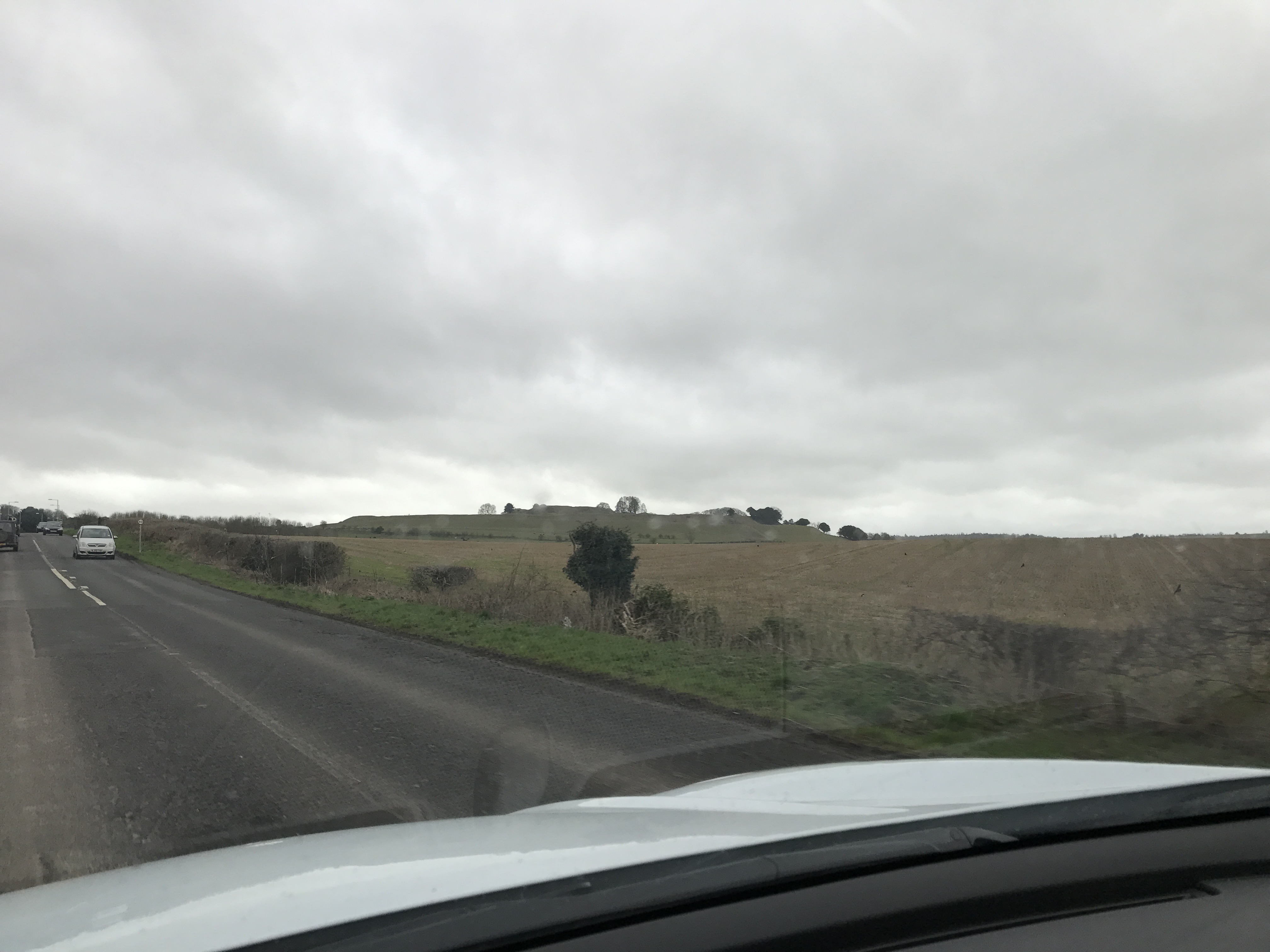
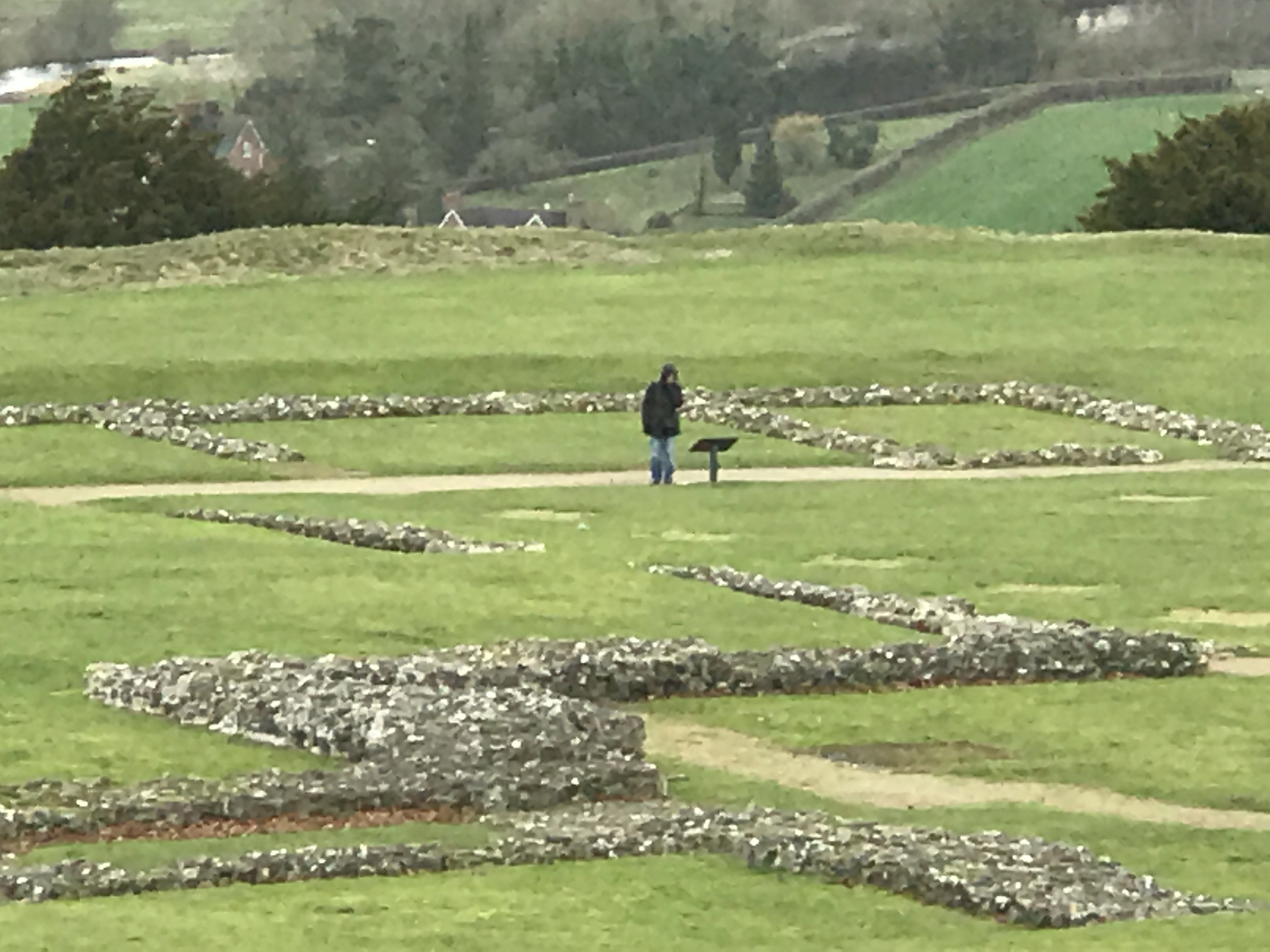
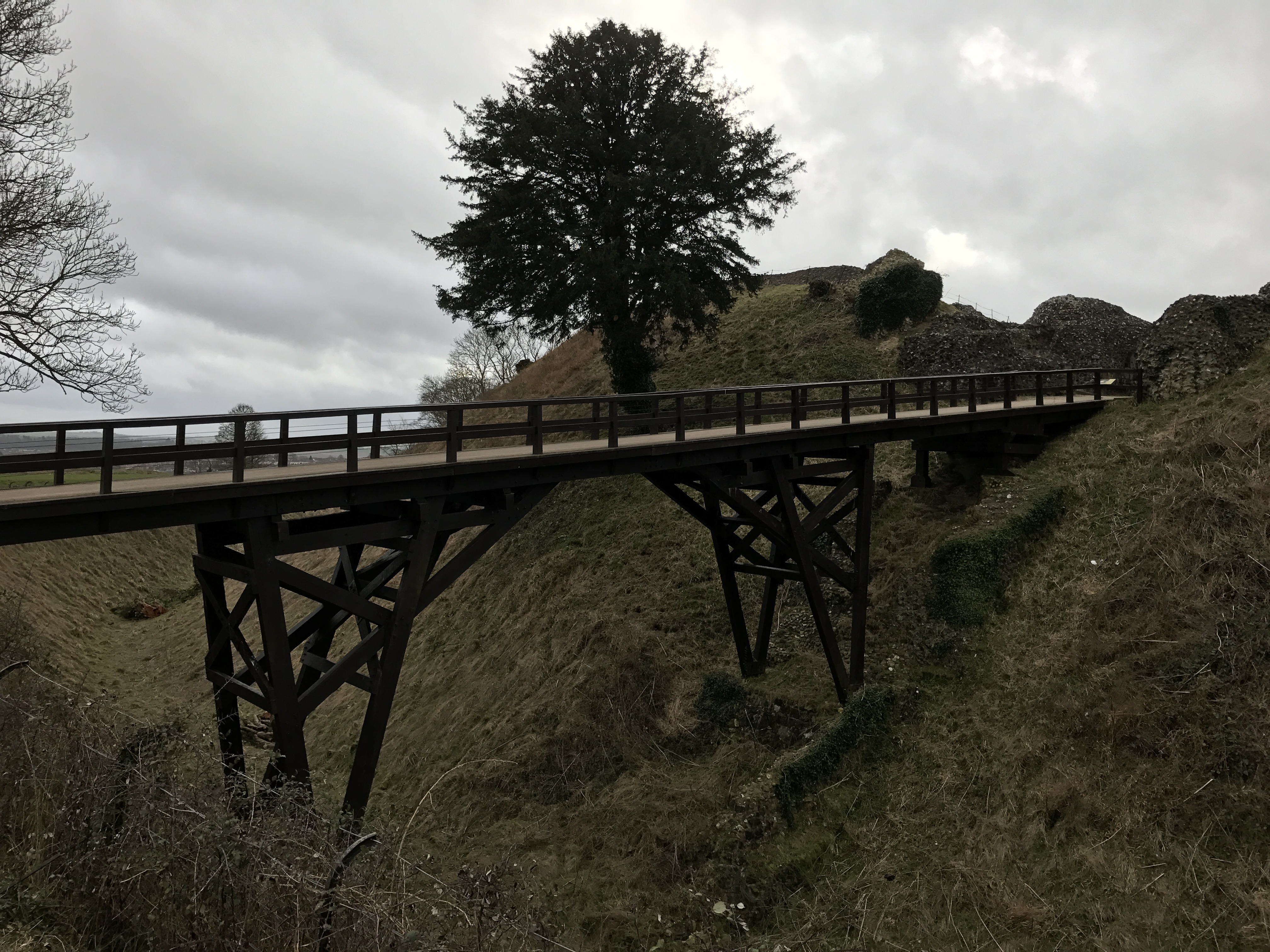

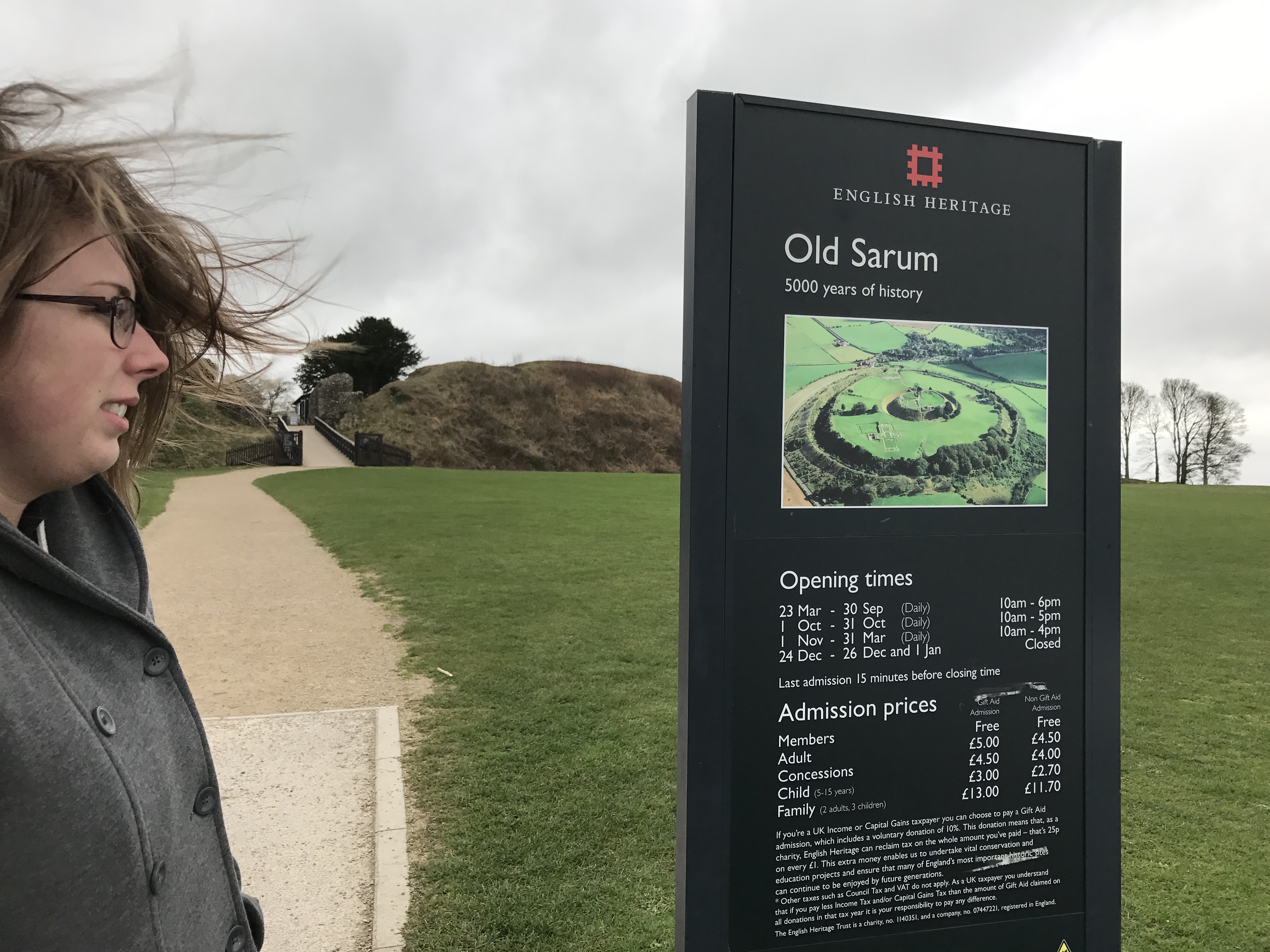
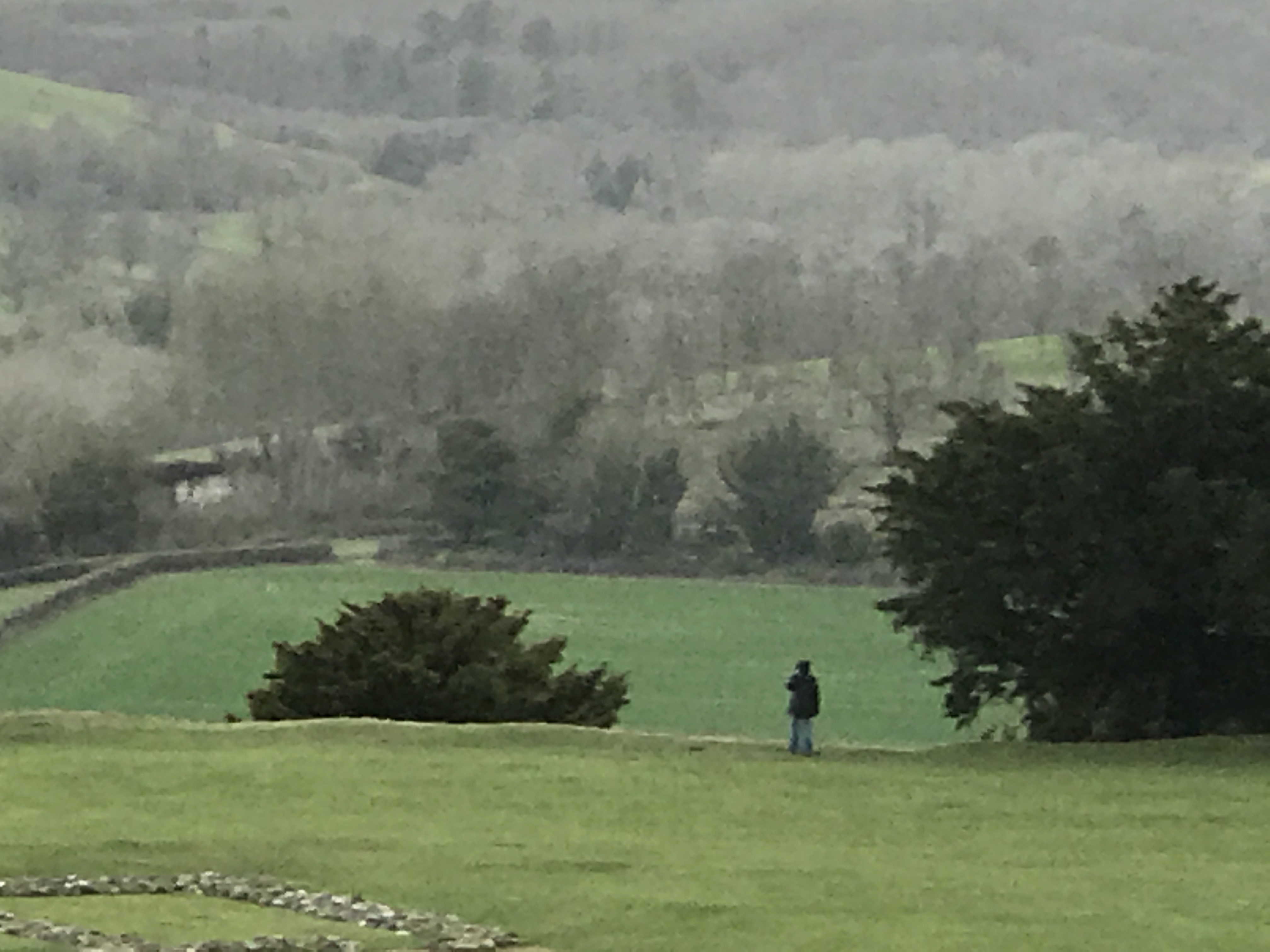
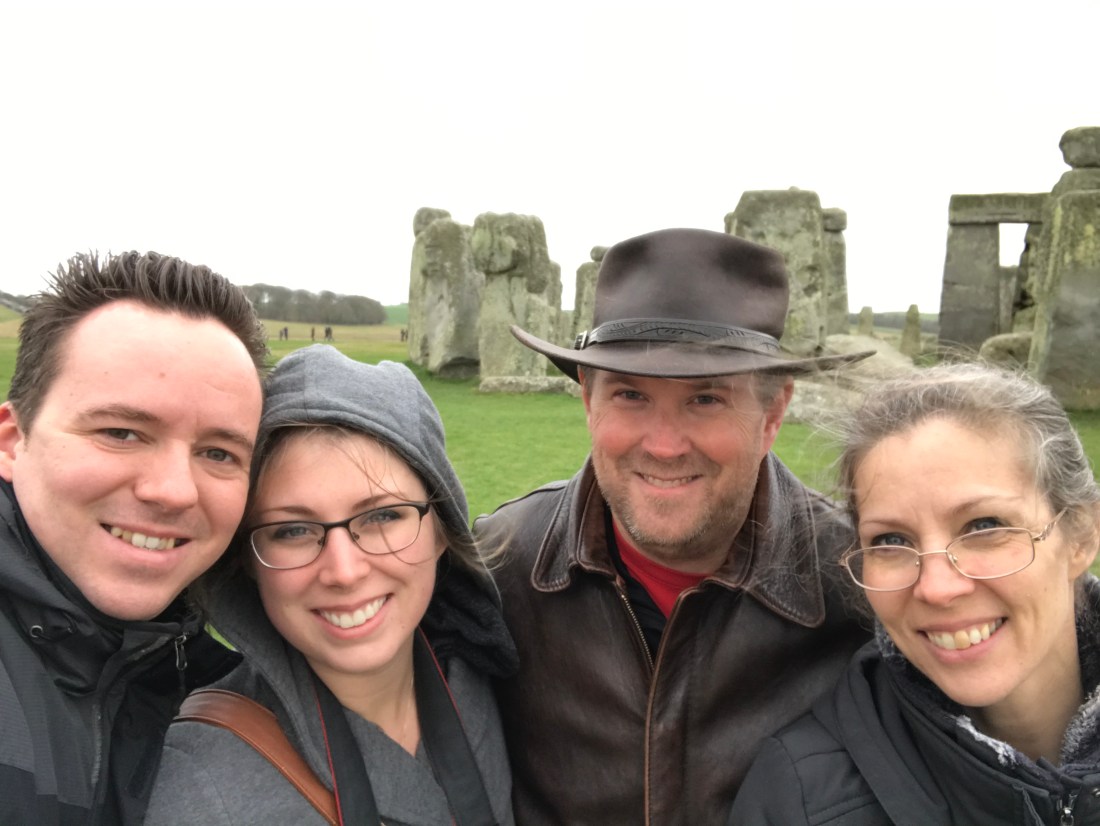
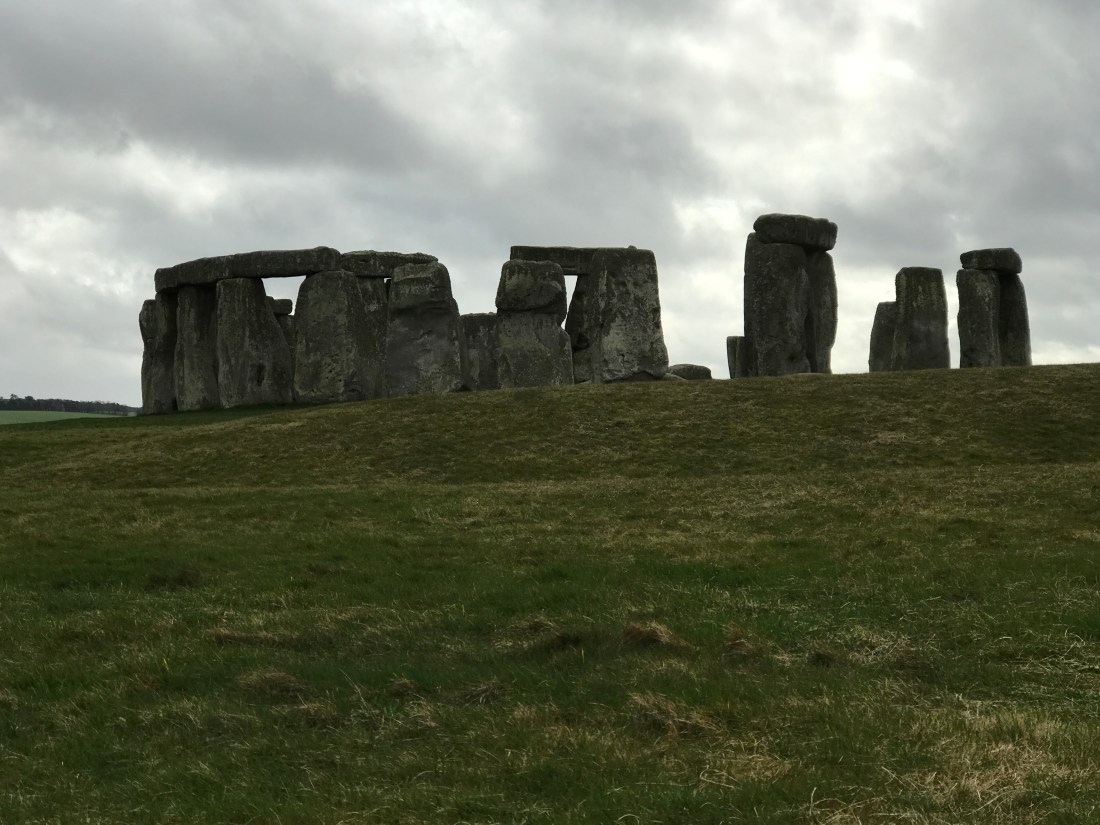
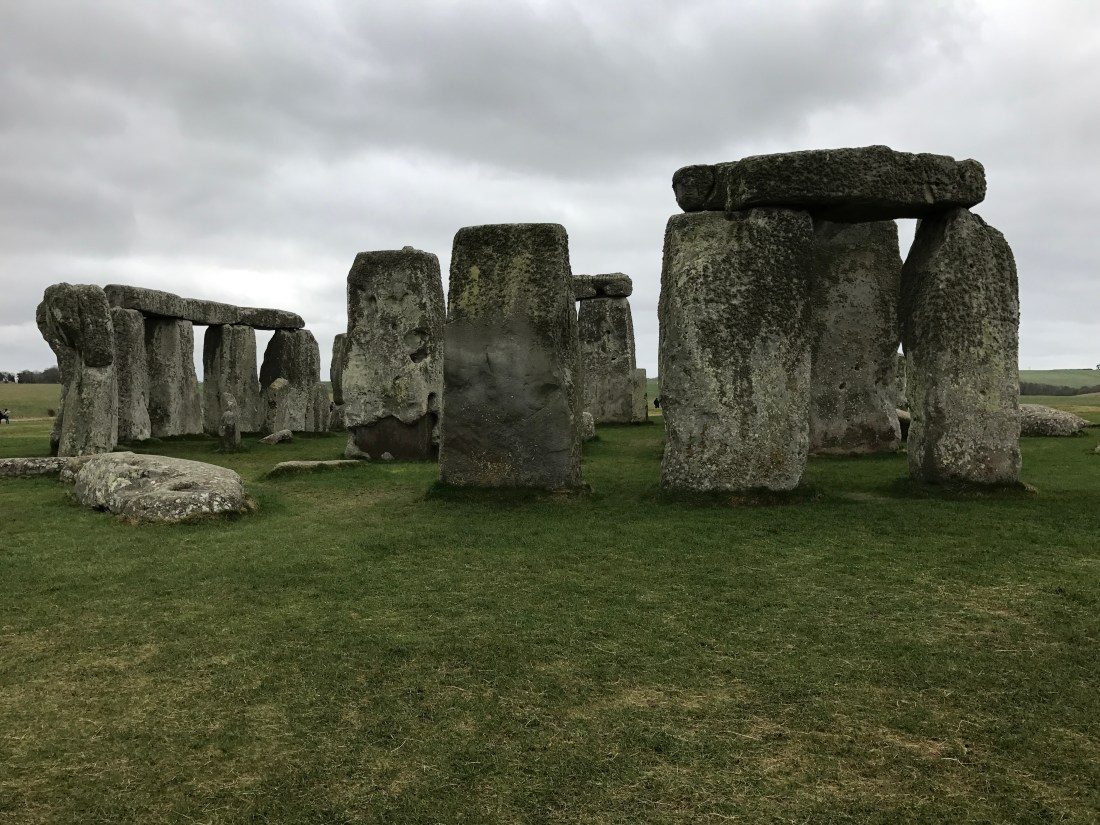


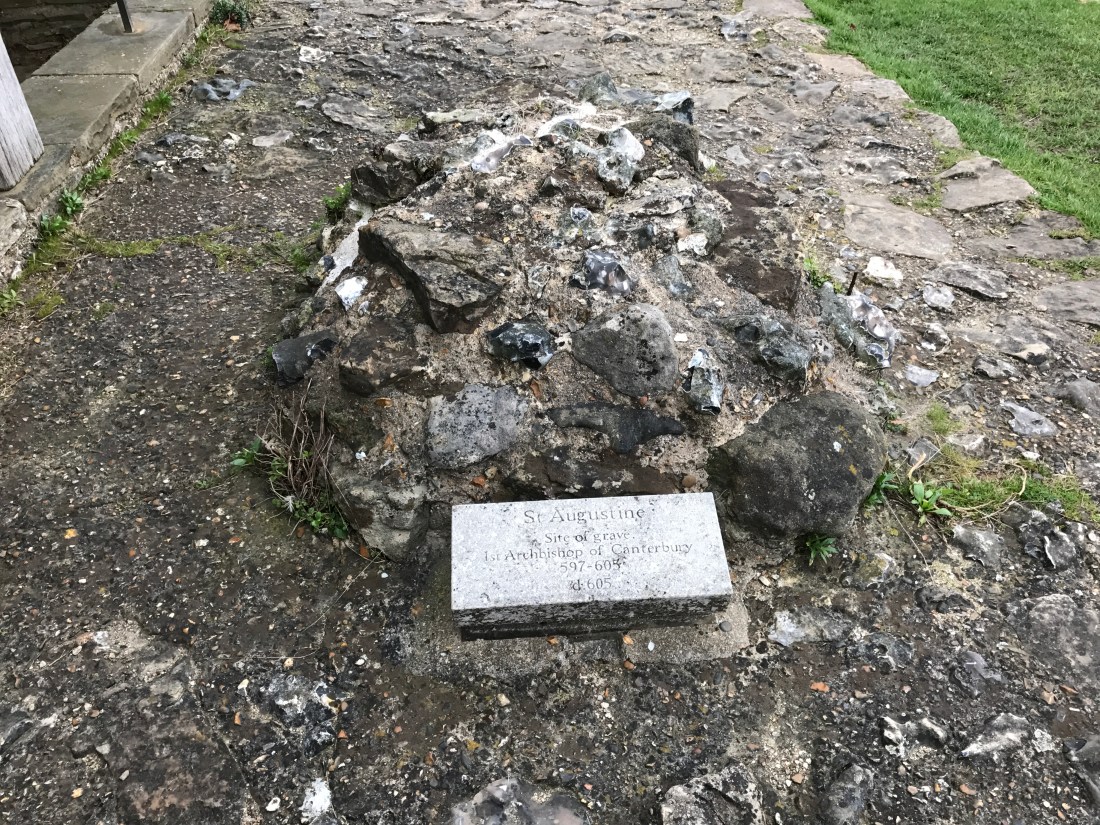 Our politicians in America and the media culture that followed it were a lot like the Germanic people who invaded England once the Roman Empire withdrew. That is always what happens when a powerful force from a superior culture takes away its influence. The masses collapse on themselves and chaos ushers itself in. This was the subject of the great Ayn Rand novel Atlas Shrugged, where the producers of society withdrew their talents and society quickly crumbled away. What has been told to American culture was that we should embrace all these “Moonlight” values and establish our society on those foundations, which of course lead to a degradation of the human condition—as we see presently in Paris. Even as all this news was spewing forth about the Oscars and Trump’s CPAC speech across Europe, President Hollande was complaining about how disrespectful Trump had been toward the city of Paris—and the news cycle did almost nothing but talk about it.
