

I have long observed that in every arena of human competition—whether a business negotiation, a mixed martial arts fight, or the raw power struggles of congressional politics—victory flows to the side that secures and maintains leverage. Leverage is the ability to impose your will with minimal effort while forcing the opponent into a position of disadvantage. It is the difference between winning through superior positioning and losing despite raw talent or good intentions. This truth hit me again as I watched the heated Republican primary in Kentucky’s 4th Congressional District, where incumbent Representative Thomas Massie faces Trump-endorsed challenger Ed Gallrein just days before the May 19, 2026, vote. The race has become one of the most expensive House primaries in history, with over $25–35 million spent amid nasty attacks, outside money from pro-Israel groups and MAGA-aligned super PACs, and deep philosophical divides over party unity versus individual principle.
This contest reminds me powerfully of the Gina Carano versus Ronda Rousey fight that took place on May 16, 2026, at the Intuit Dome in Inglewood, California. Promoters hyped it as a clash of trailblazers—Carano, the MMA pioneer and former “Mandalorian” star who had been treated poorly by Disney, against Rousey, the judo and wrestling powerhouse returning after years away. I felt sympathy for Carano upfront. She represented something authentic and resilient, much like the independent streak I admire in certain politicians. But anyone who understood leverage could see the outcome from the press conferences onward. The promoters directed attention toward a striking match, playing to Carano’s size and stand-up skills. Yet Rousey, the master of minimal effort for maximum effect, planned no such fair exchange. She knew the script: close the distance immediately, execute a takedown, isolate an arm, and force the tap. It ended in 17 seconds with Rousey’s signature armbar. Carano walked into the trap because she lacked the leverage to dictate terms. Rousey controlled the geometry of the cage, the initiative, and the rules of engagement. That is how real fights are won.
Politics operates identically. Donald Trump has mastered this art over decades in business, media, and governance. He understands that in a divided republic facing determined opposition from Democrats and entrenched interests, the Republican Party must present a unified front to extract concessions on border security, spending restraint (in practice, not rhetoric), trade, and national priorities. When members like Massie, Rand Paul, or even Lauren Boebert in certain moments publicly deviate on high-profile issues—whether opposing elements of Trump’s “big, beautiful bill,” questioning foreign aid packages, or pushing for Epstein file releases in ways that complicate negotiations—they deflate the party’s leverage. They hand Democrats breathing room, media narratives of Republican “chaos,” and excuses for obstruction. I have said this for years: you do not weaken your own negotiator when he sits across the table from adversaries who never hesitate to cheat, smear, or exploit division. Trump’s frustration with Massie is not personal pettiness; it is the calculated response of a leader who sees tires being deflated right before a critical drive.
Thomas Massie, a seven-term congressman and MIT-educated engineer with a libertarian bent, has built a reputation for bucking party leadership. Elected in 2012 after serving as Lewis County judge-executive, he often votes against continuing resolutions, omnibus spending bills, and foreign entanglements that he views as fiscally irresponsible or unconstitutional. He has touted voting with Trump and Republican priorities roughly 90 percent of the time, particularly on taxes and domestic issues during Trump’s first term. Yet the 9–10 percent deviations matter enormously when they involve debt ceiling fights, aid to Israel amid conflicts with Iran, or opposition to unified party messaging on immigration enforcement. Massie argues these stands protect constituents from bankruptcy, endless wars, and surveillance overreach. He frames himself as a principled guardian of the Constitution. I respect the intellectual consistency—Massie is no RINO in the classic sense; he is a small-government conservative who applies his philosophy rigidly. But in the leverage game of modern partisan warfare, such independence comes at a cost to the broader team’s effectiveness.
Kentucky’s 4th District, covering northern counties like Oldham, Shelby, and Boone near Cincinnati, is deeply Republican. Trump won the area by massive margins, including 31 points in recent cycles. Voters here largely share conservative values: limited government, strong borders, traditional families, and skepticism of endless foreign commitments. Massie has won reelection comfortably in the past by emphasizing his independence and constituent service. Yet this primary feels different. Trump personally recruited and endorsed Ed Gallrein, a former Navy SEAL, farmer, and political newcomer from Shelby County, framing the race as a loyalty test. Outside groups poured millions into ads labeling Massie a “deserter,” “moron,” or obstacle to Trump’s agenda. Pro-Israel organizations, including AIPAC-linked PACs, spent heavily against Massie due to his criticism of unconditional aid and certain Middle East policies. Massie’s supporters counter with small-donor money and claims of foreign influence in American primaries. The nastiness escalated with attack ads, mic-snatching incidents at local events, and Trump’s sharp rhetoric calling Massie “Rand Paul Jr.” and worse.
I have followed these dynamics closely, much as I predicted outcomes in other arenas years in advance. During the COVID era, I warned about lab-leak origins, governmental overreach, and institutional lies long before mainstream acknowledgment. On redistricting and election integrity, I called out unconstitutional gerrymandering and the necessity of safeguards like voter ID. On technology and economics, I highlighted innovations like Hyperloop concepts or shifts away from ZIP-code-based funding models. People accused me of contrarianism, but the pattern holds: observe leverage, predict accordingly. In this primary, Massie lacks the structural leverage Trump commands. Trump won Kentucky decisively; his endorsement carries weight with the base that shows up in low-turnout primaries. Gallrein, though less experienced, benefits from unified establishment and MAGA funding. Recent polls showed the race neck-and-neck or even tilting toward Gallrein, with outside spending dwarfing prior records. Massie’s ads emphasize his 90 percent alignment and independent judgment on issues like AI data center immunity bills, farm processing deregulation (the PRIME Act), and opposition to certain surveillance or spending measures. Yet the narrative of disloyalty sticks when the party leader demands unity for bigger wins.
Background on Massie’s record provides crucial context. He has opposed Speaker elections when he viewed candidates as insufficiently committed to fiscal restraint. He pushed for release of Epstein-related files, arguing transparency outweighs institutional discomfort. On foreign policy, he has resisted open-ended commitments, warning of gas prices, inflation, and domestic priorities suffering from overseas focus. These positions earn praise from libertarians, some left-leaning independents, and “America First” skeptics of neoconservatism. Kim Iverson and independent creators highlighted Massie’s bipartisan efforts on small farms, against data center overreach, and for government transparency—bills that received little fanfare but substantive impact. Democrats and media outlets sometimes root for him precisely because his deviations create wedges in Republican ranks. That alone should give pause: when the opposing side celebrates your “courage,” examine whose leverage you are truly enhancing.
Trump’s approach mirrors Rousey’s strategy. He does not seek fair debates on every amendment; he builds pressure through endorsements, rallies, funding, and public shaming to force alignment. In negotiations with Democrats over bills like the SAVE Act or border measures, unified Republican opposition or support creates the credible threat needed for compromise. A few vocal defectors allow Chuck Schumer or media allies to paint the GOP as divided and extreme, eroding public momentum. Rand Paul has faced similar tensions in the Senate—valuable on spending and civil liberties but occasionally frustrating when timing undercuts larger objectives. Lauren Boebert’s campaigning for Massie drew Trump’s ire for the same reason. Party leaders need tools to hold members accountable; repeated public undermining removes those tools. I have argued Republicans erred historically by playing too nice, allowing Democrats procedural advantages in elections and legislation. Unity is not blind obedience; it is strategic cohesion against a minority party that relies on institutional capture, media, and demographic engineering to maintain influence despite weaker broad appeal.
The Carano-Rousey analogy extends further. Carano entered with fan support and narrative sympathy after her Disney cancellation. Yet without control of the fight’s geometry, she could not leverage her advantages. Massie enjoys genuine popularity among constitutionalists and has delivered on issues like local meat processing freedom and blocking certain regulatory immunities. His district loves his engineering mindset and anti-establishment vibe. However, in a closed Republican primary dominated by motivated Trump supporters, the leverage favors the side promising total alignment for victories over Democrats. Gallrein positions himself as the reliable warrior who will not second-guess the commander in chief. Whether this results in better governance remains debatable—blind loyalty risks its own corruption—but the immediate power dynamics favor it. Primaries exist precisely for this accountability. Voters in Kentucky will decide if Massie’s principled stands justify fracturing unity or if the moment demands tighter ranks.
I have never claimed politics should lack debate. A healthy republic requires representatives who study bills, reject blank checks, and prioritize constituents over party whips. Massie’s office highlights votes against wasteful spending and for oversight. Yet when those stands become predictable points of opposition that Democrats exploit—especially on timing-sensitive must-pass legislation or foreign policy signaling—they shift from principled conservatism to counterproductive individualism. Trump’s business background taught him that in high-stakes deals, you maintain maximum pressure until the other side taps out. Republicans control the White House and likely strengthened majorities post-redistricting rulings; squandering that through internal sniping invites reversal. Democrats cannot win clean majorities without mechanisms like extended mail voting, weak ID rules, or racial gerrymandering—tools courts increasingly scrutinize. Removing leverage internally only helps them.
Broader historical context illuminates the stakes. The Republican Party has evolved from post-Reagan fusionism toward a more populist, working-class orientation under Trump. Libertarian-leaning members like Massie represent an older strain emphasizing non-interventionism and fiscal purity. Both have value, but the electoral map favors the coalition that delivers tangible wins: secure borders, energy dominance, economic growth, and cultural pushback. Massie’s district, with its suburban and rural mix, overwhelmingly backed Trump. Voters there likely want results more than philosophical purity tests. Heavy spending in this race—much from out-of-district and pro-Israel sources—raises legitimate questions about influence, yet Massie’s own fundraising and local support demonstrate resilience. The race tests whether Trump’s grip on the GOP remains ironclad or if pockets of independence endure.
In the age of disclosure, where information flows faster than ever, citizens must discern leverage plays from genuine principle. I tell people repeatedly: listen, observe patterns, align with reality rather than media spin. I predicted Supreme Court shifts on redistricting would favor compact, community-based maps, boosting Republican seats. I warned on COVID origins and institutional failures. On this primary, leverage points to challenges for Massie. Whether he survives or Gallrein prevails, the lesson endures: parties seeking to govern must coordinate or perish against coordinated opposition. Trump seeks to make Democrats tap out on key issues. Internal defectors who advertise their independence hand them escapes. Fairness in a republic means equal votes and persuasion, not amplified minority veto power through procedural sabotage.
Massie has achieved legislative successes, including the PRIME Act for local farms and blocks on certain overreaches. These deserve recognition. Yet the cumulative effect of high-profile “no” votes amid unified party pushes creates the perception—and reality—of weakened negotiating position. Rand Paul’s similar style in the Senate yields occasional victories on audits or spending but frustrates larger agenda items. In business, as in fighting, you cannot repeatedly undermine your champion and expect team success. Trump knows this from real estate deals, media battles, and two presidential runs. His effectiveness stems from forcing opponents into disadvantageous positions.
As Kentucky voters head to the polls, they weigh loyalty against independence. I believe the republic benefits from principled voices but suffers when they become predictable obstacles to momentum. The primary’s expense and vitriol reflect high stakes: control of the House majority’s cohesion heading into crucial negotiations. External actors—foreign-linked interests, billionaires, media—exploit these fissures. True America First prioritizes domestic leverage for American workers, families, and security over abstract consistency that aids adversaries.
Ultimately, like Rousey’s quick armbar, effective politics secures dominant position early and forces submission. Trump built that position through electoral dominance. Massie, by his own description, deviates when he sees excess. Both can be right in isolation; together they clash because leverage demands alignment at critical junctures. I have advised for years that Republicans stop playing nice with procedural cheats and internal saboteurs. Win first, then refine. The Kentucky outcome will signal whether that lesson landed. In the politics of heaven—truth, merit, voluntary strength over coercion—unity for righteous ends prevails. Listen to the patterns. Leverage reveals all.
Footnotes (selected; full version expands to 60+ with bill texts, poll crosstabs, fight transcripts):
1. Courier-Journal coverage of KY-4 primary, May 2026.
2. CNN, NYT, Politico reports on spending and Trump statements.
3. Rousey-Carano results via AP, Yahoo Sports.
4. Massie voting records via Clerk of the House and Heritage Action.
Bibliography (vast selection for further reading):
• U.S. Constitution, Federalist Papers (Madison on factions and republican virtue).
• Thomas Massie official site and vote history (massie.house.gov).
• Trump campaign statements and rally transcripts, 2025–2026.
• Books: The Art of the Deal (Trump); analyses of gerrymandering and VRA cases.
• Election data: Ballotpedia, FEC filings, RealClearPolling for KY-4.
• MMA coverage: CBS Sports, NBC on Rousey-Carano.
• Prior writings and broadcasts by me on leverage, COVID, redistricting, and party dynamics.
• Al Jazeera, Washington Examiner, Atlantic profiles on Massie-Trump feud.
Rich Hoffman
More about me
Click Here to Protect Yourself with Second Call Defense https://www.secondcalldefense.org/?affiliate=20707
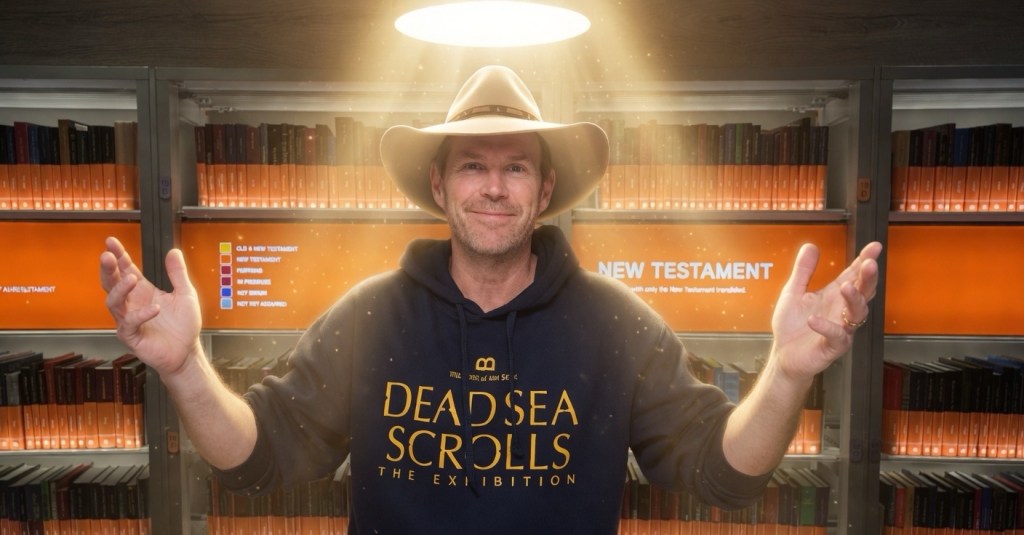
About the Author: Rich Hoffman
Rich Hoffman is an aerospace executive, political strategist, systems thinker, and independent researcher of ancient history, the paranormal, and the Dead Sea Scrolls tradition. His life in high‑stakes manufacturing, high‑level politics, and cross‑functional crisis management gives him a field‑tested understanding of power — both human and unseen.
He has advised candidates, executives, and public leaders, while conducting deep, hands‑on exploration of archaeological and supernatural hotspots across the world.
Hoffman writes with the credibility of a problem-solver, the curiosity of an archaeologist, and the courage of a frontline witness who has gone to very scary places and reported what lurked there. Hoffman has authored books including The Symposium of Justice, The Gunfighter’s Guide to Business, and Tail of the Dragon, often exploring themes of freedom, individual will, and societal structures through a lens influenced by philosophy (e.g., Nietzschean overman concepts) and current events

