

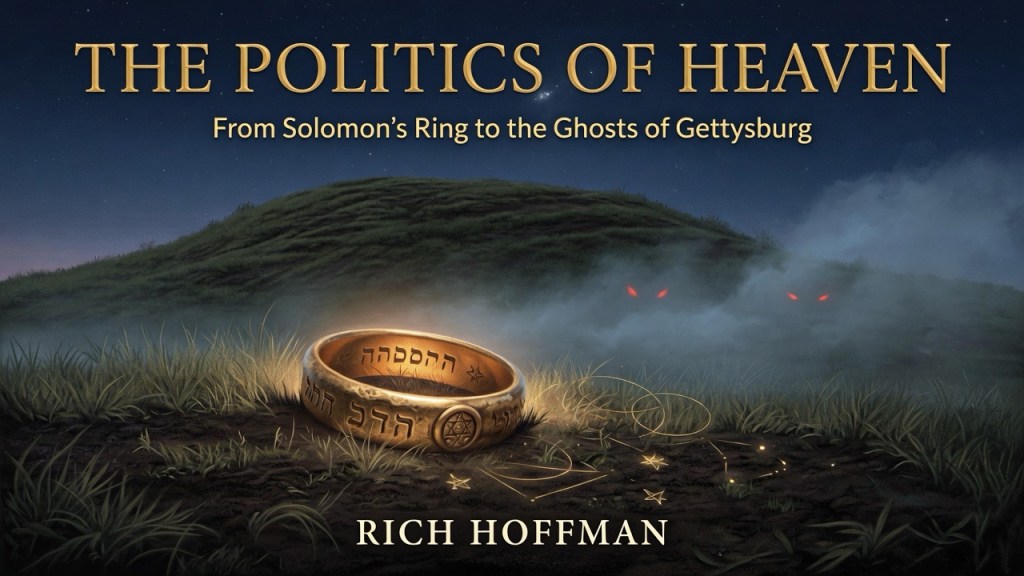
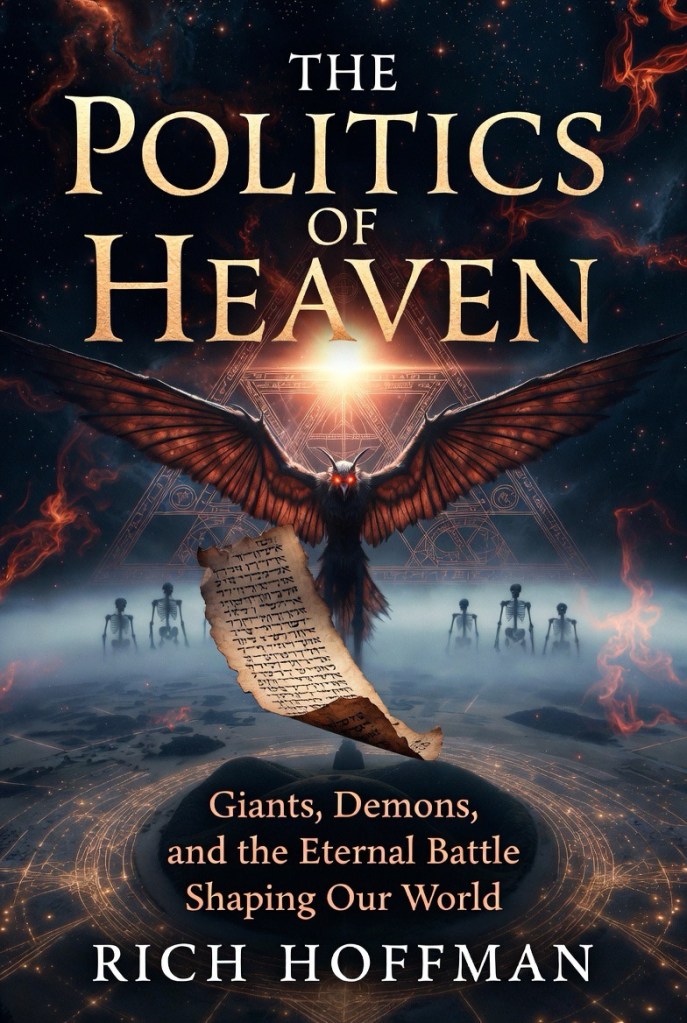
In the Age of Disclosure, you need to know ‘The Politics of Heaven’:
The Politics of Heaven was written to confront the deeper question most people quietly ask but rarely see addressed: Why does this keep happening? Beneath legislative debates and cultural outrage lies something more ancient and more insidious—patterns of evil described throughout biblical history and echoed across civilizations. These forces operate in the background, shaping human behavior, belief systems, and collective fear. Modern discussions about disclosure, the paranormal, and unseen dimensions of reality have reopened questions once dismissed as pre‑modern or mythic. This book does not sensationalize those ideas; it contextualizes them. It argues that political violence cannot be fully understood without examining the metaphysical, psychological, and spiritual dimensions that have always driven humanity toward cycles of corruption and catastrophe. The Politics of Heaven exists because no single work has dared to tackle these questions at their full scope—and because millions of people sense that the answers they seek lie deeper than politics alone.
For decades, I waited for someone to write the book I truly wanted to read. Something that felt like Graham Hancock’s Sign and the Seal but went deeper, layered like James Joyce’s Finnegans Wake, where every page holds messages inside messages, and rooted in the same foundational curiosity as James Frazer’s The Golden Bough. Nobody wrote it. So I did.
The modern world has been shaken by a resurgence of political violence that many believed belonged to the past—assassinations, attempted assassinations, and spectacular acts meant not merely to harm individuals but to terrify societies. From ancient history to the present, such moments have always produced the same anxious question within respectable political and legislative circles: What laws, norms, or safeguards can stop this behavior? Yet history repeatedly shows that violence driven by ideology, belief, and fear is not restrained by statutes alone. Civilizations from Rome to modern democracies have encountered this reality. The human assumption that we had somehow “outgrown” political murder, brutality, and intimidation has proven dangerously false. When such acts erupt in places long associated with civility and decorum, they expose an uncomfortable truth: fear, violence, and the threat of death have always been tools used to shape political narratives, bend societies, and move history.
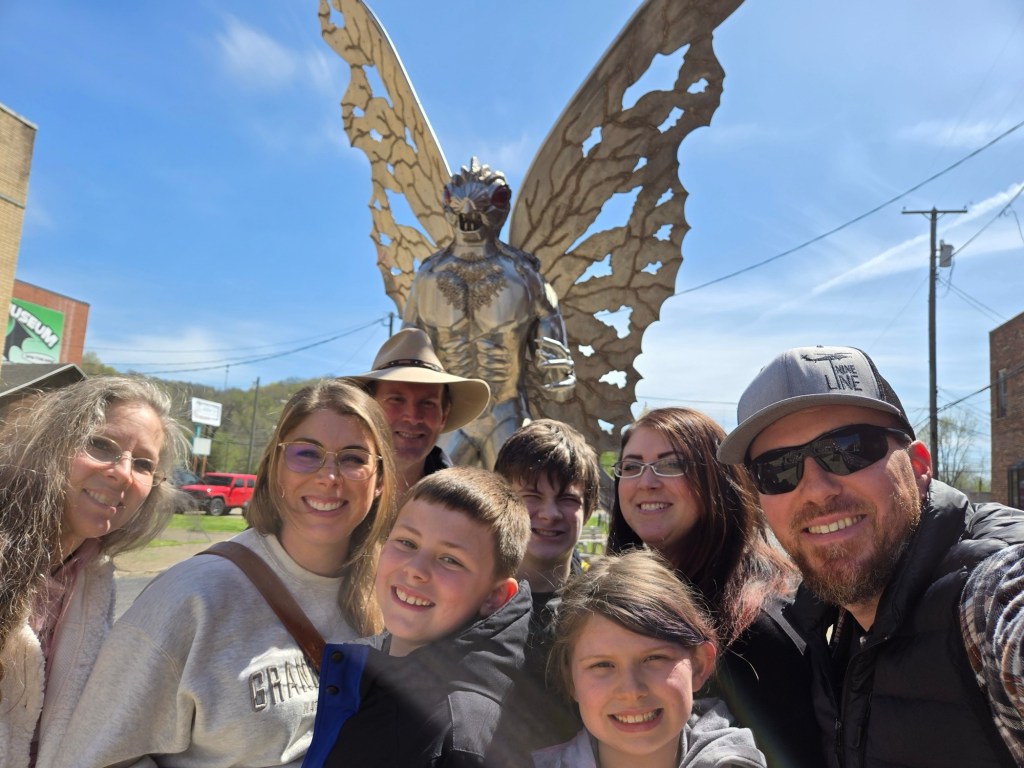
The Politics of Heaven started with one question that wouldn’t let me go: what was the Mothman that terrorized Point Pleasant, West Virginia, in 1966–67 and appeared right before the Silver Bridge disaster? After years of studying the Lesser Key of Solomon and the Testament of Solomon, my answer is that the creature was Stolas, the 36th demonic spirit that King Solomon once commanded with a ring given to him by the archangel Michael. That single realization cracked open a much bigger story.

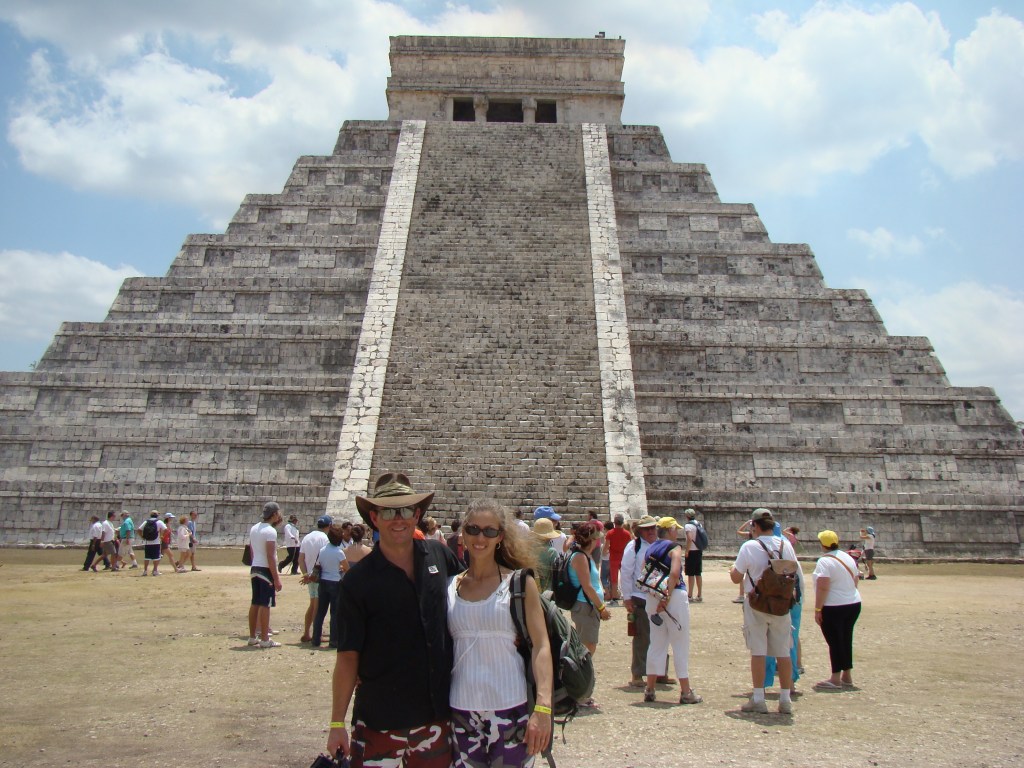
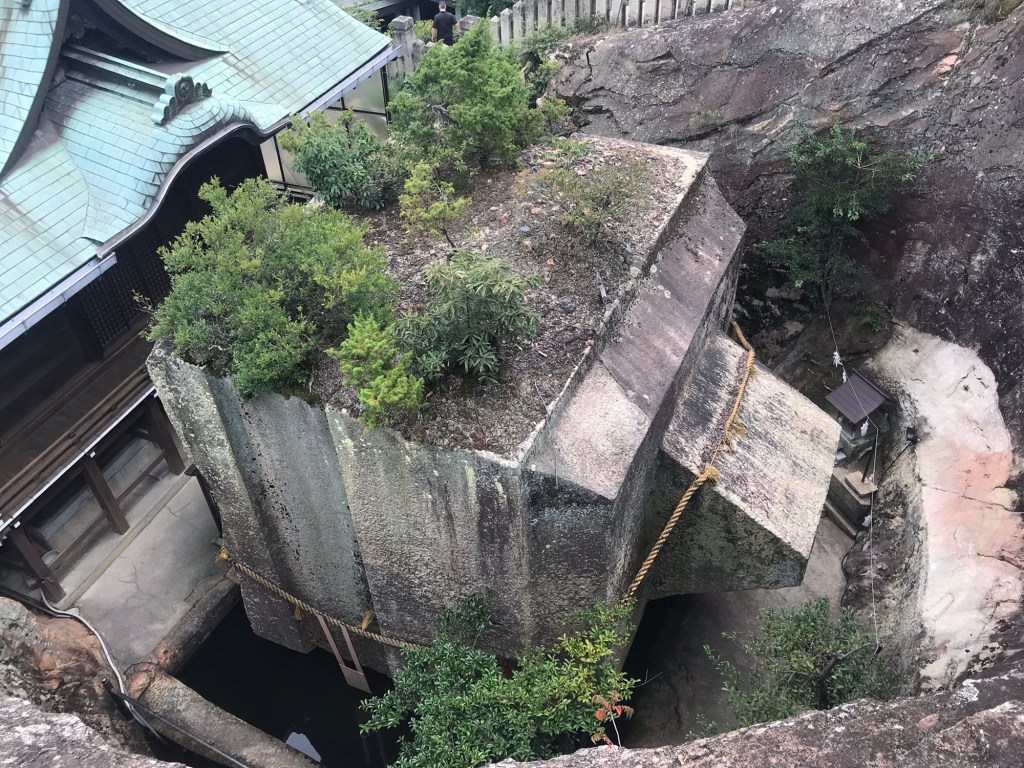
This book became my personal adventure as both an independent reporter and a political consultant who’s spent decades in the back rooms of power. I traveled from the ancient mounds of the Ohio River Valley—literally steps from my home in Middletown, Ohio—where old newspapers once reported giant skeletons and sophisticated cultures obsessed with star alignments, all the way to Chichen Itza, Japanese keyhole tombs, remote desert petroglyphs, the Windover bog burials in Florida with their preserved brains, and even the surface of Mars through the lens of lost civilizations. I chased sites preserved only by pure accident, places that challenge everything modern science thinks it knows about giants, the Nephilim, and our haunted relationship with the spirit world.
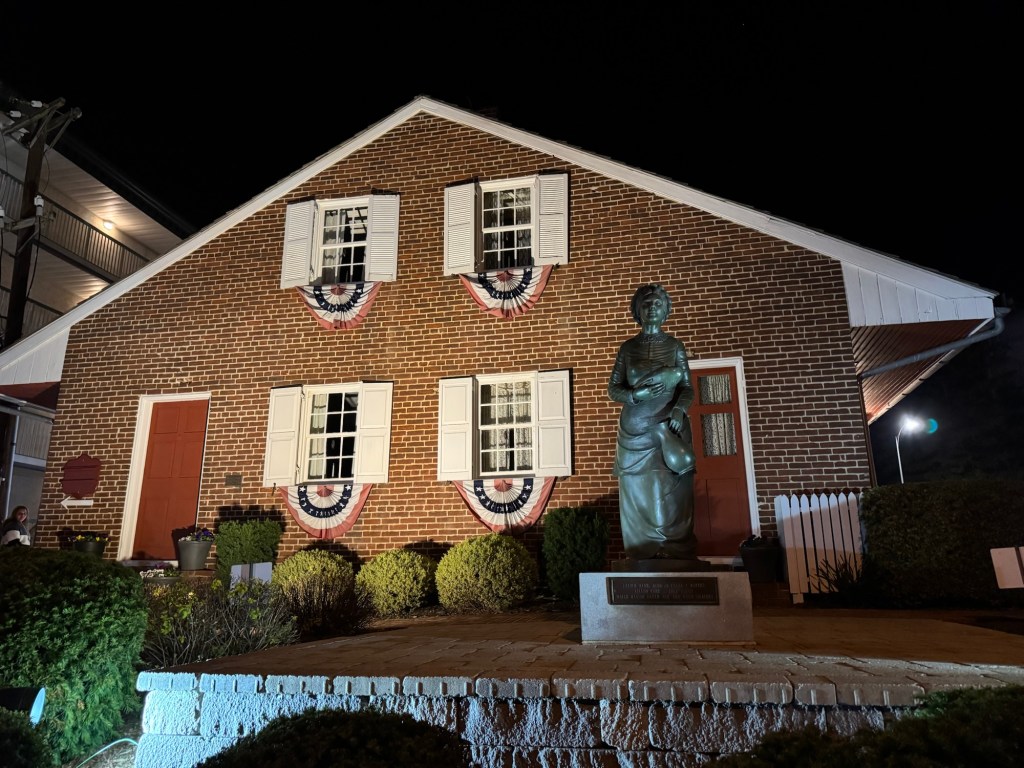
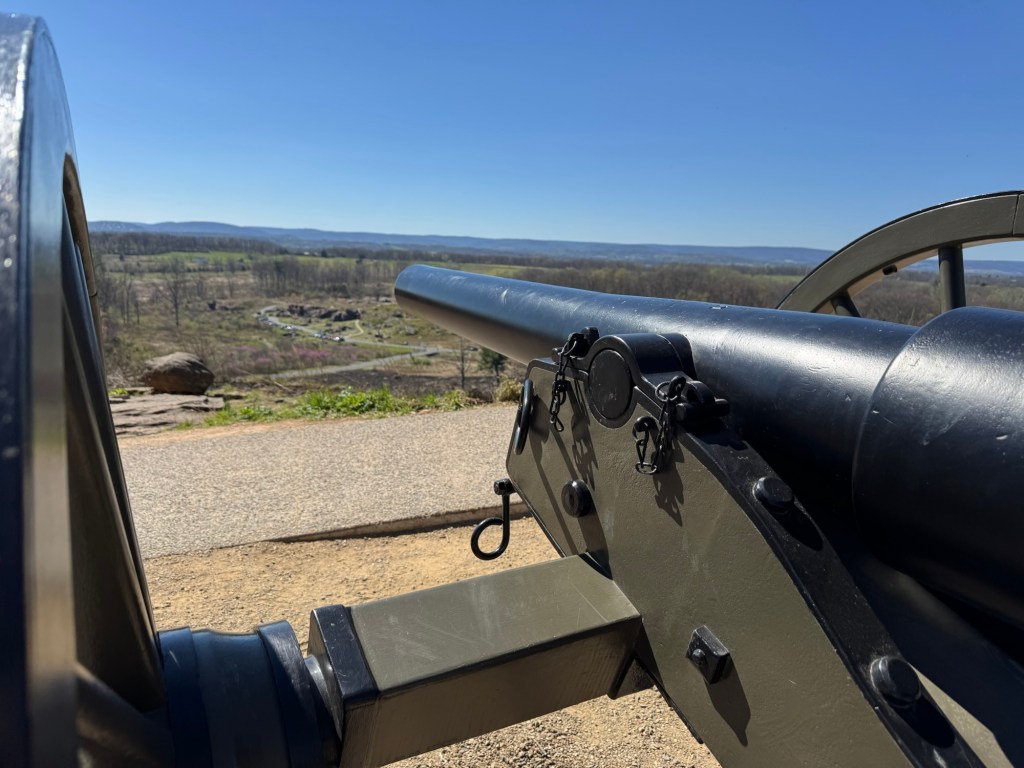
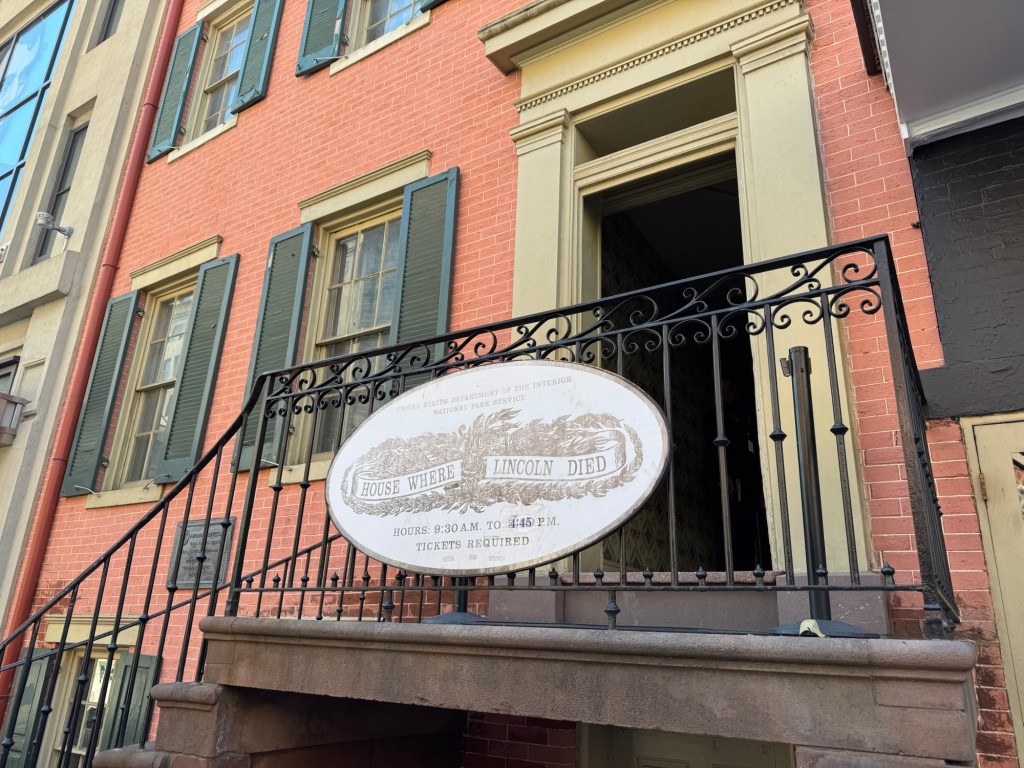
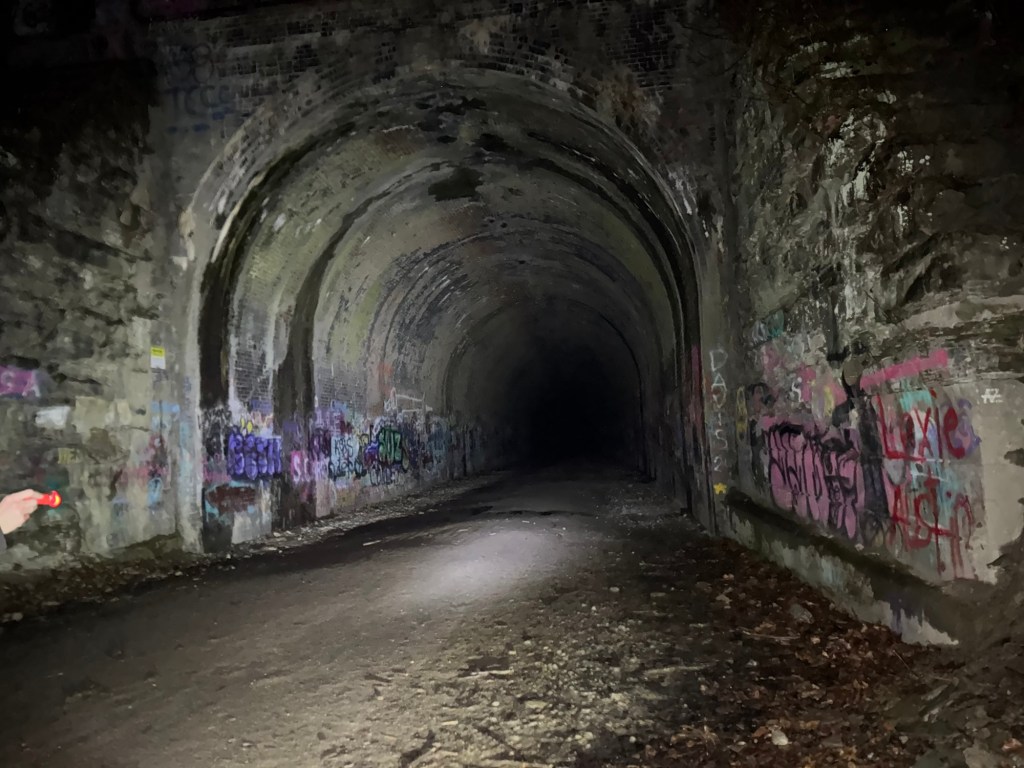
Along the way, I stood in locations where families still report Bigfoot sightings that feel more like lingering ghosts of the Amorites than unknown apes. I explored ayahuasca visions that mirror the biblical spirit realm, walked haunted tunnels like Moonville, investigated Masonic architecture in Washington D.C., and traced how earthly politics are just shadows of the eternal Politics of Heaven described in Psalm 82 and Ephesians 6:12. I’ve seen the same winged entities appear in legends from Solomon’s temple to Cahokia’s Birdman to the thunderbirds of the Plains Indians. The trail even led me to Gettysburg, where I stood in the basement of Jenny Wade’s house, the very spot where her body was laid after she was killed baking bread for Union soldiers on the final day of the battle.

The manuscript is currently around 140,000 words. I’m tightening it to roughly 120,000, right in the sweet spot of books like Fingerprints of the Gods. It’s written for the Ancient Aliens audience, the Book of Enoch community, Joe Rogan listeners hungry for real disclosure, and anyone who feels our current scientific and political frameworks are still in their infancy.
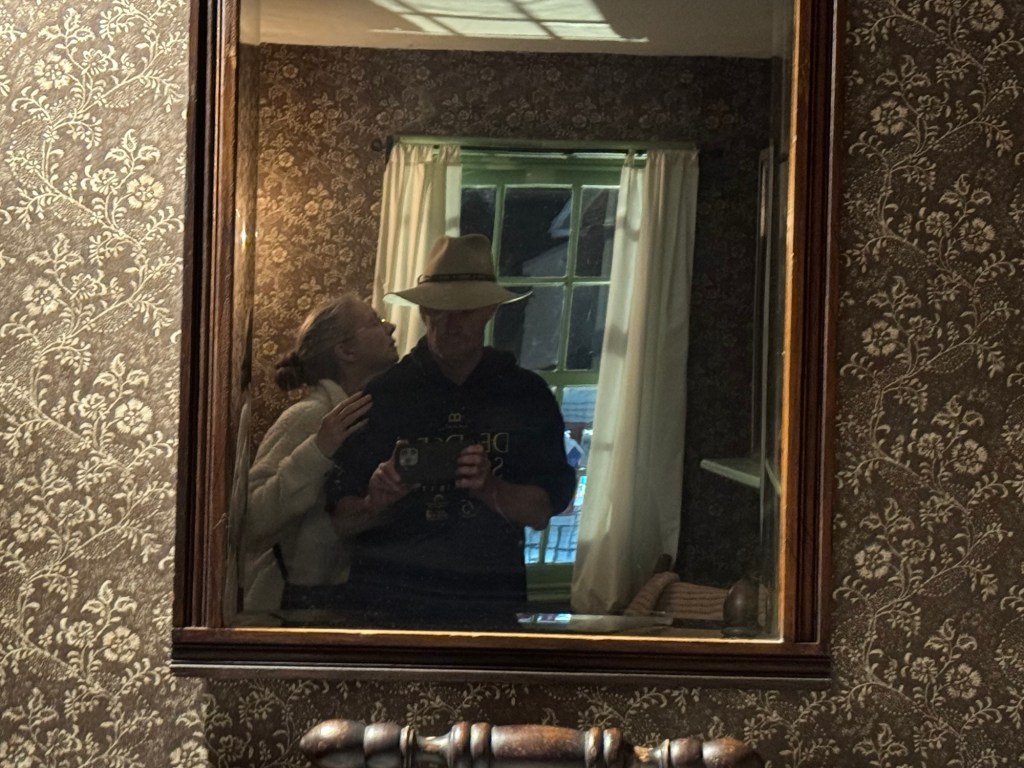
What makes this book different is that it’s not just speculation. It’s a genuine treasure hunt that asks all the same big questions you hear everywhere, but actually delivers a real, graspable discovery. That discovery waits in the basement of Jenny Wade’s house in Gettysburg, and it answers the heartbreaking question at the heart of the entire book: why would King Solomon, with all the power and favor God had given him, throw it all away by sacrificing five grasshoppers to Moloch for one of his wives?
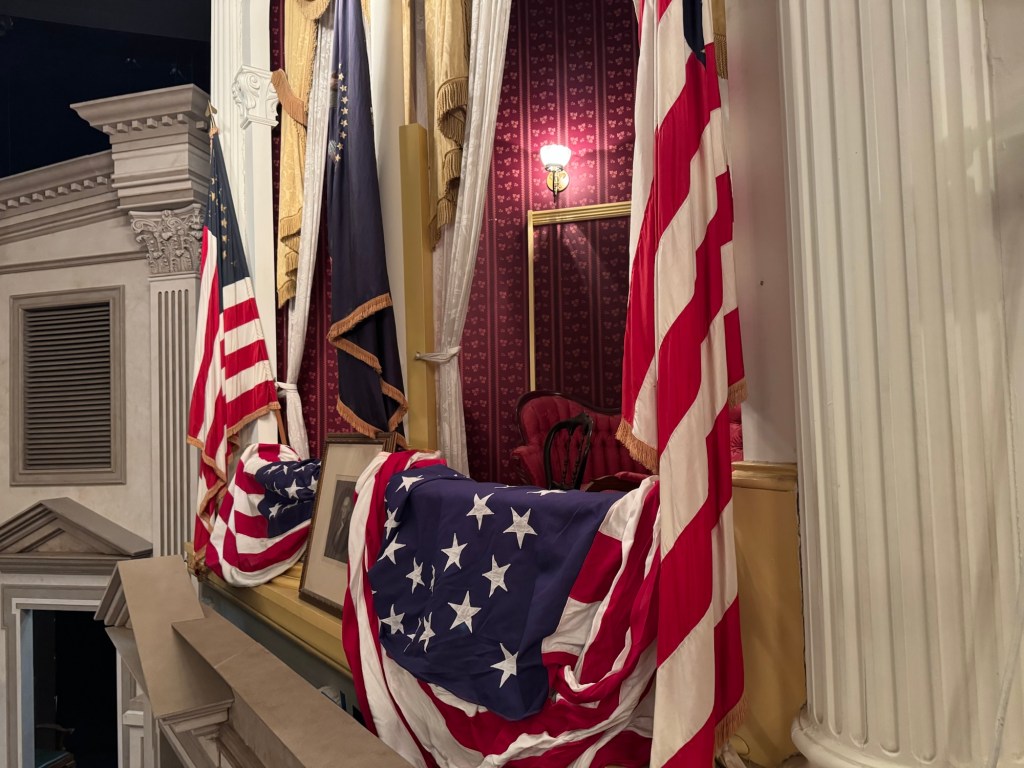
If you’re an agent, publisher, or reader who wants to follow this trail from the mounds of Ohio to the surface of Mars, from Solomon’s temple to the ghosts of Gettysburg, I invite you to stay with me here. The editorial process will run through 2026 and into 2027 as we shape the manuscript for the widest audience possible. Serious inquiries are welcome. Let’s talk about bringing this adventure to the world.
The Politics of Heaven is a work of narrative nonfiction that explores the hidden continuity between ancient religion, political power, and modern institutional behavior. Drawing on biblical texts, apocrypha, archaeology, literature, and personal experience, the book argues that human history is not merely a sequence of events but a recurring moral and metaphysical struggle—one in which societies repeatedly attempt to manage fear, judgment, and mortality through ritual, authority, and suppression of memory.
Beginning with the biblical concept of the Divine Council and the rebellion narratives surrounding the Watchers, Nephilim, and the fall of Eden, the book traces a recurring pattern: civilizations rise by appealing to transcendent meaning, consolidate power through symbols and institutions, and ultimately resist accountability by controlling historical inquiry. Ancient blood sacrifice, temple cults, and mystery religions are examined not as primitive superstition, but as early political technologies—efforts to appease unseen forces and impose order on chaos. Against this background, the emergence of biblical law and Christianity is presented as a radical departure: a moral system oriented toward restraint, accountability, and the limitation of both earthly and spiritual tyranny.
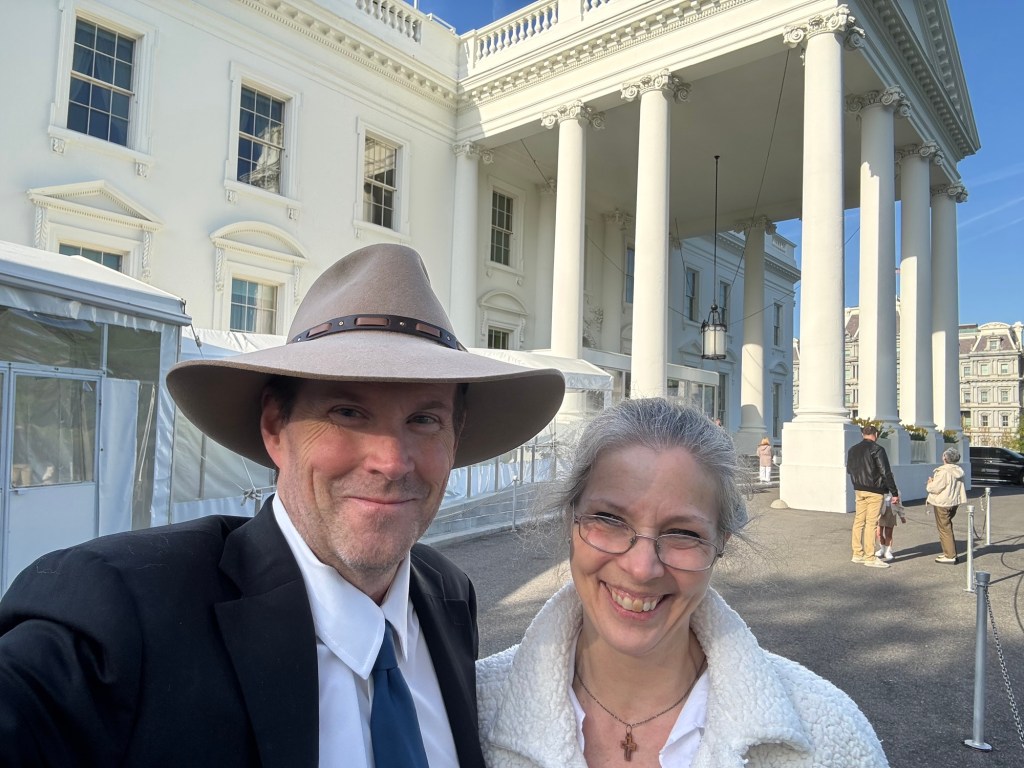
The narrative moves fluidly across time and geography—from the Dead Sea Scrolls and the Essenes of Qumran, to Jerusalem’s Temple Mount, to North American mound cultures, to modern Washington, D.C.—arguing that power consistently seeks to anchor itself in sacred space while resisting archaeological or historical disruption. The book examines why certain questions remain perpetually off‑limits, why specific sites are protected from excavation, and how institutions—religious, academic, and political—often function as mechanisms of preservation rather than discovery.
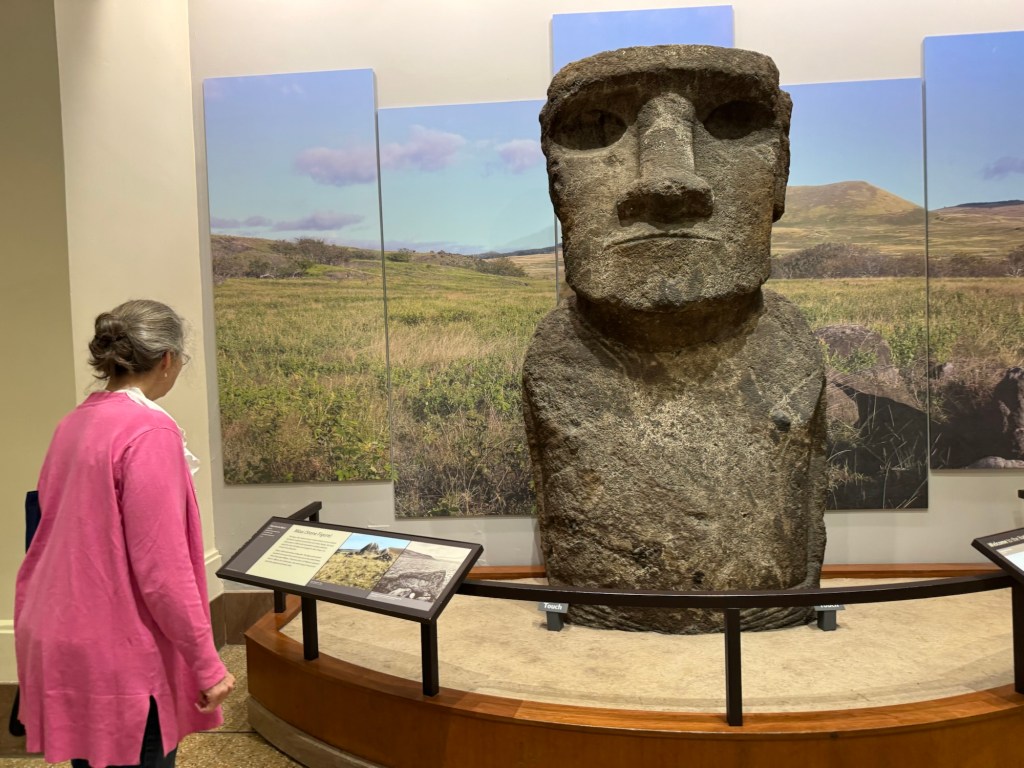
Interwoven throughout the historical analysis is a personal dimension. Drawing on decades of experience in politics, business leadership, legal proceedings, and investigative work, the author reflects on how patterns of fear, institutional inertia, celebrity, and moral evasion play out in contemporary society exactly as they did in the ancient world. These lived observations ground the book’s broader metaphysical claims in concrete human behavior rather than abstraction.
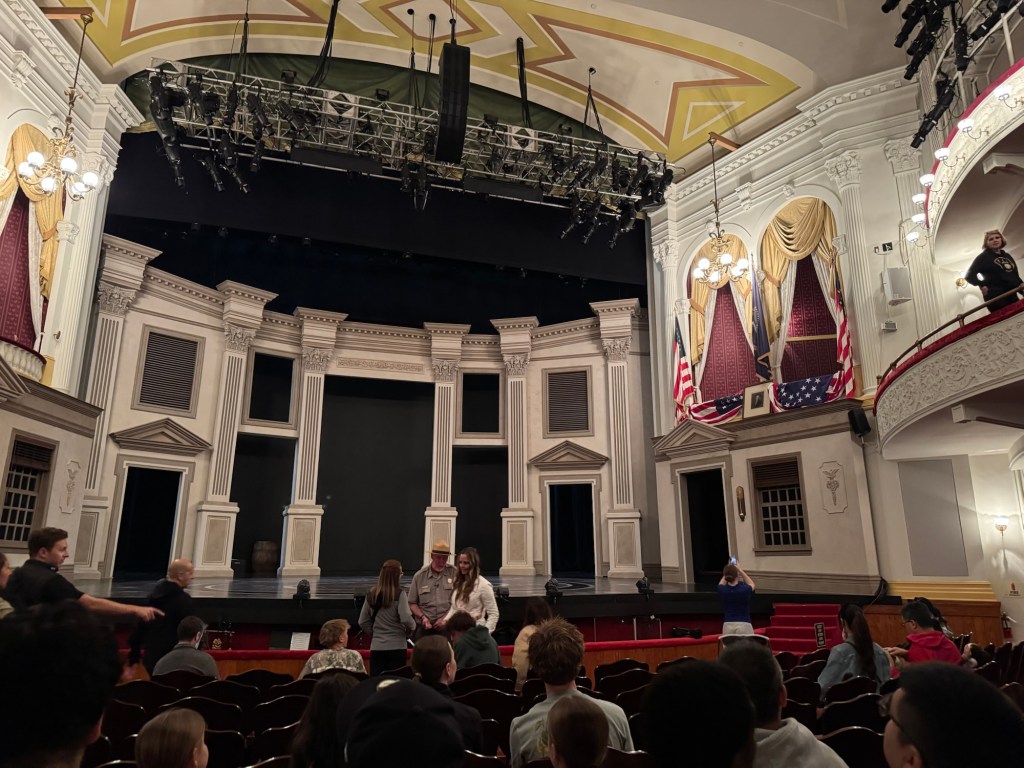
The final movement of the book addresses modern phenomena—celebrity culture, mass entertainment, ideological movements, and political polarization—as contemporary expressions of the same ancient impulses toward ritual appeasement and collective surrender. Rather than framing history as progress or decline, The Politics of Heaven presents it as cyclical: a repeated struggle between rebellion and responsibility, concealment and revelation.
The book concludes by turning away from elites and institutions to focus on those caught within history’s turning points—ordinary people swept into moments of irreversible change. Through this lens, the work leaves readers not with accusation, but with moral responsibility: history does not merely happen to humanity; it is made through the choices humanity repeatedly makes when confronted with truth, fear, and power.
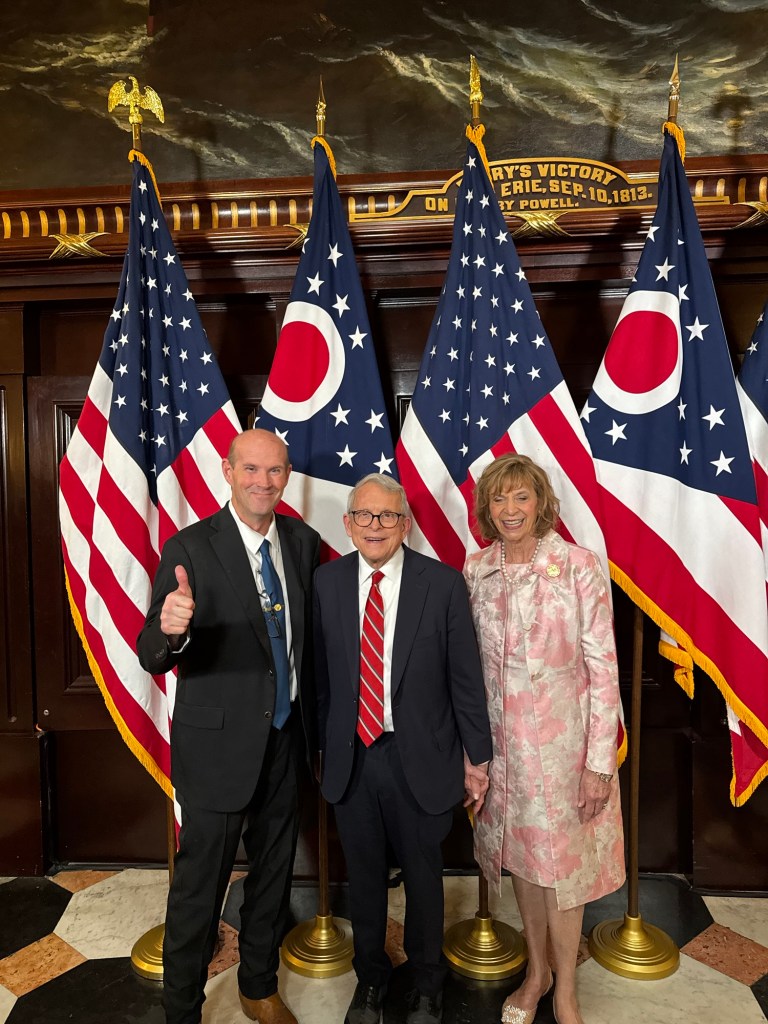
The Politics of Heaven is an ambitious work of narrative nonfiction that examines the unseen forces shaping human history—not as conspiracy, but as recurring patterns of power, belief, and moral struggle.
Moving from ancient scripture and archaeology to modern political and cultural life, Rich Hoffman argues that civilizations have always understood history as more than material cause and effect. From the Divine Council of the Hebrew Bible and the apocryphal books of the Second Temple period, to the rise of Christianity, the suppression of archaeological inquiry, and the symbolic architecture of modern capitals, societies have consistently acted as if history carries judgment—and as if managing that judgment requires ritual, authority, and control of memory.
Drawing on the Dead Sea Scrolls, biblical law, world mythology, and firsthand experience inside political and institutional systems, Hoffman explores why certain truths endure, why others are buried, and why the same conflicts resurface across cultures and eras. Ancient practices of sacrifice and appeasement are examined alongside contemporary forms of celebrity worship, institutional conformity, and collective anxiety, revealing a persistent human tendency to trade moral responsibility for reassurance.
Part intellectual history, part cultural analysis, and part personal reflection, The Politics of Heaven challenges the conventional separation between religion, politics, and history. It argues that the struggle for meaning and authority has always unfolded on two stages at once: the visible world of human decision‑making and an unseen moral horizon against which those decisions are measured.
The book ultimately asks a simple but unsettling question: if history keeps repeating itself, is it because humanity has not changed—or because it keeps refusing to look at what it already knows?
In an age marked by institutional distrust, historical revision, and ideological polarization, readers are increasingly aware that something fundamental feels unresolved beneath public debate. Questions about identity, authority, and morality no longer align neatly with political categories; they instead point toward deeper conflicts over meaning, legitimacy, and memory. At the same time, archaeology, textual scholarship, and the rediscovery of suppressed or neglected sources—from the Dead Sea Scrolls to renewed interest in apocryphal literature—have destabilized long‑standing narratives about origins and authority. The Politics of Heaven engages this moment by asking why societies resist examining their foundations precisely when trust in institutions is at its lowest.
Simultaneously, modern culture has revived ancient dynamics without recognizing them as such. Celebrity worship, mass spectacle, ideological movements, and ritualized outrage increasingly resemble older forms of appeasement and collective surrender rather than rational civic engagement. History is treated as a political instrument rather than a source of insight, while responsibility is deferred in favor of identity, grievance, or institutional insulation. The Politics of Heaven speaks to this moment by reframing current crises not as unprecedented, but as familiar—part of a recurring historical cycle in which power fears accountability and rebellion arises to restore moral orientation. The book arrives at a time when readers are actively seeking frameworks that explain not just what is happening, but why it feels as though civilization is circling arguments it has already had, and lessons it has already learned.
Why Now?
The Politics of Heaven arrives at a unique convergence point—culturally, technologically, and theologically—when long-suppressed questions about reality, power, and non‑human intelligence are moving from the fringes into the mainstream.
For decades, the trajectory has been gradual: declassified documents, whistleblowers, alternative biblical scholarship, scattered archaeological discoveries, and online communities quietly piecing together a larger story. What was once dismissed as fringe has now reached a tipping point of public legitimacy. We are no longer asking if disclosure is happening, but how it will be interpreted.
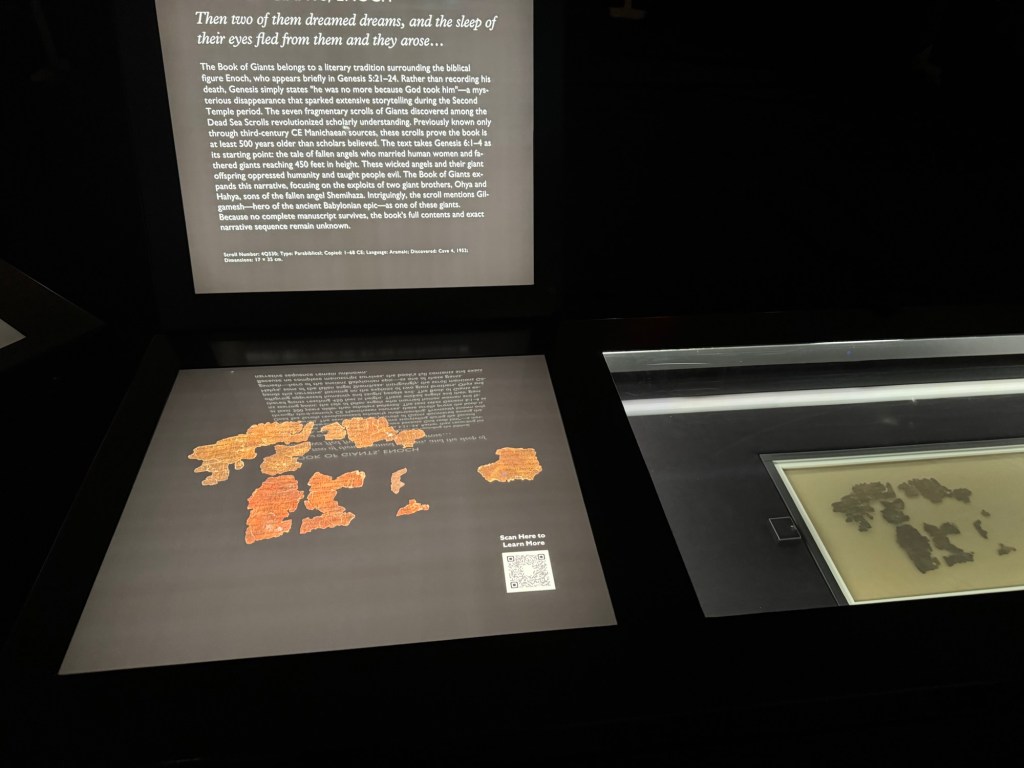
Today, the Book of Enoch—long excluded from the biblical canon yet preserved through the Dead Sea Scrolls and Ethiopian tradition—is one of the most discussed ancient texts online. Millions are encountering it for the first time, not through academic channels, but through podcasts, documentaries, social platforms, and popular culture. Its themes—Watchers, forbidden knowledge, cosmic rebellion, judgment, and restoration—are suddenly colliding with modern conversations about UFOs, non‑human intelligence, and disclosure.
At the same time, official rhetoric has changed. Public statements by U.S. leaders, congressional hearings, and defense acknowledgments regarding unexplained aerial phenomena have normalized the idea that reality may be more complex than previously admitted. What was once taboo is now discussed openly in mainstream media.
Culturally, we are on the verge of another inflection point. Steven Spielberg’s upcoming 2026 film—widely expected to revisit the disclosure theme that Close Encounters of the Third Kind ignited in the 1970s—will bring the question of non‑human intelligence back into the cultural center. As it did nearly fifty years ago, cinema will once again shape public imagination, accelerating curiosity and debate across generations.
But history shows that moments of revelation often create confusion before understanding.
This is where The Politics of Heaven becomes essential.
This book does not chase headlines or speculate about technology. Instead, it provides a decoding framework—placing modern disclosure narratives within an ancient, historical, and spiritual context that humanity has encountered before. It argues that what we are witnessing is not merely a technological revelation, but a political and metaphysical one: a struggle over authority, sovereignty, truth, and allegiance that has echoed from the earliest texts of civilization to the present day.
In other words, this is not just the year of disclosure.
It is the year people will be searching—desperately—for meaning.
The Politics of Heaven answers that need by connecting ancient knowledge to modern power dynamics, showing how theology, history, and politics converge at moments when the veil is lifted. It is written for a world that is finally ready to ask the question it has avoided for centuries—not just what is out there, but who governs reality, and by what authority.
That is why this book—now.
Rich Hoffman
More about me
Click Here to Protect Yourself with Second Call Defense https://www.secondcalldefense.org/?affiliate=20707
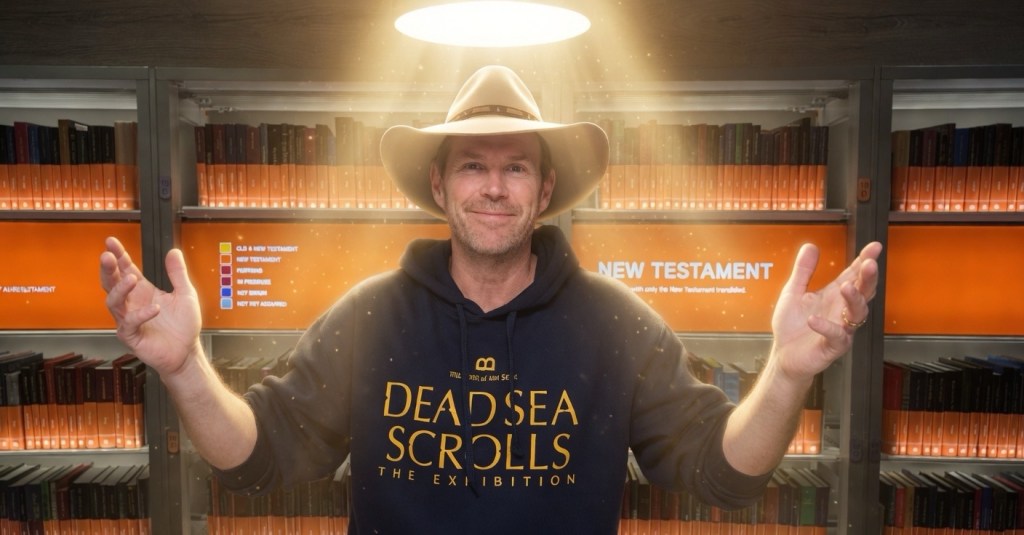
About the Author: Rich Hoffman
Rich Hoffman is an aerospace executive, political strategist, systems thinker, and independent researcher of ancient history, the paranormal, and the Dead Sea Scrolls tradition. His life in high‑stakes manufacturing, high‑level politics, and cross‑functional crisis management gives him a field‑tested understanding of power — both human and unseen.
He has advised candidates, executives, and public leaders, while conducting deep, hands‑on exploration of archaeological and supernatural hotspots across the world.
Hoffman writes with the credibility of a problem-solver, the curiosity of an archaeologist, and the courage of a frontline witness who has gone to very scary places and reported what lurked there. Hoffman has authored books including The Symposium of Justice, The Gunfighter’s Guide to Business, and Tail of the Dragon, often exploring themes of freedom, individual will, and societal structures through a lens influenced by philosophy (e.g., Nietzschean overman concepts) and current events.

